Category:

health

It might seem funny when you hear people saying the excess calories they’re eating go straight to their tummy and thighs. However, it is surprising that there is some truth to that. The tummy and thigh are just two of the places where excess fats can be stored.

Your body tends to store fat calories to keep you safe and alive. The goal is to learn how to rid ourselves of the extra fat (cara membakar lemak).

You hear a lot of supposed strategies that can help burn fat (cara membakar lemak), such as working in the burning fat zone, reducing spots, and taking foods and supplements designed to achieve said objective.

Fat-Burning Basics

When you try to lose weight, understanding how your body uses fuel calories will affect your approach to weight loss programs. Most people want to use fat for meaningful energy. The more fat you can use as fuel, the less fat will be stored in your body. However, using more fat doesn’t always mean you’ll lose all the fats automatically.

The best method to burn fat begins with some fundamental knowledge on how your body gets its energy:

  • Fat and carbohydrates are mainly used by the body for fuel. During exercise, a small amount of protein is used for repairing muscles after exercise.

  • The ratio of these fuels can differ according to the type of activities you do.

  • In activities of greater intensity such as fast-moving running, the body relies more on carbohydrates than on fat. This is because the metabolic routes available to decompose carbon in energy are more effective than the pathways available to decompose fat.

  • Fat is used more for energy than carbohydrates for long, slower workouts.

  • It doesn’t matter what type of fuel you use when it comes to weight loss. What counts is how many calories you eat, rather than how many calories you consume.

This is a very simplified analysis of energy with a strong message. As far as weight loss is concerned, it is important to burn more calories, not necessarily to use more energy fat.

The harder you work, the more calories you will burn. Think of it that way—you’re in your prime fat-burning mode when you sit and sleep. But you probably never considered sleeping more to lose weight. The bottom line is, just because you use more fat as energy does not mean that you burn more calories.

The good news is that the fat-burning mode does not always equate to doing strenuous workouts. Even incorporating walking for a short period can already go a long way towards burning the excess fat.

Conclusion

If you want to really lose weight in a healthy and safe manner, never try to do any shortcuts. In most cases, they can prove counterintuitive and can be very dangerous or detrimental to one’s health, especially if the body is stripped of its needed nutrients.

0 comments
0 FacebookTwitterPinterestEmail

Many people who diet eventually learn the frustrating truth that cutting calories tends to, in fact, lead to weight gain. This is especially aggravating when you have already cut down on carbs and sweets but still can’t fit into those jeans.

Now, what do you do when dieting just does not work for fat loss? One of the most popular methods today to eliminate stubborn fat bulges is a fat freezing method called CoolSculpting.

What Is CoolSculpting?

This FDA-cleared procedure to fat freeze is comfortable for most patients, doesn’t require surgery which means zero to minimal downtime, and it is done in a clinic by an aesthetic doctor under close supervision.

CoolSculpting taps into controlled cooling to freeze visceral belly fat, fat on the flanks (also called “muffin tops” or “love handles”), inner and outer thighs (sometimes referred to as “saddlebags”), and the upper arms. CoolSculpting can also minimize the size of double chins.

How Does CoolSculpting Work

Each treatment lasts approximately 30 to 45 minutes, although your actual time in the aesthetic clinic may be longer than an hour because your attendant will need to prep your body for the procedure. Specific fat bulges will then be identified and targeted by your aesthetic doctor. The fat will then be gently pulled into cooling panels and heat is then removed from the cells. This causes the fat cells to shrivel and die over a period of a few weeks. Most patients begin to see results in three weeks, but it may take up to two months to see the complete effects of the procedure.

Side Effects of CoolSculpting

CoolSculpting is non-invasive so it is not painful, but some patients have reported minor discomfort from the fat freezing sensation. There are some rare side effects that your doctor will discuss with you before beginning treatment. After the treatment is done, you can resume your normal activities, including work or exercise. You may experience some bruising or soreness in the area, but it generally resolves within a week or two.

Cost of CoolSculpting

The cost of CoolSculpting depends on the number of area(s) that need to be treated, the size of each area, and the number of treatments required. A single treatment for a single area may cost $500 to $800. But multiple treatments are generally required. And if you are treating the arms or the legs, each arm or leg may be charged separately.

Effectiveness of CoolSculpting

So, are these fat freezing procedures worth it? Part of the answer depends on your expectations. CoolSculpting is not an effective weight-loss solution and isn’t ideal for people who are obese. But clinical studies have shown the method is effective at reducing fat in trouble spots that are resistant to diet and exercise.

While CoolSculpting can be effective for permanently reducing fat in certain targeted areas, the results will not be as dramatic as fat loss from a surgical procedure such as liposuction. To know if CoolSculpting is right for you, consult with your aesthetic doctor.

What to Expect After Coolsculpting

Because the body requires some time to eliminate the dead fat cells, results from CoolSculpting are not seen immediately. Rather, a lot of patients will notice results in as little as one month. Usually, the final results are seen about three months after the procedure.

Patients can expect up to 25 per cent fat loss in the treated area. To reach your sculpting goals, you may choose to have multiple treatments in different areas on your body to eliminate the frustrating stubborn fat you have been dealing with. Moreover, bear in mind that the number of procedures needed to meet your goals varies due to your metabolic rate and initial physique.

0 comments
0 FacebookTwitterPinterestEmail

The shoulder has a vast and versatile range of motion. That being said, when you have problems with your shoulder like frozen shoulder, your ability to move freely can be hampered. Not only that, you are also likely to experience a great deal of discomfort and pain.

The shoulder is a ball-and-socket joint and it has 3 main components: the long arm bone (humerus), collar bone (clavicle), and the shoulder blade (scapula). The bones are cushioned by a layer of cartilage. The rotator cuff provides the shoulder its range of motion.

Four tendons make up the rotator cuff. If the tendons or bones around the rotator cuff are swollen or damaged, it can become difficult and painful to lift the arm over the head. The shoulder can get injured when playing sports, doing repetitive movements, or performing manual labor.

Certain conditions may also cause severe pain that will cause you to seek shoulder pain treatment. Diseases of the heart, liver, and cervical spine may also cause shoulder pain. However, in similar scenarios, the underlying condition needs to be treated, otherwise the shoulder pain will just continue.

What are some of the common causes of shoulder pain?

Several conditions and factors can cause shoulder pain. The most common cause of shoulder pain is rotator cuff tendinitis. This condition is characterised by the swelling of the tendons.

Yet another cause of shoulder pain is impingement syndrome. This occurs when the rotator cuff gets caught between the humeral head and the acromium.

In some cases, shoulder pain can sometimes occur as a result of an injury sustained in another part of the body, usually the biceps or neck. This is what is commonly known as referred pain. Generally, referred pain does not get worse when the shoulder is moved.

Shoulder pain can also be attributed to other causes including:

  • Torn cartilage

  • Arthritis

  • Pinched nerve (in the shoulder or neck)

  • Torn rotator cuff

  • Swollen tendons or bursa sacs

  • Dislocated shoulder

  • Spinal cord injury

  • Heart attack

  • Injury secondary to repetitive use or overuse

  • Bone spurs

  • Broken arm bone or shoulder

How is the cause of shoulder pain diagnosed?

In order to provide the best treatment option for your case, your doctor will need to find the cause of your shoulder pain. In line with this, they’ll look into your medical history. They will also perform a physical exam.

During the physical examination, they will look for swelling and tenderness. They will also carefully assess your joint stability and range of motion. To help with the diagnosis, imaging tests like MRI and X-ray may also be requested.

To help them accurately determine the cause, doctors may also ask the following questions:

  • Is the pain felt in just one shoulder or in both?

  • Does the pain travel to other parts of the body?

  • Was the onset of the pain sudden? If so, what were you doing prior?

  • Does it hurt when you don’t move?

  • Does it hurt when you move a specific way?

  • Is the pain dull or sharp?

  • Is the painful area swollen, hot, or red?

  • Does the pain keep you up at night?

  • What makes the pain worse?

  • What makes the pain better?

When is seeking medical help recommended?

If the shoulder pain is accompanied by fever, lasting bruising, tenderness or heat around the joint, and inability to move the shoulder, getting medical help is advised.

If the shoulder pain is sudden and not secondary to any injury, seeking immediate medical help is recommended as the pain can be a sign of a heart attack.

A visit to the emergency room is also required if you injured your shoulder and it is swelling or bleeding and you can see exposed tissue.

0 comments
0 FacebookTwitterPinterestEmail

The harsh or hoarse sound created when air flows beyond the relaxed tissues in the throat is called snoring. Almost everyone snores every now and then. However, for others, snoring has become a chronic problem and finding a way how to treat snoring is warranted.

In mild cases, once patients find a way how to stop snoring, the condition can stop. In severe cases however, further evaluation is needed as the snoring can be an indicator of more serious health conditions.

Possible Causes

Snoring can be attributed to several factors like allergies, cold, alcohol consumption, weight, and the anatomy of the individual’s mouth and sinuses, among others.

When a person’s sleep progresses from light to deep, the soft palate (muscles found in the roof the mouth), throat, and the tongue relaxes. When the throat tissues are relaxed enough, the airway is blocked and it vibrates.

The more narrowed the airway is, the more forceful the airflow will be. As the vibration of the tissues increases, the snoring also grows louder.

The following are some of the key factors that can affect the airways and can result to snoring:

  • The anatomy of the mouth

As mentioned earlier, having a thick and low soft palate can narrow down the airway. People who are overweight or obese may also have extra tissues in the back of their throats that can cause narrowing of the airway. Likewise, if the uvula (the triangular tissue that hangs from the soft palate) is elongated, the airflow can become obstructed and vibration can increase.

  • Nasal problems

A deviated nasal septum (crooked partition between the nostrils) or chronic nasal congestion may also cause or contribute to snoring.

  • Alcohol consumption

Snoring can also occur when too much alcohol is consumed before bedtime. Alcohol can relax the throat muscles and decrease the person’s natural defences against obstruction of the airway.

  • Sleep position

Snoring can become more frequent and loud when one sleeps on their back as gravity’s effect on the throat can narrow down the airway.

  • Sleep deprivation

Not getting ample sleep may also result in throat relaxation and eventual snoring.

Common Symptoms

In many cases, snoring is linked with a sleep disorder known as obstructive sleep apnea (OSA). However, not everyone who snores are suffering from obstructive sleep apnea. If the following symptoms occur with snoring, it would be a good idea to visit your doctor for further evaluation.

  • Breathing pauses during sleep

  • Excessive sleepiness during daytime

  • Morning headaches

  • Sore throat upon waking up

  • Hypertension

  • Chest pain during the night

  • Choking or gasping at night

  • Snoring that’s loud enough to disrupt one’s bed partner

Obstructive sleep apnea is typically characterised by loud snoring followed by periods of silence when breathing stops. The pause or reduction in breathing may signal patients to wake up and most awaken with a gasping sound or loud snort.

Patients with obstructive sleep apnea may also often experience disrupted sleep. The pattern of breathing pauses can also occur several times during the night. In addition, some studies show that those with obstructive sleep apnea experience breathing slows and stops at least 5 times every hour.

0 comments
0 FacebookTwitterPinterestEmail

Those who are suffering from chronic back pain and other related symptoms can attest how disruptive and debilitating the condition can be. Many of those who have back pain report they can think of little else except for finding relief for the pain.

Fortunately, nowadays, you can always rely on your chiropractor to provide effective and lasting relief for back pain. One of the primary treatment options chiropractors use to treat back pain is nonsurgical spinal decompression therapy.

Nonsurgical Spinal Decompression Therapy

The spinal column has 23 vertebral disks. These jelly-like cushions are situated between the bones in the spine. During nonsurgical decompression therapy, the spine is gently stretched. The vertebral disks are also pulled apart.

Nonsurgical spinal decompression is a type of motorised traction that can help relieve back pain. It works by gently stretching the spine. The gentle stretching can change the position and force of the spine.

The change will create negative pressure in the spinal disks and take the pressure off of it. As a result, herniated or bulging disks may retract and take pressure off the nerves and other structures in the spine. This also helps promote the movement of oxygen, water, and nutrient-rich fluids into the disks to help them heal.

Nonsurgical spinal decompression therapy is used to treat the following:

  • Neck pain

  • Back pain

  • Sciatica (tingling, pain, and weakness that extends down the leg)

  • Herniated or bulging disks

  • Degenerative disk disease

  • Posterior facet syndrome (worn spinal joints)

  • Diseased or injured spinal nerve roots

  • Pinched or compressed nerves

How Nonsurgical Spinal Decompression is Done

The doctor will fit the patient with a harness around the pelvis and another one on the trunk. Patient will lie face up or face down on a computer-controlled table. The doctor will operate the computer and tailor the treatment to the specific needs of the patient.

Nonsurgical spinal decompression therapy can last from 30 to 45 minutes. Typically, 20 to 28 treatments spread over 5 to 7 weeks is needed. However, your doctor will determine the duration of the treatment depending on the severity of the injury.

Many patients who have tried the procedure reported it was a very relaxing experience.  Some patients even report falling asleep during the procedure.

Depending on the extent of the injury, other treatment alternatives may be recommended to complement the treatment and facilitate the healing process. For instance:

  • Ultrasound (using sound waves to generate heat and promote healing)

  • Electrical stimulation

  • Cold or heat therapy

  • Exercises (may also be recommended to help increase mobility and flexibility and strengthen injured areas)

While considered very effective, nonsurgical spinal decompression therapy is not considered the ideal treatment option for everyone. Check with your doctor if you are a good candidate for the treatment.

For starters, nonsurgical spinal decompression therapy is not ideal for pregnant women. People with the following conditions are also not advised to have nonsurgical decompression therapy:

  • Tumor

  • Abdominal aortic aneurysm

  • Fracture

  • Advanced osteoporosis

  • Metal implants in the spine

0 comments
0 FacebookTwitterPinterestEmail

Spinal stenosis occurs when the small spinal canal containing the spinal cord and the nerve roots becomes compressed. The compression can cause “pinching” of the nerve roots and the spinal cord and can result in cramping, weakness, numbness, and pain. Depending on the location of the narrowing, symptoms can be felt in the legs, lower back, shoulders, arms, or neck.

Typically, the narrowing can be attributed to “wear and tear” arthritis or osteoarthritis. Other likely reasons include bulging of the discs that separate the vertebrae and thickening of the ligaments found in the back. Symptoms of the condition often starts gradually but typically worsens overtime.

Who are at risk?

Spinal stenosis can affect both genders and is observed to be common among those aged between 50 and 70. However, the condition can also occur in young people who have experienced spine injury or who are born with a narrow spinal canal.

For people born with a small spinal canal, the condition is called “congenital stenosis.” For spinal narrowing secondary to age-related changes, the condition is called “acquired spinal stenosis.”

Spinal stenosis can also be attributed to certain medical conditions such as bony spurs, osteoarthritis, spinal tumours, ankylosing spondylitis, and Paget’s disease.

What are some of the common symptoms?

Some of the common symptoms of spinal stenosis include:

  • Weakness, numbness, cramping, and pain in the feet, thighs, or legs

  • Abnormal bladder or bowel function

  • Pain that travels down the leg

  • Loss of sexual function

  • Partial or complete leg paralysis (severe cases)

How is the condition diagnosed?

To diagnose and determine the seriousness of the condition, certain test might be recommended, including:

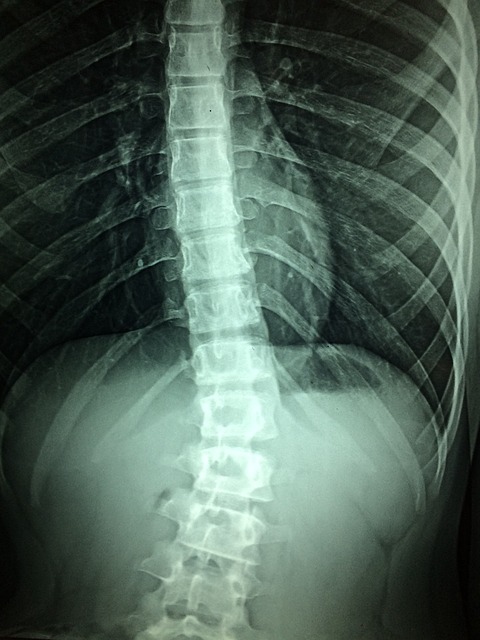
  • X-ray of the spine – done to check for bone spurs, osteoarthritis, or narrowing of the spinal canal.

  • Computed tomography (CT) scan – can take detailed images of the back as well as the spinal canal.

  • Electromyogram (EMG) – done to check the condition of the nerves going to the legs.

  • Magnetic resonance imaging (MRI) scan – can take pictures of the nerves as well as the spinal cord.

  • Blood tests, X-rays of the knees and hips, as well as circulation in the legs to rule out other possible conditions with similar symptoms.

What are some of the treatment options available?

In most cases, conservative treatment is the first option considered. However, in cases where the pain is disabling and severe, surgery might be recommended.

Nonsurgical treatment options

  • Non-surgical spinal decompression therapy – NSSD is considered one of the most effective treatment options for people with spinal stenosis. Computerised and modern machines can help target the areas of the spine and can decompress them to relieve any pressure on the nerves. This treatment option is also considered more potent when combined with other conservative treatment approaches.

  • Chiropractic – specific spinal manipulation where manual or instrument-assisted techniques are used work by helping the joints return to their normal motion range. Good motion has also been known to help reduce pain, minimise muscle spasms and tightness, and improve one’s overall health. Motion can also help the formation of scar tissue that leads to stiffness is minimised.

Surgical treatment options

Surgery for spinal stenosis may involve removing bony overgrowths so pressure and pinching of the spinal nerves is relieved.

  • Spinal fusion – for those with spinal instability or slippage, two or more vertebrae may be fused together permanently using screws to give the spine more stability.

  • Surgical spinal decompression (laminectomy) – in laminectomy, the lamina or the back portion of the vertebra is removed so the nerves and the spinal cord are exposed. Thickened ligaments and bone spurs are also removed.

0 comments
0 FacebookTwitterPinterestEmail

Neuropathy (sometimes referred to as peripheral neuropathy) is a term used to refer to a range of health problems that involves damage to the peripheral nerves. While severe damage to the nerves is often irreversible, steps can be taken to prevent neuropathy or manage the condition through lifestyle, diet, and neuropathy treatment.

Symptoms

Generally, neuropathy symptoms will depend on the individual as well as the underlying cause. Typically however, symptoms can include:

  • Constant or intermittent numbness

  • Prickling, burning, or tingling sensations

  • Pain

  • Muscle weakness or atrophy (shrinking)

  • Impairment to urination as well as sexual function

  • Dysfunction in the glands or organs

  • Paralysis of limbs in more severe cases

To understand how neuropathy affects the body, it is important to remember that the nervous system is divided into two parts: the central nervous system (the spinal cord as well as the brain) and the peripheral nervous system (transmits messages to/from the central nervous system and the rest of the body).

The peripheral nervous system is also divided into somatic or voluntary nervous system (controls functions one can consciously control like moving the limbs, etc.) and autonomic or involuntary nervous system (regulates processes one does not have any control over like breathing, digestion, and heartbeat.

Disruption or damage to the voluntary or involuntary peripheral nerves can cause neuropathy. Motor and sensory nerves can also be affected.

Risk Factors

In the United States alone, an estimated 20 million people suffer from some form of neuropathy. Risk factors associated with the condition include, diabetes, chemotherapy, compressed nerves from spinal conditions, alcohol abuse, autoimmune conditions, and prolonged medication use for cholesterol or high blood pressure.

The most prevalent type of neuropathy is diabetic peripheral neuropathy. Diabetic peripheral neuropathy accounts for as much as 60 percent of the total number of people suffering from neuropathy.

When the neuropathy has no known cause, it is referred to as idiopathic peripheral neuropathy.

Other types of neuropathy can be attributed to physical trauma, toxicity, repetitive stress, autoimmune disorders (Sjögren’s syndrome, sarcoidosis, celiac disease, lupus, rheumatoid arthritis, Guillain-Barré syndrome, etc.), metabolic disorders (kidney failure, hypoglycemia, etc.), alcoholism, hereditary disorders, hormonal disorders, and nutrient deficiencies.

Neuropathy and Physiotherapy

Physiotherapy is designed to help restore function and movement to individuals affected by illness, disability, or injury. Providers trained in physiotherapy teach patients exercises and movements and will also educate and provide advice to help facilitate recovery from pain or discomfort.

The primary goals of physiotherapy for patients with neuropathy include improving gait, coordination, and balance as well as maintaining muscle strength. Physiotherapy can also provide an active solution for numbing, balance deficits, joint stiffness, and hypersensitivities.

Physiotherapists can also recommend various body exercises that can help increase the range of motion and strengthen specific muscles. Low impact exercises may also be prescribed so no further damage occurs.

The diagnosis and treatment process begins with determining the cause(s) of the nerve damage. Tests will also be conducted to determine functional levels and the likely amount of nerve damage. Other factors like muscular weakness, motion limitations, and balance impairments will also be taken into account.

From there, a specialised treatment program designed for the patient’s unique needs will be created.

A very useful tool that conservative providers like physiotherapists, chiropractors, and others have found helpful for neuropathy treatment is polychromatic light therapy (PLT). This treatment uses specialised medical grade LEDs to produce reactions in the body that improve blood circulation to peripheral nerves and can decrease symptoms of peripheral neuropathy.

Also patients with peripheral neuropathy have shown positive response to whole body vibration (WBV). This therapy only takes a few minutes each session, but stimulates the body’s nervous system by providing a high amount of fast, vertical stimulation. This also helps with improving circulation and improving balance. Ask your provider if they have PLT and WBV treatment options to help with your peripheral neuropathy symptoms.

0 comments
0 FacebookTwitterPinterestEmail

Anatomy of the Spine

The spine is made of 24 movable bones known as vertebrae. The vertebrae are separated by discs, which act as shock absorbers and prevent the vertebrae from rubbing together.

In the middle of each vertebra is a hollow space known as the spinal canal. The spinal canal contains the spinal cord and nerves, ligaments, and blood vessels. The spinal nerve root canals are surrounded by ligaments and bones.

Spinal Stenosis in a Nutshell

Spinal stenosis is a degenerative condition characterised by the narrowing of the bony canals where the nerves and the spinal cord pass. The condition can develop gradually over time and can also refer to:

  • Narrowing of the spinal and nerve root canals

  • Stiffening and thickening of the ligaments

  • Overgrowth of the bone and bone spurs

  • Enlargement of the facet joints

While common in the lumbar area, stenosis can also develop along any areas of the spine (lumbar, thoracic, and cervical). Typically, every spinal canal narrows down to some degree with age. However, most people don’t experience any symptoms from a small amount of narrowing.

Common Symptoms of Spinal Stenosis

Symptoms of the condition typically develop over time. However, it can also occur as a sudden onset of pain. Patients may feel a sharp and severe pain or dull ache in different areas, depending on which part of the spinal card has narrowed. The pain can come and go or can occur when performing certain activities such as walking.

Possible Causes of Spinal Stenosis

As one gets older, the bones will undergo degenerative changes that are considered part of the ageing process. Such osteoarthritis is considered one of the common causes of spinal stenosis. However, the rate at which these degenerative changes takes place will vary among different people.

Also, as one ages, the cushioning disc between the vertebrae can start to dry out and shrink. There is also a tendency to lose bone mass. At the same time, bone spurs can also develop. With age and due to stress and strain, the facet joints can also get enlarged. The larger the facet joint becomes, the less space there will be available for the spinal nerve. All of these above issues can collectively contribute to onset of spinal stenosis symptoms.

Stenosis may also be the result of other degenerative conditions like spondylosis or spondylolisthesis, dislocation, traumatic injury, and vertebral fracture. The condition can also occur due to systemic conditions affecting the spine like ankylosing spondylitis or rheumatoid arthritis.

Treatment Options for Spinal Stenosis

No medications or treatments can totally cure spinal stenosis. However, non-surgical conservative treatment is the first step to controlling symptoms of the condition for most people. However, in some cases when there is severe and disabling pain or difficulty walking, surgery may be recommended.

Nonsurgical Treatment Options

Some of the best conservative treatment options for spinal stenosis include:

Spinal decompression therapy

Non-surgical spinal decompression (NSSD), or spinal decompression therapy, is a very effective treatment option for patients with spinal stenosis. Modern, computerised machines may help to target areas of the spine which are being compressed by slipped discs and other swollen tissues and slowly decompress them to relieve pressure on nearby nerves. This treatment is especially effective when combined with other conservative treatment approaches.

Chiropractic

Specific spinal manipulation is a treatment option where manual or instrument-assisted techniques are applied to the spine in order to return the joints to their normal range of motion. Good motion can help remove muscle tightness or spasms, reduce pain, improve the function of the nervous system as well as overall health. Motion also minimises the formation of scar tissue which leads to stiffness.

Physical Therapy

Physical therapists can recommend proper lifting, walking, and posture techniques. They’ll also encourage patients to stretch and increase the flexibility of the spine and legs.

Surgical Treatments

Surgery for spinal stenosis can involve removal of the bony overgrowth to relieve pressure as well as the pinching of the spinal nerves.

Surgical spinal decompression (Laminectomy)

In a laminectomy, the back portion of the vertebra (lamina) is removed to expose the nerves and spinal cord. Bone spurs and thickened ligaments are also removed. Overgrown facet joints situated directly over the nerve roots may be trimmed to provide more room for the spinal nerves.

Spinal Fusion

For patients with slippage or spinal instability, two or more vertebrae may be joined permanently together with screws to give the spine more stability. This procedure may often done at the same time as a laminectomy. This may protect the segment which has been damaged; however, may contribute to increased stiffness and affect other segments later on.

0 comments
0 FacebookTwitterPinterestEmail

People who suffer from migraines and headaches can attest to how inconvenient and disruptive these can be to daily life. Headaches and migraines can be attributed to several causes. Accurately identifying the cause(s) of the condition can help guarantee that the best headache treatment can be provided.

Headache and Migraine Research

Over the years, researchers have constantly added to their list of possible headache sources. To date, there are thought to be over 300 causes of migraines and headaches. However, it is likely that data will continue to change as healthcare experts and researchers enhance their categorisation and diagnostic criteria.

Primary and Secondary Headaches

The International Headache society classifies headaches as primary or secondary. Primary headaches are thought to be unrelated to other problems and can include cluster and tension type headaches as well as migraines.

Secondary headaches, on the other hand can be attributed to an underlying issue like cervical spine induced (cervicogenic headaches), post-whiplash headaches, and drug withdrawal headaches. In other words, secondary headaches are symptoms of other health issues and not the cause itself.

Multi-Source Headaches

It is also important to note that many who suffer from headaches may suffer multi-source ones. For instance, if you suffer from migraine, it is also possible that you’ll also experience neck and tension-type headaches. Understandably, treatment will vary and will depend upon key factors like the headache source as well as the specific symptoms.

Headaches and Chiropractic Care

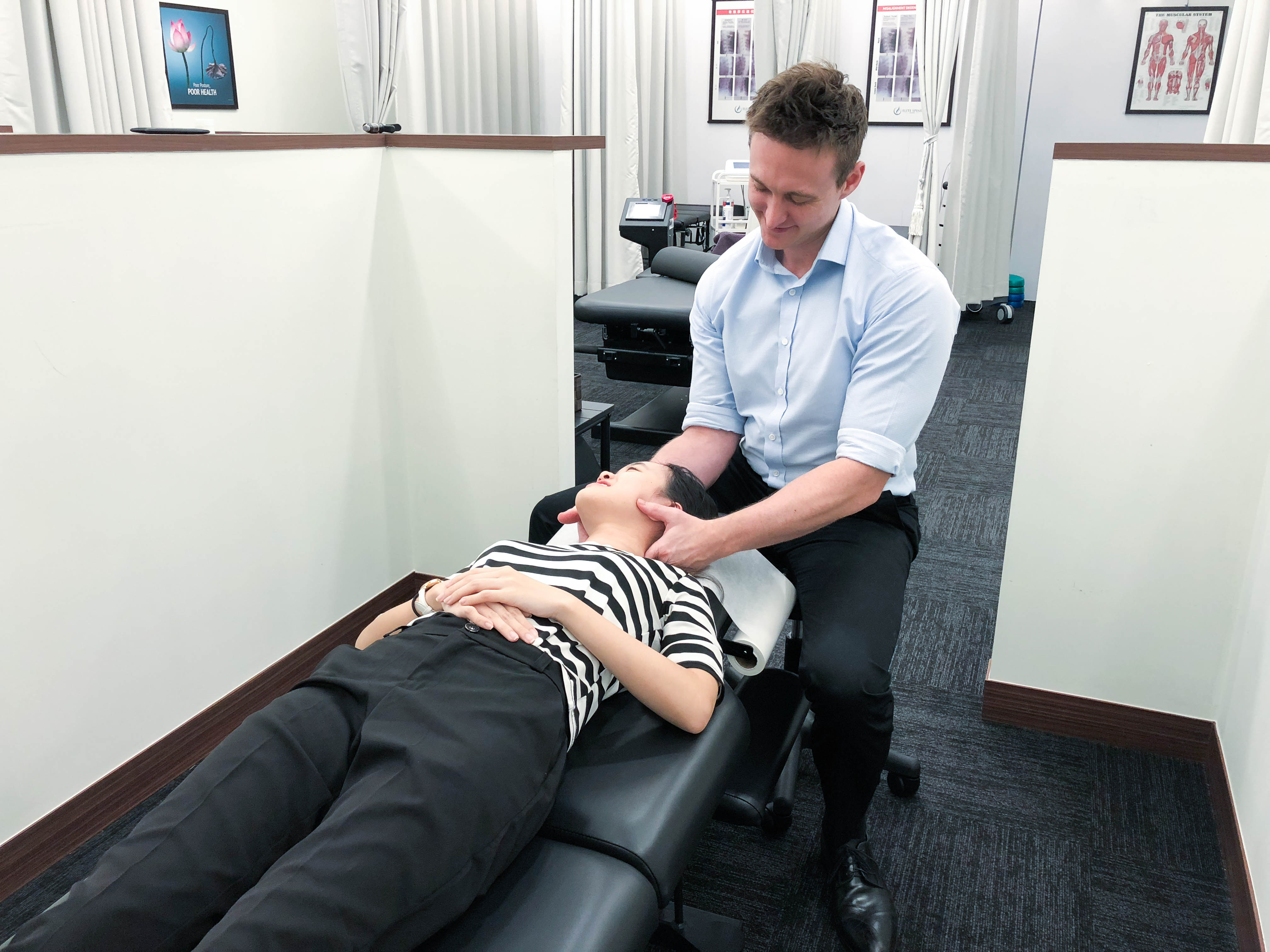
Chiropractic care, which often involves a combination of treatments like specific muscle therapy, active and passive exercises, and spinal manipulation is considered effective for headache management and prevention.

For those who suffer from migraines or headaches, the following may be performed by chiropractors to treat the condition:

  • Trigger point therapy as part of the Functional Correction Method (FCM) to address muscles, tendons and ligaments as well as the spine.

  • Joint mobilisation – Precise therapy where the joints are moved passively for the purpose of minimising pain or enhancing movement. This type of treatment is targeted primarily at the cervical spine when done to treat headaches.

  • Deep neck flexion exercises – These exercises involve the active movement of the muscles and joints under the guidance of a chiropractor. Primarily, the goal is to stretch the deep neck flexor muscles, which plays a key role in supporting the neck.

  • Neuromuscular massage – This type of massage focuses on the trigger points within the shoulder, neck, back, and head to ease the pain and symptoms.

  • Multidisciplinary care intervention – This chiropractic approach involves a combination of relaxation techniques, dietary and lifestyle counseling, stress management techniques, and physical therapy exercises which have been found effective in reducing the frequency and duration of headaches and migraines.

0 comments
0 FacebookTwitterPinterestEmail

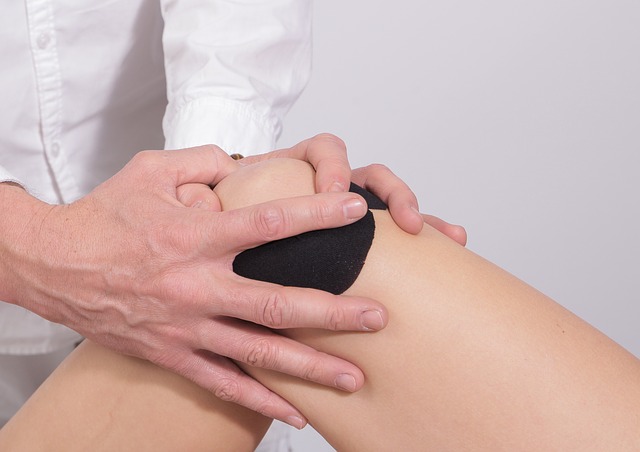
Even the most basic daily activities like climbing the stairs, getting out of bed, and walking to your car can become painful and difficult when you’re dealing with knee pain. Undoubtedly, knee pain can be debilitating and can have a huge impact on your ability to perform your day to day functions.

The good thing is that patients with knee pain don’t have options available which don’t include taking harmful medications, or severely limiting their activity level. Many patients with knee pain are unaware that chiropractic care can be very helpful at eliminating their pains. Seeking chiropractic care for knee pain can help patients regain mobility and carry out daily tasks that are otherwise difficult with painful knees.

Licensed chiropractors can address not only the knees themselves, but often underlying issues that are causing or making the knee pain worse. A combination of techniques and several angles of approach are considered when treating knee pain through chiropractic care. It is best to seek a proper evaluation to determine what are the major factors contributing to your knee pain and how to correct them.

Causes of Knee Pain

Knee pain can be attributed to several causes including:

  • Arthritis

  • Soft tissue damage or inflammation

  • Poor bio-mechanics of the foot/ankle or hips and lower back

  • Referred pain or tension from lumbar (lower back) nerves

  • Bursitis

  • Obesity

Knowing the cause(s) of knee pain is one of the first steps to seeking a cure. Your chiropractor can help you to properly diagnose the pain and identify the best treatment options for your case.

Chiropractic Techniques that Can Help

There are several techniques that your doctor of chiropractic may utilise that can help with knee pain including:

Trigger point therapy / IASTM. These techniques involve using the hands or specially designed tools to apply pressure and movement to specific points on the body. Precisely applied techniques allow tight or spasmed muscles to relax and help to break down the build up of scar tissue in damaged areas.

Spinal adjustments and posture correction. Poor posture and improper mobility of the spine and body can create an imbalance that can put unwanted pressure on the body’s joints, including the knees. Specific spine and joint adjustments can also help restore balance and alignment to immobile areas. This will also help reduce inflammation and pain, restore knee functionality, and limit wear and tear on the body.

Low-level laser therapy. Also known as cold laser therapy, low-level laser therapy works by stimulating the body’s muscles and soft tissues. Low-level laser therapy helps to reduce inflammation and pain, stimulate the blood flow, and speed up the healing process.

Shockwave therapy. Shockwave therapy utilises a specially designed instrument to apply rapid percussion waves to designated tissues. This aids in pain relief, reduction of scar tissue from old injuries, and neovascularization (growth of new blood vessels into an area).

Lifestyle advice. Some people experience knee pain because of detrimental habits and behaviours. Chiropractors can help patients by giving them advice on the daily habits and exercises they need to make to reduce pain and prevent injuries.

Customised orthotics. In some cases, knee pain may result from poor support or movement of the foot and ankle. Customised supportive insoles may benefit those patients suffering from knee pains due to these reasons.

Nutrition counselling. Chiropractors can also provide nutrition counselling to help patients ensure they are receiving proper nutrients that may aid in their recovery. In some cases, they may also suggest programmes or diets to help patients lose the extra weight and help take excess pressure off the knees and other joints of the body.

Knee pain is not something you have to live with. It is reassuring to know that with the right  combination of care under a well-trained doctor of chiropractic, knee issues can be corrected so that you can live pain-free.

0 comments
0 FacebookTwitterPinterestEmail