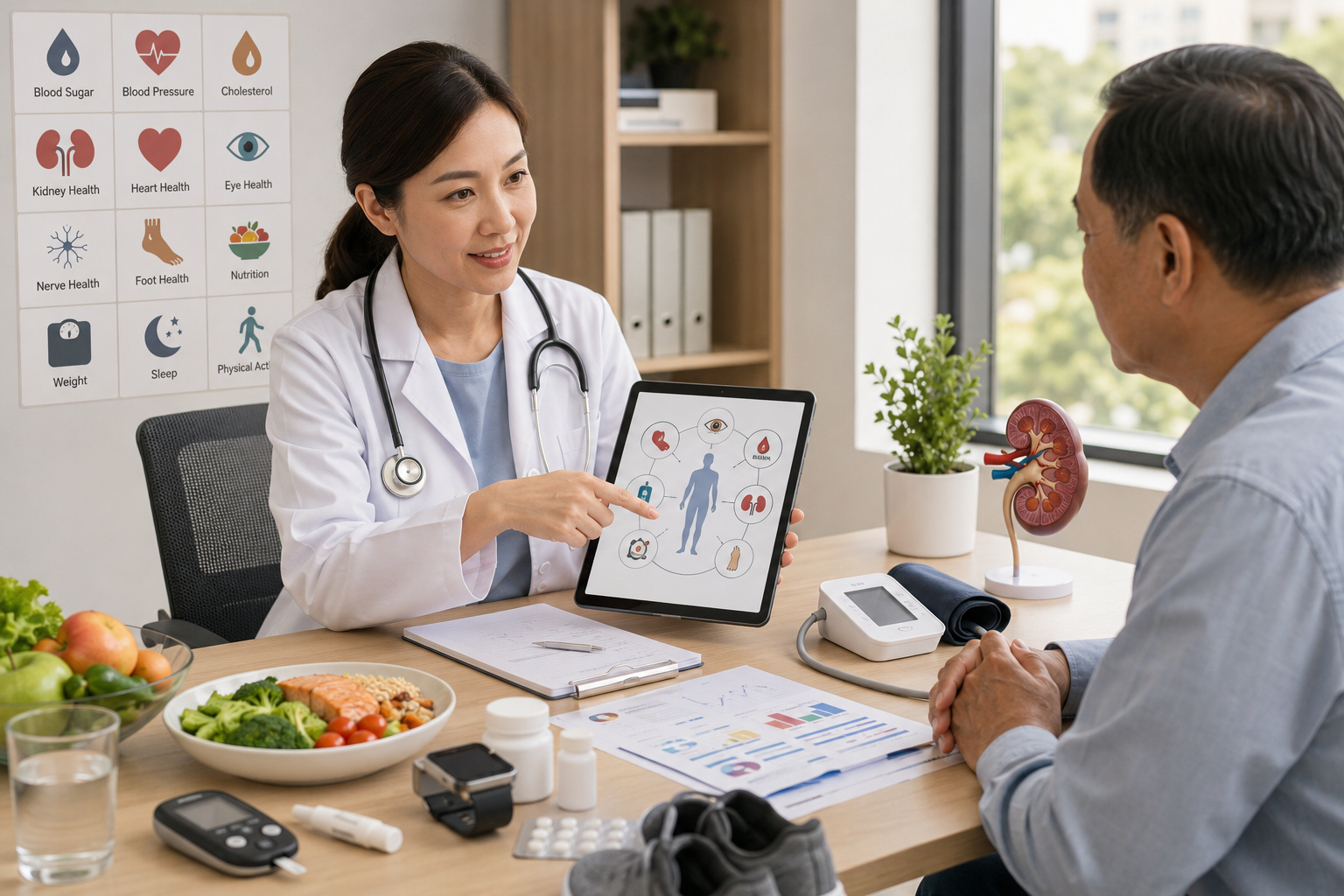
Diabetes care in 2026 is about more than lowering blood sugar. It now includes early screening, daily glucose patterns, heart and kidney protection, weight care, safer medicines, and technology that helps people understand what happens between clinic visits. In Singapore, 9.1% of residents aged 18 to 74 had diabetes in 2023 to 2024 [1].
Key Takeaways
- Diabetes care should begin before symptoms appear, especially for people with known risk factors.
- Prediabetes is often silent, so blood tests matter more than waiting for clear warning signs.
- HbA1c is useful, but CGMs and Time in Range can show daily glucose patterns more clearly.
- Meal timing, balanced food, movement, sleep, and weight care all affect blood sugar control.
- Heart and kidney checks should be part of routine diabetes care, even when a person feels well.
- Diabetes technology and newer medicines can help, but they work best with medical guidance.
What Should Diabetes Care Include in 2026?
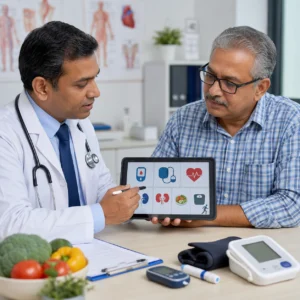 Diabetes care in 2026 should include screening, glucose monitoring, lifestyle support, medicine review, and checks for long-term risks. It should look at the full person, not only a single blood sugar number. A good care plan should include blood sugar, blood pressure, cholesterol, kidney health, heart health, eye health, nerve health, foot health, sleep, food habits, weight, and daily movement.
This approach matters because diabetes affects many parts of the body. It can damage blood vessels and nerves over time. It can also raise the risk of kidney disease, heart disease, stroke, vision problems, and poor wound healing. The American Diabetes Association’s 2026 Standards of Care covers diagnosis, glucose goals, diabetes technology, obesity, heart risk, kidney risk, and long-term complications [2].
This shows how wide diabetes care has become. The goal is not just a better lab result. The goal is safer, steadier health over many years.
Why Is Early Diabetes Screening Important?
Early diabetes screening helps find blood sugar problems before they cause clear symptoms. This matters because type 2 diabetes can develop slowly. Many people feel well while blood sugar is already rising. Screening is also important for people with prediabetes. Prediabetes means blood sugar is higher than normal, but not yet in the diabetes range. It is a warning stage where action can still make a real difference.
In Singapore, adults without risk factors are advised to begin diabetes screening from age 40, while adults of any age may need screening earlier if they have risk factors [3]. Risk factors include family history, excess weight around the waist, high blood pressure, abnormal cholesterol, past gestational diabetes, polycystic ovary syndrome, low activity, and long hours of sitting.
Younger adults should not ignore these risks. Diabetes is not only a concern for older adults. More younger adults are being encouraged to assess their risk because blood sugar problems can start years before symptoms become obvious. A doctor may suggest an HbA1c test, fasting blood glucose test, or oral glucose tolerance test. The right test depends on age, risk, symptoms, and health history.
What Are the Early Signs of Prediabetes?
 Prediabetes often has no clear symptoms. Many people only find out after a blood test during a routine check. That is why screening matters more than waiting for warning signs. Some people may feel tired after meals. Others may feel thirstier than usual or pass urine more often. Blurry vision can also come and go when blood sugar changes affect fluid levels in the eyes.
Dark, thicker skin patches around the neck, armpits, or skin folds can also be linked to insulin resistance. These patches do not prove prediabetes, but they are worth checking. HealthHub states that prediabetes has no clear symptoms, and blood tests are the only reliable way to diagnose it [4].
People often blame early signs on stress, poor sleep, screen time, ageing, or busy workdays. These may be the real cause, but they can also hide rising blood sugar. The safest step is simple. Ask a doctor whether blood sugar testing is needed. Share any family history, weight changes, thirst, tiredness, blurred vision, or frequent urination.
Prediabetes is not a failure. It is useful information. It gives a person time to adjust food, movement, sleep, weight, and follow-up care before type 2 diabetes develops.
Why Is HbA1c Not the Full Picture?
HbA1c is a useful diabetes test, but it does not show everything. It gives an average blood sugar level over roughly two to three months. It does not show daily highs, lows, meal spikes, overnight drops, or glucose swings. Two people can have the same HbA1c but very different glucose patterns. One person may stay steady most of the day. Another may swing between high and low readings. Their average may look similar, but their daily risks may not be the same.
This is why Time in Range has become more useful. Time in Range shows how long glucose stays within a target zone. For many non-pregnant adults with diabetes, that common target range is 70 to 180 mg/dL. The ADA says CGM metrics can help assess glucose control along with HbA1c [5].
This does not mean HbA1c is no longer useful. It means HbA1c works better when it is read with other information. A person’s care team may look at Time in Range, Time Above Range, Time Below Range, symptoms, medicine use, food habits, and activity. This gives a clearer view of daily diabetes control.
How Are CGMs Changing Everyday Diabetes Care?
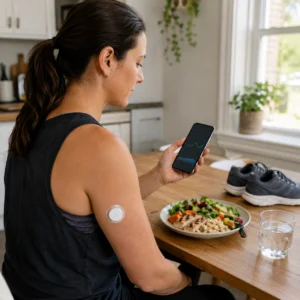
Continuous glucose monitors, or CGMs, help people see glucose patterns throughout the day and night. They show whether glucose is rising, falling, or staying steady. This can make diabetes care easier to understand. Instead of seeing one number at one moment, a person can see how meals, exercise, sleep, stress, and medicine affect glucose across time.
A CGM may show that glucose rises after a certain meal. It may show overnight highs or lows. It may also show that a short walk after dinner helps reduce a spike. The FDA cleared the first over-the-counter continuous glucose monitor in the United States in 2024 for adults who do not use insulin [6].
This reflects a larger shift. Glucose data is becoming more visible to people with diabetes and some people without diabetes. Still, more data is not always better by itself. Some people may feel anxious when they see every rise and fall. Others may overcorrect or make food choices too strict.
CGMs should guide better questions, not fear. They should be used with medical advice, especially for people who take insulin or medicines that can cause low blood sugar. CGMs also have limits. They measure glucose in fluid between cells, not directly in blood. Readings may lag behind blood glucose. Finger-prick checks may still be needed when symptoms do not match the device reading.
What Does Time in Range Mean?
Time in Range shows the percent of time glucose stays within a set target. For many adults with diabetes, a common goal is to stay in range most of the day. For example, 70% Time in Range means glucose stayed within target for about 17 hours in one day. This can be easier to understand than a single reading.
Time Below Range is also important. It shows how often glucose drops too low. Low blood sugar can cause shaking, sweating, hunger, confusion, weakness, or fainting. Time Above Range matters too. It shows how long glucose stays too high. Long periods of high glucose can raise the risk of damage to blood vessels, nerves, eyes, kidneys, and the heart.
Time in Range can help people spot useful patterns. A person may see better levels after walking. Another may notice higher morning readings after poor sleep. This data should be discussed with a care team. It should not lead to sudden medicine changes without medical guidance.
How Does Meal Timing Affect Blood Sugar?
 Meal timing can affect blood sugar, hunger, energy, and sleep. Food type matters, but timing can also shape how glucose rises and falls. The same meal may affect the body differently at different times of day. A heavy rice meal at lunch may not act the same as a heavy supper close to bed.
A 2024 review noted that meal timing may affect obesity and related diseases through circadian rhythm, metabolism, and energy balance [7]. Skipping meals can also cause problems. Some people skip breakfast or delay lunch because of work, school, clinic queues, or travel. This can lead to stronger hunger later in the day.
When hunger builds, dinner portions may grow. This can cause a bigger glucose rise after eating. People who use insulin or some oral diabetes medicines should be more careful. Long gaps between meals can raise the risk of low blood sugar.
Late dinners and night snacks can also affect glucose. Eating close to bed may keep glucose higher overnight. It may also affect sleep, which can affect glucose the next day. A better meal rhythm does not need to be strict. Start with regular meals on most days. Keep late dinners lighter when possible. Plan snacks before hunger gets too strong.
What Food Habits Support Better Diabetes Control?
Food habits should be realistic and repeatable. A diabetes meal plan does not need to remove every favourite food. It should help reduce sharp glucose swings and support long-term health. A balanced plate is a good start. Fill half the plate with non-starchy vegetables. Add one quarter protein. Use the last quarter for carbohydrates.
For local meals, this may mean more vegetables with fish soup and less rice. It may mean yong tau foo with more greens and fewer fried items. Chicken rice can be adjusted with less rice, more cucumber, and no sweet drink. Carbohydrates raise blood sugar, but protein, fibre, and healthy fats can slow the rise. This is why food mix matters.
Sweet drinks should be reduced as much as possible. Kopi with sugar, canned drinks, bubble tea, fruit juice, and sweetened tea can raise glucose quickly. Movement after meals may also help. A short walk after eating can help the body use glucose. It does not need to be intense.
Sleep and stress matter too. Poor sleep can affect hunger, weight, insulin response, and morning glucose. Stress can also raise blood sugar in some people.
How Do Weight-Loss Medicines Fit Into Diabetes Care?
 Some medicines used in diabetes care can also support weight loss. These include GLP-1 receptor agonists and dual GIP/GLP-1 medicines. These medicines can affect appetite, insulin release, blood sugar, and weight. Some people with type 2 diabetes and excess weight may benefit from them.
They are not quick fixes. They need proper screening, safe dosing, follow-up checks, and a long-term care plan. Some medicine names can be confusing. Products may share an active ingredient but have different uses, doses, and brand names. A product used for diabetes may not be the same as a product used for weight care.
Patients should never swap products or change doses without medical advice. Side effects can include nausea, vomiting, diarrhoea, constipation, and stomach pain. Some people may eat too little when appetite drops. This can affect nutrition and strength.
People using insulin or sulfonylureas need extra care. Their risk of low blood sugar may rise when treatment changes. The FDA has warned that some unapproved GLP-1 products sold online may be fake, wrongly labelled, or unsafe [8].
Patients should use licensed clinics, hospitals, and pharmacies. A real prescription and review plan are important.
Why Should Heart Health Be Managed With Diabetes?
Diabetes and heart health should be managed together. High blood sugar can harm blood vessels over time. It can also affect nerves that help control the heart and blood vessels. Many people with diabetes also have high blood pressure, abnormal cholesterol, excess weight, or kidney issues. These risks can add strain to the heart.
Diabetes can raise the risk of heart disease, stroke, and heart failure [9]. This is why diabetes care should include blood pressure checks and cholesterol tests. A doctor may also ask about smoking, sleep, food habits, stress, family history, and activity.
Blood pressure can be high without symptoms. Cholesterol can also build up quietly. Heart risks may grow for years before a person feels anything unusual. Daily habits can support both diabetes and heart health. These include more vegetables, whole grains, lean protein, healthy fats, regular movement, good sleep, and less salt.
People who smoke or vape should ask for help to quit. Nicotine can harm blood vessels and raise heart strain. Warning signs need prompt care. These include chest pain, shortness of breath, swollen ankles, fainting, sudden weakness, or new severe fatigue.
Why Does Kidney Screening Matter in Diabetes?
 Kidney disease can build slowly in people with diabetes. Many people do not feel sick in the early stages. This is why routine screening matters even when daily life feels normal. The kidneys filter waste, extra fluid, and salt from the blood. They also help control blood pressure and support blood balance.
High blood sugar can damage small blood vessels in the kidneys. High blood pressure can add more strain. Over time, the kidneys may not filter blood as well. The CDC reported in 2026 that about 4 in 10 adults with diabetes have chronic kidney disease [10].
Kidney screening usually includes two tests. The eGFR blood test estimates how well the kidneys filter waste. The uACR urine test checks whether albumin is leaking into the urine. Both tests matter. One checks kidney function. The other checks kidney damage.
An abnormal result does not always mean kidney failure. Doctors may repeat the test. They may check for short-term causes like infection, dehydration, recent illness, heavy exercise, or medicine effects. If results stay abnormal, the care plan may change. A doctor may adjust blood pressure care, review diabetes medicine, or suggest kidney-protective treatment.
What Are Automated Insulin Delivery Systems?
Automated insulin delivery systems help some people manage insulin with less guesswork. These systems link a CGM, insulin pump, and software that adjusts insulin delivery. They are also called AID systems, hybrid closed-loop systems, or artificial pancreas systems. They do not cure diabetes.
Most systems still need user action. A person may need to enter meals, count carbohydrates, respond to alerts, change pump parts, and carry backup supplies. AID systems are common in type 1 diabetes care. Some adults with insulin-treated type 2 diabetes may also have more options now.
These systems may help improve Time in Range and reduce some highs and lows. They can also help people who struggle with changing insulin needs. Still, they are not right for everyone. Cost, training, supplies, phone access, device comfort, and clinic support all matter.
Users need a backup plan if a sensor, pump, infusion site, or app fails. They also need to know when to confirm readings with a finger-prick test. Anyone thinking about AID should speak with a diabetes care team before changing an insulin plan.
How Is Diabetes Care Becoming More Personal?
 Diabetes care is becoming more personal because people now have more daily data. CGMs, apps, smart pens, pumps, telehealth, and AI tools can help show what happens between clinic visits. This matters because diabetes does not affect everyone the same way. Two people may eat similar meals and get different glucose results.
Sleep, stress, illness, work hours, exercise, weight, hormones, and medicine can all affect blood sugar. This is why fixed advice may not be enough. Apps can help people track meals, medicine, activity, sleep, symptoms, and glucose notes. This can make clinic visits more useful.
Telehealth can also support follow-ups for busy adults, caregivers, and older patients. It can help review readings, symptoms, and treatment questions. AI tools may help find patterns in glucose data, food logs, activity, and medicine use. But AI should support care, not replace trained health staff.
Patients should ask how their data is stored and shared. Health data is private and should be handled carefully.
What Should Patients Ask During a Diabetes Review?
A good diabetes review should help the patient understand what to do next. It should not only list numbers.
Useful questions include:
- What does my HbA1c mean?
- What is my target glucose range?
- Should I track Time in Range?
- Do I need a CGM?
- Do I need kidney screening this year?
- Do I need blood pressure or cholesterol treatment?
- Are my medicines still right for me?
- Could any medicine cause low blood sugar?
- What food or meal timing changes fit my routine?
- What warning signs need urgent care?
These questions help turn data into action. They also help patients avoid guessing.
When Should Someone Seek Medical Help?
 A person should seek medical help if they have strong thirst, frequent urination, blurry vision, repeated high readings, frequent low readings, slow wound healing, numbness, chest pain, shortness of breath, swollen ankles, or sudden weakness. Urgent symptoms should not wait for a routine visit. Chest pain, confusion, fainting, severe weakness, or very high or very low glucose needs prompt care.
People should also speak with a doctor before fasting, starting weight-loss medicine, changing insulin, using a CGM, or starting an automated insulin system. This is especially important for older adults, pregnant women, people with kidney disease, people with heart risks, and those using insulin.
Frequently Asked Questions
What Is Diabetes Care in 2026?
Diabetes care in 2026 is a full health plan. It includes blood sugar, food, weight, medicine, movement, sleep, heart checks, kidney checks, and technology when useful.
Is Prediabetes Reversible?
Prediabetes can improve for some people with early action. Weight care, regular movement, better meals, sleep, and medical follow-up can help lower risk.
Is HbA1c Enough to Track Diabetes?
HbA1c is useful, but it is not enough for everyone. CGMs and Time in Range can show daily highs, lows, and patterns that HbA1c may miss.
Who Should Consider a CGM?
People who want clearer glucose patterns can ask their care team about CGMs. They may be helpful for insulin users and some people with type 2 diabetes.
Are Weight-Loss Medicines Safe for Diabetes?
They can be helpful for some people, but they need medical review. Patients should avoid unapproved online products and should use licensed care.
Why Do People With Diabetes Need Heart and Kidney Checks?
Diabetes can affect blood vessels, the heart, and kidneys over time. Regular checks can find early changes before symptoms become clear.
Summary
Diabetes care in 2026 is more complete and more personal than before. It starts with screening and early action. It continues with glucose monitoring, food habits, movement, sleep, medicine review, and routine checks for heart and kidney health.
Technology can help people see patterns in daily life. CGMs, Time in Range, apps, and insulin tools can support better choices. Newer medicines can also help some patients manage weight and blood sugar.
Still, the foundation has not changed. The safest diabetes plan is one that fits real life, uses trusted medical guidance, and focuses on long-term health.
References
[1] Ministry of Health Singapore. (2025). National Population Health Survey 2024 shows Singaporeans are adopting healthier lifestyles, but rising obesity is a concern. https://www.moh.gov.sg/newsroom/national-population-health-survey-2024-shows-singaporeans-are-adopting-healthier-lifestyles—but-rising-obesity-is-a-concern/
[2] American Diabetes Association Professional Practice Committee. (2026). Standards of care in diabetes 2026. American Diabetes Association. https://professional.diabetes.org/standards-of-care
[3] Agency for Integrated Care. (n.d.). Screening for diabetes mellitus. Primary Care Pages. https://www.primarycarepages.sg/healthier-sg/care-protocols/chronic-care-protocols/pre-diabetes-mellitus/screening-for-diabetes-mellitus
[4] HealthHub. (n.d.). Understanding pre-diabetes: Signs, symptoms and treatment. Health Promotion Board. https://www.healthhub.sg/health-conditions/understanding-prediabetes-signs-symptoms-and-treatment
[5] American Diabetes Association Professional Practice Committee. (2026). 6. Glycemic goals, hypoglycemia, and hyperglycemic crises: Standards of care in diabetes 2026. Diabetes Care. https://diabetesjournals.org/care/article/49/Supplement_1/S132/163927/6-Glycemic-Goals-Hypoglycemia-and-Hyperglycemic
[6] U.S. Food and Drug Administration. (2024). FDA clears first over-the-counter continuous glucose monitor. https://www.fda.gov/news-events/press-announcements/fda-clears-first-over-counter-continuous-glucose-monitor
[7] Peters, B., Pickel, L., Wang, X., Prawitt, J., & Tups, A. (2024). Meal timing and its role in obesity and associated diseases. Frontiers in Endocrinology. https://www.frontiersin.org/journals/endocrinology/articles/10.3389/fendo.2024.1359772/full
[8] U.S. Food and Drug Administration. (2026). FDA’s concerns with unapproved GLP-1 drugs used for weight loss. https://www.fda.gov/drugs/postmarket-drug-safety-information-patients-and-providers/fdas-concerns-unapproved-glp-1-drugs-used-weight-loss
[9] National Institute of Diabetes and Digestive and Kidney Diseases. (n.d.). Diabetes, heart disease, & stroke. U.S. Department of Health and Human Services. https://www.niddk.nih.gov/health-information/diabetes/overview/preventing-problems/heart-disease-stroke
[10] Centers for Disease Control and Prevention. (2026). Chronic kidney disease in the United States. https://www.cdc.gov/kidney-disease/php/data-research/index.html