Category:

Body

Spinal stenosis occurs when the small spinal canal containing the spinal cord and the nerve roots becomes compressed. The compression can cause “pinching” of the nerve roots and the spinal cord and can result in cramping, weakness, numbness, and pain. Depending on the location of the narrowing, symptoms can be felt in the legs, lower back, shoulders, arms, or neck.

Typically, the narrowing can be attributed to “wear and tear” arthritis or osteoarthritis. Other likely reasons include bulging of the discs that separate the vertebrae and thickening of the ligaments found in the back. Symptoms of the condition often starts gradually but typically worsens overtime.

Who are at risk?

Spinal stenosis can affect both genders and is observed to be common among those aged between 50 and 70. However, the condition can also occur in young people who have experienced spine injury or who are born with a narrow spinal canal.

For people born with a small spinal canal, the condition is called “congenital stenosis.” For spinal narrowing secondary to age-related changes, the condition is called “acquired spinal stenosis.”

Spinal stenosis can also be attributed to certain medical conditions such as bony spurs, osteoarthritis, spinal tumours, ankylosing spondylitis, and Paget’s disease.

What are some of the common symptoms?

Some of the common symptoms of spinal stenosis include:

  • Weakness, numbness, cramping, and pain in the feet, thighs, or legs

  • Abnormal bladder or bowel function

  • Pain that travels down the leg

  • Loss of sexual function

  • Partial or complete leg paralysis (severe cases)

How is the condition diagnosed?

To diagnose and determine the seriousness of the condition, certain test might be recommended, including:

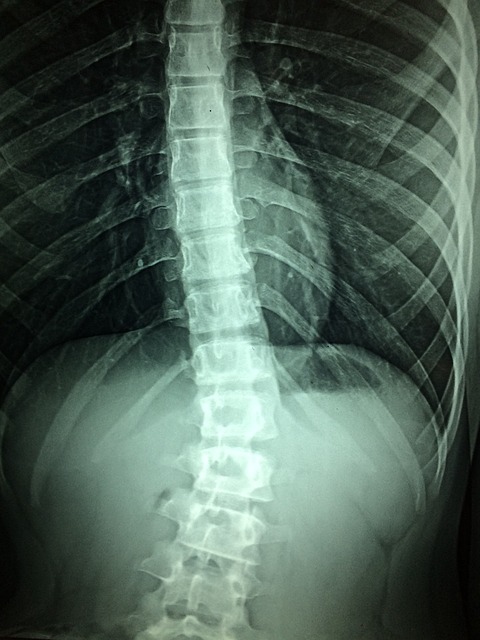
  • X-ray of the spine – done to check for bone spurs, osteoarthritis, or narrowing of the spinal canal.

  • Computed tomography (CT) scan – can take detailed images of the back as well as the spinal canal.

  • Electromyogram (EMG) – done to check the condition of the nerves going to the legs.

  • Magnetic resonance imaging (MRI) scan – can take pictures of the nerves as well as the spinal cord.

  • Blood tests, X-rays of the knees and hips, as well as circulation in the legs to rule out other possible conditions with similar symptoms.

What are some of the treatment options available?

In most cases, conservative treatment is the first option considered. However, in cases where the pain is disabling and severe, surgery might be recommended.

Nonsurgical treatment options

  • Non-surgical spinal decompression therapy – NSSD is considered one of the most effective treatment options for people with spinal stenosis. Computerised and modern machines can help target the areas of the spine and can decompress them to relieve any pressure on the nerves. This treatment option is also considered more potent when combined with other conservative treatment approaches.

  • Chiropractic – specific spinal manipulation where manual or instrument-assisted techniques are used work by helping the joints return to their normal motion range. Good motion has also been known to help reduce pain, minimise muscle spasms and tightness, and improve one’s overall health. Motion can also help the formation of scar tissue that leads to stiffness is minimised.

Surgical treatment options

Surgery for spinal stenosis may involve removing bony overgrowths so pressure and pinching of the spinal nerves is relieved.

  • Spinal fusion – for those with spinal instability or slippage, two or more vertebrae may be fused together permanently using screws to give the spine more stability.

  • Surgical spinal decompression (laminectomy) – in laminectomy, the lamina or the back portion of the vertebra is removed so the nerves and the spinal cord are exposed. Thickened ligaments and bone spurs are also removed.

0 comments
0 FacebookTwitterPinterestEmail

Teeth grinding is characterised by repetitive clenching of the teeth. It can be likened to a person chewing vigorously without any food in the mouth. In most cases, patients grind their teeth during sleep. This condition is known medically as bruxism.

While well known and well documented by dentists and doctors, there is no absolute information on what triggers grinding teeth in sleep. There are however several recognised risk factors for the condition. It is reassuring to note however that there are also a lot of effective treatment options for bruxism now available at one’s disposal.

For the uninitiated, below are some facts about teeth grinding not many may know about:

Bruxism affects millions of people

The number of people (adults and children) who grind their teeth (daily or nightly) is estimated to be close to 30 to 40 million. When it occurs occasionally, teeth grinding is pretty much harmless. Chronic bruxism on the other hand is a totally different story as it can really affect the patient’s overall health and quality of life.

Make no mistake about it, teeth grinding does not only occur during sleep. If truth be told, some people clench their jaws ferociously when stressed or when concentrating. Many people also have no clue they grind their teeth until symptoms manifest.

Symptoms can vary from one person to another

Parents and bed partners are often the ones that inform bruxism patients about their teeth grinding. This is especially true if it occurs during sleep. However, when the condition is severe, patients will also notice several red flags that point something is not right.

For instance, those with severe bruxism often experience headaches and jaw pain, two of the primary indicators that nighttime bruxism is happening. In other cases, teeth grinding is so bad that patients chip or crack their teeth from the pressure.

Other common symptoms that point to bruxism include loose teeth, sore teeth, earaches, face discomfort that won’t go away, etc. When not treated properly, the condition may also cause temporomandibular joint disorder (TMJD), a painful condition characterised by swelling of the joints and muscles around the jaw.

Other conditions may also cause bruxism

Sleep apnea, a sleeping condition is sometimes associated with teeth grinding. To avoid bruxism, those with sleep apnea are advised to get proper treatment. For those who already have bruxism secondary to sleep apnea, treating the condition can help minimise, if not totally eradicate the condition.

Mental as well as physical exhaustion may also lead to teeth grinding. In addition, misalignment of teeth as well as heavy snoring may also cause people to grind their teeth at night.

Mouth guards are used to protect the teeth

One of the remedies available for those with chronic bruxism is a custom made mouth guard your dentist can make. To ensure comfort, mouth guards are made of pliable and soft materials that will conform to the shape of the patient’s teeth and bite.

Mouth guards can also effectively protect the teeth from fracturing and chipping. In addition, mouth guards can prevent TMJD and jaw swelling as well as protect the teeth’s enamel from wearing away.

0 comments
0 FacebookTwitterPinterestEmail

For those who are experiencing knee pain, even the most basic of activities like climbing the stairs, walking to and from the car, picking up the grocery bags, or even getting out of bed can become painful and challenging. Undeniably, knee pain can have a significant impact on a person’s ability to function optimally.

Knee pain can affect people of all ages. It can be the result of an injury (i.e. torn cartilage or a ruptured ligament) or a medical condition such as gout, arthritis, or infection. Minor types of knee pain will often respond well to self-care measures. Other cases however may require chiropractic care and rehabilitation therapy.  Severe cases may require surgical repair.

Symptoms of Knee Pain

The location as well as severity of knee pain can vary from one patient to another, depending on the cause of the problem. Some of the most common signs and symptoms that accompany knee pain include:

  • Instability or weakness

  • Crunching or popping noises

  • Stiffness and swelling

  • Redness and warmth to the touch

  • Inability to straighten the knee fully

Possible Causes of Knee Pain

Knee pain can be the result of mechanical problems, injuries, certain types of arthritis, foot and ankle issues, and even nerve or muscle irritation from posture or movement abnormalities.

Injuries

A knee injury can affect any of the bursae, tendons, ligaments, and muscles that surround the knee joint. Some of the most prevalent knee injuries include:

  • Muscle imbalances

  • ACL injury

  • Fractures

  • Knee bursitis

  • Patellar tendinitis

  • Torn meniscus

Mechanical Problems

A few examples of mechanical problems that can result to knee pain include:

  • Iliotibial band (ITB) syndrome

  • Loose body

  • Hip or foot dysfunction

  • Dislocated or misaligned kneecap

Different Types of Arthritis

There are more than 100 different types of arthritis. Some of the varieties that can affect the knee and cause knee pain include:

  • Rheumatoid arthritis

  • Osteoarthritis

  • Pseudogout

  • Gout

  • Septic arthritis

Chiropractic Care and Knee Pain

Nowadays, a growing number of people have undergone knee replacement injury. While the surgical technique has helped many people, it is still considered a costly and invasive procedure. Fortunately, there is a treatment option that can relieve knee pain without surgery for many patients before they reach the point of needing surgery—chiropractic care and rehabilitation.

Recent studies have shown chiropractic adjustments have been beneficial for patients with knee pain caused by osteoarthritis. In another study, patients who have had chiropractic knee adjustments reported substantial drops in pain intensity. Fewer clicking and grinding sensations in the knee were also noticed.

In addition, patients were also able to experience increased mobility and were able to get back to doing daily activities after chiropractic treatment. Not only that, patients who received chiropractic care also reported no adverse effects associated with the treatment.

Licensed chiropractors address underlying issues that are causing knee pain and use a combination of techniques to effectively alleviate pain. Chiropractors have also helped patients with knee pain by improving gait, reducing inflammation, and restoring normal alignment and motion of the joints.

Chiropractors often may use mobilisation techniques and chiropractic manipulation in the areas of restricted movement. In addition, modern technologies like radial shockwave therapy (RSWT) and/or cold laser therapy may be used to address damaged tissues and speed up the healing process.

The combination of chiropractic and rehabilitative methods used have not only been proven effective in reducing knee pain, but by increasing motion and restoring the proper mechanics of the joints and surrounding tissues, can decrease the chances of future wear and tear!

0 comments
0 FacebookTwitterPinterestEmail

Neuropathy (sometimes referred to as peripheral neuropathy) is a term used to refer to a range of health problems that involves damage to the peripheral nerves. While severe damage to the nerves is often irreversible, steps can be taken to prevent neuropathy or manage the condition through lifestyle, diet, and neuropathy treatment.

Symptoms

Generally, neuropathy symptoms will depend on the individual as well as the underlying cause. Typically however, symptoms can include:

  • Constant or intermittent numbness

  • Prickling, burning, or tingling sensations

  • Pain

  • Muscle weakness or atrophy (shrinking)

  • Impairment to urination as well as sexual function

  • Dysfunction in the glands or organs

  • Paralysis of limbs in more severe cases

To understand how neuropathy affects the body, it is important to remember that the nervous system is divided into two parts: the central nervous system (the spinal cord as well as the brain) and the peripheral nervous system (transmits messages to/from the central nervous system and the rest of the body).

The peripheral nervous system is also divided into somatic or voluntary nervous system (controls functions one can consciously control like moving the limbs, etc.) and autonomic or involuntary nervous system (regulates processes one does not have any control over like breathing, digestion, and heartbeat.

Disruption or damage to the voluntary or involuntary peripheral nerves can cause neuropathy. Motor and sensory nerves can also be affected.

Risk Factors

In the United States alone, an estimated 20 million people suffer from some form of neuropathy. Risk factors associated with the condition include, diabetes, chemotherapy, compressed nerves from spinal conditions, alcohol abuse, autoimmune conditions, and prolonged medication use for cholesterol or high blood pressure.

The most prevalent type of neuropathy is diabetic peripheral neuropathy. Diabetic peripheral neuropathy accounts for as much as 60 percent of the total number of people suffering from neuropathy.

When the neuropathy has no known cause, it is referred to as idiopathic peripheral neuropathy.

Other types of neuropathy can be attributed to physical trauma, toxicity, repetitive stress, autoimmune disorders (Sjögren’s syndrome, sarcoidosis, celiac disease, lupus, rheumatoid arthritis, Guillain-Barré syndrome, etc.), metabolic disorders (kidney failure, hypoglycemia, etc.), alcoholism, hereditary disorders, hormonal disorders, and nutrient deficiencies.

Neuropathy and Physiotherapy

Physiotherapy is designed to help restore function and movement to individuals affected by illness, disability, or injury. Providers trained in physiotherapy teach patients exercises and movements and will also educate and provide advice to help facilitate recovery from pain or discomfort.

The primary goals of physiotherapy for patients with neuropathy include improving gait, coordination, and balance as well as maintaining muscle strength. Physiotherapy can also provide an active solution for numbing, balance deficits, joint stiffness, and hypersensitivities.

Physiotherapists can also recommend various body exercises that can help increase the range of motion and strengthen specific muscles. Low impact exercises may also be prescribed so no further damage occurs.

The diagnosis and treatment process begins with determining the cause(s) of the nerve damage. Tests will also be conducted to determine functional levels and the likely amount of nerve damage. Other factors like muscular weakness, motion limitations, and balance impairments will also be taken into account.

From there, a specialised treatment program designed for the patient’s unique needs will be created.

A very useful tool that conservative providers like physiotherapists, chiropractors, and others have found helpful for neuropathy treatment is polychromatic light therapy (PLT). This treatment uses specialised medical grade LEDs to produce reactions in the body that improve blood circulation to peripheral nerves and can decrease symptoms of peripheral neuropathy.

Also patients with peripheral neuropathy have shown positive response to whole body vibration (WBV). This therapy only takes a few minutes each session, but stimulates the body’s nervous system by providing a high amount of fast, vertical stimulation. This also helps with improving circulation and improving balance. Ask your provider if they have PLT and WBV treatment options to help with your peripheral neuropathy symptoms.

0 comments
0 FacebookTwitterPinterestEmail

For those who are missing a tooth, here are several reasons why a tooth implant is recommended:

  • A missing tooth can affect how a person chews and speaks.

  • If not replaced, the teeth around the missing tooth can move. This will not only affect the bite, it can also put more stress on the jaw joints.

  • Teeth that have drifted or tipped can become harder to clean. This can put them at a higher risk for gum disease and tooth decay.

  • It is possible for bone loss to occur around the tooth that is missing.

  • A missing tooth can also affect the way an individual looks.

While a tooth implant is now considered one of the best options to replace missing tooth, not much is still known about it. For instance, what’s the approximate tooth implant cost? What is the procedure like? When is it considered the best time to get one? Are you a good candidate for the procedure?

If tooth implant is an option for you, it is ideal that you know all the basics so you can really gauge if it is indeed the right option for you. This article will explain the basics of an implant procedure and if you are a suitable candidate.

Are you a good candidate for tooth implants?

Generally, you are considered a good candidate if:

You are in good health. Some illnesses especially chronic ones might slow down the healing process and hinder the successful placement of the tooth implant.

You have enough bone in your jawbone to support the implant. If there is no sufficient bone in your jaw, it is still possible for you to get an implant. However, you might need to undergo another process known as bone grafting to ensure your jaw will have sufficient bone to support the implant.

You don’t smoke. In some cases, chewing or smoking tobacco has been known to increase implant failure rate significantly.

You can commit to regular dental visits. In addition, you also need to have and adhere to a good oral hygiene.

Patients who have had radiation therapy done to the neck or head area will have to be evaluated on a case-to-case basis. People who have other significant medical issues need to check with their dentist so they can get expert guidance.

Are dental implants painful?

Many people who have received dental implants reported very minimal discomfort during the procedure. Since local anaesthesia is used during the procedure, most patients report the procedure was less painful than tooth extractions. After the procedure, a mild soreness or discomfort may be felt. However, it can be easily remedied using over-the-counter pain medications.

What is the success rate of dental implants?

Understandably, a few factors can affect the success rate of dental implant. In many instances, it would depend on where in the jaw the implants are placed. Generally, dental implants have a massive success rate of 98 percent. In addition, if it is looked after properly, dental implants ccould last a lifetime.

0 comments
0 FacebookTwitterPinterestEmail

Everyone has some belly fat – some might not be too obvious. Although, there is really no need to panic because that is normal. However, too much belly fat can affect your health in a way that the other fat doesn’t. You might be panicking now on how to shed belly fat soon (menghilangkan lemak perut).

Some of your fat is right under your skin. Another fat is deeper inside, around your heart, lungs, liver, and other organs.

It’s that deeper fat that is called “visceral” fat — that maybe the bigger problem, even for thin people. WIth that said, there are some ways of eliminating belly fat (menghilangkan lemak perut) safely.

Deep Belly Fat

You need some visceral fat. It provides cushioning around your organs.

But if you have too much of it, you may be more likely to get high blood pressure, type 2 diabetes, heart disease, dementia, and certain cancers, including breast cancer and colon cancer.

The fat doesn’t just sit there. It’s an active part of your body, making “lots of nasty substances,” says Kristen Hairston, MD, assistant professor of endocrinology and metabolism at Wake Forest School of Medicine.

If you gain too much weight, your body starts to store your fat in unusual places.

With increasing obesity, you have people whose regular areas to store fat are so full that the fat is deposited into the organs and around the heart, says Carol Shively, PhD, professor of pathology-comparative medicine at Wake Forest School of Medicine.

How Much Belly Fat Do You Have?

The most precise way to determine how much visceral fat you have is to get a CT scan or MRI. But there’s a much simpler, low-cost way to check.

Get a measuring tape, wrap it around your waist at your belly button, and check your girth. Do it while you’re standing up, and make sure the tape measure is level.

For your health’s sake, you want your waist size to be less than 35 inches if you’re a woman and less than 40 inches if you’re a man.

Having a “pear shape” — bigger hips and thighs — is considered safer than an “apple shape,” which describes a wider waistline.

“What we’re really pointing to with the apple versus pear,” Hairston says, “is that, if you have more abdominal fat, it’s probably an indicator that you have more visceral fat.”

Thin People Have It, Too

Even if you’re thin, you can still have too much visceral fat.

How much you have is partly about your genes, and partly about your lifestyle, especially how active you are.

Visceral fat likes inactivity. In one study, thin people who watched their diets but didn’t exercise were more likely to have too much visceral fat.

The key is to be active, no matter what size you are.

4 Steps for Beating Belly Fat

There are four keys to controlling belly fat: exercise, diet, sleep, and stress management.

  1. Exercise: Vigorous exercise trims all your fat, including visceral fat.

Get at least 30 minutes of moderate exercise at least 5 days a week. Walking counts, as long as it’s brisk enough that you work up a sweat and breathe harder, with your heart rate faster than usual.

Moderate activity — raising your heart rate for 30 minutes at least three times per week — also helps. It slows down how much visceral fat you gain. But to torch visceral fat, your workouts may need to be stepped up.

  1. Diet: There is no magic diet for belly fat. But when you lose weight on any diet, belly fat usually goes first.

Getting enough fiber can help. Hairston’s research shows that people who eat 10 grams of soluble fiber per day — without any other diet changes — build up less visceral fat over time than others. That’s as simple as eating two small apples, a cup of green peas, or a half-cup of pinto beans.

  1. Sleep: Getting the right amount of shut-eye helps.

In one study, people who got 6 to 7 hours of sleep per night gained less visceral fat over 5 years compared to those who slept 5 or fewer hours per night or 8 or more hours per night. Sleep may not have been the only thing that mattered — but it was part of the picture.

  1. Stress: Everyone has stress. How you handle it matters.

The best things you can do include relaxing with friends and family, meditating, exercising to blow off steam, and getting counseling. That leaves you healthier and better prepared to make good choices for yourself.

0 comments
0 FacebookTwitterPinterestEmail

December is near! The holidays are just around the corner, typically bringing yuletide cheer and major damage to your budget and waistline.

We rounded up some ways on how to burn fat (cara membakar lemak) without breaking your pocket. Skip the flashy workout equipment, sky-high gym membership, and sneaky “health” foods.

Instead, wellness experts offer these simple ways to start losing weight without blowing your budget.

  1. Ditch the beef.

Going meatless one night a week is a surefire way to knock off pounds and save money, says nutritionist Rania Batayneh of Essential Nutrition for You.

Skip the butcher and look for a hearty and healthy meat substitutes like beans and mushrooms.

  1. Buy healthy foods in bulk.

There are pros and cons to buying in bulk, but it can be a great way to budget for long-term savings and weight loss.

At the grocery store, try getting a massive container of oatmeal rather than sugar-laden individual packs. The same goes for buying big bags of rice and frozen veggies versus individual containers.

  1. Stick to the perimeter at the grocery store.

Chase recommends shopping around the perimeter of stores as an easy way to avoid the expensive convenience foods that are usually stocked front and center.

That leaves the produce and frozen food sections, which both offer great low-cost and healthy alternatives.

  1. Steer clear of the salad bar.

Rather than blow $US10 on a swanky salad bar, load up on whole veggies while they’re in season and at a lower price point, dish up your own salads at home.

If you’ve got a hankering for butternut squash or sweet potatoes in summer, you’ll still be able to find pretty affordable options in the frozen food section.

Just avoid those convenient steamer bags. You pay more for their fancy packaging and could save that cash by steaming them the old-fashioned way.

  1. Skip “healthy” convenience food.

Weight loss has much to do with portion control, but those helpful little 100-calorie pack snacks are nothing but a budget suck.

Keep a measuring cup in your desk drawer to scoop out perfect portions of whatever you’re munching on at work (almonds, trail mix, etc.) rather than paying more for packaging.

  1. Know what to look for on price tags.

When browsing healthy foods at the store, don’t just look at the sticker price, Chase says.

The unit price (for example: $US0.26/oz.) tells you how much that box of whole grain cereal costs per ounce, so you can compare it to another brand of a different weight.

  1. Turn your television into a workout coach.

No, this isn’t a free pass to scarf Cheetos and watch “Basketball Wives” all day.

A lot of cable networks like Time Warner and Comcast have free exercise channels on 24-hour rotation that Batayneh says are a great way to work out on the cheap.

The library is another great option for checking out free DVDs, and we’re big fans of interactive games you can play at home like Dance Central and anything on the Wii Fit.

  1. Turn your home into a wellness center.

Avoid spending money on gyms at all by carving out a wellness nook in your home.

Whether you’ve got a spare room to use or simply lay out a yoga mat in the living room, make it your own workout sanctuary. Then stock up on cheap workout DVDs or set up a rotation with friends so you won’t get bored.

“Check eBay for used copies (of workout DVDs) and feel confident knowing that sellers rely on buyer feedback so the quality is usually top-notch,” Burnam says.

  1. Rethink how you commute.

Try walking or biking to work if you live within a few miles. If that’s not an option, skip the elevator and take the stairs instead.

Not only will you save on gas, you’ll have a sure-fire way to burn calories every day — and it won’t cost you a dime.

So, there you have it! How about you, what are your healthy ways of burning fat (cara membakar lemak) without hurting your pocket?

0 comments
0 FacebookTwitterPinterestEmail

Anatomy of the Spine

The spine is made of 24 movable bones known as vertebrae. The vertebrae are separated by discs, which act as shock absorbers and prevent the vertebrae from rubbing together.

In the middle of each vertebra is a hollow space known as the spinal canal. The spinal canal contains the spinal cord and nerves, ligaments, and blood vessels. The spinal nerve root canals are surrounded by ligaments and bones.

Spinal Stenosis in a Nutshell

Spinal stenosis is a degenerative condition characterised by the narrowing of the bony canals where the nerves and the spinal cord pass. The condition can develop gradually over time and can also refer to:

  • Narrowing of the spinal and nerve root canals

  • Stiffening and thickening of the ligaments

  • Overgrowth of the bone and bone spurs

  • Enlargement of the facet joints

While common in the lumbar area, stenosis can also develop along any areas of the spine (lumbar, thoracic, and cervical). Typically, every spinal canal narrows down to some degree with age. However, most people don’t experience any symptoms from a small amount of narrowing.

Common Symptoms of Spinal Stenosis

Symptoms of the condition typically develop over time. However, it can also occur as a sudden onset of pain. Patients may feel a sharp and severe pain or dull ache in different areas, depending on which part of the spinal card has narrowed. The pain can come and go or can occur when performing certain activities such as walking.

Possible Causes of Spinal Stenosis

As one gets older, the bones will undergo degenerative changes that are considered part of the ageing process. Such osteoarthritis is considered one of the common causes of spinal stenosis. However, the rate at which these degenerative changes takes place will vary among different people.

Also, as one ages, the cushioning disc between the vertebrae can start to dry out and shrink. There is also a tendency to lose bone mass. At the same time, bone spurs can also develop. With age and due to stress and strain, the facet joints can also get enlarged. The larger the facet joint becomes, the less space there will be available for the spinal nerve. All of these above issues can collectively contribute to onset of spinal stenosis symptoms.

Stenosis may also be the result of other degenerative conditions like spondylosis or spondylolisthesis, dislocation, traumatic injury, and vertebral fracture. The condition can also occur due to systemic conditions affecting the spine like ankylosing spondylitis or rheumatoid arthritis.

Treatment Options for Spinal Stenosis

No medications or treatments can totally cure spinal stenosis. However, non-surgical conservative treatment is the first step to controlling symptoms of the condition for most people. However, in some cases when there is severe and disabling pain or difficulty walking, surgery may be recommended.

Nonsurgical Treatment Options

Some of the best conservative treatment options for spinal stenosis include:

Spinal decompression therapy

Non-surgical spinal decompression (NSSD), or spinal decompression therapy, is a very effective treatment option for patients with spinal stenosis. Modern, computerised machines may help to target areas of the spine which are being compressed by slipped discs and other swollen tissues and slowly decompress them to relieve pressure on nearby nerves. This treatment is especially effective when combined with other conservative treatment approaches.

Chiropractic

Specific spinal manipulation is a treatment option where manual or instrument-assisted techniques are applied to the spine in order to return the joints to their normal range of motion. Good motion can help remove muscle tightness or spasms, reduce pain, improve the function of the nervous system as well as overall health. Motion also minimises the formation of scar tissue which leads to stiffness.

Physical Therapy

Physical therapists can recommend proper lifting, walking, and posture techniques. They’ll also encourage patients to stretch and increase the flexibility of the spine and legs.

Surgical Treatments

Surgery for spinal stenosis can involve removal of the bony overgrowth to relieve pressure as well as the pinching of the spinal nerves.

Surgical spinal decompression (Laminectomy)

In a laminectomy, the back portion of the vertebra (lamina) is removed to expose the nerves and spinal cord. Bone spurs and thickened ligaments are also removed. Overgrown facet joints situated directly over the nerve roots may be trimmed to provide more room for the spinal nerves.

Spinal Fusion

For patients with slippage or spinal instability, two or more vertebrae may be joined permanently together with screws to give the spine more stability. This procedure may often done at the same time as a laminectomy. This may protect the segment which has been damaged; however, may contribute to increased stiffness and affect other segments later on.

0 comments
0 FacebookTwitterPinterestEmail

Aging affects us all – except Jennifer Aniston, Johnny Depp, and J. Lo. Seriously, though, time changes the way we feel, the way we act, and the way we look. Fortunately, the beauty department has kept up with technology, and with advancements in skincare and medical aesthetics, you can have a say in the way aging takes a toll on your skin – and perhaps even redeem the way you looked a few years ago.

Thermage is a proven radiofrequency treatment unlike any other that can help tighten sagging or loose skin, thus giving you a sleeker, smoother, and younger look and feel. This medical aesthetic procedure works in just one treatment with minimal downtime and delivers natural-looking results. It is still you, just more youthful-looking, and more confident.

WHAT IS THERMAGE ®? 

Thermage is a non-surgical skin tightening procedure that taps into radiofrequency technology to smoothen fine lines and wrinkles and to lift and tighten the skin of the face and even body.

During the treatment, radiofrequency energy permeates deep into the skin to apply heat to the underlying connective tissue that supports the skin. This heating immediately tightens the skin, so you can see visible effects almost immediately after. Thermage also contracts the old collagen in your skin and stimulates the formation of new collagen, which encourages further lifting and tightening over time.

WHO IS THERMAGE ® FOR?

Thermage is safe on all skin types. Nevertheless, the best candidates for Thermage treatment are those with mild to moderate skin laxity. Keep in mind that the effects of Thermage are less dramatic than surgical facelifts, but there are little known risks, downtime, or long recovery periods.

WHICH PART OF THE BODY DOES THERMAGE ® IMPROVE?

The Eyes

Hooding, fine lines and droopy brow lines can make us look tired and worn-down. Thermage tightens and lifts the upper and lower eyelids to help you look more rested.

The Face

As we age, phrases like “crow’s feet”, “turkey neck”, loose jowls, sagging skin and “I’m like the Crypt Keeper!” start to creep in. Thermage comes to the rescue to smoothen lines and wrinkles, as well as promote collagen formation for the overall health of the skin.

The Body

Time doesn’t just affect our facial skin, our bodies are impacted by the effects too, with crepey, sagging skin and unwanted love handles, bulges, and dimples. Thermage is a non-surgical way to smoothen the skin on our bodies by temporarily improving the appearance of pesky cellulite.

HOW IS THERMAGE ® DONE?

Thermage involves heat energy being applied to the skin that is alternated with a cooling device. Yes, that might sound uncomfortable—and even painful—but it’s actually tolerable, even without anesthetic or pain medication; however, your doctor may suggest topical anesthetic if your pain threshold is very low.

WHAT ARE THE BENEFITS OF THERMAGE ®?

There is a noticeable tightening and lifting of the skin immediately after the treatment, but it keeps on improving because results continue to develop over 2 to 6 months as the newly stimulated collagen is produced. Thermage is a treat to your skin because it’s a gift that keeps on giving even months after the treatment has been done. Typically, treatment results last 1-2 years. Good investment, indeed.

0 comments
0 FacebookTwitterPinterestEmail

There are several ways to lose weight – not only one! Here are some easy weight loss (bagaimana cara menurunkan berat badan) tips that you can adopt in your everyday life.

If you’re desperately trying to squeeze in workouts and avoid your favorite high-calorie treats, it can seem like there’s nothing pain-free about it.

Yet while eating healthier and slipping in exercise does take some work, it really doesn’t have to require heroic effort. Making just a few simple lifestyle changes can pack a big weight loss tips over time.

Here are their top tips on how to lose weight (bagaimana cara menurunkan berat badan) without sweating it too much.

  1. Add and Don’t Subtract

Forget diet denial: Try adding foods to your diet instead of subtracting them.

Add in healthy goodies you really love, like deep-red cherries, juicy grapes, or crunchy snow peas. Slip those favorite fruits into your bag lunch and breakfast cereal; add the veggies into soups, stews, and sauces.

  1. Forget About Working Out

If the word “exercise” inspires you to creative avoidance, then avoid it. Maybe the trick to enjoying a workout may be to never call it working out.

So burn calories and invigorate muscles by beachcombing, riding bikes, grass skiing, making snow angels, hiking, washing the car, playing Frisbee, chasing the dog around the yard, or even enjoying great sex.

  1. Take a Walk

Walking when the weather is nice is a super-easy way to keep fit. No sidewalks in your neighborhood? Try these tips for slipping in more steps:

  • Trade your power mower for a push version.

  • Park your car at the back of the lot.

  • Get out of the office building and enjoy walking meetings.

  • Sweep the drive or rake the leaves instead of using a leaf-blower.

  • Get off the bus a few stops earlier.

  • Hike the mall, being sure to hit all the levels.

  • Take the stairs every chance you get.

  • Sign up for charity walks.

  • Crank the music and get your heart rate up the next time you mop or vacuum.

It all adds up. If you walk twice a day for 10 minutes and try a few of these tips, you may find yourself with a low-impact, 30-minute workout easily tucked under your belt.

  1. Lighten the Foods You Love

One of the easiest ways to cut back without feeling denied is to switch to lower-calorie versions of the foods you crave. A pizza tastes just as good with reduced-fat cheese, and when you garnish low-fat ice cream with your favorite toppers, who notices those missing calories?

Fiber helps you feel satisfied longer, so while you lighten family favorites, you can easily amp up the fiber by adding a cup of whole wheat flour to your pizza dough or toss a handful of red bell peppers on the pie.

Don’t forget to lighten the drinks going with that meal. Try switching from high-calorie favorites to diet soda or light beer, or maybe add a spritz of seltzer to your wine.

  1. Because Hydration Helps

Down some water before a meal and you won’t feel so famished. Grab a low-cal drink in one hand and keep it there. Not only does it make it harder to graze the buffet, but you’ll also be less tempted to sip endless cocktails, too.

Finally, keeping your body refreshed with plenty of water may also help your workout.

0 comments
0 FacebookTwitterPinterestEmail