Tag:

Health

How Exactly Does Cupping De-Stress A Person

Lately, we have seen an increasing number of people going to a 24 hour spa in Singapore for pleasure and therapy. Many have found and experienced cupping therapy, yet still there are plenty of folks that are a new to the procedure. Cupping has existed for a quite a while already. Cups which are made from glass, silicone, and bamboo may be used in this procedure. To build suction, the unique cups are positioned onto the skin after warming. This treatment therapy is for people who want to get relief from soreness and pain, some trying to find relaxation, while some want better blood circulation and much more. Cupping is recognized as a kind of tissue massage therapy.

Kinds Of Cupping

  • Dry

A flammable compound is applied in the cup to get rid of air inside. The specialist is going to allow the compound burn up and immediately place it at the back of the customer. Your skin is going to be pulled in, which will make it look red and inflamed. It will likely be left in position for several minutes. The blood vessels will expand in the process of suction. Rubberized cups or silicone cups can as well be utilized in this method. If silicone cups are used, it may be shifted around the back with the result compared to getting massaged.

  • Wet

In the wet cupping variety, the procedure is exactly the same with the dry one, however just after 30 minutes, the cup is taken away and tiny cuts using a scalpel is done by the masseuse. A tiny bit of blood is going to be drawn out as the next round of cupping is conducted. Antibiotic cream is used on the skin following the session to avoid getting an infection.  It is known that wet cupping works well for removing harmful toxins which help in the recovery process. The inflammation left after cupping will disappear in 10 days.

Cupping with a mixture of acupuncture may also be carried out. Acupuncture needles are going to be injected in the skin prior to putting on the cups.

What Does Cupping Do?

Cupping has been shown efficient if it is coupled with other treatments at http://grandspa.com.sg/, like medicine and homeopathy. This is often effectie if you are having bad acne problems, cervical spondylosis, face paralysis and herpes zoster.

Cupping can also be utilized to deal with various illnesses, like:

  • Blood problems
  • Hemophilia or anemia
  • Rheumatic illnesses
  • Fibromyaglia and joint disease
  • Varicose veins
  • Anxiety and depression
  • Eczema and acne breakouts are a good example of skin condition that may be aided by cupping
  • Gynecological and fertility issues
  • High blood pressure
  • Migraine headaches

Do You Know The Negative Effects Of Cupping?

Do You Know The Negative Effects Of Cupping

Cupping at http://grandspa.com.sg/ isn’t a really serious therapy however it is essential that a well-trained specialist will conduct the therapy for you. The specialist should be well-skilled so that you can be certain that the procedure is performed right. Occasionally, even if the specialist is well-trained, you still encounter some unwanted effects such as:

  • Skin infections: there are some individuals who have very delicate skin and so they get skin infections with the materials utilized to warm the cups.
  • Burns: there is a possibility for burns if the cups are too hot for your skin to manage.
  • Bruises: generated if the suction is too strong and the cups are left on the skin a bit longer.
  • Mild soreness: normal with those who have just tried the therapy for a few times.

What Should You Ask Before The Procedure?

It might be ideal to talk to your cupping specialist prior to getting the therapy so that you can ensure that you are going to be safe and it will not develop unwanted and severe side effects that may lead to further problems with your health and fitness.

  • How long he’s used cupping with his customers and just what education did he have?
  • What are the contraindications of the therapy?
  • What would be the good reasons for you to receive cupping treatment?
  • Should you receive regular treatment for your existing situation?

Cupping at http://grandspa.com.sg/ continues to be beneficial to lots of people. The therapy is great if you wish to keep yourself from using chemically made drugs to alleviate the pains you are going through. Cupping can help you in lots of ways, particularly in releasing stress. Click here and visit a reputable and dependable 24 hour massage spa in Singapore.

0 comments
0 FacebookTwitterPinterestEmail
The Difference Of Shiatsu And Chinese Meridian Treatment

The current society has a tendency to depend on chemically produced medications for stopping illnesses. Many people don’t understand that you will find negative effects caused by these drugs when taken excessively. It is a good thing that there are existing variety of facilities open for 24 hours offering massage in Singapore and making use of Shiatsu and the Chinese meridian treatment to focus on the needs and pains of the customers. They deal with various kinds of pains such as migraine headaches, joint diseases, anxiety, and more. Rather than using medications all the time, you will find individuals who go to the spa to alleviate their selves from their difficulties and to unwind. You can choose from numerous expert services that the spa provides. A couple of which are Shiatsu and Chinese meridian therapy. Let’s explore what both of these are and just how these really help:

What Exactly Are Shiatsu And The Chinese Meridian Treatment?

One of the famous physical therapy which is used to aid and improve your body’s normal capability to heal and balance is Shiatsu. It is believed that the entire body, both the inner and outer body benefit from Shiatsu. It helps the body holistically: psychological, spiritual and mental facets of an individual. Finger pressure is the literal meaning of Shiatsu in Japanese because it started in Japan with a touch of a Chinese influence. Shiatsu can be used to enhance and maintain a person’s health and wellbeing and also to give relief from simple discomforts experienced by an individual.

What Exactly Are Shiatsu And The Chinese Meridian Treatment

Chinese meridian treatment is a technique that utilizes the 12 meridian areas of the body. This really is performed to restore balance in the energy circulation in the body to help you feel much better. Each of the meridian channels corresponds to a specific organ linked to it which can be aided when the therapy is applied to the meridian. The therapy may either be acupressure or acupuncture. Both of them implement pressure on the meridian sections to provide pain relief to the body.  You can visit http://grandspa.com.sg/ for more info about this service.

Consider Some Of The Kinds Of Shiatsu

  • Five element shiatsu

The 5 elements match a body organ. Pressure is applied in regions within your body in which the meridian lines flow. Each and every element matches a body organ. Fire and metal equates to the lungs, wood is to gall bladder, and water is to kidneys and earth is to the spleen. This therapy is utilized to balance the flow of your energy dealing with the entire being of an individual.

  • Zen Shiatsu

Zen shiatsu is a therapeutic massage which also concentrates on the 5 elements. Elbows, knees, fingers, and palms are utilized to apply pressure to the meridian regions. Zen harmonizes the main energy center, also referred to as Hara.

  • Ohashiatsu Massage

This therapeutic massage can be used to relax and reduce the worries of a person. The treatment utilizes limb rotations and stretches. Elevated stamina, strength, enhanced motion and flexibility are among the effects of the Ohashiatsu massage therapy.

  • Ashiatsu Massage

This massage therapy will work for those who are looking for deep muscle work. The specialist makes use of bars fastened overhead for support since she’s going to use her barefoot. The back and hands won’t be utilized in the procedure. An experienced specialist should perform this massage therapy because it may bring a possible risk to the client if the individual is not qualified to do Ashiatsu massage. You can visit http://grandspa.com.sg/ to inquire about their services in Singapore.

What Are The Types Of Chinese Meridian Therapy?

  • Acupuncture

This therapy uses needles that are placed on the meridian system to give relief to the person experiencing pain such as migraines, backaches, arthritis, etc.  A highly trained practitioner should perform this treatment since it can also post danger to the person if done in the wrong way.

  • Cupping

Cupping can be used just like acupuncture, however in this method; the specialist makes use of breakable cups. The cups are warmed to get rid of air then positioned at the back to pull your skin, permitting the cups to adhere for several minutes. This enables your body to become stimulated and to balance the circulation of energy.

  • Acupressure

Acupressure is performed through the use of pressure on the meridian parts of your body. Pressure is used in circular motion in order to deal with pains of the body and permit harmony of energy which promotes the health and wellbeing of an individual. It takes away the damaging energy that causes one to feel pain and discomfort.

When in Singapore, go to http://grandspa.com.sg/ to avail any of these services. Not all these kinds of therapies can be found in spas, however the best 24 hour massage therapy in Singapore provides a few of these services. Be sure to look for a spa which has expert practitioners to guarantee the best therapeutic massage experience. Click here to find the best spa in Singapore.

0 comments
0 FacebookTwitterPinterestEmail
A Guide to Choosing the Right Eye Care Center

Choosing an eye doctor is just as important as choosing a general health physician. The type of eye doctor you need may vary according to the overall condition of your eyes. Whether you have multiple eye diseases or need to have an annual eye exam, you should select an eye specialist in Singapore with years of medical experience and training to make sure they offer quality services. Here are some tips on how to find the right eye care center.

Ask for recommendations:

Having a hard time selecting which doctor to trust? You can always ask for suggestions from your family, friends, or even colleagues who have seen eye surgeons before. Many eye doctors are associated with different insurance plans so you will certainly find one that accepts your insurance. Ask what your acquaintances have liked about the doctor and why they are recommending them. List down these names so you will have choices in case you didn’t like the 1st suggestion given to you.

Research about the doctor’s credentials:

Research about the doctor’s credentials

Once you have a list of doctors, the next step is to look on those eye doctors’ credentials to find the correct eye specialist in Singapore that fit your needs. You might want to check to see if they have reports of malpractice, what areas of eye care services they offer or specialize in, and verify their credentials.

Keep in mind that many eye doctors specialize in different areas of eye care, so be sure to pick on eye doctor who has the ability to carefully examine your eye condition and offer the proper solution. For instance, if you are after an eye doctor for your child, consider a doctor who has years of training and experience in examining and treating kids.

Visit their office

Online research is not enough to know if a doctor matches your needs. If you want to learn more about a specialist, visit their clinic and see for yourself if you or your children like it. Is the office child friendly? Do they have the services for your needs? Are the facilities well maintained and clean? These questions will only have answers if you go to their clinic.

You also want to pay close attention to how their staff members converse with patients. Do they willingly answer their questions or attend to everyone’s needs? If yes, then this is a good sign that they care for their patients.

During your 1st visit, ask the eye specialist various questions, and look closely at how he or she responds them. You want a doctor who can thoroughly expound his answers to help you better understand the results of the exam.

Consider undergoing an eye exam

Once you already feel at ease with what you have observed, don’t be scared to schedule for an eye exam. By doing so, you will be able to have a better idea if this is really the right eye clinic for you.

Check to see if the eye specialist and their staff are always in a hurry or take their time to carefully examine your condition. After the examination, see how the doctor explains to you the result of the exam, and if he or she thoroughly answers your questions.

For quality eye care services, go to Atlas Eye. They deliver quality service using advanced medical technology techniques. Contact them for questions about their advanced services in childhood eye treatment, cataract surgery, or glaucoma treatment.

0 comments
0 FacebookTwitterPinterestEmail
Know When It's Best to Visit an Eye Doctor

Poor eyesight can be caused by different eye conditions like cataracts or diabetic eye diseases. If these are untreated, they may cause blindness or other eye problems. These eye problems can bring dire effects on your lifestyle so it is best to avoid them by visiting an eye doctor in Singapore. If you already have a scheduled yearly exam, do not skip it even if you feel nothing wrong about your vision. Keep in mind that eye examinations are important, especially if you have had an eye injury, a family history of eye problems, or previously underwent an eye operation.

An eye exam isn’t just for getting the best prescription eyeglasses or contact lenses that best fits you. It may even reveal problems in your overall health like diabetes.


Who should have their eyes checked?

Both adults and children are encouraged to have comprehensive eye checks yearly. Adults are advised to do so to ensure their eye prescriptions are up to date and to check if their vision is showing any early signs of underlying health problems. As a child’s vision is not yet fully formed, an eye examination will help the eye specialist to have a better understanding of whether both of your eyes are developing normally or if it needs medical attention. Early detection will ley them have a better prognosis should a condition be picked up.

You are advised to get eye exams frequently if you have any of the following conditions:

  • Eye injury or eye surgery
  • Contact lens wearer
  • High blood pressure or diabetes
  • A family history of eye disease including glaucoma, cataract, or macular degeneration
  • You are over forty years old
  • Sudden and recurring changes in your vision

What’s the difference between an eye exam and an eye screening?

What’s the difference between an eye exam and an eye screening

An eye examination is not the same as the eye screening that is commonly offered at your office or at school. You may think that when there is nothing significant detected during your eye screening, there are no problems with your vision. However, this does not imply that you no longer need to visit your eye doctor in Singapore. Eye screenings cannot guarantee that your eyesight and health are already in good condition since they are not as comprehensive.

On the other hand, an all inclusive eye exam can detect eye diseases, vision problems, and also other general health problems. Your eyes will be checked thoroughly so your eye specialist can assess the health of your eyes. This also lets him or her to tell you if there are any other underlying medical problems.


What to ask after an eye exam

After the eye examination, asking questions about the results will help you get the most out of it. Here are some sample questions you may ask your eye specialist:


  • What is the diagnosis?
  • What is the cause of my eye condition?
  • Should I take any medications or undergo a surgery?
  • Is my eye condition treatable?
  • What’s the best way to stop the condition from getting worse?
  • Do I have to change anything in my lifestyle?
  • Do I have to avoid any food or activities?
  • What other options do I have to treat the problem?


If you are looking for the best eye specialist in Singapore, don’t think twice and contact Atlas Eye. Their team of staff has years of considerable experience in delivering quality solutions for different eye problems at reasonable prices. Visit their site now for more details.


0 comments
0 FacebookTwitterPinterestEmail


Having a cataract can have a huge effect in your day-to-day life. You may be considering of scheduling a check up to an eye surgeon or having cataract surgery to have it removed. If you are searching for a good surgeon or an eye care center in your area, you have visited the right place. This article aims to help you select the right eye care center for any of your cataract services requirements.


Although there are many eye care centers in Singapore, only select clinics offer top of the line cataract services. So how do you choose which 1 has the best eye care services? Here are some of our endorsements:


Atlas Eye

Paragon Medical #07-09, 290 Orchard Road, Singapore 238859

Atlas Eye Specialist Centre is highly advised for delivering superior service and using front-line medical technology in each procedure. This eye care clinic is maintained and ran by the best eye surgeons in the country. Dr. David Chan, who is a senior consultant and medical director, spearheads the team of Atlas Eye. He is a Courage Star Awardee, and is also a member of various international ophthalmological organizations. Every staff of Atlas Eye Specialist Centre has seven to twenty years of extensive clinical experience.


Call them today to schedule an appointment or for any questions you have regarding their clinical services in childhood eye treatment, cataract surgery, LASIK treatment, and cataract surgery cost.


Eye Max Centre

Mount Elizabeth Hospital, 38 Irrawaddy Road, Singapore 329563

Looking for a trusted eye care service provider that has topnotch cataract services? Consider checking out the Eye Max Centre. This eye care clinic has a highly regarded team of staff, headed by Senior Ophthalmologist Dr. Leonard Ang. Eye Max Centre is popular in the industry for advanced treatment for various eye conditions and disorders. You may call their office to inquire about cataract surgery screening, glaucoma screening, LASER therapy, cornea transplantation, and other eye care services.


Their cataract surgery cost could vary, based on the condition and health of your eyes and the technology that will be used in the operation.


Singapore National Eye Center

363 Balestier Road, #02-00, Singapore 329784

For an eye care clinic with knowledgeable staff members, and offers quality service, visit Singapore National Eye Center. Their team is encompassed of surgery nurses, technicians, and refractive surgeons who are qualified to deliver reliable services. Head over to their clinic if you need all-inclusive eye care services such as LASIK, cataract surgery, and Relex Smile. You may also call them for Advanced Surface Ablation (ASA) or Implantable Contact Lens (ICL).


How to prepare prior the operation

A week prior to the cataract surgery, you have to undergo some examinations for the lens fitting, and to see the size as well as shape of your eye. You will also be required to take precautionary measures since it will help you and the surgeon to make sure that things will go as planned. These preparations are:


  • Fast six hours prior the surgery
  • Use the eye drops given by your surgeon before and after surgery to prevent any infections
  • Take at least three days off your work to let your eyes to fully recover after the surgery
  • Ask which medications you have to stop taking before the surgery
  • Arrange a transportation home since you won’t be allowed to drive after the surgery


To learn more about cataract surgery, visit Atlas Eye’s website. You may also call their office to ask about other eye care services.


0 comments
0 FacebookTwitterPinterestEmail


You eyes are being used every day for different reasons. From watching the television, looking at road signs, or reading a book, you need the eyes to finish your every day tasks and to know what’s happening around you. However, the proteins inside the lens of our eyes can start to clump together as we age, causing the lens to be cloudy. This is where a common condition known as cataracts start. Here are some factors that can put you at larger risks of getting a cataract:

  • Taking steroid medications
  • Exposure to radiation
  • High blood sugar
  • Cigarette smoking
  • Excessive exposure to sunlight


You may not notice that you have cataracts right away, especially in the early stages since it has little effects on the vision. Gradually, you will begin to notice that things seem a little blurry than the usual, like you are looking at a cloudy glass. If not treated, this condition could affect your daily activities due to blurring of eyesight. It is advisable to ask your trusted physician about it to know whether you need to undergo cataract surgery or take medications.


To find out more about this eye condition or its risk factors, read on for more details:


Here are the different types of cataracts

Cataracts are classified based on how and where they develop in your eye. These types include:


Nuclear cataracts – this type of cataract starts in the middle of the lens. This is why the lens to turn brown or yellow in colour. Nuclear cataracts are usually age related. Its symptoms may take years before they start to manifest and affect one’s vision.


Cortical cataracts – cortical is a wedge-shaped cataract. They commonly form on the edges of the lens and then starts to spreads inward, making a star pattern. Posterior capsular cataracts are usually faster to form as compared to the other types of cataracts.


Congenital cataracts – dissimilar to other cataract types, this one is already present at birth. There are even instances when it forms during a child’s first year.


Secondary cataracts – these are cataracts cause by a disease or medication. The diseases that could reason the development of cataracts include glaucoma as well as diabetes. You may even acquire cataracts if you take steroid medications.


Traumatic cataracts – this cataract could develop if a person experienced injury in their eye.


Radiation cataracts – as the name suggests, this cataract can form after a person undergoes radiation treatment due to various health conditions.


The risks of undergoing cataract surgery:

Cataract surgery is the most commonly done elective surgery. It is comfortable and often results to good visuals. However, similar to any surgery done, there are bound to be complications or risks involved. These post-surgery risks include:

  • Astigmatism – it is usually remedied by wearing an eyeglass or contact lenses.
  • Retina or cornea swelling –swelling in your cornea or retina could result to blurry vision. The surgeon may advice you to take anti-inflammatory eye drops to lessen swelling.
  • Eye infection –eye infection may lead to a condition known as endophthalmitis. It is very infrequent but it can lead to blindness.

Retinal detachment – after the cataract operation, there is a possibility that the person could have retinal detachment. When this happens, make sure to call or visit your surgeon to get immediate medical attention.


After the operation, your vision may still need around one to two months before it completely improves. Although the cataract has been removed, there is still a risk that your cloudy vision may return so make sure to regularly visit your surgeon for regular follow ups.

If you need more details about cataract surgery, visit Atlas Eye. They have the knowledge you need to answer your questions about cataracts.


0 comments
0 FacebookTwitterPinterestEmail

In essence, the painful condition characterized by locking of the thumb or fingers when bent is called trigger finger.

When the tendons become inflamed, trigger finger occurs.

The tough tissue bands that connect the muscles and the bones is called tendons.

The synovium (lubricating membrane surrounding the joint) makes the easy gliding of the tendon through the sheath possible.

When there is inflammation and swelling of the tendon, it can pop or snap when the affected finger is bent.

Depending on the severity of the condition, treatment options can range from noninvasive options to trigger finger surgery.

Cause

The condition can be attributed to repeated as well as forceful use of the thumb or the finger.

Rheumatoid arthritis, diabetes, and gout, can also trigger the development of trigger finger.

Grasping a power tool for long periods can also result to the condition.

Industrial workers, farmers, and musicians are prone to developing trigger finger since they often perform repeated finger and thumb movements.

Trigger finger is more common among women.

People who are 40 to 60 years old are also more prone to developing the condition.

Symptoms

Soreness of the thumb base or the affected finger is often the first telltale sign of trigger finger.

Painful clicking or snapping is also noticed when bending or straightening the finger.

The catching sensation will often get worse when the affected finger and resting.

It will also often loose up when moved.

Diagnosis

In most cases, a physical examination of the hand and the fingers would be enough.

In some instances, the finger can swell and a hump over the joint situated in the palm will develop.

The finger affected can also become very stiff and painful and can get locked in a bent position.

X-rays and lab tests are often not needed in order to diagnose the condition.

Treatment Options

In most cases, those with trigger finger will be asked to rest the affected finger or thumb.

To ensure there is no joint movement, a splint may be recommended.

If symptoms will persist however, medications like ibuprofen or naproxen will be prescribed to help fight the inflammation.

Steroid injection into the tendon sheath is yet another treatment option available at one’s disposal.

However, if the condition will not respond to any of the conservative treatment options, trigger finger surgery will be the likely treatment alternative.

Recovery

While not true in all cases, the following is the typical scenario for those recovering from trigger finger surgery:

While the hand can already be used at least a day after the surgery, numbness would still be noticeable at 8 to 24 hours after.

Dressing will be kept dry for at least 5 days.

Wetting the hand will be allowed 7 days after the procedure.

Predicting when the patients can return to their normal activities will be based on several key factors like the exact procedure carried out and how active the patient is, among others.

In majority of the cases however, patients can already drive a day after the surgery and can use their hands to type a couple of days after.

Others can already participate in sports like tennis after 1 to 3 weeks while doing manual labor is possible after 3 to 4 weeks.

Patients will be given instructions post-surgery like exercising the affected finger, changing the bandage, and cleaning the wound.

Instructions must be adhered to strictly in order to ensure complications and infections are avoided.

Following the instructions given can also help ensure recovery will be quicker.

While recovery can be a case to case basis, typically, it can take several weeks.

If finger contractures develop however, recovery can take a while longer.

For expert help and guidance on the management and treatment of trigger finger, please visit www.bjios.sg.


0 comments
0 FacebookTwitterPinterestEmail

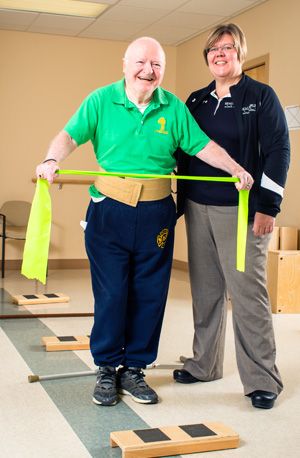
Essentially, physiotherapy aims to restore the movement and function of patients affected by injury, illness, and disability.

Physiotherapists use manual therapy, exercise and movement, and education and advice to achieve the results they desire.

Significance

Physiotherapists use their knowledge and skills to help improve conditions associated with different systems of the body like:

  • Respiratory (asthma, chronic obstructive pulmonary disease, cystic fibrosis)
  • Cardiovascular (rehabilitation after a heart attack, chronic heart disease)
  • Neurological (stroke, multiple sclerosis, Parkinson’s)
  • Neuromusculoskeletal (arthritis, back pain, sports injuries, whiplash associated disorder)

Techniques

Physiotherapists considers all the parts of the body as opposed to merely focusing on the individual aspects of the disease.

Some of the techniques commonly used in physiotherapy includes:

Education and Advice

Physiotherapists give guidance and advice on things that can affect the day-to-day activities of the patient (i.e. proper posture, correct lifting and carrying techniques, etc.)

Tailored exercises, physical activity, and movement advice

Exercises that can improve mobility, general health, and strengthen specific body parts may be taught by physiotherapists.

Manual therapy

Physiotherapists make use of their hands to relieve pain and stiffness and promote better body movement.

Other techniques like hydrotherapy and acupuncture may also be recommended.

Education and Advice

Physiotherapy uses a holistic approach.

That means it not only provides general advice like adapting the right exercise regimen, maintaining a healthy weight, etc. but it also provides guidance on improving the total well-being of the patient which is considered an integral part of the treatment.

Movement and Exercises

Physiotherapists may also recommend movement and exercises that can help improve mobility and function.

This can include the following:

  • Exercises designed to increase physical activity will be taught. The importance of staying active will also be taught. Likewise, techniques on how to safely and effectively carry out the exercises will be provided.
  • Activities that involve moving the entire body like walking, swimming, and other exercises will be taught to help those that are recovering from an operation that affects mobility and those recovering from injury.
  • When needed, patients are provided with mobility aids (i.e. crutches and walking sticks) to help them move around more efficiently.
  • Patients will also be taught exercises that are designed to enhance movement of specific parts of the body. In most cases, exercises of this nature need to be routinely repeated for a set length of time.
  • Hydrotherapy or aquatic therapy will also be taught when needed as it will not only provide the much needed support and relaxation for the muscles, it will also provide the resistance needed while healing.

Manual Therapy

In essence, manual therapy is the technique physiotherapists use to mobilize, manipulate, and massage the body’s tissues.

Manual therapy helps in:

  • Relieving stiffness
  • Alleviating pain
  • Promoting blood circulation
  • Improving the movement of different body parts
  • Promoting relaxation

Physiotherapy can also be used to effectively assist patients as they get back to their routine activities after an operation.

The common post-operative physiotherapy interventions often involve breathing exercises, circulatory exercises, and early mobilization.

Mobilization

The significance of early mobilization cannot be overstated.

For starters, it helps significantly minimize post-operative complications, ensuring quick recovery and timely hospital discharge is achieved.

A physiotherapist may also recommend stair assessment when needed to help gradually increase mobility.

Circulation

Ensuring proper blood circulation after surgery is significant in order to ensure likely complications like deep vein thrombosis are avoided.

To help promote blood circulation, certain exercises will be taught.

The exercises can be performed while in a chair or bed and will need to be repeated at least every 2 hours.

Breathing Exercises

Breathing exercises are taught in order to minimize chest infection complications.

These exercises are carried out at least 3 to 5 times each day and are done while sitting upright.

Some of the breathing techniques that will be taught include:

  • Deep breathing
  • Breathing control
  • Forced expiration technique

If you need the expert help and guidance of a physiotherapist, please visit www.bjios.sg.

0 comments
0 FacebookTwitterPinterestEmail

Pediatric orthopaedics is the specialty that treats acquired or genetic-related bone defects and diseases that develop during gestation.

Children who are born with congenital bone diseases can use the help of a pediatric specialist.

Musculoskeletal and developmental disorders can also benefit from the expertise of pediatric orthopaedics specialist.

While some conditions correct themselves without treatment, other cases can become severe when not given the proper medical attention.

Enumerated below are some of the most common pediatric orthopaedic disorders:

Legs

Internal femoral torsion

This condition is considered one of the most common cause of in-toeing in children that are aged 2 years old and above.

Fortunately, the condition can be treated by correcting an abnormal sitting position.

Genu valgum (knock-kneed)

This condition is usually benign and will often correct itself when the child turns 8 years of age.

However, if the condition will still persist until the child turns 10, surgery might be required.

Genu varum (bow-legged)

This condition is often the result of a posterior hip capsule that is tightened.

When it does not get resolved when the child turns 2, osteotomy might be necessary.

Internal tibial torsion

This condition is considered the most common cause of in-toeing in children 2 years old and below.

Fortunately, once the child starts walking, the condition will resolve itself.

Toes

Hammer toe

Typically, this condition affects the second toe.

When it becomes painful, surgery might be recommended.

Ingrowing toenail

This condition occurs when the edge of the nail grows into the soft tissue surrounding it.

Depending on the severity, the condition can be managed through noninvasive treatments (warm soaks and antibiotics) to surgery.

Polydactyly

This condition is considered very common.

Severity can range from minor soft tissue duplication to severe skeletal abnormalities.

In most cases, the likely treatment recourse for polydactyly is surgical removal.

Curly toes

This condition often affects the fourth and the fifth toes.

Inherited in most cases, this condition does not often manifest any symptoms.

Fortunately, as much as 25 to 50 percent of curly toe cases get resolved by the time the child turns 3 or 4 years of age.

Otherwise, surgery will be necessary.

Hip

Developmental dysplasia

This spectrum of disorders often affects the acetabulum, proximal femur, and the hips.

Early treatment and detection helps prevent long-term morbidity.

Septic arthritis

This condition is often the result of Staphylococcus aureus.

Treatment alternatives can include drainage, emergency aspiration, arthroscopy, and debridement (with antibiotic cover).

Transient monoarticular synovitis

This condition is considered one of the most common causes of limping.

It also often develops right after a respiratory infection.

Treatment alternatives can include rest, physiotherapy, and NSAIDs.

Perthes’ disease

This condition is often characterized by the femoral head’s idiopathic avascular necrosis.

Treatment interventions will usually include analgesia, bed rest, and bracing.

Surgery to redirect the head of the femoral ball (femoral varus osteotomy) will be required in some cases.

Foot

Planovalgus deformity

This condition is usually associated with cerebral palsy.

In ambulatory children with mild to moderate deformities, calcaneal lengthening is often the treatment recourse.

In non-ambulatory children with deformity that is severe, surgery might not be of any help and relapse rate is high.

Pes cavus

This condition is associated with a high arc that does not flatten even with weight-bearing.

Treatment alternatives can include physical therapy, surgery, and orthotics.

The treatment option chosen will depend on the severity of the condition.

Talipes equinovarus

Different abnormalities of the tibia, fibula and the bones located in the foot form a composite disorder called club foot.

Treatment option can include manipulation, splinting, casting, and surgery.

Is your child suffering from pediatric orthopaedic conditions? Please visit www.bjios.sg for proper management and help.


0 comments
0 FacebookTwitterPinterestEmail

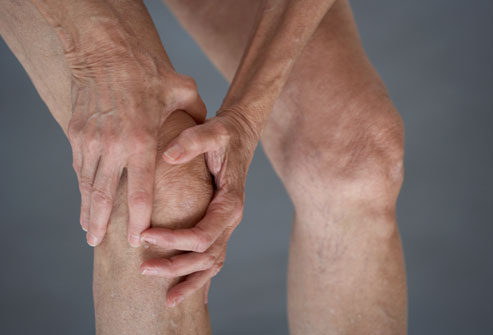
Considered one of the common types of arthritis, osteoarthritis (OA) affects more than 25 million adults.

And that statistics is just in the United States alone.

Otherwise known as wear-and-tear arthritis, degenerative joint disease, and degenerative arthritis, osteoarthritis is common among the elderly.

If truth be told, one third of the adults that are over 65 years of age have been afflicted with osteoarthritis.

Essentially, OA develops when the cartilage covering the joint breaks down.

In most cases, the damage is attributed to age and repeated movements.

While osteoarthritis can develop in any joint, oftentimes, it affects the joints situated in the knees, hips, spine, and hands.

Pain and stiffness are considered the most common symptoms of the condition.

Fortunately, while the condition becomes more prevalent as one ages, it should not be considered an inevitable part of aging.

To help ensure osteoarthritis is kept at bay, below are some of the essential tips that should be kept in mind:

Exercise

When the muscles situated along the front of the thigh get weak, the risk of knee osteoarthritis developing becomes increasingly higher.

Thankfully, even a minimal increase in muscle strength can already significantly reduce the risk.

To ensure the quadriceps are strengthened, isometric moves and wall slides are recommended.

If pain is experienced after exercise, using heat or cold therapy and taking pain relievers would help.

In addition, it is advisable to do only exercises that do not put any strain or stress on the joints.

Ideal exercises include bicycling, swimming, and other water exercises.

Weight Control

For those who want to keep osteoarthritis at bay, maintaining a healthy weight is considered a must.

For those who are obese, losing the excess weight is necessary to significantly reduce the chances of the condition developing.

While not many may be aware of it, obesity is known as one of the risk factors for the condition.

In fact, statistics show that those who are obese are four times more likely to develop the condition compared to non-obese individuals.

The excess weight puts strain on the joints especially those that bear the body’s weight like the feet, hips, and knees.

A 5 percent weight loss can already decrease the stress on the lower back, knees, and hips significantly.

Eat Right

While there has been no specific diet that has been proven to prevent osteoarthritis, some nutrients are believed to help reduce the risk.

Some of these nutrients include:

Vitamin D

Certain studies indicate that the condition’s progression is more likely in people with a high level of Vitamin D in the blood. Food sources that contain Vitamin D include fatty fishes like herring, mackerel, tuna, and sardines.

Vitamin C

Moderate intake of vitamin C (120 to 200 mg per day) can significantly reduce the risk of developing osteoarthritis by at least threefold. Common sources of vitamin C includes tomatoes, citrus fruits, strawberries, broccoli, and other leafy greens.

Omega-3 fatty acids

Healthy fats have been proven to help reduce joint inflammation. Good sources of healthy omega-3 fatty acids include flaxseed, olive, soybean, and walnut.

Have injuries treated immediately.

A joint injury that is left untreated can predispose one to developing osteoarthritis.

Studies even show that those who have injured their knees while in their teens are more likely to develop the condition compared to those who have not had any joint injury.

To help ensure joint injuries when exercising or doing sports are avoided, the following tips should be kept in mind:

  • When doing half knee bends, ensure the knees are not bended past 90 degrees.
  • When doing stretches, keep the feet as flat as possible so knee twists are avoided.
  • When jumping, ensure your knees are bent when landing.
  • Before participating in any sports, make sure to do warm-up exercises.

For help with management and treatment of osteoarthritis, please visit www.bjios.sg now.

0 comments
0 FacebookTwitterPinterestEmail