Tag:

Health

Low back pain can be felt anywhere below the ribs and above the legs.

The condition is very common that almost everyone has experienced it at one point in their lives or another.

Treatment options for low back pain can range from noninvasive alternatives to surgery.

However, it is recommended that checking with orthopaedic specialists would be ideal so the best treatment alternative will be provided.

Causes

While low back pain can be attributed to a lot of things, below are some of the most likely causes:

  • Pressure placed on the nerve roots – this can be attributed to other medical conditions like a herniated disc or a spinal stenosis.
  • Injury or overuse – this involves sprains and strains on the soft tissues like the ligaments and the muscles. The condition can also be traced to injuries in the small joints found between the bones of the spine or to compression fractures of the bones.
  • Osteoarthritis – when the condition affects the small joints situated in the spine, it can become the cause of back pain. Osteoarthritis in other joints such as the hips can also change how an individual walks resulting to back pain.

Other conditions that can likely cause low back pain include:

  • Bacterial infection
  • Spinal tumors
  • Ankylosing spondylitis

Symptoms

Depending on what causes it, low back pain can have diverse symptoms.

For instance:

Back sprain or strain

Usual symptoms can include:

  • Cramping, muscle spasms, and stiffness
  • Pain in the buttocks and back that may come and go

Nerve-root pressure

Usual symptoms can include:

  • Numbness, tingling, and weakness in one leg or both
  • Pain in the leg (in majority of the cases, the pain will start in the buttocks and will travel back to the foot, leg, or ankle)
  • Loss of bowel or bladder control (this can also be a symptom for cauda equine syndrome and will need immediate medical attention)

Osteoarthritis

Osteoarthritis in the spine can result to pain that:

  • More severe in the back and hip region
  • Starts gradually but can become severe eventually and can last up to 3 to 6 months
  • Gets worse after long periods without any activity

Treatment

Orthopaedic specialists diagnose, assess, and can recommend the best treatment alternatives for back pain.

Most cases of low back pain do not necessarily require a visit to an orthopaedic specialist.

However, if the pain gets too severe and it gets to a point where it hinders the patient from going about their usual routine, getting medical attention becomes a must.

Back pains are divided into two categories—acute and chronic.

Acute

Pain lasts less the 3 months but will respond to home remedies.

Chronic

Pain lasts more than 3 months and will require intensive treatment.

Treatment options for acute low back pain

If pain has persevered for a few days and does not respond to any noninvasive remedies (using heat or ice, taking painkillers, etc.), other treatment options like stronger pain medications and manual therapy might be recommended.

For those who experience severe pain, short-term use of opiate painkillers or muscle relaxants might be prescribed.

Epidural steroid shots might also be recommended.

Treatment options for chronic low back pain

For back pains that are chronic, one type of treatment will often not suffice.

Possible treatment options can include:

  • Cognitive-behavioral therapy
  • Massage
  • Acupuncture
  • Comprehensive rehabilitation programs
  • Biofeedback

Since low back pain can have different causes, treatment approach can vary from one individual to another.

To play safe, it would be best to have the condition assessed by a seasoned orthopaedic specialist so the best treatment option can be identified.

Is low back pain keeping you sidetracked? Visit www.bjios.sg for help.
 

0 comments
0 FacebookTwitterPinterestEmail

After an orthopaedic hand surgery, one of the doctor’s primary goals would be to make sure there is minimal post-operative pain.

While some discomfort may be expected, it is reassuring to know that advancements in pain control has made management of pain relatively easier nowadays.

There are many kinds of medications available designed to manage pain including opioids, local anesthetics, and nonsteroidal anti-inflammatory drugs or NSAIDs.

Aside from minimizing the ache, pain medications can also make patients feel a lot more comfortable.

The comfort can often help the body recover and heal faster from the procedure.

If pain experienced is minimal, patient can start moving sooner and can also regain strength faster.

Some of the possible medications that will be given to manage pain after orthopaedic hand surgery include:

Opioid Analgesics

When treating pain that is moderate to severe, opioids are considered very effective.

It is also given to manage short-term post-surgery aches.

Considered among the world’s oldest drugs, natural opioids are made from the dried “milk” of the opium poppy plant.

Semi-synthetic and synthetic opioids are artificially manufactured in laboratories.

Regardless if natural or synthetic, opioids work by attaching themselves to opioid receptors that are found in the body like the brain, gastrointestinal tract, and the spinal cord and blocking the pain transmissions.

Opioids can be given to patients through different means—by mouth, under the tongue, directly into the bloodstream, and through the skin.

Opioids have been known to work really fast and can provide patients with the luxury to be able to get more rest at night and become more active during the day.

Nonsteroidal Anti-inflammatory Drugs (NSAIDs)

Nonsteroidal anti-inflammatory drugs are given to manage both mild and moderate pain.

However, when managing moderate to severe post-surgery pain, NSAIDs are often used together with opioids.

NSAIDs are often given to reduce the pain and the swelling.

It works by preventing the body from creating too much prostaglandin.

Some of the most common NSAIDs given include ibuprofen, aspirin, and naproxen.

While NSAIDs are known to have lesser side effects as opposed to opioids, it cannot relieve moderate to severe post-surgery pain when utilized alone.

Centrally Acting Non-Opioids

Tramadol

Tramadol is a synthetic opioid.

It was modeled after codeine, a more popular opioid.

Tramadol changes the way the body perceives pain and it accomplishes the task by interfering with the regulation of serotonin and norepinephrine.

When production of those chemicals are altered, it becomes more difficult for pain messages to be transmitted from a nerve cell to another.

While considered effective in managing moderate pain, it is more effective when used with NSAIDs or acetaminophen.

Acetaminophen

Acetaminophen, just like NSAIDs are usually used after surgery in order to reduce the use of opioid medications that are stronger.

Acetaminophen is believed to be effective in easing mild to moderate pain since it elevates the body’s pain threshold.

However, even if it is effective for headaches, fevers, and pain, it does not eliminate the inflammation and swelling.

Local Anesthetics

Local anesthetics function by blocking pain.

In orthopedic procedures, they are used during and post-surgery as part of after surgery management of pain.

To ease pain, local anesthetics work by blocking the pain signals that are being transmitted to the brain.

Some of the most commonly used anesthetics include bupivacaine, lidocaine, and ropivacaine.

While local anesthetics do not have side effects associated with opioid medications (i.e. breathing problems, drowsiness, and constipation), it also has certain risks like allergic reaction and even possible nerve damage.

Regional Anesthetics

Regional anesthetics act as anesthesia during surgery.

It also offers pain relief after the procedure.

Regional anesthetics work by blocking movement in the lower part of the body (spinal, epidural), one of the arms (axillary, intra-scalene, supraclavicular), and the legs (femoral, sciatic).

For more information on orthopaedic hand surgery, please visit www.bjios.sg.


0 comments
0 FacebookTwitterPinterestEmail

The advanced surgical procedure that uses small incision where small cameras with fiber optic flashlights and microscopes are inserted is called minimally invasive surgery or MIS.

Minimally invasive surgery has become the treatment option of many patients today since it comes with many incomparable benefits.

Some of the peerless benefits include:

  • Less scarring
  • Shorter period of recovery
  • Enhanced safety
  • Reduced hospital stay
  • Lower risk of infection

Since minimally invasive surgery is considered relatively new compared to the traditional open surgery, not many are already familiar with the procedure.

For those who are candidates for minimally invasive surgery, it is important that all the key questions are covered before the surgery is carried out.

The following key questions should be included in your list:

What needs to be done before the surgery?

Check with the doctor regarding any preparations that need to be done a few hours or a day before the scheduled operation.

Consider it important to also ask if there are any eating restrictions you should follow the night before the surgery.

As a general rule of thumb, make sure you know and understand what you can or cannot do.

What occurs during a minimally invasive procedure?

For those who have no idea about the basics, let alone the specifics, it is a must to seek enlightenment from the surgeon.

Ask where the incisions or ports will be and how many will likely be needed in your case.

You can also ask about the number of hours the operation will take.

What will happen if the need to resort to open surgery arises?

In some instances, a surgeon may need to perform conventional open surgery while doing a minimally invasive procedure.

Inquire with your surgeon if that is a possibility in your case.

Also, check about the likely side effects if it happens and the possible impact it will have on your length of recovery.

What are the likely side effects of a minimally invasive procedure?

Oftentimes, patients will experience pain after the procedure.

However, when it comes to minimally invasive ones, it might not occur where you expect it.

Bear in mind that incisions in minimally invasive procedures may be far from the site of the surgery.

In line with this, check with your surgeon where you are likely to feel discomfort, how severe it will be, and how long it will likely last.

How long will be the recovery period?

While there are minimally invasive procedures that are performed on an outpatient basis, others are not.

To play safe, inquire about the expected recovery period so you will have a realistic idea in terms of the recuperation period.

Check also if physical therapy will be required after the procedure.

What medications will be needed?

It is very likely that painkillers will be prescribed after the surgery.

Check with your surgeon for any side effects.

Also, make sure to let the doctor know if you are taking any supplements or medications or if you currently have maintenance meds.

Also, get advice on what you need to do in case the pain medications you are given will not provide the relief you need.

What are the likely aftercare procedures that need to be observed?

At home, you need to know how to properly case for the incisions so infections are kept at bay.

Ensure that you understand and follow all the instructions you are given.

Make sure you also know the signs of infections and complications to look out for so you will know when you need to visit the doctor again.

What do you need to do while recovering?

Ask your doctor if you need to make a follow-up appointment and how often you’re likely need to.

Inquire if you’ll also be needing additional surgery in the near future.

If minimally invasive surgery for an orthopaedic condition is something you are looking into, please visit www.bjios.sg for guidance.


0 comments
0 FacebookTwitterPinterestEmail

Essentially, microsurgery is the surgery done on very small structures like blood vessels and nerves.

It makes use of specialized instruments used under a microscope.

Today, techniques used in microsurgery are already utilized by a wide variety of surgical specialties.

For instance:

Urologists

Takes advantage of microsurgical techniques when reversing vasectomies.

Gynecologists

Reverses tubal ligations utilizing microsurgical techniques.

Ophthalmologists (eye doctors)

Carries out microsurgery when removing cataracts, carrying out corneal transplants, and treating eye conditions like glaucoma.

Otolaryngologists (ear, nose, and throat doctors)

Performs microsurgery on the small and delicate structures found in the inner ear or the vocal cords.

Plastic surgeons also employ microsurgical techniques to reconstruct damaged or disfigured tissues, muscles, and skin.

They also use microsurgical techniques when transplanting tissues from different parts of the patient’s body.

Neurosurgeons also perform microsurgery to treat vascular abnormalities in the brain.

It is also used when removing cancerous tumors.

Equipment Used

Microsurgical equipment magnifies the operating field, provides instrumentation, and makes it easy for the surgeon to carry out surgery on structures that are very small and barely visible to the naked eye.

Microsuture materials, microscope, and microsurgical instruments are considered the most essential tools used in the procedure.

Microscope

While microscopes used in the procedure can vary depending on their specific use, they still have common standard features.

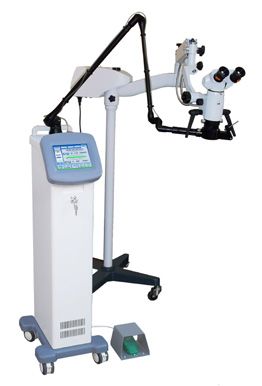
Microscope used in microsurgery has a moveable arm so manipulating its position is easier for the surgeon.

It can also be mounted on the ceiling or on the floor.

A high-intensity light source as well as a set of lenses makes it possible for the surgeon to view the surgical site.

A video camera makes it possible for the rest of the surgical team to see the operating field.

Generally, a five to forty times (5–40x) magnification is needed when carrying out microsurgery.

However, lower magnifications are used when exposing and identifying structures.

Higher magnifications are required when performing microsurgical repairs.

Instruments

Generally, microsurgical instruments are able to delicately manipulate structures.

However, they also come equipped with handles that are large enough so they can be handled comfortably and securely.

Some of the most common instruments used in microsurgery include:

  • Forceps
  • Scissors
  • Needle holders
  • Vessel dilators
  • Vascular clamps
  • Irrigators

Suture Materials

Suturing or stitching is carried out utilizing specialized threads and needles.

The diameter or the gauge of the suture thread will vary depending on the tissue that needs suturing and the procedure that will be performed.

In most cases, in microsurgery gauges of 9–0 to 12–0 are used.

On the other hand, suture threads can be absorbable or non-absorbable.

They can also be synthetic or natural.

The suture thread that will be used will also depend on the procedure that will be done as well as the tissue that needs to be sutured.

Essential Techniques

Microsurgical procedures use a set of basic techniques that has to be mastered by the surgeon.

These techniques include nerve repair and grafting, blood vessel repair, and vein grafting.

Blood vessel repair

When two separate vessels are connected to form a continuous channel, the procedure is called vascular anastomosis.

Anastomoses may be end-to-end (between two cut ends) or end-to-side (one cut end to the wall of another blood vessel).

Vein grafting is an alternative procedure to end-to-end anastomosis.

However, the procedure is only carried out when the cut ends of the blood vessels cannot be reattached without creating any tension.

Nerve repair

Anastomosis or neurorrhaphy is the procedure done when two cut ends of a nerve are connected.

Nerve repair may also involve suturing of the epineurium or the perineurium.

Nerve grafting

Neurorrhaphy cannot be carried out when there is a large gap between the cut ends of the nerve as tension might be created.

Nerve tension is avoided as it might interfere with the patient’s post-surgical function.

For more information on microsurgery, give www.bjios.sg a visit now.


0 comments
0 FacebookTwitterPinterestEmail

In essence, limb salvage surgery is the kind of procedure done to remove bone and soft-tissue cancers in the limbs.

The procedure is carried out so amputation is avoided.

Goals

Aside from avoiding amputation and removing the cancer, limb salvage surgery is also carried out in order to retain the greatest degree of function available and maintain the patient’s appearance.

While the surgery is often done for bone tumors and bone sarcomas, it is also performed on individuals with soft tissue sarcomas.

Many years ago, the standard care for those patients with cancer in the limbs would often involve amputation of the extremity affected.

Fortunately, thanks to dramatic improvements in imaging methods and surgical techniques, patients no longer have to lose a limb in order to treat the cancer.

Over the years, limb salvage surgery has become the treatment option for patients with chronic degenerative bone and joint diseases like rheumatoid arthritis, those patients who are candidates for diabetic limb amputation, and those with acute and chronic limb wounds.

Procedure

Also referred to as limb-sparing surgery, limb salvage surgery involves removing the cancer and an inch of the healthy tissue surrounding it.

If the bone has also been removed, it will have to be replaced.

The replacement can come from a donor body (cadaver) or from the body of the patient (autologous transplant).

Eventually, the transplanted bone will grow into the remaining bone.

Chemotherapy, radiation, or a combination of both will be used to shrink the tumor before the procedure is carried out.

The operation is done in three stages.

Surgeons will remove the cancer first as well as a margin of the surrounding tissue, a prosthesis or a bone graft is implanted when necessary, and the wound is closed by transferring soft tissue and muscles from other parts of the patient’s body.

Surgical Techniques

Soft tissue sarcomas

Limb salvage surgery is carried out on at least 80 percent of soft tissue sarcomas affecting the extremities.

The surgery will involve removing the tumor, lymph nodes, and the tissues where the cancer has spread.

An inch of the healthy tissue that surrounds the tumor will also be removed.

If the soft tissue sarcoma has spread to the lungs, the doctor will remove the original tumor, administer radiation or chemotherapy treatments, and then surgically remove the tumor.

Bone tumors

The malignant lesion and a cuff of normal tissue is removed in the treatment of low-grade tumors alongside any of its components.

In the case of high-grade tumors, bone, muscles, and tissues that are affected will also be removed.

Radiation and chemotherapy may be administered prior or after the surgery.

Radiation may also be administered during the procedure itself.

A special applicator will be placed against the surface where the tumor has been removed.

A tube with radioactive pellets will be exerted at the site of the tumor.

The tubes will have to be removed after several days.

Aftercare

After the surgery, blood flow and sensation in the affected extremity will be closely monitored.

Nurses will also need to watch out for possible signs of complications like pneumonia, deep-vein thrombosis, and pulmonary embolism.

Patients will also be given broad-spectrum antibiotics during the first 48 hours after the surgery.

Antiembolism stockings and prophylactic anticoagulants may also be recommended to ensure no blood clots are formed.

During the first 24 to 48 hours, a drainage tube will be placed in the wound to ensure blood and fluid do not accumulate.

The moment the postoperative pain is less severe, mild narcotics and anti-inflammatory medications will be given.

Is limb salvage surgery the appropriate treatment intervention for you? Visit www.bjios.sg to get trusted guidance from competent professionals.


0 comments
0 FacebookTwitterPinterestEmail

Joint pain can be discomfort, pain, and inflammation from any part of the joint like the tendons, muscles, bone, ligaments, and the cartilage.

In majority of the cases, joint pain is also the term given to arthralgia or arthritis.

Arthritis is characterized by inflammation or pain within the joint itself.

However, joint pain can also be attributed to several other conditions like gout, bursitis, osteoarthritis, sprains, strains, rheumatoid arthritis, and other injuries.

While it affects any part of the body, pain in the knee is the most common, followed by shoulder and hip pain.

As a person gets older, joint pain has the tendency to occur more often.

Joint pain can range from irritating to debilitating.

Acute cases will disappear after a few weeks while chronic cases can persist for several weeks or even months.

Unfortunately, however the short term the pain and swelling can be, it can still affect the patient’s life quality.

For those who are suffering from pain in the joint, some of the common treatment options can include:

Medications

For moderate to severe joint pain, prescription or OTC nonsteroidal anti-inflammatory drugs (NSAIDs) like naproxen sodium (Aleve) and ibuprofen (Advil, Motrin) are often recommended for pain relief.

Patients who experience only mild pain san swelling, acetaminophen (Tylenol) will be prescribed.

For joint pains that are severe, a strong opioid medication may be prescribed by the doctor.

Other medication that might be given to help ease the pain can include:

  • Muscle Relaxants – given to combat muscle spasms. Muscle relaxants are often used with NSAIDs for more potent results.
  • Antidepressants and antiepileptic drugs – both interfere with pain signals.

Topical Agents

A substance found in chili peppers known as capsaicin has been known effective in relieving joint pains.

It works by blocking substance P, the substance known to help transmit pain signals.

It also triggers the release of body chemicals that help block the pain.

These chemicals are known as endorphins.

Ben Gay and other topical creams that contain methyl salicylate are also known to provide relief for joint pains.

Injections

When topical and oral medications won’t work, steroid medications might be the next treatment option recommended.

A steroid medication is injected into the joint every 3 to 4 months to help ease the pain.

This treatment route is often recommended for patients with joint disease, tendinitis, and arthritis.

Physical therapy

Physical therapists help patients with joint pain by strengthening the muscles around it, improving the motion range of the patient, and stabilizing the joint.

Techniques like ultrasound, heat and cold therapy, and electrical nerve stimulation may also be used.

For overweight patients, getting rid of the extra pounds might be recommended in order to take pressure off the painful joint.

While exercise is a good and effective way of losing the extra weight, not all exercises will do.

As a general rule of thumb, it is recommended that you stick to low-impact exercises like swimming and bicycling.

Doing low impact exercises is recommended so joint irritation is avoided.

Home Remedies

To relieve short term pain at home, the following are recommended:

  • Protecting the joint with the use of a brace or wrap
  • Resting the joint and avoiding activities that might cause pain
  • Putting ice on the painful joint for at least 15 minutes, several times daily
  • Compressing the joint using an elastic wrap

Applying ice to the joints that are painful have also been proven to relieve both the inflammation and the pain.

Using a heating pad or a wrap several time a day is also considered an effective way to combat muscle spasms around the painful joint.

If joint pain is keeping you from doing your day-to-day activities, please visit www.bjios.sg for help.


0 comments
0 FacebookTwitterPinterestEmail

When the edges or the corners of the nail will grow into the skin, a condition known as ingrown toenail develops.

In most cases, given that there is no infection, ingrown toenail will often respond to home remedies.

However, when the toenail has pierced the skin or when the affected toe has become infected, ingrown toenail surgery might be recommended.

Unfortunately, those with diabetes and other medical conditions that will cause poor circulation are at a higher risk for ingrown toenail complications.

Causes

Ingrown toenail can be attributed to a lot of causes, some of which include the following:

  • Irregular and curved toenails
  • Toenails that are cut straight across
  • Injuries
  • Lack of foot hygiene
  • Footwear that put pressure on the big toes
  • Socks and stockings that are too tight may also lead to ingrown toenail

Symptoms

Ingrown toenail can be very excruciating.

In some cases, it can get infected when left unattended.

That being said, treating it the soonest possible time is recommended.

In the early stages, common symptoms that will develop can include:

  • Pain when pressure is put on the affected area
  • Tenderness and swelling of the skin that is next to the nail infected
  • Noticeable fluid buildup around the toe affected

Once the affected toe becomes infected, some of the symptoms that will manifest may include:

  • Swelling and redness
  • Pus
  • Pain
  • Skin overgrowth
  • Bleeding

Diagnosis

In many cases, the condition can be diagnosed through physical examination.

However, once the affected toe becomes infected, an X-ray might be recommended.

An X-ray may also be necessary when:

  • Pain becomes severe
  • The condition was caused by an injury
  • Patient has a history of chronic infection

Treatment

If there is no infection, home remedies are often enough.

However, if signs of infection manifest or if the toenail has pierced the skin, seeking medical attention would be recommended.

Home Remedies

Treatment of ingrown toenail at home can involve:

  • Soaking the feet in warm water at least 3 to 4 times each day
  • Pushing the skin from the toenail edge using cotton balls that are soaked in olive oil
  • Using over-the-counter medications like acetaminophen to help alleviate the pain
  • Applying topical antibiotic to help combat infection

Surgical Treatment

In case the condition will not respond to home remedies, an ingrown toenail surgery will be the recommended treatment alternative.

Nail and tissue removal – if the condition has manifested more than once, removing the underlying tissue or the nail bed as well as a portion of the nail will be done. This is done to ensure the nail’s affected part will no longer grow back.

Partial nail removal – if symptoms like pus, pain, swelling, and redness will manifest, the doctor will likely remove or trim a portion of the nail. An anesthetic will be given to numb the affected toe before the procedure is carried out.

After Surgery

After the procedure, patients will be sent home with a bandaged toe.

Raising the foot for at least a day or two after the surgery will be likely recommended.

On the second day, the bandage is often removed.

Patients will also be instructed to wear open-toed shoes for the time being.

Saltwater soaks may also be prescribed until the toe heals.

Painkillers will be given to ease the pain and antibiotics will be given to keep any infection from developing.

Prevention

In order to prevent ingrown toenail from developing, the following tips should be kept in mind:

  • Make sure the nails are trimmed straight across and the edges are not curved in
  • Refrain from trimming the nails too short
  • Wear footwear, socks, and stockings that fit properly
  • When working in a hazardous environment, protect the feet by wearing steel-toed boots

If you have a problem with ingrown toenail, visit www.bjios.sg for appropriate help with the management and treatment of the condition.

0 comments
0 FacebookTwitterPinterestEmail

Even if once considered a “high-tech” procedure, joint replacement is now deemed very common.

Statistics indicate that at least more than a million hips and knees are replaced annually.

And that statistic is in the United States alone.

While the figures are no doubt staggering, it is not exactly surprising.

For the right candidates, hip and knee replacement can be a life-altering procedure.

When is the procedure necessary?

While often considered the last resort, hip and knee replacement is deemed the best alternative when the following factors are present:

  • When there is pain and stiffness – it might be time for a new joint when the patient experiences difficulty walking, getting up from a chair, climbing the stairs, and doing routine activities. Also, if pain has persisted for more than 6 months already, a joint replacement surgery might be the best alternative.
  • When it affects the patient’s quality of life – apart from the pain, another key element that needs to be factored in is if the condition already has a significant impact on the patient’s daily routine. Is it limiting what the patient can do? Does it affect the patient’s mood? Does it impact how they go about their day-to-day routine?
  • When there is damage to the bone – X-rays alongside other imaging tests can be used to check if osteoarthritis or any other medical condition has taken a toll on the patient’s joints.
  • When there is obvious deformity – when the patient’s leg has become bowed or the knees have become severely swollen, joint replacement surgery will be the likely treatment option.
  • When other treatment alternatives have become futile – when all the other non-invasive treatment options (injections, medications, devices) have been exhausted, surgery becomes the likely option.

What key elements should be considered?

Even for those who are perfect candidates for hip or joint replacement surgery, it is still necessary that the following key questions are addressed:

Has the possible impact of the procedure already been considered?

The likely effects of surgery on the patient’s life and job should be taken into account.

When necessary, talking to family members and friends will be encouraged so assistance is available while patient is recovering.

Have other perspectives been taken into account?

Just like any surgeries that are major, getting a second opinion would be recommended.

This is especially true for those patients who have any doubts if the procedure is the best recourse possible.

Has the procedure been discussed with the surgeon?

For likely candidates, it is important that the specifics about the procedure will be discussed thoroughly.

If patient has any doubts and queries, they should not think twice about discussing it with their surgeon.

Asking for enlightenment regarding the procedure and what the recovery would be like is also advisable.

Has proper research been carried out?

There are different kinds of joint replacement procedures so doing research and reading up on the matter is recommended.

There are a lot of reliable websites that can provide essential information on the matter so candidates for surgery will have a clear idea of what they will be getting themselves into.

Is there assistance available while recovering?

Recovering from joint surgery when living alone can be very challenging.

For the first few weeks after the procedure, help will be necessary when preparing food, getting dressed, changing the bandage, and moving around.

If no family members or friends will be around to provide assistance, finding a facility where they can rehabilitate would be ideal.

What necessary changes do candidates for surgery need to do?

In order to ensure the best results are achieved, candidates should be willing to commit and work hard prior and post-surgery.

Patients need to also be aware that significant lifestyle need to be made like losing weight, exercising more, quitting smoking, and eating healthier, among other things.

If you think you are a candidate for joint replacement surgery, please visit www.bjios.sg.


0 comments
0 FacebookTwitterPinterestEmail


The medical term given to a broken bone is fracture.

Fractures are very common.

Statistics show that an average person will have at least two fractures in their lifetime.

When the physical force exerted is way stronger than the bone, a fracture will most likely occur.

Types

While there are different kinds of fractures, the main categories are closed, open, non-displaced, and displaced.

Displaced fracture occurs when the bone is snapped into two (or more parts).

However, when there is a crack but the alignment of the bone is still present, it is called a displaced fracture.

When the bone breaks through the skin, it is classified as an open fracture. However, if there is no puncture or wound, it is aptly called a closed fracture.

Other fracture types include:

Greenstick fracture

This type is very common among children. This is also considered an incomplete fracture characterized by a bent bone.

Transverse fracture

This type occurs when the broken piece of the bone is found at a right angle to the bone’s axis.

Buckled fracture

This is also commonly known as impacted fracture. This occurs when the bone ends are driven into each other.

Comminuted fracture

This type occurs when the bone has been broken into several pieces.

Symptoms

Common fracture symptoms can include but are not limited to the following:

  • Swelling
  • Bruising
  • Pain (especially when moved or when pressure is applied)
  • Deformity
  • Loss of function

Causes

Fractures often develop as a result of falls, blows, and other traumatic events.

Fractures that are caused by other illnesses like cancer are called pathologic fractures.

The condition weakens the bones and fractures of this kind will manifest without any trauma.

At least 1.5 million of fractures that occur annually is often attributed to osteoporosis.

Diagnosis

In order to accurately diagnose bone fractures, doctors will require X-rays and will have to physically examine the area.

In some cases, however, X-rays will not suffice when checking for fractures.

For instance, in order to diagnose stress, hip, and wrist fractures accurately, a bone, MRI, or CT scan might be recommended.

In other instances, special tests like X-ray of the blood vessels, angiogram, etc. will be necessary to ensure there are no damage on the surrounding tissues.

Treatment

In majority of the cases, immediate medical attention will be required for fractures.

Immobilization of fractures are carried out using a cast or a splint.

In certain cases, traction is used to minimize pain and promote healing.

In cases of open fractures, antibiotics are prescribed to keep infection at bay.

Rehabilitation will also be recommended the soonest possible time even if the cast is still in place.

This is to help ensure stiffness is prevented, muscle tone is maintained, and blood flow is promoted.

Once the cast or splint has been removed, swelling and stiffness can still be experienced in the area surrounding the fracture.

However, in most cases, it will disappear after a few weeks.

It will often take 4 to 6 weeks before strength is regained in the bone.

To play safe, it is advisable to ask the doctor regarding safe activities you can already do.

In most cases, key elements like the type of fracture and the patient’s overall health will be taken into consideration.

Prevention

To ensure bone fractures are prevented, the following measures should be kept in mind:

  • Ensure the stairs are free from objects that can actually cause one to trip.
  • When doing recreational activities, proper safety equipment like helmets, safety pads, etc. should be worn.
  • For patients that are diagnosed with osteoporosis, talk to doctors about calcium supplements and other possible remedies and ask for exercises that can help enhance both strength and balance.

If you suspect you have fracture or a broken bone, visit www.bjios.sg for proper and competent help and guidance.


0 comments
0 FacebookTwitterPinterestEmail

Foot and ankle injuries are very common.

So common that everyone has most likely experienced one at one point in their lives or another.

The cause of foot and ankle injury are often attributed to two things—everyday wear and tear and overuse.

Even when extremely common, there are plenty of facts about foot and ankle injuries many people are not aware of.

For the uninitiated, below are some of the basic facts about food and ankle injuries not many people know about:

In children, a foot and ankle injury can often occur when engaging in sports, while playing, or during falls.

In general, majority of foot and ankle injuries happen when doing work or projects around the house, when engaged in work-related tasks, or while involved in sports or recreational activities.

Certain athletes like dancers, soccer players, gymnasts, and basketball players are more prone to foot and ankle injuries compared to others.

Injury risk for foot and ankle injuries is often higher when doing activities that entail jumping (i.e. soccer or football).

Older adults are more susceptible to foot and ankle injuries since they are more likely to already lose much in terms of muscle mass and bone strength because of their age. Vision and balance problems can also increase their risk significantly.

Minor foot and ankle injuries will often respond well to home remedies. However, acute injuries secondary to twisting, jamming, bending, falling, direct blows, and penetrating injuries may require immediate medical attention.

Some of the most common acute injuries include:

Puncture wounds

Sharp objects like nails, needles, ice picks, and knives can cause puncture wounds. It is easy for puncture wounds to get infected so seeking medical attention is recommended at all times.

Tendon injuries

When tendons rupture, it can result to discomfort and severe pain.

Dislocation

Can be a result of a bone moving out of place.

Pulled muscles or strains

Muscles of the foot and the ankle can become strained. In some cases, it may also rupture.

Treatment options for foot and ankle injuries vary and may include medicine, first aid measures (splint, brace, application of cast), special shoe (orthotic device), and physical therapy.

When too much stress is placed on the tissues or joints, overuse injuries can develop.

Some of the most common overuse injuries can include:

Plantar fasciitis

This condition occurs when the plantar fascia (the flat and broad ligament situated at the bottom of the foot) becomes inflamed.

Achilles tendinitis or tendinopathy (tendinosis)

This condition is characterized of the soft tissues that are found in and around the tendon that connects the calf muscles to the heel bone (Achilles tendon).

Retrocalcaneal bursitis

This condition occurs when the bursa is inflamed. Its symptoms include swelling and tenderness. Pain can become very noticeable when wearing shoes or when doing physical activities.

If the following symptoms will manifest, seeking medical attention is recommended:

  • There is obvious deformity
  • The skin of the injury site is broken
  • Numbness and tingling is experienced
  • The affected area turns blue, pale, or white
  • Excruciating pain is experienced
  • The swelling and the pain does not disappear even after 2 days
  • Signs of infection are showing like redness, fever, warmth, swelling, and red streaks in the affected area.

The recommended treatment option for foot and ankle injuries will often depend on the following key factors:

  • Severity of the condition
  • Type of the injury
  • Location of the injury
  • When the injury occurred
  • Age
  • Overall health condition
  • Activities (work, hobbies, sports)

Prevention of foot and ankle injuries is way easier if the following tips are kept in mind:

  • Invest in a new pair of running shoes after 500 miles of wear or at least every 3 months.
  • Do exercises for heel pain and tightness. This is especially important for athletes.
  • Refrain from doing excessive sprinting.
  • Walk regularly to enhance circulation and flexibility.

For help and guidance on foot and ankle injuries, please check www.bjios.sg.

0 comments
0 FacebookTwitterPinterestEmail