Tag:

detox

gold serum for cosmetic symbolizing glutathione and vitamin c with the title of the article on the right side

Glutathione has become one of the most talked-about supplements in the world of skincare and wellness—and for good reason. Often called the “master antioxidant,” it’s known for its role in detoxification, immune support, and most famously, skin brightening.

But did you know that glutathione works even better when paired with Vitamin C? Vitamin C isn’t just a helpful vitamin to have on hand. It’s essential in helping glutathione do its job effectively. When taken together, these two nutrients can boost your health, support glowing skin, and strengthen your body’s natural defenses.

In this article, we’ll explore how glutathione and Vitamin C work, why they’re better together, and how much of each you actually need.

Highlights
  • Glutathione works best when paired with Vitamin C, which helps stabilize and recycle it for better results in skin and overall health.
  • Taking the right dosage matters — 500–1000 mg of Vitamin C and 250–1000 mg of glutathione daily is common, but balance is key.
  • Consistency, hydration, and lifestyle (like avoiding alcohol and eating antioxidant-rich foods) greatly improve glutathione’s effectiveness.

What Exactly is Glutathione?
glutathione serum with bubbles in closeup

Photo from Canva Stock Images

Glutathione is a powerful antioxidant naturally produced by the body. It helps protect your cells from damage caused by free radicals, toxins, and pollution. Aside from its detoxifying abilities, glutathione also plays a key role in:

  • Supporting the immune system,
  • Reducing inflammation,
  • And lightening the skin by inhibiting melanin production.

People often take glutathione supplements in oral form, sublingual drops, or even IV drips, depending on their goals. It’s especially popular for its skin-brightening effects and overall health benefits.

Why Vitamin C Is More Than Just an Immunity Booster
vitamin c in a bottle and lemon in the background

Photo from Canva Stock Images

Glutathione works best when paired with Vitamin C—not just for absorption, but for longer-lasting results in both skin and overall wellness. Here’s why this combo matters:

  • Vitamin C helps regenerate and stabilize glutathione, making it more effective in the body.

  • It also enhances skin-brightening results by supporting antioxidant activity and collagen production.

  • Healthy habits make a difference: staying hydrated, avoiding alcohol, and eating antioxidant-rich foods all boost results.

Used wisely, this pair can do wonders for your glow and your health. When taken consistently and paired with a mindful lifestyle, you’ll start to see real changes over time.

How Vitamin C Supercharges Glutathione

Here’s where things get interesting: Vitamin C doesn’t just work alongside glutathione—it actively helps recycle it. This means Vitamin C brings used glutathione back to its active form, allowing your body to keep using it longer.

Without Vitamin C, glutathione becomes unstable and breaks down faster. In short, you may not see the full benefits of glutathione without enough Vitamin C in your system.

Some studies even suggest that taking Vitamin C along with glutathione improves absorption and leads to better results, especially in skin lightening and antioxidant protection.

Why They Work Better Together

When taken together, glutathione and Vitamin C make a great team. Here’s what you can expect:

  • Brighter Skin: Glutathione lightens skin, while Vitamin C helps reduce pigmentation and improves glow.
  • Stronger Antioxidant Defense: They work on different parts of the cell, giving double protection from damage.
  • Better Immunity: Both support the immune system and reduce inflammation, especially during stress or illness.
  • Faster Detox: With both in action, the body flushes toxins more efficiently—leaving you with more energy and less fatigue.

How Much Should You Take?

a beautiful woman holding pills on both hands

Photo from Canva Stock Images

A. Vitamin C Dosage

The basic recommended amount is 75–90 mg/day, but that’s just for maintaining general health. For skin and antioxidant support, 500–1000 mg/day is often used.

The upper safety limit is 2000 mg/day, though taking more may cause stomach discomfort, especially on an empty stomach.

B. Glutathione Dosage

A common daily dose is 250–1000 mg depending on your goal. For skin brightening, some people go higher—but this should be under a doctor’s advice.

Important note: Everyone’s body is different. Always talk to a healthcare provider before starting any new supplement routine.

Can You Take Too Much?

Yes—more isn’t always better. Too much Vitamin C may lead to:

  • Stomach cramps
  • Diarrhea
  • Even kidney stones in rare cases

Glutathione is generally safe, but some people may experience:

  • Bloating
  • Allergic reactions
  • Or mild stomach upset

Stick to recommended doses and monitor how your body reacts.

Best Practices for Supplementing

TipWhy It Helps
Take both Vitamin C and glutathione within the same dayEnhances absorption and effect
Choose quality supplements (liposomal, IV, or reduced forms)Better delivery and bioavailability
Eat a diet rich in fruits, veggies, and antioxidantsNatural support for your body’s needs
Drink plenty of waterHelps with detox and skin hydration
Avoid smoking and alcoholThese deplete antioxidants quickly

Final Thoughts

a beautiful woman about to take a glutathione pill

Photo from Canva Stock Images

Vitamin C and glutathione are a dynamic duo that can truly elevate your overall wellness and give your skin that healthy, radiant glow. When used correctly, they work in harmony to support your body from the inside out.

However, the real magic lies in balance, not in taking high doses. More isn’t always better. Instead, focus on consistency and quality.

With daily use, paired with a healthy lifestyle, you may begin to notice brighter skin, better energy, and improved immunity. So, if you’re serious about skin care or overall health, this combo is worth exploring—with your doctor’s guidance, of course.
It’s a simple yet powerful addition to your wellness routine. Over time, the results speak for themselves—naturally, gently, and effectively.

FAQs

Can I take Vitamin C and glutathione every day?
Yes, daily use is generally safe within recommended limits.

Can I get enough Vitamin C from food alone?
Sometimes, but not always—especially if you’re targeting specific results like skin brightening or detox.

How long before I see results from glutathione?
It varies. Some people see results in a few weeks, others after a few months, depending on dosage, form, and body response.

Is IV glutathione better than oral?
IV delivers faster results but should only be done under medical supervision. Oral glutathione works well with consistent use and proper support from Vitamin C.

Can I take them on an empty stomach?
It’s best to take glutathione and Vitamin C with food to avoid any possible stomach discomfort and to improve absorption. A light meal usually works well.


0 comments
0 FacebookTwitterPinterestEmail
a beautiful asian woman looking happy at the results of her glutathione treatment

Glutathione has become a buzzword in the world of wellness and skincare—and for good reason. It’s a powerful antioxidant found naturally in the body, known for its role in detoxification, immune support, and yes—skin brightening. Many people take glutathione supplements hoping for clearer, brighter, and more even-toned skin. But the question always follows: How long before I see results?

The truth is, results vary. It depends on several factors, including how you take it, how much, how often, and even how your body processes it. Let’s break it down so you can set the right expectations—and make the most of your glow-up journey.

Highlights:
  • Glutathione works differently for everyone, depending on how it’s taken, the dosage, and your body’s unique response. Results are not instant but build over time.
  • For skin brightening, visible changes usually appear within 1–3 months for lighter skin and 3–6 months or longer for darker tones. Other health benefits may show earlier.
  • Taking glutathione with Vitamin C, staying consistent, and following a healthy lifestyle can maximize results. Consulting a doctor ensures safety and proper guidance.

What Affects How Fast Glutathione Works?

a beautiful asian woman holding a tablet of glutathione

Photo from Canva Stock Images

A. Method of Intake Matters

Not all forms of glutathione work the same. Some are absorbed better than others.

  • Oral supplements (like capsules or tablets) are common and convenient, but they pass through your digestive system first. That means a portion may be lost before your body can use it.
  • Intravenous (IV) glutathione goes straight into your bloodstream, giving faster and more noticeable effects, especially for skin brightening. However, it’s more expensive and should be done by professionals.
  • Sublingual forms, like lozenges or sprays under the tongue, can offer better absorption than oral pills.
  • Inhalation or topical creams are less common and generally less effective due to low bioavailability.

In short, the faster it gets into your system, the sooner you may see results.

B. Dosage & Frequency

More glutathione doesn’t always mean faster results. What matters more is taking the right dose consistently. Most oral supplements recommend 250–1000 mg per day, often with Vitamin C to support absorption.

Taking too much won’t make it work overnight. In fact, megadosing can stress your liver or be completely wasted. Stick to recommended amounts, and be patient.

C. Body Chemistry Plays a Role

Your body’s unique makeup also affects how quickly glutathione works:

  • Skin tone: Lighter skin may see changes within 1–3 months, while deeper tones might take 3–6 months or more for noticeable brightening.
  • Metabolism and gut health affect how well your body absorbs nutrients.
  • Liver and kidney function are important since they’re key in glutathione production and usage.
  • And of course, lifestyle habits like diet, sleep, stress, and smoking all play a part.

General Timeline: What to Expect

a beautiful young woman touching her smooth arm

This visual was rendered with the help of an image generator.

A. For Skin Brightening

Skin changes don’t happen overnight. You’ll need to be consistent.

  • Light to medium skin tones may start seeing improvements in 1 to 3 months.
  • Medium to dark skin tones may take 3 to 6 months or longer.

Brightening tends to happen gradually—think clearer, more even-toned, and glowing skin—not dramatic overnight whitening.

B. For Other Health Benefits

Glutathione does more than affect your skin.

  • For detox and antioxidant effects, some people notice a difference in as little as 1 to 4 weeks.
  • Immunity and energy levels may improve within a few weeks to a couple of months, depending on your overall health.

Often, the first changes are internal before they show up on the outside.

Subtle Signs That Glutathione Is Working

SignWhat It Means
Better sleep and more stable energyYour body is detoxifying more effectively, reducing fatigue and improving rest.
Fewer breakouts or less skin inflammationAnti-inflammatory properties are calming your skin from within.
More radiant and even skin toneGlutathione is helping balance melanin production and oxidative stress.
Improved digestion or fewer flare-upsYour gut health is improving, supporting detox and nutrient absorption.
Stronger immunity or fewer sick daysAntioxidant support is strengthening your immune response over time.

Why It’s Best to Talk to Your Doctor First

Before starting any new supplement—especially something like glutathione—it’s always a smart move to speak with a healthcare professional. Your body is unique, and what works for others might not be the right fit for you. A doctor or licensed dermatologist can help you:

  • Choose the right form and dosage
  • Check for any underlying health conditions
  • Ensure it won’t interact with other medications
  • Monitor your progress and adjust as needed

This is especially important if you have liver, kidney, or autoimmune conditions, or if you’re pregnant or breastfeeding. A medical professional can guide you safely and make sure your glow-up journey is not just effective—but healthy too. Taking care of your skin and health shouldn’t be a guessing game. So don’t skip that check-up—it’s part of self-care too!

How to Maximize Your Results

Want to get the best out of your glutathione routine? Here’s how:

  • Take Vitamin C with it. It boosts absorption and helps glutathione work better.
  • Stay hydrated and eat a clean, balanced diet.
  • Be consistent—no skipping doses.
  • Avoid habits that lower glutathione like smoking, alcohol, and stress.

In short, support your supplements with healthy habits.

Don’t Fall for Myths

You’ve probably seen ads saying, “Get fair skin in two weeks!” Sadly, that’s not how it works. Glutathione is not a bleaching agent. It works by gently reducing melanin production and fighting oxidative stress. That takes time. Expecting overnight miracles will only lead to disappointment. Patience really is part of the process.

Why You Might Not See Results

Sometimes, people take glutathione and wonder why nothing’s happening. Here’s why that could be:

  • Low-quality products that aren’t well absorbed
  • Inconsistent use (missing doses breaks the momentum)
  • Health issues that affect absorption or metabolism
  • Not pairing it with supporting nutrients, especially Vitamin C

If in doubt, consult your doctor or a trusted health professional.

Final Verdict: Is It Worth the Wait?

glutathione serum with bubbles in closeup

Photo from Canva Stock Images

Absolutely worth it. Glutathione isn’t a quick-fix or overnight miracle. But for those willing to commit, it can offer powerful and lasting benefits. Think of it as a wellness investment: one that works gently from the inside out, supporting not just brighter skin but also better energy, immunity, and overall health.

The key is consistency, the right dosage, and pairing it with healthy habits like a good diet, sleep, hydration, and stress management. Results may come slowly, but when they do, they tend to be deeper, safer, and more sustainable. Many users report feeling healthier even before seeing changes in their skin. That’s because glutathione works on a cellular level—quietly repairing, detoxifying, and protecting your body. 

So yes, it’s worth the wait. Just give it time, trust the process, and let your glow unfold naturally.

FAQs

Can I take glutathione every day?
Yes, daily intake is generally safe for most people when taken within the recommended dosage. Consistency is key to seeing long-term results.

Will my skin go dark again if I stop taking it?
Gradually, yes. If you stop taking glutathione and return to old habits, your skin may slowly return to its original tone. Maintenance, along with a healthy lifestyle, helps preserve your glow.

Is IV glutathione better than capsules or tablets?
IV glutathione works faster and has higher absorption, but it’s also more expensive and requires medical supervision. Oral forms are safer for long-term, everyday use and still effective when taken consistently.

Do I need to take Vitamin C with glutathione?
Yes! Vitamin C boosts glutathione absorption and enhances its skin-brightening and antioxidant effects. They’re a great pair for best results.

How long before I see visible changes in my skin?
Skin improvements usually begin within 1–3 months for lighter skin tones and 3–6 months or longer for darker skin tones. Patience and consistency matter.

0 comments
0 FacebookTwitterPinterestEmail
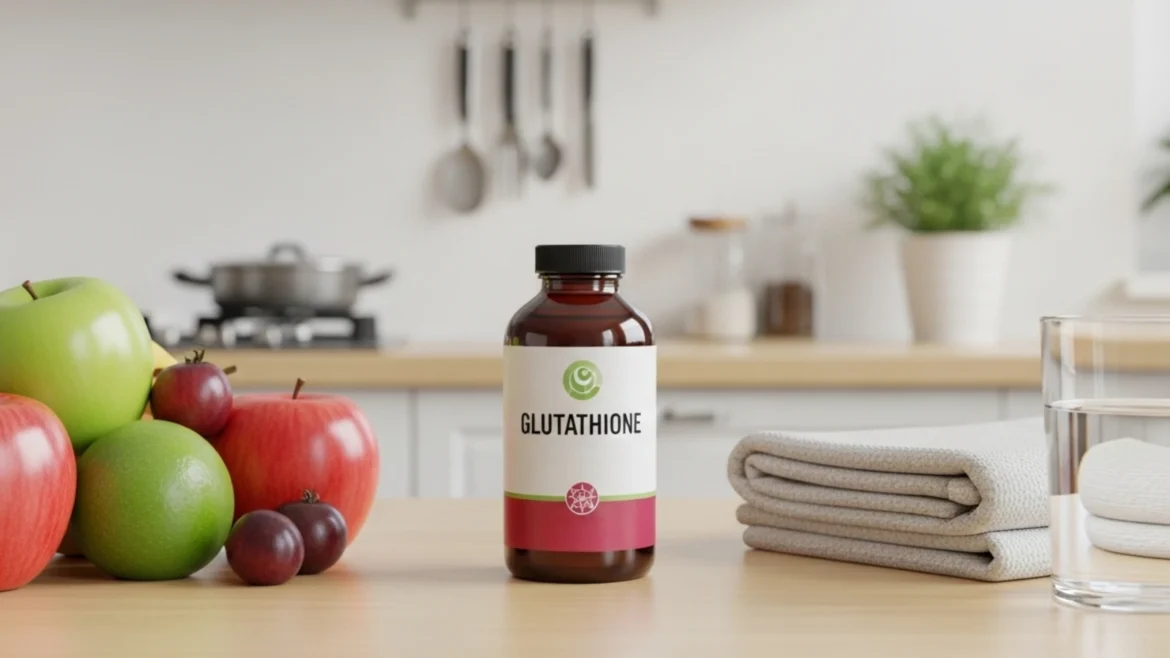
glutathione bottle placed on a kitchen table along with fruits and water

Glutathione has become a favorite in the world of health and beauty. Known as the “master antioxidant,” it helps protect your body from damage, supports your liver, and yes—brightens your skin too.

Many take it to achieve a more even skin tone, boost immunity, and detoxify the body. But as with any supplement, taking it the right way makes all the difference. Used properly, it can support your wellness journey. Used carelessly, it might not give the results you expect—or worse, may cause harm.

In this article, we’ll walk you through the dos and don’ts of taking glutathione. Whether you’re a beginner or already taking it, these tips will help you stay safe and see better results.

Highlights:
  • Glutathione supports skin brightening, detox, and immunity but it must be taken properly with the right dosage, form, and lifestyle habits.
  • Do consult a doctor, choose high-quality supplements, take Vitamin C, live healthily, and monitor your results for safe and effective glutathione use.
  • Don’t overdose, expect overnight changes, rely on glutathione alone, or use unverified IV drips, these can lead to risks and disappointing results.
  • Choosing high-quality products, consulting your doctor, and tracking your progress are essential to seeing real, long-term benefits.

What Is Glutathione, Really?

Glutathione is a natural antioxidant that your body produces on its own. It plays a big role in fighting off free radicals—those unstable molecules that damage cells. It also helps detoxify the liver and strengthen your immune system.

When it comes to skin, glutathione helps slow down melanin production. That’s why many people take it to brighten dark spots or even out their complexion.

You’ll find it in many forms: oral capsules, sublingual tablets (placed under the tongue), IV (intravenous) drips, and even creams. Each type works a little differently, but the goal is the same—boost your glutathione levels for better health and glowing skin.

The 5 Dos: What You Should Definitely Do

a beautiful asian woman touching her face

Photo from Canva Stock Images

1. Do Consult a Healthcare Professional First

Before anything else, talk to your doctor. This is especially important if you’re pregnant, breastfeeding, or have a medical condition. A professional can recommend the right dosage and help avoid unwanted side effects.

2. Do Choose High-Quality Supplements

Not all glutathione products are created equal. Look for “reduced glutathione” on the label—that’s the form your body can easily absorb. Stick to trusted brands that are FDA-approved or GMP-certified for safety and quality.

3. Do Take It With Vitamin C

Vitamin C helps your body absorb glutathione better. Many people take them together—usually in a 2:1 ratio (twice as much Vitamin C as glutathione). For example, if you’re taking 500 mg of glutathione, pair it with 1,000 mg of Vitamin C.

4. Do Maintain a Healthy Lifestyle

Glutathione works best when combined with good habits. Eat a clean diet, drink plenty of water, get enough sleep, and wear sunscreen. Also, avoid things that lower your glutathione levels—like smoking, drinking alcohol, and staying stressed.

5. Do Monitor for Results and Side Effects

Be patient. Most people start seeing changes after 4 to 12 weeks, but every body is different. Keep track of your energy levels, skin tone, and overall wellness. And if anything feels off, it might be time to adjust.

The 5 Don’ts: What to Avoid at All Costs

1. Don’t Exceed the Recommended Dosage

More isn’t always better. Taking too much glutathione can cause side effects like bloating, nausea, or even strain your kidneys or liver. Always follow the suggested dosage on the label—or better, your doctor’s advice.

2. Don’t Expect Overnight Results

Glutathione is not a miracle product. Results take time, especially if your goal is brighter skin. Avoid the pressure to “speed things up.” Trust the process.

3. Don’t Rely on It Alone for Skin Brightening

Think of glutathione as part of a bigger picture. Your skincare routine, sun protection, and even your genes all affect your results. Glutathione helps—but it’s not the only piece of the puzzle.

4. Don’t Use Unverified IV Glutathione Services

Be extra careful with IV treatments. If done in unlicensed clinics, they can be dangerous. Risks include allergic reactions or infections. Always check if the provider is certified and the facility is safe.

5. Don’t Ignore Signs of Allergies or Reactions

Some people experience rashes, breathing trouble, or stomach issues. If this happens, stop immediately and seek medical advice. Don’t push through it thinking it’s normal.

Glutathione Myths You Shouldn’t Believe

There’s a lot of buzz online, and not all of it is true. Let’s clear up a few myths:

  • “Glutathione will make me super white.”
    → It may brighten your skin, but results depend on your natural tone and other factors. 
  • “It’s natural, so it’s 100% safe.”
    → Even natural products can cause reactions or side effects. Your body’s response matters. 
  • “I don’t need Vitamin C.”
    → Actually, Vitamin C helps glutathione work better. Skipping it may lessen the effects.

Quick Reference Table: Dos and Don’ts at a Glance

Here’s a handy table to help you stick to the right habits and avoid common mistakes when taking glutathione:

DOsDON’Ts
Consult your doctor first before starting any supplementDon’t self-medicate or ignore health conditions
Choose high-quality supplements (look for “reduced glutathione” and trusted brands)Don’t buy cheap, unverified products with no certifications
Pair with Vitamin C for better absorptionDon’t skip Vitamin C—it boosts glutathione’s effects
Maintain a healthy lifestyle (clean diet, hydration, rest, SPF)Don’t rely on glutathione alone to fix skin or health issues
Track your progress patiently (results vary per person)Don’t expect overnight results or double the dosage for faster effects
Be alert to any side effects and consult a doctor if neededDon’t ignore allergic reactions or discomfort
Use trusted clinics for IV treatments (if needed)Don’t get IV drips from unlicensed or shady clinics

How to Spot a Trusted Glutathione Product

With so many glutathione products on the market, it’s easy to get overwhelmed. Not all supplements are created equal—and choosing the wrong one can mean poor results or wasted money. Here’s how you can identify a high-quality glutathione supplement:

a doctor in her office holding a tablet

Photo from Canva Stock Images

  • Look for “Reduced Glutathione” on the Label- This is the most effective and absorbable form. Avoid products that don’t clearly state the type of glutathione they contain. 
  • Check for Certifications – Choose brands that are GMP-certified, FDA-approved, or third-party tested. These ensure the product meets safety and manufacturing standards. 
  • Read the Ingredients List – Avoid supplements with unnecessary fillers, artificial colors, or added sugars. The shorter and cleaner the ingredient list, the better. 
  • Research the Brand – Look for transparency—brands should clearly show their manufacturing process, test results, and sourcing. Bonus points if they have positive, verified reviews. 
  • Choose the Right Form for You –  First, Capsules/tablets are convenient for daily use. Second, Sublingual forms (under the tongue) offer quicker absorption and IV drips can be effective but require proper medical supervision.

A trusted product gives you confidence—and gets you closer to your goals safely. When in doubt, bring the label to your doctor or pharmacist and ask for input.

Final Tips for Best Results

    • Be consistent—don’t skip doses. 
    • Keep a healthy lifestyle to support your results. 
    • Stay in touch with your doctor for regular guidance. 
  • Track your progress, but don’t obsess over fast results.

Conclusion: Use Glutathione the Smart Way

an asian woman looking at a bottle of glutathione after having breakfast

Photo from Canva Stock Images

When used properly, glutathione can truly support your skin and overall health in amazing ways. From its antioxidant power to its skin brightening potential, it offers real benefits—but only when taken responsibly. The key is not to rush results or fall for marketing hype. Instead, focus on consistency, pair it with healthy habits, and always consult a trusted medical professional. By following the dos and avoiding the don’ts, you give your body the best chance to respond well. And remember: everyone’s journey is different, so what works fast for one person may take longer for another.

There’s no magic pill, but with the right mindset, glutathione can be a smart addition to your wellness routine. Focus on quality, consistency, and the basics of good nutrition, hydration, sleep, and sun protection. Results may take time, but slow, steady progress often leads to healthier, more lasting changes. Stay informed, trust the process, and listen to your body along the way. In the end, glowing skin and better health aren’t just about appearance, they’re about feeling your best, inside and out.

FAQs

How long before I see results from glutathione?
It varies, but most people notice changes in 4 to 12 weeks with consistent use.

Can I take glutathione daily?
Yes, but always follow dosage instructions or your doctor’s advice.

Is it safe to take glutathione and collagen together?
Yes! They work well together and support healthy skin from the inside out.

Can men take glutathione too?
Absolutely. Glutathione benefits everyone, regardless of gender.

0 comments
0 FacebookTwitterPinterestEmail
image of a man and a woman seated at a modern dining or kitchen table in a softly lit minimalist space while holding a bottle both thinking

Not all supplements are for everyone — and that’s totally fine. Glutathione and collagen are two of the most talked-about options today. Glutathione is known for its antioxidant and skin-brightening powers. Collagen helps keep your skin firm, joints strong, and hair healthy.

People take them for glowing skin, anti-aging, and overall wellness. But here’s the thing: they’re not one-size-fits-all. In this guide, we’ll walk you through who should — and shouldn’t — take them, so you can choose what’s best for your body and lifestyle.

Highlights:
  • Glutathione is ideal for detox, skin brightening, and reducing oxidative stress — but not recommended for pregnant women, asthmatics, or cancer patients.
  • Collagen supports skin elasticity, joints, and hair health — great for aging adults, athletes, and postpartum women, but not suitable for vegans or those with kidney issues.
  • You can take both together for full-body wellness, but always consult a doctor to ensure they’re right for your health needs and lifestyle.

Team Glutathione: Who Gets the Green Light?

artistic image of glutathione particles

Photo from Canva Stock Images

Let’s start with glutathione — often called the “master antioxidant,” and not without reason. It works behind the scenes to protect your cells, support your liver, and even brighten your skin. But who really benefits the most from taking it? Let’s break it down.

A. People with Oxidative Stress or Inflammation

If you’re often exposed to pollution, stress, smoking, or alcohol, your body may be overloaded with free radicals. Glutathione helps fight these off, reducing inflammation and protecting your cells from daily damage. It’s like a gentle internal shield.

B. Individuals with Skin Brightening Goals

Want smoother, more even-toned skin? Glutathione is known for helping with hyperpigmentation, melasma, and dullness. It doesn’t bleach — it simply restores glow by reducing oxidative stress and supporting healthy skin turnover.

C. Those Needing Detox or Liver Support

Glutathione plays a key role in liver function and detoxification. It helps your body clear out toxins and supports overall wellness. If you’re feeling sluggish or breaking out often, a glutathione boost might help reset things.

D. Aging Adults

Your natural glutathione levels drop with age, which can lead to more stress on your skin and immune system. Supplementing in your 30s and beyond may help maintain youthful skin, energy, and overall vitality.

Hold Up! When Glutathione Isn’t for You

As great as glutathione is, it’s not for everyone. In certain situations, it’s best to hold off or proceed with caution. Here’s who should think twice:

A. Pregnant or Breastfeeding Women

There isn’t enough solid research yet on glutathione’s effects during pregnancy or breastfeeding. To stay safe, it’s best to skip it — or ask your doctor first.

B. People Undergoing Cancer Treatments

Glutathione can sometimes interfere with chemotherapy drugs or other treatments. If you’re in active cancer care, always consult your oncologist before taking any supplements.

C. Those with Asthma or Sulfur Sensitivities

In rare cases, glutathione may trigger breathing issues or worsen asthma symptoms. If you have a known sulfur allergy or respiratory condition, approach with caution.

D. Individuals Expecting “Instant Whitening”

Let’s set the record straight — glutathione is not a magic pill. It won’t whiten your skin overnight. It works gradually and best when paired with a healthy lifestyle and patience.

Collagen Calling: Who Should Take It?

image of a collagen being absorb in the skin

Photo from Canva Stock Images

Collagen is the body’s natural glue — keeping your skin firm, joints smooth, and hair strong. But production slows down as early as your 20s. That’s where supplements come in. Let’s see who benefits most:

A. People with Aging Skin or Joint Pain

If you’re noticing wrinkles, loose skin, or stiff knees, collagen can help. It supports skin elasticity, reduces fine lines, and keeps joints and bones strong.

B. Athletes or Active Individuals

Frequent workouts? Collagen may aid in muscle recovery and help prevent injuries by supporting tissue repair and joint health.

C. Postpartum Women or Those with Hair Loss

After childbirth or hormonal shifts, collagen can strengthen hair, nails, and skin, and even support tissue repair from the inside out.

D. People with Poor Diets Low in Protein

Not getting enough protein? If your meals lack collagen-rich foods (like bone broth or fish), supplements can help fill the gap and support overall wellness.

Pump the Brakes: Who Should Avoid Collagen?

Collagen is safe for most, but not all. If any of these apply to you, take a closer look:

A. People with Allergies to Fish, Shellfish, or Beef

Many supplements are sourced from marine or bovine collagen, so always check the label to avoid allergic reactions.

B. Those on a Strict Vegan Diet

Standard collagen is animal-derived, making it off-limits for vegans. The good news? Plant-based boosters are available — they support your body’s own collagen production.

C. Individuals with Kidney Issues

Collagen is a protein, and too much may stress the kidneys. If you have a kidney condition, speak with your doctor before adding it to your diet.

D. Anyone Taking Medication Affected by Protein Absorption

Collagen might interact with how certain medications are absorbed. When in doubt, a quick check-in with your healthcare provider is always a smart move.

Can You Take Both? The Dynamic Duo

Here’s the fun part: yes, you can take glutathione and collagen together. They actually complement each other. Glutathione helps detox and brighten, while collagen firms and repairs. Think of them as a glow-from-within tag team.

Just be mindful of the quality, dosage, and timing. Some people take one in the morning and the other at night. Others prefer collagen in their smoothie and glutathione under the tongue. Start slow, and listen to your body.

Can You Take Glutathione and Collagen Together? – Quick Guide

AspectGlutathioneCollagen
Main BenefitDetoxifies the body, brightens skinFirms skin, strengthens hair, nails, and joints
How It WorksNeutralizes free radicals and supports liver detoxReplenishes lost structural protein in skin and body
Best Time to TakeMorning (on an empty stomach)Evening or with meals (smoothie, coffee, etc.)
Common FormSublingual, liposomal, capsule, or IVPowder, capsule, or liquid
Can You Take Both?Yes — they complement each otherYes — pair with glutathione for full-body benefits
How to StartBegin with a low dose, monitor effectsStart with a small serving, increase gradually
Who Should Ask Doctor FirstPregnant, breastfeeding, asthma, chemo patientsKidney issues, allergies to fish/beef, vegan lifestyle

Doctor Knows Best: Always Ask First

Let’s be real — just because a supplement works for someone else doesn’t mean it’s right for you. Even if your favorite influencer raves about it, your body has its own needs.

That’s why it’s so important to check with a healthcare provider before starting glutathione, collagen, or any supplement. This is especially true if you’re pregnant, breastfeeding, on medication, or have underlying health issues.

Remember, supplements should support your body — not overwhelm it. A quick chat with your doctor can help you make the smartest, safest choice for your wellness goals.

Final Take: Choose What Works for You

beautiful asian woman plump clear skin looking to the left smiling

Photo from stock images of https://www.shutterstock.com

Glutathione and collagen might just be the glow-up duo your body needs — offering benefits like brighter skin, stronger joints, and a healthier you. But here’s the truth: they’re not miracle fixes, and they’re definitely not one-size-fits-all.

Everyone’s body reacts differently. What works for one person may not work for another. That’s why it’s important to do your homework: check the source, dosage, and ingredients — and most importantly, consult your doctor, especially if you have health conditions or take medications.

Remember, real wellness starts from within. Supplements work best when combined with good sleep, a healthy diet, and balanced living. So take your time, listen to your body, and choose what truly supports your goals. Your glow, your way.

Frequently Asked Questions (FAQ)

Can I take glutathione and collagen together?
Yes, many people take them together to support both detox and skin health. Just ensure the dosages and timing are appropriate, and always consult your doctor.

How long does it take to see results from glutathione or collagen?

  • Glutathione: May take 2–3 months for skin brightening effects, depending on dosage and body type.
  • Collagen: Some see improvements in skin and joint health after 4–8 weeks of consistent use.

Is it safe to take these supplements daily?
Generally, yes — if taken in recommended doses. But long-term use should be monitored by a healthcare provider, especially for people with medical conditions.

Are there side effects of glutathione or collagen?

  • Glutathione: Rare but may include bloating, allergic reactions, or asthma-like symptoms.
  • Collagen: Mild digestive issues like bloating or a feeling of fullness in some people.

What is the best form of glutathione or collagen to take?

  • Glutathione: Liposomal or IV glutathione is most effective; oral forms vary in absorption.
  • Collagen: Hydrolyzed (aka collagen peptides) is best for absorption.

Can teens take glutathione or collagen?
Not usually recommended unless advised by a doctor. Most supplements are designed for adult use.

Will collagen make me gain weight?
No, collagen does not contain sugar or fat. In fact, it may support metabolism and lean muscle mass.

0 comments
0 FacebookTwitterPinterestEmail
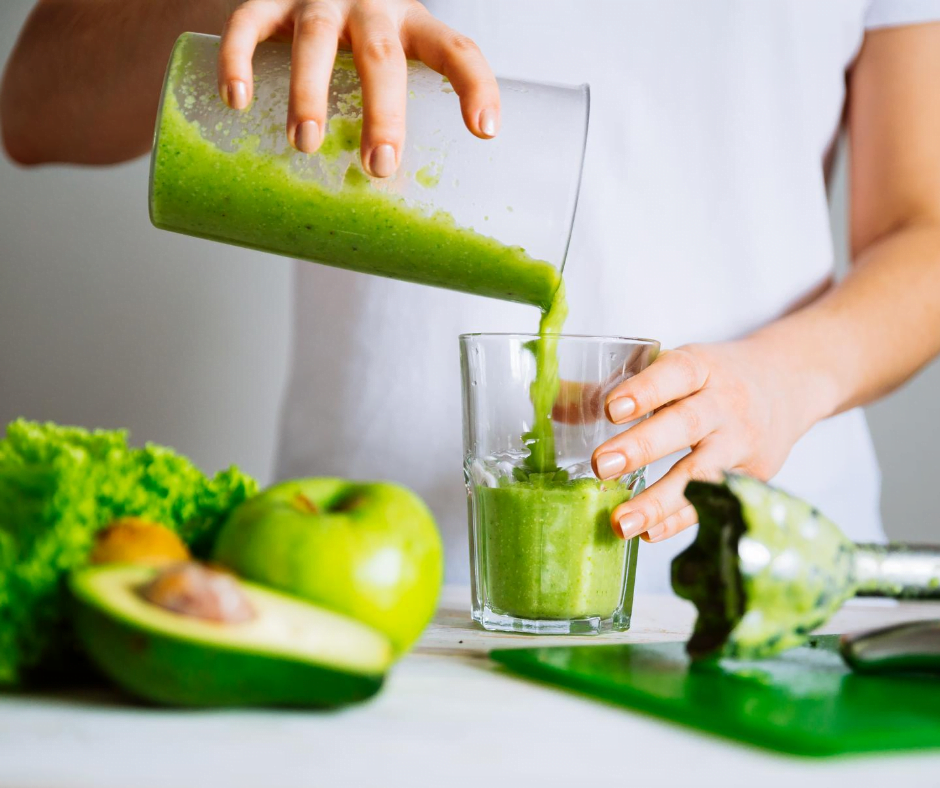
[:en]Detox drinks are great for overall health.[:]

Some people say that detox drinks help remove toxins from a person’s body and promote weight loss. Typically, a person includes detox drinks as part of a detoxification diet. However, there is little substantial evidence that these types of drinks and food have any detoxifying effect.

Detoxification is based on medical science. Doctors would often use it when a person is addicted to certain drugs that cause harm to them.

Detox drinks can help keep the body healthy.In this context, however, detoxification refers to the medically supported management of a person with acute intoxication. Detoxification also helps with any withdrawal symptoms that a person may experience when they try to stop taking drugs to which they are addicted.
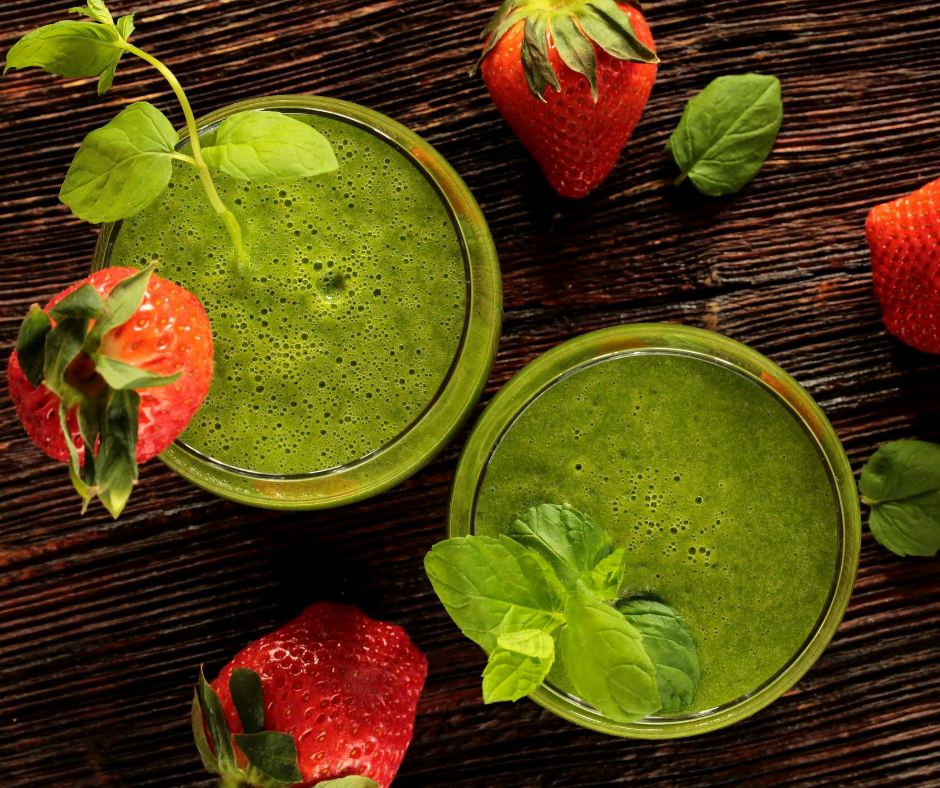
It is not always appropriate to use the word detox. Detox drinks may boost health, aid weight loss, and support the body’s natural detoxification processes, but this is different from medical detoxification.

Does Detox Actually Work?

A study notes that commercially available detox diets can improve a person’s liver from removing toxins from their body. However, the article also points out that these studies had incorrect methodologies and small sample sizes.

A study in Current Gastroenterology Reports, on the other hand, found that a detox diet can help a person lose weight, but only due to the fact that the diet is low in calories.

Furthermore, the authors note that diets that help a person lose weight by significantly reducing the number of calories they consume are unsustainable. Typically, people who take on such calorie-restrictive diets return to their weight in the medium to long term.

Are Detox Drinks a Bad Thing?

Although they do not detoxify in the medical sense, detox drinks can be healthy.

As per the Office for Disease Prevention and Health Promotion, 75% of the population do not consume enough fruit and vegetables. Consuming drinks containing fruit and vegetables as part of a balanced diet can be a good way to help a person get the nutrition and fibre they need.

Nevertheless, perhaps a better description of these drinks is a healthy drink. Normally, people use a food processor to turn fruits and vegetables into smoothies. As well as being an easy way to consume fruit and vegetables, the use of fresh ingredients preserves the fiber in fruit and vegetables that the juice itself lacks.

The Food and Nutrition Service recognizes that smoothies can play a part in child nutrition programs aimed at helping children to maintain a healthy diet.

Detox Drinks

How healthy a detox drink is will depend on the ingredients. For instance, a lemonade detox drink, containing lemon juice, cayenne pepper, and maple syrup sounds healthy, but contains few nutrients and is also high in sugar, which a lot of people should try to lessen.

A green smoothie containing carrots, calves, celery, beets, turnips, spinach, cabbage, parsley or cloves, contains many nutrients, but with little sugar, salt, and fat.

Detox drinks can help get rid of toxins.Some people may find some combinations of ingredients in green smoothies a little overpowering. It can be a good way to find a combination of ingredients that tastes good while also being rich in nutrients following well-reviewed recipes online.

Summary

There is scientific evidence supporting claims that detox drinks can help remove toxins from the body. However, detox drinks can be healthy if they contain plenty of fruit, vegetables, nuts, and seeds. A diet rich in fruits, fibre, vegetables, healthy proteins, fats, and fibrous carbohydrates promotes the body’s natural detoxification system and creates overall balance.

Drinking nutrient-dense smoothies can be a good and convenient part of a healthy diet. They can help a person consume more vegetables, fruit, and whole grains.

0 comments
0 FacebookTwitterPinterestEmail
[:en]Fiber can help clean the digestive tract.[:]

When it comes to maintaining good health, fiber is one of the most underrated heroes of nutrition. You often see it mentioned in health articles, diet plans, and wellness programs. Yet, despite its popularity, many people are still unsure of what fiber really is, where to get it, and how it works inside the body.

The truth is, fiber is more than just something that “keeps you regular.” It plays a key role in cleaning the digestive tract, supporting gut health, and even lowering the risk of certain diseases. In this article, we’ll explore what fiber is, the two types of fiber, how it cleans your digestive system, and the best ways to include fiber in your daily diet.

Highlights:
  • Fiber is essential for digestive health — it helps clean the colon, remove toxins, and keep bowel movements regular.
  • Two types of fiber work differently — insoluble fiber acts like a cleaning brush, while soluble fiber forms a gel that supports heart and gut health.
  • A balanced diet with fiber-rich foods and enough water promotes a healthier digestive system and may lower the risk of colon cancer.

What Exactly Is Fiber?

Fiber is a non-digestible carbohydrate found in plant-based foods. Unlike proteins, fats, or other carbohydrates, fiber is not broken down and absorbed in the small intestine. Instead, it passes through the stomach and small intestines, eventually reaching the colon mostly intact.

Once it gets there, beneficial bacteria in the colon start feeding on certain fibers. This process produces important by-products, including B vitamins and vitamin K. The rest of the fiber that is not fermented is excreted as waste. And while it’s passing through, fiber is doing a lot of behind-the-scenes work to keep your digestive system healthy.

2 Main Types of Fiber

Nutrition experts categorize fiber into two main types: soluble fiber and insoluble fiber. Both types are essential, but they work in different ways.

1. Insoluble Fiber: Nature’s Cleaning Brush

Fiber can help clean the digestive system.

Insoluble fiber, often called roughage, acts like a natural cleaning brush for your digestive system. It doesn’t dissolve in water, which means it moves through the digestive tract largely unchanged.

Here’s how it works: after nutrients are absorbed in the stomach and small intestines, the waste—including undigested fiber—moves to the colon. There, insoluble fiber absorbs water, increasing stool bulk and making it softer. This helps trigger peristalsis—the gentle, wave-like contractions of the colon that push waste toward elimination.

The bran portion of whole grains, vegetable skins, and firm fruits like apples provide this kind of fiber. It’s mildly abrasive, which helps scrub the intestinal walls, clearing out old waste and reducing the buildup of harmful substances.

2. Soluble Fiber: The Gel That Supports Heart and Gut Health

Soluble fiber, on the other hand, dissolves in water to form a gel-like substance in your digestive tract. This gel slows digestion, which can help regulate blood sugar levels and make you feel fuller for longer. More importantly, it binds to cholesterol and certain toxins, carrying them out of the body before they can be absorbed.

You’ll find soluble fiber in foods like oats, beans, citrus fruits, and carrots. It’s especially beneficial for heart health because it helps lower LDL (“bad”) cholesterol.

How Fiber Cleans the Digestive Tract

Think of fiber as your digestive system’s personal cleaning crew. Insoluble fiber adds bulk and acts like a sponge, soaking up water and toxins. The bulk stimulates the colon to keep things moving, while the abrasiveness of the fiber gently scrubs the intestinal lining.

This process shortens “transit time”—the amount of time waste stays in your system. Faster transit means fewer opportunities for harmful substances to linger and cause damage. Many health experts believe this is why high-fiber diets are linked to a lower risk of colon cancer.

The Difference Between Healthy and Unhealthy Bowel Movements

It’s important not to confuse healthy, regular bowel movements with frequent but watery stools. 

TypeDescriptionPossible CauseKey Takeaway
Healthy Bowel MovementFormed but soft, easy to passBalanced fiber intake and proper hydrationThe right mix of fiber and water keeps stools soft yet formed
Unhealthy Bowel MovementFrequent, loose, or watery stoolsLow fiber diet leading to poor water absorption in the colonLoose stools may indicate abnormal colon contractions trying to remove built-up waste

Best Food Sources of Fiber

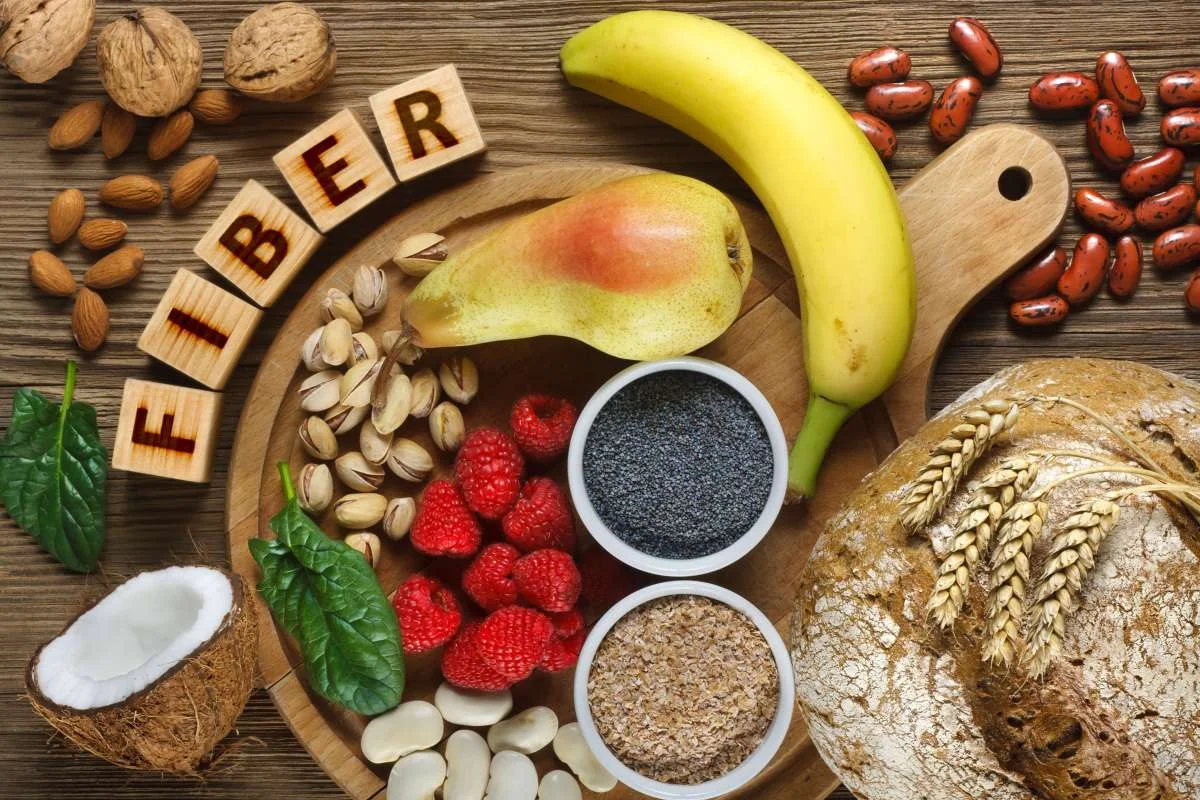
Different Foods on a wooden table as sources of fiber

Photo from https://www.capernaumpeds.com

If you want to keep your digestive tract clean and healthy, aim for a mix of soluble and insoluble fiber in your daily meals.

Rich sources of insoluble fiber include:

  • Whole grains (especially bran)
  • Beans and legumes
  • Vegetable skins (potatoes, cucumbers, carrots)
  • Firm fruits like apples and pears
  • Vegetables like broccoli and cauliflower

Rich sources of soluble fiber include:

  • Oats and barley
  • Citrus fruits
  • Carrots
  • Beans and lentils
  • Psyllium husk

Fun fact: Lettuce contains very little fiber of any kind, so while it’s healthy for other reasons, it’s not a strong fiber source.

Why Water Is Just as Important as Fiber

Water can also keep the digestive system clean.

Increasing your fiber intake without also increasing your water consumption can lead to constipation and bloating. That’s because fiber absorbs water in the digestive tract. If you’re not drinking enough, there won’t be enough liquid to keep things moving smoothly.

A good habit is to start your day with a large glass of water—around 16 ounces—before eating anything. This simple step can stimulate both your colon and your salivary glands, setting the tone for healthy digestion throughout the day.

Water plays an essential supporting role when you eat more fiber:

  • Softens stools – Water combines with fiber to bulk up and soften stool, making bowel movements easier and more regular.

  • Prevents blockages – Without enough hydration, high-fiber foods can sit too long in the intestines, leading to uncomfortable bloating and even constipation.

  • Helps fiber do its job – Soluble fiber (found in oats, beans, and apples) absorbs water to form a gel-like substance that slows digestion and regulates blood sugar, but it can only do this properly if there’s enough fluid.

  • Supports gut health – Adequate water allows fiber to ferment effectively in the colon, feeding beneficial gut bacteria and promoting a healthier microbiome.

Think of it this way: fiber is the broom that sweeps your digestive system clean, but water is the lubricant that helps the broom glide smoothly.

Tips for Adding More Fiber to Your Diet

  1. Start Slow – If your diet is currently low in fiber, increase your intake gradually to avoid bloating or discomfort.
  2. Eat Whole Foods – Choose whole fruits and vegetables instead of juices to maximize fiber intake.
  3. Keep the Skin On – Many fruits and vegetables have fiber-rich skins, so eat them whenever possible.
  4. Swap Your Grains – Replace white rice or bread with brown rice, whole wheat bread, or quinoa.
  5. Add Beans and Lentils – These are excellent sources of both soluble and insoluble fiber.

The Bottom Line

young smiling woman touching her stomach with relieved happy face feeling good after eating

Photo from https://www.freepik.com

Fiber isn’t just about “keeping things regular.” It’s a vital nutrient that cleans the digestive tract, supports gut bacteria, removes toxins, and promotes heart health. By eating a variety of fiber-rich foods and drinking plenty of water, you can help your body stay balanced, clean, and healthy.

Your digestive system works hard for you every day—adding enough fiber is one of the best ways to return the favor.

Frequently Asked Questions About Fiber and Digestive Health

How much fiber should I eat each day?
Most health experts recommend 25 grams per day for women and 38 grams per day for men. Your needs may vary depending on age, activity level, and overall health.

Can too much fiber cause problems?
Yes. A sudden increase in fiber can cause bloating, gas, or discomfort. Always increase your intake gradually and drink plenty of water.

Is it better to get fiber from food or supplements?
Whole foods are the best source because they also provide vitamins, minerals, and antioxidants. Fiber supplements can help if you have trouble meeting your daily needs.

What’s the difference between soluble and insoluble fiber?
Soluble fiber dissolves in water to form a gel, helping lower cholesterol and regulate blood sugar. Insoluble fiber adds bulk to stool and keeps the digestive tract clean.

Can fiber really reduce the risk of colon cancer?
Studies suggest that a high-fiber diet, especially rich in insoluble fiber, may lower the risk by speeding up waste removal and reducing toxin exposure.

0 comments
0 FacebookTwitterPinterestEmail
[:en]Fibre can help cleanse the bowel.[:]

Think of the colon as your body’s waste management station. All cells and tissues in your body – and your major detoxifying organ, the liver – rely on a well-functioning colon to cleanse your body from toxins. Colon cleansing is a popular alternative remedy that some people claim to remove waste and toxins from the colon. Most colon cleansing products are said to help detox the colon or remove harmful substances such as mucus and dry stool. Some people also cleanse the bowel to help relieve constipation.

Makes the Digestive System More Effective

In colon cleansing, it pushes waste through your system, clearing the proper absorption of nutrients. The clean colon of the colon detox allows the waste to pass quickly.

Prevents Constipation

Constipation — especially when chronic — provokes a slow digestive response, which leaves waste in the system longer. This increases the likelihood of specific conditions and irritation, such as hemorrhoids and varicose veins.

Fibre can help cleanse the bowel.Increases Energy

Releasing toxins from your body is rejuvenating. It redirects the energy commonly used to force waste through the intestines to other parts of the body. People who have experienced colon detoxification say they have better blood circulation, more restful sleep, and more energy…

Increases the Body’s Absorption of Nutrients

A cleaned colon allows only water, vitamins, and nutrients to be absorbed into the bloodstream, creating an unobstructed pathway for essential nutrients to filter through your body.

Improves Concentration

Poor diet and inefficient absorption of vitamins can cause you to become distracted and lose concentration. Building up toxins in your colon can keep your body from getting what it needs to do, even if you’re eating a healthy diet consistently. Cleaning the colon with a detox diet can be the difference between feeling alert and unable to focus. This has far-reaching implications for your work, your relationship, and your overall health.

Starts Weight Loss

Fibre can also help with weight loss.Foods lack the fiber to move through the digestive tract at one-quarter the pace of high-fiber choices. This slow-moving food creates excess mucosa that actually sticks to your intestinal walls, weighing down the intestinal tract with pounds of decaying fecal matter. Colon cleansing can help with weight loss; some people claim to have lost up to 20 pounds in a month. The average human colon weighs about 4 pounds empty. It can hold up to eight meals worth of food before digestion finally occurs. Colon cleansing could result in significant weight loss, kick-start your metabolism, and focus your attention on better food choices and well-being.
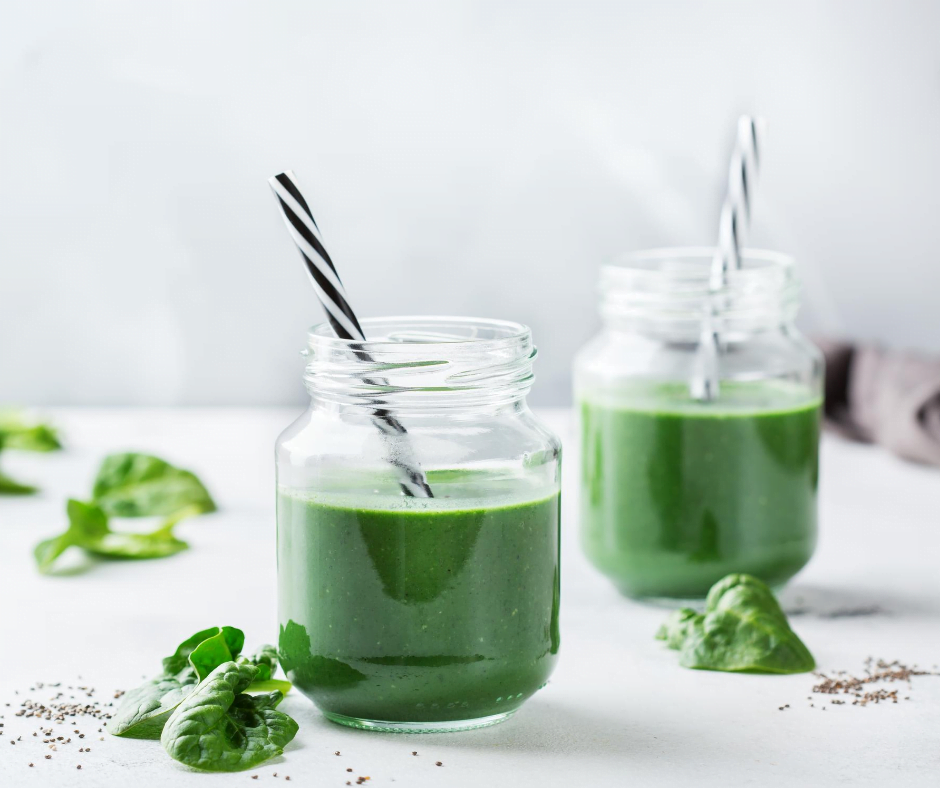
Decreases Risk of Colon Cancer

All the toxins you eat are breathing and absorbing through your skin. They end up being processed by your gastrointestinal system, your kidneys, and your liver. If they’re not forced out of your organs as quickly as possible, they could wreak havoc on your body’s systems. If you cleanse the bowel, you reduce the causes and risks of polyps, cysts, and cancer growth in your colon and gastrointestinal tract.

Increases Fertility

Colon cleansing increased fiber intake, while healthy food choices promote balance and help keep your weight under control. Fat is estrogen-based, and if a lot is present, it becomes more difficult to become pregnant. A colon that is weighed down from years of buildup could also press the uterus and surrounding reproductive organs in women, causing strain. Colon cleaning cleanses the body of many chemicals and toxins that affect the egg and sperm. Many naturopaths recommend that both partners undergo colon-cleansingAUGUS before pregnancy.

Maintains PH Balance in Your Bloodstream

Foods that create colon blockages are acid-forming — especially high-protein diets without enough fiber. This leads to general discomfort in the body. The colon tissue finally becomes inflamed, decreasing its ability to do its purpose, which is to allow only water, minerals, and vitamins to pass through the bloodstream. If yeasts, molds, fungi, bacteria, parasites, or fecal material enter the blood and the tissues connected to it, the pH of the body will be thrown out of balance.

Improves General Health

Ridding your colon of toxins and waste by releasing layers of colon buildup could lead to increased energy, a feeling of lightness, and overall good health.


0 comments
0 FacebookTwitterPinterestEmail

Spirulina is a kind of blue-green algae which includes several nutrients, including vitamin B, beta-carotene and vitamin E. Spirulina drinks also include antioxidants, minerals, chlorophyll, and phycocyanobilin. It is commonly used as a source of vegetable protein.

Health Benefits

Spirulina drinks have been used among the proponents to support several health conditions, including fatigue, high cholesterol, high triglycerides, and viral infections.

High Cholesterol

Spirulina has some promise for lipid disorders such as high cholesterol or high triglycerides, according to a study published in the Annals of Nutrition and Metabolism. Healthy, older adults used spirulina or placebo for the study. After four months, spirulina was associated with a significant reduction in cholesterol1.

Allergies

Spirulina has some promise in the treatment of allergic rhinitis (nasal allergies). According to a review published in 2009.2 In fact, a previously published study of people with allergic rhinitis found several benefits to spirulina intake, including improvement in symptoms such as nasal discharge, congestion, sneezing, and itching.

Spirulina can help alleviate symptoms of allergy.Diabetes

In a 2008 study concerning 37 people with type 2 diabetes, a study discovered that those assigned to 12 weeks of spirulina supplementation experienced a significant decrease in fat blood levels. Spirulina benefits also included decreased inflammation and decreased blood pressure and cholesterol for some people.

In another short study, 15 people diagnosed with diabetes who did not take insulin took 2 grams of spirulina daily in supplement form for two months. They did not change any other factors in their lifestyle or diet. At the end of the study period, participants experienced a decrease in blood sugar, cholesterol, and triglyceride levels.

Oral Cancer

Spirulina may protect against oral cancer, according to a short study of tobacco chewers with oral precancerous lesions. The study members took either a daily dose of spirulina or a placebo for 12 months. By the end of the study, 20 of the 44 participants who had taken spirulina had cleared the lesions (compared to three of the 43 participants who had been assigned to the placebo group).

Losing Weight

People could usually lose weight if they eat fewer calories than they do. Spirulina is a high-nutrient, low-calorie food with a lot of food in a small amount of powder. Introducing spirulina to the diet can help people lose weight without compromising their nutrition.

The results of a double-blind, placebo-controlled trial in 2016 suggest that spirulina may help with weight management. In a study, people who were overweight and normally ate spirulina for 3 months had an improved body mass index or BMI.

Improving Gut Health

Spirulina can be easily digested due to its structure, where the cells do not have hard, fibrous walls. But can it be used to improve intestinal health?

More human research is needed, but animal studies indicate that spirulina may promote intestinal health as people age. A 2017 study on older mice suggests that spirulina may preserve healthy intestinal bacteria during the aging process.

Spirulina does not contain much fiber, so it is essential to include other intestinal-healthy, high-fiber foods.

Boosting Metabolism

Taking spirulina may help boost the metabolism of a person. A higher metabolic rate may make a person feel like they have more energy. It may also increase the number of calories they burn each day, which may contribute to weight loss.

Spirulina can also boost metabolism.In a small-scale 2014 study, people taking 6 g of spirulina a day experienced beneficial metabolic effects alongside weight loss and improved health-related quality of life.

People in this study have had non-alcoholic fatty liver disease. So more research is needed to see if spirulina can boost metabolism in others without this condition.

What to Look For

Spirulina is often sold in powder form, but it is also available in capsules, tablets, and juices. Sometimes the powder is added to the smoothies.

Although there are many blue-green algae species commonly referred to as spirulina, most spirulina supplements contain Aphanizomenon flos-aquae, spirulina maxima, and/or spirulina platensis.

As with all supplements, it is important to check the “Supplement Facts” label for any product you purchase. This label will contain vital information, including the number of active ingredients per serving and any other ingredients present in the product.

0 comments
0 FacebookTwitterPinterestEmail
[:en]Antioxidant drinks are absorbed better by the body.[:]

Wherever you look, there is something about antioxidants. Various information and data about them are ubiquitous all over the internet. It has been reported that many health benefits come from incorporating these nutrients into the body.

Some scientific studies even show and back these reports. Hence, what is the most efficient way to incorporate these antioxidants into the body to obtain the most advantage in the least amount of time? Drink it, of course.

Antioxidants Defined

What are antioxidants? Google it, and you will come across an abundance of scientific-sounding terms. We can simply say that antioxidants are naturally occurring substances in food that could combat free radicals.Antioxidant drinks can help keep the body healthy.

These free radicals are responsible for wreaking havoc on your cells, causing awful health problems that range from heart disease to memory loss to certain cancers.

It is easier than you think to receive your recommended daily amount of antioxidants. Most of the foods that are part of a healthy diet (fish, fruit, and nuts) are also high in antioxidants. There are even drinks like FibreFirst that make it super easy to get a daily dose of antioxidants.

Should You Consume Antioxidant Drinks?

The best antioxidant drink is rich in these nutrients as well as fiber in a liquid form. These are usually fruit, but also some vegetables. There are several benefits to consuming antioxidant drinks that are high in nutrients rather than eating them.

The first thing is that you get more nutrients per serving. You can place a daily serving of the nutrient you need in a single glass of Fibrefirst. While eating vegetables and fruits does have its benefits, if you’re looking for nutrients the easy way, Fibrefirst is the way to go.

The best antioxidant drinks vary, but you’re going to want a drink like Fibrefirst. It is an antioxidant-packed drink that has a cascade effect. A cascade effect builds up, one on top of the other, to provide a large scale result. Think of it as a waterfall.

Waterfall Effect

A waterfall can start out as a small stream, a stream that grows into a river, and then a river grows. It becomes a very strong force of nature when it reaches a certain point. The same applies to antioxidant drinks. These drinks are intended to build up the level of antioxidants, not only within the drink itself but also within the body.

These nutrients help at every level of the system. It reduces the signs of aging, making you look younger. They are providing you with the energy to make you feel younger. They also help to remove hazardous substances, like toxins, from the body.

This means that you are healthier and have more energy to do the things you want to do. You could even add them to other foods in the form of juice. Make a sauce or a marinade with them. Add them to the recipes for cookies and bread.

You get more juice because you do not have to work as hard to digest it. Your body does not have to pull the nutrients out of the solids. It can just grab what it finds in liquid form. In less time, you get more and have a higher probability of seeing benefits.

This does not mean you are supposed to eat unhealthily and just take antioxidant drinks. It just means that you may want to consider incorporating this as part of your lifestyle when it comes to moving towards a better, younger-looking you.

Many benefits should not be missed and can be easily achieved. You can take these drinks with you wherever you go and enjoy a great pick-up every time you feel the need.


0 comments
0 FacebookTwitterPinterestEmail
[:en]Detoxification can greatly improve your health.[:]

You might have heard of “detoxifying your body.” But did you try it for yourself? If you have been considering body detoxification, learning about the many advantages of detoxifying will help you make up your mind.

Detox diets eliminate toxins in your body and develop habits that will keep you on track for a healthy lifestyle.

There are many various types of detox diets, and each will give you slightly different outcomes. But no matter what you choose, these benefits of body detoxification can not be overlooked.

Body detoxification can help in weight loss.Weight Loss and Management

If weight loss is one of your goals, a detox diet could be an excellent way to start your progress. Detoxification may also help with long-term weight management. If you have the ideal weight but want to make sure that you stay there, try a detox to keep the body on track.

One of the best things about detoxing is that it does not just help now — it sets you up to have healthy practices in the future. So even after you have completed the detox, you will have the habits you need to keep track of weight maintenance or future weight loss.

Improved Immune System

Because detoxifying removes some of the workloads from your organs, it can do a better job of protecting your body from illness. You will absorb much-needed nutrients faster, such as vitamin C, which is known to be great for the immune system.

You may also experience a boost to the lymphatic system if you are on a detox that involves taking high-fiber supplements like psyllium husk. This system is partly responsible for keeping you healthy and free of toxins, so you’re going to want it to work well.

Clearer Skin

You could use all the most elaborate skincare regimens, but if you don’t have a healthy diet, you’ll still have skin issues. A detox is one of the guaranteed ways to clear up the skin.

Some detoxes even incorporate a sauna element, so you’re literally sweating out some of the toxins that clog your pores. But even if you’re only using a diet, you’ll still see results.

Nevertheless, be prepared for a brand new breakout or skin problem while your body is in the process of detoxification.

Improved Thinking

Detoxifying is the way to go for clearer thoughts and better memory. The benefits of detoxifying are not just physical. In fact, many detoxes include ways to take care of your mind as well as your body. For example, you could use meditation as part of your detox plan.

Sugar crashes and other adverse effects of an unhealthful diet can also affect your mind. Once you’ve experienced this detox benefit, you are never going to want to go back.

Slow Signs of Aging

Growing older is amazing, but we don’t always want the outward signs of aging that come with it.

Detoxifying helps slow down the visible signs of aging by reducing toxins that contribute to the damage to the skin that is usually associated with growing older.

Enjoy the Food You Eat

One of the tales about detoxification is that you are not going to enjoy anything you eat during the process. 

The reality is, a detox diet can actually help you enjoy more of your food. This doesn’t mean that you’re not going to experience the sugar cravings and other things that you cut off from your diet — at least at first.

However, detoxifying increases your awareness of the things you put in your body. You ‘re going to eat healthy, well-rounded meals carefully, and you can still use some of the food you love while incorporating new things that you might learn to love.

0 comments
0 FacebookTwitterPinterestEmail
Newer Posts