No products in the cart.


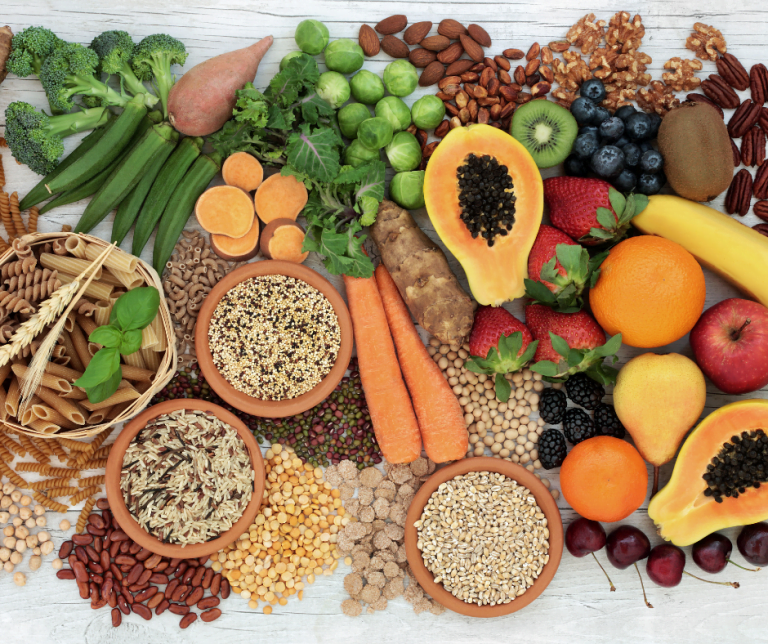
Fiber is one of those nutrition buzzwords you’ve probably heard a hundred times. It doesn’t sound exciting. It’s not trendy like superfoods or supplements. But here’s the truth—fiber is one of the simplest and most powerful ways to improve your health.
From weight loss to gut health, adding more fiber to your plate can do wonders. Let’s explore the many reasons why fiber deserves a top spot in your daily diet.
7 Amazing Things Fiber Does for Your Body
When you think of fiber, you probably picture digestion—but its benefits stretch far beyond that. From helping with weight to protecting against disease, fiber works quietly behind the scenes to keep your body strong and healthy. Here are seven powerful ways it transforms your well-being.
1. Slimming Secret: Fiber Helps You Lose Weight
 Want to lose weight without complicated diets? Fiber may be your best friend. Studies show that even if increasing fiber is the only dietary change you make, you can still shed pounds.
How does it work? High-fiber foods fill you up faster and keep you satisfied longer. That means fewer cravings, fewer snacks, and fewer calories sneaking in. Fiber also prevents your body from absorbing some of the calories in food, giving you a natural calorie cut without feeling deprived.
It’s like having a quiet little weight-loss coach built into every fiber-rich bite.
2. Staying Lean: Fiber Keeps the Pounds Off
Weight loss is one thing, but keeping it off is another challenge. Thankfully, fiber helps in weight loss too. Research shows that people who eat more fiber tend to stay leaner in the long run. On the other hand, those with lower fiber intake are more likely to gain weight over time. The science is clear: making fiber part of your everyday routine helps you maintain a healthier weight without strict dieting.
It’s a lifestyle hack that feels effortless.
3. Sweet Control: Lower Your Risk of Type 2 Diabetes
Here’s another reason to love fiber: it helps balance blood sugar. A review of 19 studies found that people who consumed more than 26 grams of fiber daily had an 18% lower risk of type 2 diabetes compared to those who ate less.
Fiber slows down how quickly sugar enters your bloodstream. This keeps your energy steady and prevents those dreaded sugar spikes and crashes. Combine that with its role in keeping you at a healthy weight, and you’ve got a natural shield against diabetes.
 4. Gut Check: Fiber Feeds Your Good Bacteria
 4. Gut Check: Fiber Feeds Your Good Bacteria
Your gut is home to trillions of bacteria—and they love fiber. In fact, fiber is their favorite food. When you eat fiber, it ferments in your digestive tract, feeding the good bacteria and helping them thrive.
In return, these bacteria produce short-chain fatty acids that fight inflammation, boost immunity, and even support mental health. But there’s a catch: you need to eat enough fiber consistently. Skimping on it can disrupt this balance and lead to more inflammation in your body. Simply put: a fiber-rich diet = a happier, healthier gut.
5. Cancer Defense: Lower Your Risk Naturally
Every bite of fiber could be protecting you from cancer. Research shows that for every 10 grams of fiber you eat daily, your risk of colorectal cancer drops by 10%, and breast cancer risk falls by 5%.
It’s not just the fiber itself, either. Foods rich in fiber—like fruits, veggies, and whole grains—are also loaded with antioxidants and phytochemicals. Together, they form a powerful defense team for your long-term health.
6. Nature’s Cleanser: Fiber for a Natural Detox
Forget juice cleanses—fiber is the detox hero your body really needs. Insoluble fiber acts like a natural scrub brush for your digestive system, moving waste and toxins out faster.
This means harmful substances like BPA, pesticides, and heavy metals spend less time in your body. The faster they pass through, the less damage they can do. With fiber, detoxing doesn’t require expensive drinks—it’s built into everyday foods.
7. Stronger Bones: Fiber Helps Absorb Calcium
Fiber doesn’t just help your gut and waistline—it also supports your bones. Certain soluble fibers, called prebiotics, are found in foods like asparagus, leeks, soybeans, wheat, and oats. These prebiotics boost your body’s ability to absorb minerals like calcium.
Better calcium absorption means stronger bones and better bone density over time. It’s yet another reason to make fiber a regular guest on your plate.
The Fiber Breakdown
Not all fiber is created equal—different types do different things for your body. Here’s a simple guide to help you see the difference.
| Type of Fiber | Food Sources | Main Benefits |
| Soluble Fiber | Oats, apples, beans, carrots, barley | Slows digestion, controls blood sugar, lowers cholesterol |
| Insoluble Fiber | Whole wheat, brown rice, nuts, leafy greens, potatoes | Adds bulk to stool, prevents constipation, supports regularity |
| Prebiotic Fiber | Asparagus, onions, garlic, soybeans, leeks | Feeds healthy gut bacteria, improves mineral absorption, boosts immunity |
Getting a mix of these fibers daily keeps your digestion smooth, supports long-term health, and makes your meals more balanced and satisfying.
Final Thoughts: Small Changes, Big Rewards
 Fiber may not be the most glamorous nutrient, but it quietly works wonders for your body. From supporting weight loss and keeping those pounds off, to lowering the risk of diabetes, improving gut health, and even strengthening bones, fiber influences almost every corner of your well-being. It’s like that reliable friend who’s always there, working behind the scenes to keep you balanced and healthy.
The beauty of it all? Adding fiber to your life doesn’t require complicated rules or strict diets. Simply eating more fruits, vegetables, legumes, and whole grains can transform the way your body feels and functions. Every small choice adds up, and over time, those little adjustments lead to big rewards.
So, the next time you think of fiber, don’t picture something dull or tasteless. Think of it as one of your body’s best-kept secrets for energy, vitality, and long-term health.
FAQs About Fiber
How much fiber should I eat every day?
Most adults should aim for 25–30 grams daily for optimal health.
Can I get enough fiber from supplements?
Supplements can help, but whole foods are the best source because they also contain vitamins and antioxidants.
Will fiber cause bloating?
Sometimes, especially if you increase intake too quickly. Add fiber gradually and drink plenty of water.
What’s the difference between soluble and insoluble fiber?
Soluble fiber absorbs water and slows digestion, while insoluble fiber adds bulk and keeps things moving. Both are important.
Is fiber good for kids too?
Yes! Children need fiber as well, but in smaller amounts. Focus on fruits, veggies, and whole grains.


