Tag:

Body Cleanse

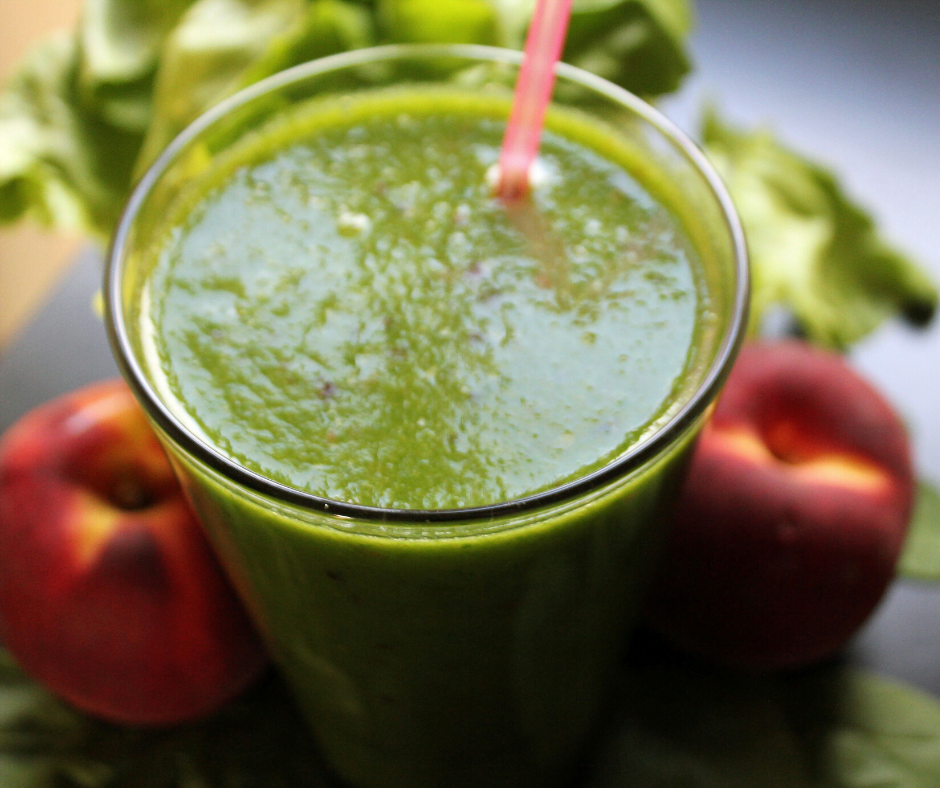
[:en]Detox drinks are great for overall health.[:]

Some people say that detox drinks help remove toxins from a person’s body and promote weight loss. Typically, a person includes detox drinks as part of a detoxification diet. However, there is little substantial evidence that these types of drinks and food have any detoxifying effect.

Detoxification is based on medical science. Doctors would often use it when a person is addicted to certain drugs that cause harm to them.
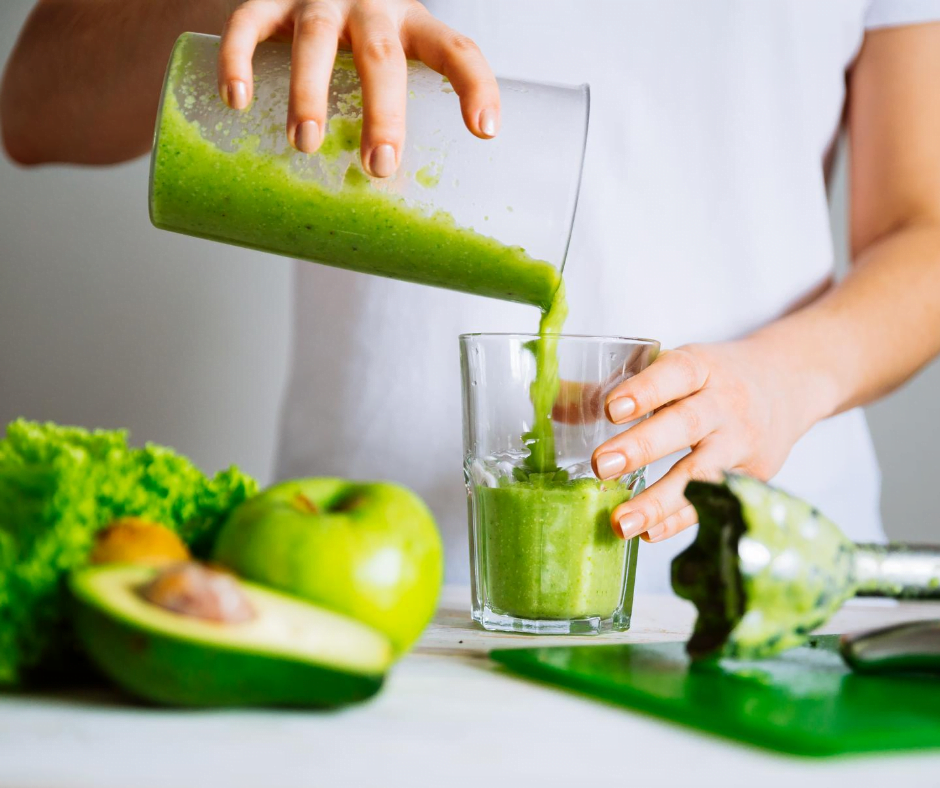
Detox drinks can help keep the body healthy.In this context, however, detoxification refers to the medically supported management of a person with acute intoxication. Detoxification also helps with any withdrawal symptoms that a person may experience when they try to stop taking drugs to which they are addicted.

It is not always appropriate to use the word detox. Detox drinks may boost health, aid weight loss, and support the body’s natural detoxification processes, but this is different from medical detoxification.

Does Detox Actually Work?

A study notes that commercially available detox diets can improve a person’s liver from removing toxins from their body. However, the article also points out that these studies had incorrect methodologies and small sample sizes.

A study in Current Gastroenterology Reports, on the other hand, found that a detox diet can help a person lose weight, but only due to the fact that the diet is low in calories.

Furthermore, the authors note that diets that help a person lose weight by significantly reducing the number of calories they consume are unsustainable. Typically, people who take on such calorie-restrictive diets return to their weight in the medium to long term.

Are Detox Drinks a Bad Thing?

Although they do not detoxify in the medical sense, detox drinks can be healthy.

As per the Office for Disease Prevention and Health Promotion, 75% of the population do not consume enough fruit and vegetables. Consuming drinks containing fruit and vegetables as part of a balanced diet can be a good way to help a person get the nutrition and fibre they need.

Nevertheless, perhaps a better description of these drinks is a healthy drink. Normally, people use a food processor to turn fruits and vegetables into smoothies. As well as being an easy way to consume fruit and vegetables, the use of fresh ingredients preserves the fiber in fruit and vegetables that the juice itself lacks.

The Food and Nutrition Service recognizes that smoothies can play a part in child nutrition programs aimed at helping children to maintain a healthy diet.

Detox Drinks

How healthy a detox drink is will depend on the ingredients. For instance, a lemonade detox drink, containing lemon juice, cayenne pepper, and maple syrup sounds healthy, but contains few nutrients and is also high in sugar, which a lot of people should try to lessen.

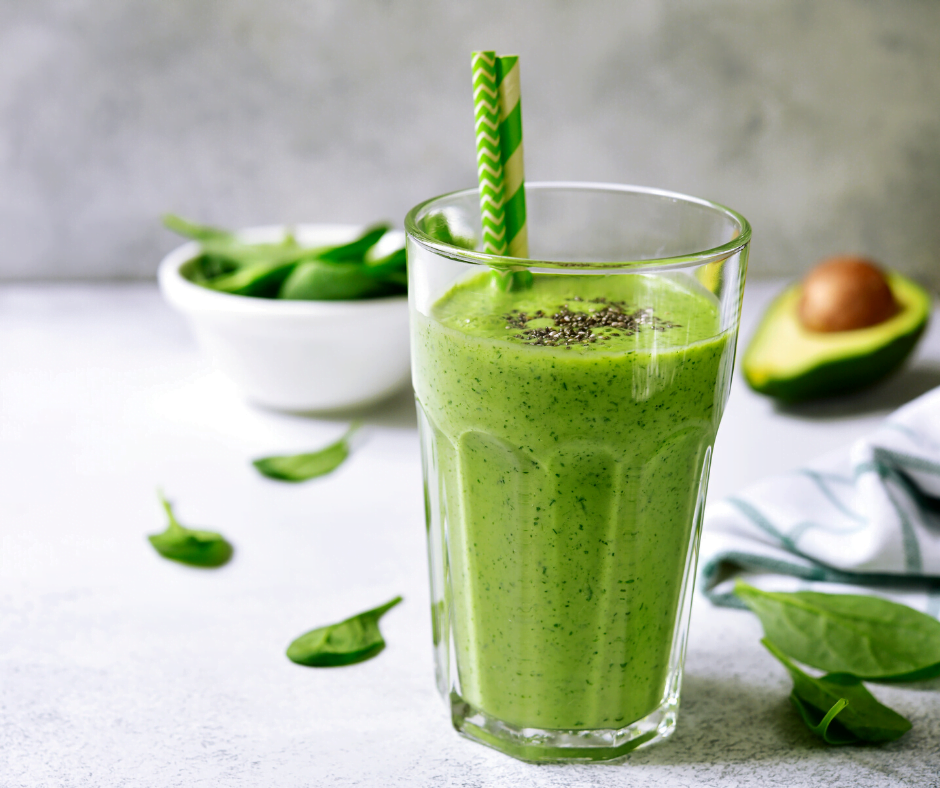
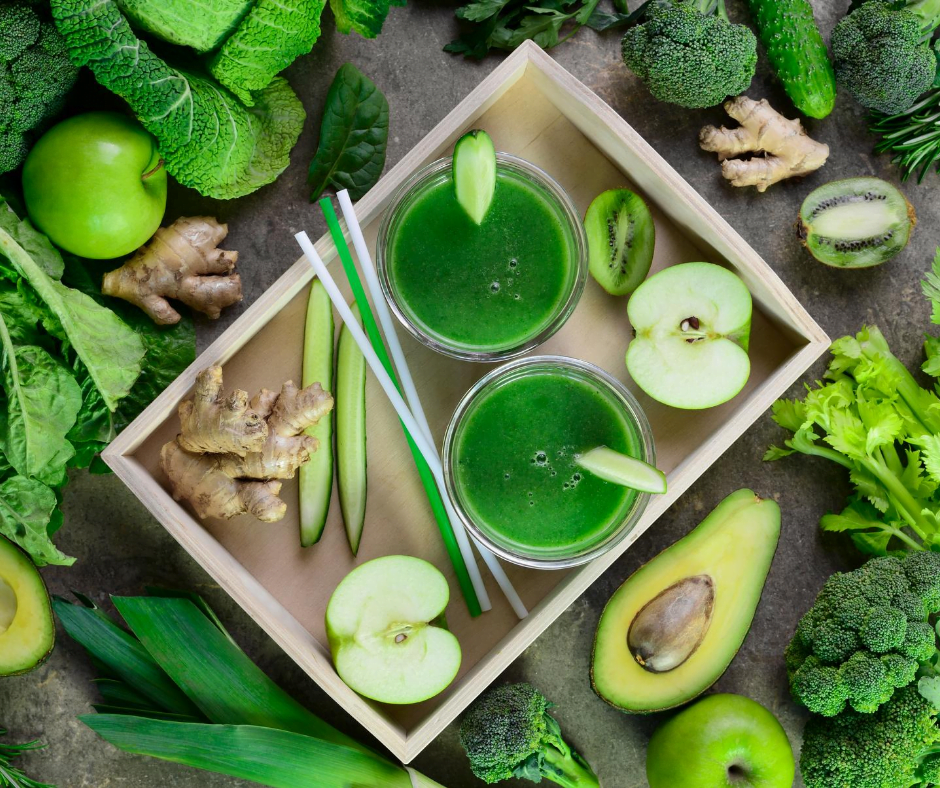
A green smoothie containing carrots, calves, celery, beets, turnips, spinach, cabbage, parsley or cloves, contains many nutrients, but with little sugar, salt, and fat.
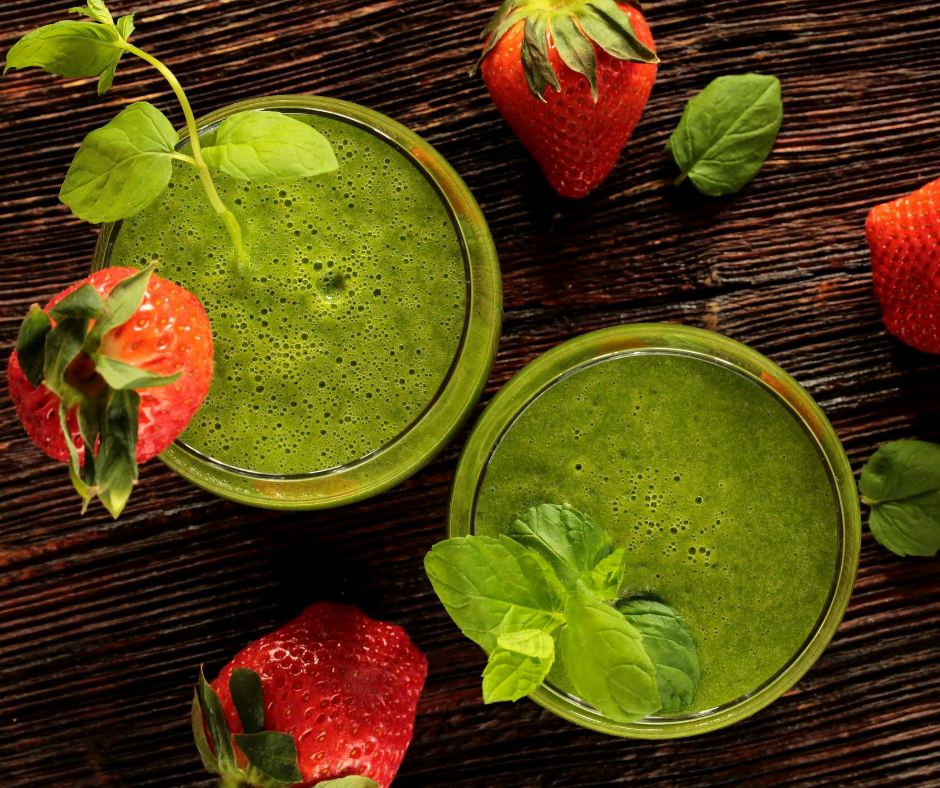
Detox drinks can help get rid of toxins.Some people may find some combinations of ingredients in green smoothies a little overpowering. It can be a good way to find a combination of ingredients that tastes good while also being rich in nutrients following well-reviewed recipes online.

Summary

There is scientific evidence supporting claims that detox drinks can help remove toxins from the body. However, detox drinks can be healthy if they contain plenty of fruit, vegetables, nuts, and seeds. A diet rich in fruits, fibre, vegetables, healthy proteins, fats, and fibrous carbohydrates promotes the body’s natural detoxification system and creates overall balance.

Drinking nutrient-dense smoothies can be a good and convenient part of a healthy diet. They can help a person consume more vegetables, fruit, and whole grains.

0 comments
0 FacebookTwitterPinterestEmail
[:en]Fiber can help clean the digestive tract.[:]

When it comes to maintaining good health, fiber is one of the most underrated heroes of nutrition. You often see it mentioned in health articles, diet plans, and wellness programs. Yet, despite its popularity, many people are still unsure of what fiber really is, where to get it, and how it works inside the body.

The truth is, fiber is more than just something that “keeps you regular.” It plays a key role in cleaning the digestive tract, supporting gut health, and even lowering the risk of certain diseases. In this article, we’ll explore what fiber is, the two types of fiber, how it cleans your digestive system, and the best ways to include fiber in your daily diet.

Highlights:
  • Fiber is essential for digestive health — it helps clean the colon, remove toxins, and keep bowel movements regular.
  • Two types of fiber work differently — insoluble fiber acts like a cleaning brush, while soluble fiber forms a gel that supports heart and gut health.
  • A balanced diet with fiber-rich foods and enough water promotes a healthier digestive system and may lower the risk of colon cancer.

What Exactly Is Fiber?

Fiber is a non-digestible carbohydrate found in plant-based foods. Unlike proteins, fats, or other carbohydrates, fiber is not broken down and absorbed in the small intestine. Instead, it passes through the stomach and small intestines, eventually reaching the colon mostly intact.

Once it gets there, beneficial bacteria in the colon start feeding on certain fibers. This process produces important by-products, including B vitamins and vitamin K. The rest of the fiber that is not fermented is excreted as waste. And while it’s passing through, fiber is doing a lot of behind-the-scenes work to keep your digestive system healthy.

2 Main Types of Fiber

Nutrition experts categorize fiber into two main types: soluble fiber and insoluble fiber. Both types are essential, but they work in different ways.

1. Insoluble Fiber: Nature’s Cleaning Brush

Fiber can help clean the digestive system.

Insoluble fiber, often called roughage, acts like a natural cleaning brush for your digestive system. It doesn’t dissolve in water, which means it moves through the digestive tract largely unchanged.

Here’s how it works: after nutrients are absorbed in the stomach and small intestines, the waste—including undigested fiber—moves to the colon. There, insoluble fiber absorbs water, increasing stool bulk and making it softer. This helps trigger peristalsis—the gentle, wave-like contractions of the colon that push waste toward elimination.

The bran portion of whole grains, vegetable skins, and firm fruits like apples provide this kind of fiber. It’s mildly abrasive, which helps scrub the intestinal walls, clearing out old waste and reducing the buildup of harmful substances.

2. Soluble Fiber: The Gel That Supports Heart and Gut Health

Soluble fiber, on the other hand, dissolves in water to form a gel-like substance in your digestive tract. This gel slows digestion, which can help regulate blood sugar levels and make you feel fuller for longer. More importantly, it binds to cholesterol and certain toxins, carrying them out of the body before they can be absorbed.

You’ll find soluble fiber in foods like oats, beans, citrus fruits, and carrots. It’s especially beneficial for heart health because it helps lower LDL (“bad”) cholesterol.

How Fiber Cleans the Digestive Tract

Think of fiber as your digestive system’s personal cleaning crew. Insoluble fiber adds bulk and acts like a sponge, soaking up water and toxins. The bulk stimulates the colon to keep things moving, while the abrasiveness of the fiber gently scrubs the intestinal lining.

This process shortens “transit time”—the amount of time waste stays in your system. Faster transit means fewer opportunities for harmful substances to linger and cause damage. Many health experts believe this is why high-fiber diets are linked to a lower risk of colon cancer.

The Difference Between Healthy and Unhealthy Bowel Movements

It’s important not to confuse healthy, regular bowel movements with frequent but watery stools. 

TypeDescriptionPossible CauseKey Takeaway
Healthy Bowel MovementFormed but soft, easy to passBalanced fiber intake and proper hydrationThe right mix of fiber and water keeps stools soft yet formed
Unhealthy Bowel MovementFrequent, loose, or watery stoolsLow fiber diet leading to poor water absorption in the colonLoose stools may indicate abnormal colon contractions trying to remove built-up waste

Best Food Sources of Fiber

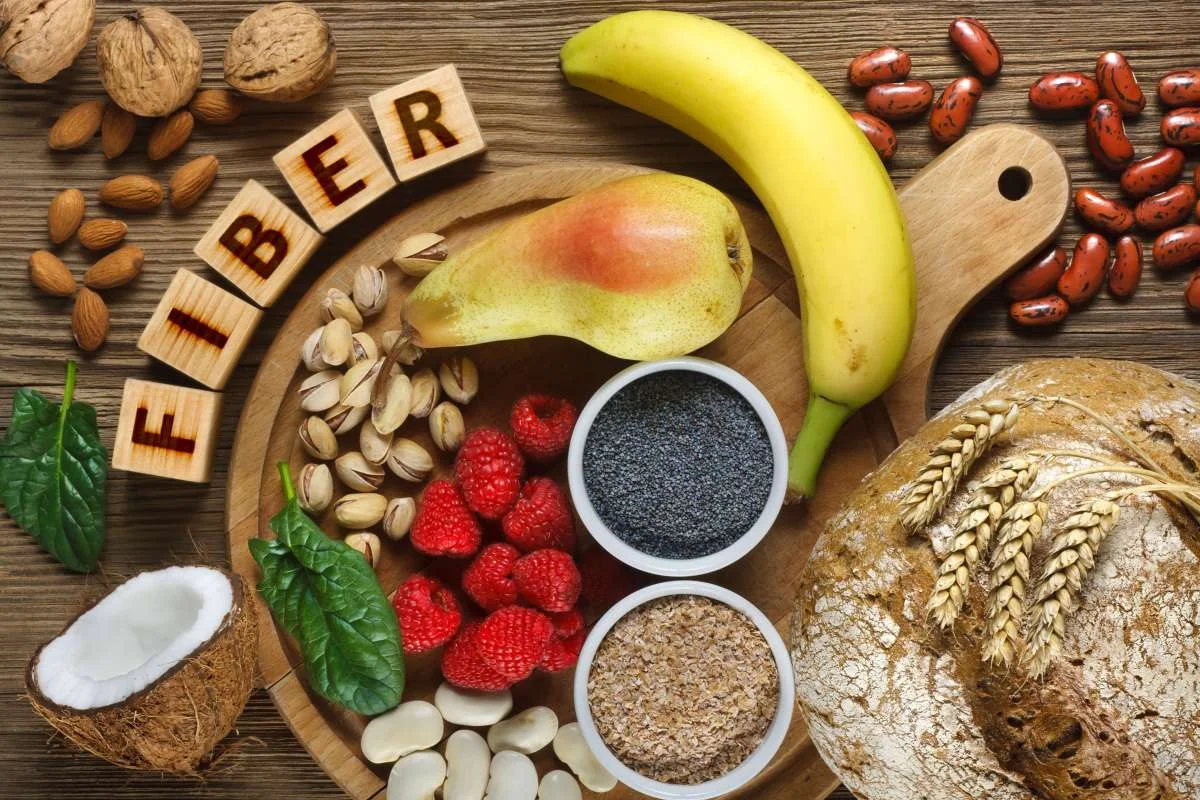
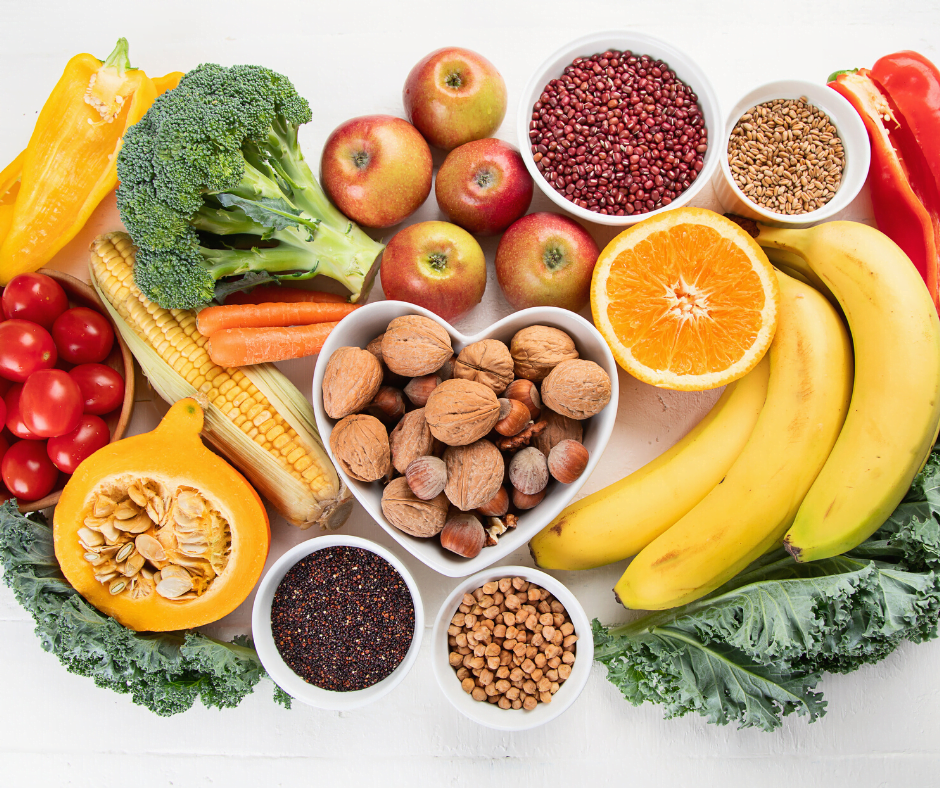
Different Foods on a wooden table as sources of fiber

Photo from https://www.capernaumpeds.com

If you want to keep your digestive tract clean and healthy, aim for a mix of soluble and insoluble fiber in your daily meals.

Rich sources of insoluble fiber include:

  • Whole grains (especially bran)
  • Beans and legumes
  • Vegetable skins (potatoes, cucumbers, carrots)
  • Firm fruits like apples and pears
  • Vegetables like broccoli and cauliflower

Rich sources of soluble fiber include:

  • Oats and barley
  • Citrus fruits
  • Carrots
  • Beans and lentils
  • Psyllium husk

Fun fact: Lettuce contains very little fiber of any kind, so while it’s healthy for other reasons, it’s not a strong fiber source.

Why Water Is Just as Important as Fiber

Water can also keep the digestive system clean.

Increasing your fiber intake without also increasing your water consumption can lead to constipation and bloating. That’s because fiber absorbs water in the digestive tract. If you’re not drinking enough, there won’t be enough liquid to keep things moving smoothly.

A good habit is to start your day with a large glass of water—around 16 ounces—before eating anything. This simple step can stimulate both your colon and your salivary glands, setting the tone for healthy digestion throughout the day.

Water plays an essential supporting role when you eat more fiber:

  • Softens stools – Water combines with fiber to bulk up and soften stool, making bowel movements easier and more regular.

  • Prevents blockages – Without enough hydration, high-fiber foods can sit too long in the intestines, leading to uncomfortable bloating and even constipation.

  • Helps fiber do its job – Soluble fiber (found in oats, beans, and apples) absorbs water to form a gel-like substance that slows digestion and regulates blood sugar, but it can only do this properly if there’s enough fluid.

  • Supports gut health – Adequate water allows fiber to ferment effectively in the colon, feeding beneficial gut bacteria and promoting a healthier microbiome.

Think of it this way: fiber is the broom that sweeps your digestive system clean, but water is the lubricant that helps the broom glide smoothly.

Tips for Adding More Fiber to Your Diet

  1. Start Slow – If your diet is currently low in fiber, increase your intake gradually to avoid bloating or discomfort.
  2. Eat Whole Foods – Choose whole fruits and vegetables instead of juices to maximize fiber intake.
  3. Keep the Skin On – Many fruits and vegetables have fiber-rich skins, so eat them whenever possible.
  4. Swap Your Grains – Replace white rice or bread with brown rice, whole wheat bread, or quinoa.
  5. Add Beans and Lentils – These are excellent sources of both soluble and insoluble fiber.

The Bottom Line

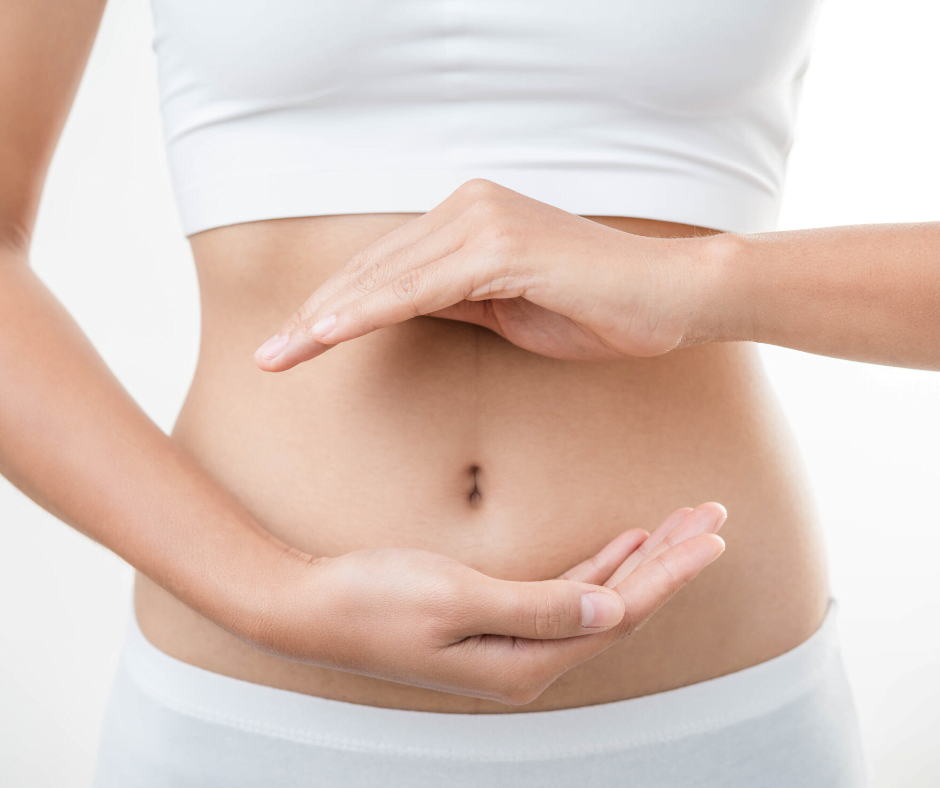
young smiling woman touching her stomach with relieved happy face feeling good after eating

Photo from https://www.freepik.com

Fiber isn’t just about “keeping things regular.” It’s a vital nutrient that cleans the digestive tract, supports gut bacteria, removes toxins, and promotes heart health. By eating a variety of fiber-rich foods and drinking plenty of water, you can help your body stay balanced, clean, and healthy.

Your digestive system works hard for you every day—adding enough fiber is one of the best ways to return the favor.

Frequently Asked Questions About Fiber and Digestive Health

How much fiber should I eat each day?
Most health experts recommend 25 grams per day for women and 38 grams per day for men. Your needs may vary depending on age, activity level, and overall health.

Can too much fiber cause problems?
Yes. A sudden increase in fiber can cause bloating, gas, or discomfort. Always increase your intake gradually and drink plenty of water.

Is it better to get fiber from food or supplements?
Whole foods are the best source because they also provide vitamins, minerals, and antioxidants. Fiber supplements can help if you have trouble meeting your daily needs.

What’s the difference between soluble and insoluble fiber?
Soluble fiber dissolves in water to form a gel, helping lower cholesterol and regulate blood sugar. Insoluble fiber adds bulk to stool and keeps the digestive tract clean.

Can fiber really reduce the risk of colon cancer?
Studies suggest that a high-fiber diet, especially rich in insoluble fiber, may lower the risk by speeding up waste removal and reducing toxin exposure.

0 comments
0 FacebookTwitterPinterestEmail
[:en]Fibre can help cleanse the bowel.[:]

Think of the colon as your body’s waste management station. All cells and tissues in your body – and your major detoxifying organ, the liver – rely on a well-functioning colon to cleanse your body from toxins. Colon cleansing is a popular alternative remedy that some people claim to remove waste and toxins from the colon. Most colon cleansing products are said to help detox the colon or remove harmful substances such as mucus and dry stool. Some people also cleanse the bowel to help relieve constipation.

Makes the Digestive System More Effective

In colon cleansing, it pushes waste through your system, clearing the proper absorption of nutrients. The clean colon of the colon detox allows the waste to pass quickly.

Prevents Constipation

Constipation — especially when chronic — provokes a slow digestive response, which leaves waste in the system longer. This increases the likelihood of specific conditions and irritation, such as hemorrhoids and varicose veins.

Fibre can help cleanse the bowel.Increases Energy

Releasing toxins from your body is rejuvenating. It redirects the energy commonly used to force waste through the intestines to other parts of the body. People who have experienced colon detoxification say they have better blood circulation, more restful sleep, and more energy…

Increases the Body’s Absorption of Nutrients

A cleaned colon allows only water, vitamins, and nutrients to be absorbed into the bloodstream, creating an unobstructed pathway for essential nutrients to filter through your body.

Improves Concentration

Poor diet and inefficient absorption of vitamins can cause you to become distracted and lose concentration. Building up toxins in your colon can keep your body from getting what it needs to do, even if you’re eating a healthy diet consistently. Cleaning the colon with a detox diet can be the difference between feeling alert and unable to focus. This has far-reaching implications for your work, your relationship, and your overall health.

Starts Weight Loss

Fibre can also help with weight loss.Foods lack the fiber to move through the digestive tract at one-quarter the pace of high-fiber choices. This slow-moving food creates excess mucosa that actually sticks to your intestinal walls, weighing down the intestinal tract with pounds of decaying fecal matter. Colon cleansing can help with weight loss; some people claim to have lost up to 20 pounds in a month. The average human colon weighs about 4 pounds empty. It can hold up to eight meals worth of food before digestion finally occurs. Colon cleansing could result in significant weight loss, kick-start your metabolism, and focus your attention on better food choices and well-being.
Decreases Risk of Colon Cancer

All the toxins you eat are breathing and absorbing through your skin. They end up being processed by your gastrointestinal system, your kidneys, and your liver. If they’re not forced out of your organs as quickly as possible, they could wreak havoc on your body’s systems. If you cleanse the bowel, you reduce the causes and risks of polyps, cysts, and cancer growth in your colon and gastrointestinal tract.

Increases Fertility

Colon cleansing increased fiber intake, while healthy food choices promote balance and help keep your weight under control. Fat is estrogen-based, and if a lot is present, it becomes more difficult to become pregnant. A colon that is weighed down from years of buildup could also press the uterus and surrounding reproductive organs in women, causing strain. Colon cleaning cleanses the body of many chemicals and toxins that affect the egg and sperm. Many naturopaths recommend that both partners undergo colon-cleansingAUGUS before pregnancy.

Maintains PH Balance in Your Bloodstream

Foods that create colon blockages are acid-forming — especially high-protein diets without enough fiber. This leads to general discomfort in the body. The colon tissue finally becomes inflamed, decreasing its ability to do its purpose, which is to allow only water, minerals, and vitamins to pass through the bloodstream. If yeasts, molds, fungi, bacteria, parasites, or fecal material enter the blood and the tissues connected to it, the pH of the body will be thrown out of balance.

Improves General Health

Ridding your colon of toxins and waste by releasing layers of colon buildup could lead to increased energy, a feeling of lightness, and overall good health.


0 comments
0 FacebookTwitterPinterestEmail

Spirulina is a kind of blue-green algae which includes several nutrients, including vitamin B, beta-carotene and vitamin E. Spirulina drinks also include antioxidants, minerals, chlorophyll, and phycocyanobilin. It is commonly used as a source of vegetable protein.

Health Benefits

Spirulina drinks have been used among the proponents to support several health conditions, including fatigue, high cholesterol, high triglycerides, and viral infections.

High Cholesterol

Spirulina has some promise for lipid disorders such as high cholesterol or high triglycerides, according to a study published in the Annals of Nutrition and Metabolism. Healthy, older adults used spirulina or placebo for the study. After four months, spirulina was associated with a significant reduction in cholesterol1.

Allergies

Spirulina has some promise in the treatment of allergic rhinitis (nasal allergies). According to a review published in 2009.2 In fact, a previously published study of people with allergic rhinitis found several benefits to spirulina intake, including improvement in symptoms such as nasal discharge, congestion, sneezing, and itching.

Spirulina can help alleviate symptoms of allergy.Diabetes

In a 2008 study concerning 37 people with type 2 diabetes, a study discovered that those assigned to 12 weeks of spirulina supplementation experienced a significant decrease in fat blood levels. Spirulina benefits also included decreased inflammation and decreased blood pressure and cholesterol for some people.

In another short study, 15 people diagnosed with diabetes who did not take insulin took 2 grams of spirulina daily in supplement form for two months. They did not change any other factors in their lifestyle or diet. At the end of the study period, participants experienced a decrease in blood sugar, cholesterol, and triglyceride levels.

Oral Cancer

Spirulina may protect against oral cancer, according to a short study of tobacco chewers with oral precancerous lesions. The study members took either a daily dose of spirulina or a placebo for 12 months. By the end of the study, 20 of the 44 participants who had taken spirulina had cleared the lesions (compared to three of the 43 participants who had been assigned to the placebo group).

Losing Weight

People could usually lose weight if they eat fewer calories than they do. Spirulina is a high-nutrient, low-calorie food with a lot of food in a small amount of powder. Introducing spirulina to the diet can help people lose weight without compromising their nutrition.

The results of a double-blind, placebo-controlled trial in 2016 suggest that spirulina may help with weight management. In a study, people who were overweight and normally ate spirulina for 3 months had an improved body mass index or BMI.

Improving Gut Health

Spirulina can be easily digested due to its structure, where the cells do not have hard, fibrous walls. But can it be used to improve intestinal health?

More human research is needed, but animal studies indicate that spirulina may promote intestinal health as people age. A 2017 study on older mice suggests that spirulina may preserve healthy intestinal bacteria during the aging process.

Spirulina does not contain much fiber, so it is essential to include other intestinal-healthy, high-fiber foods.

Boosting Metabolism

Taking spirulina may help boost the metabolism of a person. A higher metabolic rate may make a person feel like they have more energy. It may also increase the number of calories they burn each day, which may contribute to weight loss.

Spirulina can also boost metabolism.In a small-scale 2014 study, people taking 6 g of spirulina a day experienced beneficial metabolic effects alongside weight loss and improved health-related quality of life.

People in this study have had non-alcoholic fatty liver disease. So more research is needed to see if spirulina can boost metabolism in others without this condition.

What to Look For

Spirulina is often sold in powder form, but it is also available in capsules, tablets, and juices. Sometimes the powder is added to the smoothies.

Although there are many blue-green algae species commonly referred to as spirulina, most spirulina supplements contain Aphanizomenon flos-aquae, spirulina maxima, and/or spirulina platensis.

As with all supplements, it is important to check the “Supplement Facts” label for any product you purchase. This label will contain vital information, including the number of active ingredients per serving and any other ingredients present in the product.

0 comments
0 FacebookTwitterPinterestEmail
[:en]Antioxidant drinks are absorbed better by the body.[:]

Wherever you look, there is something about antioxidants. Various information and data about them are ubiquitous all over the internet. It has been reported that many health benefits come from incorporating these nutrients into the body.

Some scientific studies even show and back these reports. Hence, what is the most efficient way to incorporate these antioxidants into the body to obtain the most advantage in the least amount of time? Drink it, of course.

Antioxidants Defined

What are antioxidants? Google it, and you will come across an abundance of scientific-sounding terms. We can simply say that antioxidants are naturally occurring substances in food that could combat free radicals.Antioxidant drinks can help keep the body healthy.

These free radicals are responsible for wreaking havoc on your cells, causing awful health problems that range from heart disease to memory loss to certain cancers.

It is easier than you think to receive your recommended daily amount of antioxidants. Most of the foods that are part of a healthy diet (fish, fruit, and nuts) are also high in antioxidants. There are even drinks like FibreFirst that make it super easy to get a daily dose of antioxidants.

Should You Consume Antioxidant Drinks?

The best antioxidant drink is rich in these nutrients as well as fiber in a liquid form. These are usually fruit, but also some vegetables. There are several benefits to consuming antioxidant drinks that are high in nutrients rather than eating them.

The first thing is that you get more nutrients per serving. You can place a daily serving of the nutrient you need in a single glass of Fibrefirst. While eating vegetables and fruits does have its benefits, if you’re looking for nutrients the easy way, Fibrefirst is the way to go.

The best antioxidant drinks vary, but you’re going to want a drink like Fibrefirst. It is an antioxidant-packed drink that has a cascade effect. A cascade effect builds up, one on top of the other, to provide a large scale result. Think of it as a waterfall.

Waterfall Effect

A waterfall can start out as a small stream, a stream that grows into a river, and then a river grows. It becomes a very strong force of nature when it reaches a certain point. The same applies to antioxidant drinks. These drinks are intended to build up the level of antioxidants, not only within the drink itself but also within the body.

These nutrients help at every level of the system. It reduces the signs of aging, making you look younger. They are providing you with the energy to make you feel younger. They also help to remove hazardous substances, like toxins, from the body.

This means that you are healthier and have more energy to do the things you want to do. You could even add them to other foods in the form of juice. Make a sauce or a marinade with them. Add them to the recipes for cookies and bread.

You get more juice because you do not have to work as hard to digest it. Your body does not have to pull the nutrients out of the solids. It can just grab what it finds in liquid form. In less time, you get more and have a higher probability of seeing benefits.

This does not mean you are supposed to eat unhealthily and just take antioxidant drinks. It just means that you may want to consider incorporating this as part of your lifestyle when it comes to moving towards a better, younger-looking you.

Many benefits should not be missed and can be easily achieved. You can take these drinks with you wherever you go and enjoy a great pick-up every time you feel the need.


0 comments
0 FacebookTwitterPinterestEmail
[:en]Detoxification can greatly improve your health.[:]

You might have heard of “detoxifying your body.” But did you try it for yourself? If you have been considering body detoxification, learning about the many advantages of detoxifying will help you make up your mind.

Detox diets eliminate toxins in your body and develop habits that will keep you on track for a healthy lifestyle.

There are many various types of detox diets, and each will give you slightly different outcomes. But no matter what you choose, these benefits of body detoxification can not be overlooked.

Body detoxification can help in weight loss.Weight Loss and Management

If weight loss is one of your goals, a detox diet could be an excellent way to start your progress. Detoxification may also help with long-term weight management. If you have the ideal weight but want to make sure that you stay there, try a detox to keep the body on track.

One of the best things about detoxing is that it does not just help now — it sets you up to have healthy practices in the future. So even after you have completed the detox, you will have the habits you need to keep track of weight maintenance or future weight loss.

Improved Immune System

Because detoxifying removes some of the workloads from your organs, it can do a better job of protecting your body from illness. You will absorb much-needed nutrients faster, such as vitamin C, which is known to be great for the immune system.

You may also experience a boost to the lymphatic system if you are on a detox that involves taking high-fiber supplements like psyllium husk. This system is partly responsible for keeping you healthy and free of toxins, so you’re going to want it to work well.

Clearer Skin

You could use all the most elaborate skincare regimens, but if you don’t have a healthy diet, you’ll still have skin issues. A detox is one of the guaranteed ways to clear up the skin.

Some detoxes even incorporate a sauna element, so you’re literally sweating out some of the toxins that clog your pores. But even if you’re only using a diet, you’ll still see results.

Nevertheless, be prepared for a brand new breakout or skin problem while your body is in the process of detoxification.

Improved Thinking

Detoxifying is the way to go for clearer thoughts and better memory. The benefits of detoxifying are not just physical. In fact, many detoxes include ways to take care of your mind as well as your body. For example, you could use meditation as part of your detox plan.

Sugar crashes and other adverse effects of an unhealthful diet can also affect your mind. Once you’ve experienced this detox benefit, you are never going to want to go back.

Slow Signs of Aging

Growing older is amazing, but we don’t always want the outward signs of aging that come with it.

Detoxifying helps slow down the visible signs of aging by reducing toxins that contribute to the damage to the skin that is usually associated with growing older.

Enjoy the Food You Eat

One of the tales about detoxification is that you are not going to enjoy anything you eat during the process. 

The reality is, a detox diet can actually help you enjoy more of your food. This doesn’t mean that you’re not going to experience the sugar cravings and other things that you cut off from your diet — at least at first.

However, detoxifying increases your awareness of the things you put in your body. You ‘re going to eat healthy, well-rounded meals carefully, and you can still use some of the food you love while incorporating new things that you might learn to love.

0 comments
0 FacebookTwitterPinterestEmail
[:en]Body cleansing can help you avoid certain diseases.[:]

Natural body cleanse is popular these days, and dozens of people are out there to choose from. But more than just passing fads, body cleansing is a method to rid your body of unnecessary toxins and give it a complete reset.

If you have frequent problems with digestion, a natural body cleanse may offer some recurrence by eliminating acid and alkaline for faster relief. Several other parts of your body can benefit from cleaning, leaving you feeling invigorated.

In this post, instead of looking at specific cleanses, we’re going to look at the health benefits you can expect when you do body cleansing.

Body cleansing can greatly improve your health.What is a Body Cleanse?

But first of all, let’s clarify what this term means. Body cleansing helps the body to rid itself of toxic substances. While the body has natural means to do this through the liver, urine, sweat, and faeces, completing a body cleanse helps the liver neutralize and release toxins.

Furthermore, there is a difference between cleansing and detox, although the terms are often used interchangeably. While a detox diet removes unsanitary foods from your diet and requires you to eat certain foods with detoxifying properties, cleaning not only eliminates unsanitary foods but concentrates on eating whole, healthy foods to restore your palette and eating habits.

The Benefits of a Body Cleanse

You’ll experience a lot of benefits as you work to complete body cleaning, no matter what kind you choose or how long you do it. Here are some of the great things cleanse can do for you:

Improve Your Digestive Health

The chemicals we take in through the food we eat, and the beauty products we use can make a difference to our digestive health. Cleansing can help the digestive process by removing processed foods, reducing bloating, and constipation. Easy-to-digest foods and supportive supplements are taken during the cleaning process to help remove toxins that inhibit the digestive process and liver function.

Gain Control of Cravings

Your cravings are more than a “mind over matter” state; they can be hormonal imbalances. Cleansing typically involves drinking plenty of fluids that can flush out the unsafe food you ‘re looking for and help break the addiction. Liquids can fill you up, help to curb hunger, and subdue cravings. After spending time away from processed foods, your body will start looking for healthy, healthy options to replace them instead.

Energy Boost

If your liver is working correctly, you will have increased levels of energy. Still, if it gets overworked with breaking down too many toxins, your body will feel sluggish. Digestion uses quite a bit of our energy on its own. According to the Mayo Clinic study, which measured the digestion time, the average time from eating to elimination was 53 hours! By removing stored toxins, you can release some of your body’s energy, making you feel more refreshed and energized.

Improved Mental and Emotional Health

According to a German research study, cortisol hormone is released when we are stressed, decreasing liver function. Cleanses could help regulate your cortisol levels, helping to manage stress through the chemical imbalance that it causes. Processed foods such as alcohol, sugar, and caffeine contribute to adrenal fatigue, so removing them from your daily intake will refresh your adrenal glands. Healthy adrenal glands can help you cope better with stress and avoid feeling overwhelmed. Furthermore, the toxin can cause you to develop poor sleep patterns and thus feel lethargic, affecting your mood.

Doing a cleanse can make you feel rejuvenated and renewed. At the outset, you may be adjusting to the removal of certain foods from your diet and any effects it may have. But once you’ve finished the cleansing routine, you’re bound to feel the positive benefits, both mentally and physically.


0 comments
0 FacebookTwitterPinterestEmail
[:en]There are several ways to lower cholesterol naturally.[:]

Keeping your cholesterol in check isn’t just about numbers on a blood test. It’s about protecting your heart, arteries, and overall well-being. High LDL cholesterol often creeps up without obvious symptoms, but over time it can lead to serious health issues like heart disease and stroke.

The good news? You don’t always need complicated diets or expensive programs to make a difference. By making a few smart, natural changes to your eating habits and daily routine, you can lower cholesterol while still enjoying food and life.

Highlights:
  • You can lower cholesterol naturally by combining dietary changes with healthy habits. 
  • Foods like oats, beans, soy protein, garlic, and flaxseed can help. 
  • Supplements such as niacin, psyllium, and phytosterols may provide extra support — but only with medical guidance.

Why Managing Cholesterol Matters

an illustration of a blood vessel with high cholesterol

Photo from https://srmglobalhospitals.com

High LDL cholesterol (often called “bad” cholesterol) can silently increase your risk of heart disease and stroke. Over time, excess cholesterol can build up in your arteries, narrowing them and making it harder for blood to flow. This is why keeping your cholesterol levels in check isn’t just a medical suggestion — it’s a smart step for your overall health.

If you’ve recently been told your cholesterol is high, your doctor might suggest supplements, dietary changes, or more exercise. While prescription medication can help, many people start by making lifestyle adjustments first. The good news? You can lower your cholesterol naturally by adding certain foods and habits into your daily routine.

8 practical and science-backed ways to do it — no complicated diets required.

1. Add Niacin to Your Diet

Niacin, also known as vitamin B3, helps raise good HDL cholesterol while reducing triglycerides — another fat in your blood that can increase heart risk. You can find niacin naturally in foods such as chicken, turkey, tuna, salmon, and liver.

  • Recommended daily intake: 14 mg for women, 16 mg for men 
  • Caution: Only take niacin supplements if your doctor recommends it. Overuse can cause flushing, itching, nausea, and other side effects.

2. Increase Soluble Fiber Intake

Fiber comes in two forms: soluble and insoluble. Soluble fiber dissolves in water and forms a gel-like substance in your digestive tract. This gel binds cholesterol and helps remove it from the body before it can enter your bloodstream.

Foods high in soluble fiber include:

  • Oats and oat bran 
  • Barley 
  • Beans and lentils 
  • Apples, oranges, and berries 
  • Carrots and Brussels sprouts

Aim for 5–10 grams of soluble fiber daily for better cholesterol control.

3. Try Psyllium Supplements

a spoon and bowl full of Psyllium Husk on a blue background

Photo from https://assets.clevelandclinic.org

Psyllium is a plant-based fiber made from the husks of Plantago ovata seeds. It’s often sold as a powder you can mix into water, juice, or smoothies. Regular intake of psyllium can:

Start with a small dose and drink plenty of water to avoid bloating or discomfort.

4. Boost Your Phytosterol Intake

Phytosterols are plant compounds that look like cholesterol but work in your favor — they block your body from absorbing actual cholesterol. You can find phytosterols in:

  • Whole grains 
  • Nuts (almonds, pistachios, walnuts) 
  • Seeds 
  • Fruits and vegetables

Many products like fortified yogurt or margarine also have added phytosterols.

5. Swap to Soy Protein

Replacing animal protein with soy protein can help reduce cholesterol slightly and lower overall saturated fat intake. Try:

  • Tofu stir-fry 
  • Soy milk in your coffee or smoothies 
  • Edamame as a snack 
  • Tempeh in place of meat in recipes

6. Add Garlic to Your Meals

Garlic may not be a magic bullet for cholesterol, but it does offer other heart-friendly benefits like lowering blood pressure. Adding garlic to your cooking is an easy, flavorful way to support heart health. You can enjoy it raw, roasted, or as a supplement.

7. Spice It Up with Ginger

Studies suggest ginger may help reduce LDL cholesterol and triglycerides while boosting good HDL cholesterol. You can add fresh ginger to stir-fries, soups, and teas, or take it in powdered or capsule form.

8. Include Flaxseed in Your Diet

Flaxseeds and flaxseed oil are rich in omega-3 fatty acids, which can support healthy cholesterol levels. To get the benefits, use ground flaxseed instead of whole seeds, as your body cannot break down the outer shell. Sprinkle it on yogurt, oatmeal, or salads.

Lifestyle Habits That Support Cholesterol Control

Diet alone can help, but pairing it with healthy habits will maximize results:

  • Exercise regularly: Aim for 30 minutes of moderate activity, like brisk walking, most days. 
  • Maintain a healthy weight: Even small amounts of weight loss can improve cholesterol levels. 
  • Avoid trans fats: Found in many fried and processed foods. 
  • Quit smoking: Smoking lowers good HDL cholesterol and damages blood vessels.

 Foods, Supplements & Habits for Lowering Cholesterol

StrategyExamplesPrimary BenefitExtra Tip
Increase Soluble FiberOats, beans, lentils, apples, carrotsBinds cholesterol and helps remove it from the bodyAim for 5–10g per day
Add Plant Sterols (Phytosterols)Nuts, seeds, whole grains, fortified yogurtBlocks cholesterol absorption in the gutLook for products labeled “fortified with plant sterols”
Include Soy ProteinTofu, soy milk, tempeh, edamameLowers LDL and reduces saturated fat intakeSwap soy in for meat 2–3 times a week
Boost Omega-3 IntakeFlaxseed, flax oil, fatty fishSupports healthy cholesterol and heart healthUse ground flaxseed for better absorption
Use Heart-Healthy SpicesGarlic, ginger, turmericMay lower LDL and improve blood circulationAdd to meals daily for flavor + benefits
Supplement WiselyNiacin, psyllium, plant sterolsAdditional LDL-lowering supportAlways consult your doctor first
Adopt Healthy HabitsExercise, quit smoking, avoid trans fatsImproves cholesterol profile and heart healthAim for 30 minutes of movement most days

Conclusion

an asian woman with her hands forming a heart on her chest while smiling at the camera

Photo from https://img.freepik.com

Lowering cholesterol naturally is about creating a healthy balance in your diet, your lifestyle, and your mindset. You don’t have to overhaul everything overnight. Start with small, sustainable changes like adding more fiber, swapping in plant-based proteins, and incorporating heart-friendly foods and spices. Pair these choices with regular exercise, good hydration, and avoiding harmful fats, and you’ll set yourself up for lasting heart health. 

Remember, your cholesterol levels respond to consistent care, so think of these tips as long-term investments in your body’s future — one meal, one step, and one healthy choice at a time.

FAQs About Lowering Cholesterol Naturally

How long does it take to lower cholesterol naturally?
It depends on your starting point and how consistent you are. Many people see improvements in 6–12 weeks with regular lifestyle changes.

Can I stop taking cholesterol medication if I improve my diet?
Never stop medication without consulting your doctor. They can monitor your levels and guide you safely.

Is it possible to have cholesterol that’s too low?
Yes, although rare. Extremely low cholesterol can be linked to other health issues. Always aim for a balanced range.

Do plant-based diets lower cholesterol?
Yes, plant-based diets are often high in fiber and low in saturated fat, which can help reduce LDL cholesterol.

0 comments
0 FacebookTwitterPinterestEmail

How important is doing the best colon cleanse for the body?

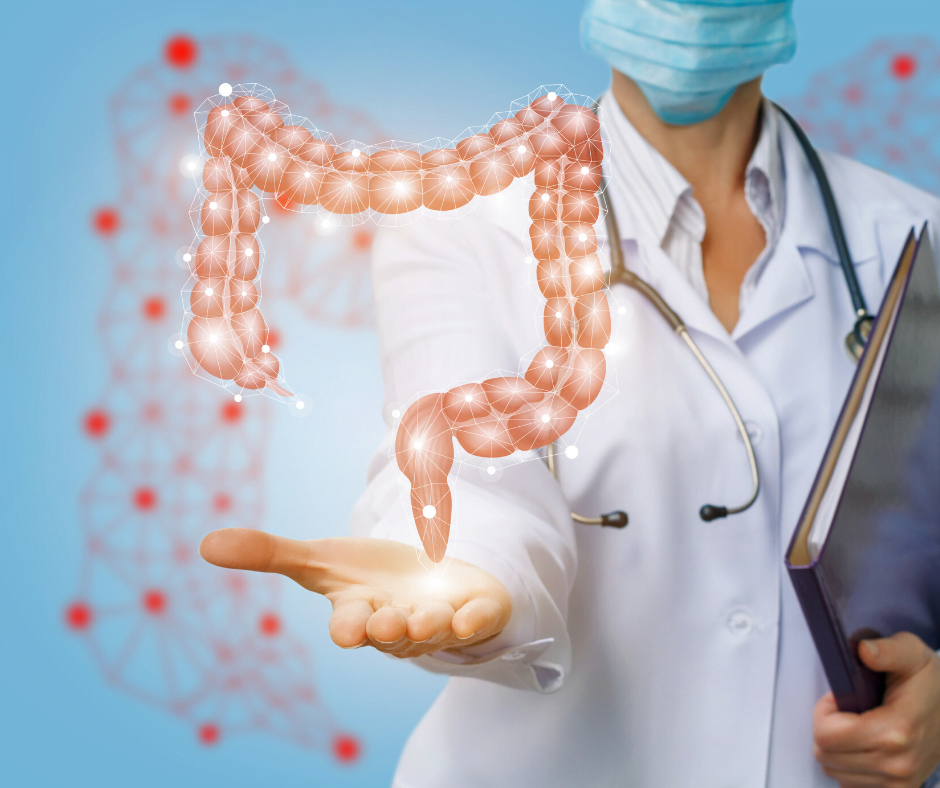
The colon is an organ that is part of your body’s digestive tract. It is often referred to as the large intestine or the large bowel. When food enters the body, it is mostly digested in the small intestine, where minerals and vitamins are removed. 

After that, the food passes the colon. The colon removes water, and the bacteria in the colon help to break down the food to make it leave the body. A healthy colon works as a “clean-up” body crew.

We need a colon cleanse to keep our body healthy.Five Colon-cleansing Foods

Eating specific types of food may help move waste through your colon and out of your body. If you need the best colon cleanse, you might want to try adding the following five foods to your regular diet:

  1. Broccoli

There are so many ways to add broccoli to your meal. Try to stir-fry it and toss it with teriyaki chicken. You can try this broccoli and cauliflower casserole as well.

  1. Dark, Leafy Greens

Eating dark, leafy greens like kale, spinach, and chard is a fantastic way to clean your colon. Add the green to your meal with the black bean and spinach enchiladas. A colourful southwestern kale power salad is a wonderful lunch.

  1. Milk

You can use milk more than just with your morning cereal. A hearty cheddar cheese soup is going to help you get your daily servings of vegetables and milk. You can try homemade strawberry milk for a sweet treat, too.

  1. Raspberry

Raspberries are always a yummy addition to dessert. But reconsider adding them to a salad like a Mozzarella raspberry salad. Or turn it into a sauce and drizzle it over the lamb chops.

  1. Oatmeal Meal

If you find packed instant oatmeal boring, turn to some of the many creative oatmeal recipes out there! A fruity oatmeal breakfast will satisfy your sweet morning tooth. Or switch things around with cheddar and fried-egg oatmeal. As you make your oatmeal, start with the whole-grain type, like old-fashioned or steel-cut oats. They are taking longer to cook, but they are providing more fibre.

All of these foods contain high levels of fibre, calcium, and vitamin D, which are great for keeping the digestive system working efficiently and preventing constipation. But if you are not used to dieting rich in fibre or calcium, introducing many of these types of foods at once may lead to gastrointestinal distress in the form of diarrhoea, bloating, or constipation. If you are planning a dietary colon cleanse, add more of these foods to your diet gradually over time instead of at once. You can also take high-fibre supplements like Fibrefirst to augment your daily fibre supplement.

What are the Benefits of Fibre?

An average American consumes about 13 grams of fibre per day, but experts say that people should eat 25 to 35 grams for optimum colon health.

Fibre is a plant material that cannot be broken down by enzymes in the human digestive system. It helps cleanse the colon as it encourages regular bowel movements and helps to move food into the digestive tract. Experts recommend that you eat some fibre at every meal to spread your intake all through the day.

Dietary fiber offers a lot of health benefits. It feeds your gut bacteria and also forms short-chain fatty acids that nourish the colon wall.

Moreover, viscous, soluble fiber may significantly curb your appetite, reduce cholesterol levels and lessen the rise in blood sugar after consuming high-carb meals.

If your goal is to have a healthy life, you should make sure to get a variety of fiber from vegetables, fruits, whole grains, and Fibrefirst.

0 comments
0 FacebookTwitterPinterestEmail
[:en]Dietary fiber can help with your digestion.[:]

Dietary fiber is found primarily in fruit, vegetables, whole grains, and legumes. It is reasonably best known for its capability to prevent or relieve constipation.  But high fiber foods could also provide other health benefits, like helping maintain a healthy weight and lower your risk of heart illness, diabetes, and some types of cancer.

It is not difficult to select tasty foods that supply fiber, both insoluble and soluble fiber

Find out how much fiber food you need, the food that contains it, and how to add it to snacks and food.

What is Dietary Fiber?

Dietary fiber has a lot of health benefits.

Commonly known as bulk or roughage, dietary fiber includes parts of plant foods that your body can not absorb or digest. Unlike other food components, like proteins, fats, or carbohydrates — which your body breaks down and consumes — your body does not digest fiber. Instead, it passes relatively untouched through your small intestine, stomach, and colon, and out of the body.


Fiber is usually classified as soluble, dissolving in water or insoluble, which does not dissolve.

Soluble fiber is a type of fiber that is dissolved in water to form a gel-like material. It may help to lower blood cholesterol and glucose levels. Soluble fiber is found in oats, beans, peas, apples, citrus fruits, psyllium, carrots, and barley.


Insoluble Fiber


This type of fiber improves the movement of the material through the digestive system. It tends to increase stool mass, which could benefit those struggling with irregular stools or constipation. Whole-grain flour, wheat bran, nuts, vegetables, and beans like potatoes and cauliflower beans are good sources of insoluble fiber.

The amount of insoluble and soluble fiber varies in different plant foods. For you to make the most of the health benefits,

Benefits of a High-Fiber Diet

A high-fiber diet:

Regulates movements of the intestines. Dietary fiber increases and softens the weight and size of your stool. It’s easier to pass a bulky stool, reducing your chance of constipation. If you are experiencing loose, watery stools, the fiber may help to thicken or solidify the stool because it absorbs water and adds bulk to the stool.

Help keep the intestine healthy. A high-fiber diet may reduce the risk of developing hemorrhoids and small pockets in your colon (diverticular disease). Researches have also found that a high-fiber diet is likely to reduce the risk of colorectal cancer. Some of the fiber is fermented in the colon. Researchers have been looking at how this may play a role in the prevention of colon diseases.

Lowers the level of cholesterol. The soluble fiber in oats, flaxseed, beans, and oat bran could lower total blood cholesterol levels by lowering down low-density lipoprotein or “bad” cholesterol levels. Researches have shown that high-fiber foods may have other cardiac health benefits, such as lowering blood pressure and swelling.

Helps to control blood sugar levels. In people with diabetes, fiber — especially soluble fiber — can slow sugar absorption and improve blood sugar levels. Healthy diets that include insoluble fiber may also reduce the risk of developing type 2 diabetes.

Helps to achieve a healthy weight. High-fiber foods tend to fill more than low-fiber foods, so you are likely to eat less and stay satisfied longer. High-fiber foods tend to be harder to eat and less “energy-dense,” which means that they have lesser calories for the same amount of food.

Helps you to live longer. Researches suggest that increasing your dietary fiber intake — especially cereal fiber — is connected with a lower chance of dying from all known cancers and cardiovascular disease.

High-fiber foods are good for your health. But adding too much fiber too quickly could promote intestinal gas, abdominal swelling, and cramping. Increase your diet fiber gradually over a few weeks. This allows natural bacteria to adjust to the changes in your digestive system.

Drink plenty of water, too. Fiber works great when it absorbs water, making your stool bulky and soft.


0 comments
0 FacebookTwitterPinterestEmail
Newer Posts