Category:

Body


Having a cataract can have a huge effect in your day-to-day life. You may be considering of scheduling a check up to an eye surgeon or having cataract surgery to have it removed. If you are searching for a good surgeon or an eye care center in your area, you have visited the right place. This article aims to help you select the right eye care center for any of your cataract services requirements.


Although there are many eye care centers in Singapore, only select clinics offer top of the line cataract services. So how do you choose which 1 has the best eye care services? Here are some of our endorsements:


Atlas Eye

Paragon Medical #07-09, 290 Orchard Road, Singapore 238859

Atlas Eye Specialist Centre is highly advised for delivering superior service and using front-line medical technology in each procedure. This eye care clinic is maintained and ran by the best eye surgeons in the country. Dr. David Chan, who is a senior consultant and medical director, spearheads the team of Atlas Eye. He is a Courage Star Awardee, and is also a member of various international ophthalmological organizations. Every staff of Atlas Eye Specialist Centre has seven to twenty years of extensive clinical experience.


Call them today to schedule an appointment or for any questions you have regarding their clinical services in childhood eye treatment, cataract surgery, LASIK treatment, and cataract surgery cost.


Eye Max Centre

Mount Elizabeth Hospital, 38 Irrawaddy Road, Singapore 329563

Looking for a trusted eye care service provider that has topnotch cataract services? Consider checking out the Eye Max Centre. This eye care clinic has a highly regarded team of staff, headed by Senior Ophthalmologist Dr. Leonard Ang. Eye Max Centre is popular in the industry for advanced treatment for various eye conditions and disorders. You may call their office to inquire about cataract surgery screening, glaucoma screening, LASER therapy, cornea transplantation, and other eye care services.


Their cataract surgery cost could vary, based on the condition and health of your eyes and the technology that will be used in the operation.


Singapore National Eye Center

363 Balestier Road, #02-00, Singapore 329784

For an eye care clinic with knowledgeable staff members, and offers quality service, visit Singapore National Eye Center. Their team is encompassed of surgery nurses, technicians, and refractive surgeons who are qualified to deliver reliable services. Head over to their clinic if you need all-inclusive eye care services such as LASIK, cataract surgery, and Relex Smile. You may also call them for Advanced Surface Ablation (ASA) or Implantable Contact Lens (ICL).


How to prepare prior the operation

A week prior to the cataract surgery, you have to undergo some examinations for the lens fitting, and to see the size as well as shape of your eye. You will also be required to take precautionary measures since it will help you and the surgeon to make sure that things will go as planned. These preparations are:


  • Fast six hours prior the surgery
  • Use the eye drops given by your surgeon before and after surgery to prevent any infections
  • Take at least three days off your work to let your eyes to fully recover after the surgery
  • Ask which medications you have to stop taking before the surgery
  • Arrange a transportation home since you won’t be allowed to drive after the surgery


To learn more about cataract surgery, visit Atlas Eye’s website. You may also call their office to ask about other eye care services.


0 comments
0 FacebookTwitterPinterestEmail


You eyes are being used every day for different reasons. From watching the television, looking at road signs, or reading a book, you need the eyes to finish your every day tasks and to know what’s happening around you. However, the proteins inside the lens of our eyes can start to clump together as we age, causing the lens to be cloudy. This is where a common condition known as cataracts start. Here are some factors that can put you at larger risks of getting a cataract:

  • Taking steroid medications
  • Exposure to radiation
  • High blood sugar
  • Cigarette smoking
  • Excessive exposure to sunlight


You may not notice that you have cataracts right away, especially in the early stages since it has little effects on the vision. Gradually, you will begin to notice that things seem a little blurry than the usual, like you are looking at a cloudy glass. If not treated, this condition could affect your daily activities due to blurring of eyesight. It is advisable to ask your trusted physician about it to know whether you need to undergo cataract surgery or take medications.


To find out more about this eye condition or its risk factors, read on for more details:


Here are the different types of cataracts

Cataracts are classified based on how and where they develop in your eye. These types include:


Nuclear cataracts – this type of cataract starts in the middle of the lens. This is why the lens to turn brown or yellow in colour. Nuclear cataracts are usually age related. Its symptoms may take years before they start to manifest and affect one’s vision.


Cortical cataracts – cortical is a wedge-shaped cataract. They commonly form on the edges of the lens and then starts to spreads inward, making a star pattern. Posterior capsular cataracts are usually faster to form as compared to the other types of cataracts.


Congenital cataracts – dissimilar to other cataract types, this one is already present at birth. There are even instances when it forms during a child’s first year.


Secondary cataracts – these are cataracts cause by a disease or medication. The diseases that could reason the development of cataracts include glaucoma as well as diabetes. You may even acquire cataracts if you take steroid medications.


Traumatic cataracts – this cataract could develop if a person experienced injury in their eye.


Radiation cataracts – as the name suggests, this cataract can form after a person undergoes radiation treatment due to various health conditions.


The risks of undergoing cataract surgery:

Cataract surgery is the most commonly done elective surgery. It is comfortable and often results to good visuals. However, similar to any surgery done, there are bound to be complications or risks involved. These post-surgery risks include:

  • Astigmatism – it is usually remedied by wearing an eyeglass or contact lenses.
  • Retina or cornea swelling –swelling in your cornea or retina could result to blurry vision. The surgeon may advice you to take anti-inflammatory eye drops to lessen swelling.
  • Eye infection –eye infection may lead to a condition known as endophthalmitis. It is very infrequent but it can lead to blindness.

Retinal detachment – after the cataract operation, there is a possibility that the person could have retinal detachment. When this happens, make sure to call or visit your surgeon to get immediate medical attention.


After the operation, your vision may still need around one to two months before it completely improves. Although the cataract has been removed, there is still a risk that your cloudy vision may return so make sure to regularly visit your surgeon for regular follow ups.

If you need more details about cataract surgery, visit Atlas Eye. They have the knowledge you need to answer your questions about cataracts.


0 comments
0 FacebookTwitterPinterestEmail

In essence, the painful condition characterized by locking of the thumb or fingers when bent is called trigger finger.

When the tendons become inflamed, trigger finger occurs.

The tough tissue bands that connect the muscles and the bones is called tendons.

The synovium (lubricating membrane surrounding the joint) makes the easy gliding of the tendon through the sheath possible.

When there is inflammation and swelling of the tendon, it can pop or snap when the affected finger is bent.

Depending on the severity of the condition, treatment options can range from noninvasive options to trigger finger surgery.

Cause

The condition can be attributed to repeated as well as forceful use of the thumb or the finger.

Rheumatoid arthritis, diabetes, and gout, can also trigger the development of trigger finger.

Grasping a power tool for long periods can also result to the condition.

Industrial workers, farmers, and musicians are prone to developing trigger finger since they often perform repeated finger and thumb movements.

Trigger finger is more common among women.

People who are 40 to 60 years old are also more prone to developing the condition.

Symptoms

Soreness of the thumb base or the affected finger is often the first telltale sign of trigger finger.

Painful clicking or snapping is also noticed when bending or straightening the finger.

The catching sensation will often get worse when the affected finger and resting.

It will also often loose up when moved.

Diagnosis

In most cases, a physical examination of the hand and the fingers would be enough.

In some instances, the finger can swell and a hump over the joint situated in the palm will develop.

The finger affected can also become very stiff and painful and can get locked in a bent position.

X-rays and lab tests are often not needed in order to diagnose the condition.

Treatment Options

In most cases, those with trigger finger will be asked to rest the affected finger or thumb.

To ensure there is no joint movement, a splint may be recommended.

If symptoms will persist however, medications like ibuprofen or naproxen will be prescribed to help fight the inflammation.

Steroid injection into the tendon sheath is yet another treatment option available at one’s disposal.

However, if the condition will not respond to any of the conservative treatment options, trigger finger surgery will be the likely treatment alternative.

Recovery

While not true in all cases, the following is the typical scenario for those recovering from trigger finger surgery:

While the hand can already be used at least a day after the surgery, numbness would still be noticeable at 8 to 24 hours after.

Dressing will be kept dry for at least 5 days.

Wetting the hand will be allowed 7 days after the procedure.

Predicting when the patients can return to their normal activities will be based on several key factors like the exact procedure carried out and how active the patient is, among others.

In majority of the cases however, patients can already drive a day after the surgery and can use their hands to type a couple of days after.

Others can already participate in sports like tennis after 1 to 3 weeks while doing manual labor is possible after 3 to 4 weeks.

Patients will be given instructions post-surgery like exercising the affected finger, changing the bandage, and cleaning the wound.

Instructions must be adhered to strictly in order to ensure complications and infections are avoided.

Following the instructions given can also help ensure recovery will be quicker.

While recovery can be a case to case basis, typically, it can take several weeks.

If finger contractures develop however, recovery can take a while longer.

For expert help and guidance on the management and treatment of trigger finger, please visit www.bjios.sg.


0 comments
0 FacebookTwitterPinterestEmail

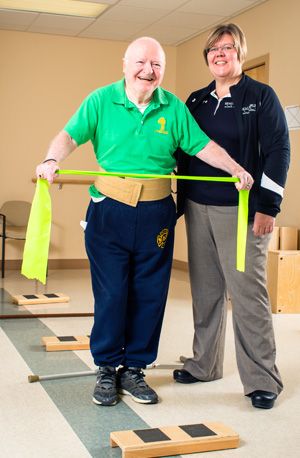
Essentially, physiotherapy aims to restore the movement and function of patients affected by injury, illness, and disability.

Physiotherapists use manual therapy, exercise and movement, and education and advice to achieve the results they desire.

Significance

Physiotherapists use their knowledge and skills to help improve conditions associated with different systems of the body like:

  • Respiratory (asthma, chronic obstructive pulmonary disease, cystic fibrosis)
  • Cardiovascular (rehabilitation after a heart attack, chronic heart disease)
  • Neurological (stroke, multiple sclerosis, Parkinson’s)
  • Neuromusculoskeletal (arthritis, back pain, sports injuries, whiplash associated disorder)

Techniques

Physiotherapists considers all the parts of the body as opposed to merely focusing on the individual aspects of the disease.

Some of the techniques commonly used in physiotherapy includes:

Education and Advice

Physiotherapists give guidance and advice on things that can affect the day-to-day activities of the patient (i.e. proper posture, correct lifting and carrying techniques, etc.)

Tailored exercises, physical activity, and movement advice

Exercises that can improve mobility, general health, and strengthen specific body parts may be taught by physiotherapists.

Manual therapy

Physiotherapists make use of their hands to relieve pain and stiffness and promote better body movement.

Other techniques like hydrotherapy and acupuncture may also be recommended.

Education and Advice

Physiotherapy uses a holistic approach.

That means it not only provides general advice like adapting the right exercise regimen, maintaining a healthy weight, etc. but it also provides guidance on improving the total well-being of the patient which is considered an integral part of the treatment.

Movement and Exercises

Physiotherapists may also recommend movement and exercises that can help improve mobility and function.

This can include the following:

  • Exercises designed to increase physical activity will be taught. The importance of staying active will also be taught. Likewise, techniques on how to safely and effectively carry out the exercises will be provided.
  • Activities that involve moving the entire body like walking, swimming, and other exercises will be taught to help those that are recovering from an operation that affects mobility and those recovering from injury.
  • When needed, patients are provided with mobility aids (i.e. crutches and walking sticks) to help them move around more efficiently.
  • Patients will also be taught exercises that are designed to enhance movement of specific parts of the body. In most cases, exercises of this nature need to be routinely repeated for a set length of time.
  • Hydrotherapy or aquatic therapy will also be taught when needed as it will not only provide the much needed support and relaxation for the muscles, it will also provide the resistance needed while healing.

Manual Therapy

In essence, manual therapy is the technique physiotherapists use to mobilize, manipulate, and massage the body’s tissues.

Manual therapy helps in:

  • Relieving stiffness
  • Alleviating pain
  • Promoting blood circulation
  • Improving the movement of different body parts
  • Promoting relaxation

Physiotherapy can also be used to effectively assist patients as they get back to their routine activities after an operation.

The common post-operative physiotherapy interventions often involve breathing exercises, circulatory exercises, and early mobilization.

Mobilization

The significance of early mobilization cannot be overstated.

For starters, it helps significantly minimize post-operative complications, ensuring quick recovery and timely hospital discharge is achieved.

A physiotherapist may also recommend stair assessment when needed to help gradually increase mobility.

Circulation

Ensuring proper blood circulation after surgery is significant in order to ensure likely complications like deep vein thrombosis are avoided.

To help promote blood circulation, certain exercises will be taught.

The exercises can be performed while in a chair or bed and will need to be repeated at least every 2 hours.

Breathing Exercises

Breathing exercises are taught in order to minimize chest infection complications.

These exercises are carried out at least 3 to 5 times each day and are done while sitting upright.

Some of the breathing techniques that will be taught include:

  • Deep breathing
  • Breathing control
  • Forced expiration technique

If you need the expert help and guidance of a physiotherapist, please visit www.bjios.sg.

0 comments
0 FacebookTwitterPinterestEmail

Pediatric orthopaedics is the specialty that treats acquired or genetic-related bone defects and diseases that develop during gestation.

Children who are born with congenital bone diseases can use the help of a pediatric specialist.

Musculoskeletal and developmental disorders can also benefit from the expertise of pediatric orthopaedics specialist.

While some conditions correct themselves without treatment, other cases can become severe when not given the proper medical attention.

Enumerated below are some of the most common pediatric orthopaedic disorders:

Legs

Internal femoral torsion

This condition is considered one of the most common cause of in-toeing in children that are aged 2 years old and above.

Fortunately, the condition can be treated by correcting an abnormal sitting position.

Genu valgum (knock-kneed)

This condition is usually benign and will often correct itself when the child turns 8 years of age.

However, if the condition will still persist until the child turns 10, surgery might be required.

Genu varum (bow-legged)

This condition is often the result of a posterior hip capsule that is tightened.

When it does not get resolved when the child turns 2, osteotomy might be necessary.

Internal tibial torsion

This condition is considered the most common cause of in-toeing in children 2 years old and below.

Fortunately, once the child starts walking, the condition will resolve itself.

Toes

Hammer toe

Typically, this condition affects the second toe.

When it becomes painful, surgery might be recommended.

Ingrowing toenail

This condition occurs when the edge of the nail grows into the soft tissue surrounding it.

Depending on the severity, the condition can be managed through noninvasive treatments (warm soaks and antibiotics) to surgery.

Polydactyly

This condition is considered very common.

Severity can range from minor soft tissue duplication to severe skeletal abnormalities.

In most cases, the likely treatment recourse for polydactyly is surgical removal.

Curly toes

This condition often affects the fourth and the fifth toes.

Inherited in most cases, this condition does not often manifest any symptoms.

Fortunately, as much as 25 to 50 percent of curly toe cases get resolved by the time the child turns 3 or 4 years of age.

Otherwise, surgery will be necessary.

Hip

Developmental dysplasia

This spectrum of disorders often affects the acetabulum, proximal femur, and the hips.

Early treatment and detection helps prevent long-term morbidity.

Septic arthritis

This condition is often the result of Staphylococcus aureus.

Treatment alternatives can include drainage, emergency aspiration, arthroscopy, and debridement (with antibiotic cover).

Transient monoarticular synovitis

This condition is considered one of the most common causes of limping.

It also often develops right after a respiratory infection.

Treatment alternatives can include rest, physiotherapy, and NSAIDs.

Perthes’ disease

This condition is often characterized by the femoral head’s idiopathic avascular necrosis.

Treatment interventions will usually include analgesia, bed rest, and bracing.

Surgery to redirect the head of the femoral ball (femoral varus osteotomy) will be required in some cases.

Foot

Planovalgus deformity

This condition is usually associated with cerebral palsy.

In ambulatory children with mild to moderate deformities, calcaneal lengthening is often the treatment recourse.

In non-ambulatory children with deformity that is severe, surgery might not be of any help and relapse rate is high.

Pes cavus

This condition is associated with a high arc that does not flatten even with weight-bearing.

Treatment alternatives can include physical therapy, surgery, and orthotics.

The treatment option chosen will depend on the severity of the condition.

Talipes equinovarus

Different abnormalities of the tibia, fibula and the bones located in the foot form a composite disorder called club foot.

Treatment option can include manipulation, splinting, casting, and surgery.

Is your child suffering from pediatric orthopaedic conditions? Please visit www.bjios.sg for proper management and help.


0 comments
0 FacebookTwitterPinterestEmail

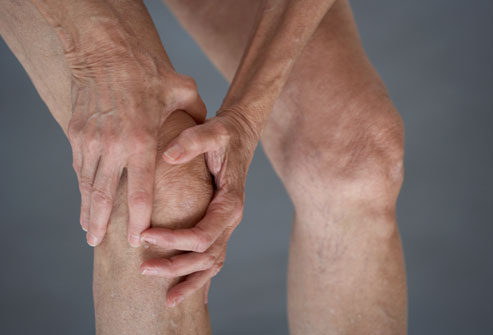
Considered one of the common types of arthritis, osteoarthritis (OA) affects more than 25 million adults.

And that statistics is just in the United States alone.

Otherwise known as wear-and-tear arthritis, degenerative joint disease, and degenerative arthritis, osteoarthritis is common among the elderly.

If truth be told, one third of the adults that are over 65 years of age have been afflicted with osteoarthritis.

Essentially, OA develops when the cartilage covering the joint breaks down.

In most cases, the damage is attributed to age and repeated movements.

While osteoarthritis can develop in any joint, oftentimes, it affects the joints situated in the knees, hips, spine, and hands.

Pain and stiffness are considered the most common symptoms of the condition.

Fortunately, while the condition becomes more prevalent as one ages, it should not be considered an inevitable part of aging.

To help ensure osteoarthritis is kept at bay, below are some of the essential tips that should be kept in mind:

Exercise

When the muscles situated along the front of the thigh get weak, the risk of knee osteoarthritis developing becomes increasingly higher.

Thankfully, even a minimal increase in muscle strength can already significantly reduce the risk.

To ensure the quadriceps are strengthened, isometric moves and wall slides are recommended.

If pain is experienced after exercise, using heat or cold therapy and taking pain relievers would help.

In addition, it is advisable to do only exercises that do not put any strain or stress on the joints.

Ideal exercises include bicycling, swimming, and other water exercises.

Weight Control

For those who want to keep osteoarthritis at bay, maintaining a healthy weight is considered a must.

For those who are obese, losing the excess weight is necessary to significantly reduce the chances of the condition developing.

While not many may be aware of it, obesity is known as one of the risk factors for the condition.

In fact, statistics show that those who are obese are four times more likely to develop the condition compared to non-obese individuals.

The excess weight puts strain on the joints especially those that bear the body’s weight like the feet, hips, and knees.

A 5 percent weight loss can already decrease the stress on the lower back, knees, and hips significantly.

Eat Right

While there has been no specific diet that has been proven to prevent osteoarthritis, some nutrients are believed to help reduce the risk.

Some of these nutrients include:

Vitamin D

Certain studies indicate that the condition’s progression is more likely in people with a high level of Vitamin D in the blood. Food sources that contain Vitamin D include fatty fishes like herring, mackerel, tuna, and sardines.

Vitamin C

Moderate intake of vitamin C (120 to 200 mg per day) can significantly reduce the risk of developing osteoarthritis by at least threefold. Common sources of vitamin C includes tomatoes, citrus fruits, strawberries, broccoli, and other leafy greens.

Omega-3 fatty acids

Healthy fats have been proven to help reduce joint inflammation. Good sources of healthy omega-3 fatty acids include flaxseed, olive, soybean, and walnut.

Have injuries treated immediately.

A joint injury that is left untreated can predispose one to developing osteoarthritis.

Studies even show that those who have injured their knees while in their teens are more likely to develop the condition compared to those who have not had any joint injury.

To help ensure joint injuries when exercising or doing sports are avoided, the following tips should be kept in mind:

  • When doing half knee bends, ensure the knees are not bended past 90 degrees.
  • When doing stretches, keep the feet as flat as possible so knee twists are avoided.
  • When jumping, ensure your knees are bent when landing.
  • Before participating in any sports, make sure to do warm-up exercises.

For help with management and treatment of osteoarthritis, please visit www.bjios.sg now.

0 comments
0 FacebookTwitterPinterestEmail

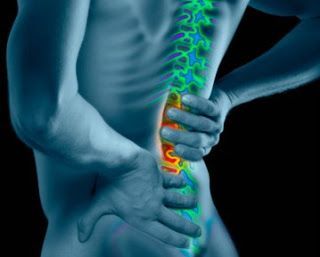
Low back pain can be felt anywhere below the ribs and above the legs.

The condition is very common that almost everyone has experienced it at one point in their lives or another.

Treatment options for low back pain can range from noninvasive alternatives to surgery.

However, it is recommended that checking with orthopaedic specialists would be ideal so the best treatment alternative will be provided.

Causes

While low back pain can be attributed to a lot of things, below are some of the most likely causes:

  • Pressure placed on the nerve roots – this can be attributed to other medical conditions like a herniated disc or a spinal stenosis.
  • Injury or overuse – this involves sprains and strains on the soft tissues like the ligaments and the muscles. The condition can also be traced to injuries in the small joints found between the bones of the spine or to compression fractures of the bones.
  • Osteoarthritis – when the condition affects the small joints situated in the spine, it can become the cause of back pain. Osteoarthritis in other joints such as the hips can also change how an individual walks resulting to back pain.

Other conditions that can likely cause low back pain include:

  • Bacterial infection
  • Spinal tumors
  • Ankylosing spondylitis

Symptoms

Depending on what causes it, low back pain can have diverse symptoms.

For instance:

Back sprain or strain

Usual symptoms can include:

  • Cramping, muscle spasms, and stiffness
  • Pain in the buttocks and back that may come and go

Nerve-root pressure

Usual symptoms can include:

  • Numbness, tingling, and weakness in one leg or both
  • Pain in the leg (in majority of the cases, the pain will start in the buttocks and will travel back to the foot, leg, or ankle)
  • Loss of bowel or bladder control (this can also be a symptom for cauda equine syndrome and will need immediate medical attention)

Osteoarthritis

Osteoarthritis in the spine can result to pain that:

  • More severe in the back and hip region
  • Starts gradually but can become severe eventually and can last up to 3 to 6 months
  • Gets worse after long periods without any activity

Treatment

Orthopaedic specialists diagnose, assess, and can recommend the best treatment alternatives for back pain.

Most cases of low back pain do not necessarily require a visit to an orthopaedic specialist.

However, if the pain gets too severe and it gets to a point where it hinders the patient from going about their usual routine, getting medical attention becomes a must.

Back pains are divided into two categories—acute and chronic.

Acute

Pain lasts less the 3 months but will respond to home remedies.

Chronic

Pain lasts more than 3 months and will require intensive treatment.

Treatment options for acute low back pain

If pain has persevered for a few days and does not respond to any noninvasive remedies (using heat or ice, taking painkillers, etc.), other treatment options like stronger pain medications and manual therapy might be recommended.

For those who experience severe pain, short-term use of opiate painkillers or muscle relaxants might be prescribed.

Epidural steroid shots might also be recommended.

Treatment options for chronic low back pain

For back pains that are chronic, one type of treatment will often not suffice.

Possible treatment options can include:

  • Cognitive-behavioral therapy
  • Massage
  • Acupuncture
  • Comprehensive rehabilitation programs
  • Biofeedback

Since low back pain can have different causes, treatment approach can vary from one individual to another.

To play safe, it would be best to have the condition assessed by a seasoned orthopaedic specialist so the best treatment option can be identified.

Is low back pain keeping you sidetracked? Visit www.bjios.sg for help.


0 comments
0 FacebookTwitterPinterestEmail

After an orthopaedic hand surgery, one of the doctor’s primary goals would be to make sure there is minimal post-operative pain.

While some discomfort may be expected, it is reassuring to know that advancements in pain control has made management of pain relatively easier nowadays.

There are many kinds of medications available designed to manage pain including opioids, local anesthetics, and nonsteroidal anti-inflammatory drugs or NSAIDs.

Aside from minimizing the ache, pain medications can also make patients feel a lot more comfortable.

The comfort can often help the body recover and heal faster from the procedure.

If pain experienced is minimal, patient can start moving sooner and can also regain strength faster.

Some of the possible medications that will be given to manage pain after orthopaedic hand surgery include:

Opioid Analgesics

When treating pain that is moderate to severe, opioids are considered very effective.

It is also given to manage short-term post-surgery aches.

Considered among the world’s oldest drugs, natural opioids are made from the dried “milk” of the opium poppy plant.

Semi-synthetic and synthetic opioids are artificially manufactured in laboratories.

Regardless if natural or synthetic, opioids work by attaching themselves to opioid receptors that are found in the body like the brain, gastrointestinal tract, and the spinal cord and blocking the pain transmissions.

Opioids can be given to patients through different means—by mouth, under the tongue, directly into the bloodstream, and through the skin.

Opioids have been known to work really fast and can provide patients with the luxury to be able to get more rest at night and become more active during the day.

Nonsteroidal Anti-inflammatory Drugs (NSAIDs)

Nonsteroidal anti-inflammatory drugs are given to manage both mild and moderate pain.

However, when managing moderate to severe post-surgery pain, NSAIDs are often used together with opioids.

NSAIDs are often given to reduce the pain and the swelling.

It works by preventing the body from creating too much prostaglandin.

Some of the most common NSAIDs given include ibuprofen, aspirin, and naproxen.

While NSAIDs are known to have lesser side effects as opposed to opioids, it cannot relieve moderate to severe post-surgery pain when utilized alone.

Centrally Acting Non-Opioids

Tramadol

Tramadol is a synthetic opioid.

It was modeled after codeine, a more popular opioid.

Tramadol changes the way the body perceives pain and it accomplishes the task by interfering with the regulation of serotonin and norepinephrine.

When production of those chemicals are altered, it becomes more difficult for pain messages to be transmitted from a nerve cell to another.

While considered effective in managing moderate pain, it is more effective when used with NSAIDs or acetaminophen.

Acetaminophen

Acetaminophen, just like NSAIDs are usually used after surgery in order to reduce the use of opioid medications that are stronger.

Acetaminophen is believed to be effective in easing mild to moderate pain since it elevates the body’s pain threshold.

However, even if it is effective for headaches, fevers, and pain, it does not eliminate the inflammation and swelling.

Local Anesthetics

Local anesthetics function by blocking pain.

In orthopedic procedures, they are used during and post-surgery as part of after surgery management of pain.

To ease pain, local anesthetics work by blocking the pain signals that are being transmitted to the brain.

Some of the most commonly used anesthetics include bupivacaine, lidocaine, and ropivacaine.

While local anesthetics do not have side effects associated with opioid medications (i.e. breathing problems, drowsiness, and constipation), it also has certain risks like allergic reaction and even possible nerve damage.

Regional Anesthetics

Regional anesthetics act as anesthesia during surgery.

It also offers pain relief after the procedure.

Regional anesthetics work by blocking movement in the lower part of the body (spinal, epidural), one of the arms (axillary, intra-scalene, supraclavicular), and the legs (femoral, sciatic).

For more information on orthopaedic hand surgery, please visit www.bjios.sg.


0 comments
0 FacebookTwitterPinterestEmail

The advanced surgical procedure that uses small incision where small cameras with fiber optic flashlights and microscopes are inserted is called minimally invasive surgery or MIS.

Minimally invasive surgery has become the treatment option of many patients today since it comes with many incomparable benefits.

Some of the peerless benefits include:

  • Less scarring
  • Shorter period of recovery
  • Enhanced safety
  • Reduced hospital stay
  • Lower risk of infection

Since minimally invasive surgery is considered relatively new compared to the traditional open surgery, not many are already familiar with the procedure.

For those who are candidates for minimally invasive surgery, it is important that all the key questions are covered before the surgery is carried out.

The following key questions should be included in your list:

What needs to be done before the surgery?

Check with the doctor regarding any preparations that need to be done a few hours or a day before the scheduled operation.

Consider it important to also ask if there are any eating restrictions you should follow the night before the surgery.

As a general rule of thumb, make sure you know and understand what you can or cannot do.

What occurs during a minimally invasive procedure?

For those who have no idea about the basics, let alone the specifics, it is a must to seek enlightenment from the surgeon.

Ask where the incisions or ports will be and how many will likely be needed in your case.

You can also ask about the number of hours the operation will take.

What will happen if the need to resort to open surgery arises?

In some instances, a surgeon may need to perform conventional open surgery while doing a minimally invasive procedure.

Inquire with your surgeon if that is a possibility in your case.

Also, check about the likely side effects if it happens and the possible impact it will have on your length of recovery.

What are the likely side effects of a minimally invasive procedure?

Oftentimes, patients will experience pain after the procedure.

However, when it comes to minimally invasive ones, it might not occur where you expect it.

Bear in mind that incisions in minimally invasive procedures may be far from the site of the surgery.

In line with this, check with your surgeon where you are likely to feel discomfort, how severe it will be, and how long it will likely last.

How long will be the recovery period?

While there are minimally invasive procedures that are performed on an outpatient basis, others are not.

To play safe, inquire about the expected recovery period so you will have a realistic idea in terms of the recuperation period.

Check also if physical therapy will be required after the procedure.

What medications will be needed?

It is very likely that painkillers will be prescribed after the surgery.

Check with your surgeon for any side effects.

Also, make sure to let the doctor know if you are taking any supplements or medications or if you currently have maintenance meds.

Also, get advice on what you need to do in case the pain medications you are given will not provide the relief you need.

What are the likely aftercare procedures that need to be observed?

At home, you need to know how to properly case for the incisions so infections are kept at bay.

Ensure that you understand and follow all the instructions you are given.

Make sure you also know the signs of infections and complications to look out for so you will know when you need to visit the doctor again.

What do you need to do while recovering?

Ask your doctor if you need to make a follow-up appointment and how often you’re likely need to.

Inquire if you’ll also be needing additional surgery in the near future.

If minimally invasive surgery for an orthopaedic condition is something you are looking into, please visit www.bjios.sg for guidance.


0 comments
0 FacebookTwitterPinterestEmail

Essentially, microsurgery is the surgery done on very small structures like blood vessels and nerves.

It makes use of specialized instruments used under a microscope.

Today, techniques used in microsurgery are already utilized by a wide variety of surgical specialties.

For instance:

Urologists

Takes advantage of microsurgical techniques when reversing vasectomies.

Gynecologists

Reverses tubal ligations utilizing microsurgical techniques.

Ophthalmologists (eye doctors)

Carries out microsurgery when removing cataracts, carrying out corneal transplants, and treating eye conditions like glaucoma.

Otolaryngologists (ear, nose, and throat doctors)

Performs microsurgery on the small and delicate structures found in the inner ear or the vocal cords.

Plastic surgeons also employ microsurgical techniques to reconstruct damaged or disfigured tissues, muscles, and skin.

They also use microsurgical techniques when transplanting tissues from different parts of the patient’s body.

Neurosurgeons also perform microsurgery to treat vascular abnormalities in the brain.

It is also used when removing cancerous tumors.

Equipment Used

Microsurgical equipment magnifies the operating field, provides instrumentation, and makes it easy for the surgeon to carry out surgery on structures that are very small and barely visible to the naked eye.

Microsuture materials, microscope, and microsurgical instruments are considered the most essential tools used in the procedure.

Microscope

While microscopes used in the procedure can vary depending on their specific use, they still have common standard features.

Microscope used in microsurgery has a moveable arm so manipulating its position is easier for the surgeon.

It can also be mounted on the ceiling or on the floor.

A high-intensity light source as well as a set of lenses makes it possible for the surgeon to view the surgical site.

A video camera makes it possible for the rest of the surgical team to see the operating field.

Generally, a five to forty times (5–40x) magnification is needed when carrying out microsurgery.

However, lower magnifications are used when exposing and identifying structures.

Higher magnifications are required when performing microsurgical repairs.

Instruments

Generally, microsurgical instruments are able to delicately manipulate structures.

However, they also come equipped with handles that are large enough so they can be handled comfortably and securely.

Some of the most common instruments used in microsurgery include:

  • Forceps
  • Scissors
  • Needle holders
  • Vessel dilators
  • Vascular clamps
  • Irrigators

Suture Materials

Suturing or stitching is carried out utilizing specialized threads and needles.

The diameter or the gauge of the suture thread will vary depending on the tissue that needs suturing and the procedure that will be performed.

In most cases, in microsurgery gauges of 9–0 to 12–0 are used.

On the other hand, suture threads can be absorbable or non-absorbable.

They can also be synthetic or natural.

The suture thread that will be used will also depend on the procedure that will be done as well as the tissue that needs to be sutured.

Essential Techniques

Microsurgical procedures use a set of basic techniques that has to be mastered by the surgeon.

These techniques include nerve repair and grafting, blood vessel repair, and vein grafting.

Blood vessel repair

When two separate vessels are connected to form a continuous channel, the procedure is called vascular anastomosis.

Anastomoses may be end-to-end (between two cut ends) or end-to-side (one cut end to the wall of another blood vessel).

Vein grafting is an alternative procedure to end-to-end anastomosis.

However, the procedure is only carried out when the cut ends of the blood vessels cannot be reattached without creating any tension.

Nerve repair

Anastomosis or neurorrhaphy is the procedure done when two cut ends of a nerve are connected.

Nerve repair may also involve suturing of the epineurium or the perineurium.

Nerve grafting

Neurorrhaphy cannot be carried out when there is a large gap between the cut ends of the nerve as tension might be created.

Nerve tension is avoided as it might interfere with the patient’s post-surgical function.

For more information on microsurgery, give www.bjios.sg a visit now.


0 comments
0 FacebookTwitterPinterestEmail