Category:

Body

In essence, limb salvage surgery is the kind of procedure done to remove bone and soft-tissue cancers in the limbs.

The procedure is carried out so amputation is avoided.

Goals

Aside from avoiding amputation and removing the cancer, limb salvage surgery is also carried out in order to retain the greatest degree of function available and maintain the patient’s appearance.

While the surgery is often done for bone tumors and bone sarcomas, it is also performed on individuals with soft tissue sarcomas.

Many years ago, the standard care for those patients with cancer in the limbs would often involve amputation of the extremity affected.

Fortunately, thanks to dramatic improvements in imaging methods and surgical techniques, patients no longer have to lose a limb in order to treat the cancer.

Over the years, limb salvage surgery has become the treatment option for patients with chronic degenerative bone and joint diseases like rheumatoid arthritis, those patients who are candidates for diabetic limb amputation, and those with acute and chronic limb wounds.

Procedure

Also referred to as limb-sparing surgery, limb salvage surgery involves removing the cancer and an inch of the healthy tissue surrounding it.

If the bone has also been removed, it will have to be replaced.

The replacement can come from a donor body (cadaver) or from the body of the patient (autologous transplant).

Eventually, the transplanted bone will grow into the remaining bone.

Chemotherapy, radiation, or a combination of both will be used to shrink the tumor before the procedure is carried out.

The operation is done in three stages.

Surgeons will remove the cancer first as well as a margin of the surrounding tissue, a prosthesis or a bone graft is implanted when necessary, and the wound is closed by transferring soft tissue and muscles from other parts of the patient’s body.

Surgical Techniques

Soft tissue sarcomas

Limb salvage surgery is carried out on at least 80 percent of soft tissue sarcomas affecting the extremities.

The surgery will involve removing the tumor, lymph nodes, and the tissues where the cancer has spread.

An inch of the healthy tissue that surrounds the tumor will also be removed.

If the soft tissue sarcoma has spread to the lungs, the doctor will remove the original tumor, administer radiation or chemotherapy treatments, and then surgically remove the tumor.

Bone tumors

The malignant lesion and a cuff of normal tissue is removed in the treatment of low-grade tumors alongside any of its components.

In the case of high-grade tumors, bone, muscles, and tissues that are affected will also be removed.

Radiation and chemotherapy may be administered prior or after the surgery.

Radiation may also be administered during the procedure itself.

A special applicator will be placed against the surface where the tumor has been removed.

A tube with radioactive pellets will be exerted at the site of the tumor.

The tubes will have to be removed after several days.

Aftercare

After the surgery, blood flow and sensation in the affected extremity will be closely monitored.

Nurses will also need to watch out for possible signs of complications like pneumonia, deep-vein thrombosis, and pulmonary embolism.

Patients will also be given broad-spectrum antibiotics during the first 48 hours after the surgery.

Antiembolism stockings and prophylactic anticoagulants may also be recommended to ensure no blood clots are formed.

During the first 24 to 48 hours, a drainage tube will be placed in the wound to ensure blood and fluid do not accumulate.

The moment the postoperative pain is less severe, mild narcotics and anti-inflammatory medications will be given.

Is limb salvage surgery the appropriate treatment intervention for you? Visit www.bjios.sg to get trusted guidance from competent professionals.


0 comments
0 FacebookTwitterPinterestEmail

Joint pain can be discomfort, pain, and inflammation from any part of the joint like the tendons, muscles, bone, ligaments, and the cartilage.

In majority of the cases, joint pain is also the term given to arthralgia or arthritis.

Arthritis is characterized by inflammation or pain within the joint itself.

However, joint pain can also be attributed to several other conditions like gout, bursitis, osteoarthritis, sprains, strains, rheumatoid arthritis, and other injuries.

While it affects any part of the body, pain in the knee is the most common, followed by shoulder and hip pain.

As a person gets older, joint pain has the tendency to occur more often.

Joint pain can range from irritating to debilitating.

Acute cases will disappear after a few weeks while chronic cases can persist for several weeks or even months.

Unfortunately, however the short term the pain and swelling can be, it can still affect the patient’s life quality.

For those who are suffering from pain in the joint, some of the common treatment options can include:

Medications

For moderate to severe joint pain, prescription or OTC nonsteroidal anti-inflammatory drugs (NSAIDs) like naproxen sodium (Aleve) and ibuprofen (Advil, Motrin) are often recommended for pain relief.

Patients who experience only mild pain san swelling, acetaminophen (Tylenol) will be prescribed.

For joint pains that are severe, a strong opioid medication may be prescribed by the doctor.

Other medication that might be given to help ease the pain can include:

  • Muscle Relaxants – given to combat muscle spasms. Muscle relaxants are often used with NSAIDs for more potent results.
  • Antidepressants and antiepileptic drugs – both interfere with pain signals.

Topical Agents

A substance found in chili peppers known as capsaicin has been known effective in relieving joint pains.

It works by blocking substance P, the substance known to help transmit pain signals.

It also triggers the release of body chemicals that help block the pain.

These chemicals are known as endorphins.

Ben Gay and other topical creams that contain methyl salicylate are also known to provide relief for joint pains.

Injections

When topical and oral medications won’t work, steroid medications might be the next treatment option recommended.

A steroid medication is injected into the joint every 3 to 4 months to help ease the pain.

This treatment route is often recommended for patients with joint disease, tendinitis, and arthritis.

Physical therapy

Physical therapists help patients with joint pain by strengthening the muscles around it, improving the motion range of the patient, and stabilizing the joint.

Techniques like ultrasound, heat and cold therapy, and electrical nerve stimulation may also be used.

For overweight patients, getting rid of the extra pounds might be recommended in order to take pressure off the painful joint.

While exercise is a good and effective way of losing the extra weight, not all exercises will do.

As a general rule of thumb, it is recommended that you stick to low-impact exercises like swimming and bicycling.

Doing low impact exercises is recommended so joint irritation is avoided.

Home Remedies

To relieve short term pain at home, the following are recommended:

  • Protecting the joint with the use of a brace or wrap
  • Resting the joint and avoiding activities that might cause pain
  • Putting ice on the painful joint for at least 15 minutes, several times daily
  • Compressing the joint using an elastic wrap

Applying ice to the joints that are painful have also been proven to relieve both the inflammation and the pain.

Using a heating pad or a wrap several time a day is also considered an effective way to combat muscle spasms around the painful joint.

If joint pain is keeping you from doing your day-to-day activities, please visit www.bjios.sg for help.


0 comments
0 FacebookTwitterPinterestEmail

When the edges or the corners of the nail will grow into the skin, a condition known as ingrown toenail develops.

In most cases, given that there is no infection, ingrown toenail will often respond to home remedies.

However, when the toenail has pierced the skin or when the affected toe has become infected, ingrown toenail surgery might be recommended.

Unfortunately, those with diabetes and other medical conditions that will cause poor circulation are at a higher risk for ingrown toenail complications.

Causes

Ingrown toenail can be attributed to a lot of causes, some of which include the following:

  • Irregular and curved toenails
  • Toenails that are cut straight across
  • Injuries
  • Lack of foot hygiene
  • Footwear that put pressure on the big toes
  • Socks and stockings that are too tight may also lead to ingrown toenail

Symptoms

Ingrown toenail can be very excruciating.

In some cases, it can get infected when left unattended.

That being said, treating it the soonest possible time is recommended.

In the early stages, common symptoms that will develop can include:

  • Pain when pressure is put on the affected area
  • Tenderness and swelling of the skin that is next to the nail infected
  • Noticeable fluid buildup around the toe affected

Once the affected toe becomes infected, some of the symptoms that will manifest may include:

  • Swelling and redness
  • Pus
  • Pain
  • Skin overgrowth
  • Bleeding

Diagnosis

In many cases, the condition can be diagnosed through physical examination.

However, once the affected toe becomes infected, an X-ray might be recommended.

An X-ray may also be necessary when:

  • Pain becomes severe
  • The condition was caused by an injury
  • Patient has a history of chronic infection

Treatment

If there is no infection, home remedies are often enough.

However, if signs of infection manifest or if the toenail has pierced the skin, seeking medical attention would be recommended.

Home Remedies

Treatment of ingrown toenail at home can involve:

  • Soaking the feet in warm water at least 3 to 4 times each day
  • Pushing the skin from the toenail edge using cotton balls that are soaked in olive oil
  • Using over-the-counter medications like acetaminophen to help alleviate the pain
  • Applying topical antibiotic to help combat infection

Surgical Treatment

In case the condition will not respond to home remedies, an ingrown toenail surgery will be the recommended treatment alternative.

Nail and tissue removal – if the condition has manifested more than once, removing the underlying tissue or the nail bed as well as a portion of the nail will be done. This is done to ensure the nail’s affected part will no longer grow back.

Partial nail removal – if symptoms like pus, pain, swelling, and redness will manifest, the doctor will likely remove or trim a portion of the nail. An anesthetic will be given to numb the affected toe before the procedure is carried out.

After Surgery

After the procedure, patients will be sent home with a bandaged toe.

Raising the foot for at least a day or two after the surgery will be likely recommended.

On the second day, the bandage is often removed.

Patients will also be instructed to wear open-toed shoes for the time being.

Saltwater soaks may also be prescribed until the toe heals.

Painkillers will be given to ease the pain and antibiotics will be given to keep any infection from developing.

Prevention

In order to prevent ingrown toenail from developing, the following tips should be kept in mind:

  • Make sure the nails are trimmed straight across and the edges are not curved in
  • Refrain from trimming the nails too short
  • Wear footwear, socks, and stockings that fit properly
  • When working in a hazardous environment, protect the feet by wearing steel-toed boots

If you have a problem with ingrown toenail, visit www.bjios.sg for appropriate help with the management and treatment of the condition.

0 comments
0 FacebookTwitterPinterestEmail

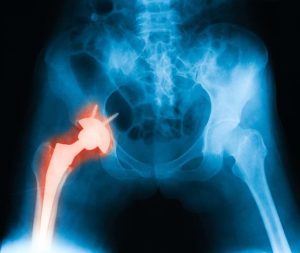
Even if once considered a “high-tech” procedure, joint replacement is now deemed very common.

Statistics indicate that at least more than a million hips and knees are replaced annually.

And that statistic is in the United States alone.

While the figures are no doubt staggering, it is not exactly surprising.

For the right candidates, hip and knee replacement can be a life-altering procedure.

When is the procedure necessary?

While often considered the last resort, hip and knee replacement is deemed the best alternative when the following factors are present:

  • When there is pain and stiffness – it might be time for a new joint when the patient experiences difficulty walking, getting up from a chair, climbing the stairs, and doing routine activities. Also, if pain has persisted for more than 6 months already, a joint replacement surgery might be the best alternative.
  • When it affects the patient’s quality of life – apart from the pain, another key element that needs to be factored in is if the condition already has a significant impact on the patient’s daily routine. Is it limiting what the patient can do? Does it affect the patient’s mood? Does it impact how they go about their day-to-day routine?
  • When there is damage to the bone – X-rays alongside other imaging tests can be used to check if osteoarthritis or any other medical condition has taken a toll on the patient’s joints.
  • When there is obvious deformity – when the patient’s leg has become bowed or the knees have become severely swollen, joint replacement surgery will be the likely treatment option.
  • When other treatment alternatives have become futile – when all the other non-invasive treatment options (injections, medications, devices) have been exhausted, surgery becomes the likely option.

What key elements should be considered?

Even for those who are perfect candidates for hip or joint replacement surgery, it is still necessary that the following key questions are addressed:

Has the possible impact of the procedure already been considered?

The likely effects of surgery on the patient’s life and job should be taken into account.

When necessary, talking to family members and friends will be encouraged so assistance is available while patient is recovering.

Have other perspectives been taken into account?

Just like any surgeries that are major, getting a second opinion would be recommended.

This is especially true for those patients who have any doubts if the procedure is the best recourse possible.

Has the procedure been discussed with the surgeon?

For likely candidates, it is important that the specifics about the procedure will be discussed thoroughly.

If patient has any doubts and queries, they should not think twice about discussing it with their surgeon.

Asking for enlightenment regarding the procedure and what the recovery would be like is also advisable.

Has proper research been carried out?

There are different kinds of joint replacement procedures so doing research and reading up on the matter is recommended.

There are a lot of reliable websites that can provide essential information on the matter so candidates for surgery will have a clear idea of what they will be getting themselves into.

Is there assistance available while recovering?

Recovering from joint surgery when living alone can be very challenging.

For the first few weeks after the procedure, help will be necessary when preparing food, getting dressed, changing the bandage, and moving around.

If no family members or friends will be around to provide assistance, finding a facility where they can rehabilitate would be ideal.

What necessary changes do candidates for surgery need to do?

In order to ensure the best results are achieved, candidates should be willing to commit and work hard prior and post-surgery.

Patients need to also be aware that significant lifestyle need to be made like losing weight, exercising more, quitting smoking, and eating healthier, among other things.

If you think you are a candidate for joint replacement surgery, please visit www.bjios.sg.


0 comments
0 FacebookTwitterPinterestEmail


The medical term given to a broken bone is fracture.

Fractures are very common.

Statistics show that an average person will have at least two fractures in their lifetime.

When the physical force exerted is way stronger than the bone, a fracture will most likely occur.

Types

While there are different kinds of fractures, the main categories are closed, open, non-displaced, and displaced.

Displaced fracture occurs when the bone is snapped into two (or more parts).

However, when there is a crack but the alignment of the bone is still present, it is called a displaced fracture.

When the bone breaks through the skin, it is classified as an open fracture. However, if there is no puncture or wound, it is aptly called a closed fracture.

Other fracture types include:

Greenstick fracture

This type is very common among children. This is also considered an incomplete fracture characterized by a bent bone.

Transverse fracture

This type occurs when the broken piece of the bone is found at a right angle to the bone’s axis.

Buckled fracture

This is also commonly known as impacted fracture. This occurs when the bone ends are driven into each other.

Comminuted fracture

This type occurs when the bone has been broken into several pieces.

Symptoms

Common fracture symptoms can include but are not limited to the following:

  • Swelling
  • Bruising
  • Pain (especially when moved or when pressure is applied)
  • Deformity
  • Loss of function

Causes

Fractures often develop as a result of falls, blows, and other traumatic events.

Fractures that are caused by other illnesses like cancer are called pathologic fractures.

The condition weakens the bones and fractures of this kind will manifest without any trauma.

At least 1.5 million of fractures that occur annually is often attributed to osteoporosis.

Diagnosis

In order to accurately diagnose bone fractures, doctors will require X-rays and will have to physically examine the area.

In some cases, however, X-rays will not suffice when checking for fractures.

For instance, in order to diagnose stress, hip, and wrist fractures accurately, a bone, MRI, or CT scan might be recommended.

In other instances, special tests like X-ray of the blood vessels, angiogram, etc. will be necessary to ensure there are no damage on the surrounding tissues.

Treatment

In majority of the cases, immediate medical attention will be required for fractures.

Immobilization of fractures are carried out using a cast or a splint.

In certain cases, traction is used to minimize pain and promote healing.

In cases of open fractures, antibiotics are prescribed to keep infection at bay.

Rehabilitation will also be recommended the soonest possible time even if the cast is still in place.

This is to help ensure stiffness is prevented, muscle tone is maintained, and blood flow is promoted.

Once the cast or splint has been removed, swelling and stiffness can still be experienced in the area surrounding the fracture.

However, in most cases, it will disappear after a few weeks.

It will often take 4 to 6 weeks before strength is regained in the bone.

To play safe, it is advisable to ask the doctor regarding safe activities you can already do.

In most cases, key elements like the type of fracture and the patient’s overall health will be taken into consideration.

Prevention

To ensure bone fractures are prevented, the following measures should be kept in mind:

  • Ensure the stairs are free from objects that can actually cause one to trip.
  • When doing recreational activities, proper safety equipment like helmets, safety pads, etc. should be worn.
  • For patients that are diagnosed with osteoporosis, talk to doctors about calcium supplements and other possible remedies and ask for exercises that can help enhance both strength and balance.

If you suspect you have fracture or a broken bone, visit www.bjios.sg for proper and competent help and guidance.


0 comments
0 FacebookTwitterPinterestEmail

Foot and ankle injuries are very common.

So common that everyone has most likely experienced one at one point in their lives or another.

The cause of foot and ankle injury are often attributed to two things—everyday wear and tear and overuse.

Even when extremely common, there are plenty of facts about foot and ankle injuries many people are not aware of.

For the uninitiated, below are some of the basic facts about food and ankle injuries not many people know about:

In children, a foot and ankle injury can often occur when engaging in sports, while playing, or during falls.

In general, majority of foot and ankle injuries happen when doing work or projects around the house, when engaged in work-related tasks, or while involved in sports or recreational activities.

Certain athletes like dancers, soccer players, gymnasts, and basketball players are more prone to foot and ankle injuries compared to others.

Injury risk for foot and ankle injuries is often higher when doing activities that entail jumping (i.e. soccer or football).

Older adults are more susceptible to foot and ankle injuries since they are more likely to already lose much in terms of muscle mass and bone strength because of their age. Vision and balance problems can also increase their risk significantly.

Minor foot and ankle injuries will often respond well to home remedies. However, acute injuries secondary to twisting, jamming, bending, falling, direct blows, and penetrating injuries may require immediate medical attention.

Some of the most common acute injuries include:

Puncture wounds

Sharp objects like nails, needles, ice picks, and knives can cause puncture wounds. It is easy for puncture wounds to get infected so seeking medical attention is recommended at all times.

Tendon injuries

When tendons rupture, it can result to discomfort and severe pain.

Dislocation

Can be a result of a bone moving out of place.

Pulled muscles or strains

Muscles of the foot and the ankle can become strained. In some cases, it may also rupture.

Treatment options for foot and ankle injuries vary and may include medicine, first aid measures (splint, brace, application of cast), special shoe (orthotic device), and physical therapy.

When too much stress is placed on the tissues or joints, overuse injuries can develop.

Some of the most common overuse injuries can include:

Plantar fasciitis

This condition occurs when the plantar fascia (the flat and broad ligament situated at the bottom of the foot) becomes inflamed.

Achilles tendinitis or tendinopathy (tendinosis)

This condition is characterized of the soft tissues that are found in and around the tendon that connects the calf muscles to the heel bone (Achilles tendon).

Retrocalcaneal bursitis

This condition occurs when the bursa is inflamed. Its symptoms include swelling and tenderness. Pain can become very noticeable when wearing shoes or when doing physical activities.

If the following symptoms will manifest, seeking medical attention is recommended:

  • There is obvious deformity
  • The skin of the injury site is broken
  • Numbness and tingling is experienced
  • The affected area turns blue, pale, or white
  • Excruciating pain is experienced
  • The swelling and the pain does not disappear even after 2 days
  • Signs of infection are showing like redness, fever, warmth, swelling, and red streaks in the affected area.

The recommended treatment option for foot and ankle injuries will often depend on the following key factors:

  • Severity of the condition
  • Type of the injury
  • Location of the injury
  • When the injury occurred
  • Age
  • Overall health condition
  • Activities (work, hobbies, sports)

Prevention of foot and ankle injuries is way easier if the following tips are kept in mind:

  • Invest in a new pair of running shoes after 500 miles of wear or at least every 3 months.
  • Do exercises for heel pain and tightness. This is especially important for athletes.
  • Refrain from doing excessive sprinting.
  • Walk regularly to enhance circulation and flexibility.

For help and guidance on foot and ankle injuries, please check www.bjios.sg.

0 comments
0 FacebookTwitterPinterestEmail

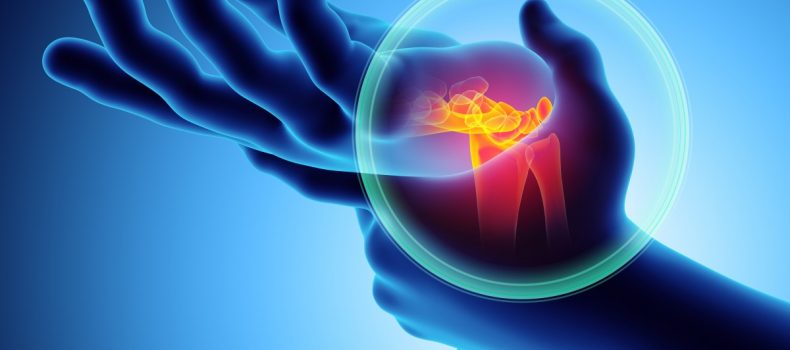
Carpal tunnel syndrome occurs when there is pressure on the median nerve situated in the wrist.

The condition is characterized by weakness, numbness, and tingling in the hand.

The median nerve together with several other tendons runs from the forearm to the hand and it passes through the carpal tunnel.

The median nerve works by controlling the feeling and movement in the thumb as well as the three fingers except the little finger.

Treatment options will be based on the severity of the condition.

Treatment alternatives can range from non-invasive remedies to carpal tunnel syndrome surgery.

Causes

The primary cause of carpal tunnel syndrome is pressure on the median nerve.

The pressure can be the result of swelling or anything that makes the carpal tunnel smaller.

The swelling can be the result of many causes including:

  • Hand movements that are repeated especially when the wrist is bent
  • Other medical conditions like hypothyroidism, rheumatoid arthritis, and diabetes
  • Pregnancy

Symptoms

The most common symptoms of carpal tunnel syndrome include tingling, numbness, and pain in the fingers or hands.

Some people may also experience pain in the arm, between the hand, and the elbow.

Other symptoms will also manifest in the index, middle, ring finger, and the thumb.

Oftentimes, people experience the symptoms at night.

Shaking the hand has been known to offer relief, albeit just temporary.

Diagnosis

To diagnose the condition, the doctor would most likely ask if you have other health issues like arthritis, diabetes, and hypothyroidism.

Patients will also likely be asked about their daily routine or recent activities.

The doctor will also check the feeling, strength, and appearance of the arms, shoulders, hands, neck, and wrists.

When needed, nerve and blood tests may be required.

Treatment

Mild cases of the condition will often respond well to home care treatments.

Home remedies can include:

  • Icing the wrist every 1 to 2 hours (10 to 15 minutes each time).
  • Regularly resting the wrist in between activities.
  • Refraining from doing activities that can cause numbness and pain.
  • Wearing a night splint to take the pressure off the median nerve.
  • Taking nonsteroidal anti-inflammatory drugs (NSAIDs) to minimize the pain and reduce the swelling.

Surgery

While carpal tunnel syndrome surgery is an option, it is only often considered when the symptoms have become so severe that it already affects the quality of life of the patient.

It is also the treatment option considered when the condition does not respond to noninvasive treatment alternatives.

Surgery is also considered when there is obvious loss of feeling or coordination in the hand or fingers, when sleep becomes erratic because of the pain, and when there is reduced strength in the thumb.

However, when nerve damage is seen in the nerve test result, surgery will become the most likely treatment option.

In order to relieve the symptoms of carpal tunnel syndrome, the transverse carpal ligament is cut. This is done in order to relieve pressure exerted on the median nerve.

Two surgery approaches are often used:

Open carpal tunnel release surgery

This kind of surgery will require a longer recovery period and will leave a bigger scar compared to endoscopic surgery.

Endoscopic carpal tunnel release surgery

This type of procedure has a quicker recovery period compared to open surgery. And since the incisions are smaller, it will likely heal faster.

Typically, the recovery period will only take 3 months.

While many factors need to be taken into account before endoscopic surgery is resorted to, it is recommended that the surgeon’s experience with the procedure is also considered.

Endoscopic surgery uses very technical equipment so picking a surgeon that has done the procedure numerous times is considered ideal.

If you notice classic symptoms of carpal tunnel syndrome, please visit www.bjios.sg for proper help and guidance.


0 comments
0 FacebookTwitterPinterestEmail

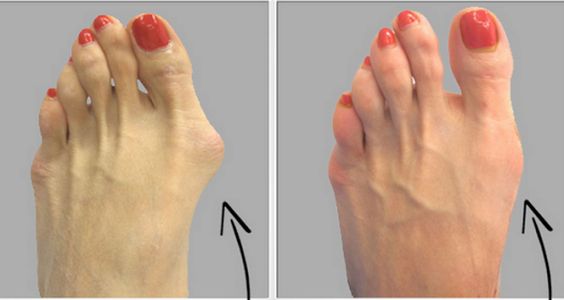
A bunion is characterized by an unnatural and bony hump that develops in the big toe’s base.

It is also sometimes referred to as hallux valgus.

The condition may sometimes result to calluses and can be very painful.

Treatment options for the condition can vary.

It can also range from over-the-counter medications to bunions surgery.

Causes

Some experts believe that narrow, tight, and high-heeled shoes can contribute to the development of bunions.

Other likely causes can include:

  • Inherited foot type
  • Injuries of the foot
  • Congenital deformities

Symptoms

Bunion has several symptoms.

Some of the most common include:

  • Soreness, swelling, and redness in the area affected
  • Bulging bump on the outside of the base of the big toe
  • Thickening of the skin found at the base of the big toe
  • Corns or calluses
  • Persistent or intermittent pain
  • Limited movement of the big toe

Diagnosis

While it’s easy to diagnose bunion based on the unusual shape and the pain, in some instances, other tests might be needed.

For example, the doctor might recommend an X-ray to assess the extent of the deformity.

Blood tests might also be necessary to check if the pain can be the result of a certain kind of arthritis.

Depending on the evaluation, the doctor will decide if orthopedic shoes, medications, custom made inserts, or bunions surgery might be the right treatment option.

While majority of the cases will not require medical treatment, seeking medical attention might become necessary if the following symptoms are present:

  • Persistent big toe or foot pain
  • Bump on the joint of the big toe
  • Limited movement of the big toe or foot

Risk Factors

Some of the most common risk factors for bunion include:

  • High heels – wearing footwear with high heels can force the toes into the front, crowding them in the process
  • Arthritis – pain secondary to arthritis can affect the way an individual walks and can make them more prone to developing the condition
  • Heredity – individuals with structural foot defects that are inherited may be more susceptible to developing the condition

Treatment Options

To reduce swelling and inflammation, over-the-counter pain relievers might be prescribed.

In some instances, a heating pad or a warm foot bath might also offer the much needed relief from the pain and discomfort.

If pain is not consistent and the condition is in its early stage, using the right footwear might be able to help.

Doctors may also suggest using bunion pads, shoe inserts, and splints as long as it will not put pressure someplace else or cause other foot issues.

Surgery for bunions or bunionectomy can also become the likely treatment option for several cases.

Generally, procedure will involve removal or realignment of the soft tissue and the bone.

The primary goals are relieving pain and restoring normal alignment.

Small wires, plates, and screws may be utilized to help hold the bone in place.

In most instances, regional anesthetic is used during the procedure.

Sedatives may also be used.

Typically, the surgery can last an hour or more.

Bunion Surgery Types

There are more than 100 types of bunion surgeries.

However, no type is considered best as surgeries would need to be specific to the condition being treated.

Some of the most common types of bunions surgery are:

  • Exostectomy – this entails removing part of the metatarsal head
  • Realigning of the soft tissues (ligaments) located around the joint of the big toe
  • Arthrodesis or fusion of the big toe joint
  • Osteotomy – involves creation of small cuts in the bones so it can be moved in a normal position
  • Implant insertion of artificial joint

For help with bunions, please visit www.bjios.sg.


0 comments
0 FacebookTwitterPinterestEmail

When cells divide abnormally or uncontrollably, a tumor or a lump is formed.

However, when the tumor or lump develops in the bone, the condition is aptly called bone tumor.

A bone tumor can be cancerous or malignant or it can be benign.

However, when benign tumors grow, they can still end up compressing the healthy bone tissues.

That being said, treatment might still be recommended even if it won’t spread to other parts of the body.

Malignant bone tumors on the other hand can cause the cancer to spread to other parts of the body.

Causes

There have been no definite causes identified for bone tumors.

However, it has been noticed that tumors often occur when parts of the body are experiencing rapid growth

Other likely causes of bone tumors include genetics, radiation treatment and bone injuries.

Symptoms

Often the most common symptom of the condition is a dull ache.

This dull ache is often felt only occasionally but will severe and constant in the long run.

Swelling in the site affected may also be noticed.

Other symptoms include night sweats or fever.

Benign bone tumors however will often not manifest any symptoms and won’t be detected unless an imaging scan is done.

While benign bone tumors like osteochondromas will not need treatment in most cases, treatment might be necessary when the condition starts to interfere with the patient’s function and movement.

Different types of benign bone tumors

Enchondroma

This condition develops when a cartilage cyst will form inside the bone marrow.

Echondromas will often occur in the hands or feet.

It can also develop in the long bones of the arm and the thigh.

Osteochondromas

As much as 40 percent of all benign tumors are osteochrondomas.

The condition is very common among adolescents and teenagers.

These types of tumors will often manifest in the arm bones or in the leg.

In majority of the cases, it affects the tibia, humerus, and the femur.

Nanossifying Fibroma Unicameral

This condition often occurs in the leg.

It is also very common among adolescents and children.

The condition also refers to a solitary bone cyst.

Different types of malignant bone tumors

Chondrosarcoma

Middle-aged individuals and older adults are more prone to developing the condition as opposed to other age groups.

This type of malignant bone tumor often develops in the hips, shoulder, and the pelvis.

Osteosarcoma

Common among children and in adolescents, it is also known as the second most common type of bone cancer.

The tumor often develops in the shoulder, hip, and knee.

The tumor can also grow rapidly and can spread to other parts of the body.

The condition is also otherwise known as osteogenic sarcoma.

Treatment

Benign bone tumors

Benign tumors can either grow, stay the same, or disappear.

In majority of the cases, treatment won’t be needed.

However, benign tumors may have to be monitored to ensure they don’t develop into something else.

Benign bone tumors can at times lead to fractures and may eventually become malignant so removing it surgically is sometimes recommended.

Malignant bone tumors

Treatment of bone cancer is dependent on key factors like the type of cancer and whether or not it has spread to other areas.

If in the metastatic stage (the stage where the cancer has spread to other parts of the body), curing the condition will become more challenging.

Radiation, chemotherapy, and surgery are some of the likely treatment options available when treating bone cancer.

For help with bone tumors, please visit www.bjios.sg.


0 comments
0 FacebookTwitterPinterestEmail

To diagnose back pain, a back pain specialist will test the motion range and nerve function.

They will also need to touch the body to accurately identify areas of discomfort and pain.

In some instances, blood and urine tests may be necessary to rule out infections alongside other medical issues.

X-rays may also be needed in some cases to check if there are other likely causes for back pain.

X-rays are considered beneficial when checking for likely skeletal defects and broken bones.

X-rays are also useful when pinpointing connective tissue problems.

However, when in the lookout for disk problems or likely soft-tissue damage, computed tomography (CT) scans and magnetic resonance imaging (MRI) might be recommended.

An electromyogram (EMG) will also be required when the need to check for muscle or nerve damage arises.

Treatment Options

Back pain treatment approaches can vary from one person to another.

Key factors like the severity of the condition and the cause of the pain will have to be taken into consideration before the right treatment option is decided on.

Some of the possible treatment options for back pain can include:

Rest

In order to ease acute back pain brought about by minor strain or injury, resting for 24 to 48 hours will be recommended.

Aspirins as well as other nonsteroidal anti-inflammatory drugs (NSAIDs) will also be prescribed to help reduce the pain and inflammation.

Once the inflammation has subsided, applying heat will be recommended to help soothe cramped muscles and strained connective tissues.

Contrary to popular belief, long-term bed rest will not help much and might even prove counterproductive.

In majority of the cases, patients can already do non-strenuous and routine activities within 24 to 72 hours.

To play safe, checking with a back pain specialist if physical therapy or controlled exercises might be needed.

Physical therapy treatments may include whirlpool baths, massage, and ultrasound, among others.

Medications

If the back pain becomes so severe and already hinders the individual from participating in normal activities, pain medications such as naproxen, ibuprofen, and aspirin might be given.

However, when the condition does not respond to any OTC painkillers, steroid injections might be given.

However, steroid injections are rarely used as they often provide only temporary relief and they may come with likely side effects.

TENS

Some physicians may might recommend transcutaneous electrical nerve stimulator (TENS) to help ease back pain.

This is carried out by taping electrodes to the body.

Said electrodes will carry an electrical current that is mild to help ease back pain.

Surgery

For back pains that are nonspecific, surgery is often considered the last resort.

Chronic nonspecific back pains are often not attributed to spinal issues.

However, when imaging results will indicate compression or nerve tissue damage, surgery might become the likely treatment option.

Surgery is also the chosen alternative when the condition does not respond to noninvasive treatment alternatives like medications, physical therapy, rest, and home exercise programs.

CBT

Cognitive behavioral therapy (CBT) treatment can include education, relaxation techniques, stress management, and behavioral adaptation.

CBT has been known to lift depression and reduce the severity of the back pain.

CBT is also considered effective when relieving pain in the lower back.

Some studies indicate it is also more effective compared to routine care and placebo.

Biofeedback

If back pain is caused by tension or muscle spasm, biofeedback might be prescribed.

This treatment option has been known to enhance overall life quality and reduce pain.

Biofeedback is also believed to help muscles respond better to stress or movement.

Acupuncture

Both the American Pain Society and the American College of Physicians pointed out that acupuncture can likely help with low-back pains that are already chronic.

It can also come in handy when other treatment alternatives have proved ineffective.

Acupuncture can be used alone or as part of other treatment plans.

However, to date, not enough evidence is available to support its effectivity in treating acute back pain.

For expert help with back pain, visit www.bjios.sg and get in touch with competent and trusted professionals.


0 comments
0 FacebookTwitterPinterestEmail