Author

allurewellness

December is near! The holidays are just around the corner, typically bringing yuletide cheer and major damage to your budget and waistline.

We rounded up some ways on how to burn fat (cara membakar lemak) without breaking your pocket. Skip the flashy workout equipment, sky-high gym membership, and sneaky “health” foods.

Instead, wellness experts offer these simple ways to start losing weight without blowing your budget.

  1. Ditch the beef.

Going meatless one night a week is a surefire way to knock off pounds and save money, says nutritionist Rania Batayneh of Essential Nutrition for You.

Skip the butcher and look for a hearty and healthy meat substitutes like beans and mushrooms.

  1. Buy healthy foods in bulk.

There are pros and cons to buying in bulk, but it can be a great way to budget for long-term savings and weight loss.

At the grocery store, try getting a massive container of oatmeal rather than sugar-laden individual packs. The same goes for buying big bags of rice and frozen veggies versus individual containers.

  1. Stick to the perimeter at the grocery store.

Chase recommends shopping around the perimeter of stores as an easy way to avoid the expensive convenience foods that are usually stocked front and center.

That leaves the produce and frozen food sections, which both offer great low-cost and healthy alternatives.

  1. Steer clear of the salad bar.

Rather than blow $US10 on a swanky salad bar, load up on whole veggies while they’re in season and at a lower price point, dish up your own salads at home.

If you’ve got a hankering for butternut squash or sweet potatoes in summer, you’ll still be able to find pretty affordable options in the frozen food section.

Just avoid those convenient steamer bags. You pay more for their fancy packaging and could save that cash by steaming them the old-fashioned way.

  1. Skip “healthy” convenience food.

Weight loss has much to do with portion control, but those helpful little 100-calorie pack snacks are nothing but a budget suck.

Keep a measuring cup in your desk drawer to scoop out perfect portions of whatever you’re munching on at work (almonds, trail mix, etc.) rather than paying more for packaging.

  1. Know what to look for on price tags.

When browsing healthy foods at the store, don’t just look at the sticker price, Chase says.

The unit price (for example: $US0.26/oz.) tells you how much that box of whole grain cereal costs per ounce, so you can compare it to another brand of a different weight.

  1. Turn your television into a workout coach.

No, this isn’t a free pass to scarf Cheetos and watch “Basketball Wives” all day.

A lot of cable networks like Time Warner and Comcast have free exercise channels on 24-hour rotation that Batayneh says are a great way to work out on the cheap.

The library is another great option for checking out free DVDs, and we’re big fans of interactive games you can play at home like Dance Central and anything on the Wii Fit.

  1. Turn your home into a wellness center.

Avoid spending money on gyms at all by carving out a wellness nook in your home.

Whether you’ve got a spare room to use or simply lay out a yoga mat in the living room, make it your own workout sanctuary. Then stock up on cheap workout DVDs or set up a rotation with friends so you won’t get bored.

“Check eBay for used copies (of workout DVDs) and feel confident knowing that sellers rely on buyer feedback so the quality is usually top-notch,” Burnam says.

  1. Rethink how you commute.

Try walking or biking to work if you live within a few miles. If that’s not an option, skip the elevator and take the stairs instead.

Not only will you save on gas, you’ll have a sure-fire way to burn calories every day — and it won’t cost you a dime.

So, there you have it! How about you, what are your healthy ways of burning fat (cara membakar lemak) without hurting your pocket?
0 comments
0 FacebookTwitterPinterestEmail

Anatomy of the Spine

The spine is made of 24 movable bones known as vertebrae. The vertebrae are separated by discs, which act as shock absorbers and prevent the vertebrae from rubbing together.

In the middle of each vertebra is a hollow space known as the spinal canal. The spinal canal contains the spinal cord and nerves, ligaments, and blood vessels. The spinal nerve root canals are surrounded by ligaments and bones.

Spinal Stenosis in a Nutshell

Spinal stenosis is a degenerative condition characterised by the narrowing of the bony canals where the nerves and the spinal cord pass. The condition can develop gradually over time and can also refer to:

  • Narrowing of the spinal and nerve root canals

  • Stiffening and thickening of the ligaments

  • Overgrowth of the bone and bone spurs

  • Enlargement of the facet joints

While common in the lumbar area, stenosis can also develop along any areas of the spine (lumbar, thoracic, and cervical). Typically, every spinal canal narrows down to some degree with age. However, most people don’t experience any symptoms from a small amount of narrowing.

Common Symptoms of Spinal Stenosis

Symptoms of the condition typically develop over time. However, it can also occur as a sudden onset of pain. Patients may feel a sharp and severe pain or dull ache in different areas, depending on which part of the spinal card has narrowed. The pain can come and go or can occur when performing certain activities such as walking.

Possible Causes of Spinal Stenosis

As one gets older, the bones will undergo degenerative changes that are considered part of the ageing process. Such osteoarthritis is considered one of the common causes of spinal stenosis. However, the rate at which these degenerative changes takes place will vary among different people.

Also, as one ages, the cushioning disc between the vertebrae can start to dry out and shrink. There is also a tendency to lose bone mass. At the same time, bone spurs can also develop. With age and due to stress and strain, the facet joints can also get enlarged. The larger the facet joint becomes, the less space there will be available for the spinal nerve. All of these above issues can collectively contribute to onset of spinal stenosis symptoms.

Stenosis may also be the result of other degenerative conditions like spondylosis or spondylolisthesis, dislocation, traumatic injury, and vertebral fracture. The condition can also occur due to systemic conditions affecting the spine like ankylosing spondylitis or rheumatoid arthritis.

Treatment Options for Spinal Stenosis

No medications or treatments can totally cure spinal stenosis. However, non-surgical conservative treatment is the first step to controlling symptoms of the condition for most people. However, in some cases when there is severe and disabling pain or difficulty walking, surgery may be recommended.

Nonsurgical Treatment Options

Some of the best conservative treatment options for spinal stenosis include:

Spinal decompression therapy

Non-surgical spinal decompression (NSSD), or spinal decompression therapy, is a very effective treatment option for patients with spinal stenosis. Modern, computerised machines may help to target areas of the spine which are being compressed by slipped discs and other swollen tissues and slowly decompress them to relieve pressure on nearby nerves. This treatment is especially effective when combined with other conservative treatment approaches.

Chiropractic

Specific spinal manipulation is a treatment option where manual or instrument-assisted techniques are applied to the spine in order to return the joints to their normal range of motion. Good motion can help remove muscle tightness or spasms, reduce pain, improve the function of the nervous system as well as overall health. Motion also minimises the formation of scar tissue which leads to stiffness.

Physical Therapy

Physical therapists can recommend proper lifting, walking, and posture techniques. They’ll also encourage patients to stretch and increase the flexibility of the spine and legs.

Surgical Treatments

Surgery for spinal stenosis can involve removal of the bony overgrowth to relieve pressure as well as the pinching of the spinal nerves.

Surgical spinal decompression (Laminectomy)

In a laminectomy, the back portion of the vertebra (lamina) is removed to expose the nerves and spinal cord. Bone spurs and thickened ligaments are also removed. Overgrown facet joints situated directly over the nerve roots may be trimmed to provide more room for the spinal nerves.

Spinal Fusion

For patients with slippage or spinal instability, two or more vertebrae may be joined permanently together with screws to give the spine more stability. This procedure may often done at the same time as a laminectomy. This may protect the segment which has been damaged; however, may contribute to increased stiffness and affect other segments later on.

0 comments
0 FacebookTwitterPinterestEmail

Aging affects us all – except Jennifer Aniston, Johnny Depp, and J. Lo. Seriously, though, time changes the way we feel, the way we act, and the way we look. Fortunately, the beauty department has kept up with technology, and with advancements in skincare and medical aesthetics, you can have a say in the way aging takes a toll on your skin – and perhaps even redeem the way you looked a few years ago.

Thermage is a proven radiofrequency treatment unlike any other that can help tighten sagging or loose skin, thus giving you a sleeker, smoother, and younger look and feel. This medical aesthetic procedure works in just one treatment with minimal downtime and delivers natural-looking results. It is still you, just more youthful-looking, and more confident.

WHAT IS THERMAGE ®? 

Thermage is a non-surgical skin tightening procedure that taps into radiofrequency technology to smoothen fine lines and wrinkles and to lift and tighten the skin of the face and even body.

During the treatment, radiofrequency energy permeates deep into the skin to apply heat to the underlying connective tissue that supports the skin. This heating immediately tightens the skin, so you can see visible effects almost immediately after. Thermage also contracts the old collagen in your skin and stimulates the formation of new collagen, which encourages further lifting and tightening over time.

WHO IS THERMAGE ® FOR?

Thermage is safe on all skin types. Nevertheless, the best candidates for Thermage treatment are those with mild to moderate skin laxity. Keep in mind that the effects of Thermage are less dramatic than surgical facelifts, but there are little known risks, downtime, or long recovery periods.

WHICH PART OF THE BODY DOES THERMAGE ® IMPROVE?

The Eyes

Hooding, fine lines and droopy brow lines can make us look tired and worn-down. Thermage tightens and lifts the upper and lower eyelids to help you look more rested.

The Face

As we age, phrases like “crow’s feet”, “turkey neck”, loose jowls, sagging skin and “I’m like the Crypt Keeper!” start to creep in. Thermage comes to the rescue to smoothen lines and wrinkles, as well as promote collagen formation for the overall health of the skin.

The Body

Time doesn’t just affect our facial skin, our bodies are impacted by the effects too, with crepey, sagging skin and unwanted love handles, bulges, and dimples. Thermage is a non-surgical way to smoothen the skin on our bodies by temporarily improving the appearance of pesky cellulite.

HOW IS THERMAGE ® DONE?

Thermage involves heat energy being applied to the skin that is alternated with a cooling device. Yes, that might sound uncomfortable—and even painful—but it’s actually tolerable, even without anesthetic or pain medication; however, your doctor may suggest topical anesthetic if your pain threshold is very low.

WHAT ARE THE BENEFITS OF THERMAGE ®?

There is a noticeable tightening and lifting of the skin immediately after the treatment, but it keeps on improving because results continue to develop over 2 to 6 months as the newly stimulated collagen is produced. Thermage is a treat to your skin because it’s a gift that keeps on giving even months after the treatment has been done. Typically, treatment results last 1-2 years. Good investment, indeed.

0 comments
0 FacebookTwitterPinterestEmail

There are several ways to lose weight – not only one! Here are some easy weight loss (bagaimana cara menurunkan berat badan) tips that you can adopt in your everyday life.

If you’re desperately trying to squeeze in workouts and avoid your favorite high-calorie treats, it can seem like there’s nothing pain-free about it.

Yet while eating healthier and slipping in exercise does take some work, it really doesn’t have to require heroic effort. Making just a few simple lifestyle changes can pack a big weight loss tips over time.

Here are their top tips on how to lose weight (bagaimana cara menurunkan berat badan) without sweating it too much.

  1. Add and Don’t Subtract

Forget diet denial: Try adding foods to your diet instead of subtracting them.

Add in healthy goodies you really love, like deep-red cherries, juicy grapes, or crunchy snow peas. Slip those favorite fruits into your bag lunch and breakfast cereal; add the veggies into soups, stews, and sauces.

  1. Forget About Working Out

If the word “exercise” inspires you to creative avoidance, then avoid it. Maybe the trick to enjoying a workout may be to never call it working out.

So burn calories and invigorate muscles by beachcombing, riding bikes, grass skiing, making snow angels, hiking, washing the car, playing Frisbee, chasing the dog around the yard, or even enjoying great sex.

  1. Take a Walk

Walking when the weather is nice is a super-easy way to keep fit. No sidewalks in your neighborhood? Try these tips for slipping in more steps:

  • Trade your power mower for a push version.

  • Park your car at the back of the lot.

  • Get out of the office building and enjoy walking meetings.

  • Sweep the drive or rake the leaves instead of using a leaf-blower.

  • Get off the bus a few stops earlier.

  • Hike the mall, being sure to hit all the levels.

  • Take the stairs every chance you get.

  • Sign up for charity walks.

  • Crank the music and get your heart rate up the next time you mop or vacuum.

It all adds up. If you walk twice a day for 10 minutes and try a few of these tips, you may find yourself with a low-impact, 30-minute workout easily tucked under your belt.

  1. Lighten the Foods You Love

One of the easiest ways to cut back without feeling denied is to switch to lower-calorie versions of the foods you crave. A pizza tastes just as good with reduced-fat cheese, and when you garnish low-fat ice cream with your favorite toppers, who notices those missing calories?

Fiber helps you feel satisfied longer, so while you lighten family favorites, you can easily amp up the fiber by adding a cup of whole wheat flour to your pizza dough or toss a handful of red bell peppers on the pie.

Don’t forget to lighten the drinks going with that meal. Try switching from high-calorie favorites to diet soda or light beer, or maybe add a spritz of seltzer to your wine.

  1. Because Hydration Helps

Down some water before a meal and you won’t feel so famished. Grab a low-cal drink in one hand and keep it there. Not only does it make it harder to graze the buffet, but you’ll also be less tempted to sip endless cocktails, too.

Finally, keeping your body refreshed with plenty of water may also help your workout.

0 comments
0 FacebookTwitterPinterestEmail

Vanity Planet shares 10 ways to keep your skin looking healthy and vibrant, especially during summer!

As the warm weather approaches, you’ll want to keep your skin protected and looking great by preventing water loss and addressing dry & dull facial skin.

To keep your skin healthy and vibrant this summer, try these quick, easy, and affordable summer skincare to keep your skin looking its best.

Use sunscreen

With melanocytes on the surface of the skin producing melanin, it’s vital to wear your sunscreen this summer. A sunscreen with a sun protection factor of 30 should suffice, as it blocks out up to 97% of UV rays. Cover your arms, legs, face, and any part of your body that will get exposure to the sun. Most sunscreens will offer protection for several hours, so don’t forget to reapply throughout the day as necessary.

While sunscreen helps protect surface cells against skin cancer, it also protects against sun damage, which over time can cause your skin to wrinkle, as it loses moisture. Although tanned skin looks great, it’s actually damaged skin. So to keep your skin looking smooth and firm (mengatasi kulit wajah kering & kusam) as you age, take the time to protect it now.

Cool off with an ice roller

While ice rollers can moisturize and refresh your skin any time of year, in summer, they’re just a treat. Ice rollers are affordable and easy to use, and they help keep your skin looking vibrant, even as you sweat it out through the summer heat.

Ice rollers can help keep your skin’s layers firm, helping to reduce wrinkles and redness during warm weather months. They also give you a great chance to cool off during the day as you rub the smooth, icy roller over your sweltering skin.

Don’t stop washing

It’s important to remain disciplined with your nightly skincare routine during the summer months. Not only can your skin’s glands become clogged with sweat and dirt, but sunscreens themselves can also lead to breakouts, as they leave the skin quite oily. Protect your skin cells during the day, but let it breathe overnight.

Hydrate your skin

Warm weather zaps your body’s stratum of moisture, and that includes your skin. You may find your face and legs feel dryer and look a little more flaky as the summer drags on. To avoid dullness from dehydration, make sure to keep your skin’s layer of cells well hydrated. Apply a hydrating face mask, or layer a new cleanser that offers greater hydration.

Exfoliate everywhere

While it’s important to exfoliate any time of year, your skin will certainly need it over the summer, as it clogs with sunscreen, sweat, and dead skin from dehydration. Exfoliate everywhere — your face, arms, and legs, too. Try using a soothing body brush to exfoliate your skin and leave it looking refreshed and rejuvenated all summer long.

Treat sun-damaged skin

Don’t just protect your skin, repair it. As your skin tans throughout the summer, you need to remove the damaged skin. While exfoliating helps,

Keep the bugs away with essential oils

From peppermint to lemon to lavender to eucalyptus, essential oils offer effective, natural protection against those flying pests this summer, so you can avoid using harmful, pore-clogging bug sprays.

Take a closer look at eye masks

Sun and heat can prove especially taxing on the thin, delicate layer of cells below your eyes and may leave you with dark circles. Try using a gel eye mask at night to soothe your skin and reduce puffiness.

Don’t forget your feet!

Feet can get especially dry and cracked during the summer, especially as you trod around in flip flops. Keep your feet feeling smooth and looking great with a nourishing foot scrub.

Drink plenty of water

Hydrate your body, as well as your skin. A well-hydrated body keeps skin looking vibrant, and leaves you feeling energized, too.

0 comments
0 FacebookTwitterPinterestEmail

People who suffer from migraines and headaches can attest to how inconvenient and disruptive these can be to daily life. Headaches and migraines can be attributed to several causes. Accurately identifying the cause(s) of the condition can help guarantee that the best headache treatment can be provided.

Headache and Migraine Research

Over the years, researchers have constantly added to their list of possible headache sources. To date, there are thought to be over 300 causes of migraines and headaches. However, it is likely that data will continue to change as healthcare experts and researchers enhance their categorisation and diagnostic criteria.

Primary and Secondary Headaches

The International Headache society classifies headaches as primary or secondary. Primary headaches are thought to be unrelated to other problems and can include cluster and tension type headaches as well as migraines.

Secondary headaches, on the other hand can be attributed to an underlying issue like cervical spine induced (cervicogenic headaches), post-whiplash headaches, and drug withdrawal headaches. In other words, secondary headaches are symptoms of other health issues and not the cause itself.

Multi-Source Headaches

It is also important to note that many who suffer from headaches may suffer multi-source ones. For instance, if you suffer from migraine, it is also possible that you’ll also experience neck and tension-type headaches. Understandably, treatment will vary and will depend upon key factors like the headache source as well as the specific symptoms.

Headaches and Chiropractic Care

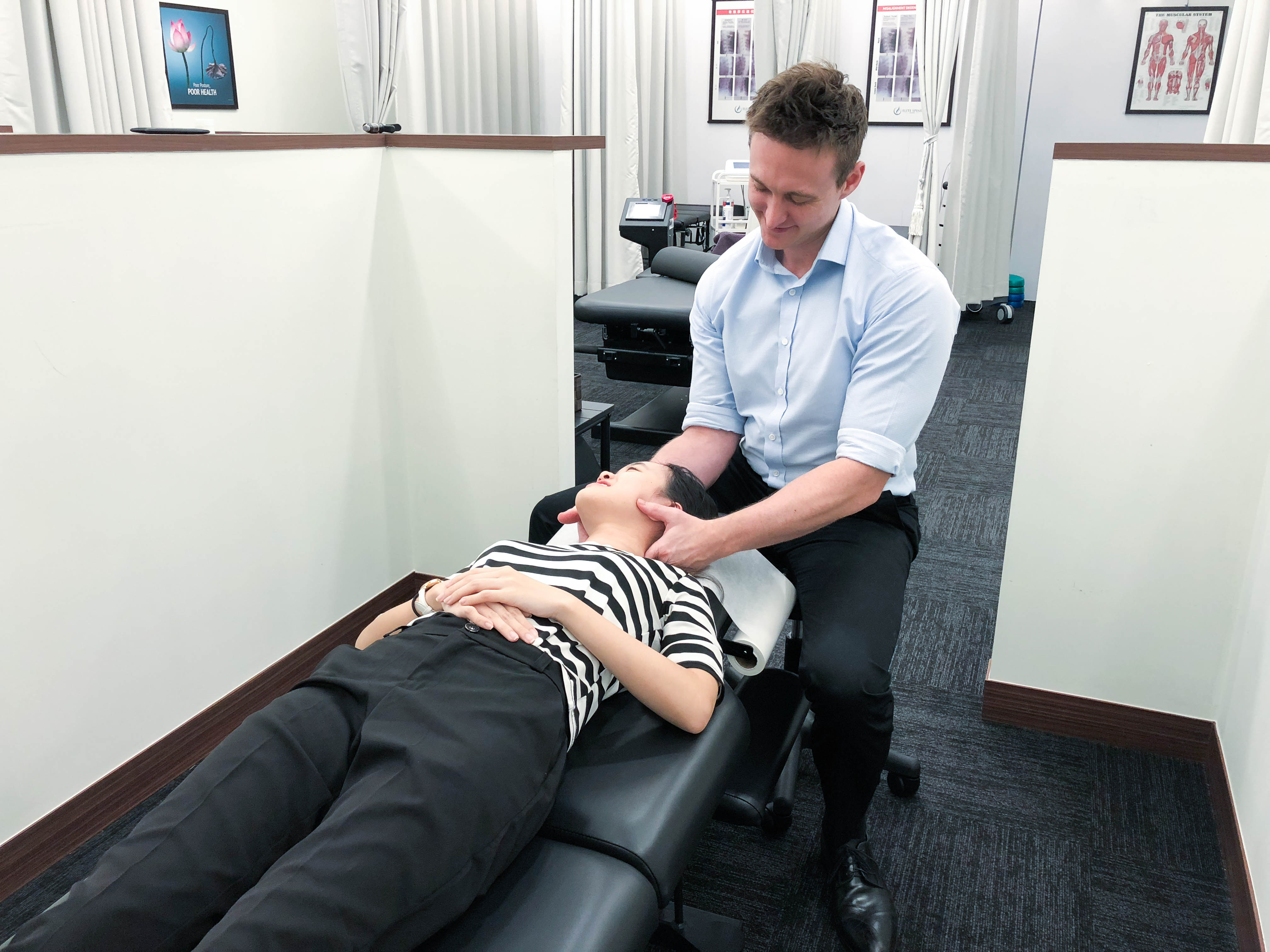
Chiropractic care, which often involves a combination of treatments like specific muscle therapy, active and passive exercises, and spinal manipulation is considered effective for headache management and prevention.

For those who suffer from migraines or headaches, the following may be performed by chiropractors to treat the condition:

  • Trigger point therapy as part of the Functional Correction Method (FCM) to address muscles, tendons and ligaments as well as the spine.

  • Joint mobilisation – Precise therapy where the joints are moved passively for the purpose of minimising pain or enhancing movement. This type of treatment is targeted primarily at the cervical spine when done to treat headaches.

  • Deep neck flexion exercises – These exercises involve the active movement of the muscles and joints under the guidance of a chiropractor. Primarily, the goal is to stretch the deep neck flexor muscles, which plays a key role in supporting the neck.

  • Neuromuscular massage – This type of massage focuses on the trigger points within the shoulder, neck, back, and head to ease the pain and symptoms.

  • Multidisciplinary care intervention – This chiropractic approach involves a combination of relaxation techniques, dietary and lifestyle counseling, stress management techniques, and physical therapy exercises which have been found effective in reducing the frequency and duration of headaches and migraines.

0 comments
0 FacebookTwitterPinterestEmail

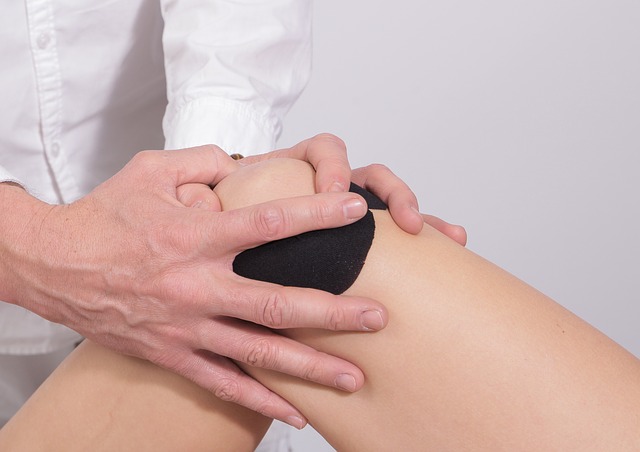
Even the most basic daily activities like climbing the stairs, getting out of bed, and walking to your car can become painful and difficult when you’re dealing with knee pain. Undoubtedly, knee pain can be debilitating and can have a huge impact on your ability to perform your day to day functions.

The good thing is that patients with knee pain don’t have options available which don’t include taking harmful medications, or severely limiting their activity level. Many patients with knee pain are unaware that chiropractic care can be very helpful at eliminating their pains. Seeking chiropractic care for knee pain can help patients regain mobility and carry out daily tasks that are otherwise difficult with painful knees.

Licensed chiropractors can address not only the knees themselves, but often underlying issues that are causing or making the knee pain worse. A combination of techniques and several angles of approach are considered when treating knee pain through chiropractic care. It is best to seek a proper evaluation to determine what are the major factors contributing to your knee pain and how to correct them.

Causes of Knee Pain

Knee pain can be attributed to several causes including:

  • Arthritis

  • Soft tissue damage or inflammation

  • Poor bio-mechanics of the foot/ankle or hips and lower back

  • Referred pain or tension from lumbar (lower back) nerves

  • Bursitis

  • Obesity

Knowing the cause(s) of knee pain is one of the first steps to seeking a cure. Your chiropractor can help you to properly diagnose the pain and identify the best treatment options for your case.

Chiropractic Techniques that Can Help

There are several techniques that your doctor of chiropractic may utilise that can help with knee pain including:

Trigger point therapy / IASTM. These techniques involve using the hands or specially designed tools to apply pressure and movement to specific points on the body. Precisely applied techniques allow tight or spasmed muscles to relax and help to break down the build up of scar tissue in damaged areas.

Spinal adjustments and posture correction. Poor posture and improper mobility of the spine and body can create an imbalance that can put unwanted pressure on the body’s joints, including the knees. Specific spine and joint adjustments can also help restore balance and alignment to immobile areas. This will also help reduce inflammation and pain, restore knee functionality, and limit wear and tear on the body.

Low-level laser therapy. Also known as cold laser therapy, low-level laser therapy works by stimulating the body’s muscles and soft tissues. Low-level laser therapy helps to reduce inflammation and pain, stimulate the blood flow, and speed up the healing process.

Shockwave therapy. Shockwave therapy utilises a specially designed instrument to apply rapid percussion waves to designated tissues. This aids in pain relief, reduction of scar tissue from old injuries, and neovascularization (growth of new blood vessels into an area).

Lifestyle advice. Some people experience knee pain because of detrimental habits and behaviours. Chiropractors can help patients by giving them advice on the daily habits and exercises they need to make to reduce pain and prevent injuries.

Customised orthotics. In some cases, knee pain may result from poor support or movement of the foot and ankle. Customised supportive insoles may benefit those patients suffering from knee pains due to these reasons.

Nutrition counselling. Chiropractors can also provide nutrition counselling to help patients ensure they are receiving proper nutrients that may aid in their recovery. In some cases, they may also suggest programmes or diets to help patients lose the extra weight and help take excess pressure off the knees and other joints of the body.

Knee pain is not something you have to live with. It is reassuring to know that with the right  combination of care under a well-trained doctor of chiropractic, knee issues can be corrected so that you can live pain-free.

0 comments
0 FacebookTwitterPinterestEmail

Let us crush a common misconception about mini dental implants: just because they are smaller, it does not mean they are any less good. In fact, those who are in the lookout for a great alternative to conventional implants would be glad to know mini dental implants can be a wonderful option.

Who are the ideal mini dental implant candidates?

Mini dental implants are considered the best option in specific scenarios. That being said, mini dental implants are not recommended just because the patient prefers them. Typically, people are considered ideal dental implants candidates when:

  • They have small teeth

  • They need front teeth replacement

  • They need premolar replacement

  • They have teeth situated in a narrow space

How small are mini dental implants?

Mini dental implants are exactly what the name implies. They are a lot smaller compared to traditional implants. Also, mini dental implants are one solid piece. However, just like their conventional counterparts, they are also screwed into the bone.

The diameter of mini dental implants is usually smaller than 3mm. On top of the device, you can find a ball-shaped protrusion. It is designed to help support the dentures. Ideally, the denture will come with a rubber O-ring that will slide over the ball-shaped part.

How are mini dental implants different from traditional implants?

One of the primary differences between traditional and mini dental implants is the size. Traditional implants has twice the diameter of mini dental implants. In other words, it would take two mini dental implants to mimic the support conventional implants can provide.

At first glance, this may seem like a disadvantage. However, nothing can be farther from the truth. You have to keep in mind that in some instances, a smaller implant can be the best option. This is especially true if the space is really narrow and a traditional implant just won’t fit.

How long will mini dental implants last?

The lifespan of mini dental implants can vary depending on several factors. Some of the factors that can impact the lifespan of mini dental implants include:

  • Alcohol or substance abuse

  • Smoking

  • Lack of implant care

  • Osteoporosis (or other bone diseases)

It is also important to remember that no two mouths are the same. That being said, two people who get mini dental implants may have a very different experience when it comes to the implant’s longevity.

How much will mini dental implants cost?

Mini dental implants cost less compared to the traditional implants. Typically, traditional implants can cost around $4, 000 to $5, 000. Mini dental implants on the other hand can cost from $500 to $1, 500.

However, you have to remember that just because they are smaller, it does not follow they are inferior. Below are some of the reasons why mini dental implants cost less than their traditional counterparts:

  • Their screws are more affordable. Since small screws are used, they are often cheaper.

  • The procedure is a lot simpler. The process will not require surgery and is less invasive and time-consuming. Of course, less time and effort can also mean less cost.

  • No bone grafting necessary. Oftentimes, bone grafting is not required in mini dental implant procedures. Understandably, one procedure less can also equate to spending less.

0 comments
0 FacebookTwitterPinterestEmail

Having pimple and acne problems? Here are simple steps to keep your face clean and avoid any outbreaks. Here’s a list of advice from different facial skincare clinics (klinik perawatan wajah).

  1. Keep your face clean. Whether or not you have acne, it’s important to wash your face twice daily to remove impurities, dead skin cells, and extra oil from your skin’s surface. Washing more often than twice daily is not necessarily better; it may do more harm than good. Use warm, not hot, water and a mild facial cleanser. Using a harsh soap (like deodorant body soap) can hurt already inflamed skin and cause more irritation.

Avoid scrubbing your skin harshly with a washcloth, an exfoliating glove, or loofah (a coarse-textured sponge). Gently wash it with a very soft cloth or your hands. Always rinse well, and then dry your face with a clean towel. (Toss the towel in the laundry hamper, as dirty towels spread bacteria.) Also, use the washcloth only once.

  1. Moisturize. Many acne products contain ingredients that dry the skin, so always use a moisturizer that minimizes dryness and skin peeling. Look for “noncomedogenic” on the label, which means it should not cause acne. There are moisturizers made for oily, dry, or combination skin.

  1. Try an over-the-counter acne product. These acne products don’t need a prescription. Most of them have ingredients such as benzoyl peroxide, salicylic acid, glycolic acid, or lactic acid, which curb bacteria and dry your skin. They may cause drying or peeling so start with a small amount at first. Then you can adjust how much you use and how often. Another option is a new OTC topical retinoid gel (Differin 0.1% gel). It works to actually keep the acne from forming. Use these products with caution if you have sensitive skin.

  1. Use makeup sparingly. During a breakout, avoid wearing foundation, powder, or blush. If you do wear makeup, wash it off at the end of the day. If possible, choose oil-free cosmetics without added dyes and chemicals. Choose makeup that is labeled as “noncomedogenic,” meaning it should not cause acne. Read the ingredients list on the product label before buying.

  1. Watch what you put on your hair. Avoid using fragrances, oils, pomades, or gels on your hair. If they get on your face, they can block your skin’s pores and irritate your skin. Use a gentle shampoo and conditioner. Oily hair can add to the oil on your face, so wash your hair often, especially if you’re breaking out. Got long hair? Keep it pulled away from your face.

  1. Keep your hands off your face. Avoid touching your face or propping your cheek or chin on your hands. Not only can you spread bacteria, you can also irritate the already inflamed facial skin. Never pick or pop pimples with your fingers, as it can lead to infection and scarring.

  1. Stay out of the sun. The sun’s ultraviolet rays can increase inflammation and redness, and can cause post-inflammatory hyperpigmentation (dark discoloration). Some acne medications may make your skin more sensitive to sunlight. Limit your time in the sun, especially between the hours of 10 a.m. and 4 p.m., and wear protective clothing, such as a long-sleeved shirt, pants, and a broad-brimmed hat. Whether you have pimples or not, always apply a broad-spectrum sunscreen with 6% zinc oxide or higher and SPF 30 or higher at least 20 minutes before sun exposure. Look for “noncomedogenic” on the sunscreen label to make new pimples less likely. Read the ingredients on the product label to know what you’re putting on your skin.

  1. Feed your skin. Most experts agree that certain foods, like chocolate, don’t cause pimples. Still, it makes sense to avoid greasy food and junk food and add more fresh fruits, vegetables and whole grains to your diet. Dairy products and foods high in processed sugar may trigger acne. Avoid these.

  1. Exercise daily. Regular exercise is good for your whole body, including your skin. When you exercise, avoid wearing clothing or using exercise equipment that rubs your skin and may cause irritation. Shower or bathe right after exercise.

  1. Chill! Some studies link stress with the severity of pimples or acne. Ask yourself what’s making you feel stressed. Then look for solutions.

When in doubt, check with a dermatologist or facial skincare clinic (klinik perawatan wajah) to see if you need more treatment to prevent or stop acne.

0 comments
0 FacebookTwitterPinterestEmail

Want to eliminate belly fat (menghilangkan lemak perut) in just 10 days? Is it possible? Yes, definitely! You can easily get a flat tummy in 10 days. Using the correct deviations in the food, lifestyle as well as workout you can easily catch a flat tummy in 10 days. Therefore, today in this article we are discussing about some methods to get a flat tummy in 10 days.

Below, we have mentioned some methods which are useful to achieve the best ways to eliminate belly fat (menghilangkan lemak perut):

Day 1:

  • Avoid consumption of junk food and prefer nutrient full plus fiber rich diet such as fruits, poultry, vegetables, whole grains, lean beef, low-fat dairy products, nuts, beans, seeds etc.

  • Evade totally carbohydrate food for the chief day. Drink 10 to 12 glasses of water and 3 to 5 apple cider vinegar beverages to purify your system besides to eliminate the fat.

Day 2:

  • Eat boiled or uncooked vegetables or chicken soup to decrease tummy fat in each 2-3 hours. It helps to raise your metabolic rate and alleviate the blood sugar.

  • Uncertainty you have not ongoing exercising, begin with slight workouts similar to walking for 20 minutes.

Day 3:

  • Have an oatmeal for your breakfast as it devours 50 grams of carbohydrate.

  • In other meal, you can take protein, vegetables, fresh fruits, and yoghurt without oil.

  • Do breathing squat to discard the tummy fat.

Day 4:

  • Consume omelet by three egg white and spinach or vegetables into breakfast.

  • In snacks boiled chicken using cucumber or red pepper by turkey breast

  • Involve salads for lunch prepared from vegetables or chicken.

  • Perform crunches to assemble the fat around the gut.

Day 5:

  • This day take fruits and low fat milk along with 1 or 2 bananas. This provides the necessary carbohydrates for your body.

  • Consumption of salads or vegetable soups plays an effective role to fill your belly plus to acquire the entire nutrient source.

  • Drink amply of water in addition to add sit-ups to your workout system.

Day 6:

  • In breakfast you can eat tomatoes, green beans, twisted eggs prepared with one complete egg plus two egg whites.

  • Use of grilled chicken breast, fish as well as cod fillet, is a good option for your snack.

  • Remember to consume five portions of vegetables and fruits. Ensure entire workouts starting with hiking to sit ups.

Day 7:

  • Intake of grilled or simmered duck breast or chicken along with boiled spinach or meshed tomatoes are best for your breakfast.

  • In snack, eat Brazil nuts or steamed broccoli or watermelon seeds.

  • Altering the exercise offers a surprise to the body and raises the metabolic rate successfully triggering to drop fat from belly. Fix 30 minutes of aerobics workout.

Day 8:

  • Evade diet that involves fewer nutrients. In breakfast you can eat an omelet by means of the white of two eggs with whole wheat bread.

  • Carry on drinking 10 to 12 glasses of water then choose fit refreshments like, fruit through yoghurt dip, soy crisps etc.

  • Perform swimming not together from the consistent exercise rule.

Day 9:

  • This another time a vegetarian day. For all the day consume vegetables that are fewer in calories during the day.

  • This supports to wash your intestinal system of the fat accumulation. On this day, involve the greatest fibrous vegetables in your diet.

  • Raise walking for about 40 minutes.

Day 10:

  • The whole grains food substances as well as fruits are necessary for the breakfast. Carry on the low fat, soups and high fiber snacks while required.

  • Effort to improve variety to your training by receiving a skipping rope or addition of leg tucks workout.

  • Sustain with the low carb and low sugar diet to create the results last continually.

0 comments
0 FacebookTwitterPinterestEmail