Author

allurewellness

Dental implant or tooth implant is a procedure done to replace tooth roots with screw-like metal posts and replace missing or damaged teeth with artificial teeth designed to look and function like the natural ones.

Nowadays, tooth implant surgery is considered a great alternative to bridgework or dentures. How the procedure is done will depend on several factors including the condition of the patient’s jawbone as well as the type of implant used.

While tooth implant offers many enticing benefits, one of its notable benefits is it offers solid support for new teeth. However, since the process will require that the bone will heal tightly around the implant, the entire process may take several months.

If you’re a candidate for tooth implant, it is important that you know more than just the basics like how much the tooth implant cost is or how the procedure is done. You also need to know other basics like how to prepare for the procedure and what to expect, among others.

Preparing for the Procedure

The tooth implant planning process may require the involvement of several specialists including doctors who specialise in the conditions of the face, jaw, and mouth (oral and maxillofacial surgeons), a dentist that specialises in the treatment of structures that support the teeth (periodontist), and a dentist who fits and designs artificial teeth (prosthodontist).

Since tooth implants will sometimes require one or more procedures, a thorough evaluation needs to be done to prepare for the procedure. Typically, the preparation process will include:

Thorough dental exam. At this stage, dental 3D images and X-rays may be taken as well as models for the teeth and jaw.

Review of the medical history. As a general rule of thumb, consider it best to inform your dentist about medications you are currently taking (this includes over-the-counter supplements and drugs) and medical conditions you have. Patients with orthopaedic implants or certain heart conditions may be given antibiotics before the surgery is done to help ward off any infections.

Treatment plan. Tailored to the patient’s situation, the plan will take into consideration key factors like the number of teeth to be replaced as well as the condition of the remaining teeth and jaw.

To manage pain, anaesthesia will be given. Depending on what is best for the patient, the dentist will either give local or general anaesthesia. You will also be given instructions on what to eat and drink prior to surgery, depending on the type of anaesthesia you will be given. If you will be given general anaesthesia, make sure you have someone who can take you home after the procedure. You are also expected to rest for the remainder of the day.

What to Expect

Tooth implant surgery is typically an outpatient surgery done in stages, with healing time in between procedures. The process involves multiple steps, including:

  • Removal of damaged tooth

  • Jawbone grafting (when needed)

  • Placement of the implant

  • Bone growth and healing

  • Placement of the abutment

  • Placement of artificial tooth

The whole process can take several months from start to finish. Time will be devoted to healing as well as waiting for the new bone in the jaw to grow.


0 comments
0 FacebookTwitterPinterestEmail

While career women, mothers, and entrepreneurs–among many others–are always on the go and short of time, skincare should not be neglected, as it is the foundation of beauty for every woman. Even though we are out there chasing dreams and making things happen, our beauty and skincare routine should not get pushed aside.

Stress, looming deadlines, and the daily wear and tear strip our skin of collagen and other necessary substances that help make us look youthful and glowing. Due to our busy lifestyle, sleep, exercise, and time are constantly being compromised.

Fortunately, there are available treatments and procedures that can restore your skin’s glow without the inconvenience of downtimes and recovery periods. Hence, you can resume work and your daily routine almost immediately after. Win-win, right?

So, what are these procedures?

Chemical Peels

Chemical peels use substances to damage the skin in order to exfoliate and slough off the outer layers. The depth of the chemical peel depends on the type of chemical, its concentration, and the length of time it stays on the skin. Glycolic acid, salicylic acid, lactic acid,  trichloroacetic acid (TCA), and phenol are some of the chemicals used in cosmetic peels. There is an obvious improvement over the skin’s pre-peel state after the skin heals.

Thermage

Radio waves may help improve the appearance of tired-looking and sun-damaged skin. Thermage targets the entire depth of the skin, from the epidermis to the dermis, superficial fat to the SMAS layer.

The Thermage FLX may reach a depth of 4.3mm, which may help for most faces, where the SMAS layer is. By targeting the entire skin layer, you may help get a face lifting effect from the remodelling of the SMAS layer.

This medical aesthetic procedure works in just one treatment with minimal downtime and delivers natural-looking results. It is still you, just more youthful-looking, and more confident.

Fillers

Dermal fillers help add substance to skin in order to lift up areas that are sinking. Certain wrinkles, depressed scars, and hollows can be “filled” using this technique. These fillers produce improvement by enhancing collagen in the area injected, which adds volume to the tissue underneath the skin, and helps smooth the appearance of lines or wrinkles.

High-intensity focused ultrasound (HIFU)

High-intensity focused ultrasound (HIFU) is a new cosmetic treatment to help skin laxity. It is a non-surgical and virtually painless replacement for facelifts. It taps into ultrasound energy to help promote the production of collagen, which then results in a firmer look.

HIFU goes deep beneath the skin to deliver the right amount of ultrasound at the depths and temperature to encourage collagen growth. This procedure can help deliver heat energy directly to the subcutaneous tissues that look to stimulate and renew the skin collagen production. And hence it improves the elasticity and texture, as well as reduces sagging and dropping of skin.

HIFU procedure is also highly effective for acne and scar removal in which the ultrasound heat targets the structural tissues and muscles to increase collagen production. It creates a space wound which speeds up the healing process. And once healed, acne scars will become unnoticeable.

0 comments
0 FacebookTwitterPinterestEmail

Non-surgical nose-lifts are definitely less invasive than traditional rhinoplasty, but that does not mean you should not weigh your options first. If you are considering a nose lift or are just hearing about this non-invasive cosmetic procedure, we are here to fill you in on as many details as possible.

The beauty industry has come a long way that a nose job can now be considered a “lunch-time” procedure and because of the non-surgical option, you could have a completely new look in just a matter of minutes.

The procedure may be quick, but it isn’t something you should take lightly. Here are a few things to consider before you go under the needle.

What’s a Typical Nose Filler Procedure Like?

There are two types of non-surgical nose lifts, those that use fillers and those that use threads. As with any procedure, your dermatologist will start thoroughly cleaning the area of concern and in this case, the surface area of your nose.

For fillers, the aesthetic doctor will then start to inject the nose fillers then start to mould or sculpt your nose, and that’s essentially it, you’re done! Aftercare instructions will follow, and you’re set to go back to work. The procedure won’t take more than half an hour, and you will instantly see the results.

For threads, doctors use special threads that are absolutely absorbed by the body. Similar to fillers, numbing cream will also be applied along with a local anaesthetic then comes to the fine threads to be placed along your nasal bridge under the skin. Results are immediate, and the procedure can be done within an hour.

Is It Permanent?

Not exactly. For the nose thread lift, it usually lasts for as long as two years, but with regular check-ups, you can expect a longer-lasting lift.

For fillers, there are two types, temporary fillers and ‘permanent’ fillers. The doctor will usually start off with a temporary filler, so you get a feel of your new look, this also gives the doctor a chance to adjust it further to your liking. After some time, she or he will give you a permanent filler to lock it in longer. The permanent ones last for years and are usually more than one session.

Does It Hurt?

The procedure is usually painless. Before the doctor injects the fillers, he or she will apply numbing cream and a local anaesthetic, and you could even get right back to work after the treatment.

What Are the Usual Side Effects?

The non-surgical nose lift may cause a bit of bruising, but this is perfectly normal and will resolve on its own in a few days.

How Long Does the Procedure Take?

The procedure for injecting and setting the soft-tissue filler typically takes 10 to 30 minutes to perform in the cosmetic surgeon’s consultation room, after an initial 15 minutes of numbing. After the procedure, the client can typically resume normal activities immediately.

Choosing the Aesthetic Clinic

When choosing an aesthetic clinic for injectable treatments, give your decision the same level of scrutiny and care that you would for a surgical procedure. Non-invasive nose filler treatment is still a medical procedure that requires specific training, knowledge and skills to ensure natural-looking results and most importantly, safety.

0 comments
0 FacebookTwitterPinterestEmail

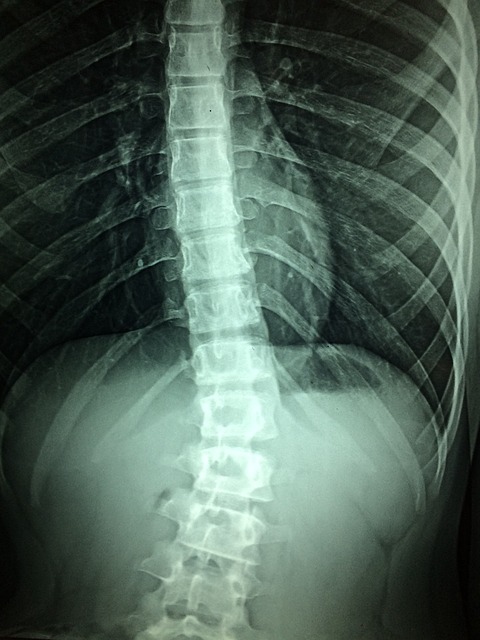
Spinal stenosis occurs when the small spinal canal containing the spinal cord and the nerve roots becomes compressed. The compression can cause “pinching” of the nerve roots and the spinal cord and can result in cramping, weakness, numbness, and pain. Depending on the location of the narrowing, symptoms can be felt in the legs, lower back, shoulders, arms, or neck.

Typically, the narrowing can be attributed to “wear and tear” arthritis or osteoarthritis. Other likely reasons include bulging of the discs that separate the vertebrae and thickening of the ligaments found in the back. Symptoms of the condition often starts gradually but typically worsens overtime.

Who are at risk?

Spinal stenosis can affect both genders and is observed to be common among those aged between 50 and 70. However, the condition can also occur in young people who have experienced spine injury or who are born with a narrow spinal canal.

For people born with a small spinal canal, the condition is called “congenital stenosis.” For spinal narrowing secondary to age-related changes, the condition is called “acquired spinal stenosis.”

Spinal stenosis can also be attributed to certain medical conditions such as bony spurs, osteoarthritis, spinal tumours, ankylosing spondylitis, and Paget’s disease.

What are some of the common symptoms?

Some of the common symptoms of spinal stenosis include:

  • Weakness, numbness, cramping, and pain in the feet, thighs, or legs

  • Abnormal bladder or bowel function

  • Pain that travels down the leg

  • Loss of sexual function

  • Partial or complete leg paralysis (severe cases)

How is the condition diagnosed?

To diagnose and determine the seriousness of the condition, certain test might be recommended, including:

  • X-ray of the spine – done to check for bone spurs, osteoarthritis, or narrowing of the spinal canal.

  • Computed tomography (CT) scan – can take detailed images of the back as well as the spinal canal.

  • Electromyogram (EMG) – done to check the condition of the nerves going to the legs.

  • Magnetic resonance imaging (MRI) scan – can take pictures of the nerves as well as the spinal cord.

  • Blood tests, X-rays of the knees and hips, as well as circulation in the legs to rule out other possible conditions with similar symptoms.

What are some of the treatment options available?

In most cases, conservative treatment is the first option considered. However, in cases where the pain is disabling and severe, surgery might be recommended.

Nonsurgical treatment options

  • Non-surgical spinal decompression therapy – NSSD is considered one of the most effective treatment options for people with spinal stenosis. Computerised and modern machines can help target the areas of the spine and can decompress them to relieve any pressure on the nerves. This treatment option is also considered more potent when combined with other conservative treatment approaches.

  • Chiropractic – specific spinal manipulation where manual or instrument-assisted techniques are used work by helping the joints return to their normal motion range. Good motion has also been known to help reduce pain, minimise muscle spasms and tightness, and improve one’s overall health. Motion can also help the formation of scar tissue that leads to stiffness is minimised.

Surgical treatment options

Surgery for spinal stenosis may involve removing bony overgrowths so pressure and pinching of the spinal nerves is relieved.

  • Spinal fusion – for those with spinal instability or slippage, two or more vertebrae may be fused together permanently using screws to give the spine more stability.

  • Surgical spinal decompression (laminectomy) – in laminectomy, the lamina or the back portion of the vertebra is removed so the nerves and the spinal cord are exposed. Thickened ligaments and bone spurs are also removed.

0 comments
0 FacebookTwitterPinterestEmail

Teeth grinding is characterised by repetitive clenching of the teeth. It can be likened to a person chewing vigorously without any food in the mouth. In most cases, patients grind their teeth during sleep. This condition is known medically as bruxism.

While well known and well documented by dentists and doctors, there is no absolute information on what triggers grinding teeth in sleep. There are however several recognised risk factors for the condition. It is reassuring to note however that there are also a lot of effective treatment options for bruxism now available at one’s disposal.

For the uninitiated, below are some facts about teeth grinding not many may know about:

Bruxism affects millions of people

The number of people (adults and children) who grind their teeth (daily or nightly) is estimated to be close to 30 to 40 million. When it occurs occasionally, teeth grinding is pretty much harmless. Chronic bruxism on the other hand is a totally different story as it can really affect the patient’s overall health and quality of life.

Make no mistake about it, teeth grinding does not only occur during sleep. If truth be told, some people clench their jaws ferociously when stressed or when concentrating. Many people also have no clue they grind their teeth until symptoms manifest.

Symptoms can vary from one person to another

Parents and bed partners are often the ones that inform bruxism patients about their teeth grinding. This is especially true if it occurs during sleep. However, when the condition is severe, patients will also notice several red flags that point something is not right.

For instance, those with severe bruxism often experience headaches and jaw pain, two of the primary indicators that nighttime bruxism is happening. In other cases, teeth grinding is so bad that patients chip or crack their teeth from the pressure.

Other common symptoms that point to bruxism include loose teeth, sore teeth, earaches, face discomfort that won’t go away, etc. When not treated properly, the condition may also cause temporomandibular joint disorder (TMJD), a painful condition characterised by swelling of the joints and muscles around the jaw.

Other conditions may also cause bruxism

Sleep apnea, a sleeping condition is sometimes associated with teeth grinding. To avoid bruxism, those with sleep apnea are advised to get proper treatment. For those who already have bruxism secondary to sleep apnea, treating the condition can help minimise, if not totally eradicate the condition.

Mental as well as physical exhaustion may also lead to teeth grinding. In addition, misalignment of teeth as well as heavy snoring may also cause people to grind their teeth at night.

Mouth guards are used to protect the teeth

One of the remedies available for those with chronic bruxism is a custom made mouth guard your dentist can make. To ensure comfort, mouth guards are made of pliable and soft materials that will conform to the shape of the patient’s teeth and bite.

Mouth guards can also effectively protect the teeth from fracturing and chipping. In addition, mouth guards can prevent TMJD and jaw swelling as well as protect the teeth’s enamel from wearing away.

0 comments
0 FacebookTwitterPinterestEmail

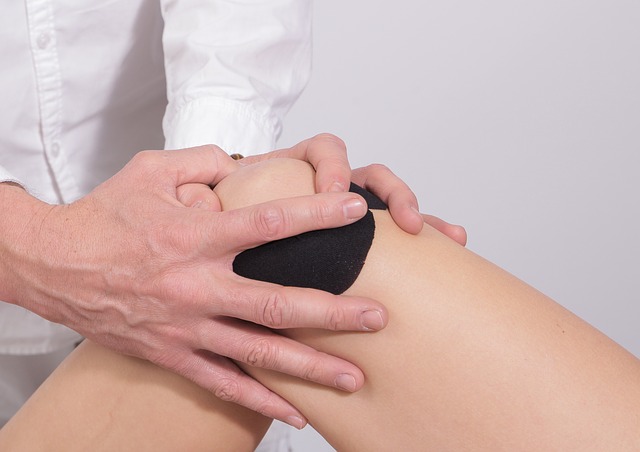
For those who are experiencing knee pain, even the most basic of activities like climbing the stairs, walking to and from the car, picking up the grocery bags, or even getting out of bed can become painful and challenging. Undeniably, knee pain can have a significant impact on a person’s ability to function optimally.

Knee pain can affect people of all ages. It can be the result of an injury (i.e. torn cartilage or a ruptured ligament) or a medical condition such as gout, arthritis, or infection. Minor types of knee pain will often respond well to self-care measures. Other cases however may require chiropractic care and rehabilitation therapy.  Severe cases may require surgical repair.

Symptoms of Knee Pain

The location as well as severity of knee pain can vary from one patient to another, depending on the cause of the problem. Some of the most common signs and symptoms that accompany knee pain include:

  • Instability or weakness

  • Crunching or popping noises

  • Stiffness and swelling

  • Redness and warmth to the touch

  • Inability to straighten the knee fully

Possible Causes of Knee Pain

Knee pain can be the result of mechanical problems, injuries, certain types of arthritis, foot and ankle issues, and even nerve or muscle irritation from posture or movement abnormalities.

Injuries

A knee injury can affect any of the bursae, tendons, ligaments, and muscles that surround the knee joint. Some of the most prevalent knee injuries include:

  • Muscle imbalances

  • ACL injury

  • Fractures

  • Knee bursitis

  • Patellar tendinitis

  • Torn meniscus

Mechanical Problems

A few examples of mechanical problems that can result to knee pain include:

  • Iliotibial band (ITB) syndrome

  • Loose body

  • Hip or foot dysfunction

  • Dislocated or misaligned kneecap

Different Types of Arthritis

There are more than 100 different types of arthritis. Some of the varieties that can affect the knee and cause knee pain include:

  • Rheumatoid arthritis

  • Osteoarthritis

  • Pseudogout

  • Gout

  • Septic arthritis

Chiropractic Care and Knee Pain

Nowadays, a growing number of people have undergone knee replacement injury. While the surgical technique has helped many people, it is still considered a costly and invasive procedure. Fortunately, there is a treatment option that can relieve knee pain without surgery for many patients before they reach the point of needing surgery—chiropractic care and rehabilitation.

Recent studies have shown chiropractic adjustments have been beneficial for patients with knee pain caused by osteoarthritis. In another study, patients who have had chiropractic knee adjustments reported substantial drops in pain intensity. Fewer clicking and grinding sensations in the knee were also noticed.

In addition, patients were also able to experience increased mobility and were able to get back to doing daily activities after chiropractic treatment. Not only that, patients who received chiropractic care also reported no adverse effects associated with the treatment.

Licensed chiropractors address underlying issues that are causing knee pain and use a combination of techniques to effectively alleviate pain. Chiropractors have also helped patients with knee pain by improving gait, reducing inflammation, and restoring normal alignment and motion of the joints.

Chiropractors often may use mobilisation techniques and chiropractic manipulation in the areas of restricted movement. In addition, modern technologies like radial shockwave therapy (RSWT) and/or cold laser therapy may be used to address damaged tissues and speed up the healing process.

The combination of chiropractic and rehabilitative methods used have not only been proven effective in reducing knee pain, but by increasing motion and restoring the proper mechanics of the joints and surrounding tissues, can decrease the chances of future wear and tear!

0 comments
0 FacebookTwitterPinterestEmail

Neuropathy (sometimes referred to as peripheral neuropathy) is a term used to refer to a range of health problems that involves damage to the peripheral nerves. While severe damage to the nerves is often irreversible, steps can be taken to prevent neuropathy or manage the condition through lifestyle, diet, and neuropathy treatment.

Symptoms

Generally, neuropathy symptoms will depend on the individual as well as the underlying cause. Typically however, symptoms can include:

  • Constant or intermittent numbness

  • Prickling, burning, or tingling sensations

  • Pain

  • Muscle weakness or atrophy (shrinking)

  • Impairment to urination as well as sexual function

  • Dysfunction in the glands or organs

  • Paralysis of limbs in more severe cases

To understand how neuropathy affects the body, it is important to remember that the nervous system is divided into two parts: the central nervous system (the spinal cord as well as the brain) and the peripheral nervous system (transmits messages to/from the central nervous system and the rest of the body).

The peripheral nervous system is also divided into somatic or voluntary nervous system (controls functions one can consciously control like moving the limbs, etc.) and autonomic or involuntary nervous system (regulates processes one does not have any control over like breathing, digestion, and heartbeat.

Disruption or damage to the voluntary or involuntary peripheral nerves can cause neuropathy. Motor and sensory nerves can also be affected.

Risk Factors

In the United States alone, an estimated 20 million people suffer from some form of neuropathy. Risk factors associated with the condition include, diabetes, chemotherapy, compressed nerves from spinal conditions, alcohol abuse, autoimmune conditions, and prolonged medication use for cholesterol or high blood pressure.

The most prevalent type of neuropathy is diabetic peripheral neuropathy. Diabetic peripheral neuropathy accounts for as much as 60 percent of the total number of people suffering from neuropathy.

When the neuropathy has no known cause, it is referred to as idiopathic peripheral neuropathy.

Other types of neuropathy can be attributed to physical trauma, toxicity, repetitive stress, autoimmune disorders (Sjögren’s syndrome, sarcoidosis, celiac disease, lupus, rheumatoid arthritis, Guillain-Barré syndrome, etc.), metabolic disorders (kidney failure, hypoglycemia, etc.), alcoholism, hereditary disorders, hormonal disorders, and nutrient deficiencies.

Neuropathy and Physiotherapy

Physiotherapy is designed to help restore function and movement to individuals affected by illness, disability, or injury. Providers trained in physiotherapy teach patients exercises and movements and will also educate and provide advice to help facilitate recovery from pain or discomfort.

The primary goals of physiotherapy for patients with neuropathy include improving gait, coordination, and balance as well as maintaining muscle strength. Physiotherapy can also provide an active solution for numbing, balance deficits, joint stiffness, and hypersensitivities.

Physiotherapists can also recommend various body exercises that can help increase the range of motion and strengthen specific muscles. Low impact exercises may also be prescribed so no further damage occurs.

The diagnosis and treatment process begins with determining the cause(s) of the nerve damage. Tests will also be conducted to determine functional levels and the likely amount of nerve damage. Other factors like muscular weakness, motion limitations, and balance impairments will also be taken into account.

From there, a specialised treatment program designed for the patient’s unique needs will be created.

A very useful tool that conservative providers like physiotherapists, chiropractors, and others have found helpful for neuropathy treatment is polychromatic light therapy (PLT). This treatment uses specialised medical grade LEDs to produce reactions in the body that improve blood circulation to peripheral nerves and can decrease symptoms of peripheral neuropathy.

Also patients with peripheral neuropathy have shown positive response to whole body vibration (WBV). This therapy only takes a few minutes each session, but stimulates the body’s nervous system by providing a high amount of fast, vertical stimulation. This also helps with improving circulation and improving balance. Ask your provider if they have PLT and WBV treatment options to help with your peripheral neuropathy symptoms.

0 comments
0 FacebookTwitterPinterestEmail

For those who are missing a tooth, here are several reasons why a tooth implant is recommended:

  • A missing tooth can affect how a person chews and speaks.

  • If not replaced, the teeth around the missing tooth can move. This will not only affect the bite, it can also put more stress on the jaw joints.

  • Teeth that have drifted or tipped can become harder to clean. This can put them at a higher risk for gum disease and tooth decay.

  • It is possible for bone loss to occur around the tooth that is missing.

  • A missing tooth can also affect the way an individual looks.

While a tooth implant is now considered one of the best options to replace missing tooth, not much is still known about it. For instance, what’s the approximate tooth implant cost? What is the procedure like? When is it considered the best time to get one? Are you a good candidate for the procedure?

If tooth implant is an option for you, it is ideal that you know all the basics so you can really gauge if it is indeed the right option for you. This article will explain the basics of an implant procedure and if you are a suitable candidate.

Are you a good candidate for tooth implants?

Generally, you are considered a good candidate if:

You are in good health. Some illnesses especially chronic ones might slow down the healing process and hinder the successful placement of the tooth implant.

You have enough bone in your jawbone to support the implant. If there is no sufficient bone in your jaw, it is still possible for you to get an implant. However, you might need to undergo another process known as bone grafting to ensure your jaw will have sufficient bone to support the implant.

You don’t smoke. In some cases, chewing or smoking tobacco has been known to increase implant failure rate significantly.

You can commit to regular dental visits. In addition, you also need to have and adhere to a good oral hygiene.

Patients who have had radiation therapy done to the neck or head area will have to be evaluated on a case-to-case basis. People who have other significant medical issues need to check with their dentist so they can get expert guidance.

Are dental implants painful?

Many people who have received dental implants reported very minimal discomfort during the procedure. Since local anaesthesia is used during the procedure, most patients report the procedure was less painful than tooth extractions. After the procedure, a mild soreness or discomfort may be felt. However, it can be easily remedied using over-the-counter pain medications.

What is the success rate of dental implants?

Understandably, a few factors can affect the success rate of dental implant. In many instances, it would depend on where in the jaw the implants are placed. Generally, dental implants have a massive success rate of 98 percent. In addition, if it is looked after properly, dental implants ccould last a lifetime.

0 comments
0 FacebookTwitterPinterestEmail

Everyone has some belly fat – some might not be too obvious. Although, there is really no need to panic because that is normal. However, too much belly fat can affect your health in a way that the other fat doesn’t. You might be panicking now on how to shed belly fat soon (menghilangkan lemak perut).

Some of your fat is right under your skin. Another fat is deeper inside, around your heart, lungs, liver, and other organs.

It’s that deeper fat that is called “visceral” fat — that maybe the bigger problem, even for thin people. WIth that said, there are some ways of eliminating belly fat (menghilangkan lemak perut) safely.

Deep Belly Fat

You need some visceral fat. It provides cushioning around your organs.

But if you have too much of it, you may be more likely to get high blood pressure, type 2 diabetes, heart disease, dementia, and certain cancers, including breast cancer and colon cancer.

The fat doesn’t just sit there. It’s an active part of your body, making “lots of nasty substances,” says Kristen Hairston, MD, assistant professor of endocrinology and metabolism at Wake Forest School of Medicine.

If you gain too much weight, your body starts to store your fat in unusual places.

With increasing obesity, you have people whose regular areas to store fat are so full that the fat is deposited into the organs and around the heart, says Carol Shively, PhD, professor of pathology-comparative medicine at Wake Forest School of Medicine.

How Much Belly Fat Do You Have?

The most precise way to determine how much visceral fat you have is to get a CT scan or MRI. But there’s a much simpler, low-cost way to check.

Get a measuring tape, wrap it around your waist at your belly button, and check your girth. Do it while you’re standing up, and make sure the tape measure is level.

For your health’s sake, you want your waist size to be less than 35 inches if you’re a woman and less than 40 inches if you’re a man.

Having a “pear shape” — bigger hips and thighs — is considered safer than an “apple shape,” which describes a wider waistline.

“What we’re really pointing to with the apple versus pear,” Hairston says, “is that, if you have more abdominal fat, it’s probably an indicator that you have more visceral fat.”

Thin People Have It, Too

Even if you’re thin, you can still have too much visceral fat.

How much you have is partly about your genes, and partly about your lifestyle, especially how active you are.

Visceral fat likes inactivity. In one study, thin people who watched their diets but didn’t exercise were more likely to have too much visceral fat.

The key is to be active, no matter what size you are.

4 Steps for Beating Belly Fat

There are four keys to controlling belly fat: exercise, diet, sleep, and stress management.

  1. Exercise: Vigorous exercise trims all your fat, including visceral fat.

Get at least 30 minutes of moderate exercise at least 5 days a week. Walking counts, as long as it’s brisk enough that you work up a sweat and breathe harder, with your heart rate faster than usual.

Moderate activity — raising your heart rate for 30 minutes at least three times per week — also helps. It slows down how much visceral fat you gain. But to torch visceral fat, your workouts may need to be stepped up.

  1. Diet: There is no magic diet for belly fat. But when you lose weight on any diet, belly fat usually goes first.

Getting enough fiber can help. Hairston’s research shows that people who eat 10 grams of soluble fiber per day — without any other diet changes — build up less visceral fat over time than others. That’s as simple as eating two small apples, a cup of green peas, or a half-cup of pinto beans.

  1. Sleep: Getting the right amount of shut-eye helps.

In one study, people who got 6 to 7 hours of sleep per night gained less visceral fat over 5 years compared to those who slept 5 or fewer hours per night or 8 or more hours per night. Sleep may not have been the only thing that mattered — but it was part of the picture.

  1. Stress: Everyone has stress. How you handle it matters.

The best things you can do include relaxing with friends and family, meditating, exercising to blow off steam, and getting counseling. That leaves you healthier and better prepared to make good choices for yourself.

0 comments
0 FacebookTwitterPinterestEmail

There’s nothing bad in having wrinkles. A few facial wrinkles on the face can be engaging and add character to your looks. It is no secret, however, that a lot of us would prefer to keep them at bay.

Without surgical or medical intervention, it can be tough to reverse the appearance of wrinkles and premature aging once they appear. But there are lifestyle changes you can make and steps you can take to slow down the appearance of wrinkles.

What Causes Wrinkles? 

Everyone’s skin changes with aging, which is why the skin of a baby and the skin of a 90-year-old looks very much different.

Skin loses elasticity as people get older because collagen production slows down gradually over time. This process can be intensified by pollution, stress, sun exposure, and certain lifestyle habits.

As you age, your skin tends to become drier and thinner, too. When your skin does not have as much volume or moisture as it used to, it can also make it more susceptible to wrinkles.

What Can You Do to Prevent Wrinkles? 

Genetics can play a significant role in how people’s skin changes over time. Nevertheless, even if your family has skin that’s prone to wrinkles, you still have a great deal of control over your own skin and how it changes with age.

Although it’s ultimately inevitable that wrinkles will appear at some point, taking care of your skin can go a long way in keeping it youthful-looking and wrinkle-free for as long as possible.

Below are some things you can do to help keep your skin looking youthful and prevent wrinkles.

  1. Protect Yourself from the Sun

It’s an established fact that overexposure to the sun can damage your skin, leading to wrinkles and premature aging.

According to a 2013 research, regular and consistent sunscreen use can slow down the signs of skin aging and wrinkles. To shield your skin from the sun’s damaging ultraviolet (UV) rays and prevent wrinkles, it’s crucial to apply an SPF of between 30 and 50 every single day, even if it’s overcast or you’re just inside the office or your home. UV rays can still penetrate clouds, so don’t skip on sunscreen just because it isn’t sunny.

For an extra layer of protection, wear a wide brim hat, light-colored clothing that will reflect the sun, and sunglasses with UV protection.

  1. Use a Retinoid 

Retinoids, derived from vitamin A, are one of the most studied and proven anti-aging ingredients for wrinkles. Also referred to as retinol, retinoids can increase collagen production, which helps plumps up the skin, reducing wrinkles and giving it a more youthful look.

Retinoids also promote skin regeneration and can promote the creation of new blood vessels, which can help improve the skin’s overall texture and appearance.

Dermatologists recommend using  a small amount first to test your skin’s tolerance to the product, and using it every other day to avoid skin peeling.

Consult with your dermatologist to know which option is right for your skin.

  1. Moisturize

A moisturizer is like a drink of water for your face. Moisturizers help nourish and hydrate the skin. This is critically important as you get older and your skin becomes even drier, which makes it more susceptible to wrinkles.

Studies also show that using a moisturizer that has Vitamin C and hyaluronic acid are effective at preventing wrinkles from appearing or getting deeper.

  1. Stay Hydrated

Drinking water is essential for good health. Your body needs water for almost every function it does. Besides vital functions like flushing toxins from your body, aiding with digestion, and regulating your body temperature, water can also help keep your skin healthy and hydrated from the inside.

  1. Tap Into Science

Now, in this dawn of technological advancements, science introduced a variety of cosmetic procedures to keep skin looking healthy and youthful. Consult with your aesthetic to find out which of these procedures is right for you:

Ultherapy

Ultherapy is the only non-surgical cosmetic procedure that uses focused ultrasound to stimulate the growth of new collagen deep within the skin. The production of new collagen occurs over time, so results can become more apparent over three to six months.

Botox

Botox injection improves moderate to severe frown lines, smoker’s lines, forehead furrows, and crow’s feet. Botox is an ideal alternative to surgical cosmetic procedures. It’s quick, painless, and seldom causes side effects.

Thermage

Thermage transfers energy from the skin surface, all the way from the superficial layer to the SMAS layer, thereby producing both skin textural improvements, skin tightening as well as face lifting results.

0 comments
0 FacebookTwitterPinterestEmail