Tag:

surgery

Relex Smile is an acronym that means Refractive Lenticule Extraction and SMall Incision Lenticule Extaction

Relex Smile is an acronym that means Refractive Lenticule Extraction and SMall Incision Lenticule Extaction. It is the newest and the most advanced laser vision correction technique available in the industry. Unlike other eye care solutions, it makes no flap and uses just one laser, which is the femtosecond laser. During the Relex Smile procedure, a small piece of corneal tissue known as a lenticule is removed via a 2 to 4mm keyhole incision.


So what are the benefits of Relex Smile? Read on for details about this surgery.


Flapless – before this procedure, doctors need to create a side-cut of roughly twenty mm to correct vision. With Relex Smile, a small incision of 2 to 4 mm is sufficient to complete the method. This micro incision keyhole method no longer needs to create a flap so your cornea stays intact. Since there is no need to create a flap, the upper corneal layer as well as nerve tracts of your cornea will remain intact. This means that there will be lesser risks of dry eye syndrome and minimal side effects compared to other eye procedures. Moreover, the small incision reduces the possibility of pollution so the healing of your cornea will be faster.


Single laser procedure – your doctor will use a high-precision ZEISS VisuMax laser. It uses modern femtosecond technology; making it more progressive compared to other eye correction procedures. Because they are using femtosecond cutting and not ablation, refractive correction will not be affected by any room circumstances. This means that Relex Smile offers excellent certainty and higher corrections.


Other reasons to consider getting Relex Smile:

  • It has gentler suction pressure
  • It has shorter surgical time
  • It offers long-term outcomes in terms of refractive stability
  • It has minimal interruption of the eye surface
  • It has many advantages in keeping eye structural strength
  • It reduces dry eyes issues


What to expect after the operation?

The changes in your vision will be evident within the next few hours after the surgery

The changes in your vision will be evident within the next few hours after the surgery. You may see that your vision is still hazy but it is still part of the healing process and you will begin to get functional vision. If possible, take some rest for about 2 to 3 days after the treatment to make sure there will be no problems with your recovery. Remember to go through the post-operative exam schedule and use the post-operative eyedrops diligently. This way, your eye specialist can monitor your eyes’ healing process and help you avoid possible complications.


Many of those who have undergone this surgery described that they obtained excellent results days after the procedure. But, just like in other surgical procedure, there is still a risk of possible complications and side effects. Below is a list of possible complications associated with Relex Smile:

  • Suction-loss during surgery
  • Diffuse lamellar keratitis (DLK)
  • Small tears at the incision site
  • Dry Eyes
  • Glares and Haloes
  • Corneal abrasion
  • Opaque bubble layer


You can avoid these difficulties by working together with your eye specialist to achieve best results of Relex Smile. If you are still looking for a dependable eye care center, consider Atlas Eye. Don’t hesitate to schedule an appointment with them for eye examination or call their clinic for enquiries regarding their advanced services in LASIK, cataract surgery, Relex Smile, childhood eye treatment, and glaucoma treatment.


 

0 comments
0 FacebookTwitterPinterestEmail
LASIK surgery is a quick as well as simple procedure

What is LASIK surgery?

LASIK surgery is a quick as well as simple procedure, which is conducted by an eye surgeon to reform the cornea and mend vision. The aim of this operation is to improve the way the eyes focus the light rays onto the retina.


How long will LASIK procedure take?

The procedure will only take less than thirty minutes to finish. It is an outpatient surgery so you can go back home on the similar day. No need to stay at the eye care center overnight to recuperate from the operation.


How to be qualified to undergo LASIK?

Not all patients who are keen to do corrective surgery are suitable to undergo LASIK surgery. Your eye care specialist will help you determine whether you are qualified or not. Here are a few general tips for your convenience:

  • You are least 18 years old. Vision of younger patients may still change overtime so they are not yet qualified for LASIK.
  • The front and back part of your eye is healthy
  • Your cornea should have sufficient thickness
  • You do not have eye conditions such as infections, ocular herpes, eye inflammation, or severe dry eyes. These eye conditions could affect postoperative healing of your eyes.
  • You do not have unmanaged diabetes or rheumatologic conditions.
  • You are not pregnant or nursing. During these stages, your hormonal levels can affect the shape of your eyes so you may not undergo LASIK.
  • You have stable vision and eyeglass prescription for 1 year prior to surgery


Does LASIK operation hurt?

Many LASIK surgery patients report little to no discomfort during and after surgery

Many LASIK surgery patients report little to no discomfort during and after surgery. You will not feel pain during the procedure, as the surgeon will instill anaesthetic eye drops before starting the surgery. Even during the reshaping of the cornea with lasers, you will not feel any sensation. You will also be administered with pain medication should you feel discomfort after the surgery.


How much does LASIK surgery cost?

LASIK surgery can range from $3000 up to $5000. The price for each operation may vary, based on your eye condition and the technology that will be used by your surgeon. Some of the LASIK packages may cover the pre- and post-operation checkups, and the medications you need. However, there are packages that may only cover the expenses on the day of the surgery itself. It will be advisable to undergo an eye examination first to ascertain if you are suitable for lasers. Should you be found suitable and decide to proceed, the eye care center’s staff and surgeons can guide you on what you can do during and after the operation.


What to expect after the surgery?

After the procedure, your eyes may feel watery, or you may feel a little discomfort for a couple of hours. This is all part of the healing process and will eventually fade away. You will have functional eyesight the night of surgery or the day after the procedure. You are advised to rest for about a day or two and to avoid strenuous activity until your eyes completely heal. Remember to arrange transport on the day of your operation, as you will not be allowed to drive.


Head over to Atlas Eye for superior and evidence-based eye care services at reasonable prices. They are a Singapore-based ophthalmology specialist centre that harnesses the advantages of up-to-date techniques as well as technology to obtain optimal results in eye health enhancement and rehabilitation. Visit Atlas Eye’s website today for details.


0 comments
0 FacebookTwitterPinterestEmail
Guidelines on How to Prepare for a LASIK Operation

It’s not enough to be qualified for a patient to undergo a LASIK surgery. There are still several items that you need to prepare prior to, during, and even after the surgery. This way, you can even set your expectations on how the surgery will be done and the possible results.


What patients need to know prior to operation:

Since you will be undergoing this operation, you are probably thinking about LASIK Singapore price. In general, the cost for it ranges from $3500 up to $6500. This pricing could still change depending on the type of technology the doctor will use, how much vision correction you need, and the difficulty of the procedure.


To know exactly what about LASIK Singapore price an eye care center offers, you will have to schedule an eye test with them. This will also give you the opportunity to know what the method will cover. It will also help both you and your surgeon to see if your eyes are healthy enough to endure LASIK procedure. During the examination, assessment of the cornea’s shape and also thickness, the pupil’s size, the degree of refractive errors such as hyperopia, myopia, or astigmatism is done. Your surgeon will also perform a thorough eye health check to exclude any eye condition. You may also be asked to undergo a dry eye test to gauge the degree of dryness of your eyes. This will act as a precautionary assessment to expect chances of dry eyes problems after the surgery.


Medical history – it is vital that your doctor is well aware of your medical history and current eye condition before he or she starts the operation. Your medical history could alter the operation and its outcomes, especially if you have a family history of eye illnesses or if you have experienced any preceding eye injury.

From the risks and difficulties to options and welfares of the surgery, everything should be carefully clarified to you in order to set proper expectations. There’s no need to rush your choice whether you will do it or not. It is still best to think through all the possibilities and benefit of the operation before agreeing to do it. Talk to your surgeon and review all the details of the process so you are well aware of its risks as well as benefits.


Contact lenses – you need to stop using contact lenses 1 week prior to your initial examination as well as surgery. This is because contact lenses can change the form of the cornea, and it can affect the results of your operation. If you wear it a few days before your surgery, the cornea has no time to regain its initial shape, resulting to inaccurate measurements or poor surgical effects.


Make ups and creams – Do not apply any make-ups, facial creams, perfumes, or lotions on the day of the operation. Doing so could pose risks of pollution or infection.


Arrange mean of transportation – you will be asked not to drive for the next 24 hours so it will be ideal to arrange mean of transport. Have a friend or relative accompany you on the day of the surgery for your safety.

Your vision may still be hazy after the surgery

Rest for 2 to 3 days – your vision may still be hazy after the surgery and you will need about 2 to 3 days to fully recover. This will also help the eyes to heal quicker because it can have sufficient rest.


If you have more queries about LASIK surgery, be sure to call Atlas Eye. Count on their team of staff to aid you with any of your queries about eye care services.


0 comments
0 FacebookTwitterPinterestEmail
Reasons Why Many Patients Prefer LASIK Surgery

LASIK eye surgery is a kind of vision correction procedure that a lot of adults who have refractive errors want to consider. This is especially when they have been using eyeglasses or contact lenses for many years to correct their eyesight. While wearing eyeglasses or contact lenses allows them to see clearly, it is also a huge relief to be independent of wearing spectacles.


With LASIK surgery, it will be easier to see things clearly. You can enjoy jogging around the neighborhood and not worry about your glasses fogging up or even falling off. You can join in any contact sports you like such as basketball or football even without wearing contact lenses. Plus, you can watch a 3D movie without the need to wear 2 eyeglasses. If you want more reasons to undergo LASIK, read on for details about why this must be on top of your options.


Good investment – if you want to get best results, then you also need to capitalize in quality service. LASIK eye surgery will be worth your money since you will save tons of dollars over time by regularly buying eyeglasses and contact lenses. Studies have shown that a person spends about $100-$200 per month to maintain their eyeglasses or their contact lenses because they constantly have to buy frames, solutions, or prescription eyewear. You no longer have to worry about these expenses and invest your hard earned cash into a service like LASIK.

With LASIK surgery, it will be easier to see things clearly

Improves lifestyle – don’t you just hate it when your eyeglasses constantly fall off when jogging or while working out? Then it may be time to consider undergoing LASIK. After this surgery, you can say goodbye to wearing uncomfortable eyeglasses. You no longer have to worry about it if you want to go to the gym daily. You will even have the chance to do more outdoor activities like diving, swimming, surfing or even contact sports like football.


Fast results – LASIK is an outpatient operation so there’s no need for you to stay overnight at the eye care center. You will quickly see the results in your vision in the next twenty-four hours. Your eye doctor will also permit you to home on the same day once he or she has completed your post-surgery checkup. Many people even claim that they wake up the next day with remarkably improved vision. This outcome will improve over the following days to weeks. However, even if you already see better results, you still need to follow your eye doctor’s post-surgery advice to avoid complications.


Reduces allergy symptoms – if you often experience itchiness, red eyes, or burning sensation because you always have to wear contact lenses, it may be time to have LASIK eye surgery. Many patients agree that they no longer feel any uncomfortable allergy symptoms due to contact lens ever since they had LASIK eye surgery. Some eyeglass wearers also notice that they no longer get recurring headaches or sinus problems from wearing heavy glasses.


Are you looking for a dependable service provider in Singapore? Consider heading over to Atlas Eye. They provide quality service using cutting-edge medical technology as well as modern surgery techniques. Their clinic is owned and managed by well renowned eye surgeons in Singapore, so you can be confident that you are in good hands. Visit their site to schedule a visit or for enquiries regarding their LASIK eye surgery services.

0 comments
0 FacebookTwitterPinterestEmail

In essence, the painful condition characterized by locking of the thumb or fingers when bent is called trigger finger.

When the tendons become inflamed, trigger finger occurs.

The tough tissue bands that connect the muscles and the bones is called tendons.

The synovium (lubricating membrane surrounding the joint) makes the easy gliding of the tendon through the sheath possible.

When there is inflammation and swelling of the tendon, it can pop or snap when the affected finger is bent.

Depending on the severity of the condition, treatment options can range from noninvasive options to trigger finger surgery.

Cause

The condition can be attributed to repeated as well as forceful use of the thumb or the finger.

Rheumatoid arthritis, diabetes, and gout, can also trigger the development of trigger finger.

Grasping a power tool for long periods can also result to the condition.

Industrial workers, farmers, and musicians are prone to developing trigger finger since they often perform repeated finger and thumb movements.

Trigger finger is more common among women.

People who are 40 to 60 years old are also more prone to developing the condition.

Symptoms

Soreness of the thumb base or the affected finger is often the first telltale sign of trigger finger.

Painful clicking or snapping is also noticed when bending or straightening the finger.

The catching sensation will often get worse when the affected finger and resting.

It will also often loose up when moved.

Diagnosis

In most cases, a physical examination of the hand and the fingers would be enough.

In some instances, the finger can swell and a hump over the joint situated in the palm will develop.

The finger affected can also become very stiff and painful and can get locked in a bent position.

X-rays and lab tests are often not needed in order to diagnose the condition.

Treatment Options

In most cases, those with trigger finger will be asked to rest the affected finger or thumb.

To ensure there is no joint movement, a splint may be recommended.

If symptoms will persist however, medications like ibuprofen or naproxen will be prescribed to help fight the inflammation.

Steroid injection into the tendon sheath is yet another treatment option available at one’s disposal.

However, if the condition will not respond to any of the conservative treatment options, trigger finger surgery will be the likely treatment alternative.

Recovery

While not true in all cases, the following is the typical scenario for those recovering from trigger finger surgery:

While the hand can already be used at least a day after the surgery, numbness would still be noticeable at 8 to 24 hours after.

Dressing will be kept dry for at least 5 days.

Wetting the hand will be allowed 7 days after the procedure.

Predicting when the patients can return to their normal activities will be based on several key factors like the exact procedure carried out and how active the patient is, among others.

In majority of the cases however, patients can already drive a day after the surgery and can use their hands to type a couple of days after.

Others can already participate in sports like tennis after 1 to 3 weeks while doing manual labor is possible after 3 to 4 weeks.

Patients will be given instructions post-surgery like exercising the affected finger, changing the bandage, and cleaning the wound.

Instructions must be adhered to strictly in order to ensure complications and infections are avoided.

Following the instructions given can also help ensure recovery will be quicker.

While recovery can be a case to case basis, typically, it can take several weeks.

If finger contractures develop however, recovery can take a while longer.

For expert help and guidance on the management and treatment of trigger finger, please visit www.bjios.sg.


0 comments
0 FacebookTwitterPinterestEmail

After an orthopaedic hand surgery, one of the doctor’s primary goals would be to make sure there is minimal post-operative pain.

While some discomfort may be expected, it is reassuring to know that advancements in pain control has made management of pain relatively easier nowadays.

There are many kinds of medications available designed to manage pain including opioids, local anesthetics, and nonsteroidal anti-inflammatory drugs or NSAIDs.

Aside from minimizing the ache, pain medications can also make patients feel a lot more comfortable.

The comfort can often help the body recover and heal faster from the procedure.

If pain experienced is minimal, patient can start moving sooner and can also regain strength faster.

Some of the possible medications that will be given to manage pain after orthopaedic hand surgery include:

Opioid Analgesics

When treating pain that is moderate to severe, opioids are considered very effective.

It is also given to manage short-term post-surgery aches.

Considered among the world’s oldest drugs, natural opioids are made from the dried “milk” of the opium poppy plant.

Semi-synthetic and synthetic opioids are artificially manufactured in laboratories.

Regardless if natural or synthetic, opioids work by attaching themselves to opioid receptors that are found in the body like the brain, gastrointestinal tract, and the spinal cord and blocking the pain transmissions.

Opioids can be given to patients through different means—by mouth, under the tongue, directly into the bloodstream, and through the skin.

Opioids have been known to work really fast and can provide patients with the luxury to be able to get more rest at night and become more active during the day.

Nonsteroidal Anti-inflammatory Drugs (NSAIDs)

Nonsteroidal anti-inflammatory drugs are given to manage both mild and moderate pain.

However, when managing moderate to severe post-surgery pain, NSAIDs are often used together with opioids.

NSAIDs are often given to reduce the pain and the swelling.

It works by preventing the body from creating too much prostaglandin.

Some of the most common NSAIDs given include ibuprofen, aspirin, and naproxen.

While NSAIDs are known to have lesser side effects as opposed to opioids, it cannot relieve moderate to severe post-surgery pain when utilized alone.

Centrally Acting Non-Opioids

Tramadol

Tramadol is a synthetic opioid.

It was modeled after codeine, a more popular opioid.

Tramadol changes the way the body perceives pain and it accomplishes the task by interfering with the regulation of serotonin and norepinephrine.

When production of those chemicals are altered, it becomes more difficult for pain messages to be transmitted from a nerve cell to another.

While considered effective in managing moderate pain, it is more effective when used with NSAIDs or acetaminophen.

Acetaminophen

Acetaminophen, just like NSAIDs are usually used after surgery in order to reduce the use of opioid medications that are stronger.

Acetaminophen is believed to be effective in easing mild to moderate pain since it elevates the body’s pain threshold.

However, even if it is effective for headaches, fevers, and pain, it does not eliminate the inflammation and swelling.

Local Anesthetics

Local anesthetics function by blocking pain.

In orthopedic procedures, they are used during and post-surgery as part of after surgery management of pain.

To ease pain, local anesthetics work by blocking the pain signals that are being transmitted to the brain.

Some of the most commonly used anesthetics include bupivacaine, lidocaine, and ropivacaine.

While local anesthetics do not have side effects associated with opioid medications (i.e. breathing problems, drowsiness, and constipation), it also has certain risks like allergic reaction and even possible nerve damage.

Regional Anesthetics

Regional anesthetics act as anesthesia during surgery.

It also offers pain relief after the procedure.

Regional anesthetics work by blocking movement in the lower part of the body (spinal, epidural), one of the arms (axillary, intra-scalene, supraclavicular), and the legs (femoral, sciatic).

For more information on orthopaedic hand surgery, please visit www.bjios.sg.


0 comments
0 FacebookTwitterPinterestEmail

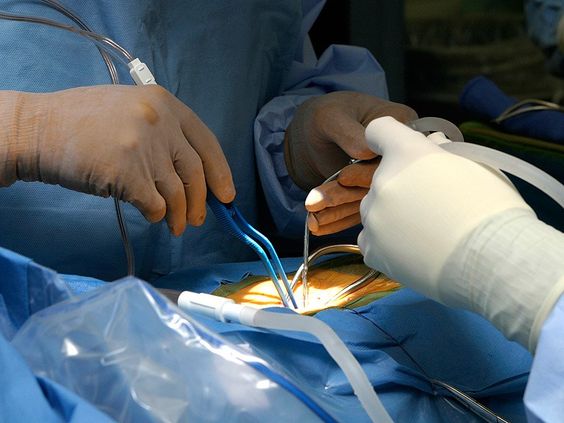
The advanced surgical procedure that uses small incision where small cameras with fiber optic flashlights and microscopes are inserted is called minimally invasive surgery or MIS.

Minimally invasive surgery has become the treatment option of many patients today since it comes with many incomparable benefits.

Some of the peerless benefits include:

  • Less scarring
  • Shorter period of recovery
  • Enhanced safety
  • Reduced hospital stay
  • Lower risk of infection

Since minimally invasive surgery is considered relatively new compared to the traditional open surgery, not many are already familiar with the procedure.

For those who are candidates for minimally invasive surgery, it is important that all the key questions are covered before the surgery is carried out.

The following key questions should be included in your list:

What needs to be done before the surgery?

Check with the doctor regarding any preparations that need to be done a few hours or a day before the scheduled operation.

Consider it important to also ask if there are any eating restrictions you should follow the night before the surgery.

As a general rule of thumb, make sure you know and understand what you can or cannot do.

What occurs during a minimally invasive procedure?

For those who have no idea about the basics, let alone the specifics, it is a must to seek enlightenment from the surgeon.

Ask where the incisions or ports will be and how many will likely be needed in your case.

You can also ask about the number of hours the operation will take.

What will happen if the need to resort to open surgery arises?

In some instances, a surgeon may need to perform conventional open surgery while doing a minimally invasive procedure.

Inquire with your surgeon if that is a possibility in your case.

Also, check about the likely side effects if it happens and the possible impact it will have on your length of recovery.

What are the likely side effects of a minimally invasive procedure?

Oftentimes, patients will experience pain after the procedure.

However, when it comes to minimally invasive ones, it might not occur where you expect it.

Bear in mind that incisions in minimally invasive procedures may be far from the site of the surgery.

In line with this, check with your surgeon where you are likely to feel discomfort, how severe it will be, and how long it will likely last.

How long will be the recovery period?

While there are minimally invasive procedures that are performed on an outpatient basis, others are not.

To play safe, inquire about the expected recovery period so you will have a realistic idea in terms of the recuperation period.

Check also if physical therapy will be required after the procedure.

What medications will be needed?

It is very likely that painkillers will be prescribed after the surgery.

Check with your surgeon for any side effects.

Also, make sure to let the doctor know if you are taking any supplements or medications or if you currently have maintenance meds.

Also, get advice on what you need to do in case the pain medications you are given will not provide the relief you need.

What are the likely aftercare procedures that need to be observed?

At home, you need to know how to properly case for the incisions so infections are kept at bay.

Ensure that you understand and follow all the instructions you are given.

Make sure you also know the signs of infections and complications to look out for so you will know when you need to visit the doctor again.

What do you need to do while recovering?

Ask your doctor if you need to make a follow-up appointment and how often you’re likely need to.

Inquire if you’ll also be needing additional surgery in the near future.

If minimally invasive surgery for an orthopaedic condition is something you are looking into, please visit www.bjios.sg for guidance.


0 comments
0 FacebookTwitterPinterestEmail

Essentially, microsurgery is the surgery done on very small structures like blood vessels and nerves.

It makes use of specialized instruments used under a microscope.

Today, techniques used in microsurgery are already utilized by a wide variety of surgical specialties.

For instance:

Urologists

Takes advantage of microsurgical techniques when reversing vasectomies.

Gynecologists

Reverses tubal ligations utilizing microsurgical techniques.

Ophthalmologists (eye doctors)

Carries out microsurgery when removing cataracts, carrying out corneal transplants, and treating eye conditions like glaucoma.

Otolaryngologists (ear, nose, and throat doctors)

Performs microsurgery on the small and delicate structures found in the inner ear or the vocal cords.

Plastic surgeons also employ microsurgical techniques to reconstruct damaged or disfigured tissues, muscles, and skin.

They also use microsurgical techniques when transplanting tissues from different parts of the patient’s body.

Neurosurgeons also perform microsurgery to treat vascular abnormalities in the brain.

It is also used when removing cancerous tumors.

Equipment Used

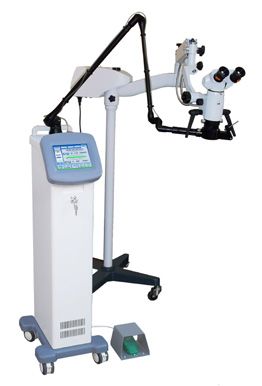
Microsurgical equipment magnifies the operating field, provides instrumentation, and makes it easy for the surgeon to carry out surgery on structures that are very small and barely visible to the naked eye.

Microsuture materials, microscope, and microsurgical instruments are considered the most essential tools used in the procedure.

Microscope

While microscopes used in the procedure can vary depending on their specific use, they still have common standard features.

Microscope used in microsurgery has a moveable arm so manipulating its position is easier for the surgeon.

It can also be mounted on the ceiling or on the floor.

A high-intensity light source as well as a set of lenses makes it possible for the surgeon to view the surgical site.

A video camera makes it possible for the rest of the surgical team to see the operating field.

Generally, a five to forty times (5–40x) magnification is needed when carrying out microsurgery.

However, lower magnifications are used when exposing and identifying structures.

Higher magnifications are required when performing microsurgical repairs.

Instruments

Generally, microsurgical instruments are able to delicately manipulate structures.

However, they also come equipped with handles that are large enough so they can be handled comfortably and securely.

Some of the most common instruments used in microsurgery include:

  • Forceps
  • Scissors
  • Needle holders
  • Vessel dilators
  • Vascular clamps
  • Irrigators

Suture Materials

Suturing or stitching is carried out utilizing specialized threads and needles.

The diameter or the gauge of the suture thread will vary depending on the tissue that needs suturing and the procedure that will be performed.

In most cases, in microsurgery gauges of 9–0 to 12–0 are used.

On the other hand, suture threads can be absorbable or non-absorbable.

They can also be synthetic or natural.

The suture thread that will be used will also depend on the procedure that will be done as well as the tissue that needs to be sutured.

Essential Techniques

Microsurgical procedures use a set of basic techniques that has to be mastered by the surgeon.

These techniques include nerve repair and grafting, blood vessel repair, and vein grafting.

Blood vessel repair

When two separate vessels are connected to form a continuous channel, the procedure is called vascular anastomosis.

Anastomoses may be end-to-end (between two cut ends) or end-to-side (one cut end to the wall of another blood vessel).

Vein grafting is an alternative procedure to end-to-end anastomosis.

However, the procedure is only carried out when the cut ends of the blood vessels cannot be reattached without creating any tension.

Nerve repair

Anastomosis or neurorrhaphy is the procedure done when two cut ends of a nerve are connected.

Nerve repair may also involve suturing of the epineurium or the perineurium.

Nerve grafting

Neurorrhaphy cannot be carried out when there is a large gap between the cut ends of the nerve as tension might be created.

Nerve tension is avoided as it might interfere with the patient’s post-surgical function.

For more information on microsurgery, give www.bjios.sg a visit now.


0 comments
0 FacebookTwitterPinterestEmail

In essence, limb salvage surgery is the kind of procedure done to remove bone and soft-tissue cancers in the limbs.

The procedure is carried out so amputation is avoided.

Goals

Aside from avoiding amputation and removing the cancer, limb salvage surgery is also carried out in order to retain the greatest degree of function available and maintain the patient’s appearance.

While the surgery is often done for bone tumors and bone sarcomas, it is also performed on individuals with soft tissue sarcomas.

Many years ago, the standard care for those patients with cancer in the limbs would often involve amputation of the extremity affected.

Fortunately, thanks to dramatic improvements in imaging methods and surgical techniques, patients no longer have to lose a limb in order to treat the cancer.

Over the years, limb salvage surgery has become the treatment option for patients with chronic degenerative bone and joint diseases like rheumatoid arthritis, those patients who are candidates for diabetic limb amputation, and those with acute and chronic limb wounds.

Procedure

Also referred to as limb-sparing surgery, limb salvage surgery involves removing the cancer and an inch of the healthy tissue surrounding it.

If the bone has also been removed, it will have to be replaced.

The replacement can come from a donor body (cadaver) or from the body of the patient (autologous transplant).

Eventually, the transplanted bone will grow into the remaining bone.

Chemotherapy, radiation, or a combination of both will be used to shrink the tumor before the procedure is carried out.

The operation is done in three stages.

Surgeons will remove the cancer first as well as a margin of the surrounding tissue, a prosthesis or a bone graft is implanted when necessary, and the wound is closed by transferring soft tissue and muscles from other parts of the patient’s body.

Surgical Techniques

Soft tissue sarcomas

Limb salvage surgery is carried out on at least 80 percent of soft tissue sarcomas affecting the extremities.

The surgery will involve removing the tumor, lymph nodes, and the tissues where the cancer has spread.

An inch of the healthy tissue that surrounds the tumor will also be removed.

If the soft tissue sarcoma has spread to the lungs, the doctor will remove the original tumor, administer radiation or chemotherapy treatments, and then surgically remove the tumor.

Bone tumors

The malignant lesion and a cuff of normal tissue is removed in the treatment of low-grade tumors alongside any of its components.

In the case of high-grade tumors, bone, muscles, and tissues that are affected will also be removed.

Radiation and chemotherapy may be administered prior or after the surgery.

Radiation may also be administered during the procedure itself.

A special applicator will be placed against the surface where the tumor has been removed.

A tube with radioactive pellets will be exerted at the site of the tumor.

The tubes will have to be removed after several days.

Aftercare

After the surgery, blood flow and sensation in the affected extremity will be closely monitored.

Nurses will also need to watch out for possible signs of complications like pneumonia, deep-vein thrombosis, and pulmonary embolism.

Patients will also be given broad-spectrum antibiotics during the first 48 hours after the surgery.

Antiembolism stockings and prophylactic anticoagulants may also be recommended to ensure no blood clots are formed.

During the first 24 to 48 hours, a drainage tube will be placed in the wound to ensure blood and fluid do not accumulate.

The moment the postoperative pain is less severe, mild narcotics and anti-inflammatory medications will be given.

Is limb salvage surgery the appropriate treatment intervention for you? Visit www.bjios.sg to get trusted guidance from competent professionals.


0 comments
0 FacebookTwitterPinterestEmail
Older Posts