Tag:

Health

Sunekos For Dark Eye Circles

Last Updated March 27, 2026 – Sunekos Eye Rejuvenation offers a non-surgical solution to rejuvenate the under-eye area, using a unique formula that stimulates collagen production and enhances skin elasticity. This innovative treatment effectively targets concerns such as dark circles, fine lines, and puffiness. With Sunekos Eye Rejuvenation, individuals can experience a revitalized and refreshed under-eye appearance without undergoing surgery. The procedure’s ability to address multiple under-eye issues makes it an appealing option for those seeking natural-looking results with minimal downtime.

Key Takeaways

  • Sunekos is presented as a non-surgical under-eye treatment for dark circles, puffiness, fine lines, and loose skin.
  • Results are framed as gradual, with multiple sessions usually needed instead of a one-time treatment.
  • The treatment is positioned as a collagen-supporting option that also aims to improve hydration and skin elasticity.
  • A proper consultation matters because the plan, dosage, and treatment areas should be tailored to the patient.
  • Mild short-term effects can happen, so aftercare and follow-up are part of getting the best result.

Common Areas for Sunekos Treatment

Targeted Concerns

Sunekos eye treatment is commonly used to address various concerns in the eye area, face, and skin. The injections are designed to target specific issues such as dark circles, loose skin, and wrinkles. By focusing on these areas, patients can achieve a more youthful and rejuvenated appearance.

The eye area is one of the primary sites for Sunekos treatment due to its ability to improve the delicate skin around the eyes. Dark circles and puffiness can be effectively reduced through targeted injections, leading to a brighter and more refreshed look. Addressing fine lines and wrinkles around the eyes contributes to a smoother overall appearance.

Multiple Sessions

Patients undergoing Sunekos eye treatment typically require multiple sessions for optimal results. This approach allows for gradual improvement over time as the injections work to stimulate collagen production and enhance skin elasticity. The multi-session nature of this procedure ensures that patients experience sustained improvements in their targeted concerns.

AspectDetails
Common Treatment AreasUnder-eye area, face, and skin
Targeted ConcernsDark circles, loose skin, fine lines, wrinkles, and puffiness
Injection TechniquesPrecise micro-injections placed strategically by skilled practitioners
Pain & DiscomfortMinimal discomfort with mild stinging; quick procedure with little downtime
Number of SessionsMultiple sessions required for optimal collagen stimulation and lasting results

Injection Techniques for Under Eye Treatment

Precise Injections

Woman applying golden under-eye patches for hydration and brightnessInjection techniques for Sunekos eye treatment involve skilled practitioners strategically placing micro-injections in the targeted areas under the eyes. These injections are administered precisely to ensure optimal results, addressing concerns such as dark circles, fine lines, and puffiness. The precision of these injections allows for even distribution of the dermal filler, leading to a natural and rejuvenated appearance.

Skilled practitioners are trained to identify the specific areas that require attention and administer the hyaluronic acid-based solution with accuracy. By targeting precise locations under the eyes, they can effectively address volume loss and improve skin quality without overfilling or creating an unnatural look. This approach ensures that patients achieve a refreshed and youthful appearance while maintaining natural facial expressions.

Minimal Discomfort

The micro-injections used in Sunekos eye treatment are relatively painless, minimizing discomfort during the procedure. Patients may experience minor sensations such as mild stinging or pinching at the injection sites but overall find it tolerable. Minimal downtime is required after receiving these injections, allowing individuals to resume their daily activities shortly after treatment.

The use of advanced injection techniques not only contributes to minimal discomfort during the procedure but also reduces post-treatment side effects such as bruising and swelling. This makes Sunekos eye treatment a convenient option for individuals seeking effective under-eye rejuvenation without prolonged recovery periods.

The Sunekos Treatment Process Explained

Series of Sessions

The Sunekos eye treatment process involves a series of sessions spaced apart for maximum effectiveness. This means that you will need to attend multiple appointments to achieve the desired results. Typically, practitioners recommend a course of four initial treatments, with each session scheduled two weeks apart. This approach allows the skin to gradually respond and improve over time, leading to long-lasting outcomes.

During these sessions, the practitioner will carefully evaluate your specific needs and track your progress after each treatment. By spacing out the sessions, they can monitor how your skin responds to the injections and make any necessary adjustments along the way. This personalized approach ensures that you receive tailored care based on your individual requirements.

Dosage Assessment

Before each session, the practitioner will assess your skin’s condition and determine the appropriate dosage for optimal results. They consider factors such as skin elasticity, hydration levels, and any specific concerns you may have about under-eye areas or other targeted areas. Based on this assessment, they will administer precise doses of Sunekos eye solution during each appointment.

It’s essential for individuals considering this treatment to understand that every person’s needs are unique. Therefore, having a thorough consultation with an experienced practitioner is crucial in determining the right dosage for effective outcomes.

In my experience working with clients seeking under-eye rejuvenation through Sunekos eye, I’ve found that discussing their expectations openly during consultations has been beneficial in setting realistic goals and ensuring satisfaction with their treatment plan.

Overview of Sunekos Treatment Benefits

Natural Rejuvenation

Curly-haired woman adjusting an under-eye mask against a warm backgroundSunekos eye treatment offers a natural and long-lasting solution for under-eye rejuvenation. It helps to restore volume, hydration, and elasticity to the delicate skin around the eyes. By stimulating the production of collagen and elastin, this treatment effectively reduces the appearance of dark circles and fine lines.

The natural components in Sunekos promote tissue regeneration, resulting in improved skin texture and tone. This process not only enhances the aesthetic appeal but also contributes to overall skin health. Unlike invasive procedures or artificial fillers, Sunekos provides a safe alternative for individuals seeking non-surgical methods to address under-eye concerns.

Personal Information: I have personally experienced how Sunekos eye treatment helped me achieve a more refreshed and youthful look by targeting my specific skincare needs with its natural approach.

Long-lasting Results

One of the key benefits of Sunekos eye treatment is its ability to deliver long-lasting results. The combination of amino acids, hyaluronic acid, and other essential nutrients ensures sustained improvement in skin quality over time. As a result, individuals can enjoy revitalized under-eye areas without frequent visits for touch-ups or additional treatments.

This longevity makes Sunekos an appealing option for those looking for sustainable solutions that minimize ongoing maintenance requirements while still achieving significant improvements in their under-eye appearance.

Knowledge Sharing: It’s important to understand that while immediate results are noticeable after each session, optimal outcomes are typically achieved through a series of treatments as recommended by skincare professionals specialized in administering Sunekos eye treatment.

What to Expect During Your Initial Consultation

Discussion and Evaluation

During your initial consultation for Sunekos Eye Rejuvenation, you will have the opportunity to openly discuss your concerns and goals with the practitioner. This is a crucial step as it allows the practitioner to gain insight into your specific needs and expectations. The practitioner will carefully evaluate your suitability for the treatment based on factors such as skin condition, medical history, and desired outcomes. They will take the time to address any questions or uncertainties you may have about the procedure.

When I had my initial consultation for Sunekos Eye Rejuvenation, I found it incredibly helpful to express my concerns about under-eye hollows and fine lines. The practitioner took note of all my worries and thoroughly evaluated my skin’s condition before discussing potential solutions.

The personalized approach taken during this phase ensures that every aspect of your unique situation is considered when devising a treatment plan. By understanding what bothers you most about your under-eye area, the practitioner can tailor a plan that specifically targets those areas while working towards achieving natural-looking results.

Tailored Treatment Plan

Following the evaluation process, the practitioner will develop a personalized treatment plan designed around your individual needs and desired outcomes. This customized approach aims to address specific concerns such as dark circles, puffiness, or wrinkles in the delicate under-eye area. Whether you are looking for subtle rejuvenation or more noticeable improvements in skin texture and firmness, the tailored plan will outline how Sunekos Eye Rejuvenation can help achieve these goals over multiple sessions.

In addition to addressing visible signs of aging around the eyes, an effective treatment plan should also consider factors like downtime after each session and long-term maintenance requirements.

AspectDetails
Discussion & EvaluationOpen discussion about concerns and goals with the practitioner.
Skin & Medical AssessmentPractitioner evaluates skin condition, medical history, and treatment suitability.
Personalized ConsultationPractitioner addresses concerns like dark circles, hollows, and fine lines.
Tailored Treatment PlanCustom plan based on individual needs, outlining multiple sessions if needed.
Expected OutcomesNatural-looking rejuvenation with improved skin texture and firmness.
Additional ConsiderationsDiscussion of potential downtime and long-term maintenance requirements.

Post-Treatment Care and Follow-Up Appointments

Importance of Post-Treatment Care

After undergoing the Sunekos Eye treatment, it is crucial for patients to adhere to any post-treatment care instructions provided by their practitioner. This may include guidelines on skincare products, sun exposure, and avoiding certain activities that could impact the results. Following these instructions diligently can significantly contribute to the success and longevity of the treatment outcomes.

It’s essential for patients to understand that post-treatment care plays a pivotal role in achieving optimal results. By carefully following the practitioner’s recommendations, individuals can ensure that they are supporting the healing process and maximizing the benefits of their treatments. Proper aftercare can help mitigate potential side effects or complications, promoting a smooth recovery period.

Maintaining open communication with the practitioner regarding any concerns or questions about post-treatment care is equally important. Patients should feel comfortable reaching out for support if they encounter any issues or uncertainties during their recovery phase. This collaborative approach between patients and practitioners fosters an environment where individuals feel empowered and well-informed throughout their journey towards rejuvenated skin.

Regular Follow-Up Appointments

Following a Sunekos Eye rejuvenation procedure, regular follow-up appointments may be recommended by the practitioner. These appointments serve as opportunities to monitor progress, assess patient satisfaction with results, address any emerging concerns or questions from patients’ end, and make necessary adjustments if required.

Attending these scheduled follow-up appointments allows practitioners to closely track changes in skin condition such as improved elasticity, hydration levels, reduction in fine lines around eyes over time due to increased production of new cells within cellular matrix by maintaining healthy skincare routine.

Frequently Asked Questions about Sunekos Eye Treatment

What is Sunekos Eye treatment

Sunekos Eye treatment is a non-invasive procedure that involves injections of a specialized product into the delicate skin around the eyes. This innovative treatment aims to rejuvenate and tighten the skin in the eye area, reducing the appearance of dark circles and wrinkles.

The Sunekos Eye treatment targets the specific needs of the eye area, promoting natural production of collagen and elastin. By delivering essential nutrients like amino acids directly into the skin, this procedure helps to restore volume, improve hydration, and reduce sagging around the eyes.

How does Sunekos Eye treatment help with dark circles and wrinkles

Sunekos Eye treatment works by stimulating fibroblasts within the skin to produce new collagen and elastin. This process helps to strengthen and support loose skin, ultimately reducing fine lines, wrinkles, and under-eye hollows. The result is a more youthful-looking appearance in which dark circles are visibly diminished.

This revolutionary approach not only addresses visible signs of aging but also supports overall skin health in patients seeking an effective alternative to invasive procedures such as surgery or dermal fillers.

Are there any side effects or downtime associated with Sunekos Eye treatment

One advantage of Sunekos Eye treatment is its minimal downtime – patients can typically resume their daily activities immediately after receiving injections. However, some individuals may experience mild redness or swelling at injection sites for a few hours post-treatment. These side effects usually subside within minutes.

Conclusion: Revitalizing Your Eyes with Sunekos

Incorporating Sunekos treatment for under-eye revitalization can significantly enhance the appearance of the delicate skin around your eyes. From addressing dark circles to reducing fine lines, this non-invasive procedure offers a promising solution for individuals seeking to rejuvenate their eye area. With its collagen-stimulating properties and hyaluronic acid infusion, Sunekos presents a compelling option for achieving a refreshed and youthful look without the need for surgical intervention.

If you’re considering Sunekos eye treatment, consult with a qualified practitioner to explore personalized options tailored to your specific needs. By taking proactive steps and seeking professional guidance, you can embark on a journey towards achieving a more vibrant and revitalized eye area. Opting for Sunekos may just be the transformative solution you’ve been searching for.

References

  1. Bravo, B. S. F., Rocha, C. R. M. da, Bastos, J. T. de, & Silva, P. M. C. e. (2015). Comprehensive treatment of periorbital region with hyaluronic acid. Journal of Clinical and Aesthetic Dermatology, 8(6), 30–35. https://pubmed.ncbi.nlm.nih.gov/26155325/
  2. Scarano, A., Qorri, E., Sbarbati, A., Gehrke, S. A., Frisone, A., Amuso, D., & Tari, S. R. (2024). The efficacy of hyaluronic acid fragments with amino acid in combating facial skin aging: An ultrasound and histological study. Journal of Ultrasound, 27(3), 689–697. https://doi.org/10.1007/s40477-024-00925-5
  3. Kabakci, A. G., Bozkır, D. M., Cengizler, Ç., Eren, D. S., & Bozkır, M. G. (2023). Assessing the rejuvenation effectiveness of a hyaluronic acid and amino acid mixture in the periorbital region. Clinical, Cosmetic and Investigational Dermatology, 16, 973–980. https://doi.org/10.2147/CCID.S406173
  4. National Health Service. (2023, May 22). Before you have a cosmetic procedure. NHS. https://www.nhs.uk/tests-and-treatments/cosmetic-procedures/advice/before-you-have-a-cosmetic-procedure/
  5. U.S. Food and Drug Administration. (2023, July 7). Dermal filler do’s and don’ts for wrinkles, lips and more. https://www.fda.gov/consumers/consumer-updates/dermal-filler-dos-and-donts-wrinkles-lips-and-more
0 comments
0 FacebookTwitterPinterestEmail
Rejuran for Dark Eye Circles

Last Updated March 27, 2026 – Dark eye circles can make the face look tired, older, or less refreshed, and they often stem from factors like genetics, ageing, and daily habits. For people looking for a non-surgical way to improve this area, Rejuran I has become a notable option because it works beneath the skin rather than only masking the problem on the surface. By using polynucleotides to support skin repair, collagen production, and elasticity, this treatment aims to improve the thin and delicate under-eye area over time. Understanding how Rejuran I works, what the treatment involves, and what kind of results to expect can help patients decide whether it is the right choice for their concerns.

Key Takeaways

  • Dark eye circles often come from a mix of genetics, ageing, and daily habits, not just poor sleep.
  • Rejuran I is a non-surgical injectable that targets the under-eye area beneath the skin’s surface.
  • Its polynucleotides are meant to support skin repair, collagen production, elasticity, and hydration over time.
  • Results usually build gradually, so patients often need several sessions instead of a one-time treatment.
  • Rejuran I may help improve dark circles, skin texture, and overall under-eye freshness with minimal downtime.

Understanding Dark Eye Circles

Genetics

A woman examines her tired skin in the mirror thoughtfullyDark eye circles can be caused by genetics, meaning they are hereditary and may run in families. This is due to the natural pigmentation or thinness of the skin under the eyes, making blood vessels more visible.

Aging

As people age, their skin loses collagen and becomes thinner. This makes the blood vessels beneath the skin more apparent, leading to dark eye circles.

Lifestyle Habits

Unhealthy lifestyle habits like smoking, excessive alcohol consumption, lack of sleep, and poor diet can contribute to dark eye circles. Smoking and alcohol dilate blood vessels which lead to darker discoloration under the eyes.

Introduction to Rejuran for Dark Eye Circles

Non-Surgical Solution

Rejuran offers a non-surgical solution to improve the appearance of dark eye circles, making it an appealing option for those hesitant about undergoing surgical procedures. This treatment involves injecting polynucleotides, which are DNA fragments, into the skin under the eyes. These polynucleotides help to stimulate collagen production and improve skin elasticity, effectively reducing the appearance of dark eye circles without invasive surgery.

Rejuran’s non-surgical approach is particularly beneficial for individuals who prefer minimally invasive treatments with little downtime. Unlike surgical options that may require extended recovery periods and carry potential risks associated with anesthesia and incisions, Rejuran offers a safer alternative with minimal discomfort and quick recovery time.

Long-Lasting Results

One of the key benefits of using Rejuran for treating dark eye circles is its ability to deliver long-lasting results. While some topical creams or serums may provide temporary improvements in skin discoloration, Rejuran’s effects can be more enduring. By promoting collagen synthesis and skin regeneration at a cellular level, this treatment helps address underlying causes of dark eye circles rather than just providing surface-level camouflage.

The lasting impact of Rejuran means that individuals can enjoy sustained improvements in their under-eye area without needing frequent touch-up treatments. This not only saves time but also reduces ongoing expenses associated with maintaining the results achieved through other temporary solutions.

Understanding Rejuran and Polyneucleotides (PN)

Polyneucleotides in Rejuran

Abstract molecular structure representing skin rejuvenation and anti-aging sciencePolynucleotides, or PN, are long chain molecules derived from salmon DNA. These compounds play a crucial role in stimulating collagen production and enhancing skin elasticity.The presence of PN in Rejuran is particularly beneficial due to its ability to rejuvenate and repair damaged skin.

Rejuran’s effectiveness in treating various skin concerns, including dark eye circles, can be attributed to the properties of polyneucleotides. By promoting collagen synthesis and improving skin elasticity, PN helps reduce the appearance of dark circles under the eyes. This makes Rejuran an ideal solution for individuals seeking to address this common cosmetic concern.

Personal Experience: I’ve found that understanding how polyneucleotides work has given me confidence in using skincare products containing these compounds. It’s reassuring to know that scientific research supports their efficacy.

Mechanism of Action

The mechanism behind Rejuran’s ability to diminish dark eye circles lies in its stimulation of collagen production and improvement of skin elasticity through polynucleotides. These long chain molecules penetrate deep into the skin, triggering cellular regeneration and renewal processes that contribute to a more youthful and radiant complexion.

When applied specifically around the delicate eye area, long chain polynucleotides work synergistically with other active ingredients present in Rejuran formulations to target pigmentation irregularities and improve microcirculation. As a result, dark eye circles gradually fade while overall skin quality improves.

Rejuran I Treatment Process Explained

Injection Procedure

Smiling woman touches her face, showcasing bright and youthful skinThe Rejuran I treatment involves injecting the PN solution into the skin around the eyes. A qualified medical professional performs this procedure using fine needles. These injections deliver the active ingredients directly to targeted areas, promoting skin rejuvenation and improving dark eye circles.

The PN solution contains polyneucleotides, which are essential building blocks for cellular repair and regeneration. When injected into the delicate under-eye area, these polyneucleotides stimulate collagen production and improve blood circulation, leading to a reduction in dark eye circles.

Furthermore, the injection process is quick and relatively painless. Patients may experience minor discomfort during the procedure but can resume their daily activities immediately afterward. The use of fine needles minimizes any potential bruising or swelling post-treatment.

Long-Term Results

Over time, patients typically notice a visible improvement in their dark eye circles as well as overall skin texture and elasticity. The personalized treatment plan may include multiple sessions spaced several weeks apart to achieve optimal results.

In addition to reducing dark eye circles, many individuals also report improved hydration and brightness in the under-eye area after undergoing Rejuran I treatments.

AspectDetails
What is Rejuran I?A non-surgical injectable treatment using polynucleotides (PN) derived from salmon DNA to rejuvenate and repair the under-eye area.
How It WorksStimulates collagen production, improves skin elasticity, enhances hydration, and promotes cellular regeneration to reduce dark eye circles.
BenefitsReduces pigmentation, thickens skin, improves blood circulation, and provides a more youthful, refreshed look.
Treatment ProcessInjections administered with fine needles by a medical professional; minimal discomfort with numbing cream; requires multiple sessions for best results.
Longevity & MaintenanceResults last several months to a year; maintenance sessions recommended for prolonged benefits.

Frequently Asked Questions About Rejuran I for Dark Eye Circles

What is Rejuran I, and how does it help with dark eye circles?
Rejuran I is an injectable treatment that uses polynucleotides (PN) derived from salmon DNA to improve skin regeneration, collagen production, and elasticity. It helps reduce dark eye circles by thickening the under-eye skin, reducing pigmentation, and improving blood circulation.

How many Rejuran I sessions are needed for visible results?
The number of sessions varies depending on the severity of dark eye circles. Most individuals require 2 to 4 sessions spaced 3 to 4 weeks apart for optimal results. A consultation with a medical professional can determine the best treatment plan for your specific needs.

How long do the effects of Rejuran I last?
Rejuran I results typically last 6 to 12 months, depending on individual factors like skin type, lifestyle, and aftercare. Regular maintenance treatments can help prolong the benefits.

Does Rejuran I treatment hurt?
The procedure involves fine needle injections, but a topical numbing cream is applied beforehand to minimize discomfort. Most patients report only mild pain or a slight stinging sensation during the treatment.

Conclusion

In conclusion, Rejuran I treatment offers a promising solution for addressing dark eye circles. With its use of Polyneucleotides (PN) and targeted approach, it presents a viable option for individuals seeking to rejuvenate the under-eye area. Understanding the treatment process, its longevity, and pain management aspects provides valuable insights for those considering this procedure. As I reflect on the comprehensive overview of Rejuran I for dark eye circles, it’s evident that the potential benefits and considerations associated with this treatment warrant careful consideration.

For those exploring options to address dark eye circles, delving into the specifics of Rejuran I can offer a clearer understanding of what to expect. It’s essential to consult with qualified professionals and gather personalized recommendations based on individual circumstances. This comprehensive approach ensures informed decision-making and enhances the likelihood of achieving desirable outcomes.

References

  1. Cleveland Clinic. (2022, May 25). Dark circles under eyes. https://my.clevelandclinic.org/health/symptoms/23128-dark-circles-under-eyes
  2. National Institute on Aging. (2025, February 11). Skin care and aging. U.S. Department of Health and Human Services, National Institutes of Health. https://www.nia.nih.gov/health/skin-care/skin-care-and-aging
  3. Lee, K. W. A., Chan, K. W. L., Lee, A., Lee, C. H., Wan, J., Wong, S., & Yi, K.-H. (2024). Polynucleotides in aesthetic medicine: A review of current practices and perceived effectiveness. International Journal of Molecular Sciences, 25(15), 8224. https://doi.org/10.3390/ijms25158224
  4. Lee, Y. J., Kim, H. T., Lee, Y. J., Paik, S. H., Moon, Y. S., Lee, W. J., Chang, S. E., Lee, M. W., Choi, J. H., Jung, J. M., & Won, C. H. (2022). Comparison of the effects of polynucleotide and hyaluronic acid fillers on periocular rejuvenation: A randomized, double-blind, split-face trial. Journal of Dermatological Treatment, 33(1), 254–260. https://doi.org/10.1080/09546634.2020.1748857
  5. Rho, N. K., Han, K. H., Cho, M., & Kim, H. S. (2024). A survey on the cosmetic use of injectable polynucleotide: The pattern of practice among Korean dermatologists. Journal of Cosmetic Dermatology, 23(4), 1243–1252. https://doi.org/10.1111/jocd.16125
0 comments
0 FacebookTwitterPinterestEmail
Dermal Filler For Dark Eye Circles

Last Updated March 27, 2026 – Dermal fillers offer an effective non-surgical solution for dark eye circles caused by various factors in cosmetic dermatology. Consult a facial plastic surgeon or dermatologist for facial rejuvenation. This article explores the use of dermal fillers in cosmetic dermatology as a treatment option for facial rejuvenation, specifically to improve the appearance of undereye circles. 

Dermal fillers have become a popular alternative to plastic surgery procedures for addressing this common concern. By understanding the anatomy and underlying causes, patients can make informed decisions about addressing concerns related to their skin. This knowledge can help them have a clearer clinical picture of their condition and seek appropriate treatment from a dermatologist. 

The application of hyaluronic acid dermal fillers in the undereye area aims to restore volume, reduce the appearance of dark circles, and rejuvenate the under-eye area. Consulting a dermatologist is recommended for this procedure. Exploring how hyaluronic acid injections work in this context provides valuable insights for those seeking to address concerns related to undereye and eyelid skin issues.

Key Takeaways

  • Dark circles can come from several causes, including aging, genetics, lifestyle habits, and tear trough hollowing.
  • Under-eye fillers work best when the darkness is tied to volume loss and shadowing, not pigment alone.
  • Hyaluronic acid fillers are the main non-surgical option discussed for restoring volume and softening the under-eye area.
  • Results can look refreshed and natural, but good candidacy and realistic expectations still matter.
  • A skilled injector, proper aftercare, and follow-up visits all help improve safety and maintain results.

Understanding Dark Circles

Tired, Older, Unhealthy

Woman with towel checking skin in bathroom mirror, looking surprisedDark circles under the eyes can make individuals appear tired, older, or unhealthy. Undereye filler can help improve the appearance of the skin in the tear trough area for patients. Undereye fillers can help improve the appearance of tear troughs, a common concern for patients with tired-looking skin. They cast a shadow under the eyes and may give the impression of exhaustion. The discoloration of the tear trough area can create a perpetually fatigued look that affects the patient’s self-confidence and how they are perceived by others. Undereye filler can provide significant improvement in this area.

Dark eye circles, also known as tear trough, can contribute to an overall appearance of being unwell or unhealthy. Undereye filler can provide improvement for this issue. The presence of tear trough and undereye filler might lead others to assume that an individual is not taking care of themselves or experiencing high levels of stress. This perception could impact personal and professional interactions negatively.

Hollow Look

The presence of dark eye circles may also create a hollow or sunken look in the under-eye area, which can be improved with undereye filler or tear trough treatment. This hollowing effect can accentuate the appearance of aging and fatigue by deepening natural contours around the undereye area and tear trough. Filler can be used to address this issue. It further emphasizes any undereye puffiness or bags beneath the eyes due to fluid accumulation. Fillers can help improve the appearance of the tear trough area.

Moreover, addressing concerns with dermal fillers for tear trough and dark eye circles can help restore volume to this area, reducing the sunken appearance and creating a more youthful look. By improving facial harmony through the use of eye filler, individuals may experience increased confidence in their overall appearance while looking more refreshed and rejuvenated. This treatment option specifically targets the tear trough area, providing a natural and youthful look.

Exploring Dermal Fillers

Hyaluronic Acid Fillers: These are frequently used to address dark eye circles and tear troughs, offering a natural-looking result. The filler gel-like substance is injected into the under-eye area, effectively filling in hollows and reducing the appearance of shadows.

Calcium Hydroxylapatite Fillers: This type can also be an option for some individuals seeking to diminish dark eye circles. It works by stimulating collagen production, providing a longer-lasting effect compared to hyaluronic acid fillers.

Both types of fillers have their unique properties and benefits. While hyaluronic acid fillers offer immediate results with minimal downtime, calcium hydroxylapatite fillers may last longer due to their collagen-stimulating properties.

It’s essential to consult with a qualified professional specializing in cosmetic dermatology or facial plastic surgery to determine which filler type best suits your needs.

Individuals with mild to moderate dark eye circles are often suitable candidates for dermal fillers. These individuals typically seek improvement without undergoing invasive surgical procedures such as filler blepharoplasty (eyelid surgery).

Good overall health and realistic expectations are crucial factors when considering dermal fillers for dark eye circles. A consultation with a skilled dermatologist or facial plastic surgeon will help assess your candidacy for eye filler based on your specific concerns and medical history.

Personal habits such as smoking and excessive sun exposure can affect the longevity of dermal fillers, so it’s important to discuss these lifestyle factors during the consultation process.

Preparing for Treatment

Injector Selection

Woman touching her face in the mirror with tired expressionWhen considering dermal fillers for dark eye circles, selecting the right injector is crucial. Look for a licensed medical professional with expertise in facial aesthetics and dermal filler treatments. It’s important to review before-and-after photos and patient testimonials to assess the injector’s track record with eye filler. An experienced and skilled injector can significantly impact the safety and effectiveness of the eye filler procedure.

An experienced injector will have a comprehensive understanding of facial anatomy, ensuring precise placement of fillers around the delicate eye area. This reduces the risk of complications such as lumps or asymmetry post-eye filler treatment. An expert injector will be able to recommend suitable filler types based on individual needs, ensuring natural-looking results that address dark circles effectively.

Pre-Procedure Care

Before undergoing treatment for dark eye circles with dermal fillers, it’s essential to follow specific pre-procedure care guidelines. Avoiding blood-thinning medications or supplements prior to the eye filler procedure helps minimize bruising risks during and after treatment. Inform your injector about any allergies or medical conditions you have, enabling them to tailor the treatment plan accordingly. Additionally, it is important to note that filler treatments should only be administered by qualified professionals.

Furthermore, following any specific instructions provided by your injector regarding skincare routines or makeup application is vital in preparing for successful filler surgery outcomes. Clear communication between you and your doctor ensures that all necessary precautions are taken into account before proceeding with dermal filler injections.

The Injection Process

Techniques and Methods

Dermal filler treatments for dark eye circles involve different injection techniques, such as cannula or needle injections. These methods are used in the tear trough area to address the appearance of dark circles. The choice of technique depends on individual needs and the injector’s preference. Your injector will determine the most appropriate method based on your unique situation.

For instance, trough injections using a cannula may be preferred by some injectors due to its ability to minimize trauma to blood vessels. On the other hand, needle injections might be favored in certain cases where precise placement is required. It’s essential to trust your injector’s expertise in choosing the right approach for you.

Understanding how these techniques work can help individuals feel more at ease during their treatment process.

Anesthesia and Comfort

To ensure comfort during dermal filler injections, topical numbing creams or local anesthesia may be used before the procedure begins. Most individuals experience minimal discomfort during this process due to these measures taken by healthcare professionals. Communicating openly with your injector about any concerns or discomfort you may feel is crucial for a positive experience.

Moreover, it’s important for individuals considering this treatment to discuss any specific anxieties they have regarding pain or discomfort with their healthcare provider beforehand.

Benefits of Under-Eye Fillers

Aesthetic Improvements

Under-eye fillers, also known as eye fillers, are a popular option for addressing dark circles and hollow areas under the eyes. These fillers can restore volume, reducing the appearance of sunken tear troughs and smoothing out the area. By doing so, they create a more rejuvenated and refreshed look. They can improve skin texture in the eye area and reduce fine lines, leading to a more youthful appearance.

Dermal fillers injected into the tear troughs or upper cheeks can significantly enhance one’s facial features by providing volume where it’s lacking. This not only improves aesthetic concerns but also contributes to an overall revitalized look. With improved skin texture and reduced fine lines, individuals often experience increased confidence in their appearance.

Psychological Benefits

Treating dark eye circles with dermal fillers has psychological benefits beyond just aesthetic improvements. Many individuals report feeling more confident after undergoing this procedure due to their enhanced appearance. Feeling youthful and vibrant positively impacts mental health by boosting self-esteem and improving overall well-being.

Personal insight: I have personally experienced a significant boost in my self-confidence after getting under-eye fillers to address my dark circles. The improvement in my appearance made me feel more comfortable in social situations, ultimately enhancing my quality of life.

Aftercare and Recovery

Immediate Aftercare

After getting dermal fillers for dark eye circles, it’s crucial to avoid touching or rubbing the treated area immediately after the procedure. This helps prevent infection and ensures proper healing. Applying ice packs as directed can also significantly reduce swelling and bruising, promoting a quicker recovery process. Following any specific aftercare instructions provided by your injector is essential for optimal results.

It’s important to remember that immediate aftercare plays a significant role in the success of your under-eye filler treatment. By avoiding touching or rubbing the treated area, you minimize the risk of introducing bacteria into the injection sites, which could lead to infections or other complications. Applying ice packs as recommended helps manage post-procedure swelling and bruising, contributing to a more comfortable recovery experience.

Long-Term Maintenance

The longevity of dermal fillers used for addressing dark eye circles varies depending on factors such as the type of filler utilized and individual characteristics like metabolism and lifestyle. Regular follow-up appointments with your injector are crucial in maintaining optimal results over time. These appointments allow your healthcare provider to assess how well the fillers have settled and whether additional touch-ups may be necessary.

When considering long-term maintenance for under-eye fillers, it’s important to understand that regular follow-up appointments help monitor how effectively the fillers are addressing your concerns. Your injector can provide personalized recommendations based on their assessment during these visits, ensuring that you maintain a refreshed appearance around your eyes consistently.

AspectDetails
What Are Dermal Fillers?Non-surgical injections, usually hyaluronic acid or calcium hydroxylapatite, used to restore volume and reduce dark circles.
Causes of Dark Eye CirclesGenetics, aging, lifestyle factors, sun exposure, allergies, medical conditions, and thinning skin.
Types of FillersHyaluronic acid fillers (immediate results, reversible) and calcium hydroxylapatite fillers (stimulates collagen, longer-lasting).
Injection ProcessConsultation → Pre-care (avoiding blood thinners) → Injection (cannula or needle technique) → Immediate volume restoration.
BenefitsRestores volume, reduces dark circles, improves skin texture, enhances facial harmony, and boosts self-confidence.
Aftercare & MaintenanceAvoid touching the area, use ice packs, follow post-care instructions, and schedule follow-up appointments for longevity.

Frequently Asked Questions About Dermal Fillers for Dark Eye Circles

Are under-eye fillers safe?
Yes, under-eye fillers are generally safe when administered by a qualified and experienced professional. Hyaluronic acid-based fillers are the most commonly used, as they are biocompatible and reversible if needed. However, risks such as bruising, swelling, and rare complications like vascular occlusion exist, which is why choosing a skilled injector is essential.

How long do under-eye fillers last?
The longevity of under-eye fillers depends on the type of filler used, individual metabolism, and lifestyle factors. On average, hyaluronic acid fillers last between 6 to 18 months before gradual absorption by the body. Regular maintenance sessions may be required to sustain results.

Can under-eye fillers completely remove dark circles?
Fillers can significantly reduce hollowness and shadows caused by volume loss, making dark circles appear less prominent. However, they do not directly address hyperpigmentation or vascular dark circles, which may require additional treatments like Pico Laser or skin-brightening serums for optimal results.

What is the recovery time after getting under-eye fillers?
Most people experience mild swelling or bruising for a few days to a week post-treatment. Ice packs and avoiding strenuous activity can help speed up recovery. Makeup can typically be applied after 24 hours to conceal any mild discoloration.

Conclusion

In conclusion, understanding the causes of dark circles and exploring the benefits of under-eye fillers can help individuals make informed decisions about addressing this common concern. Preparing for treatment and understanding the injection process are crucial steps in ensuring a smooth and successful experience with dermal fillers. Being aware of the aftercare and recovery process can contribute to optimal results and overall satisfaction with the treatment.

If you’re considering dermal fillers for dark eye circles, take the time to research reputable providers, ask detailed questions during consultations, and prioritize your post-treatment care. By being proactive and well-informed, you can navigate the process with confidence and achieve the desired outcome. Remember that individual experiences may vary, so seeking personalized advice from a qualified professional is essential.

References

  1. Cleveland Clinic. (2022, May 25). Dark circles under the eyes: Causes & treatment. https://my.clevelandclinic.org/health/symptoms/23128-dark-circles-under-eyes
  2. Mayo Clinic Staff. (n.d.). Dark circles under eyes: Causes. Mayo Clinic. https://www.mayoclinic.org/symptoms/dark-circles-under-eyes/basics/causes/sym-20050624
  3. American Academy of Ophthalmology. (2025, October 31). Eyelid filler injection. EyeWiki. https://eyewiki.aao.org/Eyelid_Filler_Injection
  4. U.S. Food and Drug Administration. (2023, July 7). Dermal filler do’s and don’ts for wrinkles, lips and more. https://www.fda.gov/consumers/consumer-updates/dermal-filler-dos-and-donts-wrinkles-lips-and-more
  5. Liu, X., Gao, Y., Ma, J., & Li, J. (2024). The efficacy and safety of hyaluronic acid injection in tear trough deformity: A systematic review and meta-analysis. Aesthetic Plastic Surgery, 48(3), 478–490. https://pubmed.ncbi.nlm.nih.gov/37684413/
0 comments
0 FacebookTwitterPinterestEmail
What Causes Dark Eye Circles?

Last Updated March 27, 2026 – If you’re like me, you’ve probably experienced those pesky puffy eyelids and discoloration under your eyes at some point. Sleep deprivation can lead to frustrating dark circles, long periods of tiredness, and worn out appearance with eye bags. But don’t worry; I’m here to shed some light on the cause of dark circles under the eyes. In this article, I’ll walk you through what causes dark eye circles, including hyperpigmentation, and how to treat them with remedies or medical treatments. Additionally, I will discuss how to prevent dark eye circles from appearing in the first place in your area.

Key Takeaways

  • Dark circles under the eyes can come from several causes, including genetics, aging, allergies, sleep loss, and irritation.
  • Thin under-eye skin can make pigment and blood vessels more visible as you get older.
  • Lack of sleep and allergy flare-ups can make under-eye darkness look worse.
  • Daily sun protection matters because UV exposure can affect the delicate skin around the eyes.
  • If dark circles do not improve, treatment should match the cause and may need a dermatologist’s guidance.

What Are Dark Eye Circles?

Dark eye circles, also known as periorbital dark circles, are those annoying discolorations that appear beneath our eyes. These discolorations can be purplish or bluish in color and are often caused by hyperpigmentation or anemia. The effects of hyperpigmentation or anemia can lead to the appearance of dark circles in this area. Dark circles and eye bags can affect people of any age or gender, and can be caused by a variety of factors in the eye area. Dark circles can make people in the area look tired, aged, and less vibrant than they actually feel, which is why understanding their causes and how to address them is essential.

What Causes Dark Eye Circles?

Colorful 3D-rendered DNA strands representing skincare and genetic researchGenetics is one of the most common causes of dark eye circles in people. If your parents or grandparents had dark circles, there’s a good chance you might too, as they can be caused by various factors among people. Genetics can cause dark circles in people by predisposing them to thinner skin under the eyes, making blood vessels and pigmentation more visible.

Aging: As people age, their skin naturally becomes thinner and loses collagen and elasticity, which can result in the appearance of dark circles. Thinning skin in people can cause blood vessels beneath the eyes to become more prominent, resulting in dark circles.

Lifestyle Factors: Several lifestyle factors can contribute to the development of dark eye circles in people. Lack of sleep, excessive stress, poor dietary habits, and dark circles can all play a role for people. These factors can lead to fatigue and dehydration, making the skin under your eyes look dull and tired. This can result in dark circles for people.

Allergies: Allergic reactions can cause dark circles due to inflammation and the release of histamines. This can make the blood vessels under your eyes dilate, leading to a darker appearance in circles.

Sun Exposure: Prolonged exposure to the sun’s harmful UV rays can stimulate the production of melanin, the pigment responsible for skin color. This can lead to the development of dark circles. This can result in hyperpigmentation around the eyes, making dark circles more noticeable.

Medical Conditions: Certain medical conditions, such as thyroid disorders and anemia, can cause dark circles under the eyes. These conditions affect blood flow and pigmentation in the skin, leading to the appearance of dark circles.

Rubbing and Scratching: Habitually rubbing or scratching your eyes can damage the delicate skin and lead to dark circles. Be gentle with your eye area to avoid exacerbating dark circles.

How to Treat Dark Eye Circles

Now that we’ve explored some common causes, let’s discuss how to treat those persistent dark eye circles:

Topical Creams: Look for creams or serums containing ingredients like retinol, hyaluronic acid, vitamin C, peptides to effectively reduce dark circles. These can help stimulate collagen production, improve skin elasticity, and reduce the appearance of dark circles.

Cold Compresses: Applying a cold compress or chilled tea bags to your eyes can help constrict blood vessels and reduce puffiness and discoloration caused by dark circles.

Sleep Well: Prioritize getting enough sleep – at least 7-9 hours per night to prevent dark circles. Quality sleep allows your body to repair and rejuvenate, reducing the prominence of dark circles.

Hydration: Staying well-hydrated is crucial for maintaining healthy skin and reducing the appearance of dark circles. Drink plenty of water to keep your skin and body hydrated and reduce the appearance of dark circles.

Dietary Changes for Dark Circles: Incorporate a balanced diet rich in antioxidants, vitamins, and minerals to help reduce dark circles. Foods like berries, leafy greens, and fish can promote healthy skin and help reduce the appearance of dark circles.

Allergy Management: If allergies are contributing to your dark circles, consult with an allergist to identify allergens and manage symptoms effectively.

Sun Protection: Always wear sunscreen and sunglasses when exposed to sunlight to prevent further pigmentation, skin damage, and dark circles.

Preventing Dark Eye Circles

Alarm clock with blurred person sleeping in the background for restPrevention is often the best approach when it comes to dark eye circles. Here’s how you can keep them at bay:
Establish a Consistent Sleep Schedule to help reduce the appearance of dark circles. Ensure you get enough sleep each night by setting a regular sleep schedule and practicing good sleep hygiene.

Manage Stress: Engage in stress-reduction techniques such as yoga, meditation, or deep breathing exercises to minimize stress-related dark circles.

Protect Your Eyes from the Dark Sun: Wear sunglasses with UV protection and use a broad-spectrum sunscreen around your eyes to shield them from the dark sun’s harmful rays.

Stay Hydrated: Aim to drink plenty of water throughout the day to keep your skin hydrated and healthy.

Balanced Diet: Consume a diet rich in vitamins, minerals, and antioxidants to support overall skin health.

Limit Rubbing: Avoid rubbing or scratching your eyes, especially when they feel itchy or irritated.

Consult a Dermatologist: If you have persistent dark eye circles despite lifestyle changes, consult a dermatologist for more advanced treatment options like chemical peels or laser therapy.

AspectDetails
Causes of Dark Eye CirclesGenetics, aging, lack of sleep, allergies, sun exposure, medical conditions, and rubbing the eyes.
Common TreatmentsTopical creams (retinol, vitamin C), cold compresses, hydration, adequate sleep, and sun protection.
Lifestyle AdjustmentsMaintaining a balanced diet, managing stress, staying hydrated, and avoiding excessive eye rubbing.
Prevention TipsConsistent sleep schedule, UV protection, allergy management, and consulting a dermatologist for persistent cases.
Advanced TreatmentsChemical peels, laser therapy, and dermatological procedures for long-term improvement.

Frequently Asked Questions About Dark Eye Circles

What is the most effective way to get rid of dark eye circles?
The best treatment depends on the cause of your dark circles. If they are due to hyperpigmentation, Pico Laser or Rejuran can help lighten the area. If they result from thinning skin, Sunekos Eye can boost collagen production. For temporary relief, cold compresses, proper hydration, and eye creams with ingredients like vitamin C and retinol can help.

Are dark eye circles permanent?
Dark circles are not necessarily permanent, but they can be persistent. Genetic factors may make them harder to eliminate completely, but with the right skincare, lifestyle changes, and treatments like laser therapy, fillers, or PRP (platelet-rich plasma), they can be significantly reduced.

Does lack of sleep really cause dark circles?
Yes, sleep deprivation can worsen dark eye circles by causing fluid retention and poor blood circulation, leading to puffiness and increased visibility of blood vessels. However, other factors like genetics, sun exposure, and allergies may play a bigger role in long-term dark circles.

Can home remedies completely remove dark eye circles?
While home remedies like cold tea bags, cucumber slices, and aloe vera can provide temporary relief, they may not be enough to eliminate dark circles if the cause is genetics, pigmentation, or aging. Professional treatments such as Sunekos Eye, Rejuran, or Pico Laser are more effective for long-term results.

Conclusion

Dark eye circles may seem like an inevitable part of life, but with the right knowledge and proactive steps, you can minimize their appearance and even prevent them. Remember that it’s essential to address the underlying causes, whether they’re genetic, lifestyle-related, or due to medical conditions. By taking care of your skin, practicing self-care, and maintaining a healthy lifestyle, you can enjoy brighter and more refreshed eyes, enhancing your overall appearance and confidence.

References

  1. Sarkar, R., Ranjan, R., Garg, S., Garg, V. K., Sonthalia, S., & Bansal, S. (2016). Periorbital hyperpigmentation: A comprehensive review. Journal of Clinical and Aesthetic Dermatology, 9(1), 49-55. https://pubmed.ncbi.nlm.nih.gov/26962392/
  2. MedlinePlus. (2024, March 31). Allergic rhinitis. U.S. National Library of Medicine. https://medlineplus.gov/ency/article/000813.htm
  3. American Academy of Dermatology Association. (2025, March 10). How to fade dark spots in darker skin tones. https://www.aad.org/public/everyday-care/skin-care-secrets/routine/fade-dark-spots
  4. Centers for Disease Control and Prevention. (2024, May 15). About sleep. https://www.cdc.gov/sleep/about/index.html
  5. Michelle, L., Foulad, D. P., Ekelem, C., Saedi, N., & Mesinkovska, N. A. (2021). Treatments of periorbital hyperpigmentation: A systematic review. Dermatologic Surgery, 47(1), 70-74. https://pubmed.ncbi.nlm.nih.gov/32740208/
0 comments
0 FacebookTwitterPinterestEmail
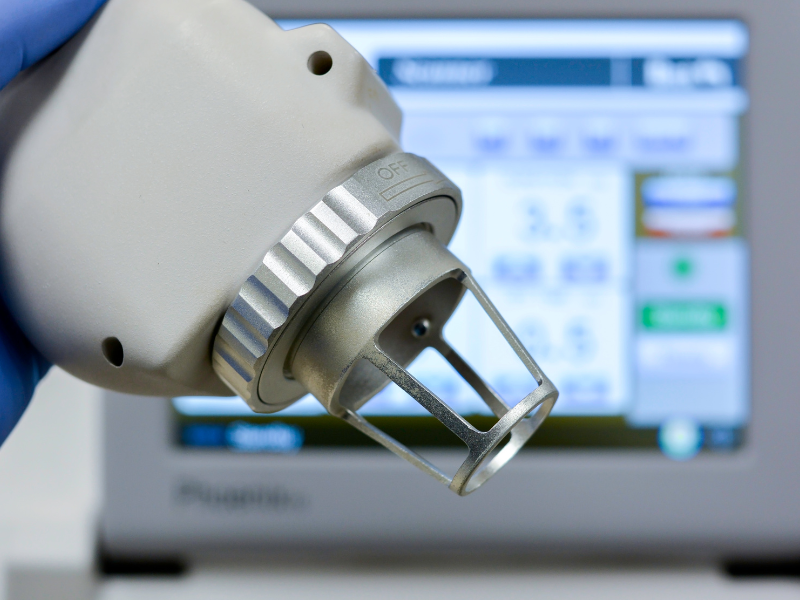
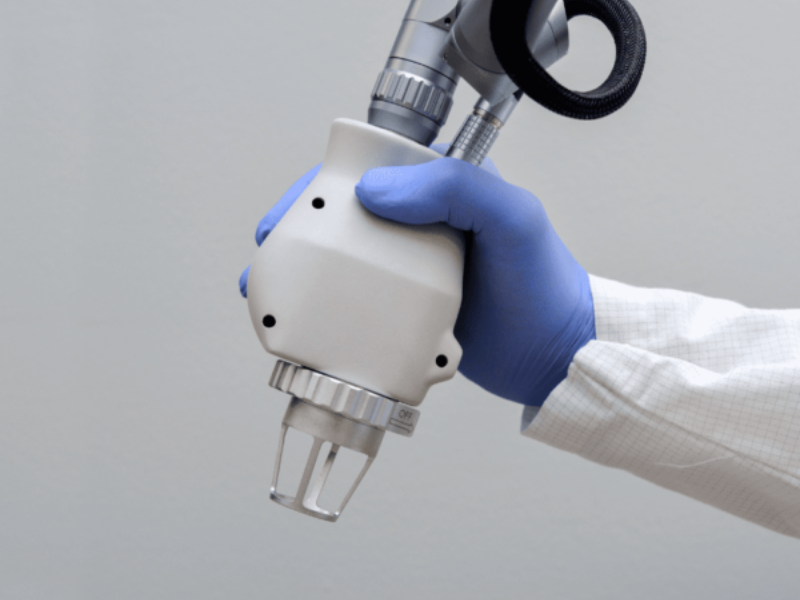
A gloved hand holding a professional laser treatment handpiece

As someone who has battled with stubborn acne scars for years, finding an effective skin treatment has always been a top priority. Consulting with a dermatologist is crucial for treating damaged skin and scarring. Countless creams, serums, and treatments for facial acne scars left me feeling frustrated and discouraged with my damaged skin.

However, after undergoing multiple laser sessions, I discovered the power of fractional laser resurfacing monotherapy. However, my journey took a transformative turn when I discovered Fractional CO2 Laser for treating acne scars, including facial scars, pitted scars, and atrophic scars.

In this article, I’ll share my personal experience and insights on what Fractional CO2 Laser is, what it’s used for, how it combats acne scars, and the incredible benefits it offers for skin treatment, particularly for the face. As a dermatologist, I have seen firsthand how this treatment can effectively reduce fine lines and improve overall skin appearance.

Key Takeaways

  • Fractional CO2 laser can improve acne scars by resurfacing skin and boosting new collagen.
  • It may also soften fine lines, smooth texture, and improve overall skin tone.
  • The treatment works by creating tiny controlled injury zones that trigger skin repair.
  • Recovery often includes redness, swelling, and peeling while new skin forms.
  • Results build over time, and some people may need more than one session.

Understanding Fractional CO2 Laser

A woman receiving a laser facial treatment with protective eyewearFractional CO2 Laser is a revolutionary cosmetic procedure that utilizes the power of laser technology to rejuvenate and resurface the skin, effectively treating facial acne scars and facial scars. It is commonly performed by a dermatologist and is one of the most effective treatments available.

Fractional laser resurfacing monotherapy is a minimally invasive treatment that has gained immense popularity in recent years, thanks to its remarkable results in addressing various skin concerns, including acne scars. This treatment involves multiple laser sessions using the fractional CO2 laser procedure.

What is Fractional CO2 Laser Used For?

Acne Scar Treatment

One of the primary applications of Fractional CO2 Laser is the treatment of acne scars on the face. This procedure can greatly improve the appearance of patients. Acne scars, whether they are raised (hypertrophic) or depressed (atrophic), can be incredibly challenging to manage with conventional skincare products.

However, fractional laser resurfacing, a type of laser therapy, offers a solution. Through multiple laser sessions, fractional laser resurfacing can effectively treat acne scars as a monotherapy. Fractional CO2 Laser is a treatment option that offers a targeted approach to improve the appearance of scars and skin texture for patients. It is a face treatment that provides noticeable improvement.

Wrinkle Reduction

Beyond acne scars, the Fractional CO2 Laser treatment is highly effective in reducing the appearance of fine lines and wrinkles on the face. Patients can expect significant improvement in their skin’s texture and overall appearance.

By stimulating collagen production and promoting skin renewal, fractional laser resurfacing helps in achieving a smoother, more youthful complexion, especially for individuals with facial acne scars. This treatment typically involves multiple laser sessions to effectively target and minimize the appearance of facial scars.

Skin Rejuvenation

Fractional CO2 Laser treatment can be used for overall skin rejuvenation, including improving facial acne scars and pitted scars. Fractional laser resurfacing treatment is effective in improving skin tone and texture, reducing pigmentation issues, and enhancing the overall appearance of the skin. Each laser session brings noticeable improvement. This makes fractional laser resurfacing a versatile treatment option for patients looking to revitalize their skin and reduce the appearance of scars.

How Does Fractional CO2 Laser Work Against Acne Scars?

A woman undergoing a laser skin procedure with protective gogglesThe science behind Fractional CO2 Laser treatment lies in its ability to create controlled micro-injuries in the skin’s surface, promoting a positive response in patients’ scar healing. Here’s a step-by-step explanation of how fractional laser resurfacing treatment works against acne scars in patients and their response.

Precision Targeting: Fractional CO2 Laser treatment emits a highly focused beam of light, which is absorbed by the water content in the skin. This treatment is effective for scar patients and yields a positive response. This laser treatment energy is delivered in a fractionated pattern, meaning it creates tiny columns or “microthermal zones” within the skin of patients.

Micro-Injury Formation: As the laser treatment energy penetrates the skin, it creates microscopic injuries in the treated areas of patients. These tiny injuries trigger the body’s natural healing response.

Fractional laser resurfacing treatment stimulates collagen production in patients. The body responds to these micro-injuries by producing new collagen, a key protein responsible for skin elasticity and firmness. Laser resurfacing treatment using fractional laser is crucial in stimulating collagen production for patients with acne scars.

Old Tissue Removal Treatment: Simultaneously, the laser energy also vaporizes old and damaged skin tissue, effectively removing the top layers of the skin in patients. This process encourages the growth of fresh, healthy skin.

Gradual Improvement: Over time, laser resurfacing treatment using fractional laser stimulates collagen production in patients, leading to the replacement of old skin cells and a smoother appearance. This process results in a noticeable reduction in the appearance of acne scars.

Benefits of Fractional CO2 Laser for Acne Scar Treatment

Significant Scar Reduction

One of the most striking benefits of Fractional CO2 Laser treatment is the substantial reduction in the appearance of acne scars in patients. Whether you have deep pitted scars or raised keloid scars, laser resurfacing treatment with fractional laser can help patients achieve smoother, more even-textured skin.

Minimal Downtime

Compared to some other intensive cosmetic procedures, Fractional CO2 Laser treatment offers relatively minimal downtime for patients. While laser resurfacing patients may experience redness and swelling for a few days after the treatment, it’s usually manageable, allowing them to return to their daily activities relatively quickly.

Long-Lasting Results

The results of Fractional CO2 Laser treatment are long-lasting for patients. By stimulating collagen production and encouraging skin regeneration, laser resurfacing treatment can provide long-lasting improvements in skin texture and tone for patients. These results can last for months to years, depending on individual skin care and maintenance.

Versatile Skin Rejuvenation

Fractional CO2 Laser is a versatile treatment that can effectively address acne scars and other skin concerns in patients. Laser resurfacing treatment offers a wide range of benefits for patients, making it a comprehensive solution for individuals looking to address multiple skin concerns simultaneously.

Customizable Treatment

One of the key advantages of Fractional CO2 Laser is its customizability for patients undergoing treatment. The depth and intensity of laser resurfacing treatment can be adjusted to suit patients with specific skin type and the severity of their acne scars. This ensures that laser resurfacing procedure is tailored to the unique needs of patients.

Boosted Self-Confidence

The visible improvements in patients’ skin’s appearance following Fractional CO2 Laser treatment can significantly boost their self-confidence. Clearer, smoother skin can make patients feel more comfortable and confident in their own skin, ultimately improving their overall well-being.

AspectDetails
What is Fractional CO2 Laser?A laser treatment that creates controlled micro-injuries in the skin to stimulate collagen production and skin regeneration.
UsesTreats acne scars, fine lines, wrinkles, and overall skin rejuvenation.
How It WorksUses laser energy to target damaged skin, promotes collagen growth, and removes old skin cells.
Key BenefitsReduces acne scars, improves skin texture, minimizes wrinkles, and enhances skin tone.
Expected ResultsSmoother, more even skin with long-lasting improvements after multiple sessions.

Frequently Asked Questions (FAQs) About Fractional CO2 Laser for Acne Scars

How many sessions of Fractional CO2 Laser are needed to see results?

The number of sessions required depends on the severity of your acne scars and individual skin response. Typically, three to five sessions spaced four to six weeks apart are recommended for optimal results. Some patients may notice improvements after just one session, but multiple treatments ensure significant scar reduction and enhanced skin texture.

What is the recovery time after a Fractional CO2 Laser treatment?

The recovery period varies from person to person, but most patients experience redness, swelling, and mild peeling for five to seven days. During this time, it is essential to follow post-treatment care instructions, such as keeping the skin hydrated, avoiding sun exposure, and applying prescribed skincare products to promote healing and prevent complications.

Is Fractional CO2 Laser painful?

While Fractional CO2 Laser treatment involves some discomfort, a numbing cream is applied beforehand to minimize pain. Patients typically describe the sensation as mild heat or tingling during the procedure. After the treatment, the skin may feel warm and slightly sensitive, similar to a sunburn, but this subsides within a few days.

Are the results of Fractional CO2 Laser permanent?

The results of Fractional CO2 Laser can be long-lasting, especially with proper skincare and maintenance. Since the treatment stimulates collagen production and skin regeneration, improvements can be seen for several months to years. However, factors like aging, sun exposure, and lifestyle choices can affect skin quality over time. Regular maintenance treatments and a good skincare routine help prolong the results.

Conclusion

My personal experience with Fractional CO2 Laser for acne scar treatment has been nothing short of life-changing for patients. The results have not only transformed my skin but also boosted my self-esteem. These improvements have had a positive impact on the patients. This innovative treatment harnesses the power of laser technology to address acne scars, wrinkles, and other skin concerns, providing a versatile and highly effective solution for patients.

If you’re struggling with acne scars or looking to rejuvenate your skin, I encourage patients to explore the possibilities of Fractional CO2 Laser treatment. Consult with a qualified dermatologist or medical professional to determine if this procedure is suitable for patients. It’s a decision that has the potential to leave you with radiant, blemish-free skin and a newfound sense of confidence in your appearance.

References

  1. DermNet New Zealand. (n.d.). Laser resurfacing. https://dermnetnz.org/topics/laser-resurfacing
  2. Mayo Clinic Staff. (2024, October 26). Laser resurfacing. Mayo Clinic. https://www.mayoclinic.org/tests-procedures/laser-resurfacing/about/pac-20385114
  3. Cleveland Clinic. (n.d.). Laser skin resurfacing. https://my.clevelandclinic.org/health/treatments/11015-laser-skin-resurfacing
  4. DermNet New Zealand. (n.d.). Fractional laser treatment. https://dermnetnz.org/topics/fractional-laser-treatment
  5. North Bristol NHS Trust. (n.d.). Fractionated CO2 laser for acne scarring: Information for patients. https://www.nbt.nhs.uk/sites/default/files/Fractionated%20CO2%20laser%20for%20acne%20scarring_NBT03197.pdf
0 comments
0 FacebookTwitterPinterestEmail
HIFU

Last Updated March 31, 2026 – If you’ve stumbled upon this article, chances are you’re curious about High-Intensity Focused Ultrasound (HIFU) treatment. Well, you’ve come to the right place! I’m here to shed light on what HIFU is, how it works, who can benefit from it, and what you can expect when you decide to go for this innovative and non-invasive procedure.

Key Takeaways

  • HIFU is a non-invasive treatment that uses focused ultrasound energy to support firmer, tighter-looking skin.
  • The treatment works by triggering collagen production deep below the skin’s surface over time.
  • It is best suited for people with mild to moderate skin laxity who want lifting without surgery.
  • Most side effects are mild and temporary, such as redness, swelling, tingling, or tenderness.
  • Results build gradually over the following months and can last up to a year or longer, depending on the person and follow-up care.

What is HIFU?

First things first, let’s demystify the acronym. HIFU stands for High-Intensity Focused Ultrasound. It’s a cutting-edge medical technology that’s been making waves in the world of non-surgical cosmetic procedures. Unlike traditional facelifts and body contouring treatments that require surgery, HIFU offers a non-invasive alternative that yields remarkable results.

How Does HIFU Work?

Aesthetician performing facial tightening procedure using advanced technology deviceHIFU utilizes the power of focused ultrasound waves to stimulate collagen production deep within your skin. Here’s how it works in a nutshell:

Ultrasound Waves: During a HIFU treatment session, a handheld device emits high-intensity ultrasound waves, which penetrate the targeted area of your skin.

Focused Energy: These ultrasound waves are carefully focused on specific depths beneath your skin’s surface. This precision is what makes HIFU so effective.

Collagen Stimulation: When the ultrasound energy reaches its intended depth, it triggers a natural response in your body. Your skin begins to produce new collagen, a protein that is essential for maintaining youthful, firm skin.

Tightening and Lifting: As the new collagen forms, your skin gradually tightens and lifts. This process can reduce sagging, wrinkles, and fine lines, leaving you with a rejuvenated appearance.

StageDescription
Ultrasound WavesA handheld device emits high-intensity ultrasound waves that penetrate the targeted area of the skin.
Focused EnergyThe ultrasound waves are precisely focused at specific depths beneath the skin’s surface for maximum effectiveness.
Collagen StimulationThe ultrasound energy triggers the body’s natural response, stimulating collagen production to improve skin firmness.
Tightening and LiftingAs collagen rebuilds, the skin gradually tightens and lifts, reducing sagging, wrinkles, and fine lines.

Who is HIFU For?

Now that we’ve got the basics covered, you might be wondering if HIFU is the right choice for you. Well, it’s a versatile treatment that can address various concerns. Here’s a look at who can benefit from HIFU:

Those Seeking Non-Invasive Beauty Enhancements: HIFU is a fantastic option for individuals who want to improve their appearance without going under the knife. Whether it’s lifting sagging jowls, tightening loose skin, or smoothing out wrinkles, HIFU can help you achieve a more youthful look without the risks associated with surgery.

Anyone with Mild to Moderate Skin Laxity: If you’ve noticed the first signs of skin laxity but aren’t ready for surgical intervention, HIFU is an excellent choice. It’s particularly effective for treating areas like the neck, chin, brow, and décolletage.

Busy Individuals with Limited Downtime: One of the most attractive features of HIFU is that it requires minimal downtime. You can often return to your daily activities right after the treatment, making it a convenient option for those with busy schedules.

People Looking for Long-Lasting Results: While the effects of HIFU may not be as immediate as surgical procedures, the results are long-lasting. Collagen production continues over several months, and the improvements can be seen for up to a year or more.

What to Expect During Your HIFU Treatment

Aesthetician using a contouring device for jawline enhancement procedureNow that you’re considering HIFU, let’s delve into what you can expect when you walk into a clinic for your treatment.

Consultation and Assessment: Your HIFU journey begins with a consultation. During this initial meeting, you’ll discuss your specific concerns and goals with a trained professional. They will assess your skin and determine if HIFU is the right choice for you.

Treatment Planning: Once you’re a candidate for HIFU, your provider will develop a personalized treatment plan. This plan will outline the areas to be treated and the number of sessions required to achieve your desired results.

Pre-Treatment Preparations: Before the procedure, there’s usually minimal preparation involved. You may be asked to come to the clinic with clean, makeup-free skin. Depending on the treatment area, your provider might apply a topical anesthetic to ensure your comfort during the session.

The HIFU Procedure: During the HIFU treatment itself, you’ll lie down comfortably while the handheld device is applied to the targeted areas. You’ll feel the focused ultrasound energy as warmth, but most patients find the procedure tolerable.

Post-Treatment Care: After the HIFU session, you can typically return to your daily activities right away. There’s no need for extended downtime. Some patients may experience mild redness, swelling, or tingling, but these side effects are temporary and generally resolve quickly.

Gradual Results: HIFU doesn’t deliver instant results. It works by stimulating your body’s natural collagen production, which takes time. Over the next few months, you’ll notice a gradual improvement in the treated areas. The full effects become apparent within 3 to 6 months.

Maintaining Your HIFU Results

HIFU offers long-lasting results, but like any cosmetic treatment, it’s essential to maintain them. Here are some tips to help you make the most of your HIFU results:

Follow-Up Sessions: Depending on your initial treatment plan, you may require periodic follow-up sessions to maintain the desired results. Your provider will advise you on the best schedule for these sessions.

Skincare Routine: A good skincare routine can complement your HIFU results. Use products that nourish and protect your skin, such as sunscreen, moisturizers, and serums.

Healthy Lifestyle: A balanced diet and a healthy lifestyle can contribute to the longevity of your results. Staying hydrated, eating well, and avoiding excessive sun exposure can help preserve your skin’s vitality.

Frequently Asked Questions About HIFU Treatment

Is HIFU treatment safe?
Yes, HIFU is a non-invasive and FDA-approved treatment that has been widely used for skin tightening and lifting. It is considered safe with minimal risks when performed by a trained professional. Some patients may experience slight redness, swelling, or tingling, but these effects are temporary and subside within a few hours to days.

How many HIFU sessions do I need?
Most individuals achieve noticeable results after just one session, but this depends on the severity of skin laxity and personal goals. Some patients may require a follow-up session after six months for optimal results. A consultation with your provider will help determine the best treatment plan for you.

Does HIFU treatment hurt?
HIFU is generally well-tolerated, with mild discomfort described as a warm, tingling, or slight prickling sensation. The intensity varies depending on the treatment area and individual pain tolerance. Some clinics may offer numbing creams to enhance comfort during the procedure.

How long do HIFU results last?
The effects of HIFU can last 12 to 18 months, as the treatment stimulates collagen production over time. Maintaining a healthy lifestyle, good skincare routine, and occasional follow-up treatments can help prolong the results.

Conclusion

High-Intensity Focused Ultrasound (HIFU) treatment is a remarkable option for those seeking non-invasive cosmetic enhancements. By harnessing the power of ultrasound waves, HIFU stimulates collagen production, leading to tighter, firmer, and more youthful skin.

HIFU is suitable for individuals with mild to moderate skin laxity who want long-lasting results without the downtime associated with surgery. The treatment process is straightforward, with minimal preparation and little to no post-treatment discomfort.

Remember that patience is key with HIFU, as results are gradual but well worth the wait. To maintain your new look, follow any recommended follow-up sessions and a healthy skincare routine.

If you’re considering HIFU, consult with a qualified practitioner to discuss your goals and develop a personalized treatment plan. With HIFU, you can look forward to a rejuvenated appearance and renewed confidence. Cheers to a more youthful you!

References

  1. American Society for Dermatologic Surgery. (n.d.). Ultrasound therapy for sagging skin. https://www.asds.net/skin-experts/skin-treatments/ultrasound-therapy-for-sagging-skin
  2. Khan, U., & Khalid, N. (2021). A systematic review of the clinical efficacy of micro-focused ultrasound treatment for skin rejuvenation and tightening. https://pmc.ncbi.nlm.nih.gov/articles/PMC8722640/
  3. Contini, M., Baccaglini, U., Mazzoleni, F., & Ferraro, S. (2023). A systematic review of the efficacy of microfocused ultrasound for facial skin tightening. https://pmc.ncbi.nlm.nih.gov/articles/PMC9861614/
  4. American Academy of Dermatology Association. (n.d.). Many ways to firm sagging skin. https://www.aad.org/public/cosmetic/younger-looking/firm-sagging-skin
  5. Food and Drug Administration. (2014, June 20). 510(k) summary: Ulthera System (K134032). https://www.accessdata.fda.gov/cdrh_docs/pdf13/k134032.pdf
0 comments
0 FacebookTwitterPinterestEmail
Dark Eye Circles

Last Updated March 27, 2026 – Have you ever looked in the mirror and noticed those pesky dark circles under your eyes, making you look tired and aged? Well, you’re not alone. Dark eye circles are a common concern for many, including myself. But fear not, as in this article, I will delve into the causes of dark eye circles, how to prevent them, and some exciting non-surgical treatments like Sunekos Eye, Rejuran, and Pico Laser that can help you bid farewell to those unwanted shadows.

Key Takeaways

  • Dark circles often come from a mix of genetics, thin under-eye skin, poor sleep, allergies, and daily habits.
  • Simple habits like better sleep, hydration, healthy eating, and sun protection can help reduce how noticeable they look.
  • Sunekos Eye is presented as a minimally invasive option that supports skin texture, elasticity, and under-eye brightness.
  • Rejuran is framed as a skin-repair treatment that can improve texture and help soften the look of pigmentation under the eyes.
  • Pico Laser is positioned as a non-surgical treatment that targets pigmentation while also supporting collagen renewal.

Understanding the Causes

Close-up of a person's eye with visible dark under-eye circlesBefore we dive into the solutions, it’s essential to understand what causes those dark circles to appear in the first place. There are various factors contributing to their emergence, and it’s often a combination of these that lead to those frustrating shadows:

Genetics

One of the most significant factors in the development of dark circles is genetics. If your parents or grandparents had them, there’s a good chance you may inherit them too. Genetics can determine the thickness of your skin and the likelihood of blood vessels showing through, which can lead to discoloration under the eyes.

Thin Skin

The skin under our eyes is thinner than on other parts of our face. This thin skin can make blood vessels more visible and cause dark circles to appear more prominent.

Lack of Sleep

The infamous “burning the midnight oil” scenario can lead to sleep deprivation, which, in turn, can cause the blood vessels under the eyes to dilate and become more visible. This makes dark circles more pronounced.

Allergies

Allergic reactions can trigger itching and rubbing of the eyes, which can break the small blood vessels under the skin and lead to dark circles.

Lifestyle Factors

Smoking, excessive alcohol consumption, and a diet high in salt can all contribute to the development of dark eye circles. These factors can lead to fluid retention and skin discoloration.

Preventing Dark Eye Circles

While genetics and certain factors are beyond our control, there are steps we can take to prevent or minimize the appearance of dark circles:

Get Adequate Sleep

Woman sleeping peacefully on a white pillow, looking well-restedEnsuring you get 7-9 hours of quality sleep each night can significantly reduce the appearance of dark circles. Make sleep a priority in your daily routine.

Maintain a Healthy Diet

Eating a balanced diet rich in vitamins and antioxidants can improve the overall health of your skin and reduce the likelihood of dark circles.

Stay Hydrated

Drinking enough water helps maintain skin elasticity and prevents fluid retention, reducing puffiness and the appearance of dark circles.

Protect Your Skin from the Sun

UV rays can damage the skin and make dark circles more prominent. Always use sunscreen and wear sunglasses when you’re out in the sun.

Non-Surgical Treatments for Dark Eye Circles

If you’ve tried preventive measures but still struggle with dark eye circles, there are non-surgical treatments that can help. Let’s explore a few of them:

Sunekos Eye

Sunekos Eye is an innovative treatment that uses a unique blend of amino acids and hyaluronic acid to stimulate collagen and elastin production in the skin. This not only improves skin texture and elasticity but also helps reduce the appearance of dark circles. Sunekos Eye is a minimally invasive treatment that involves a series of injections, and the results can last for several months.

Rejuran

Rejuran, also known as PDRN therapy, is another non-surgical treatment option for dark eye circles. It utilizes polynucleotides (PN), which are DNA fragments that stimulate collagen production and improve skin quality. Rejuran injections can help reduce pigmentation and improve skin texture, making dark circles less noticeable. Like Sunekos Eye, Rejuran is administered through a series of injections, with results lasting for several months.

Pico Laser

Pico Laser is a versatile laser treatment that can target various skin concerns, including dark eye circles. This laser technology delivers ultra-short pulses of energy to break down pigmentation and stimulate collagen production. Pico Laser treatments are non-invasive and require minimal downtime, making them a popular choice for those looking to rejuvenate their under-eye area.

AspectDetails
Causes of Dark Eye CirclesGenetics, thin skin, lack of sleep, allergies, and lifestyle factors like smoking and poor diet.
Prevention TipsGet enough sleep, eat a healthy diet, stay hydrated, and protect skin from sun exposure.
Sunekos EyeA treatment using amino acids and hyaluronic acid to stimulate collagen, improving skin texture and reducing dark circles.
RejuranUses polynucleotides (PN) to promote collagen production, improve skin quality, and reduce pigmentation under the eyes.
Pico LaserA non-invasive laser treatment that breaks down pigmentation and stimulates collagen, requiring minimal downtime.

Frequently Asked Questions About Dark Eye Circles and Non-Surgical Treatments

What is the most effective non-surgical treatment for dark eye circles?
The effectiveness of treatment depends on the underlying cause of dark circles. Sunekos Eye is excellent for improving skin hydration and elasticity, Rejuran helps with pigmentation and skin repair, while Pico Laser targets pigmentation and boosts collagen production. A consultation with a professional can help determine the best option for your specific needs.

How long do results from Sunekos Eye, Rejuran, and Pico Laser last?
Results vary depending on the treatment and individual skin type. Sunekos Eye and Rejuran typically last 6 to 12 months, while Pico Laser results can be long-lasting with proper skincare and sun protection. Maintenance sessions may be needed to sustain optimal results.

Is there any downtime after these treatments?
Most non-surgical treatments for dark eye circles require minimal to no downtime. Sunekos Eye and Rejuran may cause mild swelling or redness at the injection site, which subsides within a few hours to a day. Pico Laser may cause slight redness but usually fades within a few hours.

Can these treatments completely eliminate dark eye circles?
While these treatments can significantly reduce the appearance of dark eye circles, they may not completely eliminate them, especially if genetics play a major role. Combining treatments with lifestyle changes—like proper sleep, hydration, and sun protection—can enhance and prolong results.

Conclusion

I have personally tried the Sunekos Eye treatment, and the results were remarkable. After a few sessions, I noticed a significant reduction in the darkness under my eyes, and my skin felt firmer and more youthful. The best part is that there was no downtime, and I could resume my daily activities immediately.

Dark eye circles can be a frustrating and stubborn issue, but with the right knowledge and non-surgical treatments like Sunekos Eye, Rejuran, and Pico Laser, you can say goodbye to them and embrace a refreshed and youthful appearance. Remember that it’s essential to consult with a qualified healthcare professional to determine the best treatment plan for your specific needs. With these options at your disposal, you can confidently face the world with brighter, more radiant eyes.

References

  1. Cleveland Clinic. (2022, May 25). Dark circles under the eyes: Causes & treatment. https://my.clevelandclinic.org/health/symptoms/23128-dark-circles-under-eyes
  2. American Academy of Dermatology Association. (n.d.). What to wear to protect your skin from the sun. https://www.aad.org/public/everyday-care/sun-protection/shade-clothing-sunscreen/what-to-wear-protect-skin-from-sun
  3. Kabakci, A. G., Bozkır, D. M., Cengizler, Ç., Sire Eren, D., & Bozkır, M. G. (2023). Assessing the rejuvenation effectiveness of a hyaluronic acid and amino acid mixture in the periorbital region. Clinical, Cosmetic and Investigational Dermatology, 16, 973-980. https://doi.org/10.2147/CCID.S406173
  4. Lee, K. W. A., Chan, K. W. L., Lee, A., Lee, C. H., Wan, J., Wong, S., & Yi, K.-H. (2024). Polynucleotides in aesthetic medicine: A review of current practices and perceived effectiveness. Journal of Clinical Medicine, 13(15), 4575. https://doi.org/10.3390/jcm13154575
  5. Zhou, Y., Hamblin, M. R., & Wen, X. (2023). An update on fractional picosecond laser treatment: Histology and clinical applications. Lasers in Medical Science, 38(1), 45. https://doi.org/10.1007/s10103-022-03704-y
0 comments
0 FacebookTwitterPinterestEmail
Rejuran For Acne Scars

Have you ever dreamt of having smooth, flawless skin, free from the relentless reminders of past acne battles? If you’re like me, you understand the emotional toll acne scars can take on your self-esteem. Fortunately, I stumbled upon a game-changer in the world of skincare – Rejuran, a remarkable solution for acne scar treatment. In this article, I’m excited to share my journey with Rejuran, explaining what it is, its purpose, how it combats acne scars, and the incredible benefits it offers.

Key Takeaways

  • Rejuran is presented as an injectable polynucleotide treatment designed to support skin repair and improve the look of acne scars.
  • The article explains that it works through microinjections that may help support collagen production, healing, and smoother skin texture over time.
  • Claimed benefits include reduced scar visibility, calmer-looking skin, better elasticity, and a more even complexion.
  • The treatment is framed as a minimally invasive option with little downtime and gradual, natural-looking improvement.
  • The FAQ positions Rejuran as a multi-session treatment that may also be combined with other acne scar procedures when advised by a professional.

Understanding Rejuran

Rejuran is not just another fleeting trend in the skincare industry; it’s a revolutionary treatment designed to address one of our most common skin concerns – acne scars. It has been hailed as a game-changer, and after personally experiencing its wonders, I couldn’t agree more.

What Is Rejuran?

Aesthetic doctor administering Rejuran injection on woman's forehead for wrinklesRejuran is a cutting-edge medical procedure that harnesses the power of polynucleotides (PN), derived from salmon DNA, to stimulate skin regeneration and healing. This unique treatment is administered via microinjections, delivering the PN deep into the skin’s dermal layer. The result? A remarkable improvement in skin texture, tone, and overall appearance.

Purpose and Promise

Rejuran is specifically formulated to target and treat acne scars, offering hope to those who have endured the lingering effects of acne breakouts. Its primary purpose is to:

Promote Collagen Production: Rejuran jumpstarts the body’s natural collagen production, which plays a vital role in skin elasticity and texture. This process helps to fill in depressions caused by acne scars, leading to smoother skin.

Enhance Skin Healing: The PN in Rejuran accelerates the skin’s natural healing process, aiding in the repair of damaged tissue. This means that not only does Rejuran work on existing scars, but it also prevents new ones from forming.

Improve Skin Elasticity: Acne scars can often leave skin feeling tight and less flexible. Rejuran helps to restore skin elasticity, leaving it supple and youthful.

How Does Rejuran Combat Acne Scars?

Now that we’ve established Rejuran’s purpose let’s delve deeper into how it works its magic against acne scars:

Microinjections: Rejuran is administered through microinjections, carefully targeting the areas affected by acne scars. These microinjections deliver PN directly to the dermal layer, where it can work most effectively.

Collagen Stimulation: One of the key mechanisms of action for Rejuran is the stimulation of collagen production. Collagen is the structural protein responsible for maintaining the skin’s firmness and elasticity. By increasing collagen levels, Rejuran helps to gradually reduce the depth and appearance of acne scars.

Skin Regeneration: Rejuran promotes the regeneration of healthy skin cells. This process helps to replace damaged tissue with fresh, healthy skin, leading to a significant improvement in overall skin texture and appearance.

Reduced Inflammation: Inflammation is a common characteristic of acne scars. Rejuran has anti-inflammatory properties that help reduce redness and irritation associated with these scars, leaving your skin looking calm and rejuvenated.

Benefits of Using Rejuran for Acne Scars

Close-up of acne scars and uneven skin texture on cheekNow that you have a clear understanding of how Rejuran works, let’s explore the incredible benefits of choosing this treatment for your acne scars:
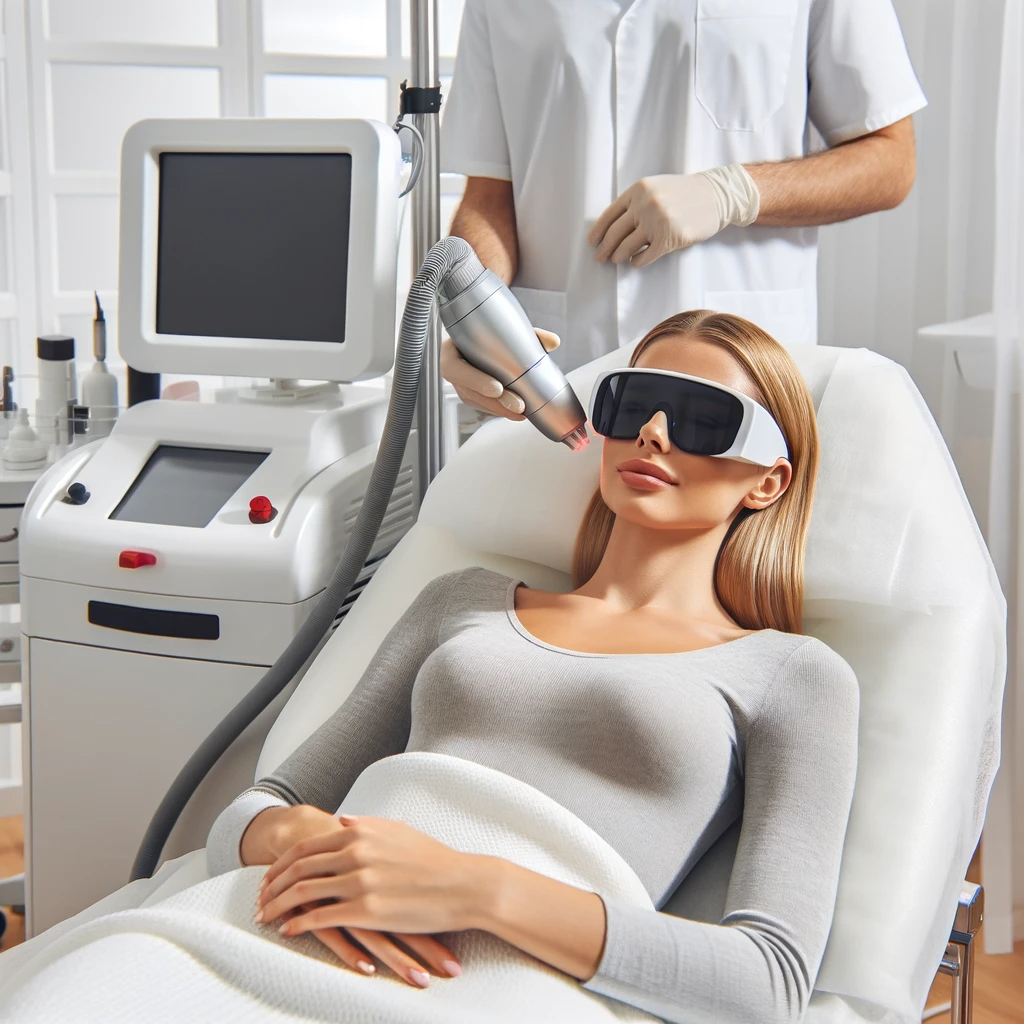
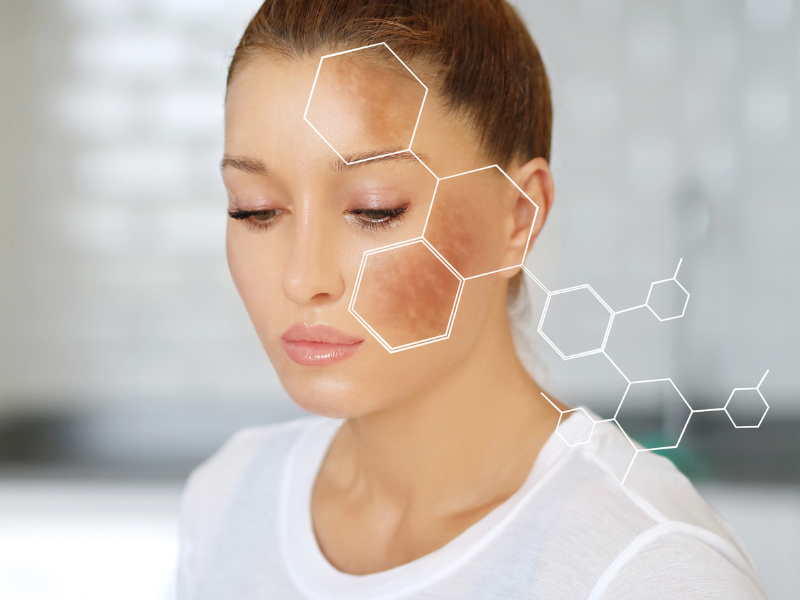
Visible Results: One of the most compelling reasons to consider Rejuran is the noticeable improvement it brings to your skin. With regular sessions, you can expect a significant reduction in the appearance of acne scars, leading to a smoother and more even complexion.

Minimal Downtime: Unlike more invasive procedures, Rejuran requires minimal downtime. You can return to your daily activities shortly after each session, making it a convenient option for those with busy lives.

Long-Lasting Effects: Rejuran offers long-lasting results. By stimulating collagen production and skin regeneration, the improvements you see are not just temporary. Your skin continues to improve over time, making it an excellent investment in your long-term skincare routine.

Natural-Looking Results: Rejuran enhances your skin’s natural beauty without the need for surgery or artificial fillers. This means you can enjoy a more youthful appearance without appearing overdone or unnatural.

Boosted Confidence: Perhaps the most significant benefit of Rejuran is the boost in confidence it provides. Acne scars can take a toll on one’s self-esteem, and Rejuran can help you regain that lost confidence, allowing you to feel comfortable in your skin once again.

My Personal Journey with Rejuran

As someone who battled stubborn acne throughout my teenage years and early adulthood, I know firsthand the emotional toll it can take. Even after my acne cleared up, I was left with unsightly scars that served as constant reminders of my past struggles. I tried countless skincare products and even considered more invasive treatments, but nothing seemed to provide the results I longed for.

That’s when I discovered Rejuran. Skeptical at first, I decided to give it a try. After a few sessions, I began to notice a remarkable transformation in my skin. The texture became smoother, and the scars that had plagued me for years started to fade. I felt like a new person, confident and proud of my skin.

AspectDetails
What is Rejuran?A skin treatment using polynucleotides (PN) derived from salmon DNA to promote skin regeneration.
How it WorksAdministered through microinjections, stimulates collagen production, enhances healing, and improves skin elasticity.
Key BenefitsSmoothens acne scars, reduces inflammation, enhances natural collagen production, and improves overall skin texture.
ProcedureMinimal downtime, performed through targeted microinjections in acne-scarred areas.
Expected ResultsVisible improvement in skin texture, long-lasting effects, and natural-looking results over time.

Frequently Asked Questions (FAQs) About Rejuran for Acne Scars

How many Rejuran sessions are needed to see results?

The number of sessions required varies based on the severity of your acne scars and your skin’s response to treatment. Typically, patients undergo three to four sessions spaced four weeks apart to achieve optimal results. Improvements in skin texture and scar reduction become noticeable after the second or third session, with continued enhancement over time.

Is Rejuran painful, and what is the recovery time?

Rejuran is administered through microinjections, and while some discomfort may be felt, a numbing cream is applied before the procedure to minimize pain. The treatment is minimally invasive, with mild redness, slight swelling, or small injection marks that typically subside within 24 to 48 hours. Most individuals can resume daily activities immediately after the session.

How long do the results of Rejuran last?

Rejuran’s effects are long-lasting due to its ability to stimulate collagen production and skin regeneration. Results can last six to twelve months, depending on individual skin conditions and post-treatment care. Regular maintenance sessions, usually once every six months, help sustain and enhance the results over time.

Can Rejuran be combined with other acne scar treatments?

Yes, Rejuran can be combined with other skin treatments for enhanced results. It is often used alongside laser treatments, chemical peels, or microneedling to maximize collagen stimulation and skin repair. Consulting a skincare specialist can help determine the best combination treatment plan based on your specific skin needs.

Conclusion

Rejuran has truly been a game-changer in my skincare journey, offering a solution I never thought possible. If you’re someone who, like me, has struggled with the lasting effects of acne scars, I wholeheartedly recommend considering Rejuran. Its unique ability to stimulate collagen production, promote skin regeneration, and reduce inflammation sets it apart as an effective and non-invasive treatment option.

Remember, beautiful, scar-free skin is not just a dream – it can be your reality with the help of Rejuran. Rediscover your confidence and embrace the radiant skin you deserve.

References

  1. Kim, M. J., Shin, H. M., Lew, B. L., & Sim, W. Y. (2024). Polynucleotide-based treatments for various facial scars including combat injuries. Journal of Dermatological Treatment, 35(1), 2426626. https://doi.org/10.1080/09546634.2024.2426626
  2. American Academy of Dermatology Association. (2023, December 8). Acne scars: Causes. https://www.aad.org/public/diseases/acne/derm-treat/scars/causes
  3. Lampridou, S., Bassett, S., Cavallini, M., & Christopoulos, G. (2025). The effectiveness of polynucleotides in esthetic medicine: A systematic review. Journal of Cosmetic Dermatology, 24(2), e16721. https://doi.org/10.1111/jocd.16721
  4. Araco, A., & Araco, F. (2021). Preliminary prospective and randomized study of highly purified polynucleotide vs placebo in treatment of moderate to severe acne scars. Aesthetic Surgery Journal, 41(7), NP866-NP874. https://doi.org/10.1093/asj/sjab125
  5. Rho, N. K., Han, K. H., Cho, M., & Kim, H. S. (2024). A survey on the cosmetic use of injectable polynucleotide: The pattern of practice among Korean dermatologists. Journal of Cosmetic Dermatology, 23(4), 1243-1252. https://doi.org/10.1111/jocd.16125
0 comments
0 FacebookTwitterPinterestEmail
Hyperpigmentation Treatment

Last Updated March 31, 2026 – When it comes to skincare concerns, hyperpigmentation is a topic that often takes center stage. As someone who has dealt with this issue personally, I can empathize with the frustration it can bring. But fret not, dear reader, because today I want to shed some light on hyperpigmentation, what causes it, and the laser treatment options available to help you regain that radiant complexion.

Key Takeaways

  • Hyperpigmentation happens when the skin produces extra melanin, which leads to darker patches or spots.
  • The article covers common forms like post-inflammatory hyperpigmentation, melasma, sun spots, and freckles.
  • Major triggers include sun exposure, hormonal changes, inflammation, and genetic factors.
  • Laser options can be matched to the type of pigmentation, with light and laser treatments used for age marks, pigment concerns, and melasma.
  • Safe treatment starts with the right diagnosis, dermatologist guidance, and ongoing sun protection.

What is Hyperpigmentation?

Woman with pigmentation spots highlighted by digital overlay on faceTo put it simply, hyperpigmentation is a common skin condition characterized by the darkening of certain areas of the skin. It can affect people of all skin types and tones, making it a universal concern. This condition occurs when there is an excess production of melanin, the pigment responsible for our skin, hair, and eye color.

Types of Hyperpigmentation

Before delving into the causes and treatment options, it’s crucial to understand that not all hyperpigmentation is the same. Here are the main types:

Post-Inflammatory Hyperpigmentation (PIH): This occurs after skin inflammation or injury, such as acne, cuts, or burns. Dark spots appear as the skin heals.

Melasma: Often called the “mask of pregnancy,” melasma presents as brown or gray-brown patches, typically on the face, and is linked to hormonal changes.

Solar Lentigines (Sun Spots): These are dark spots that result from sun exposure and are most commonly found on sun-exposed areas like the face and hands.

Freckles: While not technically hyperpigmentation, freckles are small, concentrated areas of increased melanin production, usually genetic in nature.

TypeDescription
Post-Inflammatory Hyperpigmentation (PIH)Dark spots that appear after skin inflammation or injury.
MelasmaBrown or gray-brown patches, often triggered by hormonal changes.
Solar Lentigines (Sun Spots)Dark spots caused by prolonged sun exposure.
FrecklesSmall, concentrated areas of increased melanin production.

What Causes Hyperpigmentation?

Understanding the root causes of hyperpigmentation is crucial in effectively addressing and preventing it. Let’s explore the main culprits:

Sun Exposure: Prolonged exposure to the sun’s harmful UV rays can trigger the overproduction of melanin, leading to sunspots and other forms of hyperpigmentation.

Hormonal Changes: Fluctuations in hormones, often experienced during pregnancy, menopause, or while taking birth control pills, can trigger melasma.

Inflammation: Any kind of skin inflammation, whether due to acne, eczema, or a harsh skincare regimen, can result in post-inflammatory hyperpigmentation.

Genetics: Some individuals are genetically predisposed to develop hyperpigmentation, such as freckles or certain birthmarks.

Laser Treatment Options for Hyperpigmentation

Laser Therapy for Sun Spots:

IPL (Intense Pulsed Light): IPL treatments use a broad spectrum of light to target melanin in sunspots. This non-invasive procedure helps break down the excess pigment, leading to a more even skin tone.

Fractional Laser for PIH:

Fractional Laser Resurfacing: This laser treatment creates tiny micro-injuries in the skin, stimulating collagen production and encouraging the growth of new, healthier skin cells. Over time, this helps fade the dark spots associated with post-inflammatory hyperpigmentation.

Laser Therapy for Melasma:

Close-up of a high-tech laser device used for treatmentsQ-Switched Laser: Q-switched lasers emit high-intensity pulses of light to target and break down the melanin in melasma. Several sessions may be required for optimal results.

Combination Therapy:

Fractional Laser + Topical Agents: In some cases, combining fractional laser treatments with topical agents like hydroquinone can yield more significant results in treating hyperpigmentation.

Consultation with a Dermatologist:

Before undergoing any laser treatment, it’s essential to consult with a qualified dermatologist. They will assess your specific type of hyperpigmentation, skin type, and medical history to recommend the most suitable laser therapy.

The Road to Radiant Skin:

While laser treatments can be effective in addressing hyperpigmentation, it’s essential to remember that results may vary from person to person. Patience and consistency are key, as it often takes multiple sessions to achieve the desired outcome. Additionally, it’s crucial to continue practicing sun protection to prevent the recurrence of hyperpigmentation.

Frequently Asked Questions About Hyperpigmentation and Laser Treatments

Is laser treatment safe for all skin types?
Laser treatments can be effective for various skin types, but some lasers may pose a higher risk of complications for darker skin tones. It’s crucial to consult with a dermatologist to determine the safest and most suitable laser treatment for your skin type.

How many laser sessions are needed to see results?
The number of sessions required depends on the type and severity of hyperpigmentation. Some conditions, like sunspots, may improve after one to three sessions, while deeper pigmentation issues like melasma may require multiple treatments for optimal results.

Are the results of laser treatments permanent?
While laser treatments can significantly reduce hyperpigmentation, maintenance is essential. Sun protection and a proper skincare routine help prevent recurrence. Some types of hyperpigmentation, like melasma, may require ongoing management.

Is there any downtime after laser treatment?
Downtime varies based on the type of laser used. Some treatments, like IPL, have minimal to no downtime, while others, like fractional laser resurfacing, may cause redness and peeling for a few days. Your dermatologist will provide post-treatment care instructions for a smooth recovery.

Conclusion

Understanding hyperpigmentation and its causes is the first step towards achieving healthier, more radiant skin. Whether it’s sunspots, melasma, or post-inflammatory hyperpigmentation, there are laser treatment options available to help you on your skincare journey. Remember to consult with a dermatologist to determine the best course of action for your specific needs.

I hope this article has shed some light on the topic of hyperpigmentation and the laser treatment options that can lead you to a brighter, more confident you. Don’t let skin concerns hold you back—embrace the journey towards healthier, more radiant skin, one laser treatment at a time.

References

  1. DermNet New Zealand. (n.d.). Skin pigmentation problems. https://dermnetnz.org/topics/skin-pigmentation-problems
  2. Lawrence, E., Syed, H. A., & Al Aboud, K. M. (2024). Postinflammatory hyperpigmentation. In StatPearls. StatPearls Publishing. https://www.ncbi.nlm.nih.gov/books/NBK559150/
  3. American Academy of Dermatology Association. (2022, February 15). Melasma: Causes. https://www.aad.org/public/diseases/a-z/melasma-causes
  4. DermNet New Zealand. (n.d.). Lentigo: Causes, features, and treatment. https://dermnetnz.org/topics/lentigo
  5. American Academy of Dermatology Association. (2022, February 15). Melasma: Diagnosis and treatment. https://www.aad.org/public/diseases/a-z/melasma-treatment
0 comments
0 FacebookTwitterPinterestEmail
Chin Filler

If you’re considering chin filler treatment, you’re probably curious about how long it lasts. I’ve been down this road myself, so I’m here to share my experience and knowledge. Chin fillers are a fantastic non-surgical option for enhancing your facial profile. In this article, I’ll explain what chin fillers are, what they’re for, how they work, and most importantly, how long you can expect their effects to last.

Key Takeaways

  • Chin fillers are a non-surgical way to improve chin shape, projection, and overall facial balance.
  • Results are usually visible right after treatment, and most people can return to normal activities soon after.
  • How long chin fillers last depends on the product used, the treatment area, and how your body breaks the filler down.
  • Hyaluronic acid fillers in the jawline and chin area often last about 6 to 12 months, and sometimes longer.
  • Mild swelling, redness, or bruising can happen after treatment, and hyaluronic acid fillers can be dissolved if needed.

What are Chin Fillers?

Chin fillers, also known as dermal fillers for the chin, are a cosmetic treatment designed to improve the appearance of your chin and jawline. They are typically made of hyaluronic acid, a naturally occurring substance in our bodies that helps keep our skin plump and hydrated. This makes hyaluronic acid-based fillers a safe and effective choice for chin augmentation.

What Are Chin Fillers For?

A woman receives a chin filler injection for facial contouringChin fillers are primarily used to address several aesthetic concerns:

Chin Augmentation: If you have a weak or recessed chin, fillers can provide more definition and balance to your facial profile.

Chin Projection: Fillers can help improve chin projection, giving your face a more sculpted and harmonious appearance.

Jawline Contouring: For those looking to enhance their jawline, chin fillers can create a more defined and attractive contour.

Facial Balance: Achieving facial symmetry is a common goal in cosmetic treatments, and chin fillers can play a crucial role in achieving this balance.

How Do Chin Fillers Work?

Chin filler treatment is a minimally invasive procedure performed by a trained medical professional. Here’s how it typically works:

Consultation: The process begins with a consultation, where you discuss your goals and expectations with the practitioner. They will evaluate your facial features and recommend a customized treatment plan.

Preparation: Before the procedure, the area is cleansed, and a topical numbing cream may be applied to minimize discomfort.

 Injection: Using a fine needle, the filler is injected into the targeted areas of the chin and jawline. The practitioner carefully shapes and sculpts the filler to achieve the desired results.

 Immediate Results: You’ll notice a difference in your chin’s appearance immediately after the procedure. The results will continue to improve as any swelling or bruising subsides.

 Minimal Downtime: One of the advantages of chin filler treatment is that it typically requires minimal downtime. You can usually resume your daily activities shortly after the procedure.

How Long Do Chin Fillers Last?

Aesthetic doctor injecting jawline filler for facial sculpting treatmentNow, let’s dive into the essential question: how long do chin fillers last? The longevity of chin fillers can vary depending on several factors:

 Type of Filler: Different brands and types of hyaluronic acid fillers may have varying durations. On average, chin fillers can last anywhere from 6 months to 2 years.

 Metabolism: Your body’s metabolism plays a role in how quickly it breaks down the filler. People with faster metabolisms may find that fillers last for a shorter duration.

 Lifestyle: Your lifestyle choices can also impact the longevity of chin fillers. Smoking, excessive alcohol consumption, and poor skincare habits may contribute to filler breakdown.

Injection Technique: The skill and technique of the practitioner are crucial. An experienced injector can ensure the filler is placed correctly and evenly, which can extend the filler’s life.

 Maintenance: To prolong the effects of chin fillers, some individuals choose to have touch-up treatments. These can help maintain your desired results over a more extended period.

Personal Experience

In my own experience, I had chin filler treatment about a year ago. I opted for chin augmentation to enhance my facial balance. The procedure itself was relatively quick and painless, thanks to the numbing cream. Immediately after the injections, I could see a noticeable difference in my chin’s appearance. It looked more defined and provided a more harmonious balance to my face.

 In terms of longevity, my chin filler treatment lasted for about 10 months before I noticed a gradual decrease in its effects. While I was sad to see the enhancement fade, I had expected it to be temporary. I decided to have a touch-up treatment to maintain the look I had grown fond of.

AspectDetails
What Are Chin Fillers?Non-surgical dermal fillers, typically made of hyaluronic acid, used to enhance chin definition and balance facial features.
Primary UsesChin augmentation, improved projection, jawline contouring, and achieving facial symmetry.
Procedure StepsConsultation → Preparation (cleansing & numbing) → Injection → Immediate results → Minimal downtime.
LongevityLasts 6 months to 2 years, depending on metabolism, filler type, lifestyle, and injection technique.
Key BenefitsImmediate results, non-invasive, customizable, minimal downtime, and temporary effects allow flexibility.

Frequently Asked Questions (FAQs) About Chin Fillers

How soon will I see results after getting chin fillers?
You will notice an immediate enhancement in your chin’s shape and definition right after the procedure. However, mild swelling or bruising may occur, and the final results will typically settle within a week or two.

Do chin fillers hurt?
Most patients report minimal discomfort during the procedure. A topical numbing cream is usually applied before the injections to ensure comfort. The actual injections may feel like a small pinch or slight pressure but are generally well-tolerated.

Are there any side effects or risks with chin fillers?
Chin fillers are generally safe when administered by a qualified professional. Common side effects include mild swelling, bruising, or redness at the injection site, which typically resolves within a few days. In rare cases, lumps or asymmetry may occur, but these can usually be corrected with massage or additional filler adjustments.

Can chin fillers be dissolved if I don’t like the results?
Yes, if hyaluronic acid-based fillers were used, they can be dissolved with hyaluronidase, an enzyme that breaks down the filler quickly. If you’re unsure about the outcome, it’s best to wait for any swelling to subside before making a decision.

Closing Thoughts

Chin filler treatment is a fantastic option for those looking to enhance their facial profile without the need for surgery. It offers immediate results, minimal downtime, and customizable outcomes. While the longevity of chin fillers can vary, it typically lasts anywhere from 6 months to 2 years. Factors like the type of filler, metabolism, and lifestyle choices can influence how long the effects last.

If you’re considering chin filler treatment, I encourage you to consult with a qualified and experienced medical professional. They can assess your unique needs and provide you with a personalized treatment plan. Based on my own experience, I can say that the temporary nature of chin fillers allows for flexibility and experimentation, allowing you to adapt your look as your preferences evolve.

Remember that the journey to enhanced facial features should be a personal one, driven by your own desires and goals. Whether you choose to maintain your chin filler results or explore other options, the choice is entirely yours. I hope this article has shed some light on the longevity of chin fillers and what you can expect from this exciting cosmetic treatment.

References

  1. U.S. Food and Drug Administration. (n.d.). Dermal fillers (soft tissue fillers). https://www.fda.gov/medical-devices/aesthetic-cosmetic-devices/dermal-fillers-soft-tissue-fillers
  2. Al-Khafaji, M. Q. M., Althobaiti, N. S. A., Alhassani, N. F. M., Alnahwi, Z. A. H., Aldawsari, W. A., Alquraini, S. K., Abdrabalameer, A. H., Alharamlah, F. S. S., Almalki, A. S., Alotaibi, N. A., & Alabdulkarim, A. (2023). The application and efficacy of hyaluronic acid fillers for chin enhancement and retrusion correction: A systematic review of patient-reported outcomes. Cureus, 15(11), e48807. https://doi.org/10.7759/cureus.48807
  3. American Academy of Dermatology Association. (n.d.). Fillers: FAQs. https://www.aad.org/public/cosmetic/wrinkles/fillers-faqs
  4. Cleveland Clinic. (2022, June 28). Jawline filler: Options, what to expect, before & after. https://my.clevelandclinic.org/health/treatments/23368-jawline-filler
  5. Kroumpouzos, G., & Treacy, P. (2024). Hyaluronidase for dermal filler complications: Review of applications and dosage recommendations. JMIR Dermatology, 7, e50403. https://doi.org/10.2196/50403
0 comments
0 FacebookTwitterPinterestEmail