Tag:

Body

In essence, spinal decompression therapy involves the stretching of the spine using a traction table or a similar motorised device. The goal of the therapy is to relieve leg or back pain. This procedure is also known as nonsurgical decompression therapy and is often carried out by a seasoned chiropractor.

If you’re a candidate for nonsurgical decompression therapy, this article will provide an overview of the procedure. It will also give you an insight into its role in the treatment of leg, lower back, and neck pain.

Theory of Spinal Decompression

Nonsurgical decompression therapy makes use of the basic principle of spinal traction offered by trained health professionals like osteopaths and chiropractors. Both decompression and traction therapy are used with the goal of relieving pain as well as promoting optimal ealing for degenerating, bulging, and herniated discs.

Spinal decompression therapy is also a type of traction therapy that’s applied to the spine in an attempt to achieve the following benefits:

  • Promote repositioning or retraction of the bulging or herniated disc material.

  • Cause an influx of healing substances and other nutrients into the disc.

How Spinal Decompression Therapy is Carried Out

In nonsurgical spinal decompression therapy, the spine is relaxed and stretched intermittently and in a controlled manner. The theory is that this process will create a negative pressure within the disc itself (intradiscal pressure). This is believed to have 2 potential benefits:

  • It pulls the bulging or herniated disc material back into the disc

  • It facilitates the passage of healing nutrients into the disc and fosters a great healing environment

Spinal Decompression Sessions

During spinal decompression therapy for the lumbar spine (low back), patients will remain clothed and lie on the motorised table. A harness is then placed around the hips and is attached to the lower table situated near the feet.

The upper part of the table will stay in a fixed position. The lower part (where the patient is harnessed), will slide back and forth to provide both relaxation and traction.

The patient’s position on the table often differentiates one decompression therapy from another. For instance, some devices will have the patient in a prone position, lying face down on the table. Other devices on the other hand will have the patient lying supine and face up. While patients feel a stretch in their spine during a decompression therapy session, they won’t feel any pain or discomfort.

Decompression therapy usually consists of a series of 15 to 30 treatment sessions. Each session will often last around 30 to 45 minutes each and is spread over a 4 to 6-week period. Decompression therapy is often conducted in the practitioner’s office.

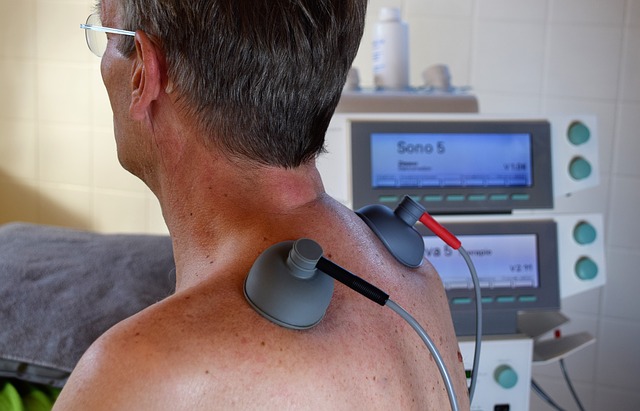
Some decompression therapy sessions can include additional treatment modalities like ultrasound, electric stimulation, and heat and cold therapy (applied after or during the procedure).

Spinal Decompression Therapy Indications

Spinal decompression therapy is often the treatment alternative for sciatica (leg pain), neck pain secondary to bulging, degenerated, or herniated discs, and several types of lower back pain.

Spinal Decompression Therapy Contraindications

Stretching the spine in order to relive back pain is not ideal for all people. The following are individuals who are not considered good candidates for the procedure:

  • Those with broken vertebrae

  • Pregnant women

  • Those who have had spinal fusion

  • Those with an artificial disc or other implants in the spine

  • Those who have had a failed back surgery

  • Those who have had multiple surgeries

Spinal decompression is also not ideal for individuals with the following medical conditions:

  • Spinal stenosis

  • Spinal tumor

  • Ankylosing spondylitis

  • Osteopenia

  • Osteoporosis

  • Spinal infection

  • Conditions that compromise the spine’s integrity

  • Patients who are taking blood thinner medications
0 comments
0 FacebookTwitterPinterestEmail

Scientists from major US universities discovered that only 1 out of 5 people lost their extra weight or at least 10 percent of their body weight. The plateau effect is one of the reasons why weight loss can be challenging for many people.

Understandably, when people experience plateau, they tend to get discouraged since it would seem like their efforts are all for nothing. Fortunately, the plateau effect can be combated. On the light side, scientifically proven slimming methods (cara melangsingkan badan) have been found to decrease weight even in the plateau effect phase.

Weight Training

Training with weight is less effective as a slimming method (cara melangsingkan badan) than cardio training but it helps to maintain the degree of metabolism that is necessary when you are on a long-term diet.

Weight training can help increase metabolism. In addition, it also helps warrant the body does not shift into low-energy mode. After a workout however, it is advisable to integrate some protein in the meal as it can help the muscles get stronger.

Change Caloric Value in the Week

If we are on a diet, our clever bodies respond to smaller food amounts, reducing energy intake. In other words, if there is no food, the body adapts to the new living conditions and still retains the extra pound. And if you start eating fewer calories, the body knows that its decision is right.

You can use the caloric cycles to control the body. You should eat about 1,000 or 1,200 kcal with virtually no carbohydrates 2 days a week and eat 1,500 kcal for the rest of the days. This trick will not slow down metabolism and produce the caloric deficit.

Add More Proteins  and Vegetables in Your Diet

Low-carbohydrate diets are considered to be the best strategy for weight loss. Adding more protein and fiber in the diet has been known to improve metabolism. Carbohydrates raise the level of insulin to make us hungry. So, if you are trying to lose weight, eating a slice of low-fat meat is better than eating a sweet fruit.

Change Your Workout Routine

Years of struggle for survival have taught our bodies one simple thing: energy should be preserved by every means possible. The human body adapts to the exercises you do after a while. Therefore, progress will definitely slow down after several weeks of similar exercises.

There is only one solution: you should change your exercise routine once every 1-1.5 months. There are many options: Change yoga for pilates, do new exercises, train new muscles, and change the weights you use.

Eat Tasty Foods

The ability to withstand the urge to eat will depend partly on how well the brain works. However, when you have not been eating anything tasty for a long time, your brain begins to tell you that eating a bar of chocolate or tasty biscuit can be a great idea.

For this reason, nutrition experts recommend that small portions of “prohibited” foods should be included. If you can relax occasionally, you have a smaller chance of losing control and stopping the diet at some point.

0 comments
0 FacebookTwitterPinterestEmail

It might seem funny when you hear people saying the excess calories they’re eating go straight to their tummy and thighs. However, it is surprising that there is some truth to that. The tummy and thigh are just two of the places where excess fats can be stored.

Your body tends to store fat calories to keep you safe and alive. The goal is to learn how to rid ourselves of the extra fat (cara membakar lemak).

You hear a lot of supposed strategies that can help burn fat (cara membakar lemak), such as working in the burning fat zone, reducing spots, and taking foods and supplements designed to achieve said objective.

Fat-Burning Basics

When you try to lose weight, understanding how your body uses fuel calories will affect your approach to weight loss programs. Most people want to use fat for meaningful energy. The more fat you can use as fuel, the less fat will be stored in your body. However, using more fat doesn’t always mean you’ll lose all the fats automatically.

The best method to burn fat begins with some fundamental knowledge on how your body gets its energy:

  • Fat and carbohydrates are mainly used by the body for fuel. During exercise, a small amount of protein is used for repairing muscles after exercise.

  • The ratio of these fuels can differ according to the type of activities you do.

  • In activities of greater intensity such as fast-moving running, the body relies more on carbohydrates than on fat. This is because the metabolic routes available to decompose carbon in energy are more effective than the pathways available to decompose fat.

  • Fat is used more for energy than carbohydrates for long, slower workouts.

  • It doesn’t matter what type of fuel you use when it comes to weight loss. What counts is how many calories you eat, rather than how many calories you consume.

This is a very simplified analysis of energy with a strong message. As far as weight loss is concerned, it is important to burn more calories, not necessarily to use more energy fat.

The harder you work, the more calories you will burn. Think of it that way—you’re in your prime fat-burning mode when you sit and sleep. But you probably never considered sleeping more to lose weight. The bottom line is, just because you use more fat as energy does not mean that you burn more calories.

The good news is that the fat-burning mode does not always equate to doing strenuous workouts. Even incorporating walking for a short period can already go a long way towards burning the excess fat.

Conclusion

If you want to really lose weight in a healthy and safe manner, never try to do any shortcuts. In most cases, they can prove counterintuitive and can be very dangerous or detrimental to one’s health, especially if the body is stripped of its needed nutrients.

0 comments
0 FacebookTwitterPinterestEmail

Many people who diet eventually learn the frustrating truth that cutting calories tends to, in fact, lead to weight gain. This is especially aggravating when you have already cut down on carbs and sweets but still can’t fit into those jeans.

Now, what do you do when dieting just does not work for fat loss? One of the most popular methods today to eliminate stubborn fat bulges is a fat freezing method called CoolSculpting.

What Is CoolSculpting?

This FDA-cleared procedure to fat freeze is comfortable for most patients, doesn’t require surgery which means zero to minimal downtime, and it is done in a clinic by an aesthetic doctor under close supervision.

CoolSculpting taps into controlled cooling to freeze visceral belly fat, fat on the flanks (also called “muffin tops” or “love handles”), inner and outer thighs (sometimes referred to as “saddlebags”), and the upper arms. CoolSculpting can also minimize the size of double chins.

How Does CoolSculpting Work

Each treatment lasts approximately 30 to 45 minutes, although your actual time in the aesthetic clinic may be longer than an hour because your attendant will need to prep your body for the procedure. Specific fat bulges will then be identified and targeted by your aesthetic doctor. The fat will then be gently pulled into cooling panels and heat is then removed from the cells. This causes the fat cells to shrivel and die over a period of a few weeks. Most patients begin to see results in three weeks, but it may take up to two months to see the complete effects of the procedure.

Side Effects of CoolSculpting

CoolSculpting is non-invasive so it is not painful, but some patients have reported minor discomfort from the fat freezing sensation. There are some rare side effects that your doctor will discuss with you before beginning treatment. After the treatment is done, you can resume your normal activities, including work or exercise. You may experience some bruising or soreness in the area, but it generally resolves within a week or two.

Cost of CoolSculpting

The cost of CoolSculpting depends on the number of area(s) that need to be treated, the size of each area, and the number of treatments required. A single treatment for a single area may cost $500 to $800. But multiple treatments are generally required. And if you are treating the arms or the legs, each arm or leg may be charged separately.

Effectiveness of CoolSculpting

So, are these fat freezing procedures worth it? Part of the answer depends on your expectations. CoolSculpting is not an effective weight-loss solution and isn’t ideal for people who are obese. But clinical studies have shown the method is effective at reducing fat in trouble spots that are resistant to diet and exercise.

While CoolSculpting can be effective for permanently reducing fat in certain targeted areas, the results will not be as dramatic as fat loss from a surgical procedure such as liposuction. To know if CoolSculpting is right for you, consult with your aesthetic doctor.

What to Expect After Coolsculpting

Because the body requires some time to eliminate the dead fat cells, results from CoolSculpting are not seen immediately. Rather, a lot of patients will notice results in as little as one month. Usually, the final results are seen about three months after the procedure.

Patients can expect up to 25 per cent fat loss in the treated area. To reach your sculpting goals, you may choose to have multiple treatments in different areas on your body to eliminate the frustrating stubborn fat you have been dealing with. Moreover, bear in mind that the number of procedures needed to meet your goals varies due to your metabolic rate and initial physique.

0 comments
0 FacebookTwitterPinterestEmail

The shoulder has a vast and versatile range of motion. That being said, when you have problems with your shoulder like frozen shoulder, your ability to move freely can be hampered. Not only that, you are also likely to experience a great deal of discomfort and pain.

The shoulder is a ball-and-socket joint and it has 3 main components: the long arm bone (humerus), collar bone (clavicle), and the shoulder blade (scapula). The bones are cushioned by a layer of cartilage. The rotator cuff provides the shoulder its range of motion.

Four tendons make up the rotator cuff. If the tendons or bones around the rotator cuff are swollen or damaged, it can become difficult and painful to lift the arm over the head. The shoulder can get injured when playing sports, doing repetitive movements, or performing manual labor.

Certain conditions may also cause severe pain that will cause you to seek shoulder pain treatment. Diseases of the heart, liver, and cervical spine may also cause shoulder pain. However, in similar scenarios, the underlying condition needs to be treated, otherwise the shoulder pain will just continue.

What are some of the common causes of shoulder pain?

Several conditions and factors can cause shoulder pain. The most common cause of shoulder pain is rotator cuff tendinitis. This condition is characterised by the swelling of the tendons.

Yet another cause of shoulder pain is impingement syndrome. This occurs when the rotator cuff gets caught between the humeral head and the acromium.

In some cases, shoulder pain can sometimes occur as a result of an injury sustained in another part of the body, usually the biceps or neck. This is what is commonly known as referred pain. Generally, referred pain does not get worse when the shoulder is moved.

Shoulder pain can also be attributed to other causes including:

  • Torn cartilage

  • Arthritis

  • Pinched nerve (in the shoulder or neck)

  • Torn rotator cuff

  • Swollen tendons or bursa sacs

  • Dislocated shoulder

  • Spinal cord injury

  • Heart attack

  • Injury secondary to repetitive use or overuse

  • Bone spurs

  • Broken arm bone or shoulder

How is the cause of shoulder pain diagnosed?

In order to provide the best treatment option for your case, your doctor will need to find the cause of your shoulder pain. In line with this, they’ll look into your medical history. They will also perform a physical exam.

During the physical examination, they will look for swelling and tenderness. They will also carefully assess your joint stability and range of motion. To help with the diagnosis, imaging tests like MRI and X-ray may also be requested.

To help them accurately determine the cause, doctors may also ask the following questions:

  • Is the pain felt in just one shoulder or in both?

  • Does the pain travel to other parts of the body?

  • Was the onset of the pain sudden? If so, what were you doing prior?

  • Does it hurt when you don’t move?

  • Does it hurt when you move a specific way?

  • Is the pain dull or sharp?

  • Is the painful area swollen, hot, or red?

  • Does the pain keep you up at night?

  • What makes the pain worse?

  • What makes the pain better?

When is seeking medical help recommended?

If the shoulder pain is accompanied by fever, lasting bruising, tenderness or heat around the joint, and inability to move the shoulder, getting medical help is advised.

If the shoulder pain is sudden and not secondary to any injury, seeking immediate medical help is recommended as the pain can be a sign of a heart attack.

A visit to the emergency room is also required if you injured your shoulder and it is swelling or bleeding and you can see exposed tissue.

0 comments
0 FacebookTwitterPinterestEmail

The harsh or hoarse sound created when air flows beyond the relaxed tissues in the throat is called snoring. Almost everyone snores every now and then. However, for others, snoring has become a chronic problem and finding a way how to treat snoring is warranted.

In mild cases, once patients find a way how to stop snoring, the condition can stop. In severe cases however, further evaluation is needed as the snoring can be an indicator of more serious health conditions.

Possible Causes

Snoring can be attributed to several factors like allergies, cold, alcohol consumption, weight, and the anatomy of the individual’s mouth and sinuses, among others.

When a person’s sleep progresses from light to deep, the soft palate (muscles found in the roof the mouth), throat, and the tongue relaxes. When the throat tissues are relaxed enough, the airway is blocked and it vibrates.

The more narrowed the airway is, the more forceful the airflow will be. As the vibration of the tissues increases, the snoring also grows louder.

The following are some of the key factors that can affect the airways and can result to snoring:

  • The anatomy of the mouth

As mentioned earlier, having a thick and low soft palate can narrow down the airway. People who are overweight or obese may also have extra tissues in the back of their throats that can cause narrowing of the airway. Likewise, if the uvula (the triangular tissue that hangs from the soft palate) is elongated, the airflow can become obstructed and vibration can increase.

  • Nasal problems

A deviated nasal septum (crooked partition between the nostrils) or chronic nasal congestion may also cause or contribute to snoring.

  • Alcohol consumption

Snoring can also occur when too much alcohol is consumed before bedtime. Alcohol can relax the throat muscles and decrease the person’s natural defences against obstruction of the airway.

  • Sleep position

Snoring can become more frequent and loud when one sleeps on their back as gravity’s effect on the throat can narrow down the airway.

  • Sleep deprivation

Not getting ample sleep may also result in throat relaxation and eventual snoring.

Common Symptoms

In many cases, snoring is linked with a sleep disorder known as obstructive sleep apnea (OSA). However, not everyone who snores are suffering from obstructive sleep apnea. If the following symptoms occur with snoring, it would be a good idea to visit your doctor for further evaluation.

  • Breathing pauses during sleep

  • Excessive sleepiness during daytime

  • Morning headaches

  • Sore throat upon waking up

  • Hypertension

  • Chest pain during the night

  • Choking or gasping at night

  • Snoring that’s loud enough to disrupt one’s bed partner

Obstructive sleep apnea is typically characterised by loud snoring followed by periods of silence when breathing stops. The pause or reduction in breathing may signal patients to wake up and most awaken with a gasping sound or loud snort.

Patients with obstructive sleep apnea may also often experience disrupted sleep. The pattern of breathing pauses can also occur several times during the night. In addition, some studies show that those with obstructive sleep apnea experience breathing slows and stops at least 5 times every hour.

0 comments
0 FacebookTwitterPinterestEmail

By now, hyaluronic acid injectable skin boosters have become common knowledge, serving to brighten, plump up, and hydrate the skin for as long as the substance remains. However, while these skin boosters are an ideal quick fix, what they cannot do is repair pigmentation, fine linesacne scars, or even signs of ageing. But what if there was a procedure or treatment that could?

There is, actually. Rejuran Healer, also known as baby skin injections, is a non-surgical procedure that actually heals the skin itself by repairing surface cells, keratinocytes, and melanocytes, combating age- or acne-induced damage. In a way, it is a procedure that can help turn back time.

What is Rejuran Healer?

Rejuran Healer is a type of injectable that has polynucleotides (PN) (or polydeoxyribonucleotide (PDRN), a subset of PN), which has  wound-healing capabilities. It works by improving the skin’s own regenerating abilities. It does so by promoting the growth of fibroblasts and keratinocytes, cells that generate collagen and other cells in the skin’s extracellular matrix.

More fibroblasts equals more collagen and more newly-generated cells that replace old, damaged ones—and that means smoother skin. Pores are minimised, unwanted pigmentation, wrinkles, and fine lines are reduced, and the skin becomes less saggy and firmer.

Best of all, because Rejuran Healer acts as a healing agent for skin, even conditions such as acne-induced inflammation, eczema, and old deep-set acne scars can be healed or at least reduced significantly. And naturally, Rejuran Healer can also be used to prevent further skin damage as we age. As frivolous as it sounds, this may be the closest that we have gotten to the fountain of youth for cells so far.

What’s the Catch?

So what’s the catch? For one thing, Rejuran comes from salmon DNA, so people with allergic skin to salmon should not try it. Those who are on blood thinners like Warfarin should take extra caution as they are more prone to bruising and bleeding.

For another thing, Rejuran does cause a temporary peculiar post-treatment appearance. Because the treatment is injected into the skin in dots, there will be small raised welts at the area of each injection that take about 24 hours to fully go away (this may continue up to 2 days for the eye area). This is in aside from the needle marks that may persist for a few days after, though these are easily solved with the use of makeup. While the downtime is relatively short, the initial appearance of the welts (which look like rows of mosquito bites) may be a bit alarming at first. And because Rejuran Healer is an injectable treatment, there is a certain extent of pain tolerance required.

Nevertheless, despite the drawbacks, Rejuran is still quickly becoming a sought-after procedure for skin, because it’s just that good. A full course of the Rejuran treatment involves three initial monthly procedures to rejuvenate skin cells, followed by one every six months for maintenance purposes. The full results can be seen about four weeks after the first treatment, as the skin requires some time to heal and regenerate.

0 comments
0 FacebookTwitterPinterestEmail

Luminous, dewy skin never goes out of style, we know this. We also know that maintaining radiance isn’t always easy, and the reality is there are reasons your skin is missing that so-called glow. Our skin constantly sheds dead cells from the stratum corneum, but if the process isn’t working efficiently, your complexion can take on a dull, unhealthy appearance that emphasizes wrinkles.

The good news? There are almost-effortless ways to get back your healthy glow and overcome dry and dull skin (mengatasi kulit wajah kering & kusam). It’s the little things can make the biggest difference when it comes to your complexion. If you’re feeling like you’ve lost your glow thanks to dull skin, chances are, one of the mistakes below is responsible. So, break these habits and prepare for beaming, healthy-looking skin in no time (mengatasi kulit wajah kering & kusam).

  1. You’re dehydrated — and so is your skin.

Dehydration may seem like a short-term problem solved by a glass of water, but board-certified dermatologist Dr. Janet Prystowsky encourages viewing skin dehydration as a long-term problem.

Consistently failing to give your skin the hydration it needs can cause lasting damage, like fine lines, sagging skin, and even scales and deep wrinkles from severe chronic dehydration.

If you don’t want wrinkles, drink up. Aim to drink eight glasses of water a day.

  1. You’re not exfoliating your skin.

If you wash your face twice a day, great! But there’s a very crucial step you need to add: exfoliation of skin cells. Dryness is the most common cause of dull skin, and exfoliating creates a fresh canvas that allows topical products to penetrate better through the layers of the stratum, says Dr. Hadley King, board-certified dermatologist at SKINNEY Medspa. The process removes skin’s outer layer of dead keratinocytes so its surface is smoother and clearer.

Incorporate one type of exfoliator at a time into your routine to avoid skin irritation and damage, the GH Beauty Lab recommends. (For instance, if you’re trying a chemical peel, don’t also use a physical scrub or a cleansing brush at the same time). Try a single-use wipe like First Aid Beauty Facial Radiance Pads, which contain two kinds of alpha-hydroxy acids at levels that are safe for sensitive skin.

  1. You’re forgetting to moisturize regularly.

A dull complexion is calling out for something moisture. Dr. Kenneth Howe, dermatologist at Wexler Dermatology, says daily life and environment stressors create cracks in our skin’s surface stratum, giving the appearance of dullness.

Moisturizer fills in those fissures with added lipids, the natural fats of the skin layer, presenting a smooth, reflective surface. Dr. Melanie Palm, a board-certified dermatologist and the director of Art of Skin MD, suggests using moisturizers with ingredients like ceramides, which help repair skin barrier function and improve water retention, and hyaluronic acid, which plumps skin cells by attracting water to surrounding tissue. (IT Cosmetics Confidence in a Cream is a great choice that contains both skin cells.)

  1. You’re super stressed.

Stress plays a large role in the brilliance of your skin cells—or the lack thereof. “Stress causes an increase in cortisol, which can affect blood flow to the skin and [affect] skin repair,” says Dr. Luftman. Translation: whatever stratum, cells, or glands it is you’re holding onto could be what’s standing between you and lustrous skin.

Stress management is crucial. Take time to de-stress at home. Adopting a more positive attitude was a common, important factor in “super-agers” (women who look 10+ years younger than their actual age) according to an Olay study. Also, try learning strategies to calm your mind and manage stress, which will help improve your complexion now and in the future.

0 comments
0 FacebookTwitterPinterestEmail

When you’re unhappy with something, it’s tempting to want to fix it ASAP. While that might work with your hair color, it doesn’t work with your body. Getting serious with a calorie-controlled diet, cardio exercise and strength training will help you make your arms smaller.

How to Get Smaller Arms

Many people’s arms — primarily the upper arms — are larger than they would like due to excess fat. If your arms have excess fat, chances are the rest of your body is carrying some extra fat as well. It may have taken years for this extra fat to build up, so you can expect it to take some time to burn it off.

Although there are many factors at play in fat gain, typically an excess of calories consumed and not enough burned is a major contributor. When you eat more calories than your body requires for immediate energy — to power physiological function, daily activities of living and exercise — it stores those calories in the fat cells located throughout the body.

To lose arm fat (cara mengecilkan lengan), you have to start consuming fewer calories than your body needs. When you do that, your body has to dip into stored fat for energy; the greater the deficit and the longer you sustain it, the more fat you’ll burn from your arms.

You Can’t Spot Reduce

It’s important to note that when you burn fat, it will come from all over your body. Although the arms tend to be a place of more rapid fat loss, everyone is different. Bodies store fat preferentially based on genetics. For most people, the problem areas are the belly, hips, and thighs, but for some people, the arms might be a preferred storage area.

That’s why patience is key. If you consistently create a calorie deficit, you will lose fat, but it may or may not come from your arms right away.

Create a Calorie Deficit

The first way you create a calorie deficit is by reducing your calorie consumption. Cutting out processed foods, soda, sweets and refined grains, such as white rice and white bread, will automatically help you reduce calories. Those foods tend to be high in calories but low in nutrition.

Instead, increase your intake of fresh vegetables, whole grains, and lean protein. These foods help fill you up and are lower in calories and higher in nutrients.

While eating fewer calories is key for fat loss, it’s important that you don’t cut calories too much. Eating too few calories increases your risk of nutritional deficiencies, fatigue, and other negative effects. If you are exercising regularly, you will need enough calories to support this higher level of activity.

In addition to a healthy diet, regular exercise will help you burn calories to create even more of a deficit. To get the best results, do a mixture of cardiovascular exercises, such as swimming and biking, and strength training such as push-ups, pull-ups, and squats.

Building Muscle Myths

If you want to make your arms smaller (cara mengecilkan lengan), why in the world would you want to build muscle? Here are a couple of reasons:

Fat takes up a lot of space. If you look at a pound of muscle and a pound of fat side by side, the fat is going to appear larger. This is true when it’s in your arms too. If you burn the fat and replace it with lean muscle mass, your arms will look thinner.

Muscle increases your metabolism. Your body expends energy to build and maintain muscle. In fact, it expends four times as much energy as it does maintain fat, according to Len Kravitz, Ph.D., of the University of New Mexico. This raises your resting metabolism. So if you build more lean muscle — not only in your arms but all over your body — it will be easier to burn fat.

Arm Toning Workouts

The best slim arms workout includes a mix of calorie-torching cardio and total-body strength training. If you haven’t been doing cardio, aim to complete 150 minutes of moderate-intensity cardio per week. That’s five 30-minute sessions each week. You can bike, jog, swim or take an aerobics class. Just get your heart rate up and break a sweat.

If you already have a cardio routine, it’s time to kick it up a notch to start whittling away that arm fat. Ramp up your moderate-intensity cardio to 300 minutes per week. Or, make your cardio sessions shorter but more intense.

Try doing interval training in which you alternate periods of all-out effort with periods of recovery. This type of training incinerates more fat in less time than traditional steady-state cardio, but it is also much more challenging.

Hit the Weight Room

When you want to tone your arms in two weeks or four or six weeks, it would seem like the best plan of action is to do just arm exercises. But remember, the more muscle mass you have, the faster you’ll torch body fat. So your weights workout should include exercises for all your major muscle groups — arms, shoulders, back, chest, abs, and legs.

Two or three days a week, do a full-body workout that includes lots of multi-muscle compound exercises, such as squats, pushups, pullups, and rows.

Slim Arms Workout

Working for one muscle group more than others can cause muscular imbalances over time. So it’s not a good idea for the long term. However, if you really want to get toned arms for a special occasion, focusing more on your arms than the rest of your body is OK in the short term.

In your full-body workout include a few extra pushups, pullups, chin-ups, dips, and rows, which are all highly effective for training the main muscles of the arms — the biceps and triceps. Expect to feel the burn, big time.

0 comments
0 FacebookTwitterPinterestEmail

Dental implant or tooth implant is a procedure done to replace tooth roots with screw-like metal posts and replace missing or damaged teeth with artificial teeth designed to look and function like the natural ones.

Nowadays, tooth implant surgery is considered a great alternative to bridgework or dentures. How the procedure is done will depend on several factors including the condition of the patient’s jawbone as well as the type of implant used.

While tooth implant offers many enticing benefits, one of its notable benefits is it offers solid support for new teeth. However, since the process will require that the bone will heal tightly around the implant, the entire process may take several months.

If you’re a candidate for tooth implant, it is important that you know more than just the basics like how much the tooth implant cost is or how the procedure is done. You also need to know other basics like how to prepare for the procedure and what to expect, among others.

Preparing for the Procedure

The tooth implant planning process may require the involvement of several specialists including doctors who specialise in the conditions of the face, jaw, and mouth (oral and maxillofacial surgeons), a dentist that specialises in the treatment of structures that support the teeth (periodontist), and a dentist who fits and designs artificial teeth (prosthodontist).

Since tooth implants will sometimes require one or more procedures, a thorough evaluation needs to be done to prepare for the procedure. Typically, the preparation process will include:

Thorough dental exam. At this stage, dental 3D images and X-rays may be taken as well as models for the teeth and jaw.

Review of the medical history. As a general rule of thumb, consider it best to inform your dentist about medications you are currently taking (this includes over-the-counter supplements and drugs) and medical conditions you have. Patients with orthopaedic implants or certain heart conditions may be given antibiotics before the surgery is done to help ward off any infections.

Treatment plan. Tailored to the patient’s situation, the plan will take into consideration key factors like the number of teeth to be replaced as well as the condition of the remaining teeth and jaw.

To manage pain, anaesthesia will be given. Depending on what is best for the patient, the dentist will either give local or general anaesthesia. You will also be given instructions on what to eat and drink prior to surgery, depending on the type of anaesthesia you will be given. If you will be given general anaesthesia, make sure you have someone who can take you home after the procedure. You are also expected to rest for the remainder of the day.

What to Expect

Tooth implant surgery is typically an outpatient surgery done in stages, with healing time in between procedures. The process involves multiple steps, including:

  • Removal of damaged tooth

  • Jawbone grafting (when needed)

  • Placement of the implant

  • Bone growth and healing

  • Placement of the abutment

  • Placement of artificial tooth

The whole process can take several months from start to finish. Time will be devoted to healing as well as waiting for the new bone in the jaw to grow.

0 comments
0 FacebookTwitterPinterestEmail