Category:

Body

Understandably, it can be very confusing to figure out the dental procedure that’s best for you on your own. Regardless if you lost a tooth or several, it is crucial that you are able to understand all the long-term options you have available, including dental prosthesis, for your missing or multiple teeth.

Of course, you can read a pamphlet from the dental provider’s office, check with a friend for recommendations, or do some online research. However, unless you check with your dental office, you won’t be able to figure things out on your own.

Case in point: you’ve likely heard of dental implants, mini-dental implants, or dentures. While both are considered more superior choices compared to dentures or bridges, how do you know if mini dental implants are the best option for your case?

While a great option for many people, not everyone knows what mini dental implants really are and how they differ from the traditional dental implants. That being said, it is also no surprise that many myths and misconceptions abound about mini dental implants, dentist, denture, tooth, and abutments nowadays.

Mini Dental Implants Myths and Facts

If you’re a candidate for mini dental implants and would like to know more about them, it would be a good idea to educate yourself on the most common myths about mini dental implants and the truths behind them:

Myth

If you are not considered a good candidate for traditional dental implants or teeth, you can’t get mini dental implants.

Fact

In some cases, even individuals who are not considered good candidates for conventional dental implants can still get great results from mini dental implants.

For instance, someone who does not have ample bone thickness to support a couple of large implants can have a structurally superior solution with an evenly distributed 4 to 6 mini dental implants.

Not only that, since a very small pilot bit is used to create the opening for the implant so it can be threaded into the bone, even those infirm or elderly patients can benefit from this quick and straightforward procedure.

Myth

Getting back to your normal routine can take a long time after getting mini dental implants.

Fact

Thanks to advances in technology and dentistry, interruption to one’s normal routine after a mini dental procedure is now minimal. Mini dental implants can be used right away. That means, you can also continue with your normal everyday routine right after the procedure.

Conventional implants, on the other hand, will require a longer time and are deemed a more complex surgery. In fact, several months will be needed just to ensure the implant fuses with the bone and the surgical site heals completely before the crown is placed.

Myth

Mini dental implants will feel awkward in your mouth.

Fact

Undeniably, one of the best upsides of mini dental implants is they are designed to look, feel, and function just like the natural teeth. In addition, they are also kinder and have less impact on the bone and gum tissues. This makes mini dental implants ideal for most people including the elderly who oftentimes are not qualified to get traditional dental implants.

Myth

Mini dental implants are very expensive.

Fact

Since mini dental implants are smaller, the procedure for denture is quicker, less invasive, and yes, more affordable. While the procedure can also require time for planning, the actual time needed to complete the procedure is also way shorter.

Mini dental implants typically cost 1/2 or 1/4 of the cost of conventional dental implants. What’s even better is mini dental implants does not only cost less compared to their traditional counterparts, they are also less time-consuming and less disruptive to your normal routine.

0 comments
0 FacebookTwitterPinterestEmail

If you have experienced missing teeth, it is highly likely that you already have dental implants or your dentist has recommended it to you. Stable, robust, and permanent, dental implants (also known as teeth implants) are post or metal screws that are surgically placed into the jawbone. Once in place, replacement dental prosthesis are then mounted onto the implants.

Nowadays, dental implants are considered the most effective way to replace missing teeth (or more) and correct one’s smile. One amazing truth about dental implants is they’re designed to feel, perform, and look like the natural teeth. The American Dental Association considers dental implants as an excellent long-term option to restore one’s smile.

Debunking the Most Common Dental Implant Myths

The development as well as use of dental implants and osseointegration is deemed one of the biggest advances in dentistry in decades. However, while unfortunate to note, many myths and misconceptions about dental implants, teeth still abound until now.

In this article, we list down some of the most common dental implant myths and the truths behind them.

People will know you have a dental implant

Many people find it easy to spot dentures so spotting dental implants should be just as easy, right? Wrong! Dental implants look so much like the real teeth that no one will have an idea you have them until you say so.

Thanks to the translucent quality of the materials as well as the latest advancements in dental technology, your dental implants will look no different than your natural teeth. Not only that, dental implants are also designed to help ensure it won’t affect your face structure so no one will suspect you have dental implants.

You can get a new teeth in a day

This misconception can be traced to overzealous marketing, giving people the impression they can have their dental implants in a day. While it’s true that dental implants are placed in the patient’s mouth in a day, the entire implant process, including teeth, will require more than just a day.

Not everyone may be aware of it but the dental implant process involves consultation, scans or X-rays (when needed), implant preparation, and follow-up appointments. The process can help warrant that the patient is a good candidate for dental implants, teeth, and it is the best option available.

Only young people are ideal candidates for dental implants

There is definitely no truth to this. If anything, age is not a determining factor if someone is a good dental candidate or not. However, a few key factors including teeth will be looked into to gauge if someone is a good candidate for dental implants.

Some of the key factors that will be taken into account include health of the gum tissue, strength of the jaw bone, dental implant placement, and the patient’s overall health. As long as the patients ticks all the key requirements, they are deemed good candidates for the procedure.

The dental implant procedure is painful

If you’re a candidate for dental implants, you’d be delighted to know this is not true. If truth be told, dental implant surgery is carried out with nitrous oxide, anaesthesia, or sedation, whichever is best for the patient.

Patients who have undergone dental implants report they did not experience any pain during the entire procedure. While some experience a little tenderness after the dental implant surgery, it often goes away after taking over-the-counter pain medications. When needed, stronger pain relievers may be prescribed.

Dental implant surgery is very risky

While every dental implant surgery will involve some risk, it is reassuring to know it is very minimal. This might not be common knowledge but the overall success rate is actually at 95 to 98 percent so there is definitely nothing to worry about.

0 comments
0 FacebookTwitterPinterestEmail

The shoulder is made up of several joints combined with the muscles and tendons. They help the shoulder perform a vast range of motions in the arm—from throwing the perfect pitch to scratching the back. However, mobility has a price. In some cases, it can lead to instability issues and impingement of the bony structures or soft tissue in the shoulder.

Anatomy of the Shoulder

The shoulder is composed of 3 bones: the humerus (upper arm bone), scapula (shoulder blade), and the clavicle (collarbone). The upper bone’s head fits into the shoulder blade’s rounded socket. The socket is known as the glenoid.

A combination of tendons and muscles keeps the arm bone centered in the shoulder socket. The tissues are known as rotator cuff. The rotator cuff covers the head of the upper arm bone and attaches it to the shoulder blade.

Common Causes of Shoulder Pain

Shoulder pain treatment that will be recommended by the doctor will depend on the cause of the condition. That means frozen shoulder treatment recommended will be different from recommended treatment options for shoulder issues caused by arthritis or fracture.

Most problems with the shoulder are classified into 4 categories:

  • Tendon inflammation or tendon tear (tendinitis or bursitis)

  • Arthritis

  • Instability

  • Broken bone (fracture)

Tendinitis

The cord that connects the muscle to the bone is called the tendon. Tendinitis is often the result of tendon inflammation. There are two types of tendinitis:

  • Acute – Excessive ball throwing as well as other overhead activities can lead to acute tendinitis.

  • Chronic – Degenerative diseases like repetitive wear and tear as well as arthritis can lead to chronic tendinitis.

Bursitis

The small fluid-filled sacs that are found in the joints throughout the body (including the shoulder) is called bursae. They also function as cushions between the overlying soft tissues and the bones. They also work by ensuring there is minimal friction between the bone and the gliding muscles.

In some instances, excessive shoulder use can result in swelling and inflammation of the bursa situated between the acromion and the rotator cuff. This condition is referred to as subacromial bursitis.

Impingement

When the acromion puts pressure on the underlying soft tissues, a shoulder impingement can occur. As the arm is lifted, the acromion can impinge on the rotator cuff tendons and bursa. This scenario can result in tendinitis and bursitis which causes pain as well as limited movement.

Arthritis

Shoulder pain can also be attributed to arthritis. While there are many different types of arthritis, the most common type that develops in the shoulder is osteoarthritis. This condition is also commonly referred to as wear and tear arthritis.

Common symptoms of osteoarthritis include stiffness, swelling, and pain. This condition often affects middle-aged individuals. While osteoarthritis can develop gradually, the pain it causes can worsen with time.

Osteoarthritis can be caused by work or sports injuries as well as chronic wear and tear. Other types of osteoarthritis are linked to infection, rotator cuff tears, and joint lining inflammation.

Tendon Tears

The tearing and splitting of tendons can be the result of degenerative changes or acute injury. The tears can be partial or at times, severe enough to completely separate the tendon from the bone. Biceps tendon injuries as well as rotator cuff injuries are considered among the most common.

Instability

Shoulder instability happens when the upper arm bone’s head is forced out of the shoulder socket. This can occur as a result of overuse or sudden injury. Shoulder dislocations can be partial. This condition is called subluxation.

Once the tendons, muscles, or ligaments around the shoulder have become torn or loose, dislocations can happen repeatedly. Recurring dislocations will not only cause pain, it can also result in unsteadiness when the arm is raised or moved away from the body.

0 comments
0 FacebookTwitterPinterestEmail

Contrary to popular belief, mini dental implants are not inferior to traditional implants. If anything, mini dental implants are considered the best alternative to traditional implants for replacement teeth in certain scenarios.

For starters, mini dental implants are used when the space is extra narrow and an average implant just won’t fit in. Oftentimes, mini dental implants are also used to replace incisors. They are also the best recourse for patients with generally small teeth.

When are Mini Dental Implants Used?

Let’s get something straight: you can’t get mini dental implants just because you prefer them. Mini dental implants are designed for use in specific cases. Oftentimes, mini dental implants are considered ideal in the following scenarios:

  • If the teeth for replacement is situated in the front, dental implant system.

  • If you need premolar replacement

  • If your teeth is located in a very narrow space

  • If you have really small teeth

Mini dental implants are considered more secure compared to other alternatives. Since it provides more security, you can use it just like you would your natural tooth.

How Long Do Mini Dental Implants Last?

The lifespan of mini dental implants will depend on bone and surgery factors. Some of the key factors are:

  • Smoking

  • Osteoporosis (or other bone diseases)

  • Substance or alcohol abuse

  • Lack of implant care

Also, it is important to keep in mind that every mouth is different. That being said, even if 2 patients will get dental implants from the same dentist the same day, they can still have different experiences in terms of implant longevity.

What are the Differences Between Mini Dental Implants and Traditional Implants?

Many people often confuse mini dental implants and traditional implants. However, the two have distinct differences. Here’s how to differentiate one from the other:

Mini Dental Implants

Unlike the conventional implant, mini dental implants have a diameter smaller than 3mm. At the top of the device, there is a ball-shaped protrusion that’s designed to support the dentures. The denture also has a rubber O-ring that slides over the ball-shaped part.

Since mini dental implants are half the diameter of traditional implants, it would take two mini dental implants to provide the same level of support a traditional implant can provide.

While this can seem like a bad thing, nothing is farther from the truth. You have to keep in mind that sometimes, a smaller implant is the only option that can fit within a small space.

Traditional Dental Implants

A traditional implant is made up of two pieces. The external dental implant screw goes into the bone and has a diameter larger than 3mm. Inside the implant, there’s a thread compatible with various types of dentures.

While traditional implants are better able to distribute the weight of a denture, sometimes it’s just not the ideal option especially when the space is just too narrow for traditional implants to fit in.

How Much Do Mini Dental Implants Cost?

The short answer: less than conventional implants. On average, mini dental implants can cost between $500 to $1, 500. Conventional implants on the other hand can cost around $4, 000 to $5, 000.

Below are some of the reasons mini dental implants are cheaper than traditional implants:

  • They have more affordable implant screws. Understandably, since the screws used are smaller, they are way cheaper compared to the larger screws that are used for traditional implants.

  • The procedure is way more simple. The process of inserting mini dental implants is less time-consuming and less invasive compared to traditional implants. Since less effort and time is required, the money spent is also less.

  • Bone grafting is often not needed. In most cases, there is no need to perform any bone grafting for patients in need of mini dental implants. One less step in the process also means a significant decrease in the overall cost.

0 comments
0 FacebookTwitterPinterestEmail

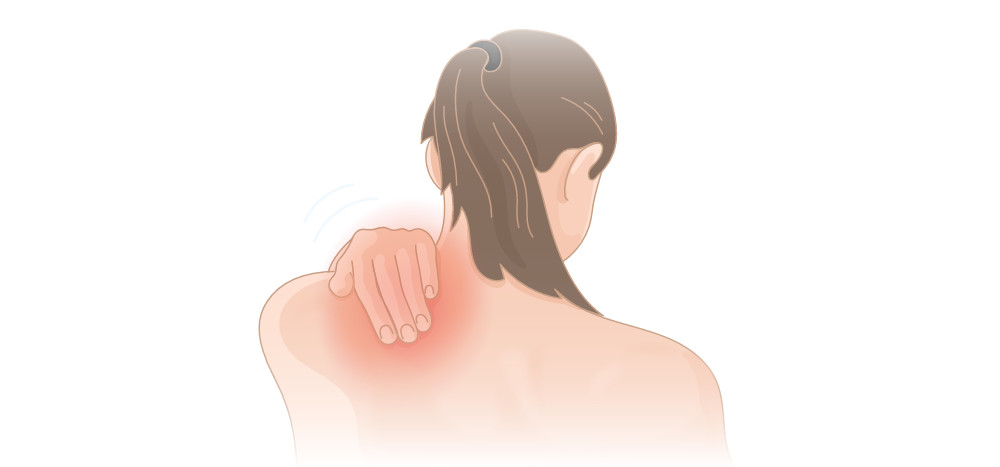
The neck is made up of vertebrae that extends from the skull down to the upper torso. It also has cervical discs that are designed to absorb the shock between the bones. The ligaments, muscles, and bones found in the neck support the head and allow it to move. Any injury, inflammation, or abnormalities may result in neck stiffness or pain.

Many people experience occasional neck pain or stiffness. In most cases, it can be attributed to overuse or poor posture. Other times, neck pain can also be caused by whiplash, contact sports, or injury from a fall.

Oftentimes, neck pain is not serious and won’t warrant neck pain treatment. However, if neck pain is severe, lingers for more than a week, and is accompanied by other symptoms, seeking medical attention right away is recommended.

There are different options to treat neck pain. However, the cause needs to be determined first before the best treatment can be provided. Fortunately, mild cases of neck pain will respond well to conservative treatments like exercise, pain medications, and massage. Many people who visit their chiropractors also report relief from neck pain.

Common Causes of Neck Pain

Neck stiffness or pain can be attributed to a lot of causes. Some of the most prevalent causes of neck pain include:

Muscle strain and tension

Muscle strain and tension can be due to the following behaviours and activities:

  • Working in the same position for too long

  • Sleeping with the neck in a bad position

  • Poor posture

  • Jerking the neck during exercise

Heart attack

Neck pain can also be one of the symptoms of a heart attack. However, oftentimes, it manifests together with other symptoms such as:

  • Vomiting

  • Nausea

  • Jaw or arm pain

  • Sweating

  • Shortness of breath

  • Injury

The neck can be very vulnerable to injury especially when playing sports, or during falls, and car accidents. In the aforementioned scenarios, the neck’s ligaments and muscles are forced to move outside of its normal range. If the cervical vertebrae (neck bones) are fractured, the spinal cord can also get damaged. Neck injury that occurs due to sudden jerking of the head is called whiplash.

Other causes

Other likely causes of neck pain include:

Osteoporosis. In people with the condition, the bone can weaken and can result in small fractures. While this condition often manifests in the knees and hands, it can also occur in the neck.

Spinal stenosis. This condition develops when the spinal column narrows down and causes pressure on the nerve roots or spinal cord as it exits the vertebrae. This condition can also develop due to long-term inflammation caused by arthritis and other conditions.

Rheumatoid arthritis. This condition causes joint swelling, pain, and bone spurs. When this develops in the neck area, neck pain can occur.

Fibromyalgia. This condition causes muscle pain throughout the body especially in the shoulder and neck region.

Spondylosis. When the cervical discs degenerate, spondylosis can occur. This condition is also known as osteoarthritis of the neck. When spondylosis is present, the space between the vertebrae can narrow down. The condition can also add stress to the joints.

Herniated cervical disk. Also known as slipped or ruptured disk, this condition occurs when a disk protrudes due to injury or trauma and puts pressure on the nerve roots or spinal cord.

In very rare instances, neck pain and stiffness can be secondary to:

  • Infections

  • Tumors

  • Abscesses

  • Congenital abnormalities

  • Spine cancer

When to See Your Doctor

If the neck stiffness or pain lasts for more than a week, a visit to the doctor is recommended. You should also check with your doctor right away if the neck pain is accompanied by:

  • Fever

  • Headache

  • Nausea

  • Swollen glands

  • Vomiting

  • Tingling

  • Numbness

  • Weakness

  • Lumps in the neck

  • Pain that travels down the legs or arms

  • Bowel or bladder dysfunction

0 comments
0 FacebookTwitterPinterestEmail

In essence, snoring is heavy breathing during sleep. Snoring is a common condition that can affect anyone. However, this condition is observed to be more common among men and people who are overweight. It also has the tendency to get worse with age.

Snoring every now and then is considered harmless, although understandably, it can be a nuisance for your bed partner. However, for long-term snorers, they have to find a way  how to stop snoring as it won’t only disrupt the sleep patterns of their bed partners, it  will also affect the quality of their sleep.

In some cases, snoring can be a symptom of an underlying health problem as opposed to the main problem itself. Those who snore very loudly and on a consistent basis need to know how to treat snoring so it won’t affect their sleep as well as their quality of life.

Causes

Snoring occurs when the air flow through the nose and mouth is blocked. The interference of the air flow can be attributed to several causes, including:

Poor muscle tone in the tongue and throat. The muscles of the tongue and throat can be too relaxed. This causes them to collapse into the airway.

Long soft palate or uvula. A long uvula (the tissue that dangles in the back of the mouth) and a long soft palate can cause the opening from the nose to the throat to narrow down. When the individual breathes, the two can bump against each other and block the airway.

Blocked nasal airways. Some individuals snore when they have a sinus infection or during allergy season. Other problems that can also block the nasal airways include nasal polyps or a deviated septum (a condition where the wall separating the nostril from the other is off center).

Sleep position. Sleeping on the back may also result in snoring.

Alcohol and drug use. Taking muscle relaxants or drinking alcohol may also cause the throat and tongue muscles to relax too much.

Bulky throat tissue. This condition can be caused by being overweight. In some children, their adenoids and tonsils might be too large, causing them to snore.

Sleep deprivation. Not getting sufficient sleep can sometimes cause the throat muscles to relax too much.

Complications

Snoring in itself won’t have any complications. However, snoring that’s associated with sleep apnea may lead to the following issues:

Frequent waking from sleep. In some cases, patients are not even aware of it happening.

Heart strain. Long-term obstructive sleep apnea might cause the blood pressure to rise, making the heart bigger as a result. This puts the patient at a higher risk of developing strokes and heart attacks.

Light sleeping. Waking up countless times during the night can interfere with the normal sleep pattern, depriving patients of a deeper and more restorative sleep.

Poor sleep quality. Not getting enough sleep may cause patients to be sleepy during the day and can significantly affect their quality of life.

Treatment

There are several treatment options available for snoring, including:

Oral appliances. Patients will wear a small plastic device in their mouth while they sleep.   This will keep the airways open.

Lifestyle changes. Your doctor may advise losing the excess weight or not drinking alcohol especially before retiring for the night.

CPAP machine. A continuous positive airway pressure machine can be used to treat sleep apnea. It can also help minimise snoring by blowing air into the patient’s airways during sleep.

Surgery. Some procedures can be done to help stop snoring. When required, your doctor can shrink or remove the tissues in the throat or make the soft palate stiffer.

0 comments
0 FacebookTwitterPinterestEmail

When replacing damaged or missing teeth, there are several options available, including replacement teeth and dentures. However, one option stands out: dental implants. Unlike bridges or dentures, dental implants offer replacement teeth that are truly hard to miss.

The Unbeatable Benefits of Getting Dental Implants

Below are some of the topnotch benefits of dental implants.

  • It can help prevent bone loss

When teeth are lost, there is also a tendency to lose bone mass in the jaw. The jawbone needs the stimulation it gets from the teeth to maintain its mass. Dental implant is the only tooth replacement alternative that replaces jawbone stimulation so bone loss is prevented.

  • It can help restore the bite force

Since dental implants are anchored into the jawbone using a titanium post that serves as tooth root, they make it possible for patients to have the same amount of bite force as the natural teeth. Other tooth replacement options, like dental implants, on the other hand won’t be able to restore nearly half of the usual bite force as most just sit on top of the gums and are not anchored in place.

  • It is designed to match the natural teeth

Dental implants can come in diverse shapes and sizes. Dentists at Aspen Dental will work with patients to design implants that will fit perfectly in the gap and match the color of the surrounding natural teeth. Dental implants look just like the natural teeth that it’s usually just you and your dentist who knows you got one.

  • It helps prevent any change in the face shape

The teeth also helps support the facial structure. When teeth are lost, there is also a possibility of losing facial support. Lack of facial support can cause the face to change shape, sometimes making patients look older than they really are. Since dental implants are designed to function just like the natural teeth and bone, they can also provide the same support to the face so it does not change shape.

  • It helps enable natural speech

Some tooth replacement alternatives like dental implant can significantly affect one’s ability to speak and pronounce words correctly. Fortunately, since dental implants act just like the natural teeth and bone, they can make it possible for people to speak naturally and effortlessly.

  • It helps prevent cavities

Contrary to popular belief, artificial teeth like dental implants need to be looked after accordingly to prevent bacteria from building up in the mouth and causing infections. The good thing is dental implants, made of bone, are resistant to decay. That means you won’t have to worry about getting cavities in your implants ever again.

  • It helps prevent any embarrassing slippage

Most patients who have dentures sometimes feel self-conscious when laughing, speaking, or eating in public as dentures have the tendency to slip or shift inside the mouth. Patients with dental implants however don’t have to think about their dental implants slipping as they are anchored in place firmly.

  • It helps support adjacent teeth

A gap in the mouth caused by a missing tooth might cause teeth on either side of the gap to shift positions. When this occurs, teeth misalignment can occur. Thankfully, dental implants will fill the gap and will make it possible for patients to have a straight and even smile.

  • It is easy to look after

Those with dental implants are not required to use any special products to clean or look after their dental implants. That means you don’t have to buy adhesives, special flossers, or cleansing tablets for your dental implants.

In essence, you just need to look after your implants like you would after your natural teeth. That means you brush and floss at least twice daily and visit your dentist for routine check-ups. If you’d like to know more about dental implants and figure out if  they’re the best option for you, click here.

0 comments
0 FacebookTwitterPinterestEmail

What are dental implants?

In a nutshell, dental implants are artificial replacements for missing natural teeth. Implants are also designed to provide a robust foundation for permanent (fixed) or removable replacement teeth.

Can anyone get dental implants?

In most cases, patients that are healthy enough to undergo oral surgery or a routine dental extraction can be good candidates for dental implants. Ideally, people who are candidates for a dental implant procedure should have healthy gums as well as enough bone to hold the implant in place.

Those with uncontrolled chronic illnesses like heart disease or diabetes, heavy smokers, and those who have had radiation therapy to the neck or head area will have to be evaluated on an individual basis. If you live in Singapore and you’re considering dental implants, find out all you need to know about the procedure here.

What is the success rate for dental implants?

Depending on where in the jaw the implants are placed, the success of dental implants can vary. However, in general, the success rate is around 98 percent. The good thing is that given it is cared for accordingly, dental implants can last a lifetime.

Are dental implants painful?

Most people who have had dental implants surgery report they felt very minimal discomfort during the procedure. Local anaesthesia is also used during the surgery and most patients report that implants are even less painful than tooth extractions.

What is the process of getting dental implants like?

Developing an individualised treatment plan is the first step in the dental implant surgery process. The treatment plan will address the patient’s specific needs. The plan is also often prepared by a team of professionals who are specially experienced and trained in both restorative dentistry and oral surgery.

Next, the tooth root implant (small post made of titanium) is placed into the missing tooth’s bone socket. As the jawbone heals, it will grow around the implanted metal post and will anchor it in the jaw securely. The healing time from dental implant surgery can take 6 to 12 weeks.

Once the implant has been bonded to the bone securely, a small connected post (known as abutment) will be attached to the post to secure the new tooth in place. A replacement tooth (known is crown) is attached to the dental implant abutment.

The dentist will also make sure the color of the new dental implant matches that of the natural teeth. Since the implant will be secured within the jawbone through surgery, the replacement teeth will feel, function, and look just like the natural teeth.

What are some of the benefits of getting dental implants?

Dental implants offer many enticing benefits. Some of the most notable ones include:

  • Enhanced appearance – dental implants are designed to mimic the look and feel of the patient’s natural teeth.

  • Improved comfort – since dental implants will fuse with the bone, they eliminate any of the discomforts associated with removable dentures.

  • Improved speech – when wearing ill-fitting dentures or dental implant, there is the tendency it will slip within the mouth and can cause the wearer to slur or mumble their words. With a dental implant however, you can speak without having to worry if the teeth will slip.

  • Improved self-confidence – dental implants look just like the natural teeth so it can help you regain your smile, feel better about yourself, and improve your self-confidence in the process.

  • Easier eating – sliding dentures will not only make it difficult to talk, it can also make chewing difficult. Fortunately, dental implants are designed to function just like the natural teeth, allowing you to better chew your food with confidence and without pain.

  • Durability – dental implants are known to be highly durable and can last for many years. With proper care, implants can even last a lifetime.

  • Convenience – dental implants will eliminate the embarrassment and inconvenience of removing dentures. People with dental implants are also spared from using messy adhesives just to keep their dentures in place.

0 comments
0 FacebookTwitterPinterestEmail

Turning the Spotlight on Skin Cancer

Do you know how skin cancer can be spotted? Don’t let skin cancer sneak up on you. Although you can’t see all the sun damage on your skin, inspecting the areas you can see is vital–before it’s too late. Otherwise you might regret it.

Fortunately, many skincare experts and dermatologists (dokter kecantikan) have shared valuable information on how skin cancer can be spotted. Below are some of the key information you need to keep in mind:

Can you spot cancer of the skin?

Anyone can get skin cancer regardless of colour or race. However, certain types of skin are believed to be more susceptible to the condition compared to others. Fortunately, skin cancer can be highly treatable especially when detected (and treated) early.

For the uninitiated, below are the different types of skin cancer:

Basal cell carcinoma and squamous cell carcinoma

Squamous cell carcinoma and basal cell carcinoma are considered two of the most common types of skin cancer. They are also classified as non-melanoma skin cancers.

Both types of skin cancer often develop within the skin’s top layer. They can also be evident on other areas of the body especially the areas that are often exposed to the sun. In addition, these cancer types can also develop on the scalp, face, ears, and neck.

Basal cell carcinoma often appears as a whitish bump. Squamous cell carcinoma on the other hand often appears as a rough, swollen, or scaly patch. Squamous cell carcinoma can also manifest as a bleeding and ulcerated bump.

While non-melanoma skin cancers don’t spread fast, they can lead to disfigurement when left untreated. Researchers estimate that in 2012 alone, 3.3 million people in the United States were diagnosed with non-melanoma skin cancer, including basal cell carcinoma and squamous cell carcinoma.

If you see anything shifting, swelling, or bleeding on your face, see a board-certified dermatologist as soon as possible. If anything, skin cancer can be highly curable given that it’s diagnosed early and treated accordingly.

Melanoma

This is skin cancer’s most deadly type. Every day, nearly 20 Americans die of melanoma. This type of skin cancer can also appear suddenly and without warning. However, in some cases, melanoma can also develop from or near an existing mole.

While melanomas can develop anywhere in the body, it typically manifests around the areas in the neck, head, torso, upper torso, and the lower legs. Melanomas can easily spread to the lymph nodes and the internal organs. That being said, early detection of melanomas is crucial so it can be addressed properly.

If you notice any see swelling or bleeding on your face, consider it best to visit a board certified dermatologist immediately. Fresh and rapid growing moles are often early warning signs of melanoma and should be looked into by a dermatologist as soon as possible. The good news is melanoma is highly treatable given that it’s detected early and treated properly.

The American Academy of Dermatology suggests that everyone studies the ABCDs of melanoma to help them detect melanomas early.

A stands for asymmetry: one half of the mole does not suit the other half.

B stands border irregularity: the edges are ragged, stitched, or blurred.

C stands for color: this can vary from region to region.

D stands for diameter: while melanomas are usually larger than 6mm when diagnosed (the size of a pencil eraser), they can also be smaller.

For more information on the diagnosis and prevention of skin cancer or if you want to find a free skin cancer test in your area, visit the nearest dermatological clinic and consult a skincare specialist (dokter kecantikan) or dermatologist.

0 comments
0 FacebookTwitterPinterestEmail

In essence, spinal decompression therapy involves the stretching of the spine using a traction table or a similar motorised device. The goal of the therapy is to relieve leg or back pain. This procedure is also known as nonsurgical decompression therapy and is often carried out by a seasoned chiropractor.

If you’re a candidate for nonsurgical decompression therapy, this article will provide an overview of the procedure. It will also give you an insight into its role in the treatment of leg, lower back, and neck pain.

Theory of Spinal Decompression

Nonsurgical decompression therapy makes use of the basic principle of spinal traction offered by trained health professionals like osteopaths and chiropractors. Both decompression and traction therapy are used with the goal of relieving pain as well as promoting optimal ealing for degenerating, bulging, and herniated discs.

Spinal decompression therapy is also a type of traction therapy that’s applied to the spine in an attempt to achieve the following benefits:

  • Promote repositioning or retraction of the bulging or herniated disc material.

  • Cause an influx of healing substances and other nutrients into the disc.

How Spinal Decompression Therapy is Carried Out

In nonsurgical spinal decompression therapy, the spine is relaxed and stretched intermittently and in a controlled manner. The theory is that this process will create a negative pressure within the disc itself (intradiscal pressure). This is believed to have 2 potential benefits:

  • It pulls the bulging or herniated disc material back into the disc

  • It facilitates the passage of healing nutrients into the disc and fosters a great healing environment

Spinal Decompression Sessions

During spinal decompression therapy for the lumbar spine (low back), patients will remain clothed and lie on the motorised table. A harness is then placed around the hips and is attached to the lower table situated near the feet.

The upper part of the table will stay in a fixed position. The lower part (where the patient is harnessed), will slide back and forth to provide both relaxation and traction.

The patient’s position on the table often differentiates one decompression therapy from another. For instance, some devices will have the patient in a prone position, lying face down on the table. Other devices on the other hand will have the patient lying supine and face up. While patients feel a stretch in their spine during a decompression therapy session, they won’t feel any pain or discomfort.

Decompression therapy usually consists of a series of 15 to 30 treatment sessions. Each session will often last around 30 to 45 minutes each and is spread over a 4 to 6-week period. Decompression therapy is often conducted in the practitioner’s office.

Some decompression therapy sessions can include additional treatment modalities like ultrasound, electric stimulation, and heat and cold therapy (applied after or during the procedure).

Spinal Decompression Therapy Indications

Spinal decompression therapy is often the treatment alternative for sciatica (leg pain), neck pain secondary to bulging, degenerated, or herniated discs, and several types of lower back pain.

Spinal Decompression Therapy Contraindications

Stretching the spine in order to relive back pain is not ideal for all people. The following are individuals who are not considered good candidates for the procedure:

  • Those with broken vertebrae

  • Pregnant women

  • Those who have had spinal fusion

  • Those with an artificial disc or other implants in the spine

  • Those who have had a failed back surgery

  • Those who have had multiple surgeries

Spinal decompression is also not ideal for individuals with the following medical conditions:

  • Spinal stenosis

  • Spinal tumor

  • Ankylosing spondylitis

  • Osteopenia

  • Osteoporosis

  • Spinal infection

  • Conditions that compromise the spine’s integrity

  • Patients who are taking blood thinner medications

0 comments
0 FacebookTwitterPinterestEmail