Category:

Body

Let’s talk about the elephant in the room: the misconception that spa days are reserved for the crème de la crème of society, a frivolous splurge that the average Joe and Jane can scarcely afford. But what if I told you that hitting the pause button on life and stepping into the serenity of a spa is less about luxury and more about pressing the much-needed reset button on your wellbeing? Imagine this: after a grueling week that has left your energy tank on empty, you discover a haven where time stands still, and relaxation is the only item on the agenda. Welcome to the transformative world of spa visits, where indulgence meets necessity, especially in a bustling hub like Singapore.

It’s a De-Stress Express

In today’s whirlwind of deadlines and demands, stress is as common as coffee breaks. But what if there was a magical escape that could melt away the tension? Enter the spa, with its arsenal of stress-busting weapons: from aromatic hot tubs and soothing saunas to therapeutic massages that whisk you away to a world of calm. Grand Spa offers a sanctuary where stress doesn’t stand a chance, proving that an hour of pampering can reboot your stress levels and transform pain into a distant memory.

Unlocking the Secrets to a Healthier You

Have you ever wondered if your body holds secrets to better health? A skilled therapist can be your guide, uncovering tense muscles you never knew existed and offering a roadmap to lasting wellness. With personalized tips ranging from stretch exercises to dietary tweaks, a spa visit is like consulting a wellness oracle that knows exactly what your body needs.

A Mental Makeover

It’s not just your body that gets a tune-up; your mind does, too. Spas are the unsung heroes in the battle against mental clutter, providing a tranquil backdrop for you to clear your head. Whether it’s the gentle pressure of an acupressure session or the rejuvenating touch of a facial, the mental lift you get is just as vital as the physical relief.

The Slim-Down Sanctuary

For those on a quest to shed or maintain weight, Grand Spa doubles as a beacon of hope. With tailored programs that blend spa services with expert advice, achieving your fitness goals suddenly feels more like a treat than a chore. It’s about transforming the weight loss journey into a luxurious adventure.

Detox: The Spa’s Superpower

In the world of spa magic, detoxification is the show-stopper. Imagine services designed to purge toxins and banish water retention, offering a clean slate for your body. From colon cleanses to juice diets, the path to purification is paved with spa indulgences, making detox anything but a daunting task.

The Fountain of Youth

If stress has been fast-forwarding your aging clock, a spa retreat might just be the time machine you need. Beyond the surface-level beauty treatments lies the true essence of youthfulness: the radiant glow that comes from within. Through detox and destressing, spas hold the secret to a visage that defies time.

Circulation and Pressure Perfection

Those therapeutic massages do more than just feel good; they’re a lifeline to your circulation, offering a natural remedy for managing high blood pressure. It’s a heart-healthy prescription wrapped in the comfort of a spa robe.

Enhancing Flexibility and Breath

Imagine improving your yoga poses without a yoga mat in sight. Massage therapies and spa rituals can boost your flexibility and breathe new life into your respiratory system, proving that wellness can indeed be holistic.

The Dream Weaver

Ever dream of waking up truly refreshed? Spa services, particularly those available 24/7 in Singapore, promise to recalibrate your sleep patterns, ensuring that a restful night is no longer just a dream.

So, next time you ponder the question of luxury versus necessity regarding spa visits, remember: in the pursuit of health and happiness, a spa day is not just a treat; it’s a fundamental piece of the wellness puzzle. Click here to embark on your journey to a revitalized you. Because sometimes, the most productive thing you can do is relax.

0 comments
0 FacebookTwitterPinterestEmail

You might be surprised at how easily you will recover and how good you feel a day after ReLEx SMILE surgery. Some patients are also able to go back to their normal activities. However, you still have to observe a few precautions during the initial week or so, to avoid complications, having an eye wound, or having an eye injury as it heals.

Eye surgeons usually recommend antibiotic eye drops to help avoid infection. They will also prescribe you anti-inflammatory eye drops and pain medications to lessen risks of any internal inflammation. Apply the eye drops as recommended by your doctor and follow the suggested schedule during your recovery. You may also be given some oral pain relievers such as acetaminophen, if necessary, by doctors in the hospital.

After the surgery, doctors at the hospital will conduct a post-operative exam to see to it that the surgery has been successful. He or she, doctors will advise you to take necessary precautions and medications for pain control to help your eyes heal quickly. Majority of patient’s vision recovery and improvement are attained during the first week post-surgery and will still improve in the coming weeks. Depending on the eye’s condition and the kind of procedure done, it may take up to six months before your eyes have completely attained the results of the surgery.


Make sure you follow the tips below for faster recovery:

Face washing: Avoid getting water into the eyes to stop risks of infection. As for the rest of your face, it can be cleaned using a wet as well as clean cloth.

Bathing: You can bathe below neck from the 1st postoperative day itself. As for your hair, you may go to a salon for a hair wash and to avoid getting soap or water into the eyes for a period of three to four weeks.

Eye shield: Always wear an eye shield for your protection, especially when you need sleep to avoid accidentally putting pressure on the eyes. During daytime, you may use shades to protect the eyes from excessive ultraviolet rays. Make sure to wash the eye shield or the sunglasses with soap and water on a regular basis or before using them. This is to ensure that they are free from any germs that could infect your eyes.

Facial cosmetics: For about four weeks, patients are advised to avoid cosmetics such as eye shadow, mascara, or eyeliners. Lotions, fragrances, creams, medication, pain, and surgery are to be avoided until your doctor allows you to do so.

Physical activity: You can resume to your regular activities such as watching TV, reading a book, or walking right after surgery. However, strenuous activities like weight lifting, jogging, swimming, or contact sports have to be avoided for about 4 weeks or so after surgery.

Driving: You are not allowed to drive until your eye doctor gives you consent to do so. Many patients are advised to arrange mode of transport and medication after the surgery for their convenience.

Back to work: You may have to check with your eye doctor with regards to when you can go back to work. This will still depend on the type of work you do.

Most patients are able to return back to work three days after surgery despite pain.

If you are searching for an eye care center that has ReLEx SMILE surgery, you may visit Atlas Eye. They have top of the line eye care service using advanced medical technology as well as surgical techniques. Each staff of Atlas Eye extensive medical experience so you can expect quality care at all times.

0 comments
0 FacebookTwitterPinterestEmail

What is ReLEx SMILE?

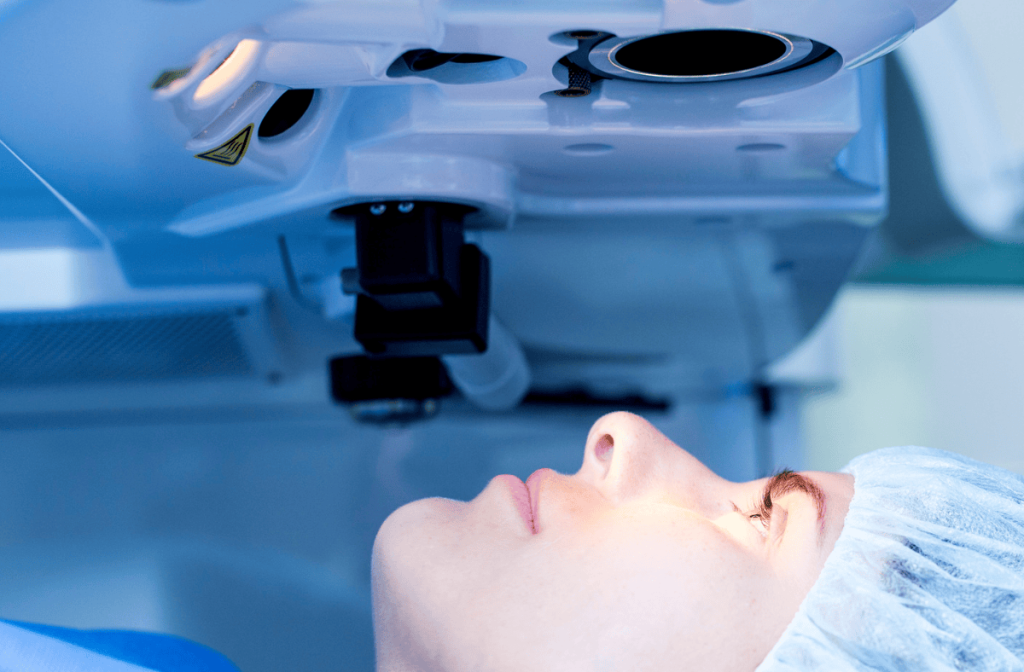
ReLEx means Refractive LEnticule Extraction, while SMILE means Small Incision Lenticule Extraction. This technique is the latest laser surgery method available in the industry, and is used to treat shortsightedness as well as astigmatism. Since this it is the most cutting-edge refractive surgery, ReLEx SMILE is only available in select eye care clinics in Singapore. Just like LASIK treatment, patients can expect similar benefit, with the additional benefit of fast recovery time, not getting any corneal flap, and even little discomfort.


What are the advantages of ReLEx SMILE compared to other surgeries?


  • Since the doctor no longer have to do flap folding, there is no risk of flap complication
  • Low probability of getting dry eye problem once the surgery is done
  • ReLEx SMILE is possible even for patients who are suffering from dry eyes
  • The rapid healing reduces the risk of any eye infection during and after surgery
  • It is a painless, gentle and quick procedure
  • Patients can go back to work within just three to five days after the surgery
  • No risks of flap displacement
  • The lacrimal reflex is maintained since lesser cornea nerves are affected


Who are qualified to under ReLEx SMILE?

Bed Eyesight

A patient who has higher degrees of nearsightedness or myopia and astigmatism may be advised to undergo ReLEx SMILE. You need to be at least 18 years old to be qualified. This surgery offers up-to-date advantages by removing the need to make a corneal flap in LASIK surgery or the lengthy recovery time in surface ablation method. It only needs a small incision on the corneal surface through the use of femtosecond laser. Because the cut created on the cornea is just minimal, it lets your eyes to heal faster.


How does ReLEx SMILE work?

First and foremost, your doctor will give you some numbing eye drops to remove any discomfort you could feel during the surgery. For the next step, a femtosecond laser is applied to make a small incision along with a lenticule inside the cornea. Once done, the corneal tissue or lenticule will be removed through the small cut. After the tissues have been removed, the shape of your cornea is changed for your desired vision outcome.


What are the risks of undergoing ReLEx SMILE?

All medical procedures come with their own advantages as well as disadvantages. It will be best to be fully aware of them so you can better decide if the procedure is really right for you. Below are the risks of undergoing ReLEx SMILE surgery:

  • Corneal abrasion
  • Lenticule rupture
  • Interface inflammation
  • Corneal edema
  • Cap tear
  • Difficult lenticule extraction
  • Suction-loss during surgery
  • Perforated cap
  • Under correction
  • Epithelial abrasions
  • Small tears at the incision site
  • Loss of best-corrected visual acuity
  • Diffuse lamellar keratitis (DLK)
  • Transient epithelial dryness
  • Haze
  • Opaque bubble layer
  • Interface infiltrates
  • Blurred vision


There are only few eye care centers in Singapore that have quality Relex Smile services, so be sure to select the one that is reliable. To make sure that you are fit to undergo this surgery, visit an eligible eye care center such as Atlas Eye. This clinic is located in Paragon Medical, Orchard Road. Their staff members are skilled and trained in delivering quality services. Visit their website for more details about their eye care services or to set an appointment.


0 comments
0 FacebookTwitterPinterestEmail

If your aim is to find right eye specialist doctor who will help you have better vision, then you have visited the right place. This article aims to help you find the right eye care center where you can have quality LASIK surgery. Below are some advice on how you can assess an eye surgeon’s skill.


To help you see whether you have found the right doctor or not, here are some effective tips:

Ask the eye care center’s staff members – to have an idea whether the doctor will make you feel at ease during eye exams or eye surgery, ask the people who always interact with the doctor while at work. They are the ones who really see the accomplishments or mistakes of the doctor, and they know if he or she is to be recommended or not. You can even set for short interviews so you will not have to sneak around to ask questions. Here are some helpful questions to get you started:

  • Can you share some of success stories of this surgeon?
  • Does he patiently answer questions from patients?
  • Would you recommended this doctor to one of your relatives?

Even if they don’t give you frank answers, their overall opinion about these random questions will give you a better understanding whether you should trust your safety to this surgeon or not.


Ask for your physician’s recommendation – if you already have a family doctor, a pediatrician or an obstetrician/gynecologist, then you may ask for their recommendations on who should you trust for a LASIK surgery. These family doctors will not put their reputation or your trust at risk by referring the wrong doctor. Moreover, since he or she knows your medical history, they would choose a doctor that specializes in your needs. Once he or she has given you a list of names, inquire why your doctor recommends this surgeon. Is he referring him since he is known in the industry for delivering optimal results? Does he or she trust this surgeon to help you understand what your options are? Just like the queries mentioned, this will give you enough tips to make the right decision.


Relatives or friend’s recommendation – if you know someone who has recently done LASIK surgery, ask for their recommendation. These people will be honest to you on whether they suggest the services offered in an eye care center or not. They can even give you tips on what to ask or even help you get discounts.


Research on the Internet – make the most of the Internet and take a look into the collective feedback of many of their patients online. Check for reliable websites and forums so you can read how they rate physicians based on their personal experiences.

Research on the Internet

One recommended eye care center in Singapore is Atlas Eye. Their eye care center is located in Paragon Medical #07-09, 290 Orchard Road. They have quality eye care services using cutting-edge medical technology as well as modern surgery techniques. This clinic is owned by highly regarded eye surgeons in Singapore, and is spearheaded by Medical Director and Senior Consultant Dr. David Chan. He is a Courage Star Awardee, and is a member of various international ophthalmological organizations. Each of the staff members of Atlas Eye has about 7 to 20 years of intensive clinical experience.


Schedule an appointment with them for eye examination or call their clinic for enquiries regarding their advanced services in cataract surgery, LASIK surgery, childhood eye treatment, and glaucoma treatment. Get in touch with Atlas Eye today.


0 comments
0 FacebookTwitterPinterestEmail

Having questions whether you need a LASIK operation or not? Do you want to learn more about LASIK Singapore price or how the method works before finally doing it? Great thing this article answers all the commonly asked questions people have about LASIK surgery. Read the article to know more about how LASIK surgery can correct your vision.

How does LASIK work?

In LASIK surgery, your eye doctor will 1st use a femtosecond laser or a microkeratome to make a thin flap in the cornea. The flap is then raised and a second excimer laser is applied in order to reshape the cornea and correct vision problems like nearsightedness, farsightedness or astigmatism. This laser is a highly specialized laser that comes complete with a cool ultraviolet light beam. It eliminates the microscopic tissues from the cornea, and redesigns it so it can accurately focus light on the retina. If perform precisely, you will be able to achieve better vision. For those who have nearsightedness problem, the goal of the surgery is to flatten the cornea. On the other hand, farsighted patients will need a steeper cornea. As for patients with astigmatism, the surgeon will smoothen the irregular cornea so it can be spherical in shape. After the cornea has been reformed, the surgeon will return the flap, and then allow it to heal naturally.

How much does it cost?

LASIK Singapore price can start from $3500 and up to $6500. It may be tough to find solid price details regarding LASIK procedure since prices will be based on what technology the doctor will use, how much vision correction you need, and how difficult the procedure will be. To have a better knowledge about the rates, you will need to set an eye exam with a specialist.

How do I know if I’m qualified to undergo LASIK?

Generally speaking, a person needs to be at least eighteen years old for them to be qualified for LASIK. He or she should have healthy eyes and a stable eyeglasses or contact lenses prescription for the recent 12 months.

Basic Things About LASIK

Here are the qualifications that need to be met before you choose to undergo this treatment:

  • Not nursing or pregnant. Those who are expecting or nursing can have diverse measurement of their eye degree. This can affect the outcomes of the surgery.
  • Good health condition. Patients who have health problems such as diabetes, lupus, herpes infections of the eye, rheumatoid arthritis, glaucoma, retinal disease, cataracts, and disorders of the cornea may not be allowed to undergo LASIK. If you have any of these conditions, it’s best to ask your eye doctor of the other options you have to treat your vision.
  • Avoid taking certain medications such as oral prednisone or Accutane.
  • You don’t have a severe dry eye condition.

Will I get a perfect 20/20 vision after the procedure?

LASIK surgery has been highly deemed for improving many patients’ vision. However, no 1 can guarantee that it will give you 20/20 eyesight once its done. After the surgery, many patients are happy to be able to go back to their regular lifestyle without the need to wear prescription contacts or eyeglasses.

Is the surgery painful?

LASIK surgery patients agree that they did not feel any pain during and even after the procedure. This is due to the fact the eye doctor will use anesthetic drops to fully numb the eye before the surgery begins. In the process, you may feel a light pressure sensation as well as temperature around the eye, but no pain at all. You will even be prescribed with eye drops to provide comfort after your surgery.

To find out more about LASIK eye surgery, contact Atlas Eye. You may also visit their site for details about their eye care services.


0 comments
0 FacebookTwitterPinterestEmail

If you want to know if you are qualified to get LASIK eye surgery or not, then this article can help you. Read the article to know the requirements of LASIK eye surgery and for tips on how you can set up for it:


Your Eyes Must Be Healthy

Your eyes should not have eye diseases or corneal abnormalities. These eye diseases include scars as well as infections since this may affect the result of the procedure. Additionally, keep in mind that it is important to have a stable eyeglass or contact lenses prescription for at least a year before LASIK surgery. This is to have greater chances of getting long lasting results. Younger candidates are usually advised to wait until their prescription has stabilized before considering LASIK. This can be determined by regular refraction results gathered during your routine eye check with your eye care specialist.


You Must Be Over a Certain Age

Younger patients who want to undergo LASIK eye surgery may not be allowed to undergo it since their vision may still change over time. A patient needs to be at least 18 years old with a stable prescription for the past 1 year for him or her to be qualified for laser eye surgery. Whether they have astigmatism or not, they can still have LASIK surgery.


You Must Not Wear Contact Lenses

Qualified for a LASIK Treatment

Your eye doctor will ask you to stop wearing contact lenses for about 1 week prior to you eye examination as well as the actual surgery. This is because your contact lenses can alter the shape of your cornea, and could affect the results when your doctor determines whether you are qualified for LASIK. Being out of your contact lenses for 1 to 2 weeks is best before you have your LASIK consultation or procedure.


You Must Be Able to Lie Flat Without Discomfort

Based on the eye condition, the whole LASIK eye surgery may take about 20 minutes to complete. It will also be conducted while the patient is lying down. Your doctor will ask you to have your eyes focused on a single point of light for several minutes during the surgery. While lasers used for LASIK can keep up and track the eye movement, it will still help if you can focus at a certain spot during the procedure to get the best results.


Be sure to set up a LASIK consultation to learn more about the procedure and whether it’s right for you. Your doctor will also discuss other options for you should you be found ineligible for it.


If you need a Singapore-based eye care center you can count on, don’t hesitate to get in touch with Atlas Eye. Through the advantages of modern techniques and technology, they are able to get better outcome in eye health enhancement or rehabilitation. In addition to LASIK, they also offer checks for:


  • Dry Eyes – happens when your eyes do not produce enough tears
  • Diabetic Retinopathy – changes to the eye due to diabetes
  • Children’s Eye Care
  • Cataract – for progressive clouding of vision
  • Contact Lens Related Conditions –contact lenses may cause significant risk in your eyes if not used correctly
  • Refractive errors – this will allow you to know the right prescription glasses or contact lens you need
  • Glaucoma – glaucoma may result of permanent vision loss and blindness
  • Floaters – floaters or specks that float about in your field of vision


Learn more about their services by checking out their website now!


0 comments
0 FacebookTwitterPinterestEmail

When you do a search online, you will see that there are various myths surrounding LASIK surgery. As it becomes a well-known option to those who want to have a better vision, these myths are starting to be debunked. Here are several facts and myths about LASIK surgery you need to know.


MYTH: You don’t need eyeglasses or contact lenses once you undergo LASIK surgery

FACT: Even if you have had LASIK surgery, there is still no guarantee that your vision will not alter as you age. Our normal vision will change with time so you may still need to have eyeglasses or contacts when you are in your 50s. It’s vital that you still undergo routine eye exams to maintain your eye health even if you obtained better results after LASIK.


MYTH: LASIK surgery is painful.

FACT: LASIK surgery is painless. Before the operation, your doctor will use anesthetic drops to numb your eye. Even after the treatment, you will feel little to no pain. There might be mild stinging or gritty sensation after the surgery, but it will only last for a few hours after the surgery, and will eventually fade away.

 Undergoing LASIK Treatment

MYTH: The laser could burn your eyes.

FACT: Some patients may smell something burning during the laser eye surgery. However, this is nothing to worry about as the laser is vaporizing the cornea. By doing so, the cornea is being reshaped, allowing you to be spectacle independent after the laser surgery

MYTH: Everyone can undergo LASIK.

FACT: Not everyone is qualified to undergo LASIK. You have to meet the following qualifications first before you schedule for an operation:

– You must be 18 years old or above

– You do not want to wear contact lenses or prescription glasses

– You are in good health

– You have a stable prescription for the past one year


Those who have the following conditions may not be qualified to undergo LASIK:

  • Patients with eye diseases or eye viruses
  • Patients with health problems, such uncontrolled diabetes or autoimmune disease
  • Patients with thin or irregular corneas


MYTH: LASIK can cause blindness.

FACT: Many LASIK procedures have already been performed with high levels of safety and patient satisfaction. But, as LASIK is still considered a surgery, so there are certain risks involved. Currently in Singapore, no 1 has gone blind from LASIK before. It is best to take a pre-surgery consultation and eye examination so your eye doctor can review all potential risks. This will also allow him or her to see whether you are a good LASIK candidate.


MYTH: All LASIK results are the same.

FACT: 1 of the essential elements in a successful surgical procedure is the surgeon’s skill. However, everyone has a different eye condition so the outcome may still vary. That is why you need to have an eye exam first to properly manage your expectations on the possible result of the surgery.


MYTH: There are possible long-term side effects from LASIK surgery.

FACT: Laser surgery is still considered a surgery, and with every surgery there are risks involved. One common side effect after LASIK is dry eyes, and they usually lessen with time. However, in a small number of patients, it may be permanent. This can be overcome by the use of lubricating eye drops.


For more details about LASIK surgery or to schedule an eye examination, be sure to visit Atlas Eye. You may also visit their website to learn more about other eye care services.

0 comments
0 FacebookTwitterPinterestEmail

Many people ignore changes in their vision. Some even wait until it starts to affect their lifestyle before they decide to visit an eye doctor. But, eye problems do not always show signs. That’s why you need to have your eyes checked on a yearly basis if you want to avoid vision problems.

According to American Academy of Ophthalmology, you need to get a baseline eye examination at the age of 40. This is also the age when early signs of common eye diseases or changes in vision can start to manifest. Similar to screening of other diseases such as diabetes or cancers, reaching 40 is a reminder to everyone to be more active in taking care of both their eye and overall health. Visiting an eye specialist in Singapore can help check for signs of eye diseases before it worsens.

While 40 years of age is the suggested age to get an all-inclusive eye exam, there are possibilities when you need to have it at an earlier age. If you already have an eye injury or eye diseases, you must see an eye specialist in Singapore more often.

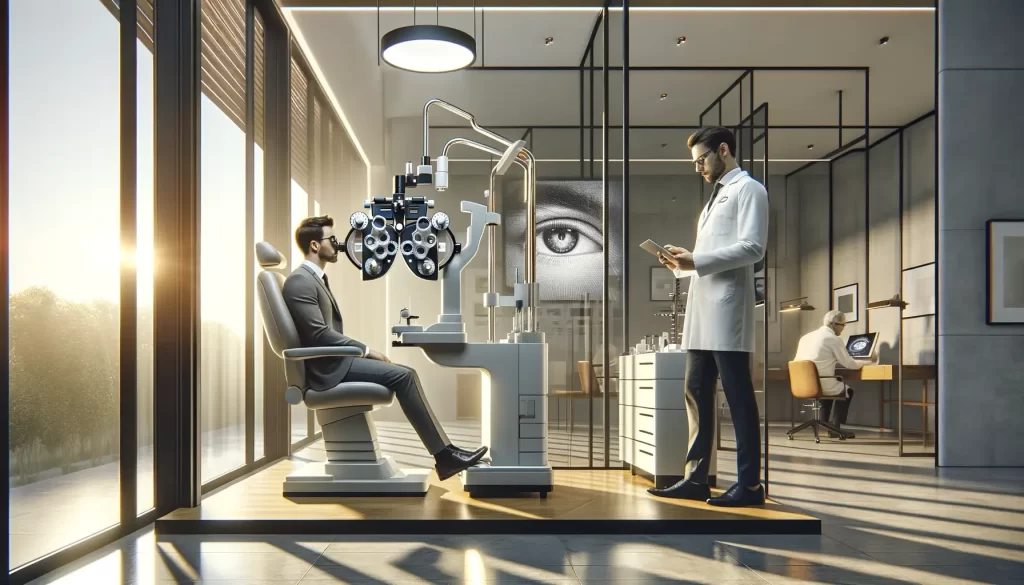
During the examination, your eye specialist will help you learn more about your eye condition. This examination even allows the doctor to check if you have any other eye diseases and assess how your eyes work together. The eyes are also good indicators if someone has chronic health problems, which include diabetes or high blood pressure.

Why Are Eye Examinations So Important

You only need about 40 minutes to an hour to complete an eye exam. This will cover the following:

  1. Medical history – after evaluating your vision and overall health, your doctor will check your medical history. This is for him or her to have a better knowledge of the causes of your eye problem. Your eye doctor also needs to know if you have had any eye injuries before. Even your previous eye prescriptions should be discussed during eye exam.
  2. Visual field testing – loss of side vision may be caused by However, some persons do not know that they have lost their side vision until they visit an eye specialist for an exam.
  3. Pupils – during the eye examination, your doctor will also evaluate your pupils. He or she will check if it responds to light by using a beam light through the pupils. Your pupils should constrict or become smaller during this test. If it dilates or there’s no response, then this is an indication of an eye problem.
  4. Dilated fundus examination – eye drops will be instilled to enlarge your pupils. This lets the doctor to check the retina for any bleeding, swelling, or retinal tears or holes.
  5. Visual acuity – this is when your eye doctor will ask you to read a standardized eye chart to check how well you see at various distances. It will be done 1 eye at a time.

Your eye doctor may suggest further eye tests to see how your eyes are using other specialized techniques. These eye examinations can be helpful in diagnosing a disease in early stages so your doctor can detect if there are abnormalities in any areas of your eyes.

After these tests, your doctor will explain to you his or her findings. Don’t hesitate to inquire or jot down notes to make sure you understand about your eye’s health.


Don’t wait until you have trouble watching TV or seeing objects close up. Visit Atlas Eye to have your eyes checked by a professional. Check out their site for more details!


0 comments
0 FacebookTwitterPinterestEmail

Regardless of our age, there are always changes happening to our vision. In most cases, eye checks are usually carried out annually, unless there are preexisting eye conditions. Should that be the case, it is wise to visit an eye doctor in Singapore to have your eyes checked.


Usually, you need to undergo a comprehensive eye exam annually to see to it that your eyes stay healthy and your vision remains sharp. However, if you have the following conditions, you may need to undergo an eye exam more frequently:

  • Previous eye injury or eye trauma
  • Previous eye surgery
  • High level of eye prescription
  • Lazy eye
  • Medical conditions such as diabetes
  • Ocular disorder
  • Family history of certain eye or health problems such as glaucoma and macular degeneration


There are also occurrences when you need to undergo an eye examination immediately or even if you are not yet planned to get one. These include:


  • If you experience abrupt blurring of vision – these eye problems can be signs of a bigger health concern and must be immediately checked by an eye doctor in Singapore.


  • If you suddenly see flashes of light, floaters, or other visual disturbances – visual disturbances mentioned could be signs that you have a serious and vision-threatening disorder. It could be because of a retinal tear, retinal detachment, or retinal hole. Don’t wait for these symptoms to worsen and seek immediate medical care within the next twenty-four hours. This will diminish risks of vision loss.


  • If you notice that your vision is progressively becoming blurry – when this symptom starts to be evident, it could mean that your vision is gradually weakening. If you need to squint or to move further away from a book or a computer screen just to improve clarity, it may be time to schedule for an eye exam.


  • If you always experience headaches – recurring headaches could be a sign that you have a vision problem. You may not notice it at first since the changes in your vision could manifest gradually. Headaches can be an early warning sign of something more serious.


  • If you feel eye strain or eye fatigue – eyestrain can happen from time to time, but it is not to be ignored. It may be due to exhaustion, not having enough sleep, or long hours of near work. However, if it has been recurring for a few days, it may be best to have it checked.


  • If you always squint – another typical sign that it’s time for an eye exam is squinting. We typically squint to improve our eyes’ focus or if the eyes are having difficulty looking or reading. Squinting reduces light scattering, leading to improved vision. It is also the first sign we see in kids if they need eyeglasses. So, if you notice that your child frequently squints when reading or watching television, it will be best to have him or her scheduled for an eye exam.

Eye Specialist

Eye examinations are important to see changes in your vision or overall health. It is also be effective in aiding you avoid complications or see the natural changes in the eyes as you age.


If you have further questions about eye exams, contact Atlas Eye. Visit their website or call their office to find out more about eye care services today!

0 comments
0 FacebookTwitterPinterestEmail


Your eye’s lens works same as a camera lens. It focuses light onto your retina to allow you to have perfect vision. It is also accountable for adjusting the eye’s focus so you can see things distinctly whether it is up close or far away. This lens is made up of protein and water.


As we age, the protein in the lens may clump together and cloud a certain area of the lens. This is how a cataract forms. Over the years, the lens becomes progressively cloudy. As a result, it makes it harder for a person to see things at certain distance, and sometimes at night.


Researches from different parts of the world have identified factors that cause cataracts. These causes include:

Age – as we age, the protein in our eyes can clump as we age

Traumatic – cataracts may form after an eye injury

Secondary – cataract can also be acquired due to a medical condition, such as diabetes. You can also get it by being exposed to ultraviolet light, toxic substances, or radiation. Taking medicines like corticosteroids or diuretics can also cause cataracts.

Congenital – when babies are born with cataracts, the condition is called congenital. This may be due to injury, infection, or even poor development of the baby in the womb during pregnancy. It can also develop in childhood.


Other risks of cataracts are include:

  • High level of myopia
  • Previous eye injury or inflammation
  • Previous eye surgery
  • Hormone replacement therapy
  • Hypertension
  • Obesity
  • Smoking
  • Prolonged intake of corticosteroid medications
  • Significant alcohol consumption


Treating cataract:


If you have cataracts, it does not mean that you immediately need to undergo a cataract surgery. When symptoms begin to manifest, you may still be able to improve your vision by wearing prescription eyeglasses or any other visual aids.


Consider surgery once the cataracts start to progress enough that it is already beginning to affect your day-to-day life. If you are considering about undergoing this surgery, make sure to choose a reliable eye care center to make sure you get top-quality service. They will help you learn whether you need the surgery or not.


What to expect in cataract surgery:

Cataract surgery is designed to improving a patient’s quality of life and in certain cases, to remove the need to wear contact lenses or eyeglasses. However, some patients may still need to use glasses, based on the type of lens implant inserted. During cataract surgery, the eye specialist will eliminate the cloudy lens and then use a clear artificial lens called intraocular lens as a replacement. This surgery only needs about half an hour to complete and painless and safe. As it can be done as an outpatient method, you are able to go home on the same day after the surgeon has already finished the post surgery check. This means that you will have enough time to rest at home and begin to adjust to your new vision.


If you are still in search for a qualified eye care center in Singapore, be sure to visit Atlas Eye. They are known for delivering high-quality and evidence-based eye care services at reasonable rates. This Singapore-based ophthalmology specialist centre is known in the country for harnessing the advantages of the latest techniques and technology to offer optimal results to their patients who need eye health enhancement or rehabilitation. Their friendly staffs deliver quality services and help you achieve great results in every examination, treatment and surgery. Choose Atlas Eye for advanced cataract surgery, glaucoma treatment, childhood eye treatment, refractive surgery, or diabetic treatment.


0 comments
0 FacebookTwitterPinterestEmail