Category:

injury

A hand and wrist condition that occurs when the median nerve is compressed is known as carpal tunnel syndrome

A hand and wrist condition that occurs when the median nerve is compressed is known as carpal tunnel syndrome.

Some of the most common symptoms of carpal tunnel syndrome include but are not limited to pain, numbness, and weakness.

In some cases, the symptoms may also radiate to the arm affected.

Depending on the severity, treatment options available may vary.

Likely treatment approaches can include noninvasive options to carpal tunnel syndrome surgery.

Causes

While several causes have been identified, below are some of the key culprits:

  • Irritated flexor tendons
  • Wrist movements that are repetitive
  • Other medical conditions like hypothyroidism, diabetes, pregnancy, and rheumatoid arthritis

Risk Factors

Some of the risk factors for carpal tunnel syndrome include:

Sex

The condition is observed to be more common in women than in men.

Inflammatory Conditions

Diseases that are characterized by inflammation like rheumatoid arthritis may sometimes affect the wrist tendons and put pressure on the median nerve.

Other medical conditions

Disorders like obesity, kidney failure, menopause, obesity, and other medical conditions have also been associate with carpal tunnel syndrome.

Nerve-damaging diseases

Conditions like diabetes can increase the risk of nerve damage that may also affect the median nerve.

Workplace factors

Work or hobbies that entail repetitive or prolonged flexing of the wrist may cause pressure on the median nerve.

Essentially, carpal tunnel syndrome is often considered a work-related condition.

Individuals who are prone to developing the condition are those involved in work that requires the following:

  • Hand movements that are repetitive and forceful
  • Hand-arm vibration
  • Hand positions that are awkward and that lasts for long periods

Symptoms

While mild cases of carpal tunnel syndrome often only affect the hand, in some cases, it can also affect the forearm

While mild cases of carpal tunnel syndrome often only affect the hand, in some cases, it can also affect the forearm.

In some cases, it will sometimes spread to the shoulder.

Mild cases of the condition may manifest some of the following symptoms:

  • Occasional tingling
  • Pain
  • “Pins-and-needles” sensation
  • Numbness or pain in the hand, forearm, or wrist
  • Pain and numbness when the wrist is flexed
  • Pain and numbness when gripping an object
  • Finger stiffness (often especially noticeable in the mornings)
  • Numbness and pain that escalates when the affected hand is used

In moderate to severe cases, reduced strength and grip as well as numbness in the fingers, thumb, or hand manifest.

Individuals with carpal tunnel syndrome may also find doing the following challenging:

  • Performing basic hand movements like combing the hair or holding a spoon. Patients will also have the tendency to drop objects accidentally.
  • Using the thumb for simple tasks like opening a jar or using a screwdriver. In the case of long-term carpal tunnel syndrome, atrophy of the muscles of the thumb may occur.
  • Pinching an object between the thumb and the first finger. This is referred to as pinch strength loss.

Symptoms of the condition are often observed in the parts of the hand that are supplied by the media nerve like middle finger, thumb, half of the ring finger, and the index finger.

While unknown to many, the median nerve will not affect the little finger.

That means in cases where symptoms affect the little finger, it would be safe to assume it is not carpal tunnel syndrome.

Treatment

Medical attention is required if the following symptoms are present:

  • Pain, numbness, tingling sensation, and weakness that remains after 2 weeks.
  • When performing even basic hand movements becomes challenging.
  • When there’s noticeably little or no feelings in the fingers or hand.
  • When pinching the thumb and the finger together is no longer feasible.
  • When diminished thumb strength is observed.

In most cases, mild cases of carpal tunnel syndrome will respond to homecare remedies.

However, if the abovementioned alarming symptoms will become evident, getting in touch with a medical professional is recommended as you might be a likely candidate for carpal tunnel syndrome surgery.

If  you notice telltale indicators of carpal tunnel syndrome, visit www.bjios.sg for expert management of the condition.
0 comments
0 FacebookTwitterPinterestEmail
Back pain is a very common condition that it is likely to affect people at one point in their lives or another

Back pain is a very common condition that it is likely to affect people at one point in their lives or another.

Likely Causes

While unknown to many, the back is a very intricate structure made up of muscles, joints, bones, and nerves.

And because of its intricacy, finding the exact cause of the back pain is often extra challenging.

However, it is fortunate to note that most cases are not attributed to serious underlying illnesses.

Rather, injuries, minor sprains, strains, and sometimes, a pinched or irritated nerve have been identified as the most likely culprits.

If the pain is both persistent and severe however, visiting a back pain specialist would be highly recommended.

Other possible back pain culprits include:

  • Lifting and carrying of heavy objects
  • Slouching
  • Awkward twisting
  • Overstretching
  • Overusing the muscles
  • Repetitive movements
  • Pushing or pulling of heavy objects
  • Driving or sitting in a hunched position for a very long time
  • Awkward bending that lasts for sometime

In some cases, back pains can manifest without any apparent reason.

For those who want to play safe, seeing a back pain specialist should be considered a must.

Diagnosis

While most cases of back pains are harmless and will disappear on their own eventually, there are also cases where the discomfort and the pain can become very severe.

When the back is examined, the patient’s ability to walk, sit, stand, and left the legs will be checked.

In majority of the cases, individuals suffering from back pain will also be asked regarding previous injuries and illnesses, type of work, and lifestyle.

Some of the probable questions the doctor will ask include:

  • Where is the pain’s exact location?
  • When did you first notice the pain?
  • What is it like?
  • What activities can make the pain better or worse?
  • Have you had back problems or any back injuries in the past?

Prevention

One of the best ways to avoid back pain is to keep the back strong and supple

One of the best ways to avoid back pain is to keep the back strong and supple.

For starters, regular exercise, good posture, and lifting correctly can definitely help keep back pain at bay.

For individuals with recurring back pain, the following pointers may prove beneficial:

  • Avoiding drastic movements – this is done to help prevent muscle stress and strain.
  • Losing weight – extra weight especially in the upper body can put unnecessary strain and stress to the lower back. Losing the extra pounds would definitely do wonders for your back.
  • Staying active – regular exercise like walking and swimming are considered superb ways to prevent back pain.
  • Wearing of shoes with cushioned soles – this can help reduce strain on the back.

Exercise

Without doubt, exercising is one of the many proven ways to help minimize and prevent pain in the back.

However, before starting any exercise program, checking with a doctor would be ideal.

Popular exercise disciplines like yoga and Pilates are considered beneficial in helping improve back flexibility and strength.

However, it is recommended that performing any of those exercises should be done under the guidance and watch of a qualified instructor so any likely injuries are avoided.

Some exercises that have been proven to help relieve and prevent back pain include:

  • Back extensions
  • Bottom to heels stretch
  • Knee rolls

Lifting and Carrying

One of the proven culprits of back injury is the incorrect lifting and handling of objects.

To prevent these types of injuries from happening, the following tips should be kept in mind:

  • Know the limit between what you can lift and what you can lift safely. Don’t shy away from getting help when necessary.
  • Ensure weight is distributed to both sides evenly when carrying shopping bags or luggage.
  • Maintain balance by ensuring feet are apart and one feet is slightly forward. Refrain from stooping or squatting.

If you experience severe and persistent back pain, checking with a back pain specialist is recommended. Visit www.bjios.sg for expert help.

0 comments
0 FacebookTwitterPinterestEmail
an ACL injury occurs when the anterior cruciate ligament or the ACL (one of the major ligaments in the knee) is torn

In essence, an ACL injury occurs when the anterior cruciate ligament or the ACL (one of the major ligaments in the knee) is torn.

ACL injuries often result from sports that involve drastic directions and sudden stops like football, basketball, downhill skiing, volleyball, soccer, and gymnastics.

Treatment options can range from rehabilitation and rest to surgery, depending on the severity of the ACL injury.

The following are some of the primary goals of ACL surgery:

  • Keep function loss to a minimum
  • Restoring normal (or at the very least close to normal) knee stability
  • Prevent injury and degeneration of other structures of the knee

Although surgery will not be necessary for all ACL tears, the patient and doctor will decide if rehabilitation and surgery will be best or rehabilitation alone would suffice.

Surgery is often the recommended option in the following scenarios:

  • The ACL has been completely or partially torn, making the knee unstable.
  • The patient wants to again participate in sports that will require knee strength and stability.
  • The patient would be willing to commit to a long and rigorous rehab program.
  • The patient has already gone through a rehabilitation program yet the knee is still unstable.
  • The patient has a chronic ACL deficiency and the condition already affects the patient’s quality of life.
  • Other knee parts (i.e. cartilage, tendons, meniscus) has also been injured.

Oftentimes, surgery is not required in the following cases:

  • The tear is minor and responds well to rest and rehab.
  • The patient is not involved in any job or sports that will require a knee that is stable.
  • The patient can commit to a complete rehabilitation program that can help stabilize the knee and strengthen the leg muscles.
  • The patient is suffering from other conditions that will make the ACL surgery risky.

While ACL surgeries are generally safe, there are still certain complications that can result from surgery and rehab

While ACL surgeries are generally safe, there are still certain complications that can result from surgery and rehab such as:

  • Damage to the nerves, structures, and blood vessels in and around the knee
  • Blood clots in the legs
  • Infection in the incisions
  • Kneecap grating
  • Stretching, loosening, and re-injury of the scar tissue
  • Pain

ACL surgery can mean reconstructing or repairing the ACL.

  • ACL reconstruction surgery involves replacing the ligament using a graft.

Autograft is the most common.

In essence, it means making use of the patient’s own body parts like the patellar tendon or the hamstring.

  • Aliograft is another option, with the tissue taken from a deceased donor.

ACL repair surgery is performed when an avulsion fracture occurs.

This kind of fracture happens when a piece of the ligament and bone has been separated from the rest of the bone.

The procedure involves reattaching the bone fragment to the bone.

ACL injuries are performed by orthopedic surgeons.

In most cases, it is done by inserting surgical instruments through small incisions in the knee.

The method is called arthroscopic surgery.

In other instances, the procedure is carried out through large knee incisions.

The procedure is known as open surgery.

Many orthopedic surgeons prefer arthroscopic surgery over open surgery due to the following reasons:

  • It has lesser risks
  • Working and seeing the knee structures is a way easier
  • The incisions are smaller
  • It can be performed at the same time as a diagnostic arthroscopy

Arthroscopic surgery is performed under regional or general anesthesia.

It is also an outpatient procedure so patient will not be required to spend time in the hospital.

While swelling and numbness of the affected area will likely manifest after the surgery, it will eventually disappear after a few days.

If you are a candidate for ACL surgery, please visit www.bjios.sg for expert help.

0 comments
0 FacebookTwitterPinterestEmail
The calf muscles are attached to the calcaneus or the heel bone by the Achilles tendon

The calf muscles are attached to the calcaneus or the heel bone by the Achilles tendon.

The Achilles tendon is also used when walking, jumping, running, and standing on the balls of one’s feet.

In some cases, continuous and intense physical activities (i.e. running, jumping, etc.) can result to an inflamed Achilles tendon.

This painful inflammation is known commonly as Achilles tendinitis.

What are some of the causes of Achilles tendinitis?

In most cases, excessive exercise and walking are considered the likely culprits.

That being said, it does not come as a surprise that the condition is very common among athletes.

However, in some instances, factors that are not associated to exercise have also been known to contribute to the risk.

For example, rheumatoid arthritis and infection have been believed to be correlated to the condition.

Basically, repeated activities that put strain and stress to the Achilles tendon can cause the condition to manifest.

Other likely causes of Achilles tendinitis can include the following:

  • Exercising without proper warm-up.
  • Engaging in sports that entail hasty stops and direction changes like football, tennis, basketball, etc.
  • Doing repeated exercises and other physical activities that put a strain on the calf muscles.
  • Wearing ill-fitting footwear.
  • Wearing high heels for really long periods.

What are the risk factors for Achilles tendinitis?

Certain factors have been known to increase one’s risk of Achilles tendinitis

Certain factors have been known to increase one’s risk of Achilles tendinitis including:

  • Age – Achilles tendinitis is more likely to happen more often as one ages
  • Sex – the condition is more common among men than in women
  • Physical problems – more stress and strain is placed on the Achilles tendon when one has a flat arch. Tight calf muscles and obesity can also put unwanted strain to the tendon.
  • Training choices – running on hilly terrains and wearing worn out footwear has also been known to increase the possibility of Achilles tendinitis.
  • Medical conditions – people with high blood pressure and psoriasis are more predisposed to the condition compared to their healthier counterparts.

What are the symptoms of Achilles tendinitis?

Primary symptoms of the condition include pain in the posterior part of the heel and swelling.

The pain becomes especially evident when running or walking.

Other likely symptoms include stiffness and tenderness of the affected area, limited motion range, and tightened calf muscles.

When the skin on the heel becomes overly warm, it can also be a telltale indicator of the condition.

How is Achilles tendinitis diagnosed?

For the condition to be diagnosed accurately, the doctor would ask a few questions regarding the pain and the swelling.

The doctor will also likely ask the patient to stand on the balls of the feet.

This is performed so the doctor can assess the range of motion and flexibility.

To gauge where the pain and swelling is most intense, the doctor will have to palpate the area directly.

When necessary imaging tests may be ordered but most of the time, they are considered unnecessary.

What are the treatment options for Achilles tendinitis?

There are plenty of treatment options available for patients suffering from Achilles tendinitis.

Treatment approach can range from medications (ibuprofen), steroid injections, and surgery.

The following might also be recommended:

  • Lessening physical activities
  • Stretching and strengthening the calf muscles
  • Physical therapy
  • Icing the affected area after exercise and when in pain
  • Wearing of a brace or compressive elastic bandage to keep heel movement to a minimum
  • Elevating the area affected to reduce swelling
  • Taking anti-inflammatory medicines like ibuprofen and aspirin
  • Getting steroid injections
  • Engaging in sports that is not strenuous

If the condition will not respond to treatment options that are not invasive, surgery might be recommended.

Oftentimes, surgery will be performed to repair the tendon.

When left untreated, the condition can complicate and may result to an Achilles rupture.

For proper management of Achilles tendinitis, visit www.bjios.sg right away!


0 comments
0 FacebookTwitterPinterestEmail

Essentially, physiotherapy aims to restore the movement and function of patients affected by injury, illness, and disability.

Physiotherapists use manual therapy, exercise and movement, and education and advice to achieve the results they desire.

Significance

Physiotherapists use their knowledge and skills to help improve conditions associated with different systems of the body like:

  • Respiratory (asthma, chronic obstructive pulmonary disease, cystic fibrosis)
  • Cardiovascular (rehabilitation after a heart attack, chronic heart disease)
  • Neurological (stroke, multiple sclerosis, Parkinson’s)
  • Neuromusculoskeletal (arthritis, back pain, sports injuries, whiplash associated disorder)

Techniques

Physiotherapists considers all the parts of the body as opposed to merely focusing on the individual aspects of the disease.

Some of the techniques commonly used in physiotherapy includes:

Education and Advice

Physiotherapists give guidance and advice on things that can affect the day-to-day activities of the patient (i.e. proper posture, correct lifting and carrying techniques, etc.)

Tailored exercises, physical activity, and movement advice

Exercises that can improve mobility, general health, and strengthen specific body parts may be taught by physiotherapists.

Manual therapy

Physiotherapists make use of their hands to relieve pain and stiffness and promote better body movement.

Other techniques like hydrotherapy and acupuncture may also be recommended.

Education and Advice

Physiotherapy uses a holistic approach.

That means it not only provides general advice like adapting the right exercise regimen, maintaining a healthy weight, etc. but it also provides guidance on improving the total well-being of the patient which is considered an integral part of the treatment.

Movement and Exercises

Physiotherapists may also recommend movement and exercises that can help improve mobility and function.

This can include the following:

  • Exercises designed to increase physical activity will be taught. The importance of staying active will also be taught. Likewise, techniques on how to safely and effectively carry out the exercises will be provided.
  • Activities that involve moving the entire body like walking, swimming, and other exercises will be taught to help those that are recovering from an operation that affects mobility and those recovering from injury.
  • When needed, patients are provided with mobility aids (i.e. crutches and walking sticks) to help them move around more efficiently.
  • Patients will also be taught exercises that are designed to enhance movement of specific parts of the body. In most cases, exercises of this nature need to be routinely repeated for a set length of time.
  • Hydrotherapy or aquatic therapy will also be taught when needed as it will not only provide the much needed support and relaxation for the muscles, it will also provide the resistance needed while healing.

Manual Therapy

In essence, manual therapy is the technique physiotherapists use to mobilize, manipulate, and massage the body’s tissues.

Manual therapy helps in:

  • Relieving stiffness
  • Alleviating pain
  • Promoting blood circulation
  • Improving the movement of different body parts
  • Promoting relaxation

Physiotherapy can also be used to effectively assist patients as they get back to their routine activities after an operation.

The common post-operative physiotherapy interventions often involve breathing exercises, circulatory exercises, and early mobilization.

Mobilization

The significance of early mobilization cannot be overstated.

For starters, it helps significantly minimize post-operative complications, ensuring quick recovery and timely hospital discharge is achieved.

A physiotherapist may also recommend stair assessment when needed to help gradually increase mobility.

Circulation

Ensuring proper blood circulation after surgery is significant in order to ensure likely complications like deep vein thrombosis are avoided.

To help promote blood circulation, certain exercises will be taught.

The exercises can be performed while in a chair or bed and will need to be repeated at least every 2 hours.

Breathing Exercises

Breathing exercises are taught in order to minimize chest infection complications.

These exercises are carried out at least 3 to 5 times each day and are done while sitting upright.

Some of the breathing techniques that will be taught include:

  • Deep breathing
  • Breathing control
  • Forced expiration technique

If you need the expert help and guidance of a physiotherapist, please visit www.bjios.sg.

0 comments
0 FacebookTwitterPinterestEmail

Pediatric orthopaedics is the specialty that treats acquired or genetic-related bone defects and diseases that develop during gestation.

Children who are born with congenital bone diseases can use the help of a pediatric specialist.

Musculoskeletal and developmental disorders can also benefit from the expertise of pediatric orthopaedics specialist.

While some conditions correct themselves without treatment, other cases can become severe when not given the proper medical attention.

Enumerated below are some of the most common pediatric orthopaedic disorders:

Legs

Internal femoral torsion

This condition is considered one of the most common cause of in-toeing in children that are aged 2 years old and above.

Fortunately, the condition can be treated by correcting an abnormal sitting position.

Genu valgum (knock-kneed)

This condition is usually benign and will often correct itself when the child turns 8 years of age.

However, if the condition will still persist until the child turns 10, surgery might be required.

Genu varum (bow-legged)

This condition is often the result of a posterior hip capsule that is tightened.

When it does not get resolved when the child turns 2, osteotomy might be necessary.

Internal tibial torsion

This condition is considered the most common cause of in-toeing in children 2 years old and below.

Fortunately, once the child starts walking, the condition will resolve itself.

Toes

Hammer toe

Typically, this condition affects the second toe.

When it becomes painful, surgery might be recommended.

Ingrowing toenail

This condition occurs when the edge of the nail grows into the soft tissue surrounding it.

Depending on the severity, the condition can be managed through noninvasive treatments (warm soaks and antibiotics) to surgery.

Polydactyly

This condition is considered very common.

Severity can range from minor soft tissue duplication to severe skeletal abnormalities.

In most cases, the likely treatment recourse for polydactyly is surgical removal.

Curly toes

This condition often affects the fourth and the fifth toes.

Inherited in most cases, this condition does not often manifest any symptoms.

Fortunately, as much as 25 to 50 percent of curly toe cases get resolved by the time the child turns 3 or 4 years of age.

Otherwise, surgery will be necessary.

Hip

Developmental dysplasia

This spectrum of disorders often affects the acetabulum, proximal femur, and the hips.

Early treatment and detection helps prevent long-term morbidity.

Septic arthritis

This condition is often the result of Staphylococcus aureus.

Treatment alternatives can include drainage, emergency aspiration, arthroscopy, and debridement (with antibiotic cover).

Transient monoarticular synovitis

This condition is considered one of the most common causes of limping.

It also often develops right after a respiratory infection.

Treatment alternatives can include rest, physiotherapy, and NSAIDs.

Perthes’ disease

This condition is often characterized by the femoral head’s idiopathic avascular necrosis.

Treatment interventions will usually include analgesia, bed rest, and bracing.

Surgery to redirect the head of the femoral ball (femoral varus osteotomy) will be required in some cases.

Foot

Planovalgus deformity

This condition is usually associated with cerebral palsy.

In ambulatory children with mild to moderate deformities, calcaneal lengthening is often the treatment recourse.

In non-ambulatory children with deformity that is severe, surgery might not be of any help and relapse rate is high.

Pes cavus

This condition is associated with a high arc that does not flatten even with weight-bearing.

Treatment alternatives can include physical therapy, surgery, and orthotics.

The treatment option chosen will depend on the severity of the condition.

Talipes equinovarus

Different abnormalities of the tibia, fibula and the bones located in the foot form a composite disorder called club foot.

Treatment option can include manipulation, splinting, casting, and surgery.

Is your child suffering from pediatric orthopaedic conditions? Please visit www.bjios.sg for proper management and help.


0 comments
0 FacebookTwitterPinterestEmail

After an orthopaedic hand surgery, one of the doctor’s primary goals would be to make sure there is minimal post-operative pain.

While some discomfort may be expected, it is reassuring to know that advancements in pain control has made management of pain relatively easier nowadays.

There are many kinds of medications available designed to manage pain including opioids, local anesthetics, and nonsteroidal anti-inflammatory drugs or NSAIDs.

Aside from minimizing the ache, pain medications can also make patients feel a lot more comfortable.

The comfort can often help the body recover and heal faster from the procedure.

If pain experienced is minimal, patient can start moving sooner and can also regain strength faster.

Some of the possible medications that will be given to manage pain after orthopaedic hand surgery include:

Opioid Analgesics

When treating pain that is moderate to severe, opioids are considered very effective.

It is also given to manage short-term post-surgery aches.

Considered among the world’s oldest drugs, natural opioids are made from the dried “milk” of the opium poppy plant.

Semi-synthetic and synthetic opioids are artificially manufactured in laboratories.

Regardless if natural or synthetic, opioids work by attaching themselves to opioid receptors that are found in the body like the brain, gastrointestinal tract, and the spinal cord and blocking the pain transmissions.

Opioids can be given to patients through different means—by mouth, under the tongue, directly into the bloodstream, and through the skin.

Opioids have been known to work really fast and can provide patients with the luxury to be able to get more rest at night and become more active during the day.

Nonsteroidal Anti-inflammatory Drugs (NSAIDs)

Nonsteroidal anti-inflammatory drugs are given to manage both mild and moderate pain.

However, when managing moderate to severe post-surgery pain, NSAIDs are often used together with opioids.

NSAIDs are often given to reduce the pain and the swelling.

It works by preventing the body from creating too much prostaglandin.

Some of the most common NSAIDs given include ibuprofen, aspirin, and naproxen.

While NSAIDs are known to have lesser side effects as opposed to opioids, it cannot relieve moderate to severe post-surgery pain when utilized alone.

Centrally Acting Non-Opioids

Tramadol

Tramadol is a synthetic opioid.

It was modeled after codeine, a more popular opioid.

Tramadol changes the way the body perceives pain and it accomplishes the task by interfering with the regulation of serotonin and norepinephrine.

When production of those chemicals are altered, it becomes more difficult for pain messages to be transmitted from a nerve cell to another.

While considered effective in managing moderate pain, it is more effective when used with NSAIDs or acetaminophen.

Acetaminophen

Acetaminophen, just like NSAIDs are usually used after surgery in order to reduce the use of opioid medications that are stronger.

Acetaminophen is believed to be effective in easing mild to moderate pain since it elevates the body’s pain threshold.

However, even if it is effective for headaches, fevers, and pain, it does not eliminate the inflammation and swelling.

Local Anesthetics

Local anesthetics function by blocking pain.

In orthopedic procedures, they are used during and post-surgery as part of after surgery management of pain.

To ease pain, local anesthetics work by blocking the pain signals that are being transmitted to the brain.

Some of the most commonly used anesthetics include bupivacaine, lidocaine, and ropivacaine.

While local anesthetics do not have side effects associated with opioid medications (i.e. breathing problems, drowsiness, and constipation), it also has certain risks like allergic reaction and even possible nerve damage.

Regional Anesthetics

Regional anesthetics act as anesthesia during surgery.

It also offers pain relief after the procedure.

Regional anesthetics work by blocking movement in the lower part of the body (spinal, epidural), one of the arms (axillary, intra-scalene, supraclavicular), and the legs (femoral, sciatic).

For more information on orthopaedic hand surgery, please visit www.bjios.sg.


0 comments
0 FacebookTwitterPinterestEmail

In essence, limb salvage surgery is the kind of procedure done to remove bone and soft-tissue cancers in the limbs.

The procedure is carried out so amputation is avoided.

Goals

Aside from avoiding amputation and removing the cancer, limb salvage surgery is also carried out in order to retain the greatest degree of function available and maintain the patient’s appearance.

While the surgery is often done for bone tumors and bone sarcomas, it is also performed on individuals with soft tissue sarcomas.

Many years ago, the standard care for those patients with cancer in the limbs would often involve amputation of the extremity affected.

Fortunately, thanks to dramatic improvements in imaging methods and surgical techniques, patients no longer have to lose a limb in order to treat the cancer.

Over the years, limb salvage surgery has become the treatment option for patients with chronic degenerative bone and joint diseases like rheumatoid arthritis, those patients who are candidates for diabetic limb amputation, and those with acute and chronic limb wounds.

Procedure

Also referred to as limb-sparing surgery, limb salvage surgery involves removing the cancer and an inch of the healthy tissue surrounding it.

If the bone has also been removed, it will have to be replaced.

The replacement can come from a donor body (cadaver) or from the body of the patient (autologous transplant).

Eventually, the transplanted bone will grow into the remaining bone.

Chemotherapy, radiation, or a combination of both will be used to shrink the tumor before the procedure is carried out.

The operation is done in three stages.

Surgeons will remove the cancer first as well as a margin of the surrounding tissue, a prosthesis or a bone graft is implanted when necessary, and the wound is closed by transferring soft tissue and muscles from other parts of the patient’s body.

Surgical Techniques

Soft tissue sarcomas

Limb salvage surgery is carried out on at least 80 percent of soft tissue sarcomas affecting the extremities.

The surgery will involve removing the tumor, lymph nodes, and the tissues where the cancer has spread.

An inch of the healthy tissue that surrounds the tumor will also be removed.

If the soft tissue sarcoma has spread to the lungs, the doctor will remove the original tumor, administer radiation or chemotherapy treatments, and then surgically remove the tumor.

Bone tumors

The malignant lesion and a cuff of normal tissue is removed in the treatment of low-grade tumors alongside any of its components.

In the case of high-grade tumors, bone, muscles, and tissues that are affected will also be removed.

Radiation and chemotherapy may be administered prior or after the surgery.

Radiation may also be administered during the procedure itself.

A special applicator will be placed against the surface where the tumor has been removed.

A tube with radioactive pellets will be exerted at the site of the tumor.

The tubes will have to be removed after several days.

Aftercare

After the surgery, blood flow and sensation in the affected extremity will be closely monitored.

Nurses will also need to watch out for possible signs of complications like pneumonia, deep-vein thrombosis, and pulmonary embolism.

Patients will also be given broad-spectrum antibiotics during the first 48 hours after the surgery.

Antiembolism stockings and prophylactic anticoagulants may also be recommended to ensure no blood clots are formed.

During the first 24 to 48 hours, a drainage tube will be placed in the wound to ensure blood and fluid do not accumulate.

The moment the postoperative pain is less severe, mild narcotics and anti-inflammatory medications will be given.

Is limb salvage surgery the appropriate treatment intervention for you? Visit www.bjios.sg to get trusted guidance from competent professionals.


0 comments
0 FacebookTwitterPinterestEmail

Joint pain can be discomfort, pain, and inflammation from any part of the joint like the tendons, muscles, bone, ligaments, and the cartilage.

In majority of the cases, joint pain is also the term given to arthralgia or arthritis.

Arthritis is characterized by inflammation or pain within the joint itself.

However, joint pain can also be attributed to several other conditions like gout, bursitis, osteoarthritis, sprains, strains, rheumatoid arthritis, and other injuries.

While it affects any part of the body, pain in the knee is the most common, followed by shoulder and hip pain.

As a person gets older, joint pain has the tendency to occur more often.

Joint pain can range from irritating to debilitating.

Acute cases will disappear after a few weeks while chronic cases can persist for several weeks or even months.

Unfortunately, however the short term the pain and swelling can be, it can still affect the patient’s life quality.

For those who are suffering from pain in the joint, some of the common treatment options can include:

Medications

For moderate to severe joint pain, prescription or OTC nonsteroidal anti-inflammatory drugs (NSAIDs) like naproxen sodium (Aleve) and ibuprofen (Advil, Motrin) are often recommended for pain relief.

Patients who experience only mild pain san swelling, acetaminophen (Tylenol) will be prescribed.

For joint pains that are severe, a strong opioid medication may be prescribed by the doctor.

Other medication that might be given to help ease the pain can include:

  • Muscle Relaxants – given to combat muscle spasms. Muscle relaxants are often used with NSAIDs for more potent results.
  • Antidepressants and antiepileptic drugs – both interfere with pain signals.

Topical Agents

A substance found in chili peppers known as capsaicin has been known effective in relieving joint pains.

It works by blocking substance P, the substance known to help transmit pain signals.

It also triggers the release of body chemicals that help block the pain.

These chemicals are known as endorphins.

Ben Gay and other topical creams that contain methyl salicylate are also known to provide relief for joint pains.

Injections

When topical and oral medications won’t work, steroid medications might be the next treatment option recommended.

A steroid medication is injected into the joint every 3 to 4 months to help ease the pain.

This treatment route is often recommended for patients with joint disease, tendinitis, and arthritis.

Physical therapy

Physical therapists help patients with joint pain by strengthening the muscles around it, improving the motion range of the patient, and stabilizing the joint.

Techniques like ultrasound, heat and cold therapy, and electrical nerve stimulation may also be used.

For overweight patients, getting rid of the extra pounds might be recommended in order to take pressure off the painful joint.

While exercise is a good and effective way of losing the extra weight, not all exercises will do.

As a general rule of thumb, it is recommended that you stick to low-impact exercises like swimming and bicycling.

Doing low impact exercises is recommended so joint irritation is avoided.

Home Remedies

To relieve short term pain at home, the following are recommended:

  • Protecting the joint with the use of a brace or wrap
  • Resting the joint and avoiding activities that might cause pain
  • Putting ice on the painful joint for at least 15 minutes, several times daily
  • Compressing the joint using an elastic wrap

Applying ice to the joints that are painful have also been proven to relieve both the inflammation and the pain.

Using a heating pad or a wrap several time a day is also considered an effective way to combat muscle spasms around the painful joint.

If joint pain is keeping you from doing your day-to-day activities, please visit www.bjios.sg for help.


0 comments
0 FacebookTwitterPinterestEmail

Even if once considered a “high-tech” procedure, joint replacement is now deemed very common.

Statistics indicate that at least more than a million hips and knees are replaced annually.

And that statistic is in the United States alone.

While the figures are no doubt staggering, it is not exactly surprising.

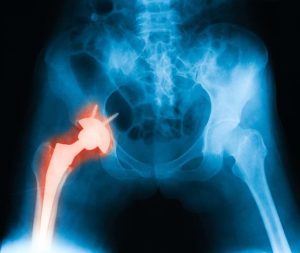
For the right candidates, hip and knee replacement can be a life-altering procedure.

When is the procedure necessary?

While often considered the last resort, hip and knee replacement is deemed the best alternative when the following factors are present:

  • When there is pain and stiffness – it might be time for a new joint when the patient experiences difficulty walking, getting up from a chair, climbing the stairs, and doing routine activities. Also, if pain has persisted for more than 6 months already, a joint replacement surgery might be the best alternative.
  • When it affects the patient’s quality of life – apart from the pain, another key element that needs to be factored in is if the condition already has a significant impact on the patient’s daily routine. Is it limiting what the patient can do? Does it affect the patient’s mood? Does it impact how they go about their day-to-day routine?
  • When there is damage to the bone – X-rays alongside other imaging tests can be used to check if osteoarthritis or any other medical condition has taken a toll on the patient’s joints.
  • When there is obvious deformity – when the patient’s leg has become bowed or the knees have become severely swollen, joint replacement surgery will be the likely treatment option.
  • When other treatment alternatives have become futile – when all the other non-invasive treatment options (injections, medications, devices) have been exhausted, surgery becomes the likely option.

What key elements should be considered?

Even for those who are perfect candidates for hip or joint replacement surgery, it is still necessary that the following key questions are addressed:

Has the possible impact of the procedure already been considered?

The likely effects of surgery on the patient’s life and job should be taken into account.

When necessary, talking to family members and friends will be encouraged so assistance is available while patient is recovering.

Have other perspectives been taken into account?

Just like any surgeries that are major, getting a second opinion would be recommended.

This is especially true for those patients who have any doubts if the procedure is the best recourse possible.

Has the procedure been discussed with the surgeon?

For likely candidates, it is important that the specifics about the procedure will be discussed thoroughly.

If patient has any doubts and queries, they should not think twice about discussing it with their surgeon.

Asking for enlightenment regarding the procedure and what the recovery would be like is also advisable.

Has proper research been carried out?

There are different kinds of joint replacement procedures so doing research and reading up on the matter is recommended.

There are a lot of reliable websites that can provide essential information on the matter so candidates for surgery will have a clear idea of what they will be getting themselves into.

Is there assistance available while recovering?

Recovering from joint surgery when living alone can be very challenging.

For the first few weeks after the procedure, help will be necessary when preparing food, getting dressed, changing the bandage, and moving around.

If no family members or friends will be around to provide assistance, finding a facility where they can rehabilitate would be ideal.

What necessary changes do candidates for surgery need to do?

In order to ensure the best results are achieved, candidates should be willing to commit and work hard prior and post-surgery.

Patients need to also be aware that significant lifestyle need to be made like losing weight, exercising more, quitting smoking, and eating healthier, among other things.

If you think you are a candidate for joint replacement surgery, please visit www.bjios.sg.


0 comments
0 FacebookTwitterPinterestEmail