Category:

injury

Also known as stenosing tenosynovitis, trigger finger occurs when one of the fingers remains stuck in a bent position.

Depending on the condition’s severity, injections, noninvasive treatments, medications, and trigger finger surgery might be recommended.

What are the common causes of trigger finger?

Trigger finger can be attributed to repetitive or forceful use of the finger or thumb.

Other medical conditions like diabetes, rheumatoid arthritis, and gout can also cause the condition to develop.

Grasping something firmly (a power tool, for instance) for long periods might also lead to trigger finger.

Who are at risk?

Industrial workers, farmers, musicians and those whose job or hobbies will entail repeated finger and thumb movements are considered highly susceptible.

Smokers are also at risk of developing the condition because of their repeated lighter use.

Trigger finger is also common in individuals aged 40 to 60.

What are the common symptoms of trigger finger?

Typical symptoms of trigger finger include the following:

  • Stiffness of the affected finger (especially in the mornings)

  • Soreness (at the thumb’s or finger’s base)

  • Painful clicking or snapping when the finger is straightened or bent

  • Finger or thumb locks in a bent or straight position

How is trigger finger diagnosed?

In order to diagnose the condition, physical examination of the hands and the fingers is done.

In some cases, swelling will manifest in the affected finger and a noticeable bump over the joint of the palm will appear.

The affected finger can also stay locked in a bent position and may become stiff and very painful.

X-rays and lab tests are not required in order to diagnose the condition.

What are the common risk factors?

Repeated Gripping

Individuals whose occupations and hobbies entail repetitive or prolonged gripping are more likely to develop the condition.

Sex

The condition is more common in women.

Other medical conditions

People suffering from diabetes and rheumatoid arthritis are at a higher risk.

Effective management and therapies for trigger finger: Learn about treatments to relieve pain and regain finger mobility.

What are the possible treatment options?

Noninvasive treatment alternatives

  • Heat or Ice

Some patients notice significant improvement when icing their palms numerous times daily.

Others on the other hand find warm water soaks first thing in the morning more helpful.

  • Splint

Wearing splints at night are sometime recommended to ensure the affected finger stays in the extended position.

Aside from helping guarantee the finger does not curl when sleeping, splints can also help the tendon rest.

  • Stretching Exercises

To ensure finger mobility is maintained, gentle exercises might be recommended.

Surgical procedure and other treatment alternatives

If the symptoms are severe and the condition does not respond to noninvasive treatments, the following treatment options will be likely recommended:

  • Steroid Injection

To reduce inflammation and allow the tendon to freely move, a steroid medication is injected into the tendon sheath.

Steroid injection is a very common and popular treatment alternative because it has a 90 percent effectivity rate.

This option however is not recommended for patients with diabetes.

  • Percutaneous Release

This procedure will entail that the patient’s palm is numbed before a sturdy needle is inserted.

The needle is inserted into the tissue around the tissue that is affected.

When the finger and the tendon are moved, the constriction blocking the smooth motion and movement of the tendon will be resolved.

Surgery

Trigger finger surgery is often carried out in the operating room.

A small incision is made near the base of the affected finger.

From there, the surgeon can easily cut open the portion of the tendon sheath that is constricted.

How long is the likely recovery period after the surgery?

Recovery time will depend on the condition’s severity.

In some cases, the treatment of choice can also affect the length of the recovery period.

For instance, splinting may require at least 6 weeks.

In most cases however, patients will recover within a few weeks with anti-inflammatory medications and rest.

If you need help in the management and treatment of trigger finger, go to www.bjios.sg right now.


0 comments
0 FacebookTwitterPinterestEmail

The specialty that treats bone defects that are genetic-related, acquired, and those that develop during gestation is called pediatric orthopaedics.

Children with developmental and musculosketal conditions as well as those with congenital bone diseases will need the expert help of pediatric orthopaedics specialists.

Orthopaedic conditions are very common among children.

These conditions are classified as developmental, congenital, or acquired.

Some of the most common pediatric orthopaedic disorders are:

Legs

Bow-legged (Genu varum)

Genu varum can be attributed to a posterior hip capsule that is tight.

The condition will often get resolved once the child turns 2 years old.

In severe cases however, splinting at night is recommended.

Internal tibial torsion

This condition is deemed the most probable cause of in-toeing in children that are aged 2 years and below.

Fortunately, the condition is resolved (even without treatment) once the child starts to walk.

Leg length discrepancy

This condition is often attributed to growth asymmetry.

Treatment approaches can include surgical correction of the longer or shorter leg and inhibition of growth of the longer leg.

Foot

Pes cavus

Pes cavus results to a high arch adn in most cases, does not respond to weight-bearing.

Depending on the condition’s severity, treatment alternatives can include physical therapy, orthotics, and surgery.

Talipes equinovarus

This condition is also known as club foot.

It pertains to the various abnormalities in the tibia, fibula, and the bones.

Likely remedies can include splinting, casting, and manipulation.

In cases that are severe, surgery might be recommended.

Planovalgus deformity

While considered common, this condition is often associated with cerebral palsy.

For ambulatory children with deformities that are mild to moderate in nature, calcaneal lengthening is the likely option.

For children that are non-ambulatory, the relapse rate is high so surgery might not be of much benefit.

Toes

Ingrowing toenail

When the nail’s edge will grow into the surrounding tissues, ingrowing toenail develops.

Treatment options for the condition can range from warm soaks to taking antibiotics.

Severe cases however will already require surgery.

Curly toes

Curly toes often affect the fourth and the fifth toes.

Curly toes can be inherited or bilateral.

Fortunately, at least 25 to 50 percent of the cases get resolved when the child turns 3 to 4 years of age.

Otherwise, surgery would be the likely treatment approach.

Common Orthopaedic Problems in Childhood

Knee

Discoid lateral meniscus

The term refers to the congenital malformation of the lateral meniscus.

If the condition causes the child discomfort, arthroscopic repair might be recommended.

Patellar subluxation and dislocation

This congenital condition often responds well to immobilization.

In chronic cases however, surgery might be necessary.

Osteochrondritis dissecans

Treatment option for this condition can range from immobilization, NSAIDs, and surgery.

Chrondrocyte transplantation has also become one of the likely alternatives recently.

Spine

Spondylolisthesis

When a vertebra slips forward on the vertebra situated below it, this condition occurs.

Physical therapy and NSAIDs are often given as first treatment resorts.

Severe cases of the condition however might need posterior spinal fusion.

Intravenous treatment (often followed by oral antibiotics) is also often prescribed.

Discitis

This condition is deemed uncommon in children.

Back pain, lumbar lordosis loss, and the inability of the patient to flex the lower back are considered some of the condition’s clinical features.

Hip

Slipped capital femoral epiphyses

When the femoral head slips posteriorly, this condition occurs.

The condition is also very common among obese and rapidly growing children aged 12 to 15.

Management of the condition often includes surgical hip pinning.

Transient monoarticular synovitis

This condition will often result to limping and develops after a respiratory infection.

Effective treatment options include rest, physiotherapy, and NSAIDs.

Orthopaedic disorders in children have different treatment interventions. To know what the best treatment route is for your child, visit www.bjios.sg right now.

0 comments
0 FacebookTwitterPinterestEmail

While there are different types of arthritis, osteoarthritis is deemed the most common.

Affecting millions of people the world over, osteoarthritis occurs when the protective cartilage situated at the bones’ end breaks down.

Although the condition can damage possibly any joint found in the body, it often affects the joints found in the hands, knees, hips, and spine.

Fortunately, symptoms of osteoarthritis can be effectively managed.

However, the underlying process is no longer reversible.

Common Symptoms

Below are some of the most common indicators of osteoarthritis:

  • Pain – joint pain is felt during and after movements.
  • Tenderness – tenderness in the joint is felt even if only a slight pressure is applied.
  • Stiffness – stiffness in the joint is especially noticeable especially when sedentary for long periods or when waking up in the morning.
  • Grating sensation – grating sensation are felt or heard when the affected joint is used.
  • Bone spurs – extra bits of bones that feel like hard lumps when touched will form around the joint affected.

Osteoarthritis Management

Below are some of the known effective ways to manage the condition.

There are two simple yet highly effective ways to protect the joints. And both don’t even need a prescription.

Exercise regularly.

Integrating regular exercise in your daily routine will not only help patients maintain a healthy weight, it is also highly beneficial for the joints.

Thankfully, there’s no shortage of exercise options available that can help strengthen the muscles of the joints.

Hiking, yoga, biking, and swimming are just some of the exercise alternatives that are easy on the body but can effectively strengthen the muscles at the same time.

Lose the excess weight.

Getting rid of the extra pounds will not only help you avoid a vast range of medical conditions, it can also efficiently take stress and strain off the joints.

Also, while no such thing as an “osteoarthritis diet” has been created yet, as a general rule of thumb, eating fruits, vegetables, whole grains, healthy fats, and lean meat are highly recommended.

What You Need to Know About Osteoarthritis

Treatment Options

Topical Creams

Creams and gels that help with osteoarthritis can be rubbed on the affected joint.

Some of the known effective topical options include:

  • Diclofenac – for NSAIDs that come in topical form, Diclofenac is a classic example. However, this topical alternative cannot be purchased sans prescription. In addition, liver function will have to be monitored for at least 4 to 6 weeks from the time treatment started to resolve any possible side effects the soonest possible time.
  • Capsaicin – this cream is considered highly effective in relieving pain brought about by osteoarthritis. Capsaicin works by hindering the release of substance P—the one tasked to transmit pain sensation.
  • Other products containing eucalyptus, camphor, and menthol have also been proven to help ease pain brought about by the condition.

Medications

People suffering from osteoarthritis are typically given nonsteroidal anti-inflammatory drugs or NSAIDs to help ease the pain.

Classic examples of NSAIDs include aspirin, ibuprofen, and naproxen.

The aforementioned medications can often be purchased without a prescription.

However, stronger NSAIDs will require a prescription.

For best results, it is recommended that you check with your doctor first rather than self-medicate.

NSAIDs can have unwanted side effects like increased risk for cardiovascular issues (i.e. heart attacks and strokes) and may sometimes cause stomach bleeding.

Surgery

Fortunately, it is reassuring to note that most osteoarthritis cases do not require surgery.

However, once the stiffness and pain becomes unbearable, surgery will most likely be recommended.

The good thing is surgery will not only effectively relieve the pain but will also help effectively improve joint alignment and enhance joint movement.

You may already be suffering from osteoarthritis but oblivious to it. If you notice classic osteoarthritis symptoms, visit www.bjios.sg right away for expert help on the management of the condition.

0 comments
0 FacebookTwitterPinterestEmail

Without doubt, running comes with incomparable benefits many people don’t want to miss out on.

However, while highly beneficial, running can also cause injuries that will require a visit to orthopaedic specialists for those who are not careful.

Statistics indicate that at least 80 percent of runners get injured annually.

Most of the injuries runners suffer from can be attributed to training changes, weak hips, and overuse, among other things.

Below are some of the most prevalent running injuries that plague runners, the possible culprits, preventive measures, and the likely treatment options available:

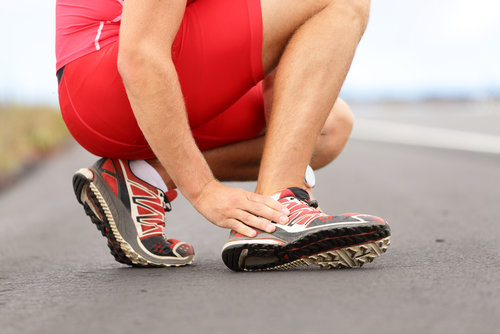
Ankle Sprain

When the ligament is stretched beyond its limit, a sprain occurs.

Oftentimes, ankle sprains occur when the ankle rolls in or outward.

Curbs, tree branches, potholes, and at times, an unfortunate landing can result to ankle sprain.

Recovering from ankle sprain can take some time but performing balance exercises (i.e. single-legged squats) are recommended to help strengthen the muscles while recovering.

Getting ample rest is also highly recommended.

Depending on the condition’s severity, scheduling an appointment with orthopaedic specialists might be required so an effective and more specific treatment plan is created.

Iliotibial Band Syndrome

Iliotibial band syndrome or ITBS occurs when the Iliotibial band (the thick tendon that stretches from the pelvic bone to the thigh) becomes swollen.

Weak hips, increased mileage, and downhill running are often the likely culprits.

To significantly reduce the pain, it would be a good idea to show the muscles some love.

For starters, do specific stretches and foam rolling to help minimize the pain and the inflammation.

Different Ways to Prevent Common Running Injuries

Achilles Tendinitis

Achilles tendinitis occurs when the tissues that connect the heel to the lower leg muscles become swollen.

The condition can be attributed to a lot of factors—naturally flat food, tight calf muscles, improper footwear, drastic mileage increase, to name a few.

To ensure Achilles tendinitis is kept at bay, stretching the calf muscles before and after working out is recommended.

Also, when possible, refrain from doing hill climbs as it can put unwanted strain and stress on the tendons.

Anti-inflammatories, stretching, and the R.I.C.E (rest, ice, compression, and elevation) technique can help affected runners get right back on track in no time.

Patellar Tendinitis

Otherwise known as “jumper’s knee,” patellar tendinitis is very common among distance runners.

Patellar tendinitis occurs when tiny tears in the patellar tendon will manifest as a result of overuse.

Common causes of the condition include overpronation, too many hill repeats, and over-training.

To help reduce the risk of developing the condition, strengthening the hamstrings and quads is recommended.

To ease the pain, putting ice on the affected knee will help significantly.

To help soothe and strengthen the tendon, physical therapy might be prescribed.

Runner’s Knee

Runner’s knee or patellofemoral pain syndrome is often characterized by tender pain around or behind the knee cap.

Runner’s knee can be attributed to several factors including downhill running, weak hips, muscle imbalance, and repetitive pavement pounds during runs.

In order to avoid runner’s knee, running only on flat or soft surfaces is recommended.

However, for those who already have runner’s knee, taping or bracing the knee might be prescribed.

Taking anti-inflammatory drugs or reducing your mileage are other options you can look into.

Shin Splints

For those who have been running for quite some time, they have likely encountered shin splints at one point or another.

Often characterized by aching and stabbing sensation, the condition occurs when the muscles and tendons covering the shinbone becomes swollen.

Icing the affected area (for at least 15 to 20 minutes) has been proven to help reduce both the swelling and the pain.

Elevating the leg affected may also help.

Prevention of shin splints is considered tricky, but researchers discovered that shock-absorbing insoles can help as it can provide the support to the arch.

Keep running injuries at bay and effectively manage any running injuries you have by heading to www.bjios.sg now!

0 comments
0 FacebookTwitterPinterestEmail

Surgery performed on very small structures like the blood vessels and the nerves utilizing specialized equipment is called microsurgery.

Microsurgical procedures are performed using techniques that have been used since the early part of the twentieth century.

Some of the techniques used include blood vessel repair and organ transplantation.

Numerous other surgical specialties also make use of the techniques used in microsurgery.

Case in point: otolaryngologists perform microsurgery when doing work on the inner ear or the delicate and small structures of the vocal cord.

Plastic surgeons also employ microsurgical techniques during reconstruction of damaged or disfigured tissues, muscles, or skin or when transplanting tissues from the patient’s body.

Equipment

Microscope

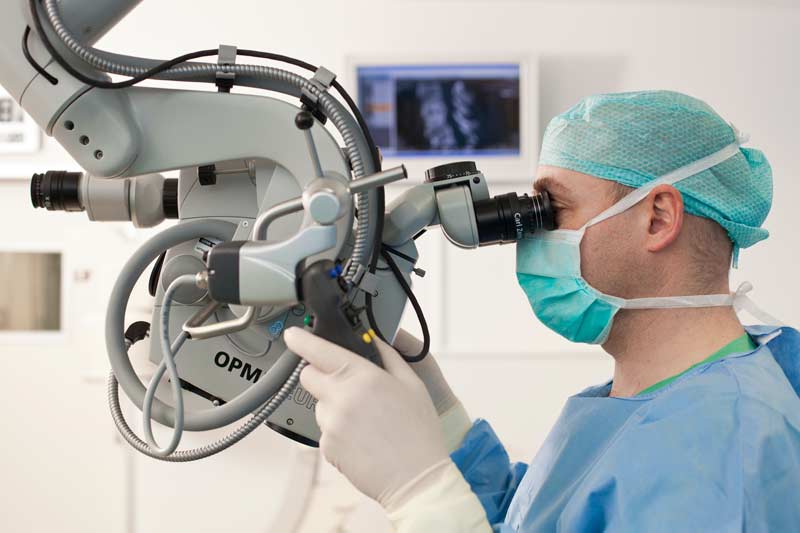
Operating microscopes used in microsurgery may vary depending on their use.

However, they have and share a few standard features.

Microscopes can be floor or ceiling mounted and comes with a movable arm.

The movable arm will ensure manipulation of the microscope’s position is possible and effortless.

Operating microscopes also come with a high intensity light source.

It also comes equipped with a set of lenses designed to make viewing the surgical site possible and convenient.

The rest of the surgical team will get a visual of the operating field through a video camera.

Typically, the magnification required for microsurgery is five to forty times (5–40x) magnification.

Higher magnifications however are required by surgeons when performing microsurgical repair.

Lower magnifications are ideal when identifying and exposing structures.

Instruments

Instruments that are used in microsurgery have been designed to make manipulation of delicate structures (read: barely visible to the naked eye) possible.

The instruments are also equipped with handles that are large enough so the users can hold them comfortably and securely.

Some of the instruments used in microsurgery include:

  • Vessel dilators
  • Scissors
  • Forceps
  • Vascular clamps
  • Irrigators
  • Needle holders
  • Clamp applicators

Suture Materials

Suturing or stitching in microsurgery is done using specialized needles and threads.

The diameter or gauge of the suture threads will vary and will depend on the procedure performed.

It will also depend on the tissue that will be sutured.

Suture threads can be synthetic (made of polyester, nylon, wire, and other man-made materials) or natural (made of silk, linen, gut, and other materials).

It can also be absorbable (will break down after a specific period) or non-absorbable (will retain its strength for an indefinite period).

Needles used in suturing also comes in a variety of sizes, point types, and shapes.

Akin to the suture thread, the needle type used in microsurgery will also depend on the tissue that needs suturing as well as the procedure performed.

In essence, numerous reconstructive procedures that are difficult to carry out when done conventionally are made possible through microsurgery.

Microsurgery Facts To Keep In Mind Of

Some of the most common microsurgical procedures performed are:

Free-tissue transfers

Also known as free flaps, free-tissue transfers are often the option when reconstructing tissues that have been damaged and cannot be treated through skin grafts.

Removed tissues due to treatment or cancer or tissues that have been constricted after a burn can benefit from free-tissue transfers.

Tissues that can be transferred through microsurgical techniques include skin, bone, muscle, intestine, and fat.

Replantation

Replantation is considered an emergency surgery and is carried out to reattach an amputated body part (i.e. finger, arm, or foot).

Replantation is a procedure that adheres to a series of time and energy intensive steps during the reattachment of the structures.

For instance, when a bone is cut, it must be shortened slightly so that the blood vessels and the nerves can be reattached without any tension.

Transplantation

In some cases, a body part that has been amputated can no longer be reattached, or the tissue has become deformed secondary to injury or congenital defect.

In similar scenarios, transplantation is often the recommended option.

Discover more about microsurgery at www.bjios.sg.

0 comments
0 FacebookTwitterPinterestEmail

The surgery done to remove cancers and soft tissue in the limbs is known as limb salvage surgery.

Limb salvage surgery is also often carried out to avoid amputation.

What are the primary aims of the procedure?

The following are some of the key goals of limb salvage surgery:

  • Prevent amputation
  • Cancer removal
  • Preserving the patient’s appearance
  • Ensuring the highest possible degree of function in the affected limb is preserved

Otherwise known as limb-sparing surgery, limb salvage surgery entails removal of the cancer and at the very least an inch of the surrounding healthy tissues.

Limb salvage surgery has three stages:

  1. Cancer removal and a margin of the surrounding healthy tissue.
  2. Bone graft or prosthesis implant when necessary.
  3. Closing of the wound by transferring soft tissue or muscle from other body parts to the surgical site.

Many years prior, the standard treatment approach of patients with cancer in the limb often includes amputation of the extremity affected.

Thankfully, today, amputation does not have to be the only option.

With significant improvements in surgical techniques, chemotherapy, and imaging methods, amputation is no longer the only alternative.

In recent years, limb-sparing surgery has also become the treatment route for those patients with bone diseases, chronic degenerative joint diseases, acute or chronic limb wounds, and those patients who are considered candidates for diabetic limb amputation.

What are the preparations before the procedure?

Before going for surgery, some preparational procedures are taken

Before doctors will decide if limb salvage surgery is indeed the best option, key factors are taken into consideration.

Some of the primary factors include:

  • Size of the tumor
  • Location of the tumor
  • The type of cancer
  • The age of the patient
  • The condition’s progression
  • The overall health of the patient

Once the doctors decide that limb salvage surgery is the best option, patient will be given information and insight as to the likely outcome.

Patients will also be advised that in the event of any implant failure, additional surgery might be required and even amputation might become an option.

Physical and occupational therapists will prepare the patient for surgery by introducing range of motion, muscle-strengthening, and ambulation exercises they need to perform after the surgery.

What are some of the surgical techniques employed?

Bone Tumor

The lesion that is malignant and at least a cuff of healthy tissue is removed when treating low-grade bone tumors and some of its components.

However, when treating high-grade tumors, muscles, bones, and other tissues affected are removed.

Soft Tissue Sarcomas

A staggering 80 percent of soft tissue sarcomas affecting the extremities are treated with limb-sparing surgery.

During the procedure, the tumor, lymph nodes, as well as the cancerous tissues are removed.

At least 2.54 cm of the surrounding healthy tissues are also removed.

Radiation and chemotherapy may be administered before or after the procedure.

Radiation may also be administered during the procedure itself.

It is carried out by utilizing a special application that will be placed against the surface where the tumor is removed.

Tubes containing radioactive pellets will then be inserted.

The tubes will have to stay in place during the procedure and will only be removed after a few days.

What are the recommended aftercare regimen after the surgery?

Patients will often remain in the hospital for at least 5 to 10 days after the surgery.

Sensation and blood flow in the affected extremity will be monitored closely.

Nurses will also check for signs of deep-vein thrombosis, pneumonia, and pulmonary embolism.

Broad-spectrum antibiotics will also be prescribed the first 48 hours after the surgery.

To prevent blood clots from forming, antiembolism stockings and medications (prophylactic anticoagulants) will be provided.

If you want to know more about limb salvage surgery, visit www.bjios.sg right away.

0 comments
0 FacebookTwitterPinterestEmail

The significance of our joints cannot be overstated.

Aside from helping us move and providing us with the much needed support, the joints also form the connections between the bones of the body.

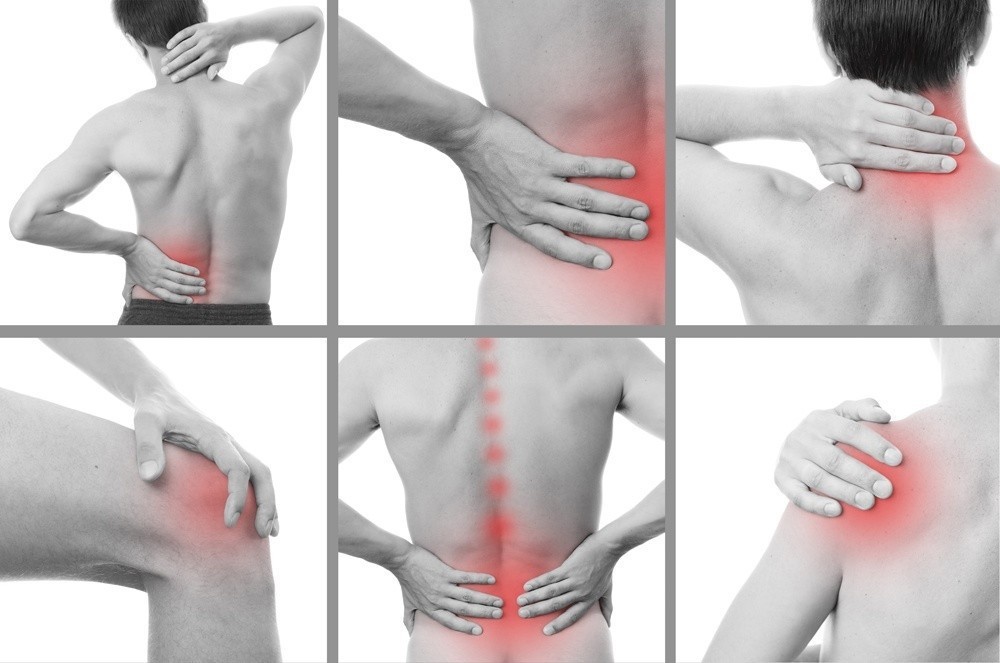
Joint pain brought about by injury or disease will not only result to a lot of pain but will most likely also impede your movements.

Joint pain can be a result of a lot of conditions—gout, rheumatoid arthritis, sprains, osteoarthritis, and strains to name a few.

Joint pain can also be debilitating or just mildly irritating.

Acute joint pains usually disappear after a few weeks.

Chronic joint pains on the other hand can linger for several months.

Whatever the case may be, what is certain is that joint pain can definitely impact your quality of life.

Prevention

Spare yourself from the inconvenience and aches joint pain can bring by taking to heart the following tips:

Get rid of the excess pounds

You may not be aware of it but the more obese or overweight you are, the more strain you are likely to put on your hips, knees, and back.

If you have been finding it hard to keep the excess pounds off, you might want to consider getting professional help.

Your doctor will be able to provide guidance and recommend programs you can try to safely and effectively get rid of the extra pounds.

If anything, find motivation in the fact that losing even just a pound can take as much as four pounds of pressure from your knees.

That should get you off to a good start if you want to get rid of joint pain once and for all.

Exercise and stay active

exercising is a great way to prevent joint pain

This golden rule will do you a whole lot of good especially if you want to keep joint pain at bay.

The more you exercise and stay active, the lesser you’ll experience stiffness and joint pain.

Also, show your joints some love by changing positions every now and then while you are reading, working, or watching your favorite shows on TV.

Ensure you also leave your desk every once in a while so you’d be able to move and effectively keep stiffness at bay.

Do only low-impact exercises

If you want to stay fit but you want to take good care of your joints at the same time, opting for low-impact exercises is the best way to go.

Thankfully, there’s no limit to the number of low-impact exercises available at your disposal.

Joint friendly exercises you can consider include bicycling, walking, strength training, and swimming.

Treatment

For those who are already suffering from joint pain, it is reassuring to know that there are plenty of effective treatment options available at their disposal.

Some of the treatment options include:

Medications

If you have joint pain that ranges from moderate to severe (coupled with swelling), over-the-counter or prescription non-steroidal anti-inflammatory drugs are the likely option.

Aspirin, ibuprofen, and naproxen sodium are some of the likely medications that will be prescribed.

However, if you experience mild pain sans swelling, acetaminophen would be given.

If your joint pain is severe, your doctor may prescribe a strong opioid medication.

However, since opioids can cause drowsiness, it should only be taken upon the doctor’s recommendation.

Topical Agents

When it comes to relieving joint pain brought about by arthritis (or other conditions), capsaicin has been proven effective.

While it can sometimes cause burning or stinging, it has no other known side effect.

Injections

If oral and topical medications won’t provide the much needed relief, a steroid medication injected directly in the joints might be recommended.

The injection is administered every three to four months.

Steroid injections are often the treatment recourse for patients suffering from arthritis, tendinitis, and other joint diseases.

Physical Therapy

Your physical therapist can help effectively strengthen your muscles, stabilize your joint, and improve your motion range.

They also make use of various techniques like ultrasound, electrical nerve stimulation, and cold or heat therapy to provide the much needed relief.

Joint pain keeping you down and hindering you from enjoying a pain-free existence? Let the experts at www.bjios.sg help you out.

0 comments
0 FacebookTwitterPinterestEmail

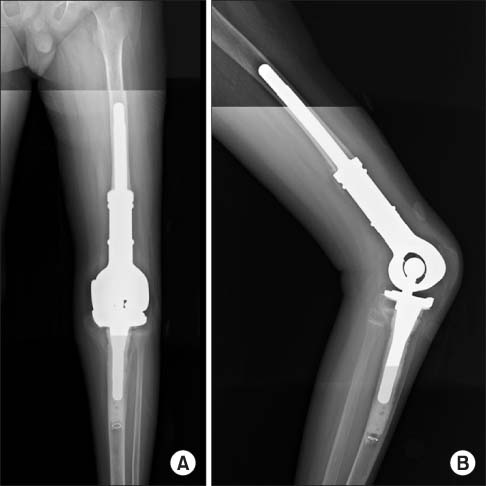
Once considered high-tech, joint replacement has now become very common.

In fact, statistics show that more than one million hip and knee replacement surgeries are performed annually.

And that’s in the United States alone.

Undoubtedly, the popularity of the procedure can be attributed primarily to its life-changing attributes.

Studies indicate that a staggering 90 percent of individuals who have had joint replacement surgery experience enhanced mobility and significant pain relief.

When is hip and knee replacement necessary?

There are certain key elements surgeons take into consideration before joint replacement surgery is considered.

Some of the key elements include:

  • Poor quality of life – aside from the pain it causes, doctors would need to gauge if the joint problem is already affecting the patient’s quality of life. Is the patient’s mood affected? Is the patient limited by the condition?
  • Pain and stiffness – for patients who experience severe pain and are no longer able to carry out routine day-to-day activities (i.e. getting up from the chair, climbing, walking, etc.), joint replacement surgery is often the likely course of treatment.
  • Deformity – when the leg becomes severely bowed or swollen, joint replacement will be recommended.
  • Bone damage – when there is severe bone damage due to osteoarthritis or other conditions, joint replacement becomes the primary option.

However, even if patients are able to meet all the necessary requirements, other factors would need to be considered to further assess if surgery is indeed the best option.

To help determine if surgery is the best treatment route, the following questions should be asked:

Have all the other less invasive treatment options been exhausted?

Without doubt, joint replacement injuries are not only common nowadays, they are also known to be highly safe and effective.

However, just like any other surgeries, they come with certain risks.

Recovery can also take several months.

As a general rule of thumb, it is ideal to exhaust all the other nonsurgical options first and consider surgery as the last resort.

Is the patient willing to make the necessary changes?

In order to achieve the maximum result, patients who undergo joint replacement surgery would need to be dedicated and focused on making the necessary changes after the surgery

In order to achieve the maximum result, patients who undergo joint replacement surgery would need to be dedicated and focused on making the necessary changes after the surgery.

In other words, they need to be prepared to lead a healthier lifestyle—losing the excess pounds, eating healthier, and exercising more.

Are there people who can help the patient while recovering?

Recovering from joint surgery without any help can be extra challenging, if not impossible.

At the very least, help will be needed in food preparation, wound dressing, and getting dressed.

Help should be available, especially the first few weeks after the surgery.

If there are no family members or close friends available to help, it would be best for the patient to first check for rehab facilities they can check in after the surgery.

Doing so will help ensure they’d have the needed help they need while recovering.

Although joint replacement is a treatment option readily available, it is not the best treatment course under the following scenarios:

  • Infection – for patients who have had recent body infections, joint replacement surgery is not advised. This is done to ensure infection does not spread to other areas after the surgery. When the infection spreads, it might result to more serious issue that might even require further surgery.
  • Other health issues – patients with a history of uncontrolled diabetes, heart attack, or stroke are not advised to have joint replacement surgery as their complication risk is relatively higher. Patients who are obese are also required to lose the excess pounds prior to the surgery.
  • Cause of pain – understandably, surgeons need to make sure the source of pain is really the joint damage. Bear in mind that there are other likely reasons for hip or knee pain or damage that surgery cannot fix.

Not sure if hip or knee replacement is ideal in your case? Get expert help from the able specialists at www.bjios.sg now.

0 comments
0 FacebookTwitterPinterestEmail

To think only those individuals who engage in intense sports are susceptible to foot and ankle injury is a gross misconception.

If truth be told, most people have (and will most likely) experience foot and ankle injury at one point in their lives or another.

While most movements will not result to injuries, some symptoms can be attributed to everyday wear and tear as well as overuse.

In majority of the cases, injuries of the foot and ankle often occur during:

  • Sports or recreational activities
  • Chores or projects done at home
  • Chores that are work-related

Soccer and basketball players, gymnasts, and dancers are highly susceptible to foot and ankle injuries as opposed to those who are not engaged in the fields as physically challenging and competitive.

For older adults, osteopenia (loss of bone strength) and muscle mass will often predispose them to injuries and fractures. Vision and balance problems will also significantly increase their injury risk.

Foot and ankle injuries in children can often be attributed to falls, sports, and play. Those that sustain bone injuries near the joint will have to be assessed accordingly as the physis (grown plate) might be compromised.

Fortunately, minor cases of foot and ankle injuries will often respond well to home treatments.

However, acute injuries that resulted from jamming, bending, fall, twisting, direct blows, etc. will require immediate medical attention.

This is especially true when bruising and swelling will manifest.

Other conditions that will need instant medical attention include:

Sprains

Sprains that are persistent are sometimes attributed to a condition known as osteochondritis dissecans

Sprains that are persistent are sometimes attributed to a condition known as osteochondritis dissecans. To play safe, it would be best to check with a doctor right away so the condition is resolved before it complicates.

Puncture wounds

Sharp objects like needles, nails, tacks, and knives often cause puncture wounds. Sans treatment and medical attention, puncture wounds can result to infections.

Strains

Pulled muscles in the ankle or foot can be subjected to strains. In worse case scenarios, it can lead to ruptures.

Contusions

In some instances, contusions or bruising can occur during foot and ankle injuries. To ensure your safety and to ease any pain you might experience, consider seeing the doctor a must.

Thankfully, there is no shortage of treatment options available for foot and ankle injuries—physical therapy, first aid measures (brace, splint, and cast), special shoes (with orthotic devices), medications, etc.

The treatment option administered will depend on certain key factors including the following:

  • The severity, location, and type of the injury
  • When the injury occurred
  • The patient’s overall condition
  • The patient’s activities (sports, hobbies, work, etc.)
  • The patient’s age

For cases of minor foot and ankle injuries, the following treatment tips can help effectively reduce stiffness and swelling and ease pain:

  • To reduce swelling, it is advisable that patients should avoid activities that can cause more swelling—alcoholic beverages, hot packs, hot tubs, and hot showers—at least for the first 48 hours after the injury,
  • Massage or gently rub the injured area to reduce pain and encourage blood flow. However, it is not advisable to massage the injured area when the patient feels pain.
  • Once the swelling is reduced or disappears, patients are encouraged to perform gentle exercises to help restore flexibility. Alternating between heat and cold treatments is also often recommended.
  • Gentle movement, strength, and alternate (MSA) exercises are also recommended to help hasten the healing process.

Movement

After the injury, regaining full motion range is always a top priority. After the injured area has been rested for 24 to 48 hours, moving it gradually is encouraged, stopping only when pain is experienced. To ensure formation of scar tissue is prevented, gentle exercises are also prescribed.

Strength

When there’s no more swelling and the movement range has been restored, the next immediate goal would be to strengthen the area injured.

Alternate activities

While healing, it is advised that certain activities and exercises are incorporated in the daily routine. This is especially advisable a few days after the injury occurred. However, it is advisable that the activities integrated will not put strain on the area injured.

While not all foot and ankle injuries are a cause for worry, it is still recommended to get help from competent experts from www.bjios.sg to ensure the condition will not complicate or worsen.


0 comments
0 FacebookTwitterPinterestEmail

The hand and arm condition characterized by numbness, tingling, and other symptoms is known as carpal tunnel syndrome.

Several factors are believed to contribute to the development of the condition—patterns of hand use, wrist anatomy, and underlying factors, to name a few.

Depending on the condition’s severity, treatment options can range from splints, medications, and carpal tunnel syndrome surgery.

Symptoms

Tingling or numbness

Individuals with carpal tunnel syndrome often experience tingling and numbness in the fingers and hands.

In most cases, the tingling and numbness affects the thumb, index, and middle fingers.

There are also instances when the tingling sensation are felt in the wrist and the arm.

Weakness

People with carpal tunnel syndrome are also likely to experience hand weakness.

As a result, they tend to drop objects they are holding every now and then.

However, the tendency to drop objects can also be the result of the thumb’s pinching muscles or the hand’s numbness.

Causes

In majority of the cases, no single cause for carpal tunnel syndrome can be identified

In majority of the cases, no single cause for carpal tunnel syndrome can be identified.

It is highly likely however that the development of the condition can be attributed to a combination of many risk factors.

Essentially, carpal tunnel syndrome develops when the median nerve is compressed.

The median nerve provides both nerve signals and sensation.

When irritated or compressed, carpal tunnel syndrome occurs.

For instance, a fracture in the wrist can likely irritate the nerve and may result to carpal tunnel syndrome.

Swelling and inflammation due to rheumatoid arthritis may also lead to carpal tunnel syndrome.

Prevention

Although there are no proven strategies that can hinder the onset of the condition, several ways can be employed to ensure wrist and hand stress are minimized.

Grip

Manual tasks that will require the use of force can significantly increase an individual’s risk of developing carpal tunnel syndrome.

Case in point—if one’s work involves long periods of writing, it would be wise to opt for a pen that has a soft grip adapter.

Getting a pen with a soft grip adapter can help ensure gripping the pen tightly will not be required as the person goes about the task.

Form

As much as possible, bending the wrist all the way up or down should be avoided.

A relaxed position is considered ideal.

When using the keyboard, it is recommended that the elbow is kept at elbow length or lower.

Breaks

At all times, make it a point to give your hands and wrists frequent breaks.

Gentle stretches and periodical bending are highly recommended.

Also, when performing activities that will require exerting a tremendous amount of force, taking regular breaks is even more vital.

Posture

Posture that is incorrect can compress the nerves found in the neck.

When compressed, it can affect the fingers, hands, and wrists.

Treatment

Individuals who only experience mild symptoms of carpal tunnel syndrome can easily and effectively minimize the discomfort and pain by applying cold packs to minimize the swelling.

Taking routine and frequent breaks and not doing activities that will worsen the condition is also beneficial.

Other likely treatment options include splinting, medications, and carpal tunnel syndrome surgery.

Noninvasive options

Nonsurgical methods are often the chosen treatment route when the condition has been detected early.

Nonsurgical methods can include:

Wrist splinting

A splint can be the ideal recourse when looking to ease tingling and numbness at night.

Nocturnal splinting is also recommended for those who are pregnant but are suffering from carpal tunnel syndrome.

Nonsteroidal anti-inflammatory drugs (NSAIDs)

Ibuprofen (Advil, Motrin IB, and others) have been known to alleviate pain brought about by the condition.

However, no evidence yet as to its capability to improve the condition.

Corticosteroids

Corticosteroids function by decreasing inflammation and swelling.

However, corticosteroid injections have been proven more effective compared to the oral ones.

Surgery

If the condition does not respond to noninvasive treatment alternatives, surgery will be the recommended choice.

Head to www.bjios.sg to know how to spot telltale indicators of the condition and how to manage the condition accordingly.


0 comments
0 FacebookTwitterPinterestEmail