Author

Tiffany Lucas

Dandruff Dilemmas: Effective Treatments and Home Remedies

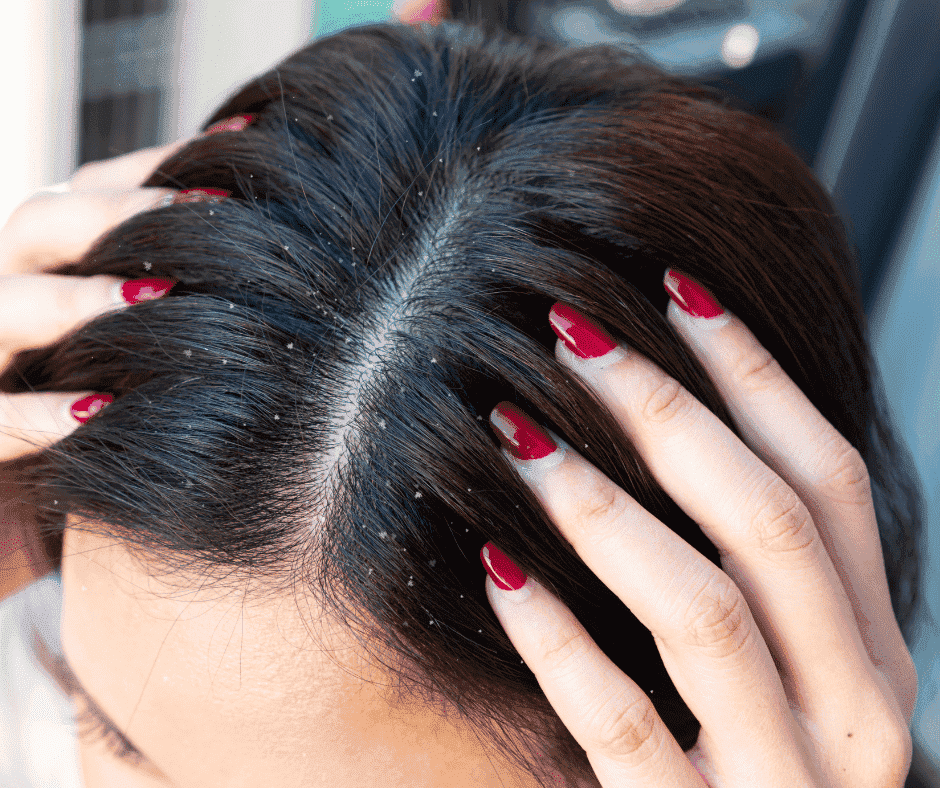
Dandruff can be a major source of frustration and embarrassment, causing us to constantly brush off those pesky white flakes or avoid wearing dark-colored clothing. But fear not, as there are numerous effective treatments and home remedies that can help alleviate this issue. In this article, we will explore the causes of dandruff and the different remedies that can help combat this condition. Together, we will delve into the world of dandruff and find the best solutions for our hair and scalp. Whether you have been dealing with dandruff for years or have just noticed its presence, this article is for you. So, let’s dive in and discover the best ways to say goodbye to dandruff and hello to a healthier scalp and hair.


We’ve All Been There: Flaky Scalps

Ah, the dreaded flaky scalp. It’s a common problem that many of us have encountered at some point in our lives. Whether it’s due to dryness, product buildup, or even an underlying skin condition, those tiny white flakes can be quite bothersome. But fear not, for there are effective treatments and home remedies that can help alleviate this pesky issue. From medicated shampoos to natural remedies like tea tree oil and apple cider vinegar, we’ve tried it all in our quest for a flake-free scalp. So, if you find yourself in the midst of dandruff dilemmas, rest assured that there are solutions out there to help you bid adieu to those pesky flakes.


Ditch The Harsh Chemical Shampoos

In our pursuit of a flake-free scalp, we’ve come to realize that ditching the harsh chemical shampoos can be a game-changer. We’ve noticed that these shampoos, while marketed as solutions for dandruff, often strip our hair and scalp of their natural oils, leading to further dryness and irritation. Instead, we’ve opted for gentler alternatives that are sulfate-free and formulated with natural ingredients. Not only do these shampoos cleanse our hair effectively, but they also nourish and moisturize the scalp, promoting a healthier environment for hair growth. So, if you’re tired of dealing with dandruff and the harsh aftermath of chemical shampoos, consider making the switch to gentler, more natural options. Your scalp will thank you for it!


Try A Diy Apple Cider Vinegar Rinse

One alternative that we’ve found particularly effective in combating dandruff is a DIY apple cider vinegar rinse. Now, we know it might sound a bit strange to pour vinegar onto your scalp, but trust us, it works wonders. To try it out, simply mix equal parts of apple cider vinegar and water and pour the mixture onto your scalp after shampooing. Gently massage it in and let it sit for a few minutes before rinsing it out thoroughly. The acidity of the vinegar helps restore the pH balance of your scalp and reduce the growth of dandruff-causing fungus. Plus, it leaves your hair feeling incredibly soft and shiny. Give it a go and see the difference it can make in your fight against dandruff.


Coconut Oil For Soothing Relief

Another remedy that has provided us with soothing relief from dandruff is coconut oil. We’ve discovered that applying a small amount of coconut oil to our scalps can help alleviate the itchiness and irritation that often accompany dandruff. The natural moisturizing properties of coconut oil help to hydrate the scalp and reduce flaking, while its antimicrobial properties can help combat the underlying causes of dandruff. To use coconut oil for soothing relief, simply warm a teaspoon of it in your hands and massage it gently onto your scalp. Leave it on for a few hours or overnight before washing it out with a gentle shampoo. Not only does it provide relief, but it also leaves our hair feeling nourished and lustrous. Give coconut oil a try and experience the natural benefits it offers in the battle against dandruff.


Tea Tree Oil For Dandruff-Fighting Power

When it comes to finding effective treatments for dandruff, one remedy that has worked wonders for us is tea tree oil. We’ve found that its powerful antifungal and antibacterial properties make it a potent weapon against those pesky flakes. Just a few drops mixed with a carrier oil, such as jojoba or almond oil, massaged into the scalp can work wonders in reducing itchiness and flakiness. We love the refreshing and invigorating scent of tea tree oil, which adds an extra boost to our showers. However, it’s important to remember that tea tree oil can be quite strong, so a little goes a long way. If you’re looking for a natural and effective solution to fight dandruff, give tea tree oil a try and say goodbye to those dandruff dilemmas.


Lemon Juice: A Natural Astringent

Another natural remedy that we’ve discovered in our quest for dandruff-free hair is lemon juice. Yes, you heard it right – lemon juice! Not only does it add a tangy zest to our favorite dishes, but it also doubles as a natural astringent for our scalps. The acidic properties of lemon juice help to tighten the pores on our scalp, reducing oiliness and preventing the buildup of dandruff-causing bacteria. To use it, simply squeeze fresh lemon juice and apply it directly to your scalp, gently massaging it in. Leave it on for a few minutes before rinsing it off with cool water. Not only does it leave our hair feeling refreshed, but it also helps to keep dandruff at bay. So, the next time you’re looking for a simple and natural remedy, give lemon juice a try and bid farewell to dandruff dilemmas.


Don’t Forget To Exfoliate Your Scalp

One important step in keeping our scalps healthy and dandruff-free is regular exfoliation. It’s easy to focus on exfoliating our skin but often forget about our scalp. Just like our skin, our scalp can accumulate dead skin cells, product buildup, and excess oil, leading to dandruff and other scalp issues. By gently exfoliating our scalp, we can remove these impurities and promote healthier hair growth. Whether using a scalp scrub, a soft brush, or even a DIY exfoliating mix, taking the time to exfoliate our scalp can make a noticeable difference in the health and appearance of our hair. So, let’s not forget this important step in our hair care routine for a happier, healthier scalp.


Aloe Vera Gel For Hydration

When it comes to keeping our hair hydrated and nourished, one of our go-to remedies is aloe vera gel. This natural plant extract has been used for centuries for its soothing and moisturizing properties. Aloe vera gel is lightweight and absorbs easily into the hair, providing deep hydration without weighing it down. It works wonders in replenishing moisture to dry and damaged hair, leaving it soft, smooth, and manageable. Whether we apply it as a hair mask, mix it into our conditioner, or use it as a leave-in treatment, aloe vera gel is a simple and effective way to give our hair the hydration it craves. So, let’s grab a bottle of aloe vera gel and give our hair the love it deserves.


Use A Gentle Shampoo Regularly

To keep our scalps healthy and dandruff-free, we make it a point to use a gentle shampoo regularly. Harsh shampoos can strip away essential oils from our scalp, leading to dryness and irritation. By opting for a gentle shampoo, we ensure that our hair and scalp are treated with care. It helps to maintain the natural balance of oils on our scalp, preventing excessive oiliness or dryness. Additionally, a gentle shampoo can help to soothe any itchiness or inflammation, reducing the chances of dandruff formation. So, let’s make it a habit to choose a gentle shampoo to maintain a healthy scalp and say goodbye to those dandruff dilemmas.


Consult A Dermatologist If Needed

If we find ourselves struggling with persistent dandruff despite trying various treatments and home remedies, it might be time to consult a dermatologist. They are experts in diagnosing and treating scalp conditions, including stubborn dandruff. A dermatologist can assess our specific situation, identify any underlying causes, and recommend targeted solutions. They may prescribe medicated shampoos or topical treatments that are more effective in combating dandruff. Consulting a dermatologist ensures that we receive personalized advice and guidance to address our dandruff dilemmas effectively.


In conclusion, dealing with dandruff can be frustrating and embarrassing, but with the right treatments and home remedies, we can conquer this pesky problem together. Whether it’s using medicated shampoos, incorporating essential oils into our hair care routine, or trying out some natural remedies, there is a solution for everyone. Don’t let dandruff hold you back from feeling confident and comfortable in your own skin. Let’s say goodbye to dandruff and hello to healthy, flake-free hair.


 

0 comments
0 FacebookTwitterPinterestEmail
 Makeup for Sensitive Skin: Choosing the Right Products

From foundations to eyeshadows to lipsticks, we have gathered all the necessary information you need to make informed decisions when it comes to choosing the right makeup for your sensitive skin. In this article, we will discuss the common triggers for sensitive skin, the key ingredients to avoid, and our top recommendations for makeup products that are gentle yet effective. We understand the importance of both looking and feeling good, and our goal is to help you achieve just that without compromising the health of your skin. So, let’s dive into the world of makeup for sensitive skin and find the perfect products for you.


We’ve Got Sensitive Skin, Too

When it comes to makeup, finding products that work for sensitive skin can be a real challenge. Trust us, we’ve been there. The struggle to find the right foundation that doesn’t cause breakouts or irritations is all too real. And don’t even get us started on the frustration of trying to find a mascara that doesn’t leave our eyes red and itchy. But fear not, fellow sensitive-skinned individuals, because we’ve done the research and tested countless products to find the best options out there. Our goal is to help you navigate the world of makeup for sensitive skin, so you can feel confident and comfortable in your own skin. We understand the struggles, and we’re here to find the solutions.


Start With A Gentle Cleanser

When it comes to taking care of our sensitive skin, one of the most important steps is starting with a gentle cleanser. Trust us, we’ve tried the harsh cleansers that claim to work miracles but only left our skin feeling irritated and dry. That’s why we swear by using a gentle cleanser that is specifically formulated for sensitive skin. It helps to remove impurities and makeup without stripping away the natural moisture of our skin. We’ve found that cleansers with soothing ingredients like aloe vera or chamomile work wonders for keeping our skin calm and happy. So, before diving into the world of makeup, make sure to start your skincare routine with a gentle cleanser that will set a solid foundation for beautiful, healthy, and irritation-free skin.


Moisturize, Moisturize, Moisturize

Now that our skin is clean and refreshed, it’s time to talk about the golden rule for sensitive skin: moisturize, moisturize, moisturize. Seriously, this step cannot be emphasized enough. Sensitive skin tends to be prone to dryness, irritation, and redness, so keeping it well-hydrated is essential. Look for moisturizers that are specifically designed for sensitive skin and are labeled as fragrance-free and hypoallergenic. These types of moisturizers are formulated to provide gentle hydration without causing any unnecessary irritation. Applying moisturizer both morning and night will help to lock in moisture and create a protective barrier against external aggressors. Trust us, your skin will thank you for this extra dose of hydration and you’ll notice a visible improvement in its overall texture and appearance. So, don’t skip this crucial step in your skincare routine – moisturize like there’s no tomorrow!


Sunscreen Is A Must-Have

Now, let’s move on to another essential step in our skincare routine: sunscreen. Yes, we know it might sound like something you only use when you’re lounging on a beach, but trust us, sunscreen is a must-have for everyday protection. Our sensitive skin needs that extra shield against harmful UV rays, which can cause damage, premature aging, and even skin cancer. Look for a broad-spectrum sunscreen with an SPF of 30 or higher. This will ensure that you are protected from both UVA and UVB rays. Don’t forget to apply it generously to all exposed areas of your face and body, even on cloudy days or when you’re indoors near windows. Sunscreen should be a non-negotiable step in your skincare routine, and by incorporating it into your daily habits, you’re taking an important step towards maintaining healthy and youthful-looking skin. So, remember, don’t leave the house without sunscreen – your skin will thank you!


Look For Non-Comedogenic Products

When it comes to makeup for sensitive skin, one thing we’ve learned is the importance of looking for non-comedogenic products. What does that mean? Well, it means that these products are specifically formulated to not clog your pores. And let’s be honest, no one wants pesky breakouts or acne flare-ups, especially when we’re trying to enhance our natural beauty. Non-comedogenic products are designed to let your skin breathe while still providing coverage and color. So, next time you’re shopping for foundation, concealer, or any other makeup item, keep an eye out for those magical words “non-comedogenic” on the label. Your skin will thank you for making this simple but crucial choice in choosing the right products for your sensitive skin.


Avoid Harsh Exfoliants

We’ve also learned the hard way that when it comes to skincare, we need to steer clear of harsh exfoliants. While exfoliating may seem like a great way to remove dead skin cells and reveal a radiant complexion, abrasive scrubs and harsh chemical exfoliators can wreak havoc on our sensitive skin. They can cause irritation, redness, and even micro-tears in our delicate skin barrier. Instead, we opt for gentler exfoliation methods like using a soft washcloth, a konjac sponge, or a mild chemical exfoliant with ingredients like glycolic acid or lactic acid. These options provide the exfoliation we need without causing any unnecessary damage. Remember, when it comes to exfoliation, being gentle is key for our sensitive skin to stay happy and healthy.


Use Mineral-Based Makeup

Speaking of being gentle to our sensitive skin, another great option for makeup is to use mineral-based products. Mineral makeup is formulated with natural minerals like zinc oxide and titanium dioxide, which have soothing and calming properties. These ingredients can help to minimize irritation and redness, making it ideal for those with sensitive skin. Additionally, mineral-based makeup is free from harsh chemicals and additives that can often trigger allergic reactions or further sensitivities. It also tends to have a lighter and more breathable texture, allowing our skin to breathe and preventing clogged pores. So, when it comes to choosing the right products for our sensitive skin, mineral-based makeup is definitely worth considering.


Patch Test New Products First

Before incorporating any new product into our makeup routine, it’s crucial to patch test it first. We all know how frustrating it can be when a seemingly harmless product ends up causing redness, itching, or breakouts on our sensitive skin. That’s why we should always take the time to patch test new products before applying them to our entire face. To do this, simply apply a small amount of the product on a small area of skin, like the inner arm or behind the ear, and wait for 24 hours to see if any adverse reactions occur. This simple step can save us from potential skin disasters and help us determine if the product is suitable for our sensitive skin. Trust me, a patch test is a small investment of time that can go a long way in protecting our skin’s health and overall appearance.


Opt For Natural Ingredients

When it comes to choosing the right products for our sensitive skin, we’ve found that opting for natural ingredients can make a big difference. Natural ingredients are often gentler on the skin, as they don’t contain harsh chemicals or synthetic fragrances that can potentially irritate our delicate skin. We’ve learned to look for products that are free from parabens, sulfates, and artificial dyes, and instead focus on those that harness the power of nature. Ingredients like aloe vera, chamomile, and green tea have soothing properties that can calm inflammation and nourish our skin. By opting for natural ingredients, we not only take care of our sensitive skin but also contribute to a healthier and more sustainable beauty routine.


Don’t Forget To Remove Makeup

When it comes to taking care of our sensitive skin, one of the most important steps is making sure to remove our makeup before bed. Trust me, I know how tempting it can be to just crawl into bed after a long day and skip this step, but it’s crucial for maintaining healthy skin. Leaving makeup on overnight can clog our pores, leading to breakouts and irritation. Plus, our skin needs time to breathe and rejuvenate while we sleep. So, let’s make it a habit to always take a few minutes to gently cleanse our face and remove all traces of makeup before hitting the pillow. Your skin will thank you in the morning!


All in all, choosing makeup for sensitive skin can be tricky, but it’s not impossible. By following these tips and doing some research on the ingredients in your products, we can find the best options for our skin. And remember, just because a product says it’s “natural” or “hypoallergenic” doesn’t necessarily mean it will be gentle on our skin. It’s all about listening to our bodies and finding what works best for us individually. Let’s keep experimenting and embracing our unique beauty!


0 comments
0 FacebookTwitterPinterestEmail
Non-Invasive Beauty Treatments

I have always been intrigued by the latest trends and techniques in the world of aesthetics. From skincare routines to makeup application, achieving a flawless appearance has always been a top priority for many individuals. However, with the rise of non-invasive beauty treatments, it has become easier and more accessible to attain desired results without going under the knife. Non-invasive treatments have gained immense popularity in recent years, and for good reason. These procedures offer a less invasive approach to enhancing one’s appearance, with little to no downtime and minimal risks. In this article, I will be exploring the different options available for non-invasive beauty treatments, delving into their benefits, and discussing how they can give you the natural and youthful look you desire without the need for surgery. So, whether you are looking to reduce wrinkles, tighten your skin, or enhance your features, read on to discover the world of non-invasive beauty treatments and how they can help you achieve your beauty goals.


Let’s Talk Non-Invasive Beauty Treatments.

When it comes to looking and feeling our best, there are countless options available. And let’s be honest, sometimes we all need a little extra help to enhance our natural beauty. That’s where non-invasive beauty treatments come in. These treatments offer a range of benefits without the need for surgery or extensive recovery time. From laser hair removal to microdermabrasion, there are so many options to explore. Personally, I’ve had great success with non-invasive treatments like BTX and dermal fillers to smooth out fine lines and add a youthful glow. It’s amazing how a simple procedure can make such a big difference in my confidence and overall appearance. So if you’re looking for a way to enhance your beauty without going under the knife, non-invasive beauty treatments are definitely worth considering.


Say Goodbye To Needles, Surgery.

I have to admit, when I first heard about non-invasive beauty treatments, I was a bit skeptical. But let me tell you, I was pleasantly surprised. These treatments offer a fantastic alternative to needles and surgery. From skin tightening to body contouring, there are so many options available that can help you achieve your desired results without the pain or downtime of traditional procedures. I personally tried a non-invasive fat reduction treatment, and I couldn’t believe the results. It was like saying goodbye to stubborn fat without any invasive procedures. If you’re looking for an effective and less intimidating way to enhance your beauty, I highly recommend exploring the world of non-invasive beauty treatments. Trust me, you won’t regret it.


Pamper Yourself Without Breaking Bank.

When it comes to pampering myself, I love finding ways to indulge without breaking the bank. One of my favorite ways to treat myself is by creating a DIY spa day at home. I gather some scented candles, relaxing music, and a luxurious face mask or homemade body scrub. Not only does it save me money, but it also allows me to personalize the experience to my liking. Another budget-friendly option is to look for local beauty schools or salons that offer discounted services by their trainees or apprentices. You can still enjoy a professional treatment like a manicure or a haircut without splurging on high-end salons. Lastly, taking some time for self-care doesn’t have to cost a thing. I find that a long soak in a bubble bath, followed by a cozy robe and a good book, is the ultimate way to unwind without spending a dime. So don’t let a limited budget hold you back from pampering yourself – get creative and find affordable ways to treat yourself like the queen or king that you are.


Pro Tip: Try Laser Treatments.

I have to admit, one of the best non-invasive beauty treatments I’ve discovered is laser treatments. They’ve been a game-changer for me in terms of achieving smoother, more radiant skin. Laser treatments can target a range of concerns, from acne scars and wrinkles to unwanted hair and sun spots. What I love most about them is their effectiveness and long-lasting results. The procedure itself is quick and relatively painless, with minimal downtime. Plus, with advancements in technology, laser treatments are becoming more affordable and accessible. So if you’re looking to take your skincare routine to the next level, I highly recommend giving laser treatments a try. Trust me, your skin will thank you!


Peel Away Dead Skin Cells.

Okay, so here’s the deal – I recently stumbled upon this amazing way to peel away dead skin cells and let me tell you, it’s a total game-changer. This non-invasive beauty treatment uses chemical peels to gently exfoliate and reveal fresh, glowing skin underneath. The process involves applying a solution to your face that contains alpha hydroxy acids (AHAs) or beta hydroxy acids (BHAs). These powerful ingredients work wonders by breaking down the bonds between dead skin cells, allowing them to slough off and reveal a smoother complexion. It’s like a mini facial in a bottle! I’ve personally seen a significant improvement in the texture and tone of my skin after incorporating regular chemical peels into my skincare routine. So if you’re looking for a quick and effective way to say goodbye to dull, lifeless skin, I highly recommend giving this a try. Your face will thank you!


Microneedling For Youthful Complexion.

So, let’s talk about another fantastic option for achieving a youthful complexion – microneedling. Now, I know the name might sound a bit intimidating, but hear me out. Microneedling is a non-invasive beauty treatment that involves using a device with tiny needles to create micro-injuries on the skin’s surface. Don’t worry, it’s not as scary as it sounds! These micro-injuries stimulate the skin’s natural healing process and encourage the production of collagen and elastin, which are essential for maintaining a youthful appearance. The best part? The procedure is relatively painless, thanks to the numbing cream applied beforehand. After a few sessions, you’ll start to notice a reduction in fine lines, wrinkles, and even acne scars. Trust me, microneedling is worth considering if you’re on a quest for that coveted youthful glow.


Target Those Pesky Love Handles.

Okay, let’s talk about those pesky love handles. We all know how stubborn they can be when it comes to getting rid of them. But fear not, there are non-invasive beauty treatments that can help target those trouble spots. One option that has been gaining popularity is body contouring. This procedure uses advanced technologies such as radiofrequency or laser energy to target and destroy fat cells in specific areas, including those love handles. The best part is that it’s a quick and painless procedure, with little to no downtime. So if you’re looking to say goodbye to those love handles without going under the knife, body contouring might be the solution you’ve been searching for. Trust me, I’ve seen some amazing results from this treatment and it’s definitely worth exploring if you’re looking to achieve a more sculpted silhouette.


Don’t Forget About Your Neck.

You know, while we’re exploring non-invasive beauty treatments, let’s not forget about our necks. It’s often overlooked, but it’s an area that can show signs of aging just as much as our faces. Luckily, there are treatments specifically designed to tighten and rejuvenate the skin on the neck. One popular option is radiofrequency therapy, which stimulates collagen production and helps tighten sagging skin. Another option is ultrasound therapy, which uses gentle vibrations to stimulate the deep layers of the skin, promoting collagen growth and improving elasticity. So, when it comes to our beauty routines, let’s give our necks the attention they deserve and consider these non-invasive treatments to keep them looking smooth and youthful. Trust me, your neck will thank you!


BTX’s Little Sister: Fillers.

Now, let me tell you about fillers, the little sister of BTX. Fillers are injectable treatments that can help plump up areas of the face that have lost volume or developed fine lines and wrinkles. They’re perfect for targeting specific problem areas like under-eye hollows, thin lips, or deep laugh lines. The beauty of fillers is that they are versatile and can be customized to achieve the desired results. Whether you’re looking for subtle enhancement or a more dramatic transformation, fillers can be tailored to your preferences. The procedure is quick and relatively painless, with minimal downtime. Just like BTX, fillers are a non-invasive option that can provide noticeable results without the need for surgery. So, if you’re looking to enhance your features or reverse the signs of aging, fillers might just be the perfect solution for you. Trust me, you’ll be amazed at the natural-looking results they can achieve.


Trust Me, You’ll Feel Rejuvenated.

When it comes to non-invasive beauty treatments, there are plenty of options out there to explore. From laser treatments to facials and chemical peels, each one promises to leave you feeling refreshed and revitalized. Personally, I have tried a few of these treatments, and let me tell you, you’ll feel rejuvenated in ways you never thought possible. There is something truly magical about stepping out of a spa or clinic, with your skin glowing and your confidence soaring. It’s like a reset button for your self-esteem. So, if you’re looking to indulge in a little self-care and boost your inner glow, trust me, these non-invasive beauty treatments are definitely worth considering. You deserve to feel rejuvenated and confident in your own skin, and these treatments can help you achieve just that.


Overall, I was pleasantly surprised by the variety of non-invasive beauty treatments available. From laser hair removal to microdermabrasion, there are options for every concern and budget. While it may take some trial and error to find the perfect treatment for you, the results will be worth it. I can’t wait to continue exploring and improving my beauty routine with these non-invasive options. After all, who doesn’t want to look and feel their best without going under the knife?


0 comments
0 FacebookTwitterPinterestEmail
Tips for Choosing Your Perfect Match

From understanding your skin type to knowing how to properly color match, this article will serve as your ultimate guide to achieving a flawless and natural-looking base. Say goodbye to the dreaded foundation streaks and cakey finish, and hello to a flawless and radiant complexion. So, grab your notepads and get ready to discover your perfect match in the world of foundations. With these tips, you will be well on your way to achieving a flawless complexion that will last all day long. Let’s dive in and uncover the secrets to achieving a flawless foundation look.


Know Your Undertones For Matching.

When it comes to finding the perfect foundation shade, understanding your undertones is key. Trust me, I’ve made the mistake of blindly choosing a shade that looked great in the bottle, only to realize it clashed with my natural undertones once applied. Knowing whether you have warm, cool, or neutral undertones can make all the difference in achieving a flawless complexion. Warm undertones tend to have a golden or peachy hue, while cool undertones have more pink or blue undertones. Neutral undertones are a mix of both, with a balanced blend of warm and cool tones. By taking a moment to identify your undertones, you’ll be well-equipped to find a foundation shade that beautifully matches your skin, giving you that coveted natural and seamless finish.


Try Samples Before Committing.

I always recommend trying samples before committing to a full-size foundation. It’s one thing to read reviews or swatch shades on the back of your hand, but nothing beats actually wearing the product on your face. Many brands offer sample sizes or small sachets, which allow you to test the formula, texture, and most importantly, the shade against your skin. It’s surprising how different a foundation can look once applied to your face compared to just looking at it in the bottle or on someone else’s skin. By trying samples, you can see how the foundation blends with your undertones, how it feels on your skin throughout the day, and if it provides the coverage and finish you desire. It’s a simple and practical way to avoid wasting money on a full-size product that might not be the perfect match for you. So, before you commit to buying a foundation, take advantage of samples and make sure you find your flawless match.


Blend, Blend, Blend, My Friends.

When it comes to achieving a flawless foundation look, one of the key secrets is blending, my friends. Trust me, it can make all the difference in the world. Blending helps to seamlessly merge the foundation with your natural skin tone, giving you that smooth, airbrushed finish. I’ve learned from experience that using a high-quality makeup brush or a damp beauty sponge can really work wonders in achieving that flawless application. Start by dotting the foundation onto your face and then gently blend it outwards using circular motions. Pay extra attention to areas where you want more coverage, like blemishes or redness. Don’t forget to blend down your neck as well, to avoid that dreaded foundation line. So, embrace the power of blending, my friends, and watch your foundation game reach new heights of perfection.


Don’t Skip Primer And Moisturizer.

Now, let’s talk about two essential steps that often get overlooked but are crucial for a flawless foundation: primer and moisturizer. Trust me, I’ve learned the hard way that skipping these steps can make a world of difference in how your foundation looks and lasts throughout the day. Primer acts as a smooth canvas for your foundation, creating a barrier between your skin and the makeup. It helps to fill in pores, blur imperfections, and ensure that your foundation goes on evenly. Moisturizer, on the other hand, hydrates and nourishes your skin, creating a smooth and plump base for your foundation to adhere to. Not only does it improve the application, but it also prevents your foundation from clinging to dry patches or emphasizing fine lines. So, my friends, don’t underestimate the power of primer and moisturizer in achieving that flawless foundation look. Trust me, your skin will thank you for it.


Set With Powder For Longevity.

To ensure that your flawless foundation lasts all day, there’s one more step you shouldn’t forget: setting with powder. Now, I know what you’re thinking – won’t powder make my foundation look cakey or dry out my skin? Well, let me reassure you, it’s all about finding the right powder and applying it correctly. A finely-milled translucent powder can be your best friend in keeping your foundation in place and controlling shine. After applying your foundation and any concealer, gently dust a small amount of powder over your face using a fluffy brush. This will help to absorb excess oil and set your foundation, giving it that long-lasting finish. Just remember, a little goes a long way, so start with a light dusting and build up if needed. Trust me, this simple step will make a world of difference in the longevity of your flawless foundation.


Avoid Flashback With Spf-Free Formulas.

Now, let’s talk about avoiding flashback with SPF-free formulas. We all love a good foundation that gives us sun protection, but sometimes, those SPF-infused formulas can cause a pesky issue known as flashback in photos. Flashback occurs when the SPF ingredients reflect light back into the camera, making your face appear ghostly white in flash photography. To avoid this, especially for special events or nights out, opt for SPF-free foundations. These formulas don’t contain the light-reflecting ingredients, ensuring that your complexion looks flawless in any lighting situation. Remember, when it comes to achieving the perfect foundation look, it’s all about finding the right products that work for you. So, the next time you’re browsing for foundations, keep an eye out for those SPF-free options for a picture-perfect finish.


Invest In A Good Brush.

When it comes to achieving a flawless foundation look, one tip that I swear by is investing in a good brush. Trust me, it makes all the difference. A high-quality brush not only helps to evenly distribute the foundation on your skin, but it also ensures a smooth and airbrushed finish. Personally, I love using a stippling brush for my liquid foundations as it allows me to build up the coverage and blend out any streaks or lines. If you prefer a more natural and sheer coverage, a fluffy buffing brush works wonders with powder foundations. Remember, when it comes to choosing a brush, opt for ones made with synthetic bristles as they are not only cruelty-free but also provide a more seamless application. So, invest in a good brush and get ready to achieve that flawless foundation every time.


Consider Your Skin Type Too.

As I delve further into the world of flawless foundation, I’ve learned that considering your skin type is just as important as finding the right brush. Each of us has unique skin characteristics, and understanding them can make a world of difference in achieving that perfect match. For example, if you have oily skin like mine, choosing a mattifying foundation can help control shine throughout the day. On the other hand, if you have dry skin, opting for a hydrating foundation with moisturizing properties can prevent your skin from feeling tight or flaky. So, before you grab just any foundation off the shelf, take a moment to assess your skin type and choose a formula that caters to its specific needs. Trust me, this simple step can elevate your foundation game to a whole new level of flawless.


Don’t Be Afraid To Mix Shades.

When it comes to finding your perfect foundation shade, don’t be afraid to mix things up a bit. Sometimes, the exact shade you’re looking for might not be readily available in a single bottle. But that doesn’t mean you have to settle for something that doesn’t quite match your skin tone. I’ve discovered that by blending two different shades together, I can create a customized color that seamlessly blends into my complexion. So, whether it’s mixing a slightly lighter shade with a touch of a darker shade to match your summer tan or blending two shades to find that perfect in-between, experimenting with mixing shades can lead to a truly flawless finish. Remember, makeup is all about creativity and finding what works best for you, so embrace the art of mixing and watch your foundation game reach new heights.


Remember, Less Is More.

When it comes to applying foundation, I’ve learned that less is definitely more. It’s tempting to pile on the product in hopes of achieving a flawless finish, but in reality, it can end up looking heavy and cakey. Instead, I’ve found that starting with a small amount and gradually building up coverage where needed yields much better results. By using a light hand and blending the foundation into my skin with a damp sponge or brush, I achieve a natural and radiant look that doesn’t feel heavy or mask-like. Remember, the goal is to enhance your natural beauty, not mask it, so don’t be afraid to embrace a more minimalistic approach when it comes to applying foundation. Your skin will thank you for it!


So, there you have it! These are my top tips for finding your perfect match when it comes to foundation. Remember, it’s all about trial and error, so don’t be afraid to test out different shades and formulas until you find the one that works best for you. And don’t forget to always consider your skin type and preferences when making your decision. With these tips, you’ll be well on your way to achieving a flawless, natural-looking complexion. Happy shopping, beauties!


0 comments
0 FacebookTwitterPinterestEmail
Essential Vitamins and Minerals for Women Over 40

As women age, their nutritional needs become increasingly important for maintaining optimal health. This is why age-defying nutrition is key, especially for women over 40. Essential vitamins and minerals are foundational to ensuring healthy aging, and we will explore the specific vitamins and minerals that women in this age group should prioritize in this article.

The Impact of Aging on Women’s Health

Aging is an inevitable process that affects everyone, but it can have unique effects on women, especially those over 40. As women age, they face specific concerns and challenges related to their health, including menopause, osteoporosis, joint problems, and reduced immunity. While these changes are normal, proper nutrition can help mitigate their effects and promote overall health and well-being.

Understanding Essential Vitamins for Women Over 40

As women age, their bodies go through a multitude of changes that affect their overall health. Ensuring sufficient intake of essential vitamins is crucial for maintaining optimal well-being. Here are the top vitamins that women over 40 should focus on:

VitaminBenefitsFood Sources
Vitamin DStrengthens bones and supports immune functionFatty fish, egg yolks, mushrooms, fortified foods
Vitamin B12Improves brain function and assists in red blood cell formationMeat, fish, dairy, fortified cereals
Vitamin EProtects skin and improves heart healthNuts, seeds, vegetable oils, leafy greens
Vitamin CBoosts immune function and aids in collagen productionCitrus fruits, berries, kiwi, bell peppers
Vitamin AMaintains eye health and enhances immune functionSweet potatoes, carrots, leafy greens, liver

By incorporating these vitamins into their diet, women over 40 can improve their overall health and well-being. However, it is always important to talk to a healthcare professional before adding any supplements to one’s diet.

Unveiling the Importance of Essential Minerals

As women age, their bodies require essential minerals to maintain optimal health. These minerals play a vital role in maintaining strong bones, regulating blood pressure, and supporting proper nerve and muscle function.

Some of the essential minerals for women over 40 include:

MineralFunctionFood Sources
CalciumBuilds and maintains strong bonesDairy products, leafy greens, tofu
MagnesiumHelps with nerve and muscle functionNuts, legumes, spinach
IronHelps transport oxygen in the bloodRed meat, dark leafy greens, fortified cereals
PotassiumRegulates blood pressureBananas, sweet potatoes, avocado

Ensuring adequate intake of these essential minerals can have a positive impact on overall health and well-being. However, it’s important to note that excessive intake of certain minerals can be harmful. It’s always best to consult a healthcare professional to determine the appropriate intake of minerals and ensure that you are meeting your individual needs.

Crafting a Balanced Diet and Optimal Supplement Strategy

Creating a balanced diet is essential for maintaining optimal health. Women over 40 should prioritize obtaining essential vitamins and minerals through a primarily whole-foods-based approach. A plate filled with colorful vegetables and fruits along with lean protein sources and healthy fats is a great starting point for crafting a well-rounded diet.

When it comes to optimal supplement strategy, it’s important to note that supplements should not replace a balanced diet. Instead, they should be used in conjunction with a healthy diet to fill any nutritional gaps. Calcium and vitamin D supplements are especially important for women over 40 as they help maintain strong bones and prevent osteoporosis. Omega-3 supplements are also recommended for their anti-inflammatory properties.

Essential VitaminsFood SourcesRecommended Supplements
Vitamin Ccitrus fruits, broccoli, strawberries, bell peppers
Vitamin Dfatty fish, egg yolks, fortified foods1000-2000 IU/day
Vitamin Ealmonds, sunflower seeds, spinach, avocado
Vitamin Kkale, spinach, collard greens, broccoli
B Vitaminswhole grains, leafy greens, poultry, fish, dairy


Essential MineralsFood SourcesRecommended Supplements
Calciumdairy products, leafy greens, fortified foods1000-1200 mg/day
Magnesiumspinach, nuts, legumes, whole grains310-320 mg/day
Potassiumbananas, sweet potatoes, white beans, yogurt
Sodiumprocessed foods, table salt
Ironred meat, poultry, beans, fortified cereals

Conclusion

As women age, it becomes increasingly important to prioritize age-defying nutrition to maintain optimal health and well-being. By incorporating essential vitamins and minerals into our diets, we can mitigate the effects of aging and ensure that our bodies are functioning at their best.

Throughout this article, I have emphasized the significance of focusing on specific nutrients that are vital for women over 40. By understanding the importance of these essential vitamins and minerals and incorporating them into a balanced diet, we can support our bodies in various ways.

While diet is crucial, it can be challenging to obtain all necessary nutrients through food alone. Therefore, supplements can help to fill nutritional gaps and ensure that our bodies are receiving the necessary vitamins and minerals.

In conclusion, by prioritizing age-defying nutrition, we can improve our quality of life and maintain optimal health as we age. Let’s make sure to incorporate the essential vitamins and minerals discussed in this article into our daily routines to take charge of our health and well-being.


0 comments
0 FacebookTwitterPinterestEmail
Dietary Tips for Women's Cardiovascular Wellness

As women, taking care of our cardiovascular health should be a top priority. Heart disease is a leading cause of death for women worldwide, with many risk factors that can be prevented with heart-healthy eating. In this article, I will provide heart health tips and dietary recommendations to support your cardiovascular wellness. By adopting a heart-healthy eating plan, we can improve heart health and lead a flourishing life. Let’s dive in!

Understanding Cardiovascular Health

As a woman, it’s essential to understand the basics of cardiovascular health to maintain healthy heart function. Cardiovascular health refers to the overall health of the heart, blood vessels, and circulatory system.

Heart disease is a common health condition that affects many women worldwide. There are several risk factors for heart disease, including:

Risk Factors for Heart DiseaseDescription
High blood pressureIncreased pressure in the arteries, which strains the heart and can lead to heart disease
SmokingInhaling harmful chemicals that damage the heart and blood vessels, increasing the risk of heart disease
Physical inactivityLack of exercise can lead to obesity, high blood pressure, and other risk factors for heart disease
DiabetesHigh levels of blood sugar can damage the blood vessels and heart, increasing the risk of heart disease
ObesityExcess body weight strains the heart, increases blood pressure, and can cause other risk factors for heart disease

It’s crucial to recognize these risk factors and take preventative measures to reduce the chances of developing heart disease. Understanding the importance of maintaining cardiovascular health is the first step towards a heart-healthy lifestyle.

Incorporating Nutrient-Rich Foods

As I mentioned earlier, a heart-healthy diet involves incorporating nutrient-rich foods into our meals. These foods provide our bodies with the necessary vitamins, minerals, and other essential nutrients for optimal health.

It is important to consume a variety of foods from each food group for a balanced diet. Some of these heart-healthy groups include:

Food GroupExamples
Whole GrainsBrown rice, quinoa, whole-wheat bread
Fruits and VegetablesBerries, leafy greens, cruciferous vegetables
Lean ProteinsSalmon, chicken, tofu
Healthy FatsNuts, seeds, avocado

Incorporating these nutrient-rich foods into our diet will aid in maintaining a healthy weight, lowering blood pressure, and reducing the risk of heart disease.

To create balanced meals, aim to have a variety of foods from each group in every meal. For example, a balanced breakfast could include oatmeal with nuts and berries, whole-grain toast with avocado, or a vegetable omelet with whole-grain toast.

When grocery shopping, choose fresh foods when possible and avoid processed or packaged foods that are often high in sodium, added sugars, and unhealthy fats. Preparing meals at home also allows for better control over the ingredients used and can be a fun and creative way to experiment with different heart-healthy recipes.

Incorporating nutrient-rich foods into our diet is an essential component of a heart-healthy lifestyle. By prioritizing these foods and creating balanced meals, we can nourish our bodies and promote optimal cardiovascular wellness.

Reducing Sodium and Added Sugar Intake

Excess sodium and added sugars have a detrimental impact on heart health, making it crucial to reduce their intake. Here are some simple tips to help:

For sodium intake:For added sugar:
Check food labels regularly and aim for low-sodium options.Choose whole fruits instead of fruit juices or processed snacks that are often high in added sugar.
Avoid adding extra salt to your meals while cooking or eating.Try natural sweeteners like honey or maple syrup instead of refined sugar.
Use herbs and spices to flavor your meals instead of salt.Be mindful of hidden sources of added sugar like sugary drinks, condiments, and sauces.
Swap processed and cured meats for fresh protein sources like fish or chicken.When consuming sweets, opt for small portions and enjoy them in moderation.

By reducing your sodium and added sugar intake, you are taking a significant step towards improving your heart health and overall well-being. Remember to make gradual changes and focus on a balanced and sustainable diet to reap long-term benefits.

Exploring Heart-Protective Nutrients

When it comes to heart health, certain nutrients are key players in maintaining cardiovascular wellness. These heart-protective nutrients can provide numerous benefits, including reducing inflammation, improving cholesterol levels, and regulating blood pressure.

Two key heart-protective nutrients are omega-3 fatty acids and antioxidants. Omega-3 fatty acids, found in fatty fish such as salmon and sardines, can help reduce the risk of heart disease by reducing inflammation and promoting healthy cholesterol levels. Antioxidants, found in colorful fruits and vegetables, help protect against oxidative stress, a process linked to heart disease and other health issues.

Including omega-3 fatty acids and antioxidants in your diet is easy. Try to incorporate two servings of fatty fish per week, and aim for at least five servings of fruits and vegetables daily. Some excellent sources of antioxidants include berries, leafy greens, sweet potatoes, and tomatoes.

Overall, incorporating heart-protective nutrients into your diet is an essential step in promoting cardiovascular wellness. By prioritizing nutrient-rich foods and making sustainable dietary changes, you can support your overall health and well-being.

Conclusion

In conclusion, as a woman, I understand the critical role that heart-healthy eating plays in maintaining cardiovascular wellness. Incorporating nutrient-rich foods and reducing sodium and added sugar intake can significantly improve heart health and reduce the risk of heart disease.

Exploring heart-protective nutrients, such as omega-3 fatty acids and antioxidants, can also provide an extra layer of protection for the heart.

Remember, making sustainable changes to your diet and lifestyle is key to achieving long-term cardiovascular wellness. By prioritizing your heart’s well-being, you can enjoy a thriving and flourishing life for years to come. Let’s commit to making heart-healthy eating a priority in our daily lives.


0 comments
0 FacebookTwitterPinterestEmail
What Women Need to Know About Sweeteners

Understanding the root causes of these cravings and the science behind sweeteners is not just a matter of curiosity—it’s pivotal for women’s health. In the intricate dance of hormones and emotional wellbeing, sugar has a role few of us fully grasp. My journey into this topic isn’t merely academic; it’s personal and shared by many seeking balance in their dietary choices.

In this exploration, we’ll dissect the physical and emotional triggers of sugar cravings and scrutinize how sweeteners, in all their varied forms, affect our bodies and minds. Join me as we delve deep into the connection between sugar craving causes and the intricate machinery of women’s health. This is not just an analysis of understanding sweeteners; it’s a pathway to empowerment through knowledge, and I can’t wait to unpack these revelations together.

Understanding Sugar Cravings and Their Impact on Women’s Health

As we venture deeper into the complexities of dietary habits, it’s imperative to recognize how biological cravings are intricately woven into women’s health. Sugar’s impact extends beyond a momentary energy boost, affecting hormonal balances and potentially contributing to women-specific health concerns. In this article, I’ll explore the science behind these cravings to offer a clearer understanding and practical guidance.

The Biological Basis of Sugar Cravings

Human evolution has predisposed our brains to enjoy sweet tastes, linking sugar intake to the release of neurotransmitters like dopamine that signal pleasure. This reward system, deeply embedded in our biology, can explain the cravings that often seem beyond our control. Specifically for women, the interplay between dietary habits and biological cravings can be a constant battle, with sugar poised as both a comforter and a nemesis.

How Sugar Consumption Affects Women Differently

While the fundamental lure of sugar is universal, its influence on women’s health is distinctive. Fluctuations in estrogen and progesterone levels throughout different life stages—menstruation, pregnancy, and menopause—can make sugar’s impact on mood and energy levels more pronounced. My investigative lens will focus on these divergences to provide tailored advice on moderating sugar intake.

The Link Between Hormones and Sweetness Desire

Diving into the hormonal sweeteners effect, it’s clear that hormones such as estrogen and progesterone can play a pivotal role in amplifying sugar cravings. Tracking these cyclical changes in cravings can offer insight into how women might adjust their diets to suit their hormonal profiles, opening avenues for more personalized health strategies and potentially mitigating lingering sweet desires.

Throughout this discourse, my commitment is to disseminate knowledge that empowers women to make informed decisions. By understanding the roots of biological cravings and sugar’s cascading influence, accompanied by the awareness of hormonal fluctuations, women can equip themselves with vital tools to manage their health and quell the siren call of sugar cravings.

The Truth Behind Artificial Sweeteners

When it comes to artificial sweeteners, there’s a sea of information swirling around their impact on our health. From aspartame to sucralose, the conversation often bounces between their roles as potential sugar substitutes and the ongoing debates regarding their safety. I’ve taken a closer look at the scientific studies surrounding these compounds to provide you with a comprehensive breakdown of what we currently understand about the health effects of sweeteners.

These sugar substitutes are typically heralded for their calorie-free sweetness, which at first glance might seem appealing to those of us trying to manage our waistlines. However, it’s important to dig into the nitty-gritty details of how our bodies respond to these substances. For example, research has been somewhat mixed on whether artificial sweeteners indeed help in weight management, with some studies showing a paradoxical association with weight gain and increased appetite.

Moreover, the influence of artificial sweeteners on our gut microbiome—an area of burgeoning scientific research—raises some flags. Changes to bacterial populations in our gut might have wider health implications, including altered metabolism and glucose processing, which is particularly relevant for individuals with diabetes or those at risk.

Artificial SweetenerCaloric ContentPotential BenefitsRisks/Controversies
AspartameZero calories per gramSweet taste without the caloriesDebated neurologic and metabolic effects
SucraloseNegligible calories per gramDoes not raise blood sugarMay alter gut microbiome
SaccharinZero calories per gramUseful for baking as it withstands heatPossible association with bladder cancer in rodents
Acesulfame KZero calories per gramOften combined with other sweeteners to improve tasteLimited long-term safety data

The table above presents a brief overview, but the true essence of our understanding lies in nuance. Each sweetener carries its unique profile, and reactions to them can be highly individual. Some people may tolerate artificial sweeteners without any apparent adverse effects, whereas others may experience side effects ranging from headaches to digestive disturbances.

In dealing with the complexities around artificial sweeteners, it is critical to approach this topic with a sense of balance. While there’s no denying the allure of enjoying sweet treats without calorie concerns, we must weigh this against the incomplete nature of current research and possible long-term health implications. My aim here is not to prescribe a one-size-fits-all answer, but rather to provide the information needed to make informed decisions that align with your personal health goals and dietary preferences.

Exploring Natural Sugar Alternatives for a Healthier Lifestyle

As I venture deeper into the intricate world of sweeteners, I recognize the importance of integrating natural sugars and healthy sweeteners into my diet. Making lifestyle changes toward a healthier diet doesn’t mean you have to renounce sweetness. Instead, it’s about choosing sugar alternatives that can satiate your sweet tooth while contributing positively to your well-being. Let’s take a closer look at a few natural sweetener options that can transform how you indulge your sugar cravings:

Stevia: Derived from the leaves of the stevia plant, this calorie-free sweetener has gained popularity for its ability to provide a sweet taste without the adverse effects of added sugars. Its natural origin makes it a go-to choice for those seeking a health-conscious alternative.

Honey: A golden nectar that’s been enjoyed for generations, honey not only offers natural sweetness but comes with the added benefits of antioxidants and trace elements. Keep in mind, it still contains calories and should be consumed in moderation.

Maple Syrup: Tapped from maple trees and containing minerals such as zinc and manganese, maple syrup is another appealing choice for those looking to steer clear of refined sugars. With its distinctive taste, it’s a versatile ingredient in both sweet and savory recipes.

SweetenerCalories per tablespoonCarbs per tablespoonGlycemic IndexBenefits
Stevia01g0Does not raise blood sugar levels
Honey6417g58Contains antioxidants and nutrients
Maple Syrup5213.4g54Rich in minerals and antioxidants

When evaluating these sugar alternatives, notice how each varies not just in calorie content but also in its glycemic index—a measure of how quickly blood sugar levels rise after eating a particular type of sugar. Lower glycemic index values are preferred for a more stable blood sugar response. This turns a spotlight on the vital aspect of making informed choices when it comes to sweetening your meals or beverages. I urge you to explore these healthier sweeteners as a way to not only cater to your sugar cravings but to also embrace a lifestyle change that enhances your overall health.

How to Recognize and Reduce Dependence on Added Sugars

In our journey toward healthier living, understanding and mitigating our sugar dependence is a crucial step. I’ll guide you through the often overlooked battlefield of hidden sugars, presenting strategies for reducing your sugar intake, and advocating for mindful eating to change the way we interact with sweet foods.

Identifying Hidden Sugars in Common Foods

Surprise lurks in many packaged foods, where sugars stealthily reside under various aliases. My exploration into the grocery aisles has revealed sugars are not just the obvious culprits like sodas and candies, but also in items many consider healthy—yogurts, sauces, breads, and even salad dressings. To combat this, scrutinize food labels and familiarize yourself with sugar’s many pseudonyms—anything ending in ‘-ose,’ syrups, and nectars are just a few sugar signals.

Practical Tips for Reducing Sugar Intake

Reducing sugar intake doesn’t have to feel like deprivation. It can be as simple as opting for whole fruits rather than fruit juices or selecting unsweetened versions of your favorite beverages. Incorporate more whole grains, proteins, and healthy fats to keep blood sugar levels steady. Let’s not forget the power of spice—cinnamon, vanilla, and nutmeg can add natural sweetness without the sugar rush.

Mindful Eating Strategies to Curb Sugar Cravings

Mindful eating is about connecting more deeply with the eating experience. It’s a practice I’ve woven into my life to listen to my body’s hunger and satiety cues, eating slowly and without distraction. By being present in the moment, I’ve been able to distinguish between emotional cravings and actual hunger, significantly diminishing my previously uncontrollable sugar urges. This practice not only helps in reducing sugar intake, it enhances the enjoyment of food in its natural state, promoting a balanced and nutritious diet.

Navigating Sweeteners in Diet and Nutrition Planning

When it comes to diet planning and nutrition advice, one topic that often generates a lot of interest is the inclusion of sweeteners in our daily diet. As someone who navigates the complex path of healthy eating, I’ve come to recognize the importance of thoughtfully choosing sweetener options that not only cater to taste preferences but also contribute to a balanced nutritional profile. It’s essential to be strategic in picking sweeteners that align with our wellness objectives—whether they focus on managing diabetes, losing weight, or simply maintaining overall health.

I’ve encountered numerous sweetener choices during my career, and deciding on the right options can be daunting. However, armed with the proper knowledge, anyone can select sweeteners that mesh well with their healthy eating aspirations. Let’s look at a table that breaks down some common sweeteners and considers their attributes—this is the kind of approach I recommend for making informed decisions tailored to individual dietary goals.

SweetenerTypeCaloric ContentGlycemic IndexSuitability
SteviaNaturalZeroZeroGreat for diabetes, weight management
ErythritolSugar AlcoholLowZeroGood for low-carb diets
HoneyNaturalHigh58Good for antioxidants; watch portions
AspartameArtificialZeroZeroSuitable for calorie control; note potential sensitivity
Raw Sugar (Turbinado)NaturalHigh65Better taste but similar to table sugar in calories

It’s clear that each sweetener brings its own profile to the table. For example, if you aim for a diet low in calories or carbohydrates, options like stevia and erythritol might be favourable. Conversely, for those not concerned about caloric intake and interested in more natural products, honey can be a beneficial alternative, providing nutrients alongside sweetness—albeit at a higher glycemic index. My advice is to take this type of comprehensive approach when incorporating sweeteners into your diet planning, focusing on both the benefits and potential compromises.

Incorporating this knowledge into meal preparation allows for maintaining a satisfying level of sweetness without disrupting blood sugar stability—crucial for both diabetics and those aiming for healthy eating habits. Whether it’s through judicious use of natural sweeteners in your morning oatmeal or choosing a sugar alcohol to sweeten your coffee, there are ways to enjoy sweetness while keeping nutrition in check. As we navigate the plethora of options, we gain the power to shape our diets mindfully, enhancing not only our health but also our enjoyment of the foods we love.

Conclusion

Throughout our comprehensive journey, we’ve unearthed valuable sugar craving insights that shed light on the intricate relationship between sweeteners and women’s health. I’ve elucidated the biological and hormonal foundations of these cravings, highlighted the significant distinctions between artificial sweeteners and their natural counterparts, and provided actionable advice for those seeking to navigate their impacts. Understanding sugar cravings is not merely about satisfying a fleeting desire for sweetness; it is intimately connected to the wellbeing of women and the necessity for informed sweetener selection.

As we’ve navigated the realm of sweeteners, from the heavily debated use of artificial substitutes to the embrace of natural sugar alternatives, the emphasis has always been on fostering empowered dietary decisions. It is my hope that this dialogue has not only enlightened you regarding sugar’s multifaceted role in our lives but has also equipped you with the tools to confidently make informed choices about your dietary habits. Balancing the pleasure of sweetness with health considerations requires a thoughtful approach and a deep understanding of the options available.

In essence, the power lies within every individual to forge a path toward a healthier lifestyle. By applying the insights provided here, from uncovering hidden sugars to employing mindful eating practices, you are now primed to embark on a journey towards refined nutrition and wellness. Remember that informed choices lead to empowerment, and with each choice, you are sculpting a brighter, more balanced dietary future for yourself.


0 comments
0 FacebookTwitterPinterestEmail
Secrets of Anti-Inflammatory Eating

Hello, and welcome to the world of anti-inflammatory eating! Here are some nutrition tips and meals for good nutrition with healthy foods, including essential nutrients. As a woman, you know how important it is to take care of your health and well-being with essential nutrients and healthy foods. But did you know that adjusting your nutrition by incorporating essential nutrients into your meals may have a profound impact on your body’s inflammation levels? In this article, I’ll be sharing some fascinating insights into the power of anti-inflammatory nutrition and its potential for improving women’s health by incorporating meals and plants.

First, let’s talk about what inflammation is and why it matters for organisms, plants, animals, and humans. Inflammation is a natural response by organisms, plants, fungi, animals, and humans to injury or infection. However, chronic inflammation in animals, plants, humans, and fungi has been linked to a wide range of health concerns, from autoimmune disorders to heart disease. By incorporating anti-inflammatory plants and nutrients, such as fungi, into your nutrition, you can help reduce inflammation and support your body’s natural healing processes. That’s why anti-inflammatory nutrition, plants, and fungi are such an exciting topic for women’s health!

So, are you ready to learn more about this transformative approach to nutrition and energy in organisms, plants, and humans? Let’s dive in and explore the incredible potential of anti-inflammatory nutrition, plants, fungi, organisms, and animals for women’s health.

Understanding Inflammation and Its Effects on Women’s Bodies

Hi there! Inflammation is a natural part of organisms’ immune response. It’s a complex process that involves various cells, chemicals, and tissues working together to protect humans, plants, and animals from harmful bacteria, viruses, and other threats. However, when chronic inflammation occurs in humans, animals, and organisms, it can have negative effects on our health, well-being, and energy.

Chronic inflammation has been linked to a wide range of health problems in humans, animals, including heart disease, diabetes, cancer, and autoimmune disorders. It can also impact women’s health in unique ways. For example, inflammation is a key factor in many gynecological conditions in humans, such as endometriosis and polycystic ovary syndrome (PCOS). Inflammation can also play a role in pregnancy complications in humans, such as preterm birth and preeclampsia, due to organisms.

So, what causes inflammation in the first place? There are many factors that can trigger an inflammatory response in the body, including organisms, animals, humans, nutrients, and energy.

  • Infections
  • Injuries
  • Toxins
  • Allergens
  • Stress
  • Poor diet

While some triggers may be unavoidable, others like organisms, animals, energy, nutrients, and humans are within our control. By making healthy lifestyle choices, such as eating a balanced diet (nutrients), exercising regularly (energy), managing stress, and avoiding toxins, we can help reduce our risk of chronic inflammation and its negative effects on our bodies.

In the next section, we’ll explore the powerful role that anti-inflammatory foods, nutrients, and energy can play in promoting women’s health and reducing inflammation.

The Power of Anti-Inflammatory Foods for Women

As women, we are often juggling multiple roles and responsibilities, which can take a toll on our bodies and minds. Incorporating anti-inflammatory foods and nutrients into our diets is a powerful way to support our health and well-being. These foods and animals, organisms are rich in nutrients and compounds that can help reduce inflammation, lower our risk of chronic diseases, and boost our energy levels.

There is a wide variety of delicious and healthy anti-inflammatory foods, animals, nutrients, organisms, and energy to choose from. Some of my favorites include:

FruitsVegetablesWhole Grains
BlueberriesLeafy greens (kale, spinach)Brown rice
CherriesBroccoliQuinoa
OrangesBell peppersOats

In addition, nuts and seeds are excellent sources of healthy fats, protein, fiber, nutrients, and energy. Almonds, walnuts, chia seeds, flaxseeds, nutrients, energy, and organisms are all great choices. Fatty fish, such as salmon and mackerel, are also high in anti-inflammatory omega-3 fatty acids, nutrients, and organisms.

By incorporating a variety of these nutrients and organisms into our diets on a regular basis, we can help protect our bodies against inflammation and promote optimal health and vitality. I encourage you to try out new recipes and experiment with different flavor combinations to find the ones that work best for you and provide the necessary nutrients.

Meal Planning: Creating an Anti-Inflammatory Diet for Women

As a woman, I know firsthand how challenging it can be to prioritize self-care and nutrients amidst the demands of daily life. However, incorporating anti-inflammatory foods and nutrients into our diets is a simple yet powerful way to support our long-term health. To get started, I recommend setting aside time for meal planning to ensure proper nutrients.

Start by taking inventory of your pantry, fridge, freezer, and nutrients. Which anti-inflammatory nutrients do you already have on hand? Which nutrients do you need to pick up on your next grocery run? Aim to incorporate a variety of colors, flavors, and textures into your meals for maximum nutrient density.

Need some inspiration? Consider experimenting with new herbs and spices to add depth, complexity, and nutrients to your meals. Swap out refined grains for whole grains like quinoa, brown rice, or buckwheat to get more nutrients. And don’t be afraid to add healthy fats like avocados and fatty fish, which are rich in nutrients, into the mix.

Sample Anti-Inflammatory Meal Plan:

MealRecipe
BreakfastGreen Smoothie Bowl (baby spinach, frozen mixed berries, almond milk, chia seeds, topped with sliced banana, granola, and nutrients)
LunchRoasted Veggie Salad (mixed greens, roasted sweet potato, red onion, chickpeas, walnuts, drizzled with balsamic vinaigrette)
SnackChia Pudding (chia seeds, almond milk, topped with fresh berries and a drizzle of honey, rich in nutrients)
DinnerBaked Salmon with Roasted Asparagus and Quinoa (seasoned with turmeric, garlic powder, black pepper, and nutrients)

Remember, meal planning is meant to be flexible and adaptable to ensure you get all the necessary nutrients. Don’t be afraid to modify recipes to fit your taste preferences or dietary needs, including nutrients. By taking the time to plan ahead, we can set ourselves up for success and make healthy eating, rich in nutrients, a breeze.

Lifestyle Factors That Influence Inflammation in Women

When it comes to managing inflammation, our lifestyle habits and nutrients can be just as important as the foods we eat. Stress, lack of sleep, sedentary behavior, exposure to environmental toxins, and lack of nutrients – all of these factors can contribute to inflammation in the body.

As a woman, managing inflammation is even more critical. Hormonal fluctuations throughout your menstrual cycle, pregnancy, menopause, and other life events can impact your body’s inflammatory response.

Fortunately, there are many empowering strategies you can use to optimize your lifestyle factors and enhance overall well-being:

Lifestyle FactorEmpowering Strategy
StressPractice mindfulness meditation, yoga, deep breathing exercises, and other relaxation techniques to reduce stress levels.
SleepAim for 7-9 hours of quality sleep per night and create a relaxing sleep environment by avoiding screens before bedtime and keeping the bedroom cool and dark.
ExerciseIncorporate regular physical activity into your routine, including both cardiovascular and strength training exercises, to boost your body’s anti-inflammatory response.
EnvironmentAvoid exposure to environmental toxins, such as tobacco smoke, air pollution, and harmful chemicals, as much as possible.

By making these simple changes to your lifestyle habits, you can significantly reduce inflammation in your body and enhance your overall health and well-being. Empower yourself with the knowledge and tools to live an anti-inflammatory lifestyle and thrive as a healthy, vibrant woman.

Conclusion

Through my research, I’ve discovered the incredible benefits of anti-inflammatory eating for women’s health. By incorporating a variety of nutrient-dense foods into our diets, we can combat inflammation and support our bodies’ natural healing processes.

But it’s not just about what we eat. Lifestyle factors, such as stress, sleep, exercise, and environmental factors, can also have a significant impact on inflammation in women. By optimizing these areas, we can enhance our overall well-being and reap the benefits of anti-inflammatory eating even further.

So, let’s embark on this journey towards vibrant health together. By prioritizing anti-inflammatory foods and making positive lifestyle changes, we can achieve optimal health and vitality. Here’s to a happy and healthy future!

0 comments
0 FacebookTwitterPinterestEmail
How to Cultivate a Healthy Relationship with Food

Welcome to our article on mindful eating, where we’ll explore the benefits of developing a healthy relationship with food. In today’s fast-paced world, it’s easy to consume food mindlessly, leading to overeating and poor food choices. But with mindful eating, we can learn to savor our meals and make conscious food choices, promoting good health and overall well-being. Join us as we take a closer look at the principles of mindful eating, practical tips for incorporating it into our daily routines, and strategies for overcoming common obstacles. Let’s embark on this journey together towards cultivating a healthier and more joyful relationship with food.

Understanding Mindful Eating

At its core, mindful eating is an approach that emphasizes an awareness of our experiences when consuming food. It goes beyond just what we eat and how much to focus on the entire process of eating – being fully present while consuming food, paying attention to hunger and fullness cues, and savoring the flavors and textures of meals.

Principles of Mindful Eating:
Awareness of physical hunger and fullness cues
Listening to the body’s signals and responding appropriately
Focusing on the sensory experience of food (smell, taste, and textures)
Eating without distractions (such as TV or phone)
Cultivating a non-judgmental attitude towards food and eating habits

By following these principles, we can begin to develop a more intuitive relationship with food, one in which we eat when we are hungry and stop when we are full, and appreciate the experience of eating in a more meaningful way.

Additionally, studies have shown that practicing mindful eating can lead to numerous health benefits, such as improved digestion, weight management, reduced emotional eating, and increased enjoyment of food.

In the next section, we will dive deeper into the benefits of mindful eating and how it can help us build a healthier relationship with food.

The Benefits of Mindful Eating

Practicing mindful eating can have numerous benefits for our overall health and well-being. Let’s take a closer look at some of the advantages:

Improved DigestionMindful eating involves slowing down and fully experiencing our meals. This can help improve digestion by allowing our bodies to adequately break down and absorb nutrients from the food we consume.
Weight ManagementBy paying attention to our hunger and fullness cues, we can prevent overeating and make more conscious choices about the foods we consume. This can help with weight management and reduce the risk of obesity-related health issues.
Reduced Emotional EatingMindful eating can also help us identify emotional triggers that lead to excessive eating. By being present and aware of our thoughts and feelings, we can develop healthier coping mechanisms and break free from emotional eating patterns.
Increased Enjoyment of FoodWhen we eat mindfully, we can fully savor the flavors, textures, and aromas of our food, increasing our enjoyment and appreciation for the meals we consume.

Overall, incorporating mindful eating into our daily lives can lead to numerous benefits for our physical and mental health, allowing us to form a more positive and nourishing relationship with food.

Incorporating Mindful Eating Into Your Daily Life

Integrating mindful eating practices into our daily routine can seem daunting, but it doesn’t have to be. Here are some practical tips and techniques to help us incorporate mindful eating into our daily lives:

Mindful Meal Planning

Taking the time to plan our meals mindfully can help us make more intentional food choices and better align our eating habits with our health and wellness goals. When planning meals, we can:

TipExplanation
Start with a list of nutritious foodsInclude a variety of fruits, vegetables, whole grains, and lean proteins in our meal planning.
Consider portionsThink about serving sizes and plan meals that provide adequate and balanced nutrition.
Include favorite foodsBuild a balanced and varied diet that includes our favorite foods, in moderation.

Mindful Grocery Shopping

When grocery shopping, we can practice mindful eating by:

TipExplanation
Shop with a listMake a list of the foods we need and stick to it to avoid impulse purchases.
Read labelsCheck the ingredient list and nutrition facts panel to make informed choices about the foods we buy.
Choose fresh, whole foodsSelect fresh produce, whole grains, and lean proteins for balanced meals.

Mindful Eating Exercises

Practicing mindful eating exercises can help us slow down and savor our food, improve digestion, and increase awareness of our hunger and fullness cues. These exercises can include:

ExerciseExplanation
Eating without distractionsRemove distractions such as phones, TV, or reading material and focus on our food.
Eating more slowlyChew each bite thoroughly and take time to savor the flavors and textures of our food.
Checking in with hunger and fullness cuesPause during meals to tune in to our hunger and fullness cues and identify when we are satisfied.

By incorporating these mindful eating practices into our daily lives, we can build a healthier relationship with food and improve our overall well-being.

Overcoming Challenges and Building Mindful Eating Habits

Adopting a mindful eating lifestyle can be challenging given the many distractions and pressures we face in our daily lives. Here are some common obstacles people face when trying to build mindful eating habits:

ChallengeStrategy
Distractions: Gadgets, TV, and other distractions can pull our focus away from our food and hinder our ability to practice mindful eating.Make a conscious effort to minimize distractions during meals by turning off your gadgets and the TV. Use meal times as an opportunity to connect with your loved ones.
Time constraints: Our busy schedules can make it difficult to find time for mindful eating.Plan ahead and set aside time for mindful meals. Try to eat at a relaxed pace, savoring each bite. Consider meal prepping to save time during busy workdays.
Societal pressures: Social norms and peer pressure can make it difficult to adhere to a mindful eating lifestyle.Don’t be afraid to be the odd one out. Stick to your mindful eating habits even when dining out with friends and family. Be confident in your choices and communicate them respectfully to those around you.

Remember, building mindful eating habits takes time and practice. Here are some tips for staying on track:

  • Be patient with yourself and don’t give up at the first sign of difficulty.
  • Find a supportive community, whether it be a friend group or online community, that shares your values and goals.
  • Celebrate your successes, no matter how small.

By overcoming challenges and building sustainable mindful eating habits, we can cultivate a healthy relationship with food that brings us joy and promotes good health.

Conclusion

In conclusion, adopting mindful eating practices can have a profound impact on our relationship with food and our overall well-being. By being fully present during meal times, paying attention to our hunger and fullness cues, and savoring the flavors and textures of our meals, we can build a healthy and joyful relationship with food.

The benefits of mindful eating are numerous, including improved digestion, weight management, reduced emotional eating, and increased enjoyment of food. However, incorporating these practices into our daily lives can pose some challenges, such as distractions, time constraints, and societal pressures.

Despite these obstacles, we can overcome them by implementing practical strategies such as mindful meal planning, mindful grocery shopping, and mindful eating exercises. With persistence and dedication, we can build sustainable habits that promote mindful eating and support our health and well-being in the long term.

We encourage you to give mindful eating a try and see the benefits for yourself. By practicing mindfulness and being present during meal times, we can make more conscious food choices that nourish our bodies and souls.


0 comments
0 FacebookTwitterPinterestEmail
Nutrition Tips for a Radiant Complexion

At some point, we’ve all dealt with skin-related issues. Be it acne, wrinkles, or blotchiness, our skin can feel like a constant battle. However, did you know that nutrition can play a significant role in your skin health? That’s right! By incorporating the right nutrition tips into your daily routine, you can achieve a radiant complexion in no time.

In this article, we’ll explore the connection between nutrition and skin health and provide you with essential tips for glowing skin. We’ll dive deep into how the right nutrition can reduce stress, curb sugar cravings, and promote a radiant complexion. So let’s dive in!

The Impact of Sugar on Skin Health

At some point, we’ve all heard the phrase “you are what you eat”. When it comes to your skin, this saying couldn’t be more accurate. Excess sugar consumption can wreak havoc on your skin. Sugar activates a process called glycation, which occurs when sugar molecules bind to collagen and elastin fibers in your skin. This process makes the skin stiff and less flexible, leading to the formation of wrinkles and fine lines.

But that’s not all. Sugar can also aggravate acne and other skin conditions by increasing inflammation in the body. When you eat sugar and refined carbohydrates, your insulin levels spike, leading to inflammation and hormonal imbalances that can trigger acne breakouts.

The bottom line: Cutting back on sugar can do wonders for your skin. Try to limit your intake of refined sugars, and opt for natural sweeteners like honey or fruits instead. Your skin will thank you!

Managing Stress Levels for Better Skin

Did you know that stress can have a significant impact on your skin health? When stress levels are high, your body releases cortisol, a hormone that can lead to inflammation, breakouts, and other skin issues. That’s why it’s essential to manage stress effectively to improve the appearance of your skin.

Here are some effective ways to manage stress:

TechniquesDescription
ExerciseRegular physical activity is a great way to reduce stress levels. Try to incorporate some form of exercise into your daily routine, whether it’s a brisk walk, a yoga class, or a jog around the park.
MeditationPracticing daily meditation can help reduce stress and anxiety. Find a quiet, comfortable place to sit and focus on your breath, letting go of any distracting thoughts or emotions.
AromatherapyUsing essential oils like lavender, chamomile, or eucalyptus can help promote relaxation and reduce stress levels. Try using an oil diffuser or adding a few drops to your bathwater.

Remember that managing stress isn’t just good for your skin – it’s essential for your overall health and wellbeing. By incorporating stress-reducing techniques into your daily routine, you’ll not only have a happier, more balanced life, but you’ll also notice a significant improvement in your skin’s appearance.

The Role of Nutrition in Skin Health

Nutrition plays a significant role in maintaining healthy skin. Certain nutrients can enhance the skin’s health and vitality, while others may have damaging effects. Understanding which vitamins, minerals, and antioxidants support a radiant complexion is essential for achieving beautiful skin.

Some of the key nutrients for skin health include:

NutrientFood Sources
Vitamin CCitrus fruits, berries, tomatoes
Vitamin ENuts, seeds, vegetable oils
Vitamin ACarrots, sweet potatoes, spinach
ZincFish, poultry, beans, nuts
SeleniumBrazil nuts, tuna, whole grains

These nutrients help to maintain skin elasticity, prevent premature aging, and protect against damage from UV rays and environmental stressors. Antioxidants, in particular, can help to neutralize free radicals that can damage skin cells and lead to wrinkles and other signs of aging.

When it comes to nourishing your skin, remember that a balanced diet is key. Eating a variety of fruits, vegetables, whole grains, lean proteins, and healthy fats can provide your skin with the nutrients it needs to stay healthy and radiant.

Foods That Promote Healthy Skin

We all know that healthy skin starts from the inside out. That’s why it’s important to nourish your body with nutrient-rich foods that support a clear and vibrant complexion. Here are some foods that you should incorporate into your diet:

FoodBenefits for Skin
BlueberriesRich in antioxidants that protect skin from damage and fight signs of aging
SpinachContains vitamins A and C, which promote healthy skin and collagen production
SalmonHigh in omega-3 fatty acids that reduce inflammation and keep skin hydrated
AlmondsPacked with vitamin E, which protects skin from UV damage and helps maintain a youthful appearance
AvocadoContains healthy fats that keep skin moisturized and supple

By incorporating these foods into your diet, you can promote healthy skin and a radiant complexion. Don’t forget to drink plenty of water, too, to stay hydrated and flush out toxins from your body. Together, good nutrition and hydration can work wonders for your skin’s health and appearance.

Curbing Sugar Cravings Through Smart Nutrition

Do you find it challenging to resist sugary treats? You’re not alone. Sugar cravings are a common phenomenon that affects many individuals. Fortunately, there are several strategies you can use to reduce cravings and make healthier food choices.

One effective technique is to incorporate nutrient-rich alternatives. For instance, if you’re craving sweets, try snacking on fruit or nuts instead. These options are lower in sugar and provide beneficial nutrients to your body.

Another way to reduce sugar intake is to read nutrition labels carefully. Many packaged foods contain hidden sources of sugar, such as corn syrup or maltodextrin. By being mindful of these ingredients, you can choose healthier options that are lower in sugar and higher in nutrients.

Finally, it’s essential to address the root cause of your sugar cravings: lack of proper nutrition. When you’re not getting enough of key nutrients like protein or fiber, your body may crave sugar as a quick source of energy. By incorporating smart nutrition into your diet, you can provide your body with the nutrients it needs to function optimally, reducing the likelihood of sugar cravings.

Hydration for Glowing Skin

Proper hydration is essential for maintaining healthy skin. When our skin is well-hydrated, it looks plump, glowing and youthful. On the other hand, dehydration can cause your skin to look dry, dull, and aged. To keep your skin looking its best, it’s important to hydrate from the inside out.

While drinking water is essential to staying hydrated, you can also meet your hydration needs through various foods and drinks. Consuming fruits and vegetables with a high water content such as watermelon, cucumbers, and tomatoes is an easy and delicious way to stay hydrated. Other good options include herbal teas, coconut water, and broths.

To prevent dehydration, make sure to drink plenty of fluids throughout the day, especially during hot weather or when you exercise. Carry a water bottle with you to make sure you always have access to water.

Incorporating hydrating products into your skincare routine can also help keep your skin looking its best. Look for moisturizers, serums and masks that contain ingredients like hyaluronic acid and glycerin, which can help attract and retain moisture in the skin.

The Impact of Lifestyle Factors on Skin Health

When it comes to achieving a healthy and glowing complexion, lifestyle factors play a crucial role. Sleep, exercise, and skincare routines all have a significant impact on skin health. Here are some simple lifestyle changes that you can make to enhance the natural beauty of your skin:

Lifestyle FactorImpact on Skin HealthChanges to Make
SleepLack of sleep can lead to dark circles, puffiness, and dull complexionGet at least seven hours of sleep every night, establish a consistent bedtime routine, and avoid using electronic devices before bed
ExerciseRegular exercise can improve circulation, promote collagen production and reduce stress levels, leading to brighter, more youthful-looking skinTry to incorporate at least 30 minutes of physical activity into your daily routine, whether it’s jogging, cycling, or practicing yoga
Skincare routineUsing the right products and techniques can help unclog pores, remove dead skin cells, and reduce the signs of agingCleanse, exfoliate, moisturize, and apply sunscreen daily, and avoid using harsh or abrasive products that can damage your skin’s natural barrier

By making simple changes to your lifestyle, you can improve the health and appearance of your skin. Getting enough sleep, staying active, and taking care of your skin can make all the difference in achieving a radiant complexion.

Conclusion

As we conclude this article, we hope you have gained valuable insights into the connection between nutrition and skin health. By reducing sugar consumption, managing stress levels, and incorporating nutrient-rich foods into your diet, you can achieve a clear, vibrant complexion.

Remember to stay well-hydrated and make simple lifestyle changes, such as getting enough sleep and following a consistent skincare routine, to enhance your skin’s natural beauty.

Let’s work together towards healthier, glowing skin by incorporating these nutrition tips into our daily lives. Here’s to a happier, more radiant you!


0 comments
0 FacebookTwitterPinterestEmail