Author

allurewellness

A woman with flawless skin smiling gently while touching her face, highlighting smooth and radiant skin

Last Updated March 24, 2026 – Glutathione, a powerful antioxidant naturally produced in the body, plays a crucial role in maintaining overall health and well-being.[1] This essential molecule, reduced glutathione, helps combat oxidative stress, supports the immune system, and assists in detoxification processes. With its ability to neutralize harmful free radicals, glutathione (gsh) has gained popularity for its potential benefits in promoting skin brightening and anti-aging effects. Understanding the historical context of glutathione’s discovery and its significance in modern healthcare can provide valuable insights into its multifaceted functions and applications.

Key Takeaways

  • Glutathione may help brighten skin by affecting tyrosinase activity and melanin formation, but the mechanism is more complex than a simple whitening claim.
  • Current research suggests oral and topical glutathione may improve skin tone in some people, but the evidence is still mixed and not yet strong enough to call the results conclusive.
  • Some studies found improvement mainly in sun-exposed areas, which means results may vary by body area, dose, and formulation.
  • Oral glutathione appears to be better tolerated than intravenous use, while IV glutathione raises more safety concerns and has weaker support for skin lightening.
  • Anyone considering glutathione for skin brightening should speak with a healthcare professional first, especially before using high-dose or injectable forms.

Effectiveness of Glutathione for Skin Whitening

Mechanism of ActionA young woman with a bright smile and clear skin, representing beauty and self-care

Glutathione acts by inhibiting the enzyme tyrosinase, which is crucial in melanin production.[2] This leads to decreased melanin levels, resulting in skin lightening.

It also helps in repairing damaged skin cells and reducing oxidative stress, contributing to a brighter complexion.

Recent Research Insights

Recent studies have shown that glutathione not only lightens the skin but also improves skin health by boosting collagen production.

Moreover, it has been found to have antioxidant properties, protecting the skin from damage caused by free radicals.

Evidence from Clinical Studies

Clinical trials have demonstrated the efficacy of glutathione in reducing hyperpigmentation and improving overall skin tone.[3]

Patients undergoing glutathione treatment have reported visible changes in their skin complexion, with a more even tone and reduced dark spots.

Safety Concerns of Glutathione Use

Potential Adverse Effects

Glutathione consumption may lead to adverse effects such as abdominal pain, nausea, and bloating. Some individuals might experience allergic reactions like rashes or difficulty breathing. It’s crucial to consult a healthcare professional before starting glutathione supplements to increase gsh.

High doses of glutathione can result in oxidative stress, harming cells instead of protecting them. Long-term use may impact the body’s natural production of glutathione, causing dependency on external sources.

Oral vs Intravenous Debate

The debate between oral and intravenous administration of glutathione centers around efficacy and absorption rates.[4] While oral supplements are convenient, they face challenges in absorption compared to intravenous injections. The latter offers higher bioavailability, ensuring quicker and more direct delivery into the bloodstream.

However, intravenous administration poses risks such as infection or vein irritation.[5] Oral supplements, though slower in effect, provide a safer alternative with fewer potential complications.

Controversies and Misconceptions

Controversies surrounding glutathione usage include its skin whitening properties, with some claiming it can lighten skin tone effectively. However, scientific evidence supporting this notion remains inconclusive. Misconceptions also exist regarding the safety of glutathione for skin lightening purposes, emphasizing the importance of consulting healthcare professionals before use to view levels.

Clinical Findings on Glutathione Treatments

A poised woman with a confident expression, showcasing healthy and well-nourished skinSummary of Study Results

Studies have shown that glutathione treatments can effectively reduce oxidative stress in the body. Research conducted by experts in the field has demonstrated that glutathione supplementation can enhance the body’s immune response and improve overall health. Clinical trials have indicated that glutathione plays a crucial role in detoxifying harmful substances and promoting cellular repair.

  • Enhances immune response
  • Reduces oxidative stress
  • Promotes cellular repair

Common Myths and Facts

Contrary to common myths, glutathione is not only beneficial for skin whitening but also offers a wide range of health benefits. While some view that oral glutathione supplements are ineffective due to poor absorption, studies have proven otherwise. In fact, research has shown that certain forms of glutathione supplements can be effectively absorbed by the body.

  • Offers various health benefits
  • Effective oral supplementation
  • Improves overall well-being

Efficacy Evaluation

Clinical evaluations have demonstrated the efficacy of glutathione treatments in managing various health conditions. From supporting liver function to reducing inflammation, glutathione has shown promising results in numerous studies. Moreover, its antioxidant properties have been found to protect cells from damage caused by free radicals.

  1. Supports liver function
  2. Reduces inflammation
  3. Protects cells from free radical damage

Mechanism of Tyrosinase Inhibition

How Glutathione Works

Glutathione, a powerful antioxidant naturally produced in the body, plays a crucial role in inhibiting tyrosinase activity. This enzyme is responsible for melanin production in the skin. Glutathione works by binding to tyrosinase, preventing it from converting tyrosine into melanin. By interrupting this process, glutathione helps in reducing pigmentation and promoting a brighter complexion.

Moreover, glutathione also aids in neutralizing free radicals that can cause skin damage and premature aging. Its ability to enhance the skin’s natural defense mechanisms makes it a popular ingredient in skincare products and supplements. The antioxidant properties of glutathione not only benefit skin health but also contribute to overall well-being.

Pharmacological Insights

Pharmacologically, glutathione acts as a potent inhibitor of tyrosinase, effectively regulating melanin synthesis. By modulating the activity of this enzyme, glutathione helps in achieving a more even skin tone and reducing hyperpigmentation. Its role in skin lightening has made it a sought-after component in various dermatological treatments.

Glutathione’s ability to boost the immune system and detoxify the body further enhances its pharmacological significance. This multifaceted approach underscores the diverse therapeutic potential of glutathione beyond its cosmetic applications.

Impact on Melanin Production

The inhibition of tyrosinase by glutathione results in decreased melanin production, leading to visible improvements in skin tone and clarity. Individuals seeking to address issues such as dark spots, uneven pigmentation, or melasma often turn to glutathione-based products for their skin-lightening effects. The gradual reduction of melanin levels contributes to a more radiant and youthful appearance.

CategoryKey Details
Mechanism of ActionInhibits tyrosinase enzyme, reducing melanin production and promoting skin lightening. Repairs damaged skin cells and combats oxidative stress.
Clinical EvidenceStudies show glutathione helps reduce hyperpigmentation and improve skin tone. Some evidence suggests enhanced collagen production.
Forms of AdministrationAvailable in oral, intravenous, and topical forms. IV has higher bioavailability but poses risks like infection. Oral supplements are safer but slower-acting.
Safety ConcernsPotential side effects include nausea, bloating, and allergic reactions. High doses may cause oxidative stress and disrupt natural glutathione production.
Common MythsNot solely for skin whitening; has broader health benefits like detoxification and immune support. Oral forms can be effective if properly formulated.
Impact on Melanin ProductionDecreases melanin synthesis, leading to lighter skin and reduced dark spots over time. Frequently used in dermatological treatments.

Frequently Asked Questions About Glutathione for Skin Whitening

1. How does glutathione lighten the skin?

Glutathione works by inhibiting the enzyme tyrosinase, which is responsible for melanin production. By reducing melanin levels, it leads to a lighter and more even skin tone. Additionally, its antioxidant properties help repair damaged skin and protect against oxidative stress.

2. Is glutathione safe for skin whitening?

Glutathione is generally considered safe when taken at recommended doses. However, high doses or long-term use may impact natural glutathione production. It’s essential to consult a healthcare professional before using glutathione supplements for skin whitening.

3. Which form of glutathione is most effective—oral or intravenous?

Intravenous (IV) glutathione provides higher bioavailability and faster results but carries risks like infection and vein irritation. Oral supplements, while slower to take effect, are safer and more convenient. Liposomal glutathione and sublingual forms improve absorption compared to standard oral supplements.

4. How long does it take to see results from glutathione for skin whitening?

Results vary depending on dosage, skin type, and lifestyle factors. Some individuals notice improvements within 2-3 months, while others may take 6 months or longer. Consistency, a healthy diet, and proper sun protection enhance effectiveness.

Closing Thoughts

Reflecting on the effectiveness of glutathione for skin whitening, the safety concerns surrounding its use, the clinical findings supporting its treatments, and the mechanism of tyrosinase inhibition, it’s clear that glutathione holds promise as a skin-lightening agent. However, caution is necessary due to safety considerations, and consulting a healthcare provider before use is crucial.

Incorporating glutathione into your skincare routine may offer benefits, but always prioritize safety and consult with professionals. Stay informed about the latest research and advancements in skincare to make well-informed decisions. Your skin’s health is paramount, so take proactive steps to care for it effectively.

References

  1. Minich, D. M., & Brown, B. I. (2019). A review of dietary (phyto)nutrients for glutathione support. Nutrients, 11(9), 2073. https://doi.org/10.3390/nu11092073
  2. Boo, Y.-C. (2022). Metabolic basis and clinical evidence for skin lightening effects of thiol compounds. Antioxidants, 11(3), 503. https://doi.org/10.3390/antiox11030503
  3. Dilokthornsakul, W., Dhippayom, T., Dilokthornsakul, P., & Kongkaew, C. (2019). The clinical effect of glutathione on skin color and other related skin conditions: A systematic review. Journal of Cosmetic Dermatology, 18(3), 728–737. https://doi.org/10.1111/jocd.12910
  4. Juhasz, M. L. W., & Levin, M. K. (2018). The role of systemic treatments for skin lightening. Journal of Cosmetic Dermatology, 17(6), 1144–1157. https://doi.org/10.1111/jocd.12747
  5. U.S. Food and Drug Administration. (2019, June 7). FDA highlights concerns with using dietary ingredient glutathione to compound sterile injectables. https://www.fda.gov/drugs/human-drug-compounding/fda-highlights-concerns-using-dietary-ingredient-glutathione-compound-sterile-injectables
0 comments
0 FacebookTwitterPinterestEmail
Woman with flawless skin touching her face with a serene expression

Last Updated March 24, 2026 – Ever heard of glutathione? It’s like the superhero of antioxidants, vitamin working behind the scenes with lipoic acid to keep your body in top shape. This powerful compound fights off harmful molecules, boosts your immune system, and helps repair damaged cells. But here’s the kicker – as you age, your natural glutathione (gsh) levels decline, leaving you more vulnerable to oxidative stress and health issues.[1] Don’t fret though, there are ways to increase your glutathione levels naturally using supplements and cysteine, vitamin glutamate to give your body the support it needs.

Key Takeaways

  • Glutathione helps protect immune cells from oxidative damage and supports a healthy immune response.
  • It works as a major antioxidant that helps neutralise reactive oxygen species and maintain redox balance.
  • Healthy glutathione levels support important immune cells, including T cells and dendritic cells.
  • Low glutathione levels are linked with higher oxidative stress and weaker immune function.
  • Glutathione levels can decline with age, which makes long-term antioxidant support more important.

Glutathione and Immune Function

Role in Immune ResponseYoung woman smiling against a pink background with a radiant glow

Glutathione plays a crucial role in supporting the immune system by protecting cells from damage caused by free radicals.[2] It acts as an antioxidant, neutralizing harmful molecules that can weaken immune function. Glutathione helps regulate the immune response to infections and diseases.

  • Acts as an antioxidant
  • Neutralizes harmful molecules
  • Regulates immune response

Impact on Health

Maintaining optimal levels of glutathione is essential for overall health and well-being. Deficiencies in glutathione have been linked to various health issues, including increased susceptibility to infections, chronic diseases, and oxidative stress. By boosting glutathione levels through diet or supplements rich in foods, vitamin, selenium, or gsh, individuals can enhance their immune function and promote better health.

  • Essential for overall health
  • Linked to health issues
  • Boosts immune function

Influence on T Cells

Glutathione plays a significant role in regulating the activity of T cells, which are essential for adaptive immunity.[3] By supporting the function of T cells, glutathione helps the body mount an effective immune response against pathogens, viruses, and other harmful invaders.

  • Regulates T cell activity
  • Essential for adaptive immunity
  • Supports immune response

Effect on Dendritic Cells

Dendritic cells rely on glutathione (gsh) for optimal functioning in presenting antigens to T cells and initiating an immune response.[4] Glutathione levels (gsh) impact the ability of dendritic cells to activate other immune cells, making it a critical component in the body’s defense mechanism against infections and diseases.

  • Supports dendritic cell function
  • Presents antigens to T cells
  • Activates other immune cells

Glutathione as an Antioxidant

Reducing Oxidative Stress

Glutathione plays a crucial role in reducing oxidative stress by neutralizing free radicals in the body. It acts as a powerful antioxidant that protects cells from damage caused by reactive oxygen species.[5] This process helps prevent various diseases and supports overall health.

Enhancing Immune Effectiveness

By enhancing immune effectiveness, glutathione supports the body’s defense system against infections and illnesses. It boosts the activity of immune cells, such as T cells and natural killer cells, aiding in the fight against pathogens. This enhanced immune response is vital for maintaining good health.

Importance of Redox Balance

Maintaining redox balance is essential for optimal cellular function and overall well-being. Glutathione plays a key role in regulating redox balance by balancing the levels of antioxidants and free radicals in the body. This balance is critical for preventing oxidative damage and promoting longevity.

Free Radicals and Immunity

Free radicals can disrupt immunity by damaging cells and impairing immune function. Glutathione helps combat these harmful effects by neutralizing free radicals and protecting immune cells from oxidative stress. By supporting the immune system, glutathione contributes to better health outcomes.

Research Findings on Glutathione

Artistic representation of DNA strands and molecular skincare innovationEffects on T Lymphocytes

Glutathione plays a crucial role in supporting the function of T lymphocytes, which are essential for the immune system. These cells rely on glutathione to combat oxidative stress and maintain optimal functioning. Studies have shown that glutathione deficiency can lead to impaired T lymphocyte activity, compromising the body’s ability to fight off infections.

Impact on Dendritic Cells

Dendritic cells, known as the sentinels of the immune system, are also influenced by glutathione levels. These cells require adequate glutathione to effectively present antigens and activate other immune cells. Low levels of glutathione can impair dendritic cell function, potentially leading to immune dysregulation and increased susceptibility to diseases.

Implications for Diseases

The impact of glutathione on immune cells, et al., has significant implications for various diseases. Conditions such as HIV/AIDS, autoimmune disorders, and cancer can be influenced by glutathione levels. Maintaining optimal glutathione levels is crucial for supporting immune function and protecting against disease progression.

Key Research Studies

Recent research has highlighted the importance of glutathione in immune regulation. A study published in the Journal of Immunology demonstrated that supplementation with glutathione precursors enhanced T cell function and improved immune responses. Another study in the Journal of Clinical Investigation found that glutathione deficiency was associated with increased susceptibility to infections.

Systemic Effects of Glutathione Deficiency

Immune Dysfunction

Glutathione plays a crucial role in supporting the immune system by protecting immune cells from damage and promoting their optimal function. When there is a deficiency in glutathione levels, the immune system may become compromised. This can lead to increased susceptibility to infections, longer recovery times, and weakened defense mechanisms against pathogens.

  • Pros:
    • Enhanced immunity
    • Improved response to vaccines
  • Cons:
    • Higher risk of infections
    • Slower recovery from illnesses

Autoimmune Diseases

Low levels of glutathione have been linked to the development and progression of autoimmune diseases. In conditions like rheumatoid arthritis, lupus, and multiple sclerosis, inadequate glutathione can contribute to excessive inflammation and oxidative stress. This imbalance can further exacerbate the symptoms and severity of autoimmune disorders.

  1. Reduced glutathione levels
  2. Increased oxidative stress
  3. Heightened inflammation

General Health Impacts

Beyond its role in immune function and autoimmune diseases, glutathione deficiency can have broader implications on overall health. It is essential for detoxification processes, antioxidant defense, and cellular repair mechanisms. Insufficient levels of glutathione may compromise these functions, leading to cellular damage, accelerated aging, and increased vulnerability to chronic conditions.

  • Detoxification support
  • Antioxidant protection
  • Cellular repair mechanisms

Mechanisms of Immune Cell Activation

Activation Processes

Immune cells get activated through various signals such as antigens, cytokines, and pathogens. These signals trigger receptors on the cell surface, initiating a cascade of events. The activation process leads to immune cells becoming responsive and ready to combat infections.

  • Antigens stimulate immune cells to recognize and attack foreign invaders.
  • Cytokines act as messengers, coordinating the immune response.
  • Pathogens directly activate immune cells, alerting them to the presence of harmful intruders.

Gene Expression

During activation, immune cells undergo changes in gene expression, altering their behavior and function. Specific genes are turned on or off to produce proteins essential for fighting infections. This gene regulation is crucial for the immune system’s effectiveness in defending the body against diseases.

  • Gene expression changes enable immune cells to produce antibodies and cytokines.
  • Enhanced gene activity equips immune cells with specialized functions to combat specific threats.

Maturation of Cells

As immune cells become activated, they undergo maturation, developing into fully functional defenders. Maturation involves cell proliferation, differentiation into specialized subtypes, and enhanced capabilities to eliminate pathogens effectively.

  • Maturation ensures that immune cells are equipped with the necessary tools to combat infections.
  • Specialized subtypes of immune cells are crucial for targeting different types of pathogens effectively.
CategoryDetails
SignificanceA powerful antioxidant that supports immune function, detoxification, and cellular repair
Key BenefitsBoosts immune response, regulates T cells and dendritic cells, reduces oxidative stress, enhances overall health
Effects of DeficiencyWeakened immunity, increased oxidative damage, higher risk of infections, contribution to autoimmune diseases
Ways to Increase LevelsConsuming nutrient-rich foods, supplementation, regular exercise, and reducing toxin exposure

Frequently Asked Questions About Glutathione and Immune Function

1. How does glutathione support the immune system?

Glutathione acts as a powerful antioxidant that protects immune cells from oxidative damage. It helps regulate immune responses, enhances the function of T cells and natural killer cells, and supports the activation of dendritic cells to fight infections effectively.

2. Can low glutathione levels affect immunity?

Yes, low glutathione levels can weaken immune function, making the body more susceptible to infections, slower recovery, and increased inflammation. Deficiencies are also linked to autoimmune diseases and chronic illnesses.

3. What are natural ways to boost glutathione levels?

You can increase glutathione levels by consuming sulfur-rich foods like garlic, onions, and cruciferous vegetables, as well as foods high in selenium like Brazil nuts and seafood. Regular exercise, quality sleep, and reducing toxin exposure also help maintain optimal levels.

4. Are glutathione supplements effective for immune health?

Yes, glutathione supplements, particularly liposomal or N-acetylcysteine (NAC) supplements, can help boost glutathione levels. However, it’s best to consult a healthcare professional before starting supplementation to determine the right dosage and form for your needs.

Closing Thoughts

In understanding the vital role of glutathione in supporting immune function and combating oxidative stress, you’ve gained insight into its profound impact on overall health. The research findings highlighted the significance of maintaining optimal glutathione levels to bolster your body’s defense mechanisms and promote well-being. Delving into the systemic effects of glutathione deficiency shed light on the repercussions of its insufficiency, emphasizing the need for proactive measures to enhance its production.

As you grasp the intricate mechanisms of immune cell activation facilitated by glutathione, you’re empowered to make informed choices that nurture your immune system. Take charge of your health by incorporating practices that elevate glutathione levels, such as consuming nutrient-rich foods and engaging in regular exercise. By prioritizing the optimization of glutathione, you pave the way for a resilient immune system and enhanced vitality.

References

  1. Sekhar, R. V., Patel, S. G., Guthikonda, A. P., Reid, M., Balasubramanyam, A., Taffet, G. E., & Jahoor, F. (2011). Deficient synthesis of glutathione underlies oxidative stress in aging and can be corrected by dietary cysteine and glycine supplementation. The American Journal of Clinical Nutrition, 94(3), 847-853. https://doi.org/10.3945/ajcn.110.003483
  2. Dröge, W., & Breitkreutz, R. (2000). Glutathione and immune function. Proceedings of the Nutrition Society, 59(4), 595-600. https://doi.org/10.1017/S0029665100000847
  3. Yan, Z., & Banerjee, R. (2010). Redox remodeling as an immunoregulatory strategy. Biochemistry, 49(6), 1059-1066. https://doi.org/10.1021/bi902022n
  4. Abrahem, R., Chiang, E., Haquang, J., Nham, A., Ting, Y.-S., & Venketaraman, V. (2020). The role of dendritic cells in TB and HIV infection. Journal of Clinical Medicine, 9(8), 2661. https://doi.org/10.3390/jcm9082661
  5. Adeoye, O., Olawumi, J., Opeyemi, A., & Christiania, O. (2018). Review on the role of glutathione on oxidative stress and infertility. JBRA Assisted Reproduction, 22(1), 61-66. https://doi.org/10.5935/1518-0557.20180003
0 comments
0 FacebookTwitterPinterestEmail

Last Updated March 24, 2026 – In today’s fast-paced world, maintaining optimal health can feel like a daunting task. We’re bombarded with endless advice about supplements and superfoods, but one antioxidant stands out from the rest—glutathione. Often referred to as the “master antioxidant,” glutathione is crucial for overall well-being. From detoxification to immune support, the benefits of glutathione are vast and impactful. This article will explore the top health benefits of glutathione and why incorporating it into your wellness routine is a game-changer.

Key Takeaways

  • Glutathione is a natural antioxidant made by the body that helps protect cells from oxidative stress.
  • It supports detox pathways by helping the body process and remove harmful compounds.
  • Healthy glutathione levels help support normal immune cell function.
  • Sulfur-rich foods and regular exercise may help support healthy glutathione levels.
  • Because it affects redox balance and cell health, glutathione is often discussed as a key part of overall wellness.

What is Glutathione?

Glutathione is a tripeptide composed of three amino acids: cysteine, glutamine, and glycine.[1] It is naturally produced in the liver and plays a critical role in various bodily functions, including DNA synthesis and repair, immune system support, and the detoxification of harmful substances. Unlike other antioxidants that must be obtained from the diet, our bodies can produce glutathione, making it a unique and indispensable part of our health arsenal.

Powerful Detoxification

One of the most significant benefits of glutathione is its role in detoxification. Our bodies are exposed to a plethora of toxins daily, from environmental pollutants to chemicals in our food. Glutathione helps neutralize and eliminate these toxins, protecting our cells from damage.[2] It binds to harmful substances and facilitates their removal from the body, primarily through the liver. This detoxifying action not only helps prevent cellular damage but also supports liver health and function.

Boosting the Immune System

A robust immune system is essential for fighting off infections and staying healthy. Glutathione plays a vital role in maintaining immune system strength. It helps activate and regulate the activity of immune cells, including T-cells and natural killer cells, which are crucial for identifying and destroying pathogens.[3] By ensuring these cells function optimally, glutathione helps enhance the body’s ability to defend itself against illness.

Reducing Oxidative Stress

Oxidative stress occurs when there is an imbalance between free radicals and antioxidants in the body. This imbalance can lead to cellular damage and contribute to various chronic diseases, including heart disease, diabetes, and cancer. As a potent antioxidant, glutathione neutralizes free radicals, reducing oxidative stress and its harmful effects.[4] Regularly maintaining adequate glutathione levels can significantly lower the risk of chronic diseases and support overall longevity.

Anti-Aging Properties

Who doesn’t want to age gracefully? Glutathione is renowned for its anti-aging properties. By combating oxidative stress and promoting cellular repair, glutathione helps slow the aging process at a cellular level. It aids in the regeneration of skin cells, reducing the appearance of wrinkles and fine lines. Moreover, glutathione’s detoxifying effects can lead to clearer, more radiant skin, giving you a youthful glow.

Enhancing Athletic Performance

For athletes and fitness enthusiasts, glutathione offers notable benefits. It helps reduce muscle fatigue and enhances endurance by minimizing oxidative stress and supporting efficient energy production. Additionally, glutathione aids in faster recovery post-exercise by reducing inflammation and muscle damage. Incorporating glutathione into a fitness regimen can lead to improved performance and quicker recovery times.

Supporting Mental Health

The brain is highly susceptible to oxidative damage, which can contribute to neurodegenerative diseases and mental health issues. Glutathione’s powerful antioxidant properties protect brain cells from oxidative stress, promoting cognitive function and mental clarity. Studies have also suggested that glutathione may play a role in managing conditions such as depression and anxiety by modulating neurotransmitter levels and reducing inflammation in the brain.

Improving Metabolic Function

Metabolic health is vital for maintaining a healthy weight and preventing metabolic disorders such as diabetes. Glutathione supports metabolic function by enhancing insulin sensitivity and regulating glucose levels. By promoting efficient energy metabolism, glutathione helps prevent the accumulation of fat and supports healthy weight management.

Supporting Heart Health

Cardiovascular diseases are a leading cause of death worldwide. Glutathione helps protect the heart by reducing oxidative stress and inflammation, which are key contributors to heart disease. It also supports healthy blood pressure levels and improves endothelial function, which is critical for maintaining the health of blood vessels. Regularly boosting glutathione levels can significantly enhance cardiovascular health and reduce the risk of heart disease.

CategoryDetails
SignificanceA powerful antioxidant essential for detoxification, immune support, and overall health
Key BenefitsDetoxification, immune system boost, anti-aging, oxidative stress reduction, improved metabolic function, enhanced athletic performance
Ways to BoostEating sulfur-rich foods, selenium intake, supplementation, regular exercise, quality sleep, minimizing toxin exposure
Best ForIndividuals seeking longevity, improved immunity, better skin health, and enhanced physical and mental well-being

How to Boost Glutathione Levels

Now that we understand the myriad benefits of glutathione, it’s essential to know how to maintain optimal levels. Consuming foods rich in sulfur, such as garlic, onions, and cruciferous vegetables (broccoli, kale, cabbage), can enhance glutathione production.[5] Additionally, foods high in selenium, such as Brazil nuts and seafood, support glutathione activity. 

Glutathione supplements are available in various forms, including oral capsules, liposomal glutathione, and intravenous injections. It’s important to consult with a healthcare professional before starting any supplementation regimen. Regular physical activity has been shown to increase glutathione levels. Incorporating aerobic exercises, strength training, and yoga can all contribute to maintaining healthy glutathione levels. 

Quality sleep is crucial for glutathione production. Aim for 7-9 hours of restful sleep each night to support your body’s natural antioxidant defenses. Minimizing exposure to environmental toxins, such as cigarette smoke, pollution, and processed foods, can help preserve glutathione levels.

Conclusion

Glutathione is a powerful antioxidant with a wide range of health benefits, from detoxification and immune support to anti-aging and enhanced athletic performance. By understanding its importance and taking steps to boost glutathione levels, you can significantly improve your overall health and well-being. Incorporating glutathione-rich foods, regular exercise, and adequate sleep into your lifestyle are simple yet effective ways to harness the power of this master antioxidant. Prioritizing glutathione in your wellness routine is a smart investment in your long-term health.

Frequently Asked Questions About Glutathione

1. What is glutathione, and why is it important?

Glutathione is a naturally occurring antioxidant composed of three amino acids: cysteine, glutamine, and glycine. It plays a crucial role in detoxification, immune support, oxidative stress reduction, and overall cellular health.

2. How can I naturally boost my glutathione levels?

You can increase glutathione levels by consuming sulfur-rich foods like garlic, onions, and cruciferous vegetables (broccoli, kale, cabbage), as well as selenium-rich foods like Brazil nuts and seafood. Regular exercise, quality sleep, and reducing exposure to environmental toxins also help maintain optimal levels.

3. What are the benefits of taking glutathione supplements?

Glutathione supplements support detoxification, enhance immune function, improve skin health, slow aging, boost athletic performance, and promote brain and heart health. Supplements come in various forms, including oral, liposomal, and intravenous (IV) injections.

4. Are there any side effects of glutathione supplementation?

Glutathione is generally safe when taken in recommended doses, but some individuals may experience mild side effects such as bloating, cramps, or allergic reactions. It’s advisable to consult a healthcare professional before starting supplementation, especially for those with pre-existing conditions.

References

  1. Lapenna, D. (2023). Glutathione and glutathione-dependent enzymes: From biochemistry to gerontology and successful aging. Ageing Research Reviews, 92, 102066. https://pubmed.ncbi.nlm.nih.gov/37683986/
  2. Averill-Bates, D. A. (2023). The antioxidant glutathione. Vitamins and Hormones, 121, 109-141. https://pubmed.ncbi.nlm.nih.gov/36707132/
  3. Dröge, W., & Breitkreutz, R. (2000). Glutathione and immune function. Proceedings of the Nutrition Society, 59(4), 595-600. https://pubmed.ncbi.nlm.nih.gov/11115795/
  4. Hristov, B. D. (2022). The role of glutathione metabolism in chronic illness development and its potential use as a novel therapeutic target. Cureus, 14(9), e29696. https://pubmed.ncbi.nlm.nih.gov/36321012/
  5. Minich, D. M., & Brown, B. I. (2019). A review of dietary (phyto)nutrients for glutathione support. Nutrients, 11(9), 2073. https://pmc.ncbi.nlm.nih.gov/articles/PMC6770193/
0 comments
0 FacebookTwitterPinterestEmail

Over the years, dental implants have been considered as one of the best ways to replace decayed or missing teeth and restore one’s smile. Compared to the conventional dentures, dental implants are deemed the long-term and natural-looking alternative.

Regardless if you’re missing just one tooth or several, dental implants can be the best option available for you. However, just like any procedure, the dental implant procedure can also come with some potential risks.

Some of the most prevalent dental implant surgery issues can include infection, sinus problems, nerve damage, and injury to the teeth and blood vessels. While considered a generally safe procedure, it is still recommended that you speak with your dentist regarding any advice that’s tailored for your needs.

Infection

Infection is typically caused by bacteria that gets under the gum during treatment. An infection typically occurs when a decayed tooth is removed so the implant can be inserted and bacteria from the damaged tooth is left behind.

It can also occur if the implant is not placed accordingly and there is a gap between the bone and the implant where the bacteria enters.

Infection that can occur after dental implants

Oftentimes, dental implant infections develop in the gums. They can make the gums appear swollen and red. In some cases, the gums will leak pus or bleed. Other infections however are rare and can occur in the jawbone. This leads to bone loss.

Dental implant infections in the gums is not unusual. They are also generally minor and don’t last for very long. Fortunately, most infections will respond well to a short course of antibiotics.

Blood Vessels Damage

During dental implant surgery, surrounding teeth and blood vessels might get damaged. However, this is very rare as dentists are usually able to check for any potential issues using X-rays and a thorough examination of the teeth before the procedure.

How much damage/injury can occur

It is possible that the root of the nearby tooth can get damaged while a hole is drilled in the jawbone. While this rarely even happens, when it does, it can result in damaged blood vessels. If you have concerns regarding this risk, talk to your dentist about it. Better yet, work only with a dentist you trust.

Treatment for damaged blood vessels or teeth may require a cap or filling to close the hole in the tooth and protect the pulp. In the event that the pulp has been damaged, a root canal may be recommended to provide protection against further damage and infection.

Sinus Problems

Damage to the sinuses can occur during dental implant procedures involving the upper jaw. The bones in the face are hollow and the faces inside them are referred to as sinuses.

If there is not enough bone for the implant to be inserted, the bone can get perforated. If this happens, damage to the sinus occurs and might result in sinus infection.

How to Reduce the Risks of Dental Implants

While dental implant risks are rare, it is important to observe safety measures to minimize the likelihood of infections and other possible risks and complications from developing.

Reducing risks before the procedure

  • List down all the possible questions you have including the possible risks involved and discuss them with your dentist during the planning stage. Fortunately, most dentists will thoroughly examine the mouth and take CT scans and X-rays to ensure any possible risks and complications are averted.
  • If you are a smoker, it is likely that you will be asked to quit smoking prior to the procedure. Doing so can help ensure you’ll have a better chance of healing. Smoking has been known to limit bone growth and delay healing.
  • Ensure you maintain good oral health. Brush and floss at least twice daily. The better your oral health is, the higher your chances are of experiencing dental implant success.
0 comments
0 FacebookTwitterPinterestEmail

Severely damaged, misshapen, or missing teeth can be a huge source of frustration (and embarrassment) for many people. This is not really surprising as gaps in your smile can significantly impact how you feel and look.

While there are various ways to deal with missing teeth, one method is considered superior compared to the others—dental implants. Unlike dentures, dental implants are considered a permanent solution for tooth replacement.

Dental Implants in a Nutshell

As the term implies, a dental implant is an appliance that’s attached to the jaw, just under the gum line. The device fuses with the jaw bone. Nowadays, dental implants have become a go-to alternative to the standard dentures.

Dental Implants vs Dentures

Today, more people prefer dental implants over regular dentures. This is quite understandable as many people prefer the look and feel of dental implants (hint: they look just like your natural teeth!).

Also, most people love dental implants as it allows them to go about their day without having to worry about removing, inserting, or cleaning their dentures. Another reason people prefer dental implants over dentures is it allows them to enjoy a vast range of foods.

There is also a massive difference between the care dental implants and dentures require. For instance, unlike dentures that require special care and cleaning, your dental implants will only require regular brushing and flossing.

Another reason many people opt for dental implants is they won’t have to worry about the replacement teeth slipping while they speak, talk, or laugh. If you have gaps in your teeth, the neighboring teeth might shift into those spaces. A dental implant can prevent this from happening.

Different Types of Dental Implant Materials

The dental implant itself is typically made of titanium. Titanium is the material that has been used for decades as they provide superb results. The post (also known as abutment) that holds the replacement tooth in place is also typically made out of titanium.

The new replacement teeth (also known as crown) can be made of several materials. Porcelain or ceramic is often used as it is the most natural-looking. It can also be tinted to match the rest of the teeth.

In some instances, metal crowns might be used for areas that are not easily seen like the back molars.

How Long a Dental Implant Procedure Takes

A dental implant process is a multi-step procedure that can last for several months. Once it has been established that you are a great candidate for dental implants, the procedure will be scheduled. If the tooth that needs replacement is severely damaged, extraction is done first before the procedure begins.

Other procedures might also be required depending on your specific case. Your dentist is in the best position to inform you what needs to be done. Once the implant has been inserted, you need to allow several months for it to fully integrate with the jawbone and heal.

Dental Implant Required Aftercare

It is reassuring to know that looking after your dental implants is no rocket science. No lengthy or complicated rituals are needed. All you have to do is look after your dental implants like you would your natural teeth.

That means you only need to do your usual oral care routine—brushing twice daily, flossing, and adhering to your routine dental visits.

Some studies also indicate that smoking might cause dental implant issues. That being said, it would be a good idea to quit smoking for good once you’ve gotten dental implants. It is also a good way to ensure they last for a very long time.

0 comments
0 FacebookTwitterPinterestEmail

Compatibility is an essential key to a successful relationship. If you are not compatible with your partner, chances are that you find it difficult to manage your relationship despite your love for each other.

The thing about compatibility is that you only realise it after spending significant time with your partner. Oftentimes, you’ve already gone thru arguments and misunderstandings before you recognise the fact that you two are not a match.

You don’t want this to happen each time you think about entering a relationship. Fortunately, you can avoid this ordeal by looking into your numerology compatibility first.

Not all life path numbers are fit for each other. Numerology compatibility thus helps you find a potential partner by identifying whether your life path numbers match. If you are looking into having a relationship that will last, identifying your compatibility levels can definitely give you a head start.

Depending on your life path number, your numerology compatibility levels would be most likely the following:

  • Life Path 1 – Since people under this number can be a little bossy and opinionated due to their individualistic nature, they tend to be most compatible with people under 3 and 5. It is because life paths 3 and 5 are more empathic in the sense that the are able to complement the strong persona of 1.

  • Life Path 2 – The woman’s number, life path number 2 can be very emotional and passionate. It is seen to be most compatible with 6, 8, and 9. People under life path 2 enjoy the company of 6, since 6 gets along with almost everybody. They also help balance the stress endured by 8, and get along with the sentimental yet goofy 9.

  • Life Path 3 – People under life path 3 are most compatible with people under life path numbers 1, 5, and 7. They can be very chaotic due to their creative nature, so the leadership and commanding traits of these matching numbers help tame their frivolous nature. In addition, they work well with those under 7 because people in this life path number are knowledge seekers too.

  • Life Path 4 – Given their hardworking and disciplined nature, people under life path 4 are most compatible with 1, 7, and 8. They share the same qualities as these matching numbers, not to mention that 4s are reliant on people who can lead. People under, 1, 7, and 8 showcase leadership traits that a 4 can easily engage with.

  • Life Path 5 – It is said that people under life path 5 are compatible with numbers 1, 3, and 7. Their restless and stubborn nature are complemented by the qualities of the said numbers, especially of 1 and 7.

  • Life Path 6 – People under life path 6 are compatible with almost everyone, but are most effective with those under 1, 2, 8, and 9. People in life path 6 are known to be naturally loving and caring for others, which complement the stronger personalities of 1, 2, 8, and 9.

  • Life Path 7 – People under life path 7 are usually reserved, thus they are seen to be most compatible with 3 and 5. The creativity and adventurous traits of these numbers help a 7 to be more open and explorative, especially when in a relationship.

  • Life Path 8 – Individuals with life path 8 are seen to work best with those under 2, 4, and 6. People under 8 can be controlling due to their discipline and sense of responsibility, but these are toned down by the passionate nature of 2, matched by 4, and complemented by 6.

  • Life Path 9 – Lastly, people under life path 9 can be difficult to build a relationship with due to their individualistic qualities. However, they become ideal partners with a 2 because of the latter’s empathy, and a 6 because of its sense of community.

0 comments
0 FacebookTwitterPinterestEmail

Numerology is a vast form of divine arts. The numerical values are interpreted in many different ways and approaches. It is because even back then, philosophers and scholars have already recognised the power of numbers, numerical values, and arithmancy, and its ability to affect people’s lives.

At present, however, numerologists take into account a person’s numerology numbers and life path when giving a reading. Each person has a number that represents them, based on requisites such as names, birthdates, and numerology. The values in these requisites are calculated accordingly to derive their numerology values.

Different representations of numerology numbers

Numerology numbers vary in terms of purpose and interpretation. Depending on the type of numerology reading you have requested, you may be presented with terms such as “life path number,” “destiny number,” “soul urge number,” etc.

These are called “core numbers,” since they represent your inner attributes and capacities from various perspectives.

  • Life path number – also known as the “root number,” it is the digit that is deemed most important in numerology. Numerology is because this single digit represents the different aspects of your life path number. It offers insights about your past, present, and future. It likewise gives you a peek on how you deal with yourself and the people in your environment.

The life path number is derived from your birthdate. Using a numerology calculator, it is the single digit extracted from calculating the sum of each digit on your birthdate. Since this number is taken from your birthdate, it represents a constant stream of attributes that cannot be easily changed once you change a digit prior to numerology calculation.

Numerology: Numerology: A person’s life path also falls between 1 and 9, unless the reduced sum of their birthdate is a double digit, such as 11, 22, or 33. Numerology system: These life path numbers are no longer reduced to a single digit and are referred to as “master numbers.” People with these life path numbers are known to be masters of their craft, since their traits are “doubled” in terms of power and responsibility.

  • Destiny number – aka “expression number,” this numerology number offers a peak on how you are able to showcase your greater goals. It tackles more on the ways you can cultivate your skills and use them to achieve your aspirations. For instance, you fall under life path 8, so your mission is to cultivate abundance. If your destiny number is 7 (numerology), then you are able to best cultivate abundance through analysis and critical observation.

The destiny number in numerology is derived by reducing each name of your full name (first, middle, and last) into a single digit, and adding up their total.

  • Soul urge number – aka “heart’s desire number,” this digit represents a person’s desires and urges, including his or her likes and dislikes. Numerology, numbers, and path represent your intention in doing certain actions, and which influences affect the choices you make in life. Like the destiny number, your soul urge number is derived from your name, specifically from the vowels in your full birth name.

Numerology, life path, and Siegel – Numerology, life path, and Siegel – these core numbers paint a picture of you and your inner qualities from different approaches. They prove to be highly important when you are trying to get to know yourself deeper. Numerology: These numbers offer an insight into how and why you think, speak, and act in certain situations and towards others. By getting to know these numbers that represent your life through numerology, you acquire the knowledge to use in achieving your various goals.

The numbers numerologists use

Different numerology approaches use a wide array of numbers, including life and siegel, and number combinations to come up with readings. In a Pythagorean numerology calculator however, things are kept simple as the only digits used are the numbers 1 to 9.

Each number between 1 and 9 have their own unique qualities. These traits stand out at certain instances without the person even knowing it, and sometimes, it is only the numbers that provide a logical explanation.

https://www.allure.com/story/numerology-how-to-calculate-life-path-destiny-number

https://seventhlifepath.com/hearts-desire-soul-urge-number/

0 comments
0 FacebookTwitterPinterestEmail
[:en]Fiber can help clean the digestive tract.[:]

When it comes to maintaining good health, fiber is one of the most underrated heroes of nutrition. You often see it mentioned in health articles, diet plans, and wellness programs. Yet, despite its popularity, many people are still unsure of what fiber really is, where to get it, and how it works inside the body.

The truth is, fiber is more than just something that “keeps you regular.” It plays a key role in cleaning the digestive tract, supporting gut health, and even lowering the risk of certain diseases. In this article, we’ll explore what fiber is, the two types of fiber, how it cleans your digestive system, and the best ways to include fiber in your daily diet.

Highlights:
  • Fiber is essential for digestive health — it helps clean the colon, remove toxins, and keep bowel movements regular.
  • Two types of fiber work differently — insoluble fiber acts like a cleaning brush, while soluble fiber forms a gel that supports heart and gut health.
  • A balanced diet with fiber-rich foods and enough water promotes a healthier digestive system and may lower the risk of colon cancer.

What Exactly Is Fiber?

Fiber is a non-digestible carbohydrate found in plant-based foods. Unlike proteins, fats, or other carbohydrates, fiber is not broken down and absorbed in the small intestine. Instead, it passes through the stomach and small intestines, eventually reaching the colon mostly intact.

Once it gets there, beneficial bacteria in the colon start feeding on certain fibers. This process produces important by-products, including B vitamins and vitamin K. The rest of the fiber that is not fermented is excreted as waste. And while it’s passing through, fiber is doing a lot of behind-the-scenes work to keep your digestive system healthy.

2 Main Types of Fiber

Nutrition experts categorize fiber into two main types: soluble fiber and insoluble fiber. Both types are essential, but they work in different ways.

1. Insoluble Fiber: Nature’s Cleaning Brush

Fiber can help clean the digestive system.

Insoluble fiber, often called roughage, acts like a natural cleaning brush for your digestive system. It doesn’t dissolve in water, which means it moves through the digestive tract largely unchanged.

Here’s how it works: after nutrients are absorbed in the stomach and small intestines, the waste—including undigested fiber—moves to the colon. There, insoluble fiber absorbs water, increasing stool bulk and making it softer. This helps trigger peristalsis—the gentle, wave-like contractions of the colon that push waste toward elimination.

The bran portion of whole grains, vegetable skins, and firm fruits like apples provide this kind of fiber. It’s mildly abrasive, which helps scrub the intestinal walls, clearing out old waste and reducing the buildup of harmful substances.

2. Soluble Fiber: The Gel That Supports Heart and Gut Health

Soluble fiber, on the other hand, dissolves in water to form a gel-like substance in your digestive tract. This gel slows digestion, which can help regulate blood sugar levels and make you feel fuller for longer. More importantly, it binds to cholesterol and certain toxins, carrying them out of the body before they can be absorbed.

You’ll find soluble fiber in foods like oats, beans, citrus fruits, and carrots. It’s especially beneficial for heart health because it helps lower LDL (“bad”) cholesterol.

How Fiber Cleans the Digestive Tract

Think of fiber as your digestive system’s personal cleaning crew. Insoluble fiber adds bulk and acts like a sponge, soaking up water and toxins. The bulk stimulates the colon to keep things moving, while the abrasiveness of the fiber gently scrubs the intestinal lining.

This process shortens “transit time”—the amount of time waste stays in your system. Faster transit means fewer opportunities for harmful substances to linger and cause damage. Many health experts believe this is why high-fiber diets are linked to a lower risk of colon cancer.

The Difference Between Healthy and Unhealthy Bowel Movements

It’s important not to confuse healthy, regular bowel movements with frequent but watery stools. 

TypeDescriptionPossible CauseKey Takeaway
Healthy Bowel MovementFormed but soft, easy to passBalanced fiber intake and proper hydrationThe right mix of fiber and water keeps stools soft yet formed
Unhealthy Bowel MovementFrequent, loose, or watery stoolsLow fiber diet leading to poor water absorption in the colonLoose stools may indicate abnormal colon contractions trying to remove built-up waste

Best Food Sources of Fiber

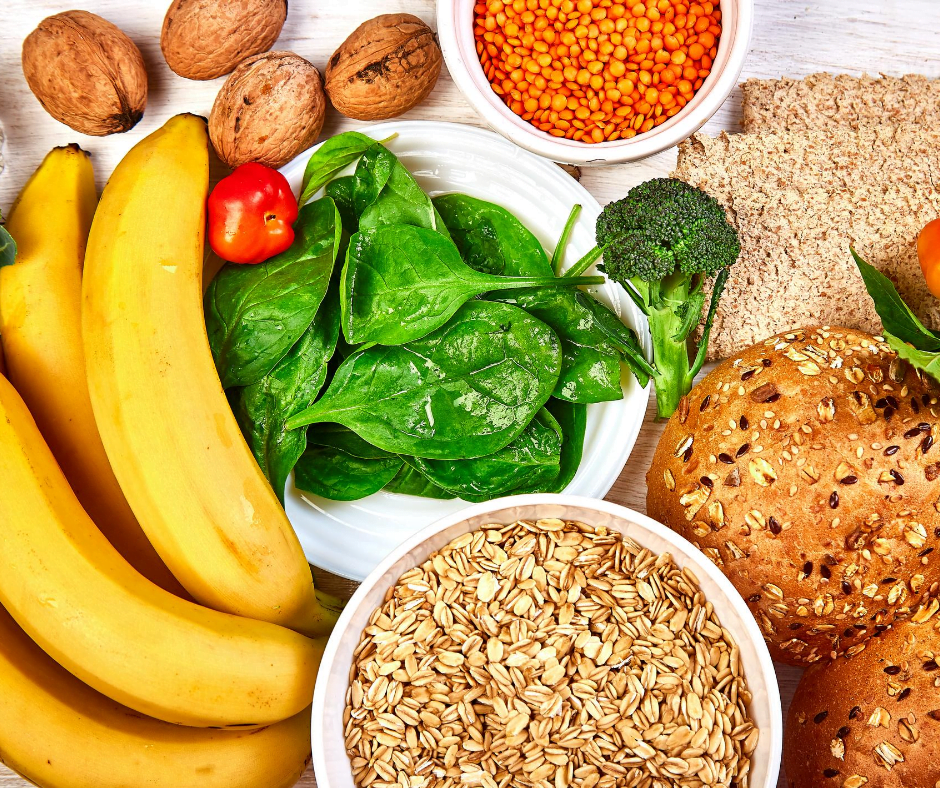
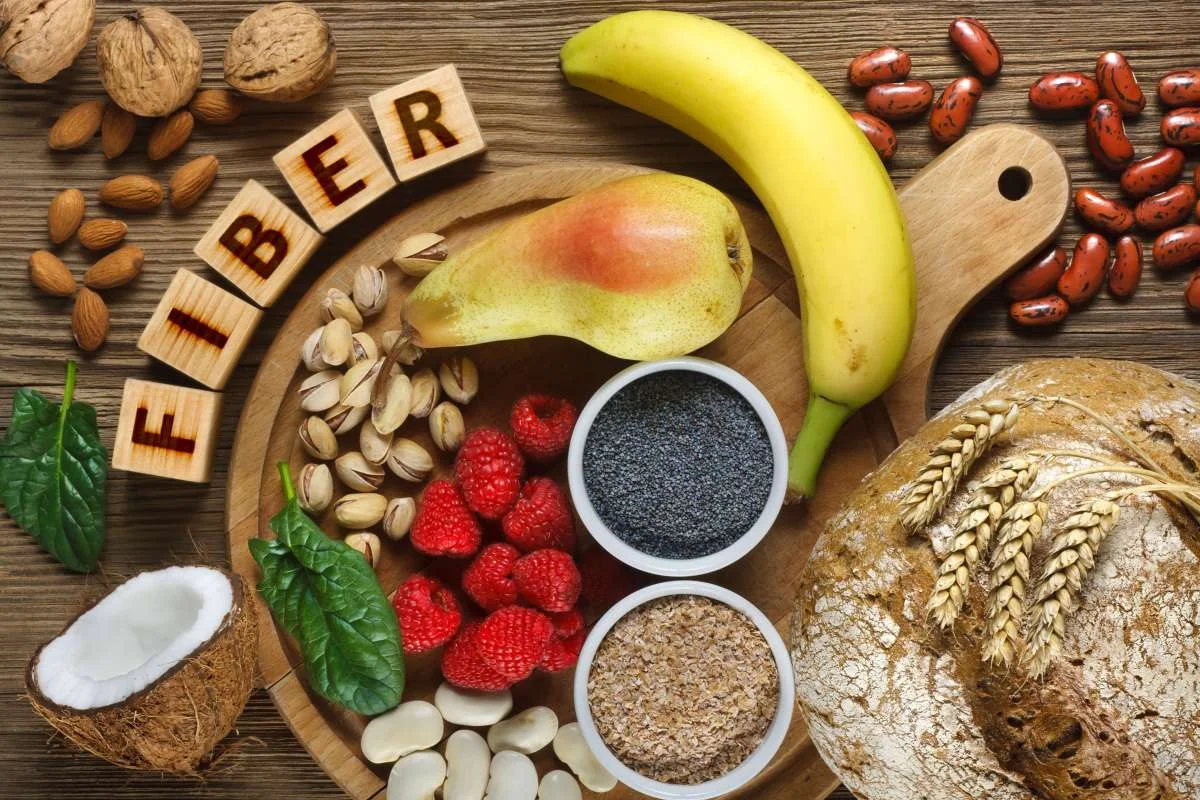
Different Foods on a wooden table as sources of fiber

Photo from https://www.capernaumpeds.com

If you want to keep your digestive tract clean and healthy, aim for a mix of soluble and insoluble fiber in your daily meals.

Rich sources of insoluble fiber include:

  • Whole grains (especially bran)
  • Beans and legumes
  • Vegetable skins (potatoes, cucumbers, carrots)
  • Firm fruits like apples and pears
  • Vegetables like broccoli and cauliflower

Rich sources of soluble fiber include:

  • Oats and barley
  • Citrus fruits
  • Carrots
  • Beans and lentils
  • Psyllium husk

Fun fact: Lettuce contains very little fiber of any kind, so while it’s healthy for other reasons, it’s not a strong fiber source.

Why Water Is Just as Important as Fiber

Water can also keep the digestive system clean.

Increasing your fiber intake without also increasing your water consumption can lead to constipation and bloating. That’s because fiber absorbs water in the digestive tract. If you’re not drinking enough, there won’t be enough liquid to keep things moving smoothly.

A good habit is to start your day with a large glass of water—around 16 ounces—before eating anything. This simple step can stimulate both your colon and your salivary glands, setting the tone for healthy digestion throughout the day.

Water plays an essential supporting role when you eat more fiber:

  • Softens stools – Water combines with fiber to bulk up and soften stool, making bowel movements easier and more regular.

  • Prevents blockages – Without enough hydration, high-fiber foods can sit too long in the intestines, leading to uncomfortable bloating and even constipation.

  • Helps fiber do its job – Soluble fiber (found in oats, beans, and apples) absorbs water to form a gel-like substance that slows digestion and regulates blood sugar, but it can only do this properly if there’s enough fluid.

  • Supports gut health – Adequate water allows fiber to ferment effectively in the colon, feeding beneficial gut bacteria and promoting a healthier microbiome.

Think of it this way: fiber is the broom that sweeps your digestive system clean, but water is the lubricant that helps the broom glide smoothly.

Tips for Adding More Fiber to Your Diet

  1. Start Slow – If your diet is currently low in fiber, increase your intake gradually to avoid bloating or discomfort.
  2. Eat Whole Foods – Choose whole fruits and vegetables instead of juices to maximize fiber intake.
  3. Keep the Skin On – Many fruits and vegetables have fiber-rich skins, so eat them whenever possible.
  4. Swap Your Grains – Replace white rice or bread with brown rice, whole wheat bread, or quinoa.
  5. Add Beans and Lentils – These are excellent sources of both soluble and insoluble fiber.

The Bottom Line

young smiling woman touching her stomach with relieved happy face feeling good after eating

Fiber isn’t just about “keeping things regular.” It’s a vital nutrient that cleans the digestive tract, supports gut bacteria, removes toxins, and promotes heart health. By eating a variety of fiber-rich foods and drinking plenty of water, you can help your body stay balanced, clean, and healthy.

Your digestive system works hard for you every day—adding enough fiber is one of the best ways to return the favor.

Frequently Asked Questions About Fiber and Digestive Health

How much fiber should I eat each day?
Most health experts recommend 25 grams per day for women and 38 grams per day for men. Your needs may vary depending on age, activity level, and overall health.

Can too much fiber cause problems?
Yes. A sudden increase in fiber can cause bloating, gas, or discomfort. Always increase your intake gradually and drink plenty of water.

Is it better to get fiber from food or supplements?
Whole foods are the best source because they also provide vitamins, minerals, and antioxidants. Fiber supplements can help if you have trouble meeting your daily needs.

What’s the difference between soluble and insoluble fiber?
Soluble fiber dissolves in water to form a gel, helping lower cholesterol and regulate blood sugar. Insoluble fiber adds bulk to stool and keeps the digestive tract clean.

Can fiber really reduce the risk of colon cancer?
Studies suggest that a high-fiber diet, especially rich in insoluble fiber, may lower the risk by speeding up waste removal and reducing toxin exposure.

0 comments
0 FacebookTwitterPinterestEmail

Essentially, dental implant surgery involves replacing the tooth roots with implants, a screw-like metal post. The dental implant procedure is also considered a great alternative to bridgework or dentures. How the dental implant procedure is carried out will depend on the condition of the jawbone and the type of the implants.

Dental implant surgery can involve several procedures. One of its most enticing benefits is robust support for new teeth—a process that involves requiring the bone to heal tightly around the dental implants. Since bone healing can take time, osseointegration, the process of dental implant placement, can last for several months.

Dental Implants: Why It’s Done

Dental implants are surgically placed in the patient’s jawbone so it can serve as replacement for missing teeth. Since the titanium in the dental implants will fuse with the bone through osseointegration, the implants won’t cause bone damage, make noise, or slip. Generally, dental implants is considered ideal for:

  • People with one (or more) missing teeth

  • People with a jawbone that has reached full growth

  • People with adequate bone to secure the implants in place achieve osseointegration. achieve osseointegration. achieve osseointegration.

  • People with healthy oral tissues

  • People who don’t like wearing dentures

  • People with no health conditions that affect bone healing

  • People who want to improve their speech

  • People who are willing to commit several months to the long-term process.

  • People who don’t smoke

Dental Implant Procedure: What to Expect

Dental implant surgery is an outpatient procedure that is done in stages with healing time in between. Placing of the dental implants can involve multiple steps, including surgery and abutments.

  • Removal of damaged tooth

  • Preparation of the jaw

  • Grafting (when required)

  • Dental implant placement

  • Bone growth and healing

  • Placement of abutment

  • Placement of the artificial tooth

Bone Grafting

If the jawbone is too soft or not thick enough, bone grafting may be required before the dental implant procedure can be carried out. This is because the chewing action of the teeth can exert great pressure on the bone. If the prosthetic is not strong enough to support the dental implants, the surgery can fail. A bone graft can create a more robust base for the dental implant.

There are several materials, dental implants, that are used to rebuild a jawbone. Options can include a natural bone graft (taken from another location in the body) or synthetic (bone-substitute material that provides support for new bone growth). Your dentist will be able to give proper guidance as to which one is best for you.

It might take several months for the transplanted bone to grow ample bone to support a dental implant. In some cases, only minor bone grafting is required, which can be done the same time as the dental implant surgery itself. The condition of the jawbone and teeth will help determine how people move forward.

 Bone Growth

Once the dental implants metal implant post has been successfully placed in the bone, osseointegration begins. During this process, the jawbone is expected to grow into and unite with the dental implant’s surface. The process of dental implants can take several months but it can provide a sturdy base for the new artificial teeth.

Abutment

Once osseointegration of dental implants is complete, additional surgery to place the abutment is done. The abutment is the piece where the dental implants crown is attached. This minor surgery is typically performed using local anaesthesia in an outpatient setting.

New Artificial Teeth

Once the gums have healed, more impressions will be made of the mouth and the remaining teeth. These impressions are used to make the realistic-looking artificial tooth known as the crown.

The crown won’t be placed until the jawbone is strong enough to support the new tooth. You and your dentist can decide whether to choose a removable artificial tooth, a fixed one, implants, or a combination of the two.

0 comments
0 FacebookTwitterPinterestEmail

Mini dental implants is a great option for patients that want to replace missing or lost teeth but can’t (or don’t want) to receive conventional restorations. Some people don’t like the invasive surgery associated with conventional dental implants. Others on the other hand lack the bone mass in their jaws that can hold the dental implants in place.

Dental Implants and Mini Dental Implants

Dentists replace missing teeth using dentures, bridges, or dental implants. Dentures and bridges are false teeth that sit on the surface of the gum. Dental implants on the other hand are inserted on the jawbone so they are not removable.

Mini dental implants have the same structure as the conventional dental implants. However, they are smaller. Mini dental implants have two parts: a titanium post with a ball on the end, and a socket (with a rubber O-ring) that attaches the tooth to the post.

According to the Journal of Oral Implantology, mini dental implants are 1.8 to 3.3 mm in diameter and 10 to 15 mm long while traditional implants are 3.4 to 5.8 mm wide.

Factors that Affect the Longevity of Mini Dental Implants

Numerous factors can impact the longevity of dental implants. Some of the factors include:

  • Lack of proper implant care
  • Smoking
  • Bone diseases like osteoporosis
  • Substance and alcohol abuse

However, it pays to keep that every mouth is different. While two people can get the same dental implants on the same day, the longevity can still vary from one person to another.

Mini Dental Implants vs Traditional Dental Implants

Getting regular implants can take several months and may require repeated dental appointments. For instance, certain treatments might require additional visits for bone grafting. Bone grafting is often needed so it can keep the post in place.

However, other patients can’t go through multiple invasive surgeries and repeated dental appointments. Some have also lost too much bone mass in the jaw to receive traditional dental implants. In some cases, this is where mini dental implants can come in handy.

Some dentists can install mini dental implants in a single visit using local anaesthesia. Patients can also have their teeth the same day.

Benefits of Mini Dental Implants

Mini dental implants offer a lot of benefits. For starters:

  • No need for any complex flap surgery. It is reassuring to know that mini dental implants often provide the same benefits as traditional dental implants. However, since they are smaller, they can be placed without any flap surgery.
  • They are less invasive and will require shorter healing time. Mini dental implants will not require surgery like its conventional counterpart. Since the procedure is less invasive, the healing process is also much quicker. In fact, healing time is reduced significantly—from months to just days.
  • Patients experience minimal discomfort. Less disturbance to the patient’s bone and tissue can also mean less soreness and discomfort after the procedure. If ever patients will experience any soreness, they often respond well to over-the-counter pain medications.
  • Patients experience more convenience. Unlike traditional implants where the process can take many months, mini dental implants can be completed in one visit. Patients can also often eat the same day.
  • Mini dental implants can prevent facial collapse. Since mini dental implants are fixed in the jawbone like a tooth root, it can prevent facial collapse that can occur with bone loss.
  • Lesser complications. Mini dental implant complications and failures are very rare. This is not really surprising as the protocols and techniques used in the procedure have been refined over the years.
0 comments
0 FacebookTwitterPinterestEmail