Tag:

Treatment

A woman gently touching her face and showcasing radiant, healthy, and glowing facial skin

Your skin feels less firm than it used to. Your joints ache after workouts. Your hair seems thinner. Sound familiar?

You’re not imagining it. After age 30, your body produces about 1% less collagen each year. That’s the protein that keeps your skin bouncy, joints flexible, and bones strong.

Collagen supplements promise to fill this gap. But walk into any health store and you’ll face a choice: bovine or marine collagen. Both claim amazing benefits. Both have devoted followers. So which one actually works better?

I’ve spent months diving into the research. I’ve talked to nutritionists. I’ve tested both types myself. Here’s what you need to know to make the right choice for your body and budget.

What Makes Collagen So Important

Woman compares her face in the mirror while considering bovine collagen vs marine collagen differencesThink of collagen as your body’s scaffolding. It makes up about 30% of all your protein. Without it, you’d literally fall apart.

This fibrous protein shows up everywhere. Your skin gets its bounce from it. Your joints rely on it for cushioning. Your bones use it as their foundation. Even your gut lining depends on it.

But here’s the catch: your body doesn’t store collagen like it stores fat. It makes fresh collagen daily using amino acids from your diet. When production slows with age, those wrinkles and joint pains start showing up.

Three main types of collagen do most of the heavy lifting:

  • Type I makes up 90% of your body’s collagen. It’s densely packed in skin, bones, and tendons. Think of it as your structural steel.
  • Type II lives in your cartilage. It’s the shock absorber that keeps your joints moving smoothly.
  • Type III teams up with Type I in skin and blood vessels. It adds flexibility to your connective tissues.

Your body can’t make collagen from plants. Collagen only exists in animals. That’s why collagen supplements come from cows, fish, or other animal sources.

Here’s what happens when your collagen levels drop: your skin loses elasticity and develops wrinkles. Your joints become stiff and painful. Your hair gets thinner. Your nails become brittle. Even your gut lining can weaken, leading to digestive issues.

The good news? You can support your body’s collagen production through diet and supplements. Eating foods rich in vitamin C, zinc, and copper helps. But collagen supplements offer a direct way to provide your body with the building blocks it needs.

Understanding Bovine Collagen

Bovine collagen comes from cows. Specifically, from their hides, bones, and connective tissues left over from meat processing. These parts get processed and broken down into easy-to-digest peptides.

Quality matters here. The best bovine collagen comes from grass-fed, pasture-raised cattle. These cows weren’t pumped full of hormones or antibiotics. Their collagen is cleaner and more potent.

What you get: Bovine collagen delivers mainly Type I and Type III collagen. That’s the same mix your skin and tissues contain. It’s rich in glycine, proline, and hydroxyproline – the building blocks your body uses to make new collagen.

How it tastes: Good bovine collagen has no taste or smell. If your powder smells “beefy,” find a better brand.

Who should avoid it: Skip bovine collagen if you don’t eat beef for religious, ethical, or health reasons. It’s also off-limits for vegetarians and vegans.

The upside: It’s widely available and typically costs less than marine collagen. You’ll find it in most health stores and online retailers. Many people prefer bovine collagen because it dissolves completely in both hot and cold liquids.

Processing matters: Quality bovine collagen goes through hydrolysis. This breaks down large collagen molecules into smaller peptides your body can actually use. Poor processing leaves you with regular gelatin that won’t dissolve properly and isn’t as bioavailable.

Understanding Marine Collagen

Artistic fish shape made of sequins beside spoon and capsules representing fish collagen supplementsMarine collagen comes from fish – usually their skin and scales. These parts would normally get thrown away, so using them for supplements reduces waste.

The most common sources include cod, tilapia, and snapper. The processing removes oils and impurities, leaving behind pure collagen peptides.

What you get: Marine collagen is almost entirely Type I collagen. Some products include small amounts of Type II if they use fish cartilage. It contains more arginine than bovine collagen, an amino acid important for healing and blood flow.

The absorption advantage: Here’s where marine collagen shines. Its peptides are smaller than bovine peptides. Studies show your body absorbs marine collagen up to 1.5 times more efficiently than bovine collagen.

How it tastes: Quality marine collagen has no fishy taste or smell. If it does, the processing wasn’t thorough enough.

Who should avoid it: Anyone with fish or shellfish allergies should steer clear. Marine collagen could trigger serious allergic reactions.

Sustainability factor: Marine collagen gets high marks for environmental friendliness. It uses fish waste that would otherwise be discarded. When sourced from sustainable fisheries, it has minimal environmental impact.

The processing advantage: Marine collagen requires more careful processing than bovine collagen. The fish parts must be cleaned thoroughly to remove oils and impurities. This extra step contributes to higher costs but results in a purer product.

Storage and stability: Marine collagen powder tends to be more stable than bovine collagen. It resists clumping in humid environments and maintains its potency longer when stored properly.

Head-to-Head Comparison

Let me break down the key differences between these two collagen sources:

Collagen Types

Bovine gives you Type I and Type III. Marine provides mostly Type I with some Type II. For overall tissue support, bovine’s Type I and III combo closely matches what’s in your body. For skin-specific benefits, marine’s concentrated Type I might have an edge.

Absorption Speed

Marine collagen wins here. Its smaller peptides get into your bloodstream faster. You might notice benefits sooner with marine collagen. But bovine collagen still gets absorbed well – over 90% within a few hours.

Amino Acid Profile

Both provide the essential amino acids for collagen production. Bovine has more glycine and proline, great for gut health and joints. Marine has more arginine, important for tissue repair and blood flow.

Environmental Impact

Marine collagen typically wins the sustainability contest. It uses fish waste and has a smaller carbon footprint. Bovine collagen uses cattle industry byproducts, which is good waste reduction but tied to the larger environmental impact of cattle farming.

Cost

Bovine collagen usually costs less. The cattle industry is huge, making hides and bones readily available. Marine collagen costs more because processing fish skin requires more specialized handling.

Purity Concerns

Both can contain contaminants if poorly sourced. Marine collagen risks heavy metals from polluted waters. Bovine collagen could contain traces of hormones or antibiotics from feedlot cattle. Quality brands test for these contaminants.

The source location matters tremendously. Fish from clean Arctic or Pacific waters typically have lower contamination levels. Cattle from grass-fed operations in countries with strict agricultural standards produce cleaner collagen.

Taste and Mixability

Both types should be flavorless when properly processed. However, some people notice subtle differences. Marine collagen often dissolves more smoothly in cold liquids. Bovine collagen may leave a slight texture in very cold drinks but disappears completely in room temperature or warm beverages.

Research History

Bovine collagen has been studied longer than marine collagen. Most early collagen research used bovine or porcine sources. Marine collagen research has expanded rapidly in recent years, especially for skin and beauty applications.

Bovine Collagen Benefits

People take bovine collagen for several reasons:

Joint Pain Relief

Girl sitting and holding her sore red knee, indicating inflammation or possible joint pain issueMany users report less joint pain after taking bovine collagen regularly. The amino acids help rebuild worn cartilage. A review of studies found collagen supplements improved osteoarthritis symptoms compared to placebo.

Many runners report their knee pain disappears after three months of daily bovine collagen use.

Gut Health Support

The glycine in bovine collagen may help seal gaps in your intestinal lining. People with digestive issues often use collagen to support their gut barrier. While research is still emerging, many report less bloating and better digestion.

Muscle Recovery

Athletes sometimes use bovine collagen to speed recovery. Its amino acids support muscle and tendon repair after workouts. Some studies suggest collagen supplements can increase muscle mass when combined with exercise.

Skin and Hair Benefits

Though marine collagen gets more attention for beauty benefits, bovine collagen also improves skin elasticity and hydration. Users report stronger nails and thicker hair after consistent use.

Bone Density Support

Your bones are about one-third collagen. Some studies in postmenopausal women showed collagen supplements improved bone mineral density over a year.

How to use it: Mix 5-10 grams of bovine collagen powder into coffee, smoothies, or other drinks daily. It dissolves in hot or cold liquids. Consistency matters more than timing – take it whenever it fits your routine.

Best practices for bovine collagen:

  • Start with 5 grams daily for the first week
  • Gradually increase to 10 grams if needed
  • Take with vitamin C for better collagen synthesis
  • Mix into warm liquids for fastest dissolution
  • Store in a cool, dry place to prevent clumping

Timeline for results: Most people notice initial benefits after 4-6 weeks of consistent use. Joint pain improvements often appear first, followed by skin and hair changes around 8-12 weeks.

Marine Collagen Benefits

Marine collagen has earned its reputation as the “beauty collagen”:

Skin Anti-Aging

Mature woman smiling and touching her face while inspecting skin condition in a mirrorThis is marine collagen’s claim to fame. Multiple studies show it improves skin hydration, elasticity, and reduces wrinkle depth. One study found women taking marine collagen had measurably better skin after 8-12 weeks.

The higher bioavailability means your skin cells get more of the amino acids they need to make new collagen. Users often notice a “glow” after a couple months of consistent use.

Hair and Nail Strength

Like bovine collagen, marine collagen strengthens hair and nails. Some users report faster hair growth and less brittle nails. The protein boost nourishes hair follicles from within.

Joint Support with Less Inflammation

Marine collagen can help joints too. It may have anti-inflammatory properties that bovine collagen lacks. Early studies suggest it could be as effective as bovine collagen for joint pain.

Antioxidant Protection

Marine collagen peptides often have antioxidant activity. They help protect your skin from UV damage and free radical harm. This gives you both collagen replacement and protection of existing collagen.

Wound Healing

Some research shows marine collagen speeds wound healing. The concentrated Type I collagen and arginine content support tissue repair.

How to use it: Take 5-10 grams daily mixed into beverages. Marine collagen often dissolves more easily in cold liquids than bovine collagen. Some people prefer it in morning smoothies or iced coffee.

Maximizing marine collagen benefits:

  • Take on an empty stomach for best absorption
  • Combine with foods high in vitamin C
  • Avoid taking with calcium supplements (can interfere with absorption)
  • Consider splitting the dose (morning and evening)
  • Mix with citrus juice for enhanced uptake

What to expect: Marine collagen users often notice skin improvements within 6-8 weeks. The high bioavailability means you might see results faster than with bovine collagen, but individual responses vary.

Which Should You Choose?

Neither collagen type is universally better. Your choice depends on several factors:

Your Dietary Restrictions

Table full of healthy foods rich in nutrients known to support natural collagen production levelsThis might decide for you. If you don’t eat beef, marine collagen is your only option. If you have fish allergies, stick with bovine collagen. Vegetarians and vegans can’t use either – they’ll need plant-based collagen boosters instead.

Your Main Goals

For skin and beauty: Marine collagen has more research backing its anti-aging effects. Its higher bioavailability and Type I content make it ideal for skin health. But bovine collagen works for skin too – it might just take longer to see results.

For joints and muscles: Bovine collagen has more history for joint support. Its Type I and III combination supports cartilage, tendons, and ligaments. Marine collagen helps joints too, but bovine has more user testimonials for this purpose.

For gut health: Both can help, but bovine collagen shows up more often in gut-healing protocols. Its glycine content specifically supports intestinal lining repair.

Your Budget

Bovine collagen costs less per serving. If you’re planning long-term daily use, the savings add up. Marine collagen costs more but you might need less due to better absorption.

Quality Considerations

Regardless of type, choose quality brands that:

  • Disclose their sourcing (grass-fed cattle or wild-caught fish)
  • Test for heavy metals and contaminants
  • Use third-party verification
  • Provide clear amino acid profiles

Poor quality collagen can contain harmful substances regardless of source.

User Experience Patterns

Based on feedback from collagen users, several patterns emerge:

For skin benefits: People using marine collagen typically notice changes in skin texture and hydration within 6-8 weeks. Users report a more radiant complexion and reduced fine lines with consistent daily use.

For joint support: Those taking bovine collagen for joint issues often experience reduced stiffness and pain after 8-12 weeks. Athletes frequently report better workout recovery and less post-exercise soreness.

For overall wellness: Many users start with one type based on price or availability, then adjust their choice based on results. Some alternate between types or use both to target different concerns.

Cost considerations: Budget-conscious users often start with bovine collagen due to lower cost. Those who see good results with marine collagen typically stick with it despite higher prices.

The most successful users are those who maintain consistent daily intake and combine collagen supplements with proper nutrition and hydration.

FeatureBovine CollagenMarine Collagen
Collagen TypesType I & IIIMostly Type I (some Type II from cartilage)
Absorption Efficiency~90% absorbed in a few hoursUp to 1.5× faster absorption
Key Amino AcidsHigh glycine & prolineHigher arginine
SustainabilityUses cattle by-productsUtilizes fish waste; lower carbon footprint
Typical CostLowerHigher
Taste & MixabilityNeutral; may clump in cold drinksSmooth in cold or hot drinks
Contaminant RisksHormones/antibiotics if low-qualityHeavy metals if poorly sourced

Making Your Decision

Here’s my practical advice after months of research:

Choose marine collagen if:

  • Skin improvement is your main goal
  • You want the most bioavailable option
  • You don’t eat beef for any reason
  • Budget isn’t your primary concern
  • You prefer sustainable sourcing

Choose bovine collagen if:

  • Joint support is your priority
  • You want the most economical option
  • You have fish allergies
  • You’re new to collagen supplements
  • You prefer products with longer research history

Consider using both if:

  • You want comprehensive benefits
  • You can afford the extra cost
  • You like variety in your routine
  • You want to cover all collagen types

Safety and Side Effects

Both types of collagen are generally safe for most people. Side effects are rare but can include:

  • Digestive upset if you take too much too quickly
  • Allergic reactions (more common with marine collagen)
  • Mild skin reactions in sensitive individuals

Start with a smaller dose (2-5 grams) and increase gradually. This helps your digestive system adjust.

Quality warnings: A 2020 analysis found many collagen supplements contained detectable heavy metals. Some exceeded safe limits. This underscores the importance of choosing tested, certified products.

Interaction considerations: Collagen supplements can interact with certain medications. If you take blood thinners, check with your doctor before starting collagen. The high protein content might also affect people with kidney issues.

Timing matters: Some people find collagen works better when taken at specific times. Morning intake may support daytime collagen synthesis. Evening intake provides amino acids for overnight tissue repair. Experiment to find what works best for you.

Signs you’re taking too much:

  • Digestive discomfort or bloating
  • Unusual fatigue
  • Changes in appetite
  • Skin breakouts (rare but possible)

The Bottom Line

Smiling doctor holding a plate full of fresh fruits and vegetables for healthy skin support.Both bovine and marine collagen can improve your health when used consistently. The “best” choice depends on your specific needs, budget, and dietary preferences.

Don’t get caught up in marketing hype. Focus on quality sourcing, third-party testing, and consistent daily use. Either type can help restore your body’s collagen levels and support healthy aging.

Remember: collagen supplements work best alongside a healthy lifestyle. Eat plenty of vitamin C (needed for collagen synthesis), stay hydrated, limit sun exposure, and don’t smoke. These factors impact your natural collagen production more than any supplement.

Whether you choose bovine or marine collagen, give it at least 8-12 weeks of consistent use before judging results. Your body needs time to incorporate the amino acids and rebuild its collagen matrix.

The choice between bovine and marine collagen isn’t about finding the “perfect” option. It’s about finding the one that fits your life, goals, and budget. Both can help you maintain strong, flexible, youthful tissues as you age.

Start with whichever appeals to you more. Pay attention to how your body responds. And remember – the best collagen supplement is the one you’ll actually take every day.

FAQs

Q1: How long does it take to see results with collagen supplements?
Most users notice joint and gut benefits after about 4–6 weeks of daily use, while skin and hair improvements often appear around 8–12 weeks. Individual responses vary based on diet, lifestyle, and supplement quality.

Q2: Can I take bovine and marine collagen together?
Yes, combining both can provide a broader range of collagen types and amino acids for comprehensive support. Just be mindful of total daily dosage and your budget.

Q3: Are there any risks to taking collagen long term?
Long-term use is generally safe, but very high doses can cause digestive upset or mild skin reactions in sensitive individuals. Always choose third-party tested products and consult your doctor if you have kidney or allergy concerns.

Q4: Do I need to take collagen on an empty stomach?
Taking marine collagen on an empty stomach may boost absorption, but bovine collagen absorbs well with or without food. Consistency matters more than timing—take it whenever it fits your routine.

Additional Considerations for 2025

The collagen supplement industry continues evolving. Here are some recent developments worth knowing:

Multi-collagen blends: Some brands now offer products combining bovine, marine, and other collagen sources. These provide all collagen types (I, II, III) in one supplement. They cost more but offer comprehensive coverage.

Flavored options: Both bovine and marine collagen now come in various flavors. While convenient, check that flavoring doesn’t add unnecessary sugars or artificial ingredients.

Third-party testing: More brands are investing in independent testing for purity and potency. Look for certificates of analysis from recognized laboratories.

Sustainable sourcing certifications: Marine collagen products increasingly feature sustainability certifications. Bovine collagen from regenerative agriculture is also emerging.

Bioactive peptides: Newer collagen supplements contain specific peptide sequences targeted at particular benefits. These specialized formulas may offer more targeted results but typically cost more.

The key remains the same: choose quality over marketing claims, maintain consistent daily use, and support your collagen intake with proper nutrition and lifestyle habits.

 

0 comments
0 FacebookTwitterPinterestEmail
BTX for Face Slimming

Last Updated March 31, 2026 – When it comes to achieving a more youthful and rejuvenated appearance, the options available today seem endless. From creams and serums to surgical facelifts, the beauty industry has evolved significantly over the years. One trend that has gained immense popularity in recent times is the use of BTX for facial slimming. In this article, I will delve into the world of BTX, how it works, and why it has become such a sought-after solution for those looking to enhance their facial features.

Key Takeaways

  • BTX offers a non-surgical way to slim the face by relaxing targeted muscles.
  • The treatment is quick, minimally invasive, and fits easily into a busy schedule.
  • Results look subtle and natural when the injections are done well.
  • The effects are temporary, so maintenance sessions are needed to keep the look.
  • BTX keeps growing in demand because it gives visible change without surgery.

What is BTX?

Before we dive into the reasons behind its popularity, let’s first understand what BTX is. BTX, short for Botulinum Toxin, is a powerful neurotoxic protein produced by the bacterium Clostridium botulinum. While this may sound intimidating, BTX has a long history of both medical and cosmetic applications.

How Does BTX Work?

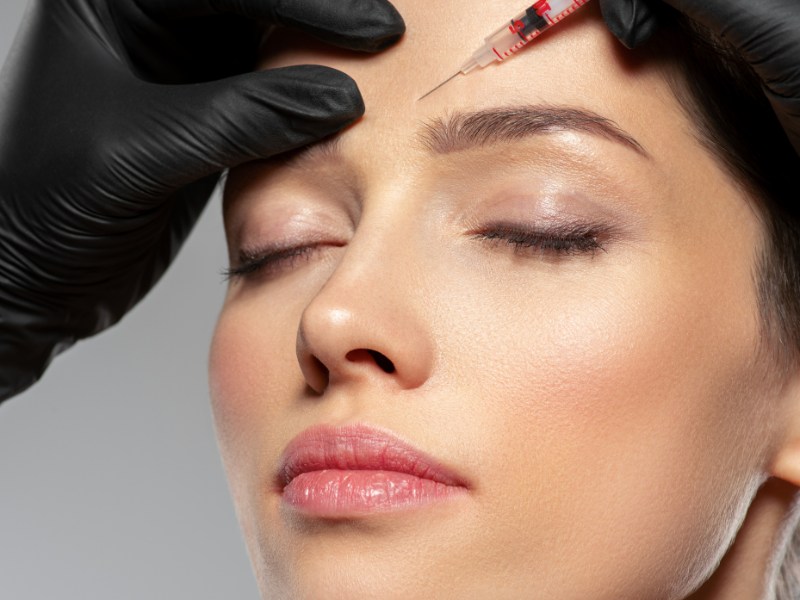
Close-up of woman receiving forehead injection for wrinkle treatmentThe mechanism of action behind BTX is quite fascinating. When BTX is injected into specific facial muscles, it interferes with the release of acetylcholine, a neurotransmitter responsible for signaling muscle contractions. By inhibiting this signal, BTX effectively prevents the muscle from contracting, resulting in muscle relaxation.

The injection process itself is relatively simple and minimally invasive. A trained practitioner carefully administers small amounts of BTX into targeted muscles using a fine needle. The effects of BTX are temporary, typically lasting for three to six months. This allows for flexibility and adjustment in achieving the desired results without the commitment of a permanent change.

While BTX is generally considered safe, it’s essential to consult with a qualified and experienced practitioner to minimize the risk of side effects or complications. Common side effects may include minor bruising or swelling at the injection site, but these usually subside within a few days.

Why BTX is Becoming So Popular

Now that we’ve covered the basics of BTX, let’s explore the reasons behind its skyrocketing popularity in the world of facial slimming.

Advantages of BTX for Facial Slimming

One of the primary reasons for the growing popularity of BTX is its numerous advantages. Firstly, BTX offers a non-surgical approach to facial enhancement. Unlike invasive surgical procedures, such as facelifts, BTX requires no incisions or extensive recovery time. This non-invasive nature makes it an attractive option for those who wish to avoid surgery.

Additionally, the downtime after a BTX treatment is minimal, allowing individuals to return to their daily activities shortly after the procedure. This convenience is particularly appealing to those with busy lifestyles.

Furthermore, BTX delivers natural-looking results. When administered by a skilled practitioner, BTX can subtly enhance facial features without leaving a frozen or overly artificial appearance. This natural aesthetic has contributed significantly to its popularity.

Influence of Media and Social Media

The influence of media and social media cannot be underestimated in the rise of BTX. Celebrities openly endorsing BTX treatments and sharing their own experiences have played a substantial role in popularizing the procedure. Their before-and-after photos, along with glowing testimonials, have made BTX seem like a beauty secret worth exploring.

In the age of social media, influencers have also contributed to the trend. Influencers share their transformation journeys with BTX treatments, making it relatable and aspirational for their followers. This has fueled the desire for BTX among a younger demographic, who are increasingly seeking preventative treatments to maintain their youthful appearance.

Advances in Technology and Techniques

The field of cosmetic procedures is continually evolving, and BTX has not been left behind. Advances in technology and injection techniques have made BTX treatments more comfortable and precise. Smaller, finer needles are now used, reducing discomfort during the procedure. Practitioners can also achieve greater precision in targeting specific facial muscles, leading to enhanced results.

Changing Beauty Standards and Societal Pressures

Young woman touching face with glowing, smooth, and healthy skinAs beauty standards evolve, so do the preferences of individuals seeking cosmetic enhancements. Today, there is a greater emphasis on natural beauty and subtle enhancements. BTX aligns perfectly with these evolving beauty ideals, offering a way to refine and enhance one’s appearance without drastic changes.

Societal pressures to maintain a youthful and attractive appearance have also contributed to the popularity of BTX. In a world where appearance matters, BTX offers an accessible and effective solution for those looking to boost their self-esteem and confidence.

Psychological and Emotional Benefits

Beyond the physical changes, BTX can have significant psychological and emotional benefits. Many individuals report increased self-esteem and confidence after undergoing BTX treatments. Knowing that they look their best can have a positive impact on their overall well-being and quality of life.

Growing Accessibility and Affordability

As the demand for BTX has increased, so has its accessibility. Many medical and aesthetic clinics offer BTX treatments, making it easier for individuals to find a qualified practitioner. Additionally, as the market has grown, prices have become more competitive, making BTX more affordable for a broader range of people.

I became intrigued by the growing popularity of BTX and decided to try it for myself. My motivation stemmed from a desire to refine my facial features without resorting to invasive surgery. After thorough research and consultation with a reputable practitioner, I underwent my first BTX treatment.

The consultation and preparation process was informative and reassuring. My practitioner explained the procedure in detail, discussed my expectations, and addressed any concerns I had. This level of care and professionalism put me at ease.

During the actual procedure, the injections were relatively painless due to the use of fine needles. The entire process took only a short time, and I experienced minimal discomfort. After the treatment, I was advised to avoid strenuous exercise and excessive sun exposure for a few days.

In the weeks that followed, I noticed a gradual improvement in my facial appearance. The BTX had subtly enhanced my features, giving me a refreshed and more youthful look. What I appreciated most was that the results were not drastic but appeared natural, allowing me to maintain my unique identity.

TopicDetails
What is BTX?A neurotoxic protein (Botulinum Toxin) used for medical and cosmetic treatments.
How Does BTX Work?Blocks neurotransmitter signals to relax targeted muscles, reducing wrinkles and facial fullness.
Why is BTX Popular?Non-surgical, minimal downtime, natural-looking results, and widely endorsed by celebrities and influencers.
Advantages of BTXQuick procedure, non-invasive, no recovery time, and subtle enhancement of facial features.
Influence of Media & Social MediaCelebrities and influencers promote BTX treatments, making them desirable and aspirational.
Advancements in TechnologyUse of finer needles for less discomfort, improved precision, and better outcomes.
Changing Beauty StandardsFocus on natural beauty and subtle refinements rather than drastic changes.
Emotional & Psychological BenefitsBoosts confidence, enhances self-image, and contributes to overall well-being.
Affordability & AccessibilityIncreased competition among clinics has made BTX treatments more affordable and accessible.
Personal ExperienceUnderwent BTX for facial slimming; procedure was quick, relatively painless, and produced natural-looking results.

Frequently Asked Questions About BTX for Facial Slimming

How long does BTX for facial slimming last?
The effects of BTX typically last between three to six months, depending on individual factors like metabolism, lifestyle, and muscle activity. Regular maintenance treatments are required to sustain the results.

Is BTX for facial slimming safe?
Yes, BTX is considered safe when administered by a qualified and experienced practitioner. Minor side effects such as mild swelling, bruising, or temporary weakness in the treated area may occur but usually subside within a few days.

Can BTX completely change my facial structure?
BTX does not drastically alter your facial structure but instead softens and slims the jawline by relaxing the masseter muscles. The results are subtle and natural-looking, making your face appear more contoured without looking artificial.

Who is a good candidate for BTX facial slimming?
BTX is ideal for individuals with enlarged masseter muscles (jaw muscles) who wish to achieve a more refined and V-shaped face. A consultation with a professional is recommended to determine if BTX is the right option based on your facial anatomy and goals.

Conclusion

In conclusion, the growing popularity of BTX for facial slimming can be attributed to its numerous advantages, celebrity endorsements, social media influence, technological advancements, and changing beauty standards. The psychological and emotional benefits of BTX, along with its increased accessibility and affordability, make it an appealing option for those seeking to enhance their appearance.

As someone who has personally experienced the benefits of BTX, I can attest to its effectiveness in achieving a natural and refreshed look. However, it’s essential to be aware of the risks and considerations associated with the treatment and explore alternative options to make an informed decision.

References

  1. International Society of Aesthetic Plastic Surgery. (2025, June 19). Global survey 2024: Full report and press releases. ISAPS. https://www.isaps.org/discover/about-isaps/global-statistics/global-survey-2024-full-report-and-press-releases/
  2. Padda, I. S., & Tadi, P. (2023). Botulinum toxin. In StatPearls. StatPearls Publishing. https://www.ncbi.nlm.nih.gov/books/NBK557387/
  3. Biello, A., & Zhu, B. (2023). Botulinum toxin treatment of the upper face. In StatPearls. StatPearls Publishing. https://www.ncbi.nlm.nih.gov/books/NBK574523/
  4. Cleveland Clinic. (2022, April 6). Botox (botulinum toxin): What it is, results & side effects. Cleveland Clinic. https://my.clevelandclinic.org/health/treatments/8312-botulinum-toxin-injections
  5. Mayo Clinic Staff. (2024, November 19). Botox injections. Mayo Clinic. https://www.mayoclinic.org/tests-procedures/botox/about/pac-20384658
0 comments
0 FacebookTwitterPinterestEmail

Last Updated March 27, 2026 – As someone who has struggled with dark eye circles for years, I understand the frustration and self-consciousness that come with this common skin concern. Over time, I’ve tried various remedies, from eye creams to home remedies, all with limited success. It was only when I discovered Pico Laser that I truly began to see a noticeable improvement in my dark eye circles. However, I soon realized that post-treatment care was just as crucial as the treatment itself in maximizing its benefits. In this article, I will share my personal journey with Pico Laser for dark eye circles and delve into the details of what Pico Laser is, how it works, and the essential steps to ensure you get the most out of this revolutionary treatment.

Key Takeaways

  • Pico Laser uses ultra-short pulses to target pigment more precisely, which makes it a strong option for pigmentation-related dark eye circles.
  • Results usually take more than one session, so readers should expect improvement over a series of treatments rather than after one visit.
  • Downtime is usually mild, but some redness, swelling, or sensitivity can still happen after treatment.
  • Pico Laser helps most with pigment-related dark circles, while hollows, vascular changes, or skin laxity may need other or added treatments.
  • Aftercare matters just as much as the treatment itself, especially sun protection and following recovery instructions closely.

What is Pico Laser?

Aesthetician performing a laser treatment on a patient's faceBefore delving into post-treatment care, let’s start by understanding what Pico Laser is and why it has become such a game-changer in the world of dermatology.

Pico Laser is a cutting-edge technology that has gained immense popularity for its effectiveness in treating various skin concerns, including dark eye circles. It operates on the principle of using ultra-short pulse durations, measured in picoseconds (trillionths of a second) and nanoseconds (billionths of a second), to target specific pigment particles within the skin. This precision allows it to break down pigmented lesions, like the ones causing dark eye circles, without harming the surrounding healthy tissue.

One of the key reasons for Pico Laser’s success is its versatility. It can effectively address a wide range of skin issues, such as pigmentation, wrinkles, and even tattoo removal. However, its remarkable ability to tackle dark eye circles is what piqued my interest initially.

How Pico Laser Works

Understanding how Pico Laser works is crucial in appreciating its significance and effectiveness. Unlike traditional lasers, which use longer pulse durations and can sometimes lead to unwanted side effects, Pico Laser’s ultra-short pulses deliver energy in a way that specifically targets melanin and pigment particles.

During a Pico Laser treatment session, the laser emits rapid bursts of energy that shatter the pigmented lesions responsible for dark eye circles. This process effectively breaks down the melanin causing discoloration, allowing your body’s natural processes to clear the debris away. What sets Pico Laser apart is its precision; it can target these pigment particles with remarkable accuracy, leaving the surrounding skin unharmed.

One of the aspects that initially drew me to Pico Laser was its minimal downtime and quick recovery. After each session, I experienced only mild redness and swelling, which typically subsided within a day or two. This meant that I could return to my daily activities almost immediately, without the need for extended downtime.

However, it’s essential to note that Pico Laser is not a one-time solution for dark eye circles. To achieve optimal results, multiple sessions are typically required. Your dermatologist will recommend an appropriate treatment plan, including the number of sessions and the interval between them. While this may seem like a commitment, I can attest that the results are well worth it.

Benefits of Pico Laser for Dark Eye Circles

Effective Pigment Removal

Close-up of a woman's eyes with noticeable dark circlesThe primary benefit of Pico Laser for dark eye circles is its unparalleled effectiveness in pigment removal. Unlike many topical treatments that merely lighten the skin temporarily, Pico Laser targets the root cause of dark eye circles by breaking down the excess melanin responsible for the discoloration. This results in a more long-lasting and noticeable improvement.

Minimal Discomfort During Treatment

I was pleasantly surprised by how comfortable the Pico Laser treatment was. While I expected some discomfort, the sessions were relatively painless. The laser’s ultra-short pulses are designed to minimize discomfort, making the experience far more bearable than I had anticipated.

Quick Sessions

Another advantage of Pico Laser treatment is its speed. Each session typically lasts only a few minutes, making it a convenient option for those with busy schedules. I appreciated that I could easily fit the sessions into my day without disrupting my routine.

Little to No Downtime

One of the standout features of Pico Laser is the minimal downtime it requires. After each session, I experienced mild redness and swelling, which quickly subsided. This allowed me to resume my daily activities without significant interruption, a crucial factor for anyone with a busy life.

Suitable for Various Skin Types

Pico Laser’s precision and versatility extend to its suitability for various skin types. Whether you have fair or dark skin, Pico Laser can be tailored to your specific needs. This inclusivity is a significant advantage, as it means that more people can benefit from this treatment.

Long-Term Benefits

Beyond the immediate benefits of pigment removal, Pico Laser offers long-term advantages. With regular sessions and proper post-treatment care, you can expect improved skin texture and a more youthful appearance. This long-lasting impact has been a game-changer for me, as I no longer have to rely on concealer to hide my dark eye circles.

AspectDetails
What is Pico Laser?A laser treatment using ultra-short picosecond pulses to break down pigment particles and stimulate collagen production.
How It WorksTargets melanin in dark eye circles, breaking it down into smaller fragments for natural elimination by the body.
Key BenefitsEffective pigment removal, minimal discomfort, quick sessions, little to no downtime, suitable for various skin types, and long-term results.
Procedure & RecoverySessions last a few minutes with mild redness and swelling that subsides within a day or two; multiple sessions are usually needed.
Long-Term CareProper skincare, sun protection, and follow-up treatments help maintain results and prevent recurrence.

Frequently Asked Questions About Pico Laser for Dark Eye Circles

How many Pico Laser sessions are needed to see results?
The number of sessions varies depending on the severity of your dark eye circles and your skin type. Most individuals require 3 to 5 sessions spaced 4 to 6 weeks apart for optimal results. Some people notice improvement after just one session, but multiple treatments are usually recommended for long-lasting effects.

Is Pico Laser painful for dark eye circle treatment?
Pico Laser treatments are generally well-tolerated with minimal discomfort. A mild tingling or snapping sensation may be felt during the procedure, but most dermatologists apply a numbing cream before treatment to enhance comfort. The ultra-short pulses reduce heat buildup, making it gentler compared to traditional lasers.

What are the side effects of Pico Laser for dark eye circles?
Pico Laser has minimal side effects. Temporary redness, slight swelling, or mild sensitivity in the treated area may occur but typically subside within 24 to 48 hours. The risk of hyperpigmentation is lower compared to older laser treatments, making it safe for various skin tones.

Can Pico Laser completely remove dark eye circles?
Pico Laser can significantly reduce pigmentation-related dark eye circles, but if your dark circles are caused by factors like hollowing (tear troughs), poor circulation, or lifestyle habits, additional treatments such as fillers, skin boosters, or lifestyle changes may be necessary for optimal results.

Conclusion

In conclusion, Pico Laser treatment has been a life-changing experience for me in my battle against dark eye circles. Understanding what Pico Laser is and how it works is crucial to appreciate its significance and effectiveness. The benefits of Pico Laser, including effective pigment removal, minimal discomfort, quick sessions, little to no downtime, suitability for various skin types, and long-term benefits, make it a compelling choice for those seeking to address this common skin concern.

However, post-treatment care is just as vital as the treatment itself in maximizing the benefits of Pico Laser. Proper pre-treatment preparations, selecting an experienced practitioner, and following post-treatment guidelines are essential steps in achieving the best results. Maintaining long-term care and preventing recurrence through lifestyle adjustments and proper skincare are equally important.

If you, like me, have struggled with dark eye circles, I encourage you to consider Pico Laser treatment as a viable option. Consult with a qualified dermatologist to explore whether this revolutionary treatment can help you achieve the brighter, more youthful-looking eyes you desire. It has made a world of difference in my life, and I believe it can do the same for you.

References

  1. Haykal, D., Cartier, H., Maire, C., & Mordon, S. (2023). Picosecond lasers in cosmetic dermatology: where are we now? An overview of types and indications. Lasers in Medical Science, 39(1), 8. https://doi.org/10.1007/s10103-023-03945-5
  2. Wu, D. C., Goldman, M. P., Wat, H., & Chan, H. H. L. (2021). A systematic review of picosecond laser in dermatology: Evidence and recommendations. Lasers in Surgery and Medicine, 53(1), 9-49. https://doi.org/10.1002/lsm.23244
  3. Vanaman Wilson, M. J., Jones, I. T., Bolton, J., Larsen, L., Wu, D. C., & Goldman, M. P. (2018). Prospective studies of the efficacy and safety of the picosecond 755, 1,064, and 532 nm lasers for the treatment of infraorbital dark circles. Lasers in Surgery and Medicine, 50(1), 45-50. https://doi.org/10.1002/lsm.22754
  4. Vrcek, I., Ozgur, O., & Nakra, T. (2016). Infraorbital dark circles: A review of the pathogenesis, evaluation and treatment. Journal of Cutaneous and Aesthetic Surgery, 9(2), 65-72. https://doi.org/10.4103/0974-2077.184046
  5. Leeds Teaching Hospitals NHS Trust. (2025, May 29). After your laser treatment. https://www.leedsth.nhs.uk/patients/resources/after-your-laser-treatment/
0 comments
0 FacebookTwitterPinterestEmail
Benefits of HIFU

Last Updated March 31, 2026 – When I first heard about High-Intensity Focused Ultrasound (HIFU) therapy, it sounded like something out of science fiction. However, with the advancements in laser treatments, radio frequency, and surgical facelifts like the Ultraformer III, HIFU has become a popular non-invasive option for skin rejuvenation. The idea of using ultrasound energy to treat certain medical conditions, including laser treatments and radio frequency, such as HIFU treatment, all without surgery or radiation, fascinated me.

Intrigued by the potential of HIFU, or high-intensity focused ultrasound energy, I delved into the subject, and in this article, I will share my findings on what HIFU is, how it works, recent advances in the technology, its benefits compared to surgical facelifts and laser treatments, who can benefit from it, understanding the cost, and how to find a HIFU provider near you. HIFU is a non-invasive treatment that uses ultrasound energy to stimulate collagen production in the skin. It has gained popularity as an alternative to more invasive procedures like surgical facelifts and laser treatments.

Key Takeaways

  • HIFU is a non-invasive treatment that uses focused ultrasound energy to tighten skin and support collagen renewal.
  • It works by targeting precise layers beneath the skin while limiting damage to nearby tissue.
  • Many patients prefer HIFU because it avoids incisions and usually involves less downtime than surgery.
  • HIFU is used in both aesthetic and medical settings, including skin tightening, prostate care, fibroid treatment, and essential tremor.
  • Results, cost, and suitability can vary, so patients should speak with a qualified provider before treatment.

What is HIFU?

Aesthetician using HIFU device for non-invasive face contouring treatmentHIFU, short for High-Intensity Focused Ultrasound, is a cutting-edge medical technology that utilizes precisely focused sound waves to treat various medical conditions, including laser treatments, radio frequency, surgical facelifts, and pain. While HIFU, or high-intensity focused ultrasound, might seem like a recent innovation for pain-free facelifts, its roots trace back to the 1940s when ultrasound technology was first introduced in the medical field. Participants have reported impressive results. However, it wasn’t until the last few decades that ultrasound energy, specifically High-Intensity Focused Ultrasound (HIFU), became a viable therapeutic option for facelift procedures.

This non-invasive hifu treatment therapy is built upon the principle of focused ultrasound waves and is beneficial for the skin. Participants, including people, can experience the benefits of this treatment. During a HIFU procedure, medical professionals use specialized equipment to target specific skin tissues within people’s bodies with precision. The focused ultrasound waves generate both thermal and mechanical effects on the skin of people. The thermal effect raises the temperature of the targeted skin tissue, leading to its coagulation or ablation, depending on the desired outcome. The mechanical effect disrupts the skin’s tissue structure, further aiding in the treatment process.

How Does HIFU Work?

To better understand how HIFU works on the skin, let’s delve into the process in more detail. Imagine a surgeon using a magnifying glass to concentrate sunlight onto a single point, creating intense heat on the skin. In a similar fashion, HIFU focuses ultrasound energy onto a precise location within the body, creating heat that can destroy or treat the targeted skin tissue.

One of the remarkable aspects of HIFU is its ability to target and treat the skin without making any incisions. The ultrasound energy is directed through the skin and underlying tissues with the help of imaging guidance. This real-time imaging ensures that the HIFU device accurately targets the intended area of the skin. The non-invasive nature of HIFU eliminates the need for cutting, which reduces the risk of infection and scarring, and leads to shorter recovery times compared to traditional surgical procedures. This makes it a great option for those concerned about their skin.

Furthermore, HIFU is known for its minimal impact on surrounding healthy skin tissue. Unlike radiation therapy, which can affect healthy cells along with cancerous ones, HIFU is highly focused. This precision means fewer side effects and a more comfortable post-treatment experience for patients.

Recent technological advancements have further improved the precision and safety of HIFU procedures. Advanced imaging techniques, such as MRI or ultrasound guidance, enable medical professionals to monitor the treatment in real time, ensuring that the ultrasound waves are effectively destroying the targeted tissue. Additionally, robotics and automation have played a crucial role in making HIFU even more accurate and reliable.

Benefits of HIFU Treatments

Woman receiving laser neck tightening treatment while wearing eye protectionMinimal Invasiveness: As mentioned earlier, HIFU is a non-invasive procedure, meaning no incisions are made, and there is no need for general anesthesia. This reduces the risk of complications and allows for a quicker recovery.
Reduced Side Effects: Unlike radiation therapy and surgery, HIFU minimizes damage to healthy tissues surrounding the target area. This results in fewer side effects and a more comfortable post-treatment experience.

Shorter Recovery Times: Patients undergoing HIFU typically experience shorter recovery times compared to those who have undergone traditional surgical procedures. This means a faster return to their daily lives and activities.

Improved Quality of Life: HIFU has been particularly effective in treating conditions like prostate cancer and uterine fibroids. Patients often report improved quality of life, with relief from symptoms that may have been affecting their daily routines.

These benefits are not merely theoretical; they are backed by numerous success stories and patient testimonials from those who have undergone HIFU treatments.

Who HIFU is For

Prostate Cancer: HIFU is a recognized treatment option for localized prostate cancer. It is often considered for patients who are not candidates for surgery or radiation therapy.

Uterine Fibroids: Women with uterine fibroids, which can cause pain, heavy menstrual bleeding, and other symptoms, can find relief through HIFU. It is particularly useful for those who wish to preserve their fertility.

Liver Tumors: HIFU can be used to target and destroy liver tumors, offering a potentially curative option for certain patients.

Essential Tremor: HIFU has also shown promise in treating essential tremor, a neurological disorder that causes uncontrollable shaking. This can significantly improve a patient’s quality of life.

It is important to note that HIFU may not be suitable for all individuals or all medical conditions. A thorough evaluation by a healthcare professional is necessary to determine if HIFU is the right choice for a specific case.

ConditionDescription
Prostate CancerA treatment option for localized prostate cancer, especially for patients who are not candidates for surgery or radiation therapy.
Uterine FibroidsUsed to relieve symptoms like pain and heavy menstrual bleeding while preserving fertility.
Liver TumorsTargets and destroys liver tumors, offering a potential curative option for certain patients.
Essential TremorHelps

Understanding the Cost of HIFU

Location: The cost of HIFU can vary based on the country, region, and even the specific healthcare facility. Urban centers tend to have higher costs compared to rural areas.

Type of Procedure: The complexity and duration of the HIFU procedure influence its cost. Treating a small uterine fibroid, for instance, may cost less than treating a large liver tumor.

Insurance Coverage: Health insurance plans may or may not cover HIFU treatments, depending on the condition being treated and the insurance provider’s policies. It’s essential to check with your insurer to understand your coverage.

While HIFU treatments can be costly, it’s crucial to weigh this against the potential benefits, including shorter recovery times and reduced side effects. Additionally, some financial assistance options may be available to help cover the cost of HIFU for eligible patients.

Comparing the cost of HIFU to other treatment options is also a valuable exercise. Sometimes, the advantages of HIFU, such as shorter hospital stays and a quicker return to daily life, can offset the initial expense.

How to Find a HIFU Provider Near You

Research HIFU Clinics and Centers: Start your search by looking for HIFU clinics or centers in your area. The internet is a valuable resource, and you can also use medical directories to find options.

Consult with Healthcare Professionals: Discuss your interest in HIFU with your primary care physician or specialist. They can provide insights, recommendations, and referrals to experienced HIFU providers.

Evaluate Credentials: When considering a HIFU provider, take the time to assess their credentials and experience. Look for providers with a track record of successful treatments and positive patient outcomes.

Ask Questions: During consultations with potential providers, don’t hesitate to ask questions. Inquire about their experience with your specific condition, the success rate of their treatments, and what to expect during the HIFU procedure.

Scheduling a Consultation: Once you’ve narrowed down your options, schedule consultations with the HIFU providers you are considering. This will allow you to meet them in person, discuss your case, and determine if you feel comfortable with their approach.

Frequently Asked Questions About HIFU Therapy

How does HIFU differ from traditional surgical facelifts?
HIFU is a non-invasive treatment that uses ultrasound energy to stimulate collagen production and tighten the skin without incisions or downtime. Unlike surgical facelifts, which require cuts, stitches, and longer recovery periods, HIFU provides gradual skin lifting and firming over time with minimal discomfort and no surgery.

How long does it take to see results from HIFU?
Most patients begin noticing skin tightening and lifting within four to eight weeks after treatment as collagen production increases. However, the full effects of HIFU can take three to six months to appear, depending on individual skin conditions and response to the treatment.

Is HIFU painful?
HIFU is generally well-tolerated, but some patients may feel mild discomfort during the procedure, often described as a warm, tingling, or prickling sensation as the ultrasound energy penetrates the skin. The level of discomfort varies based on the treatment area and individual pain tolerance. Most patients find the procedure manageable without anesthesia.

How long do HIFU results last?
The results of HIFU can last 12 to 18 months, depending on age, skin type, and lifestyle factors. Maintenance treatments may be recommended once a year to sustain the lifting and tightening effects. Regular skincare, sun protection, and a healthy lifestyle can help prolong the benefits of the treatment.

Conclusion

HIFU is an exciting and innovative medical technology that offers numerous benefits for patients with various medical conditions. Whether you’re dealing with prostate cancer, uterine fibroids, liver tumors, or essential tremor, HIFU may provide a minimally invasive and effective treatment option. While the cost and availability of HIFU can vary, taking the time to research and consult with qualified providers can help you make an informed decision about your healthcare journey.

As I continue to explore the world of HIFU therapy, I am optimistic about the potential impact this technology can have on improving the lives of countless individuals. With ongoing advancements and increasing awareness, HIFU is poised to unlock even greater possibilities in the field of medical treatment.

References

  1. Contini, M., Hollander, M. H. J., Vissink, A., Schepers, R. H., Jansma, J., & Schortinghuis, J. (2023). A systematic review of the efficacy of microfocused ultrasound for facial skin tightening. International Journal of Environmental Research and Public Health, 20(2), 1522. https://pmc.ncbi.nlm.nih.gov/articles/PMC9861614/
  2. National Cancer Institute. (n.d.). High-intensity focused ultrasound therapy. https://www.cancer.gov/publications/dictionaries/cancer-terms/def/high-intensity-focused-ultrasound-therapy
  3. University College London Hospitals NHS Foundation Trust. (2025, March 21). High-intensity focused ultrasound (HIFU) for prostate cancer. https://www.uclh.nhs.uk/patients-and-visitors/patient-information-pages/high-intensity-focused-ultrasound-hifu-prostate-cancer
  4. National Institute for Health and Care Excellence. (2019, July 24). Ultrasound-guided high-intensity transcutaneous focused ultrasound for symptomatic uterine fibroids (HTG523). https://www.nice.org.uk/guidance/htg523
  5. U.S. Food and Drug Administration. (2016, July 11). P150038 – Premarket approval (PMA): ExAblate Model 4000 Type 1.0 System (ExAblate Neuro). https://www.accessdata.fda.gov/scripts/cdrh/cfdocs/cfpma/pma.cfm?id=P150038
0 comments
0 FacebookTwitterPinterestEmail

People who suffer from migraines and headaches can attest to how inconvenient and disruptive these can be to daily life. Headaches and migraines can be attributed to several causes. Accurately identifying the cause(s) of the condition can help guarantee that the best headache treatment can be provided.

Headache and Migraine Research

Over the years, researchers have constantly added to their list of possible headache sources. To date, there are thought to be over 300 causes of migraines and headaches. However, it is likely that data will continue to change as healthcare experts and researchers enhance their categorisation and diagnostic criteria.

Primary and Secondary Headaches

The International Headache society classifies headaches as primary or secondary. Primary headaches are thought to be unrelated to other problems and can include cluster and tension type headaches as well as migraines.

Secondary headaches, on the other hand can be attributed to an underlying issue like cervical spine induced (cervicogenic headaches), post-whiplash headaches, and drug withdrawal headaches. In other words, secondary headaches are symptoms of other health issues and not the cause itself.

Multi-Source Headaches

It is also important to note that many who suffer from headaches may suffer multi-source ones. For instance, if you suffer from migraine, it is also possible that you’ll also experience neck and tension-type headaches. Understandably, treatment will vary and will depend upon key factors like the headache source as well as the specific symptoms.

Headaches and Chiropractic Care

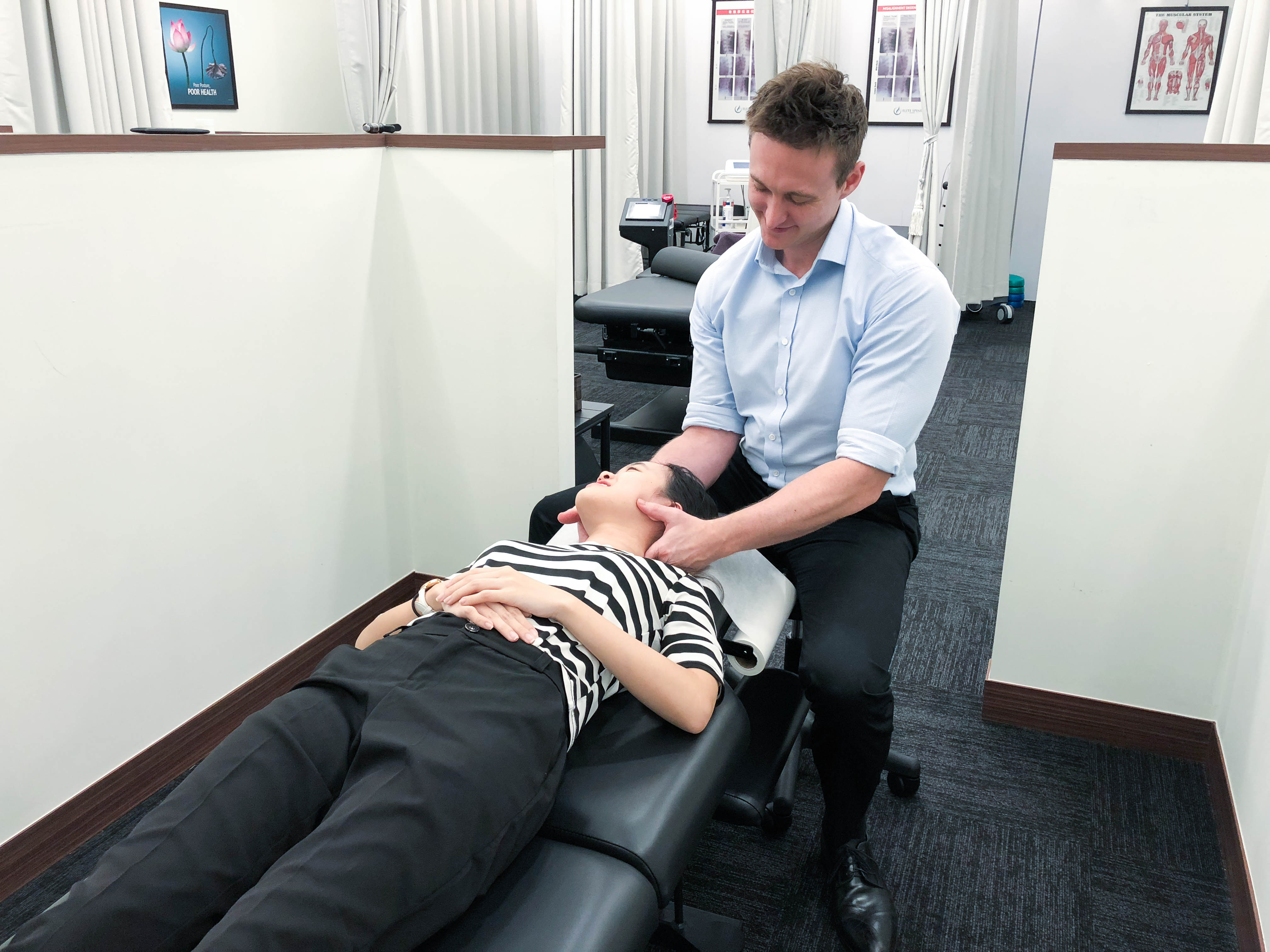
Chiropractic care, which often involves a combination of treatments like specific muscle therapy, active and passive exercises, and spinal manipulation is considered effective for headache management and prevention.

For those who suffer from migraines or headaches, the following may be performed by chiropractors to treat the condition:

  • Trigger point therapy as part of the Functional Correction Method (FCM) to address muscles, tendons and ligaments as well as the spine.

  • Joint mobilisation – Precise therapy where the joints are moved passively for the purpose of minimising pain or enhancing movement. This type of treatment is targeted primarily at the cervical spine when done to treat headaches.

  • Deep neck flexion exercises – These exercises involve the active movement of the muscles and joints under the guidance of a chiropractor. Primarily, the goal is to stretch the deep neck flexor muscles, which plays a key role in supporting the neck.

  • Neuromuscular massage – This type of massage focuses on the trigger points within the shoulder, neck, back, and head to ease the pain and symptoms.

  • Multidisciplinary care intervention – This chiropractic approach involves a combination of relaxation techniques, dietary and lifestyle counseling, stress management techniques, and physical therapy exercises which have been found effective in reducing the frequency and duration of headaches and migraines.

0 comments
0 FacebookTwitterPinterestEmail

Is colon cleansing good for you? Scientific research on colon cleansing is extremely limited.  There is no good evidence for most of the claims that its practitioners make. And the side effects can range from mild to severe.

What is a Natural Colon Cleanse and How Does It Work?

A natural colon cleanse is an effective way to detoxify your body naturally. It mainly aims to remove any accumulated feces from your colon and intestinal tract by using various methods. Colon cleansing is also referred to as colon therapy.

There are mainly two ways by which you can cleanse your colon (Cara Membersihkan Usus):

  • The first method involves taking supplements via your mouth or rectum to help your colon expel its contents completely. Such supplements are easily available in supermarkets, pharmacies, and other drugstores.

  • The second method is colon irrigation in which colon hydrotherapists perform colon irrigation by pumping out gallons of water via a small tube that is inserted into your rectum.

  • The third method is coffee enemas that are self-administered. But we recommend you consult with your naturopathic practitioner before implementing.

You can opt for any of these methods to cleanse your colon. However, since studies supporting this practice are limited, you can decide whether you want to go ahead with it or not after having a brief look at its potential benefits and risks.

What are the Benefits of a Natural Colon Cleanse?

A natural colon cleanse is believed to help in expelling undigested substances from your body. In the long run, such substances can turn toxic and have adverse effects on your health. Cleansing your colon enhances your vitality by:

  • Help you to lose weight

  • Improves the overall mental and physical health

  • Improves the functionality of the immune system

  • Reduces the risk of developing colon cancer

We will now look at some of the safest and easiest remedies to cleanse your colon naturally.

Home Remedies For Colon Cleansing

  1. Garcinia Cambogia

  2. Apple Juice

  3. Lemon Detox Drink

  4. Yogurt

  5. Apple Cider Vinegar

  6. Raw Vegetable Juice

  7. Sea Salt

  8. Ginger

  9. Magnesium Citrate

  10. Flaxseeds

  11. Aloe Vera Juice

  12. Supplements

  13. Baking Soda

  14. Coconut Oil

  15. Castor Oil

  16. Green Tea

  17. Cayenne Pepper

How about you, have you done your body a favor and done your natural colon cleansing to detoxify your body of toxins? How do you clean your intestine (Cara Membersihkan Usus)?

0 comments
0 FacebookTwitterPinterestEmail
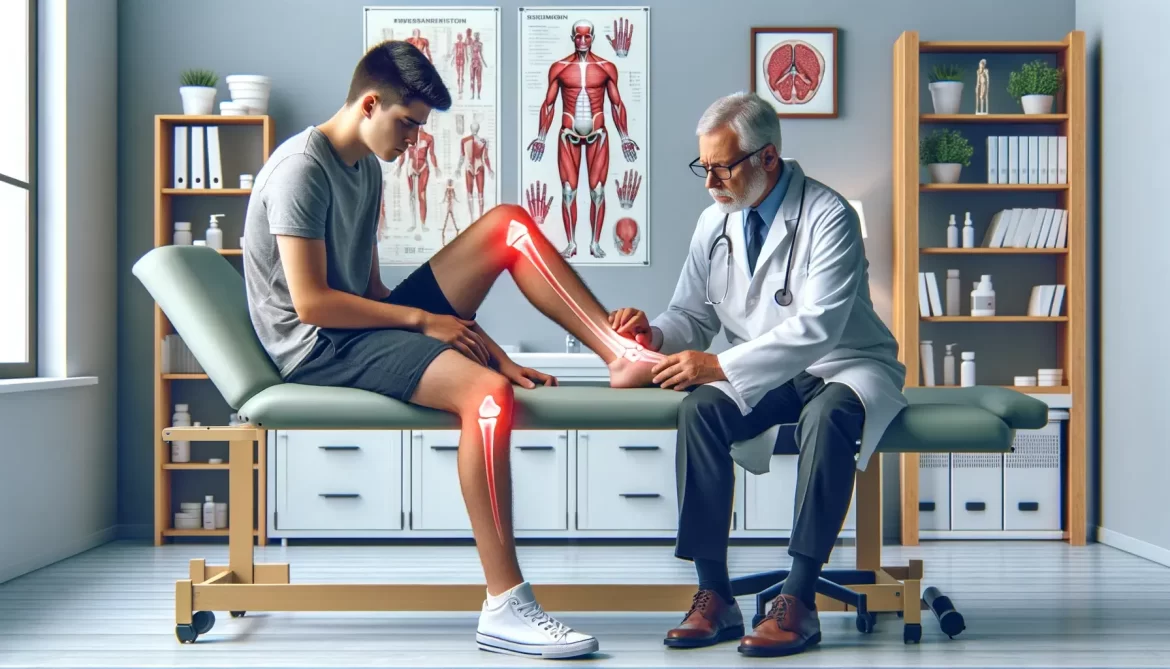
ACL injury is the medical term used to refer to the tearing of the anterior cruciate ligament of the ACL

ACL injury is the medical term used to refer to the tearing of the anterior cruciate ligament of the ACL.

Typical ACL injuries typically occur in sports that involve drastic stops, sudden jumps, and changes in direction—tennis, gymnastics, downhill skiing, basketball, and soccer to name a few.

In most cases, affected individuals can feel and hear a “pop” during an ACL injury.

Depending on the severity of the injury, treatment options can range from rehabilitation, rest, or surgery.

Typical symptoms of ACL injuries include but are not limited to the following:

  • Inability to continue with any activity
  • Extreme pain
  • Loss of range of motion
  • Instability
  • Swelling

To accurately diagnose an ACL injury, physical examination and checking for swelling and tenderness will be done. The knee’s overall function will also be assessed.

While making a diagnosis can be done based merely on the physical examination, some tests will be required to rule out other possible causes and gauge the severity of the ACL injury.

Below are some of the possible tests that will be required:

  • X-rays – X-rays are often requested when your attending doctor would like to check for possible bone fractures.
  • Ultrasound – in order to check for any tendon, muscle, or ligament injuries, an ultrasound will be required. An ultrasound will employ sound waves to visualize the internal structures of the knee.
  • Magnetic resonance imaging (MRI) – MRIs make use of radio waves and a strong magnetic field to create images of the body’s soft and hard tissues. It is deemed an effective tool if the doctor would like to gauge the full extent of an ACL injury and check for other signs of possible damage.

Although prompt and proper first aid care can significantly reduce the swelling and pain caused by an ACL injury, other treatment alternatives might be required, depending on the severity.

Other treatment options include:

Rehabilitation

ACL injury treatment will often entail weeks of rehabilitative therapy

ACL injury treatment will often entail weeks of rehabilitative therapy.

Physical therapists will teach patients recommended exercises that can be performed at home or under their continued supervision.

In some instances, crutches are recommended so less stress and strain are placed on the knees. A brace might also be recommended to help stabilize the affected knee.

The primary goals of rehabilitation include muscle strengthening, reduction of swelling and pain, and restoration of full motion range.

Physical therapy can be very effective in treating an ACL injury if the patient is relatively inactive, does not engage in sports that put stress on the knees, and is only engaged in moderate exercises and recreational activities.

Surgery

Surgery is a likely treatment alternative given the following circumstances:

  • More than one ligament or cartilage is injured
  • The patient is young and active
  • The patient is an athlete engaged in sports that entails jumping, pivoting, and cutting
  • The injury makes the knees buckle even when performing daily activities

During an ACL reconstruction, ligaments that are damaged are removed. The damaged ligaments are replaced by a segment of tendon. The procedure is commonly known as grafting.

The surgeon will use the tendon taken from another part of the knee or it will be taken from a deceased donor. The graft will function as a scaffolding, where the new ligament tissues will grow.

Rehabilitative surgery will often start after surgery. Successful reconstruction of the ACL is often followed by rigorous rehabilitation.

This is done to ensure the knee’s function and stability are restored.

Oftentimes, athletes with ACL injuries can already engage in their sports after eight to twelve months.

ACL injuries should not be taken for granted. If you suspect an ACL injury, get expert help from the specialists at www.bjios.sg right away.

0 comments
0 FacebookTwitterPinterestEmail
The calf muscles are attached to the calcaneus or the heel bone by the Achilles tendon

The calf muscles are attached to the calcaneus or the heel bone by the Achilles tendon.

The Achilles tendon is also used when walking, jumping, running, and standing on the balls of one’s feet.

In some cases, continuous and intense physical activities (i.e. running, jumping, etc.) can result to an inflamed Achilles tendon.

This painful inflammation is known commonly as Achilles tendinitis.

What are some of the causes of Achilles tendinitis?

In most cases, excessive exercise and walking are considered the likely culprits.

That being said, it does not come as a surprise that the condition is very common among athletes.

However, in some instances, factors that are not associated to exercise have also been known to contribute to the risk.

For example, rheumatoid arthritis and infection have been believed to be correlated to the condition.

Basically, repeated activities that put strain and stress to the Achilles tendon can cause the condition to manifest.

Other likely causes of Achilles tendinitis can include the following:

  • Exercising without proper warm-up.
  • Engaging in sports that entail hasty stops and direction changes like football, tennis, basketball, etc.
  • Doing repeated exercises and other physical activities that put a strain on the calf muscles.
  • Wearing ill-fitting footwear.
  • Wearing high heels for really long periods.

What are the risk factors for Achilles tendinitis?

Certain factors have been known to increase one’s risk of Achilles tendinitis

Certain factors have been known to increase one’s risk of Achilles tendinitis including:

  • Age – Achilles tendinitis is more likely to happen more often as one ages
  • Sex – the condition is more common among men than in women
  • Physical problems – more stress and strain is placed on the Achilles tendon when one has a flat arch. Tight calf muscles and obesity can also put unwanted strain to the tendon.
  • Training choices – running on hilly terrains and wearing worn out footwear has also been known to increase the possibility of Achilles tendinitis.
  • Medical conditions – people with high blood pressure and psoriasis are more predisposed to the condition compared to their healthier counterparts.

What are the symptoms of Achilles tendinitis?

Primary symptoms of the condition include pain in the posterior part of the heel and swelling.

The pain becomes especially evident when running or walking.

Other likely symptoms include stiffness and tenderness of the affected area, limited motion range, and tightened calf muscles.

When the skin on the heel becomes overly warm, it can also be a telltale indicator of the condition.

How is Achilles tendinitis diagnosed?

For the condition to be diagnosed accurately, the doctor would ask a few questions regarding the pain and the swelling.

The doctor will also likely ask the patient to stand on the balls of the feet.

This is performed so the doctor can assess the range of motion and flexibility.

To gauge where the pain and swelling is most intense, the doctor will have to palpate the area directly.

When necessary imaging tests may be ordered but most of the time, they are considered unnecessary.

What are the treatment options for Achilles tendinitis?

There are plenty of treatment options available for patients suffering from Achilles tendinitis.

Treatment approach can range from medications (ibuprofen), steroid injections, and surgery.

The following might also be recommended:

  • Lessening physical activities
  • Stretching and strengthening the calf muscles
  • Physical therapy
  • Icing the affected area after exercise and when in pain
  • Wearing of a brace or compressive elastic bandage to keep heel movement to a minimum
  • Elevating the area affected to reduce swelling
  • Taking anti-inflammatory medicines like ibuprofen and aspirin
  • Getting steroid injections
  • Engaging in sports that is not strenuous

If the condition will not respond to treatment options that are not invasive, surgery might be recommended.

Oftentimes, surgery will be performed to repair the tendon.

When left untreated, the condition can complicate and may result to an Achilles rupture.

For proper management of Achilles tendinitis, visit www.bjios.sg right away!


0 comments
0 FacebookTwitterPinterestEmail
The cornea as well as the lens in your eyes ought to refract light rays for them to focus on the retina

For you to see properly, the cornea as well as the lens in your eyes ought to refract light rays for them to focus on the retina. The retina will likely then convert these light rays into impulses and will be delivered to the brain to recognize images. However, if the light rays will not be focused on your retina, the images you see will be blurry. This issue is known as refractive error. To reduce these errors and to help you see better, you need to wear eyeglasses or lenses, or undergo a surgery like LASIK. This will make light rays focus on the retina correctly.
Refractive errors have different types and are caused by imperfectly shaped eyeballs, corneas, or lens. These types of refractive errors are:

  • Astigmatism – this condition happens when the images are appears blurry whether or not are near you or far from you. Symptoms are eyestrain and recurring headaches, especially after doing a prolonged visual task like reading or watching television. Astigmatism often manifests early in life, that’s why you should have the kids scheduled for an eye exam avoid this kind of vision problems. It can be detected during a regular eye exam using the same instruments or techniques for the detection of nearsightedness and farsightedness. Your eye doctor will perform a Refraction test to determine the amount of astigmatism you’ve got.• Myopia or nearsightedness – in this refractive error, only nearby objects appear clear or distinct while the far objects are blurry or distorted. For those who have nearsightedness or myopia, you usually have difficulty seeing distant road signs as well as any other distant objects clearly. However, your vision is good when doing close-up tasks like reading a book or an article on a computer. Other signs to consider are eye strain, squinting, and headaches.• Hyperopia or farsightedness – this occurs when the objects that are far away from you are clear or distinct while the nearby images are blurry or distorted. People with this issue sometimes experience recurring headaches or eye strain. They may also often squint or feel tired when or after performing work on a close range.If you are tired of wearing eyeglasses or contact lenses, you may consider a surgery in order to correct your vision. One of the solutions because of these problems is a LASIK or laser-assisted in situ keratomileusis procedure. In this surgery, a doctor will be employing a laser to reshape the cornea – the round dome shaped transparent structure at the front of the eyes. This is done to boost the way a patients’ eye focuses light rays onto their retina.

One of the solutions because of these problems is a LASIK

However, few are qualified to undergo LASIK. Listed below are the factors that need to be met before you choose to undergo this treatment:
• Your have to have healthy eyes.
• Your general health has to be of good condition. Patients that have health conditions such as rheumatoid arthritis, diabetes, lupus, herpes infections of the eye, glaucoma, cataracts, retinal disease, and disorders of the cornea may not be suitable to undergo LASIK. When you have any of these conditions, ask your physician what other options you have to treat your eyes.
• Your eye prescription need to be stable
• You needs to be at least 18 years of age. If you are younger than 18 then there’s still a chance that your vision or eye condition will change.
• You ought not to be nursing or pregnant. Those who are expecting or nursing may have varied measurement of their eye degree.
• You should not be taking medications such as oral prednisone or Accutane.
• You should not have severe dry eye condition. If you’re taking medications that can result in dry eyes, ask your eye specialist about since it can affect the outcomes of LASIK.

Contact Atlas Eye for more information about their advanced services in LASIK surgery, childhood eye treatment, or cataract treatment.


0 comments
0 FacebookTwitterPinterestEmail

With all the modern day lifestyle plus the fast paced globe that we live in, absolutely everyone would need to take some time off at one particular point. Relaxation can be a crucial way of losing your tension and maintaining the balance of one’s energy as a way to promote great wellness. One approach to get that is to stop by a spa for a superior massage. There are actually distinctive techniques for massages in Singapore which might can provided. Two of these would be the Swedish massage and the Shiatsu massage.

Each of these massaging approaches has their very own rewards for the individual receiving it. These massage approaches have been thoroughly studied to be able to maximize the benefit one can get. Swedish and Shiatsu massages have their variations and it depends on which technique will be most effective for your body. Let us look in the variations and added benefits one particular can get from these two massaging methods.

What Are The Differences Of A Swedish And A Shiatsu Massage?

In Shiatsu massage, pressure is applied on the meridian pressure points. The meridian stress points that are going to used are similar as what are made use of in the acupuncture therapy. Pressure is applied to parts of the body that results to relief to certain forms of illnesses, like migraines and backaches, and to stress points that correspond to specific organs.

Alternatively, in Swedish massage, rubbing, squeezing, kneading towards the muscle tissues, joints and connective tissues is performed. The practitioner is going to execute distinctive strokes, working from the neck down to other components of your body. They use strokes which are started with the effleurage proceeding to petrissage. By kneading, compressing and squeezing, the muscle is lifted away from the bone. Tapotement can also be a different method utilized, which can be where a light percussion of strokes is applied.

What To Wear During Massage?

In shiatsu massage at http://www.grandspa.com.sg/, you’ll be permitted to put on something loose and comfy. It really is vital that you’re wearing something light so the fabric will guard your skin even when pressure is applied to your pressure points. It is actually not essential to get naked. In contrast to in Swedish massage where unique oils or lotions are going to be made use of in the approach, it truly is vital that you simply remove your clothes in order that it would not hurt you once they stroke your skin and let the oils do the work. The oil will grease the skin and will make it less difficult to stroke and function in your muscle tissues, deep tissues and joints.

Which Massage Will Probably Be Good For You?

Different massaging approaches can be great for you. They possess just about the exact same outcome. Some practitioners favor performing the Shiatsu massage initially, then they are going to finish it with a Swedish massage. The particular person getting the massage will feel much more relaxed. For first timers, it could be best to attempt every single kind of massage separately initially then decide which one you will particular like and will be the most beneficial for you personally. You also have to observe how your body will respond after each and every massage type. You can visit http://www.grandspa.com.sg/ to know which massage will be good for you.

What Are The Advantages That We Can Get From Shiatsu And Swedish Massage?

The key concentrate of a Shiatsu massage is usually to reduce fatigue, for general rejuvenation and to increase the energy flow. In Swedish massage done at http://www.grandspa.com.sg/, it focuses in improving the circulation and ease tension. You are able to identify which massage you may need by recognizing what you need it for. For example, it really is a great deal to have a Shiatsu massage in case you really feel that you extremely fatigued and if you want to release tension.

Once you take a look at your local spa in Singapore to have a massage, it would be ideal to ask in the different services they provide. You must know how it’s done and what are the benefits are you will be able to get from each service. Your major objective would be to unwind and release your strain. There are services that you can get that would focus particularly on what your body requires. Every single visit to the spa is a wonderful privilege that you can get to make your health far better. Massages like Shiatsu and Swedish will a good way to help you inside and out. Your visit to the spa is your time to ease up so you are able to totally free your thoughts from worries. Click here to find the best spa in Singapore that offers Shiatsu and Swedish massages.


0 comments
0 FacebookTwitterPinterestEmail
Newer Posts