Tag:

Skin

Are you getting sick of hearing people say that you look tired even when you got a good night’s sleep? Whether your eye bags are caused by lack of sleep, fatigue, genetics, or just part of the natural aging process, having a tired-looking eyes are the ones that get noticed first.

How do you get rid of eye bags (hilangkan kantung mata)? Before we are able to find a solution, we need to understand the causes – why eye bags get formed.

Causes of Eye Bags

There are several causes of eye bags, besides the fact that it can be genetics, you might not be aware that apart from the usual factors, it can be due to:

  • Water retention

  • Stress

  • Allergies

  • Hay fever

  • Hormonal changes

  • Alcohol consumption

  • High sodium intake

Even crying can cause your eyes to swell. So, what might be the solution to removing eye bags?

Treatments

Have you heard of blepharoplasty surgery? It’s common term is called eyelift. This is a long-term method to remove any visible signs of fatigue and restore a more rested appearance to your eyes. As much as we all want to get this treatment, not all of us have the time, money, and courage to go under the knife, so minimal-invasive options are preferred to remove eye-bags (hilangkan kantung mata).

Injectable Fillers

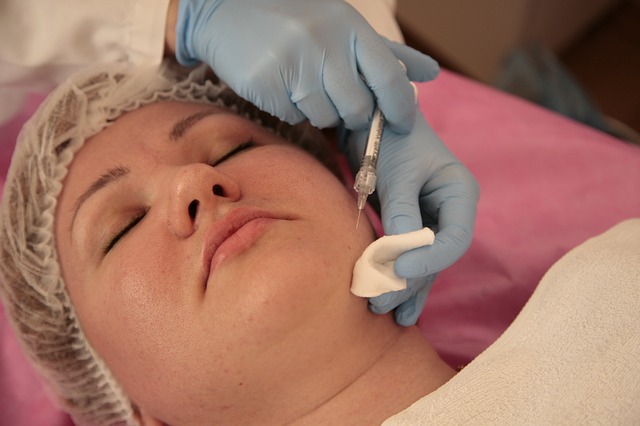
Hyaluronic acid-based fillers, such as those in the Juvéderm (Allergan) and Restylane(Galderma) ranges, as well as Belotero (Merz) are worth a shot when your eyes need a scalpel-free lift. The different variations can be used to smooth fine fines, fill under-eye hollows, and camouflage darkness.

Now that there are formulations made specifically for different issues and areas, eye rejuvenation with injectables can be completely customized for the most natural-looking results — and improvement can last for up to a year or more.

Botox

Another highly effective way to reduce fine lines and wrinkles that appear when you squint or smile is Botox Cosmetic, Dysport, or Xeomin, the only three FDA-approved neurotoxins on the market. These injectable treatments minimize the muscle contractions that lead to visible wrinkles associated with facial expressions, and results last for three to four months until the muscle movement gradually returns.

They can also be used to smooth furrows between the brows and horizontal lines across the forehead, as well as to give the brows a little lift. Minimizing muscle movement in the upper third of the face can have a profound anti-aging effect on the eye area, and can also help to prevent visible wrinkles when the face is at rest.

Eye Patch Therapy

In the past, the only solution for seriously droopy or sagging eyelids was surgery, but that was before. You can use single-use stickers that will instantly improve the appearance of the eyes by undetectably hiding and holding up excess skin, in turn restoring a youthful eye contour.

Comprised of a medical-grade, latex-free, hypoallergenic material, they are available in six sizes — as well as a variety pack — to address different degrees of sagging. Once applied to the eyelids, you can use eye makeup as desired, although it is recommended that you use a primer first.

It can take a bit of practice to get the application just right, but once you do your eyes can see quite a drastic improvement for such a small investment.

DIY recipes

If you prefer to stick with tried and true basics, cucumber slices and tea bags have long been used as quick fixes for puffiness and under-eye bags. Applying any form of cold compress will actually work to constrict blood vessels, which reduces the flow of fluid around the eyelids.

Cold cucumber slices and slices of raw potatoes are ideal because of their round shape. Cucumbers are also high in vitamin C, which can have a brightening effect on the eye area as well. Tea bags deliver additional benefits such as anti-inflammatory antioxidants.

The upsides of this home remedy approach include the facts that they are inexpensive, natural and you probably already have them in your kitchen. As for the downsides, results are temporary and less dramatic than professional treatments.
0 comments
0 FacebookTwitterPinterestEmail

As we grow older and age, the skin also ages and loses the natural softness and vibrancy. However, there are a number of simple lifestyle changes that can help rejuvenate the skin, such as wearing sunscreen and getting more sleep. Applying facial masks consisting of exfoliating ingredients like lemon and green tea can also help rejuvenate the skin.


Well, searching through the web, there are many ways to help rejuvenate your skin, but we picked the 4 top ones from WikiHow to start. In addition, skin rejuvenation does not only mean keeping the skin healthy but also make sure that it gets its firmness and luster back by addressing surface, melanin, and keratinocytes. If you have dry skin, even in your early 30’s, it is a must to help yourself with this information.

Tip 1: Developing a Revitalizing Skin Care Routine

  1. Know your skin type. How you care for your skin will depend on your particular skin type. There are five basic skin types.

  • Normal skin is clear and not particularly sensitive.

  • Dry skin is flaky or rough.

  • Sensitive skin may burn or itch when you apply certain products.

  • Combination skin is dry in some areas and oily in others.

  1. Use a gentle cleanser. Rise your face with the cleanser, but don’t scrub. Rinse with warm water and pat dry.

  • If you find a particular cleanser dries out your face, experiment with different brands until you find one that works. A cleanser without alcohol or fragrance will work best with dry skin.

  • If you have oily skin, use an oil-free, non-comedogenic foaming cleanser.

  • For sensitive skin, choose a hypoallergenic cleanser that doesn’t contain unnecessary additives.

  • Don’t over wash your skin. Over washing dries out your skin. Unless you are exercising, you shouldn’t need to wash your face more than once a day. In the morning, wash your face with lukewarm water. At night, apply your gentle cleanser and moisturizer.

  • Remove your makeup at night. Makeup clogs your pores and can lead to acne. Remove it each night before bed using a gentle cleanser.

  1. Apply toner. Skin toners help soak up oil and remove dirt. They should be applied before moisturizers.

  • Begin by applying a gentle toner in after washing your face in the morning and the evening. Apply the toner to a cotton ball and gently rub the toner onto your face in small circles. Repeat the process with new cotton balls until you no longer see dirt on the cotton ball after you apply it to your face.

  1. Apply an exfoliator. Exfoliators remove dead skin cells. They should only be used two-to-four times a week since your skin needs time to regenerate. Mechanical exfoliators use small, rough particles to sand away the outer layer of your skin. They are best for oily skin. Chemical exfoliators increase your cellular turnover rate to slough off the dead skin. Some chemical exfoliators, such as those with a high concentration of vitamin C, may not be appropriate for dry or sensitive skin.

  • If you’re using exfoliators, gently rub your face in small circles to remove dead cells. Don’t apply a lot of pressure—just enough so you can feel the rough surface of the exfoliator.

  • If you’re using a chemical exfoliator, apply a small five drops to your skin and let it soak in. Do not rinse off the exfoliator, but remember to apply moisturizing after the exfoliator has soaked into your skin.

  1. Apply moisturizer. Whether your skin is normal, dry, or oily, it needs moisture. Choose an oil-free moisturizing to avoid blocking your pores.

  • If your skin is oily, use a non-comedogenic lotion-based moisturizing instead of a cream to avoid clogging your pores.

  • If your skin is very dry, choose a moisturizing that contains hyaluronic acid and Niacinamide, both of which help reduce water loss.

  • If you have sensitive skin, choose a moisturizing that contains green tea, rose, chamomile, or cells.

  • Apply moisturizing cream twice a day to keep your skin cells healthy: when you wake up and before you go to sleep.

  • Apply the moisturizer while your skin is still damp.

  • Apply moisturizing every day for the best results.

Tip 2: Applying Moisturizing Masks

There are so many nice homemade recipes that you can use to help moisturize your skin – masks, exfoliants, and lotions.

The goal in moisturizing the skin is to keep it free from radicals, bacteria, cells, and other microorganisms that can cause infections, break-outs, and scarring. Plus, moisturizes help keep the skin firm and supple.

Tip 3: Attaining Glowing Skin

  1. Adopt healthy habits. The daily habits you engage in have a large impact on how your skin cells look. By maintaining a routine of healthy habits, you can ensure that your skin cells stay healthy throughout the year.

  • Drink eight glasses of water every day to help keep your skin cells soft and supple.

  • Get seven-to-nine hours of sleep a night since sleep helps to rejuvenate your skin cells.

  1. Eat a healthy diet. Fruit, vegetables, fish, legumes, and cells are important for healthy skin. On the other hand, fried foods and sugar tend to dry out your skin.

  • If you don’t eat meat, take an algae tablet that contains Omega-3 fatty acids.

  1. Change your lifestyle. To achieve glowing skin, you need to take care your body. That can mean changing your lifestyle to rid yourself of harmful substances or adopt healthy practices.

  • Drink less alcohol and quit smoking as both of these substances can dry out your skin and accelerates signs of aging.

  • Exercise for thirty minutes daily to boost your circulation and activate naturally-occurring moisturizers in your skin.

  • If you hate going to the gym, try yoga.

  1. Ask your doctor about vitamin A. Prescription vitamin A treatments such as Tretinoin can help rejuvenate aging skin. Vitamin A is especially useful for skin conditions such as acne, eczema, and psoriasis.

  • Vitamin A treatments are also available over-the-counter as Retinol.

Tip 4: Treating Your Whole Body

  1. Wear sunscreen. Put on at least SPF 30 sunscreen every day, even if it’s cloudy or cold outside. UVA and UVB rays lead to wrinkles, dryness, and drooping skin.

  2. Exfoliate regularly. Before getting into the shower, wipe your body with a loofah. This will remove dead skin cells. Make sure to wipe your entire body. In the shower, use a pumice stone to rub your feet and any other rough areas of skin, such as your elbows. For the rest of your body, use a body brush to gently rub your skin.

  3. Moisturize your whole body daily. After patting your skin dry, apply a gentle moisturizing to your entire body. Don’t forget about the bottoms of your feet, your elbows, and your hands.

So remember, skin rejuvenation does not only addresses the problem with your skin from aging, it also keeps your skin looking smooth and silky – keep your dry and dull skin hydrated (mengatasi kulit wajah kering & kusam).

0 comments
0 FacebookTwitterPinterestEmail

Are pimples robbing your confidence and peace of mind? Well, that will not happen anymore. We bring to you an extensive list of the best natural remedies that can perawatan wajah berjerawat overnight. You will also get to know a few tips and tricks, the causes of pimples, their types, and everything else that you need to know about pimples.

Pimples or acne are skin lesions/inflammations that occur when the sebaceous glands (oil glands) of the skin get infected with bacteria and swell up. Pimples are also known as pustules or papules, spots, and zits. The sebaceous glands that are present throughout the skin, except in the palms and soles, secrete a waxy or oily substance called sebum. The sebum helps to maintain the oil balance of the skin and makes it look healthy. When there is any abnormality in the sebaceous gland, pimples develop.

What Causes Pimples?

Doctors advise treating pimples immediately to prevent them from spreading. Acne, if left untreated, can leave scars on the skin, which become very difficult to remove. Pimples can develop due to various reasons. Here are a few:

  1. Dead Skin Cells Build Up

The skin sheds a layer of dead skin cells. A few dead skin cells get stuck to the sebum, which causes blockage of the pores. These blocked pores become pimples.

  1. Heredity

If you have a genetic problem, the pimples on the face will reoccur through your lifetime. The genetic rationale behind it is that the hyperactive sebaceous glands produce a lot of sebum, leading to pimple formation. In this case, you should consult a skin specialist as home remedies and natural methods may not provide a permanent solution to your problem. For serious acne or pimples, oral medication is necessary for a particular time period. Procedures such as chemical peels and microdermabrasion can be very effective as they minimize the occurrence of acne and also reduce acne spots and blemishes.

  1. Teenage Pimples

Pimples commonly occur during puberty, and both young boys and girls face it. When the body undergoes physical changes and gets ready for reproduction, the sebaceous glands become overactive. The sebum build-up also blocks pores and causes pimples.

  1. Hormonal Pimples/Acne

If you think that you don’t need to fear pimples anymore since you are no longer a teenager, your perception is wrong. Adult pimples or acne are caused due to hormonal imbalance in the body. It is a very common symptom of PMS and also occurs during the menopause period.

  1. Bacterial Growth

The sebum gets accumulated behind blocked pores. This sebum that builds up behind the blocked pores contains bacteria. A slow growing bacterium, Propionibacterium acne, thrives naturally in the skin. When the conditions are suitable, this bacterium spreads and cause painful pimples. It feeds on sebum and produces a substance that leads to an immune response and also causes skin inflammation.

  1. Sensitive To Testosterone

People with skin prone to acne are usually sensitive to testosterone, a natural hormone present in both males and females. In such people, the testosterone triggers oversecretion of sebum, which leads to blockage of pores. Sometimes, dead skin cells get stuck to the sebum and make matters worse.

  1. Dairy Products And High Glycemic Foods Cause Pimples

A report presented by New York University and published in The Academy of Nutrition and Dietetics states that eating high glycemic foods like bakery goods and sweet beverages that are high in sugar content causes pimples. Having too many dairy products is also not good for your skin, though they are high in calcium. These pimples can be corrected by following the right diet.

  1. Oily Food

This is the most important reason for pimple formation in today’s generation. Eating a lot of fried and processed food triggers your oil glands and produces sebum, which leads to pimples, blackheads, and breakouts.

  1. Medicines Cause Acne

Some epilepsy medicines and medicines that have androgens in them cause pimples.

  1. Skincare Products

While using your favorite beauty products, you often forget the fact that these can also cause pimples and blackheads. Using products that are not suitable for your skin type is a complete no-no. Also, switching products very frequently causes a lot of harm to skin. The new ingredients in the product can irritate your skin and cause pimples and breakouts.

  1. Not Removing Makeup

Greasy, oil-based makeup can cause pimples. Avoid applying heavy makeup and try to use water-based cosmetics. Always stick to natural products since chemicals can cause acne breakout as well.

  1. Traveling

When you travel far, the change in the environment, like the weather, temperature, humidity, water, etc., triggers the formation of pimples.

  1. Stress

Another main cause of pimples is stress. Your body functions get upset during stress, and this triggers pimples. Stress cannot alone cause a pimple, but it aggravate the problem by releasing inflammatory chemicals called neuropeptides.

  1. Friction Or Rubbing Skin

When you rub your skin constantly or pick at pimples, they grow worse. Even the pressure exerted by bags, helmets, and tight collars or scarves can aggravate acne.

Who Get Acne?

People of all races and ages get acne. Acne is most common amongst teenagers and young adults, with about 80% of people affected between the ages of 11 and 30. It also affects a few people in their forties and fifties as well.

How about you, do you have your own perawatan wajah berjerawat to share?

0 comments
0 FacebookTwitterPinterestEmail
Older Posts