Tag:

Skin

By now, hyaluronic acid injectable skin boosters have become common knowledge, serving to brighten, plump up, and hydrate the skin for as long as the substance remains. However, while these skin boosters are an ideal quick fix, what they cannot do is repair pigmentation, fine linesacne scars, or even signs of ageing. But what if there was a procedure or treatment that could?

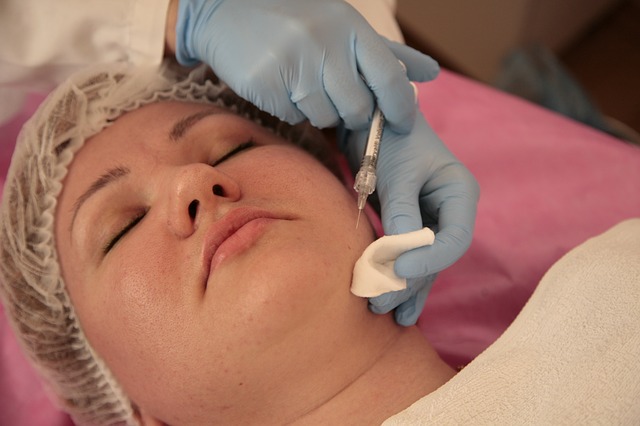
There is, actually. Rejuran Healer, also known as baby skin injections, is a non-surgical procedure that actually heals the skin itself by repairing surface cells, keratinocytes, and melanocytes, combating age- or acne-induced damage. In a way, it is a procedure that can help turn back time.

What is Rejuran Healer?

Rejuran Healer is a type of injectable that has polynucleotides (PN) (or polydeoxyribonucleotide (PDRN), a subset of PN), which has  wound-healing capabilities. It works by improving the skin’s own regenerating abilities. It does so by promoting the growth of fibroblasts and keratinocytes, cells that generate collagen and other cells in the skin’s extracellular matrix.

More fibroblasts equals more collagen and more newly-generated cells that replace old, damaged ones—and that means smoother skin. Pores are minimised, unwanted pigmentation, wrinkles, and fine lines are reduced, and the skin becomes less saggy and firmer.

Best of all, because Rejuran Healer acts as a healing agent for skin, even conditions such as acne-induced inflammation, eczema, and old deep-set acne scars can be healed or at least reduced significantly. And naturally, Rejuran Healer can also be used to prevent further skin damage as we age. As frivolous as it sounds, this may be the closest that we have gotten to the fountain of youth for cells so far.

What’s the Catch?

So what’s the catch? For one thing, Rejuran comes from salmon DNA, so people with allergic skin to salmon should not try it. Those who are on blood thinners like Warfarin should take extra caution as they are more prone to bruising and bleeding.

For another thing, Rejuran does cause a temporary peculiar post-treatment appearance. Because the treatment is injected into the skin in dots, there will be small raised welts at the area of each injection that take about 24 hours to fully go away (this may continue up to 2 days for the eye area). This is in aside from the needle marks that may persist for a few days after, though these are easily solved with the use of makeup. While the downtime is relatively short, the initial appearance of the welts (which look like rows of mosquito bites) may be a bit alarming at first. And because Rejuran Healer is an injectable treatment, there is a certain extent of pain tolerance required.

Nevertheless, despite the drawbacks, Rejuran is still quickly becoming a sought-after procedure for skin, because it’s just that good. A full course of the Rejuran treatment involves three initial monthly procedures to rejuvenate skin cells, followed by one every six months for maintenance purposes. The full results can be seen about four weeks after the first treatment, as the skin requires some time to heal and regenerate.

0 comments
0 FacebookTwitterPinterestEmail

Luminous, dewy skin never goes out of style, we know this. We also know that maintaining radiance isn’t always easy, and the reality is there are reasons your skin is missing that so-called glow. Our skin constantly sheds dead cells from the stratum corneum, but if the process isn’t working efficiently, your complexion can take on a dull, unhealthy appearance that emphasizes wrinkles.

The good news? There are almost-effortless ways to get back your healthy glow and overcome dry and dull skin (mengatasi kulit wajah kering & kusam). It’s the little things can make the biggest difference when it comes to your complexion. If you’re feeling like you’ve lost your glow thanks to dull skin, chances are, one of the mistakes below is responsible. So, break these habits and prepare for beaming, healthy-looking skin in no time (mengatasi kulit wajah kering & kusam).

  1. You’re dehydrated — and so is your skin.

Dehydration may seem like a short-term problem solved by a glass of water, but board-certified dermatologist Dr. Janet Prystowsky encourages viewing skin dehydration as a long-term problem.

Consistently failing to give your skin the hydration it needs can cause lasting damage, like fine lines, sagging skin, and even scales and deep wrinkles from severe chronic dehydration.

If you don’t want wrinkles, drink up. Aim to drink eight glasses of water a day.

  1. You’re not exfoliating your skin.

If you wash your face twice a day, great! But there’s a very crucial step you need to add: exfoliation of skin cells. Dryness is the most common cause of dull skin, and exfoliating creates a fresh canvas that allows topical products to penetrate better through the layers of the stratum, says Dr. Hadley King, board-certified dermatologist at SKINNEY Medspa. The process removes skin’s outer layer of dead keratinocytes so its surface is smoother and clearer.

Incorporate one type of exfoliator at a time into your routine to avoid skin irritation and damage, the GH Beauty Lab recommends. (For instance, if you’re trying a chemical peel, don’t also use a physical scrub or a cleansing brush at the same time). Try a single-use wipe like First Aid Beauty Facial Radiance Pads, which contain two kinds of alpha-hydroxy acids at levels that are safe for sensitive skin.

  1. You’re forgetting to moisturize regularly.

A dull complexion is calling out for something moisture. Dr. Kenneth Howe, dermatologist at Wexler Dermatology, says daily life and environment stressors create cracks in our skin’s surface stratum, giving the appearance of dullness.

Moisturizer fills in those fissures with added lipids, the natural fats of the skin layer, presenting a smooth, reflective surface. Dr. Melanie Palm, a board-certified dermatologist and the director of Art of Skin MD, suggests using moisturizers with ingredients like ceramides, which help repair skin barrier function and improve water retention, and hyaluronic acid, which plumps skin cells by attracting water to surrounding tissue. (IT Cosmetics Confidence in a Cream is a great choice that contains both skin cells.)

  1. You’re super stressed.

Stress plays a large role in the brilliance of your skin cells—or the lack thereof. “Stress causes an increase in cortisol, which can affect blood flow to the skin and [affect] skin repair,” says Dr. Luftman. Translation: whatever stratum, cells, or glands it is you’re holding onto could be what’s standing between you and lustrous skin.

Stress management is crucial. Take time to de-stress at home. Adopting a more positive attitude was a common, important factor in “super-agers” (women who look 10+ years younger than their actual age) according to an Olay study. Also, try learning strategies to calm your mind and manage stress, which will help improve your complexion now and in the future.

0 comments
0 FacebookTwitterPinterestEmail

Acne breakouts can be frustrating, and they can also leave scars on the face and other areas of the body. Some people find that acne scars are an unwanted reminder of a painful and bothersome condition. However, acne scars do not have to be permanent, as some home remedies and medical treatments like dermabrasion can help remove acne scarring.

Home remedies

Salicylic acid: Salicylic acid is a naturally occurring compound that is often an ingredient in acne skincare products. Salicylic acid helps clear dirt, skin cells, and other debris that leads to acne from the pores of the skin.

Retinoids, retinol, vitamin: It is important to note that retinoids can make the skin sensitive to the sun. Anyone using retinoids or retinol for acne or scarring treatment should wear sunscreen when going outdoors.

Alpha hydroxy acids: Alpha hydroxy acids (AHAs) can help get rid of dead skin cells and prevent clogged pores. Doctors may recommend AHAs and retinoids for treating acne, reducing the appearance of acne scars, and scarring.

Lactic acid: Lactic acid can act as a gentle peel to pull away dead skin cells. It may help reduce the appearance of acne scarring and smooth the overall texture of the skin.

Natural remedies

Home remedies that people have traditionally used to treat acne scars include skin treatments.

  • coconut oil

  • shea butter

  • aloe vera gel

  • raw honey

  • baking soda

  • lemon juice

Medical treatments

Several medical treatments, including dermal fillers, are available to help reduce acne scars.

Chemical peels: A dermatologist can recommend a type of peel that is suitable for a person’s skin type, acne severity, and scarring.

Microneedling for acne scarring: Microneedling is the process of inserting tiny needles into the skin surrounding the depressed acne scars to stimulate the body to make more collagen. This collagen may reduce the appearance of acne scars by smoothing out the skin.

Injections of corticosteroids may help with the treatment of raised acne scar tissue if a person has either hypertrophic or keloid scars.

Laser treatment: Laser treatment resurfaces the skin without the use of chemicals or scrubs. It removes the uppermost layer of skin to reveal the younger skin cells underneath, which can help reduce the appearance of scarring.

Dermal filler treatment: In some cases, dermatologists may recommend using soft tissue fillers to reduce the appearance of acne scarring.

Acne scars can be an unwanted reminder of acne and may reduce self-esteem in some patients, but they do not have to be permanent.

Many people have success using one or more home remedies. In cases of stubborn scarring, receiving medical treatments in the dermatologist’s office can also help get rid of acne scars.

0 comments
0 FacebookTwitterPinterestEmail

If aesthetic doctors wore black capes rather than white coats, you might mistake them for magicians. The experts wave ultrasound wands and prescribe seemingly supernatural ingredients, radically reversing signs of aging. But they also have subtler, more delicate tricks up their sleeves. In a matter of hours, and sometimes even minutes, doctors can perform quick, comfortable procedures that leave you looking tauter, brighter, and years younger. Believe it or not, they can also refine the shape of your nose (with absolutely no skin off of it). Sunspots, spider veins, droopy jowls, dullness—now you see them, now you don’t. Here are some more “magic’ your aesthetic doctor can do for you–no tricks, though, just treats.

They Can Offer Serious Firming

The most effective non-surgical fix for droopy skin, radio-frequency waves, requires a bit of grit: It burns like the devil. Treatments like Thermage work by delivering sound waves deep into the skin, causing microscopic fissures that promote collagen production, which in turn firms up loose and sagging areas (face, jowls, knees, neck, and so on). The results are impressive— most patients see almost instant results, with significantly tauter skin within six months.

They Can Turn Tiny Lines Into No Lines

Hyaluronic acid fillers, recently approved by the Food and Drug Administration, can diminish the tiniest and most superficial of lines. And that’s big news. Dermal fillers are perfect for filling in fine lines around the lips and even crow’s-feet. And because the small needle only penetrates the skin’s top layers, there’s far less bruising and little to zero downtime involved.

They Can Give You a Fifteen-Minute Nose Job

One common sign of aging is as plain as the nose on your face. It is the nose on your face. The nose widens as we age. Hence, one of the easiest and quickest ways to look younger is to reshape it with a filler. A hyaluronic acid filler injected right into the dorsum (the bony line straight down the centre) slims the nose and even corrects imperfections and awkward bumps. Doctors can also add a tiny shot of Botox under the tip for a more youthful profile. Your nose becomes more hooked with age, which drags down the entire face; Botox lifts it up and takes off years in about fifteen minutes.

They Can Save Your Neck

Neck muscles can start to sag and protrude as we age, resulting in the appearance of thick, tight cords. As if that wasn’t hard enough to swallow, the neck muscles and the superficial muscles of the face are connected to one another. That means your neck pulls your face downward. It’s a saddening thought with a surprisingly easy fix (that doesn’t involve buying stock in a turtleneck emporium). Aesthetic doctors can relax the neck muscles with Botox. It gets rid of the cords, softens the wrinkles, and lifts the face. Basically, it’s a nonsurgical face-lift. Botox breaks down every four to six months, so repeat visits are necessary.

They Can Painlessly Clear Spider Veins

Sclerotherapy—the treatment that can eliminate spider veins and the leaky blood vessels that cause them—was once the literally tantamount to rubbing salt in a wound. Before, a lot of doctors use saline solution that stings and is extremely painful. But the latest alternative treatments, which involve injecting veins to inflame them, close them, and allow the body to absorb them, have made great advances in the past few years. There’s minimal to no downtime, but that does not mean there are no side effects: There is often some redness,bruising, and a bit of swelling in the veins, which compression stockings can help minimize. Sometimes patients notice brown staining from inflamed veins that can last for a few months.

0 comments
0 FacebookTwitterPinterestEmail

While career women, mothers, and entrepreneurs–among many others–are always on the go and short of time, skincare should not be neglected, as it is the foundation of beauty for every woman. Even though we are out there chasing dreams and making things happen, our beauty and skincare routine should not get pushed aside.

Stress, looming deadlines, and the daily wear and tear strip our skin of collagen and other necessary substances that help make us look youthful and glowing. Due to our busy lifestyle, sleep, exercise, and time are constantly being compromised.

Fortunately, there are available treatments and procedures that can restore your skin’s glow without the inconvenience of downtimes and recovery periods. Hence, you can resume work and your daily routine almost immediately after. Win-win, right?

So, what are these procedures?

Chemical Peels

Chemical peels use substances to damage the skin in order to exfoliate and slough off the outer layers. The depth of the chemical peel depends on the type of chemical, its concentration, and the length of time it stays on the skin. Glycolic acid, salicylic acid, lactic acid,  trichloroacetic acid (TCA), and phenol are some of the chemicals used in cosmetic peels. There is an obvious improvement over the skin’s pre-peel state after the skin heals.

Thermage

Radio waves may help improve the appearance of tired-looking and sun-damaged skin. Thermage targets the entire depth of the skin, from the epidermis to the dermis, superficial fat to the SMAS layer.

The Thermage FLX may reach a depth of 4.3mm, which may help for most faces, where the SMAS layer is. By targeting the entire skin layer, you may help get a face lifting effect from the remodelling of the SMAS layer.

This medical aesthetic procedure works in just one treatment with minimal downtime and delivers natural-looking results. It is still you, just more youthful-looking, and more confident.

Fillers

Dermal fillers help add substance to skin in order to lift up areas that are sinking. Certain wrinkles, depressed scars, and hollows can be “filled” using this technique. These fillers produce improvement by enhancing collagen in the area injected, which adds volume to the tissue underneath the skin, and helps smooth the appearance of lines or wrinkles.

High-intensity focused ultrasound (HIFU)

High-intensity focused ultrasound (HIFU) is a new cosmetic treatment to help skin laxity. It is a non-surgical and virtually painless replacement for facelifts. It taps into ultrasound energy to help promote the production of collagen, which then results in a firmer look.

HIFU goes deep beneath the skin to deliver the right amount of ultrasound at the depths and temperature to encourage collagen growth. This procedure can help deliver heat energy directly to the subcutaneous tissues that look to stimulate and renew the skin collagen production. And hence it improves the elasticity and texture, as well as reduces sagging and dropping of skin.

HIFU procedure is also highly effective for acne and scar removal in which the ultrasound heat targets the structural tissues and muscles to increase collagen production. It creates a space wound which speeds up the healing process. And once healed, acne scars will become unnoticeable.

0 comments
0 FacebookTwitterPinterestEmail

Non-surgical nose-lifts are definitely less invasive than traditional rhinoplasty, but that does not mean you should not weigh your options first. If you are considering a nose lift or are just hearing about this non-invasive cosmetic procedure, we are here to fill you in on as many details as possible.

The beauty industry has come a long way that a nose job can now be considered a “lunch-time” procedure and because of the non-surgical option, you could have a completely new look in just a matter of minutes.

The procedure may be quick, but it isn’t something you should take lightly. Here are a few things to consider before you go under the needle.

What’s a Typical Nose Filler Procedure Like?

There are two types of non-surgical nose lifts, those that use fillers and those that use threads. As with any procedure, your dermatologist will start thoroughly cleaning the area of concern and in this case, the surface area of your nose.

For fillers, the aesthetic doctor will then start to inject the nose fillers then start to mould or sculpt your nose, and that’s essentially it, you’re done! Aftercare instructions will follow, and you’re set to go back to work. The procedure won’t take more than half an hour, and you will instantly see the results.

For threads, doctors use special threads that are absolutely absorbed by the body. Similar to fillers, numbing cream will also be applied along with a local anaesthetic then comes to the fine threads to be placed along your nasal bridge under the skin. Results are immediate, and the procedure can be done within an hour.

Is It Permanent?

Not exactly. For the nose thread lift, it usually lasts for as long as two years, but with regular check-ups, you can expect a longer-lasting lift.

For fillers, there are two types, temporary fillers and ‘permanent’ fillers. The doctor will usually start off with a temporary filler, so you get a feel of your new look, this also gives the doctor a chance to adjust it further to your liking. After some time, she or he will give you a permanent filler to lock it in longer. The permanent ones last for years and are usually more than one session.

Does It Hurt?

The procedure is usually painless. Before the doctor injects the fillers, he or she will apply numbing cream and a local anaesthetic, and you could even get right back to work after the treatment.

What Are the Usual Side Effects?

The non-surgical nose lift may cause a bit of bruising, but this is perfectly normal and will resolve on its own in a few days.

How Long Does the Procedure Take?

The procedure for injecting and setting the soft-tissue filler typically takes 10 to 30 minutes to perform in the cosmetic surgeon’s consultation room, after an initial 15 minutes of numbing. After the procedure, the client can typically resume normal activities immediately.

Choosing the Aesthetic Clinic

When choosing an aesthetic clinic for injectable treatments, give your decision the same level of scrutiny and care that you would for a surgical procedure. Non-invasive nose filler treatment is still a medical procedure that requires specific training, knowledge and skills to ensure natural-looking results and most importantly, safety.

0 comments
0 FacebookTwitterPinterestEmail

There’s nothing bad in having wrinkles. A few facial wrinkles on the face can be engaging and add character to your looks. It is no secret, however, that a lot of us would prefer to keep them at bay.

Without surgical or medical intervention, it can be tough to reverse the appearance of wrinkles and premature aging once they appear. But there are lifestyle changes you can make and steps you can take to slow down the appearance of wrinkles.

What Causes Wrinkles? 

Everyone’s skin changes with aging, which is why the skin of a baby and the skin of a 90-year-old looks very much different.

Skin loses elasticity as people get older because collagen production slows down gradually over time. This process can be intensified by pollution, stress, sun exposure, and certain lifestyle habits.

As you age, your skin tends to become drier and thinner, too. When your skin does not have as much volume or moisture as it used to, it can also make it more susceptible to wrinkles.

What Can You Do to Prevent Wrinkles? 

Genetics can play a significant role in how people’s skin changes over time. Nevertheless, even if your family has skin that’s prone to wrinkles, you still have a great deal of control over your own skin and how it changes with age.

Although it’s ultimately inevitable that wrinkles will appear at some point, taking care of your skin can go a long way in keeping it youthful-looking and wrinkle-free for as long as possible.

Below are some things you can do to help keep your skin looking youthful and prevent wrinkles.

  1. Protect Yourself from the Sun

It’s an established fact that overexposure to the sun can damage your skin, leading to wrinkles and premature aging.

According to a 2013 research, regular and consistent sunscreen use can slow down the signs of skin aging and wrinkles. To shield your skin from the sun’s damaging ultraviolet (UV) rays and prevent wrinkles, it’s crucial to apply an SPF of between 30 and 50 every single day, even if it’s overcast or you’re just inside the office or your home. UV rays can still penetrate clouds, so don’t skip on sunscreen just because it isn’t sunny.

For an extra layer of protection, wear a wide brim hat, light-colored clothing that will reflect the sun, and sunglasses with UV protection.

  1. Use a Retinoid 

Retinoids, derived from vitamin A, are one of the most studied and proven anti-aging ingredients for wrinkles. Also referred to as retinol, retinoids can increase collagen production, which helps plumps up the skin, reducing wrinkles and giving it a more youthful look.

Retinoids also promote skin regeneration and can promote the creation of new blood vessels, which can help improve the skin’s overall texture and appearance.

Dermatologists recommend using  a small amount first to test your skin’s tolerance to the product, and using it every other day to avoid skin peeling.

Consult with your dermatologist to know which option is right for your skin.

  1. Moisturize

A moisturizer is like a drink of water for your face. Moisturizers help nourish and hydrate the skin. This is critically important as you get older and your skin becomes even drier, which makes it more susceptible to wrinkles.

Studies also show that using a moisturizer that has Vitamin C and hyaluronic acid are effective at preventing wrinkles from appearing or getting deeper.

  1. Stay Hydrated

Drinking water is essential for good health. Your body needs water for almost every function it does. Besides vital functions like flushing toxins from your body, aiding with digestion, and regulating your body temperature, water can also help keep your skin healthy and hydrated from the inside.

  1. Tap Into Science

Now, in this dawn of technological advancements, science introduced a variety of cosmetic procedures to keep skin looking healthy and youthful. Consult with your aesthetic to find out which of these procedures is right for you:

Ultherapy

Ultherapy is the only non-surgical cosmetic procedure that uses focused ultrasound to stimulate the growth of new collagen deep within the skin. The production of new collagen occurs over time, so results can become more apparent over three to six months.

Botox

Botox injection improves moderate to severe frown lines, smoker’s lines, forehead furrows, and crow’s feet. Botox is an ideal alternative to surgical cosmetic procedures. It’s quick, painless, and seldom causes side effects.

Thermage

Thermage transfers energy from the skin surface, all the way from the superficial layer to the SMAS layer, thereby producing both skin textural improvements, skin tightening as well as face lifting results.

0 comments
0 FacebookTwitterPinterestEmail

Aging affects us all – except Jennifer Aniston, Johnny Depp, and J. Lo. Seriously, though, time changes the way we feel, the way we act, and the way we look. Fortunately, the beauty department has kept up with technology, and with advancements in skincare and medical aesthetics, you can have a say in the way aging takes a toll on your skin – and perhaps even redeem the way you looked a few years ago.

Thermage is a proven radiofrequency treatment unlike any other that can help tighten sagging or loose skin, thus giving you a sleeker, smoother, and younger look and feel. This medical aesthetic procedure works in just one treatment with minimal downtime and delivers natural-looking results. It is still you, just more youthful-looking, and more confident.

WHAT IS THERMAGE ®? 

Thermage is a non-surgical skin tightening procedure that taps into radiofrequency technology to smoothen fine lines and wrinkles and to lift and tighten the skin of the face and even body.

During the treatment, radiofrequency energy permeates deep into the skin to apply heat to the underlying connective tissue that supports the skin. This heating immediately tightens the skin, so you can see visible effects almost immediately after. Thermage also contracts the old collagen in your skin and stimulates the formation of new collagen, which encourages further lifting and tightening over time.

WHO IS THERMAGE ® FOR?

Thermage is safe on all skin types. Nevertheless, the best candidates for Thermage treatment are those with mild to moderate skin laxity. Keep in mind that the effects of Thermage are less dramatic than surgical facelifts, but there are little known risks, downtime, or long recovery periods.

WHICH PART OF THE BODY DOES THERMAGE ® IMPROVE?

The Eyes

Hooding, fine lines and droopy brow lines can make us look tired and worn-down. Thermage tightens and lifts the upper and lower eyelids to help you look more rested.

The Face

As we age, phrases like “crow’s feet”, “turkey neck”, loose jowls, sagging skin and “I’m like the Crypt Keeper!” start to creep in. Thermage comes to the rescue to smoothen lines and wrinkles, as well as promote collagen formation for the overall health of the skin.

The Body

Time doesn’t just affect our facial skin, our bodies are impacted by the effects too, with crepey, sagging skin and unwanted love handles, bulges, and dimples. Thermage is a non-surgical way to smoothen the skin on our bodies by temporarily improving the appearance of pesky cellulite.

HOW IS THERMAGE ® DONE?

Thermage involves heat energy being applied to the skin that is alternated with a cooling device. Yes, that might sound uncomfortable—and even painful—but it’s actually tolerable, even without anesthetic or pain medication; however, your doctor may suggest topical anesthetic if your pain threshold is very low.

WHAT ARE THE BENEFITS OF THERMAGE ®?

There is a noticeable tightening and lifting of the skin immediately after the treatment, but it keeps on improving because results continue to develop over 2 to 6 months as the newly stimulated collagen is produced. Thermage is a treat to your skin because it’s a gift that keeps on giving even months after the treatment has been done. Typically, treatment results last 1-2 years. Good investment, indeed.

0 comments
0 FacebookTwitterPinterestEmail

Vanity Planet shares 10 ways to keep your skin looking healthy and vibrant, especially during summer!

As the warm weather approaches, you’ll want to keep your skin protected and looking great by preventing water loss and addressing dry & dull facial skin.

To keep your skin healthy and vibrant this summer, try these quick, easy, and affordable summer skincare to keep your skin looking its best.

Use sunscreen

With melanocytes on the surface of the skin producing melanin, it’s vital to wear your sunscreen this summer. A sunscreen with a sun protection factor of 30 should suffice, as it blocks out up to 97% of UV rays. Cover your arms, legs, face, and any part of your body that will get exposure to the sun. Most sunscreens will offer protection for several hours, so don’t forget to reapply throughout the day as necessary.

While sunscreen helps protect surface cells against skin cancer, it also protects against sun damage, which over time can cause your skin to wrinkle, as it loses moisture. Although tanned skin looks great, it’s actually damaged skin. So to keep your skin looking smooth and firm (mengatasi kulit wajah kering & kusam) as you age, take the time to protect it now.

Cool off with an ice roller

While ice rollers can moisturize and refresh your skin any time of year, in summer, they’re just a treat. Ice rollers are affordable and easy to use, and they help keep your skin looking vibrant, even as you sweat it out through the summer heat.

Ice rollers can help keep your skin’s layers firm, helping to reduce wrinkles and redness during warm weather months. They also give you a great chance to cool off during the day as you rub the smooth, icy roller over your sweltering skin.

Don’t stop washing

It’s important to remain disciplined with your nightly skincare routine during the summer months. Not only can your skin’s glands become clogged with sweat and dirt, but sunscreens themselves can also lead to breakouts, as they leave the skin quite oily. Protect your skin cells during the day, but let it breathe overnight.

Hydrate your skin

Warm weather zaps your body’s stratum of moisture, and that includes your skin. You may find your face and legs feel dryer and look a little more flaky as the summer drags on. To avoid dullness from dehydration, make sure to keep your skin’s layer of cells well hydrated. Apply a hydrating face mask, or layer a new cleanser that offers greater hydration.

Exfoliate everywhere

While it’s important to exfoliate any time of year, your skin will certainly need it over the summer, as it clogs with sunscreen, sweat, and dead skin from dehydration. Exfoliate everywhere — your face, arms, and legs, too. Try using a soothing body brush to exfoliate your skin and leave it looking refreshed and rejuvenated all summer long.

Treat sun-damaged skin

Don’t just protect your skin, repair it. As your skin tans throughout the summer, you need to remove the damaged skin. While exfoliating helps,

Keep the bugs away with essential oils

From peppermint to lemon to lavender to eucalyptus, essential oils offer effective, natural protection against those flying pests this summer, so you can avoid using harmful, pore-clogging bug sprays.

Take a closer look at eye masks

Sun and heat can prove especially taxing on the thin, delicate layer of cells below your eyes and may leave you with dark circles. Try using a gel eye mask at night to soothe your skin and reduce puffiness.

Don’t forget your feet!

Feet can get especially dry and cracked during the summer, especially as you trod around in flip flops. Keep your feet feeling smooth and looking great with a nourishing foot scrub.

Drink plenty of water

Hydrate your body, as well as your skin. A well-hydrated body keeps skin looking vibrant, and leaves you feeling energized, too.

0 comments
0 FacebookTwitterPinterestEmail

Having pimple and acne problems? Here are simple steps to keep your face clean and avoid any outbreaks. Here’s a list of advice from different facial skincare clinics (klinik perawatan wajah).

  1. Keep your face clean. Whether or not you have acne, it’s important to wash your face twice daily to remove impurities, dead skin cells, and extra oil from your skin’s surface. Washing more often than twice daily is not necessarily better; it may do more harm than good. Use warm, not hot, water and a mild facial cleanser. Using a harsh soap (like deodorant body soap) can hurt already inflamed skin and cause more irritation.

Avoid scrubbing your skin harshly with a washcloth, an exfoliating glove, or loofah (a coarse-textured sponge). Gently wash it with a very soft cloth or your hands. Always rinse well, and then dry your face with a clean towel. (Toss the towel in the laundry hamper, as dirty towels spread bacteria.) Also, use the washcloth only once.

  1. Moisturize. Many acne products contain ingredients that dry the skin, so always use a moisturizer that minimizes dryness and skin peeling. Look for “noncomedogenic” on the label, which means it should not cause acne. There are moisturizers made for oily, dry, or combination skin.

  1. Try an over-the-counter acne product. These acne products don’t need a prescription. Most of them have ingredients such as benzoyl peroxide, salicylic acid, glycolic acid, or lactic acid, which curb bacteria and dry your skin. They may cause drying or peeling so start with a small amount at first. Then you can adjust how much you use and how often. Another option is a new OTC topical retinoid gel (Differin 0.1% gel). It works to actually keep the acne from forming. Use these products with caution if you have sensitive skin.

  1. Use makeup sparingly. During a breakout, avoid wearing foundation, powder, or blush. If you do wear makeup, wash it off at the end of the day. If possible, choose oil-free cosmetics without added dyes and chemicals. Choose makeup that is labeled as “noncomedogenic,” meaning it should not cause acne. Read the ingredients list on the product label before buying.

  1. Watch what you put on your hair. Avoid using fragrances, oils, pomades, or gels on your hair. If they get on your face, they can block your skin’s pores and irritate your skin. Use a gentle shampoo and conditioner. Oily hair can add to the oil on your face, so wash your hair often, especially if you’re breaking out. Got long hair? Keep it pulled away from your face.

  1. Keep your hands off your face. Avoid touching your face or propping your cheek or chin on your hands. Not only can you spread bacteria, you can also irritate the already inflamed facial skin. Never pick or pop pimples with your fingers, as it can lead to infection and scarring.

  1. Stay out of the sun. The sun’s ultraviolet rays can increase inflammation and redness, and can cause post-inflammatory hyperpigmentation (dark discoloration). Some acne medications may make your skin more sensitive to sunlight. Limit your time in the sun, especially between the hours of 10 a.m. and 4 p.m., and wear protective clothing, such as a long-sleeved shirt, pants, and a broad-brimmed hat. Whether you have pimples or not, always apply a broad-spectrum sunscreen with 6% zinc oxide or higher and SPF 30 or higher at least 20 minutes before sun exposure. Look for “noncomedogenic” on the sunscreen label to make new pimples less likely. Read the ingredients on the product label to know what you’re putting on your skin.

  1. Feed your skin. Most experts agree that certain foods, like chocolate, don’t cause pimples. Still, it makes sense to avoid greasy food and junk food and add more fresh fruits, vegetables and whole grains to your diet. Dairy products and foods high in processed sugar may trigger acne. Avoid these.

  1. Exercise daily. Regular exercise is good for your whole body, including your skin. When you exercise, avoid wearing clothing or using exercise equipment that rubs your skin and may cause irritation. Shower or bathe right after exercise.

  1. Chill! Some studies link stress with the severity of pimples or acne. Ask yourself what’s making you feel stressed. Then look for solutions.

When in doubt, check with a dermatologist or facial skincare clinic (klinik perawatan wajah) to see if you need more treatment to prevent or stop acne.

0 comments
0 FacebookTwitterPinterestEmail