
Collagen, a protein abundant in our bodies, plays a crucial role in maintaining skin elasticity and joint health. Dating back to ancient civilizations like the Egyptians who used it for wound healing, collagen has a rich historical background. Today, it’s a sought-after ingredient in skincare products and supplements due to its potential benefits. Whether you’re aiming to support your skin’s firmness or promote overall wellness, understanding collagen’s significance is key. Let’s delve into the world of collagen, exploring its past and present uses, and how it can enhance your health and beauty routines.
Natural Methods to Boost Collagen
Dietary Sources
Foods High in Vitamin C
Vitamin C plays a crucial role in collagen synthesis. Citrus fruits, strawberries, and bell peppers are excellent sources.
Eating these foods helps maintain healthy skin and connective tissues. They also protect against oxidative stress.
Foods Rich in Zinc and Copper
Zinc and copper are essential minerals for collagen production. Oysters, nuts, seeds, and legumes are rich sources.
Including these foods in your diet supports the body’s ability to create collagen effectively.
Protein-Rich Foods
Proteins are the building blocks of collagen. Chicken, fish, eggs, and dairy products are great protein sources.
Consuming adequate protein ensures the body has enough amino acids for collagen synthesis.
Benefits of Bone Broth
Bone broth contains collagen, gelatin, and amino acids that support skin health. It aids in maintaining skin elasticity and hydration.
Regular consumption of bone broth can improve joint health and promote overall well-being.
Lifestyle Changes
Regular Exercise
 Exercise boosts blood circulation, delivering vital nutrients to the skin cells. It promotes collagen production and skin elasticity.
Incorporating activities like jogging, yoga, or weight training into your routine can help enhance collagen levels.
Adequate Sleep
Quality sleep is essential for collagen regeneration. During deep sleep stages, the body repairs and rebuilds collagen fibers.
Getting 7-9 hours of uninterrupted sleep each night supports optimal collagen synthesis and skin rejuvenation.
Stress Management
Chronic stress can lead to collagen breakdown and premature aging. Meditation, deep breathing exercises, and hobbies can help reduce stress levels.
Practicing stress management techniques promotes healthy collagen levels and overall skin health.
Natural Ingredients and Supplements
Hyaluronic Acid Benefits
Hyaluronic acid is a key component in maintaining skin hydration and elasticity. It helps retain moisture, resulting in plump, youthful-looking skin. This natural ingredient reduces the appearance of fine lines and wrinkles.
Antioxidants for Skin Health
Antioxidants, such as vitamins C and E, play a crucial role in protecting the skin from damage caused by free radicals. They help prevent premature aging and promote overall skin health. Incorporating antioxidant-rich foods like berries and nuts can boost collagen production.
Ginseng’s Role
Ginseng is known for its anti-inflammatory properties, which can help reduce redness and irritation on the skin. It also stimulates collagen production, leading to firmer and more resilient skin. Including ginseng supplements or skincare products can improve skin texture.
Aloe Vera Gel Effects
Aloe vera gel is renowned for its soothing and healing properties. It aids in calming irritated skin, promoting faster wound healing, and enhancing collagen synthesis. Regular application of aloe vera gel can improve skin elasticity and overall complexion.
| Ingredient | Benefit 1 | Benefit 2 | Benefit 3 |
| Hyaluronic Acid | Maintains skin hydration and elasticity. | Helps retain moisture for youthful-looking skin. | Reduces fine lines and wrinkles. |
| Antioxidants (C & E) | Protect the skin from free radical damage. | Prevent premature aging and oxidative stress. | Boost collagen production for firm skin. |
| Ginseng | Reduces redness and irritation. | Stimulates collagen production for firmness. | Improves skin texture and resilience. |
| Aloe Vera Gel | Soothes and calms irritated skin. | Promotes faster wound healing and repair. | Enhances skin elasticity and hydration. |
Common Questions About Collagen
Natural Methods vs Supplements
Natural methods to boost collagen production include consuming foods rich in vitamin C, such as citrus fruits and bell peppers. These foods help the body produce collagen naturally. Supplements, on the other hand, provide a concentrated dose of collagen peptides for quicker absorption.
- Natural Methods
- Vitamin C-rich foods
- Balanced diet with protein
- Supplements
- Convenient and quick absorption
- Controlled dosage for effectiveness
Collagen supplements are popular due to their convenience and targeted effects. However, natural methods offer a more holistic approach by supporting overall health along with collagen production.
Collagen and Skin Tightness
Collagen plays a crucial role in maintaining skin tightness and elasticity. As we age, collagen production decreases, leading to sagging skin and wrinkles. By incorporating collagen-rich foods or supplements into your diet, you can support skin firmness and youthfulness.
- Skin Benefits
- Improved elasticity
- Reduction in fine lines
- Collagen Support
- Boosts skin hydration
- Enhances skin texture
Regular intake of collagen can promote skin tightness and combat signs of aging effectively.
Environmental Protection’s Impact
Environmental factors, such as UV radiation and pollution, can accelerate collagen breakdown in the skin. Protecting your skin from these elements is crucial for maintaining healthy collagen levels and preserving skin elasticity.
- UV Protection
- Use sunscreen daily
- Wear protective clothing
- Pollution Control
- Cleanse skin thoroughly
- Use antioxidant-rich skincare products
Maintaining a good skincare routine and protecting your skin from environmental damage can help preserve collagen levels and promote overall skin health.
When collagen levels decrease
Effects on Skin
 Skin becomes less firm and elastic, leading to wrinkles and sagging. The decrease in collagen affects skin hydration, resulting in dryness and rough texture.
Impact on Joints
Joint pain and stiffness can occur due to reduced collagen levels. This may lead to conditions like arthritis, affecting mobility and flexibility.
Muscle Mass Reduction
Loss of collagen can contribute to decreased muscle mass and strength. This can impact physical performance and overall muscle function.
Bone Health
Lower collagen levels can weaken bones, increasing the risk of fractures. Adequate collagen is essential for bone density and strength.
Frequently Asked Questions About Collagen
What are the best natural sources of collagen?
Bone broth, chicken skin, fish, and organ meats are excellent natural sources of collagen. Additionally, foods rich in vitamin C, zinc, and copper, such as citrus fruits, bell peppers, nuts, and seeds, help support collagen synthesis in the body.
Can collagen supplements help with skin aging?
Yes, collagen supplements have been shown to improve skin elasticity, hydration, and overall firmness. Regular intake can help reduce the appearance of fine lines and wrinkles by boosting the body’s natural collagen production.
How does stress affect collagen production?
Chronic stress increases cortisol levels, which can accelerate collagen breakdown. Managing stress through meditation, deep breathing, and relaxation techniques can help protect and maintain collagen levels in the skin and body.
At what age does collagen production start to decline?
Collagen production begins to decline in the mid-to-late 20s, with a noticeable decrease by the 30s and 40s. Factors like sun exposure, smoking, and poor diet can further accelerate collagen loss, leading to early signs of aging.
Final Remarks
Incorporating natural methods and supplements to boost collagen can significantly impact your skin’s health and overall well-being. Understanding the importance of collagen and how its levels decrease with age equips you with the knowledge to make informed choices about your skincare routine. By embracing these natural ingredients and practices, you are taking proactive steps to support your body’s collagen production and maintain healthy skin for years to come.
Now that you have insights into enhancing collagen levels naturally, why not kickstart your journey to healthier skin today? Experiment with different natural ingredients, supplements, and skincare routines to find what works best for you. Your skin will thank you in the long run for investing in its health and vitality.
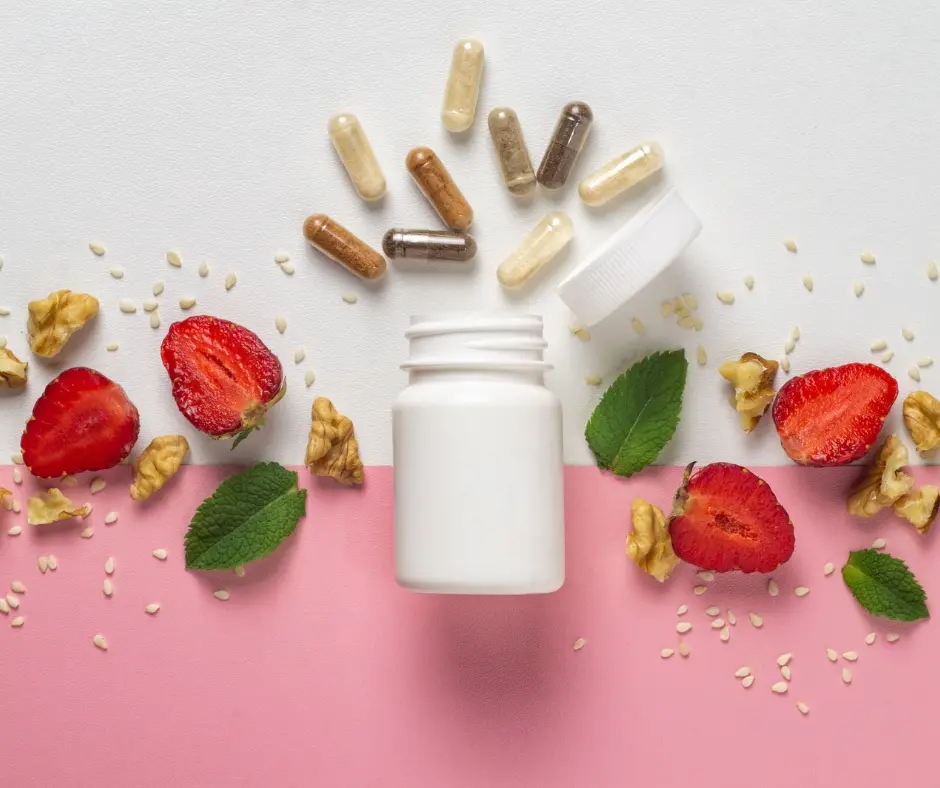
 Collagen plays a crucial role in maintaining skin elasticity and hydration, contributing to a youthful appearance. It helps in reducing wrinkles and promoting skin firmness. As we age, collagen production decreases, leading to visible signs of aging like sagging skin.
 Consumers have reported various benefits from incorporating collagen drinks into their daily routines. These may include firmer skin, stronger nails, and reduced joint pain after consistent use.
 As people age, collagen production decreases, leading to wrinkles, sagging skin, and joint pain. Skin loses elasticity due to collagen decline.
 Collagen production naturally decreases as we age, leading to skin sagging and wrinkles. To maintain healthy collagen levels, consume foods rich in vitamin C, amino acids, and antioxidants. Incorporating collagen-boosting ingredients like bone broth, fish, and citrus fruits can help support collagen synthesis.
 Bone broth is a nutrient-rich liquid made by simmering animal bones and connective tissue. It is packed with collagen, promoting skin elasticity and joint health. Consuming bone broth regularly can aid in reducing inflammation and supporting gut health.
 Exposure to pollution and toxins from the environment can deplete glutathione levels in the body. Air pollution, chemicals, and pesticides are common culprits.
 To boost glutathione levels, consider incorporating regular exercise into your routine. Exercise helps increase glutathione production, supporting overall health. Reducing stress through activities like yoga or meditation can also enhance glutathione levels.
 When choosing a glutathione and
  The packaging of a supplement can affect its potency and shelf life. Supplements should be stored in dark, airtight containers to protect them from light, air, and moisture, which can degrade the active ingredients. Check the expiration date before purchasing and avoid products that are close to their expiration. Proper packaging ensures that the supplement remains effective throughout its shelf life.
 Choosing the right supplement begins with understanding your personal health and beauty goals. Are you primarily interested in skin whitening, improving skin elasticity, or supporting overall health? Identifying your main objective will help narrow down your options. For instance, if skin whitening is your top priority, a high-potency glutathione supplement like Luxxe White Enhanced Glutathione might be ideal. If you’re looking to boost skin elasticity and hydration, a collagen-focused product like Ivi Collagen Powder Drink would be a better fit.
 One of the most immediate and noticeable benefits of regular use of glutathione and collagen supplements is the enhancement of skin appearance. Glutathione is renowned for its skin-whitening properties, helping to achieve a brighter and more even skin tone. It works by inhibiting the production of melanin, the pigment responsible for dark spots and uneven skin color. Meanwhile, collagen supplements improve skin elasticity and hydration, reducing the appearance of fine lines and wrinkles. Users often report a more youthful, radiant complexion after consistent use.
 Glutathione has been shown to improve insulin sensitivity, which can aid in weight management. By enhancing the body’s ability to metabolize carbohydrates and fats, glutathione helps maintain healthy blood sugar levels and reduces the risk of weight gain. Combined with collagen’s role in supporting lean muscle mass, these supplements can be an effective addition to a weight management program.
 The quest for youthful skin and robust health is nothing new. For centuries, cultures around the world have recognized the benefits of collagen-rich foods like bone broth and gelatin. Modern science has now caught up, with numerous studies highlighting the effectiveness of collagen supplements and skincare products. This guide will blend ancient wisdom with cutting-edge research, providing you with practical advice and insights backed by science.
 Collagen is a key player in maintaining skin health, contributing to its elasticity, firmness, and hydration. As the main structural protein in the skin, collagen supports the dermis, the middle layer that provides strength and flexibility. By maintaining this structure, collagen helps to keep the skin smooth and plump, reducing the appearance of fine lines and wrinkles.
 Collagen is not only important for skin and bones but also for muscles. It constitutes a substantial part of muscle tissue, contributing to muscle strength and function.
 Hydrolyzed collagen, also known as collagen peptides, is the most common form of collagen supplement. It is made by breaking down whole collagen proteins into smaller, more easily absorbed peptides. This form is highly bioavailable, meaning it is easily digested and utilized by the body. Hydrolyzed collagen is often used to support skin health, joint function, and overall wellness.
 To get the most out of your collagen supplement, follow the recommended dosage on the product label. Most studies suggest a daily intake of 2.5 to 15 grams of collagen peptides for optimal benefits. Consistency is key, so incorporate collagen into your daily routine for the best results. Mix collagen powder into your morning coffee, smoothie, or yogurt, or take capsules with a meal.
 The
The  Diet plays a crucial role in maintaining glutathione levels. Foods rich in sulfur-containing amino acids, such as garlic, onions, and cruciferous vegetables (like broccoli and Brussels sprouts), can boost the body’s production of glutathione. Additionally, foods high in antioxidants, such as fruits and vegetables, support glutathione’s antioxidant functions.
 Athletes and fitness enthusiasts can benefit from glutathione due to its ability to reduce oxidative stress and improve recovery times. Intense physical activity increases the production of free radicals, which can lead to muscle fatigue and damage. Glutathione helps to neutralize these free radicals, reducing muscle soreness and promoting faster recovery. Additionally, it supports the production of nitric oxide, which improves blood flow and enhances athletic performance.
 Maintaining adequate collagen levels is crucial for supporting skin, joint, and overall health. There are various ways to boost collagen in your body, including natural food sources, supplements, and lifestyle practices that promote collagen synthesis.
 When supplementing with glutathione and collagen, consistency is key. Follow the recommended dosage on your supplements and take them at the same time each day. Morning and evening are generally ideal times to incorporate these supplements into your routine.
 The journey of fiber through the digestive system is unique compared to other nutrients. When fiber is consumed, it travels through the stomach and small intestine without being broken down or absorbed. Instead, it reaches the large intestine, where it undergoes fermentation by the gut microbiota.
 Constipation, a common digestive issue, can lead to discomfort and more severe health problems if not addressed. Fiber plays a crucial role in preventing constipation by softening the stool and making it easier to pass. Soluble fiber, which dissolves in water to form a gel-like substance, helps to soften the stool by retaining water, making bowel movements smoother and more regular.
 Whole grains are an excellent source of both soluble and insoluble fiber. Unlike refined grains, whole grains contain all parts of the grain—the bran, germ, and endosperm—providing a higher nutritional value and fiber content.
 The daily recommended intake of fiber varies by age and sex, but general guidelines suggest:
 Chronic inflammation is a contributing factor to many cardiovascular diseases. Dietary fiber has anti-inflammatory properties that can help mitigate this risk. Soluble fiber, through its fermentation in the gut, produces short-chain fatty acids (SCFAs) that have anti-inflammatory effects.

 One of the most celebrated benefits of collagen supplements is their impact on skin health. Collagen is a major component of the skin, accounting for approximately 75% of its dry weight. As we age, natural collagen production declines, leading to signs of aging such as wrinkles, sagging, and dryness. Collagen supplements can help mitigate these effects by providing the skin with the necessary building blocks to maintain its structure and elasticity.
 Selecting the right collagen supplement can be a daunting task given the variety of products available on the market. Understanding the different factors that influence the effectiveness and suitability of collagen supplements is crucial to making an informed choice. This section will guide you through the essential considerations for choosing the right collagen supplement, helping you find the one that best meets your health needs and lifestyle preferences.
 While collagen supplements are not a magic bullet for weight loss, they can support your weight management efforts in several ways. Collagen is a protein, and consuming protein can help increase feelings of fullness, reducing overall calorie intake. This can make it easier to stick to a healthy eating plan. Furthermore, collagen supports muscle mass, and having more muscle can boost your metabolism, helping you burn more calories at rest. However, it is essential to combine collagen supplements with a balanced diet and regular exercise for the best weight loss results.