Tag:

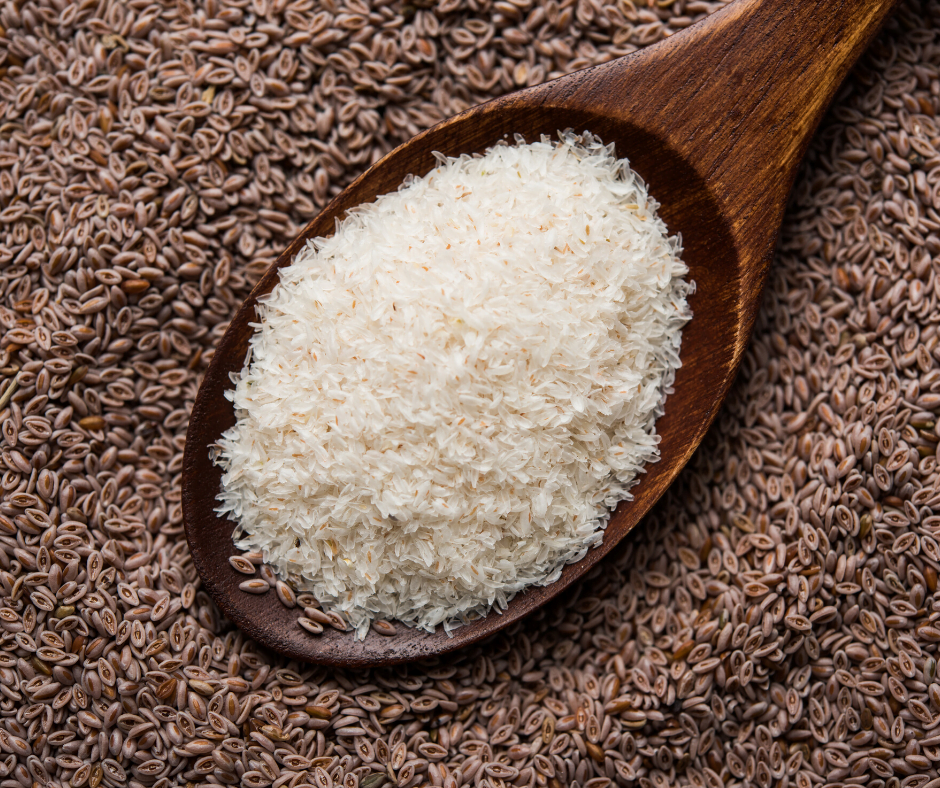
Psyllium husk

[:en]Psyllium husk can help with digestion.[:]

If you’ve ever searched for natural ways to improve digestion, lower cholesterol, or even help with weight management, chances are you’ve come across psyllium husk. This humble source of soluble fiber has been used for centuries in traditional medicine—and for good reason.

Psyllium husk works like a gentle, natural broom for your digestive tract, helping everything move smoothly. But its benefits go beyond just keeping you regular. From heart health to blood sugar control, psyllium husk is a small dietary addition that can make a big difference.

Highlights:
  • Psyllium husk is a natural source of soluble fiber with multiple health benefits.
  • It can improve digestion, heart health, cholesterol, and blood sugar when taken regularly.
  • Adequate water intake is essential for safe and effective use.

What Exactly Is Psyllium Husk?

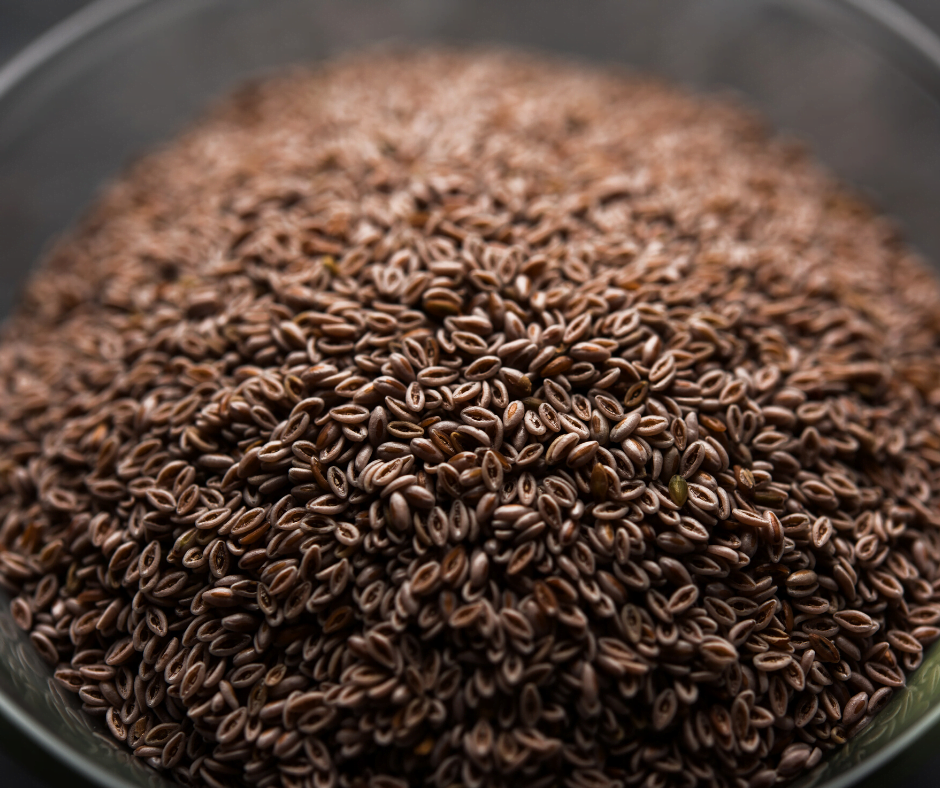
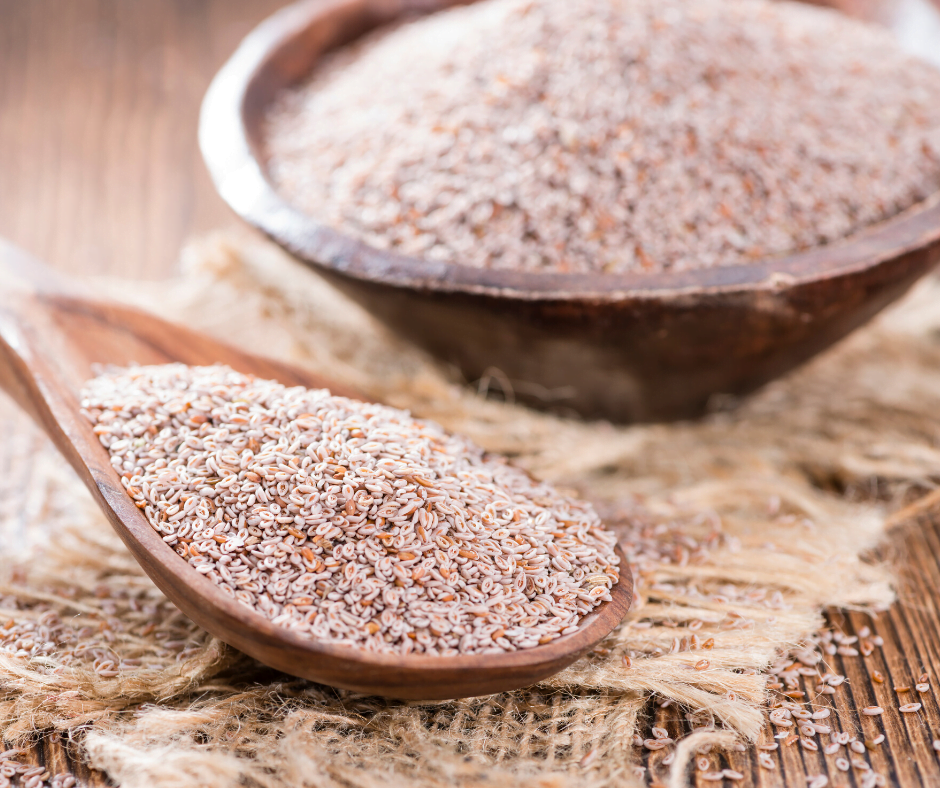
a sack and spoonful of Psyllium Husk and oil in a glass container and bowl

Photo from https://www.freepik.com

Psyllium comes from the seeds of Plantago ovata, a plant most commonly grown in India—the world’s largest producer. In South Asia, it’s also called Isabghol or Ispaghol, a name that comes from the Sanskrit words asp (horse) and ghol (flower).

The outer layer of the seed—the husk—is where the magic happens. This husk is packed with mucilage, a gel-like substance that swells when mixed with water. That swelling is key to how psyllium helps digestion and other health functions.

How Psyllium Husk Works in the Body

Psyllium husk contains two types of fiber:

  • Soluble fiber – Absorbs water, creating a soft, gel-like mass that eases stool passage and slows digestion for better nutrient absorption.
  • Insoluble fiber – Adds bulk to stool and helps stimulate the intestines to keep things moving.

When you take psyllium with water, it expands in the intestines, softening stools and encouraging regular bowel movements. At the same time, it slows down the absorption of sugars and cholesterol, helping keep levels in check

6 Key Health Benefits of Psyllium Husk

1. Relieves Constipation Naturally

Psyllium husk is one of the most effective natural remedies for constipation. It draws water into the intestines, softening stools and making them easier to pass. Studies have shown it can reduce stool transit time without interfering with nutrient absorption.

A paper heart on top of a heart beat line with orange background signifying heart health2. Supports Heart Health

The FDA recognizes that soluble fiber from psyllium husk can reduce the risk of coronary heart disease—as long as it’s consumed with adequate water. By binding to cholesterol in the digestive system, psyllium helps the body remove it more efficiently.

3. Improves Cholesterol Levels

Multiple studies have found that psyllium husk lowers LDL (bad) cholesterol while increasing HDL (good) cholesterol. It works by boosting the body’s production and excretion of bile acids—one of the main pathways for eliminating cholesterol.

4. Helps Manage Blood Pressure

Psyllium husk, especially when combined with a healthy diet, may help lower systolic blood pressure. Research suggests this may be linked to improved sodium excretion and better vascular function.

5. Regulates Blood Sugar

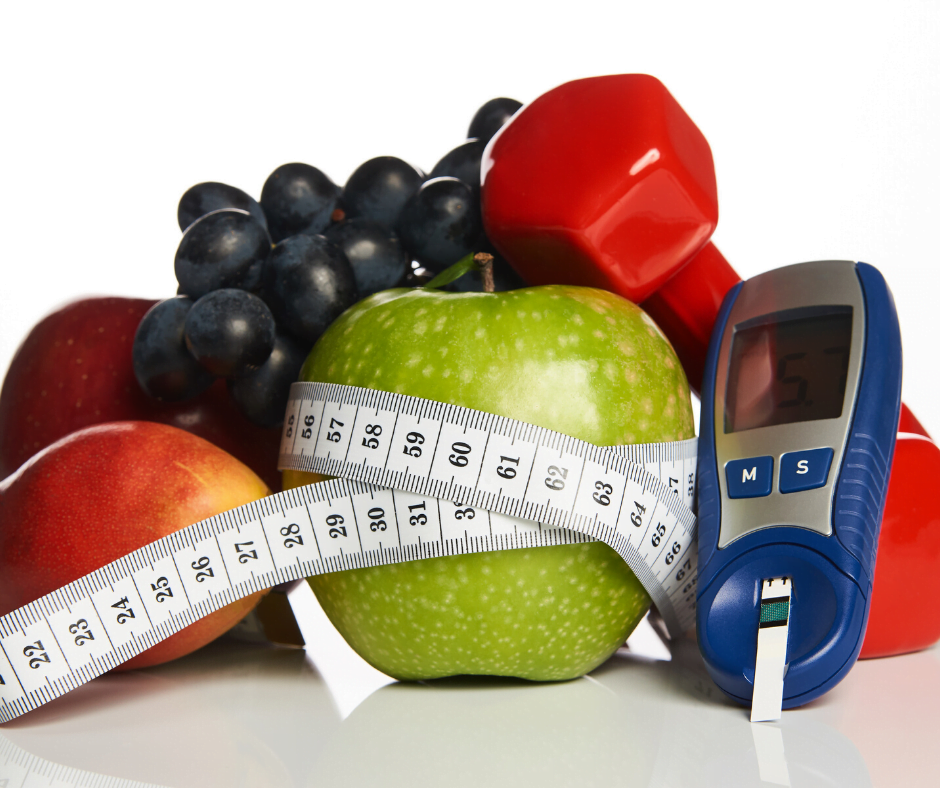
For people with high blood sugar, psyllium husk can be a game-changer. It slows the absorption of glucose, reducing post-meal sugar spikes and improving insulin sensitivity. This makes it particularly useful for those managing type 2 diabetes.

6. Aids in Weight Loss

By expanding in the stomach and increasing feelings of fullness, psyllium husk can help curb overeating. Studies have shown it may reduce body weight, BMI, and overall body fat percentage—especially when paired with a healthy diet and active lifestyle.

Quick Reference: Psyllium Husk at a Glance

BenefitHow It WorksBest Way to UseExtra Tip
Relieves ConstipationAbsorbs water, softens stoolMix in water or juiceDrink plenty of water
Lowers CholesterolBinds to cholesterol in gutDaily supplementPair with low-fat diet
Regulates Blood SugarSlows sugar absorptionTake before mealsWorks well with high-fiber meals
Supports Heart HealthReduces LDL & improves HDLConsistent useCombine with omega-3 foods
Helps Weight LossPromotes fullnessTake 30 min before eatingAvoid high-calorie drinks

How to Take Psyllium Husk Safely

  • Dosage: Start with 1–2 teaspoons mixed in at least 8 oz of water or juice.
  • Timing: Take it before meals for appetite control or at any time for digestive benefits.
  • Hydration: Always drink plenty of water—psyllium needs fluid to work properly.
  • Consistency: Daily use gives the best results.

Possible Side Effects and Precautions

While psyllium husk is generally safe, taking too much without enough water can cause bloating or even intestinal blockage. Start with small amounts and gradually increase your dose.

If you have swallowing difficulties, bowel obstructions, or are on certain medications, check with your doctor first.

Conclusion: A Small Husk with Big Benefits

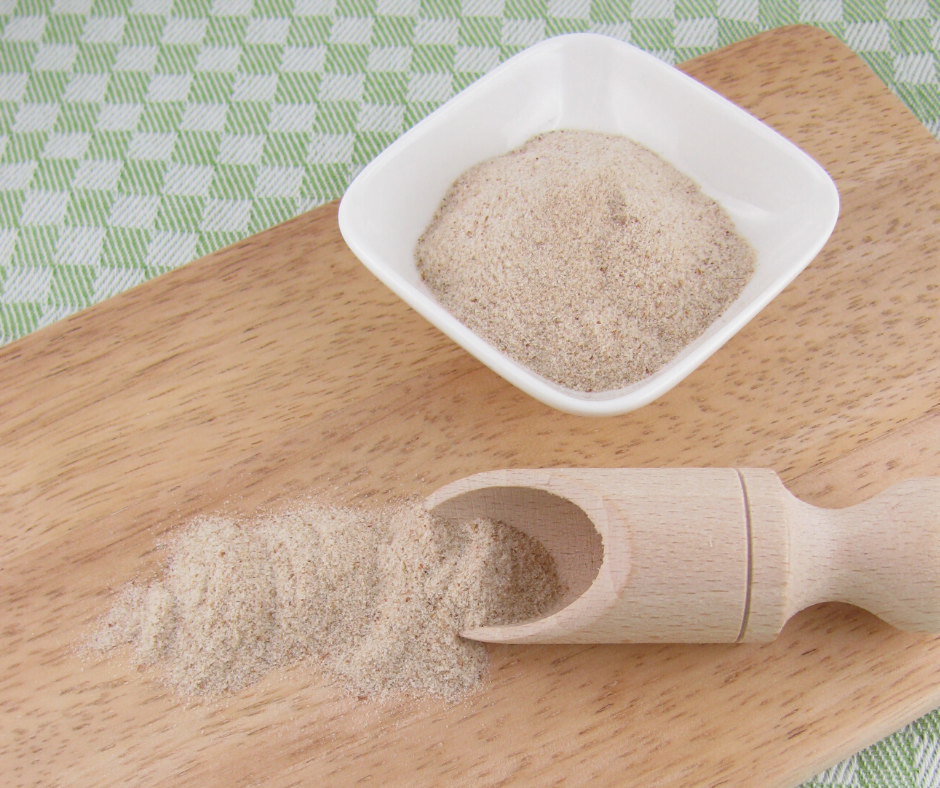
a wooden scooper full of Psyllium HuskPsyllium husk may look simple, but its health benefits are anything but ordinary. From improving digestion and supporting heart health to regulating blood sugar and aiding in weight loss or management, this humble fiber supplement proves to be a powerful ally for overall wellness. The key, however, is consistency. Adding psyllium husk to your daily routine, along with a balanced diet and proper hydration, can help you enjoy long-term health benefits.

Think of it as a gentle yet effective helper for your body—keeping your digestive system happy, your heart in better shape, and your appetite in check. Just remember to introduce it gradually and always drink enough water to let it work its magic.

With psyllium husk, you’re not just adding fiber to your diet—you’re giving your body the support it needs to stay healthy, energized, and balanced.

FAQs About Psyllium Husk

Can I take psyllium husk every day?
Yes, daily use is safe for most people as long as you drink enough water.

Is psyllium husk good for weight loss?
Yes, it helps you feel full longer, which can reduce calorie intake.

Can psyllium husk lower blood sugar?
Yes, it slows sugar absorption and reduces post-meal spikes.

Should I take psyllium husk with food or on an empty stomach?
Either works, but taking it before meals can help control appetite.

How soon will I see results?
Some digestive benefits can be felt within a day or two, while cholesterol and weight changes take weeks of consistent use.


0 comments
0 FacebookTwitterPinterestEmail

Spirulina is a kind of blue-green algae which includes several nutrients, including vitamin B, beta-carotene and vitamin E. Spirulina drinks also include antioxidants, minerals, chlorophyll, and phycocyanobilin. It is commonly used as a source of vegetable protein.

Health Benefits

Spirulina drinks have been used among the proponents to support several health conditions, including fatigue, high cholesterol, high triglycerides, and viral infections.

High Cholesterol

Spirulina has some promise for lipid disorders such as high cholesterol or high triglycerides, according to a study published in the Annals of Nutrition and Metabolism. Healthy, older adults used spirulina or placebo for the study. After four months, spirulina was associated with a significant reduction in cholesterol1.

Allergies

Spirulina has some promise in the treatment of allergic rhinitis (nasal allergies). According to a review published in 2009.2 In fact, a previously published study of people with allergic rhinitis found several benefits to spirulina intake, including improvement in symptoms such as nasal discharge, congestion, sneezing, and itching.

Spirulina can help alleviate symptoms of allergy.Diabetes

In a 2008 study concerning 37 people with type 2 diabetes, a study discovered that those assigned to 12 weeks of spirulina supplementation experienced a significant decrease in fat blood levels. Spirulina benefits also included decreased inflammation and decreased blood pressure and cholesterol for some people.

In another short study, 15 people diagnosed with diabetes who did not take insulin took 2 grams of spirulina daily in supplement form for two months. They did not change any other factors in their lifestyle or diet. At the end of the study period, participants experienced a decrease in blood sugar, cholesterol, and triglyceride levels.

Oral Cancer

Spirulina may protect against oral cancer, according to a short study of tobacco chewers with oral precancerous lesions. The study members took either a daily dose of spirulina or a placebo for 12 months. By the end of the study, 20 of the 44 participants who had taken spirulina had cleared the lesions (compared to three of the 43 participants who had been assigned to the placebo group).

Losing Weight

People could usually lose weight if they eat fewer calories than they do. Spirulina is a high-nutrient, low-calorie food with a lot of food in a small amount of powder. Introducing spirulina to the diet can help people lose weight without compromising their nutrition.

The results of a double-blind, placebo-controlled trial in 2016 suggest that spirulina may help with weight management. In a study, people who were overweight and normally ate spirulina for 3 months had an improved body mass index or BMI.

Improving Gut Health

Spirulina can be easily digested due to its structure, where the cells do not have hard, fibrous walls. But can it be used to improve intestinal health?

More human research is needed, but animal studies indicate that spirulina may promote intestinal health as people age. A 2017 study on older mice suggests that spirulina may preserve healthy intestinal bacteria during the aging process.

Spirulina does not contain much fiber, so it is essential to include other intestinal-healthy, high-fiber foods.

Boosting Metabolism

Taking spirulina may help boost the metabolism of a person. A higher metabolic rate may make a person feel like they have more energy. It may also increase the number of calories they burn each day, which may contribute to weight loss.

Spirulina can also boost metabolism.In a small-scale 2014 study, people taking 6 g of spirulina a day experienced beneficial metabolic effects alongside weight loss and improved health-related quality of life.

People in this study have had non-alcoholic fatty liver disease. So more research is needed to see if spirulina can boost metabolism in others without this condition.

What to Look For

Spirulina is often sold in powder form, but it is also available in capsules, tablets, and juices. Sometimes the powder is added to the smoothies.

Although there are many blue-green algae species commonly referred to as spirulina, most spirulina supplements contain Aphanizomenon flos-aquae, spirulina maxima, and/or spirulina platensis.

As with all supplements, it is important to check the “Supplement Facts” label for any product you purchase. This label will contain vital information, including the number of active ingredients per serving and any other ingredients present in the product.

0 comments
0 FacebookTwitterPinterestEmail
[:en]Fibre can help keep your digestive system healthy.[:]

Fiber is probably one of the health-related words that don’t send you running to the health supplement section of the supermarket, but it’s actually worth more than you may think.

Eating more fiber delivers a slew of health benefits. Here are the top health benefits of high fiber foods to encourage you to get your fill.

High fiber foods can help you keep a healthy diet.You’ll Lose Weight

Even if increasing your fiber intake is the only dietary change you make, you’ll shed pounds. Dieters who were told to get at least 30 grams of fiber a day, but given no other dietary parameters, lost a significant amount of Weight, found a recent study in the Annals of Internal Medicine. In fact, they lost nearly as much as a group put on a much more complex diet that required limiting calories, fat, sugar and salt and upping fruit, veggie, and whole-grain consumption. High fiber foods not only fill you up faster and keep you satisfied longer, but they also prevent your body from absorbing some of the calories in the foods you eat. 

Maintain a Healthier Weight Over Time

Fiber can also help you avoid putting pounds back on. People who got more fiber tended to be leaner overall—while those who were obese got an average of almost 1 gram a day less fiber than normal-weight participants, according to a study at the Medical University of South Carolina.

Cut Your Type 2 Diabetes Risk

It’s a well-established fact. A recent analysis of 19 studies, for example, found that people who ate the most fiber—more than 26 grams a day—lowered their odds of the disease by 18 percent, compared to those who consumed the least (less than 19 grams daily). The researchers believe that it’s fiber’s one-two punch of keeping blood sugar levels steady and keeping you at a healthy weight that may help stave off the development of diabetes.

Have Healthier Gut Bacteria

The good bacteria in your digestive system feed off fiber—and flourish. As your gut bacteria gobble up fiber that has fermented in your G.I. tract (delish), they produce short-chain fatty acids that have a host of benefits—including lowering systemic inflammation, which has been linked to obesity and nearly every major chronic health problem. The catch: You’ve got to consistently get enough grams—ideally every day, if not most days of the week—to keep getting the benefits. Skimping on fiber shifts bacteria populations in a way that increases inflammation in the body. 

Reduce Your Risk of Certain Cancers

Every 10 grams of fiber you eat is associated with a 10 percent reduced risk of colorectal cancer and a 5 percent fall in breast cancer risk, says a study published in the Annals of Oncology. In addition to the anti-cancer effects of fiber, the foods that contain it—like veggies and fruits—are also rich in antioxidants and phytochemicals that could further reduce your odds. 

Always incorporate fiber in your diet.Get an All-Natural Detox

Who needs a juice cleanse? Fiber naturally scrubs and promotes the elimination of toxins from your G.I. tract. Because insoluble fiber makes things move along more quickly, it limits the amount of time that chemicals like BPA, mercury, and pesticides stay in your system. The faster they go through you, the less chance they have to cause harm. 

Have Healthier Bones

Some types of soluble fiber—dubbed “prebiotics” and found in asparagus, leeks, soybeans, wheat, and oats—have been shown to increase the bioavailability of minerals like calcium in the foods you eat, which may help maintain bone density.

0 comments
0 FacebookTwitterPinterestEmail
[:en]The fibre in psyllium husk helps in weight loss.[:]

Even if all you can think about during most of your free time is how to lose weight, you know how tedious going to fitness gyms can be. And when it comes to an alternate way of meeting your weight loss goals, you may have already sought all possible ways to lose weight by changing your diet. 

If you are looking for more options in your diet to entice your taste buds and help you achieve successful weight loss, we have another ingredient that you should use in your everyday routine: Psyllium Husk. This Indian ingredient is not only valuable to your wellbeing but will also give you the desired results in no time. If you have not heard of this product, do not worry. Here is what you need to learn about Psyllium Husk for weight loss.

What is Psyllium Husk?

Psyllium is a type of soluble fiber derived from the seeds of the Plantago Ovata plant. It is popularly known as Isabgol or Ispaghula and is widely grown in India, as it is found in a lot of Indian households. Psyllium husk is perhaps most commonly known as a laxative, although it has other health benefits. It is commonly used to help with constipation as it helps remove toxins from the body. This also helps with your heart and your pancreas and your health.

Psyllium Husk is typically present in the form of husk granules, powders, or capsules and is used as a dietary supplement. It could also be obtained by means of fortified breakfast cereals and baked goods. The reason it helps with constipation is that it is the key active ingredient in the fibre drink, Fibrefirst, a fiber supplement that is also used to reduce constipation.

How to Lose Weight with Psyllium Husk

But aside from its numerous health benefits, Psyllium Husk also helps to control your weight. Here are five ways Psyllium Husk can help you lose weight:

Psyllium Husk Contains Fibre

It is a great fiber supplement, and the consumption of fiber is not only essential for keeping your body healthy, but it also helps you keep full, preventing you from eating extra. Thus including it to your diet helps you lose weight. Psyllium Husk is rich in both soluble as well as insoluble fiber. This enables it to aid smooth bowel movements, which is a crucial component of weight loss.

Psyllium Husk Contains Lesser Calories

The fewer calories you eat, the more likely you are to lose weight. Instead of weight loss, you are seeking to make a caloric deficit-a condition where you eat more calories than you consume. Psyllium Husk contains fewer calories, and according to experts, if you have two tablespoons of Psyllium Husk, you consume just 32 calories while still filling your stomach. This can be your daily fiber supplement to make you lose weight.

Psyllium Husk Reduces Hunger to a Great Extent

If you mix Psyllium Husk with water, it swells up to ten times its original size, and so consuming Psyllium Husk in this way will help you fill up quickly and keep you feeling full for longer, thereby limiting your appetite for more food.

Psyllium Husk Helps Cleanse the Colon

If your colon is clean, it helps promote gastrointestinal health, and Psyllium Husk is a wonderful colon cleanser. It helps the body improve endurance and develop a stronger immunity to disease. It gives you stamina, strengthens your immune system, and successfully helps you lose weight in the process.

Psyllium Husk Helps Fight Against Body Bulges

Fibre helps reduce bulges and love handlesSince Psyllium Husk helps strengthen your digestive tract, improves immunity, and helps cleanse the colon, it works at the same time to create a healthy body that is immune to fat gain and thus helps you burn body fat and lose weight.

0 comments
0 FacebookTwitterPinterestEmail
[:en]Fibre helps maintain a healthy digestive system.[:]

Psyllium husk (isabgol or ispaghula) is the outer covering of the seeds of Plantago ovata. It is commonly used as a laxative and has now been clinically proven to help weight loss. The key driving force is the high soluble fibre (8 times that of oats) content of the husk or mucilage.

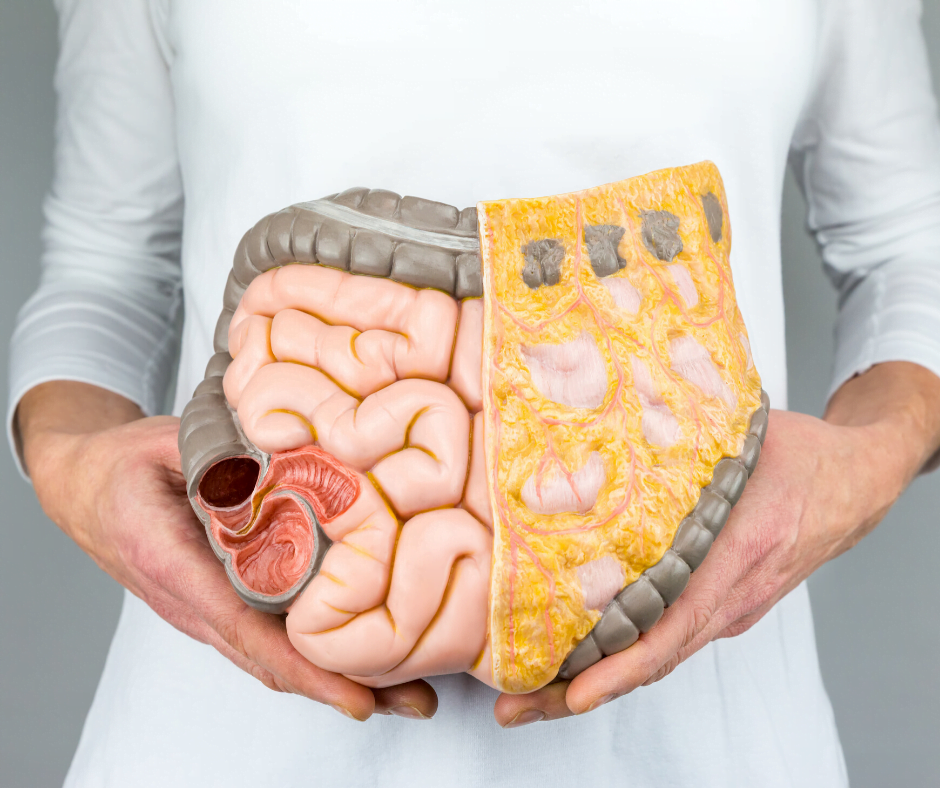
Psyllium Husk provides fibre, an important component of our diet.How Psyllium Husk Helps Weight Loss

Dietary Fiber: How psyllium acts for weight loss. Dietary fibre applies to the fibre we consume. It is a vital part of the vegetables and fruits we eat on a daily basis. The simple way to think about dietary fibre is that it is the parts of the plants that give it structure and shape. When the vegetables and fruit are juiced, the fibre – or the roughness – is what is left behind. The health benefits of this fibre are that we prefer consuming whole foods as opposed to refined or juiced vegetables and fruits.

Dietary fibre is only found in plants. Beans, berries, lentils, whole grains, avocado, and nuts are all great sources of dietary fibre. Animal products have no dietary fibre.

A diet rich in dairy, meat, and refined grains is low in dietary fibre. If you are eating a fresh diet, fibre supplements are even more essential. Psyllium husk is a perfect way to make up the dietary fibre that you may be lacking. And low fibre consumption may just be why you are searching for a way to take psyllium husk for weight loss.

Psyllium is high in soluble fibres. Soluble fibres are fibres that dissolve in water. In your digestive system, when fibre dissolves in water, it slows down digestion. One of the dietary fibre benefits is when the sugars contained in your food will take longer to reach your bloodstream. The lower blood-sugar levels – and fewer “spikes” are what help prevent long-term conditions like diabetes. Insulin spikes also inhibit fat loss and can increase hunger and cravings. This is part of why eating sugar often actually makes you feel more hungry.

Psyllium Husk Benefits

You may also use Psyllium Husk for gravy, chicken soups, and casseroles.

Soluble fibre also binds to fatty acids. Fatty acids are an important part of how cholesterol is stored in the body. When fibre dissolves with fatty acids, it captures free cholesterol molecules and brings them as waste through the digestive system. This could result in lower “bad” cholesterol levels.

The simplest way that psyllium husk works for weight loss is to control how we feel hunger and fullness. In our digestive tract, the soluble fibre in psyllium absorbs water. The fibre expands its original size multiple times. Enhanced volume in the stomach and intestines aids signal fullness.

Soluble Fiber and Your Gut

But the story of psyllium and weight loss is a lot more fascinating. In addition to the detoxifying results of psyllium, the soluble fibre in psyllium also promotes the growth of beneficial bacteria which contribute to a healthy intestinal flora. Our intestinal microbes play a crucial role in our overall health. Scientific studies investigate the various ways in which our intestines influence wellbeing – including obesity, cholesterol, diabetes. Digestive flora is also a major component of our immune system.

Fibre helps cleanse our colon.When you take psyllium husk for weight loss, good bacteria feeds on the soluble fibre psyllium. As a by-product of consuming food, the bacteria release a short-chain fatty acid called acetate. Acetate enters the bloodstream and passes to the brain. The part of our brain responsible for the metabolic processes, the hypothalamus, responds to this chemical, signaling us to stop feeding. So psyllium husk could literally “turn off” your urge to eat too much!


0 comments
0 FacebookTwitterPinterestEmail
[:en]Psyllium Husk offers different benefits.[:]

Most people do not realize the benefits of fibre on the body, especially since it has been linked to tasks in optimal body function, like promoting good intestinal bacteria health, improving immune system function, assisting produce other types of blood cells and helping to reduce the risk of premature death from any cause. Furthermore, not all people consume sufficient fibre to meet their daily requirements, and this may negatively affect your health.

This is where psyllium husk can come in, given that it has been viewed as a high-fibre source that could help people with fibre-related issues.

What is Psyllium Husk?

Psyllium Husk has a lot of benefits to the body.

Psyllium husk has a growing reputation as one of the finest fibre sources in the world. Psyllium husk, taken from the plant species Plantago Ovata, is equally efficient in the form of capsules, tablets, powder, or natural husk.

Psyllium husk is recognized as soluble fibre as it absorbs water and forms a gel-like substance in the belly. This property is responsible for its well-considered health benefits. 

What Are the Benefits of Psyllium Husk?

Digestive Health

A high fibre diet is best known for its ability to promote digestive health, and psyllium husk does just that as it has 80% fibre by weight. This means that a glass of a fibre drink like FibreFirst almost completes your daily fibre requirement.

Although all fibre sources are great for digestion, the psyllium husk seems to be unique. Scientific studies have repeatedly shown that this soluble fibre has a mild laxative effect, which is quite beneficial for constipation. Psyllium acts by expanding the volume and the softness of stools for smooth passage.

In addition to the potential to relieve constipation, psyllium husk has also been known to delay digestion when someone is suffering from diarrhea, helping to relieve symptoms. On top of this, psyllium husk has a remarkable capacity as the fibre actively eliminates flatulence – something that the fibre typically enhances given its health benefits.

For these factors, psyllium husk has become a very common remedy for people with digestive problems, particularly those with Irritable Bowel Syndrome (IBS).

Cholesterol Control

In addition to the advantages of digestive safety, psyllium husk has repeatedly shown in experimental studies that it has the potential to reduce cholesterol levels in people with elevated cholesterol levels.

Psyllium husk tends to regulate cholesterol levels because it enhances the absorption of cholesterol and dietary fat to some degree. In addition, psyllium husk can bind to bile acid in the intestines and increase its excretion. The body would then use cholesterol to produce fresh bile acid to make up for this, and then reduce the cholesterol in the blood.

Blood Sugar Control

Psyllium Husk also helps regulate the blood sugar and cholesterol Chronically elevated blood sugar, better known as diabetes, has reached epidemic levels. Today, more than 400 million people worldwide are affected by diabetes, which is a twelfth of the adult population. Since diabetes can lead to heart disease, nerve disorders, kidney damage, blindness, and amputation, for instance, controlling the condition is of paramount importance to national health institutions.

Various research studies agree that psyllium husk can decrease blood sugar levels and other signs of diabetes. One research, in particular, showed that the daily provision of psyllium husk for 8 weeks was successful in improving glucose control by almost 20% in a number of diabetic patients.

Such remarkable results were also reported without any improvement in the diet or physical activity of the participants. It strongly indicates that taking psyllium husk along with a better diet and regular exercise routine will make diabetes management even more effective.

Appetite Suppression

Reducing hunger is a good way to reduce calorie intake. Interestingly, the findings of several scientific studies have shown that the consumption of psyllium husk before meals can lead to a lack of appetite, resulting in a reduction in calorie intake.

There are various schools of thought when it comes to the manner through which psyllium husk helps regulate appetite. Some experts claim that psyllium husk functions by storing a significant amount of water, which helps to improve the amount of water in the stomach.

Others assume that it helps to slow down the flow of nutrients into the stomach and thus suppresses appetite for longer. There are also experts who say that, as psyllium husk helps to maintain stable blood sugar levels, it reduces appetite. This is another possible theory because it is understood that excessive blood sugar can cause starvation.

Psyllium Husk makes you feel fuller, thus suppressing your appetite.Considering that it can reduce hunger while reducing the amount of fat (and carbs) the body consumes, this means that it may actually be helpful as a part of a weight-loss diet.

0 comments
0 FacebookTwitterPinterestEmail
[:en]Spirulina offers a lot of benefits to the body.[:]

Most people would say that a spirulina drink is some kind of a superfood and they may actually be right. Often referred to as “pond scum” because of its appearance, this blue-green cyanobacteria packs a nutritional punch. 

Spirulina grows in fresh and saltwater, and beneficial to both humans and animals. It comes in a powder form and can be added to meals or drinks. In this article, we will explore the different spirulina health benefits and why you should start adding it into your diet program. 

Flushes Out Toxins

Spirulina is a very effective detoxifier which makes it a powerful ingredient for helping your body flush out toxins. Sometimes, spirulina is even used as a natural water filter to get rid of dangerous toxins like lead, mercury and more.Spirulina helps flush out toxins from the body.

Moreover, spirulina also contains proteins and peptides that are essential for catching all these toxins and guiding them out of our system. When spirulina binds into these toxins, they have less chances of being absorbed in our bloodstream. Thus, we don’t develop diseases and illnesses. 

Manages Symptoms of Diabetes

For people have diabetes, incorporating spirulina in your day to day meals is a very good idea. Research has shown that spirulina is able to manage the symptoms of diabetes. Respondents who were given spirulina supplementation showed significant lowering of blood sugar levels and improved liver enzyme markers. 

This just shows that spirulina is a promising support for managing type 2 diabetes. Plus, its antioxidant properties will be helpful in treating type 1 diabetes.

Increases Muscle Strength and Endurance

Are you an athlete or a CrossFit junkie? Spirulina is a good way to go for increasing muscle strength and endurance. Studies have shown that regular intake of spirulina improves heart health and boosts blood flow. This is very important for people who lead an active lifestyle.

The nutrients found in spirulina also helps boost the body's endurance.Spirulina makes the body active a little longer than usual. This is very convenient when you are in the gym constantly or training for a sport. 

Benefits Mental Health

Last but definitely not least, spirulina is good for our mental well-being as well. In 2018, a research was published claiming that spirulina played a role in treating various mood disorders. This is made possible because of the fact that spirulina is a source of tryptophan, which aids in serotonin production.

Serotonin, which is referred to as happy hormones, plays a huge role in mental health. It is responsible for making is happy and contributes to our well-being. People who experience depression, extreme sadness and anxiety have decreased levels of serotonin.

0 comments
0 FacebookTwitterPinterestEmail
[:en]Incorporating fibre in your diet helps you become healthier.[:]

Often referred to as the “fountain of youth”, fibre is very important if you want to live a long and healthy life. Aside from eating fibre-rich foods, some people even take fibre supplements to increase their fibre intake.  

So, how does fibre work and why is it good for the body? Here are various fibre health benefits you should definitely know about. 

It Helps You Lose Weight

First and foremost, fibre helps you lose that extra weight. Even though increasing your fibre intake is the only dietary method that you incorporate in your day to day life, you will still lose weight.

Fibre helps regulate your bowel movement, therefore helps you lose weight. 

Recent research reported that respondents who were given at least 30 grams of fibre every day, without any other restrictions, lost more weight compared to those respondents who followed a strict dietary routine.

How is this possible? This is because fibre keeps you full faster and longer. Plus, it disables the body from absorbing the calories from the food that we eat. So if you want to lose weight slowly but surely, increasing your fibre intake will definitely go a long way.

It Aids in Cancer Prevention

It is no secret that fibre is a vital part of our body’s waste removal system. This is very important because the constant removal of carcinogens from our body will lessen the chances of it being a problem later on. Fibre aids in colorectal cancer prevention by getting rid of these carcinogens. 

Moreover, fibre also lessens the risk of other types of cancer such as breast, prostate, mouth, and throat. In fact, for every 10 grams of fibre intake, there is a corresponding 10 per cent reduced risk of colorectal cancer. 

It is a Natural Detox 

If you’re thinking of going on an all-natural detox, fibre is one of the best ways to go. You don’t even have to do a juice cleanse anymore. Fibre promotes a safe and natural way of getting rid of harmful toxins in our body.

Fibre also helps flush out toxins from your body.ndered The type of fibre that is perfect for this job is the soluble kind. Soluble fibre absorbs harmful compounds before the body does. Some of these harmful compounds are excess estrogen, unhealthy fats and more. 
Because of this, the amount of time that these compounds can stay in our body is limited. The less time that they have, the lesser chance of them causing harm and diseases. 

0 comments
0 FacebookTwitterPinterestEmail

Psyllium husk may not be a popular health supplement but it will actually surprise you. This form of fibre is made from the husks of psyllium seeds of the Asian Plantago plant genus. It is packed with various benefits from weight loss to your health and performance goals.

In this article, we explore the different psyllium husk benefits and why you should start incorporating it into your daily diet.

Promotes Weight Loss

Ever feel like you are hungry all the time? This is too common especially to those who are on a diet. Constant cravings will definitely ruin a completely well-structured diet program in an instant if you give in. This is where fibre comes in as a fundamental part of any weight loss program.

Psyllium husk’s high fibre content is great for slowing down food digestion which increases and sustains the feeling of fullness. This also means less and toned down cravings. Several studies have also proven that the addition of psyllium husk to the diet results in weight loss over time.

Controls Sugar Levels

One of the most important parts of being healthy is having glucose control. Winding levels of blood sugar are usually a warning sign for high-risk diseases such as type II diabetes, high blood pressure, coronary heart disease and other metabolic disorders.

It has been proven that incorporating psyllium husk to your daily meals will allow your body to control spikes in blood sugar levels. This is made possible because of the reduced rate of carbohydrate being absorbed. Moreover, psyllium husk also helps in enhancing long term glucose control thereby lessening the risks of developing symptoms of metabolic syndrome.

Promotes Natural Bowel Movements

To avoid constipation, hemorrhoids and other gastrointestinal issues, normal bowel function is essential. Psyllium husk is best known for its function as an effective laxative and improve regular bowel movement.

This is also highly-recommended for people who are suffering from irritable bowel syndrome and suitable for those with coeliac disease. Lastly, when compared to other dietary fibre sources, psyllium husk has lesser known side-effects.


0 comments
0 FacebookTwitterPinterestEmail