Tag:

Body

Essentially, physiotherapy aims to restore the movement and function of patients affected by injury, illness, and disability.

Physiotherapists use manual therapy, exercise and movement, and education and advice to achieve the results they desire.

Significance

Physiotherapists use their knowledge and skills to help improve conditions associated with different systems of the body like:

  • Respiratory (asthma, chronic obstructive pulmonary disease, cystic fibrosis)
  • Cardiovascular (rehabilitation after a heart attack, chronic heart disease)
  • Neurological (stroke, multiple sclerosis, Parkinson’s)
  • Neuromusculoskeletal (arthritis, back pain, sports injuries, whiplash associated disorder)

Techniques

Physiotherapists considers all the parts of the body as opposed to merely focusing on the individual aspects of the disease.

Some of the techniques commonly used in physiotherapy includes:

Education and Advice

Physiotherapists give guidance and advice on things that can affect the day-to-day activities of the patient (i.e. proper posture, correct lifting and carrying techniques, etc.)

Tailored exercises, physical activity, and movement advice

Exercises that can improve mobility, general health, and strengthen specific body parts may be taught by physiotherapists.

Manual therapy

Physiotherapists make use of their hands to relieve pain and stiffness and promote better body movement.

Other techniques like hydrotherapy and acupuncture may also be recommended.

Education and Advice

Physiotherapy uses a holistic approach.

That means it not only provides general advice like adapting the right exercise regimen, maintaining a healthy weight, etc. but it also provides guidance on improving the total well-being of the patient which is considered an integral part of the treatment.

Movement and Exercises

Physiotherapists may also recommend movement and exercises that can help improve mobility and function.

This can include the following:

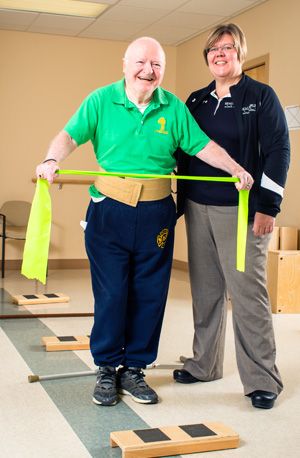
  • Exercises designed to increase physical activity will be taught. The importance of staying active will also be taught. Likewise, techniques on how to safely and effectively carry out the exercises will be provided.
  • Activities that involve moving the entire body like walking, swimming, and other exercises will be taught to help those that are recovering from an operation that affects mobility and those recovering from injury.
  • When needed, patients are provided with mobility aids (i.e. crutches and walking sticks) to help them move around more efficiently.
  • Patients will also be taught exercises that are designed to enhance movement of specific parts of the body. In most cases, exercises of this nature need to be routinely repeated for a set length of time.
  • Hydrotherapy or aquatic therapy will also be taught when needed as it will not only provide the much needed support and relaxation for the muscles, it will also provide the resistance needed while healing.

Manual Therapy

In essence, manual therapy is the technique physiotherapists use to mobilize, manipulate, and massage the body’s tissues.

Manual therapy helps in:

  • Relieving stiffness
  • Alleviating pain
  • Promoting blood circulation
  • Improving the movement of different body parts
  • Promoting relaxation

Physiotherapy can also be used to effectively assist patients as they get back to their routine activities after an operation.

The common post-operative physiotherapy interventions often involve breathing exercises, circulatory exercises, and early mobilization.

Mobilization

The significance of early mobilization cannot be overstated.

For starters, it helps significantly minimize post-operative complications, ensuring quick recovery and timely hospital discharge is achieved.

A physiotherapist may also recommend stair assessment when needed to help gradually increase mobility.

Circulation

Ensuring proper blood circulation after surgery is significant in order to ensure likely complications like deep vein thrombosis are avoided.

To help promote blood circulation, certain exercises will be taught.

The exercises can be performed while in a chair or bed and will need to be repeated at least every 2 hours.

Breathing Exercises

Breathing exercises are taught in order to minimize chest infection complications.

These exercises are carried out at least 3 to 5 times each day and are done while sitting upright.

Some of the breathing techniques that will be taught include:

  • Deep breathing
  • Breathing control
  • Forced expiration technique

If you need the expert help and guidance of a physiotherapist, please visit www.bjios.sg.

0 comments
0 FacebookTwitterPinterestEmail

Pediatric orthopaedics is the specialty that treats acquired or genetic-related bone defects and diseases that develop during gestation.

Children who are born with congenital bone diseases can use the help of a pediatric specialist.

Musculoskeletal and developmental disorders can also benefit from the expertise of pediatric orthopaedics specialist.

While some conditions correct themselves without treatment, other cases can become severe when not given the proper medical attention.

Enumerated below are some of the most common pediatric orthopaedic disorders:

Legs

Internal femoral torsion

This condition is considered one of the most common cause of in-toeing in children that are aged 2 years old and above.

Fortunately, the condition can be treated by correcting an abnormal sitting position.

Genu valgum (knock-kneed)

This condition is usually benign and will often correct itself when the child turns 8 years of age.

However, if the condition will still persist until the child turns 10, surgery might be required.

Genu varum (bow-legged)

This condition is often the result of a posterior hip capsule that is tightened.

When it does not get resolved when the child turns 2, osteotomy might be necessary.

Internal tibial torsion

This condition is considered the most common cause of in-toeing in children 2 years old and below.

Fortunately, once the child starts walking, the condition will resolve itself.

Toes

Hammer toe

Typically, this condition affects the second toe.

When it becomes painful, surgery might be recommended.

Ingrowing toenail

This condition occurs when the edge of the nail grows into the soft tissue surrounding it.

Depending on the severity, the condition can be managed through noninvasive treatments (warm soaks and antibiotics) to surgery.

Polydactyly

This condition is considered very common.

Severity can range from minor soft tissue duplication to severe skeletal abnormalities.

In most cases, the likely treatment recourse for polydactyly is surgical removal.

Curly toes

This condition often affects the fourth and the fifth toes.

Inherited in most cases, this condition does not often manifest any symptoms.

Fortunately, as much as 25 to 50 percent of curly toe cases get resolved by the time the child turns 3 or 4 years of age.

Otherwise, surgery will be necessary.

Hip

Developmental dysplasia

This spectrum of disorders often affects the acetabulum, proximal femur, and the hips.

Early treatment and detection helps prevent long-term morbidity.

Septic arthritis

This condition is often the result of Staphylococcus aureus.

Treatment alternatives can include drainage, emergency aspiration, arthroscopy, and debridement (with antibiotic cover).

Transient monoarticular synovitis

This condition is considered one of the most common causes of limping.

It also often develops right after a respiratory infection.

Treatment alternatives can include rest, physiotherapy, and NSAIDs.

Perthes’ disease

This condition is often characterized by the femoral head’s idiopathic avascular necrosis.

Treatment interventions will usually include analgesia, bed rest, and bracing.

Surgery to redirect the head of the femoral ball (femoral varus osteotomy) will be required in some cases.

Foot

Planovalgus deformity

This condition is usually associated with cerebral palsy.

In ambulatory children with mild to moderate deformities, calcaneal lengthening is often the treatment recourse.

In non-ambulatory children with deformity that is severe, surgery might not be of any help and relapse rate is high.

Pes cavus

This condition is associated with a high arc that does not flatten even with weight-bearing.

Treatment alternatives can include physical therapy, surgery, and orthotics.

The treatment option chosen will depend on the severity of the condition.

Talipes equinovarus

Different abnormalities of the tibia, fibula and the bones located in the foot form a composite disorder called club foot.

Treatment option can include manipulation, splinting, casting, and surgery.

Is your child suffering from pediatric orthopaedic conditions? Please visit www.bjios.sg for proper management and help.


0 comments
0 FacebookTwitterPinterestEmail

Considered one of the common types of arthritis, osteoarthritis (OA) affects more than 25 million adults.

And that statistics is just in the United States alone.

Otherwise known as wear-and-tear arthritis, degenerative joint disease, and degenerative arthritis, osteoarthritis is common among the elderly.

If truth be told, one third of the adults that are over 65 years of age have been afflicted with osteoarthritis.

Essentially, OA develops when the cartilage covering the joint breaks down.

In most cases, the damage is attributed to age and repeated movements.

While osteoarthritis can develop in any joint, oftentimes, it affects the joints situated in the knees, hips, spine, and hands.

Pain and stiffness are considered the most common symptoms of the condition.

Fortunately, while the condition becomes more prevalent as one ages, it should not be considered an inevitable part of aging.

To help ensure osteoarthritis is kept at bay, below are some of the essential tips that should be kept in mind:

Exercise

When the muscles situated along the front of the thigh get weak, the risk of knee osteoarthritis developing becomes increasingly higher.

Thankfully, even a minimal increase in muscle strength can already significantly reduce the risk.

To ensure the quadriceps are strengthened, isometric moves and wall slides are recommended.

If pain is experienced after exercise, using heat or cold therapy and taking pain relievers would help.

In addition, it is advisable to do only exercises that do not put any strain or stress on the joints.

Ideal exercises include bicycling, swimming, and other water exercises.

Weight Control

For those who want to keep osteoarthritis at bay, maintaining a healthy weight is considered a must.

For those who are obese, losing the excess weight is necessary to significantly reduce the chances of the condition developing.

While not many may be aware of it, obesity is known as one of the risk factors for the condition.

In fact, statistics show that those who are obese are four times more likely to develop the condition compared to non-obese individuals.

The excess weight puts strain on the joints especially those that bear the body’s weight like the feet, hips, and knees.

A 5 percent weight loss can already decrease the stress on the lower back, knees, and hips significantly.

Eat Right

While there has been no specific diet that has been proven to prevent osteoarthritis, some nutrients are believed to help reduce the risk.

Some of these nutrients include:

Vitamin D

Certain studies indicate that the condition’s progression is more likely in people with a high level of Vitamin D in the blood. Food sources that contain Vitamin D include fatty fishes like herring, mackerel, tuna, and sardines.

Vitamin C

Moderate intake of vitamin C (120 to 200 mg per day) can significantly reduce the risk of developing osteoarthritis by at least threefold. Common sources of vitamin C includes tomatoes, citrus fruits, strawberries, broccoli, and other leafy greens.

Omega-3 fatty acids

Healthy fats have been proven to help reduce joint inflammation. Good sources of healthy omega-3 fatty acids include flaxseed, olive, soybean, and walnut.

Have injuries treated immediately.

A joint injury that is left untreated can predispose one to developing osteoarthritis.

Studies even show that those who have injured their knees while in their teens are more likely to develop the condition compared to those who have not had any joint injury.

To help ensure joint injuries when exercising or doing sports are avoided, the following tips should be kept in mind:

  • When doing half knee bends, ensure the knees are not bended past 90 degrees.
  • When doing stretches, keep the feet as flat as possible so knee twists are avoided.
  • When jumping, ensure your knees are bent when landing.
  • Before participating in any sports, make sure to do warm-up exercises.

For help with management and treatment of osteoarthritis, please visit www.bjios.sg now.

0 comments
0 FacebookTwitterPinterestEmail

Low back pain can be felt anywhere below the ribs and above the legs.

The condition is very common that almost everyone has experienced it at one point in their lives or another.

Treatment options for low back pain can range from noninvasive alternatives to surgery.

However, it is recommended that checking with orthopaedic specialists would be ideal so the best treatment alternative will be provided.

Causes

While low back pain can be attributed to a lot of things, below are some of the most likely causes:

  • Pressure placed on the nerve roots – this can be attributed to other medical conditions like a herniated disc or a spinal stenosis.
  • Injury or overuse – this involves sprains and strains on the soft tissues like the ligaments and the muscles. The condition can also be traced to injuries in the small joints found between the bones of the spine or to compression fractures of the bones.
  • Osteoarthritis – when the condition affects the small joints situated in the spine, it can become the cause of back pain. Osteoarthritis in other joints such as the hips can also change how an individual walks resulting to back pain.

Other conditions that can likely cause low back pain include:

  • Bacterial infection
  • Spinal tumors
  • Ankylosing spondylitis

Symptoms

Depending on what causes it, low back pain can have diverse symptoms.

For instance:

Back sprain or strain

Usual symptoms can include:

  • Cramping, muscle spasms, and stiffness
  • Pain in the buttocks and back that may come and go

Nerve-root pressure

Usual symptoms can include:

  • Numbness, tingling, and weakness in one leg or both
  • Pain in the leg (in majority of the cases, the pain will start in the buttocks and will travel back to the foot, leg, or ankle)
  • Loss of bowel or bladder control (this can also be a symptom for cauda equine syndrome and will need immediate medical attention)

Osteoarthritis

Osteoarthritis in the spine can result to pain that:

  • More severe in the back and hip region
  • Starts gradually but can become severe eventually and can last up to 3 to 6 months
  • Gets worse after long periods without any activity

Treatment

Orthopaedic specialists diagnose, assess, and can recommend the best treatment alternatives for back pain.

Most cases of low back pain do not necessarily require a visit to an orthopaedic specialist.

However, if the pain gets too severe and it gets to a point where it hinders the patient from going about their usual routine, getting medical attention becomes a must.

Back pains are divided into two categories—acute and chronic.

Acute

Pain lasts less the 3 months but will respond to home remedies.

Chronic

Pain lasts more than 3 months and will require intensive treatment.

Treatment options for acute low back pain

If pain has persevered for a few days and does not respond to any noninvasive remedies (using heat or ice, taking painkillers, etc.), other treatment options like stronger pain medications and manual therapy might be recommended.

For those who experience severe pain, short-term use of opiate painkillers or muscle relaxants might be prescribed.

Epidural steroid shots might also be recommended.

Treatment options for chronic low back pain

For back pains that are chronic, one type of treatment will often not suffice.

Possible treatment options can include:

  • Cognitive-behavioral therapy
  • Massage
  • Acupuncture
  • Comprehensive rehabilitation programs
  • Biofeedback

Since low back pain can have different causes, treatment approach can vary from one individual to another.

To play safe, it would be best to have the condition assessed by a seasoned orthopaedic specialist so the best treatment option can be identified.

Is low back pain keeping you sidetracked? Visit www.bjios.sg for help.


0 comments
0 FacebookTwitterPinterestEmail

Carpal tunnel syndrome occurs when there is pressure on the median nerve situated in the wrist.

The condition is characterized by weakness, numbness, and tingling in the hand.

The median nerve together with several other tendons runs from the forearm to the hand and it passes through the carpal tunnel.

The median nerve works by controlling the feeling and movement in the thumb as well as the three fingers except the little finger.

Treatment options will be based on the severity of the condition.

Treatment alternatives can range from non-invasive remedies to carpal tunnel syndrome surgery.

Causes

The primary cause of carpal tunnel syndrome is pressure on the median nerve.

The pressure can be the result of swelling or anything that makes the carpal tunnel smaller.

The swelling can be the result of many causes including:

  • Hand movements that are repeated especially when the wrist is bent
  • Other medical conditions like hypothyroidism, rheumatoid arthritis, and diabetes
  • Pregnancy

Symptoms

The most common symptoms of carpal tunnel syndrome include tingling, numbness, and pain in the fingers or hands.

Some people may also experience pain in the arm, between the hand, and the elbow.

Other symptoms will also manifest in the index, middle, ring finger, and the thumb.

Oftentimes, people experience the symptoms at night.

Shaking the hand has been known to offer relief, albeit just temporary.

Diagnosis

To diagnose the condition, the doctor would most likely ask if you have other health issues like arthritis, diabetes, and hypothyroidism.

Patients will also likely be asked about their daily routine or recent activities.

The doctor will also check the feeling, strength, and appearance of the arms, shoulders, hands, neck, and wrists.

When needed, nerve and blood tests may be required.

Treatment

Mild cases of the condition will often respond well to home care treatments.

Home remedies can include:

  • Icing the wrist every 1 to 2 hours (10 to 15 minutes each time).
  • Regularly resting the wrist in between activities.
  • Refraining from doing activities that can cause numbness and pain.
  • Wearing a night splint to take the pressure off the median nerve.
  • Taking nonsteroidal anti-inflammatory drugs (NSAIDs) to minimize the pain and reduce the swelling.

Surgery

While carpal tunnel syndrome surgery is an option, it is only often considered when the symptoms have become so severe that it already affects the quality of life of the patient.

It is also the treatment option considered when the condition does not respond to noninvasive treatment alternatives.

Surgery is also considered when there is obvious loss of feeling or coordination in the hand or fingers, when sleep becomes erratic because of the pain, and when there is reduced strength in the thumb.

However, when nerve damage is seen in the nerve test result, surgery will become the most likely treatment option.

In order to relieve the symptoms of carpal tunnel syndrome, the transverse carpal ligament is cut. This is done in order to relieve pressure exerted on the median nerve.

Two surgery approaches are often used:

Open carpal tunnel release surgery

This kind of surgery will require a longer recovery period and will leave a bigger scar compared to endoscopic surgery.

Endoscopic carpal tunnel release surgery

This type of procedure has a quicker recovery period compared to open surgery. And since the incisions are smaller, it will likely heal faster.

Typically, the recovery period will only take 3 months.

While many factors need to be taken into account before endoscopic surgery is resorted to, it is recommended that the surgeon’s experience with the procedure is also considered.

Endoscopic surgery uses very technical equipment so picking a surgeon that has done the procedure numerous times is considered ideal.

If you notice classic symptoms of carpal tunnel syndrome, please visit www.bjios.sg for proper help and guidance.


0 comments
0 FacebookTwitterPinterestEmail

To diagnose back pain, a back pain specialist will test the motion range and nerve function.

They will also need to touch the body to accurately identify areas of discomfort and pain.

In some instances, blood and urine tests may be necessary to rule out infections alongside other medical issues.

X-rays may also be needed in some cases to check if there are other likely causes for back pain.

X-rays are considered beneficial when checking for likely skeletal defects and broken bones.

X-rays are also useful when pinpointing connective tissue problems.

However, when in the lookout for disk problems or likely soft-tissue damage, computed tomography (CT) scans and magnetic resonance imaging (MRI) might be recommended.

An electromyogram (EMG) will also be required when the need to check for muscle or nerve damage arises.

Treatment Options

Back pain treatment approaches can vary from one person to another.

Key factors like the severity of the condition and the cause of the pain will have to be taken into consideration before the right treatment option is decided on.

Some of the possible treatment options for back pain can include:

Rest

In order to ease acute back pain brought about by minor strain or injury, resting for 24 to 48 hours will be recommended.

Aspirins as well as other nonsteroidal anti-inflammatory drugs (NSAIDs) will also be prescribed to help reduce the pain and inflammation.

Once the inflammation has subsided, applying heat will be recommended to help soothe cramped muscles and strained connective tissues.

Contrary to popular belief, long-term bed rest will not help much and might even prove counterproductive.

In majority of the cases, patients can already do non-strenuous and routine activities within 24 to 72 hours.

To play safe, checking with a back pain specialist if physical therapy or controlled exercises might be needed.

Physical therapy treatments may include whirlpool baths, massage, and ultrasound, among others.

Medications

If the back pain becomes so severe and already hinders the individual from participating in normal activities, pain medications such as naproxen, ibuprofen, and aspirin might be given.

However, when the condition does not respond to any OTC painkillers, steroid injections might be given.

However, steroid injections are rarely used as they often provide only temporary relief and they may come with likely side effects.

TENS

Some physicians may might recommend transcutaneous electrical nerve stimulator (TENS) to help ease back pain.

This is carried out by taping electrodes to the body.

Said electrodes will carry an electrical current that is mild to help ease back pain.

Surgery

For back pains that are nonspecific, surgery is often considered the last resort.

Chronic nonspecific back pains are often not attributed to spinal issues.

However, when imaging results will indicate compression or nerve tissue damage, surgery might become the likely treatment option.

Surgery is also the chosen alternative when the condition does not respond to noninvasive treatment alternatives like medications, physical therapy, rest, and home exercise programs.

CBT

Cognitive behavioral therapy (CBT) treatment can include education, relaxation techniques, stress management, and behavioral adaptation.

CBT has been known to lift depression and reduce the severity of the back pain.

CBT is also considered effective when relieving pain in the lower back.

Some studies indicate it is also more effective compared to routine care and placebo.

Biofeedback

If back pain is caused by tension or muscle spasm, biofeedback might be prescribed.

This treatment option has been known to enhance overall life quality and reduce pain.

Biofeedback is also believed to help muscles respond better to stress or movement.

Acupuncture

Both the American Pain Society and the American College of Physicians pointed out that acupuncture can likely help with low-back pains that are already chronic.

It can also come in handy when other treatment alternatives have proved ineffective.

Acupuncture can be used alone or as part of other treatment plans.

However, to date, not enough evidence is available to support its effectivity in treating acute back pain.

For expert help with back pain, visit www.bjios.sg and get in touch with competent and trusted professionals.


0 comments
0 FacebookTwitterPinterestEmail


Tears or ruptures of the ACL (anterior cruciate ligament) are very common.

So common that it affects approximately 250,000 individuals.

And that statistic is in the United States alone.

What are the likely causes?

Individuals who are engaged in sports are more prone to ACL injuries.

ACL injury can also often occur as a result of the following:

  • Pivoting
  • Single-leg landing
  • Direct trauma (common in contact sports)
  • Cutting
  • Twisting force (applied to the knee when the person lands on one foot)

An ACL injury can be very painful and most people will hear and experience a “pop” in the knee when it occurs.

This is followed by feelings of instability.

ACL injuries will not only make activities like walking down the stairs difficult but it will also hinder patients from engaging in athletic activities.

What are the risk factors?

While everyone can have ACL injuries, there are several factors that can put people at a higher risk.

Some of the most common risk factors include:

Gender

Compared to males, females are more prone to ACL injuries.

Age

Majority of ACL tears often occur between the ages 15 to 45.

Oftentimes, this can be attributed to higher sports participation and an active lifestyle.

Single-leg cutting, pivoting, and landings

A huge percentage of ACL injuries (70 percent) can be attributed to sudden deceleration (i.e. cutting, landing on one leg, and pivoting).

Individuals who participate in sports like volleyball, tennis, lacrosse, football, and downhill skiing are more prone to ACL injuries.

Direct blow outside the leg or knee

ACL injuries from contact often result from direct blows to the knee when it is hyper-extended or slightly bent inward.

What are the common symptoms?

For those with acute ACL tears, one or more of the following symptoms will be present:

  • Deep knee pain
  • Swelling
  • Restricted range of motion (difficulty in straightening the affected area is also evident)
  • Instability (this can become noticeable when performing activities that put stress and strain on the affected area like walking down the stairs or pivoting)
  • Affected knee may feel warm to the touch (this can be attributed to likely bleeding within the joints of the knee)

Without proper medical attention, swelling and pain might eventually disappear on its own after several weeks but the instability will persist in most cases.

Patients with ACL injuries will also experience difficulty standing up from a sitting position and going downstairs.

What are the treatment options?

While surgery may sometimes be required, not everyone who develops an ACL injury will have to undergo one.

Certain factors like age, activity level, as well as other injuries will have to be taken into account before the doctor will decide if surgery is an option.

Active individuals who are involved in sports/activities that will not require sudden stops or turns (i.e. cycling and swimming) and those who do not experience any instability are likely candidates for non-invasive treatment alternatives.

Non-surgical treatments are often facilitated by a physical therapist.

The main goals would include maximizing strength, balance, and proprioception (body positioning).

What can patients expect during the recovery period?

For patients who will have surgery, post-operative rehabilitation will be needed to maximize long-term healing.

Primary focus will be on balance, proprioception, core strength, and range of motion.

Apart from physical therapy programs, home exercise programs might likely be prescribed.

Some surgeons might also recommend using no braces albeit there’s no evidence yet that will support its benefit.

In most cases, athletes can already engage in their chosen sport 6 to 12 months after the surgery.

However, only orthopedic surgeons are able to determine for sure when it will be truly safe to return to routine athletic activities.

Checking with an orthopedic surgeon is the recommended route as returning prematurely might put the ACL graft in serious risk.

For help with ACL injuries, please visit www.bjios.sg immediately.


0 comments
0 FacebookTwitterPinterestEmail

When the tendon that connects the back of the leg to the heel (Achilles tendon) becomes swollen and painful, the condition is known as Achilles tendinitis.

Achilles tendinitis is very common among runners who drastically increase the intensity or the duration of their runs.

It is also prevalent among middle-aged people who play sports like tennis and basketball on the weekends.

Causes

Achilles tendinitis is likely to manifest when:

  • There is a sudden increase in the intensity or amount of physical activity
  • The calf muscles are very tight or not stretched out
  • Running on surfaces that are hard like concrete
  • Running too often
  • Not wearing footwear that provides the right support
  • There is a lot of jumping involved, for instance when playing basketball
  • When the foot is drastically turned in or out

Achilles tendinitis that develops due to arthritis is common among middle-aged and older individuals.

A bone spur or growth may also develop in the back of the heel bone and may irritate the Achilles tendon as a result.

This irritation will often result to swelling and pain.

Symptoms

Common symptoms of Achilles tendinitis can include:

  • Pain in the heel and along the tendon’s length when walking or running
  • Pain and stiffness in the affected area in the mornings
  • Difficulty when standing up using only one toe
  • Swelling in the area affected

Risk Factors

Several factors have been known to increase the risk for Achilles tendinitis.

Some of the factors are:

Sex

The condition is more common among men than in women.

Age

The likelihood of the condition occurring more increases as one ages.

Training options

Running on hilly terrains and wearing ill-filling shoes can also increase one’s risk of developing Achilles injury.

Medical conditions

Individuals with psoriasis and high blood pressure are more prone to developing the condition.

Physical problems

Those with a naturally flat arch are likely to put more strain on the Achilles tendon. Obesity and tight calf muscles have also been identified to increase tendon strain.

Prevention

Preventing Achilles tendinitis from happening is not exactly possible.

However, there are certain measures one can be exercised to help reduce one’s risk.

For starters, the following measure would help:

Increasing activity level gradually.

Every time you start an exercise regimen, it is recommended that you start out slow and increase the duration and the intensity gradually as you go along.

Stretch regularly.

Ensure to stretch the calf muscles and the Achilles tendon before and after exercising. This is done in order to retain flexibility.

Cross-train.

Make sure you alternate high impact activities like jumping or running with low impact ones like cycling and swimming to help ensure lesser strain is placed on the Achilles tendon

Treatment

Most of the time, Achilles tendinitis will respond to home remedies.

However, in cases where the symptoms become severe and persistent, other treatment options might be recommended.

Medications

OTC medications like ibuprofen and naproxen might be prescribed to help ease the pain and the swelling.

If the condition will not respond, stronger medications might be given.

Physical therapy

A physical therapist may suggest the following treatment options:

Exercises

Therapists will recommend stretching and strengthening exercises to promote tendon healing as well as healing of the supporting structures.

Orthotic Devices

A shoe insert or a wedge that can elevate the heel slightly can help relieve strain. It can also provide the much needed cushion so force that is exerted in the tendon is lessened.

Surgery

If the condition will not respond to conservative treatments, surgery to repair the tendon might be necessary.

If you need help with Achilles tendinitis, please visit www.bjios.sg so you’ll know how to get competent help to effectively manage the condition.


0 comments
0 FacebookTwitterPinterestEmail
Older Posts