Tag:

Body

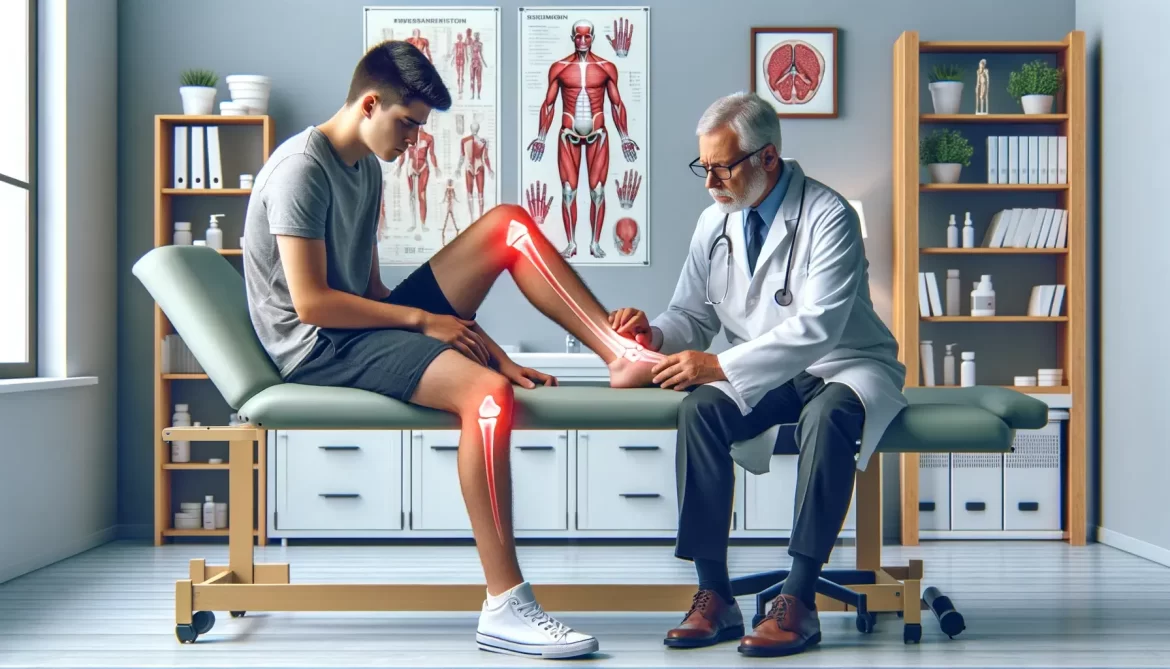
Many people at one point or another will experience foot and ankle injury

Many people at one point or another will experience foot and ankle injury.

In majority of the cases, foot and ankle injuries are not attributed to the typical body movements.

Rather, they are often attributed to both overuse and everyday wear and tear.

A foot and ankle injury can often occur during:

  • Works and projects done at home
  • Performance of work-related tasks
  • Sports or recreational activities

In children, foot and ankle injuries often occur during play or while engaged in sports.

It can also be the result of falls.

In most cases, injury risks are way higher for those engaged in sports that require drastic direction changes and jumping (i.e. soccer, football, and jumping).

Certain athletes like dancers, gymnasts, and soccer and basketball players are more susceptible to foot and ankle injuries.

Older adults become more susceptible to foot and ankle injuries and fractures because they have tendency to already lose muscle mass and bone strength (osteopenia) as they age.

They are also likely to have balance and vision problems—two factors that can significantly increase their risk for injuries.

Fortunately, minor injuries will often heal on their own.

Oftentimes, home remedies would be able to heal the injury and relieve the symptoms.

Acute/sudden injuries

Injuries of this type can result from direct blows, penetrations injuries, and falls

Injuries of this type can result from direct blows, penetrations injuries, and falls.

It can also be attributed to jamming, twisting, jerking, or abnormal limb bending.

Pain associated with these types of injuries are often sudden and severe.

Bruising and swelling will also likely to manifest after the injury.

Some of the most common foot and ankle injuries include:

  • Sprains – if the condition will not heal despite treatment, it can be a clear manifestation of another condition known as osteochondritis dissecans.
  • Pulled muscles or strains – muscles of the foot and ankle can be strained. At times, it may even rupture.
  • Tendon injuries – conditions like Achilles tendinitis can occur when the tendons in the heels will rupture.
  • Contusions – bruising brought about by ankle injuries can sometimes extend to the toes.

Overuse injuries

Overuse injuries often occur when the joint (and other tissues) are subjected to too much stress and strain.

The strain and stress can be attributed to overdoing of an activity or repetition.

Some of the most common overuse injuries are:

  • Retrocalcaneal bursitis – when the bursa is inflamed, this condition occurs. This condition can also result to swelling of the heel and the back of the ankle and tenderness.
  • Plantar fasciitis – this condition occurs when the plantar fascia (the flat and broad ligament situated at the bottom of the foot) becomes inflamed.

Prevention

To ensure foot and ankle injuries are avoided, keep the following beneficial pointers in mind:

  • Change the running shoes often. Experts recommend buying and using a new pair at least every 3 months or after 500 miles of wear.
  • Wear the right footwear. Choose shoes that is not only comfortable but will also offer good support.
  • Observe proper training. When exercising, it is recommended that ankle, foot, and leg stretches are done before and after exercising. Sprinting excessively should also be avoided.
  • Avoid overusing the foot or the ankle. Repeated movements can sometimes result to injury to the bursa or the tendons.
  • Wear supportive brace. Wrapping the foot or ankle during exercises or activities can also significantly reduce injury risks.
  • Get rid of excess pounds. Getting rid of the extra weight can dramatically lessen the strain and stress on the ankle and foot.
  • Wearing the right athletic footwear. When purchasing shoes, opt for ones that offer good arch support and those that come with cushioned soles. It would also be a good idea to check with an orthopedist, podiatrist, or a sports medicine professional so you will be guided on the best pair to invest in.

In some cases, you can get foot and ankle injuries however careful you may be. To ensure, the condition is attended to accordingly, ensure you are getting expert help from the competent specialists at www.bjios.sg.


0 comments
0 FacebookTwitterPinterestEmail
A hand and wrist condition that occurs when the median nerve is compressed is known as carpal tunnel syndrome

A hand and wrist condition that occurs when the median nerve is compressed is known as carpal tunnel syndrome.

Some of the most common symptoms of carpal tunnel syndrome include but are not limited to pain, numbness, and weakness.

In some cases, the symptoms may also radiate to the arm affected.

Depending on the severity, treatment options available may vary.

Likely treatment approaches can include noninvasive options to carpal tunnel syndrome surgery.

Causes

While several causes have been identified, below are some of the key culprits:

  • Irritated flexor tendons
  • Wrist movements that are repetitive
  • Other medical conditions like hypothyroidism, diabetes, pregnancy, and rheumatoid arthritis

Risk Factors

Some of the risk factors for carpal tunnel syndrome include:

Sex

The condition is observed to be more common in women than in men.

Inflammatory Conditions

Diseases that are characterized by inflammation like rheumatoid arthritis may sometimes affect the wrist tendons and put pressure on the median nerve.

Other medical conditions

Disorders like obesity, kidney failure, menopause, obesity, and other medical conditions have also been associate with carpal tunnel syndrome.

Nerve-damaging diseases

Conditions like diabetes can increase the risk of nerve damage that may also affect the median nerve.

Workplace factors

Work or hobbies that entail repetitive or prolonged flexing of the wrist may cause pressure on the median nerve.

Essentially, carpal tunnel syndrome is often considered a work-related condition.

Individuals who are prone to developing the condition are those involved in work that requires the following:

  • Hand movements that are repetitive and forceful
  • Hand-arm vibration
  • Hand positions that are awkward and that lasts for long periods

Symptoms

While mild cases of carpal tunnel syndrome often only affect the hand, in some cases, it can also affect the forearm

While mild cases of carpal tunnel syndrome often only affect the hand, in some cases, it can also affect the forearm.

In some cases, it will sometimes spread to the shoulder.

Mild cases of the condition may manifest some of the following symptoms:

  • Occasional tingling
  • Pain
  • “Pins-and-needles” sensation
  • Numbness or pain in the hand, forearm, or wrist
  • Pain and numbness when the wrist is flexed
  • Pain and numbness when gripping an object
  • Finger stiffness (often especially noticeable in the mornings)
  • Numbness and pain that escalates when the affected hand is used

In moderate to severe cases, reduced strength and grip as well as numbness in the fingers, thumb, or hand manifest.

Individuals with carpal tunnel syndrome may also find doing the following challenging:

  • Performing basic hand movements like combing the hair or holding a spoon. Patients will also have the tendency to drop objects accidentally.
  • Using the thumb for simple tasks like opening a jar or using a screwdriver. In the case of long-term carpal tunnel syndrome, atrophy of the muscles of the thumb may occur.
  • Pinching an object between the thumb and the first finger. This is referred to as pinch strength loss.

Symptoms of the condition are often observed in the parts of the hand that are supplied by the media nerve like middle finger, thumb, half of the ring finger, and the index finger.

While unknown to many, the median nerve will not affect the little finger.

That means in cases where symptoms affect the little finger, it would be safe to assume it is not carpal tunnel syndrome.

Treatment

Medical attention is required if the following symptoms are present:

  • Pain, numbness, tingling sensation, and weakness that remains after 2 weeks.
  • When performing even basic hand movements becomes challenging.
  • When there’s noticeably little or no feelings in the fingers or hand.
  • When pinching the thumb and the finger together is no longer feasible.
  • When diminished thumb strength is observed.

In most cases, mild cases of carpal tunnel syndrome will respond to homecare remedies.

However, if the abovementioned alarming symptoms will become evident, getting in touch with a medical professional is recommended as you might be a likely candidate for carpal tunnel syndrome surgery.

If  you notice telltale indicators of carpal tunnel syndrome, visit www.bjios.sg for expert management of the condition.

0 comments
0 FacebookTwitterPinterestEmail
bunion is the term given to the bony bump that develops at the big toe’s base

In essence, bunion is the term given to the bony bump that develops at the big toe’s base.

Wearing of footwear that is too small or narrow is considered one of the most common culprits of the painful condition.

There are more cases of bunions in women than in men.

When the condition does not respond to noninvasive treatments, surgery might be recommended to correct the deformity.

Removal of the bunions is sometimes referred to as bunionectomy, hallux valgus (Latin term for “foot deformity”) removal, or bunions surgery.

Bunion Surgery

To help alleviate the pain brought about by bunion, some wear shoes that are larger than their feet size.

Others find comfort when wearing protected pads.

Unfortunately, there will be instances when even making significant lifestyle adjustments won’t be able to improve the condition.

In similar scenarios, bunions surgery might become the best treatment option.

Some cases that might require bunion surgery can include the following:

  • Patient experiences severe pain. The pain and discomfort can make the performance of daily routine and activities extra challenging.
  • Patient can no longer walk without experiencing pain.
  • The big toe is still swollen and painful even after proper rest and medication.
  • Straightening or bending the toe is no longer possible.

For patients who are possible candidates for bunion surgery, discussing the condition as well as the procedure with the doctor is highly recommended.

A discussion with the doctor is important so both parties can decide on the kind of surgery to be performed to correct the condition.

To accurately diagnose the condition, an X-ray of the affected foot might be recommended.

While unknown to many, there are more than 100 different types of bunion removal procedures that can remove the bunion and realign the big toe.

However, oftentimes, the kind of bunion removal surgery will depend on the progression as well as the size of the bunion.

Preparation

Before the surgery, it will be likely that patients will be asked to undergo a few tests to assess their overall health status.

A cardiogram (to check heart function), X-ray of the lungs, blood and urine tests might also be suggested to check for other possible underlying conditions.

Patients taking blood thinning and other medications will most likely be asked to refrain from doing so at least a few days before the scheduled surgery.

After the surgery, patients are often already allowed to go home once the anesthesia has worn off.

Fasting might also be recommended but it will be determined based on the starting time of the scheduled procedure so it would be best to check with your doctor on this.

As a general rule of thumb, it would be best to ask for a list of dos and don’ts and make sure you strictly adhere to them so likely complications that will arise can be avoided.

Procedure

In most cases, general anesthesia will not be required during bunion removal surgery

In most cases, general anesthesia will not be required during bunion removal surgery.

Oftentimes however, a local anesthetic known as ankle block will be given.

It works by numbing the area situated below the knee.

The surgeon will proceed with the bunion removal and other necessary repairs once the knee is numb.

While there are several types of bunion removal surgeries, the following are three of the most common:

Osteotomy

The joint of the big toe is cut and realigned.

Exostectomy

No alignment is done but removal of the bunion is performed.

Arthrodesis

Metal plates or screws are used to replace the damaged joint and to correct the deformity.

Patient will be taken to the recovery room right after the surgery.

The blood pressure and heart rate will also be monitored while waiting for the anesthesia to wear off.

Fortunately, in most cases, patients can already go home after a couple of hours or so.

Recovery

Recovery from the surgery will usually take 6 to 8 weeks.

However, it will take at least 4 to 6 months for full recovery to take place.

Patients will have to wear a surgical boot or a cast for at least 2 weeks after the procedure.

For more information about bunion and the procedure appropriate for your case, visit www.bjios.sg now.

0 comments
0 FacebookTwitterPinterestEmail
When the cells in the body divide abnormally and uncontrollably, they can turn into a mass or lump

When the cells in the body divide abnormally and uncontrollably, they can turn into a mass or lump.

This mass or lump is called a tumor.

Tumors that form in the bones are called bone tumors.

Tumors that are not cancerous are called benign.

However, even if a benign bone tumor is often considered harmless and is not likely to spread to other parts of the body, it may still need to be treated.

While harmless, there is a tendency for benign bone tumors to grow.

The growth may result to compression of healthy bone tissues.

However, it is unfortunate to note that not all bone tumors are benign.

Some are classified as cancerous or malignant.

Left untreated, the cancer can end up spreading to other parts of the body.

Causes

While no direct causes of bone tumors have been identified, some of the likely culprits of the condition include radiation treatments, genetics, and bone injuries.

Symptoms

Some of the telltale indicators that signal the presence of bone tumors include but are not limited to the following:

  • Dull ache felt in the bone affected
  • Swelling at the tumor site
  • Fevers
  • Night sweats
  • Occasional pain that will eventually become severe and constant

Benign bone tumors

When the cells in the body divide abnormally and uncontrollably, they can turn into a mass or lump

Some of the most common benign tumors include:

Giant cell tumors

The kind of tumor often affects adults and can grow aggressively.

Giant cell tumors also often affect the bone’s rounded end.

This type of bone tumor is considered rare.

Osteochondromas

As far as benign bone tumor goes, this type is considered one of the most common.

In fact, this kind accounts for at least 40 percent of benign bone tumors.

The condition is also common among adolescents and teenagers.

This type of benign bone tumor also often manifests in the upper end of the upper bone (humerus), the lower leg’s upper end (tibia), and the thigh bone’s lower end (femur).

Echondroma

This condition occurs when a cartilage cyst grows in the bone marrow.

Echondroma often affects the long bones of the arm and the thigh as well as the hands and the feet.

Aneurysmal bone cyst

Aneurysmal bone cysts are characterized by blood vessel abnormality.

However, this condition often begins in the bone marrow and the cyst can grow rapidly.

Aneurysmal bone cysts can also be destructive as it can affect the growth plates.

Fibrous dysplasia

This condition is attributed to a gene mutation that will make the bones fibrous, making them more prone to fracture as a result.

Nanossifying fibroma unicameral

Considered as the only true cyst of the bone, this condition often occurs in the leg.

It’s also very common among adolescents and children.

Malignant bone tumors

Some of the most common types of malignant bone tumors include:

Chondrosarcoma

This condition is common among older and middle-aged adults.

This type of bone cancer also often occurs in the shoulders, hips, and the pelvis.

Osteosarcoma

Common among adolescents and children, osteosarcomas often manifest around the hips, shoulder, and the knee.

The condition is otherwise known as osteogenic sarcoma.

Secondary bone cancer

Essentially, this means the cancer started somewhere in the body but eventually spread to the bone.

This condition is common among older adults.

Cancers that originate in the prostate, lung, kidney, breast, and the thyroid gland often spreads to the bones.

Ewing sarcoma family of tumors (ESFTs)

This condition is common among adolescents.

However, in some cases, the tumor affects children as young as 5 years old.

ESFTs often develop in the skull, ribs, backbone, upper arms, and pelvis.

Apart from the bones, ESFTs can also manifest in soft tissues like the muscles, fat, and the blood vessels.

This condition has been observed to spread rapidly and are more common in females.

For more information and expert help on the care and management of bone tumors, head to www.bjios.sg now.

0 comments
0 FacebookTwitterPinterestEmail
Back pain is a very common condition that it is likely to affect people at one point in their lives or another

Back pain is a very common condition that it is likely to affect people at one point in their lives or another.

Likely Causes

While unknown to many, the back is a very intricate structure made up of muscles, joints, bones, and nerves.

And because of its intricacy, finding the exact cause of the back pain is often extra challenging.

However, it is fortunate to note that most cases are not attributed to serious underlying illnesses.

Rather, injuries, minor sprains, strains, and sometimes, a pinched or irritated nerve have been identified as the most likely culprits.

If the pain is both persistent and severe however, visiting a back pain specialist would be highly recommended.

Other possible back pain culprits include:

  • Lifting and carrying of heavy objects
  • Slouching
  • Awkward twisting
  • Overstretching
  • Overusing the muscles
  • Repetitive movements
  • Pushing or pulling of heavy objects
  • Driving or sitting in a hunched position for a very long time
  • Awkward bending that lasts for sometime

In some cases, back pains can manifest without any apparent reason.

For those who want to play safe, seeing a back pain specialist should be considered a must.

Diagnosis

While most cases of back pains are harmless and will disappear on their own eventually, there are also cases where the discomfort and the pain can become very severe.

When the back is examined, the patient’s ability to walk, sit, stand, and left the legs will be checked.

In majority of the cases, individuals suffering from back pain will also be asked regarding previous injuries and illnesses, type of work, and lifestyle.

Some of the probable questions the doctor will ask include:

  • Where is the pain’s exact location?
  • When did you first notice the pain?
  • What is it like?
  • What activities can make the pain better or worse?
  • Have you had back problems or any back injuries in the past?

Prevention

One of the best ways to avoid back pain is to keep the back strong and supple

One of the best ways to avoid back pain is to keep the back strong and supple.

For starters, regular exercise, good posture, and lifting correctly can definitely help keep back pain at bay.

For individuals with recurring back pain, the following pointers may prove beneficial:

  • Avoiding drastic movements – this is done to help prevent muscle stress and strain.
  • Losing weight – extra weight especially in the upper body can put unnecessary strain and stress to the lower back. Losing the extra pounds would definitely do wonders for your back.
  • Staying active – regular exercise like walking and swimming are considered superb ways to prevent back pain.
  • Wearing of shoes with cushioned soles – this can help reduce strain on the back.

Exercise

Without doubt, exercising is one of the many proven ways to help minimize and prevent pain in the back.

However, before starting any exercise program, checking with a doctor would be ideal.

Popular exercise disciplines like yoga and Pilates are considered beneficial in helping improve back flexibility and strength.

However, it is recommended that performing any of those exercises should be done under the guidance and watch of a qualified instructor so any likely injuries are avoided.

Some exercises that have been proven to help relieve and prevent back pain include:

  • Back extensions
  • Bottom to heels stretch
  • Knee rolls

Lifting and Carrying

One of the proven culprits of back injury is the incorrect lifting and handling of objects.

To prevent these types of injuries from happening, the following tips should be kept in mind:

  • Know the limit between what you can lift and what you can lift safely. Don’t shy away from getting help when necessary.
  • Ensure weight is distributed to both sides evenly when carrying shopping bags or luggage.
  • Maintain balance by ensuring feet are apart and one feet is slightly forward. Refrain from stooping or squatting.

If you experience severe and persistent back pain, checking with a back pain specialist is recommended. Visit www.bjios.sg for expert help.

0 comments
0 FacebookTwitterPinterestEmail
an ACL injury occurs when the anterior cruciate ligament or the ACL (one of the major ligaments in the knee) is torn

In essence, an ACL injury occurs when the anterior cruciate ligament or the ACL (one of the major ligaments in the knee) is torn.

ACL injuries often result from sports that involve drastic directions and sudden stops like football, basketball, downhill skiing, volleyball, soccer, and gymnastics.

Treatment options can range from rehabilitation and rest to surgery, depending on the severity of the ACL injury.

The following are some of the primary goals of ACL surgery:

  • Keep function loss to a minimum
  • Restoring normal (or at the very least close to normal) knee stability
  • Prevent injury and degeneration of other structures of the knee

Although surgery will not be necessary for all ACL tears, the patient and doctor will decide if rehabilitation and surgery will be best or rehabilitation alone would suffice.

Surgery is often the recommended option in the following scenarios:

  • The ACL has been completely or partially torn, making the knee unstable.
  • The patient wants to again participate in sports that will require knee strength and stability.
  • The patient would be willing to commit to a long and rigorous rehab program.
  • The patient has already gone through a rehabilitation program yet the knee is still unstable.
  • The patient has a chronic ACL deficiency and the condition already affects the patient’s quality of life.
  • Other knee parts (i.e. cartilage, tendons, meniscus) has also been injured.

Oftentimes, surgery is not required in the following cases:

  • The tear is minor and responds well to rest and rehab.
  • The patient is not involved in any job or sports that will require a knee that is stable.
  • The patient can commit to a complete rehabilitation program that can help stabilize the knee and strengthen the leg muscles.
  • The patient is suffering from other conditions that will make the ACL surgery risky.

While ACL surgeries are generally safe, there are still certain complications that can result from surgery and rehab

While ACL surgeries are generally safe, there are still certain complications that can result from surgery and rehab such as:

  • Damage to the nerves, structures, and blood vessels in and around the knee
  • Blood clots in the legs
  • Infection in the incisions
  • Kneecap grating
  • Stretching, loosening, and re-injury of the scar tissue
  • Pain

ACL surgery can mean reconstructing or repairing the ACL.

  • ACL reconstruction surgery involves replacing the ligament using a graft.

Autograft is the most common.

In essence, it means making use of the patient’s own body parts like the patellar tendon or the hamstring.

  • Aliograft is another option, with the tissue taken from a deceased donor.

ACL repair surgery is performed when an avulsion fracture occurs.

This kind of fracture happens when a piece of the ligament and bone has been separated from the rest of the bone.

The procedure involves reattaching the bone fragment to the bone.

ACL injuries are performed by orthopedic surgeons.

In most cases, it is done by inserting surgical instruments through small incisions in the knee.

The method is called arthroscopic surgery.

In other instances, the procedure is carried out through large knee incisions.

The procedure is known as open surgery.

Many orthopedic surgeons prefer arthroscopic surgery over open surgery due to the following reasons:

  • It has lesser risks
  • Working and seeing the knee structures is a way easier
  • The incisions are smaller
  • It can be performed at the same time as a diagnostic arthroscopy

Arthroscopic surgery is performed under regional or general anesthesia.

It is also an outpatient procedure so patient will not be required to spend time in the hospital.

While swelling and numbness of the affected area will likely manifest after the surgery, it will eventually disappear after a few days.

If you are a candidate for ACL surgery, please visit www.bjios.sg for expert help.

0 comments
0 FacebookTwitterPinterestEmail
The calf muscles are attached to the calcaneus or the heel bone by the Achilles tendon

The calf muscles are attached to the calcaneus or the heel bone by the Achilles tendon.

The Achilles tendon is also used when walking, jumping, running, and standing on the balls of one’s feet.

In some cases, continuous and intense physical activities (i.e. running, jumping, etc.) can result to an inflamed Achilles tendon.

This painful inflammation is known commonly as Achilles tendinitis.

What are some of the causes of Achilles tendinitis?

In most cases, excessive exercise and walking are considered the likely culprits.

That being said, it does not come as a surprise that the condition is very common among athletes.

However, in some instances, factors that are not associated to exercise have also been known to contribute to the risk.

For example, rheumatoid arthritis and infection have been believed to be correlated to the condition.

Basically, repeated activities that put strain and stress to the Achilles tendon can cause the condition to manifest.

Other likely causes of Achilles tendinitis can include the following:

  • Exercising without proper warm-up.
  • Engaging in sports that entail hasty stops and direction changes like football, tennis, basketball, etc.
  • Doing repeated exercises and other physical activities that put a strain on the calf muscles.
  • Wearing ill-fitting footwear.
  • Wearing high heels for really long periods.

What are the risk factors for Achilles tendinitis?

Certain factors have been known to increase one’s risk of Achilles tendinitis

Certain factors have been known to increase one’s risk of Achilles tendinitis including:

  • Age – Achilles tendinitis is more likely to happen more often as one ages
  • Sex – the condition is more common among men than in women
  • Physical problems – more stress and strain is placed on the Achilles tendon when one has a flat arch. Tight calf muscles and obesity can also put unwanted strain to the tendon.
  • Training choices – running on hilly terrains and wearing worn out footwear has also been known to increase the possibility of Achilles tendinitis.
  • Medical conditions – people with high blood pressure and psoriasis are more predisposed to the condition compared to their healthier counterparts.

What are the symptoms of Achilles tendinitis?

Primary symptoms of the condition include pain in the posterior part of the heel and swelling.

The pain becomes especially evident when running or walking.

Other likely symptoms include stiffness and tenderness of the affected area, limited motion range, and tightened calf muscles.

When the skin on the heel becomes overly warm, it can also be a telltale indicator of the condition.

How is Achilles tendinitis diagnosed?

For the condition to be diagnosed accurately, the doctor would ask a few questions regarding the pain and the swelling.

The doctor will also likely ask the patient to stand on the balls of the feet.

This is performed so the doctor can assess the range of motion and flexibility.

To gauge where the pain and swelling is most intense, the doctor will have to palpate the area directly.

When necessary imaging tests may be ordered but most of the time, they are considered unnecessary.

What are the treatment options for Achilles tendinitis?

There are plenty of treatment options available for patients suffering from Achilles tendinitis.

Treatment approach can range from medications (ibuprofen), steroid injections, and surgery.

The following might also be recommended:

  • Lessening physical activities
  • Stretching and strengthening the calf muscles
  • Physical therapy
  • Icing the affected area after exercise and when in pain
  • Wearing of a brace or compressive elastic bandage to keep heel movement to a minimum
  • Elevating the area affected to reduce swelling
  • Taking anti-inflammatory medicines like ibuprofen and aspirin
  • Getting steroid injections
  • Engaging in sports that is not strenuous

If the condition will not respond to treatment options that are not invasive, surgery might be recommended.

Oftentimes, surgery will be performed to repair the tendon.

When left untreated, the condition can complicate and may result to an Achilles rupture.

For proper management of Achilles tendinitis, visit www.bjios.sg right away!


0 comments
0 FacebookTwitterPinterestEmail
There are many kinds of vision impairment and diseases that affects the daily lives of most people

There are many kinds of vision impairment and diseases that affects the daily lives of most people. Some may not know that they have an eye disorder and some just choose to ignore it. Here are the descriptions of some eye disorders and ways on how to treat them properly.


Cataracts

Cataract is the clouding of the natural lens in your eyes. This results in blurry or misty eyesight and often causes sensitivity to light. It is the one of the most common causes of vision loss and considered normal for people over 50 years of age. This condition can happen to one or both eyes. Cataracts can be treated by surgery so be sure to consult your eye specialist in Singapore about it.


In surgery, the doctor removes the cloudy natural lens and the replaces it with an artificial one. The operation is quick, so after a few days, you can go back to your daily routine.


Low Vision

Nowadays, sophisticated technologies and specialized remedies are improving the sight for hundred patients, but there are still cases of vision loss not correctable by these options. Low Vision is a vision impairment where one’s eyesight cannot be treated with surgery, glasses or medication. Adjusting to reduction in eyesight can be very difficult, but eye specialists help their patients in coping with the degree of vision that still remains. Low vision is an age-related disease but can still affect people of all ages due to condition such as retinitis pigmentosa.

Vision is a vision impairment where one’s eyesight cannot be treated with surgery

Acute Red Eye

Most of us experience having red eyes or bloodshot eyes. Sometimes it goes away after resting. However, if the red eye persists and worsens, do consult your eye specialist in Singapore about it. The main etiology of this condition may be difficult to determine. But, one of the most common causes of this condition is acute conjunctivitis. There are numerous conditions that are associated with red eye. A thorough history and proper examination of the lids, conjunctiva, and cornea are needed to provide the best treatment for the patient.


Macular Degeneration

The leading cause of vision loss is called Macular Degeneration or Age-related Macular Degeneration (AMD). The macula is a small spot which can be found at the back of the eye. The macula transmits the images that you see to the brain. As it deteriorates with age, symptoms are:

  • Loss of detail
  • Difficulty distinguishing colors
  • Blurry central vision
  • Distorted or wavy lines

Glaucoma

Glaucoma is an eye condition where the eye’s optic nerve is damaged resulting in loss of peripheral visual field. It is the leading cause of blindness and vision loss. It can develop gradually or rapidly. Most people with glaucoma do not know they have it hence glaucoma is known as the silent thief of sight. A person may be at greater risk of this condition if:

  • One of the family members has glaucoma
  • 50 years of age or older
  • Afro-Canadian heritage

It is recommended to have your eyes examined regularly by an ophthalmologist to know what your eyes status is. Early detection and right treatment can save your vision immediately.

Graves Disease

Graves Disease is a type of an autoimmune disease where thyroid glands becomes overly active and produce too much hormones, leading to hyperthyroidism.. The results are protrusion of the eyes and also, swelling of the neck.

Some of the initial symptoms of this disease include muscle weakness, weight loss, chest pain, goiter and even irregular menstruation.


Patients with Graves’ disease may develop Graves’ eye disease. The eyes may bulge and become inflamed. They may experience difficulty in closing their eyes, eye dryness, irritation, double vision and eye pain.


If you are looking for a reliable eye specialist, look no further than Atlas Eye. Visit their website now for details.


0 comments
0 FacebookTwitterPinterestEmail
the cornea and the lens in your eyes need to refract light rays in order that them to focus on the retina

For you to see properly, the cornea and the lens in your eyes need to refract light rays in order that them to focus on the retina. The retina will likely convert these light rays into impulses and will be delivered to the brain to identify images. However, if the light rays will not be focused on your retina, the images you see will be blurry. This disorder is known as refractive error. To reduce these errors and to help you see better, you need to wear eyeglasses or contacts, or undergo a surgery like LASIK surgery. This will make light rays focus on the retina correctly.
Refractive errors have different types and are brought on by imperfectly shaped eyeballs, corneas, or lens. These types of refractive errors are:

  • Astigmatism – this condition happens when the images are appears blurry whether they are close to you or far from you. Symptoms are eye strain and recurring headaches, especially after doing a prolonged visual task like reading or watching television. Astigmatism often manifests early in life, that’s why it is important to have the kids scheduled for an eye exam avoid this sort of vision problems. It can be detected during a regular eye exam using the same instruments or techniques for the detection of nearsightedness and farsightedness. Your eye doctor will perform a Refraction test to determine the amount of astigmatism you have.• Myopia or nearsightedness – within this refractive error, only nearby objects appear clear or distinct as the far objects are blurry or distorted. For those who have nearsightedness or myopia, you usually have difficulty seeing distant road signs and any other distant objects clearly. However, your eyesight is good when you are performing close-up tasks like reading a novel or an article on a computer. Other signs to watch out for are eye strain, squinting, and headaches.• Hyperopia or farsightedness – such things happen when the objects that are far away from you are clear or distinct while the nearby images are blurry or distorted. People with this condition sometimes experience recurring headaches or eye strain. They might also often squint or feel tired when or after performing work at a close range. If you are tired of wearing eyeglasses or contact lenses, you may consider a surgery in order to correct your vision. Among the solutions for these problems is a LASIK or laser-assisted in situ keratomileusis procedure. In this surgery, the doctor will be employing a laser to reshape the cornea – the round dome shaped transparent structure at the front of the eyes. This is done to improve the way a patients’ eye focuses light rays onto their retina.

Astigmatism is a condition that happens when the images are appears blurry whether they are close to you or far from you

However, not every person is qualified to undergo LASIK surgery. Here are the standards that need to be met before you choose to undergo this treatment:
• You must have healthy eyes.
• Your overall health has to be of good condition. Patients who may have health conditions such as rheumatoid arthritis, diabetes, lupus, herpes infections of the eye, glaucoma, cataracts, retinal disease, and disorders of the cornea may not be suitable to undergo LASIK. When you have any of these conditions, ask your medical professional what other options you have to treat your eyes.
• Your eye prescription need to be stable
• You should be at least 18 years of age. If you are younger than 18 then there’s still a chance that your vision or eye condition will change.
• You must not be nursing or pregnant. People who are expecting or nursing may have varied measurement of their eye degree.
• You ought not to be taking medications such as oral prednisone or Accutane.
• You should not have severe dry eye condition. If you are taking medications that can result in dry eyes, ask your eye specialist about since it can affect the outcome of LASIK.

Contact Atlas Eye for more details about their advanced services in LASIK surgery, childhood eye treatment, or cataract treatment.


0 comments
0 FacebookTwitterPinterestEmail
LASIK eye surgery is a type of vision correction method that many adults who may have refractive errors consider

LASIK eye surgery is a type of vision correction method that many adults who may have refractive errors consider. This is especially if they have been using glasses or contact lenses for years to fix their vision. While wearing eyeglasses or contacts allows them to see better, it’s also a huge relief to be spectacle independent.

With LASIK surgery, it is possible to see things clearly. You can enjoy a jog round the neighborhood and not think about your eyeglasses fogging up or falling off. You can join in contact sports like basketball or football even though you’re not wearing contact lenses. Plus, you can watch a 3D movie without the need to wear 2 eyeglasses. If you’d like more reasons to undergo LASIK, keep reading for more details about why this should be on top of your options.

It offers instant results – LASIK is an outpatient surgery so there’s no need for you to stay overnight at the hospital. You will quickly see the changes in your vision within the next twenty-four hours. Your doctor will also let you home on the same day after he or she has completed your post-surgery checkup. Many patients even state that they wake up the following day with extremely improved vision. These results will improve over the next days to weeks. However, even if you already see good results, you still will need to follow your doctor’s advice to avoid complications and help you get optimal results.

If you often experience red eyes, itchiness, or burning sensation due to wearing contacts, it may be time for you to consider LASIK eye surgery

It can reduce allergic reactions – if you often experience red eyes, itchiness, or burning sensation due to wearing contacts, it may be time for you to consider LASIK eye surgery. Many patients agree that they no longer experience uncomfortable allergy symptoms as a result of contact lens wear ever since they had LASIK eye surgery. Some spectacle wearers also notice that they no more have recurring headaches or sinus problems from heavy glasses.

It is a good investment – if you wish to get optimal results, then you also need to invest in quality service. LASIK eye surgery will be worth your every cent since over time, you’ll save thousands of dollars because you don’t ought to regularly buy eyeglasses and contact lenses. Studies show that a person spends about $100-$200 a month to maintain their eyeglasses or contact lenses because they constantly have to buy frames, solutions, or doctor prescribed eyewear. You can get rid of all of these expenses and invest your hard earned money into a service like LASIK.

It improves your lifestyle – would you hate it when your eye glasses are falling off when jogging or while working out? Then it may be time to consider LASIK. After this procedure, you can say goodbye to wearing uncomfortable eyeglasses. It is going to no longer have to get in the way although you may want to go to the gym daily. You will also have the chance to do more outdoor activities like diving, surfing or football, enjoying overall flexibility in vision while having clear vision.

Are you looking for a reliable service provider in Singapore? Consider going to Atlas Eye. They give quality service using advanced medical technology as well as modern surgery techniques. Their clinic is owned and managed by famous eye surgeons in the country, so you can be reassured that you are in good hands. Visit their webpage to schedule a visit or for enquiries about their LASIK eye surgery services.

0 comments
0 FacebookTwitterPinterestEmail