Category:

Cholesterol

Several studies have shown that the fiber you naturally get from food, as part of an overall healthy diet, can help protect your ticker. It can control cholesterol, lessens the risk of stroke and type 2 diabetes, and reduces weight loss.

What’s Cholesterol?
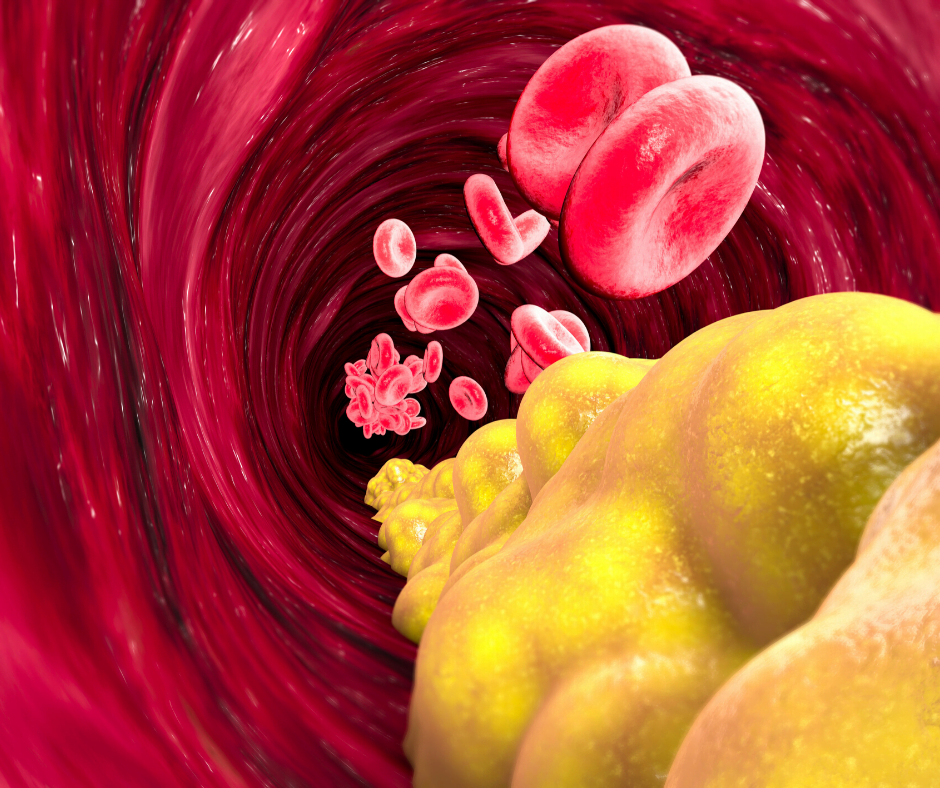
Cholesterol is also needed by the body, but it can be dangerous in large amounts.Your body needs some kind of cholesterol to work properly. But if you’ve got too much in your blood, it could stick to the walls of your arteries, narrow it or even block it. This will put you at risk for coronary heart disease and other heart problems. 

Cholesterol travels through the blood to proteins called lipoproteins. One type, LDL, is sometimes referred to as “bad ” cholesterol. High LDL levels lead to the build-up of cholesterol in your arteries. Another type, HDL, is sometimes referred to as “good ” cholesterol. It brings cholesterol back to your liver from other parts of your body. Then your liver will remove the cholesterol from your body.

What’s Fiber?

There are two types of foods: soluble and insoluble, although most fiber-rich foods contain some.

Fiber is also considered either “functional” or “dietary.” The dietary type is the indigestible part of the plants we eat, such as fruit, vegetables, whole grains, beans, and nuts. You ‘re going to get it naturally in whole food. The functional type is extracted or produced in a lab — the type of fiber you’ll find in supplements or fiber-rich foods.

Heart-Health Perks 

Most people relate fiber with a healthy digestive system. Research has shown that it can do a lot more than just keep you healthy. Scientists are still working to see how exactly this works in the body, though. Some of the ways your heart can help include:

It can control your cholesterol. Soluble fiber may reduce both “bad” LDL and total cholesterol, possibly by binding cholesterol particles to the digestive system and discarding them from the body before they are absorbed.

Fiber helps lower cholesterol in 3 ways.

How Can Fiber Lower Cholesterol?

Grabs to fat and cholesterol in the small intestines are excreted instead of absorbed into the bloodstream.

Reduces the number of bile salts reabsorbed from the intestine. The body needs to produce more bile salts, and it uses cholesterol to do this.

Slows digestion, which slows down the increase in blood sugar after eating. High blood sugar could cause more triglycerides to form, causing more cholesterol to form.

Protects against diabetes and stroke. Change refined grains with fiber-rich whole grains in your diet, and you may reduce the risk of stroke by up to 36% and the risk of type 2 diabetes by up to 30%, research shows. Both conditions are connected to an amplified risk of heart disease.

It lowers your blood pressure. In another small study, 233 volunteers had a high-fiber diet, which included a lot of whole wheat and whole oats. The participants were found to have a drop in blood pressure and pulse pressure after 12 weeks.

Encourages healthy weight in the body. Fiber can also be a weight-loss weapon because it gives you a feeling of fullness that helps you stave off your hunger.

All these benefits can add not only to better health of the heart but to a longer life. Researchers followed almost 300,000 participants in the 2011 study over 9 years. They found that eating a lot of fiber was even associated with a lower risk of early death among men and women.

Fiber Supplements

Taking a fiber supplement to help reach your daily fiber intake can reduce your total cholesterol level and lower your LDL ( bad ) cholesterol. Examples include methylcellulose, psyllium husk,  dextrin wheat, and polycarbophil calcium. If you are taking a fiber supplement, increase the amount you are taking slowly. This can help to prevent gas and cramping.  It is also necessary to take enough fluids when you significantly boost your fiber intake.


0 comments
0 FacebookTwitterPinterestEmail
[:en]There are several ways to lower cholesterol naturally.[:]

Keeping your cholesterol in check isn’t just about numbers on a blood test. It’s about protecting your heart, arteries, and overall well-being. High LDL cholesterol often creeps up without obvious symptoms, but over time it can lead to serious health issues like heart disease and stroke.

The good news? You don’t always need complicated diets or expensive programs to make a difference. By making a few smart, natural changes to your eating habits and daily routine, you can lower cholesterol while still enjoying food and life.

Highlights:
  • You can lower cholesterol naturally by combining dietary changes with healthy habits. 
  • Foods like oats, beans, soy protein, garlic, and flaxseed can help. 
  • Supplements such as niacin, psyllium, and phytosterols may provide extra support — but only with medical guidance.

Why Managing Cholesterol Matters

an illustration of a blood vessel with high cholesterol

Photo from https://srmglobalhospitals.com

High LDL cholesterol (often called “bad” cholesterol) can silently increase your risk of heart disease and stroke. Over time, excess cholesterol can build up in your arteries, narrowing them and making it harder for blood to flow. This is why keeping your cholesterol levels in check isn’t just a medical suggestion — it’s a smart step for your overall health.

If you’ve recently been told your cholesterol is high, your doctor might suggest supplements, dietary changes, or more exercise. While prescription medication can help, many people start by making lifestyle adjustments first. The good news? You can lower your cholesterol naturally by adding certain foods and habits into your daily routine.

8 practical and science-backed ways to do it — no complicated diets required.

1. Add Niacin to Your Diet

Niacin, also known as vitamin B3, helps raise good HDL cholesterol while reducing triglycerides — another fat in your blood that can increase heart risk. You can find niacin naturally in foods such as chicken, turkey, tuna, salmon, and liver.

  • Recommended daily intake: 14 mg for women, 16 mg for men 
  • Caution: Only take niacin supplements if your doctor recommends it. Overuse can cause flushing, itching, nausea, and other side effects.

2. Increase Soluble Fiber Intake

Fiber comes in two forms: soluble and insoluble. Soluble fiber dissolves in water and forms a gel-like substance in your digestive tract. This gel binds cholesterol and helps remove it from the body before it can enter your bloodstream.

Foods high in soluble fiber include:

  • Oats and oat bran 
  • Barley 
  • Beans and lentils 
  • Apples, oranges, and berries 
  • Carrots and Brussels sprouts

Aim for 5–10 grams of soluble fiber daily for better cholesterol control.

3. Try Psyllium Supplements

a spoon and bowl full of Psyllium Husk on a blue background

Photo from https://assets.clevelandclinic.org

Psyllium is a plant-based fiber made from the husks of Plantago ovata seeds. It’s often sold as a powder you can mix into water, juice, or smoothies. Regular intake of psyllium can:

Start with a small dose and drink plenty of water to avoid bloating or discomfort.

4. Boost Your Phytosterol Intake

Phytosterols are plant compounds that look like cholesterol but work in your favor — they block your body from absorbing actual cholesterol. You can find phytosterols in:

  • Whole grains 
  • Nuts (almonds, pistachios, walnuts) 
  • Seeds 
  • Fruits and vegetables

Many products like fortified yogurt or margarine also have added phytosterols.

5. Swap to Soy Protein

Replacing animal protein with soy protein can help reduce cholesterol slightly and lower overall saturated fat intake. Try:

  • Tofu stir-fry 
  • Soy milk in your coffee or smoothies 
  • Edamame as a snack 
  • Tempeh in place of meat in recipes

6. Add Garlic to Your Meals

Garlic may not be a magic bullet for cholesterol, but it does offer other heart-friendly benefits like lowering blood pressure. Adding garlic to your cooking is an easy, flavorful way to support heart health. You can enjoy it raw, roasted, or as a supplement.

7. Spice It Up with Ginger

Studies suggest ginger may help reduce LDL cholesterol and triglycerides while boosting good HDL cholesterol. You can add fresh ginger to stir-fries, soups, and teas, or take it in powdered or capsule form.

8. Include Flaxseed in Your Diet

Flaxseeds and flaxseed oil are rich in omega-3 fatty acids, which can support healthy cholesterol levels. To get the benefits, use ground flaxseed instead of whole seeds, as your body cannot break down the outer shell. Sprinkle it on yogurt, oatmeal, or salads.

Lifestyle Habits That Support Cholesterol Control

Diet alone can help, but pairing it with healthy habits will maximize results:

  • Exercise regularly: Aim for 30 minutes of moderate activity, like brisk walking, most days. 
  • Maintain a healthy weight: Even small amounts of weight loss can improve cholesterol levels. 
  • Avoid trans fats: Found in many fried and processed foods. 
  • Quit smoking: Smoking lowers good HDL cholesterol and damages blood vessels.

 Foods, Supplements & Habits for Lowering Cholesterol

StrategyExamplesPrimary BenefitExtra Tip
Increase Soluble FiberOats, beans, lentils, apples, carrotsBinds cholesterol and helps remove it from the bodyAim for 5–10g per day
Add Plant Sterols (Phytosterols)Nuts, seeds, whole grains, fortified yogurtBlocks cholesterol absorption in the gutLook for products labeled “fortified with plant sterols”
Include Soy ProteinTofu, soy milk, tempeh, edamameLowers LDL and reduces saturated fat intakeSwap soy in for meat 2–3 times a week
Boost Omega-3 IntakeFlaxseed, flax oil, fatty fishSupports healthy cholesterol and heart healthUse ground flaxseed for better absorption
Use Heart-Healthy SpicesGarlic, ginger, turmericMay lower LDL and improve blood circulationAdd to meals daily for flavor + benefits
Supplement WiselyNiacin, psyllium, plant sterolsAdditional LDL-lowering supportAlways consult your doctor first
Adopt Healthy HabitsExercise, quit smoking, avoid trans fatsImproves cholesterol profile and heart healthAim for 30 minutes of movement most days

Conclusion

an asian woman with her hands forming a heart on her chest while smiling at the camera

Photo from https://img.freepik.com

Lowering cholesterol naturally is about creating a healthy balance in your diet, your lifestyle, and your mindset. You don’t have to overhaul everything overnight. Start with small, sustainable changes like adding more fiber, swapping in plant-based proteins, and incorporating heart-friendly foods and spices. Pair these choices with regular exercise, good hydration, and avoiding harmful fats, and you’ll set yourself up for lasting heart health. 

Remember, your cholesterol levels respond to consistent care, so think of these tips as long-term investments in your body’s future — one meal, one step, and one healthy choice at a time.

FAQs About Lowering Cholesterol Naturally

How long does it take to lower cholesterol naturally?
It depends on your starting point and how consistent you are. Many people see improvements in 6–12 weeks with regular lifestyle changes.

Can I stop taking cholesterol medication if I improve my diet?
Never stop medication without consulting your doctor. They can monitor your levels and guide you safely.

Is it possible to have cholesterol that’s too low?
Yes, although rare. Extremely low cholesterol can be linked to other health issues. Always aim for a balanced range.

Do plant-based diets lower cholesterol?
Yes, plant-based diets are often high in fiber and low in saturated fat, which can help reduce LDL cholesterol.

0 comments
0 FacebookTwitterPinterestEmail
[:en]There are some drinks that can lower cholesterol levels.[:]

More often than not, you see various foods being mentioned in articles on how to lower cholesterol naturally. But, what about liquids? 

Fret not, we will help you make a better and informed choice of beverage for your next meal. Here are the best drinks to lower cholesterol naturally. 

Green Tea

First on our list is green tea or any other kind of tea for that matter. For many years now, teas have been known to possess healing properties. Plus, if you are looking for a warm and soothing drink, then this is perfect for you. 

Green tea not only contains antioxidants, but it also helps lower cholesterol.Research has shown that tea has the ability to lower down the levels of bad cholesterol in our body. It has a high content of antioxidants that make it a better tool to fight bad cholesterol. 
Cranberry Juice

When you think of cranberries, you often refer it a juice cocktail. However, you might want to ditch that sugar-filled cocktail into its sugar-free version. A cranberry juice is known for its heart benefits, high antioxidant content and ability to raise the levels of good cholesterol in our body. In fact, drinking two glasses of plain cranberry juice per day proves that theory.

If you prefer something a little less bitter than cranberries, you can also opt for a glass of blueberry juice. It can also help lower down bad cholesterol levels. 

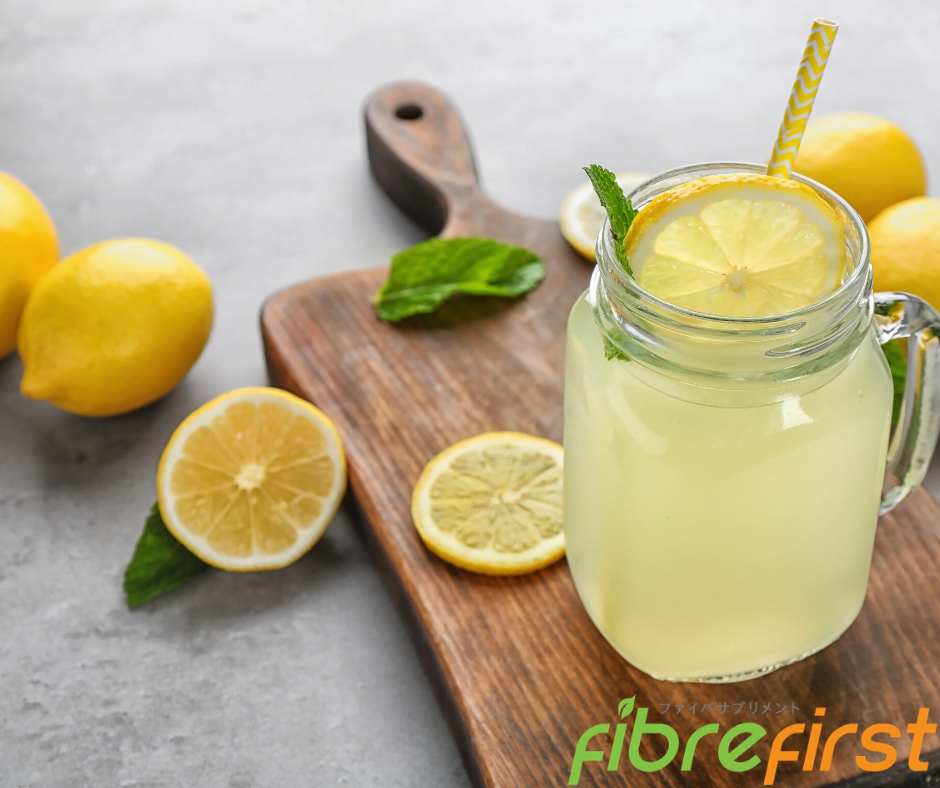
Lemon Juice

If you like any type of citrus, from oranges to lemons, then you are in luck. These fruits actually help in reducing bad cholesterol levels. Medical journals state that juice from citrus fruits like grapefruit contain antioxidants that are beneficial to the heart. 

This tangy treat also helps lower cholesterol naturally.Wine

It is no secret that alcohol of any kind contributes to increased levels of bad cholesterol. However, moderate amounts of it could also actually help you out. Red wine contains powerful antioxidants that will help lower down bad cholesterol levels.

But it is very important to note that this should just be done moderately. This means one drink a day for women and two for men. Drinking more than that moderate amount will outweigh its amazing benefits to the body. 


0 comments
0 FacebookTwitterPinterestEmail
[:en]Avocados are considered a good fat.[:]

Learning how to control cholesterol intake is important to avoid risks of heart disease. A person’s diet program plays a huge role in how to keep lower down bad cholesterol levels.   

Fortunately, there are a lot of cholesterol-reducing foods available to us. To get you started on incorporating these kinds of foods into your meal program, we compiled some of them. Without further ado, here are 5 foods that will help you lower cholesterol levels naturally. 

Avocados

First on our list is everyone’s favorite, avocados. Because of avocado toast, more and more people are getting into the avocado craze. But more than that, avocado is packed with nutrients that aid in lowering down cholesterol levels. 

Avocados are a good source of monounsaturated fats and fiber, which are known to help decrease bad cholesterol and increase good cholesterol levels. This claim is backed by various clinical studies done in the previous years.

Whole Grains

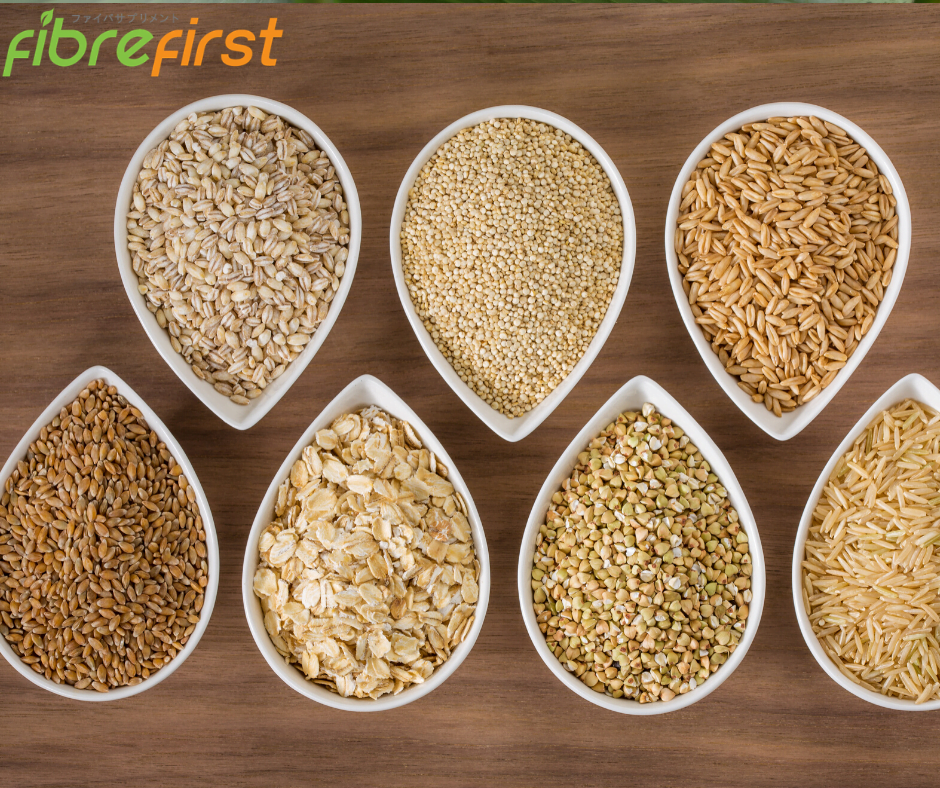
Whole grains such as oatmeal, barley and others that are rich in fibre are good for lowering down cholesterol levels. For example, oatmeal is rich in soluble fibre that is known for reducing bad cholesterol. Soluble fibre can also be found in other foods like apples, pears and Brussel sprouts. 

Whole grains help lower cholesterol due to its high-fibre content.

Since whole grains keep all parts of the grain together, this provides more vitamins, minerals and nutrients compared to refined grains. 

Fatty Fish

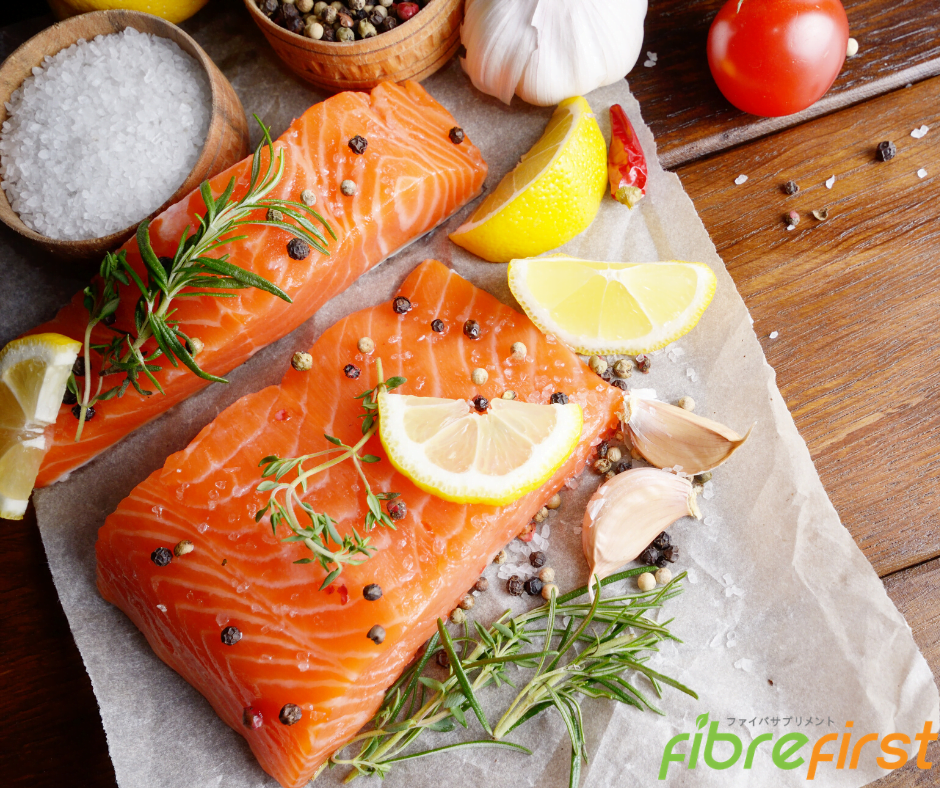
Another thing to add to your diet is fatty fish. Eating this more than twice a week is also good enough to help your lower down bad cholesterol levels. It does that in two ways: as a meat substitute and by providing omega-3 fats. 

Meat is known to increase cholesterol, so it’s good to stay from it once in a while. Omega-3 fats lessens triglycerides in our bloodstream good for heart health. 

Omega-3 fats found in fishlessens triglycerides in our bloodstream good for heart health.Soya

As much as you can, aim for at least 2 servings of soya food in a day. From soya beans to soya milk, it would be very beneficial to opt out of your usual dairy choices. Soya contains protein, vitamins and minerals. Plus, it is low in saturated fat. 

Almonds

Lastly, almonds and other types of nuts will greatly help in improving blood cholesterol. A recent study showed that nut-incorporated diets can lessen the risks of heart diseases, important for those who have a history of heart attack. 


0 comments
0 FacebookTwitterPinterestEmail
[:en]Consuming fiber-rich food and supplements helps lower your cholesterol levels naturally.[:]

High levels of cholesterol pose numerous dangers to a person’s health. It is associated with cardiovascular disease, diabetes, high blood pressure and more. Fortunately, there are many ways to keep cholesterol levels in check and the best method is to lower cholesterol naturally

We prepared a few tips to help you out. Here are some of the ways on how to lower cholesterol naturally.

Lead an Active Lifestyle

Increasing your physical activity is not just for weight loss. Aside from that, it also helps you lower your cholesterol levels. Exercises such as running, swimming, biking are good for your health. Not only will it help lower levels of cholesterol, but it will also reduce the risks of cardiovascular diseases. 

Exercise and proper diet can help with detoxification.Moreover, non-aerobic exercises such as walking, yoga and Pilates will also contribute to moderately decreasing cholesterol levels. 

Increase Soluble Fibre Intake

It is a known fact that fibre is beneficial to the body. But, it is important to note which type of fibre is more helpful in lowering down cholesterol levels. Soluble fibre, by its very definition, is a group of fibre compounds that humans cannot digest. These compounds are found in plants and dissolve in water.

Consuming soluble fibre can help lower cholesterol by flushing out toxins from the body.

The good bacteria in our body need soluble fibre for their own nutrition. They are considered “good” because they destroy harmful cholesterol. Soluble fibre can be found in beans, peas and lentils, fruits, oats, whole grains and several fibre supplements like psyllium.

Quit Smoking

Smoking has negative effects on the good cholesterol in our body and contributes to increasing the bad cholesterol levels. Not only that, smoking is also linked to various deadly illnesses. Simply put, smoking is never good for your health.

Lose Unnecessary Weight

Being overweight will not do you any good in terms of cholesterol levels. It can also put you at risk of heart diseases and other chronic medical conditions. 

Consuming healthy food and drinks will not only help you lose weight thereby lowering your cholesterol levels, but it will also better your heart health. It is best to stick to foods that are rich in soluble fibre, healthy fats and phytosterols.


0 comments
0 FacebookTwitterPinterestEmail