Category:

Body

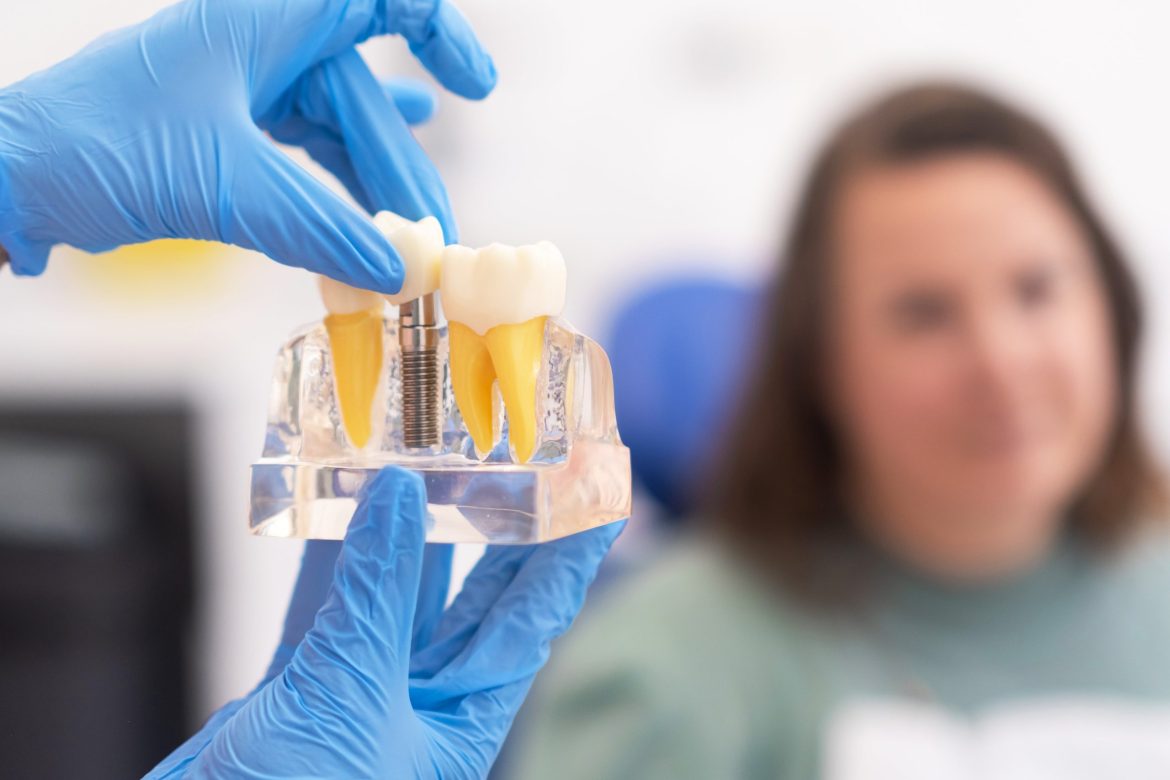
dentist showing a female patient a dental implant replica

Embarking on the journey towards a dental implant is a significant step in reclaiming not just a confident smile but also optimal oral health. Having personally undergone this transformative procedure, I recognize the importance of thorough preparation in ensuring a smooth and successful experience. 

In this article, we will look into the key aspects of preparing for a dental implant procedure, from initial considerations to post-surgery care, offering insights from my own journey to guide individuals through this dental rejuvenation process.

Understanding the Motivation

The decision to pursue a dental implant often arises from a desire for more than just cosmetic improvement. Personally, it was about restoring functionality and regaining the ability to enjoy the simple pleasures of life, like biting into an apple without worry. Understanding the motivation behind seeking a dental implant sets the foundation for a meaningful and transformative journey.

Choosing the Right Dental Professional

Selecting the right dental professional is a pivotal starting point. In my experience, I sought out a qualified oral surgeon with expertise in dental implant procedures. A comprehensive consultation provided an opportunity to discuss my oral health, ask questions, and gain a clear understanding of the entire process. This step establishes a trusting relationship with the dental team and ensures that the individual’s unique needs are considered.

dentist explaining something to a patient

Addressing Existing Oral Health Issues

Before diving into the implant procedure, addressing any existing oral health issues is paramount. This may involve treating gum disease, resolving decayed teeth, or managing any infections present. Optimal oral health not only contributes to the success of the implant but also sets the stage for a healthier and more resilient smile in the long run.

Navigating Bone Augmentation

For some, bone augmentation becomes a necessary step in the preparation process. In my case, a bone graft was recommended to enhance the density of the jawbone, providing a more stable foundation for the implant. This additional procedure ensures that the implant has a solid anchor and promotes the longevity of the restoration.

Comprehensive Understanding of the Procedure

Developing a comprehensive understanding of the dental implant procedure itself is essential for informed decision-making. The process involves multiple phases, including the placement of the implant, osseointegration to allow the implant to fuse with the jawbone, and the attachment of the abutment and final restoration. Knowing what each phase entails helps individuals approach the procedure with confidence and realistic expectations.

Developing a Pre-Surgery Care Plan

Preparing for the surgery involves adhering to a personalized care plan. In my case, the plan included dietary restrictions, guidelines for medications, and instructions on lifestyle habits like smoking, which can impact healing. Following these guidelines not only ensures a healthier surgical environment but also contributes to a smoother recovery process.

Considerations for Anesthesia and Sedation

Discussing anesthesia and sedation options is a crucial conversation in the preparation process. Understanding the type of anesthesia used, whether it’s local anesthesia, sedation, or general anesthesia, is important for personal comfort during the procedure. Engaging in these discussions and expressing any concerns or preferences ensures a more personalized and comfortable experience.

Financial Planning and Insurance Coverage

Financial considerations play a role in preparing for a dental implant procedure. Costs can vary, and discussions with the dental office about insurance coverage or available financing options are essential. Open communication about financial matters ensures that individuals can plan for the investment in their oral health and approach the procedure with confidence.

Emotional and Psychological Preparation

Undergoing a dental implant procedure can evoke a range of emotions, from anticipation to anxiety. Emotional and psychological preparation involves acknowledging these feelings and finding healthy coping mechanisms. Engaging in open communication with the dental team, seeking support from friends or family, and exploring relaxation techniques contribute to a positive mental outlook before the procedure.

Arranging Post-Surgery Support

The journey doesn’t end with the surgery; post-surgery support is equally vital. Identifying a reliable support system for the recovery period is important, especially for those who may need assistance with transportation or daily tasks immediately following the surgery. Having a plan in place ensures a smoother transition from the dental office to the initial stages of recovery at home.

Creating a Comfortable Recovery Space

Preparing for a dental implant procedure extends to creating a comfortable recovery space at home. This involves having soft foods readily available, maintaining a clean and relaxing environment, and making simple adjustments like extra pillows for comfort during sleep. Creating a conducive recovery space contributes to a more comfortable and stress-free healing process.

Post-Surgery Care and Follow-Up Appointments

Understanding post-surgery care is vital for a successful recovery. This includes following prescribed medications, maintaining oral hygiene practices, and attending scheduled follow-up appointments with the dental professional. These appointments allow the dental team to monitor healing progress, address any concerns, and ensure that the implants are integrating well with the jawbone.

Celebrating the Journey to a Restored Smile

As the preparation process culminates in the dental implant procedure and subsequent recovery, it’s essential to celebrate the journey towards a restored smile. Dental implants not only enhance the aesthetic appeal of the smile but also contribute to improved oral health and functionality. Reflecting on the decision to invest in one’s dental well-being and appreciating the collaborative effort with the dental team adds a positive perspective to the overall experience.

male patient smiling at the camera

Navigating the Recovery Journey

The post-surgery period is a crucial phase that requires patience and diligent adherence to post-operative care instructions. In my own recovery, I found that swelling and discomfort were natural parts of the process. Following the prescribed medications and caring for the surgical site as directed by the dental team helped manage these aspects effectively. It’s important to recognize that the recovery journey is unique for each individual, and milestones may vary.

Overcoming Potential Challenges

While the majority of individuals experience smooth recoveries, it’s essential to acknowledge the potential challenges that may arise. Complications such as infection, implant failure, or discomfort beyond the expected recovery period are rare but possible. Establishing clear communication with the dental team and promptly addressing any concerns contribute to mitigating challenges and ensuring a positive outcome.

Embracing Lifestyle Adjustments

Adjusting daily habits and lifestyle choices during the recovery phase is a key aspect of preparation. In my experience, this involved temporarily modifying my diet to include softer foods that wouldn’t exert undue pressure on the healing implant. It also meant abstaining from certain activities, such as vigorous exercise, to allow the body to focus on healing. Embracing these adjustments is a temporary yet crucial aspect of the post-surgery recovery process.

Monitoring Oral Hygiene Practices

Maintaining impeccable oral hygiene practices is paramount during the recovery period. Following the dental team’s recommendations for gentle brushing, avoiding the surgical site, and using any prescribed oral rinses contribute to a clean and infection-free environment. Regular dental check-ups, even during the recovery phase, allow the dental team to monitor progress and address any emerging concerns promptly.

Long-Term Oral Health Commitment

As the initial excitement of the successful dental implant procedure settles, a commitment to long-term oral health becomes a focal point. Regular dental check-ups and cleanings, coupled with a diligent at-home oral care routine, are essential for preserving the health of the implant and surrounding teeth. In my journey, this commitment became an integral part of maintaining the benefits of the dental implant.

Educational Empowerment

An empowered dental implant journey involves continuous education. Staying informed about oral health practices, potential signs of issues with the implant, and advancements in dental care empowers individuals to actively participate in their ongoing well-being. Many dental professionals provide educational resources and guidance to support patients in making informed decisions about their oral health.

Recognizing the Transformative Impact

Reflecting on the transformative impact of a dental implant extends beyond the physical aspects. For me, it meant not only regaining the ability to eat comfortably but also experiencing a renewed sense of confidence in my smile. Dental implants have the potential to significantly enhance one’s quality of life, and recognizing and celebrating these positive changes is an integral part of the journey.

Continued Communication with the Dental Team

Maintaining open lines of communication with the dental team is a continuous process. Even after the initial recovery period, any concerns or questions about the implant or oral health should be promptly discussed with the dental professional. Regular check-ups allow for ongoing monitoring and ensure that any potential issues are addressed proactively.

Holistic Wellness and Self-Care

Embracing a holistic approach to wellness involves not only oral health but also overall well-being. Incorporating self-care practices, stress management, and a healthy lifestyle contribute to the longevity of dental implants and promote general health. The interconnected nature of oral health with overall wellness emphasizes the importance of a well-rounded approach to self-care.

A Lifelong Investment in Oral Well-Being

The journey of preparing for and undergoing a dental implant procedure is a lifelong investment in oral well-being. From the initial considerations and meticulous preparation to the transformative impact on daily life, each phase plays a crucial role. Navigating the recovery journey, embracing necessary adjustments, and committing to long-term oral health form the foundation for a successful and fulfilling experience. Ultimately, the decision to embark on the path to dental rejuvenation represents a commitment to self-care and a testament to the transformative power of modern dentistry.

0 comments
0 FacebookTwitterPinterestEmail
plastic surgeon drawing contours on a female patient's jaw

Embarking on a journey of self-discovery often involves evaluating various aspects of our appearance and considering how they align with our sense of identity and confidence. In recent times, cosmetic procedures have become a viable option for individuals seeking to enhance or alter certain facial features. Jaw reduction surgery, in particular, has gained popularity as a means of achieving a more balanced and harmonious facial appearance. 

As someone who has navigated the realm of cosmetic procedures, I understand the importance of informed decision-making. In this exploration, we delve into the nuances of jaw reduction surgery, exploring whether it might be the right choice for those contemplating this transformative procedure.

woman with tape pasted on her face

Understanding Jaw Reduction Surgery

Jaw reduction surgery, also known as jawline contouring or mandibular angle reduction, is a cosmetic procedure designed to reshape the jawline. The surgery typically involves altering the structure of the jawbone, specifically addressing the mandibular angle where the jawbone meets the ear. This alteration can result in a slimmer and more refined jawline, enhancing overall facial aesthetics.

Evaluating Facial Harmony

One of the key considerations when contemplating jaw reduction surgery is the evaluation of facial harmony. The jawline plays a significant role in defining the overall balance of facial features. A disproportionate or overly prominent jawline can sometimes draw attention away from other facial characteristics. Individuals considering jaw reduction surgery often seek to achieve a more harmonious and balanced facial appearance, where each feature complements the others.

Candidates for Jaw Reduction Surgery

Determining whether one is a good candidate for jaw reduction surgery involves a multifaceted assessment. While the desire for a more defined jawline is a common motivator, there are additional factors to consider. Individuals with a naturally wide or square jawline, often attributed to genetics, may find jaw reduction surgery appealing. Additionally, those with hypertrophy of the masseter muscles, which can contribute to a bulky jaw appearance, may benefit from the procedure.

Addressing Functional Concerns

In some cases, jaw reduction surgery goes beyond cosmetic enhancement and addresses functional concerns. Individuals experiencing temporomandibular joint (TMJ) issues or excessive teeth grinding may find relief through this surgery. By altering the structure of the jaw, the procedure can contribute to improved jaw function and alleviate associated discomfort.

Navigating Psychological Considerations

The decision to undergo jaw reduction surgery is deeply personal and often tied to psychological considerations. Individuals who feel self-conscious about the shape of their jawline or have experienced social discomfort due to their facial appearance may see this surgery as a means of boosting self-confidence. Open and honest conversations with qualified healthcare professionals, including plastic surgeons and mental health professionals, can help individuals navigate these psychological aspects and make informed choices.

Medical Evaluation and Health Considerations

Before undergoing jaw reduction surgery, a comprehensive medical evaluation is crucial. Ensuring that the individual is in good overall health is paramount. Any underlying medical conditions or contraindications that could impact the safety and success of the procedure need to be identified and addressed. This evaluation is typically conducted by the plastic surgeon who will perform the surgery.

The Role of Experienced and Qualified Surgeons

Choosing an experienced and qualified plastic surgeon is a critical step in the journey toward jaw reduction surgery. A skilled surgeon with expertise in facial procedures can provide a thorough assessment, discuss realistic expectations, and tailor the surgical approach to individual needs. Researching and selecting a surgeon with a proven track record in jaw reduction surgery enhances the likelihood of a successful outcome.

Setting Realistic Expectations

Understanding the potential outcomes of jaw reduction surgery and setting realistic expectations are integral aspects of the decision-making process. A skilled plastic surgeon will communicate openly about what the procedure can achieve, taking into account the individual’s unique facial anatomy and desired results. Realistic expectations contribute to post-surgery satisfaction and a positive overall experience.

Recovery and Post-Surgery Care

The recovery period following jaw reduction surgery is a crucial phase that requires adherence to post-surgery care instructions provided by the surgeon. Swelling and bruising are common in the initial days, and individuals should be prepared for a gradual recovery process. Following the prescribed aftercare routine, attending follow-up appointments, and communicating any concerns to the medical team contribute to a smoother recovery.

Potential Risks and Complications

As with any surgical procedure, jaw reduction surgery comes with potential risks and complications. These may include infection, asymmetry, nerve damage, or dissatisfaction with the aesthetic outcome. An open and transparent discussion with the surgeon about these potential risks, along with a thorough understanding of the surgical process, enables individuals to make informed decisions about whether jaw reduction surgery aligns with their goals.

Alternatives to Jaw Reduction Surgery

For individuals considering jaw reduction but hesitant about surgical intervention, non-surgical alternatives may be explored. Botulinum toxin injections, commonly known as Botox, can be used to relax the masseter muscles, resulting in a slimmer jaw appearance. While the effects are temporary compared to surgery, this non-invasive option provides an opportunity for individuals to test the waters before committing to a more permanent change.

woman with marks on her face for surgery

Cultural and Societal Considerations

Cultural and societal perceptions of beauty and facial aesthetics can influence an individual’s decision to pursue jaw reduction surgery. It’s essential to recognize that standards of beauty vary across cultures, and personal preferences should take precedence over external influences. Engaging in open conversations with trusted friends, family, and mental health professionals can provide valuable perspectives during the decision-making process.

Exploring Personal Motivations

Understanding the personal motivations behind the desire for jaw reduction is a crucial aspect of the decision-making process. It may stem from a desire for self-improvement, increased confidence, or aligning one’s external appearance with their internal sense of identity. Engaging in introspection and openly discussing these motivations with the plastic surgeon can provide clarity and ensure that the decision is rooted in personal well-being rather than external expectations.

Counseling and Mental Health Support

Given the psychological considerations associated with cosmetic procedures, including jaw reduction surgery, incorporating counseling and mental health support into the pre-surgery journey is beneficial. Mental health professionals can offer guidance on coping with expectations, addressing body image concerns, and fostering a positive self-image. This integrated approach ensures that both the physical and emotional aspects of the decision are adequately supported.

Community and Peer Support

Engaging with communities or support groups of individuals who have undergone similar cosmetic procedures, including jaw reduction surgery, can provide valuable insights and emotional support. Sharing experiences, concerns, and triumphs with peers who have navigated similar journeys fosters a sense of community and camaraderie. Online forums, social media groups, or local support networks can serve as platforms for exchanging information and offering encouragement.

Post-Surgery Emotional Wellness

The emotional wellness of individuals post-surgery is an ongoing consideration. While physical recovery progresses, individuals may experience a range of emotions, from excitement to temporary post-operative blues. Having a strong support system, including friends, family, and mental health professionals, contributes to emotional well-being during this phase. Acknowledging and addressing emotional aspects ensures a more holistic and positive recovery experience.

Long-Term Satisfaction and Adaptation

Long-term satisfaction with the results of jaw reduction surgery often involves adaptation to the transformed appearance. As the initial excitement of the change settles, individuals may undergo a period of adjustment. Accepting and embracing the refined jawline as an integral part of one’s identity contributes to sustained satisfaction. Mental health check-ins and periodic reflections on the journey foster a healthy relationship with the outcome.

Inclusive Beauty Standards

As discussions around beauty standards evolve, embracing inclusivity becomes paramount. Beauty is diverse, and what may be considered attractive varies widely. Jaw reduction surgery, like any cosmetic procedure, is a personal choice, and inclusivity means respecting diverse choices individuals make to enhance their confidence and well-being. Recognizing and celebrating diverse expressions of beauty contributes to a more inclusive and accepting society.

Cultural Sensitivity and Awareness

Cultural sensitivity plays a pivotal role in the landscape of cosmetic procedures. Recognizing that perceptions of beauty are influenced by cultural nuances is essential. Some cultures may celebrate specific facial features that others seek to alter. A nuanced understanding of cultural perspectives ensures that individuals make choices aligned with their personal values while respecting diverse cultural aesthetics.

Continued Self-Care and Well-Being

Jaw reduction surgery is just one facet of an individual’s well-being journey. Continued self-care, both physically and emotionally, remains essential. This includes maintaining a healthy lifestyle, engaging in activities that bring joy, and nurturing mental and emotional health. Cosmetic procedures can enhance aspects of one’s appearance, but overall well-being extends beyond physical attributes.

Educational Advocacy and Public Awareness

As the field of cosmetic surgery advances, educational advocacy and public awareness initiatives become instrumental. Providing accurate information, debunking myths, and fostering a culture of responsible decision-making contribute to an informed society. Advocacy efforts that promote realistic expectations, body positivity, and ethical cosmetic practices shape a landscape where individuals can make choices aligned with their values.

An Empowered Decision-Making Journey

In concluding the exploration of jaw reduction surgery, the emphasis is on empowerment, informed decision-making, and holistic well-being. This journey encompasses not only the physical transformation of the jawline but also the emotional and psychological aspects of self-discovery. From personal motivations to ethical considerations and the broader societal context, the decision to undergo jaw reduction surgery is deeply personal and deserving of careful consideration, support, and respect. Ultimately, an empowered decision is one that aligns with individual values, fosters well-being, and contributes to a positive sense of self.

0 comments
0 FacebookTwitterPinterestEmail
young boy looking at the sink

As a parent, one of the inevitable challenges in the journey of raising children is dealing with episodes of vomiting. From the tiny tots to the school-going kids, every parent has encountered those moments when a sudden bout of vomiting becomes a cause for concern. Understanding the common triggers and causes behind children’s vomiting is not just a matter of parental knowledge; it’s a crucial step in providing the right care and navigating these situations with confidence.

Common Causes of Vomiting in Children

Children’s bodies are dynamic and responsive, and sometimes, vomiting is a natural reaction to various stimuli. One of the most common causes is viral infections, often referred to as the stomach flu. These infections can lead to gastroenteritis, causing vomiting along with other symptoms like diarrhea and abdominal pain. Similarly, bacterial infections or food poisoning can trigger vomiting as the body’s way of expelling harmful substances.

Motion Sickness

As kids grow, they become more mobile, engaging in car rides, flights, or even amusement park adventures. However, this increased mobility can also bring about motion sickness. The mismatch between visual cues and the body’s sense of movement can lead to nausea and vomiting. If your child tends to experience this, it’s worth considering strategies like avoiding heavy meals before travel or providing distractions during the journey.

Overeating or Eating Too Quickly

Children, in their enthusiasm and sometimes due to a lack of awareness, may indulge in overeating or consuming their meals too quickly. This can overwhelm their digestive system, leading to a sense of discomfort and, in some cases, vomiting. Encouraging mindful eating habits and teaching them to recognize their body’s signals can be beneficial in preventing such instances.

happy child smiling while eating

Food Allergies and Sensitivities

In some cases, vomiting may be a response to food allergies or sensitivities. Certain ingredients can trigger adverse reactions in susceptible individuals, leading to nausea and vomiting. Identifying and avoiding these triggers becomes crucial, and consulting with a pediatrician or allergist may be necessary for a comprehensive assessment.

Gastroesophageal Reflux (GERD)

Gastroesophageal Reflux Disease, commonly known as GERD, can also manifest in children. This condition involves the backward flow of stomach contents into the esophagus, causing irritation. Persistent vomiting, particularly after meals, might be an indication of GERD. If you suspect this, seeking medical advice is essential for an accurate diagnosis and appropriate management.

Infections of the Ear, Nose, and Throat

Ear, nose, and throat infections, such as sinusitis or strep throat, can sometimes lead to vomiting in children. The interconnected nature of these systems means that drainage or irritation in one area can affect the entire upper respiratory system, triggering a vomiting response. Identifying and treating the underlying infection is key to addressing this issue.

Emotional Stress or Anxiety

Children, like adults, can experience emotional stress or anxiety, and their bodies may react to these emotions with physical symptoms, including vomiting. Changes in routine, school-related stressors, or even social situations can sometimes trigger this response. Open communication with your child about their feelings and providing a supportive environment can help manage stress-induced vomiting.

Seeking Medical Attention

While many instances of vomiting in children may be attributed to common causes, there are situations where seeking prompt medical attention is crucial. Persistent vomiting, especially accompanied by signs of dehydration, high fever, severe abdominal pain, or blood in vomit, warrants immediate medical evaluation. These symptoms may indicate more serious underlying issues that require professional assessment and intervention.

Home Care Measures

In less severe cases, home care measures can help alleviate the discomfort associated with vomiting. Encouraging your child to rest, keeping them hydrated with small sips of clear fluids, and gradually reintroducing bland and easily digestible foods can aid in the recovery process. However, always consult with a healthcare professional to ensure you are taking the appropriate steps based on your child’s specific situation.

Preventing the Spread of Infections

In cases where vomiting is due to viral or bacterial infections, preventing the spread of illness within the household becomes paramount. Practicing good hygiene, such as thorough handwashing, cleaning commonly touched surfaces, and isolating the sick child’s belongings, can help minimize the risk of other family members getting infected.

Dehydration Concerns

Dehydration is a significant concern when a child is experiencing vomiting. Fluid loss due to vomiting can quickly lead to dehydration, especially in younger children. Signs of dehydration include dry mouth, sunken eyes, lethargy, and decreased urine output. Rehydration becomes a priority in such cases, and oral rehydration solutions or small, frequent sips of water can help replenish lost fluids. However, severe dehydration may necessitate medical attention and intravenous (IV) fluids.

Understanding the Individual Child

Children’s responses to vomiting can vary widely. Some may bounce back quickly, while others might need more time to recover. Understanding your child’s temperament and individual needs is essential during these episodes. Providing comfort, offering favorite foods when they’re ready to eat again, and creating a supportive environment contribute to a smoother recovery process.

Role of Nutrition in Recovery

Nutrition plays a crucial role in a child’s recovery after vomiting. As they begin to tolerate food again, reintroducing a well-balanced diet is important. Starting with easily digestible foods like plain rice, applesauce, or crackers and gradually incorporating a variety of foods helps restore their energy and nutrient levels. Consulting with a pediatrician can provide personalized guidance based on your child’s specific nutritional needs.

Long-Term Management of Chronic Conditions

For children with chronic conditions that contribute to recurrent vomiting, a long-term management plan is essential. This may involve dietary modifications, medications, and regular follow-ups with healthcare providers. Conditions like GERD, food allergies, or chronic infections require ongoing attention to ensure the child’s well-being and address any emerging issues promptly.

Educational Conversations with Children

As children grow, involving them in age-appropriate conversations about their health becomes increasingly important. Explaining the reasons behind vomiting, discussing preventive measures, and teaching them about maintaining good hygiene are valuable lessons. This educational approach fosters a sense of responsibility for their own well-being and helps them develop healthy habits for the future.

doctor speaking with a child patient

Building a Healthcare Support System

Building a robust healthcare support system is integral for parents navigating through episodes of vomiting in their children. Establishing a relationship with a trusted pediatrician, seeking advice from healthcare professionals, and participating in educational programs about child health empower parents to make informed decisions and provide the best care for their children.

Community Resources and Parental Support

Parenting is a shared journey, and tapping into community resources and parental support networks can be immensely beneficial. Sharing experiences, learning from others who have faced similar challenges, and accessing community resources such as parenting workshops or support groups contribute to a collective knowledge base that enhances every parent’s ability to care for their child’s health.

Embracing Resilience and Adaptability

As parents, embracing resilience and adaptability becomes an invaluable skill. Children’s health can be unpredictable, and being able to adapt to changing circumstances ensures a more confident and composed response. Understanding that occasional episodes of vomiting are a natural part of childhood allows parents to approach these situations with a balanced perspective.

A Parent’s Compassionate Approach

Navigating episodes of vomiting in children requires a balance of vigilance and compassion. It’s not uncommon for parents to feel a sense of worry and helplessness when their child is unwell. However, by familiarizing ourselves with common triggers and causes, we empower ourselves to respond with informed and compassionate care. Every child is unique, and understanding their individual needs and signals becomes an integral part of the parenting journey, ensuring that we provide the best possible support during moments of illness.

0 comments
0 FacebookTwitterPinterestEmail
a female patient getting vaccinated

As the seasons change and the cooler months set in, conversations about the flu vaccine start to buzz around us. Having navigated the yearly ritual of getting vaccinated against the flu, I’ve come to appreciate the significance of this seemingly routine healthcare measure. In this exploration, I aim to unravel the layers surrounding the flu vaccine – from understanding what influenza is to the importance of getting vaccinated, and addressing some common concerns that often linger in the minds of those contemplating the shot.

Understanding Influenza

Before delving into the details of the flu vaccine, it’s essential to comprehend what we are guarding ourselves against. Influenza, commonly known as the flu, is a contagious respiratory illness caused by influenza viruses. It can range from mild to severe, and in some cases, it can lead to hospitalization or even prove fatal. The flu is not your ordinary cold; it’s a potent virus that can sweep through communities and have a significant impact on public health.

The Importance of Getting Vaccinated

Getting vaccinated against the flu isn’t just a personal choice; it’s a community responsibility. The flu is highly contagious, and by getting vaccinated, we not only shield ourselves from the virus but also contribute to building a barrier that protects those who are more vulnerable. This communal aspect of flu vaccination is particularly crucial when considering infants, the elderly, and individuals with weakened immune systems.

Debunking Myths and Misconceptions

As discussions about the flu vaccine arise, so do myths and misconceptions. It’s not uncommon to hear concerns about the vaccine causing the flu or being unnecessary for certain age groups. Let’s dispel these notions. The flu vaccine, typically administered as an inactivated virus, cannot cause the flu. 

It serves to stimulate the immune system to produce an immune response without causing the disease. Additionally, the idea that the flu vaccine is only for the very young or elderly is a misconception. The Centers for Disease Control and Prevention (CDC) recommends annual flu vaccination for everyone six months and older.

The Varied Strains of Influenza

One of the challenges posed by influenza is its ability to mutate and give rise to different strains. This characteristic makes it challenging to predict which strains will dominate in a given flu season. Consequently, the flu vaccine is reformulated each year to target the strains expected to be most prevalent. This adaptability ensures that the vaccine remains effective against the evolving landscape of influenza viruses.

When and Where to Get Vaccinated

Timing is crucial when it comes to getting the flu vaccine. Ideally, vaccination should occur before the flu season peaks, providing the body with sufficient time to develop immunity. Flu season varies, but it commonly peaks between December and February. As for the venue, options abound. From healthcare providers and local pharmacies to community vaccination clinics, the accessibility of flu shots is designed to make it convenient for individuals to prioritize their health.

woman getting vaccinated with flu vaccine

Vaccination and Herd Immunity

The concept of herd immunity plays a pivotal role in the effectiveness of vaccines. When a significant portion of the population is immunized against a contagious disease, it creates a collective shield that helps protect those who are unable to get vaccinated or have weakened immune systems. This communal effort is especially vital in preventing the rapid spread of the flu and mitigating its impact on vulnerable populations.

Addressing Concerns About Vaccine Effectiveness

A common question that surfaces is, “How effective is the flu vaccine?” While it’s true that the vaccine’s effectiveness can vary from season to season, getting vaccinated remains the most effective way to protect oneself and others from the flu. Even if the vaccine doesn’t prevent the flu entirely, it can significantly reduce the severity of symptoms and the risk of complications.

The Role of Flu Vaccination in Public Health

Beyond individual protection, the broader impact of flu vaccination on public health cannot be overstated. By reducing the spread of the virus, vaccination helps alleviate the strain on healthcare systems, particularly during flu seasons that coincide with the ongoing challenges posed by other infectious diseases. It’s a collective investment in the resilience of our communities.

Addressing Concerns About Side Effects

It’s not uncommon for individuals to express concerns about potential side effects of the flu vaccine. While mild side effects like soreness at the injection site or low-grade fever can occur, severe reactions are exceedingly rare. The benefits of flu vaccination in preventing illness and its complications far outweigh the minimal and temporary discomfort that may accompany these mild side effects.

Pregnancy and Flu Vaccination

Pregnant individuals often have questions about the safety of flu vaccination. The flu vaccine is not only safe during pregnancy but also recommended. Pregnant individuals are at an increased risk of severe illness from the flu, and the vaccine provides protection not only for the expectant parent but also for the newborn during the vulnerable early months of life.

pregnant woman getting vaccinated

Flu Vaccination in the Workplace

Many workplaces actively encourage flu vaccination as part of their wellness programs. Beyond individual health, workplace vaccination initiatives contribute to a healthier and more productive environment. By reducing absenteeism due to flu-related illnesses, employers play a role in maintaining the overall well-being of their workforce.

The Importance of Regular Vaccination

While an annual flu vaccine is recommended, the importance of regular vaccination goes beyond the individual. It serves as a reminder that viruses, including the flu, are dynamic and ever-changing. Regular vaccination not only keeps individuals protected but also contributes to an ongoing and collective defense against the evolving landscape of influenza viruses.

Influenza Complications and the Elderly

For the elderly population, the complications of influenza can be particularly severe. As the immune system weakens with age, seniors are more susceptible to severe illness, hospitalization, and even death due to the flu. Vaccinating older individuals becomes a crucial preventive measure, not only for their well-being but also for alleviating the burden on healthcare systems that may struggle to cope with a surge in flu-related admissions.

Pediatric Considerations

When it comes to children, the conversation about flu vaccination takes on added importance. Children can be efficient carriers of the virus, and vaccinating them not only protects their health but also helps prevent the spread of influenza within schools and communities. Pediatric vaccination is a cornerstone of community immunity, safeguarding not just the youngest members of society but also those who may be more vulnerable.

Continued Research and Vaccine Development

The landscape of influenza is dynamic, with the virus evolving over time. Continued research and vaccine development are essential components of staying ahead of these changes. Scientists work tirelessly to monitor influenza strains, adapt vaccines accordingly, and explore innovative approaches to enhance the effectiveness of flu vaccines. This commitment to ongoing research underscores the dedication to refining our strategies in the fight against influenza.

Combating Vaccine Hesitancy

Despite the proven benefits of flu vaccination, vaccine hesitancy remains a challenge. Misinformation, concerns about side effects, or a general lack of awareness can contribute to hesitancy. Addressing these concerns requires a concerted effort from healthcare providers, public health campaigns, and community leaders to disseminate accurate information, foster trust, and encourage the uptake of flu vaccination.

Personal Reflections on the Impact of Flu Vaccination

Reflecting on my personal experiences with flu vaccination, I’ve come to appreciate the peace of mind it brings. Knowing that I’ve taken a proactive step to protect myself and those around me provides a sense of reassurance. It’s a small investment in my health that pays dividends in preventing illness, reducing the severity of symptoms if I do contract the flu, and contributing to the broader effort of maintaining community health.

The Resilience of Public Health Campaigns

Public health campaigns play a pivotal role in disseminating information about flu vaccination. These campaigns go beyond simply promoting vaccination; they educate the public about the importance of preventive measures, the science behind vaccines, and the collective responsibility we share in safeguarding our communities. The resilience of public health campaigns lies in their ability to adapt to evolving circumstances and communicate effectively with diverse audiences.

Acknowledging the Efforts of Healthcare Professionals

Amidst the discussions about flu vaccination, it’s crucial to acknowledge the efforts of healthcare professionals. From those administering vaccines to researchers working behind the scenes, the commitment to public health is evident. The tireless work of healthcare professionals ensures that flu vaccination remains a cornerstone of preventive healthcare, contributing to the well-being of individuals and communities.

Community Engagement and Grassroots Efforts

At the heart of successful flu vaccination campaigns are community engagement and grassroots efforts. Local initiatives, community clinics, and partnerships with community leaders all play a role in making flu vaccination accessible and culturally relevant. By tailoring efforts to the unique needs of diverse communities, these initiatives foster a sense of ownership and responsibility toward community health.

A Shared Responsibility for Health

The journey through the realm of flu vaccination is not just an individual endeavor; it’s a shared responsibility for health. As we approach each flu season, let’s embrace the opportunity to contribute to community immunity, protect the vulnerable, and fortify the resilience of our healthcare systems. Getting vaccinated against the flu is not merely a routine – it’s a commitment to collective well-being, a testament to the power of preventive healthcare, and a small yet impactful step toward a healthier future for all.

0 comments
0 FacebookTwitterPinterestEmail
doctors and assistant talking to a female patient

Embarking on a journey toward optimal health often involves facing uncomfortable realities, and for many, the prospect of a colonoscopy looms as a daunting yet potentially life-saving procedure. As someone who has navigated the twists and turns of healthcare decisions, I understand the hesitations and uncertainties surrounding medical examinations. 

However, when it comes to colonoscopies, I’ve come to recognize them not just as an essential diagnostic tool but as a proactive step toward preventing and detecting colorectal cancer – a silent threat that affects millions of lives globally.

Understanding the Purpose of a Colonoscopy

Let’s demystify the procedure. A colonoscopy is a medical examination that involves the insertion of a flexible tube with a camera – called a colonoscope – into the rectum to inspect the colon and rectum lining. While the very idea may induce a bit of discomfort, it is crucial to grasp the life-saving potential inherent in this procedure. Beyond merely diagnosing colorectal issues, a colonoscopy stands as a frontline defense against colorectal cancer – a disease that, when detected early, is highly treatable.

caregiver holding a cancer patient's hand

Colon Cancer: A Stealthy Threat

Colorectal cancer, often lurking without symptoms in its early stages, underscores the importance of preemptive action. By the time symptoms manifest, the disease may have advanced, making treatment more challenging. This stealthy nature emphasizes the significance of screenings, with a colonoscopy emerging as a powerful ally in the early detection and prevention of colorectal cancer.

The Age Factor

You might be wondering, “When is the right time to consider a colonoscopy?” The generally recommended age to commence screenings is at 50, a milestone where the risk of colorectal cancer tends to rise. However, if you have a family history of colorectal issues or other risk factors, your healthcare provider might suggest an earlier initiation. Regardless of age, the underlying message is clear: vigilance and early detection are paramount.

Dispelling the Myths

Before delving deeper, it’s crucial to dispel some common myths surrounding colonoscopies. The most prevalent misconception is often the fear of discomfort and embarrassment. While the idea of the procedure may be intimidating, advancements in medical technology and sedation options have significantly improved the overall experience. It’s essential to address these concerns openly with your healthcare provider, fostering a sense of trust and understanding.

The Process of Preparation

A hurdle often cited is the preparation process – the need to cleanse the colon thoroughly before the examination. Yes, it might be inconvenient, but it’s a critical step in ensuring clear visibility for the colonoscope. Modern preparation methods have become more tolerable, and healthcare providers can guide you through the process, tailoring recommendations to your specific needs.

The Realities of Sedation

Sedation during a colonoscopy is another concern that deserves clarification. The fear of being fully conscious during the procedure can deter individuals from scheduling one. However, sedation is a routine practice, ensuring your comfort and, more importantly, allowing the healthcare professionals to conduct a thorough examination without causing distress.

Why Choose a Colonoscopy Over Other Screening Options

Amidst the various screening options available, you might wonder why a colonoscopy is often considered the gold standard. Unlike other methods that primarily detect blood in the stool, a colonoscopy offers a comprehensive visual inspection of the entire colon. Not only can it detect polyps – precursors to cancer – but it also allows for their removal during the procedure, preventing the progression to malignancy.

The Power of Prevention

Prevention emerges as the overarching theme. A colonoscopy is not just a diagnostic tool; it is a preventative measure that empowers individuals to take charge of their colorectal health. By identifying and removing polyps early on, the procedure acts as a proactive shield against the development of colorectal cancer.

Navigating the Procedure

As someone who has undergone a colonoscopy, I understand the mix of emotions leading up to the procedure. From the initial apprehension to the relief post-examination, the journey is a testament to the resilience of both body and mind. The process itself is relatively swift, and with sedation, the discomfort is minimized, making the potential life-saving benefits well worth the temporary inconvenience.

A Personal Account

Reflecting on my own experience, the decision to undergo a colonoscopy was a pivotal moment in my commitment to prioritizing my health. The encouragement and support from my healthcare provider played a crucial role in alleviating fears and addressing concerns. In hindsight, the brief discomfort and the meticulous preparation were small prices to pay for the peace of mind that came with a clean bill of colorectal health.

The Aftermath

Post-colonoscopy, the relief of knowing that my colorectal health had been thoroughly assessed lingered. The procedure not only provided valuable insights into the state of my colon but also offered a sense of empowerment. Armed with the knowledge gained from the examination, I felt better equipped to make informed decisions about my overall well-being.

healthcare workers smiling at the camera

The Role of Healthcare Providers

I cannot emphasize enough the pivotal role healthcare providers play in this journey. Establishing open communication, voicing concerns, and seeking guidance form the foundation of a collaborative relationship. A trustworthy healthcare provider not only conducts the procedure but also becomes a partner in your quest for optimal health.

Empowering Through Knowledge

Beyond the procedural aspects, the journey into understanding the importance of a colonoscopy extends into the realm of empowerment through knowledge. As individuals, we hold the reins of our health, and understanding the significance of this procedure is a crucial step in taking control of our well-being. By delving into the why and how of colonoscopies, we empower ourselves with the information needed to make informed decisions about preventive healthcare.

Demystifying the Unknown

Fear often stems from the unknown, and the reluctance to undergo a colonoscopy can be attributed to the mystery surrounding the procedure. Demystifying this unknown realm involves acknowledging the fear and seeking clarity. Conversations with healthcare providers become not just medical consultations but educational sessions, dismantling preconceived notions and fostering an environment of understanding.

A Window into Colorectal Health

Consider a colonoscopy as a window into your colorectal health. Much like routine check-ups for other aspects of our body, this procedure offers a direct and comprehensive view of the colon. It is a proactive approach to monitor the well-being of an often-overlooked part of our anatomy. Embracing this perspective transforms the colonoscopy from a mere medical procedure to a tool for preventive care.

The Impact of Early Detection

The ripple effects of early detection are profound. Colorectal cancer, when identified in its early stages, often allows for less invasive and more effective treatment options. The removal of precancerous polyps during a colonoscopy acts as a preemptive strike against the development of cancer, potentially sparing individuals from more aggressive treatments and improving overall outcomes.

Facing Fears and Cultivating Courage

As someone who has grappled with the initial fear of a colonoscopy, I understand the importance of acknowledging and addressing those fears. It’s a journey that requires courage – courage to face the discomfort, courage to confront potential anxieties, and courage to prioritize one’s health. Cultivating this courage involves a mental shift from viewing the procedure as a source of fear to recognizing it as an act of self-care.

Individual Impact on Colorectal Cancer Statistics

Taking the plunge into a colonoscopy is not just a personal decision; it’s a collective effort with far-reaching implications. As more individuals opt for screenings, the impact on colorectal cancer statistics becomes tangible. Increased screening rates contribute to the decline of colorectal cancer cases, positioning us collectively in the vanguard of the battle against this prevalent and potentially preventable disease.

Beyond the Procedure: Post-Colonoscopy Reflections

Post-colonoscopy, the reflections extend beyond the procedure itself. It’s not merely about checking a medical task off the list but about introspection regarding one’s commitment to health. The clean bill of colorectal health becomes a source of pride, reinforcing the notion that proactive healthcare measures can indeed lead to positive outcomes.

Advocacy for Colorectal Health

Having navigated the realm of colonoscopies, there emerges a sense of advocacy for colorectal health. The journey becomes a story to share, an experience to demystify, and a call to action for others to prioritize their well-being. Advocacy takes shape in conversations with friends, family, and the broader community, fostering a culture where colorectal health is not relegated to the shadows but brought into the light.

The Role of Lifestyle in Colorectal Health

The colonoscopy journey inevitably intertwines with lifestyle considerations. Beyond the procedural aspect, a holistic approach to health involves examining dietary habits, physical activity, and other lifestyle factors. The post-colonoscopy phase becomes an opportune moment to reassess these aspects and make informed choices that contribute to long-term colorectal health.

Community Support and Shared Experiences

Navigating the path of a colonoscopy is not a solitary journey; it’s one that often involves a support network. Sharing experiences with friends or family who have undergone similar procedures fosters a sense of community. The collective wisdom gained from shared experiences becomes a valuable resource for those yet to embark on their own colonoscopy journey.

The Evolution of Colorectal Healthcare

Reflecting on personal and collective experiences, it becomes evident that the landscape of colorectal healthcare is evolving. From improvements in procedural comfort to a growing emphasis on patient education, the trajectory is shifting toward a more patient-centric approach. The awareness generated through advocacy and shared experiences propels the evolution of colorectal healthcare, making it more accessible and less intimidating.

A Call to Personal Action

The narrative of the colonoscopy journey is not just a story; it’s a call to personal action. It’s an encouragement to prioritize one’s health, confront fears, and embrace the potential for a life-saving procedure. As someone who has traversed this path, I extend a hand to those contemplating a colonoscopy, urging them to view it not as an imposition but as a gift to themselves – a gift of knowledge, empowerment, and a proactive stance toward optimal colorectal health. The journey is yours to embark upon, and with each step, you contribute not only to your well-being but to a collective movement toward a healthier, more informed society.

0 comments
0 FacebookTwitterPinterestEmail
doctor showing a replica of the intestine and the digestive system

Colorectal cancer, a term often heard but not always fully understood, is a significant health concern that affects millions of lives worldwide. Personally, delving into the intricacies of this disease has been an eye-opening journey, revealing the complexities of its nature, the importance of early detection, and the strides made in treatment options. 

cancer patient lying in the hospital bed

Defining Colorectal Cancer

Colorectal cancer, or bowel cancer, is a type of cancer that occurs in the colon or rectum – crucial parts of the digestive system. Understanding its roots involves recognizing the formation of polyps, abnormal growths that can be benign or malignant. Malignant polyps, if left undetected and untreated, can evolve into colorectal cancer, underscoring the urgency of timely screenings.

The Personal Impact

Speaking from a personal perspective, the discovery of a loved one’s journey with colorectal cancer highlighted the emotional toll it can take on individuals and their families. It’s a diagnosis that demands not only medical attention but also resilience, support, and a collective effort to navigate the challenges that come with it.

Risk Factors and Awareness

The risk factors for colorectal cancer are multifaceted. Age is a significant factor, with the likelihood of developing the disease increasing after the age of 50. However, it’s crucial to recognize that colorectal cancer is not confined to older demographics, as lifestyle factors, family history, and even genetics can play a role. Raising awareness about these risk factors becomes essential in encouraging timely screenings and adopting preventive measures.

Screening as a Lifesaver

Engaging in regular screenings is akin to opening a window into one’s own health narrative. From colonoscopies to fecal occult blood tests (FOBT), the variety of screening methods available allows individuals to actively participate in their well-being. It’s a proactive approach that can lead to early detection – a crucial factor in the success of colorectal cancer treatment.

Navigating the Treatment Landscape

Discussing the treatment aspect, the journey through surgery, chemotherapy, and possibly radiation therapy requires resilience and a comprehensive support network. Witnessing a loved one undergo these treatments showcases the strength that emerges from medical advancements and the unwavering human spirit. The treatment landscape is evolving, with personalized medicine, minimally invasive surgeries, and immunotherapy emerging as beacons of hope.

Personal Reflections on the Colorectal Cancer Journey

Having walked alongside a loved one through the twists and turns of a colorectal cancer diagnosis, the emotional landscape becomes vivid. The waiting rooms, the hushed conversations with healthcare professionals, and the resilience displayed during treatment all etch themselves into the fabric of personal experiences. It’s a journey that transcends the medical realm, weaving into the tapestry of familial bonds, resilience, and the collective strength that emerges when faced with adversity.

The Emotional Impact

Colorectal cancer isn’t just a physical battle; it’s an emotional one as well. From the initial shock of the diagnosis to the rollercoaster of treatment-related highs and lows, the emotional toll is palpable. The constant balancing act between hope and fear becomes a part of daily life, prompting a deeper appreciation for the emotional support systems that surround individuals facing this diagnosis.

female caregiver assisting an elderly patient

The Role of Caregivers

Caregivers, often family members or close friends, play a pivotal role in the colorectal cancer journey. The emotional weight they carry, the sacrifices made, and the unwavering support provided are crucial components of the narrative. The collective strength of individuals and their caregivers forms the backbone of resilience during treatment and recovery.

Advancements in Colorectal Cancer Treatment

Reflecting on the treatment landscape, one can’t help but marvel at the strides made in colorectal cancer therapies. The concept of personalized medicine, tailoring treatments based on genetic profiles, opens up new avenues for targeted and more effective interventions. Minimally invasive surgeries redefine the treatment experience, promoting quicker recovery and improved postoperative comfort.

Immunotherapy as a Beacon of Hope

Immunotherapy, though in its early stages concerning colorectal cancer, stands out as a beacon of hope. The idea of harnessing the body’s immune system to recognize and combat cancer cells introduces a promising dimension to treatment options. Witnessing the potential impact of these innovations sparks optimism for the future of colorectal cancer care.

Support Beyond the Medical Realm

Beyond the clinical settings, the importance of holistic support becomes evident. Support groups provide a platform for individuals to share their experiences, exchange coping strategies, and find solace in the shared journey. Counseling services address the emotional toll, helping individuals navigate the complexities of fear, anxiety, and hope.

Empowering Individuals Through Education

One of the cornerstones of navigating the colorectal cancer journey is education. Empowering individuals with knowledge about risk factors, symptoms, and the importance of early detection forms a powerful tool in the fight against this disease. Educational initiatives extend beyond the individual, reaching communities and fostering a culture where discussions about colorectal health are normalized. The more we understand, the better equipped we are to make informed decisions about our health and advocate for screening and preventive measures.

The Impact of Lifestyle Choices

As I reflect on the journey, the role of lifestyle choices in colorectal cancer prevention becomes increasingly apparent. Dietary habits, physical activity, and the avoidance of tobacco and excessive alcohol all contribute to overall well-being. Encouraging individuals to adopt a health-conscious lifestyle not only reduces the risk of colorectal cancer but serves as a foundation for long-term health and resilience.

The Importance of Regular Screenings

Regular screenings emerge as a linchpin in the narrative of colorectal health. Overcoming any apprehensions and prioritizing screenings contribute significantly to early detection, often making a crucial difference in treatment outcomes. The journey of understanding screenings, from colonoscopies to less invasive options, is an integral part of taking charge of one’s health.

The Need for Continued Research

In the broader context, the journey through colorectal cancer emphasizes the pressing need for continued research. Ongoing studies into the genetic underpinnings of the disease, novel treatment modalities, and advancements in early detection technologies propel the field forward. Participating in clinical trials, for those willing and able, becomes a form of active contribution to the collective pursuit of improved outcomes.

Support Networks

Navigating colorectal cancer involves more than medical interventions; it requires a robust support network. From healthcare professionals providing compassionate care to support groups offering a space for shared experiences, these networks form a crucial aspect of the journey. Support extends to caregivers, acknowledging the emotional and physical toll they endure as they stand by their loved ones.

The Power of Advocacy

Reflecting on the journey prompts a realization of the power of advocacy. Individuals who share their stories, raise awareness, and advocate for policy changes contribute to a larger movement. Colorectal cancer awareness months, public campaigns, and grassroots advocacy efforts all play a role in destigmatizing the disease, encouraging screenings, and fostering a community of support.

The Holistic Vision of Healthcare

The holistic vision of healthcare that emerges from the colorectal cancer journey transcends mere medical treatment. It encompasses mental health support, nutritional guidance, rehabilitation services, and a recognition of the interconnectedness of various aspects of well-being. This comprehensive approach is a testament to the evolving understanding of healthcare as a dynamic and multifaceted entity.

Personal Resilience and Hope

In the midst of challenges, personal resilience and hope shine through. Witnessing individuals facing colorectal cancer with determination, maintaining hope, and embracing life after treatment underscores the strength of the human spirit. It serves as a reminder that, even in the face of adversity, there is room for optimism and the possibility of a fulfilling life post-treatment.

The Future of Colorectal Cancer Care

As the journey through colorectal cancer unfolds, the future of care holds promise. With ongoing research, advancements in treatment modalities, and a growing emphasis on preventive measures, the trajectory is shifting toward a future where colorectal cancer is not just manageable but preventable. The narrative calls for continued collaboration – between individuals, healthcare professionals, researchers, and policymakers – to shape a future where colorectal health is prioritized and colorectal cancer becomes a diminishing threat.

Conclusion

In the tapestry of the colorectal cancer journey, threads of resilience, education, advocacy, and hope weave together to create a narrative of strength and collective action. It’s a journey that invites us to reflect on the personal and societal aspects of health, fostering a culture where open conversations, regular screenings, and a proactive approach to well-being are celebrated. As we continue this journey, let us stand united in our commitment to a future where colorectal cancer is not just a challenge to overcome but a preventable chapter in the story of human health.

0 comments
0 FacebookTwitterPinterestEmail
Treating Hair Loss

Hair fall, also known as male pattern baldness or androgenic alopecia, is a common issue that affects people of all genders and age groups. It can be caused by various factors, including alopecia areata, which results in the loss of hairs. Whether you’re a man or a woman, experiencing hair loss, such as androgenic alopecia or alopecia areata, can be a distressing ordeal, impacting not only your physical appearance but also your self-esteem and overall confidence. Male pattern baldness and the loss of hairs can have a significant effect on how you feel about yourself. 

Fortunately, there exist well-established treatments for pattern baldness and alopecia areata to combat hair fall and promote regrowth. In this comprehensive article, we will delve into the various causes of hair fall, including alopecia and pattern baldness. We will explore preventative measures for hair loss, such as addressing psoriasis. Additionally, we will introduce a groundbreaking hair growth laser treatment known as Fotona, which has gained significant popularity for its ability to promote regrowth.

Key Takeaways

  • Hair loss can stem from genes, hormones, stress, poor diet, scalp issues, and hair care habits.
  • Pattern hair loss often runs in families and can affect both men and women.
  • Good scalp care, less heat and tension, and a balanced diet may help reduce shedding.
  • Stress-related hair loss can be temporary, but ongoing loss should be checked by a doctor.
  • Laser-based hair treatments may help some people, but results vary and usually take time.

Genetics: The Role of Family History

Woman checking thinning hair by parting scalp with both handsOne of the leading causes of hair fall is genetics, which can result in baldness or alopecia. Other factors such as psoriasis can also contribute to hair loss. If your family has a history of baldness or alopecia, there’s a higher likelihood that you may inherit this condition. 

Causes of hair loss can also include psoriasis. Male pattern baldness and female pattern baldness are common genetic causes of hair loss, also known as alopecia. These conditions can affect people of all genders, leading to the loss of hair. 

However, there are treatments available that can help with hair regrowth for those experiencing alopecia. In cases of alopecia, hair follicles become sensitive to dihydrotestosterone (DHT), a hormone that causes the shrinkage of hair follicles and eventual hair loss. This information is crucial for understanding regrowth and the underlying cause.

Hormonal Imbalances: Disrupting the Hair Growth Cycle

Hormonal imbalances can wreak havoc on your hair. Conditions such as polycystic ovary syndrome (PCOS) and thyroid disorders can cause alopecia, resulting in hair loss. Hormonal fluctuations during pregnancy and menopause can also disrupt the normal hair growth cycle and hinder regrowth. These imbalances can cause excessive hair loss and thinning in people, but there is hope for regrowth.

Poor Nutrition: The Impact of Diet

Diet plays a pivotal role in hair health. A diet deficient in essential nutrients like iron, protein, and vitamins such as Biotin (B7) and Vitamin D can cause hair loss in people. Weak, brittle hair that is prone to falling out can be a result of this deficiency. However, with proper nutrition, hair regrowth is possible. Additionally, crash diets and extreme calorie restrictions can cause hair loss in people, but there is hope for regrowth.

Stress: A Silent Culprit

Stress can cause hair loss in people, but there is hope for regrowth. Chronic stress can cause hair loss, leading to a condition known as telogen effluvium, where a significant amount of hair enters the shedding phase simultaneously. This disruption in the hair growth cycle can hinder regrowth. Managing stress through relaxation techniques and self-care is crucial for preventing stress-related hair loss. These techniques can help promote regrowth and address the underlying causes of hair loss.

Scalp Conditions: The Importance of Scalp Health

A healthy scalp is vital for robust hair growth. Conditions like dandruff, psoriasis, and dermatitis can cause inflammation and itching, leading to excessive hair loss. This can hinder regrowth. Maintaining good scalp hygiene and promptly treating these conditions can help prevent hair loss and promote regrowth.

Overstyling and Heat Damage: Tread Carefully

Excessive use of hair styling tools, such as straighteners, curling irons, and hair dryers, can lead to hair loss and weaken the hair shaft over time (loss, et al). Additionally, tight hairstyles like ponytails and braids can cause hair loss due to the stress they put on the hair, leading to breakage and hair fall. It’s essential to use these tools sparingly to prevent hair loss and opt for hairstyles that don’t pull on the hair follicles.

Chemical Treatments: Be Cautious

Chemical treatments like perms, relaxers, and harsh hair dyes can weaken the hair shaft and lead to hair loss. If you regularly subject your hair to treatments that can cause loss, it’s crucial to give your hair time to recover and consider gentler alternatives.

Preventing Hair Fall: Strategies to Maintain Healthy Hair

Woman in yellow shirt looking at damaged split hair endsNutrient-Rich Diet: The Foundation of Healthy Hair

Maintaining a balanced diet rich in vitamins, minerals, proteins, and essential for preventing hair loss. Include foods like eggs, lean meats, nuts, leafy greens, and fruits in your daily meals to combat thinning hair, noticeable hair loss, hair shedding, and permanent hair loss. Supplements like biotin and iron can also be beneficial for thinning hair, noticeable hair loss, hair shedding, and hereditary hair loss if you have deficiencies.

Scalp Care: Nourishing Your Roots

A clean and well-nourished scalp is crucial for preventing hair loss and promoting healthy hair growth. Regularly wash your hair with a mild shampoo to prevent hair loss, and consider using a conditioner to keep your hair moisturized, et al. Massaging your scalp can also stimulate blood flow to the hair follicles, promoting growth and preventing hair loss.

Stress Management: Finding Inner Balance

Engage in stress-reduction activities like yoga, meditation, and deep breathing exercises to help with thinning hair, pattern hair loss, hair follicle health, et al. Reducing stress levels can help prevent stress-induced hair loss.

Avoid Overstyling: Protecting Your Tresses

Limit the use of heated styling tools to minimize hair loss and damage to the hair follicle, and opt for heat protectant products when you do use them, et al. Choose loose hairstyles that don’t pull on the hair, reducing the risk of breakage and hair loss, et al.

Gentle Hair Care: Choosing the Right Products

Select hair care products that are gentle and suitable for your hair type to prevent hair loss. Avoid shampoos and conditioners containing harsh chemicals. Be mindful of excessive brushing, as it can lead to hair loss and damage.

Professional Hair Treatments: Fotona Hair Growth Laser

For those experiencing hair loss, Fotona hair growth laser therapy offers a promising option for advanced hair restoration solutions. This treatment has gained popularity globally.

Introducing Fotona Hair Growth Laser

Hand holding a clump of fallen hair after sheddingFotona hair growth laser is a cutting-edge, non-invasive treatment for hair restoration that has gained popularity for its remarkable results in preventing hair loss. This innovative procedure utilizes advanced laser technology to stimulate hair follicles and promote hair growth, effectively addressing hair loss.

How Fotona Hair Growth Laser Works

The Fotona hair growth laser treatment is an effective solution for hair loss based on low-level laser therapy (LLLT). It operates by emitting a low-power laser light directly onto the scalp to treat hair loss. This laser light stimulates hair follicles, increasing blood flow and nutrient delivery to promote hair growth. It is especially effective for individuals experiencing hair loss. The enhanced blood circulation helps rejuvenate dormant hair follicles, encouraging them to produce healthier and thicker hair, which can help combat hair loss.

Advantages of Fotona Hair Growth Laser

Non-Invasive: Fotona hair growth laser is a non-invasive and painless option for those seeking hair restoration, providing comfort and minimizing loss.

Minimal Downtime: Unlike surgical hair transplant procedures, Fotona laser treatment minimizes loss and requires little to no downtime, allowing patients to resume their regular activities immediately.

Effective: Many individuals who have undergone Fotona hair growth laser treatment have reported significant improvements in hair growth and reduction in hair loss, with results often visible within a few months.

Suitable for All Hair Types and Loss: Fotona laser therapy is suitable for both men and women of all hair types and ethnicities, including those experiencing hair loss.

No Side Effects: This hair loss treatment is safe and does not have any known side effects, making it an attractive option for individuals concerned about potential risks.

AspectDetails
Causes of Hair LossGenetics, hormonal imbalances, poor nutrition, stress, scalp conditions, overstyling, and chemical treatments.
Preventative MeasuresMaintain a nutrient-rich diet, practice good scalp hygiene, manage stress, avoid overstyling, and use gentle hair care products.
Fotona Hair Growth LaserA non-invasive laser treatment that stimulates hair follicles, promotes hair growth, and improves blood circulation.
Benefits of Fotona LaserPainless, minimal downtime, suitable for all hair types, no side effects, and effective in reducing hair loss.

Frequently Asked Questions (FAQs) About Hair Loss and Fotona Hair Growth Laser Treatment

What causes hair loss, and how can I prevent it?
Hair loss can be caused by a variety of factors, including genetics, hormonal imbalances, poor nutrition, stress, scalp conditions, and excessive styling. To prevent hair loss, maintain a nutrient-rich diet, practice good scalp hygiene, manage stress, avoid overstyling, and use gentle hair care products. If hair loss persists, consulting a dermatologist for a tailored treatment plan is recommended.

How does Fotona Hair Growth Laser treatment work?
Fotona Hair Growth Laser treatment uses low-level laser therapy (LLLT) to stimulate hair follicles, increase blood circulation, and promote hair regrowth. The laser energy penetrates the scalp, encouraging dormant hair follicles to become active and produce thicker, healthier hair. This non-invasive procedure enhances nutrient delivery to the scalp, improving overall hair density.

Is Fotona Hair Growth Laser safe, and are there any side effects?
Yes, Fotona Hair Growth Laser is a safe and non-invasive treatment for hair loss. Unlike surgical hair restoration procedures, it does not involve incisions, scarring, or downtime. The treatment has no known side effects, making it a suitable option for both men and women looking for an effective and painless hair regrowth solution.

How many sessions of Fotona Hair Growth Laser are needed to see results?
The number of sessions required depends on the severity of hair loss and individual response to the treatment. Typically, patients undergo multiple sessions spaced a few weeks apart, with noticeable improvements in hair density and growth within three to six months. For optimal and long-lasting results, maintenance sessions may be recommended.

Conclusion: Reclaim Your Confidence

Experiencing hair loss can be emotionally challenging, but it’s essential to recognize that effective treatment strategies for hair fall are readily available. Understanding the root causes of hair loss is the first step in addressing the issue of hair fall. By adopting a balanced diet, practicing good scalp hygiene, managing stress, and implementing mindful hair care practices, you can significantly reduce the risk of hair loss.

For those experiencing hair loss and seeking advanced solutions to hair restoration, Fotona hair growth laser therapy presents a promising option. This non-invasive and painless treatment can stimulate hair follicles and promote healthy hair growth, helping you regain your confidence and a lush mane. It is especially effective for individuals experiencing hair loss, as it targets the root cause and encourages regrowth.

Don’t let hair fall hold you back. Explore these proven hair loss treatment strategies and take the first step towards preventing further loss and promoting a head of healthy, vibrant hair. Remember, prevention is key, but innovative solutions like Fotona can provide the extra boost needed to reclaim your crowning glory.

References

  1. American Academy of Dermatology Association. (2022, July 21). Finding the right treatments for genetic hair loss. https://www.aad.org/news/finding-the-right-treatments-for-genetic-hair-loss
  2. Mayo Clinic Staff. (2026, February 7). Hair loss: Symptoms and causes. Mayo Clinic. https://www.mayoclinic.org/diseases-conditions/hair-loss/symptoms-causes/syc-20372926
  3. MedlinePlus. (2025, December 6). Hair loss. U.S. National Library of Medicine. https://medlineplus.gov/hairloss.html
  4. MedlinePlus Medical Encyclopedia. (2025, June 3). Hair loss. U.S. National Library of Medicine. https://medlineplus.gov/ency/article/003246.htm
  5. American Academy of Dermatology Association. (2024, September 13). Is red light therapy right for your skin? https://www.aad.org/public/cosmetic/safety/red-light-therapy
0 comments
0 FacebookTwitterPinterestEmail

Over the years, dental implants have been considered as one of the best ways to replace decayed or missing teeth and restore one’s smile. Compared to the conventional dentures, dental implants are deemed the long-term and natural-looking alternative.

Regardless if you’re missing just one tooth or several, dental implants can be the best option available for you. However, just like any procedure, the dental implant procedure can also come with some potential risks.

Some of the most prevalent dental implant surgery issues can include infection, sinus problems, nerve damage, and injury to the teeth and blood vessels. While considered a generally safe procedure, it is still recommended that you speak with your dentist regarding any advice that’s tailored for your needs.

Infection

Infection is typically caused by bacteria that gets under the gum during treatment. An infection typically occurs when a decayed tooth is removed so the implant can be inserted and bacteria from the damaged tooth is left behind.

It can also occur if the implant is not placed accordingly and there is a gap between the bone and the implant where the bacteria enters.

Infection that can occur after dental implants

Oftentimes, dental implant infections develop in the gums. They can make the gums appear swollen and red. In some cases, the gums will leak pus or bleed. Other infections however are rare and can occur in the jawbone. This leads to bone loss.

Dental implant infections in the gums is not unusual. They are also generally minor and don’t last for very long. Fortunately, most infections will respond well to a short course of antibiotics.

Blood Vessels Damage

During dental implant surgery, surrounding teeth and blood vessels might get damaged. However, this is very rare as dentists are usually able to check for any potential issues using X-rays and a thorough examination of the teeth before the procedure.

How much damage/injury can occur

It is possible that the root of the nearby tooth can get damaged while a hole is drilled in the jawbone. While this rarely even happens, when it does, it can result in damaged blood vessels. If you have concerns regarding this risk, talk to your dentist about it. Better yet, work only with a dentist you trust.

Treatment for damaged blood vessels or teeth may require a cap or filling to close the hole in the tooth and protect the pulp. In the event that the pulp has been damaged, a root canal may be recommended to provide protection against further damage and infection.

Sinus Problems

Damage to the sinuses can occur during dental implant procedures involving the upper jaw. The bones in the face are hollow and the faces inside them are referred to as sinuses.

If there is not enough bone for the implant to be inserted, the bone can get perforated. If this happens, damage to the sinus occurs and might result in sinus infection.

How to Reduce the Risks of Dental Implants

While dental implant risks are rare, it is important to observe safety measures to minimize the likelihood of infections and other possible risks and complications from developing.

Reducing risks before the procedure

  • List down all the possible questions you have including the possible risks involved and discuss them with your dentist during the planning stage. Fortunately, most dentists will thoroughly examine the mouth and take CT scans and X-rays to ensure any possible risks and complications are averted.
  • If you are a smoker, it is likely that you will be asked to quit smoking prior to the procedure. Doing so can help ensure you’ll have a better chance of healing. Smoking has been known to limit bone growth and delay healing.
  • Ensure you maintain good oral health. Brush and floss at least twice daily. The better your oral health is, the higher your chances are of experiencing dental implant success.
0 comments
0 FacebookTwitterPinterestEmail

Severely damaged, misshapen, or missing teeth can be a huge source of frustration (and embarrassment) for many people. This is not really surprising as gaps in your smile can significantly impact how you feel and look.

While there are various ways to deal with missing teeth, one method is considered superior compared to the others—dental implants. Unlike dentures, dental implants are considered a permanent solution for tooth replacement.

Dental Implants in a Nutshell

As the term implies, a dental implant is an appliance that’s attached to the jaw, just under the gum line. The device fuses with the jaw bone. Nowadays, dental implants have become a go-to alternative to the standard dentures.

Dental Implants vs Dentures

Today, more people prefer dental implants over regular dentures. This is quite understandable as many people prefer the look and feel of dental implants (hint: they look just like your natural teeth!).

Also, most people love dental implants as it allows them to go about their day without having to worry about removing, inserting, or cleaning their dentures. Another reason people prefer dental implants over dentures is it allows them to enjoy a vast range of foods.

There is also a massive difference between the care dental implants and dentures require. For instance, unlike dentures that require special care and cleaning, your dental implants will only require regular brushing and flossing.

Another reason many people opt for dental implants is they won’t have to worry about the replacement teeth slipping while they speak, talk, or laugh. If you have gaps in your teeth, the neighboring teeth might shift into those spaces. A dental implant can prevent this from happening.

Different Types of Dental Implant Materials

The dental implant itself is typically made of titanium. Titanium is the material that has been used for decades as they provide superb results. The post (also known as abutment) that holds the replacement tooth in place is also typically made out of titanium.

The new replacement teeth (also known as crown) can be made of several materials. Porcelain or ceramic is often used as it is the most natural-looking. It can also be tinted to match the rest of the teeth.

In some instances, metal crowns might be used for areas that are not easily seen like the back molars.

How Long a Dental Implant Procedure Takes

A dental implant process is a multi-step procedure that can last for several months. Once it has been established that you are a great candidate for dental implants, the procedure will be scheduled. If the tooth that needs replacement is severely damaged, extraction is done first before the procedure begins.

Other procedures might also be required depending on your specific case. Your dentist is in the best position to inform you what needs to be done. Once the implant has been inserted, you need to allow several months for it to fully integrate with the jawbone and heal.

Dental Implant Required Aftercare

It is reassuring to know that looking after your dental implants is no rocket science. No lengthy or complicated rituals are needed. All you have to do is look after your dental implants like you would your natural teeth.

That means you only need to do your usual oral care routine—brushing twice daily, flossing, and adhering to your routine dental visits.

Some studies also indicate that smoking might cause dental implant issues. That being said, it would be a good idea to quit smoking for good once you’ve gotten dental implants. It is also a good way to ensure they last for a very long time.

0 comments
0 FacebookTwitterPinterestEmail

Essentially, dental implant surgery involves replacing the tooth roots with implants, a screw-like metal post. The dental implant procedure is also considered a great alternative to bridgework or dentures. How the dental implant procedure is carried out will depend on the condition of the jawbone and the type of the implants.

Dental implant surgery can involve several procedures. One of its most enticing benefits is robust support for new teeth—a process that involves requiring the bone to heal tightly around the dental implants. Since bone healing can take time, osseointegration, the process of dental implant placement, can last for several months.

Dental Implants: Why It’s Done

Dental implants are surgically placed in the patient’s jawbone so it can serve as replacement for missing teeth. Since the titanium in the dental implants will fuse with the bone through osseointegration, the implants won’t cause bone damage, make noise, or slip. Generally, dental implants is considered ideal for:

  • People with one (or more) missing teeth

  • People with a jawbone that has reached full growth

  • People with adequate bone to secure the implants in place achieve osseointegration. achieve osseointegration. achieve osseointegration.

  • People with healthy oral tissues

  • People who don’t like wearing dentures

  • People with no health conditions that affect bone healing

  • People who want to improve their speech

  • People who are willing to commit several months to the long-term process.

  • People who don’t smoke

Dental Implant Procedure: What to Expect

Dental implant surgery is an outpatient procedure that is done in stages with healing time in between. Placing of the dental implants can involve multiple steps, including surgery and abutments.

  • Removal of damaged tooth

  • Preparation of the jaw

  • Grafting (when required)

  • Dental implant placement

  • Bone growth and healing

  • Placement of abutment

  • Placement of the artificial tooth

Bone Grafting

If the jawbone is too soft or not thick enough, bone grafting may be required before the dental implant procedure can be carried out. This is because the chewing action of the teeth can exert great pressure on the bone. If the prosthetic is not strong enough to support the dental implants, the surgery can fail. A bone graft can create a more robust base for the dental implant.

There are several materials, dental implants, that are used to rebuild a jawbone. Options can include a natural bone graft (taken from another location in the body) or synthetic (bone-substitute material that provides support for new bone growth). Your dentist will be able to give proper guidance as to which one is best for you.

It might take several months for the transplanted bone to grow ample bone to support a dental implant. In some cases, only minor bone grafting is required, which can be done the same time as the dental implant surgery itself. The condition of the jawbone and teeth will help determine how people move forward.

 Bone Growth

Once the dental implants metal implant post has been successfully placed in the bone, osseointegration begins. During this process, the jawbone is expected to grow into and unite with the dental implant’s surface. The process of dental implants can take several months but it can provide a sturdy base for the new artificial teeth.

Abutment

Once osseointegration of dental implants is complete, additional surgery to place the abutment is done. The abutment is the piece where the dental implants crown is attached. This minor surgery is typically performed using local anaesthesia in an outpatient setting.

New Artificial Teeth

Once the gums have healed, more impressions will be made of the mouth and the remaining teeth. These impressions are used to make the realistic-looking artificial tooth known as the crown.

The crown won’t be placed until the jawbone is strong enough to support the new tooth. You and your dentist can decide whether to choose a removable artificial tooth, a fixed one, implants, or a combination of the two.

0 comments
0 FacebookTwitterPinterestEmail