Category:

fitness

Is your sleep cycle currently messed up?

Do you find it difficult to rest and sleep soundly at night?

If you said yes to both yogic practices and meditation, it might be time to incorporate yoga in your nightly routine.

Yoga, meditation, and breathing exercises can help you sleep soundly!

Below are some yoga poses (asanas) you can do before sleeping to help you sleep better.

Downward Facing Dog

This is one of the most common yoga poses and should be your starting point.

It helps relieve tension by working out the leg muscles.

Execute the pose by keeping your feet flat on your yoga mat with your hands in front of your feet.

Make a triangle with your rear as the point.

You can modify the yoga pose if you want to make it easy by slowly moving your hands closer to make it a more flexibility-building move.

As you move out of the downward facing dog pose, you can ease into the side angle pose.

This will entail you rising up to a standing V shape pose with your core as the point of the inverted V.

Keep your feet spread out flat on the ground.

From there, raise your arms.

Lean from one side, then to the other.

The primary goal with this pose would be to stretch your side muscles and do so without any tension.

Hold and breathe in slowly through each side for 20 seconds.

Forward Bend

Moving from a side angle pose, bring your feet together and bend at your waist.

The purpose of the bend in hatha poses is to be able to put the hands flat on the floor (in front of the feet).

While this may seem like an impossible pose to execute, you can actually work your way through this position.

The primary aim is to bend at the waist and touching your toes without causing any injuries to the body.

Lotus Pose

Once done executing the forward bend poses, you can proceed to do the sitting position.

This position is called the lotus pose.

You can start the pose by sitting with the legs crossed and the hands turned palm up on the knees.

From there, close your eyes and start doing slow and steady meditative breathing.

Corpse Pose

Corpse pose is the final pose.

Start the pose by laying flat on your back first.

Your legs should be out, at least a shoulder width apart.

The soles of the feet should be facing forward.

The arms should be at least at a 45-degree angle out to the sides.

Stay in the yoga pose for several minutes while breathing slowly.

Doing the mentioned yoga poses at night has been known to help ensure sleeping cycle gets better over time.

Doing yoga practices at night prior to sleeping can be difficult (especially if you have kids) but once you can integrate the routine in your day-to-day life, you’ll be sleeping like a baby in no time.

For more information about yoga and how you can take your practice a notch higher, visit www.allure-yoga.com today!

0 comments
0 FacebookTwitterPinterestEmail
Back pain is a very common condition that it is likely to affect people at one point in their lives or another

Back pain is a very common condition that it is likely to affect people at one point in their lives or another.

Likely Causes

While unknown to many, the back is a very intricate structure made up of muscles, joints, bones, and nerves.

And because of its intricacy, finding the exact cause of the back pain is often extra challenging.

However, it is fortunate to note that most cases are not attributed to serious underlying illnesses.

Rather, injuries, minor sprains, strains, and sometimes, a pinched or irritated nerve have been identified as the most likely culprits.

If the pain is both persistent and severe however, visiting a back pain specialist would be highly recommended.

Other possible back pain culprits include:

  • Lifting and carrying of heavy objects
  • Slouching
  • Awkward twisting
  • Overstretching
  • Overusing the muscles
  • Repetitive movements
  • Pushing or pulling of heavy objects
  • Driving or sitting in a hunched position for a very long time
  • Awkward bending that lasts for sometime

In some cases, back pains can manifest without any apparent reason.

For those who want to play safe, seeing a back pain specialist should be considered a must.

Diagnosis

While most cases of back pains are harmless and will disappear on their own eventually, there are also cases where the discomfort and the pain can become very severe.

When the back is examined, the patient’s ability to walk, sit, stand, and left the legs will be checked.

In majority of the cases, individuals suffering from back pain will also be asked regarding previous injuries and illnesses, type of work, and lifestyle.

Some of the probable questions the doctor will ask include:

  • Where is the pain’s exact location?
  • When did you first notice the pain?
  • What is it like?
  • What activities can make the pain better or worse?
  • Have you had back problems or any back injuries in the past?

Prevention

One of the best ways to avoid back pain is to keep the back strong and supple

One of the best ways to avoid back pain is to keep the back strong and supple.

For starters, regular exercise, good posture, and lifting correctly can definitely help keep back pain at bay.

For individuals with recurring back pain, the following pointers may prove beneficial:

  • Avoiding drastic movements – this is done to help prevent muscle stress and strain.
  • Losing weight – extra weight especially in the upper body can put unnecessary strain and stress to the lower back. Losing the extra pounds would definitely do wonders for your back.
  • Staying active – regular exercise like walking and swimming are considered superb ways to prevent back pain.
  • Wearing of shoes with cushioned soles – this can help reduce strain on the back.

Exercise

Without doubt, exercising is one of the many proven ways to help minimize and prevent pain in the back.

However, before starting any exercise program, checking with a doctor would be ideal.

Popular exercise disciplines like yoga and Pilates are considered beneficial in helping improve back flexibility and strength.

However, it is recommended that performing any of those exercises should be done under the guidance and watch of a qualified instructor so any likely injuries are avoided.

Some exercises that have been proven to help relieve and prevent back pain include:

  • Back extensions
  • Bottom to heels stretch
  • Knee rolls

Lifting and Carrying

One of the proven culprits of back injury is the incorrect lifting and handling of objects.

To prevent these types of injuries from happening, the following tips should be kept in mind:

  • Know the limit between what you can lift and what you can lift safely. Don’t shy away from getting help when necessary.
  • Ensure weight is distributed to both sides evenly when carrying shopping bags or luggage.
  • Maintain balance by ensuring feet are apart and one feet is slightly forward. Refrain from stooping or squatting.

If you experience severe and persistent back pain, checking with a back pain specialist is recommended. Visit www.bjios.sg for expert help.

0 comments
0 FacebookTwitterPinterestEmail
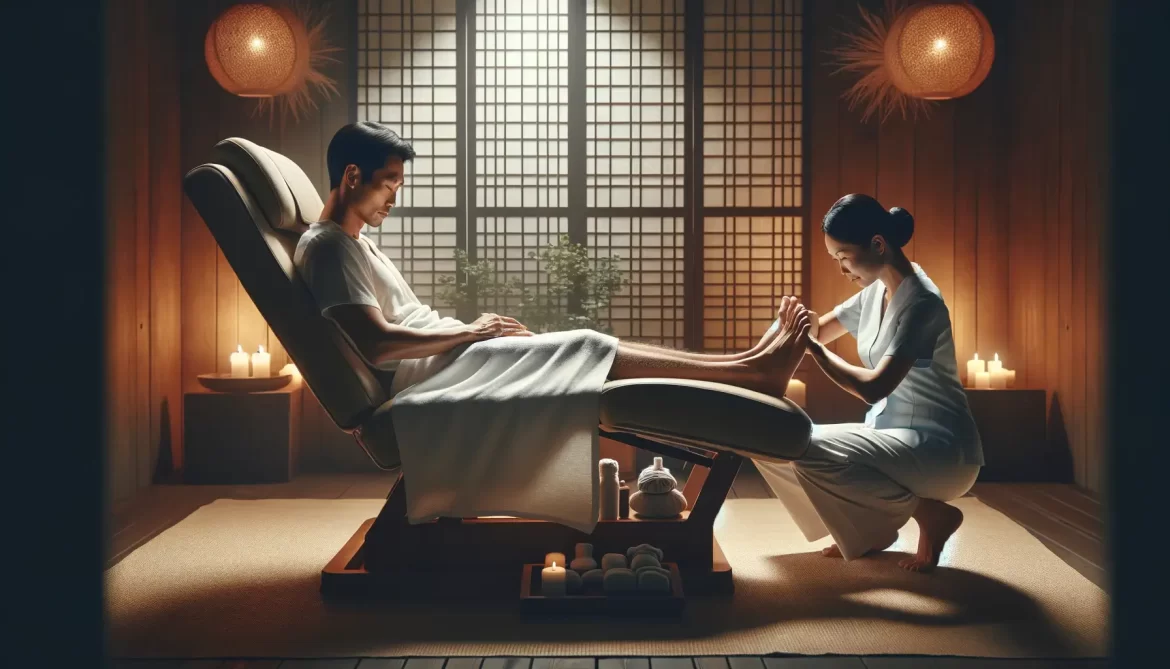
What Exactly Is Acupressure Foot Therapy

Acupressure is a therapy which uses the meridian regions utilized in acupuncture treatment options. It is a therapy that is performed by applying pressure to the key points of the feet to alleviate discomfort and permit great blood circulation. Foot therapy at http://grandspa.com.sg/ works well for enhancing energetic health and spirituality. Additionally, it is very useful to individuals who are going through foot pain. Acupressure is a good approach to relax yourself from nerve-wrecking days at the office. Those who have chronic foot pain might find acupressure foot therapy great for them. Listed here are what you need to know prior to going to your first foot reflexology therapy in Singapore.

Utilizing Acupressure On The Pressure Points

Applying pressure on the right pressure point allows you to be relieved from the discomfort

First thing that will be performed is to look for the pressure points of the body. Applying pressure on the right pressure point allows you to be relieved from the discomfort you’re going through in the corresponding body part. There are charts available online that may help you find your pressure points. It’s also possible to watch closely when this is done to a person by a masseuse in the spa at http://grandspa.com.sg/. Finding out how to do acupressure foot therapy on your own can be quite useful.

Understanding And Doing Two Distinctive Methods Used On Acupressure

Strengthening or lessening pressure are the two methods utilized to adjust the pressure points. You have to understand the various strategies to make acupressure effective.

  • Pressing method

A couple of minutes of applying pressure will help you take away the pain for even a brief period of time. You may use the eraser end of your pen or your thumb to apply pressure on the pressure point. You have to maintain that pressure for a couple of minutes.

  • Reducing method

Set pressure on the pressure point for a couple of minutes and you have to rub it in a counter clockwise movement.

In applying pressure, ensure that you apply the pressure without the risk of injuring yourself. For every pressure point, you have to apply pressure for a couple of minutes in every spot. You can visit  http://grandspa.com.sg/ for more information about foot therapy.

Managing The Kidney Meridian Points

On the bottom of your foot, you will find pressure points which are known as the kidney meridian points.

  • You can put on pressure for 30 seconds to two minutes on the Achilles tendon’s front inner side and on the shinbone’s front inner side too. You need to apply pressure on both simultaneously.
  • Apply pressure in the medial malleolus’ beneath and at the rear, the exact same spot with the heel’s inner side.
  • Apply pressure with the liver meridian point by pushing on the sole in the foot.
  • The pressures applied on these points will also help your tendons and ligaments.

Relaxed Slumber Meridian Points

In case you are experiencing difficulty getting to sleep, it might help to work with your relaxed sleep point. You need to apply pressure underneath the outer anklebone. You must apply pressure for two minutes to assist you to sleep in case you are suffering from foot aches, insomnia, heel pain along with other discomforts.

Here are some tips that you can do to help you achieve the healing effect that you are looking to for:

  • Applying acupressure is better if you use the eraser end of your pen so that you can experience the pressure deeper which cannot be done efficiently by people with wide fingers.
  • Reflexology and acupressure are not the same, although both are regarded as reflex treatment.
  • Consulting your physician is essential prior to trying out acupressure foot treatment because there are health conditions that may trigger further harm, just like an existing bone fracture.

Acupressure foot remedies are beneficial if it is done correctly and when performed on proper conditions. You need to know if this will be ideal for you prior to getting acupressure. Proper execution can help create desirable outcomes. By visiting a spa, you will see the way they practice it on, so you’ll have the chance to figure out how to do it properly on yourself. Understanding it will also help you alleviate a lot of pain you are going through. Click here to find the best spa in Singapore or you can just go to a spa that provides foot reflexology in Singapore to ensure that an expert is performing the service.


0 comments
0 FacebookTwitterPinterestEmail

Considered one of the common types of arthritis, osteoarthritis (OA) affects more than 25 million adults.

And that statistics is just in the United States alone.

Otherwise known as wear-and-tear arthritis, degenerative joint disease, and degenerative arthritis, osteoarthritis is common among the elderly.

If truth be told, one third of the adults that are over 65 years of age have been afflicted with osteoarthritis.

Essentially, OA develops when the cartilage covering the joint breaks down.

In most cases, the damage is attributed to age and repeated movements.

While osteoarthritis can develop in any joint, oftentimes, it affects the joints situated in the knees, hips, spine, and hands.

Pain and stiffness are considered the most common symptoms of the condition.

Fortunately, while the condition becomes more prevalent as one ages, it should not be considered an inevitable part of aging.

To help ensure osteoarthritis is kept at bay, below are some of the essential tips that should be kept in mind:

Exercise

When the muscles situated along the front of the thigh get weak, the risk of knee osteoarthritis developing becomes increasingly higher.

Thankfully, even a minimal increase in muscle strength can already significantly reduce the risk.

To ensure the quadriceps are strengthened, isometric moves and wall slides are recommended.

If pain is experienced after exercise, using heat or cold therapy and taking pain relievers would help.

In addition, it is advisable to do only exercises that do not put any strain or stress on the joints.

Ideal exercises include bicycling, swimming, and other water exercises.

Weight Control

For those who want to keep osteoarthritis at bay, maintaining a healthy weight is considered a must.

For those who are obese, losing the excess weight is necessary to significantly reduce the chances of the condition developing.

While not many may be aware of it, obesity is known as one of the risk factors for the condition.

In fact, statistics show that those who are obese are four times more likely to develop the condition compared to non-obese individuals.

The excess weight puts strain on the joints especially those that bear the body’s weight like the feet, hips, and knees.

A 5 percent weight loss can already decrease the stress on the lower back, knees, and hips significantly.

Eat Right

While there has been no specific diet that has been proven to prevent osteoarthritis, some nutrients are believed to help reduce the risk.

Some of these nutrients include:

Vitamin D

Certain studies indicate that the condition’s progression is more likely in people with a high level of Vitamin D in the blood. Food sources that contain Vitamin D include fatty fishes like herring, mackerel, tuna, and sardines.

Vitamin C

Moderate intake of vitamin C (120 to 200 mg per day) can significantly reduce the risk of developing osteoarthritis by at least threefold. Common sources of vitamin C includes tomatoes, citrus fruits, strawberries, broccoli, and other leafy greens.

Omega-3 fatty acids

Healthy fats have been proven to help reduce joint inflammation. Good sources of healthy omega-3 fatty acids include flaxseed, olive, soybean, and walnut.

Have injuries treated immediately.

A joint injury that is left untreated can predispose one to developing osteoarthritis.

Studies even show that those who have injured their knees while in their teens are more likely to develop the condition compared to those who have not had any joint injury.

To help ensure joint injuries when exercising or doing sports are avoided, the following tips should be kept in mind:

  • When doing half knee bends, ensure the knees are not bended past 90 degrees.
  • When doing stretches, keep the feet as flat as possible so knee twists are avoided.
  • When jumping, ensure your knees are bent when landing.
  • Before participating in any sports, make sure to do warm-up exercises.

For help with management and treatment of osteoarthritis, please visit www.bjios.sg now.

0 comments
0 FacebookTwitterPinterestEmail

Foot and ankle injuries are very common.

So common that everyone has most likely experienced one at one point in their lives or another.

The cause of foot and ankle injury are often attributed to two things—everyday wear and tear and overuse.

Even when extremely common, there are plenty of facts about foot and ankle injuries many people are not aware of.

For the uninitiated, below are some of the basic facts about food and ankle injuries not many people know about:

In children, a foot and ankle injury can often occur when engaging in sports, while playing, or during falls.

In general, majority of foot and ankle injuries happen when doing work or projects around the house, when engaged in work-related tasks, or while involved in sports or recreational activities.

Certain athletes like dancers, soccer players, gymnasts, and basketball players are more prone to foot and ankle injuries compared to others.

Injury risk for foot and ankle injuries is often higher when doing activities that entail jumping (i.e. soccer or football).

Older adults are more susceptible to foot and ankle injuries since they are more likely to already lose much in terms of muscle mass and bone strength because of their age. Vision and balance problems can also increase their risk significantly.

Minor foot and ankle injuries will often respond well to home remedies. However, acute injuries secondary to twisting, jamming, bending, falling, direct blows, and penetrating injuries may require immediate medical attention.

Some of the most common acute injuries include:

Puncture wounds

Sharp objects like nails, needles, ice picks, and knives can cause puncture wounds. It is easy for puncture wounds to get infected so seeking medical attention is recommended at all times.

Tendon injuries

When tendons rupture, it can result to discomfort and severe pain.

Dislocation

Can be a result of a bone moving out of place.

Pulled muscles or strains

Muscles of the foot and the ankle can become strained. In some cases, it may also rupture.

Treatment options for foot and ankle injuries vary and may include medicine, first aid measures (splint, brace, application of cast), special shoe (orthotic device), and physical therapy.

When too much stress is placed on the tissues or joints, overuse injuries can develop.

Some of the most common overuse injuries can include:

Plantar fasciitis

This condition occurs when the plantar fascia (the flat and broad ligament situated at the bottom of the foot) becomes inflamed.

Achilles tendinitis or tendinopathy (tendinosis)

This condition is characterized of the soft tissues that are found in and around the tendon that connects the calf muscles to the heel bone (Achilles tendon).

Retrocalcaneal bursitis

This condition occurs when the bursa is inflamed. Its symptoms include swelling and tenderness. Pain can become very noticeable when wearing shoes or when doing physical activities.

If the following symptoms will manifest, seeking medical attention is recommended:

  • There is obvious deformity
  • The skin of the injury site is broken
  • Numbness and tingling is experienced
  • The affected area turns blue, pale, or white
  • Excruciating pain is experienced
  • The swelling and the pain does not disappear even after 2 days
  • Signs of infection are showing like redness, fever, warmth, swelling, and red streaks in the affected area.

The recommended treatment option for foot and ankle injuries will often depend on the following key factors:

  • Severity of the condition
  • Type of the injury
  • Location of the injury
  • When the injury occurred
  • Age
  • Overall health condition
  • Activities (work, hobbies, sports)

Prevention of foot and ankle injuries is way easier if the following tips are kept in mind:

  • Invest in a new pair of running shoes after 500 miles of wear or at least every 3 months.
  • Do exercises for heel pain and tightness. This is especially important for athletes.
  • Refrain from doing excessive sprinting.
  • Walk regularly to enhance circulation and flexibility.

For help and guidance on foot and ankle injuries, please check www.bjios.sg.

0 comments
0 FacebookTwitterPinterestEmail


Tears or ruptures of the ACL (anterior cruciate ligament) are very common.

So common that it affects approximately 250,000 individuals.

And that statistic is in the United States alone.

What are the likely causes?

Individuals who are engaged in sports are more prone to ACL injuries.

ACL injury can also often occur as a result of the following:

  • Pivoting
  • Single-leg landing
  • Direct trauma (common in contact sports)
  • Cutting
  • Twisting force (applied to the knee when the person lands on one foot)

An ACL injury can be very painful and most people will hear and experience a “pop” in the knee when it occurs.

This is followed by feelings of instability.

ACL injuries will not only make activities like walking down the stairs difficult but it will also hinder patients from engaging in athletic activities.

What are the risk factors?

While everyone can have ACL injuries, there are several factors that can put people at a higher risk.

Some of the most common risk factors include:

Gender

Compared to males, females are more prone to ACL injuries.

Age

Majority of ACL tears often occur between the ages 15 to 45.

Oftentimes, this can be attributed to higher sports participation and an active lifestyle.

Single-leg cutting, pivoting, and landings

A huge percentage of ACL injuries (70 percent) can be attributed to sudden deceleration (i.e. cutting, landing on one leg, and pivoting).

Individuals who participate in sports like volleyball, tennis, lacrosse, football, and downhill skiing are more prone to ACL injuries.

Direct blow outside the leg or knee

ACL injuries from contact often result from direct blows to the knee when it is hyper-extended or slightly bent inward.

What are the common symptoms?

For those with acute ACL tears, one or more of the following symptoms will be present:

  • Deep knee pain
  • Swelling
  • Restricted range of motion (difficulty in straightening the affected area is also evident)
  • Instability (this can become noticeable when performing activities that put stress and strain on the affected area like walking down the stairs or pivoting)
  • Affected knee may feel warm to the touch (this can be attributed to likely bleeding within the joints of the knee)

Without proper medical attention, swelling and pain might eventually disappear on its own after several weeks but the instability will persist in most cases.

Patients with ACL injuries will also experience difficulty standing up from a sitting position and going downstairs.

What are the treatment options?

While surgery may sometimes be required, not everyone who develops an ACL injury will have to undergo one.

Certain factors like age, activity level, as well as other injuries will have to be taken into account before the doctor will decide if surgery is an option.

Active individuals who are involved in sports/activities that will not require sudden stops or turns (i.e. cycling and swimming) and those who do not experience any instability are likely candidates for non-invasive treatment alternatives.

Non-surgical treatments are often facilitated by a physical therapist.

The main goals would include maximizing strength, balance, and proprioception (body positioning).

What can patients expect during the recovery period?

For patients who will have surgery, post-operative rehabilitation will be needed to maximize long-term healing.

Primary focus will be on balance, proprioception, core strength, and range of motion.

Apart from physical therapy programs, home exercise programs might likely be prescribed.

Some surgeons might also recommend using no braces albeit there’s no evidence yet that will support its benefit.

In most cases, athletes can already engage in their chosen sport 6 to 12 months after the surgery.

However, only orthopedic surgeons are able to determine for sure when it will be truly safe to return to routine athletic activities.

Checking with an orthopedic surgeon is the recommended route as returning prematurely might put the ACL graft in serious risk.

For help with ACL injuries, please visit www.bjios.sg immediately.


0 comments
0 FacebookTwitterPinterestEmail
Older Posts