Category:

eyes

ReLEx SMILE surgery is perfect for patients who are above the age of eighteen

ReLEx SMILE surgery is perfect for patients who are above the age of eighteen and have refractive errors such as myopia as well as astigmatism. It is also encouraged for patients who do contact sports and want to evade the risk of flap dislodgement. It is a contemporary surgical procedure that is quick and bladeless, yet has impressive vision correction results.


After PRK as well as LASIK, ReLEx SMILE is the third generation of laser vision correction. It is commended for its contemporary advantages such as eliminating the need to make a corneal flap and also the lengthy recovery time needed due to surface ablation. When you choose this surgery, you will only need a small incision on your eye’s corneal surface using the femtosecond laser. Since the cut made on the cornea is small, it allows for faster recovery and minimum discomfort.


Why many patients prefer this procedure:


  1. Lower risk of developing dry eye – As Relex SMILE surgery only makes a small incision of 2-4mm, it leaves a huge portion of corneal nerves intact. As a result, patients experience lesser dry eyes after surgery.
  2. Faster recovery time – Due to the smaller incision size, the healing process is quicker as compared to LASIK.
  3. Gentle yet rapid procedure – ReLEx SMILE surgery is a 1-laser procedure as compared to LASIK and PRK. Because of its unique way of vision correction, the duration of ReLEX SMILE is almost the same across all degrees.


How does ReLEx SMILE work?
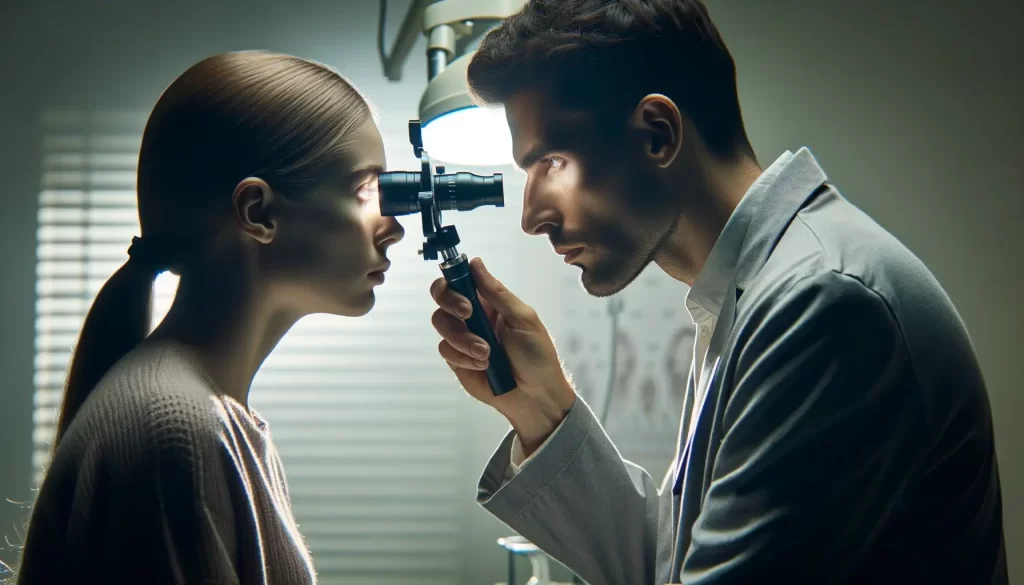
ReLEx SMILE is the third generation of laser vision correction

The 1st thing your eye care specialist will do is to administer anaesthetic eye drops to avoid any discomfort during the surgery. Next, a femtosecond laser is used to create a small incision along with a lenticule inside the cornea. Once done, the corneal tissue or lenticule will then be removed through the small cut. By doing so, the shape of your cornea will be altered for the vision to have the proper refractive outcome.


There are only several eye care centers in Singapore that have Relex Smile services, so you need to make sure to trust the one that is reliable. To see to it that you are fit to undergo this surgery, visit a skilled eye care center like Atlas Eye. This clinic is ideally located in Paragon Medical, Orchard Road. Atlas Eye is a reliable eye can center that is independently owned as well as operated by a qualified ophthalmic surgeon. With their team member’s years of experience in delivering quality eye care service, they make a good choice for any eye care procedures you may need.


Headed by Dr. David Chan, their well-informed staff is known for offering high quality service at all times. He has attained his postgraduate degrees in Royal College of Surgeons in Edinburgh, Scotland and from the National University of Singapore. Dr. Chan is a proud associate of different international ophthalmology societies, which includes the American Academy of Ophthalmology, the Asia Pacific Society of Cataract and Refractive Surgeons, and even the American Society of Cataract and Refractive Surgeons.


Do you want to learn more about ReLEx SMILE services? Be sure to contact Atlas Eye today. You may also check out their website to have an appointment.



0 comments
0 FacebookTwitterPinterestEmail
Relex Smile is an acronym that means Refractive Lenticule Extraction and SMall Incision Lenticule Extaction

Relex Smile is an acronym that means Refractive Lenticule Extraction and SMall Incision Lenticule Extaction. It is the newest and the most advanced laser vision correction technique available in the industry. Unlike other eye care solutions, it makes no flap and uses just one laser, which is the femtosecond laser. During the Relex Smile procedure, a small piece of corneal tissue known as a lenticule is removed via a 2 to 4mm keyhole incision.


So what are the benefits of Relex Smile? Read on for details about this surgery.


Flapless – before this procedure, doctors need to create a side-cut of roughly twenty mm to correct vision. With Relex Smile, a small incision of 2 to 4 mm is sufficient to complete the method. This micro incision keyhole method no longer needs to create a flap so your cornea stays intact. Since there is no need to create a flap, the upper corneal layer as well as nerve tracts of your cornea will remain intact. This means that there will be lesser risks of dry eye syndrome and minimal side effects compared to other eye procedures. Moreover, the small incision reduces the possibility of pollution so the healing of your cornea will be faster.


Single laser procedure – your doctor will use a high-precision ZEISS VisuMax laser. It uses modern femtosecond technology; making it more progressive compared to other eye correction procedures. Because they are using femtosecond cutting and not ablation, refractive correction will not be affected by any room circumstances. This means that Relex Smile offers excellent certainty and higher corrections.


Other reasons to consider getting Relex Smile:

  • It has gentler suction pressure
  • It has shorter surgical time
  • It offers long-term outcomes in terms of refractive stability
  • It has minimal interruption of the eye surface
  • It has many advantages in keeping eye structural strength
  • It reduces dry eyes issues


What to expect after the operation?

The changes in your vision will be evident within the next few hours after the surgery

The changes in your vision will be evident within the next few hours after the surgery. You may see that your vision is still hazy but it is still part of the healing process and you will begin to get functional vision. If possible, take some rest for about 2 to 3 days after the treatment to make sure there will be no problems with your recovery. Remember to go through the post-operative exam schedule and use the post-operative eyedrops diligently. This way, your eye specialist can monitor your eyes’ healing process and help you avoid possible complications.


Many of those who have undergone this surgery described that they obtained excellent results days after the procedure. But, just like in other surgical procedure, there is still a risk of possible complications and side effects. Below is a list of possible complications associated with Relex Smile:

  • Suction-loss during surgery
  • Diffuse lamellar keratitis (DLK)
  • Small tears at the incision site
  • Dry Eyes
  • Glares and Haloes
  • Corneal abrasion
  • Opaque bubble layer


You can avoid these difficulties by working together with your eye specialist to achieve best results of Relex Smile. If you are still looking for a dependable eye care center, consider Atlas Eye. Don’t hesitate to schedule an appointment with them for eye examination or call their clinic for enquiries regarding their advanced services in LASIK, cataract surgery, Relex Smile, childhood eye treatment, and glaucoma treatment.


0 comments
0 FacebookTwitterPinterestEmail
LASIK surgery is a quick as well as simple procedure

What is LASIK surgery?

LASIK surgery is a quick as well as simple procedure, which is conducted by an eye surgeon to reform the cornea and mend vision. The aim of this operation is to improve the way the eyes focus the light rays onto the retina.


How long will LASIK procedure take?

The procedure will only take less than thirty minutes to finish. It is an outpatient surgery so you can go back home on the similar day. No need to stay at the eye care center overnight to recuperate from the operation.


How to be qualified to undergo LASIK?

Not all patients who are keen to do corrective surgery are suitable to undergo LASIK surgery. Your eye care specialist will help you determine whether you are qualified or not. Here are a few general tips for your convenience:

  • You are least 18 years old. Vision of younger patients may still change overtime so they are not yet qualified for LASIK.
  • The front and back part of your eye is healthy
  • Your cornea should have sufficient thickness
  • You do not have eye conditions such as infections, ocular herpes, eye inflammation, or severe dry eyes. These eye conditions could affect postoperative healing of your eyes.
  • You do not have unmanaged diabetes or rheumatologic conditions.
  • You are not pregnant or nursing. During these stages, your hormonal levels can affect the shape of your eyes so you may not undergo LASIK.
  • You have stable vision and eyeglass prescription for 1 year prior to surgery


Does LASIK operation hurt?

Many LASIK surgery patients report little to no discomfort during and after surgery

Many LASIK surgery patients report little to no discomfort during and after surgery. You will not feel pain during the procedure, as the surgeon will instill anaesthetic eye drops before starting the surgery. Even during the reshaping of the cornea with lasers, you will not feel any sensation. You will also be administered with pain medication should you feel discomfort after the surgery.


How much does LASIK surgery cost?

LASIK surgery can range from $3000 up to $5000. The price for each operation may vary, based on your eye condition and the technology that will be used by your surgeon. Some of the LASIK packages may cover the pre- and post-operation checkups, and the medications you need. However, there are packages that may only cover the expenses on the day of the surgery itself. It will be advisable to undergo an eye examination first to ascertain if you are suitable for lasers. Should you be found suitable and decide to proceed, the eye care center’s staff and surgeons can guide you on what you can do during and after the operation.


What to expect after the surgery?

After the procedure, your eyes may feel watery, or you may feel a little discomfort for a couple of hours. This is all part of the healing process and will eventually fade away. You will have functional eyesight the night of surgery or the day after the procedure. You are advised to rest for about a day or two and to avoid strenuous activity until your eyes completely heal. Remember to arrange transport on the day of your operation, as you will not be allowed to drive.


Head over to Atlas Eye for superior and evidence-based eye care services at reasonable prices. They are a Singapore-based ophthalmology specialist centre that harnesses the advantages of up-to-date techniques as well as technology to obtain optimal results in eye health enhancement and rehabilitation. Visit Atlas Eye’s website today for details.


0 comments
0 FacebookTwitterPinterestEmail
Guidelines on How to Prepare for a LASIK Operation

It’s not enough to be qualified for a patient to undergo a LASIK surgery. There are still several items that you need to prepare prior to, during, and even after the surgery. This way, you can even set your expectations on how the surgery will be done and the possible results.


What patients need to know prior to operation:

Since you will be undergoing this operation, you are probably thinking about LASIK Singapore price. In general, the cost for it ranges from $3500 up to $6500. This pricing could still change depending on the type of technology the doctor will use, how much vision correction you need, and the difficulty of the procedure.


To know exactly what about LASIK Singapore price an eye care center offers, you will have to schedule an eye test with them. This will also give you the opportunity to know what the method will cover. It will also help both you and your surgeon to see if your eyes are healthy enough to endure LASIK procedure. During the examination, assessment of the cornea’s shape and also thickness, the pupil’s size, the degree of refractive errors such as hyperopia, myopia, or astigmatism is done. Your surgeon will also perform a thorough eye health check to exclude any eye condition. You may also be asked to undergo a dry eye test to gauge the degree of dryness of your eyes. This will act as a precautionary assessment to expect chances of dry eyes problems after the surgery.


Medical history – it is vital that your doctor is well aware of your medical history and current eye condition before he or she starts the operation. Your medical history could alter the operation and its outcomes, especially if you have a family history of eye illnesses or if you have experienced any preceding eye injury.

From the risks and difficulties to options and welfares of the surgery, everything should be carefully clarified to you in order to set proper expectations. There’s no need to rush your choice whether you will do it or not. It is still best to think through all the possibilities and benefit of the operation before agreeing to do it. Talk to your surgeon and review all the details of the process so you are well aware of its risks as well as benefits.


Contact lenses – you need to stop using contact lenses 1 week prior to your initial examination as well as surgery. This is because contact lenses can change the form of the cornea, and it can affect the results of your operation. If you wear it a few days before your surgery, the cornea has no time to regain its initial shape, resulting to inaccurate measurements or poor surgical effects.


Make ups and creams – Do not apply any make-ups, facial creams, perfumes, or lotions on the day of the operation. Doing so could pose risks of pollution or infection.


Arrange mean of transportation – you will be asked not to drive for the next 24 hours so it will be ideal to arrange mean of transport. Have a friend or relative accompany you on the day of the surgery for your safety.

Your vision may still be hazy after the surgery

Rest for 2 to 3 days – your vision may still be hazy after the surgery and you will need about 2 to 3 days to fully recover. This will also help the eyes to heal quicker because it can have sufficient rest.


If you have more queries about LASIK surgery, be sure to call Atlas Eye. Count on their team of staff to aid you with any of your queries about eye care services.


0 comments
0 FacebookTwitterPinterestEmail
Reasons Why Many Patients Prefer LASIK Surgery

LASIK eye surgery is a kind of vision correction procedure that a lot of adults who have refractive errors want to consider. This is especially when they have been using eyeglasses or contact lenses for many years to correct their eyesight. While wearing eyeglasses or contact lenses allows them to see clearly, it is also a huge relief to be independent of wearing spectacles.


With LASIK surgery, it will be easier to see things clearly. You can enjoy jogging around the neighborhood and not worry about your glasses fogging up or even falling off. You can join in any contact sports you like such as basketball or football even without wearing contact lenses. Plus, you can watch a 3D movie without the need to wear 2 eyeglasses. If you want more reasons to undergo LASIK, read on for details about why this must be on top of your options.


Good investment – if you want to get best results, then you also need to capitalize in quality service. LASIK eye surgery will be worth your money since you will save tons of dollars over time by regularly buying eyeglasses and contact lenses. Studies have shown that a person spends about $100-$200 per month to maintain their eyeglasses or their contact lenses because they constantly have to buy frames, solutions, or prescription eyewear. You no longer have to worry about these expenses and invest your hard earned cash into a service like LASIK.

With LASIK surgery, it will be easier to see things clearly

Improves lifestyle – don’t you just hate it when your eyeglasses constantly fall off when jogging or while working out? Then it may be time to consider undergoing LASIK. After this surgery, you can say goodbye to wearing uncomfortable eyeglasses. You no longer have to worry about it if you want to go to the gym daily. You will even have the chance to do more outdoor activities like diving, swimming, surfing or even contact sports like football.


Fast results – LASIK is an outpatient operation so there’s no need for you to stay overnight at the eye care center. You will quickly see the results in your vision in the next twenty-four hours. Your eye doctor will also permit you to home on the same day once he or she has completed your post-surgery checkup. Many people even claim that they wake up the next day with remarkably improved vision. This outcome will improve over the following days to weeks. However, even if you already see better results, you still need to follow your eye doctor’s post-surgery advice to avoid complications.


Reduces allergy symptoms – if you often experience itchiness, red eyes, or burning sensation because you always have to wear contact lenses, it may be time to have LASIK eye surgery. Many patients agree that they no longer feel any uncomfortable allergy symptoms due to contact lens ever since they had LASIK eye surgery. Some eyeglass wearers also notice that they no longer get recurring headaches or sinus problems from wearing heavy glasses.


Are you looking for a dependable service provider in Singapore? Consider heading over to Atlas Eye. They provide quality service using cutting-edge medical technology as well as modern surgery techniques. Their clinic is owned and managed by well renowned eye surgeons in Singapore, so you can be confident that you are in good hands. Visit their site to schedule a visit or for enquiries regarding their LASIK eye surgery services.

0 comments
0 FacebookTwitterPinterestEmail
Things You Need to Learn About LASIK Treatment

For you to see clearly, the cornea and the lens in your eyes have to refract light rays for them to focus on the retina. The retina will then convert these light rays into impulses and will be sent to the brain to recognize images. But, if the light rays are not properly focused on your retina, the pictures you see will be blurry. This condition is popularly known as refractive error. To lessen these errors and to help you see clearly, you need to wear contact lenses or eyeglasses, or for some, undergo a surgery like LASIK. These solutions make light rays focus on the retina.

Refractive errors come with different types and are brought by imperfectly shaped corneas, eyeballs, or lens. These kinds of refractive errors are:

  • Myopia or nearsightedness – in this kind of refractive error, only nearby objects appear distinct or clear while the objects that are far seem blurry or distorted. If you have nearsightedness or myopia, you typically have difficulty seeing distant road signs and any other far objects clearly. However, your vision works fine when doing close-up tasks such as reading a book or an article on a computer. Other signs to watch out for are eyestrain, squinting, and recurring headaches.


  • Astigmatism – this condition happens when the pictures appear blurry whether they are close to you or far from you. Symptoms of it include eyestrain and constant headaches, especially after doing a lengthy visual task like reading or watching the television. Astigmatism often shows early in life, that’s why it is vital to have your kids scheduled for an eye examination to avoid this kind of vision problems. It can be identified early on a regular eye exam using the same instruments or methods for the detection of nearsightedness as well as farsightedness. Your eye doctor will do a refraction test to see the amount of astigmatism you have.


  • Hyperopia or farsightedness – this happens when the images that are far away from you are clear or vivid while the nearby images are blurry or distorted. People with this eye condition sometimes have recurring headaches or eyestrain. Their eyes may also often squint or feel tired, especially after performing work at a close range.

One of the solutions for these problems is a LASIK or laser-assisted in situ keratomileusis procedure

If you no longer want to wear eyeglasses or contact lenses, you may want to have a surgery in order to correct your eyesight. One of the solutions for these problems is a LASIK or laser-assisted in situ keratomileusis procedure. In this surgery, the eye specialist will be using a laser to reshape the cornea – the round dome shaped transparent structure at the front of the eyes. This is made to improve the way a patients’ eye focuses light rays onto the retina.

But, not everyone is advised to undergo LASIK since some may not be qualified. Here are the factors that have to meet before you choose to undergo this treatment:

  • You need to have healthy eyes.
  • Your overall health has to be of good condition.
  • Your eye prescription have to be stable
  • You must not be taking medications like oral prednisone or Accutane.
  • You should be at least eighteen years of age. If you are younger than 18 then there’s still a possibility that your eyesight will change.
  • You must not be pregnant or nursing. People who are expecting or nursing can have varied measurement of their eye degree.
  • You should not have dry eye condition. If you are taking medications for dry eyes, ask your eye doctor about since it can affect the results of the surgery.


Contact Atlas Eye for more information about their advanced services in LASIK surgery.


0 comments
0 FacebookTwitterPinterestEmail
A Guide to Choosing the Right Eye Care Center

Choosing an eye doctor is just as important as choosing a general health physician. The type of eye doctor you need may vary according to the overall condition of your eyes. Whether you have multiple eye diseases or need to have an annual eye exam, you should select an eye specialist in Singapore with years of medical experience and training to make sure they offer quality services. Here are some tips on how to find the right eye care center.

Ask for recommendations:

Having a hard time selecting which doctor to trust? You can always ask for suggestions from your family, friends, or even colleagues who have seen eye surgeons before. Many eye doctors are associated with different insurance plans so you will certainly find one that accepts your insurance. Ask what your acquaintances have liked about the doctor and why they are recommending them. List down these names so you will have choices in case you didn’t like the 1st suggestion given to you.

Research about the doctor’s credentials:

Research about the doctor’s credentials

Once you have a list of doctors, the next step is to look on those eye doctors’ credentials to find the correct eye specialist in Singapore that fit your needs. You might want to check to see if they have reports of malpractice, what areas of eye care services they offer or specialize in, and verify their credentials.

Keep in mind that many eye doctors specialize in different areas of eye care, so be sure to pick on eye doctor who has the ability to carefully examine your eye condition and offer the proper solution. For instance, if you are after an eye doctor for your child, consider a doctor who has years of training and experience in examining and treating kids.

Visit their office

Online research is not enough to know if a doctor matches your needs. If you want to learn more about a specialist, visit their clinic and see for yourself if you or your children like it. Is the office child friendly? Do they have the services for your needs? Are the facilities well maintained and clean? These questions will only have answers if you go to their clinic.

You also want to pay close attention to how their staff members converse with patients. Do they willingly answer their questions or attend to everyone’s needs? If yes, then this is a good sign that they care for their patients.

During your 1st visit, ask the eye specialist various questions, and look closely at how he or she responds them. You want a doctor who can thoroughly expound his answers to help you better understand the results of the exam.

Consider undergoing an eye exam

Once you already feel at ease with what you have observed, don’t be scared to schedule for an eye exam. By doing so, you will be able to have a better idea if this is really the right eye clinic for you.

Check to see if the eye specialist and their staff are always in a hurry or take their time to carefully examine your condition. After the examination, see how the doctor explains to you the result of the exam, and if he or she thoroughly answers your questions.

For quality eye care services, go to Atlas Eye. They deliver quality service using advanced medical technology techniques. Contact them for questions about their advanced services in childhood eye treatment, cataract surgery, or glaucoma treatment.

0 comments
0 FacebookTwitterPinterestEmail
Know When It's Best to Visit an Eye Doctor

Poor eyesight can be caused by different eye conditions like cataracts or diabetic eye diseases. If these are untreated, they may cause blindness or other eye problems. These eye problems can bring dire effects on your lifestyle so it is best to avoid them by visiting an eye doctor in Singapore. If you already have a scheduled yearly exam, do not skip it even if you feel nothing wrong about your vision. Keep in mind that eye examinations are important, especially if you have had an eye injury, a family history of eye problems, or previously underwent an eye operation.

An eye exam isn’t just for getting the best prescription eyeglasses or contact lenses that best fits you. It may even reveal problems in your overall health like diabetes.


Who should have their eyes checked?

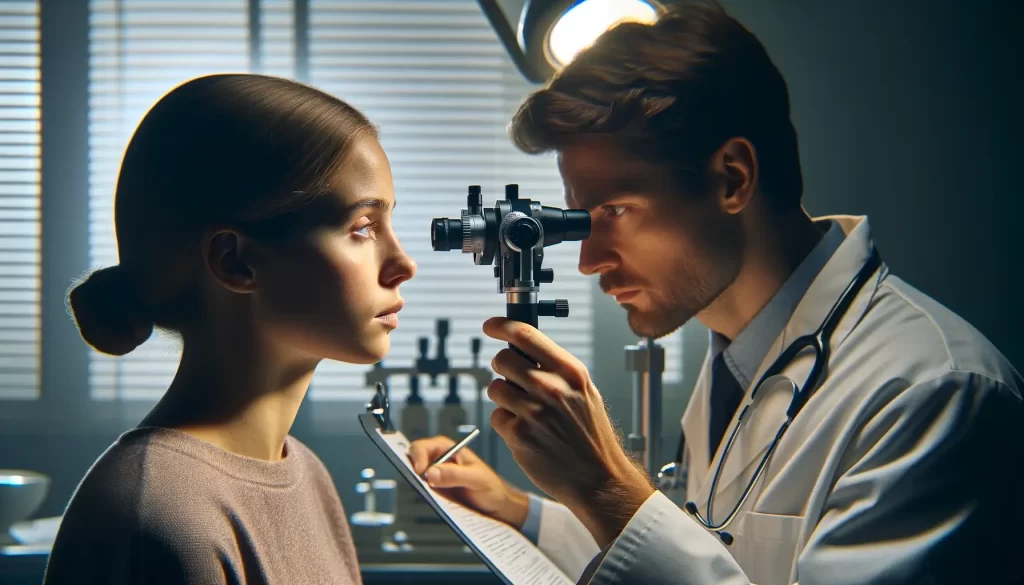
Both adults and children are encouraged to have comprehensive eye checks yearly. Adults are advised to do so to ensure their eye prescriptions are up to date and to check if their vision is showing any early signs of underlying health problems. As a child’s vision is not yet fully formed, an eye examination will help the eye specialist to have a better understanding of whether both of your eyes are developing normally or if it needs medical attention. Early detection will ley them have a better prognosis should a condition be picked up.

You are advised to get eye exams frequently if you have any of the following conditions:

  • Eye injury or eye surgery
  • Contact lens wearer
  • High blood pressure or diabetes
  • A family history of eye disease including glaucoma, cataract, or macular degeneration
  • You are over forty years old
  • Sudden and recurring changes in your vision

What’s the difference between an eye exam and an eye screening?

What’s the difference between an eye exam and an eye screening

An eye examination is not the same as the eye screening that is commonly offered at your office or at school. You may think that when there is nothing significant detected during your eye screening, there are no problems with your vision. However, this does not imply that you no longer need to visit your eye doctor in Singapore. Eye screenings cannot guarantee that your eyesight and health are already in good condition since they are not as comprehensive.

On the other hand, an all inclusive eye exam can detect eye diseases, vision problems, and also other general health problems. Your eyes will be checked thoroughly so your eye specialist can assess the health of your eyes. This also lets him or her to tell you if there are any other underlying medical problems.


What to ask after an eye exam

After the eye examination, asking questions about the results will help you get the most out of it. Here are some sample questions you may ask your eye specialist:


  • What is the diagnosis?
  • What is the cause of my eye condition?
  • Should I take any medications or undergo a surgery?
  • Is my eye condition treatable?
  • What’s the best way to stop the condition from getting worse?
  • Do I have to change anything in my lifestyle?
  • Do I have to avoid any food or activities?
  • What other options do I have to treat the problem?


If you are looking for the best eye specialist in Singapore, don’t think twice and contact Atlas Eye. Their team of staff has years of considerable experience in delivering quality solutions for different eye problems at reasonable prices. Visit their site now for more details.


0 comments
0 FacebookTwitterPinterestEmail


Having a cataract can have a huge effect in your day-to-day life. You may be considering of scheduling a check up to an eye surgeon or having cataract surgery to have it removed. If you are searching for a good surgeon or an eye care center in your area, you have visited the right place. This article aims to help you select the right eye care center for any of your cataract services requirements.


Although there are many eye care centers in Singapore, only select clinics offer top of the line cataract services. So how do you choose which 1 has the best eye care services? Here are some of our endorsements:


Atlas Eye

Paragon Medical #07-09, 290 Orchard Road, Singapore 238859

Atlas Eye Specialist Centre is highly advised for delivering superior service and using front-line medical technology in each procedure. This eye care clinic is maintained and ran by the best eye surgeons in the country. Dr. David Chan, who is a senior consultant and medical director, spearheads the team of Atlas Eye. He is a Courage Star Awardee, and is also a member of various international ophthalmological organizations. Every staff of Atlas Eye Specialist Centre has seven to twenty years of extensive clinical experience.


Call them today to schedule an appointment or for any questions you have regarding their clinical services in childhood eye treatment, cataract surgery, LASIK treatment, and cataract surgery cost.


Eye Max Centre

Mount Elizabeth Hospital, 38 Irrawaddy Road, Singapore 329563

Looking for a trusted eye care service provider that has topnotch cataract services? Consider checking out the Eye Max Centre. This eye care clinic has a highly regarded team of staff, headed by Senior Ophthalmologist Dr. Leonard Ang. Eye Max Centre is popular in the industry for advanced treatment for various eye conditions and disorders. You may call their office to inquire about cataract surgery screening, glaucoma screening, LASER therapy, cornea transplantation, and other eye care services.


Their cataract surgery cost could vary, based on the condition and health of your eyes and the technology that will be used in the operation.


Singapore National Eye Center

363 Balestier Road, #02-00, Singapore 329784

For an eye care clinic with knowledgeable staff members, and offers quality service, visit Singapore National Eye Center. Their team is encompassed of surgery nurses, technicians, and refractive surgeons who are qualified to deliver reliable services. Head over to their clinic if you need all-inclusive eye care services such as LASIK, cataract surgery, and Relex Smile. You may also call them for Advanced Surface Ablation (ASA) or Implantable Contact Lens (ICL).


How to prepare prior the operation

A week prior to the cataract surgery, you have to undergo some examinations for the lens fitting, and to see the size as well as shape of your eye. You will also be required to take precautionary measures since it will help you and the surgeon to make sure that things will go as planned. These preparations are:


  • Fast six hours prior the surgery
  • Use the eye drops given by your surgeon before and after surgery to prevent any infections
  • Take at least three days off your work to let your eyes to fully recover after the surgery
  • Ask which medications you have to stop taking before the surgery
  • Arrange a transportation home since you won’t be allowed to drive after the surgery


To learn more about cataract surgery, visit Atlas Eye’s website. You may also call their office to ask about other eye care services.


0 comments
0 FacebookTwitterPinterestEmail


You eyes are being used every day for different reasons. From watching the television, looking at road signs, or reading a book, you need the eyes to finish your every day tasks and to know what’s happening around you. However, the proteins inside the lens of our eyes can start to clump together as we age, causing the lens to be cloudy. This is where a common condition known as cataracts start. Here are some factors that can put you at larger risks of getting a cataract:

  • Taking steroid medications
  • Exposure to radiation
  • High blood sugar
  • Cigarette smoking
  • Excessive exposure to sunlight


You may not notice that you have cataracts right away, especially in the early stages since it has little effects on the vision. Gradually, you will begin to notice that things seem a little blurry than the usual, like you are looking at a cloudy glass. If not treated, this condition could affect your daily activities due to blurring of eyesight. It is advisable to ask your trusted physician about it to know whether you need to undergo cataract surgery or take medications.


To find out more about this eye condition or its risk factors, read on for more details:


Here are the different types of cataracts

Cataracts are classified based on how and where they develop in your eye. These types include:


Nuclear cataracts – this type of cataract starts in the middle of the lens. This is why the lens to turn brown or yellow in colour. Nuclear cataracts are usually age related. Its symptoms may take years before they start to manifest and affect one’s vision.


Cortical cataracts – cortical is a wedge-shaped cataract. They commonly form on the edges of the lens and then starts to spreads inward, making a star pattern. Posterior capsular cataracts are usually faster to form as compared to the other types of cataracts.


Congenital cataracts – dissimilar to other cataract types, this one is already present at birth. There are even instances when it forms during a child’s first year.


Secondary cataracts – these are cataracts cause by a disease or medication. The diseases that could reason the development of cataracts include glaucoma as well as diabetes. You may even acquire cataracts if you take steroid medications.


Traumatic cataracts – this cataract could develop if a person experienced injury in their eye.


Radiation cataracts – as the name suggests, this cataract can form after a person undergoes radiation treatment due to various health conditions.


The risks of undergoing cataract surgery:

Cataract surgery is the most commonly done elective surgery. It is comfortable and often results to good visuals. However, similar to any surgery done, there are bound to be complications or risks involved. These post-surgery risks include:

  • Astigmatism – it is usually remedied by wearing an eyeglass or contact lenses.
  • Retina or cornea swelling –swelling in your cornea or retina could result to blurry vision. The surgeon may advice you to take anti-inflammatory eye drops to lessen swelling.
  • Eye infection –eye infection may lead to a condition known as endophthalmitis. It is very infrequent but it can lead to blindness.

Retinal detachment – after the cataract operation, there is a possibility that the person could have retinal detachment. When this happens, make sure to call or visit your surgeon to get immediate medical attention.


After the operation, your vision may still need around one to two months before it completely improves. Although the cataract has been removed, there is still a risk that your cloudy vision may return so make sure to regularly visit your surgeon for regular follow ups.

If you need more details about cataract surgery, visit Atlas Eye. They have the knowledge you need to answer your questions about cataracts.


0 comments
0 FacebookTwitterPinterestEmail
Older Posts