

Infidelity, extramarital sex, can shatter the foundation of trust in a relationship, leaving deep emotional scars that take time to heal. As someone who has experienced traumatic stress and emotional injury firsthand, I understand the overwhelming turmoil it brings. The betrayal inflicts emotional injury, making it challenging to rebuild trust. However, amidst the pain and need, there is hope for healing and restoration. Join me as we uncover ways to mend broken trust and find strength in the process.
Defining Infidelity
 Healing from the impact of infidelity is a complex journey that varies for each individual. Acknowledging and processing emotions related to the betrayal are crucial steps in this process. It’s important to understand that healing after infidelity takes time, effort, and commitment from both partners.
Infidelity can manifest in various forms, such as physical affairs or emotional connections outside the relationship. Understanding these different types is essential for individuals navigating their healing process. Common causes of infidelity include dissatisfaction within the relationship, lack of communication, or personal issues affecting one or both partners.
It’s helpful to remember that every situation is unique when dealing with infidelity. By acknowledging this complexity, individuals can approach their healing journey with empathy and understanding for themselves and their partner. Seeking professional guidance or therapy can provide valuable support during this challenging time.
Personal Growth
Embarking on a journey towards healing after experiencing infidelity often leads to personal growth and self-discovery. Through introspection and reflection, individuals may gain a deeper understanding of themselves and what they need from a relationship.
Understanding the root causes of infidelity, whether it stems from personal struggles or relational dynamics, can lead to improved communication between partners. This enhanced communication fosters an environment where trust can gradually be rebuilt over time.
Building Trust
Rebuilding trust after infidelity requires patience and consistent effort from both parties involved in the relationship. Open dialogue about feelings, concerns, and boundaries is vital in rebuilding trust between partners.
Emotional Turmoil
Trust Erosion
Discovering infidelity can lead to intense emotional turmoil, causing feelings of betrayal and heartbreak. The rollercoaster of emotions that follows may include anger, sadness, and confusion. These emotions can have a long-lasting impact on an individual’s well-being.
The foundation of any healthy relationship is trust, which infidelity erodes. When trust is broken due to infidelity, rebuilding and restoring it becomes challenging. The erosion of trust caused by infidelity often leads to doubts, insecurities, and difficulties in future relationships.
Infidelity not only causes emotional injury but also results in traumatic stress for the individuals involved. It creates a deep sense of loss and pain that takes time to heal from. This healing journey involves understanding the impact of the betrayal on oneself while navigating through feelings of vulnerability and insecurity.
In this difficult process, seeking support from friends or family members who can provide empathy and understanding is crucial. Engaging in self-care activities such as exercise or hobbies can help alleviate some emotional distress during this tumultuous period.
Ultimately, overcoming the emotional turmoil caused by infidelity requires patience and self-compassion as one navigates through the complex web of emotions that arise from such a profound breach of trust.
Psychological Impact
Long-Term Effects
 The devastating impact of infidelity on trust and healing can manifest differently in individuals, influenced by their cultural, religious, or societal backgrounds. For some, the distress caused by infidelity may be deeply rooted in their values and beliefs. It’s crucial to approach each person’s experience with empathy, acknowledging the uniqueness of their emotional response.
Understanding that different people have varying perspectives on infidelity is essential when addressing its long-term effects. This recognition allows for a more personalized approach to supporting individuals through the healing process. Whether it’s seeking guidance from trusted friends or professional counseling, acknowledging these diverse reactions is vital for fostering effective recovery.
Emotional Reactions
Infidelity has the potential to profoundly impact an individual’s self-esteem and ability to trust others in future relationships. The emotional turmoil resulting from betrayal can extend far beyond the immediate aftermath, shaping one’s outlook on love and commitment for years to come. Acknowledging these long-term effects empowers individuals to seek appropriate support as they navigate their journey towards healing.
Recognizing that the repercussions of infidelity are not fleeting but enduring enables those affected to prioritize self-care and seek out resources tailored to long-term emotional recovery. Engaging in activities such as journaling or participating in support groups can provide valuable outlets for processing emotions and rebuilding trust within oneself.
Mental Health Consequences
Discovering infidelity often triggers a range of intense emotions including anger, sadness, shock, or disbelief. These overwhelming feelings may vary among individuals; while some may experience a sense of relief after uncovering the truth, others might grapple with profound sorrow and confusion. Managing these complex emotional reactions is paramount for initiating the healing process.
Seeking professional therapy or counseling offers invaluable tools for managing mental health consequences arising from infidelity revelation. By engaging with trained professionals who specialize in relationship trauma recovery, individuals can gain insights into navigating their emotions effectively while embarking on a path towards restoration.
Communication and Transparency
Rebuilding Intimacy
Infidelity can have severe mental health consequences, such as depression, anxiety, and PTSD. Individuals impacted by infidelity may also experience feelings of worthlessness or develop trust issues. Seeking professional help is crucial in addressing and managing these mental health consequences. Therapy can provide a safe space for individuals to process their emotions and work towards healing.
Rebuilding intimacy after infidelity requires open communication, vulnerability, and a commitment to rebuilding trust. It involves creating a safe space for both partners to express their needs and concerns without judgment. By openly discussing their emotions, couples can begin the journey toward healing together.
Seeking professional counseling or therapy sessions can offer valuable guidance on how to navigate the complexities of rebuilding intimacy after infidelity. These sessions may involve learning effective communication techniques that foster understanding and empathy between partners.
Open Dialogue
Open dialogue is essential when navigating the impact of infidelity on trust and healing. Encouraging honest conversations about feelings, expectations, and concerns fosters understanding while promoting healing within the relationship. Establishing open dialogue helps create a supportive environment for both partners to address the aftermath of infidelity.
Sharing personal experiences with trusted friends or family members who have gone through similar challenges can provide valuable insights into overcoming trust issues caused by infidelity.
Strategies for Healing
Steps to Recovery
 Setting realistic expectations is essential during the healing process after infidelity. It’s important to acknowledge that rebuilding trust and recovering from the impact of infidelity will take time. Both partners should openly communicate their needs and boundaries, fostering an environment of understanding and empathy. By doing so, they can establish a solid foundation for moving forward in the healing journey. Understanding that setbacks are normal can help manage expectations effectively, allowing both individuals to navigate through challenges with patience.
Seeking Professional Help Acknowledging the betrayal, seeking support, and working towards forgiveness are crucial steps in the recovery process after infidelity. Taking small but meaningful steps towards rebuilding trust and improving communication is key to this journey. Each individual’s path to recovery will be unique; however, seeking guidance from professionals or support groups can provide valuable tools for navigating through this challenging period.
Couples Counseling Engaging in therapy or counseling can play a pivotal role in addressing the impact of infidelity on trust and healing within a relationship. Professionals specializing in couples counseling can offer guidance, support, and effective tools for facilitating healing and rebuilding trust between partners. Therapy sessions provide a safe space for individuals to address underlying issues that may have contributed to the infidelity.
Moving Forward
Finding Closure
Finding closure after experiencing the impact of infidelity on trust and healing is a deeply personal journey. It involves making the choice to forgive, which varies from person to person. Taking responsibility for one’s actions is crucial in rebuilding trust and promoting healing. Forgiveness doesn’t mean forgetting or condoning the betrayal; rather, it’s about finding inner peace.
Closure may come through various means such as open communication, therapy, or self-reflection. Accepting the reality of what happened and making peace with it are essential steps toward this closure. It’s important to recognize that closure looks different for everyone and may take time to achieve.
I found that forgiveness was a challenging but necessary step in my own healing process after infidelity. By choosing to forgive, I was able to release myself from the burden of anger and resentment, allowing space for personal growth and emotional healing.
Self-Care Practices
Engaging in self-care practices plays a vital role in the post-infidelity healing process. Prioritizing physical and emotional well-being can help individuals cope with the profound impact of infidelity. This may involve activities such as exercise, therapy sessions, journaling, or spending quality time with supportive friends and family members.
During my own journey toward healing after experiencing infidelity, I discovered that incorporating regular exercise into my routine provided immense relief from stress and anxiety caused by the betrayal. Seeking professional counseling allowed me to navigate complex emotions effectively while gradually regaining a sense of control over my life.
Future Boundaries
Establishing future boundaries becomes imperative following experiences of infidelity. Engaging in self-care practices not only aids in recovery but also sets healthy boundaries for future relationships—empowering individuals to prioritize their well-being while fostering healthier connections moving forward.
| Aspect | Key Insight | Practical Strategy | Expected Outcome |
| Understanding Infidelity | Betrayal causes emotional injury and trust erosion. | Acknowledge emotions, seek support, and process feelings. | Increased self-awareness and emotional clarity. |
| Emotional Turmoil | Infidelity triggers intense distress and insecurities. | Engage in self-care, therapy, and support networks. | Better coping mechanisms and emotional stability. |
| Communication & Transparency | Open dialogue is crucial for rebuilding intimacy. | Foster honest conversations and set clear boundaries. | Strengthened trust and improved relationship dynamics. |
| Strategies for Healing | Rebuilding trust takes time and patience. | Set realistic expectations, seek professional help, and work on personal growth. | Gradual emotional recovery and restored trust. |
| Moving Forward | Forgiveness and self-care aid in closure. | Prioritize well-being, set future boundaries, and engage in healing activities. | Empowerment, personal growth, and healthier relationships. |
Frequently Asked Questions About Healing After Infidelity
How long does it take to heal from infidelity?
Healing from infidelity varies for each person and relationship. It can take months or even years to rebuild trust and emotional security. The timeline depends on factors such as communication, willingness to work through issues, and seeking professional help if needed.
Can a relationship truly recover after infidelity?
Yes, but it requires mutual commitment, open communication, and effort from both partners. Rebuilding trust takes time, and counseling or therapy can be beneficial in navigating the recovery process. Some couples emerge stronger, while others may decide to part ways.
Should I forgive my partner for cheating?
Forgiveness is a personal decision and does not mean forgetting or condoning the betrayal. It is about letting go of resentment for your own peace of mind. If reconciliation is the goal, both partners must actively work toward rebuilding trust and understanding.
When should I seek professional help after infidelity?
If the emotional distress feels overwhelming, communication has broken down, or trust issues persist, seeking professional counseling can help. A therapist can provide guidance, coping strategies, and a structured approach to healing individually or as a couple.
Final Remarks
Understanding the impact of infidelity on trust and healing is a complex and deeply personal journey. It’s crucial to acknowledge the emotional turmoil and psychological impact that infidelity can have on individuals. Building open communication and transparency are essential steps in the process of healing, allowing for the exploration of strategies to move forward.
As we navigate the aftermath of infidelity, it’s important to remember that healing takes time and patience. Seeking professional support or guidance from trusted individuals can provide valuable insights and assistance in this challenging process. Remember, you are not alone in this journey, and there is hope for rebuilding trust and finding healing.

 Establishing clear boundaries with a partner is crucial for building
  Emotional boundaries are crucial for maintaining emotional well-being. Respecting emotional space means giving each other time and privacy to process emotions. Open communication is vital for establishing healthy emotional boundaries. For example, if I need some alone time to process my feelings, it’s important for my partner to understand and respect that.
 Setting and maintaining personal boundaries is crucial for boosting self-esteem. When we establish and uphold our boundaries, we reinforce our sense of self-worth. This, in turn, positively impacts how we perceive ourselves within the context of a relationship. Respecting one’s boundaries communicates to others that your feelings and needs are valid.
 Independence within a committed relationship means maintaining individuality while being part of a couple. It involves having your own identity and the freedom to pursue personal interests. This allows for personal growth, self-discovery, and fulfillment. For example, it could be pursuing hobbies or spending time with friends independently.
 In a committed relationship, it’s essential to set aside quality time for shared activities and bonding experiences. Planning date nights or weekend getaways can help couples reconnect. Making couple time a priority amidst busy schedules strengthens the bond between partners.
 Embracing individual growth is crucial in maintaining independence within a committed relationship. Continuously working on personal development and self-improvement is essential. Pursuing education, hobbies, or skills that enhance individual development can lead to a more fulfilling life. Sharing personal development journeys with your partner fosters mutual understanding and support.
 Game nights have been a staple of our relationship for years, reflecting our love. Whether it’s a classic board game like Scrabble or a more modern option like Cards Against Humanity, these evenings with people are always filled with laughter, friendly competition, and love. The benefit of a game night at home is that it encourages communication and teamwork, fostering relationships and creating lasting memories with loved ones. However, be mindful of your competitive streak with your partner in a relationship – it can turn a fun evening into a heated argument if not managed well.
 Music has a unique power to evoke emotions and bring people closer in relationships. Date nights at home can involve creating playlists together or simply lying in bed, eyes closed, while listening to your favorite songs to strengthen relationships. This activity can open up conversations about your favorite music, artists, memories, and relationships associated with specific songs. The downside? Differences in musical taste may lead to some playful debates about relationships. Just remember, it’s all in good fun!
 Cultural backgrounds influence interfaith relationships significantly. Different cultures hold unique perspectives on various aspects of life, including religion and traditions. Understanding these cultural perceptions is crucial for fostering empathy and
  Disagreements are common in interfaith relationships. Resolving conflicts respectfully and seeking compromise is crucial for fostering growth and understanding. Learning how to handle disagreement constructively strengthens the bond between partners from different faith backgrounds.
 Sharing cultural secrets in an interfaith relationship is a powerful way to build a deeper connection. When partners open up about personal stories, traditions, or beliefs that are not widely known, it creates an atmosphere of trust and intimacy. For example, sharing the significance of certain rituals or explaining the history behind specific customs can provide valuable insights into each other’s cultural background.
 I must admit, when it comes to relationships, food plays a significant role in my life. It’s like my ultimate love language – a comforting embrace that lurie never lets couples people down. I’m not suggesting that food can replace human connection, but let’s be real, a perfectly cooked slice of pizza has never let anyone down like some past relationships have.
  Okay, so let’s talk about this whole “Can’t hear you, touch me” love language thing. Now, I know what you’re thinking, but hold on, it’s not as scandalous as it sounds. In the realm of relationships, sometimes love language just don’t cut it. I mean, why waste time trying to explain your feelings when a well-timed touch, your love language, can say it all? It’s like a secret language of love that only the two of you understand. Forget about communication breakdowns or misinterpreted messages, because in this love language, actions speak louder than words.
 Couples therapy offers several benefits. It can improve communication by teaching partners how to express their thoughts and feelings effectively.
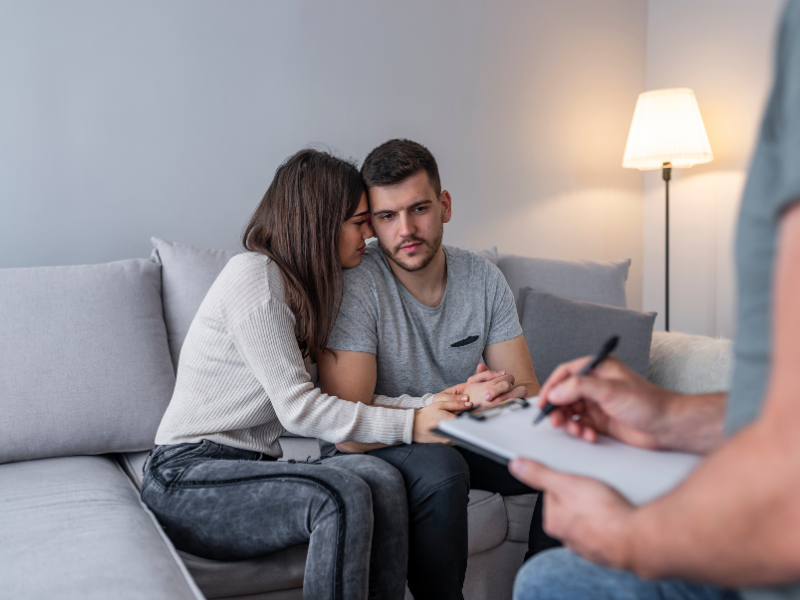 Couples therapy involves non-biased mediation, where therapists act as neutral facilitators. They ensure that both partners have equal opportunities to express their thoughts and feelings without judgment. By maintaining impartiality, therapists create a safe space for open communication.
 Family Dynamics
 I believe that acts of service are a great way to
  Spending quality time together is essential for maintaining a
  Gift giving is a wonderful way to show affection to your partner. I love finding thoughtful and meaningful gifts that truly reflect their interests and preferences. Whether it’s surprising them with something they’ve been wanting or just a small token of love, the act of giving a gift shows that you’ve been thinking about them. It’s not about the price, but the sentiment behind the gesture that makes it special. Little surprises can also go a long way in making your partner feel loved and appreciated.
 As I mentioned earlier, communication is the foundation of any relationship. When there are communication issues or ineffective communication patterns, it can create relationship problems from the early stages of dating. A lack of communication in relationships is a major red flag that you should not ignore.
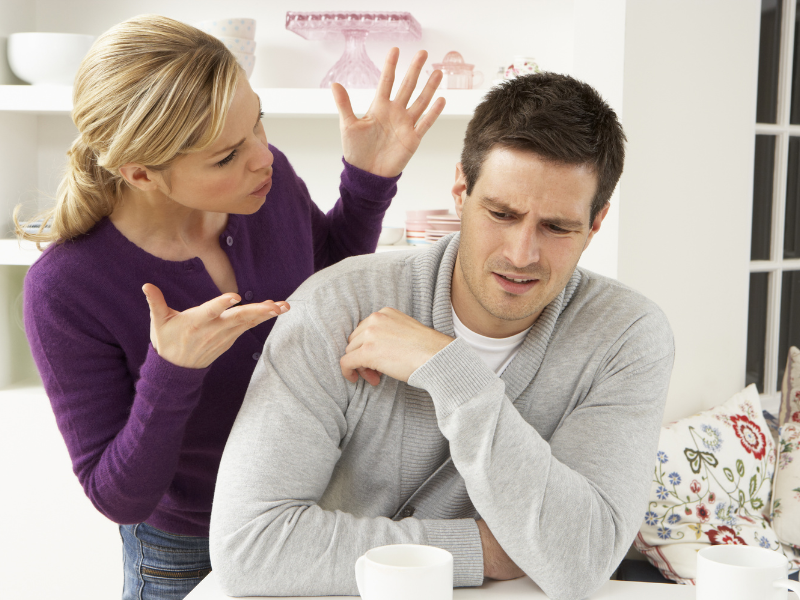 Respect is a fundamental aspect of any successful relationship. When one or both partners behave disrespectfully, it can have serious consequences and even lead to the breakdown of relationships.