Tag:

therapy

What Exactly Is Acupressure Foot Therapy

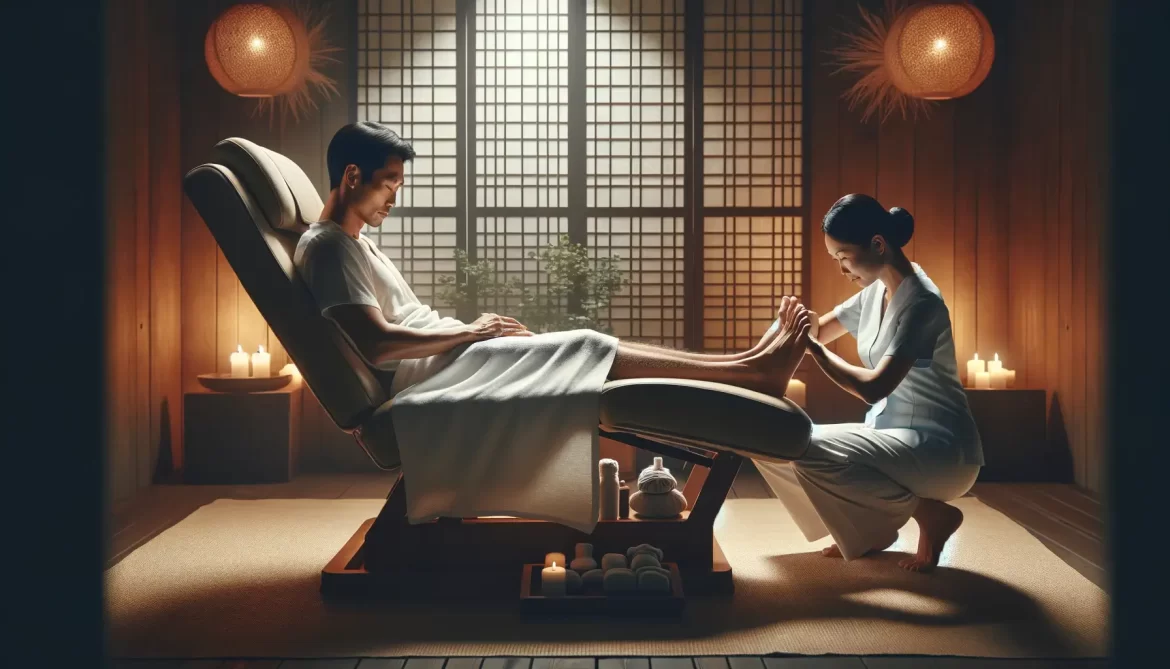
Acupressure is a therapy which uses the meridian regions utilized in acupuncture treatment options. It is a therapy that is performed by applying pressure to the key points of the feet to alleviate discomfort and permit great blood circulation. Foot therapy at http://grandspa.com.sg/ works well for enhancing energetic health and spirituality. Additionally, it is very useful to individuals who are going through foot pain. Acupressure is a good approach to relax yourself from nerve-wrecking days at the office. Those who have chronic foot pain might find acupressure foot therapy great for them. Listed here are what you need to know prior to going to your first foot reflexology therapy in Singapore.

Utilizing Acupressure On The Pressure Points

Applying pressure on the right pressure point allows you to be relieved from the discomfort

First thing that will be performed is to look for the pressure points of the body. Applying pressure on the right pressure point allows you to be relieved from the discomfort you’re going through in the corresponding body part. There are charts available online that may help you find your pressure points. It’s also possible to watch closely when this is done to a person by a masseuse in the spa at http://grandspa.com.sg/. Finding out how to do acupressure foot therapy on your own can be quite useful.

Understanding And Doing Two Distinctive Methods Used On Acupressure

Strengthening or lessening pressure are the two methods utilized to adjust the pressure points. You have to understand the various strategies to make acupressure effective.

  • Pressing method

A couple of minutes of applying pressure will help you take away the pain for even a brief period of time. You may use the eraser end of your pen or your thumb to apply pressure on the pressure point. You have to maintain that pressure for a couple of minutes.

  • Reducing method

Set pressure on the pressure point for a couple of minutes and you have to rub it in a counter clockwise movement.

In applying pressure, ensure that you apply the pressure without the risk of injuring yourself. For every pressure point, you have to apply pressure for a couple of minutes in every spot. You can visit  http://grandspa.com.sg/ for more information about foot therapy.

Managing The Kidney Meridian Points

On the bottom of your foot, you will find pressure points which are known as the kidney meridian points.

  • You can put on pressure for 30 seconds to two minutes on the Achilles tendon’s front inner side and on the shinbone’s front inner side too. You need to apply pressure on both simultaneously.
  • Apply pressure in the medial malleolus’ beneath and at the rear, the exact same spot with the heel’s inner side.
  • Apply pressure with the liver meridian point by pushing on the sole in the foot.
  • The pressures applied on these points will also help your tendons and ligaments.

Relaxed Slumber Meridian Points

In case you are experiencing difficulty getting to sleep, it might help to work with your relaxed sleep point. You need to apply pressure underneath the outer anklebone. You must apply pressure for two minutes to assist you to sleep in case you are suffering from foot aches, insomnia, heel pain along with other discomforts.

Here are some tips that you can do to help you achieve the healing effect that you are looking to for:

  • Applying acupressure is better if you use the eraser end of your pen so that you can experience the pressure deeper which cannot be done efficiently by people with wide fingers.
  • Reflexology and acupressure are not the same, although both are regarded as reflex treatment.
  • Consulting your physician is essential prior to trying out acupressure foot treatment because there are health conditions that may trigger further harm, just like an existing bone fracture.

Acupressure foot remedies are beneficial if it is done correctly and when performed on proper conditions. You need to know if this will be ideal for you prior to getting acupressure. Proper execution can help create desirable outcomes. By visiting a spa, you will see the way they practice it on, so you’ll have the chance to figure out how to do it properly on yourself. Understanding it will also help you alleviate a lot of pain you are going through. Click here to find the best spa in Singapore or you can just go to a spa that provides foot reflexology in Singapore to ensure that an expert is performing the service.


0 comments
0 FacebookTwitterPinterestEmail
The Difference Of Shiatsu And Chinese Meridian Treatment

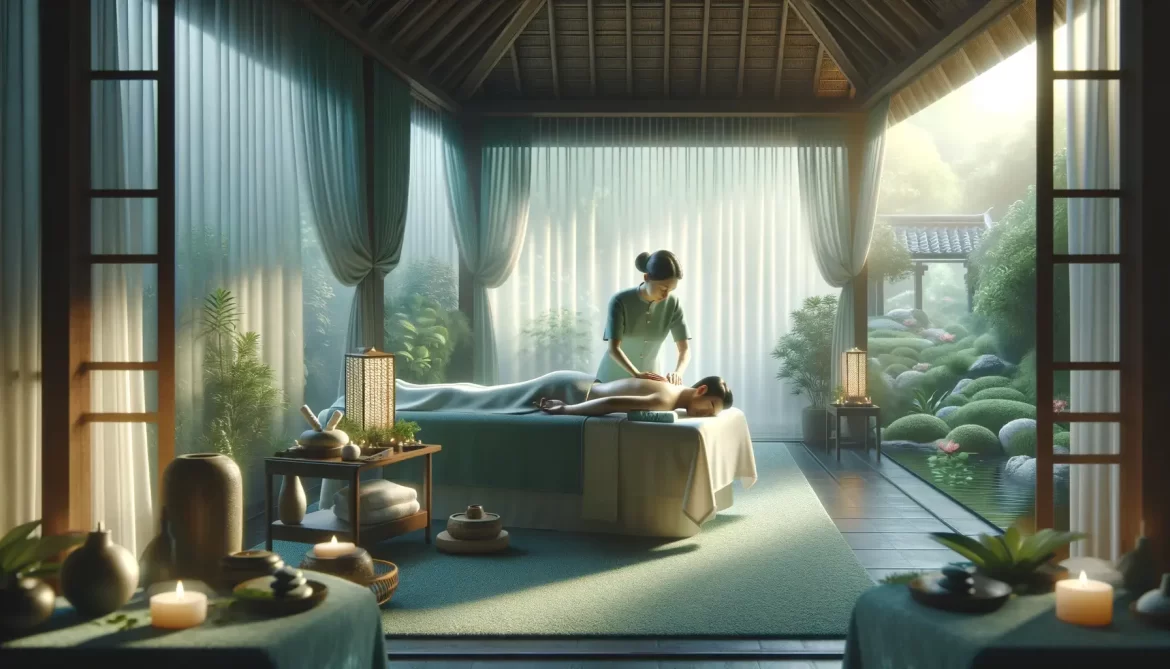
The current society has a tendency to depend on chemically produced medications for stopping illnesses. Many people don’t understand that you will find negative effects caused by these drugs when taken excessively. It is a good thing that there are existing variety of facilities open for 24 hours offering massage in Singapore and making use of Shiatsu and the Chinese meridian treatment to focus on the needs and pains of the customers. They deal with various kinds of pains such as migraine headaches, joint diseases, anxiety, and more. Rather than using medications all the time, you will find individuals who go to the spa to alleviate their selves from their difficulties and to unwind. You can choose from numerous expert services that the spa provides. A couple of which are Shiatsu and Chinese meridian therapy. Let’s explore what both of these are and just how these really help:

What Exactly Are Shiatsu And The Chinese Meridian Treatment?

One of the famous physical therapy which is used to aid and improve your body’s normal capability to heal and balance is Shiatsu. It is believed that the entire body, both the inner and outer body benefit from Shiatsu. It helps the body holistically: psychological, spiritual and mental facets of an individual. Finger pressure is the literal meaning of Shiatsu in Japanese because it started in Japan with a touch of a Chinese influence. Shiatsu can be used to enhance and maintain a person’s health and wellbeing and also to give relief from simple discomforts experienced by an individual.

What Exactly Are Shiatsu And The Chinese Meridian Treatment

Chinese meridian treatment is a technique that utilizes the 12 meridian areas of the body. This really is performed to restore balance in the energy circulation in the body to help you feel much better. Each of the meridian channels corresponds to a specific organ linked to it which can be aided when the therapy is applied to the meridian. The therapy may either be acupressure or acupuncture. Both of them implement pressure on the meridian sections to provide pain relief to the body.  You can visit http://grandspa.com.sg/ for more info about this service.

Consider Some Of The Kinds Of Shiatsu

  • Five element shiatsu

The 5 elements match a body organ. Pressure is applied in regions within your body in which the meridian lines flow. Each and every element matches a body organ. Fire and metal equates to the lungs, wood is to gall bladder, and water is to kidneys and earth is to the spleen. This therapy is utilized to balance the flow of your energy dealing with the entire being of an individual.

  • Zen Shiatsu

Zen shiatsu is a therapeutic massage which also concentrates on the 5 elements. Elbows, knees, fingers, and palms are utilized to apply pressure to the meridian regions. Zen harmonizes the main energy center, also referred to as Hara.

  • Ohashiatsu Massage

This therapeutic massage can be used to relax and reduce the worries of a person. The treatment utilizes limb rotations and stretches. Elevated stamina, strength, enhanced motion and flexibility are among the effects of the Ohashiatsu massage therapy.

  • Ashiatsu Massage

This massage therapy will work for those who are looking for deep muscle work. The specialist makes use of bars fastened overhead for support since she’s going to use her barefoot. The back and hands won’t be utilized in the procedure. An experienced specialist should perform this massage therapy because it may bring a possible risk to the client if the individual is not qualified to do Ashiatsu massage. You can visit http://grandspa.com.sg/ to inquire about their services in Singapore.

What Are The Types Of Chinese Meridian Therapy?

  • Acupuncture

This therapy uses needles that are placed on the meridian system to give relief to the person experiencing pain such as migraines, backaches, arthritis, etc.  A highly trained practitioner should perform this treatment since it can also post danger to the person if done in the wrong way.

  • Cupping

Cupping can be used just like acupuncture, however in this method; the specialist makes use of breakable cups. The cups are warmed to get rid of air then positioned at the back to pull your skin, permitting the cups to adhere for several minutes. This enables your body to become stimulated and to balance the circulation of energy.

  • Acupressure

Acupressure is performed through the use of pressure on the meridian parts of your body. Pressure is used in circular motion in order to deal with pains of the body and permit harmony of energy which promotes the health and wellbeing of an individual. It takes away the damaging energy that causes one to feel pain and discomfort.

When in Singapore, go to http://grandspa.com.sg/ to avail any of these services. Not all these kinds of therapies can be found in spas, however the best 24 hour massage therapy in Singapore provides a few of these services. Be sure to look for a spa which has expert practitioners to guarantee the best therapeutic massage experience. Click here to find the best spa in Singapore.

0 comments
0 FacebookTwitterPinterestEmail

Essentially, physiotherapy aims to restore the movement and function of patients affected by injury, illness, and disability.

Physiotherapists use manual therapy, exercise and movement, and education and advice to achieve the results they desire.

Significance

Physiotherapists use their knowledge and skills to help improve conditions associated with different systems of the body like:

  • Respiratory (asthma, chronic obstructive pulmonary disease, cystic fibrosis)
  • Cardiovascular (rehabilitation after a heart attack, chronic heart disease)
  • Neurological (stroke, multiple sclerosis, Parkinson’s)
  • Neuromusculoskeletal (arthritis, back pain, sports injuries, whiplash associated disorder)

Techniques

Physiotherapists considers all the parts of the body as opposed to merely focusing on the individual aspects of the disease.

Some of the techniques commonly used in physiotherapy includes:

Education and Advice

Physiotherapists give guidance and advice on things that can affect the day-to-day activities of the patient (i.e. proper posture, correct lifting and carrying techniques, etc.)

Tailored exercises, physical activity, and movement advice

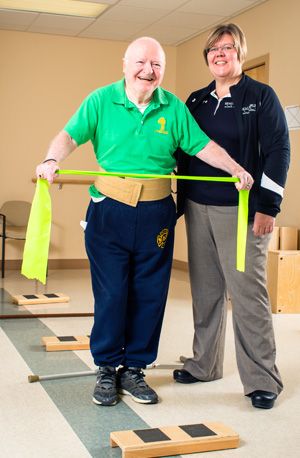
Exercises that can improve mobility, general health, and strengthen specific body parts may be taught by physiotherapists.

Manual therapy

Physiotherapists make use of their hands to relieve pain and stiffness and promote better body movement.

Other techniques like hydrotherapy and acupuncture may also be recommended.

Education and Advice

Physiotherapy uses a holistic approach.

That means it not only provides general advice like adapting the right exercise regimen, maintaining a healthy weight, etc. but it also provides guidance on improving the total well-being of the patient which is considered an integral part of the treatment.

Movement and Exercises

Physiotherapists may also recommend movement and exercises that can help improve mobility and function.

This can include the following:

  • Exercises designed to increase physical activity will be taught. The importance of staying active will also be taught. Likewise, techniques on how to safely and effectively carry out the exercises will be provided.
  • Activities that involve moving the entire body like walking, swimming, and other exercises will be taught to help those that are recovering from an operation that affects mobility and those recovering from injury.
  • When needed, patients are provided with mobility aids (i.e. crutches and walking sticks) to help them move around more efficiently.
  • Patients will also be taught exercises that are designed to enhance movement of specific parts of the body. In most cases, exercises of this nature need to be routinely repeated for a set length of time.
  • Hydrotherapy or aquatic therapy will also be taught when needed as it will not only provide the much needed support and relaxation for the muscles, it will also provide the resistance needed while healing.

Manual Therapy

In essence, manual therapy is the technique physiotherapists use to mobilize, manipulate, and massage the body’s tissues.

Manual therapy helps in:

  • Relieving stiffness
  • Alleviating pain
  • Promoting blood circulation
  • Improving the movement of different body parts
  • Promoting relaxation

Physiotherapy can also be used to effectively assist patients as they get back to their routine activities after an operation.

The common post-operative physiotherapy interventions often involve breathing exercises, circulatory exercises, and early mobilization.

Mobilization

The significance of early mobilization cannot be overstated.

For starters, it helps significantly minimize post-operative complications, ensuring quick recovery and timely hospital discharge is achieved.

A physiotherapist may also recommend stair assessment when needed to help gradually increase mobility.

Circulation

Ensuring proper blood circulation after surgery is significant in order to ensure likely complications like deep vein thrombosis are avoided.

To help promote blood circulation, certain exercises will be taught.

The exercises can be performed while in a chair or bed and will need to be repeated at least every 2 hours.

Breathing Exercises

Breathing exercises are taught in order to minimize chest infection complications.

These exercises are carried out at least 3 to 5 times each day and are done while sitting upright.

Some of the breathing techniques that will be taught include:

  • Deep breathing
  • Breathing control
  • Forced expiration technique

If you need the expert help and guidance of a physiotherapist, please visit www.bjios.sg.

0 comments
0 FacebookTwitterPinterestEmail
Older Posts