Tag:

surgery

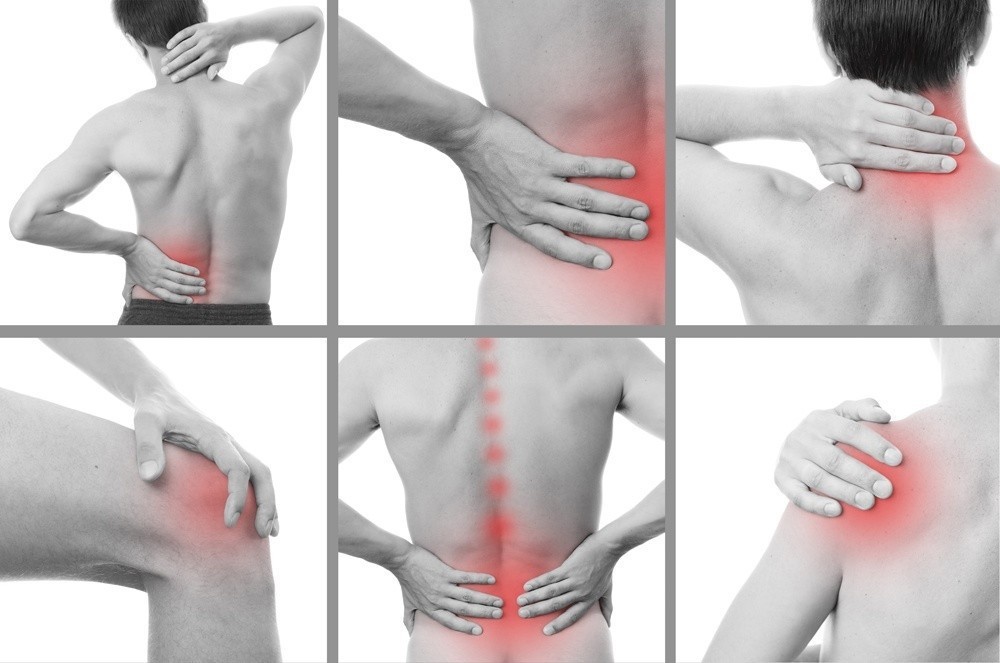
The significance of our joints cannot be overstated.

Aside from helping us move and providing us with the much needed support, the joints also form the connections between the bones of the body.

Joint pain brought about by injury or disease will not only result to a lot of pain but will most likely also impede your movements.

Joint pain can be a result of a lot of conditions—gout, rheumatoid arthritis, sprains, osteoarthritis, and strains to name a few.

Joint pain can also be debilitating or just mildly irritating.

Acute joint pains usually disappear after a few weeks.

Chronic joint pains on the other hand can linger for several months.

Whatever the case may be, what is certain is that joint pain can definitely impact your quality of life.

Prevention

Spare yourself from the inconvenience and aches joint pain can bring by taking to heart the following tips:

Get rid of the excess pounds

You may not be aware of it but the more obese or overweight you are, the more strain you are likely to put on your hips, knees, and back.

If you have been finding it hard to keep the excess pounds off, you might want to consider getting professional help.

Your doctor will be able to provide guidance and recommend programs you can try to safely and effectively get rid of the extra pounds.

If anything, find motivation in the fact that losing even just a pound can take as much as four pounds of pressure from your knees.

That should get you off to a good start if you want to get rid of joint pain once and for all.

Exercise and stay active

exercising is a great way to prevent joint pain

This golden rule will do you a whole lot of good especially if you want to keep joint pain at bay.

The more you exercise and stay active, the lesser you’ll experience stiffness and joint pain.

Also, show your joints some love by changing positions every now and then while you are reading, working, or watching your favorite shows on TV.

Ensure you also leave your desk every once in a while so you’d be able to move and effectively keep stiffness at bay.

Do only low-impact exercises

If you want to stay fit but you want to take good care of your joints at the same time, opting for low-impact exercises is the best way to go.

Thankfully, there’s no limit to the number of low-impact exercises available at your disposal.

Joint friendly exercises you can consider include bicycling, walking, strength training, and swimming.

Treatment

For those who are already suffering from joint pain, it is reassuring to know that there are plenty of effective treatment options available at their disposal.

Some of the treatment options include:

Medications

If you have joint pain that ranges from moderate to severe (coupled with swelling), over-the-counter or prescription non-steroidal anti-inflammatory drugs are the likely option.

Aspirin, ibuprofen, and naproxen sodium are some of the likely medications that will be prescribed.

However, if you experience mild pain sans swelling, acetaminophen would be given.

If your joint pain is severe, your doctor may prescribe a strong opioid medication.

However, since opioids can cause drowsiness, it should only be taken upon the doctor’s recommendation.

Topical Agents

When it comes to relieving joint pain brought about by arthritis (or other conditions), capsaicin has been proven effective.

While it can sometimes cause burning or stinging, it has no other known side effect.

Injections

If oral and topical medications won’t provide the much needed relief, a steroid medication injected directly in the joints might be recommended.

The injection is administered every three to four months.

Steroid injections are often the treatment recourse for patients suffering from arthritis, tendinitis, and other joint diseases.

Physical Therapy

Your physical therapist can help effectively strengthen your muscles, stabilize your joint, and improve your motion range.

They also make use of various techniques like ultrasound, electrical nerve stimulation, and cold or heat therapy to provide the much needed relief.

Joint pain keeping you down and hindering you from enjoying a pain-free existence? Let the experts at www.bjios.sg help you out.


0 comments
0 FacebookTwitterPinterestEmail

Once considered high-tech, joint replacement has now become very common.

In fact, statistics show that more than one million hip and knee replacement surgeries are performed annually.

And that’s in the United States alone.

Undoubtedly, the popularity of the procedure can be attributed primarily to its life-changing attributes.

Studies indicate that a staggering 90 percent of individuals who have had joint replacement surgery experience enhanced mobility and significant pain relief.

When is hip and knee replacement necessary?

There are certain key elements surgeons take into consideration before joint replacement surgery is considered.

Some of the key elements include:

  • Poor quality of life – aside from the pain it causes, doctors would need to gauge if the joint problem is already affecting the patient’s quality of life. Is the patient’s mood affected? Is the patient limited by the condition?
  • Pain and stiffness – for patients who experience severe pain and are no longer able to carry out routine day-to-day activities (i.e. getting up from the chair, climbing, walking, etc.), joint replacement surgery is often the likely course of treatment.
  • Deformity – when the leg becomes severely bowed or swollen, joint replacement will be recommended.
  • Bone damage – when there is severe bone damage due to osteoarthritis or other conditions, joint replacement becomes the primary option.

However, even if patients are able to meet all the necessary requirements, other factors would need to be considered to further assess if surgery is indeed the best option.

To help determine if surgery is the best treatment route, the following questions should be asked:

Have all the other less invasive treatment options been exhausted?

Without doubt, joint replacement injuries are not only common nowadays, they are also known to be highly safe and effective.

However, just like any other surgeries, they come with certain risks.

Recovery can also take several months.

As a general rule of thumb, it is ideal to exhaust all the other nonsurgical options first and consider surgery as the last resort.

Is the patient willing to make the necessary changes?

In order to achieve the maximum result, patients who undergo joint replacement surgery would need to be dedicated and focused on making the necessary changes after the surgery

In order to achieve the maximum result, patients who undergo joint replacement surgery would need to be dedicated and focused on making the necessary changes after the surgery.

In other words, they need to be prepared to lead a healthier lifestyle—losing the excess pounds, eating healthier, and exercising more.

Are there people who can help the patient while recovering?

Recovering from joint surgery without any help can be extra challenging, if not impossible.

At the very least, help will be needed in food preparation, wound dressing, and getting dressed.

Help should be available, especially the first few weeks after the surgery.

If there are no family members or close friends available to help, it would be best for the patient to first check for rehab facilities they can check in after the surgery.

Doing so will help ensure they’d have the needed help they need while recovering.

Although joint replacement is a treatment option readily available, it is not the best treatment course under the following scenarios:

  • Infection – for patients who have had recent body infections, joint replacement surgery is not advised. This is done to ensure infection does not spread to other areas after the surgery. When the infection spreads, it might result to more serious issue that might even require further surgery.
  • Other health issues – patients with a history of uncontrolled diabetes, heart attack, or stroke are not advised to have joint replacement surgery as their complication risk is relatively higher. Patients who are obese are also required to lose the excess pounds prior to the surgery.
  • Cause of pain – understandably, surgeons need to make sure the source of pain is really the joint damage. Bear in mind that there are other likely reasons for hip or knee pain or damage that surgery cannot fix.

Not sure if hip or knee replacement is ideal in your case? Get expert help from the able specialists at www.bjios.sg now.

0 comments
0 FacebookTwitterPinterestEmail

Bunion or Hallux valgus is a condition characterized by a body deformity of the joint situated at the big toe’s base.

Depending on the condition’s severity, treatment alternatives can range from taking painkiller medications to having bunions surgery.

Symptoms

Telltale symptoms of bunions include:

  • Pain and inflammation of the joint of the big toe
  • A swollen bump situated on the outside edge of the foot
  • Callused and red skin on the affected toe
  • Sore skin on the top of the area affected
  • Noticeable changes in the foot’s shape

Sans proper attention and treatment, the condition can worsen and may even require bunions surgery.

Causes

While no exact causes for bunions are known, there are probable causes that have been identified.

Some of the likely causes include:

Arthritis

Bunions has been associated with the following types of arthritis:

Psoriatic arthritis – associated with psoriasis, a known skin condition

Gout – this type typically affects the big toe

Rheumatoid arthritis – swelling and pain of the join can be attributed to the joint lining being attacked by the body’s own immune system

Genetics

If you have family members that have bunions, you have a relatively higher risk of also developing the condition.

However, it will not always follow that if someone in the family has it, everyone in the family will also have it.

Other possible causes

Poor fitting shoes

Wearing of footwear that is too tight has been known to contribute to the development of the condition.

For those who already have the condition, poor choice of footwear can no doubt make the condition even worse.

Treatment Options

Noninvasive treatment options are almost always the first resort when treating the condition

Non-surgical treatment alternatives

Noninvasive treatment options are almost always the first resort when treating the condition.

However, while non-surgical treatment alternatives can do much when it comes to alleviating both the discomfort and the pain, it won’t do much when it comes to preventing the condition from escalating over time.

Non-surgical treatment options include:

Painkillers

When the bunion is painful, over-the-counter painkillers are prescribed.

Paracetamol and ibuprofen are classic examples of OTC painkillers.

To play safe, make sure to always read the accompanying information leaflet and follow the dosage recommended.

Bunion pads

Bunion pads are also known to effectively ease pain brought about by the condition.

Reusable bunion pads made of gel or fleece can be easily purchased from pharmacies nowadays.

Bunion pads offer comfort by helping ensure your foot does not rub against your shoe.

Minimizing rubbing can help significantly reduce both pain and pressure.

Orthotics

Orthotics are typically placed inside the shoes and will work by helping realign the foot’s bones.

Orthotics has also been known effective in reducing the pain since it helps minimize pressure on the feet.

However, no evidence has been available yet when it comes to the effectiveness of orthotics even when used for long periods.

Surgery

If the bunion is very painful and already affects the patient’s quality of life, bunion surgery would be the recommended (and ideal) treatment recourse.

The surgery will be carried out in order to ease the pain and correct the alignment.

Nowadays, bunion surgeries are done as an outpatient procedure.

A general or local anesthetic will be used but the patient will not be required to stay in the hospital.

Different types of bunion surgeries

There are numerous surgical procedures for the treatment of bunions.

The procedure chosen will depend on the severity of the condition.

Some of the most common surgical procedures include:

Arthrodesis

This procedure is often considered ideal for those with advanced joint degeneration and severe deformities.

The procedure will entail fusing together the two bones in the big toe joint.

Post-surgery, patients would no longer be able to wear high heels as it would limit the movement of the big toe.

Osteotomy

This type of surgery for the bunion is deemed one of the most common.

The procedure involves cutting and removing a portion of the affected toe’s bone.

After the bony lump is removed, the bones will be realigned.

Bunions can worsen over time without proper management. Steer clear of the discomfort and pain bunions can bring by getting in touch with the experts at www.bjios.sg.

0 comments
0 FacebookTwitterPinterestEmail

When cells divide at a rate that is both abnormal and uncontrollable, they form a mass of tissue or lump.

This mass of tissue is often referred to as tumor.

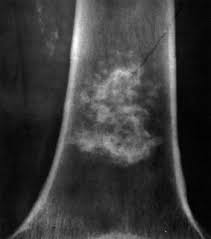
A tumor that forms or develops in the bones is called a bone tumor.

A bone tumor can be malignant or benign.

While the latter is considered non-fatal, it still comes with certain risks and may require treatment.

The former on the other hand is considered life-threatening as there is a possibility for the cancer cells to spread throughout the body.

Likely Causes

While unfortunate to note, no known definite causes have been identified for bone tumors yet.

However, likely causes include radiation, genetics, and bone injuries to name a few.

Osteosarcoma for one has been associated with the use of high doses of anticancer medications as well as high doses of radiation.

Patients with bone fractures repaired using metal implants have also been observed to be more susceptible to osteosarcoma.

Potential Symptoms

Some of the possible indicators of bone tumor include:

Pathologic Fracture

In some cases of undiscovered bone tumors, even a minor injury would be enough to break the weakened bone.

The condition is known as pathologic fracture and it often results to excruciating pain.

In some cases, swelling at the site of the tumor will manifest.

Movement

In some instances, bone tumors that are benign will not manifest any symptoms.

Oftentimes, treatment is not considered necessary.

However, when it starts to interfere with the patient’s function and movement, possible treatment options will be considered.

Dull Ache

One telltale sign of bone cancer is dull ache felt by patients in the affected bone.

In majority of the cases, the dull pain will manifest only occasionally at first.

However, overtime, it can become constant and severe.

In some cases, the pain becomes so severe that it wakes up afflicted patients at night.

Fevers

It is also very likely for people with bone tumor to experience night sweats or fever.

In the absence of night sweats or fever, patients might notice tissue masses on some parts of their body.

Diagnosis

Fractures, infections, and other conditions may sometimes resemble tumors

Fractures, infections, and other conditions may sometimes resemble tumors.

That being said, a variety of tests will be required to accurately diagnose the condition.

Some of the tests include:

  • Imaging tests

To gauge the size and the tumor’s exact location, an X-ray will be required.

Depending on the results, other imaging tests might also be recommended:

PET scan – can help determine the tumor’s location.

CT scan – can provide a series of highly detailed images that are taken from different angles.

MRI scan – can provide a detailed picture of the area affected.

Angiogram – can provide an X-ray of the blood vessels

  • Blood and urine tests

Blood and urine samples will be tested to assess the presence of tumors or other likely medical conditions.

The alkaline phosphatase test is often used to check for bone tumor.

When the tests reveal large quantities of the enzyme in the blood, it can be a sure indicator of bone tumor.

Biopsies are also sometimes recommended in order to get a better insight of the condition.

Either of the two kinds of biopsies might be requested:

  • Incisional Biopsy – this kind is also referred to as open biopsy. Unlike needle biopsy, this will require general anesthesia and is carried out in the operating room.
  • Needle Biopsy – the procedure is carried out by inserting a needle in the patient’s bone to remove a small part of the tissue. X-ray, MRI or CT scan results will be needed when performing needle biopsy so the location of the tumor can be accurately identified.

While benign bone tumors are common, having it checked by a doctor is still recommended. If you notice classic signs of a bone tumor, it would be best check with the experts at www.bjios.sg.

0 comments
0 FacebookTwitterPinterestEmail
ACL injury is the medical term used to refer to the tearing of the anterior cruciate ligament of the ACL

ACL injury is the medical term used to refer to the tearing of the anterior cruciate ligament of the ACL.

Typical ACL injuries typically occur in sports that involve drastic stops, sudden jumps, and changes in direction—tennis, gymnastics, downhill skiing, basketball, and soccer to name a few.

In most cases, affected individuals can feel and hear a “pop” during an ACL injury.

Depending on the severity of the injury, treatment options can range from rehabilitation, rest, or surgery.

Typical symptoms of ACL injuries include but are not limited to the following:

  • Inability to continue with any activity
  • Extreme pain
  • Loss of range of motion
  • Instability
  • Swelling

To accurately diagnose an ACL injury, physical examination and checking for swelling and tenderness will be done. The knee’s overall function will also be assessed.

While making a diagnosis can be done based merely on the physical examination, some tests will be required to rule out other possible causes and gauge the severity of the ACL injury.

Below are some of the possible tests that will be required:

  • X-rays – X-rays are often requested when your attending doctor would like to check for possible bone fractures.
  • Ultrasound – in order to check for any tendon, muscle, or ligament injuries, an ultrasound will be required. An ultrasound will employ sound waves to visualize the internal structures of the knee.
  • Magnetic resonance imaging (MRI) – MRIs make use of radio waves and a strong magnetic field to create images of the body’s soft and hard tissues. It is deemed an effective tool if the doctor would like to gauge the full extent of an ACL injury and check for other signs of possible damage.

Although prompt and proper first aid care can significantly reduce the swelling and pain caused by an ACL injury, other treatment alternatives might be required, depending on the severity.

Other treatment options include:

Rehabilitation

ACL injury treatment will often entail weeks of rehabilitative therapy

ACL injury treatment will often entail weeks of rehabilitative therapy.

Physical therapists will teach patients recommended exercises that can be performed at home or under their continued supervision.

In some instances, crutches are recommended so less stress and strain are placed on the knees. A brace might also be recommended to help stabilize the affected knee.

The primary goals of rehabilitation include muscle strengthening, reduction of swelling and pain, and restoration of full motion range.

Physical therapy can be very effective in treating an ACL injury if the patient is relatively inactive, does not engage in sports that put stress on the knees, and is only engaged in moderate exercises and recreational activities.

Surgery

Surgery is a likely treatment alternative given the following circumstances:

  • More than one ligament or cartilage is injured
  • The patient is young and active
  • The patient is an athlete engaged in sports that entails jumping, pivoting, and cutting
  • The injury makes the knees buckle even when performing daily activities

During an ACL reconstruction, ligaments that are damaged are removed. The damaged ligaments are replaced by a segment of tendon. The procedure is commonly known as grafting.

The surgeon will use the tendon taken from another part of the knee or it will be taken from a deceased donor. The graft will function as a scaffolding, where the new ligament tissues will grow.

Rehabilitative surgery will often start after surgery. Successful reconstruction of the ACL is often followed by rigorous rehabilitation.

This is done to ensure the knee’s function and stability are restored.

Oftentimes, athletes with ACL injuries can already engage in their sports after eight to twelve months.

ACL injuries should not be taken for granted. If you suspect an ACL injury, get expert help from the specialists at www.bjios.sg right away.

0 comments
0 FacebookTwitterPinterestEmail
Trigger finger is an excruciating condition that causes the finger or the thumb to catch or lock up when bent

Trigger finger is an excruciating condition that causes the finger or the thumb to catch or lock up when bent.

Also known as stenosing tenosynovitis, trigger finger occurs when the tendons in the finger or thumb becomes inflamed.

The tough tissue bands that connect the muscles and the bones are called tendons.

Together, the tendons and the muscles in the hands and arms bend and straighten the fingers and the thumbs.

Typically, the tendon will just easily glide through the tissue covering or the sheath because of the synovium.

It is the lubricating membrane surrounding the joint.

However, there will be instances when the tendon becomes inflamed and swollen.

When this happens, bending the finger or the thumb will pull the inflamed tendon through a tendon sheath that is already narrowed.

This would result to a snap or pop.

Depending on the severity, the treatment option can range from noninvasive options to trigger finger surgery.

Causes

Repeated movements and forceful use of the finger or thumb is often the culprit for trigger finger

Repeated movements and forceful use of the finger or thumb is often the culprit for trigger finger.

Rheumatoid arthritis, diabetes, and gout have also been associated with trigger finger.

There are several factors that increase one’s risk of developing the condition.

Some of the factors include the following:

  • Repeated gripping – occupations and hobbies that entail repetitive hand use and prolonged gripping.
  • Health problems – people with diabetes and rheumatoid arthritis are more at risk of developing trigger finger.
  • Sex – trigger finger is more common in women than in men.

Symptoms

Common symptoms of trigger finger include the following:

  • A bump or a nodule
  • Tenderness
  • Finger catching or locking
  • Difficulty or inability to straighten the affected finger
  • Finger is locked in bent position
  • Stiffness of the affected finger especially in the mornings
  • Popping and clicking sensation when the affected finger is moved

Diagnosis

When diagnosing trigger finger, no elaborate testing is required.

Checking the medical history and a physical examination would often suffice.

During the examination, the patient will be asked to close and open the hand.

This is done so the doctor can easily check for signs of locking.

The physical examination will also allow the doctor to check for lumps, areas of pain, and smoothness of motion.

Lumps associated with trigger finger will move together with the finger since it is attached to the tendon.

Treatment

Medications

NSAIDs or nonsteroidal anti-inflammatory drugs (ibuprofen and naproxen) are often recommended to provide relief from pain.

However, NSAIDs won’t be able to relieve the inflammation and the swelling.

Therapy

Noninvasive treatment approaches for trigger finger include the following:

  • Rest – patients whose hobbies or work entail prolonged grasping and repetitive gripping, resting for at least 3 to 4 weeks will be recommended.
  • Ice or heat – some individuals notice an improvement when icing the palm several times a day. Others on the other hand, observe an improvement when warm-water soaks are done first thing each morning.
  • Splint – splinting the affected finger for at least 6 weeks might be recommended to help ensure it stays in an extended condition.
  • Stretching exercises – in order to maintain mobility of the affected finger, doctors will most likely recommend gentle exercises.

Surgery and Other Procedures

For conditions that are severe and does not respond to conventional treatments, the following treatment routes might be suggested:

Percutaneous Release – after numbing the palm, the doctor will then insert a needle into the tissue in order to help break the constriction. This procedure is done under ultrasound so damage to the tendon and other nerves will be avoided.

Trigger Finger Surgery – the procedure is done by cutting open the constricted tendon sheath section through a small incision made in the base of the finger affected. This procedure is often carried out in the operating room.

Don’t put up with the pain and discomfort trigger finger brings. Visit www.bjios.sg to know how to effectively manage the condition and treat it for good.

0 comments
0 FacebookTwitterPinterestEmail

Lower back pain is considered by many to be one of those universal human experiences.

In other words, everyone has experienced it at one point in their lives or another.

Lower pain is considered very common in adults between 30 and 50 years old.

Its severity can range from acute to chronic.

Back pain can be attributed to a lot of causes.

However, some of the most common causes include spinal abnormalities (i.e. slipped disk or spinal stenosis), muscle pulls and spasms, and nerve irritation.

Symptoms

Back pain symptoms that will manifest will often depend on the severity of the condition.

In most cases however, it can range from dull ache to stabbing or shooting sensation.

In other cases, those with the condition will notice pain when standing or moving up.

Most cases of acute lower back pain are attributed to injuries from sports or from lifting heavy objects.

If pain in the back persists past the 72-hour mark, seeing an orthopaedic specialist would be considered ideal.

Pain that persists for more than 3 months is already classified as chronic.

Individuals who experience back pain that is severe after a fall or injury should consider seeking immediate medical attention a necessity.

Other alarming symptoms that will require immediate medical attention include:

  • Fever
  • Loss of bowel or bladder control
  • Pain when coughing or urinating
  • Weakness in the leg

Risk Factors

Many people often experience lower back pain in their 30s

Many people often experience lower back pain in their 30s.

Occurrence of the condition has been noticed to increase as an individual ages.

Apart from age, there are other factors that have been known to increase a person’s risk for lower back pain.

Some of the factors are:

  • Sedentary lifestyle
  • Obesity
  • Jobs that entail lifting of heavy objects

Diagnosis

To diagnose the cause of the back pain accurately, orthopaedic specialists would most likely ask patients the following questions:

  • What is the pain like?
  • When did you first notice it?
  • What are the symptoms you have noticed?
  • Do you have a history of chronic back pain?

Treatment

In most cases, recommended treatment option for back pain will depend on the cause of the condition and its severity.

Below are some of the most effective ways used to manage back pain:

Rest

In mild cases, reducing the level of activity at least for a couple of days or more would often do wonders.

Also, putting in the back in a neutral position by putting a pillow under the knees while lying on the back has also been known to help.

Heat or ice

Evidence indicates that using heat packs and ice can significantly increase mobility and alleviate pain.

Placing a bag of ice wrapped in a towel on the painful area is often recommended to help minimize the inflammation.

The procedure should be repeated numerous times each day, at least 20 minutes for each repetition.

For those who prefer heat treatment, taking a warm bath or using a heating pad would be good ideas.

The warmth can help loose the tight muscles that might be one of the causes of the pain.

Surgery

Surgery to resolve severe back pain is very rare.

However, it can become the likely option when all other treatment options that have been exhausted has proved futile.

Surgery can also be the best option in some cases.

For instance, when small disk fragments have disintegrated, they need to be removed surgically to remove pressure on the nerve paths.

In the case of an injured or abnormal vertebrae, fusing it together might be required so the patient can regain mobility.

Generally, surgery of the back is often considered the last resort.

It can only become the ideal treatment option when there is loss of bowel or bladder control, when there is neurological loss, and when all other noninvasive alternatives have proved futile.

Manage low back pain effectively with the help of the specialists at www.bjios.sg.

0 comments
0 FacebookTwitterPinterestEmail
Unfortunately, trauma, injuries, and even overuse can result to hand problems

While unfortunate to note, there’s no denying the importance of the human hands is often overlooked.

However, the significance of the human hands cannot be overstated.

Routine day-to-day activities like eating, working, dressing, writing, creating art, etc. can become very challenging if not impossible sans functioning hands.

Unfortunately, trauma, injuries, and even overuse can result to hand problems.

Treatment options for hand injuries can range from conventional alternatives to orthopaedic hand surgery.

In most cases, the chosen treatment option will depend on the condition’s severity.

However, while not all hand conditions will require orthopaedic hand surgery, in some instances, it is considered the best option available.

Enumerated below are some of the most common hand conditions that will respond to surgery and what patients can expect during recovery:

Carpal tunnel release

Carpal tunnel syndrome occurs when pressure is placed on the median nerve as it passes through the wrist.

Pain and numbness are considered two of the most common symptoms of the condition.

To minimize nerve pressure, surgery might be recommended.

Recovery

After the surgery, patient will have to wear a bandage on both the hand and the wrist. This can last for at least a week.

Ten to fourteen days after, stitches will be removed.

By that time, patients are most likely already able to use the fingers and the thumb.

However, doing heavy tasks using the affected hand will still be prohibited.

In majority of the cases, moving the fingers will be required to help ensure the nerve and the tendons do not get caught up in any scar tissue.

While recovery can often occur in less than a month, getting feelings back in the hands will often take much longer.

In some cases, the scar can become painful and sensitive for a few months.

Fortunately, the sensitivity and the ache will eventually go away on its own without any treatment interventions.

Dupytren’s contracture fasciectomy

This condition is characterized by a tissue that forms in the fingers and the palm of the hands

This condition is characterized by a tissue that forms in the fingers and the palm of the hands.

While often not painful, this condition might cause bands to form resulting in curled fingers.

To remove the tissue and release the fingers, surgery is often recommended.

Fortunately, the condition will not require hospitalization so the patient is free to go home at least a few hours after the surgery.

Recovery

While healing of the skin will only take 2 to 3 weeks, it will often take 12 weeks before patient can have full use of the hands.

The hand’s movement and function will be monitored and patients will be taught hand exercises.

While not required in most cases, night splints might be recommended in some cases.

Knuckle replacement (MCP joint)

Metacarpophalangeal (MCP joints) or otherwise known as rheumatoid arthritis of the knuckles may sometimes result to damage and deformity.

Apart from being severely painful, the condition can also reduce hand function significantly.

When using the hand becomes challenging already, surgery to replace the knuckles with artificial joints might be required.

The procedure will help minimize the pain and improve finger positioning.

Recovery

Before rehabilitation can start, resting the hand for a few days after the surgery will be recommended.

Exercises to help move the fingers will also be taught to patients.

Wearing a splint during the day will also be recommended when not exercising.

In some cases, wearing nightly splints (at least for a few months) will be prescribed.

Advice on ways to properly look after the new artificial joints will also be taught to patients.

Tendon repair

Tendon ruptures in the wrist or hand are considered rare.

Most cases are often attributed to rheumatoid arthritis or other kinds of inflammatory arthritis.

Recovery

Patients will need to wait for at least six weeks for the tendons to fully heal before they can use their hands again.

To help protect the tendons while healing, splinting will be recommended.
Know more about hand surgery and what to expect after the procedure at www.bjios.sg.


0 comments
0 FacebookTwitterPinterestEmail
The ACL or the anterior cruciate ligament are the tough tissue bands that connect the thigh bone to the shin bone

The ACL or the anterior cruciate ligament are the tough tissue bands that connect the thigh bone to the shin bone.

The anterior cruciate ligament runs through the knee diagonally and works by giving the joint in the knee the much needed stability.

It also helps control the back-and-forth movement of the lower leg.

Oftentimes, knee injuries occur when playing physically demanding sports like skiing, squash, football, and tennis.

Up to 40 percent of known sports injuries can be traced to ACL injuries.

In cases where damage is extensive, minimally invasive surgery might be recommended.

Tears in the ACL often happen when the lower leg and the knee are twisted or when the lower leg is extended too much.

Other likely causes of ACL injuries include:

  • Incorrect landings (from jumps)
  • Collisions (from football tackles)
  • Drastic stops
  • Sudden changes in direction

When the ACL is torn, there is a tendency for the knee to become highly unstable.

Losing its full motion range is also possible.

When is surgery needed?

For ACL tears that are minor, conservative and noninvasive treatment options will most often suffice

For ACL tears that are minor, conservative and noninvasive treatment options will most often suffice.

However, if there are multiple tears, immediate surgical intervention is the most likely option to help ensure the knee is stabilized.

Surgery is also often carried out before too much inflammation can occur and cause permanent damage to the joint.

Stitching alone will not be enough to repair ACL tears.

Tissue graft (from the patient or a cadaver) will be required to provide support and facilitate ligament growth.

Fortunately, it is a lot easier for orthopedic surgeons nowadays to gauge the severity of the injury.

When immediate repairs are deemed necessary, a minimally invasive surgery called arthroscopy is performed.

The procedure is carried out under general anesthesia.

The surgeon will also need to make several tiny incisions in the knee.

In order to clean the joint, fluid will be injected.

A fiber optic camera will then be inserted so it can provide detailed images on the television monitor.

The detailed images will help the orthopedic surgeon clearly see the joint parts and determine the steps necessary for the repair.

Years prior, surgeries of the knee are often classified as open surgery and will often entail at least a week-long stay in the hospital.

Several months will also be required for full recovery to take place.

Fortunately, patients can perform day-to-day routines more quickly with procedures that are minimally invasive.

Knee arthroscopy is also carried out to:

  • Trim the pieces of the broken cartilage
  • Remove or repair the cartilage that works as cushion in the meniscus (the space situated between the knee bones)
  • Repair the bone fractures found in the knee
  • Repair the lining of the knee or the synovium
  • Remove the fluid-filled sac that can manifest in the back of the knee (Baker’s cyst)

Preparations

Before the surgery, the following will most likely be suggested:

  • Discussing bleeding disorders or other medical conditions with the surgeon.
  • Taking a blood sample just in case a transfusion of blood will be necessary.
  • Letting the doctor know if you have colds, fever, herpes breakout, flu or other conditions that might cause rescheduling of the surgery.
  • Taking ibuprofen (Advil, Motrin), Iopidogrel (Plavix), naproxen (Aleve, Naprosyn), and other blood thinners should be stopped.

On the day of the procedure, the following will most likely be recommended:

  • Eating and drinking after midnight should be avoided especially if general anesthesia will be administered.
  • Should be in the hospital on the time scheduled.
  • Taking medications provided with only a small water sip.

After the surgery, patients can expect the following:

  • They will be asked to go home after only a few hours.
  • They will have to use crutches when necessary.
  • Since the procedure is minimally invasive, recovery will be faster. However, in some instances, the complexity of the repair and the severity of the condition may affect the length of the recovery.

If you are a candidate for minimally invasive surgery for an ACL injury, get expert help from the able specialists at www.bjios.sg now.

0 comments
0 FacebookTwitterPinterestEmail
In essence, microsurgery is surgery performed on very small structures

In essence, microsurgery is surgery performed on very small structures (i.e. nerves and the blood vessels).

Specialized instruments under a microscope are also used for the procedure.

Microsurgery makes use of techniques like blood vessel repair and organ transplantation.

The aforementioned techniques have been used since the twentieth century’s early part.

Microsurgery techniques have also been utilized by several surgical specialties.

For instance:

Ophthalmologists (eye doctors)

Performs microsurgery to remove cataracts, carry out corneal transplants, and treat glaucoma and other eye conditions.

Otolaryngologists (ear, nose, and throat doctors)

Uses microsurgeries when working on the small and delicate structures of the inner ear or when carrying out work on the vocal chords.

Gynecologists and urologists

Reverses tubal ligations and vasectomies using microsurgery principles.

Plastic surgeons

Reconstructs damaged or disfigured skin, tissues, and muscles using microsurgical techniques.

Other specialties

Performs microsurgery to replant or reattach amputated body parts to replace a new one (for instance, a lost or damaged thumb is replaced with a great toe).

Equipment Used in Microsurgery

The key functions of microsurgical equipment include magnifying the operating field and providing instrumentation

The key functions of microsurgical equipment include magnifying the operating field and providing instrumentation.

The equipment used are designed to make precise maneuvering feasible and to make operating on barely visible structures possible.

Essential instruments used in microsurgery include microsurgical instruments, micro suture materials, and the microscope.

Microscope

Microscope that is used in microsurgery is either mounted on the ceiling or on the floor.

It also comes designed with a moveable arm so manipulating its position becomes relatively easier.

A set of lenses and a high-intensity light source are used to view the surgical site.

A video camera is used so other members of the surgical team can view the surgical site on a display screen.

Ideally, a five to forty times (5–40x) magnification is used in microsurgical procedures.

Instruments

Compared to traditional surgical instruments, those used in microsurgery have distinct differences.

Aside from its capability to delicately manipulate barely visible structures, microsurgical instruments also come with handles that are large enough so handling them comfortably and securely is possible.

Instruments often utilized in microsurgery include:

  • Needle holders (for suturing)
  • Forceps
  • Vessel dilators
  • Standard surgical tools
  • Scissors
  • Irrigators

Suture Materials

In microsurgery, suturing or stitching is carried out utilizing needles and threads that are specialized.

The diameter or gauge of the threads can vary in size.

When choosing the apt thread to be used, the procedure that will be performed as well as the tissue that needs to be sutured will be taken into account.

In most cases, threads with 9–0 to 12–0 gauges are used in microsurgery.

Suture threads can also be non-absorbable or absorbable.

They can also be made from natural materials or synthetic ones.

The type used will depend on the procedure as well as the tissue that needs suturing.

Suture needles come in diverse sizes and shapes.

They also have different point types.

Generally, however, the needles often used are less than 0.15 mm in diameter.

Training

Surgeons will have to undergo extensive training and practice before they perform microsurgery.

Know-how on basic anatomy and surgical techniques will also be required.

Surgeons will also be taught how to hold the instruments properly, how to lessen hand tremors, ways to maintain proper posture when performing microsurgical procedures and maintaining visual contact when using the microscope, among other things.

A set of essential techniques have to be mastered by the surgeon as they are often utilized in microsurgery.

These basic techniques include nerve grafting and repair, vessel repair, and vein grafting.

When already very proficient in the basic skills needed for microsurgery, more advanced techniques will be taught, including treating specific conditions.

For more information about microsurgery and if it is the right option for you, check www.bjios.sg right now.

0 comments
0 FacebookTwitterPinterestEmail