Tag:

Skin Care

As someone who has struggled with dark eye circles for years, I understand the frustration and self-consciousness that come with this common skin concern. Over time, I’ve tried various remedies, from eye creams to home remedies, all with limited success. It was only when I discovered Pico Laser that I truly began to see a noticeable improvement in my dark eye circles. However, I soon realized that post-treatment care was just as crucial as the treatment itself in maximizing its benefits. In this article, I will share my personal journey with Pico Laser for dark eye circles and delve into the details of what Pico Laser is, how it works, and the essential steps to ensure you get the most out of this revolutionary treatment.

What is Pico Laser?

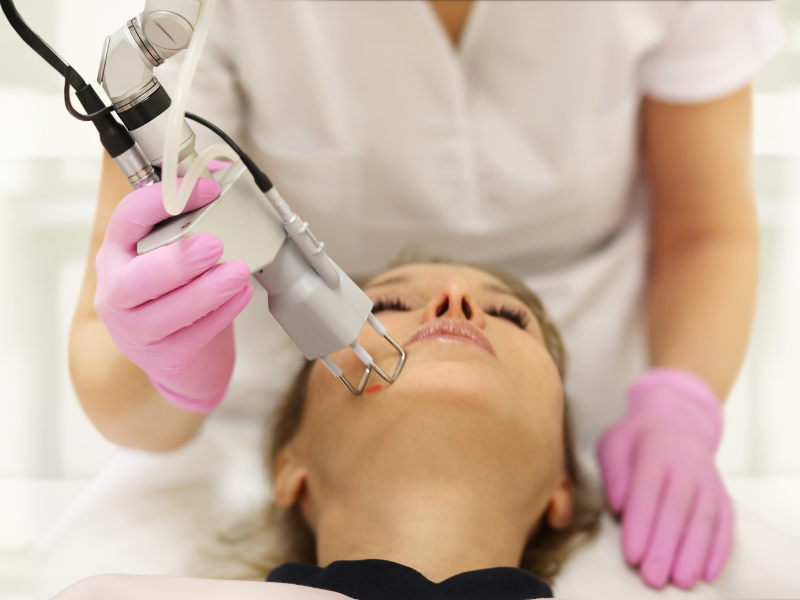
Aesthetician performing a laser treatment on a patient's faceBefore delving into post-treatment care, let’s start by understanding what Pico Laser is and why it has become such a game-changer in the world of dermatology.

Pico Laser is a cutting-edge technology that has gained immense popularity for its effectiveness in treating various skin concerns, including dark eye circles. It operates on the principle of using ultra-short pulse durations, measured in picoseconds (trillionths of a second) and nanoseconds (billionths of a second), to target specific pigment particles within the skin. This precision allows it to break down pigmented lesions, like the ones causing dark eye circles, without harming the surrounding healthy tissue.

One of the key reasons for Pico Laser’s success is its versatility. It can effectively address a wide range of skin issues, such as pigmentation, wrinkles, and even tattoo removal. However, its remarkable ability to tackle dark eye circles is what piqued my interest initially.

How Pico Laser Works

Understanding how Pico Laser works is crucial in appreciating its significance and effectiveness. Unlike traditional lasers, which use longer pulse durations and can sometimes lead to unwanted side effects, Pico Laser’s ultra-short pulses deliver energy in a way that specifically targets melanin and pigment particles.

During a Pico Laser treatment session, the laser emits rapid bursts of energy that shatter the pigmented lesions responsible for dark eye circles. This process effectively breaks down the melanin causing discoloration, allowing your body’s natural processes to clear the debris away. What sets Pico Laser apart is its precision; it can target these pigment particles with remarkable accuracy, leaving the surrounding skin unharmed.

One of the aspects that initially drew me to Pico Laser was its minimal downtime and quick recovery. After each session, I experienced only mild redness and swelling, which typically subsided within a day or two. This meant that I could return to my daily activities almost immediately, without the need for extended downtime.

However, it’s essential to note that Pico Laser is not a one-time solution for dark eye circles. To achieve optimal results, multiple sessions are typically required. Your dermatologist will recommend an appropriate treatment plan, including the number of sessions and the interval between them. While this may seem like a commitment, I can attest that the results are well worth it.

Benefits of Pico Laser for Dark Eye Circles

Effective Pigment Removal

Close-up of a woman's eyes with noticeable dark circlesThe primary benefit of Pico Laser for dark eye circles is its unparalleled effectiveness in pigment removal. Unlike many topical treatments that merely lighten the skin temporarily, Pico Laser targets the root cause of dark eye circles by breaking down the excess melanin responsible for the discoloration. This results in a more long-lasting and noticeable improvement.

Minimal Discomfort During Treatment

I was pleasantly surprised by how comfortable the Pico Laser treatment was. While I expected some discomfort, the sessions were relatively painless. The laser’s ultra-short pulses are designed to minimize discomfort, making the experience far more bearable than I had anticipated.

Quick Sessions

Another advantage of Pico Laser treatment is its speed. Each session typically lasts only a few minutes, making it a convenient option for those with busy schedules. I appreciated that I could easily fit the sessions into my day without disrupting my routine.

Little to No Downtime

One of the standout features of Pico Laser is the minimal downtime it requires. After each session, I experienced mild redness and swelling, which quickly subsided. This allowed me to resume my daily activities without significant interruption, a crucial factor for anyone with a busy life.

Suitable for Various Skin Types

Pico Laser’s precision and versatility extend to its suitability for various skin types. Whether you have fair or dark skin, Pico Laser can be tailored to your specific needs. This inclusivity is a significant advantage, as it means that more people can benefit from this treatment.

Long-Term Benefits

Beyond the immediate benefits of pigment removal, Pico Laser offers long-term advantages. With regular sessions and proper post-treatment care, you can expect improved skin texture and a more youthful appearance. This long-lasting impact has been a game-changer for me, as I no longer have to rely on concealer to hide my dark eye circles.

AspectDetails
What is Pico Laser?A laser treatment using ultra-short picosecond pulses to break down pigment particles and stimulate collagen production.
How It WorksTargets melanin in dark eye circles, breaking it down into smaller fragments for natural elimination by the body.
Key BenefitsEffective pigment removal, minimal discomfort, quick sessions, little to no downtime, suitable for various skin types, and long-term results.
Procedure & RecoverySessions last a few minutes with mild redness and swelling that subsides within a day or two; multiple sessions are usually needed.
Long-Term CareProper skincare, sun protection, and follow-up treatments help maintain results and prevent recurrence.

Frequently Asked Questions About Pico Laser for Dark Eye Circles

How many Pico Laser sessions are needed to see results?
The number of sessions varies depending on the severity of your dark eye circles and your skin type. Most individuals require 3 to 5 sessions spaced 4 to 6 weeks apart for optimal results. Some people notice improvement after just one session, but multiple treatments are usually recommended for long-lasting effects.

Is Pico Laser painful for dark eye circle treatment?
Pico Laser treatments are generally well-tolerated with minimal discomfort. A mild tingling or snapping sensation may be felt during the procedure, but most dermatologists apply a numbing cream before treatment to enhance comfort. The ultra-short pulses reduce heat buildup, making it gentler compared to traditional lasers.

What are the side effects of Pico Laser for dark eye circles?
Pico Laser has minimal side effects. Temporary redness, slight swelling, or mild sensitivity in the treated area may occur but typically subside within 24 to 48 hours. The risk of hyperpigmentation is lower compared to older laser treatments, making it safe for various skin tones.

Can Pico Laser completely remove dark eye circles?
Pico Laser can significantly reduce pigmentation-related dark eye circles, but if your dark circles are caused by factors like hollowing (tear troughs), poor circulation, or lifestyle habits, additional treatments such as fillers, skin boosters, or lifestyle changes may be necessary for optimal results.

Conclusion

In conclusion, Pico Laser treatment has been a life-changing experience for me in my battle against dark eye circles. Understanding what Pico Laser is and how it works is crucial to appreciate its significance and effectiveness. The benefits of Pico Laser, including effective pigment removal, minimal discomfort, quick sessions, little to no downtime, suitability for various skin types, and long-term benefits, make it a compelling choice for those seeking to address this common skin concern.

However, post-treatment care is just as vital as the treatment itself in maximizing the benefits of Pico Laser. Proper pre-treatment preparations, selecting an experienced practitioner, and following post-treatment guidelines are essential steps in achieving the best results. Maintaining long-term care and preventing recurrence through lifestyle adjustments and proper skincare are equally important.

If you, like me, have struggled with dark eye circles, I encourage you to consider Pico Laser treatment as a viable option. Consult with a qualified dermatologist to explore whether this revolutionary treatment can help you achieve the brighter, more youthful-looking eyes you desire. It has made a world of difference in my life, and I believe it can do the same for you.

0 comments
0 FacebookTwitterPinterestEmail

As someone who has struggled with skin imperfections and dark eye circles for most of my life, I’ve always been on the lookout for effective solutions. Over the years, I’ve tried various creams, serums, and treatments, but none seemed to provide the lasting results I desired. That was until I stumbled upon the world of Pico Laser technology—a groundbreaking advancement in the field of dermatology. In this article, I will take you on a journey through the fascinating science behind Pico Laser and its remarkable effects on skin and dark eye circles.

What is Pico Laser?

Aesthetician performing a facial treatment on a relaxed womanPico Laser is a cutting-edge technology that has revolutionized the way we address various skin concerns. To truly appreciate its significance, let’s start with the basics. In essence, Pico Laser is a type of laser therapy used in dermatology. It’s not the first of its kind, but it represents a remarkable leap forward in laser technology.
Laser therapy has a long history in the world of dermatology. The term “laser” stands for “Light Amplification by Stimulated Emission of Radiation.” In simpler terms, lasers emit highly focused and intense beams of light that can interact with tissues in specific ways. These interactions are the key to the effectiveness of laser treatments.

How Pico Laser Works

To understand how Pico Laser works, we need to dive a bit deeper into the science of laser technology. At its core, a laser emits photons, which are tiny packets of light energy. When these photons come into contact with skin tissue, they can have various effects depending on the type of laser and its settings.

Pico Laser stands out due to its extremely short pulse duration, measured in picoseconds (trillionths of a second). This rapid pulsing distinguishes it from traditional lasers, which typically use nanosecond pulses. The shorter pulse duration of Pico Laser is critical because it allows for precise targeting of specific skin concerns.

One of the primary ways Pico Laser works its magic is by targeting melanin—the pigment responsible for the color of our skin, hair, and eyes. Melanin is also the culprit behind various skin issues, including pigmentation disorders such as melasma and sunspots. By emitting ultra-short pulses of laser energy, Pico Laser can break down melanin particles into smaller, more manageable fragments. This process enables the body’s natural processes to eliminate the unwanted pigmentation gradually.

Moreover, Pico Laser is incredibly effective in tattoo removal. It works by breaking down the ink particles within the skin into smaller fragments, which can then be eliminated by the body’s immune system. Compared to traditional lasers, Pico Laser is more precise and generates less heat, reducing the risk of scarring or skin damage.

Additionally, Pico Laser can help address acne scars, another common skin concern. The laser’s rapid pulses stimulate collagen production in the skin, promoting tissue repair and smoothing out scarred areas. This collagen-boosting effect also contributes to overall skin rejuvenation, leaving the skin looking healthier and more youthful.

One of the remarkable advantages of Pico Laser treatments is the minimal downtime and side effects. While traditional lasers can cause significant redness, swelling, and discomfort, Pico Laser treatments typically result in milder reactions that subside quickly. This makes it a more accessible option for those with busy lives or those who prefer discreet treatments.

Effects of Pico Laser on Dark Eye Circles

Professional administering laser skin therapy for facial rejuvenationDark eye circles have been a persistent issue for many, including myself. These shadows under the eyes can be caused by a variety of factors, including genetics, aging, and lifestyle choices. To understand how Pico Laser can address dark eye circles, it’s essential to grasp the science behind them.

Dark eye circles often result from an excess of melanin in the skin under the eyes and dilated blood vessels. Pico Laser treatments can target both of these issues effectively.

The laser’s ability to break down melanin particles is particularly beneficial in this context. By specifically targeting the excess melanin in the under-eye area, Pico Laser can gradually reduce the pigmentation responsible for dark circles, leading to a brighter and more refreshed appearance.

Furthermore, Pico Laser can improve blood vessel health, which can contribute to reducing dark eye circles caused by dilated blood vessels. The laser’s precise targeting stimulates collagen production and promotes better blood flow in the treated area. Over time, this can lead to a significant improvement in the appearance of dark eye circles.

While I was initially skeptical about Pico Laser’s potential to address my dark eye circles, the results were genuinely impressive. After a series of treatments, I noticed a visible reduction in the pigmentation under my eyes, giving me a more rested and youthful appearance.

Future Developments in Pico Laser Technology

The world of dermatology is continually evolving, and Pico Laser technology is no exception. Ongoing research and innovations are likely to lead to even more effective treatments and expanded applications in the future.

Researchers are exploring the potential of Pico Laser in addressing other skin concerns, such as stretch marks and fine lines. Additionally, there is growing interest in using Pico Laser technology in non-dermatological fields, such as ophthalmology and dentistry. These advancements have the potential to make Pico Laser treatments more versatile and accessible to a broader range of patients.

However, it’s important to keep in mind that while technology continues to advance, the effectiveness of any treatment still depends on individual factors and the skill of the practitioner. As Pico Laser technology evolves, so too should our understanding of its limitations and best practices for its use.

AspectDetails
What is Pico Laser?A cutting-edge laser treatment that delivers ultra-short picosecond pulses to target skin pigmentation, acne scars, and tattoo removal.
How It WorksUses rapid pulses to break down melanin and ink particles, stimulate collagen production, and improve blood vessel health with minimal heat damage.
Effects on Dark Eye CirclesReduces excess melanin, improves blood circulation, and promotes collagen production for a brighter under-eye area.
Key BenefitsMinimal downtime, effective pigmentation removal, skin rejuvenation, and improved appearance of acne scars and dark circles.
Future InnovationsResearch is expanding Pico Laser applications for stretch marks, fine lines, and use in other medical fields like ophthalmology and dentistry.

Frequently Asked Questions (FAQs) About Pico Laser for Skin and Dark Eye Circles

Is Pico Laser safe for all skin types?
Yes, Pico Laser is generally safe for all skin types. However, the treatment settings and intensity may need to be adjusted based on individual skin tone and sensitivity. A consultation with a qualified dermatologist or laser specialist is essential to determine if it’s suitable for your skin.

How many sessions are needed to see results?
The number of sessions required varies depending on the skin concern being treated. For pigmentation and dark eye circles, noticeable improvement can be seen in 2 to 4 sessions, while acne scars and fine lines may require 4 to 6 sessions for optimal results.

Is there any downtime after a Pico Laser treatment?
Pico Laser treatments typically have minimal downtime. Some patients may experience slight redness or mild swelling, which usually subsides within a few hours to a day. Most people can return to their daily activities immediately after the procedure.

Can Pico Laser completely remove dark eye circles?
Pico Laser can significantly reduce pigmentation under the eyes by breaking down excess melanin, but results vary based on the cause of dark eye circles. If the circles are caused by hollowing or genetics, other treatments like fillers or skin boosters may be more effective in combination with Pico Laser.

Conclusion

In my journey to find effective solutions for my skin concerns and dark eye circles, I stumbled upon the remarkable world of Pico Laser technology. Its ability to target pigmentation issues, stimulate collagen production, and improve blood vessel health has left me impressed and satisfied with the results. Moreover, the minimal downtime and side effects make it a practical option for those with busy lives.

As Pico Laser technology continues to advance, I am excited about the possibilities it holds for addressing an even broader range of skin concerns. However, it’s essential to approach any treatment with caution and ensure that you consult with a qualified practitioner who can tailor the treatment to your specific needs.

In closing, I am grateful for the incredible advancements in science and technology that have made treatments like Pico Laser possible. They have not only improved my skin’s health and appearance but also boosted my confidence and overall well-being. If you’ve been struggling with skin issues or dark eye circles like I have, I encourage you to explore the potential benefits of Pico Laser treatments—they might just be the solution you’ve been searching for.

0 comments
0 FacebookTwitterPinterestEmail
Benefits of HIFU

When I first heard about High-Intensity Focused Ultrasound (HIFU) therapy, it sounded like something out of science fiction. However, with the advancements in laser treatments, radio frequency, and surgical facelifts like the Ultraformer III, HIFU has become a popular non-invasive option for skin rejuvenation. The idea of using ultrasound energy to treat certain medical conditions, including laser treatments and radio frequency, such as HIFU treatment, all without surgery or radiation, fascinated me.

Intrigued by the potential of HIFU, or high-intensity focused ultrasound energy, I delved into the subject, and in this article, I will share my findings on what HIFU is, how it works, recent advances in the technology, its benefits compared to surgical facelifts and laser treatments, who can benefit from it, understanding the cost, and how to find a HIFU provider near you. HIFU is a non-invasive treatment that uses ultrasound energy to stimulate collagen production in the skin. It has gained popularity as an alternative to more invasive procedures like surgical facelifts and laser treatments.

What is HIFU?

Aesthetician using HIFU device for non-invasive face contouring treatmentHIFU, short for High-Intensity Focused Ultrasound, is a cutting-edge medical technology that utilizes precisely focused sound waves to treat various medical conditions, including laser treatments, radio frequency, surgical facelifts, and pain. While HIFU, or high-intensity focused ultrasound, might seem like a recent innovation for pain-free facelifts, its roots trace back to the 1940s when ultrasound technology was first introduced in the medical field. Participants have reported impressive results. However, it wasn’t until the last few decades that ultrasound energy, specifically High-Intensity Focused Ultrasound (HIFU), became a viable therapeutic option for facelift procedures.

This non-invasive hifu treatment therapy is built upon the principle of focused ultrasound waves and is beneficial for the skin. Participants, including people, can experience the benefits of this treatment. During a HIFU procedure, medical professionals use specialized equipment to target specific skin tissues within people’s bodies with precision. The focused ultrasound waves generate both thermal and mechanical effects on the skin of people. The thermal effect raises the temperature of the targeted skin tissue, leading to its coagulation or ablation, depending on the desired outcome. The mechanical effect disrupts the skin’s tissue structure, further aiding in the treatment process.

How Does HIFU Work?

To better understand how HIFU works on the skin, let’s delve into the process in more detail. Imagine a surgeon using a magnifying glass to concentrate sunlight onto a single point, creating intense heat on the skin. In a similar fashion, HIFU focuses ultrasound energy onto a precise location within the body, creating heat that can destroy or treat the targeted skin tissue.

One of the remarkable aspects of HIFU is its ability to target and treat the skin without making any incisions. The ultrasound energy is directed through the skin and underlying tissues with the help of imaging guidance. This real-time imaging ensures that the HIFU device accurately targets the intended area of the skin. The non-invasive nature of HIFU eliminates the need for cutting, which reduces the risk of infection and scarring, and leads to shorter recovery times compared to traditional surgical procedures. This makes it a great option for those concerned about their skin.

Furthermore, HIFU is known for its minimal impact on surrounding healthy skin tissue. Unlike radiation therapy, which can affect healthy cells along with cancerous ones, HIFU is highly focused. This precision means fewer side effects and a more comfortable post-treatment experience for patients.

Recent technological advancements have further improved the precision and safety of HIFU procedures. Advanced imaging techniques, such as MRI or ultrasound guidance, enable medical professionals to monitor the treatment in real time, ensuring that the ultrasound waves are effectively destroying the targeted tissue. Additionally, robotics and automation have played a crucial role in making HIFU even more accurate and reliable.

Benefits of HIFU Treatments

Woman receiving laser neck tightening treatment while wearing eye protectionMinimal Invasiveness: As mentioned earlier, HIFU is a non-invasive procedure, meaning no incisions are made, and there is no need for general anesthesia. This reduces the risk of complications and allows for a quicker recovery.

Reduced Side Effects: Unlike radiation therapy and surgery, HIFU minimizes damage to healthy tissues surrounding the target area. This results in fewer side effects and a more comfortable post-treatment experience.

Shorter Recovery Times: Patients undergoing HIFU typically experience shorter recovery times compared to those who have undergone traditional surgical procedures. This means a faster return to their daily lives and activities.

Improved Quality of Life: HIFU has been particularly effective in treating conditions like prostate cancer and uterine fibroids. Patients often report improved quality of life, with relief from symptoms that may have been affecting their daily routines.

These benefits are not merely theoretical; they are backed by numerous success stories and patient testimonials from those who have undergone HIFU treatments.

Who HIFU is For

Prostate Cancer: HIFU is a recognized treatment option for localized prostate cancer. It is often considered for patients who are not candidates for surgery or radiation therapy.

Uterine Fibroids: Women with uterine fibroids, which can cause pain, heavy menstrual bleeding, and other symptoms, can find relief through HIFU. It is particularly useful for those who wish to preserve their fertility.

Liver Tumors: HIFU can be used to target and destroy liver tumors, offering a potentially curative option for certain patients.

Essential Tremor: HIFU has also shown promise in treating essential tremor, a neurological disorder that causes uncontrollable shaking. This can significantly improve a patient’s quality of life.

It is important to note that HIFU may not be suitable for all individuals or all medical conditions. A thorough evaluation by a healthcare professional is necessary to determine if HIFU is the right choice for a specific case.

ConditionDescription
Prostate CancerA treatment option for localized prostate cancer, especially for patients who are not candidates for surgery or radiation therapy.
Uterine FibroidsUsed to relieve symptoms like pain and heavy menstrual bleeding while preserving fertility.
Liver TumorsTargets and destroys liver tumors, offering a potential curative option for certain patients.
Essential TremorHelps

Understanding the Cost of HIFU

Location: The cost of HIFU can vary based on the country, region, and even the specific healthcare facility. Urban centers tend to have higher costs compared to rural areas.

Type of Procedure: The complexity and duration of the HIFU procedure influence its cost. Treating a small uterine fibroid, for instance, may cost less than treating a large liver tumor.

Insurance Coverage: Health insurance plans may or may not cover HIFU treatments, depending on the condition being treated and the insurance provider’s policies. It’s essential to check with your insurer to understand your coverage.

While HIFU treatments can be costly, it’s crucial to weigh this against the potential benefits, including shorter recovery times and reduced side effects. Additionally, some financial assistance options may be available to help cover the cost of HIFU for eligible patients.

Comparing the cost of HIFU to other treatment options is also a valuable exercise. Sometimes, the advantages of HIFU, such as shorter hospital stays and a quicker return to daily life, can offset the initial expense.

How to Find a HIFU Provider Near You

Research HIFU Clinics and Centers: Start your search by looking for HIFU clinics or centers in your area. The internet is a valuable resource, and you can also use medical directories to find options.

Consult with Healthcare Professionals: Discuss your interest in HIFU with your primary care physician or specialist. They can provide insights, recommendations, and referrals to experienced HIFU providers.

Evaluate Credentials: When considering a HIFU provider, take the time to assess their credentials and experience. Look for providers with a track record of successful treatments and positive patient outcomes.

Ask Questions: During consultations with potential providers, don’t hesitate to ask questions. Inquire about their experience with your specific condition, the success rate of their treatments, and what to expect during the HIFU procedure.

Scheduling a Consultation: Once you’ve narrowed down your options, schedule consultations with the HIFU providers you are considering. This will allow you to meet them in person, discuss your case, and determine if you feel comfortable with their approach.

Frequently Asked Questions About HIFU Therapy

How does HIFU differ from traditional surgical facelifts?
HIFU is a non-invasive treatment that uses ultrasound energy to stimulate collagen production and tighten the skin without incisions or downtime. Unlike surgical facelifts, which require cuts, stitches, and longer recovery periods, HIFU provides gradual skin lifting and firming over time with minimal discomfort and no surgery.

How long does it take to see results from HIFU?
Most patients begin noticing skin tightening and lifting within four to eight weeks after treatment as collagen production increases. However, the full effects of HIFU can take three to six months to appear, depending on individual skin conditions and response to the treatment.

Is HIFU painful?
HIFU is generally well-tolerated, but some patients may feel mild discomfort during the procedure, often described as a warm, tingling, or prickling sensation as the ultrasound energy penetrates the skin. The level of discomfort varies based on the treatment area and individual pain tolerance. Most patients find the procedure manageable without anesthesia.

How long do HIFU results last?
The results of HIFU can last 12 to 18 months, depending on age, skin type, and lifestyle factors. Maintenance treatments may be recommended once a year to sustain the lifting and tightening effects. Regular skincare, sun protection, and a healthy lifestyle can help prolong the benefits of the treatment.

Conclusion

HIFU is an exciting and innovative medical technology that offers numerous benefits for patients with various medical conditions. Whether you’re dealing with prostate cancer, uterine fibroids, liver tumors, or essential tremor, HIFU may provide a minimally invasive and effective treatment option. While the cost and availability of HIFU can vary, taking the time to research and consult with qualified providers can help you make an informed decision about your healthcare journey.

As I continue to explore the world of HIFU therapy, I am optimistic about the potential impact this technology can have on improving the lives of countless individuals. With ongoing advancements and increasing awareness, HIFU is poised to unlock even greater possibilities in the field of medical treatment.

0 comments
0 FacebookTwitterPinterestEmail
HIFU For Acne Scars

Acne scars can be a challenging and persistent issue, impacting both physical appearance and self-esteem. However, there are effective treatments available for facial rejuvenation, including the reduction of facial wrinkles and skin tightening.
For years, I struggled with these stubborn scars, trying various treatments for skin tightening, bruising, and facial wrinkles with limited success. The pain was unbearable at times. It was a constant battle to find a solution that could truly improve the texture of my skin and reduce facial wrinkles, ultimately boosting my confidence. After considering various options, I decided to undergo a surgical face lift.
The procedure not only addressed my concerns but also resulted in significant clinical improvement and high patient satisfaction. That’s when I discovered High-Intensity Focused Ultrasound (HIFU), a revolutionary technology that promised to transform my skin and my life by effectively treating facial wrinkles and providing a non-surgical face lift.

What is HIFU?

Woman undergoing high-tech non-surgical face lifting treatment at clinicBefore diving into my experience with HIFU, let’s understand what this innovative technology is all about. HIFU has been studied for its efficacy in treating patients, and the results have shown promising outcomes for participants in the study. HIFU stands for High-Intensity Focused Ultrasound. It’s a non-invasive medical procedure that uses ultrasound energy to target specific tissues beneath the skin’s surface in patients. The procedure involves administering shots in targeted areas for the purpose of study. The history of HIFU dates back to its development for medical applications like tumor ablation and tissue coagulation. HIFU has been used in the evaluation of patients in various areas of study.

How HIFU Works to Treat Acne Scars

HIFU is a game-changer when it comes to treating acne scars in patients. Its unique mechanism allows for improvement in areas such as the jawline. The procedure focuses high-intensity ultrasound waves on the deep layers of your skin, precisely targeting scar tissue in areas of patients’ improvement, particularly the jawline. This targeted approach stimulates collagen production in patients, which is essential for skin elasticity and healing in areas such as the jawline. Collagen helps improve the texture of your skin by gradually smoothing out acne scars and enhancing the areas of your cheek and jawline.

Comparing HIFU with other treatments, it’s clear that this technology offers distinct advantages for patients in terms of improvement in satisfaction in specific areas. Unlike laser therapy, HIFU is a non-invasive treatment that doesn’t require the removal of the top layer of skin. This makes it an attractive option for patients looking for improvement in targeted areas without sacrificing satisfaction. It doesn’t rely on chemicals like chemical peels either. Instead, it harnesses the power of focused ultrasound to create controlled micro-injuries deep within the skin, kickstarting the natural healing process for patients in areas of improvement and satisfaction.

Benefits of HIFU for Acne Scars

My decision to explore HIFU for acne scars was influenced by the many benefits associated with this treatment for patients in certain areas, leading to increased satisfaction.

HIFU is a non-invasive treatment that provides satisfaction to patients in various areas, as there are no surgical incisions involved. As a patient who had already experienced the discomfort of invasive procedures, this was a huge relief for my satisfaction in the areas of healthcare.

HIFU offers precise targeting of scar tissue in specific areas, ensuring patient satisfaction and minimizing the risk of damage to surrounding skin. This precision was essential to ensure patient satisfaction in all areas and to achieve a natural-looking outcome for patients.

Long-Lasting Results: One of the most satisfying aspects of HIFU is the potential for long-lasting results for patients in various areas. While multiple sessions may be required, the improvements in skin texture can persist for a significant amount of time in areas where patients have received treatment.

Reduced Downtime for HIFU treatment is beneficial for patients in areas where extended recovery periods are not feasible. Unlike some other treatments, HIFU typically involves minimal downtime. This was crucial for me as I wanted to get back to my routine as soon as possible, especially in areas that prioritize the well-being of their patients.

How to Prepare for HIFU

Medical professional performing skin tightening treatment on woman's faceMy journey with HIFU and treating patients began with a consultation with a qualified specialist. This initial step is crucial because it helps assess the suitability of HIFU for patients with different skin types and the severity of their acne scars. During the consultation, I discussed my expectations with the doctor and potential outcomes with other patients, which helped manage my expectations.

In the weeks leading up to the HIFU treatment, I followed a pre-treatment skincare routine. This involved avoiding certain skincare products that could make my skin more sensitive. Sun protection and moisturization were also emphasized to ensure my skin was in the best possible condition for the procedure.

Preparing mentally and emotionally for the treatment was equally important. Understanding the treatment process, its benefits, and potential discomfort helped alleviate my anxiety. It’s important to remember that every individual’s experience may vary, but being mentally prepared can make a significant difference in your overall experience.

The HIFU Treatment Process

When the day of the HIFU treatment arrived, I was eager to see how it would unfold. The process was well-structured and carefully executed by the specialist.

Cleansing and Prepping the Skin: The procedure began with a thorough cleansing of my skin to remove any oils and impurities. This step ensured that the ultrasound waves could penetrate effectively.

Application of Ultrasound Gel: A special gel was applied to my skin to facilitate the transmission of ultrasound energy. The gel also helped to keep the skin cool during the procedure.

Use of the HIFU Device: The HIFU device was then used to administer the treatment. The specialist adjusted the settings to target the specific depth required to address my acne scars. I felt a sensation of warmth and mild discomfort during this phase, but it was entirely manageable.

Monitoring and Adjusting Energy Levels: Throughout the procedure, the specialist monitored my skin’s response and adjusted the energy levels as needed. This ensured that the treatment was tailored to my unique needs.

The duration of the procedure can vary depending on the area and extent of scarring. In my case, it took about an hour to complete. Despite the mild discomfort, I was amazed at how quick and efficient the process was.

StepDetails
1. Cleansing and Prepping the SkinThe skin is thoroughly cleansed to remove oils and impurities, allowing ultrasound waves to penetrate effectively.
2. Application of Ultrasound GelA cooling gel is applied to facilitate the transmission of ultrasound energy and keep the skin comfortable.
3. Use of the HIFU DeviceThe specialist uses the HIFU device to deliver ultrasound energy at targeted depths for treating acne scars. A sensation of warmth and mild discomfort may be felt.
4. Monitoring and Adjusting Energy LevelsThe specialist carefully monitors the skin’s response, adjusting the energy settings to ensure optimal treatment.
5. Duration of the ProcedureThe session length varies depending on the treatment area, typically lasting around an hour.

Caring for Your Skin After HIFU Treatment

Immediate Post-Treatment Considerations: It’s common to experience some redness and swelling immediately after the procedure. I avoided using makeup and certain skincare products during this period to allow my skin to heal naturally.

Short-Term Recovery: The short-term recovery phase involves managing expected side effects like redness and swelling. Following up with your specialist is important to ensure that your skin is healing as expected.

Long-Term Skincare Routine: In the weeks and months following the HIFU treatment, I continued to take special care of my skin. Sun protection became a top priority, and I diligently applied sunscreen whenever I went outdoors. Appropriate skincare products were also recommended to promote healing and collagen production.

Monitoring Progress and Potential Additional Sessions: Over time, I began to see improvements in my skin texture. However, it’s important to note that results may take a few months to fully manifest. Depending on your individual response and the severity of your scars, you may discuss the possibility of follow-up HIFU sessions with your specialist.

My Personal Experience with HIFU for Acne Scars

My journey began with that crucial consultation with a qualified HIFU specialist. We discussed my concerns, examined my skin, and set realistic expectations for the treatment. I appreciated the honesty and transparency of the specialist, which helped me mentally prepare for the procedure.

In the weeks leading up to the treatment, I followed the recommended skincare routine diligently. I knew that preparing my skin was essential to achieving the best results possible. Mentally, I was both excited and anxious as the day approached.

The actual HIFU treatment session was a mix of anticipation and mild discomfort. The specialist took great care to ensure my comfort throughout the process, adjusting the energy levels as needed. I was relieved when it was over, knowing that I had taken a significant step towards smoother, scar-free skin.

Post-treatment care became a daily ritual for me. I was committed to protecting my skin from the sun and using the recommended skincare products to aid the healing process. It was during this period that I began to notice gradual improvements in my skin’s texture. The depressions caused by acne scars were becoming less pronounced, and my overall complexion was brighter.

Frequently Asked Questions About HIFU for Acne Scars

How many HIFU sessions are needed to see results for acne scars?
The number of sessions varies based on individual skin conditions. Some people notice improvement after a single session, while others may need two to three treatments for optimal results. A consultation with a specialist can determine the best treatment plan for your skin.

Is HIFU painful?
HIFU treatment is generally well-tolerated but may cause mild discomfort. Most patients describe it as a warm, tingling sensation or slight stinging in deeper layers of the skin. The intensity depends on the energy levels used and individual pain tolerance. A numbing cream may be applied to improve comfort.

How long does it take to recover from HIFU treatment?
HIFU has minimal downtime, with most people experiencing mild redness and swelling for a few hours to a couple of days. Unlike more invasive treatments, you can resume daily activities immediately, though it’s recommended to avoid excessive sun exposure and harsh skincare products for a few days.

How long do the results of HIFU last for acne scars?
HIFU results are long-lasting, typically 6 months to over a year, depending on skin type, collagen production, and post-treatment care. Since HIFU stimulates natural collagen production, improvements continue to develop over several months after the procedure. Proper skincare and sun protection can help extend the benefits.

Conclusion

My journey with HIFU for acne scars has been transformative. The non-invasive nature of the treatment, its precision, and the long-lasting results have exceeded my expectations. While every individual’s experience may differ, I am thrilled with the progress I’ve seen in my skin and the boost it has given to my self-esteem.

If you’re someone who, like me, has struggled with acne scars and is seeking an effective solution, I wholeheartedly recommend considering HIFU. It’s not just a treatment; it’s a journey towards smoother, more confident skin. From consultation to recovery, the process is designed to ensure that you receive the best possible results. So, take that first step, explore HIFU, and embark on your own path to skin transformation. Your journey towards healthier, scar-free skin may be closer than you think.

0 comments
0 FacebookTwitterPinterestEmail

Have you ever looked in the mirror and wished for a magical solution to erase those stubborn acne scars? Well, while magic might be a stretch, the world of dermatology has brought us something quite close – Rejuran. Rejuran, a treatment that has gained popularity for its remarkable skin rejuvenation properties, is increasingly being recognized as an effective remedy for acne scar reduction, particularly in places like Singapore where the quest for flawless skin is relentless.

Rejuran is a skin healer derived from salmon DNA. It’s fascinating to know that the key component, polynucleotides, are highly biocompatible with human skin. This compatibility is what makes Rejuran a safe choice for those looking to improve their skin’s condition. When injected into the skin, Rejuran stimulates the body’s natural regenerative power, encouraging the production of collagen and aiding in the healing of damaged skin tissues.

My Experience with Rejuran for Acne Scar Reduction

As someone who has battled with acne scars for a significant part of my life, discovering Rejuran was a turning point. The acne scar in Singapore is a common concern, and finding a solution that works can be a daunting task. The journey with Rejuran began with a consultation with a dermatologist, who explained how Rejuran works. The treatment involves micro-injections into the targeted areas, a process that is surprisingly less intimidating than it sounds. It’s essential to have realistic expectations, and my doctor was clear that while Rejuran is effective, results vary depending on the individual’s skin condition.
The procedure itself was quick, taking about 30 minutes. There was a bit of discomfort, but it was manageable. Post-treatment, there was minimal downtime, and I was able to resume my daily activities almost immediately. It’s crucial to follow the aftercare instructions provided by the dermatologist to ensure the best results.

Witnessing the Transformation

The true beauty of Rejuran is in its gradual and natural-looking results. Over the weeks following the treatment, I started noticing changes in my skin texture. The acne scars began to fade, and my skin felt more hydrated and firmer. This gradual improvement continued over several months, and the results were more than just skin deep. The reduction of acne scar in Singapore’s humid climate can be challenging, but Rejuran made a noticeable difference.
It’s not just about the physical appearance; the impact on self-esteem is profound. Having clearer, smoother skin has been a confidence booster, and it’s a feeling that many who have struggled with acne scars can relate to.

The Benefits Beyond Acne Scar Reduction

While my primary motivation for trying Rejuran was to address acne scars, I discovered that the benefits extend beyond that. Rejuran is known for its anti-aging properties, improving overall skin texture, elasticity, and hydration. This comprehensive approach to skin health is what sets Rejuran apart from other treatments.
Moreover, Rejuran’s safety profile is impressive. Since the polynucleotides are similar to human DNA, the risk of allergic reactions or adverse effects is minimal. This aspect was particularly important to me, as having sensitive skin made me cautious about trying new treatments.

Final Thoughts

In conclusion, my journey with Rejuran has been a positive one. The effectiveness of Rejuran in reducing acne scar in Singapore, coupled with its skin rejuvenating benefits, makes it a standout treatment. It’s a testament to the advancements in dermatological treatments and offers hope to those who have long struggled with acne scars.
If you’re considering Rejuran for your skin concerns, I recommend consulting with a qualified dermatologist to understand how it can specifically benefit your skin. Remember, each skin journey is unique, and what worked for me might vary for others. However, one thing is certain – the quest for healthier, scar-free skin is now more attainable than ever with treatments like Rejuran.

0 comments
0 FacebookTwitterPinterestEmail

Fine lines, sagging cheeks, and wrinkles were becoming more apparent with each passing day. That’s when I began my quest to find a non-invasive yet effective solution to turn back the clock and rediscover my youthful glow. It was during this search that I stumbled upon Fotona 6D Facelift – a revolutionary cosmetic procedure that piqued my curiosity and eventually became my secret to youthful skin. In this article, I’ll take you on an adventure of discovery as we explore what Fotona 6D Facelift is, how it works, and the incredible benefits it offers.

Unveiling Fotona 6D Facelift

Before diving into the intricacies of this remarkable procedure, let’s start with the basics. Fotona 6D Facelift is a cutting-edge, non-surgical facial rejuvenation treatment that has gained immense popularity for its ability to combat the signs of aging effectively. Originating from Slovenia, this procedure has taken the world of aesthetics by storm, including right here in Fotona Singapore.

A Versatile Approach to Facial Rejuvenation

Fotona 6D Facelift stands out for its versatility, addressing a wide range of facial concerns. Whether you’re dealing with fine lines, loose skin, or uneven skin tone, this treatment can be tailored to suit your specific needs. It’s a holistic approach that targets multiple layers of your skin, resulting in a natural, youthful appearance.

The Inner Workings of Fotona 6D Facelift

Now that we’ve acquainted ourselves with the basics, let’s delve into the science behind Fotona 6D Facelift and how it works its magic.

Laser Precision
At the core of this procedure lies the power of advanced laser technology. Fotona utilizes a unique combination of laser wavelengths that penetrate the skin with precision. This energy is then harnessed to stimulate collagen production, the essential protein responsible for maintaining skin elasticity and firmness.

The 6 Dimensions of Rejuvenation

Tightening: Fotona’s laser energy tightens the skin by stimulating collagen production, reducing sagging, and giving your face a youthful lift.
Lifting: The treatment targets deeper layers of the skin, creating a lifting effect that revitalizes your facial contours.
Wrinkle Reduction: Fine lines and wrinkles are visibly reduced as the laser energy smooths out the skin’s surface.
Volumization: By encouraging collagen growth, Fotona 6D Facelift restores volume to areas that may have lost their youthful fullness.
Texture Improvement: The procedure also improves skin texture, making it smoother, softer, and more radiant.
Pigment Correction: Uneven skin tone and pigmentation issues are addressed, leaving you with a more even complexion.


The Benefits of Fotona 6D Facelift

Non-Invasive Nature
One of the primary reasons I chose Fotona 6D Facelift was its non-invasive nature. Unlike surgical facelifts, this procedure requires no incisions, needles, or anesthesia. The absence of downtime means you can return to your daily activities immediately after the treatment, making it a convenient option for those with busy schedules.

Natural-Looking Results
The fear of looking overdone or “plastic” is a common concern when it comes to cosmetic procedures. Fotona 6D Facelift eliminates this worry by delivering natural-looking results. The gradual collagen production ensures that your appearance improves gradually over time, avoiding any sudden, dramatic changes.

Long-Lasting Effects
The results of Fotona 6D Facelift are not only impressive but also long-lasting. While some treatments may require frequent touch-ups, this procedure offers results that can endure for months, if not years, with proper maintenance.

Minimal Discomfort
During the procedure, you might experience a mild warming sensation as the laser energy is applied. However, it is generally well-tolerated and far less painful than surgical alternatives. It’s a small price to pay for the remarkable transformation that awaits you.

Minimal Side Effects
In my experience, the side effects of Fotona 6D Facelift are minimal and temporary. You may notice slight redness or swelling, which usually subsides within a day or two. These effects are significantly milder compared to the recovery period required for surgical facelifts.

Choosing the Right Clinic

The first step in your Fotona 6D Facelift journey is finding the right clinic in Fotona Singapore. Do your research, read reviews, and consult with experienced professionals to ensure you’re in capable hands. A well-established clinic will offer a personalized consultation to understand your goals and tailor the treatment accordingly.

The Consultation
During my consultation, the clinician took the time to assess my facial structure, skin condition, and discuss my expectations. They explained the procedure in detail and addressed any concerns I had. This thorough consultation was reassuring and helped me make an informed decision.

The Treatment
On the day of the treatment, I felt a mix of excitement and anticipation. The procedure itself was relatively quick and painless, with minimal discomfort. The clinician used a handheld device to deliver the laser energy to the targeted areas, following the 6D approach meticulously.

Post-Treatment Care
After the treatment, I received instructions on post-treatment care. This included avoiding excessive sun exposure and using gentle skincare products. I experienced some mild redness and swelling, which subsided within a day or two. It was a small price to pay for the remarkable results I achieved.

The Road to Radiance
As the weeks passed, I began to notice gradual improvements in my skin. The fine lines around my eyes and mouth were visibly reduced, and my skin felt firmer and smoother. Friends and family started commenting on my refreshed appearance, and the best part was that it all looked completely natural.

Fotona Singapore: A Hub of Aesthetic Excellence
Singapore is renowned for its world-class healthcare and aesthetic services, and Fotona 6D Facelift is no exception. The combination of cutting-edge technology, skilled professionals, and a commitment to excellence makes Fotona Singapore a hub of aesthetic rejuvenation.

Experienced Practitioners
The practitioners in Fotona Singapore are highly skilled and experienced in performing Fotona 6D Facelift procedures. They undergo rigorous training to ensure they deliver the best possible results to their patients.

State-of-the-Art Equipment
Clinics in Fotona Singapore are equipped with state-of-the-art Fotona laser devices, ensuring the highest quality treatments. The technology used in Fotona 6D Facelift is constantly evolving, and Singapore is at the forefront of these advancements.

Patient-Centric Approach
What truly sets Fotona Singapore apart is its patient-centric approach. Clinicians prioritize the well-being and satisfaction of their patients, ensuring a comfortable and stress-free experience from start to finish.

Embracing the Beauty of Fotona 6D Facelift

It’s a testament to the power of innovative technology and the dedication of skilled practitioners. This non-invasive procedure has allowed me to turn back the clock and regain my youthful radiance, all while maintaining a natural look.
If you’re considering facial rejuvenation and want to experience the remarkable benefits of Fotona 6D Facelift, I highly recommend exploring this option in Fotona Singapore. It’s a decision you won’t regret, and your skin will thank you for years to come. Say goodbye to the signs of aging and hello to a more youthful, confident you with Fotona 6D Facelift!

0 comments
0 FacebookTwitterPinterestEmail

Ultherapy® is an innovative skin tightening and lifting procedure using focused ultrasound energy by a private pharmaceutical company based in Germany. Although it has made waves during its initial introduction in 2008, patients still wonder, “Is it right for me? Will it hurt? Is it costly?”

Below are the most common myths about Ultherapy® and why it is important to separate fact from fiction regarding ultrasound energy, face, wrinkles, and elastin.

Ultherapy® Uses Radiofrequency

Radio Frequency (RF) machines tap into electromagnetic waves between 1 km and 1 cm and primarily tighten skin by focusing on the more superficial tissue. Several ultrasound procedures in a year are usually advised when it comes to RF because although the comfort level is high, the penetration is not as deep.

Ultherapy® uses ultrasound technology to tighten and smoothen the deeper layers of the skin focally. As a matter of fact, Ultherapy® treatment goes as deep as 3 mm to 4.5 mm using ultrasound and reaches temperatures of up to about 70 degrees Celsius beneath the skin. Treating the deeper layers of the skin with ultrasound promotes collagen tightening and lifting from the inside, resulting in dramatic and prolonged results.

This is also why Ultherapy® treatment can be performed twice annually. The goal of this skin treatment, aside from stimulating collagen production, is to create better symmetry for the patient’s face by improving the appearance of large jowls, reducing a double chin and droopy brows.

How Long Does the Procedure Take?

Ultherapy® treatment can be done anywhere between an hour to an hour and a half, and will be quick or could also take longer, depending on your comfort level. Some patients experience little to zero discomforts during the skin treatment, allowing the aesthetic doctor to proceed with the procedure without any delays whatsoever. However, if a patient feels some discomfort on the skin, the aesthetic doctor may stop and pause between pulses to allow the patient time to feel comfortable while the treatment is being performed.

There are also patients who opt to focus on areas like the jawline or neck and choose to forego other areas like the brow bone area, and this may influence the overall time it takes to complete the procedure.

There is absolutely no downtime with this skin treatment, though one may feel slight discomfort or stinging along the cheeks or jowls. The discomfort may be compared to the feeling when you have chewed on something for a long time, but the sensation goes away pretty soon after.

The Procedure is Painful

The comfort level of a patient varies depending on his/her pain threshold. Nevertheless, since Ultherapy® treatment uses various depth levels, 1.5, 3.0, and 4.5mm, the patient has the choice to work with the most comfortable level. It is also important to note that the sensation felt on the skin is limited to the time when the ultrasound energy is being delivered and doesn’t linger long afterwards.

You Have to Repeat the Treatment Several Times a Year

There’s absolutely no need to repeat the procedure several times because, unlike treatments that work only on the skin’s surface, Ultherapy® works on the deeper layers of skin, and this stimulates collagen production that lasts up to a full year, and in some cases, up to three years even.

Using the original Ulthera® system, Ultherapy® is a noninvasive treatment that utilizes micro-focused ultrasound to lift and tighten the skin under the chin, on the brow, neck, and chest. It encourages the body’s own natural healing process, which starts the production of fresh, new collagen in the skin.

HIFUs are Later “Generations” of Ultherapy

Ultherapy is the only FDA-approved Ultrasound-based device for skin. They are the originator of the technology and also the ones with the most clinical results and presentations at major conferences. Hence, all other “generations” of HIFU are just copy machines of the original.

0 comments
0 FacebookTwitterPinterestEmail

Most skin tightening (mengencangkan kulit wajah) lotions have created the ideal combination of ingredients to efficiently smooth out nasty wrinkles, lines, or cellulite. However, these products all have different active and inactive ingredients. Collagen can increase when there are other ingredients like retinoids, cytokines, and peptides.

Some products use active ingredients to push the skin tighter, while others strive to tighten the outside layer of skin so that lines can be removed. Many also help promote collagen production, a major component of healthy, youthful skin.

Skin tightening (mengencangkan kulit wajah) creams generally contain mineral oils, parabens, and scents. Nonetheless, the active ingredients are the ones that do the firming work. Some of the most commonly used are:

  • Peptides are bits of protein molecules, which in combination with glycerin increases the production of collagen. For firming creams, the many types of peptides are common for good reason.

  • Hexapeptides serve as muscle relaxers, while pentapeptides and oligopeptides stimulate the development of collagen in fibroblast cells.

  • Keratin is a protein mixture of peptides.

  • Neuropeptides are even more effective than pentapeptides, but are much more expensive to produce; therefore, they are generally found in high-end creams.

  • Retinoids will help new skin cells to surface quicker and delay collagen decomposition as well as thicken the deeper skin layer where wrinkles appear to begin. Thanks to scientific studies, many researchers find retinoids (chemical compounds derived from vitamin A) to be the most effective treatment.

  • Alpha-lipoic acid is known for reducing the appearance of wrinkles and thin lines. It also provides the benefit of excellent anti-inflammatory properties that assist with painful under eye bags.

  • Fat-soluble vitamin C ester is renowned for being capable of stimulating elastin production, which supports skin flexibility. It also helps to boost the synthesis of collagen.

  • Dimethylaminoethanol (DMAE) is a nutritional supplement serving as a kind of muscle toner. Essentially, DMAE stops muscles from falling and shrinking, helping to effectively reverse wrinkles and lines.

A person’s face looks younger or older with a variety of variables ranging from skin texture, volume loss, and decay. The last—sagging—happens because the collagen, your skin’s structural support, decreases over time. Collagen loss also makes a major contribution to the loss of volume and to the formation of wrinkles. The best way to stay young is not to lose collagen in the first place.

Nonetheless, the revolutionary thing now is the ability to lift, strengthen, and reinforce several skin layers, and not only the surface layer. The surface layer shows many signs of aging, such as fine lines, discoloration, blood vessels, sun spots, acne scars, etc. Nevertheless, it raises and strains profoundly onto the surface collagens.

Dermatologists disagree about what is the best treatment—understandable because so many alternatives are now available. Technology is always changing in the tightening systems, so the ‘correct’ treatment is a moving goal.

Until recently, methods for tightening the skin are mild (stimulate the collagen in the highest skin layers with treatments such as peels, retinoids and certain forms of lasers) or severe (CO2 peels or tightening the skin with an operative facelift involving downtimes and increased risk).

0 comments
0 FacebookTwitterPinterestEmail

It is somewhat controversial and potentially unsafe to use skin lightening cream (mencerahkan kulit wajah) to bleach the skin. Know how these creams work and how side effects can be prevented.

Michael Jackson may be the most famous person known to have lightened his skin, but it is claimed that a whole host of celebrities have used skin lightening creams. Yet celebrities aren’t the only ones who opt for a convenient jar of skin bleaching cream (mencerahkan kulit wajah). Across countries like India and Africa, this beauty trend is actually quite common around the globe.

Skin conditions such as melasma, marked by dark or gray-brown patches on the skin, require the use of a cream to lighten the skin. However, to reach what society says is a standard of beauty, many people use these creams: clearer skin. And skin lightening is controversial for that reason. Bleaching skin also poses some risks, particularly if you do it at home without a doctor’s help.

How Do Skin Lightening Creams Work?

The most powerful skin lightening creams contain hydroquinone, says New York City’s Juva Skin and Laser Center director Bruce Katz, MD, a dermatologist. Many creams may have kojic acid, but they are less powerful, Dr. Katz says. Others add kojic acid and hydroquinone. You may purchase them over the counter, or a dermatologist can recommend them.

Katz explains that these products lighten the skin by causing a chemical reaction that blocks melanocytes, the skin cells that pigment your skin.

A skin lightening cream, says Katz, is supposed to be used for up to two or three months. This is sufficient time to lighten the skin without causing any harm. If you’re vigilant about staying out of the sun (stimulating melanocytes to darken your skin) and preventing problems that can cause brown spots like acne, your skin can remain lightened for good, says Katz.

Potential Risks of Skin Lightening

If you correctly use skin lightening creams — under a dermatologist’s supervision, there is a low risk of side effects. But using them alone is not free, Katz says.

For example, you can’t know for sure what you’re getting when you buy a skin lightening cream over the internet, says Katz. The label states that there is five or six percent hydroquinone in the cream, but there is no assurance that it will contain the specified ingredients. Nonetheless, you know you can trust the label when you use a skin lightening cream recommended by your dermatologist.

In some cases, the creams that cause a rash, so consulting with a dermatologist is crucial and being able to report any concerns to the doctor immediately.

Overuse is the most severe risk associated with a skin lightening cream. For several months, several people bleach their skin, which can actually cause the opposite of the desired effect and make your skin darker, says Katz. That’s a side effect that’s hard to reverse, so even if you’re using a product prescribed for you, it’s very important to follow your doctor’s instructions.

The good news is that bleaching skin under the supervision of a dermatologist will help you achieve the results you’re looking for by using products that you know are healthy.

0 comments
0 FacebookTwitterPinterestEmail

Luminous, dewy skin never goes out of style, we know this. We also know that maintaining radiance isn’t always easy, and the reality is there are reasons your skin is missing that so-called glow. Our skin constantly sheds dead cells from the stratum corneum, but if the process isn’t working efficiently, your complexion can take on a dull, unhealthy appearance that emphasizes wrinkles.

The good news? There are almost-effortless ways to get back your healthy glow and overcome dry and dull skin (mengatasi kulit wajah kering & kusam). It’s the little things can make the biggest difference when it comes to your complexion. If you’re feeling like you’ve lost your glow thanks to dull skin, chances are, one of the mistakes below is responsible. So, break these habits and prepare for beaming, healthy-looking skin in no time (mengatasi kulit wajah kering & kusam).

  1. You’re dehydrated — and so is your skin.

Dehydration may seem like a short-term problem solved by a glass of water, but board-certified dermatologist Dr. Janet Prystowsky encourages viewing skin dehydration as a long-term problem.

Consistently failing to give your skin the hydration it needs can cause lasting damage, like fine lines, sagging skin, and even scales and deep wrinkles from severe chronic dehydration.

If you don’t want wrinkles, drink up. Aim to drink eight glasses of water a day.

  1. You’re not exfoliating your skin.

If you wash your face twice a day, great! But there’s a very crucial step you need to add: exfoliation of skin cells. Dryness is the most common cause of dull skin, and exfoliating creates a fresh canvas that allows topical products to penetrate better through the layers of the stratum, says Dr. Hadley King, board-certified dermatologist at SKINNEY Medspa. The process removes skin’s outer layer of dead keratinocytes so its surface is smoother and clearer.

Incorporate one type of exfoliator at a time into your routine to avoid skin irritation and damage, the GH Beauty Lab recommends. (For instance, if you’re trying a chemical peel, don’t also use a physical scrub or a cleansing brush at the same time). Try a single-use wipe like First Aid Beauty Facial Radiance Pads, which contain two kinds of alpha-hydroxy acids at levels that are safe for sensitive skin.

  1. You’re forgetting to moisturize regularly.

A dull complexion is calling out for something moisture. Dr. Kenneth Howe, dermatologist at Wexler Dermatology, says daily life and environment stressors create cracks in our skin’s surface stratum, giving the appearance of dullness.

Moisturizer fills in those fissures with added lipids, the natural fats of the skin layer, presenting a smooth, reflective surface. Dr. Melanie Palm, a board-certified dermatologist and the director of Art of Skin MD, suggests using moisturizers with ingredients like ceramides, which help repair skin barrier function and improve water retention, and hyaluronic acid, which plumps skin cells by attracting water to surrounding tissue. (IT Cosmetics Confidence in a Cream is a great choice that contains both skin cells.)

  1. You’re super stressed.

Stress plays a large role in the brilliance of your skin cells—or the lack thereof. “Stress causes an increase in cortisol, which can affect blood flow to the skin and [affect] skin repair,” says Dr. Luftman. Translation: whatever stratum, cells, or glands it is you’re holding onto could be what’s standing between you and lustrous skin.

Stress management is crucial. Take time to de-stress at home. Adopting a more positive attitude was a common, important factor in “super-agers” (women who look 10+ years younger than their actual age) according to an Olay study. Also, try learning strategies to calm your mind and manage stress, which will help improve your complexion now and in the future.

0 comments
0 FacebookTwitterPinterestEmail