Tag:

Injury

Without doubt, running comes with incomparable benefits many people don’t want to miss out on.

However, while highly beneficial, running can also cause injuries that will require a visit to orthopaedic specialists for those who are not careful.

Statistics indicate that at least 80 percent of runners get injured annually.

Most of the injuries runners suffer from can be attributed to training changes, weak hips, and overuse, among other things.

Below are some of the most prevalent running injuries that plague runners, the possible culprits, preventive measures, and the likely treatment options available:

Ankle Sprain

When the ligament is stretched beyond its limit, a sprain occurs.

Oftentimes, ankle sprains occur when the ankle rolls in or outward.

Curbs, tree branches, potholes, and at times, an unfortunate landing can result to ankle sprain.

Recovering from ankle sprain can take some time but performing balance exercises (i.e. single-legged squats) are recommended to help strengthen the muscles while recovering.

Getting ample rest is also highly recommended.

Depending on the condition’s severity, scheduling an appointment with orthopaedic specialists might be required so an effective and more specific treatment plan is created.

Iliotibial Band Syndrome

Iliotibial band syndrome or ITBS occurs when the Iliotibial band (the thick tendon that stretches from the pelvic bone to the thigh) becomes swollen.

Weak hips, increased mileage, and downhill running are often the likely culprits.

To significantly reduce the pain, it would be a good idea to show the muscles some love.

For starters, do specific stretches and foam rolling to help minimize the pain and the inflammation.

Different Ways to Prevent Common Running Injuries

Achilles Tendinitis

Achilles tendinitis occurs when the tissues that connect the heel to the lower leg muscles become swollen.

The condition can be attributed to a lot of factors—naturally flat food, tight calf muscles, improper footwear, drastic mileage increase, to name a few.

To ensure Achilles tendinitis is kept at bay, stretching the calf muscles before and after working out is recommended.

Also, when possible, refrain from doing hill climbs as it can put unwanted strain and stress on the tendons.

Anti-inflammatories, stretching, and the R.I.C.E (rest, ice, compression, and elevation) technique can help affected runners get right back on track in no time.

Patellar Tendinitis

Otherwise known as “jumper’s knee,” patellar tendinitis is very common among distance runners.

Patellar tendinitis occurs when tiny tears in the patellar tendon will manifest as a result of overuse.

Common causes of the condition include overpronation, too many hill repeats, and over-training.

To help reduce the risk of developing the condition, strengthening the hamstrings and quads is recommended.

To ease the pain, putting ice on the affected knee will help significantly.

To help soothe and strengthen the tendon, physical therapy might be prescribed.

Runner’s Knee

Runner’s knee or patellofemoral pain syndrome is often characterized by tender pain around or behind the knee cap.

Runner’s knee can be attributed to several factors including downhill running, weak hips, muscle imbalance, and repetitive pavement pounds during runs.

In order to avoid runner’s knee, running only on flat or soft surfaces is recommended.

However, for those who already have runner’s knee, taping or bracing the knee might be prescribed.

Taking anti-inflammatory drugs or reducing your mileage are other options you can look into.

Shin Splints

For those who have been running for quite some time, they have likely encountered shin splints at one point or another.

Often characterized by aching and stabbing sensation, the condition occurs when the muscles and tendons covering the shinbone becomes swollen.

Icing the affected area (for at least 15 to 20 minutes) has been proven to help reduce both the swelling and the pain.

Elevating the leg affected may also help.

Prevention of shin splints is considered tricky, but researchers discovered that shock-absorbing insoles can help as it can provide the support to the arch.

Keep running injuries at bay and effectively manage any running injuries you have by heading to www.bjios.sg now!

0 comments
0 FacebookTwitterPinterestEmail

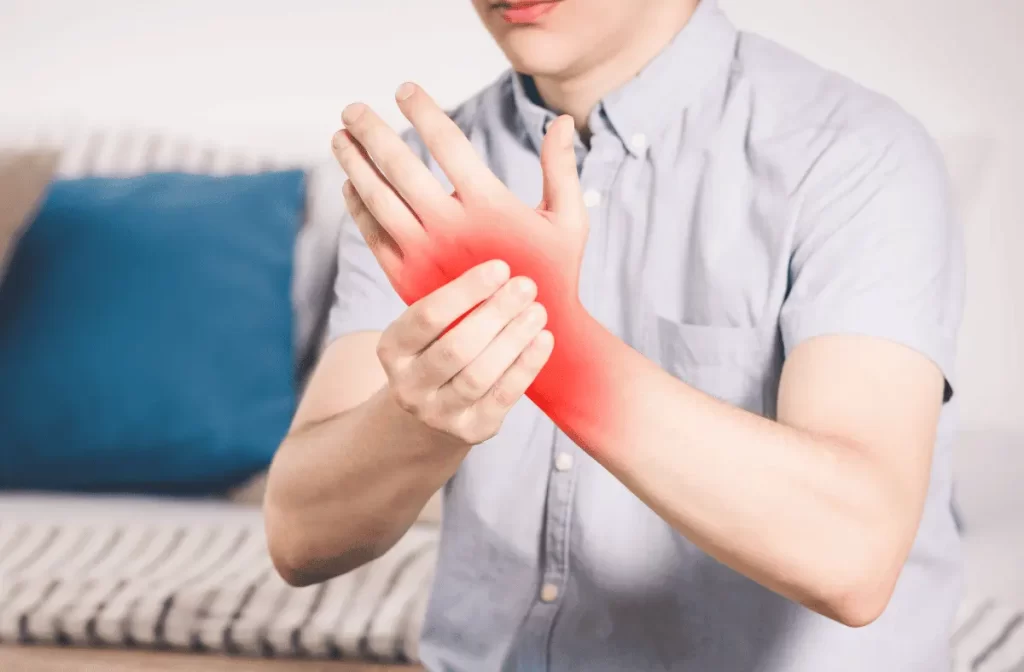
While taken for granted most of the time, the significance of the human hands cannot be overlooked.

Activities considered routine—writing, eating, working, creating art, dressing, etc.—can become extra challenging, if not impossible to perform without functioning hands.

Unfortunately, many hand problems occur as a result of trauma, injuries, and overuse.

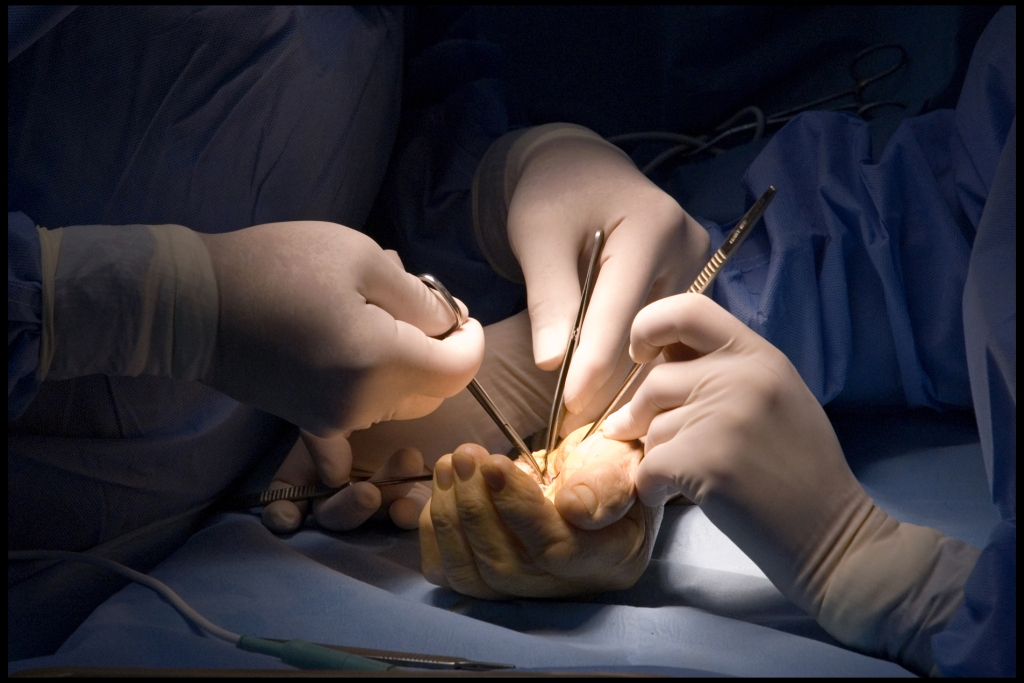
Depending on the severity of the condition, treatment alternatives can range from noninvasive options to orthopaedic hand surgery.

Carpal Tunnel Release

When pressure is placed on the median nerve, carpal tunnel syndrome is likely to develop.

The condition is characterized by numbness and tingling in the hand.

In some cases, the symptoms will manifest during prolonged gripping or when positioned upright.

Treatment options can range from wearing of splint (to help give the wrist some rest) to steroid injections (to reduce swelling) to orthopaedic hand surgery.

Orthopaedic hand surgery however becomes the recommended option if the condition does not respond to other noninvasive treatment options.

After the surgery, the hand bandage will remain for at least a week or two.

Stitches however will be removed after 10 to 14 days.

Patients are most likely able to use the thumb and the fingers by then.

While performing heavy tasks will not be recommended, moving the fingers every now and then is advised.

This is done to help guarantee the tendons and the nerves do not get caught up in any scar tissue that will sometimes form after the surgery.

Trapeziectomy

The bone located in the wrist at the thumb’s base is called the trapezium.

When the joint situated there becomes afflicted with arthritis, it can result to excruciating pain and can make even the simplest of task difficult to carry out.

While the pain can eventually disappear, surgery to remove the joint and the trapezium might be advised if the pain persists.

Post-surgery, wearing a splint for at least six weeks will most likely be recommended.

Exercises to help regain hand strength and movement might also be taught.

Dupuytren’s Contracture Fasciectomy

This condition is characterized by tissues that form in the palm of the hands and the fingers.

While sometimes painless and only causes skin nodules, it can also form bands that might result to curling of the fingers.

When curling of the fingers occur, surgery will be required to release the fingers and to remove the tissue.

The surgery will often take only a day and staying in the hospital will not be required.

The skin will often heal 2 to 3 weeks after the surgery.

However, before full use of the hand becomes possible, patient will have to wait for at least 12 weeks.

In majority of the cases, hand exercises will be recommended.

A hand therapist will also need to monitor closely the hand’s function and movement.

Also, while a night extension splint will be beneficial in some cases, it is not often required.

What are the Different Kinds of Orthopaedic Hand Surgeries: ?

Tendon Repair

Tendons can sometimes tear or snap.

When tendon tears or snaps occur, the condition is called tendon rupture.

While not very common, tendon ruptures can be attributed to rheumatoid arthritis and other types of inflammatory arthritis.

To heal completely, repaired tendons will need at least six weeks.

To protect the tendons while asleep, wearing a hand splint would be recommended.

Fortunately, patients can look forward to enjoying full hand recovery in just two to three months.

Knuckle (MCP Joint) Replacement

Also known as rheumatoid arthritis of the knuckles, metacarpophalangeal (MCP) joint can significantly reduce hand function aside from being very painful.

Patients will often experience difficulty using the hand when the develop occurs.

When this happens, orthopaedic hand surgery is often carried out.

During the surgery, the knuckles will be replaced by small artificial joints that will also act as hinges.

Fortunately, the surgery will not only reduce the pain but it will also vastly improve the affected hand’s function.

After the surgery, a few days of rest will be needed before rehabilitation starts.

Exercises to move the fingers will be recommended and wearing a splint at least for several weeks will be required.

If you are a candidate for orthopaedic hand surgery, discover the options available for you at www.bjios.sg.


0 comments
0 FacebookTwitterPinterestEmail

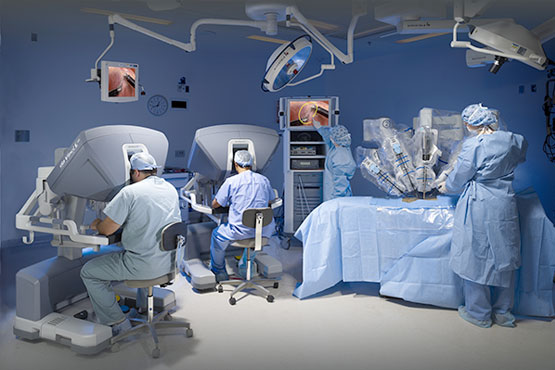
Also known as laparoscopic surgery, MIS or minimally invasive surgery is a surgical procedure that uses small incisions where miniscule cameras with microscopes and tiny fiber-optic lights are inserted.

Minimally invasive surgery makes it possible for patients to recover faster with less scarring and blood loss compared to traditional invasive procedures.

Nowadays, less invasive approaches are becoming the treatment option of choice for many patients.

This is not exactly surprising as minimally invasive surgery offers incomparable benefits compared to traditional “open” surgery.

Some of the benefits of minimally invasive procedures include:

Increased Safety

Since the incisions that will be made are minimal, there is also less trauma and blood loss.

Reduced Scarring

Incisions made in minimally invasive procedures will often only take a stitch or two to close.

Lower Infection Risk

Since the procedure is less invasive, the risk of infection is also relatively lower.

Scarring and pain are also minimal.

Shorter Recovery Period

Typically, recovery period from traditional surgery will take six to eight weeks.

With minimally invasive procedures however, recovery period can only be as short as two weeks.

Reduced Hospital Stay

Most patients who undergo minimally invasive surgery are not required to stay in the hospital and are discharged in a few hours.

Experience the benefits of minimally invasive surgery: faster recovery, smaller incisions, and less pain for improved health.

Common MIS Procedures

Laparoscopic Myomectomy

Laparoscopic myomectomy is the surgical removal of the myomas or uterine fibroids.

Pedunculated myomas and subserous (close to the surface) are often easily removed laparoscopically.

In most cases however, uterine fibroids don’t need to be removed.

However, if it already causes pain, abnormal bleeding, and pressure, laparoscopic myomectomy becomes the recommended treatment option.

Total Laparoscopic Hysterectomy (TLH)

The process of disconnecting the uterus (and other structures) using laparoscopes is called total laparoscopic hysterectomy.

Patients who have undergone the procedure will be made to stay in the hospital for at least a couple of days.

Resting for a maximum of two weeks will also be required.

For women who would need to undergo hysterectomy, TLC is deemed the least painful and least debilitating option available.

Endometriosis Treatment

Laparoscopy is considered the most common procedure carried out when diagnosing and removing mild to moderate cases of endometriosis.

The procedure is carried out by inserting a lighted viewing instrument (otherwise known as a laparoscope) in the small incision.

When necessary, one or two more small incisions will be made where other necessary surgical instruments will be inserted.

Laparoscopic endometriosis is also performed when scar tissue that will cause pain and infertility or visible endometriosis implants need removal.

Preparation

Pre-Surgery

The night before the procedure, washing the surgical site with mild soap is recommended.

Patients should also refrain from ingesting alcohol the night prior to the schedule of the procedure.

When needed, you will be given appropriate directions by your doctor regarding bowel preparation.

On the day of the procedure itself, refrain from using moisturizers, creams, lotions, and make-up.

In addition, it is likely that you will be asked to abstain from drinking and eating after midnight.

To play safe, it would be a wise thing to ask for a list of things to do and things to steer clear of from your physician.

Make sure you strictly adhere to all the instructions in your list.

Post-Surgery

After the procedure, patients will have to spend at least two or three hours in the recovery room.

Pain medications and antibiotics will also be given.

Length of stay in the hospital will often vary depending on the procedure done.

In most cases however, a few days of hospital stay will suffice.

Upon discharge, pain medications as well as other prescriptions will likely be given.

Get a more thorough understanding of minimally invasive surgery and its incomparable benefits by heading to www.bjios.sg today!

0 comments
0 FacebookTwitterPinterestEmail

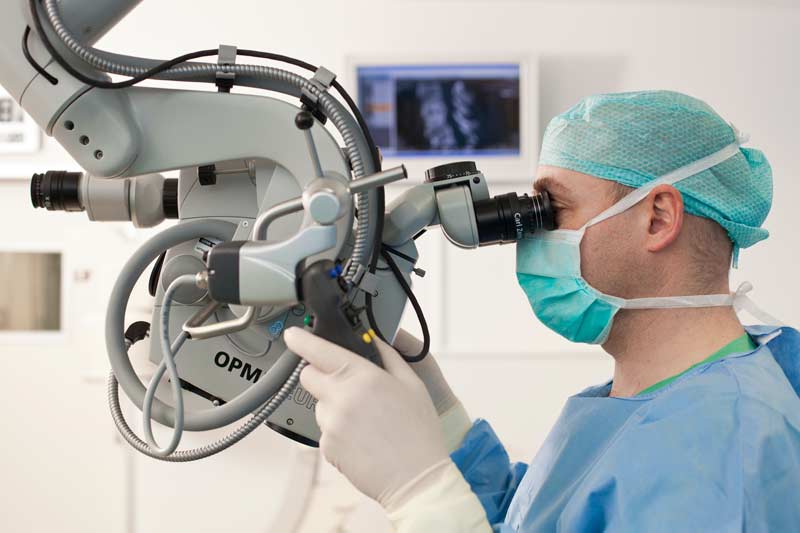
Surgery performed on very small structures like the blood vessels and the nerves utilizing specialized equipment is called microsurgery.

Microsurgical procedures are performed using techniques that have been used since the early part of the twentieth century.

Some of the techniques used include blood vessel repair and organ transplantation.

Numerous other surgical specialties also make use of the techniques used in microsurgery.

Case in point: otolaryngologists perform microsurgery when doing work on the inner ear or the delicate and small structures of the vocal cord.

Plastic surgeons also employ microsurgical techniques during reconstruction of damaged or disfigured tissues, muscles, or skin or when transplanting tissues from the patient’s body.

Equipment

Microscope

Operating microscopes used in microsurgery may vary depending on their use.

However, they have and share a few standard features.

Microscopes can be floor or ceiling mounted and comes with a movable arm.

The movable arm will ensure manipulation of the microscope’s position is possible and effortless.

Operating microscopes also come with a high intensity light source.

It also comes equipped with a set of lenses designed to make viewing the surgical site possible and convenient.

The rest of the surgical team will get a visual of the operating field through a video camera.

Typically, the magnification required for microsurgery is five to forty times (5–40x) magnification.

Higher magnifications however are required by surgeons when performing microsurgical repair.

Lower magnifications are ideal when identifying and exposing structures.

Instruments

Instruments that are used in microsurgery have been designed to make manipulation of delicate structures (read: barely visible to the naked eye) possible.

The instruments are also equipped with handles that are large enough so the users can hold them comfortably and securely.

Some of the instruments used in microsurgery include:

  • Vessel dilators
  • Scissors
  • Forceps
  • Vascular clamps
  • Irrigators
  • Needle holders
  • Clamp applicators

Suture Materials

Suturing or stitching in microsurgery is done using specialized needles and threads.

The diameter or gauge of the suture threads will vary and will depend on the procedure performed.

It will also depend on the tissue that will be sutured.

Suture threads can be synthetic (made of polyester, nylon, wire, and other man-made materials) or natural (made of silk, linen, gut, and other materials).

It can also be absorbable (will break down after a specific period) or non-absorbable (will retain its strength for an indefinite period).

Needles used in suturing also comes in a variety of sizes, point types, and shapes.

Akin to the suture thread, the needle type used in microsurgery will also depend on the tissue that needs suturing as well as the procedure performed.

In essence, numerous reconstructive procedures that are difficult to carry out when done conventionally are made possible through microsurgery.

Microsurgery Facts To Keep In Mind Of

Some of the most common microsurgical procedures performed are:

Free-tissue transfers

Also known as free flaps, free-tissue transfers are often the option when reconstructing tissues that have been damaged and cannot be treated through skin grafts.

Removed tissues due to treatment or cancer or tissues that have been constricted after a burn can benefit from free-tissue transfers.

Tissues that can be transferred through microsurgical techniques include skin, bone, muscle, intestine, and fat.

Replantation

Replantation is considered an emergency surgery and is carried out to reattach an amputated body part (i.e. finger, arm, or foot).

Replantation is a procedure that adheres to a series of time and energy intensive steps during the reattachment of the structures.

For instance, when a bone is cut, it must be shortened slightly so that the blood vessels and the nerves can be reattached without any tension.

Transplantation

In some cases, a body part that has been amputated can no longer be reattached, or the tissue has become deformed secondary to injury or congenital defect.

In similar scenarios, transplantation is often the recommended option.

Discover more about microsurgery at www.bjios.sg.

0 comments
0 FacebookTwitterPinterestEmail

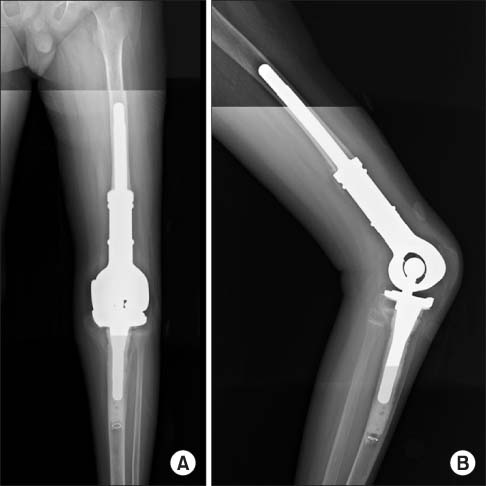
The surgery done to remove cancers and soft tissue in the limbs is known as limb salvage surgery.

Limb salvage surgery is also often carried out to avoid amputation.

What are the primary aims of the procedure?

The following are some of the key goals of limb salvage surgery:

  • Prevent amputation
  • Cancer removal
  • Preserving the patient’s appearance
  • Ensuring the highest possible degree of function in the affected limb is preserved

Otherwise known as limb-sparing surgery, limb salvage surgery entails removal of the cancer and at the very least an inch of the surrounding healthy tissues.

Limb salvage surgery has three stages:

  1. Cancer removal and a margin of the surrounding healthy tissue.
  2. Bone graft or prosthesis implant when necessary.
  3. Closing of the wound by transferring soft tissue or muscle from other body parts to the surgical site.

Many years prior, the standard treatment approach of patients with cancer in the limb often includes amputation of the extremity affected.

Thankfully, today, amputation does not have to be the only option.

With significant improvements in surgical techniques, chemotherapy, and imaging methods, amputation is no longer the only alternative.

In recent years, limb-sparing surgery has also become the treatment route for those patients with bone diseases, chronic degenerative joint diseases, acute or chronic limb wounds, and those patients who are considered candidates for diabetic limb amputation.

What are the preparations before the procedure?

Before going for surgery, some preparational procedures are taken

Before doctors will decide if limb salvage surgery is indeed the best option, key factors are taken into consideration.

Some of the primary factors include:

  • Size of the tumor
  • Location of the tumor
  • The type of cancer
  • The age of the patient
  • The condition’s progression
  • The overall health of the patient

Once the doctors decide that limb salvage surgery is the best option, patient will be given information and insight as to the likely outcome.

Patients will also be advised that in the event of any implant failure, additional surgery might be required and even amputation might become an option.

Physical and occupational therapists will prepare the patient for surgery by introducing range of motion, muscle-strengthening, and ambulation exercises they need to perform after the surgery.

What are some of the surgical techniques employed?

Bone Tumor

The lesion that is malignant and at least a cuff of healthy tissue is removed when treating low-grade bone tumors and some of its components.

However, when treating high-grade tumors, muscles, bones, and other tissues affected are removed.

Soft Tissue Sarcomas

A staggering 80 percent of soft tissue sarcomas affecting the extremities are treated with limb-sparing surgery.

During the procedure, the tumor, lymph nodes, as well as the cancerous tissues are removed.

At least 2.54 cm of the surrounding healthy tissues are also removed.

Radiation and chemotherapy may be administered before or after the procedure.

Radiation may also be administered during the procedure itself.

It is carried out by utilizing a special application that will be placed against the surface where the tumor is removed.

Tubes containing radioactive pellets will then be inserted.

The tubes will have to stay in place during the procedure and will only be removed after a few days.

What are the recommended aftercare regimen after the surgery?

Patients will often remain in the hospital for at least 5 to 10 days after the surgery.

Sensation and blood flow in the affected extremity will be monitored closely.

Nurses will also check for signs of deep-vein thrombosis, pneumonia, and pulmonary embolism.

Broad-spectrum antibiotics will also be prescribed the first 48 hours after the surgery.

To prevent blood clots from forming, antiembolism stockings and medications (prophylactic anticoagulants) will be provided.

If you want to know more about limb salvage surgery, visit www.bjios.sg right away.

0 comments
0 FacebookTwitterPinterestEmail

The significance of our joints cannot be overstated.

Aside from helping us move and providing us with the much needed support, the joints also form the connections between the bones of the body.

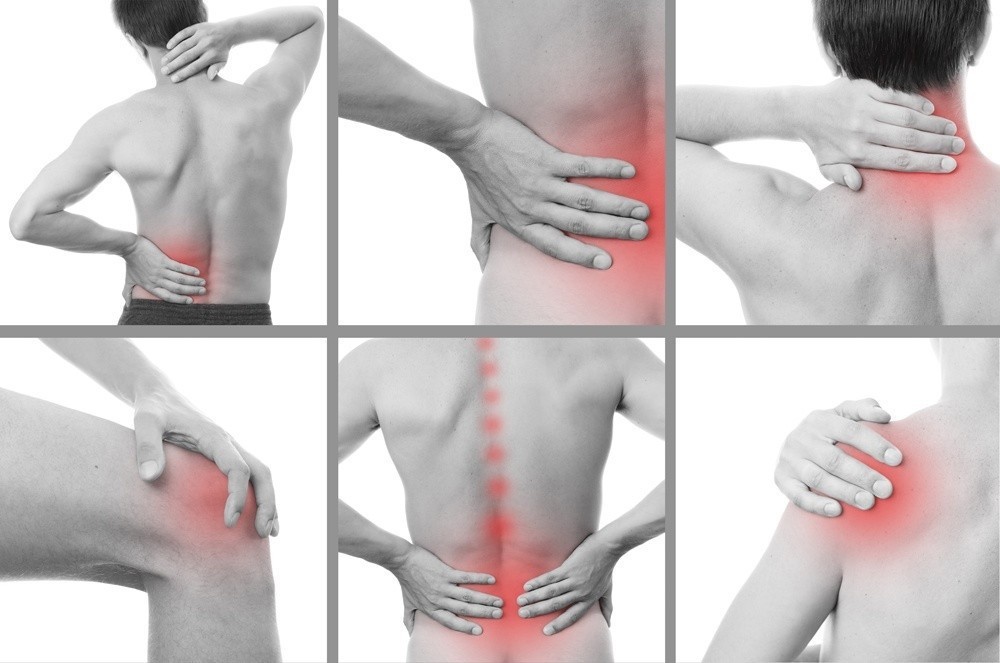
Joint pain brought about by injury or disease will not only result to a lot of pain but will most likely also impede your movements.

Joint pain can be a result of a lot of conditions—gout, rheumatoid arthritis, sprains, osteoarthritis, and strains to name a few.

Joint pain can also be debilitating or just mildly irritating.

Acute joint pains usually disappear after a few weeks.

Chronic joint pains on the other hand can linger for several months.

Whatever the case may be, what is certain is that joint pain can definitely impact your quality of life.

Prevention

Spare yourself from the inconvenience and aches joint pain can bring by taking to heart the following tips:

Get rid of the excess pounds

You may not be aware of it but the more obese or overweight you are, the more strain you are likely to put on your hips, knees, and back.

If you have been finding it hard to keep the excess pounds off, you might want to consider getting professional help.

Your doctor will be able to provide guidance and recommend programs you can try to safely and effectively get rid of the extra pounds.

If anything, find motivation in the fact that losing even just a pound can take as much as four pounds of pressure from your knees.

That should get you off to a good start if you want to get rid of joint pain once and for all.

Exercise and stay active

exercising is a great way to prevent joint pain

This golden rule will do you a whole lot of good especially if you want to keep joint pain at bay.

The more you exercise and stay active, the lesser you’ll experience stiffness and joint pain.

Also, show your joints some love by changing positions every now and then while you are reading, working, or watching your favorite shows on TV.

Ensure you also leave your desk every once in a while so you’d be able to move and effectively keep stiffness at bay.

Do only low-impact exercises

If you want to stay fit but you want to take good care of your joints at the same time, opting for low-impact exercises is the best way to go.

Thankfully, there’s no limit to the number of low-impact exercises available at your disposal.

Joint friendly exercises you can consider include bicycling, walking, strength training, and swimming.

Treatment

For those who are already suffering from joint pain, it is reassuring to know that there are plenty of effective treatment options available at their disposal.

Some of the treatment options include:

Medications

If you have joint pain that ranges from moderate to severe (coupled with swelling), over-the-counter or prescription non-steroidal anti-inflammatory drugs are the likely option.

Aspirin, ibuprofen, and naproxen sodium are some of the likely medications that will be prescribed.

However, if you experience mild pain sans swelling, acetaminophen would be given.

If your joint pain is severe, your doctor may prescribe a strong opioid medication.

However, since opioids can cause drowsiness, it should only be taken upon the doctor’s recommendation.

Topical Agents

When it comes to relieving joint pain brought about by arthritis (or other conditions), capsaicin has been proven effective.

While it can sometimes cause burning or stinging, it has no other known side effect.

Injections

If oral and topical medications won’t provide the much needed relief, a steroid medication injected directly in the joints might be recommended.

The injection is administered every three to four months.

Steroid injections are often the treatment recourse for patients suffering from arthritis, tendinitis, and other joint diseases.

Physical Therapy

Your physical therapist can help effectively strengthen your muscles, stabilize your joint, and improve your motion range.

They also make use of various techniques like ultrasound, electrical nerve stimulation, and cold or heat therapy to provide the much needed relief.

Joint pain keeping you down and hindering you from enjoying a pain-free existence? Let the experts at www.bjios.sg help you out.

0 comments
0 FacebookTwitterPinterestEmail

The significance of the bones in the body cannot be overemphasized.

Aside from serving as protection for the body’s organs, it also serves as attachment points for the muscles and makes movements like kneeling, lifting, running, jumping, and sitting possible.

When force is exerted on the bones after a blow or fall, it might not be able to withstand the trauma and will break.

The loss of integrity will more often than not result to bone fractures.

In some instances, bone fractures do not occur as a result of blows or falls.

In the case of those people who are suffering from osteoporosis for instance, it won’t require much for the bone to break. This is especially true if the bone has become brittle secondary to lack of calcium.

Bone fractures are classified based on some of the following factors:

  • The bone alignment
  • Whether complications in nerve or blood function as present
  • Whether the skin of the site of the injury is intact

Some of the most prevalent types of bone fractures include:

Broken Hip


Individuals who are 75 years old and above are highly susceptible to hip fractures.

While the injuries are often attributed to falls and trauma, some cases of broken bones can be traced back to osteoporosis.

In most cases, surgery will be the likely treatment option.

It will however depend on the fracture’s location in the femur.

Broken Hand or Fingers

Since the hands and fingers are often used in day-to-day activities, injuries to them are very common.

Aside from checking for any broken bones, health care professionals will also assess if there are damage to the tendons or the nerves.

If the fracture is complicated, the patient will most likely be referred to an orthopedic or hand specialist.

While not many are aware of it, the anatomy of the hand is very complex and will require specialized attention.

While some cases will only need splinting or casting, others will need surgery.

Compression Fractures

Compression fractures often result from injury, osteoporosis, or trauma.

  • Compression fractures that are secondary to injury, they can come with spinal cord or nerve root irritation.
  • People suffering from osteoporosis lack calcium in their bones. Aside from weak bones, vertebrae of patients suffering from osteoporosis also tend to get weak. This can result to difficulty in holding up against the force of gravity. Eventually, this can also lead to compression.
  • Compression fractures can also be attributed to falls as well as motor vehicle crashes.

Skull Fractures

The skull functions as protection for the brain.

While a massive blow is required to cause a fracture, fractures of any kind to the skull are not to be taken lightly.

Bleeding of the injured site and localized swelling are often considered telltale manifestation of skull fractures.

Skull fractures have different types:

Basilar skull fracture

This type refers to the damage that occurs to the bone situated at the base of the brain. Common indicators of basilar fracture include bloody drainage from either the ear or nose, bruising at the left ear (battle’s sign), and bruising around the eyes (raccoon eyes).

Depressed skull fracture

Depressed skull fractures occur when is the bone is broken, with the bone fragments pushed inwards.

While surgery might be an option, it would still depend on the depression depth and if there are damage to the brain tissues.

Open skull fracture

This type of skull fracture occurs when the scalp becomes lacerated and the possibility the wound will connect with the meninges becomes highly likely. The meninges are the brains’ fibrous covering.

In most cases, surgery will be performed to help ensure infection is kept at bay.

To know more about your fractures and how they can be treated accordingly, head to www.bjios.sg now.

0 comments
0 FacebookTwitterPinterestEmail

To think only those individuals who engage in intense sports are susceptible to foot and ankle injury is a gross misconception.

If truth be told, most people have (and will most likely) experience foot and ankle injury at one point in their lives or another.

While most movements will not result to injuries, some symptoms can be attributed to everyday wear and tear as well as overuse.

In majority of the cases, injuries of the foot and ankle often occur during:

  • Sports or recreational activities
  • Chores or projects done at home
  • Chores that are work-related

Soccer and basketball players, gymnasts, and dancers are highly susceptible to foot and ankle injuries as opposed to those who are not engaged in the fields as physically challenging and competitive.

For older adults, osteopenia (loss of bone strength) and muscle mass will often predispose them to injuries and fractures. Vision and balance problems will also significantly increase their injury risk.

Foot and ankle injuries in children can often be attributed to falls, sports, and play. Those that sustain bone injuries near the joint will have to be assessed accordingly as the physis (grown plate) might be compromised.

Fortunately, minor cases of foot and ankle injuries will often respond well to home treatments.

However, acute injuries that resulted from jamming, bending, fall, twisting, direct blows, etc. will require immediate medical attention.

This is especially true when bruising and swelling will manifest.

Other conditions that will need instant medical attention include:

Sprains

Sprains that are persistent are sometimes attributed to a condition known as osteochondritis dissecans

Sprains that are persistent are sometimes attributed to a condition known as osteochondritis dissecans. To play safe, it would be best to check with a doctor right away so the condition is resolved before it complicates.

Puncture wounds

Sharp objects like needles, nails, tacks, and knives often cause puncture wounds. Sans treatment and medical attention, puncture wounds can result to infections.

Strains

Pulled muscles in the ankle or foot can be subjected to strains. In worse case scenarios, it can lead to ruptures.

Contusions

In some instances, contusions or bruising can occur during foot and ankle injuries. To ensure your safety and to ease any pain you might experience, consider seeing the doctor a must.

Thankfully, there is no shortage of treatment options available for foot and ankle injuries—physical therapy, first aid measures (brace, splint, and cast), special shoes (with orthotic devices), medications, etc.

The treatment option administered will depend on certain key factors including the following:

  • The severity, location, and type of the injury
  • When the injury occurred
  • The patient’s overall condition
  • The patient’s activities (sports, hobbies, work, etc.)
  • The patient’s age

For cases of minor foot and ankle injuries, the following treatment tips can help effectively reduce stiffness and swelling and ease pain:

  • To reduce swelling, it is advisable that patients should avoid activities that can cause more swelling—alcoholic beverages, hot packs, hot tubs, and hot showers—at least for the first 48 hours after the injury,
  • Massage or gently rub the injured area to reduce pain and encourage blood flow. However, it is not advisable to massage the injured area when the patient feels pain.
  • Once the swelling is reduced or disappears, patients are encouraged to perform gentle exercises to help restore flexibility. Alternating between heat and cold treatments is also often recommended.
  • Gentle movement, strength, and alternate (MSA) exercises are also recommended to help hasten the healing process.

Movement

After the injury, regaining full motion range is always a top priority. After the injured area has been rested for 24 to 48 hours, moving it gradually is encouraged, stopping only when pain is experienced. To ensure formation of scar tissue is prevented, gentle exercises are also prescribed.

Strength

When there’s no more swelling and the movement range has been restored, the next immediate goal would be to strengthen the area injured.

Alternate activities

While healing, it is advised that certain activities and exercises are incorporated in the daily routine. This is especially advisable a few days after the injury occurred. However, it is advisable that the activities integrated will not put strain on the area injured.

While not all foot and ankle injuries are a cause for worry, it is still recommended to get help from competent experts from www.bjios.sg to ensure the condition will not complicate or worsen.


0 comments
0 FacebookTwitterPinterestEmail

The hand and arm condition characterized by numbness, tingling, and other symptoms is known as carpal tunnel syndrome.

Several factors are believed to contribute to the development of the condition—patterns of hand use, wrist anatomy, and underlying factors, to name a few.

Depending on the condition’s severity, treatment options can range from splints, medications, and carpal tunnel syndrome surgery.

Symptoms

Tingling or numbness

Individuals with carpal tunnel syndrome often experience tingling and numbness in the fingers and hands.

In most cases, the tingling and numbness affects the thumb, index, and middle fingers.

There are also instances when the tingling sensation are felt in the wrist and the arm.

Weakness

People with carpal tunnel syndrome are also likely to experience hand weakness.

As a result, they tend to drop objects they are holding every now and then.

However, the tendency to drop objects can also be the result of the thumb’s pinching muscles or the hand’s numbness.

Causes

In majority of the cases, no single cause for carpal tunnel syndrome can be identified

In majority of the cases, no single cause for carpal tunnel syndrome can be identified.

It is highly likely however that the development of the condition can be attributed to a combination of many risk factors.

Essentially, carpal tunnel syndrome develops when the median nerve is compressed.

The median nerve provides both nerve signals and sensation.

When irritated or compressed, carpal tunnel syndrome occurs.

For instance, a fracture in the wrist can likely irritate the nerve and may result to carpal tunnel syndrome.

Swelling and inflammation due to rheumatoid arthritis may also lead to carpal tunnel syndrome.

Prevention

Although there are no proven strategies that can hinder the onset of the condition, several ways can be employed to ensure wrist and hand stress are minimized.

Grip

Manual tasks that will require the use of force can significantly increase an individual’s risk of developing carpal tunnel syndrome.

Case in point—if one’s work involves long periods of writing, it would be wise to opt for a pen that has a soft grip adapter.

Getting a pen with a soft grip adapter can help ensure gripping the pen tightly will not be required as the person goes about the task.

Form

As much as possible, bending the wrist all the way up or down should be avoided.

A relaxed position is considered ideal.

When using the keyboard, it is recommended that the elbow is kept at elbow length or lower.

Breaks

At all times, make it a point to give your hands and wrists frequent breaks.

Gentle stretches and periodical bending are highly recommended.

Also, when performing activities that will require exerting a tremendous amount of force, taking regular breaks is even more vital.

Posture

Posture that is incorrect can compress the nerves found in the neck.

When compressed, it can affect the fingers, hands, and wrists.

Treatment

Individuals who only experience mild symptoms of carpal tunnel syndrome can easily and effectively minimize the discomfort and pain by applying cold packs to minimize the swelling.

Taking routine and frequent breaks and not doing activities that will worsen the condition is also beneficial.

Other likely treatment options include splinting, medications, and carpal tunnel syndrome surgery.

Noninvasive options

Nonsurgical methods are often the chosen treatment route when the condition has been detected early.

Nonsurgical methods can include:

Wrist splinting

A splint can be the ideal recourse when looking to ease tingling and numbness at night.

Nocturnal splinting is also recommended for those who are pregnant but are suffering from carpal tunnel syndrome.

Nonsteroidal anti-inflammatory drugs (NSAIDs)

Ibuprofen (Advil, Motrin IB, and others) have been known to alleviate pain brought about by the condition.

However, no evidence yet as to its capability to improve the condition.

Corticosteroids

Corticosteroids function by decreasing inflammation and swelling.

However, corticosteroid injections have been proven more effective compared to the oral ones.

Surgery

If the condition does not respond to noninvasive treatment alternatives, surgery will be the recommended choice.

Head to www.bjios.sg to know how to spot telltale indicators of the condition and how to manage the condition accordingly.


0 comments
0 FacebookTwitterPinterestEmail

Bunion or Hallux valgus is a condition characterized by a body deformity of the joint situated at the big toe’s base.

Depending on the condition’s severity, treatment alternatives can range from taking painkiller medications to having bunions surgery.

Symptoms

Telltale symptoms of bunions include:

  • Pain and inflammation of the joint of the big toe
  • A swollen bump situated on the outside edge of the foot
  • Callused and red skin on the affected toe
  • Sore skin on the top of the area affected
  • Noticeable changes in the foot’s shape

Sans proper attention and treatment, the condition can worsen and may even require bunions surgery.

Causes

While no exact causes for bunions are known, there are probable causes that have been identified.

Some of the likely causes include:

Arthritis

Bunions has been associated with the following types of arthritis:

Psoriatic arthritis – associated with psoriasis, a known skin condition

Gout – this type typically affects the big toe

Rheumatoid arthritis – swelling and pain of the join can be attributed to the joint lining being attacked by the body’s own immune system

Genetics

If you have family members that have bunions, you have a relatively higher risk of also developing the condition.

However, it will not always follow that if someone in the family has it, everyone in the family will also have it.

Other possible causes

Poor fitting shoes

Wearing of footwear that is too tight has been known to contribute to the development of the condition.

For those who already have the condition, poor choice of footwear can no doubt make the condition even worse.

Treatment Options

Noninvasive treatment options are almost always the first resort when treating the condition

Non-surgical treatment alternatives

Noninvasive treatment options are almost always the first resort when treating the condition.

However, while non-surgical treatment alternatives can do much when it comes to alleviating both the discomfort and the pain, it won’t do much when it comes to preventing the condition from escalating over time.

Non-surgical treatment options include:

Painkillers

When the bunion is painful, over-the-counter painkillers are prescribed.

Paracetamol and ibuprofen are classic examples of OTC painkillers.

To play safe, make sure to always read the accompanying information leaflet and follow the dosage recommended.

Bunion pads

Bunion pads are also known to effectively ease pain brought about by the condition.

Reusable bunion pads made of gel or fleece can be easily purchased from pharmacies nowadays.

Bunion pads offer comfort by helping ensure your foot does not rub against your shoe.

Minimizing rubbing can help significantly reduce both pain and pressure.

Orthotics

Orthotics are typically placed inside the shoes and will work by helping realign the foot’s bones.

Orthotics has also been known effective in reducing the pain since it helps minimize pressure on the feet.

However, no evidence has been available yet when it comes to the effectiveness of orthotics even when used for long periods.

Surgery

If the bunion is very painful and already affects the patient’s quality of life, bunion surgery would be the recommended (and ideal) treatment recourse.

The surgery will be carried out in order to ease the pain and correct the alignment.

Nowadays, bunion surgeries are done as an outpatient procedure.

A general or local anesthetic will be used but the patient will not be required to stay in the hospital.

Different types of bunion surgeries

There are numerous surgical procedures for the treatment of bunions.

The procedure chosen will depend on the severity of the condition.

Some of the most common surgical procedures include:

Arthrodesis

This procedure is often considered ideal for those with advanced joint degeneration and severe deformities.

The procedure will entail fusing together the two bones in the big toe joint.

Post-surgery, patients would no longer be able to wear high heels as it would limit the movement of the big toe.

Osteotomy

This type of surgery for the bunion is deemed one of the most common.

The procedure involves cutting and removing a portion of the affected toe’s bone.

After the bony lump is removed, the bones will be realigned.

Bunions can worsen over time without proper management. Steer clear of the discomfort and pain bunions can bring by getting in touch with the experts at www.bjios.sg.

0 comments
0 FacebookTwitterPinterestEmail