Tag:

Injury

Many years ago, joint replacement surgery was deemed a high-tech procedure.

Nowadays however, it’s already considered ordinary.

In fact, on a yearly basis, surgeons replace more than a million hips and knees.

And that statistics is in the United States alone.

The staggering number of joint replacement surgery performed is actually not surprising taking into account the benefits (improved mobility and significant pain relief) hip and knee replacement surgeries offer.

For the right patients, hip and knee replacement can be a highly beneficial and life-changing procedure.

Hip Replacement

The procedure carried out to remove the hip joint’s damaged parts is called hip replacement.

Those with ankylosing spondylitis, rheumatoid arthritis, and severe osteoarthritis are some of the possible candidates for hip replacement surgery.

Patients suffering from hip fractures secondary to osteoporosis are also likely candidates. In majority of the cases however, the procedure is performed to remedy joint damage.

The extent of hip replacement will depend on the severity of the joint damage.

Akin to knee replacement, the procedure is only resorted to when all other conventional and nonsurgical treatments have offered little to no relief.

Otherwise referred to as hip arthroplasty, hip replacement surgery becomes the likely resort when the pain becomes too severe and starts interfering with the patient’s typical day-to-day routines.

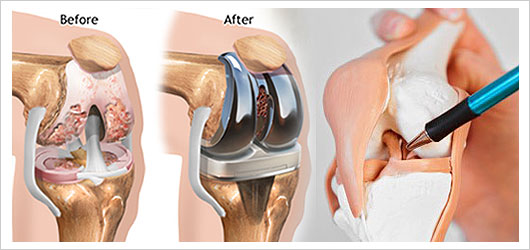
Knee Replacement

Hip and Knee Replacement

Individuals suffering from osteoarthritis are often the likely candidates for knee replacement surgery.

Oftentimes, the knee is the most affected body part as it bears the body’s weight.

Just like hip replacement surgery, the procedure is only performed when all other conservative treatment options have failed.

Just like other surgeries, knee replacement also comes with certain risks.

Some of the common risks include:

  • Infection
  • Heart attacks
  • Stroke
  • Blood clots (in the leg veins or lungs)
  • Nerve damage

Knee replacement surgeries are often performed by orthopedic surgeons.

Before the surgery, the knee’s strength, range of motion, and stability will be assessed.

If you are a candidate for joint replacement, below are some of the questions you need to ask:

Is it possible for other treatment alternatives to work?

While deemed safe, it would be best to remember that the procedure will still come with certain risks just like any other surgery.

Recovery period can also take several months.

Taking that into account, make sure all other treatment alternatives have been explored before deciding on joint replacement procedure.

Has the procedure been discussed thoroughly by the doctor?

If there are questions about the procedure that you need enlightenment on, it would be best to list them down and ask your doctor to provide insights and enlightenment.

If there are certain doubts that you need discussed, you can get peace of mind by asking your doctor about it.

Also, it is recommended that you ask what the procedure would be like and what you can expect while recuperating.

Have I taken time out to research about the procedure?

Apart from the information your doctor or surgeon will provide, it would be wise to also do your own research so you’ll have all the bases covered and you’ll know the ins and outs of what you will be getting yourself into.

Look for reliable websites so you are sure you are sure the information you will be getting is as accurate as possible.

Better yet, it would be best to visit www.bjios.sg to check the best treatment route for your case.

0 comments
0 FacebookTwitterPinterestEmail

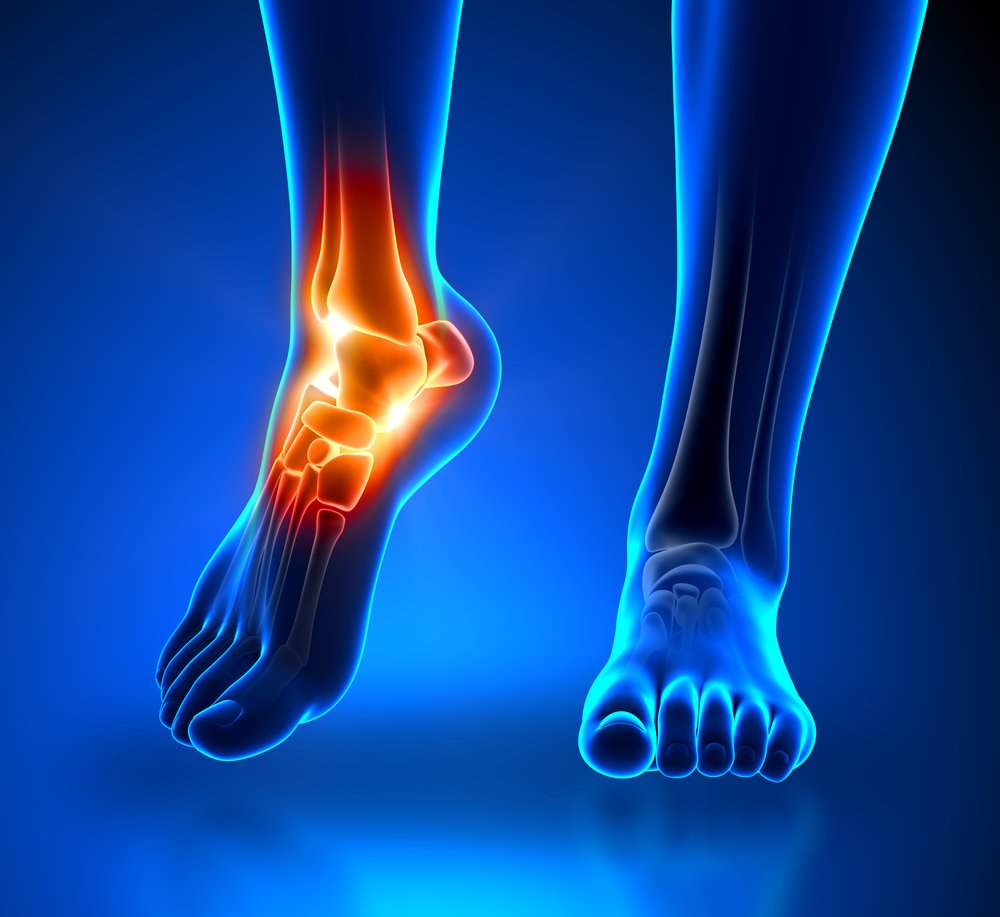
While considered common, it is reassuring to know that foot and ankle injuries are preventable.

These kind of injuries are common in sports that involve jogging, running, and those involve footwork.

However, foot and ankle injuries are not limited to those involved in competitive or extreme sports alone.

Regardless if you are at minimal or higher risk of developing injuries of this nature, it is still advisable to observe precautionary measures in order to minimize your chances of injury.

The following tips should get you off to a good start:

Refrain from stepping or running on uneven surfaces.

When possible, make it a point to avoid running in surfaces laden with stumps, holes, or rocky terrains.

This is especially necessary if you already have foot or leg problems to begin with.

If you are an avid runner, you can find effective ways to avoid common foot and ankle injuries here.

Pick the right footwear.

If you are engaged in sports, this should be a priority.

Choosing the right footwear will not only take unnecessary pressure off your ankles or feet, it will also help you perform at peak level.

In line with this, always opt for sports-specific shoes designed especially for the activity you are engaged in.

Whether it’s training, running, or CrossFit, there is footwear fitting for the activity.

Remember to always warm up before any physical activity.

Prevent Foot and Ankle Injuries

Prior to performing any physical activity, consider it mandatory to first perform stretching and warm up exercises to help lessen and prepare the muscles for any strenuous activities.

Perform specific exercises.

If you are experiencing tightness and heel pain, performing specific and light exercises can help improve blood circulation and loosen joints and muscles.

Also, in order to prevent injuries from recurring, consider wearing support brace when pressure on the site of the injury is likely.

Always go for comfortable shoes.

When choosing footwear, make sure comfort is on top of your list of priorities.

If your shoes give your feet or ankles a hard time, it would be best to replace them and invest in a pair of comfy sandals or sneakers with soft cushions.

Do not overdo physical exercises.

This is especially crucial if you just recovered or are still recovering from an injury.

Be reasonable when it comes to physical activities, sports, or trainings so you do not end up complicating your injury.

Listen to your body.

When your body is telling you something, be sure to listen.

If you have had a previous injury and movement and activities produce pain or discomfort, it would be best to have it checked as your body might be telling you something important.

While seemingly harmless, foot and ankle injuries require proper rehabilitation before engaging in physical activities is recommended.

For proper management and treatment of foot and ankle injuries, head to www.bjios.sg right away so you will get competent and expert help.

0 comments
0 FacebookTwitterPinterestEmail

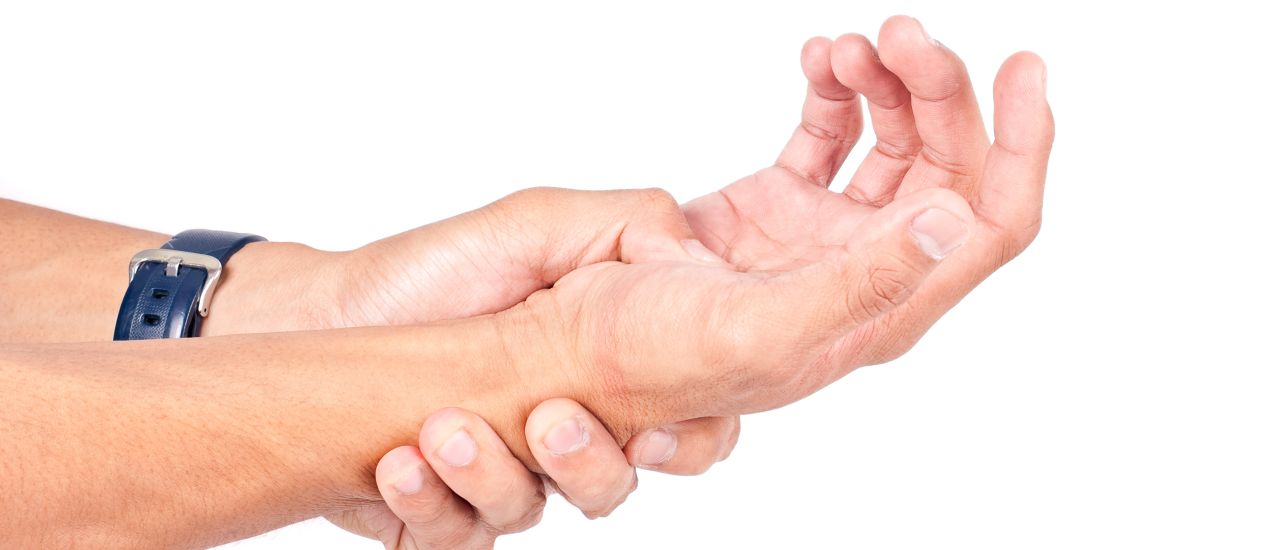
Carpal tunnel syndrome is the wrist and hand condition that occurs when the median nerve is compressed.

Common indicators of the condition include pain, numbness, and weakness that sometimes radiates to the arm affected.

Treatment for carpal tunnel syndrome will depend on the severity of the condition.

Treatment can range from noninvasive options to carpal tunnel syndrome surgery.

What are the common symptoms of carpal tunnel syndrome?

Mild cases of the condition often only affect the hand.

However, in some instances it can also spread to the forearm and the shoulder.

The following are some of the most common symptoms of mild carpal tunnel syndrome:

  • Occasional tingling
  • Pain
  • Pins-and-needles sensation
  • Numbness and pain that gets worse when the hand is used
  • Pain when flexing or bending the wrist
  • Numbness and pain when gripping an object
  • Stiffness of the fingers (especially noticeable in the mornings)

For moderate and severe cases of carpal tunnel syndrome, the most prevalent symptoms that will manifest includes reduced grip, numbness, and loss of strength in the thumbs, hand, or fingers.

Individuals with carpal tunnel syndrome will find it hard to:

  • Carry out simple hand movements like brushing the hair or holding food utensils. There is also the likelihood of accidentally dropping objects.
  • Pinch objects between the thumb and the first finger. This is aptly called pinch strength loss.
  • Use the thumb for routine tasks like opening a jar or using a screwdriver. In cases of long-term carpal tunnel syndrome, atrophy of the muscles of the thumb may occur.

Symptoms of the condition will often occur in the parts of the hand supplied by the middle finger so that includes the middle finger, half of the ring finger, index finger, and the thumb.

The median nerve does not affect the little finger so if there are symptoms that affect the little finger, it’s safe to assume carpal tunnel syndrome is not the likely culprit.

Carpal Tunnel Syndrome

What are the possible causes of the carpal tunnel syndrome?

  • Irritated flexor tendons
  • Repetitive movements of the hand
  • Other existing medical conditions such as pregnancy, hypothyroidism, rheumatoid arthritis, and diabetes.

What are some of the risk factors for carpal tunnel syndrome?

Several risk factors for carpal tunnel syndrome has been identified.

Some of these risk factors include:

  • Sex – carpal tunnel syndrome is more common in women than in men.
  • Inflammatory conditions – diseases that are characterized by inflammation like rheumatoid arthritis can sometimes end up affecting the wrist tendons and will put pressure on the median nerve.
  • Nerve-damaging conditions – conditions like diabetes can put individuals in increased risk of nerve damage and this can include possible median nerve damage.
  • Workplace factors – occupation or hobbies that entail repetitive or prolonged wrist flexing may put unnecessary stress and strain on the median nerve.
  • Other medical conditions – certain medical issues like obesity, kidney failure, menopause, and thyroid problems have been associated with the condition.

Know who are at risk for carpal tunnel syndrome here.

When is medical attention necessary?

If the following symptoms will manifest, seeking medical attention is recommended:

  • You end up accidentally dropping things and simple hand movements becomes challenging to carry out.
  • You experience numbness, pain, tingling sensation, and hand weakness that does not disappear even after a couple of weeks.
  • You notice little or no feelings in the fingers or affected hand.
  • It becomes difficult for you to pink your thumb and fingers together.
  • You notice diminished strength in your thumb.

In most cases, mild cases of carpal tunnel syndrome will respond to at-home remedies.

However, in the event that it doesn’t, getting in touch with the specialist at www.bjios.sg is recommended as you might be a candidate for carpal tunnel syndrome surgery.


0 comments
0 FacebookTwitterPinterestEmail

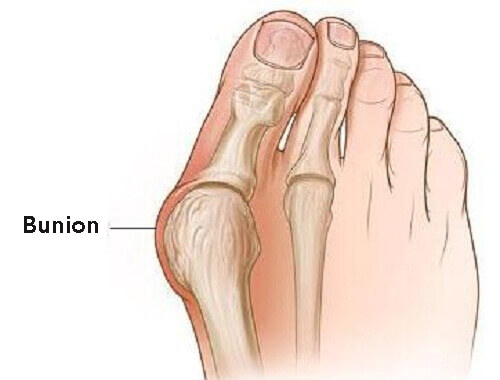
The procedure where a surgeon realigns or removes a bone or soft tissue in the feet is called bunions surgery.

The procedure entails making an incision on the side of the big toe joint or on top of it.

The surgery is also typically done when the inflammation and the pain are both severe.

In addition, the procedure is performed in order to restore the natural alignment of the joint.

Small wires, screws, and plates will be used in order to clamp the bones together.

While bunion surgery has many benefits, not everyone with bunions will require bunions surgery.

However, surgery becomes the primary option when the condition is already making you uncomfortable and is already affecting your quality of life.

When do you need bunion surgery?

Learn More on What Bunion Surgery Is

Many people have different reasons for undergoing bunion surgery.

While most want to alleviate the pain and discomfort, others have it done for aesthetic reasons.

In some cases, lifestyle changes will be suggested by your doctor prior to surgery.

Most people experience pain relief just by making a few changes like choosing the right footwear or wearing one that is comfortable.

Shoes with protective pads and cushions can also offer comfort.

Understandably, if any of those changes provide little to zero relief, surgery becomes a highly likely option.

However, if you want to avoid surgery, significantly reduce your risks by keeping these tips in mind.

When is bunion surgery ideal?

  • When the pain and discomfort becomes so severe that doing even routine activities becomes challenging and impossible.
  • Walking without pain is no longer possible.
  • When inflammation does not improve even with proper rest and medication.
  • If you can no longer move your big toe.

If any of the following manifests in your case, it would be best to check with your doctor so the condition is treated accordingly before it escalates.

X-rays and other exams might be recommended so your doctor can accurately diagnose the status and severity of the condition and can decide accordingly on the best treatment approach to take.

Apart from the procedure being relatively safe, below are other facts you need to know about bunion surgery:

  • The surgery is typically an outpatient procedure.
  • A regional anesthetic is used on the area affected. In some cases, the doctor may opt to use a sedative.
  • There are many different types of bunion surgery.

How do you prepare for a bunion surgery?

Prior to the surgery, some tests will need to be undertaken to check your overall health status and to gauge if you are fit for surgery.

While considered a minor surgery, it still has its risks.

Your doctor will give you the necessary instructions and make sure you strictly adhere to them all to help ensure the complete success of the procedure.

For expert help and management of bunions, visit www.bjios.sg right away and get help from competent specialists.

0 comments
0 FacebookTwitterPinterestEmail

In essence, back pain is a persistent problem that many people have and will likely experience during their lifetime.

While considered common, back pains need to addressed accordingly especially if it’s chronic.

If you are experiencing back pain secondary to an injury, it is recommended that you check with a back pain specialist.

It is fortunate to note there are also plenty of ways you can adapt to help ease back pain.

Below are 8 of the top ways you can alleviate back pain:

  1. Good posture

While not many may be aware of it, proper posture is essential if you want to ease back pain and prevent its occurrence in the first place.

While most back pains are secondary to injury or strain, other cases can be attributed to improper posture.

Proper posture should be observed at all times in order not to put strain and stress on the nerves and the back.

  1. Exercise

Exercise provides more benefits than most people know of.

For starters, even the simplest of exercise like walking can already help alleviate back pain.

Movements that stretch and get your back in an upright position can also do wonders for helping ease and prevent back pain.

However, when doing exercises, ensure that you do not end up straining your back.

Keep everything in moderation and don’t indulge too much in strenuous exercises that might end up contributing to instead of easing the pain.

  1. Rest

While resting can help reduce back pain, too much rest can actually prove counterproductive.

Individuals with short-term back pain often notice an increase in back pain when resting for really long periods.

Ideally, it would be more beneficial to move around as frequently as you can as opposed to being sedentary for too long.

Rest is a good way to relieve back pain

  1. Flexibility

Pressure, tension, and tightness often contribute to back pain.

Flexibility can do wonders for your body as it helps balance the load and ensure pressure is not limited to only one part of the body.

Do stretches and exercises that help improve and enhance flexibility so you can effectively take pressure off the body.

  1. Sleep and sleeping position

Sleep and the right sleeping position are considered vital when effectively managing back pain.

Apart from making sure you have sufficient sleeping time (and rest), your sleeping position should also be looked into.

That being said, ensure you have a mattress that can properly support your back.

If you are used to sleeping on your back, consider putting pillows under the knees.

If you are a side sleeper, you can put pillows between your knees.

At all times, make it a point to ensure your spine is kept in a neutral position.

  1. Specialist

If you want a bespoke rehabilitation or therapy plan, it would be best to get in touch with a back pain specialist at www.bjios.sg.

Back pain specialists will not only be able to pinpoint the specific causes of the back pain but they can also provide tips, insights, and advise on the proper ways to ease the pain especially for chronic cases.

  1. Relaxation

In some cases, back stress and pain can be attributed to anxiety and depression.

In line with this, it would be a good idea to adapt meditation and relaxation techniques to help ease the mind and reduce stress.

Talking with a specialist or sharing your problems with people you trust or even with a support group might also prove beneficial.

  1. Smoking

Smoking will not only do harm to the lungs but also to your back.

Smoking (and nicotine) can cause constriction of the blood flow to the back and may result to swelling and pain.

While back pain can be attributed to different reasons, unfortunately, not all back pains are harmless.

Know when back pain is a cause for worry here.

0 comments
0 FacebookTwitterPinterestEmail

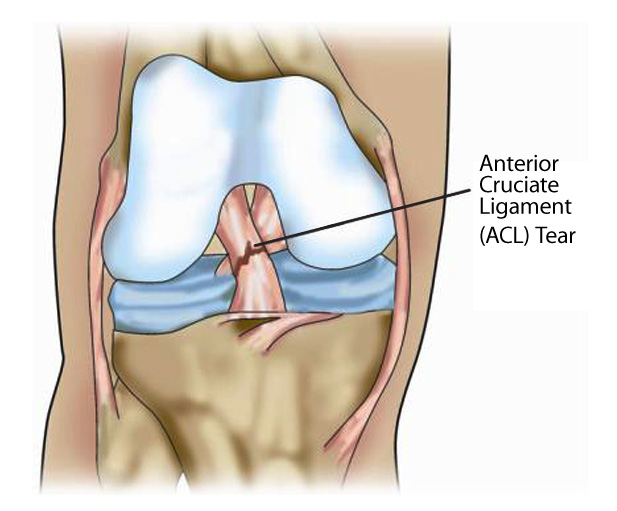
An ACL injury or a torn anterior cruciate ligament injury is considered one of the most common (not to mention one of the most painful) injuries anyone can have.

The injury often occurs in individuals who are engaged in sports that entail frequent jumping or running, causing stress and strain to the ligament.

This type of injury is often considered one of the most painful because it involves the knees, one of the parts of the body that has the most nerves.

What is the ACL?

The anterior cruciate ligament or ACL is one of the four major ligaments found in the knee.

It is located in the knee’s middle and it prevents the shin bone from sliding in the front of the thigh bone.

The four ligaments situated in the knees provide the stability the knees need in order to work properly.

When forced or extended beyond their capabilities, these ligaments will be subjected to stress and strain and might tear or rupture.

What are the common symptoms of an ACL injury?

Typically, a torn ACL has 4 common symptoms.

It must be noted that this type of injury may require both surgery and prompt rehabilitation.

The most typical symptoms include:

  • A pop or a popping sound during the injury. This popping or pop is often very distinct.
  • An onset of intense pain. The pain associated with ACL injuries are often described as searing or burning.
  • The first few hours after the injury, intense swelling might manifest around the area that is injured.
  • Straightening or bending the knee might cause tightness and pain. Attempting to move the knee in any direction may also result to excruciating pain.

There are certain injuries however that will manifest some of the same symptoms of an ACL injury.

Some of these conditions or injuries include bone breakage, injuries to the knee cushions, and injuries to other parts of the knee like the ligaments.

A torn ACL has 4 common symptoms

What is chronic ACL deficiency?

The condition occurs when the joints of the knee becomes chronically unstable.

When this happens, the knees would give in to the pressure and give out.

Pain and inflammation may also manifest and movement will become very uncomfortable and challenging.

While not all who has an ACL injury might develop this deficiency, those who have had a history have a higher chance of developing the condition.

In cases where ACL injuries evolve into recurrent and lifelong ACL deficiency, the affected individual will experience inflammation and pain in the affected area especially when the knee gives out or buckles.

To increase your chances of keeping ACL deficiency at bay, it is important to ensure proper rehabilitation and restored function is observed prior to commencing with the performance of routine activities.

Sans thorough rehabilitation and restored function, an ACL deficiency has a huge chance of occurring.

Eventually, some cases of ACL deficiency can lead to osteoarthritis—another condition that affects the joints and the bones. To know more about osteoarthritis, click here.

While ACL injuries can be prevented, it is sometimes inevitable especially in people involved in rigorous sports.

To prevent any complications, it is important to check with your doctor right away so proper treatment and rehabilitation can be administered. Visit www.bjios.sg right away to know more.


0 comments
0 FacebookTwitterPinterestEmail

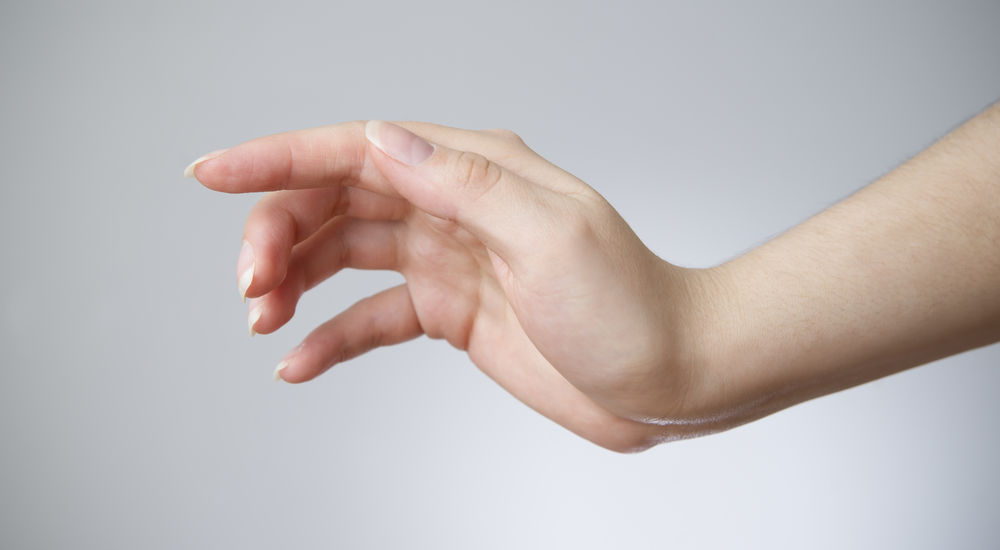
Also known as stenosing tenosynovitis, trigger finger occurs when one of the fingers remains stuck in a bent position.

Depending on the condition’s severity, injections, noninvasive treatments, medications, and trigger finger surgery might be recommended.

What are the common causes of trigger finger?

Trigger finger can be attributed to repetitive or forceful use of the finger or thumb.

Other medical conditions like diabetes, rheumatoid arthritis, and gout can also cause the condition to develop.

Grasping something firmly (a power tool, for instance) for long periods might also lead to trigger finger.

Who are at risk?

Industrial workers, farmers, musicians and those whose job or hobbies will entail repeated finger and thumb movements are considered highly susceptible.

Smokers are also at risk of developing the condition because of their repeated lighter use.

Trigger finger is also common in individuals aged 40 to 60.

What are the common symptoms of trigger finger?

Typical symptoms of trigger finger include the following:

  • Stiffness of the affected finger (especially in the mornings)

  • Soreness (at the thumb’s or finger’s base)

  • Painful clicking or snapping when the finger is straightened or bent

  • Finger or thumb locks in a bent or straight position

How is trigger finger diagnosed?

In order to diagnose the condition, physical examination of the hands and the fingers is done.

In some cases, swelling will manifest in the affected finger and a noticeable bump over the joint of the palm will appear.

The affected finger can also stay locked in a bent position and may become stiff and very painful.

X-rays and lab tests are not required in order to diagnose the condition.

What are the common risk factors?

Repeated Gripping

Individuals whose occupations and hobbies entail repetitive or prolonged gripping are more likely to develop the condition.

Sex

The condition is more common in women.

Other medical conditions

People suffering from diabetes and rheumatoid arthritis are at a higher risk.

Effective management and therapies for trigger finger: Learn about treatments to relieve pain and regain finger mobility.

What are the possible treatment options?

Noninvasive treatment alternatives

  • Heat or Ice

Some patients notice significant improvement when icing their palms numerous times daily.

Others on the other hand find warm water soaks first thing in the morning more helpful.

  • Splint

Wearing splints at night are sometime recommended to ensure the affected finger stays in the extended position.

Aside from helping guarantee the finger does not curl when sleeping, splints can also help the tendon rest.

  • Stretching Exercises

To ensure finger mobility is maintained, gentle exercises might be recommended.

Surgical procedure and other treatment alternatives

If the symptoms are severe and the condition does not respond to noninvasive treatments, the following treatment options will be likely recommended:

  • Steroid Injection

To reduce inflammation and allow the tendon to freely move, a steroid medication is injected into the tendon sheath.

Steroid injection is a very common and popular treatment alternative because it has a 90 percent effectivity rate.

This option however is not recommended for patients with diabetes.

  • Percutaneous Release

This procedure will entail that the patient’s palm is numbed before a sturdy needle is inserted.

The needle is inserted into the tissue around the tissue that is affected.

When the finger and the tendon are moved, the constriction blocking the smooth motion and movement of the tendon will be resolved.

Surgery

Trigger finger surgery is often carried out in the operating room.

A small incision is made near the base of the affected finger.

From there, the surgeon can easily cut open the portion of the tendon sheath that is constricted.

How long is the likely recovery period after the surgery?

Recovery time will depend on the condition’s severity.

In some cases, the treatment of choice can also affect the length of the recovery period.

For instance, splinting may require at least 6 weeks.

In most cases however, patients will recover within a few weeks with anti-inflammatory medications and rest.

If you need help in the management and treatment of trigger finger, go to www.bjios.sg right now.

0 comments
0 FacebookTwitterPinterestEmail

The healthcare profession that diagnosis and treats patients with difficulties doing functional activities is called physiotherapy.

Physiotherapy is also known as physical therapy in other countries.

What are the primary goals of physiotherapy?

  • Maintain independence of movement

  • Alleviate pain

  • Enhance physical performance

  • Prevent and manage impairments and disabilities

  • Significantly improve the patient’s quality of life

  • Achieve highest function possible

  • Enhance health and overall wellness

When is physiotherapy used?

Physiotherapy has proven helpful for individuals of all ages suffering from different health issues, including those that affect the:

Heart and circulation

Rehabilitation after a heart attack

Breathing and lungs

Chronic Obstructive Pulmonary Disease (COPD) and cystic fibrosis

Soft tissues, bones, and joints

Back, neck, and shoulder pains and sport injuries

Brain and the nervous system

Movement difficulties that result from stroke, multiple sclerosis (MS) and Parkinson’s disease.

What are the various kinds of physiotherapy treatments?

Heat Therapy

Applying heat can expedite healing by enhancing the blood flow to the injury site.

Heat therapy has also been known to help in effectively softening tight tissues and alleviating pain.

Some of the common heating modalities and devices include:

  • Paraffin wax bath

  • Ultrasound

  • Diathermy

  • Hot packs

  • Infrared heat

Cold Therapy or Cryotherapy

Proven effective in minimizing swelling and pain, this physiotherapy intervention is often the treatment of choice for acute injuries.

It is also employed after a deep kneading massage or DKM.

Classic examples of cold therapy include ice pack application and ice massage.

Range of Motion (ROM) Exercises

To maintain and enhance joint flexibility and to reduce stiffness, ROM exercises are considered ideal.

Common range of motion exercises include:

  • Passive Range of Motion (PROM) exercises

  • Active Range of Motion (AROM) exercises

  • Active Assistive Range of Motion (AAROM) exercises

Transcutaneous Electrical Nerve Stimulation (TENS)

This type of electrical stimulation uses a small battery-powered device.

It works by sending low current throught the electrodes that are placed on the skin’s surface.

Contrary to what is popularly believed, a TENS device will not cause the muscles to contract.

However, while effective when it comes to relieving pain, the relief it offers is often only temporary.

Soft Tissue Mobilization

Also known as therapeutic massage, soft tissue mobilization is often used as part of physiotherapy treatment.

Therapeutic massages have been proven to reduce pain, relax tight muscles, and minimize swelling.

Other prevalent physiotherapy treatments include:

  • Joint mobilization

  • Traction

  • Bandaging

  • Ergonomic training

  • Assistive device training

  • Fitting of Orthosis

  • Taping

Different Types of Physiotherapy Treatments

What are some conditions and injuries that can benefit from physiotherapy?

Tendonitis

This condition occurs when the tendons become inflamed and irritated.

Tendonitis is often attributed to overstretching, overuse, and repetitive movements.

Tendonitis can also be acute or chronic.

If tendonitis does not respond to home-care remedies, the following treatment options might be prescribed.

  • Steroid injection

  • Ultrasound

  • Physiotherapy

  • Supportive brace or strap

ACL Tear

ACL tear occurs when the anterior cruciate ligament or ACL (situated within the knee joint) becomes partially or completely torn.

ACL tears are very common in athletes involved in highly competitive and intense sports like football, rugby, soccer, and basketball.

Depending on the severity of the condition, any or a combination of the following physiotherapy interventions might be recommended:

  • Joint mobilization

  • Range of motion (ROM) exercises

  • TENS

  • Ice pack or heat application

Wrist Sprain

Wrist sprain occurs when the ligaments that support the wrist bones gets injured.

The injury is often attributed to overstretching of the ligaments or forceful bending.

Telltale indicators of the condition include swelling, bruising, redness, and tenderness.

Wrist sprain interventions include the following:

  • TENS

  • Ice or heat packs

  • Exercises

  • Ultrasound therapy

Essentially, the physiotherapy treatment that will be prescribed will be based on the symptoms, recovery stage, injury severity, and the patient’s overall goals.

To know more, visit www.bjios.sg right now!

0 comments
0 FacebookTwitterPinterestEmail

The specialty that treats bone defects that are genetic-related, acquired, and those that develop during gestation is called pediatric orthopaedics.

Children with developmental and musculosketal conditions as well as those with congenital bone diseases will need the expert help of pediatric orthopaedics specialists.

Orthopaedic conditions are very common among children.

These conditions are classified as developmental, congenital, or acquired.

Some of the most common pediatric orthopaedic disorders are:

Legs

Bow-legged (Genu varum)

Genu varum can be attributed to a posterior hip capsule that is tight.

The condition will often get resolved once the child turns 2 years old.

In severe cases however, splinting at night is recommended.

Internal tibial torsion

This condition is deemed the most probable cause of in-toeing in children that are aged 2 years and below.

Fortunately, the condition is resolved (even without treatment) once the child starts to walk.

Leg length discrepancy

This condition is often attributed to growth asymmetry.

Treatment approaches can include surgical correction of the longer or shorter leg and inhibition of growth of the longer leg.

Foot

Pes cavus

Pes cavus results to a high arch adn in most cases, does not respond to weight-bearing.

Depending on the condition’s severity, treatment alternatives can include physical therapy, orthotics, and surgery.

Talipes equinovarus

This condition is also known as club foot.

It pertains to the various abnormalities in the tibia, fibula, and the bones.

Likely remedies can include splinting, casting, and manipulation.

In cases that are severe, surgery might be recommended.

Planovalgus deformity

While considered common, this condition is often associated with cerebral palsy.

For ambulatory children with deformities that are mild to moderate in nature, calcaneal lengthening is the likely option.

For children that are non-ambulatory, the relapse rate is high so surgery might not be of much benefit.

Toes

Ingrowing toenail

When the nail’s edge will grow into the surrounding tissues, ingrowing toenail develops.

Treatment options for the condition can range from warm soaks to taking antibiotics.

Severe cases however will already require surgery.

Curly toes

Curly toes often affect the fourth and the fifth toes.

Curly toes can be inherited or bilateral.

Fortunately, at least 25 to 50 percent of the cases get resolved when the child turns 3 to 4 years of age.

Otherwise, surgery would be the likely treatment approach.

Common Orthopaedic Problems in Childhood

Knee

Discoid lateral meniscus

The term refers to the congenital malformation of the lateral meniscus.

If the condition causes the child discomfort, arthroscopic repair might be recommended.

Patellar subluxation and dislocation

This congenital condition often responds well to immobilization.

In chronic cases however, surgery might be necessary.

Osteochrondritis dissecans

Treatment option for this condition can range from immobilization, NSAIDs, and surgery.

Chrondrocyte transplantation has also become one of the likely alternatives recently.

Spine

Spondylolisthesis

When a vertebra slips forward on the vertebra situated below it, this condition occurs.

Physical therapy and NSAIDs are often given as first treatment resorts.

Severe cases of the condition however might need posterior spinal fusion.

Intravenous treatment (often followed by oral antibiotics) is also often prescribed.

Discitis

This condition is deemed uncommon in children.

Back pain, lumbar lordosis loss, and the inability of the patient to flex the lower back are considered some of the condition’s clinical features.

Hip

Slipped capital femoral epiphyses

When the femoral head slips posteriorly, this condition occurs.

The condition is also very common among obese and rapidly growing children aged 12 to 15.

Management of the condition often includes surgical hip pinning.

Transient monoarticular synovitis

This condition will often result to limping and develops after a respiratory infection.

Effective treatment options include rest, physiotherapy, and NSAIDs.

Orthopaedic disorders in children have different treatment interventions. To know what the best treatment route is for your child, visit www.bjios.sg right now.

0 comments
0 FacebookTwitterPinterestEmail

While there are different types of arthritis, osteoarthritis is deemed the most common.

Affecting millions of people the world over, osteoarthritis occurs when the protective cartilage situated at the bones’ end breaks down.

Although the condition can damage possibly any joint found in the body, it often affects the joints found in the hands, knees, hips, and spine.

Fortunately, symptoms of osteoarthritis can be effectively managed.

However, the underlying process is no longer reversible.

Common Symptoms

Below are some of the most common indicators of osteoarthritis:

  • Pain – joint pain is felt during and after movements.
  • Tenderness – tenderness in the joint is felt even if only a slight pressure is applied.
  • Stiffness – stiffness in the joint is especially noticeable especially when sedentary for long periods or when waking up in the morning.
  • Grating sensation – grating sensation are felt or heard when the affected joint is used.
  • Bone spurs – extra bits of bones that feel like hard lumps when touched will form around the joint affected.

Osteoarthritis Management

Below are some of the known effective ways to manage the condition.

There are two simple yet highly effective ways to protect the joints. And both don’t even need a prescription.

Exercise regularly.

Integrating regular exercise in your daily routine will not only help patients maintain a healthy weight, it is also highly beneficial for the joints.

Thankfully, there’s no shortage of exercise options available that can help strengthen the muscles of the joints.

Hiking, yoga, biking, and swimming are just some of the exercise alternatives that are easy on the body but can effectively strengthen the muscles at the same time.

Lose the excess weight.

Getting rid of the extra pounds will not only help you avoid a vast range of medical conditions, it can also efficiently take stress and strain off the joints.

Also, while no such thing as an “osteoarthritis diet” has been created yet, as a general rule of thumb, eating fruits, vegetables, whole grains, healthy fats, and lean meat are highly recommended.

What You Need to Know About Osteoarthritis

Treatment Options

Topical Creams

Creams and gels that help with osteoarthritis can be rubbed on the affected joint.

Some of the known effective topical options include:

  • Diclofenac – for NSAIDs that come in topical form, Diclofenac is a classic example. However, this topical alternative cannot be purchased sans prescription. In addition, liver function will have to be monitored for at least 4 to 6 weeks from the time treatment started to resolve any possible side effects the soonest possible time.
  • Capsaicin – this cream is considered highly effective in relieving pain brought about by osteoarthritis. Capsaicin works by hindering the release of substance P—the one tasked to transmit pain sensation.
  • Other products containing eucalyptus, camphor, and menthol have also been proven to help ease pain brought about by the condition.

Medications

People suffering from osteoarthritis are typically given nonsteroidal anti-inflammatory drugs or NSAIDs to help ease the pain.

Classic examples of NSAIDs include aspirin, ibuprofen, and naproxen.

The aforementioned medications can often be purchased without a prescription.

However, stronger NSAIDs will require a prescription.

For best results, it is recommended that you check with your doctor first rather than self-medicate.

NSAIDs can have unwanted side effects like increased risk for cardiovascular issues (i.e. heart attacks and strokes) and may sometimes cause stomach bleeding.

Surgery

Fortunately, it is reassuring to note that most osteoarthritis cases do not require surgery.

However, once the stiffness and pain becomes unbearable, surgery will most likely be recommended.

The good thing is surgery will not only effectively relieve the pain but will also help effectively improve joint alignment and enhance joint movement.

You may already be suffering from osteoarthritis but oblivious to it. If you notice classic osteoarthritis symptoms, visit www.bjios.sg right away for expert help on the management of the condition.

0 comments
0 FacebookTwitterPinterestEmail