Tag:

Injury

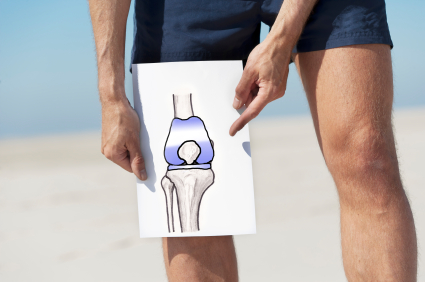
Years prior, joint replacement surgery was considered a high-tech procedure.

Nowadays, it is already considered a common operation.

In fact, in the US alone, statistic indicate that more than a million hips and knees have been replaced yearly.

While the figure is relatively high, it is actually not surprising.

Given the procedure is right for you, hip and knee replacement can be truly life-changing.

Statistics show that a staggering 90 percent of individuals who have had joint replacement surgery notice a dramatic change in terms of mobility and pain relief.

When is hip and knee replacement truly required?

Facts To Know About Knee and Hip Replacement

There are several key factors surgeons take into consideration to determine candidates for joint replacement surgery.

Some of the factors include:

Pain and stiffness – joint replacement is considered a likely option for those who experience excruciating pain and are no longer able to carry out routine activities like walking, getting up from a chair, or climbing the stairs, among others.

Deformity – joint replacement surgery is a probability when the affected leg becomes severely swollen or bowed.

Bone damage – when there is severe joint damage due to osteoarthritis and other conditions, joint replacement might be required.

Poor life quality – aside from the pain, surgeons would need to consider if the joint issue has already affected the patient’s quality of life. If it already limits the patient’s movements or causes them to be depressed or grumpy, then joint replacement might be necessary.

Even in cases where all of the requirements for joint replacement surgery has been met, certain factors still need to be taken into consideration to truly gauge if the procedure is indeed the right option.


Ask yourself the following questions to help accurately gauge if you have made the right decision:

Am I willing to make the necessary adjustments/changes?

Achieving the optimum results entails dedication to making the right changes. In other words, you need to become disciplined in terms of losing any excess weight, exercising more, eating healthier, and adapting a healthier lifestyle in general.

Do I have someone to help me out while I’m recovering?

Recovering from joint surgery without help would be extra challenging, if not totally impossible.

For starters, you would need assistance doing just the basics alone—moving around, getting dressed, preparing food, changing the bandages, among other things—especially during the first few weeks.

If you don’t have family members or close friends helping you out, consider checking for rehab facilities you can check in at least while you are recovering.

Have I tried all the other conventional options?

While deemed safe and effective, there are still certain risks involved in joint replacement injuries, much like any other surgeries.

In addition, recovery time can definitely take a lot of months.

Ideally, it would be best to exhaust all other conventional and noninvasive options before considering surgery.

While no doubt life-changing, joint replacement surgery might not be the ideal treatment recourse in all scenarios.

For instance, the procedure is not exactly a good alternative given the following scenarios:

Infection – if patient has suffered from a recent body infection, joint replacement is not a viable option. Understandably, caution should be exercised in order to prevent the infection from spreading to the joint area after the surgery. In cases where the infection spreads, it might result to more serious concerns and might even require additional surgery.

Pain cause – surgeons will have to make sure the pain is really secondary to joint damage and not anything else. Bear in mind that there are hip and knee issues that joint replacement surgery will not fix.

Other medical issues – if patient has a history of uncontrolled diabetes, strokes, or heart attacks, complication risk becomes relatively higher.

Hip and knee replacement is not for everyone. To know if it is the best treatment intervention for your case, visit www.bjios.sg now.


0 comments
0 FacebookTwitterPinterestEmail

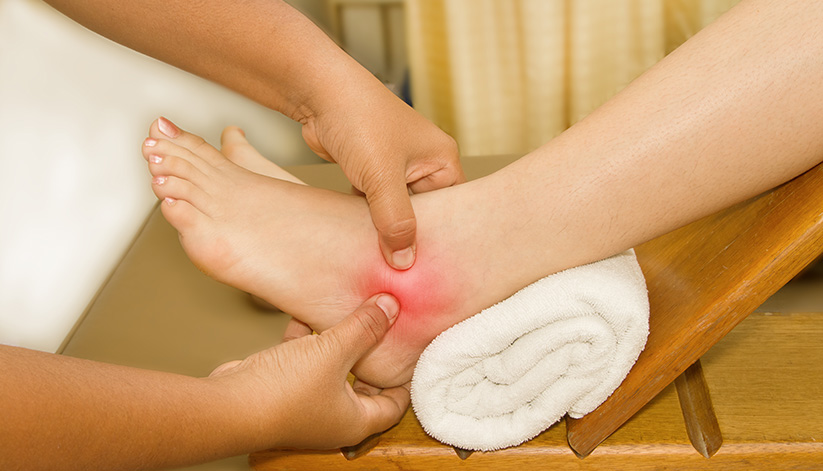
Our feet and ankles help support our entire body and weight.

They also make walking, running, standing, and playing possible.

However, since the feet and ankles help support one’s weight, they can become very susceptible to injuries.

These injuries can vary, with some considered more severe than the others.

If truth be told, foot and ankle injuries are actually very common.

It is reassuring to note however that these injuries are also preventable.

Typically, foot and ankle injuries are often not serious but if symptoms have persisted for a long time, it would be best to have it checked so it can be assessed and treated accordingly.

Foot and ankle injuries are common among people involved in rigorous and competitive sports and other strenuous physical activities.

Below are some of the most common types of ankle injuries.

Ankle ligament damage

In the event of severe or serious falls, there is the tendency for the ligaments to be torn or ruptured.

The ligaments are the strong bands of tissue tasked to connect the bones within the joint.

It is also responsible for the stability of the foot and the ankle.

In some instances, damage to the ligaments in the ankle will require surgery to fix.

In most cases, injuries of this type will also require rehabilitation.

Strengthening the joint should be considered crucial in order to minimize the possibility of further damage or injury in the future.

Broken ankle

A broken ankle is considered a serious injury because it involves a broken bone.

Surgery is required to fix the bone, followed by rehabilitation. This is done in order to facilitate proper healing.

Your doctor or therapist may also recommend the use of a walker to take pressure off the injured area and support movement.

Sprained ankle

A sprained ankle is considered one of the most common types of injuries experienced by a majority of people.

This condition is so prevalent that most people will likely experience a sprained ankle at one point in their lives or another.

A sprained ankle can be mild or severe.

A sprain also involves the joints and ligaments in the ankle and can result to pain, inflammation, and decreased mobility.

This type of injury can heal after a few days given there is enough rest and limited mobility.

In order to hasten healing, refrain from putting additional pressure on the ankle until the pain and swelling is completely gone.

Foot and ankle injuries can complicate when left unattended. To ensure the best treatment intervention is given, head to www.bjios.sg right away.

0 comments
0 FacebookTwitterPinterestEmail

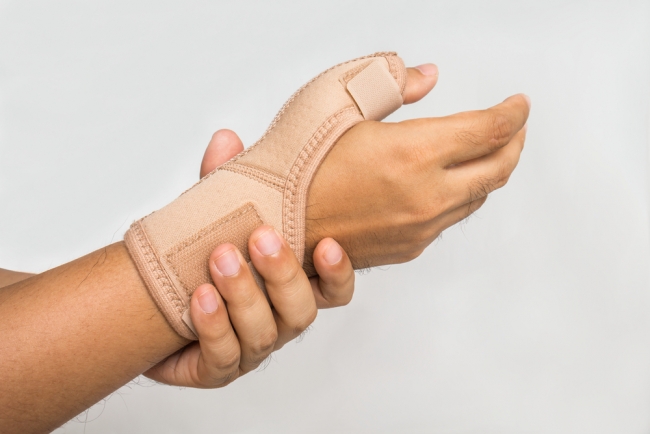
The weakening of the hand and that of the middle finger and thumb can be attributed to a condition known as carpal tunnel syndrome.

Carpal tunnel syndrome occurs when the median nerve that passes along the carpal tunnel becomes compressed.

In essence, the carpal tunnel serves as a passageway of sorts for the tendons and ligaments of the hand.

The median nerve extends from the forearm to the thumb’s base.

When the median nerve becomes compressed due to the irritation or inflammation of the tendons or the ligaments, symptoms like swelling, numbness, loss of feeling, and pain will manifest.

When left unattended and untreated, carpal tunnel syndrome can get worse and might require carpal tunnel syndrome surgery to fix.

Carpal tunnel syndrome is considered one of the most common nerve disorders today especially now that people are spending more and more time in front of their computers.

Older people are also more likely to develop the condition as opposed to their younger counterparts. The condition is also more common in females than in males.

Since numbness of the fingers is often one of the primary symptoms of carpal tunnel syndrome, many people end up mistaking it for other hand disorders.

To ensure proper diagnosis is made, visiting the doctor would be recommended especially if the symptoms have been manifesting for quite some time. In severe cases, carpal tunnel syndrome surgery might be required.

Facts You Need to Know About Carpal Tunnel Syndrome

For those who are not familiar with the condition, below are 5 essential facts about carpal tunnel syndrome:

  1. Several risk factors that can increase one’s chance of developing carpal tunnel syndrome has been identified. Some of these factors include sex (more common in women than in men), inflammatory conditions (rheumatoid arthritis), workplace factors (prolonged wrist flexing and repetitive hand movements), other medical conditions (kidney failure, menopause, obesity, thyroid problems, etc.).
  2. Carpal tunnel has many symptoms but some of the most common manifestations of the condition include pins-and-needles sensation, tingling, numbness and pain (often gets worse when affected hand is used), pain when bending the wrist or flexing, stiffness of the fingers (this symptom is especially noticeable in the mornings). In severe cases, some of the most prevalent symptoms of the condition can include numbness, weakness of the hand, fingers, or thumb, and reduced grip.
  3. Patients with carpal tunnel syndrome will often find it hard to perform even simple movements that involve using the hands like holding utensils or brushing the hair. There is also the tendency to drop objects more often than usual. Some patients also report pinch strength loss or the ability to pinch objects using the thumb and the first finger. In some cases of the condition, atrophy of the thumb’s muscles may also occur.
  4. While there are numerous possible causes for carpal tunnel syndrome, some of the most common are repetitive hand movements, irritated flexor tendons, and other existing medical conditions like rheumatoid arthritis, diabetes, pregnancy, and hypothyroidism, among other things.
  5. While mild cases of carpal tunnel syndrome will not require carpal tunnel syndrome surgery, it is still imperative to have the condition checked so that proper assessment and treatment can be administered. If in case you feel certain symptoms like diminished thumb strength, tingling sensation, numbness, and pain, medical attention is necessary.

Carpal tunnel syndrome might seem harmless but it can get really bothersome without proper medical attention and treatment. To avoid carpal tunnel syndrome from escalating, visit www.bjios.sg now.

0 comments
0 FacebookTwitterPinterestEmail

The procedure done to remove bunions is called bunions surgery.

A bunion is a bony bump situated at the base of the big toe.

It is a type of bone deformity that can be very uncomfortable.

When the condition becomes extremely painful or uncomfortable, bunions surgery is often recommended.

Bunions can be attributed to a lot of factors.

However, one of the common reasons for the condition can be attributed to wearing of footwear that puts too much strain and pressure in the toe area.

Shoes that are too narrow, too small, or too uncomfortable might lead to the development of bunions.

Research shows bunions are more common in females than in males.

While bunion surgery is the option when the condition does not respond to conventional treatments, others have it done for aesthetic purposes.

Fortunately, bunion surgery offers a host of other benefits.

Bunion Surgery

Preparation

Just like any surgical procedure, preparation is necessary in bunion surgery.

Medical tests and examinations will have to be conducted to help ensure you are fit to undergo the procedure.

Your surgeon or doctor will likely check your blood, heart function, and urine, among others. An X-ray of the lungs might also be needed.

Prior to the surgery, you will likely be asked to stop taking certain medications.

During the surgery, local anesthesia will be administered.

In most cases, you will be conscious the entire duration of the surgery.

There are several types of bunion surgery.

The most common are arthrodesis, exostectomy, and osteotomy.

Arthrodesis – your surgeon will replace the joints that are damaged using screws and metal plates. The procedure is often done in order to correct the deformity.

Osteotomy – in order to realign and restore the joint of the big toe, an incision will be done in the area.

Exostectomy – the bunion is removed from the joint but no realignment is done.

After the surgery, the affected foot will be wrapped in a bandage and patient will be taken to the recovery room.

Vital stats will be monitored and if all is well, patient will be allowed to go home after a few hours.

Recovery

Typically, recovery from bunion surgery can range from six to eight weeks.

However, full and functional recover will take as long as four to six months.

While recovering, refrain from getting the stitches wet and putting any pressure on the operated area.

Once the bandage is removed, you will likely be advised to wear a brace to support movement while you are recovering or until fully healed.

To hasten healing and to alleviate pain, icing the affected area is recommended.

Also, in order to help facilitate faster healing, refrain from wearing high heels. Instead, opt for comfortable footwear at all times.

While not everyone may be aware of it, not all cases of bunion will require surgery. That being said, it would be best to check with the experts at www.bjios.sg to know the best treatment alternative for your case.

0 comments
0 FacebookTwitterPinterestEmail

While almost everyone experiences back pain at one point in their lives or another, others experience back pain their whole lives.

When the condition becomes troublesome and debilitating, checking with a back pain specialist should be considered a priority.

What are some of the common causes of back pain?

Unknown to many, the back is a very intricate and complicated structure.

It is comprised of muscles, bones, ligaments, and joints.

In most cases, pain in the back occurs when there is stress, strain, or injury on any of the muscles, nerves, or ligaments found in the back.

If the pain is chronic, a visit to a back pain specialist should be in order so proper assessment, diagnosis, and treatment can be conducted.

Below are some of the most interesting facts about back pain not many people know about:

  • A staggering 80 percent of the population experiences back pain and other back-related issues at one point or another.
  • Back pain is considered one of the leading causes of disabilities the world over. It is also one of the most common reasons people miss work.
  • It is the third most common reason for surgery.
  • Almost half of back pains are classified as mechanical or non-organic. In other words, it is not attributed to anything serious like fracture, infection, arthritis, or cancer.
  • Back pains that are caused by muscle-related injuries are more prominent in the mornings. Fortunately, it can easily improve with stretching.
  • Back pains that are mechanical can be attributed to ligament or muscle strains.
  • People who experience back pain are more likely to also develop psychological distress like anger and depression.

How are back pains prevented?

Facts Regarding Back Pain

Some people might think that back pains are inevitable at one point or another.

For the most part, this is true.

In essence, back pain is highly prevalent because of the nature of activities people perform on a routine basis.

Chronic back pain however can be prevented.

Below are some of the ways you can prevent chronic back pain:

  • Ensure you eat right and maintain a healthy weight.
  • Make sure to incorporate exercise in your day-to-day activities.
  • Always wear comfortable shoes and refrain from wearing high heels too frequently.
  • Opt for a mattress that complements your spine’s natural curvature.
  • Be sure to always stretch and warm up prior to engaging in any rigorous sports or activities.
  • Don’t smoke or quit smoking.
  • Visit a back pain specialist when you experience troublesome back pain so proper assessment and treatment will be made.

For severe back pains that are persistent and bothersome, seeing the specialists at www.bjios.sg is recommended so the condition is given the best and the most apt treatment.

0 comments
0 FacebookTwitterPinterestEmail

What is an ACL injury?

An ACL injury is a serious injury that occurs to many athletes involved in rigorous or competitive sports.

The anterior cruciate ligament or ACL is a band of fibrous tissue or ligaments that connect the thigh bone to the shin.

This part of the knee helps ensure people do not end up rotating or twisting their knees uncontrollably.

ACL injuries are very common among athletes, especially those who are engaged in sports that involve rigorous jumping, pivoting, running, and sudden stops.

Torn ACL will require proper rehabilitation to ensure full recovery.

This type of injury should not be taken lightly as sans proper treatment and medical attention, it can leave the individual in extreme pain.

If you are involved in rigorous sports, the tendency of this type of injury occurring is relatively high.

For those who are involved in challenging sports and those who are experiencing this kind of injury, the following self-management (and prevention) tips can come in handy.

What needs to be done in the first 24 hours?

Tips for ACL Injuries

The first 24 hours after an ACL injury, affected individuals will experience extreme pain.

Inflammation will also manifest.

These symptoms are usually evident the first 2 hours after the injury occurred.

For proper treatment and self-management, the R.I.C.E. method is considered ideal:

  • Rest – resting the injured area should be a priority. Make sure you do not submit the affected area to further stress and strain so complications will not occur.

  • Ice – putting ice on the area every 2 hours (20 mins each time) is also recommended.

  • Compression – ideally, the injured area should be wrapped in elastic bandage.

  • Elevation – elevating the knee when laying down is also advisable. You can make use of pillows or other mechanical device for this purpose.

Seeing a sports doctor or a therapist for further and thorough evaluation should be done after administering first aid treatment.

How do you help ensure ACL injuries are prevented?

Regardless if you are involved in competitive/extreme sports or in a job that puts you at risk for ACL injuries, knowing the necessary prevention tips should be considered imperative.

Fortunately, for starters, there are proper training guides and exercises that can help significantly decrease the chances of an ACL injury occurring.

Once you have completed the assessment, you can visit your trainer, physical therapist, or doctors specializing in sports injuries so they can provide you with instructions, feedback, and insights you can integrate in your training and activities.

Some programs can include:

  • Exercises that help strengthen the abdomen, pelvis, hips, and the core.

  • Exercises that will not only strengthen but also stabilize the muscles. This also include exercises that provide balance.

  • Proper training techniques on the proper running, jumping, and landing should also be taught.

  • Proper training techniques on the right style of cutting, rotating, and landing should also be taught.

Proper management and treatment of ACL injuries is done on a case to case basis. To get the best treatment intervention, visit www.bjios.sg right away.

0 comments
0 FacebookTwitterPinterestEmail

Orthopaedic hand surgery is a branch in medicine that involves a broad spectrum of procedures.

It encompasses different kinds of surgery that aims to bring back the hand’s functionality.

Surgeons that perform these types of surgery also aims to restore part (or when possible, full) usability of the upper extremities, specifically the hands and the fingers.

In addition, the procedure is also carried out to make the affected area look as normal as possible.

Orthopaedic hand surgery is carried out to resolve different scenarios.

For instance, it is the likely resolution for those who are suffering from different hand injuries, rheumatoid arthritis, osteoarthritis, and other damages in the hand structure.

In some cases, the structures inside the hand degenerates secondary to some underlying illnesses.

The procedure is also performed when there are congenital defects or infections that result from trauma or disease.

Types of Hand Surgeries

Some of the most common orthopaedic hand surgery include:

Skin Flaps

This procedure entails fixing conditions that result to extensive damage to the tissues or vessels.

Just like skin grafts, skin flaps involve using a healthy part of the skin taken from another area or part of the body together with the underlying vessels.

This is done to give the injured part adequate blood supply.

Tendon Repair

Since tendons are complex structures, this type of surgery is considered relatively challenging.

Damage to the tendon can be caused by numerous factors—rupture, trauma, and infection to name a few.

The following are the 3 types of tendon repair surgery often carried out: primary, delayed, and secondary.

Fasciotomy

This type of hand surgery is carried out to resolve compartment syndrome.

Compartment syndrome occurs when there is pressure or swelling trapped in a small space in the body secondary to injury.

When left unattended and untreated, the condition can escalate into something more serious and may cause change in the color or the nailbeds or fingers.

Nerve Repairs

When there is blunt trauma involved, there is a high possibility for the nerves found in the hand to become damaged.

Traumas can sometimes result to loss of both function and sensitivity.

Skin Grafts

Skin grafts can be carried out in any part of the body that is covered in skin.

The procedure involves attaching the skin from another body part and using it in place of the damaged skin in the hand.

In most cases, this type of surgery is performed when there are injuries, trauma, or finger amputations.

The healthy skin attached to the damaged part is called donor site.

Closed Reduction and Fixation

This procedure is performed in the case of bone fractures whether in the fingers or the hand itself.

The primary goal of this type of surgery is to realign the bone, hold it in place, and give it time to heal.

This will also require immobilization of the affected hand.

To ensure immobility, splints, casts, rods, or wires are used.

While post-surgery pain from hand surgery is often managed through pain medications, there might be other more effective means in your case.

To get the best treatment and post-operative care, visit www.bjios.sg now.

0 comments
0 FacebookTwitterPinterestEmail

MIS or minimally invasive surgery is considered an advanced surgical procedure.

It makes use of miniscule cameras and fiber optic flashlights inserted through small incisions.

Minimally invasive surgery has become the treatment option of choice for many patients because of the many benefits it offers.

Some of these benefits include:

  • Increased safety

  • Recovery period is shorter

  • Infection risk is lower

  • Hospital stay is significantly reduced

  • There is minimal scarring

However, since minimally invasive surgeries are still considered “new” as opposed to traditional open surgery, it is understandable that not many are familiar with the procedure.

For those who are likely candidates of minimally invasive surgery, it is important that they have covered all the bases and asked the important questions prior to the surgery.

Minimally Invasive Surgeries

Below are some of the essential questions patients need to ask:

What transpires during a minimally invasive procedure?

If you are clueless with the basics (let alone the specifics) of the operation, make sure to seek enlightenment from your surgeon.

For starters, you can ask where the incisions or the ports will be and how many will be needed in your case.

You can also inquire as to the number of hours the procedure will likely take.

What are the probable side effects of the procedure?

Understandably, majority, if not all the patients will experience pain post-surgery.

However, when dealing with minimally invasive procedures, the pain might not be where you expect it to be.

While not many are aware of it, ports or incisions made in minimally invasive procedures are sometimes far from the actual operation site.

In line with this, it is ideal that you check with your surgeon where you are likely to feel discomfort or pain, how long it will likely last, and how severe the pain or discomfort can be.

What preparations are needed prior to the surgery?

Ask your surgeon about any preparations you need to do a few hours or a day prior to the surgery.

Also, inquire if there are eating restrictions that you need to strictly adhere to.

As a general rule of thumb, you must know everything when it comes to what you can and can’t do and what are the things expected of you.

What happens if switching to open surgery becomes necessary?

In some scenarios, a surgeon may need to switch from a minimally invasive procedure to a conventional open one.

Make sure you are able to check with your surgeon if that is a possibility in your case.

In addition, ask about the likely side effects if ever that happens and the effect it might have on your time of recovery.

What medications are necessary?

In most cases, painkillers will be prescribed after the procedure.

Ensure you also ask about the probable side effects.

It is also recommended that you inform your surgeon if you are currently taking any maintenance medications or supplements.

You also need to ask as to the action you need to take in case the pain medication will not be able to provide the relief you expect.

How long will the recovery period be?

While some minimally invasive procedures are carried out on an outpatient basis, others are not.

To play safe, ask about the length of the expected recovery period so you will have realistic expectations and you can make any necessary adjustments.

Inquire if physical therapy will also be necessary after so you can prepare in advance.

What are the things you need to do after recovering?

Ask if there is a need for you to make follow-up appointments and the frequency of the visits you might need to make.

You can also ask if you will be needing additional surgery anytime in the near future.

For more information about minimally invasive surgery, visit www.bjios.sg right away.

0 comments
0 FacebookTwitterPinterestEmail

In general, any discomfort, pain, or inflammation from any part of the joint (ligaments, tendons, bone, and muscles) is referred to as joint pain.

In most cases however, joint pain is the term used for arthritis or arthralgia—the condition characterized by inflammation or pain within the joint itself.

While in most cases pain caused by the condition is mild (where soreness is only often noticeable after an activity), in other instances, it can be severe.

When pain is severe, even the most limited of movement (i.e. bearing weight) can become very painful.

What are other likely causes of joint pain?

Joint pain can be attributed to a lot of other conditions including but are not limited to the following:

  • Dislocation

  • Hypothyroidism

  • Ankylosing spondylitis

  • Meralgia paresthetica

  • Bone cancer

  • Gout

  • Broken bone

  • Leukemia

  • Bursitis

  • Rickets

  • Osteoarthritis

  • Lupus

  • Strains and sprains

  • Paget’s disease of the bone

  • Septic arthritis

  • Tendinitis

  • Reactive arthritis

  • Sarcoidosis

  • Juvenile rheumatoid arthritis

  • Polymyalgia rheumatic

  • Complex regional pain syndrome

What are some of the common symptoms of joint pain?

In majority of the cases, pain in the joint is relatively harmless and will often respond well to home remedies.

However, seeing the doctor is necessary if the following symptoms are observed:

  • Swelling

  • Redness

  • Tenderness

A visit to the doctor should also be a priority if the joint pain resulted from injury and is accompanied by the following symptoms:

  • Severe pain

  • Sudden swelling

  • Inability to use the joint

  • Joint deformity

Joint pain is an inconvenience for many individuals

What are the treatment options for joint pain?

While there are various ways to prevent and relieve joint pain, in severe cases, accurate diagnosis has to be made before deciding on the appropriate course of treatment.

Whatever the treatment route may be, the goals are one and the same—alleviate the pain, reduce the inflammation, and preserve the joint’s function.

Some of the likely treatments for joint pain includes:

Injections

If there is no pain relief from joint pain using oral or topical medications, a steroid medication may be prescribed.

Together with a local anesthetic, the medication is directly injected into the joint. This is done every 3 to 4 months.

This treatment option is often the likely alternative for those patients who are suffering from tendinitis, arthritis, and other joint diseases.

Medications

For joint pain that is moderate to severe (with noticeable swelling), over the counter painkillers and nonsteroidal anti-inflammatory drugs (NSAIDs) like ibuprofen, aspirin, and naproxen are given.

For those with mild joint pains without swelling, acetaminophen (Tylenol) will be recommended.

However, taking acetaminophen should be done with caution especially if you ingest alcoholic drinks on a regular basis as it might result to liver damage.

If the joint pain is severe and NSAIDs won’t provide any relief, a strong opioid medication might be recommended.

But since opioid drugs may cause drowsiness, it should only be taken upon the doctor’s recommendation.

Constipation is another possible effect of taking opioids but it can be easily remedied with laxatives.

Other medications that can help ease the pain include:

Antidepressants and antiepileptic drugs – these types of medications work by interfering with the pain signals.

Muscle relaxants – aside from combating muscle spasms, relaxants are used together with NSAIDs to maximize pain relief.

Physical therapy

Seeing a physical therapist is also a recommended option for patients suffering from pain in the joint.

The physical therapist will use different techniques like manipulation, ultrasound, electrical nerve stimulation, heat or cold therapy, etc. to strengthen the muscles, stabilize the joint, and significantly improve the patient’s motion range.

Getting rid of any excess weight is also recommended for patients who are obese. Losing the extra pounds can help relieve both the pressure and strain on the joints. However, it is advisable to stick only to exercises that are low-impact (i.e. bicycling and swimming) to prevent irritating the joint further.

When joint pain starts to affect the quality of your life and becomes bothersome, checking with the experts at www.bjios.sg is recommended.

0 comments
0 FacebookTwitterPinterestEmail

Onychocryptosis or more popularly known as ingrown toenails occurs when a part of the toenails starts digging into the surrounding soft tissues.

This often results to redness and inflammation.

Apart from being uncomfortable and painful, ingrown toenails can also lead to infections especially when left unattended.

In such cases, ingrown toenail surgery might be recommended.

The condition is more common in males than in females.

What are 10 of the likely causes of ingrown toenails?

  • Tight, narrow, and very uncomfortable shoes that put too much pressure on the toenails. These kinds of shoes often end up compressing the nails, forcing them to change shape.

  • The condition can also be attributed to a previous nail infection.

  • Improper nail trimming which often causes the nails to dig deeper into the surrounding skin.

  • Repetitive trauma including stubbing and kicking.

  • Diabetes and obesity.

  • Poor feet hygiene.

  • Abnormally shaped nails and nail folds.

  • Medications that compromise your system.

  • Family history.

  • Cardiac, renal, and thyroid disorders.

To know the classic and telltale symptoms of ingrown toenail, click here.

Proper treatment of ingrown toenails

Ingrown toenail surgery is the ideal option in some cases

While there are nonsurgical and conventional treatment options for ingrown toenails, ingrown toenail surgery is the ideal option in some cases.

Common symptoms of the condition include swelling, pain, and redness.

Treatment option will often depend on the condition’s severity, but surgery is highly likely when there is infection involved.

In most cases, diagnostic tests will not be required prior to the procedure but if your surgeon suspects there is an underlying condition, some tests might be required.

If you are considering ingrown toenail surgery, there are several factors you need to keep in mind.

Some of these factors include:

  • Presence of infection

  • Severity of the pain

  • Previous ingrown infection

  • Recurring ingrown toenails

  • Other underlying medical condition like diabetes

  • Patient’s preference

  • Other conventional treatment options

What to expect after surgery

After the procedure, you will be sent home with the affected toe bandaged.

Your surgeon or doctor will most likely recommend that the affected foot be elevated at least for a day or two.

Bandage will also be removed after a day or two.

Saltwater soaks can help facilitate faster healing so it is also advisable.

Pain medications will also be given in order to keep infections at bay and to ease the pain.

To check if your condition needs surgery, visit www.bjios.sg for proper diagnosis and treatment.

For cases that do not require surgery, home remedies will suffice.

Below are some of the effective way you can treat ingrown toenails at home:

  • Soak the affected toe at least twice daily in a warm salt water bath (15 minutes each time). This has been proven to help minimize both the pain and the swelling.

  • Ensure the affected foot is always kept dry.

  • Taking over-the-counter or OTC medications like ibuprofen or acetaminophen to help ease the pain is also advisable.

  • Separating the ingrown toenail and the skin by stuffing a tiny cotton soaked in antiseptic.

  • Covering the area affected with Band-Aid or bandage for protection and padding.

  • Inspecting the affected toe on a routine basis to ensure no signs of infection are present (i.e. pain, swelling, pus, etc.).

0 comments
0 FacebookTwitterPinterestEmail