![[:en]Fiber can help clean the digestive tract.[:]](https://www.allurewellness.net/wp-content/uploads/2020/08/Untitled-design-60.png)
What Exactly Is Fiber?
Fiber is a non-digestible carbohydrate found in plant-based foods. Unlike proteins, fats, or other carbohydrates, fiber is not broken down and absorbed in the small intestine. Instead, it passes through the stomach and small intestines, eventually reaching the colon mostly intact.
Once it gets there, beneficial bacteria in the colon start feeding on certain fibers. This process produces important by-products, including B vitamins and vitamin K. The rest of the fiber that is not fermented is excreted as waste. And while it’s passing through, fiber is doing a lot of behind-the-scenes work to keep your digestive system healthy.
2 Main Types of Fiber
Nutrition experts categorize fiber into two main types: soluble fiber and insoluble fiber. Both types are essential, but they work in different ways.
1. Insoluble Fiber: Nature’s Cleaning Brush
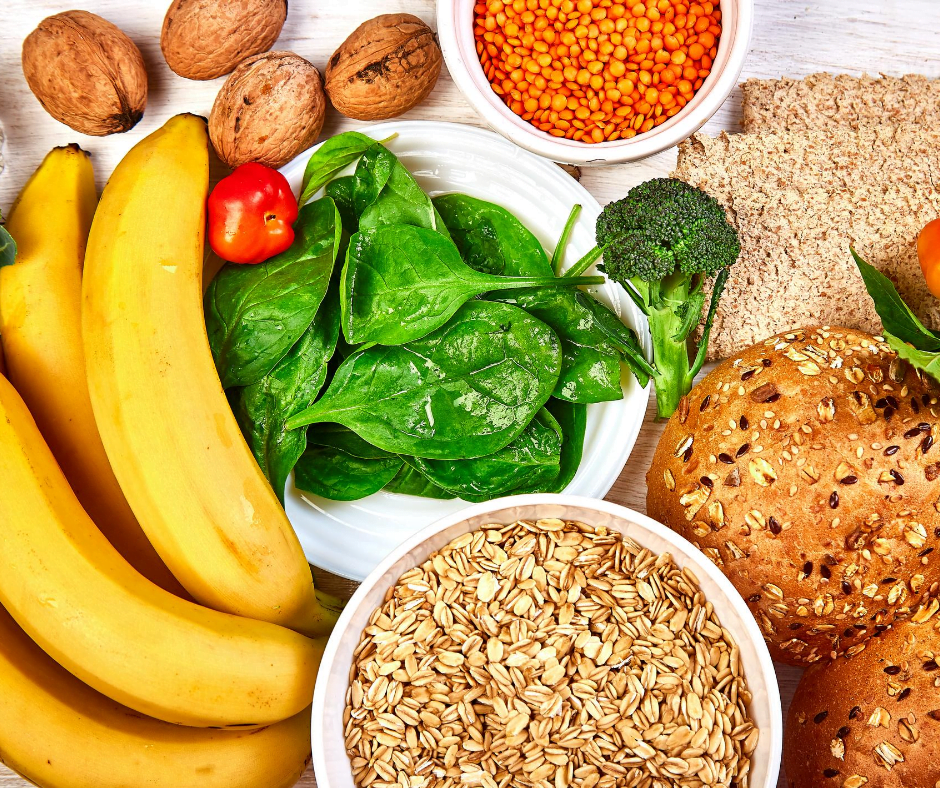
Insoluble fiber, often called roughage, acts like a natural cleaning brush for your digestive system. It doesn’t dissolve in water, which means it moves through the digestive tract largely unchanged.
Here’s how it works: after nutrients are absorbed in the stomach and small intestines, the waste—including undigested fiber—moves to the colon. There, insoluble fiber absorbs water, increasing stool bulk and making it softer. This helps trigger peristalsis—the gentle, wave-like contractions of the colon that push waste toward elimination.
The bran portion of whole grains, vegetable skins, and firm fruits like apples provide this kind of fiber. It’s mildly abrasive, which helps scrub the intestinal walls, clearing out old waste and reducing the buildup of harmful substances.
2. Soluble Fiber: The Gel That Supports Heart and Gut Health
Soluble fiber, on the other hand, dissolves in water to form a gel-like substance in your digestive tract. This gel slows digestion, which can help regulate blood sugar levels and make you feel fuller for longer. More importantly, it binds to cholesterol and certain toxins, carrying them out of the body before they can be absorbed.
You’ll find soluble fiber in foods like oats, beans, citrus fruits, and carrots. It’s especially beneficial for heart health because it helps lower LDL (“bad”) cholesterol.
How Fiber Cleans the Digestive Tract
Think of fiber as your digestive system’s personal cleaning crew. Insoluble fiber adds bulk and acts like a sponge, soaking up water and toxins. The bulk stimulates the colon to keep things moving, while the abrasiveness of the fiber gently scrubs the intestinal lining.
This process shortens “transit time”—the amount of time waste stays in your system. Faster transit means fewer opportunities for harmful substances to linger and cause damage. Many health experts believe this is why high-fiber diets are linked to a lower risk of colon cancer.
The Difference Between Healthy and Unhealthy Bowel Movements
It’s important not to confuse healthy, regular bowel movements with frequent but watery stools.
| Type | Description | Possible Cause | Key Takeaway |
| Healthy Bowel Movement | Formed but soft, easy to pass | Balanced fiber intake and proper hydration | The right mix of fiber and water keeps stools soft yet formed |
| Unhealthy Bowel Movement | Frequent, loose, or watery stools | Low fiber diet leading to poor water absorption in the colon | Loose stools may indicate abnormal colon contractions trying to remove built-up waste |
Best Food Sources of Fiber
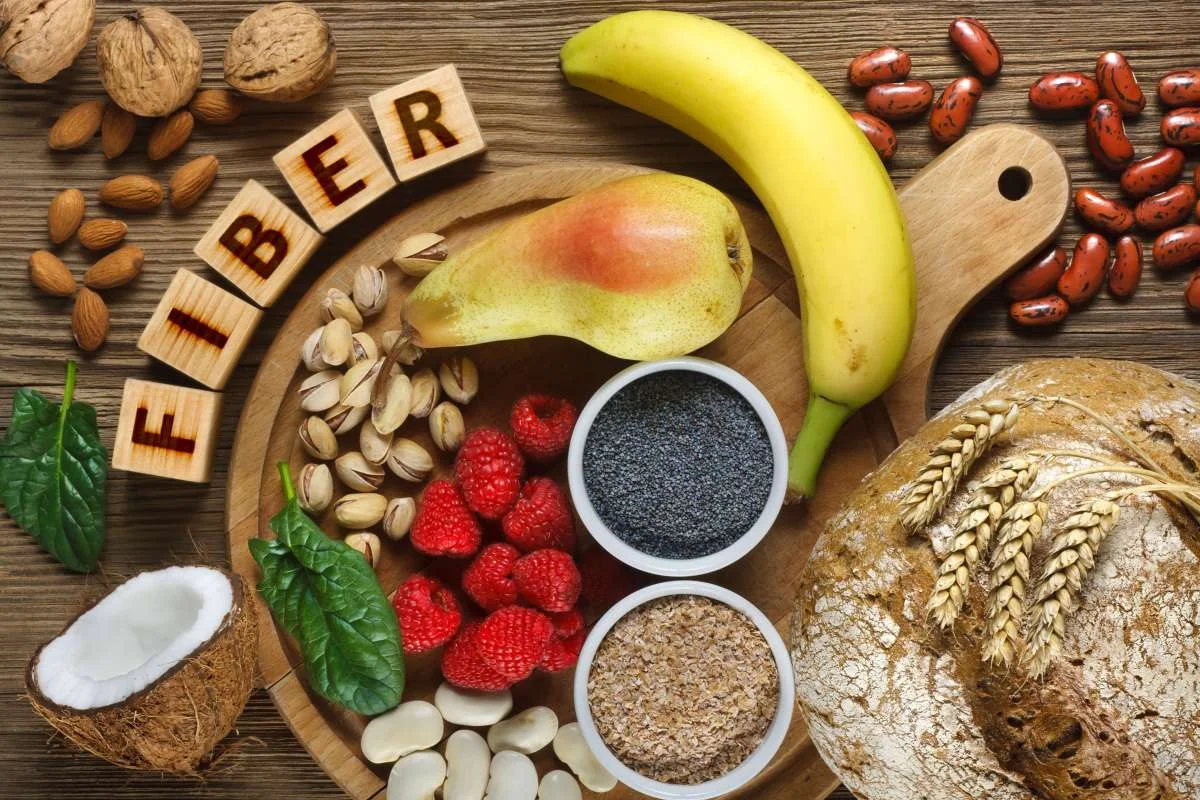
Photo from https://www.capernaumpeds.com
If you want to keep your digestive tract clean and healthy, aim for a mix of soluble and insoluble fiber in your daily meals.
Rich sources of insoluble fiber include:
- Whole grains (especially bran)
- Beans and legumes
- Vegetable skins (potatoes, cucumbers, carrots)
- Firm fruits like apples and pears
- Vegetables like broccoli and cauliflower
Rich sources of soluble fiber include:
- Oats and barley
- Citrus fruits
- Carrots
- Beans and lentils
- Psyllium husk
Fun fact: Lettuce contains very little fiber of any kind, so while it’s healthy for other reasons, it’s not a strong fiber source.
Why Water Is Just as Important as Fiber

Increasing your fiber intake without also increasing your water consumption can lead to constipation and bloating. That’s because fiber absorbs water in the digestive tract. If you’re not drinking enough, there won’t be enough liquid to keep things moving smoothly.
A good habit is to start your day with a large glass of water—around 16 ounces—before eating anything. This simple step can stimulate both your colon and your salivary glands, setting the tone for healthy digestion throughout the day.
Water plays an essential supporting role when you eat more fiber:
Softens stools – Water combines with fiber to bulk up and soften stool, making bowel movements easier and more regular.
Prevents blockages – Without enough hydration, high-fiber foods can sit too long in the intestines, leading to uncomfortable bloating and even constipation.
Helps fiber do its job – Soluble fiber (found in oats, beans, and apples) absorbs water to form a gel-like substance that slows digestion and regulates blood sugar, but it can only do this properly if there’s enough fluid.
Supports gut health – Adequate water allows fiber to ferment effectively in the colon, feeding beneficial gut bacteria and promoting a healthier microbiome.
Think of it this way: fiber is the broom that sweeps your digestive system clean, but water is the lubricant that helps the broom glide smoothly.
Tips for Adding More Fiber to Your Diet
- Start Slow – If your diet is currently low in fiber, increase your intake gradually to avoid bloating or discomfort.
- Eat Whole Foods – Choose whole fruits and vegetables instead of juices to maximize fiber intake.
- Keep the Skin On – Many fruits and vegetables have fiber-rich skins, so eat them whenever possible.
- Swap Your Grains – Replace white rice or bread with brown rice, whole wheat bread, or quinoa.
- Add Beans and Lentils – These are excellent sources of both soluble and insoluble fiber.
The Bottom Line

Photo from https://www.freepik.com
Fiber isn’t just about “keeping things regular.” It’s a vital nutrient that cleans the digestive tract, supports gut bacteria, removes toxins, and promotes heart health. By eating a variety of fiber-rich foods and drinking plenty of water, you can help your body stay balanced, clean, and healthy.
Your digestive system works hard for you every day—adding enough fiber is one of the best ways to return the favor.
Frequently Asked Questions About Fiber and Digestive Health
How much fiber should I eat each day?
Most health experts recommend 25 grams per day for women and 38 grams per day for men. Your needs may vary depending on age, activity level, and overall health.
Can too much fiber cause problems?
Yes. A sudden increase in fiber can cause bloating, gas, or discomfort. Always increase your intake gradually and drink plenty of water.
Is it better to get fiber from food or supplements?
Whole foods are the best source because they also provide vitamins, minerals, and antioxidants. Fiber supplements can help if you have trouble meeting your daily needs.
What’s the difference between soluble and insoluble fiber?
Soluble fiber dissolves in water to form a gel, helping lower cholesterol and regulate blood sugar. Insoluble fiber adds bulk to stool and keeps the digestive tract clean.
Can fiber really reduce the risk of colon cancer?
Studies suggest that a high-fiber diet, especially rich in insoluble fiber, may lower the risk by speeding up waste removal and reducing toxin exposure.