Tag:

glucose control

[:en]Fibre can help cleanse the bowel.[:]

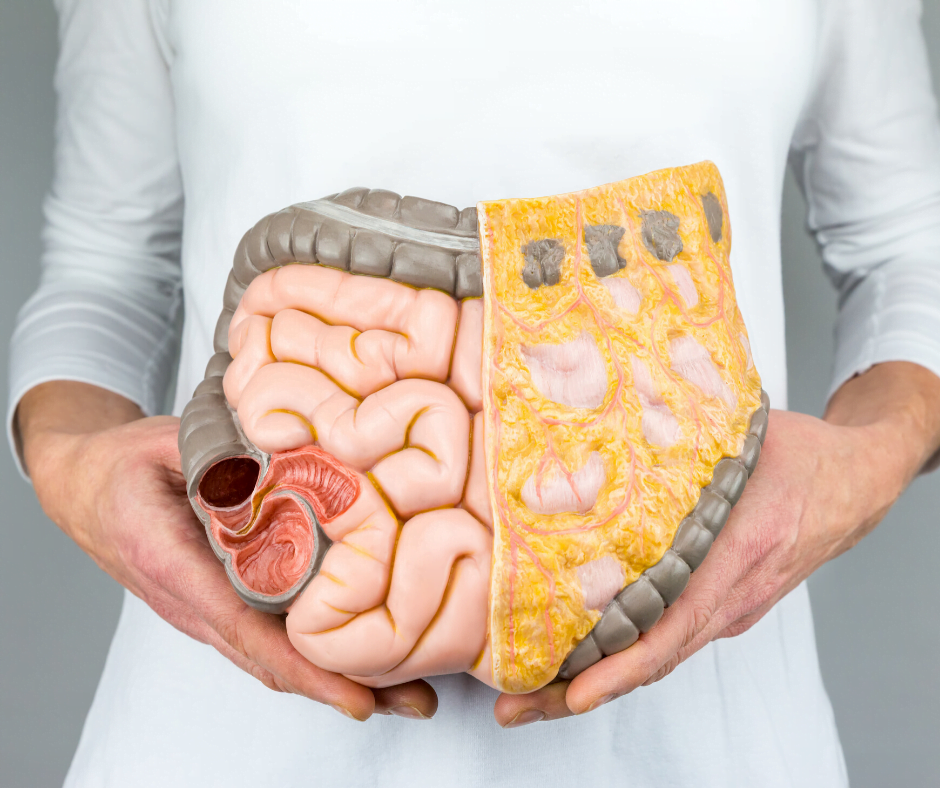
Think of the colon as your body’s waste management station. All cells and tissues in your body – and your major detoxifying organ, the liver – rely on a well-functioning colon to cleanse your body from toxins. Colon cleansing is a popular alternative remedy that some people claim to remove waste and toxins from the colon. Most colon cleansing products are said to help detox the colon or remove harmful substances such as mucus and dry stool. Some people also cleanse the bowel to help relieve constipation.

Makes the Digestive System More Effective

In colon cleansing, it pushes waste through your system, clearing the proper absorption of nutrients. The clean colon of the colon detox allows the waste to pass quickly.

Prevents Constipation

Constipation — especially when chronic — provokes a slow digestive response, which leaves waste in the system longer. This increases the likelihood of specific conditions and irritation, such as hemorrhoids and varicose veins.

Fibre can help cleanse the bowel.Increases Energy

Releasing toxins from your body is rejuvenating. It redirects the energy commonly used to force waste through the intestines to other parts of the body. People who have experienced colon detoxification say they have better blood circulation, more restful sleep, and more energy…

Increases the Body’s Absorption of Nutrients

A cleaned colon allows only water, vitamins, and nutrients to be absorbed into the bloodstream, creating an unobstructed pathway for essential nutrients to filter through your body.

Improves Concentration

Poor diet and inefficient absorption of vitamins can cause you to become distracted and lose concentration. Building up toxins in your colon can keep your body from getting what it needs to do, even if you’re eating a healthy diet consistently. Cleaning the colon with a detox diet can be the difference between feeling alert and unable to focus. This has far-reaching implications for your work, your relationship, and your overall health.

Starts Weight Loss

Fibre can also help with weight loss.Foods lack the fiber to move through the digestive tract at one-quarter the pace of high-fiber choices. This slow-moving food creates excess mucosa that actually sticks to your intestinal walls, weighing down the intestinal tract with pounds of decaying fecal matter. Colon cleansing can help with weight loss; some people claim to have lost up to 20 pounds in a month. The average human colon weighs about 4 pounds empty. It can hold up to eight meals worth of food before digestion finally occurs. Colon cleansing could result in significant weight loss, kick-start your metabolism, and focus your attention on better food choices and well-being.

Decreases Risk of Colon Cancer

All the toxins you eat are breathing and absorbing through your skin. They end up being processed by your gastrointestinal system, your kidneys, and your liver. If they’re not forced out of your organs as quickly as possible, they could wreak havoc on your body’s systems. If you cleanse the bowel, you reduce the causes and risks of polyps, cysts, and cancer growth in your colon and gastrointestinal tract.

Increases Fertility

Colon cleansing increased fiber intake, while healthy food choices promote balance and help keep your weight under control. Fat is estrogen-based, and if a lot is present, it becomes more difficult to become pregnant. A colon that is weighed down from years of buildup could also press the uterus and surrounding reproductive organs in women, causing strain. Colon cleaning cleanses the body of many chemicals and toxins that affect the egg and sperm. Many naturopaths recommend that both partners undergo colon-cleansingAUGUS before pregnancy.

Maintains PH Balance in Your Bloodstream

Foods that create colon blockages are acid-forming — especially high-protein diets without enough fiber. This leads to general discomfort in the body. The colon tissue finally becomes inflamed, decreasing its ability to do its purpose, which is to allow only water, minerals, and vitamins to pass through the bloodstream. If yeasts, molds, fungi, bacteria, parasites, or fecal material enter the blood and the tissues connected to it, the pH of the body will be thrown out of balance.

Improves General Health

Ridding your colon of toxins and waste by releasing layers of colon buildup could lead to increased energy, a feeling of lightness, and overall good health.

 

0 comments
0 FacebookTwitterPinterestEmail

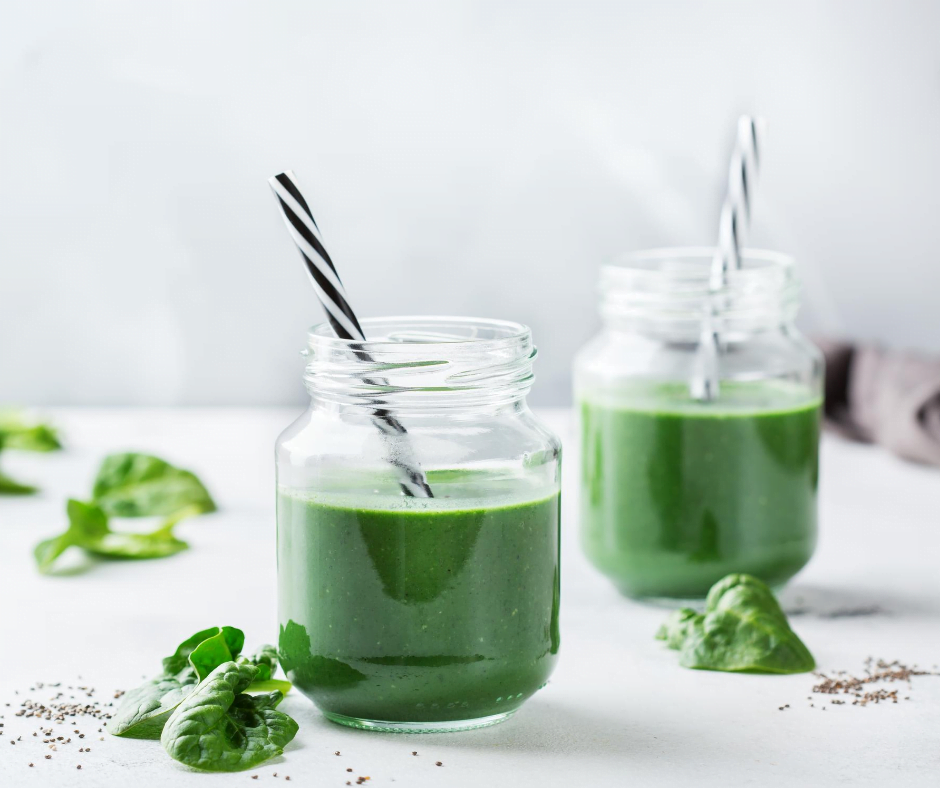
Spirulina is a kind of blue-green algae which includes several nutrients, including vitamin B, beta-carotene and vitamin E. Spirulina drinks also include antioxidants, minerals, chlorophyll, and phycocyanobilin. It is commonly used as a source of vegetable protein.

Health Benefits

Spirulina drinks have been used among the proponents to support several health conditions, including fatigue, high cholesterol, high triglycerides, and viral infections.

High Cholesterol

Spirulina has some promise for lipid disorders such as high cholesterol or high triglycerides, according to a study published in the Annals of Nutrition and Metabolism. Healthy, older adults used spirulina or placebo for the study. After four months, spirulina was associated with a significant reduction in cholesterol1.

Allergies

Spirulina has some promise in the treatment of allergic rhinitis (nasal allergies). According to a review published in 2009.2 In fact, a previously published study of people with allergic rhinitis found several benefits to spirulina intake, including improvement in symptoms such as nasal discharge, congestion, sneezing, and itching.

Spirulina can help alleviate symptoms of allergy.Diabetes

In a 2008 study concerning 37 people with type 2 diabetes, a study discovered that those assigned to 12 weeks of spirulina supplementation experienced a significant decrease in fat blood levels. Spirulina benefits also included decreased inflammation and decreased blood pressure and cholesterol for some people.

In another short study, 15 people diagnosed with diabetes who did not take insulin took 2 grams of spirulina daily in supplement form for two months. They did not change any other factors in their lifestyle or diet. At the end of the study period, participants experienced a decrease in blood sugar, cholesterol, and triglyceride levels.

Oral Cancer

Spirulina may protect against oral cancer, according to a short study of tobacco chewers with oral precancerous lesions. The study members took either a daily dose of spirulina or a placebo for 12 months. By the end of the study, 20 of the 44 participants who had taken spirulina had cleared the lesions (compared to three of the 43 participants who had been assigned to the placebo group).

Losing Weight

People could usually lose weight if they eat fewer calories than they do. Spirulina is a high-nutrient, low-calorie food with a lot of food in a small amount of powder. Introducing spirulina to the diet can help people lose weight without compromising their nutrition.

The results of a double-blind, placebo-controlled trial in 2016 suggest that spirulina may help with weight management. In a study, people who were overweight and normally ate spirulina for 3 months had an improved body mass index or BMI.

Improving Gut Health

Spirulina can be easily digested due to its structure, where the cells do not have hard, fibrous walls. But can it be used to improve intestinal health?

More human research is needed, but animal studies indicate that spirulina may promote intestinal health as people age. A 2017 study on older mice suggests that spirulina may preserve healthy intestinal bacteria during the aging process.

Spirulina does not contain much fiber, so it is essential to include other intestinal-healthy, high-fiber foods.

Boosting Metabolism

Taking spirulina may help boost the metabolism of a person. A higher metabolic rate may make a person feel like they have more energy. It may also increase the number of calories they burn each day, which may contribute to weight loss.

Spirulina can also boost metabolism.In a small-scale 2014 study, people taking 6 g of spirulina a day experienced beneficial metabolic effects alongside weight loss and improved health-related quality of life.

People in this study have had non-alcoholic fatty liver disease. So more research is needed to see if spirulina can boost metabolism in others without this condition.

What to Look For

Spirulina is often sold in powder form, but it is also available in capsules, tablets, and juices. Sometimes the powder is added to the smoothies.

Although there are many blue-green algae species commonly referred to as spirulina, most spirulina supplements contain Aphanizomenon flos-aquae, spirulina maxima, and/or spirulina platensis.

As with all supplements, it is important to check the “Supplement Facts” label for any product you purchase. This label will contain vital information, including the number of active ingredients per serving and any other ingredients present in the product.

0 comments
0 FacebookTwitterPinterestEmail
[:en]Dietary fiber can help with your digestion.[:]

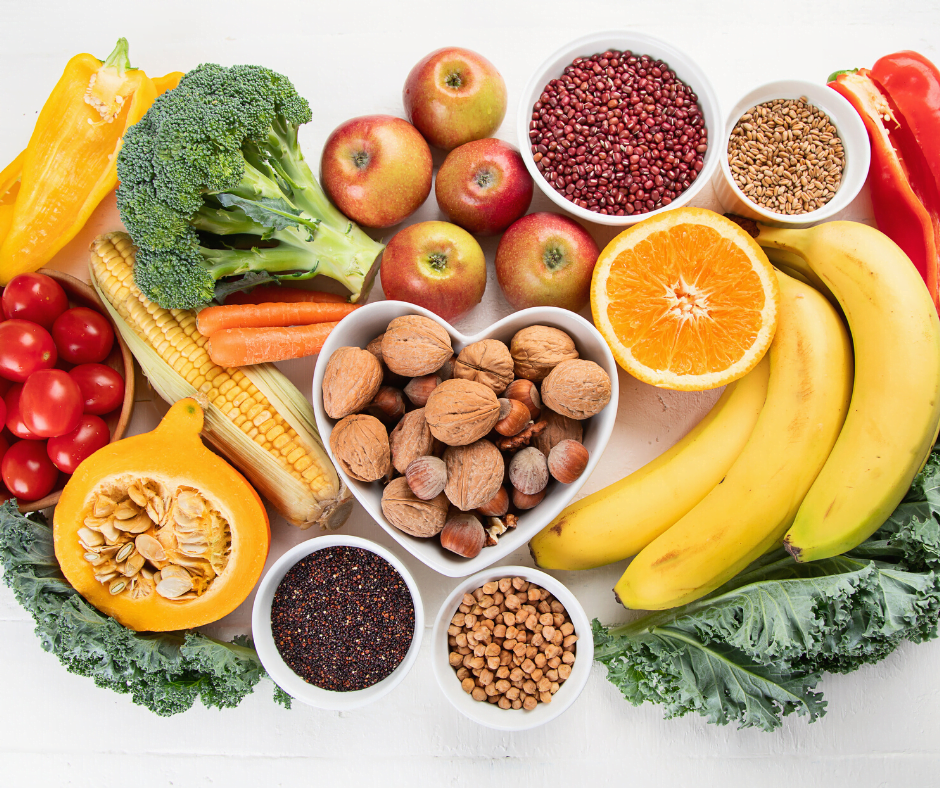
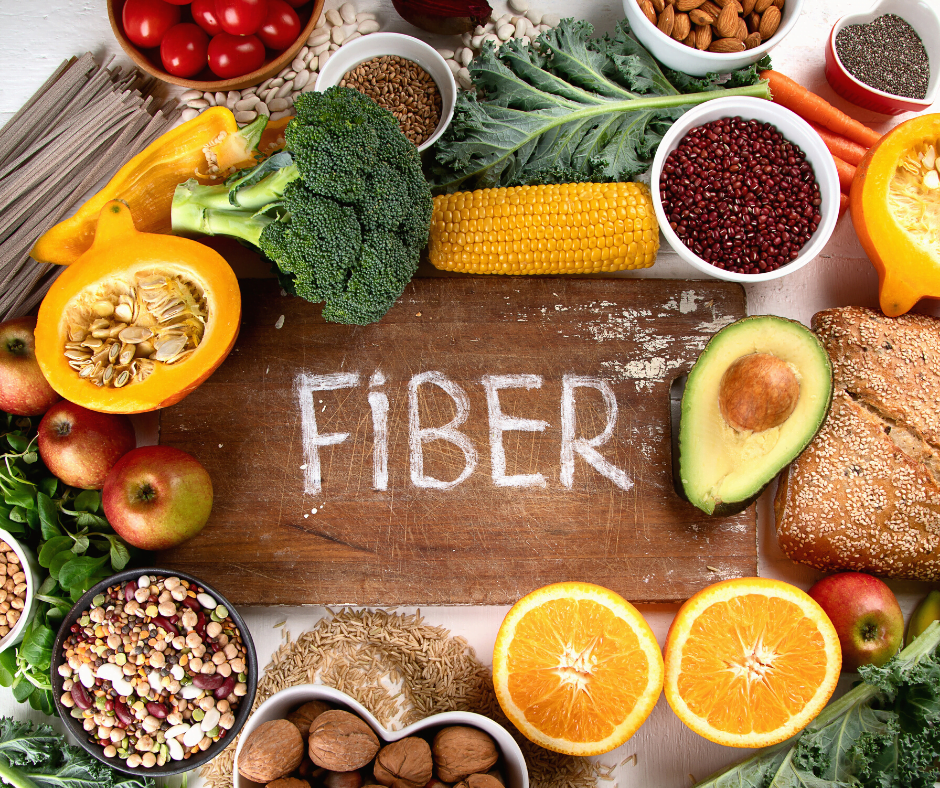
Dietary fiber is found primarily in fruit, vegetables, whole grains, and legumes. It is reasonably best known for its capability to prevent or relieve constipation.  But high fiber foods could also provide other health benefits, like helping maintain a healthy weight and lower your risk of heart illness, diabetes, and some types of cancer.

It is not difficult to select tasty foods that supply fiber, both insoluble and soluble fiber

Find out how much fiber food you need, the food that contains it, and how to add it to snacks and food.

What is Dietary Fiber?

Dietary fiber has a lot of health benefits.

Commonly known as bulk or roughage, dietary fiber includes parts of plant foods that your body can not absorb or digest. Unlike other food components, like proteins, fats, or carbohydrates — which your body breaks down and consumes — your body does not digest fiber. Instead, it passes relatively untouched through your small intestine, stomach, and colon, and out of the body.


Fiber is usually classified as soluble, dissolving in water or insoluble, which does not dissolve.

Soluble fiber is a type of fiber that is dissolved in water to form a gel-like material. It may help to lower blood cholesterol and glucose levels. Soluble fiber is found in oats, beans, peas, apples, citrus fruits, psyllium, carrots, and barley.


Insoluble Fiber


This type of fiber improves the movement of the material through the digestive system. It tends to increase stool mass, which could benefit those struggling with irregular stools or constipation. Whole-grain flour, wheat bran, nuts, vegetables, and beans like potatoes and cauliflower beans are good sources of insoluble fiber.

The amount of insoluble and soluble fiber varies in different plant foods. For you to make the most of the health benefits,

Benefits of a High-Fiber Diet

A high-fiber diet:

Regulates movements of the intestines. Dietary fiber increases and softens the weight and size of your stool. It’s easier to pass a bulky stool, reducing your chance of constipation. If you are experiencing loose, watery stools, the fiber may help to thicken or solidify the stool because it absorbs water and adds bulk to the stool.

Help keep the intestine healthy. A high-fiber diet may reduce the risk of developing hemorrhoids and small pockets in your colon (diverticular disease). Researches have also found that a high-fiber diet is likely to reduce the risk of colorectal cancer. Some of the fiber is fermented in the colon. Researchers have been looking at how this may play a role in the prevention of colon diseases.

Lowers the level of cholesterol. The soluble fiber in oats, flaxseed, beans, and oat bran could lower total blood cholesterol levels by lowering down low-density lipoprotein or “bad” cholesterol levels. Researches have shown that high-fiber foods may have other cardiac health benefits, such as lowering blood pressure and swelling.

Helps to control blood sugar levels. In people with diabetes, fiber — especially soluble fiber — can slow sugar absorption and improve blood sugar levels. Healthy diets that include insoluble fiber may also reduce the risk of developing type 2 diabetes.

Helps to achieve a healthy weight. High-fiber foods tend to fill more than low-fiber foods, so you are likely to eat less and stay satisfied longer. High-fiber foods tend to be harder to eat and less “energy-dense,” which means that they have lesser calories for the same amount of food.

Helps you to live longer. Researches suggest that increasing your dietary fiber intake — especially cereal fiber — is connected with a lower chance of dying from all known cancers and cardiovascular disease.

High-fiber foods are good for your health. But adding too much fiber too quickly could promote intestinal gas, abdominal swelling, and cramping. Increase your diet fiber gradually over a few weeks. This allows natural bacteria to adjust to the changes in your digestive system.

Drink plenty of water, too. Fiber works great when it absorbs water, making your stool bulky and soft.


0 comments
0 FacebookTwitterPinterestEmail

Having type 2 diabetes can mean you can control your blood sugar with what you eat. Staving off hunger and feeling full longer are some of the most effective ways of reducing blood sugar levels naturally.

Dr. Maggie Powers, Ph. D. President-elect of Health Care & Education at the American Diabetes Association said that diabetes results when your blood sugar or glucose levels are higher than normal. The common causes of diabetes are carbohydrate-rich foods such as bread, sugars, cereals, rice, pasta, fruits, milk, and desserts.

When you set an eating plan or diet, it should be focused on lessening the amount and type of carbs you take on your plate daily to help reduce blood sugar levels.

You can still have foods you enjoy, but mind the carbs and sugar you take in your body. Eat enough, so you feel full and refrain from overeating and making poor food choices. Avoid sugary drinks and junk food. They offer little to zero nutrients to the body and too much unnecessary calories. As per Dr. Powers, here are the seven foods that can help you control your blood sugar and make you happy and healthy.

Raw, Cooked, or Roasted Vegetables

Not only do they add extra flavor, color, and texture to the meal, but they also add vitamins and minerals to your meal. Choose a tasty low-carb veggie such as mushrooms, onions, eggplant, tomatoes, Brussels sprouts, squashes, and zucchini.

Roasted vegetables can help lower blood sugar.You can also use dips such as low-fat dressings, hummus, guacamole, and salsa, or roasted with different seasonings such as rosemary, cumin, cayenne pepper, paprika, or garlic.

Greens

Try salads that has kale, spinach, and chard. They are healthy, delicious, and low-carb.

You can roast the kale leaves in the oven with olive oil for quick, crunchy chips. Add a mix of greens with roasted veggies to add a different flavor and texture. You can also serve with a little protein like salmon or cooked chicken breast.

Low-Calorie Drinks

Plain water is always alright, but infusing your water with fruits and vegetables is much more interesting, don’t you think? You can cut a slice of lemon or cucumber, add it into your water, or make ice cubes with some flavors.

If you are not a hot tea drinker, you can try cold tea with lemon or a cinnamon stick. These beverages can help fill your stomach up so you don’t crave for sweet and fatty foods, plus these are low-carb drinks.

Melon and Berries

Are you aware that a cup of either of the two only has an approximate of 15 grams of carbs? They can be a little more expensive, but it’s a healthy treat that is packed with nutrients and fiber, plus it is sweet.

Whole Grains

Wholegrains and fiber-rich foods help keep you from overeating and choosing the wrong foods. Legumes like dried beans, peas, and lentils are good, and you should try them. You can enjoy the black bean and corn salsa with raw vegetables.

Whole grains also help lower blood sugar.Although these foods still contain carbs, they are low, and it has interesting flavors to keep your stomach filled and you satisfied.

A Little Fat in Your Diet

No, not all fat, but the good fat found in olive oil, avocado, and fatty fish like salmon.

Protein-rich Foods

Protein is important in the diet. If you plan to stay in an active lifestyle, try adding more protein foods in your diet. You can get proteins in eggs, cottage cheese, Greek yogurt, and lean meats.

Overall, try to set up an eating plan that is not boring and should include the foods you love, but a good balance of carbohydrates.

0 comments
0 FacebookTwitterPinterestEmail
[:en]Fibre is an essential part of any diet.[:]

You probably already know the value of ensuring that you get enough fiber in your diet. Fiber intake affects all of your body’s processes, including your skin, gallbladder, pulse, and immunity. But if you do not have enough fiber intake, it can have an adverse impact on your health. If you do not have enough fiber in your diet, the contaminants you extract from your intestines will be reabsorbed into your bloodstream, causing health problems.

Yet this is just one aspect of how good fiber consumption benefits you. It also helps to enhance the functioning of the gastrointestinal system, which is responsible for more than half of the body’s immune response. It is necessary to know if you lack fiber and what you can do to guarantee you get sufficient fiber.

Here are some symptoms that you are not getting sufficient fiber in your diet:

You Constantly Feel Bloated

Insufficient fibre makes you feel bloated.Bloating is caused by certain foods and gas. These include dairy, alcohol, processed foods, and carbonated beverages, to name a few. Fiber assists in offsetting these items by eliminating them from your body.

Fiber Fix: Provide fiber in each meal during the day. Add fruit such as raspberries or strawberries when you eat breakfast. Drink one sachet of FibreFirst a day. Add salsa or beans instead of hash browns. At lunchtime, eat vegetable soups or try salads that use whole grains, like barley, and throw in mixed greens. Begin your meal with a salad for dinner. If you sauté the onions, add the garlic and the onion. Instead of eating starchy things as your sides, substitute them with legumes or vegetables such as zucchini that are high in fiber.

You are Constipated

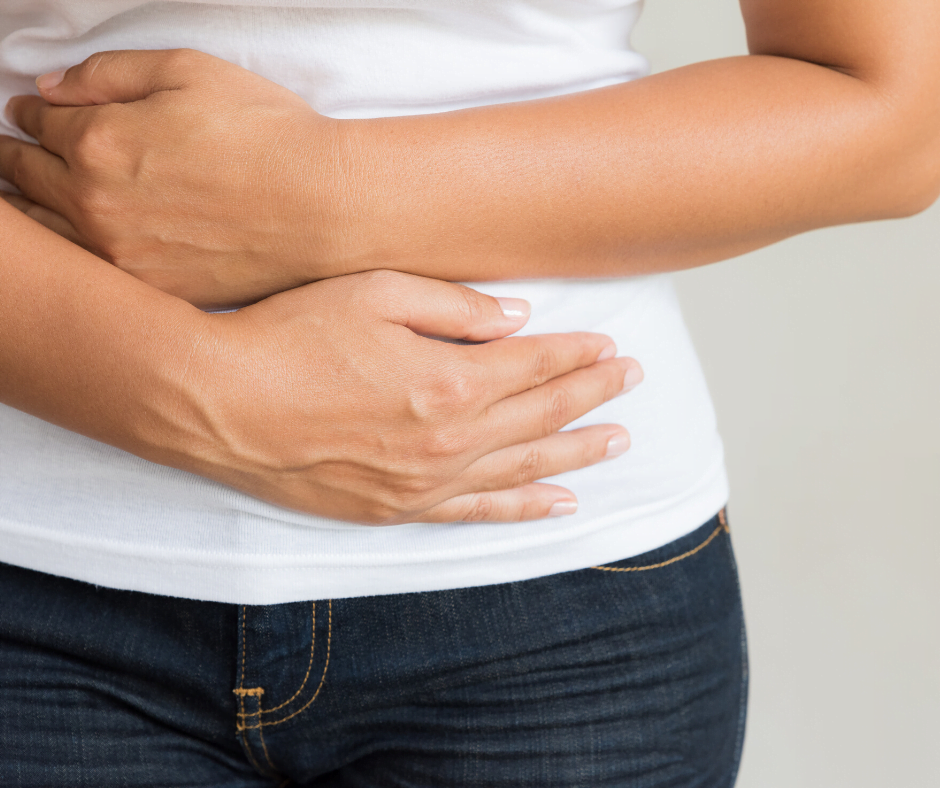
Fiber helps to extract stools and toxins from your body, which ensures that your colon is functioning efficiently. If you are constipated, this means that your fiber intake is too small. If you have a healthy colon, your bowel movements should be normal, frequent, and gentle. If you eat foods that are low in fiber, they may take longer to digest, leading to frequent bowel movements, loose stools, which can even cause stomach ache.

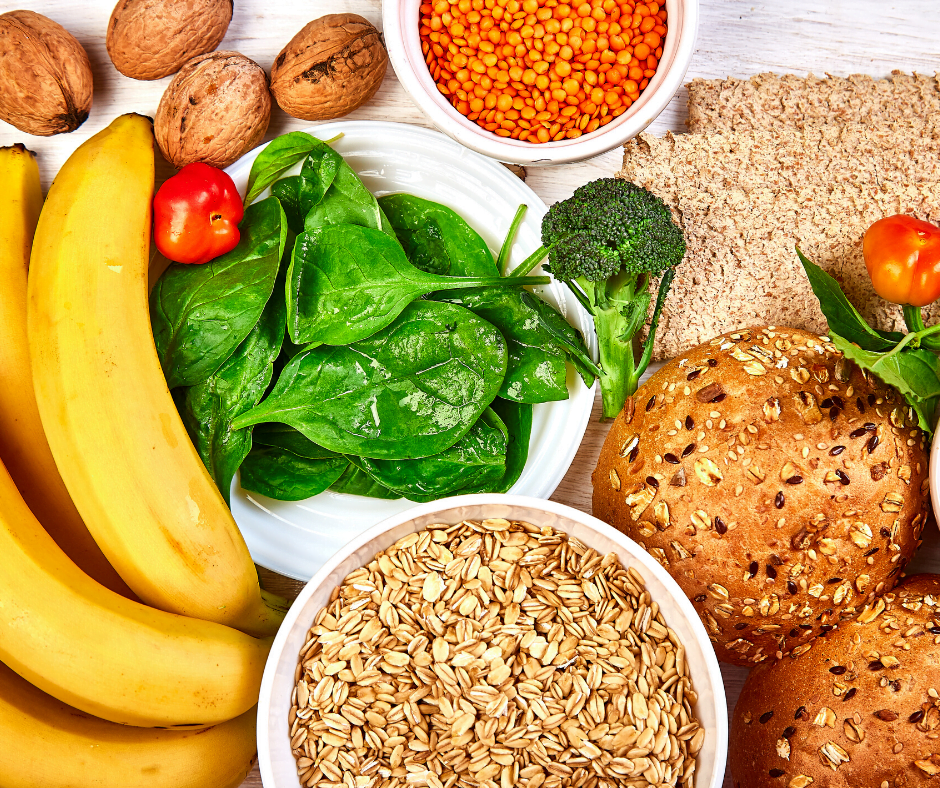
Fiber Fix: Have you ever heard of chia seeds?  How about psyllium husk? These are filled with fiber. You can add it to your smoothie, toast, oatmeal, yogurt or cooked kale. The advantage of this strong seed is that it allows you to be more consistent in eliminating your intestines. Also, pay attention to what you’re eating. When you increase your fiber intake, drink lots of water, or else you can experience the issue of consuming this much fiber, which can also lead to constipation. You should also drink peppermint tea twice a day. Certain foods that will help offer you good quantities of fiber contain whole grain cereals, strawberries, spinach, and bananas.

You are Gaining Weight

Lack of fibre also makes you gain weight.High fibre diet foods help you balance your blood sugar and bind the starches in your body. It also helps you control your weight because carbohydrates are more quickly broken down when enough fiber is in your body. It also helps you keep your blood sugar stable so you can prevent diseases like diabetes.

Fiber Fix: Snack smart. Peppermint tea and peanut butter or jam crackers may be used instead of a sweet snack. Other snacks may include almonds, pistachios, walnuts or pumpkin seeds, or just a slice of fruit.

You’ve Got Little Strength

When you just eat protein and fat, it can make you feel weak or tired. You do need carbohydrates to keep your body moving. Fiber equalizes your diet by giving you energy during the day, but it also reduces body waste versus foods that are big in fat.

Your Thinking Makes You Feel Foggy

If you don’t eat enough fiber, you might want to feel full of sweet things. But, while you may have an initial burst of energy after eating anything sugary, sweets cause blood sugar instability and also affect your ability to concentrate or think clearly.

Fiber Fix: rather than grabbing the sweets, try almond butter on top of the sliced apples or bananas.

Bad Skin

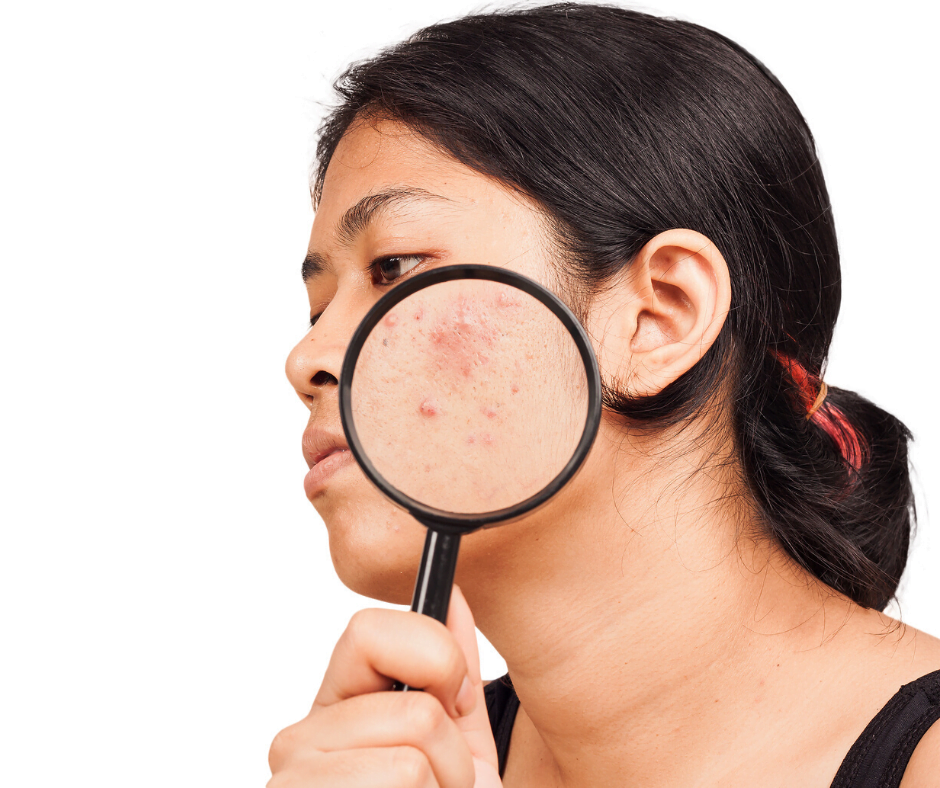
When you lack fibre, you are more likely.Since skin is our largest organ, it often gives clues as to what’s going on with your body and if you have a deficiency. Since fiber eliminates toxins from your body, if this does not happen, you will be susceptible to skin that is dull and acne-prone.

Fiber Fix: Make sure you eat plenty of fruit and probiotics to keep your skin and intestines healthy. And again, drink a lot of water.

Your Blood Pressure is Rising

When you have a high fibre diet, it can help reduce your blood pressure. If your blood pressure is out of hand, there are signs of headache, tiredness, and chest pain, among others. If others in your family have a history of hypertension, be proactive with your fiber intake to help prevent this from happening to you.

Fiber Fix: Salads and beans are your friends to compensate for elevated blood pressure. To increase your fiber intake, add beans to your salads or pasta.

Increasing the fiber in your diet allows you to be safer in more than one way. This has a strong effect on all the functions of the body that operate together in harmony. If you have one of the symptoms mentioned above, make sure you start adding fiber to your diet on a regular basis. Through doing so, the body would be grateful for the improvements and benefits that fiber gives you.

0 comments
0 FacebookTwitterPinterestEmail
[:en]Fibrefirst helps control our weight.[:]

Eat more fibre. You have probably heard it already. But do you know why fibre is so good for your well-being?

Dietary fibre — mainly found in vegetables, berries,  legumes, and whole grains — is perhaps best known for its ability to avoid or alleviate constipation. Yet fibre-containing foods can also have other health benefits, such as helping to maintain a healthy weight and reduce the risk of heart disease, diabetes,  and certain forms of cancer.

It’s not difficult to pick tasty foods that supply fibre. Know how much dietary fibre you need, the food that contains it, and how to apply it to snacks and meals.

What is Dietary Fibre?

Dietary fibre can help the digestive system get rid of toxins in the body.Dietary fibre contains pieces of plant foods that your body can not digest or absorb. Unlike other food ingredients, such as fats, carbohydrates, or proteins, — which your body breaks down and absorbs — the fibre is not digested by your body. Instead, it moves fairly unnoticed across your small intestine, stomach, and colon, and out of your body.

Fibre is generally known as soluble, dissolving in water or insoluble, which does not dissolve.

Soluble fibre soaks up water like a sponge and turns into a gel-like consistency during digestion, slows down the digestive process, and enables your body to absorb nutrients.

That is why you are feeling satisfied for a longer period of time after eating a high fibre meal than a fibre-less one. Soluble fibre also helps reduce blood cholesterol and control blood sugar levels.

Most soluble fibre is also known as prebiotics. Prebiotics feed healthy bacteria in your intestine, which may help improve your immune system, calcium absorption, and digestive health. Yeah, you do need some probiotics, too.

Insoluble fibre, on the other hand, helps speed up food circulating through the body and bulking up your feces. (It sounds disgusting, but it is sort of like a scrub brush passing through your intestines).

A balanced diet rich in insoluble fibre is also considered the easiest way to lose weight or maintain balanced body weight. It also helps avoid constipation and reduces the risk of colon cancer.

The quantity of soluble and insoluble fibre changes in different plant foods. And to make the most of the nutritional benefits, eat a wide range of high-fibre foods.

Fibre Supplements

When you hear the terms fibre supplements, you may immediately think about bowel health — and yes, many people choose fibre supplements like Fibrefirst to stay on a regular. Here are other benefits of fibre drinks.

Health Benefits You Could Get From Getting the Right Fibre Supplement

Not all fibre supplements are operating the same way. The first thing you need to ask is if your supplement contains soluble or insoluble fibre. (Hint: to enjoy all the benefits of dietary fibre, you want both of them!) Then there is psyllium husk — the actual, plant-based fibre in Fibrefirst. 

Here’s how you can benefit from the dietary fibre in Fibrefirst:

Better Digestive Health

Soluble fibre plays a crucial role in maintaining your bowel movements, whereas insoluble fibre may help avoid constipation. 

This is how psyllium fibre works: When the gel enters the large intestine, it helps to contain and extract waste from the body, while also absorbing water to smooth the stool.

Appetite Control

Fibre is an essential part of our diet.pplementsBy slowing down the rate at which food passes through the digestive tract, the fibre in Fibrefirst makes you feel fuller longer. 

Maintain Healthy Blood Sugar Levels

as you eat, your body breaks down carbohydrates (think bread, pasta,  starchy vegetables) into sugar called glucose. During digestion, this sugar is ingested into the bloodstream, potentially increasing blood sugar levels until it can be used by the cells as energy or processed for later use.  

Reduce Cholesterol

Psyllium husk fibre is especially good for heart health because it decreases the possibility of heart failure by reducing cholesterol. The gel formed by psyllium traps almost all of the cholesterol that is present in the small intestine, and dumps it out of the body in the form of waste.

Getting the Most From Fibre Supplement

If you are interested in adding a fibre supplement to your diet, first ask your doctor if it will interfere with any medicine you are taking and how you can slowly increase your fibre intake so as not to cause stomach distress. 

0 comments
0 FacebookTwitterPinterestEmail
[:en]The fibre in psyllium husk helps in weight loss.[:]

Even if all you can think about during most of your free time is how to lose weight, you know how tedious going to fitness gyms can be. And when it comes to an alternate way of meeting your weight loss goals, you may have already sought all possible ways to lose weight by changing your diet. 

If you are looking for more options in your diet to entice your taste buds and help you achieve successful weight loss, we have another ingredient that you should use in your everyday routine: Psyllium Husk. This Indian ingredient is not only valuable to your wellbeing but will also give you the desired results in no time. If you have not heard of this product, do not worry. Here is what you need to learn about Psyllium Husk for weight loss.

What is Psyllium Husk?

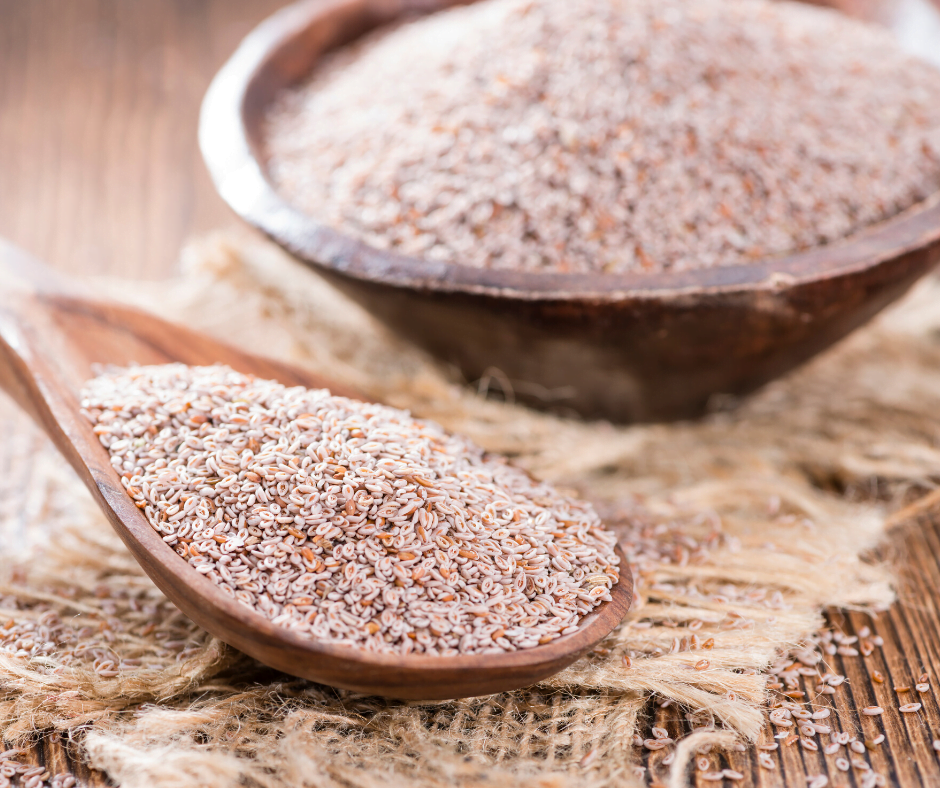
Psyllium is a type of soluble fiber derived from the seeds of the Plantago Ovata plant. It is popularly known as Isabgol or Ispaghula and is widely grown in India, as it is found in a lot of Indian households. Psyllium husk is perhaps most commonly known as a laxative, although it has other health benefits. It is commonly used to help with constipation as it helps remove toxins from the body. This also helps with your heart and your pancreas and your health.

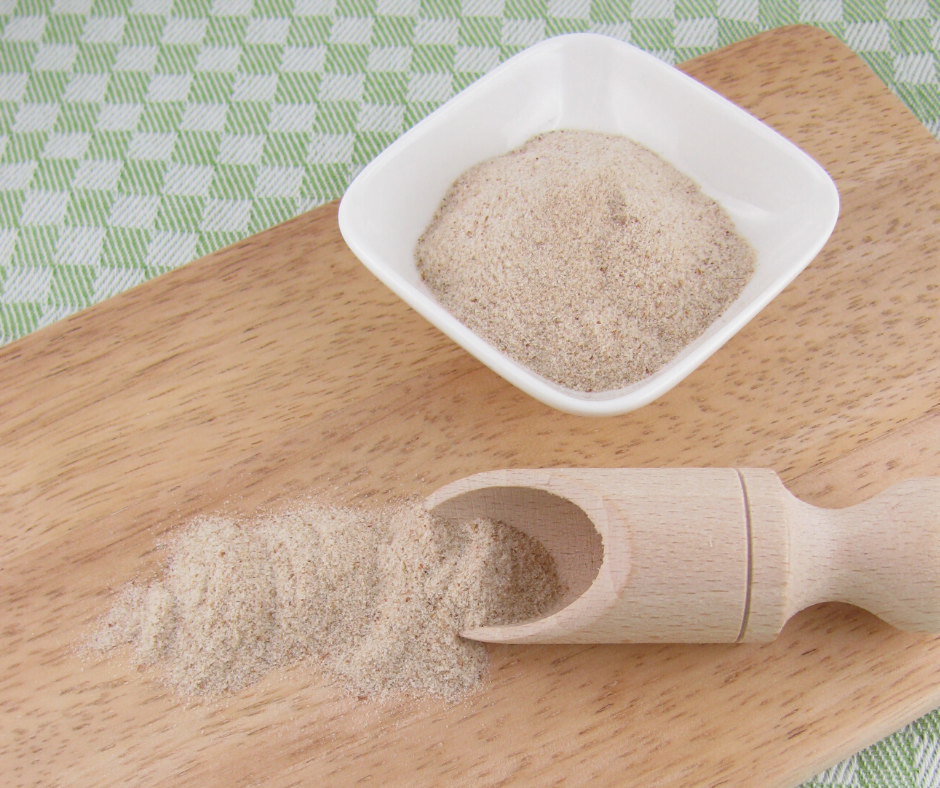
Psyllium Husk is typically present in the form of husk granules, powders, or capsules and is used as a dietary supplement. It could also be obtained by means of fortified breakfast cereals and baked goods. The reason it helps with constipation is that it is the key active ingredient in the fibre drink, Fibrefirst, a fiber supplement that is also used to reduce constipation.

How to Lose Weight with Psyllium Husk

But aside from its numerous health benefits, Psyllium Husk also helps to control your weight. Here are five ways Psyllium Husk can help you lose weight:

Psyllium Husk Contains Fibre

It is a great fiber supplement, and the consumption of fiber is not only essential for keeping your body healthy, but it also helps you keep full, preventing you from eating extra. Thus including it to your diet helps you lose weight. Psyllium Husk is rich in both soluble as well as insoluble fiber. This enables it to aid smooth bowel movements, which is a crucial component of weight loss.

Psyllium Husk Contains Lesser Calories

The fewer calories you eat, the more likely you are to lose weight. Instead of weight loss, you are seeking to make a caloric deficit-a condition where you eat more calories than you consume. Psyllium Husk contains fewer calories, and according to experts, if you have two tablespoons of Psyllium Husk, you consume just 32 calories while still filling your stomach. This can be your daily fiber supplement to make you lose weight.

Psyllium Husk Reduces Hunger to a Great Extent

If you mix Psyllium Husk with water, it swells up to ten times its original size, and so consuming Psyllium Husk in this way will help you fill up quickly and keep you feeling full for longer, thereby limiting your appetite for more food.

Psyllium Husk Helps Cleanse the Colon

If your colon is clean, it helps promote gastrointestinal health, and Psyllium Husk is a wonderful colon cleanser. It helps the body improve endurance and develop a stronger immunity to disease. It gives you stamina, strengthens your immune system, and successfully helps you lose weight in the process.

Psyllium Husk Helps Fight Against Body Bulges

Fibre helps reduce bulges and love handlesSince Psyllium Husk helps strengthen your digestive tract, improves immunity, and helps cleanse the colon, it works at the same time to create a healthy body that is immune to fat gain and thus helps you burn body fat and lose weight.

0 comments
0 FacebookTwitterPinterestEmail
[:en]Fibre helps maintain a healthy digestive system.[:]

Psyllium husk (isabgol or ispaghula) is the outer covering of the seeds of Plantago ovata. It is commonly used as a laxative and has now been clinically proven to help weight loss. The key driving force is the high soluble fibre (8 times that of oats) content of the husk or mucilage.

Psyllium Husk provides fibre, an important component of our diet.How Psyllium Husk Helps Weight Loss

Dietary Fiber: How psyllium acts for weight loss. Dietary fibre applies to the fibre we consume. It is a vital part of the vegetables and fruits we eat on a daily basis. The simple way to think about dietary fibre is that it is the parts of the plants that give it structure and shape. When the vegetables and fruit are juiced, the fibre – or the roughness – is what is left behind. The health benefits of this fibre are that we prefer consuming whole foods as opposed to refined or juiced vegetables and fruits.

Dietary fibre is only found in plants. Beans, berries, lentils, whole grains, avocado, and nuts are all great sources of dietary fibre. Animal products have no dietary fibre.

A diet rich in dairy, meat, and refined grains is low in dietary fibre. If you are eating a fresh diet, fibre supplements are even more essential. Psyllium husk is a perfect way to make up the dietary fibre that you may be lacking. And low fibre consumption may just be why you are searching for a way to take psyllium husk for weight loss.

Psyllium is high in soluble fibres. Soluble fibres are fibres that dissolve in water. In your digestive system, when fibre dissolves in water, it slows down digestion. One of the dietary fibre benefits is when the sugars contained in your food will take longer to reach your bloodstream. The lower blood-sugar levels – and fewer “spikes” are what help prevent long-term conditions like diabetes. Insulin spikes also inhibit fat loss and can increase hunger and cravings. This is part of why eating sugar often actually makes you feel more hungry.

Psyllium Husk Benefits

You may also use Psyllium Husk for gravy, chicken soups, and casseroles.

Soluble fibre also binds to fatty acids. Fatty acids are an important part of how cholesterol is stored in the body. When fibre dissolves with fatty acids, it captures free cholesterol molecules and brings them as waste through the digestive system. This could result in lower “bad” cholesterol levels.

The simplest way that psyllium husk works for weight loss is to control how we feel hunger and fullness. In our digestive tract, the soluble fibre in psyllium absorbs water. The fibre expands its original size multiple times. Enhanced volume in the stomach and intestines aids signal fullness.

Soluble Fiber and Your Gut

But the story of psyllium and weight loss is a lot more fascinating. In addition to the detoxifying results of psyllium, the soluble fibre in psyllium also promotes the growth of beneficial bacteria which contribute to a healthy intestinal flora. Our intestinal microbes play a crucial role in our overall health. Scientific studies investigate the various ways in which our intestines influence wellbeing – including obesity, cholesterol, diabetes. Digestive flora is also a major component of our immune system.

Fibre helps cleanse our colon.When you take psyllium husk for weight loss, good bacteria feeds on the soluble fibre psyllium. As a by-product of consuming food, the bacteria release a short-chain fatty acid called acetate. Acetate enters the bloodstream and passes to the brain. The part of our brain responsible for the metabolic processes, the hypothalamus, responds to this chemical, signaling us to stop feeding. So psyllium husk could literally “turn off” your urge to eat too much!


0 comments
0 FacebookTwitterPinterestEmail
[:en]There are some drinks that can lower cholesterol levels.[:]

More often than not, you see various foods being mentioned in articles on how to lower cholesterol naturally. But, what about liquids? 

Fret not, we will help you make a better and informed choice of beverage for your next meal. Here are the best drinks to lower cholesterol naturally. 

Green Tea

First on our list is green tea or any other kind of tea for that matter. For many years now, teas have been known to possess healing properties. Plus, if you are looking for a warm and soothing drink, then this is perfect for you. 

Green tea not only contains antioxidants, but it also helps lower cholesterol.Research has shown that tea has the ability to lower down the levels of bad cholesterol in our body. It has a high content of antioxidants that make it a better tool to fight bad cholesterol. 
Cranberry Juice

When you think of cranberries, you often refer it a juice cocktail. However, you might want to ditch that sugar-filled cocktail into its sugar-free version. A cranberry juice is known for its heart benefits, high antioxidant content and ability to raise the levels of good cholesterol in our body. In fact, drinking two glasses of plain cranberry juice per day proves that theory.

If you prefer something a little less bitter than cranberries, you can also opt for a glass of blueberry juice. It can also help lower down bad cholesterol levels. 

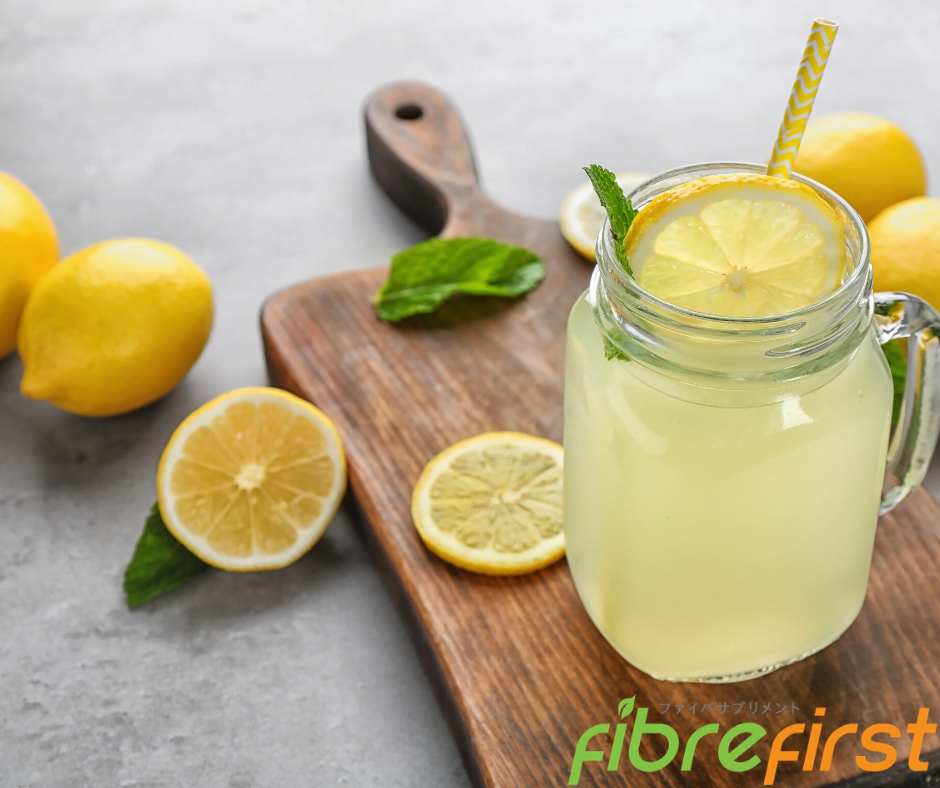
Lemon Juice

If you like any type of citrus, from oranges to lemons, then you are in luck. These fruits actually help in reducing bad cholesterol levels. Medical journals state that juice from citrus fruits like grapefruit contain antioxidants that are beneficial to the heart. 

This tangy treat also helps lower cholesterol naturally.Wine

It is no secret that alcohol of any kind contributes to increased levels of bad cholesterol. However, moderate amounts of it could also actually help you out. Red wine contains powerful antioxidants that will help lower down bad cholesterol levels.

But it is very important to note that this should just be done moderately. This means one drink a day for women and two for men. Drinking more than that moderate amount will outweigh its amazing benefits to the body. 


0 comments
0 FacebookTwitterPinterestEmail
[:en]Fibrefirst contains antioxidants to help improve our health.[:]

When talking about body detox or how to cleanse the body of toxins,  it is impossible not to mention antioxidants. This includes antioxidant drinks and food that one must be familiar with. 

But, what really are antioxidants and what do they do for our health? Let’s find out. 

What are antioxidants?

Antioxidants are substances inside our body that protect our cells from radical damage or the so-called oxidation. This damage can happen when we become exposed to specific chemicals, smoking, pollution and radiation.

Antioxidants help the body fight off free-radicals.Moreover, antioxidants come in various forms. The following are all considered antioxidants: selenium, manganese, vitamin A and related carotenoids, vitamins C and E, lycopene, lutein, quercetin, flavonoids, phenols, polyphenols, phytoestrogens and many more. 

What are the benefits of antioxidants?

Different antioxidants offer different benefits to our health and body. At this point of the article, we will explore the wonders of antioxidants.

Improve Skin Health

Exposure to dangerously high levels of ultraviolet rays, caused photo-oxidative damage to our skin. This damage is caused by the formation of various kinds of reactive species of oxygen such as singlet oxygen, superoxide radicals, and peroxide radicals.

The aforementioned types of reactive species is harmful to the proteins, DNA and cellular lipids. Research also shows that they greatly contribute to diseases like erythema or sunburn, photo dermatoses, skin ageing, skin cancer and more. 

With that said, antioxidants such as astaxanthin, beta-carotene and vitamin E help protect the skin from these reactive species and improve the skin’s overall health.

Strengthen the Immune System

Another benefit that antioxidants bring to our health is that it strengthens the immune system. Singlet oxygen, one of the many reactive species of oxygen, can bring huge damage to our immune system because it is a catalyst for the production of free radicals. 

Antioxidants also help boost the immune system.Antioxidants like Astaxanthin and Spirulina show promising effects in enhancing non-specific and specific immune system. They also protect cell membranes and cellular DNA from mutation.


0 comments
0 FacebookTwitterPinterestEmail
Newer Posts