Tag:

collagen

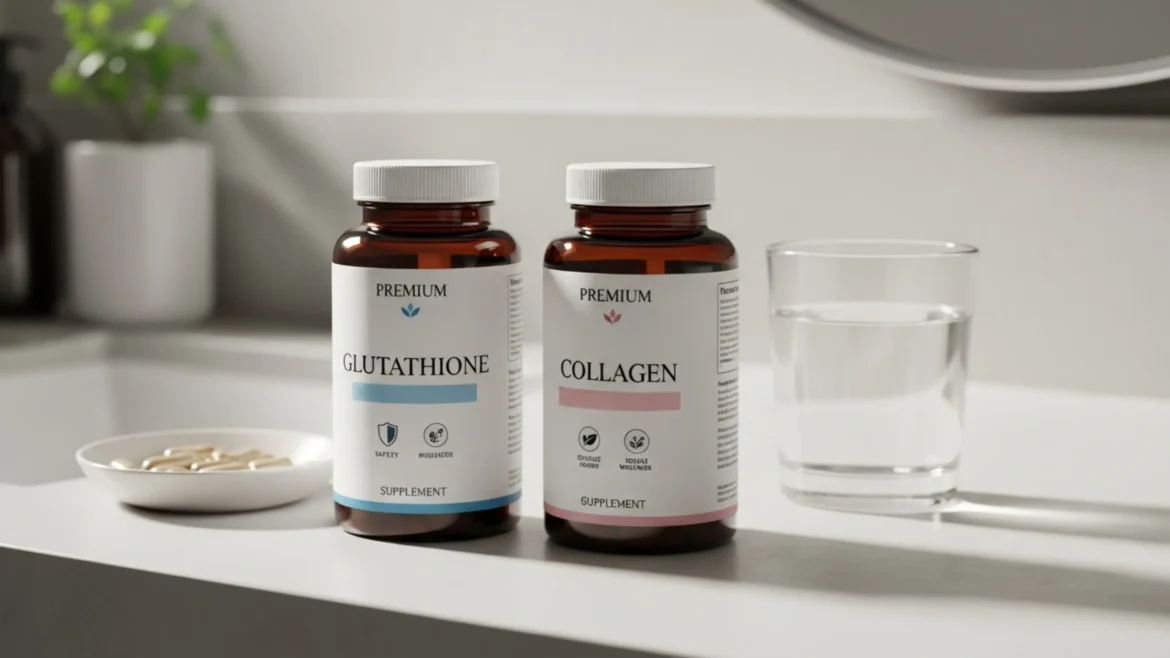
A couple happily preparing to drink their glutathione and collagen supplement in their kitchen

Keeping your skin glowing and youthful isn’t just about what you apply on the outside. What you feed your body from the inside matters just as much—if not more. Two ingredients often talked about in the world of skin health are glutathione and collagen. While each one has its own benefits, together they create a powerful duo that helps you fight signs of aging and maintain radiant skin.

Let’s explore how they work—and why they’re worth adding to your skincare routine.

Highlights:
  • Taking glutathione + collagen together gives your skin both defense and restoration. One shields, the other rebuilds—so you glow longer and age more gracefully.
  • For best results, take glutathione in the morning on an empty stomach, and collagen at night with or after food—and pair them with Vitamin C to boost absorption.
  • While both are generally safe, it’s best to consult your doctor before starting any new supplement, especially if you’re pregnant, breastfeeding, or managing a health condition.

What Exactly is Glutathione?

artistic image of glutathione particles

Photo from Canva Stock Images

Glutathione is often called the “master antioxidant.” It’s a substance that your body produces naturally. Its main job? To protect your cells from damage caused by stress, pollution, and everyday toxins.

But beyond its internal benefits, glutathione has gained popularity for its effect on skin. Many people take it to brighten their complexion, reduce dark spots, and achieve a more even skin tone. That’s because glutathione helps block melanin production—the pigment that gives skin its color.

And the best part? It doesn’t just make you look good. It helps your body feel better too by supporting your liver and immune system.

Why Collagen is Your Skin’s Best Friend

Now, let’s talk about collagen. It’s a protein that makes up about 75% of your skin. Think of it as the framework that keeps your skin firm, smooth, and elastic. Without enough collagen, skin starts to sag, wrinkles form, and that youthful bounce begins to fade.

Sadly, collagen levels drop as we age—especially after your mid-20s. Factors like too much sun, stress, and lack of sleep can make it decline even faster. That’s why many people turn to collagen supplements to support their skin from the inside.

When you take collagen regularly, you’re helping your body rebuild and repair its skin structure. Over time, this can lead to fewer fine lines, better hydration, and skin that looks more plump and healthy.

Aging and Skin: What’s Really Going On?

Before we talk about how glutathione and collagen work together, let’s quickly understand what causes skin to age.

As you grow older, your body produces less collagen. Your skin also starts to lose moisture, cell turnover slows down, and oxidative stress takes its toll. This leads to visible changes like wrinkles, dullness, uneven tone, and loss of elasticity.

Some of this is natural—but a lot is influenced by lifestyle. Sun exposure, poor diet, lack of sleep, and environmental pollution speed up the aging process. That’s where supplements like glutathione and collagen can help slow things down.

Why Glutathione and Collagen Work Better Together

a beautiful asian woman looking happy at the results of her glutathione treatment

Photo from Canva Stock Images

Glutathione and collagen are both incredibly beneficial for skin health. But when taken together, their effects don’t just add up—they complement each other, creating a more powerful approach to anti-aging and skin support. Here’s why they make such a great team:

1. Glutathione Protects What Collagen Builds

  • Acts as a shield against free radicals
    Glutathione neutralizes harmful molecules (free radicals) that damage skin cells and speed up aging.
  • Prevents collagen breakdown
    Oxidative stress is a major cause of collagen loss. Glutathione protects existing collagen from being destroyed.
  • Brightens skin tone
    While collagen focuses on structure, glutathione helps reduce pigmentation and evens out your complexion—giving you that clear, radiant glow.

2. Collagen Rebuilds What Glutathione Protects

  • Restores skin structure and firmness
    Collagen strengthens the skin barrier, reducing sagging and improving elasticity.
  • Smooths out wrinkles and fine lines
    Regular intake of collagen promotes skin regeneration, helping skin appear plumper and more youthful.
  • Boosts hydration and resilience
    Collagen enhances the skin’s ability to retain moisture, making it look dewy and healthy.

3. They Support Each Other’s Function

  • Glutathione supports collagen production
    By reducing inflammation and oxidative stress, glutathione creates a healthy internal environment where collagen can thrive.
  • Collagen gives glutathione visible results
    While glutathione works on cellular protection, collagen delivers the structural improvements you can see and feel.
  • Both need Vitamin C to work at their best
    Taking them together with Vitamin C boosts absorption and maximizes the skin-enhancing benefits of both.

4. The Result: Healthier, Brighter, More Youthful Skin

  • Fewer signs of aging (wrinkles, dullness, sagging)
  • More even skin tone and reduced dark spots
  • Smoother, firmer, and plumper skin
  • Better skin protection against daily environmental stress

How to Take Them for Best Results

Timing and consistency make a big difference when it comes to supplements.

Most people take glutathione in the morning on an empty stomach. This allows for better absorption and gives your body a head start in fighting off oxidative stress. Collagen, on the other hand, is best taken at night—with or after food. This is when your body naturally enters repair mode.

Some also take Vitamin C alongside glutathione and collagen (it is suggested to take Vitamin C after a light meal or breakfast), as it helps boost their absorption and effectiveness. And don’t forget the basics: drink plenty of water, get enough sleep, and avoid smoking and too much sun.

Keep in mind that results don’t happen overnight. You might start noticing improvements in your skin after 4 to 8 weeks of consistent use.

Are There Any Side Effects?

Both glutathione and collagen are considered safe for most people. However, some may experience mild side effects like bloating or nausea—especially if they take too much too soon.

If you’re pregnant, breastfeeding, or have a medical condition, it’s always best to consult a healthcare professional before starting any supplement.

Also, quality matters. Choose products from reputable brands to make sure you’re getting what your body truly needs—without harmful fillers or additives.

Glutathione vs. Collagen vs. Both: What’s the Difference and Why Use Both?

AspectGlutathioneCollagenGlutathione + Collagen
What It IsMaster antioxidant produced by the bodyMain structural protein found in skin, bones, and connective tissuesA powerful antioxidant-protein combo that protects and rebuilds skin from the inside
Main FunctionDetoxifies, fights oxidative stress, and boosts immune healthRepairs and strengthens skin, joints, and bonesProtects and repairs: Prevents damage and restores skin structure
Skin Benefits

– Brightens skin tone

– Reduces dark spots

– Protects from damage

– Firms skin

– Reduces wrinkles

– Improves elasticity

– Smoother texture

– Glowing, even-toned skin

– Plumper, younger-looking appearance

Anti-Aging RoleSlows down aging by neutralizing free radicalsRebuilds collagen lost due to ageCombats aging from both ends: Stops breakdown and boosts renewal
Best Time to TakeMorning on an empty stomachEvening with or after foodGlutathione in the morning, collagen in the evening for optimal 24-hour skin support
Results Timeline4–8 weeks of consistent use4–12 weeks depending on dosage and lifestyleNoticeable changes in 4–6 weeks; best results in 8–12 weeks when used consistently
Form OptionsCapsules, sublingual tablets, IV drips, powdersPowders, capsules, drinks, gummiesAvailable separately or in combination formulas (capsules, sachets, or drinks)
Who Should Be CautiousPregnant/breastfeeding women, people with health conditionsSame as glutathioneSame precautions; always consult your doctor before starting any supplement combo

Final Thoughts: A Gentle Boost for Your Skin Journey

a woman in the kitchen about to take glutathione and collagen

Glutathione and collagen aren’t magic pills—but they’re a powerful pair when supported by healthy habits. With consistent use, they can give your skin the care it needs to age beautifully and naturally. Glutathione defends, collagen rebuilds. It’s that simple.

Together, they work behind the scenes—quietly improving your glow, firmness, and tone. And when you pair them with good sleep, hydration, and sun protection? That’s when the real magic happens.

So if you’re ready to glow from the inside out, this dynamic duo might just be the gentle, effective boost your skin has been waiting for.

FAQs

Is it better to take them separately or in a combo supplement?
Either works! Combo supplements are convenient, but taking them separately allows you to control timing and dosage more precisely. Just make sure you’re choosing high-quality products from trusted brands.

How long before I see results?
Most people notice visible improvements in their skin after 4 to 8 weeks of consistent use. Results vary depending on your body, lifestyle, and supplement quality, so patience and consistency are key.

Can both men and women take glutathione and collagen?
Absolutely, yes. Both men and women can benefit from taking glutathione and collagen. These supplements support overall skin health, boost antioxidant levels, and improve skin firmness—regardless of gender. In fact, men who are concerned about aging, dull skin, or joint health may find these just as helpful as women.
What matters most is your individual skin goals and health needs, not your gender.

How should I store glutathione and collagen supplements?
Keep them in a cool, dry place away from direct sunlight. Avoid humid areas like bathrooms. Some liquid or powder forms (especially glutathione) may need refrigeration after opening so always check the label for storage instructions.

Can I take glutathione and collagen with other supplements?
In most cases, yes. Glutathione and collagen can be taken with multivitamins, Vitamin C, biotin, or hyaluronic acid without issues. However, if you’re taking medications or managing a health condition, it’s best to check with a healthcare professional to avoid interactions.


0 comments
0 FacebookTwitterPinterestEmail
a beautiful and happy woman about to drink glutathione

If you’ve added glutathione and collagen to your wellness routine, you’re already making a smart move. These two supplements are trusted by many for their powerful beauty and health benefits. Glutathione helps brighten the skin and detox the body, while collagen supports firm skin, strong joints, and healthy hair. But here’s something that’s often overlooked: timing truly matters

Taking these at the right time can boost absorption and improve results. So, when should you take them? Morning or night? With or without food? Let’s break it down in a simple, easy-to-follow way—so you get the best from every dose.

Highlights:
  • Best Timing Matters: To support optimal absorption, take glutathione in the morning along with Vitamin C. If you have a sensitive stomach, it’s best to take it after a light breakfast. Collagen is ideal in the evening, when the body naturally enters repair mode during sleep.
  • Smart Pairing Works: Glutathione and collagen can be taken together but are most effective when spaced out. Pair them with nutrients like Vitamin C and hyaluronic acid for enhanced results.
  • Consistency is Key: Daily use, proper hydration, and a healthy diet help maximize benefits. Results typically appear in 2–4 weeks, with more noticeable changes by 8–12 weeks.

Why Glutathione and Collagen Make a Great Pair

Before we dive into timing, let’s quickly review what each supplement does. Glutathione is a powerful antioxidant. Your body naturally makes it, but levels drop as you age or when you’re stressed or sick. Many take it for skin brightening, detox support, and a strong immune system. On the other hand, collagen is a structural protein. It keeps your skin firm, your joints flexible, and your hair and nails strong. Like glutathione, collagen production also slows down with age.

Together, they work beautifully. Glutathione helps your skin stay bright and youthful, while collagen improves elasticity and firmness. Taking them together is like giving your body a beauty and wellness boost from the inside out.

Morning Magic: When to Take Glutathione

a woman holding a pill with her left hand

Photo taken by doucefleur

When it comes to glutathione, timing makes all the difference. The best time to take it is in the morning on an empty stomach. Why? Because that’s when your digestive system is most ready to absorb nutrients. With nothing in your stomach, glutathione can enter your bloodstream more efficiently.

For best results, take glutathione about 30 minutes before breakfast with a glass of water. To boost its effectiveness, pair it with Vitamin C—either after your meal or with a light breakfast if you have a sensitive stomach. Vitamin C helps regenerate glutathione and enhances its absorption. Some people take a separate supplement, while others prefer fresh lemon water for an extra lift. You might wonder—can you take glutathione after meals? Technically, yes. But it’s not ideal. Food, especially heavy or oily meals, can interfere with absorption, reducing its effectiveness.

Also, be careful what you drink with it. Avoid dairy, coffee, or alcohol around the time you take glutathione. These can reduce its absorption or even cancel out its effects. Stick to plain water or water with Vitamin C, and you’re good to go.

Nighttime Nourishment: When to Take Collagen

a beautiful asian woman about to drink water

Photo taken by supapornjarpimai

Collagen, on the other hand, doesn’t rely as much on an empty stomach and is a bit more flexible. You can take it in the morning or at night—both have their perks. Taking collagen in the morning may support your skin’s daytime repair process and even give you a small energy boost, especially when added to smoothies or coffee. It’s a great way to start the day on a healthy note.

On the other hand, nighttime might be the sweet spot. While you sleep, your body naturally enters recovery mode. This includes rebuilding skin, repairing joints, and strengthening bones. Taking collagen before bed may align perfectly with this process.

What about food? The good news is, collagen works well with or without meals. That makes it easy to fit into your routine, whether you prefer pills, powders, or ready-to-drink formulas. Many users mix the powder into coffee, tea, or water with no issue. To take things further, consider pairing collagen with Vitamin C or hyaluronic acid. These ingredients help support collagen synthesis and hydration, amplifying your results.

Also, remember that the form you choose matters

  • Powders are absorbed quickly and work well when mixed into your morning drinks.
  • Pills are easy to take and ideal for people with busy routines.
  • Ready-to-drink formulas are convenient and perfect for taking on the go anytime.

Can You Take Them Together? Absolutely—But With a Plan

It’s safe to take glutathione and collagen on the same day. In fact, they complement each other well. 

Time of DayWhat to TakeWhy It Works / What to Consider
MorningGlutathione (preferably on empty stomach) + Vitamin C (take Vitamin C after a light meal or breakfast)Enhances absorption; Vitamin C boosts glutathione effectiveness
EveningCollagen (with or after dinner, or before bed)Supports the body’s natural repair process during sleep for better results
Same TimeGlutathione and Collagen togetherSafe, but may reduce absorption efficiency; best to space them out for optimal individual benefits

Helpful Tips for Better Absorption

Even with perfect timing, a few lifestyle tweaks can help you get the most from your supplements:

  • Stay hydrated: Both glutathione and collagen work better when your body is well-hydrated. 
  • Be consistent: Results take time. You may notice small changes in 2–4 weeks, with more visible results by 8–12 weeks. 
  • Watch what you eat: Avoid alcohol, too much sugar, and processed foods—they can reduce collagen and glutathione levels in the body. 
  • Pair with nutrients: Collagen works well with Vitamin C, zinc, and hyaluronic acid. 

Avoid These Common Mistakes

Starting a supplement routine can feel exciting—but it’s easy to make a few slip-ups along the way. Here are some common mistakes to avoid:

  • Taking glutathione with coffee or right after eating
    Caffeine and food can reduce absorption, making your dose less effective. 
  • Skipping days or frequently switching brands
    Consistency is key. Your body needs time to adjust and respond. 
  • Not pairing supplements with the right nutrients
    Glutathione works best with Vitamin C, while collagen pairs well with Vitamin C and hyaluronic acid. 
  • Expecting instant results
    These supplements support gradual, long-term improvements—not overnight miracles.

Think of glutathione and collagen as part of a steady investment in your skin, health, and overall wellness. Stick to your routine, and results will come.

Final Thoughts: It’s All About Balance

a beauitful asian woman who is happily looking at the camera while head resting on her arm

Photo taken by TimeImage

Glutathione and collagen are incredible on their own—but when taken together, they create a powerful routine for both beauty and wellness. With the right timing, consistency, and a bit of patience, you’re giving your body exactly what it needs to glow from the inside out. It doesn’t have to be complicated. Start small, find a routine that fits your lifestyle, and stick with it daily. Over time, you may notice brighter skin, deeper sleep, and stronger joints. 

Remember, your body is naturally built to heal and thrive. These supplements simply give it a gentle nudge in the right direction—one day at a time.

Frequently Asked Questions (FAQs)

Can I take glutathione and collagen at the same time?
Yes, it’s safe to take both on the same day. For best absorption, it’s ideal to take glutathione in the morning on an empty stomach, and collagen at night, with or after food.

As for collagen, some brands recommend multiple tablets to meet the full daily dose. If the tablets are large, you don’t need to take them all at once. You can split the dose throughout the day or follow the brand’s instructions based on what’s comfortable for you. Always listen to your body, and if you find it difficult to swallow big pills, consider switching to a powder, liquid, or gummy format instead.

Do I need to take Vitamin C with these supplements?
Yes, especially with glutathione. Vitamin C helps enhance absorption and boosts its antioxidant power.

How long before I see results?
Everyone’s body is different, but most people begin to notice changes like brighter skin or better sleep within 2–4 weeks. Full results may take 8–12 weeks of consistent use.

Can I take them while pregnant or breastfeeding?
It’s best to consult your doctor first before taking any new supplements during pregnancy or while breastfeeding, even if they seem natural or safe.

What happens if I miss a day?
Missing a dose occasionally is fine. Just get back on track the next day. For best results, try to stay consistent as much as possible.

Can I take collagen and glutathione forever?
Yes, both are generally safe for long-term use. Think of them as part of a healthy lifestyle, not a quick fix. Always listen to your body and adjust as needed.

0 comments
0 FacebookTwitterPinterestEmail
One bottle labeled Glutathione and the other Collagen with elegant minimalist packaging that conveys health purity and safety on a kitchen counter

You’ve probably seen them everywhere from beauty blogs to supplement shelves. Glutathione and collagen are two of the hottest names in the wellness world. But what exactly are they? Glutathione is often called the “master antioxidant.” It helps fight oxidative stress, supports the liver, and even brightens the skin. On the other hand, collagen is the protein that keeps your skin firm, joints flexible, and hair and nails strong. 

Together, they promise glowing skin, youthful energy, and better overall health. But here’s the big question: Is it safe to take them every day? Let’s break it down.

Highlights:
  • Daily doses of glutathione and collagen are generally safe for healthy adults when taken at the right amount and paired with a healthy lifestyle.
  • Glutathione may boost skin brightness and energy in a few weeks, while collagen supports skin, hair, and joints over 4–8 weeks.
  • Not for everyone—those with medical conditions, allergies, or taking medications should consult a doctor before adding these to their routine.

Daily Dose Drama: How Much Is Too Much?

a woman in the kitchen about to take glutathione and collagen

This visual was rendered with the help of an image generator.

Let’s start with dosage. Most supplements provide glutathione in doses of 250–500 mg daily. For collagen, you’ll often find 2.5 to 10 grams per serving. These fall within the range commonly considered safe for healthy adults.

But just because it’s “natural” doesn’t mean more is better. Too much glutathione may cause mild side effects like bloating or cramping. Meanwhile, overdoing collagen won’t turn you into a supermodel overnight—it might just upset your stomach.

So yes, you can take them daily—but always stick to the recommended amounts. And remember, moderation isn’t just good advice for chocolate cake.

Quality Over Hype: What to Look for in a Supplement

Not all supplements are created equal. Some are packed with fillers, sugars, or low-quality ingredients. For glutathione, look for “reduced glutathione” or liposomal formulas, which are more bioavailable—meaning your body can absorb them better. For collagen, choose types I and III for skin, hair, and nails, and type II for joints.

Bonus tip: Choose products with third-party testing or certifications. That way, you know you’re getting what the label promises.

Beauty Inside Out: What Happens When You Take Them Daily?

a woman drinking a juice infused with glutathione and collagen in the kitchen

This visual was rendered with the help of an image generator.

Now for the fun part—what actually happens when you make glutathione and collagen part of your daily wellness routine? While results vary from person to person, here’s a simple table to help you understand the common benefits and expected timelines for each supplement:

SupplementWhen You Might See ResultsCommon Benefits Reported
Glutathione2–4 weeks

✦ Brighter, more even-toned skin

✦ Increased energy and mental clarity

✦ Better quality of sleep

Collagen4–8 weeks

✦ Smoother, firmer skin

✦ Stronger nails and hair

✦ Reduced joint stiffness or pain

Keep in mind: These supplements are not magic pills. Their effectiveness depends on factors like age, sleep, stress levels, and overall diet. Think of them as supportive teammates—not miracle workers. They work best with a healthy lifestyle, not instead of one.

Know Before You Glow: Who Should Skip It?

Even the best supplements have their limits. While glutathione and collagen are generally safe for many people, they’re not for everyone.

If you’re pregnant or breastfeeding, it’s wise to hold off unless your doctor gives the green light. Your body is already going through a lot, and it’s best to avoid unnecessary risks. People with liver or kidney issues should also be careful, especially with glutathione. Since these organs help process the supplement, adding extra strain could cause more harm than good.

Meanwhile, collagen comes in many forms—marine, bovine, even chicken-based. If you have allergies to fish, shellfish, or eggs, check the label before taking anything. Some powders hide these ingredients in the fine print. Also, if you’re on medications for blood pressure, cholesterol, or autoimmune conditions, talk to your doctor. Supplements can interact in ways you might not expect.

Bottom line? Your health comes first. When in doubt, always ask before you add.

Real Talk: Should You Take Both at the Same Time?

Short answer? Yes, you can! In fact, many people do take glutathione and collagen together. They work in different ways but support similar goals—glowing skin, healthy aging, and cellular repair.

Some brands even offer them as combo drinks or powders. Just make sure the total dosage still fits within the safe range. And of course, listen to your body. If something feels off, take a break and check in with a healthcare professional.

Doctor Knows Best: Ask Before You Add

Before jumping into any supplement routine, check with a medical professional. Especially if you’re taking other medications or have a chronic condition. Even if your favorite influencer swears by their glowing skin routine, what works for them might not work the same for you. It’s your body, your rules. So go ahead—ask questions, read labels, and take your time. Wellness isn’t a race. It’s a journey, and you deserve to feel good along the way.

Final Verdict: Safe, Smart, and Absolutely Worth Considering

a beautiful asian woman looking at the camera

This visual was rendered with the help of an image generator.

So, is taking glutathione and collagen daily a good idea? For most healthy adults, the answer is a confident yes—as long as you choose quality products and follow the recommended doses. These two supplements can be wonderful additions to your daily routine. With consistent use, many people notice real improvements in skin health, energy, and overall well-being.

Think of them as powerful partners that support your body’s natural beauty and healing processes. They’re not quick fixes, but with patience and a balanced lifestyle, they can help you feel and look your best.

In the end, it’s all about making smart, informed choices. With the right guidance and a little consistency, glutathione and collagen can absolutely be part of a glow-up routine that’s both safe and rewarding.

Frequently Asked Questions (FAQs)

Can I take glutathione and collagen at the same time?

Yes! Glutathione and collagen can be taken together without issues. In fact, many people combine them to support both inner health and outer beauty. Just make sure you’re not exceeding the recommended daily dosage for either.

What time of day is best to take these supplements?

There’s no strict rule, but many prefer to take collagen in the morning or with breakfast, and glutathione on an empty stomach for better absorption. Still, consistency matters more than timing—pick a routine that works for you.

Are there any side effects?

Most people tolerate both supplements well. However, high doses of glutathione may cause bloating or cramping in some. Collagen may lead to mild digestive discomfort. Always start with the suggested dose and monitor how your body responds.

How long before I see results?

Results vary! For glutathione, some people notice brighter skin and better energy within 2–4 weeks. Collagen typically takes 4–8 weeks for visible improvements in skin, hair, nails, or joints. Patience and consistency are key.

Do I need to take them forever?

Not necessarily. Many use them for long-term maintenance, while others take them in cycles. It depends on your health goals and how your body responds. Always check in with a healthcare provider if unsure.

Are these supplements suitable for vegetarians or vegans?

Most collagen supplements are animal-derived (bovine, marine, or chicken), so they’re not vegetarian or vegan. Glutathione, however, can be plant-based—check the label or look for vegan-certified options.

0 comments
0 FacebookTwitterPinterestEmail
image of a man and a woman seated at a modern dining or kitchen table in a softly lit minimalist space while holding a bottle both thinking

Not all supplements are for everyone — and that’s totally fine. Glutathione and collagen are two of the most talked-about options today. Glutathione is known for its antioxidant and skin-brightening powers. Collagen helps keep your skin firm, joints strong, and hair healthy.

People take them for glowing skin, anti-aging, and overall wellness. But here’s the thing: they’re not one-size-fits-all. In this guide, we’ll walk you through who should — and shouldn’t — take them, so you can choose what’s best for your body and lifestyle.

Highlights:
  • Glutathione is ideal for detox, skin brightening, and reducing oxidative stress — but not recommended for pregnant women, asthmatics, or cancer patients.
  • Collagen supports skin elasticity, joints, and hair health — great for aging adults, athletes, and postpartum women, but not suitable for vegans or those with kidney issues.
  • You can take both together for full-body wellness, but always consult a doctor to ensure they’re right for your health needs and lifestyle.

Team Glutathione: Who Gets the Green Light?

artistic image of glutathione particles

Photo from Canva Stock Images

Let’s start with glutathione — often called the “master antioxidant,” and not without reason. It works behind the scenes to protect your cells, support your liver, and even brighten your skin. But who really benefits the most from taking it? Let’s break it down.

A. People with Oxidative Stress or Inflammation

If you’re often exposed to pollution, stress, smoking, or alcohol, your body may be overloaded with free radicals. Glutathione helps fight these off, reducing inflammation and protecting your cells from daily damage. It’s like a gentle internal shield.

B. Individuals with Skin Brightening Goals

Want smoother, more even-toned skin? Glutathione is known for helping with hyperpigmentation, melasma, and dullness. It doesn’t bleach — it simply restores glow by reducing oxidative stress and supporting healthy skin turnover.

C. Those Needing Detox or Liver Support

Glutathione plays a key role in liver function and detoxification. It helps your body clear out toxins and supports overall wellness. If you’re feeling sluggish or breaking out often, a glutathione boost might help reset things.

D. Aging Adults

Your natural glutathione levels drop with age, which can lead to more stress on your skin and immune system. Supplementing in your 30s and beyond may help maintain youthful skin, energy, and overall vitality.

Hold Up! When Glutathione Isn’t for You

As great as glutathione is, it’s not for everyone. In certain situations, it’s best to hold off or proceed with caution. Here’s who should think twice:

A. Pregnant or Breastfeeding Women

There isn’t enough solid research yet on glutathione’s effects during pregnancy or breastfeeding. To stay safe, it’s best to skip it — or ask your doctor first.

B. People Undergoing Cancer Treatments

Glutathione can sometimes interfere with chemotherapy drugs or other treatments. If you’re in active cancer care, always consult your oncologist before taking any supplements.

C. Those with Asthma or Sulfur Sensitivities

In rare cases, glutathione may trigger breathing issues or worsen asthma symptoms. If you have a known sulfur allergy or respiratory condition, approach with caution.

D. Individuals Expecting “Instant Whitening”

Let’s set the record straight — glutathione is not a magic pill. It won’t whiten your skin overnight. It works gradually and best when paired with a healthy lifestyle and patience.

Collagen Calling: Who Should Take It?

image of a collagen being absorb in the skin

Photo from Canva Stock Images

Collagen is the body’s natural glue — keeping your skin firm, joints smooth, and hair strong. But production slows down as early as your 20s. That’s where supplements come in. Let’s see who benefits most:

A. People with Aging Skin or Joint Pain

If you’re noticing wrinkles, loose skin, or stiff knees, collagen can help. It supports skin elasticity, reduces fine lines, and keeps joints and bones strong.

B. Athletes or Active Individuals

Frequent workouts? Collagen may aid in muscle recovery and help prevent injuries by supporting tissue repair and joint health.

C. Postpartum Women or Those with Hair Loss

After childbirth or hormonal shifts, collagen can strengthen hair, nails, and skin, and even support tissue repair from the inside out.

D. People with Poor Diets Low in Protein

Not getting enough protein? If your meals lack collagen-rich foods (like bone broth or fish), supplements can help fill the gap and support overall wellness.

Pump the Brakes: Who Should Avoid Collagen?

Collagen is safe for most, but not all. If any of these apply to you, take a closer look:

A. People with Allergies to Fish, Shellfish, or Beef

Many supplements are sourced from marine or bovine collagen, so always check the label to avoid allergic reactions.

B. Those on a Strict Vegan Diet

Standard collagen is animal-derived, making it off-limits for vegans. The good news? Plant-based boosters are available — they support your body’s own collagen production.

C. Individuals with Kidney Issues

Collagen is a protein, and too much may stress the kidneys. If you have a kidney condition, speak with your doctor before adding it to your diet.

D. Anyone Taking Medication Affected by Protein Absorption

Collagen might interact with how certain medications are absorbed. When in doubt, a quick check-in with your healthcare provider is always a smart move.

Can You Take Both? The Dynamic Duo

Here’s the fun part: yes, you can take glutathione and collagen together. They actually complement each other. Glutathione helps detox and brighten, while collagen firms and repairs. Think of them as a glow-from-within tag team.

Just be mindful of the quality, dosage, and timing. Some people take one in the morning and the other at night. Others prefer collagen in their smoothie and glutathione under the tongue. Start slow, and listen to your body.

Can You Take Glutathione and Collagen Together? – Quick Guide

AspectGlutathioneCollagen
Main BenefitDetoxifies the body, brightens skinFirms skin, strengthens hair, nails, and joints
How It WorksNeutralizes free radicals and supports liver detoxReplenishes lost structural protein in skin and body
Best Time to TakeMorning (on an empty stomach)Evening or with meals (smoothie, coffee, etc.)
Common FormSublingual, liposomal, capsule, or IVPowder, capsule, or liquid
Can You Take Both?Yes — they complement each otherYes — pair with glutathione for full-body benefits
How to StartBegin with a low dose, monitor effectsStart with a small serving, increase gradually
Who Should Ask Doctor FirstPregnant, breastfeeding, asthma, chemo patientsKidney issues, allergies to fish/beef, vegan lifestyle

Doctor Knows Best: Always Ask First

Let’s be real — just because a supplement works for someone else doesn’t mean it’s right for you. Even if your favorite influencer raves about it, your body has its own needs.

That’s why it’s so important to check with a healthcare provider before starting glutathione, collagen, or any supplement. This is especially true if you’re pregnant, breastfeeding, on medication, or have underlying health issues.

Remember, supplements should support your body — not overwhelm it. A quick chat with your doctor can help you make the smartest, safest choice for your wellness goals.

Final Take: Choose What Works for You

beautiful asian woman plump clear skin looking to the left smiling

Photo from stock images of https://www.shutterstock.com

Glutathione and collagen might just be the glow-up duo your body needs — offering benefits like brighter skin, stronger joints, and a healthier you. But here’s the truth: they’re not miracle fixes, and they’re definitely not one-size-fits-all.

Everyone’s body reacts differently. What works for one person may not work for another. That’s why it’s important to do your homework: check the source, dosage, and ingredients — and most importantly, consult your doctor, especially if you have health conditions or take medications.

Remember, real wellness starts from within. Supplements work best when combined with good sleep, a healthy diet, and balanced living. So take your time, listen to your body, and choose what truly supports your goals. Your glow, your way.

Frequently Asked Questions (FAQ)

Can I take glutathione and collagen together?
Yes, many people take them together to support both detox and skin health. Just ensure the dosages and timing are appropriate, and always consult your doctor.

How long does it take to see results from glutathione or collagen?

  • Glutathione: May take 2–3 months for skin brightening effects, depending on dosage and body type.
  • Collagen: Some see improvements in skin and joint health after 4–8 weeks of consistent use.

Is it safe to take these supplements daily?
Generally, yes — if taken in recommended doses. But long-term use should be monitored by a healthcare provider, especially for people with medical conditions.

Are there side effects of glutathione or collagen?

  • Glutathione: Rare but may include bloating, allergic reactions, or asthma-like symptoms.
  • Collagen: Mild digestive issues like bloating or a feeling of fullness in some people.

What is the best form of glutathione or collagen to take?

  • Glutathione: Liposomal or IV glutathione is most effective; oral forms vary in absorption.
  • Collagen: Hydrolyzed (aka collagen peptides) is best for absorption.

Can teens take glutathione or collagen?
Not usually recommended unless advised by a doctor. Most supplements are designed for adult use.

Will collagen make me gain weight?
No, collagen does not contain sugar or fat. In fact, it may support metabolism and lean muscle mass.

0 comments
0 FacebookTwitterPinterestEmail

Collagen: the secret weapon for youthful skin and joint health. While collagen supplements promise to turn back the clock on aging, collagen-rich foods offer a natural alternative. Dive into the collagen craze – from trendy supplements to whole foods like bone broth and fish. Uncover the truth about collagen’s benefits and how it can transform your well-being. Discover if popping a pill or savoring a savory soup is the right choice for you. Get ready to explore the world of collagen and find out how this protein can make a difference in your life.

Understanding Collagen

What Is Collagen

Collagen is the most abundant protein in our bodies, acting as a crucial building block for skin, bones, muscles, tendons, and ligaments. It provides structure and elasticity to various tissues, aiding in skin firmness and hydration.

It plays a vital role in wound healing and maintaining the integrity of our skin and joints. Collagen production decreases with age, leading to wrinkles, sagging skin, and joint pain.

Types of Collagen

There are 28 types of collagen identified so far, with Type I, II, and III being the most prevalent in the human body. Type I collagen is found in skin, bones, tendons, and organs. Type II is present in cartilage, while Type III supports the structure of muscles and organs.

Each type has specific functions and locations within the body, contributing to its overall health and functionality.

Collagen in the Body

Our bodies naturally produce collagen, but factors like aging, UV exposure, and poor diet can deplete its levels. To boost collagen production, consuming foods rich in vitamin C, zinc, and amino acids is essential.

Supplements like hydrolyzed collagen peptides can also help replenish collagen levels in the body. Regular exercise can stimulate collagen synthesis, promoting skin elasticity and joint health.

Collagen and Hair Health

Amino Acids for Hair

Collagen, rich in amino acids, plays a crucial role in maintaining healthy hair. These amino acids, including glycine, proline, and hydroxyproline, are essential for hair growth. They help in strengthening hair strands and promoting overall hair health.

Moreover, amino acids derived from collagen contribute to the production of keratin, a protein vital for hair structure. By incorporating collagen into your diet or using collagen-based hair products, you can enhance the quality of your hair.

Protecting Hair Follicles

Collagen aids in protecting hair follicles from damage caused by free radicals and environmental stressors. It acts as a shield, preventing harm to the follicles and ensuring optimal hair growth. By maintaining the health of hair follicles, collagen helps in reducing hair breakage and loss.

To safeguard your hair follicles, consider consuming foods rich in collagen or utilizing collagen-infused hair care products. This proactive approach can significantly benefit the longevity and strength of your hair.

Preventing Hair Thinning

One of the significant benefits of collagen for hair health is its ability to prevent hair thinning. Collagen strengthens the hair shaft, thereby reducing the risk of thinning and promoting thicker, fuller hair. By enhancing the structural integrity of each strand, collagen combats issues related to hair loss.

Incorporating collagen supplements or collagen-rich foods into your daily routine can effectively support your efforts in preventing hair thinning and maintaining voluminous, healthy hair.

Effectiveness of Collagen for Hair Growth

Scientific Research

Studies have shown that collagen plays a crucial role in promoting hair growth. Research indicates that collagen helps in strengthening hair follicles, leading to healthier and more resilient hair strands. Collagen aids in the production of amino acids essential for hair growth.

Recent scientific findings suggest that collagen supplementation can improve hair thickness and density. A study published in the Journal of Investigative Dermatology found that collagen peptides can enhance hair growth by stimulating hair follicles and increasing hair diameter.

Evidence-Based Benefits

The benefits of collagen for hair growth are supported by concrete evidence. Collagen helps in improving hair elasticity, reducing breakage, and enhancing overall hair health. Regular intake of collagen supplements can lead to shinier, stronger, and more vibrant hair.

Furthermore, collagen promotes scalp health by boosting blood circulation and providing essential nutrients to the hair follicles. This results in improved hair growth and reduced hair loss over time.

Limitations and Myths

While collagen offers numerous benefits for hair growth, it is essential to note its limitations. Collagen supplements may not work effectively for everyone, and results can vary depending on individual factors such as diet, lifestyle, and overall health.

e myths surrounding collagen’s ability to miraculously transform hair overnight should be debunked. Collagen is a valuable supplement for hair health, but realistic expectations and consistency are key for experiencing its full benefits.

Practical Considerations

Methods of Consumption

Collagen can be consumed in various ways to reap its benefits. One common method is through supplements, available in powder, capsule, or liquid form. These supplements are easy to incorporate into daily routines by mixing them with beverages or food.

Another way to consume collagen is through food sources like bone broth, chicken skin, and fish. These natural sources provide the body with essential amino acids for collagen production. Including these foods in regular meals can boost collagen levels naturally.

Potential Side Effects

While collagen is generally safe for consumption, some individuals may experience mild side effects. These can include digestive issues like bloating or an allergic reaction in rare cases. It’s important to consult a healthcare professional before starting any new supplement regimen.

Alternative Strategies

For those looking for alternatives to collagen supplements, there are natural ways to support collagen production. Consuming a diet rich in vitamin C, which is crucial for collagen synthesis, can promote healthy skin and joints. Staying hydrated and avoiding excessive sun exposure can also benefit collagen levels.

0 comments
0 FacebookTwitterPinterestEmail

Collagen, a protein abundant in our bodies, plays a crucial role in maintaining skin elasticity and joint health. With its popularity skyrocketing in the beauty and wellness industries, collagen supplements have gained immense attention. From ancient civilizations using bone broth for its collagen benefits to modern-day ingestible powders and creams, collagen’s journey is rich in historical context. Let’s delve into the fascinating world of collagen, exploring its origins, benefits, and the science behind this powerhouse protein.

Mechanisms of Collagen in Joint Health

How Collagen Works

Collagen functions by providing structure and support to various tissues in the body, including joints. It acts as a scaffold, holding together bones and muscles, ensuring stability and flexibility. This protein is crucial for maintaining joint health by promoting cartilage strength and elasticity. Moreover, collagen helps in cushioning the joints, reducing friction during movement.

Types of Collagen

There are different types of collagen present in the body, each serving specific functions. These include Type I, which is abundant in tendons and ligaments, contributing to their strength. Additionally, Type II collagen is mainly found in cartilage, essential for its resilience and shock-absorbing properties. Furthermore, Type III collagen supports the structure of organs like the skin and blood vessels.

Native vs. Hydrolyzed Collagen

Native collagen is the natural form found in the body, maintaining its original structure and function. On the other hand, hydrolyzed collagen undergoes processing to break down into smaller peptides, making it easier for the body to absorb. This form is often used in supplements for joint health due to its bioavailability and quick absorption rate.

Clinical Evidence and Research Findings

Effectiveness of Supplementation

Studies have shown that collagen supplementation can improve skin elasticity and hydration levels significantly. It also enhances nail and hair growth, promoting overall skin health. Collagen supplements aid in reducing wrinkles and fine lines, providing anti-aging benefits.

Pain Reduction Studies

Clinical trials have demonstrated that collagen intake can alleviate joint pain and stiffness in individuals with osteoarthritis. The supplements help reduce inflammation in the joints, leading to improved mobility and decreased discomfort. Moreover, collagen has been found to decrease pain intensity, enhancing the quality of life for those suffering from joint-related issues.

Recovery from Joint Injuries

Research indicates that collagen plays a crucial role in the recovery process of joint injuries. By supporting cartilage regeneration and reducing inflammation, collagen promotes faster healing of damaged joints. Athletes and individuals recovering from sports injuries often benefit from collagen supplementation to expedite their recovery process.

Collagen Synthesis and Joint Health

Role in Joint Integrity

Collagen plays a crucial role in maintaining joint integrity by providing structure and support to the connective tissues. It helps in preventing the bones from rubbing against each other, reducing friction and damage. Additionally, collagen contributes to the elasticity and strength of tendons, ligaments, and cartilage.

  • Supports joint structure
  • Reduces friction between bones

Impact on Mobility

The presence of collagen is vital for ensuring optimal joint function and mobility. It helps in cushioning the joints, allowing smooth movements and flexibility. Moreover, collagen aids in repairing damaged tissues, promoting faster recovery after injuries.

  • Enhances joint flexibility
  • Promotes tissue repair

Factors Affecting Synthesis

Several factors can influence collagen synthesis, including age, diet, and lifestyle choices. As individuals age, their natural collagen production decreases, affecting joint health. Moreover, a diet rich in vitamin C, amino acids, and antioxidants can support collagen synthesis.

  1. Age affects collagen production
  2. Diet impacts collagen synthesis

Practical Applications of Collagen

Supplementation Guidelines

Collagen supplementation typically involves taking hydrolyzed collagen peptides in powder or capsule form. Experts recommend consuming collagen on an empty stomach for better absorption. Daily dosage varies but is usually around 2.5 to 15 grams per day.

  • Ensure the product is from a reputable source
  • Consult with a healthcare provider before starting supplementation

Dietary Sources

Natural sources of collagen include bone broth, chicken, fish, and egg whites. Vegetarians and vegans can opt for plant-based sources like beans, seeds, and nuts.

  • Incorporate collagen-rich foods into daily meals
  • Balance diet with a variety of nutrients for overall health benefits

Potential Side Effects

Collagen supplements are generally safe, but some individuals may experience mild side effects such as digestive issues or allergic reactions. Excessive intake may lead to calcium buildup in the body.

  1. Start with a low dose to assess tolerance
  2. Discontinue use if any adverse reactions occur

Future Directions for Research

Current Research Limitations

Research on collagen faces challenges related to standardization of extraction methods and quality control processes.
Studies sometimes lack diversity in sample populations, limiting the generalizability of results.

Furthermore, long-term effects of collagen supplementation remain unclear due to limited follow-up periods.

Areas for Further Study

Future research could focus on exploring novel sources of collagen, such as marine or plant-based alternatives.

Investigating the impact of different types of collagen on specific health outcomes is crucial for personalized nutrition.

Moreover, studying the interaction between collagen and other nutrients can provide valuable insights into synergistic effects.

Emerging Trends

An emerging trend in collagen research is the use of nanotechnology to enhance collagen delivery and absorption.

Researchers are also exploring the potential of collagen-based biomaterials in tissue engineering and regenerative medicine.

Moreover, the rise of personalized nutrition approaches may lead to tailored collagen products for individual needs.

Closing Thoughts

Collagen plays a crucial role in maintaining joint health, as evidenced by its impact on cartilage integrity and inflammation reduction. With a solid foundation in the mechanisms of collagen, backed by clinical research and insights into synthesis processes, you now have practical applications to enhance your joint well-being. As you consider incorporating collagen supplements or dietary sources into your routine, remember that consistency is key for optimal results.

Looking ahead, further research into personalized approaches and novel delivery methods could revolutionize how we harness collagen’s benefits for joint health. Stay informed, stay proactive, and remember that taking care of your joints today sets the stage for a more flexible and active tomorrow.

0 comments
0 FacebookTwitterPinterestEmail

Collagen: the secret sauce for youthful skin and joint health. While it’s naturally produced in our bodies, its levels decline with age, leading to wrinkles and joint stiffness. Supplementing with collagen can work wonders, rejuvenating your skin and supporting flexible joints. Dive into this blog post to uncover the magic of collagen, learn how it boosts your beauty from within, and discover the best sources to incorporate it into your daily routine. Say goodbye to dull skin and achy joints – collagen is here to rescue you!

Role of Collagen in Skin Health

Natural Function

Collagen serves as the main structural protein in the skin, providing strength and support to tissues. It acts like a scaffold, holding everything together and maintaining skin firmness. This protein also plays a crucial role in wound healing by promoting cell growth and repair.

Importance for Elasticity

Collagen is essential for skin elasticity, ensuring that the skin can stretch and bounce back without sagging. As we age, collagen production decreases, leading to loss of elasticity and the formation of wrinkles. Maintaining adequate collagen levels helps in keeping the skin supple and youthful.

Contribution to Hydration

Collagen contributes to skin hydration by attracting and retaining moisture. It forms a barrier that prevents water loss, keeping the skin hydrated and plump. Proper hydration is vital for maintaining healthy skin, reducing dryness, and enhancing overall appearance.

Impact on Wrinkles

The decline in collagen production with age results in the development of wrinkles and fine lines. Low collagen levels lead to skin sagging and reduced smoothness. By stimulating collagen synthesis through skincare products or treatments, it is possible to improve skin texture and reduce the visible signs of aging.

Evidence on Collagen Benefits

Oral Supplements

Collagen oral supplements can improve skin elasticity and hydration. Studies suggest they may reduce wrinkles.

  • Boosts skin health
  • Supports joint health

Consuming collagen peptides orally can increase skin moisture and elasticity. The body absorbs these peptides effectively, leading to visible improvements in skin appearance.

Topical Applications

Topical collagen applications can enhance skin hydration and firmness. Research shows they may reduce signs of aging.

  • Enhances skin firmness
  • Improves skin hydration

When applied topically, collagen can penetrate the skin barrier, promoting hydration and reducing fine lines. Regular use of collagen-based creams can result in smoother and more supple skin.

Human Studies

Human studies demonstrate the effectiveness of collagen in improving skin health. Findings indicate a significant reduction in wrinkles and increased skin elasticity.

  • Reduces wrinkles
  • Increases skin elasticity

Clinical trials have shown that regular collagen supplementation leads to a noticeable decrease in wrinkle depth and an improvement in overall skin texture.

Animal Studies

Animal studies support the benefits of collagen for skin health. Results reveal enhanced wound healing and increased collagen production.

  • Promotes wound healing
  • Boosts collagen production

Research on animals demonstrates that collagen accelerates wound repair processes and stimulates the production of new collagen fibers, contributing to healthier skin.

Strategies to Boost Collagen Production

Dietary Choices

Consuming foods rich in vitamin C such as oranges, strawberries, and bell peppers can stimulate collagen synthesis. Including protein sources like chicken, fish, beans, and eggs provides amino acids essential for collagen production. Incorporating copper-rich foods like nuts, seeds, and whole grains supports collagen formation.

Lifestyle Practices

Regular exercise promotes collagen production by improving blood circulation and delivering nutrients to the skin. Adequate sleep is crucial as collagen production peaks during deep sleep cycles. Avoiding excessive sun exposure helps prevent collagen breakdown due to UV radiation damage.

Natural Protection Methods

Applying topical antioxidants like vitamin E and green tea extract protects collagen from oxidative stress. Using gentle skincare products prevents irritation that can degrade collagen fibers over time.

Enhancing Skin Health

Hydrating the skin with moisturizers maintains its elasticity and plumpness, supporting collagen structure. Exfoliating regularly removes dead skin cells, allowing for better absorption of collagen-boosting products.

CategoryStrategy 1Strategy 2Strategy 3
Dietary ChoicesEat vitamin C-rich foods like oranges and strawberries.Consume protein sources like chicken, fish, and eggs.Include copper-rich foods like nuts and whole grains.
Lifestyle PracticesExercise regularly to improve blood circulation.Get adequate sleep to maximize collagen production.Limit sun exposure to prevent collagen breakdown.
Natural ProtectionApply topical antioxidants like vitamin E.Use green tea extract to protect against oxidative stress.Choose gentle skincare products to prevent irritation.
Enhancing Skin HealthKeep skin hydrated with quality moisturizers.Exfoliate regularly to remove dead skin cells.Use collagen-boosting serums for better absorption.

Foods That Support Collagen

Protein-Rich Foods

Eating protein-rich foods like lean meats, poultry, fish, and eggs can aid in collagen synthesis. These foods provide essential amino acids necessary for building collagen strands. Incorporating plant-based proteins such as beans, lentils, and quinoa is beneficial for vegetarians.

Consuming a variety of protein sources ensures that your body receives all the amino acids needed for collagen production. Including collagen peptides in your diet can also directly support collagen formation in the body.

Vitamin C Sources

Vitamin C is crucial for collagen synthesis as it helps convert proline into hydroxyproline, an essential component of collagen. Citrus fruits like oranges, strawberries, and kiwi are excellent sources of vitamin C. Vegetables such as bell peppers and broccoli are also rich in this vital nutrient.

Ensuring an adequate intake of vitamin C-rich foods supports collagen production and maintains skin elasticity. Vitamin C supplements can be an option if dietary intake is insufficient.

Antioxidant-Rich Foods

Incorporating antioxidant-rich foods like berries, nuts, seeds, and leafy greens can protect collagen from damage caused by free radicals. These foods help maintain the integrity of collagen fibers and prevent premature aging.

Consuming a variety of colorful fruits and vegetables provides a range of antioxidants, supporting overall skin health and collagen preservation.

Hydration and Water

Staying hydrated is essential for optimal collagen production as water helps transport nutrients to skin cells. Drinking an adequate amount of water daily supports skin elasticity and plumpness. Consuming hydrating foods like cucumbers, watermelon, and celery can contribute to overall hydration levels.

Maintaining proper hydration levels aids in the absorption of nutrients necessary for collagen synthesis. Avoid excessive consumption of dehydrating beverages like alcohol and caffeinated drinks.

Understanding Fine Lines and Wrinkles

Causes of Wrinkles

Aging, sun exposure, and smoking are primary factors contributing to the development of wrinkles. These habits break down collagen.

Role of Collagen

Collagen, a protein in the skin, provides structure and elasticity. It reduces fine lines and wrinkles, promoting youthful-looking skin.

Prevention Tips

  1. Protect your skin from harmful UV rays by using sunscreen daily.
  2. Stay hydrated to maintain skin elasticity and reduce the appearance of wrinkles.

Treatment Options

  • Topical treatments: Creams containing retinoids or peptides can stimulate collagen production.
  • Dermal fillers: Injectables like hyaluronic acid can plump up the skin, reducing wrinkles.

Frequently Asked Questions About Collagen

What are the best natural ways to boost collagen production?
Eating a balanced diet rich in vitamin C, protein, and antioxidants can help boost collagen naturally. Foods like citrus fruits, bell peppers, bone broth, and fish provide essential nutrients for collagen synthesis. Staying hydrated and protecting your skin from UV rays also help maintain collagen levels.

Do collagen supplements really work for skin health?
Yes, studies suggest that collagen supplements can improve skin elasticity, hydration, and reduce fine lines. Hydrolyzed collagen peptides are easily absorbed by the body and can support collagen production when taken consistently.

At what age does collagen production start to decline?
Collagen production begins to slow down in your mid-to-late 20s and continues to decrease with age. By the time you reach your 30s and 40s, reduced collagen levels can lead to visible signs of aging, such as wrinkles and skin sagging.

Can lifestyle habits affect collagen levels?
Yes, lifestyle habits like smoking, excessive sun exposure, poor diet, and lack of sleep can accelerate collagen breakdown. Regular exercise, stress management, and a skincare routine with antioxidants can help preserve collagen levels and promote skin health.

Closing Thoughts

You’ve delved into the world of collagen and its impact on skin health. From understanding how collagen works to learning about foods that can boost its production, you now have the tools to support your skin’s vitality. Remember, skincare is not just about what you put on your skin but also about nourishing it from within.

o ahead and incorporate collagen-boosting strategies into your daily routine. Whether it’s adding more bone broth to your diet or opting for skincare products enriched with collagen-boosting ingredients, small changes can make a big difference in the long run. Your skin will thank you for the care and attention you’re giving it. Now, it’s time to glow from the inside out!

0 comments
0 FacebookTwitterPinterestEmail

Collagen, a protein abundant in our bodies, plays a crucial role in maintaining skin elasticity and joint health. Dating back to ancient civilizations like the Egyptians who used it for wound healing, collagen has a rich historical background. Today, it’s a sought-after ingredient in skincare products and supplements due to its potential benefits. Whether you’re aiming to support your skin’s firmness or promote overall wellness, understanding collagen’s significance is key. Let’s delve into the world of collagen, exploring its past and present uses, and how it can enhance your health and beauty routines.

Natural Methods to Boost Collagen

Dietary Sources

Foods High in Vitamin C

Vitamin C plays a crucial role in collagen synthesis. Citrus fruits, strawberries, and bell peppers are excellent sources.

Eating these foods helps maintain healthy skin and connective tissues. They also protect against oxidative stress.

Foods Rich in Zinc and Copper

Zinc and copper are essential minerals for collagen production. Oysters, nuts, seeds, and legumes are rich sources.

Including these foods in your diet supports the body’s ability to create collagen effectively.

Protein-Rich Foods

Proteins are the building blocks of collagen. Chicken, fish, eggs, and dairy products are great protein sources.

Consuming adequate protein ensures the body has enough amino acids for collagen synthesis.

Benefits of Bone Broth

Bone broth contains collagen, gelatin, and amino acids that support skin health. It aids in maintaining skin elasticity and hydration.

Regular consumption of bone broth can improve joint health and promote overall well-being.

Lifestyle Changes

Regular Exercise

Exercise boosts blood circulation, delivering vital nutrients to the skin cells. It promotes collagen production and skin elasticity.

Incorporating activities like jogging, yoga, or weight training into your routine can help enhance collagen levels.

Adequate Sleep

Quality sleep is essential for collagen regeneration. During deep sleep stages, the body repairs and rebuilds collagen fibers.

Getting 7-9 hours of uninterrupted sleep each night supports optimal collagen synthesis and skin rejuvenation.

Stress Management

Chronic stress can lead to collagen breakdown and premature aging. Meditation, deep breathing exercises, and hobbies can help reduce stress levels.

Practicing stress management techniques promotes healthy collagen levels and overall skin health.

Natural Ingredients and Supplements

Hyaluronic Acid Benefits

Hyaluronic acid is a key component in maintaining skin hydration and elasticity. It helps retain moisture, resulting in plump, youthful-looking skin. This natural ingredient reduces the appearance of fine lines and wrinkles.

Antioxidants for Skin Health

Antioxidants, such as vitamins C and E, play a crucial role in protecting the skin from damage caused by free radicals. They help prevent premature aging and promote overall skin health. Incorporating antioxidant-rich foods like berries and nuts can boost collagen production.

Ginseng’s Role

Ginseng is known for its anti-inflammatory properties, which can help reduce redness and irritation on the skin. It also stimulates collagen production, leading to firmer and more resilient skin. Including ginseng supplements or skincare products can improve skin texture.

Aloe Vera Gel Effects

Aloe vera gel is renowned for its soothing and healing properties. It aids in calming irritated skin, promoting faster wound healing, and enhancing collagen synthesis. Regular application of aloe vera gel can improve skin elasticity and overall complexion.

IngredientBenefit 1Benefit 2Benefit 3
Hyaluronic AcidMaintains skin hydration and elasticity.Helps retain moisture for youthful-looking skin.Reduces fine lines and wrinkles.
Antioxidants (C & E)Protect the skin from free radical damage.Prevent premature aging and oxidative stress.Boost collagen production for firm skin.
GinsengReduces redness and irritation.Stimulates collagen production for firmness.Improves skin texture and resilience.
Aloe Vera GelSoothes and calms irritated skin.Promotes faster wound healing and repair.Enhances skin elasticity and hydration.

Common Questions About Collagen

Natural Methods vs Supplements

Natural methods to boost collagen production include consuming foods rich in vitamin C, such as citrus fruits and bell peppers. These foods help the body produce collagen naturally. Supplements, on the other hand, provide a concentrated dose of collagen peptides for quicker absorption.

  • Natural Methods
    • Vitamin C-rich foods
    • Balanced diet with protein
  • Supplements
    • Convenient and quick absorption
    • Controlled dosage for effectiveness

Collagen supplements are popular due to their convenience and targeted effects. However, natural methods offer a more holistic approach by supporting overall health along with collagen production.

Collagen and Skin Tightness

Collagen plays a crucial role in maintaining skin tightness and elasticity. As we age, collagen production decreases, leading to sagging skin and wrinkles. By incorporating collagen-rich foods or supplements into your diet, you can support skin firmness and youthfulness.

  • Skin Benefits
    • Improved elasticity
    • Reduction in fine lines
  • Collagen Support
    • Boosts skin hydration
    • Enhances skin texture

Regular intake of collagen can promote skin tightness and combat signs of aging effectively.

Environmental Protection’s Impact

Environmental factors, such as UV radiation and pollution, can accelerate collagen breakdown in the skin. Protecting your skin from these elements is crucial for maintaining healthy collagen levels and preserving skin elasticity.

  • UV Protection
    • Use sunscreen daily
    • Wear protective clothing
  • Pollution Control
    • Cleanse skin thoroughly
    • Use antioxidant-rich skincare products

Maintaining a good skincare routine and protecting your skin from environmental damage can help preserve collagen levels and promote overall skin health.

When collagen levels decrease

Effects on Skin

Skin becomes less firm and elastic, leading to wrinkles and sagging. The decrease in collagen affects skin hydration, resulting in dryness and rough texture.
Impact on Joints

Joint pain and stiffness can occur due to reduced collagen levels. This may lead to conditions like arthritis, affecting mobility and flexibility.

Muscle Mass Reduction

Loss of collagen can contribute to decreased muscle mass and strength. This can impact physical performance and overall muscle function.

Bone Health

Lower collagen levels can weaken bones, increasing the risk of fractures. Adequate collagen is essential for bone density and strength.

Frequently Asked Questions About Collagen

What are the best natural sources of collagen?
Bone broth, chicken skin, fish, and organ meats are excellent natural sources of collagen. Additionally, foods rich in vitamin C, zinc, and copper, such as citrus fruits, bell peppers, nuts, and seeds, help support collagen synthesis in the body.

Can collagen supplements help with skin aging?
Yes, collagen supplements have been shown to improve skin elasticity, hydration, and overall firmness. Regular intake can help reduce the appearance of fine lines and wrinkles by boosting the body’s natural collagen production.

How does stress affect collagen production?
Chronic stress increases cortisol levels, which can accelerate collagen breakdown. Managing stress through meditation, deep breathing, and relaxation techniques can help protect and maintain collagen levels in the skin and body.

At what age does collagen production start to decline?
Collagen production begins to decline in the mid-to-late 20s, with a noticeable decrease by the 30s and 40s. Factors like sun exposure, smoking, and poor diet can further accelerate collagen loss, leading to early signs of aging.

Final Remarks

Incorporating natural methods and supplements to boost collagen can significantly impact your skin’s health and overall well-being. Understanding the importance of collagen and how its levels decrease with age equips you with the knowledge to make informed choices about your skincare routine. By embracing these natural ingredients and practices, you are taking proactive steps to support your body’s collagen production and maintain healthy skin for years to come.

Now that you have insights into enhancing collagen levels naturally, why not kickstart your journey to healthier skin today? Experiment with different natural ingredients, supplements, and skincare routines to find what works best for you. Your skin will thank you in the long run for investing in its health and vitality.


0 comments
0 FacebookTwitterPinterestEmail

Did you know that collagen makes up about 30% of the body’s total protein content? From promoting skin elasticity to supporting joint health, collagen plays a vital role in our overall well-being. Whether you’re looking to enhance your skincare regimen or boost your joint health, understanding the power of collagen is key. Get ready to discover the wonders of this essential protein and unlock its potential for a healthier you.

What is Collagen

Role in the Body

Collagen plays a crucial role in the body, providing structure and support to tissues like skin, bones, tendons, and ligaments. It helps maintain skin elasticity and strength, promoting a youthful appearance. Additionally, collagen contributes to the flexibility and strength of joints, aiding in mobility.

  • Supports tissue structure
  • Maintains skin elasticity
  • Enhances joint flexibility

Natural Production Process

The body naturally produces collagen through a process involving amino acids like glycine, proline, and hydroxyproline. These amino acids are essential for collagen synthesis and are derived from protein-rich foods like meat, fish, eggs, and dairy products. As we age, collagen production decreases, leading to signs of aging like wrinkles and joint stiffness.

  • Amino acids involved: glycine, proline, hydroxyproline
  • Derived from protein-rich foods
  • Decreases with age

Types of Collagen

There are several types of collagen in the body, with Type I being the most abundant. It is found in skin, tendons, organs, and bone matrix. Other types include Type II (cartilage), Type III (reticular fibers), and Type IV (basement membranes).

  1. Type I: Skin, tendons, organs, bone
  2. Type II: Cartilage
  3. Type III: Reticular fibers
  4. Type IV: Basement membranes

Benefits of Collagen

Skin Health

Collagen plays a crucial role in maintaining skin elasticity and hydration, contributing to a youthful appearance. It helps in reducing wrinkles and promoting skin firmness. As we age, collagen production decreases, leading to visible signs of aging like sagging skin.

  • Enhances skin elasticity
  • Reduces wrinkles
  • Promotes skin firmness

Joint Support

Collagen is essential for maintaining joint health by supporting the structure of tendons, ligaments, and cartilage. It aids in reducing joint pain and stiffness, improving mobility and flexibility. Athletes often use collagen supplements to support their joints during intense physical activities.

  • Supports tendon, ligament, and cartilage structure
  • Reduces joint pain and stiffness
  • Improves mobility and flexibility

Gut Health

Collagen helps in maintaining a healthy gut lining by sealing and healing the intestinal wall. It supports proper digestion and nutrient absorption, aiding in overall gut health. Individuals with digestive issues or leaky gut syndrome can benefit from collagen supplementation.

  • Maintains healthy gut lining
  • Supports proper digestion
  • Aids in nutrient absorption

Collagen Supplements Overview

Forms of Supplements

Collagen supplements come in various forms, including powders, pills, and liquids. Each form offers different absorption rates and convenience levels.

  • Powders: Easily mix into beverages for a quick boost.
  • Pills: Convenient for on-the-go consumption.
  • Liquids: Absorb quickly into the body for faster results.

Popular Ingredients

Common ingredients found in collagen supplements are types I, II, and III collagen, hyaluronic acid, and vitamin C. These ingredients work together to support skin elasticity, joint health, and overall well-being.

  • Types I, II, and III collagen: Enhance skin firmness and elasticity.
  • Hyaluronic acid: Promotes hydration and joint lubrication.
  • Vitamin C: Aids in collagen synthesis for improved skin health.

Usage Guidelines

When taking collagen supplements, it’s essential to consider dosage, timing, and consistency. Follow the recommended dosage on the product label for optimal results.

  1. Dosage: Typically ranges from 2.5 to 15 grams per day.
  2. Timing: Some people prefer taking collagen in the morning or before bed.
  3. Consistency: Regular intake is key to experiencing the benefits of collagen supplementation.
CategoryDescription
Forms of SupplementsPowders: Easily mix into beverages for a quick boost.
Pills: Convenient for on-the-go consumption.
Liquids: Absorb quickly into the body for faster results.
Popular IngredientsTypes I, II, III Collagen: Enhance skin firmness and elasticity.
Hyaluronic Acid: Promotes hydration and joint lubrication.
Vitamin C: Aids in collagen synthesis for improved skin health.
Usage GuidelinesDosage: Typically ranges from 2.5 to 15 grams per day.
Timing: Can be taken in the morning or before bed.
Consistency: Regular intake is key for experiencing benefits.

Scientific Evidence

Clinical Studies

Studies have shown that collagen supplements can improve skin elasticity and hydration within four weeks. Research indicates that collagen intake may help reduce joint pain and stiffness.

  • Skin benefits observed in studies
  • Joint pain reduction potential

In a clinical trial, participants experienced a significant decrease in joint pain after taking collagen peptides for three months. The results suggest that collagen supplementation could be beneficial for individuals with joint issues.

Expert Opinions

Experts in the field of dermatology emphasize the importance of collagen for maintaining skin health. Dermatologists recommend collagen supplements to improve skin elasticity and reduce signs of aging.

  • Dermatologists’ endorsement of collagen
  • Skin health benefits highlighted by experts

Furthermore, nutritionists highlight the significance of collagen in promoting overall well-being. They suggest incorporating collagen-rich foods or supplements into one’s diet for optimal health benefits.

Effectiveness Analysis

An analysis of multiple studies concludes that collagen supplementation can significantly enhance skin hydration and elasticity. The findings support the use of collagen for improving skin health.

  • Positive impact on skin hydration and elasticity
  • Support for collagen’s effectiveness from research

Moreover, research indicates that collagen intake can aid in reducing joint pain and improving joint function. This evidence underscores the potential benefits of collagen supplementation for joint health.

Collagen Drinks Explained

Nutritional Content

Collagen drinks typically contain hydrolyzed collagen peptides, which are broken down proteins for easier absorption by the body. These drinks also often include vitamins like vitamin C to support collagen production.

  • Hydrolyzed collagen peptides
  • Vitamins like vitamin C

When consumed, these drinks can provide a source of protein and essential amino acids crucial for skin, hair, and nail health. They may contain antioxidants that help fight free radicals in the body.

Health Claims

Manufacturers of collagen drinks often claim that regular consumption can lead to improved skin elasticity and reduced signs of aging. Some products also suggest benefits for joint health and muscle recovery.

  • Improved skin elasticity
  • Reduced signs of aging
  • Joint health support
  • Muscle recovery enhancement

However, it’s important to note that while some studies support these claims, more research is needed to fully validate the effectiveness of collagen drinks on these aspects.

Real Benefits

Consumers have reported various benefits from incorporating collagen drinks into their daily routines. These may include firmer skin, stronger nails, and reduced joint pain after consistent use.

  • Firmer skin
  • Stronger nails
  • Reduced joint pain

While individual results may vary, many users find that collagen drinks contribute positively to their overall well-being and appearance.

Deciding on Collagen Use

Personal Health Needs

Individuals should assess their personal health needs before incorporating collagen into their routine. Consider factors like skin elasticity, joint health, and overall well-being.

Collagen can benefit those with aging skin or joint issues. It aids in promoting skin hydration and reducing joint pain.

For example, elderly individuals experiencing joint stiffness may find collagen supplements beneficial for improving mobility and reducing discomfort.

Factors to Consider

When deciding on collagen use, it’s crucial to consider factors such as the source, form, and dosage. Opt for marine or bovine collagen based on dietary preferences.

Choose hydrolyzed collagen for better absorption and effectiveness. Ensure the dosage aligns with your specific health goals and needs.

Cost-effectiveness, quality, and potential allergens are also essential considerations when selecting a collagen product.

Consulting a Professional

Before starting collagen supplementation, consulting a healthcare professional is advisable. A doctor or nutritionist can provide personalized recommendations based on individual health conditions.

Health professionals can offer guidance on the type of collagen suitable for specific health needs and potential interactions with medications.

Seeking advice from a professional can help prevent any adverse effects or complications from improper collagen usage.

Choosing the Right Product

Quality Indicators

When assessing collagen products, look for key quality indicators such as sourcing, purity, and third-party testing. Check for grass-fed bovine or marine collagen for high-quality sourcing. Purity is crucial; ensure there are no fillers or additives.

Consider products that undergo third-party testing, verifying their potency and effectiveness. Look for certifications like GMP (Good Manufacturing Practice) to ensure quality control. Avoid products with artificial colors or flavors, as they may indicate lower quality.

Reading Labels

Reading product labels is essential to understand the ingredients and their concentrations. Focus on the type of collagen used in the product – hydrolyzed collagen is easily absorbed. Check for additional ingredients like vitamin C, which aids collagen synthesis.

Review the serving size and recommended dosage. Ensure the product aligns with your dietary needs. Pay attention to allergen warnings, especially if you have sensitivities to common additives like soy or dairy.

Trusted Brands

Consider reputable brands with a history of producing high-quality collagen supplements. Brands like Vital Proteins and Sports Research are known for their transparency and commitment to quality. Research customer reviews and expert recommendations to gauge a brand’s reputation.

Look for brands that prioritize sustainability and ethical practices in sourcing their ingredients. Brands that source collagen responsibly from grass-fed animals or sustainable marine sources are more likely to offer premium products.

Maintaining Collagen Levels

Diet Tips

To support collagen production, include foods rich in vitamin C like oranges, strawberries, and bell peppers. Moreover, consuming protein sources such as chicken, fish, beans, and eggs is crucial. Lastly, don’t forget about zinc-rich foods like nuts and seeds.

A balanced diet with adequate nutrients is key to maintaining healthy collagen levels. Ensure you incorporate a variety of colorful fruits and vegetables daily. Additionally, consider collagen-boosting supplements if needed.

Lifestyle Changes

Regular exercise can help maintain collagen levels by promoting blood flow and skin health. Make sure to include both cardiovascular exercises and strength training in your routine. Moreover, prioritize good sleep to allow your body to repair and regenerate collagen.

Reducing stress levels is also essential for collagen maintenance. Practice relaxation techniques like meditation or yoga. Furthermore, avoid excessive sun exposure and always use sunscreen to protect your skin.

Natural Boosters

Incorporating natural collagen boosters like bone broth into your diet can provide essential amino acids for collagen synthesis. Consider adding foods rich in proline and glycine such as gelatin, chicken skin, and pork skin to support collagen production.

Hydration is crucial for maintaining healthy skin and collagen levels. Drink plenty of water throughout the day to keep your skin hydrated and plump. Additionally, green tea is a great antioxidant-rich beverage that can help protect collagen from damage.

Frequently Asked Questions About Collagen

What is the best type of collagen for skin health?
Type I collagen is the most beneficial for skin health as it supports elasticity, hydration, and overall firmness. It is commonly found in marine collagen and bovine collagen supplements.

How long does it take for collagen supplements to show results?
Most people begin to notice improvements in skin elasticity, hydration, and joint health within 4 to 12 weeks of consistent use. Results may vary depending on individual factors such as diet, age, and lifestyle.

Can collagen supplements help with joint pain?
Yes, collagen supplements, especially those containing Type II collagen, have been shown to support joint health by reducing stiffness and improving mobility. They can be beneficial for individuals with osteoarthritis or joint discomfort.

Are there any side effects of taking collagen supplements?
Collagen supplements are generally safe, but some individuals may experience mild digestive issues like bloating or stomach discomfort. It’s best to start with a lower dose and consult a healthcare professional if you have any concerns.

Closing Thoughts

Collagen is not just a trend; it’s a vital component for your overall health. Understanding its benefits, the science behind it, and how to choose the right supplement can significantly impact your well-being. Whether you decide to sip on collagen drinks or opt for traditional supplements, maintaining optimal collagen levels is key to supporting your skin, joints, and more.

Now that you’ve delved into the world of collagen, it’s time to take action. Evaluate your needs, consult with a healthcare provider if necessary, and select a product that aligns with your goals. Remember, investing in your health today will pay dividends in the future. So go ahead, make informed choices, and let collagen work its magic for you!


0 comments
0 FacebookTwitterPinterestEmail

Collagen: the secret weapon for youthful skin or a passing trend? Dive into the collagen craze with us. Unravel the mysteries behind this powerhouse protein and discover if it’s worth the hype. From skincare to gut health, collagen plays a vital role in our bodies. But is it all just smoke and mirrors? We’ll break down the facts and myths surrounding collagen supplements, giving you the lowdown on what really works. Get ready to separate fact from fiction as we explore the world of collagen and its impact on your overall well-being.

What Is Collagen

Definition and Importance

Collagen is a structural protein found in the body, essential for skin elasticity, joint health, and connective tissue strength. It plays a crucial role in maintaining firmness and flexibility in various body parts.

  • Importance: Collagen provides support to structures like skin, bones, tendons, and ligaments.
  • Maintenance: It aids in wound healing, keeping the skin youthful, and supporting muscle growth.

Types of Collagen

There are several types of collagen in the body, with Type I being the most abundant. Type II is mainly present in cartilage, while Type III is found in skin and blood vessels.

  1. Type I: Predominantly found in skin, tendons, organs, and bone matrix.
  2. Type II: Essential for the structure of cartilage in joints.
  3. Type III: Supports the structure of organs and blood vessels.

Functions in the Body

Collagen serves various functions in the body, such as providing structural support to tissues, promoting skin elasticity, and aiding in joint mobility. It helps in maintaining the integrity of skin, hair, nails, and bones.

  • Structural Support: Collagen forms a scaffold for cells and tissues to grow on.
  • Skin Elasticity: It keeps the skin supple and firm by preventing sagging and wrinkles.
  • Joint Mobility: Collagen supports joint flexibility and reduces stiffness with age.

Changes in Collagen Levels

Aging Effects

As people age, collagen production decreases, leading to wrinkles, sagging skin, and joint pain. Skin loses elasticity due to collagen decline.

Lifestyle Impact

Unhealthy habits such as smoking, excessive sun exposure, and poor diet can accelerate collagen breakdown. Adequate hydration and a balanced diet promote collagen synthesis.

Diseases Affecting Collagen

Certain diseases like Ehlers-Danlos syndrome and systemic lupus erythematosus impact collagen production. These conditions result in weakened connective tissues and skin issues.

Signs of Depletion

Visible signs of collagen depletion include dull skin, brittle nails, joint stiffness, and slower wound healing. Supplements and skincare products can help replenish lost collagen.

Dietary Sources of Collagen

Natural Food Sources

Collagen can be obtained from natural food sources such as bone broth, chicken, fish, beef, and pork skin. These foods are rich in collagen-boosting nutrients.

Including foods like berries, citrus fruits, garlic, and leafy greens in your diet can also help enhance collagen production naturally.

Bone Broth Benefits

Bone broth is a popular source of collagen due to its high collagen content. It supports joint health, improves gut health, and promotes skin elasticity.

Regular consumption of bone broth can aid in reducing inflammation, supporting digestion, and providing essential amino acids for overall well-being.

Foods That Boost Collagen

Incorporating foods rich in vitamin C, such as oranges, strawberries, and bell peppers, can stimulate collagen synthesis. Omega-3 fatty acids found in salmon and chia seeds also promote collagen production.

Consuming vegetables like spinach and tomatoes along with protein sources like eggs and chicken can further enhance collagen levels in the body.

CategoryDescription
Natural Food SourcesCollagen-rich foods include bone broth, chicken, fish, beef, and pork skin. Fruits, garlic, and leafy greens help boost collagen naturally.
Bone Broth BenefitsHigh in collagen, bone broth supports joint health, gut health, and skin elasticity. Helps reduce inflammation and aids digestion.
Foods That Boost CollagenVitamin C-rich foods (oranges, strawberries, bell peppers) aid collagen synthesis. Omega-3s (salmon, chia seeds) and protein sources (eggs, chicken) enhance collagen production.

Effectiveness of Collagen Supplements

Scientific Evidence

Studies have shown that collagen supplements can improve skin elasticity and hydration. Research indicates that collagen intake can reduce wrinkles and dryness. Some studies suggest that collagen supplements may help increase muscle mass and alleviate joint pain.

Types of Supplements

Collagen supplements come in various forms, including pills, powders, and liquid. Each type offers different benefits and absorption rates. Pills are convenient but may take longer to show results. Powders are versatile and easy to mix into beverages or food. Liquids are fast-absorbing but may have a strong taste.

  • Collagen pills
  • Collagen powders
  • Liquid collagen supplements

Collagen Peptides

Collagen peptides are hydrolyzed collagen molecules broken down for better absorption. These smaller peptides are easily digested and absorbed by the body. They play a crucial role in supporting skin, hair, nails, and joint health.

Do Drinks Work

While collagen drinks are popular, their effectiveness varies. Some individuals may experience benefits from collagen-infused drinks due to improved hydration and skin appearance. However, the overall efficacy of these drinks depends on factors like dosage and individual response.

Improving Skin Health

Maintaining Collagen Levels

Collagen production naturally decreases as we age, leading to skin sagging and wrinkles. To maintain healthy collagen levels, consume foods rich in vitamin C, amino acids, and antioxidants. Incorporating collagen-boosting ingredients like bone broth, fish, and citrus fruits can help support collagen synthesis.

Medical Uses

Medical professionals utilize collagen for various purposes, including wound healing and tissue regeneration. Collagen dressings are commonly used to promote faster wound healing by providing a moist environment that aids in tissue repair. Collagen injections are used in cosmetic procedures to fill wrinkles and plump up the skin.

Cosmetic Applications

Collagen plays a crucial role in cosmetic applications, especially in anti-aging treatments. Topical creams containing collagen aim to improve skin elasticity and reduce fine lines. Collagen supplements are also popular for promoting skin health from within by enhancing moisture retention and elasticity.

Frequently Asked Questions About Collagen

Can collagen supplements really improve skin health?
Yes, research suggests that collagen supplements can enhance skin elasticity, hydration, and overall appearance. Regular intake may help reduce wrinkles and promote a youthful glow by replenishing declining collagen levels.

What are the best natural sources of collagen?
Bone broth, chicken skin, fish, and organ meats are rich sources of natural collagen. Additionally, consuming vitamin C-rich foods like citrus fruits and bell peppers can help stimulate collagen production in the body.

How long does it take to see results from collagen supplements?
Results may vary, but many people notice improvements in skin texture and joint health within 4 to 12 weeks of consistent collagen supplementation. Factors such as dosage, diet, and lifestyle can influence the effectiveness.

Are there any side effects of taking collagen supplements?
Collagen supplements are generally safe, but some individuals may experience mild digestive discomfort, bloating, or allergic reactions. It’s always best to consult a healthcare professional before starting any new supplement regimen.

Final Remarks

Collagen plays a crucial role in maintaining skin health and overall well-being. Understanding the significance of collagen levels, dietary sources, and supplements can help you make informed choices to support your skin’s elasticity and firmness. By incorporating collagen-rich foods or supplements into your routine, you can potentially enhance your skin’s appearance and combat signs of aging.

Take charge of your skin health today by exploring collagen-boosting options that align with your lifestyle. Whether it’s adding collagen-rich foods to your diet or considering supplements, small changes can lead to noticeable improvements in your skin over time. Embrace these choices as part of your skincare regimen to nurture your skin from within and radiate a healthy glow for years to come.

0 comments
0 FacebookTwitterPinterestEmail
Newer Posts