Category:

Skin

Last Updated March 24, 2026 – In the realm of health and wellness, glutathione stands out as a powerful antioxidant crucial for overall well-being. This tripeptide, composed of amino acids, plays a vital role in detoxifying the body and supporting the immune system.[1] Its significance is underscored by its ability to combat oxidative stress, boost energy levels, and promote skin health. As we delve into the historical context, the discovery of glutathione’s benefits dates back to the late 19th century, marking a pivotal moment in understanding its impact on human health.

Key Takeaways

  • Glutathione is a major antioxidant that helps protect cells from oxidative stress and supports detoxification in the body.
  • It also helps recycle other antioxidants, including vitamins C and E, which supports the body’s overall defence system.
  • Skin aging is shaped by many factors, especially UV damage, collagen loss, elastin loss, and oxidative stress.
  • Some small studies suggest oral glutathione may help certain skin measures, such as wrinkles or skin tone, but the evidence is still limited.
  • Strong cosmetic claims should be handled with care, especially around skin lightening and injectable glutathione use.

Role of Glutathione

Master Antioxidant

Glutathione acts as the body’s master antioxidant, playing a crucial role in neutralizing harmful free radicals. It protects cells from damage and supports overall immune function.

One key function of glutathione is to recycle other antioxidants like vitamins C and E, maximizing their effectiveness in combating oxidative stress.[2] This process helps maintain cellular health and integrity.

Combating Oxidative Stress

Glutathione plays a vital role in combating oxidative stress by reducing reactive oxygen species (ROS) levels in the body. It prevents cellular damage caused by oxidative stress, which is linked to various chronic diseases.

  • Pros:
    • Protects cells from damage
    • Supports immune function
  • Cons:
    • Decreased levels with age
    • Environmental factors can deplete glutathione levels

Impact on Aging

As we age, glutathione levels naturally decline, leading to increased susceptibility to oxidative stress and accelerated aging. By maintaining optimal glutathione levels through a balanced diet and lifestyle, one can potentially slow down the aging process.

Anti-Aging Benefits

Skin Elasticity

Glutathione plays a crucial role in maintaining skin elasticity by neutralizing free radicals that damage collagen and elastin. This antioxidant helps in preserving the skin’s firmness and flexibility, promoting a youthful appearance.

Hydration Effects

By enhancing cellular hydration, glutathione contributes to skin hydration, preventing dryness and promoting a supple complexion. This antioxidant aids in retaining moisture within the skin cells, resulting in a plump and healthy-looking skin texture.

Wrinkle Reduction

Glutathione assists in reducing wrinkles by combating oxidative stress and inflammation, which are key factors in premature aging.[3] By protecting against environmental aggressors, this antioxidant helps minimize fine lines and wrinkles, promoting smoother skin.

Youthful Appearance

Maintaining optimal levels of glutathione can lead to a youthful appearance by supporting overall skin health and vitality. This antioxidant not only combats aging signs but also enhances the skin’s radiance and brightness, contributing to a more youthful glow.

Glutathione Supplements

Promoting Anti-Aging

Glutathione supplements help combat the effects of aging by neutralizing free radicals that damage cells. These supplements aid in maintaining youthful skin and reducing fine lines.

The body’s natural glutathione production declines with age, making supplementation crucial for anti-aging benefits. By taking these supplements, individuals can slow down the aging process and maintain a more youthful appearance.

Enhancing Skin Health

Glutathione supplements play a vital role in enhancing skin health by brightening complexion and reducing hyperpigmentation. These supplements promote collagen production, leading to firmer and more radiant skin.

Individuals looking to improve their skin health can benefit from incorporating glutathione supplements into their skincare routine. The antioxidants in these supplements help protect the skin from damage caused by UV rays and environmental pollutants.

Safety Considerations

When considering glutathione supplements, it is essential to consult a healthcare professional to determine the appropriate dosage. While generally safe for most people, some individuals may experience minor side effects such as stomach upset or allergic reactions.

It is crucial to purchase supplements from reputable sources to ensure quality and safety. Pregnant or breastfeeding women should seek medical advice before starting any new supplement regimen.

Efficacy of Supplements

Studies have shown that glutathione supplements can effectively increase antioxidant levels in the body.[4] These supplements have been linked to various health benefits, including immune system support and detoxification.

Incorporating glutathione supplements into a balanced diet can help individuals maintain optimal health and well-being. With regular use, these supplements can contribute to overall health improvement and enhanced vitality.

Understanding Skin Aging

Causes of Aging

Skin aging is primarily caused by exposure to UV radiation, leading to collagen breakdown and the formation of wrinkles.[5] genetics play a crucial role in determining how our skin ages over time.

  • UV radiation exposure
  • Genetic factors

Role of Antioxidants

Antioxidants are essential in combating free radicals, which accelerate the aging process by damaging skin cells. They help neutralize free radicals and protect the skin from oxidative stress.

  • Neutralize free radicals
  • Protect skin cells

Glutathione’s Contribution

Glutathione, a powerful antioxidant produced in the body, plays a vital role in maintaining skin health by protecting cells from damage caused by free radicals.

  • Produced in the body
  • Protects cells from damage

Additional Health Benefits

Overall Vitality

Glutathione plays a crucial role in supporting overall vitality by acting as a powerful antioxidant in the body. It helps combat oxidative stress, which can lead to various health issues. The antioxidant properties of glutathione help protect cells from damage and maintain their health.

On top of that, glutathione aids in energy production within cells, contributing to improved energy levels and overall vitality. By promoting cellular health and function, glutathione supports the body’s ability to perform optimally and maintain a sense of well-being.

Immune Support

Glutathione is essential for a robust immune system. It enhances the function of immune cells, such as T cells and natural killer cells, which play a vital role in fighting off infections and diseases. By boosting the immune response, glutathione helps the body defend itself against harmful pathogens.

Moreover, glutathione regulates inflammation in the body, ensuring that the immune system responds appropriately to threats without causing excessive inflammation. This balance is crucial for maintaining overall immune health and protecting against illnesses.

Detoxification

One of the key functions of glutathione is detoxification. It binds to toxins, heavy metals, and other harmful substances in the body, facilitating their removal through urine or bile. This detoxification process is essential for maintaining optimal health and preventing toxin buildup that can lead to various health issues.

In summary, glutathione offers a range of additional health benefits beyond its role in skin aging. From supporting overall vitality to enhancing immune function and aiding in detoxification, glutathione plays a crucial role in promoting overall health and well-being.

CategoryDetails
What is Glutathione?A powerful antioxidant composed of amino acids, crucial for detoxification and immune support.
Key RolesNeutralizes free radicals, supports immune function, aids in detoxification, and promotes skin health.
Combating Oxidative StressReduces reactive oxygen species (ROS) to prevent cellular damage and slow down aging.
Impact on AgingNaturally declines with age, increasing susceptibility to oxidative stress and premature aging.
Skin BenefitsEnhances elasticity, improves hydration, reduces wrinkles, and promotes a youthful glow.
Glutathione SupplementsHelps fight aging, brightens complexion, reduces hyperpigmentation, and supports collagen production.
Safety ConsiderationsGenerally safe; minor side effects include stomach upset or allergic reactions; consult a doctor before use.
Causes of Skin AgingUV exposure, genetic factors, oxidative stress, and environmental pollutants.
Glutathione’s Role in Skin HealthProtects skin cells from damage, reduces pigmentation, and enhances overall skin vitality.
Additional Health BenefitsBoosts energy levels, strengthens the immune system, and aids in detoxification by removing toxins and heavy metals.
Best Sources of GlutathioneFound in sulfur-rich foods (garlic, onions, cruciferous vegetables) and can be supplemented through liposomal or intravenous forms.
Final ThoughtsEssential for maintaining health, slowing aging, and improving skin quality; consider natural or supplemental intake for optimal benefits.

Frequently Asked Questions About Glutathione

How does glutathione benefit the skin?
Glutathione helps brighten skin, reduce hyperpigmentation, and improve elasticity by neutralizing free radicals that damage collagen and elastin. It also supports hydration, giving the skin a more youthful and radiant appearance.

Can I increase glutathione levels naturally?
Yes, you can boost glutathione levels naturally by consuming foods rich in sulfur (such as garlic, onions, and cruciferous vegetables), taking vitamin C, engaging in regular exercise, and reducing stress levels.

Are glutathione supplements safe to take?
Glutathione supplements are generally safe for most people, but it’s best to consult a healthcare professional for proper dosage. Some individuals may experience mild side effects such as digestive discomfort or allergic reactions.

Does glutathione help with detoxification?
Yes, glutathione plays a key role in detoxification by binding to toxins, heavy metals, and harmful substances in the body, making it easier for them to be excreted through urine or bile. This helps protect the liver and overall health.

Closing Thoughts

Glutathione plays a crucial role in your body, not just for its anti-aging benefits but also for overall health. Considering glutathione supplements can be beneficial, especially when aiming to combat skin aging and enjoy additional health perks. The power of this antioxidant shouldn’t be underestimated.

Now that you understand the significance of glutathione, why not explore incorporating it into your wellness routine? Whether through supplements or by boosting its levels naturally, taking care of your body from the inside out is key. Embrace the potential benefits that glutathione offers and take proactive steps towards a healthier, more radiant you.

References

  1. Averill-Bates, D. A. (2023). The antioxidant glutathione. Vitamins and Hormones, 121, 109-141. https://pubmed.ncbi.nlm.nih.gov/36707132/
  2. Pizzorno, J. (2014). Glutathione! Integrative Medicine (Encinitas, Calif.), 13(1), 8-12. https://pubmed.ncbi.nlm.nih.gov/26770075/
  3. Weschawalit, S., Thongthip, S., Phutrakool, P., & Asawanonda, P. (2017). Glutathione and its antiaging and antimelanogenic effects. Clinical, Cosmetic and Investigational Dermatology, 10, 147-153. https://pubmed.ncbi.nlm.nih.gov/28490897/
  4. Richie, J. P., Jr., Nichenametla, S., Neidig, W., Calcagnotto, A., Haley, J. S., Schell, T. D., & Muscat, J. E. (2015). Randomized controlled trial of oral glutathione supplementation on body stores of glutathione. European Journal of Nutrition, 54(2), 251-263. https://pubmed.ncbi.nlm.nih.gov/24791752/
  5. National Institute on Aging. (2025, February 11). Skin care and aging. https://www.nia.nih.gov/health/skin-care/skin-care-and-aging
0 comments
0 FacebookTwitterPinterestEmail

Last Updated March 24, 2026Want to boost your immune system and detoxify your body with antioxidants, dietary glutathione, glutathione infusion, or oral glutathione? Look no further than glutathione. This powerhouse antioxidant, glutathione peroxidase, plays a vital role in maintaining overall health by combating oxidative stress and supporting cellular function. While our bodies naturally produce glutathione (gsh) and cysteine, factors like aging and stress can deplete its levels. Fortunately, supplementing with glutathione can help replenish these stores and enhance your well-being. Discover the benefits of this remarkable compound and how it can optimize your health from within.

Key Takeaways

  • Glutathione is a natural antioxidant that helps protect cells from oxidative damage.
  • It is made from three amino acids and supports redox balance, detoxification, and immune function.
  • Food choices can help support the body’s own glutathione system, especially sulfur-rich foods.
  • Supplement quality matters because dietary supplements are not tested by the FDA before sale.
  • Claims about absorption should stay careful, because evidence on liposomal glutathione is still early.

Understanding Glutathione

What is Glutathione

Glutathione is a powerful antioxidant essential for preventing damage to cells by free radicals.[1] It consists of three amino acids.[2]

It plays a crucial role in detoxifying the body by binding to toxins and helping remove them efficiently. Glutathione is produced in the liver.[3]

Benefits of Glutathione

Boosts the immune system, enhances skin health, and aids in liver function. It also supports DNA repair and helps combat inflammation.

Improves athletic performance, promotes anti-aging effects, and assists in maintaining optimal health overall.

Symptoms of Low Glutathione

Low energy levels, weakened immune system, slow wound healing, and increased susceptibility to infections are common signs.

Chronic stress, poor diet, and aging can deplete glutathione levels, leading to these symptoms manifesting.

Foods Rich in Glutathione

Include sulfur-rich foods like garlic, onions, and cruciferous vegetables such as broccoli and Brussels sprouts to increase glutathione levels.[4] Other sources include avocados and spinach.

Incorporating these foods into your diet can help boost glutathione levels naturally and support overall health and well-being.

Choosing the Right Supplement

Absorbency Factors

Glutathione supplements come in various forms, such as pills, capsules, and liposomal sprays. Liposomal supplements are known for their higher absorbency rate compared to traditional forms.[5]

When selecting a supplement, consider factors like bioavailability, which affects how well your body can absorb and utilize glutathione. Liposomal supplements have smaller molecules that can penetrate cells more efficiently.

Quality of Ingredients

Look for supplements that contain high-quality ingredients without unnecessary additives or fillers. Opt for natural sources like fruits, vegetables, and amino acids to ensure purity and effectiveness.

Check the label for key ingredients like cysteine, glutamic acid, and glycine. These components play a crucial role in the production and function of glutathione in the body.

Manufacturing Standards

Choose supplements from reputable manufacturers that follow Good Manufacturing Practices (GMP). This ensures that the products are produced in a clean and controlled environment to maintain quality and safety standards.

Verify if the manufacturer has third-party certifications from organizations like NSF International or USP to guarantee adherence to strict manufacturing protocols.

Testing Standards

Prioritize supplements that undergo third-party testing for potency, purity, and quality. Look for certifications from independent labs like ConsumerLab or Labdoor to ensure product reliability.

Ensure that the supplement has been tested for contaminants like heavy metals, pesticides, and microbes to safeguard your health.

Dosage and Usage

Recommended Dosage

Glutathione supplements come in various forms like pills, capsules, and injections. Generally, the recommended dosage varies depending on the individual’s health condition and goals. It is advisable to consult a healthcare professional before starting any supplementation regimen to view glutathione levels.


  • Start with a low dose and gradually increase it to assess tolerance.
  • The typical oral dose ranges from 250mg to 1000mg per day.
  • For injectable glutathione, healthcare providers usually administer doses intravenously.

How to Take

When taking glutathione, it is crucial to follow the instructions provided by the manufacturer or healthcare provider. For oral supplements, it is best to take them with water on an empty stomach for better absorption.

  • Avoid consuming food or beverages that may interfere with glutathione absorption.
  • Ensure consistency in taking the supplement daily for optimal results.
  • Injectable glutathione should only be administered by trained professionals in a clinical setting.

What to Avoid

To maximize the benefits of glutathione supplementation, there are certain things to avoid. It is important to steer clear of alcohol, smoking, and excessive sun exposure as they can reduce the effectiveness of glutathione levels in the body.

  • Limit exposure to toxins and pollutants that can deplete glutathione levels.
  • Avoid combining glutathione with substances that may counteract its effects.
  • Maintain a healthy lifestyle with balanced nutrition and regular exercise for enhanced efficacy.

Effects of Stopping

If you suddenly stop taking glutathione supplements, you may experience a decrease in antioxidant protection and detoxification support in the body. Gradually tapering off the supplement under medical guidance can help mitigate any adverse effects.

  • Some individuals may notice a decline in skin brightness and overall well-being due to glutathione levels.
  • It is essential to monitor any changes in health after discontinuing glutathione supplementation.
  • Consult a healthcare provider if you plan to stop taking glutathione for personalized advice on managing potential effects.

Potential Side Effects

Common Side Effects

Glutathione supplements may lead to mild gastrointestinal symptoms like bloating, gas, or stomach ache. These effects are usually temporary.

Consuming high doses of glutathione can sometimes result in allergic reactions such as rashes, itching, or difficulty breathing. It’s crucial to monitor any unusual symptoms.

e individuals might experience headaches after taking glutathione supplements. Ensuring proper hydration and adjusting the dosage can help alleviate this issue.

Rare Side Effects

In rare cases, glutathione supplementation could lead to severe allergic reactions like anaphylaxis, which requires immediate medical attention.

Excessive intake of glutathione may also cause kidney stones due to the formation of oxalate crystals in the kidneys. Regular monitoring is essential.

Long-term Effects

Long-term use of glutathione supplements may impact the body’s natural production of this antioxidant. It’s advisable to consult a healthcare professional for guidance on extended usage.

Prolonged consumption of high doses of glutathione may potentially disrupt the body’s natural balance of antioxidants, leading to unforeseen health consequences.

CategoryDetails
What is Glutathione?A powerful antioxidant that helps detoxify the body and combat oxidative stress.
Key BenefitsBoosts immune system, enhances skin health, aids in liver function, supports DNA repair, and fights inflammation.
Symptoms of Low GlutathioneFatigue, weakened immune system, slow wound healing, increased infections.
Foods Rich in GlutathioneGarlic, onions, broccoli, Brussels sprouts, avocados, spinach.
Supplement FormsPills, capsules, liposomal sprays, and intravenous injections.
Absorbency FactorsLiposomal glutathione has higher bioavailability compared to traditional forms.
Quality ConsiderationsChoose products with high-quality ingredients, free from fillers and additives.
Manufacturing & Testing StandardsLook for GMP-certified manufacturers and third-party testing for purity and safety.
Recommended Dosage250mg to 1000mg per day (varies based on individual health needs).
Best Ways to Take ItTake on an empty stomach with water for better absorption.
What to AvoidAlcohol, smoking, excessive sun exposure, and environmental toxins.
Effects of StoppingReduced antioxidant protection, possible decline in skin brightness and energy levels.
Common Side EffectsMild bloating, gas, stomach ache, possible allergic reactions.
Rare Side EffectsSevere allergic reactions, kidney stones (in excessive doses).
Long-Term ConsiderationsMay impact natural glutathione production; consult a healthcare provider for extended use.

Frequently Asked Questions

General Queries

What is glutathione? Glutathione is a powerful antioxidant produced in the body, crucial for immune function and detoxification.

How does glutathione work? It neutralizes free radicals, supports the immune system, and helps in detoxifying harmful substances.

  • Pros: Boosts immunity, fights oxidative stress, and aids in detoxification.
  • Cons: Limited absorption when taken orally, potential side effects like abdominal pain.

Usage Concerns

Individuals often wonder how to take glutathione. It can be consumed orally, topically, or through injections for different purposes.

We may ask about the best time to take glutathione. It’s recommended to consult a healthcare professional for personalized advice based on individual needs.

  • Key Information: Consult a healthcare provider before starting any new supplement regimen, especially glutathione.

Safety Questions

People might question the safety of glutathione supplements. When taken in appropriate doses, it’s generally safe for most individuals.

One might inquire about possible interactions with medications. It’s advisable to inform your healthcare provider about all supplements and medications you are taking to avoid any interactions.

Final Thoughts

You’ve now grasped the significance of glutathione, the ins and outs of selecting the right supplement, the importance of proper dosage, potential side effects to watch for, and answers to common questions. Remember, always consult a healthcare provider before making any significant changes to your supplement routine.

Make your health a priority by staying informed and making decisions that align with your well-being. Take charge of your health journey and remember that small steps can lead to significant improvements over time. Keep exploring and learning about how you can best support your body’s natural processes. Stay curious, stay proactive, and most importantly, stay healthy!

References

  1. Vairetti, M., Di Pasqua, L. G., Cagna, M., Richelmi, P., Ferrigno, A., & Berardo, C. (2021). Changes in glutathione content in liver diseases: An update. Antioxidants, 10(3), 364. https://doi.org/10.3390/antiox10030364
  2. Franklin, C. C., Backos, D. S., Mohar, I., White, C. C., Forman, H. J., & Kavanagh, T. J. (2009). Structure, function, and post-translational regulation of the catalytic and modifier subunits of glutamate cysteine ligase. Molecular Aspects of Medicine, 30(1-2), 86-98. https://doi.org/10.1016/j.mam.2008.08.009
  3. Minich, D. M., & Brown, B. I. (2019). A review of dietary (phyto)nutrients for glutathione support. Nutrients, 11(9), 2073. https://doi.org/10.3390/nu11092073
  4. Sinha, R., Sinha, I., Calcagnotto, A., Trushin, N., Haley, J. S., Schell, T. D., & Richie, J. P. (2018). Oral supplementation with liposomal glutathione elevates body stores of glutathione and markers of immune function. European Journal of Clinical Nutrition, 72(1), 105-111. https://doi.org/10.1038/ejcn.2017.132
0 comments
0 FacebookTwitterPinterestEmail
A young woman with flawless, glowing skin posing gracefully against a white background

Last Updated March 24, 2026 – Ever heard of glutathione? This powerhouse antioxidant, lipoic acid, is the body’s unsung hero, working tirelessly to combat oxidative stress and keep our cells healthy. With its ability to neutralize free radicals and support immune function, glutathione, antioxidants, and lipoic acid play a crucial role in maintaining overall well-being. Let’s delve into the fascinating world of glutathione (GSH), exploring its benefits, sources, cysteine, glutamate, and significance for our health.

Key Takeaways

  • Glutathione is a natural antioxidant made from three amino acids.
  • It helps protect cells from oxidative stress and supports detox work in the body.
  • Diet and nutrition can help support healthy glutathione levels.
  • NAC may help replenish glutathione because it provides cysteine, one of its key building blocks.
  • Heavy alcohol use can lower glutathione and increase oxidative stress.

Understanding Glutathione

What is Glutathione

Glutathione is a powerful antioxidant produced in the body, crucial for detoxification and immune function. It consists of three amino acids: glutamine, cysteine, and glycine.[1]

Health Benefits

  • Protects cells from damage caused by free radicals.
  • Supports liver function, aiding in detoxification processes.
  • Promotes skin health, reducing signs of aging and improving complexion.

Immune System Support

Glutathione plays a vital role in boosting immune system function by helping the body fight off infections and diseases. It enhances the activity of immune cells, such as T cells and natural killer cells.[2]

Reducing Inflammation

  • Helps reduce oxidative stress, which is a major contributor to inflammation.
  • By neutralizing free radicals, glutathione helps decrease inflammation in the body.

Natural Ways to Boost Glutathione

Sulfur-Rich Foods

Eating sulfur-rich foods like garlic, onions, and cruciferous vegetables can aid in boosting glutathione levels.[3] These foods provide the necessary building blocks for glutathione production in the body. Incorporating foods high in sulfur into your diet can support overall health and enhance glutathione synthesis.

Increase Vitamin C

Vitamin C plays a crucial role in glutathione recycling within the body. Consuming fruits such as oranges, strawberries, and kiwi can help increase vitamin C levels, supporting the regeneration of glutathione. By ensuring an adequate intake of vitamin C-rich foods, you promote optimal glutathione function.

Regular Exercise

Engaging in regular physical activity is another effective way to boost glutathione levels. Exercise stimulates the production of antioxidant enzymes, including glutathione, which helps protect cells from oxidative damage. Incorporating a consistent exercise routine into your lifestyle can contribute to maintaining healthy glutathione levels.

Quality Sleep

Adequate sleep is essential for optimal glutathione production in the body. During sleep, the body undergoes repair and detoxification processes, including the synthesis of glutathione. Prioritizing quality sleep by establishing a bedtime routine and ensuring sufficient rest can support overall health and enhance glutathione levels.

Dietary Tips for Glutathione

Foods Rich in Glutathione

Incorporate sulfur-rich foods like garlic, onions, and cruciferous vegetables such as broccoli and Brussels sprouts. These foods aid in boosting glutathione levels naturally.

Include protein sources like lean meats, fish, and dairy products to provide the necessary amino acids for glutathione synthesis. Consuming fruits such as avocados and peaches can also support glutathione production.

Include Selenium

Selenium is a crucial mineral that helps in the regeneration of glutathione in the body. Foods high in selenium include Brazil nuts, sunflower seeds, and tuna. Incorporating these into your diet can enhance glutathione levels.

Limit Alcohol IntakeA man rejecting an offered beer bottle, symbolizing a commitment to an alcohol-free lifestyle

Excessive alcohol consumption can deplete glutathione levels in the body.[4] To maintain optimal levels, it’s essential to limit alcohol intake and opt for healthier alternatives like herbal teas or infused water.

Maintain a Healthy Diet

A well-rounded diet rich in antioxidants from fruits and vegetables can help protect glutathione levels. Avoid processed foods and opt for whole foods to ensure a balanced intake of essential nutrients.

Role of Supplements

Whey Protein Benefits

Whey protein, a popular supplement, contains cysteine which is crucial for glutathione production. It boosts antioxidant levels.

Including whey protein in your diet can enhance your body’s ability to produce glutathione, thereby improving overall health and immune function.

N-acetylcysteine Supplement

N-acetylcysteine is a potent precursor to glutathione, aiding in replenishing its levels within the body.[5] It supports liver health.

Adding N-acetylcysteine as a supplement can assist in combating oxidative stress and promoting detoxification processes in the body.

Vitamins C and E

Vitamins C and E play vital roles in regenerating glutathione molecules, ensuring its continuous availability for cellular protection.

Incorporating vitamin C and E-rich foods or supplements into your daily regimen can contribute to maintaining optimal glutathione levels and supporting immune function.

CategoryKey Information
What is Glutathione?A powerful antioxidant that detoxifies the body, supports the immune system, and promotes skin health.
Health BenefitsReduces oxidative stress, enhances liver detox, brightens skin, and strengthens immunity.
Ways to Boost NaturallyEat sulfur-rich foods, increase vitamin C, exercise, and get quality sleep.
Top SupplementsN-acetylcysteine (NAC), whey protein, vitamins C & E, milk thistle, and turmeric.
Lifestyle TipsMaintain a balanced diet, limit alcohol, stay hydrated, and reduce processed foods.

Milk Thistle and Turmeric

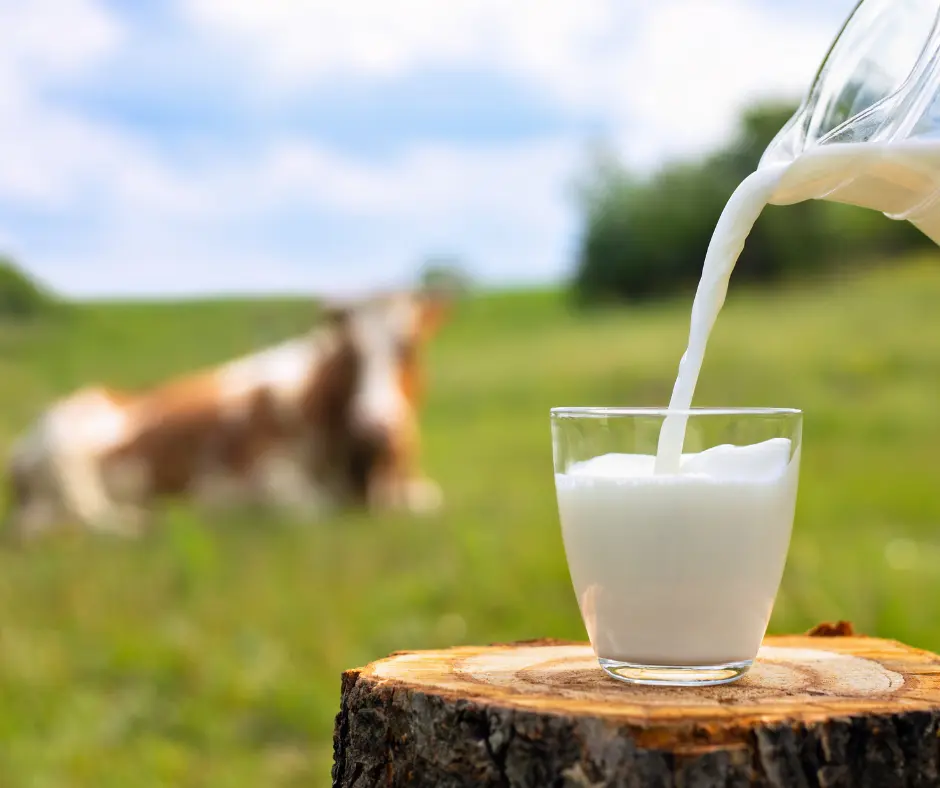
A glass of fresh milk being poured outdoors with a blurred cow in the backgroundMilk thistle contains silymarin, enhancing liver function and indirectly boosting glutathione levels. Turmeric’s active compound, curcumin, also aids in increasing glutathione production.


Consuming milk thistle and turmeric either through supplements or in culinary dishes can support liver health, detoxification processes, and promote overall well-being.

Final Remarks

You’ve delved into the world of glutathione, understanding its crucial role in your body’s health. By exploring natural ways to boost its levels and adjusting your diet accordingly, you’re already taking steps towards a healthier you. Supplements can be beneficial, but remember, balance is key.

As you continue on your journey to optimize your glutathione levels, remember that small changes can lead to significant improvements in your well-being. Stay informed, stay proactive, and most importantly, listen to what your body needs. Your health is an ongoing process, so keep up the good work!


Frequently Asked Questions About Glutathione and Health

1. What is glutathione, and why is it important?

Glutathione is a naturally produced antioxidant in the body composed of three amino acids: glutamine, cysteine, and glycine. It plays a crucial role in detoxification, immune support, and reducing oxidative stress to protect cells from damage.

2. How can I naturally boost my glutathione levels?

You can increase glutathione levels naturally by eating sulfur-rich foods (garlic, onions, broccoli), consuming selenium-rich foods (Brazil nuts, tuna), increasing vitamin C intake, engaging in regular exercise, and getting quality sleep.

3. Do supplements help in boosting glutathione?

Yes, supplements like N-acetylcysteine (NAC), whey protein, vitamins C and E, milk thistle, and turmeric can support glutathione production and regeneration. However, it’s best to consult a healthcare provider before starting any supplementation.

4. Can excessive alcohol consumption affect glutathione levels?

Yes, excessive alcohol consumption can deplete glutathione levels, leading to increased oxidative stress and liver damage. Reducing alcohol intake and maintaining a healthy diet can help preserve optimal glutathione levels.

References

  1. Minich, D. M., & Brown, B. I. (2019). A review of dietary (phyto)nutrients for glutathione support. Nutrients, 11(9), 2073. https://pmc.ncbi.nlm.nih.gov/articles/PMC6770193/
  2. Abnousian, A., Vasquez, J., Sasaninia, K., Kelley, M., & Venketaraman, V. (2023). Glutathione modulates efficacious changes in the immune response against tuberculosis. Biomedicines, 11(5), 1340. https://www.mdpi.com/2227-9059/11/5/1340
  3. Al-Temimi, A. A., Al-Mossawi, A.-E.-B., Al-Hilifi, S. A., Korma, S. A., Esatbeyoglu, T., Rocha, J. M., & Agarwal, V. (2023). Glutathione for food and health applications with emphasis on extraction, identification, and quantification methods: A review. Metabolites, 13(4), 465. https://www.mdpi.com/2218-1989/13/4/465
  4. Chen, Y., Han, M., Matsumoto, A., Wang, Y., Thompson, D. C., & Vasiliou, V. (2018). Glutathione and transsulfuration in alcohol-associated tissue injury and carcinogenesis. Advances in Experimental Medicine and Biology, 1032, 37–53. https://pmc.ncbi.nlm.nih.gov/articles/PMC6743726/
  5. Ershad, M., Naji, A., Patel, P., & Vearrier, D. (2024). N-acetylcysteine. In StatPearls [Internet]. StatPearls Publishing. https://www.ncbi.nlm.nih.gov/books/NBK537183/
0 comments
0 FacebookTwitterPinterestEmail
A woman with flawless skin smiling gently while touching her face, highlighting smooth and radiant skin

Last Updated March 24, 2026 – Glutathione, a powerful antioxidant naturally produced in the body, plays a crucial role in maintaining overall health and well-being.[1] This essential molecule, reduced glutathione, helps combat oxidative stress, supports the immune system, and assists in detoxification processes. With its ability to neutralize harmful free radicals, glutathione (gsh) has gained popularity for its potential benefits in promoting skin brightening and anti-aging effects. Understanding the historical context of glutathione’s discovery and its significance in modern healthcare can provide valuable insights into its multifaceted functions and applications.

Key Takeaways

  • Glutathione may help brighten skin by affecting tyrosinase activity and melanin formation, but the mechanism is more complex than a simple whitening claim.
  • Current research suggests oral and topical glutathione may improve skin tone in some people, but the evidence is still mixed and not yet strong enough to call the results conclusive.
  • Some studies found improvement mainly in sun-exposed areas, which means results may vary by body area, dose, and formulation.
  • Oral glutathione appears to be better tolerated than intravenous use, while IV glutathione raises more safety concerns and has weaker support for skin lightening.
  • Anyone considering glutathione for skin brightening should speak with a healthcare professional first, especially before using high-dose or injectable forms.

Effectiveness of Glutathione for Skin Whitening

Mechanism of ActionA young woman with a bright smile and clear skin, representing beauty and self-care

Glutathione acts by inhibiting the enzyme tyrosinase, which is crucial in melanin production.[2] This leads to decreased melanin levels, resulting in skin lightening.

It also helps in repairing damaged skin cells and reducing oxidative stress, contributing to a brighter complexion.

Recent Research Insights

Recent studies have shown that glutathione not only lightens the skin but also improves skin health by boosting collagen production.

Moreover, it has been found to have antioxidant properties, protecting the skin from damage caused by free radicals.

Evidence from Clinical Studies

Clinical trials have demonstrated the efficacy of glutathione in reducing hyperpigmentation and improving overall skin tone.[3]

Patients undergoing glutathione treatment have reported visible changes in their skin complexion, with a more even tone and reduced dark spots.

Safety Concerns of Glutathione Use

Potential Adverse Effects

Glutathione consumption may lead to adverse effects such as abdominal pain, nausea, and bloating. Some individuals might experience allergic reactions like rashes or difficulty breathing. It’s crucial to consult a healthcare professional before starting glutathione supplements to increase gsh.

High doses of glutathione can result in oxidative stress, harming cells instead of protecting them. Long-term use may impact the body’s natural production of glutathione, causing dependency on external sources.

Oral vs Intravenous Debate

The debate between oral and intravenous administration of glutathione centers around efficacy and absorption rates.[4] While oral supplements are convenient, they face challenges in absorption compared to intravenous injections. The latter offers higher bioavailability, ensuring quicker and more direct delivery into the bloodstream.

However, intravenous administration poses risks such as infection or vein irritation.[5] Oral supplements, though slower in effect, provide a safer alternative with fewer potential complications.

Controversies and Misconceptions

Controversies surrounding glutathione usage include its skin whitening properties, with some claiming it can lighten skin tone effectively. However, scientific evidence supporting this notion remains inconclusive. Misconceptions also exist regarding the safety of glutathione for skin lightening purposes, emphasizing the importance of consulting healthcare professionals before use to view levels.

Clinical Findings on Glutathione Treatments

A poised woman with a confident expression, showcasing healthy and well-nourished skinSummary of Study Results

Studies have shown that glutathione treatments can effectively reduce oxidative stress in the body. Research conducted by experts in the field has demonstrated that glutathione supplementation can enhance the body’s immune response and improve overall health. Clinical trials have indicated that glutathione plays a crucial role in detoxifying harmful substances and promoting cellular repair.

  • Enhances immune response
  • Reduces oxidative stress
  • Promotes cellular repair

Common Myths and Facts

Contrary to common myths, glutathione is not only beneficial for skin whitening but also offers a wide range of health benefits. While some view that oral glutathione supplements are ineffective due to poor absorption, studies have proven otherwise. In fact, research has shown that certain forms of glutathione supplements can be effectively absorbed by the body.

  • Offers various health benefits
  • Effective oral supplementation
  • Improves overall well-being

Efficacy Evaluation

Clinical evaluations have demonstrated the efficacy of glutathione treatments in managing various health conditions. From supporting liver function to reducing inflammation, glutathione has shown promising results in numerous studies. Moreover, its antioxidant properties have been found to protect cells from damage caused by free radicals.

  1. Supports liver function
  2. Reduces inflammation
  3. Protects cells from free radical damage

Mechanism of Tyrosinase Inhibition

How Glutathione Works

Glutathione, a powerful antioxidant naturally produced in the body, plays a crucial role in inhibiting tyrosinase activity. This enzyme is responsible for melanin production in the skin. Glutathione works by binding to tyrosinase, preventing it from converting tyrosine into melanin. By interrupting this process, glutathione helps in reducing pigmentation and promoting a brighter complexion.

Moreover, glutathione also aids in neutralizing free radicals that can cause skin damage and premature aging. Its ability to enhance the skin’s natural defense mechanisms makes it a popular ingredient in skincare products and supplements. The antioxidant properties of glutathione not only benefit skin health but also contribute to overall well-being.

Pharmacological Insights

Pharmacologically, glutathione acts as a potent inhibitor of tyrosinase, effectively regulating melanin synthesis. By modulating the activity of this enzyme, glutathione helps in achieving a more even skin tone and reducing hyperpigmentation. Its role in skin lightening has made it a sought-after component in various dermatological treatments.

Glutathione’s ability to boost the immune system and detoxify the body further enhances its pharmacological significance. This multifaceted approach underscores the diverse therapeutic potential of glutathione beyond its cosmetic applications.

Impact on Melanin Production

The inhibition of tyrosinase by glutathione results in decreased melanin production, leading to visible improvements in skin tone and clarity. Individuals seeking to address issues such as dark spots, uneven pigmentation, or melasma often turn to glutathione-based products for their skin-lightening effects. The gradual reduction of melanin levels contributes to a more radiant and youthful appearance.

CategoryKey Details
Mechanism of ActionInhibits tyrosinase enzyme, reducing melanin production and promoting skin lightening. Repairs damaged skin cells and combats oxidative stress.
Clinical EvidenceStudies show glutathione helps reduce hyperpigmentation and improve skin tone. Some evidence suggests enhanced collagen production.
Forms of AdministrationAvailable in oral, intravenous, and topical forms. IV has higher bioavailability but poses risks like infection. Oral supplements are safer but slower-acting.
Safety ConcernsPotential side effects include nausea, bloating, and allergic reactions. High doses may cause oxidative stress and disrupt natural glutathione production.
Common MythsNot solely for skin whitening; has broader health benefits like detoxification and immune support. Oral forms can be effective if properly formulated.
Impact on Melanin ProductionDecreases melanin synthesis, leading to lighter skin and reduced dark spots over time. Frequently used in dermatological treatments.

Frequently Asked Questions About Glutathione for Skin Whitening

1. How does glutathione lighten the skin?

Glutathione works by inhibiting the enzyme tyrosinase, which is responsible for melanin production. By reducing melanin levels, it leads to a lighter and more even skin tone. Additionally, its antioxidant properties help repair damaged skin and protect against oxidative stress.

2. Is glutathione safe for skin whitening?

Glutathione is generally considered safe when taken at recommended doses. However, high doses or long-term use may impact natural glutathione production. It’s essential to consult a healthcare professional before using glutathione supplements for skin whitening.

3. Which form of glutathione is most effective—oral or intravenous?

Intravenous (IV) glutathione provides higher bioavailability and faster results but carries risks like infection and vein irritation. Oral supplements, while slower to take effect, are safer and more convenient. Liposomal glutathione and sublingual forms improve absorption compared to standard oral supplements.

4. How long does it take to see results from glutathione for skin whitening?

Results vary depending on dosage, skin type, and lifestyle factors. Some individuals notice improvements within 2-3 months, while others may take 6 months or longer. Consistency, a healthy diet, and proper sun protection enhance effectiveness.

Closing Thoughts

Reflecting on the effectiveness of glutathione for skin whitening, the safety concerns surrounding its use, the clinical findings supporting its treatments, and the mechanism of tyrosinase inhibition, it’s clear that glutathione holds promise as a skin-lightening agent. However, caution is necessary due to safety considerations, and consulting a healthcare provider before use is crucial.

Incorporating glutathione into your skincare routine may offer benefits, but always prioritize safety and consult with professionals. Stay informed about the latest research and advancements in skincare to make well-informed decisions. Your skin’s health is paramount, so take proactive steps to care for it effectively.

References

  1. Minich, D. M., & Brown, B. I. (2019). A review of dietary (phyto)nutrients for glutathione support. Nutrients, 11(9), 2073. https://doi.org/10.3390/nu11092073
  2. Boo, Y.-C. (2022). Metabolic basis and clinical evidence for skin lightening effects of thiol compounds. Antioxidants, 11(3), 503. https://doi.org/10.3390/antiox11030503
  3. Dilokthornsakul, W., Dhippayom, T., Dilokthornsakul, P., & Kongkaew, C. (2019). The clinical effect of glutathione on skin color and other related skin conditions: A systematic review. Journal of Cosmetic Dermatology, 18(3), 728–737. https://doi.org/10.1111/jocd.12910
  4. Juhasz, M. L. W., & Levin, M. K. (2018). The role of systemic treatments for skin lightening. Journal of Cosmetic Dermatology, 17(6), 1144–1157. https://doi.org/10.1111/jocd.12747
  5. U.S. Food and Drug Administration. (2019, June 7). FDA highlights concerns with using dietary ingredient glutathione to compound sterile injectables. https://www.fda.gov/drugs/human-drug-compounding/fda-highlights-concerns-using-dietary-ingredient-glutathione-compound-sterile-injectables
0 comments
0 FacebookTwitterPinterestEmail
Woman with flawless skin touching her face with a serene expression

Last Updated March 24, 2026 – Ever heard of glutathione? It’s like the superhero of antioxidants, vitamin working behind the scenes with lipoic acid to keep your body in top shape. This powerful compound fights off harmful molecules, boosts your immune system, and helps repair damaged cells. But here’s the kicker – as you age, your natural glutathione (gsh) levels decline, leaving you more vulnerable to oxidative stress and health issues.[1] Don’t fret though, there are ways to increase your glutathione levels naturally using supplements and cysteine, vitamin glutamate to give your body the support it needs.

Key Takeaways

  • Glutathione helps protect immune cells from oxidative damage and supports a healthy immune response.
  • It works as a major antioxidant that helps neutralise reactive oxygen species and maintain redox balance.
  • Healthy glutathione levels support important immune cells, including T cells and dendritic cells.
  • Low glutathione levels are linked with higher oxidative stress and weaker immune function.
  • Glutathione levels can decline with age, which makes long-term antioxidant support more important.

Glutathione and Immune Function

Role in Immune ResponseYoung woman smiling against a pink background with a radiant glow

Glutathione plays a crucial role in supporting the immune system by protecting cells from damage caused by free radicals.[2] It acts as an antioxidant, neutralizing harmful molecules that can weaken immune function. Glutathione helps regulate the immune response to infections and diseases.

  • Acts as an antioxidant
  • Neutralizes harmful molecules
  • Regulates immune response

Impact on Health

Maintaining optimal levels of glutathione is essential for overall health and well-being. Deficiencies in glutathione have been linked to various health issues, including increased susceptibility to infections, chronic diseases, and oxidative stress. By boosting glutathione levels through diet or supplements rich in foods, vitamin, selenium, or gsh, individuals can enhance their immune function and promote better health.

  • Essential for overall health
  • Linked to health issues
  • Boosts immune function

Influence on T Cells

Glutathione plays a significant role in regulating the activity of T cells, which are essential for adaptive immunity.[3] By supporting the function of T cells, glutathione helps the body mount an effective immune response against pathogens, viruses, and other harmful invaders.

  • Regulates T cell activity
  • Essential for adaptive immunity
  • Supports immune response

Effect on Dendritic Cells

Dendritic cells rely on glutathione (gsh) for optimal functioning in presenting antigens to T cells and initiating an immune response.[4] Glutathione levels (gsh) impact the ability of dendritic cells to activate other immune cells, making it a critical component in the body’s defense mechanism against infections and diseases.

  • Supports dendritic cell function
  • Presents antigens to T cells
  • Activates other immune cells

Glutathione as an Antioxidant

Reducing Oxidative Stress

Glutathione plays a crucial role in reducing oxidative stress by neutralizing free radicals in the body. It acts as a powerful antioxidant that protects cells from damage caused by reactive oxygen species.[5] This process helps prevent various diseases and supports overall health.

Enhancing Immune Effectiveness

By enhancing immune effectiveness, glutathione supports the body’s defense system against infections and illnesses. It boosts the activity of immune cells, such as T cells and natural killer cells, aiding in the fight against pathogens. This enhanced immune response is vital for maintaining good health.

Importance of Redox Balance

Maintaining redox balance is essential for optimal cellular function and overall well-being. Glutathione plays a key role in regulating redox balance by balancing the levels of antioxidants and free radicals in the body. This balance is critical for preventing oxidative damage and promoting longevity.

Free Radicals and Immunity

Free radicals can disrupt immunity by damaging cells and impairing immune function. Glutathione helps combat these harmful effects by neutralizing free radicals and protecting immune cells from oxidative stress. By supporting the immune system, glutathione contributes to better health outcomes.

Research Findings on Glutathione

Artistic representation of DNA strands and molecular skincare innovationEffects on T Lymphocytes

Glutathione plays a crucial role in supporting the function of T lymphocytes, which are essential for the immune system. These cells rely on glutathione to combat oxidative stress and maintain optimal functioning. Studies have shown that glutathione deficiency can lead to impaired T lymphocyte activity, compromising the body’s ability to fight off infections.

Impact on Dendritic Cells

Dendritic cells, known as the sentinels of the immune system, are also influenced by glutathione levels. These cells require adequate glutathione to effectively present antigens and activate other immune cells. Low levels of glutathione can impair dendritic cell function, potentially leading to immune dysregulation and increased susceptibility to diseases.

Implications for Diseases

The impact of glutathione on immune cells, et al., has significant implications for various diseases. Conditions such as HIV/AIDS, autoimmune disorders, and cancer can be influenced by glutathione levels. Maintaining optimal glutathione levels is crucial for supporting immune function and protecting against disease progression.

Key Research Studies

Recent research has highlighted the importance of glutathione in immune regulation. A study published in the Journal of Immunology demonstrated that supplementation with glutathione precursors enhanced T cell function and improved immune responses. Another study in the Journal of Clinical Investigation found that glutathione deficiency was associated with increased susceptibility to infections.

Systemic Effects of Glutathione Deficiency

Immune Dysfunction

Glutathione plays a crucial role in supporting the immune system by protecting immune cells from damage and promoting their optimal function. When there is a deficiency in glutathione levels, the immune system may become compromised. This can lead to increased susceptibility to infections, longer recovery times, and weakened defense mechanisms against pathogens.

  • Pros:
    • Enhanced immunity
    • Improved response to vaccines
  • Cons:
    • Higher risk of infections
    • Slower recovery from illnesses

Autoimmune Diseases

Low levels of glutathione have been linked to the development and progression of autoimmune diseases. In conditions like rheumatoid arthritis, lupus, and multiple sclerosis, inadequate glutathione can contribute to excessive inflammation and oxidative stress. This imbalance can further exacerbate the symptoms and severity of autoimmune disorders.

  1. Reduced glutathione levels
  2. Increased oxidative stress
  3. Heightened inflammation

General Health Impacts

Beyond its role in immune function and autoimmune diseases, glutathione deficiency can have broader implications on overall health. It is essential for detoxification processes, antioxidant defense, and cellular repair mechanisms. Insufficient levels of glutathione may compromise these functions, leading to cellular damage, accelerated aging, and increased vulnerability to chronic conditions.

  • Detoxification support
  • Antioxidant protection
  • Cellular repair mechanisms

Mechanisms of Immune Cell Activation

Activation Processes

Immune cells get activated through various signals such as antigens, cytokines, and pathogens. These signals trigger receptors on the cell surface, initiating a cascade of events. The activation process leads to immune cells becoming responsive and ready to combat infections.

  • Antigens stimulate immune cells to recognize and attack foreign invaders.
  • Cytokines act as messengers, coordinating the immune response.
  • Pathogens directly activate immune cells, alerting them to the presence of harmful intruders.

Gene Expression

During activation, immune cells undergo changes in gene expression, altering their behavior and function. Specific genes are turned on or off to produce proteins essential for fighting infections. This gene regulation is crucial for the immune system’s effectiveness in defending the body against diseases.

  • Gene expression changes enable immune cells to produce antibodies and cytokines.
  • Enhanced gene activity equips immune cells with specialized functions to combat specific threats.

Maturation of Cells

As immune cells become activated, they undergo maturation, developing into fully functional defenders. Maturation involves cell proliferation, differentiation into specialized subtypes, and enhanced capabilities to eliminate pathogens effectively.

  • Maturation ensures that immune cells are equipped with the necessary tools to combat infections.
  • Specialized subtypes of immune cells are crucial for targeting different types of pathogens effectively.
CategoryDetails
SignificanceA powerful antioxidant that supports immune function, detoxification, and cellular repair
Key BenefitsBoosts immune response, regulates T cells and dendritic cells, reduces oxidative stress, enhances overall health
Effects of DeficiencyWeakened immunity, increased oxidative damage, higher risk of infections, contribution to autoimmune diseases
Ways to Increase LevelsConsuming nutrient-rich foods, supplementation, regular exercise, and reducing toxin exposure

Frequently Asked Questions About Glutathione and Immune Function

1. How does glutathione support the immune system?

Glutathione acts as a powerful antioxidant that protects immune cells from oxidative damage. It helps regulate immune responses, enhances the function of T cells and natural killer cells, and supports the activation of dendritic cells to fight infections effectively.

2. Can low glutathione levels affect immunity?

Yes, low glutathione levels can weaken immune function, making the body more susceptible to infections, slower recovery, and increased inflammation. Deficiencies are also linked to autoimmune diseases and chronic illnesses.

3. What are natural ways to boost glutathione levels?

You can increase glutathione levels by consuming sulfur-rich foods like garlic, onions, and cruciferous vegetables, as well as foods high in selenium like Brazil nuts and seafood. Regular exercise, quality sleep, and reducing toxin exposure also help maintain optimal levels.

4. Are glutathione supplements effective for immune health?

Yes, glutathione supplements, particularly liposomal or N-acetylcysteine (NAC) supplements, can help boost glutathione levels. However, it’s best to consult a healthcare professional before starting supplementation to determine the right dosage and form for your needs.

Closing Thoughts

In understanding the vital role of glutathione in supporting immune function and combating oxidative stress, you’ve gained insight into its profound impact on overall health. The research findings highlighted the significance of maintaining optimal glutathione levels to bolster your body’s defense mechanisms and promote well-being. Delving into the systemic effects of glutathione deficiency shed light on the repercussions of its insufficiency, emphasizing the need for proactive measures to enhance its production.

As you grasp the intricate mechanisms of immune cell activation facilitated by glutathione, you’re empowered to make informed choices that nurture your immune system. Take charge of your health by incorporating practices that elevate glutathione levels, such as consuming nutrient-rich foods and engaging in regular exercise. By prioritizing the optimization of glutathione, you pave the way for a resilient immune system and enhanced vitality.

References

  1. Sekhar, R. V., Patel, S. G., Guthikonda, A. P., Reid, M., Balasubramanyam, A., Taffet, G. E., & Jahoor, F. (2011). Deficient synthesis of glutathione underlies oxidative stress in aging and can be corrected by dietary cysteine and glycine supplementation. The American Journal of Clinical Nutrition, 94(3), 847-853. https://doi.org/10.3945/ajcn.110.003483
  2. Dröge, W., & Breitkreutz, R. (2000). Glutathione and immune function. Proceedings of the Nutrition Society, 59(4), 595-600. https://doi.org/10.1017/S0029665100000847
  3. Yan, Z., & Banerjee, R. (2010). Redox remodeling as an immunoregulatory strategy. Biochemistry, 49(6), 1059-1066. https://doi.org/10.1021/bi902022n
  4. Abrahem, R., Chiang, E., Haquang, J., Nham, A., Ting, Y.-S., & Venketaraman, V. (2020). The role of dendritic cells in TB and HIV infection. Journal of Clinical Medicine, 9(8), 2661. https://doi.org/10.3390/jcm9082661
  5. Adeoye, O., Olawumi, J., Opeyemi, A., & Christiania, O. (2018). Review on the role of glutathione on oxidative stress and infertility. JBRA Assisted Reproduction, 22(1), 61-66. https://doi.org/10.5935/1518-0557.20180003
0 comments
0 FacebookTwitterPinterestEmail

Last Updated March 24, 2026 – In today’s fast-paced world, maintaining optimal health can feel like a daunting task. We’re bombarded with endless advice about supplements and superfoods, but one antioxidant stands out from the rest—glutathione. Often referred to as the “master antioxidant,” glutathione is crucial for overall well-being. From detoxification to immune support, the benefits of glutathione are vast and impactful. This article will explore the top health benefits of glutathione and why incorporating it into your wellness routine is a game-changer.

Key Takeaways

  • Glutathione is a natural antioxidant made by the body that helps protect cells from oxidative stress.
  • It supports detox pathways by helping the body process and remove harmful compounds.
  • Healthy glutathione levels help support normal immune cell function.
  • Sulfur-rich foods and regular exercise may help support healthy glutathione levels.
  • Because it affects redox balance and cell health, glutathione is often discussed as a key part of overall wellness.

What is Glutathione?

Glutathione is a tripeptide composed of three amino acids: cysteine, glutamine, and glycine.[1] It is naturally produced in the liver and plays a critical role in various bodily functions, including DNA synthesis and repair, immune system support, and the detoxification of harmful substances. Unlike other antioxidants that must be obtained from the diet, our bodies can produce glutathione, making it a unique and indispensable part of our health arsenal.

Powerful Detoxification

One of the most significant benefits of glutathione is its role in detoxification. Our bodies are exposed to a plethora of toxins daily, from environmental pollutants to chemicals in our food. Glutathione helps neutralize and eliminate these toxins, protecting our cells from damage.[2] It binds to harmful substances and facilitates their removal from the body, primarily through the liver. This detoxifying action not only helps prevent cellular damage but also supports liver health and function.

Boosting the Immune System

A robust immune system is essential for fighting off infections and staying healthy. Glutathione plays a vital role in maintaining immune system strength. It helps activate and regulate the activity of immune cells, including T-cells and natural killer cells, which are crucial for identifying and destroying pathogens.[3] By ensuring these cells function optimally, glutathione helps enhance the body’s ability to defend itself against illness.

Reducing Oxidative Stress

Oxidative stress occurs when there is an imbalance between free radicals and antioxidants in the body. This imbalance can lead to cellular damage and contribute to various chronic diseases, including heart disease, diabetes, and cancer. As a potent antioxidant, glutathione neutralizes free radicals, reducing oxidative stress and its harmful effects.[4] Regularly maintaining adequate glutathione levels can significantly lower the risk of chronic diseases and support overall longevity.

Anti-Aging Properties

Who doesn’t want to age gracefully? Glutathione is renowned for its anti-aging properties. By combating oxidative stress and promoting cellular repair, glutathione helps slow the aging process at a cellular level. It aids in the regeneration of skin cells, reducing the appearance of wrinkles and fine lines. Moreover, glutathione’s detoxifying effects can lead to clearer, more radiant skin, giving you a youthful glow.

Enhancing Athletic Performance

For athletes and fitness enthusiasts, glutathione offers notable benefits. It helps reduce muscle fatigue and enhances endurance by minimizing oxidative stress and supporting efficient energy production. Additionally, glutathione aids in faster recovery post-exercise by reducing inflammation and muscle damage. Incorporating glutathione into a fitness regimen can lead to improved performance and quicker recovery times.

Supporting Mental Health

The brain is highly susceptible to oxidative damage, which can contribute to neurodegenerative diseases and mental health issues. Glutathione’s powerful antioxidant properties protect brain cells from oxidative stress, promoting cognitive function and mental clarity. Studies have also suggested that glutathione may play a role in managing conditions such as depression and anxiety by modulating neurotransmitter levels and reducing inflammation in the brain.

Improving Metabolic Function

Metabolic health is vital for maintaining a healthy weight and preventing metabolic disorders such as diabetes. Glutathione supports metabolic function by enhancing insulin sensitivity and regulating glucose levels. By promoting efficient energy metabolism, glutathione helps prevent the accumulation of fat and supports healthy weight management.

Supporting Heart Health

Cardiovascular diseases are a leading cause of death worldwide. Glutathione helps protect the heart by reducing oxidative stress and inflammation, which are key contributors to heart disease. It also supports healthy blood pressure levels and improves endothelial function, which is critical for maintaining the health of blood vessels. Regularly boosting glutathione levels can significantly enhance cardiovascular health and reduce the risk of heart disease.

CategoryDetails
SignificanceA powerful antioxidant essential for detoxification, immune support, and overall health
Key BenefitsDetoxification, immune system boost, anti-aging, oxidative stress reduction, improved metabolic function, enhanced athletic performance
Ways to BoostEating sulfur-rich foods, selenium intake, supplementation, regular exercise, quality sleep, minimizing toxin exposure
Best ForIndividuals seeking longevity, improved immunity, better skin health, and enhanced physical and mental well-being

How to Boost Glutathione Levels

Now that we understand the myriad benefits of glutathione, it’s essential to know how to maintain optimal levels. Consuming foods rich in sulfur, such as garlic, onions, and cruciferous vegetables (broccoli, kale, cabbage), can enhance glutathione production.[5] Additionally, foods high in selenium, such as Brazil nuts and seafood, support glutathione activity. 

Glutathione supplements are available in various forms, including oral capsules, liposomal glutathione, and intravenous injections. It’s important to consult with a healthcare professional before starting any supplementation regimen. Regular physical activity has been shown to increase glutathione levels. Incorporating aerobic exercises, strength training, and yoga can all contribute to maintaining healthy glutathione levels. 

Quality sleep is crucial for glutathione production. Aim for 7-9 hours of restful sleep each night to support your body’s natural antioxidant defenses. Minimizing exposure to environmental toxins, such as cigarette smoke, pollution, and processed foods, can help preserve glutathione levels.

Conclusion

Glutathione is a powerful antioxidant with a wide range of health benefits, from detoxification and immune support to anti-aging and enhanced athletic performance. By understanding its importance and taking steps to boost glutathione levels, you can significantly improve your overall health and well-being. Incorporating glutathione-rich foods, regular exercise, and adequate sleep into your lifestyle are simple yet effective ways to harness the power of this master antioxidant. Prioritizing glutathione in your wellness routine is a smart investment in your long-term health.

Frequently Asked Questions About Glutathione

1. What is glutathione, and why is it important?

Glutathione is a naturally occurring antioxidant composed of three amino acids: cysteine, glutamine, and glycine. It plays a crucial role in detoxification, immune support, oxidative stress reduction, and overall cellular health.

2. How can I naturally boost my glutathione levels?

You can increase glutathione levels by consuming sulfur-rich foods like garlic, onions, and cruciferous vegetables (broccoli, kale, cabbage), as well as selenium-rich foods like Brazil nuts and seafood. Regular exercise, quality sleep, and reducing exposure to environmental toxins also help maintain optimal levels.

3. What are the benefits of taking glutathione supplements?

Glutathione supplements support detoxification, enhance immune function, improve skin health, slow aging, boost athletic performance, and promote brain and heart health. Supplements come in various forms, including oral, liposomal, and intravenous (IV) injections.

4. Are there any side effects of glutathione supplementation?

Glutathione is generally safe when taken in recommended doses, but some individuals may experience mild side effects such as bloating, cramps, or allergic reactions. It’s advisable to consult a healthcare professional before starting supplementation, especially for those with pre-existing conditions.

References

  1. Lapenna, D. (2023). Glutathione and glutathione-dependent enzymes: From biochemistry to gerontology and successful aging. Ageing Research Reviews, 92, 102066. https://pubmed.ncbi.nlm.nih.gov/37683986/
  2. Averill-Bates, D. A. (2023). The antioxidant glutathione. Vitamins and Hormones, 121, 109-141. https://pubmed.ncbi.nlm.nih.gov/36707132/
  3. Dröge, W., & Breitkreutz, R. (2000). Glutathione and immune function. Proceedings of the Nutrition Society, 59(4), 595-600. https://pubmed.ncbi.nlm.nih.gov/11115795/
  4. Hristov, B. D. (2022). The role of glutathione metabolism in chronic illness development and its potential use as a novel therapeutic target. Cureus, 14(9), e29696. https://pubmed.ncbi.nlm.nih.gov/36321012/
  5. Minich, D. M., & Brown, B. I. (2019). A review of dietary (phyto)nutrients for glutathione support. Nutrients, 11(9), 2073. https://pmc.ncbi.nlm.nih.gov/articles/PMC6770193/
0 comments
0 FacebookTwitterPinterestEmail
Skin Whitening

Last Updated March 31, 2026 – In today’s world, where beauty standards continue to evolve, achieving radiant and flawless skin with cosmetics is a common desire for many individuals. Cosmetic products play a significant role in enhancing our health and popularity. Skin whitening, often referred to as skin lightening or brightening, is a cosmetic procedure that has gained popularity in recent years. This procedure involves the use of whiteners, bleaching agents, or lighteners to achieve a lighter complexion. People seek skin whitening treatments not just to achieve a fairer complexion but also to address issues like pigmentation, dark spots, acne scars, and uneven skin tone caused by melanin. These treatments often involve the use of cosmetic products such as whiteners. In this article, we will explore the world of non-surgical skin whitening techniques, with a focus on the innovative Pico Laser and its mechanisms. We will discuss the benefits it offers, including its effectiveness in reducing pigmentation and improving skin tone. The Pico Laser is a popular choice for those seeking to lighten their skin without resorting to harsh bleaching agents or hydroquinone-based lighteners.

Key Takeaways

  • Non-surgical skin whitening focuses on excess pigment that can cause dark spots, acne marks, and uneven skin tone.
  • Pico Laser uses very short pulses to break pigment into tiny fragments for more targeted treatment.
  • The article presents Pico Laser as a non-surgical option for pigmentation concerns and brighter-looking skin.
  • Other options in the draft include chemical peels, microdermabrasion, topical lightening products, IPL, and fractional laser.
  • Professional guidance matters because the best treatment depends on skin type, pigment depth, and aftercare.

Understanding Skin Whitening

Smiling woman touching her face with glowing, healthy skinBefore delving into the specifics of non-surgical skin whitening techniques, it’s crucial to have a basic understanding of what skin whitening with whiteners or bleaching entails in the context of cosmetics and cosmetic products. Skin whitening procedures aim to reduce melanin production in the skin, the pigment responsible for skin color. These procedures involve the use of whiteners to inhibit melanogenesis in melanocytes, ultimately bleaching the skin. Excessive melanin production, also known as melanogenesis, can cause various skin issues, such as dark spots, freckles, and uneven skin tone. This is why many people turn to bleaching products that contain hydroquinone, a common ingredient found in cosmetics. These skin lighteners procedures aim to lighten imperfections and provide individuals with a more youthful, radiant appearance. Laser skin lightening and other skin whitening practices are effective ways to achieve lighter skin.

Non-Surgical Skin Whitening Techniques

Non-surgical skin whitening techniques using whiteners and lighteners have become increasingly popular in the cosmetics industry due to their effectiveness, minimal downtime, and safety. Hydroquinone is a commonly used ingredient in these techniques. These cosmetic procedures offer individuals the opportunity to achieve brighter and more even-toned skin without the need for invasive surgeries. The use of cosmetics, such as whiteners and lighteners, can help in achieving this result. Additionally, some individuals may opt for the use of hydroquinone in their skincare routine to further enhance the brightening and toning effects on their skin. Let’s explore some of the key non-surgical options available for skin lightening, with a focus on Pico Laser. These options include lighteners, such as hydroquinone, and cosmetics designed for lightening the skin.

Pico Laser: A Cutting-Edge Solution

One of the most advanced and promising non-surgical skin lightening techniques is the Pico Laser. This innovative procedure uses laser technology to effectively lighten the skin without the need for invasive surgery or harmful chemicals found in cosmetics and creams. The Pico Laser is a safe and effective option for those looking to achieve a lighter complexion. This innovative laser technology has gained recognition for its effectiveness in treating various skin concerns, including pigmentation issues, uneven skin tone, and lightening cosmetics products. Let’s take a closer look at how the Pico Laser works for skin lightening and the benefits it offers for skin lighteners, cosmetics, and SL.

How Pico Laser Works for Skin Whitening

The Pico Laser, also known as the picosecond laser, works by delivering ultra-short bursts of laser energy to the skin in picoseconds, which is a trillionth of a second. This laser technology is effective for lightening skin and is commonly used in SL cosmetics products. This incredible speed allows the laser to break down pigment particles into tiny fragments without causing damage to the surrounding skin. The lightening effect of this laser is perfect for cosmetics and has a significant impact on skin. The body’s natural processes then eliminate these fragmented pigment particles, resulting in a gradual lightening of the treated area. This is often seen in skin lighteners, skin whitening practices, and skin bleaching, which aim to achieve a lighter skin tone.

The Pico Laser’s ability to target pigment without harming the surrounding tissue makes it an ideal choice for lightening skin in cosmetic patients. Whether you’re dealing with stubborn age spots, melasma, or acne scars, the Pico Laser can provide noticeable improvements in skin tone and texture. This innovative laser technology is highly effective for lightening dark spots and is commonly used in cosmetics to enhance the appearance of the skin. The Pico Laser is one of the top products recommended by dermatologists for its ability to target specific areas and deliver impressive results.

Benefits of Pico Laser for Skin Whitening

Precision: The Pico Laser is incredibly precise, allowing it to target specific areas of pigmentation with pinpoint accuracy. Whether you’re looking to lighten your skin or use skin lighteners, the Pico Laser can effectively treat lighter skin. This precision ensures that only the problematic pigmented cells of patients are treated with cosmetics, leaving the surrounding skin untouched by creams. It is achieved by targeting tyrosinase, a key enzyme involved in pigmentation.

Quick Treatment: Pico Laser sessions for skin lightening are relatively quick, with minimal downtime for patients looking to lighten their skin using skin lighteners. This makes it a convenient option for busy patients, women, and individuals with busy schedules who need to stay active.

Minimal Discomfort: Most patients report minimal discomfort during Pico Laser sessions for skin lighteners, skin lightening, and skin whiteners (sl). Any discomfort experienced is typically mild and short-lived.

Versatility: Pico Laser can effectively treat a wide range of skin concerns, including patients seeking skin whitening procedures. This versatile option can be used in conjunction with creams that target tyrosinase to achieve desired results.

Minimal Side Effects: Unlike some other laser treatments, Pico Laser has minimal side effects for patients seeking skin lightening. Patients may experience temporary redness or swelling after laser skin lightening treatment, which usually subsides within a few hours to a few days.

Suitable for All Skin Types: Pico Laser is suitable for all skin types, including darker skin tones, making it an inclusive choice for skin whitening. This laser treatment targets the pigment-producing enzyme tyrosinase, providing effective results for diverse populations.

The Importance of Professional Guidance

While Pico Laser offers many benefits for skin whitening, it’s crucial to emphasize the importance of seeking professional guidance before undergoing any skin treatment. The Pico Laser treatment targets specific skin concerns, such as hyperpigmentation caused by an overactive tyrosinase enzyme. Therefore, consulting with a qualified SL professional is essential to ensure safe and effective results. Consulting with a board-certified dermatologist or a qualified medical practitioner is essential to determine the most suitable treatment plan for your specific skin type and concerns, especially when it comes to addressing issues related to tyrosinase and sl. They can assess your skin condition, discuss your goals, and recommend the most appropriate non-surgical skin whitening technique for SL and tyrosinase.

Other Non-Surgical Skin Whitening Options

Confident woman posing with smooth, clear, and radiant skinIn addition to Pico Laser, several other non-surgical skin whitening options like SL and tyrosinase are available. These include:

Chemical Peels

Chemical peels involve the application of a chemical solution to the skin, which exfoliates the top layer and promotes the growth of new, lighter skin. These peels can help reduce the activity of tyrosinase, a key enzyme involved in the production of skin pigmentation. Additionally, chemical peels can also be effective in treating conditions like melasma and hyperpigmentation, as well as improving overall skin tone and texture. So, if you’re looking for a way to achieve a brighter and more even complexion, consider trying a chemical peel with SL. They can be customized to target specific skin concerns such as skin brightening, using ingredients like tyrosinase and AL.

Microdermabrasion

Microdermabrasion is a non-invasive procedure that uses a machine to exfoliate the skin’s surface, helping to reduce the appearance of tyrosinase and al. Tyrosinase is effective in reducing the appearance of dark spots and improving skin texture. It is also beneficial for al skin.

Topical Skin Lightening Products

Over-the-counter and prescription skin lightening products containing ingredients like hydroquinone, glycolic acid, kojic acid, and tyrosinase can help gradually lighten the skin when used as part of a skincare routine. However, when using skin whiteners, laser skin lightening, and other skin lighteners, it’s important to seek professional guidance to prevent adverse effects.

Intense Pulsed Light (IPL) Therapy

IPL therapy uses intense pulses of light to target pigmented areas in the skin, including areas affected by tyrosinase and al. Laser skin lightening is effective for treating conditions like sun damage and melasma by targeting tyrosinase.

Fractional Laser

Fractional lasers create tiny, controlled injuries in the skin to stimulate collagen production and improve skin texture, tone, and tyrosinase levels. This can also help with skin whitening over time.

TreatmentHow It WorksKey BenefitsConsiderations
Chemical PeelsUses a chemical solution to exfoliate the top layer of skin, promoting new skin growth.Reduces pigmentation, improves skin texture and tone.May cause temporary redness and peeling; requires sun protection.
MicrodermabrasionUses a machine to exfoliate the skin, removing dead cells and improving texture.Brightens complexion, smooths skin, and reduces mild pigmentation.Requires multiple sessions for best results; may cause mild redness.
Topical Skin Lightening ProductsContains ingredients like hydroquinone, kojic acid, and glycolic acid to inhibit melanin production.Gradual skin lightening, can be used at home.Results take time; requires professional guidance to prevent irritation.
Intense Pulsed Light (IPL) TherapyUses pulses of light to target pigmentation and even skin tone.Reduces sun damage, melasma, and hyperpigmentation.Requires multiple sessions; sun protection is crucial post-treatment.
Fractional LaserCreates tiny controlled injuries in the skin to stimulate collagen and lighten pigmentation.Improves skin texture, evens out skin tone, and enhances collagen production.May cause mild discomfort and temporary redness; requires downtime.

Consultation and Customized Treatment Plans

When seeking skin whitening, it is crucial to start with a consultation with a qualified dermatologist or medical practitioner who specializes in tyrosinase. During this consultation, your skin and tyrosinase levels will be carefully assessed, and your medical history will be reviewed. This initial evaluation will help create a customized treatment plan that addresses your specific concerns related to skin lightening and ensures optimal results by targeting tyrosinase.

Combining Treatments for Enhanced Results

In some cases, combining different non-surgical skin whitening treatments, such as tyrosinase inhibitors, can yield enhanced results. Your dermatologist may recommend a combination of treatments based on your skin’s needs, including tyrosinase and al. For example, Pico Laser may be combined with chemical peels to target both deep-seated and superficial pigmentation issues, including skin lightening and the inhibition of tyrosinase.

Post-Treatment Care

Regardless of the chosen non-surgical skin whitening technique, post-treatment care is essential to maximize results and minimize the risk of complications, especially for individuals with tyrosinase-related concerns. Following your dermatologist’s instructions regarding skincare products, sun protection, and any prescribed medications, including tyrosinase, is crucial.

Frequently Asked Questions About Skin Whitening and Pico Laser

Is Pico Laser safe for all skin types?
Yes, Pico Laser is suitable for all skin types, including darker skin tones. Its precise targeting of pigmentation ensures minimal risk to surrounding skin, making it a safe option for many individuals.

How many Pico Laser sessions are needed for skin whitening?
The number of sessions required varies based on the severity of pigmentation and individual skin response. Most people see significant improvements within three to six sessions, spaced a few weeks apart.

Are the results of Pico Laser permanent?
While Pico Laser can effectively lighten pigmentation, results are not always permanent. Maintenance treatments and proper sun protection can help prolong the effects and prevent future pigmentation issues.

Is there any downtime after a Pico Laser treatment?
Pico Laser has minimal downtime. Some patients may experience mild redness or swelling for a few hours to a day, but most can resume daily activities immediately after treatment.

Conclusion

In the quest for radiant and flawless skin, non-surgical skin whitening techniques have emerged as a safe and effective solution. Among these techniques, Pico Laser is a standout for its precision, minimal discomfort, versatility, and effectiveness in skin lightening. Whether you’re looking to address pigmentation issues, acne scars, or simply achieve a brighter complexion, Pico Laser and other non-surgical options offer hope for those seeking skin whitening.

Remember that the journey to healthier, more luminous skin should always begin with professional guidance. Consult with a qualified dermatologist or medical practitioner to create a personalized treatment plan tailored to your unique needs and skin type. With the right approach and the latest non-surgical skin whitening techniques, you can achieve the radiant skin you’ve always desired, all while maintaining your natural beauty.

References

  1. National Library of Medicine. (2025, September 19). Skin pigmentation disorders. MedlinePlus. https://medlineplus.gov/skinpigmentationdisorders.html
  2. Zawodny, P., Wahidi, N., Zawodny, P., Duchnik, E., Stój, E., Mikulska-Ruminska, W., Skonieczna-Żydecka, K., & Sieńko, J. (2024). Evaluation of the efficacy of the 755 nm picosecond laser in eliminating pigmented skin lesions after a single treatment based on photographic analysis with polarised light. Journal of Clinical Medicine, 13(2), 304. https://pmc.ncbi.nlm.nih.gov/articles/PMC10816936/
  3. Mayo Clinic Staff. (2024, March 13). Chemical peel. Mayo Clinic. https://www.mayoclinic.org/tests-procedures/chemical-peel/about/pac-20393473
  4. American Academy of Dermatology Association. (n.d.). Microdermabrasion: Overview. https://www.aad.org/public/cosmetic/age-spots-marks/microdermabrasion-overview
  5. Das, S. (2024, August). Hyperpigmentation. MSD Manual Professional Edition. https://www.msdmanuals.com/professional/dermatologic-disorders/pigmentation-disorders/hyperpigmentation
0 comments
0 FacebookTwitterPinterestEmail

Luminous, dewy skin never goes out of style, we know this. We also know that maintaining radiance isn’t always easy, and the reality is there are reasons your skin is missing that so-called glow. Our skin constantly sheds dead cells from the stratum corneum, but if the process isn’t working efficiently, your complexion can take on a dull, unhealthy appearance that emphasizes wrinkles.

The good news? There are almost-effortless ways to get back your healthy glow and overcome dry and dull skin (mengatasi kulit wajah kering & kusam). It’s the little things can make the biggest difference when it comes to your complexion. If you’re feeling like you’ve lost your glow thanks to dull skin, chances are, one of the mistakes below is responsible. So, break these habits and prepare for beaming, healthy-looking skin in no time (mengatasi kulit wajah kering & kusam).

  1. You’re dehydrated — and so is your skin.

Dehydration may seem like a short-term problem solved by a glass of water, but board-certified dermatologist Dr. Janet Prystowsky encourages viewing skin dehydration as a long-term problem.

Consistently failing to give your skin the hydration it needs can cause lasting damage, like fine lines, sagging skin, and even scales and deep wrinkles from severe chronic dehydration.

If you don’t want wrinkles, drink up. Aim to drink eight glasses of water a day.

  1. You’re not exfoliating your skin.

If you wash your face twice a day, great! But there’s a very crucial step you need to add: exfoliation of skin cells. Dryness is the most common cause of dull skin, and exfoliating creates a fresh canvas that allows topical products to penetrate better through the layers of the stratum, says Dr. Hadley King, board-certified dermatologist at SKINNEY Medspa. The process removes skin’s outer layer of dead keratinocytes so its surface is smoother and clearer.

Incorporate one type of exfoliator at a time into your routine to avoid skin irritation and damage, the GH Beauty Lab recommends. (For instance, if you’re trying a chemical peel, don’t also use a physical scrub or a cleansing brush at the same time). Try a single-use wipe like First Aid Beauty Facial Radiance Pads, which contain two kinds of alpha-hydroxy acids at levels that are safe for sensitive skin.

  1. You’re forgetting to moisturize regularly.

A dull complexion is calling out for something moisture. Dr. Kenneth Howe, dermatologist at Wexler Dermatology, says daily life and environment stressors create cracks in our skin’s surface stratum, giving the appearance of dullness.

Moisturizer fills in those fissures with added lipids, the natural fats of the skin layer, presenting a smooth, reflective surface. Dr. Melanie Palm, a board-certified dermatologist and the director of Art of Skin MD, suggests using moisturizers with ingredients like ceramides, which help repair skin barrier function and improve water retention, and hyaluronic acid, which plumps skin cells by attracting water to surrounding tissue. (IT Cosmetics Confidence in a Cream is a great choice that contains both skin cells.)

  1. You’re super stressed.

Stress plays a large role in the brilliance of your skin cells—or the lack thereof. “Stress causes an increase in cortisol, which can affect blood flow to the skin and [affect] skin repair,” says Dr. Luftman. Translation: whatever stratum, cells, or glands it is you’re holding onto could be what’s standing between you and lustrous skin.

Stress management is crucial. Take time to de-stress at home. Adopting a more positive attitude was a common, important factor in “super-agers” (women who look 10+ years younger than their actual age) according to an Olay study. Also, try learning strategies to calm your mind and manage stress, which will help improve your complexion now and in the future.

0 comments
0 FacebookTwitterPinterestEmail
Older Posts