Category:

Skincare

Vanity Planet shares 10 ways to keep your skin looking healthy and vibrant, especially during summer!

As the warm weather approaches, you’ll want to keep your skin protected and looking great by preventing water loss and addressing dry & dull facial skin.

To keep your skin healthy and vibrant this summer, try these quick, easy, and affordable summer skincare to keep your skin looking its best.

Use sunscreen

With melanocytes on the surface of the skin producing melanin, it’s vital to wear your sunscreen this summer. A sunscreen with a sun protection factor of 30 should suffice, as it blocks out up to 97% of UV rays. Cover your arms, legs, face, and any part of your body that will get exposure to the sun. Most sunscreens will offer protection for several hours, so don’t forget to reapply throughout the day as necessary.

While sunscreen helps protect surface cells against skin cancer, it also protects against sun damage, which over time can cause your skin to wrinkle, as it loses moisture. Although tanned skin looks great, it’s actually damaged skin. So to keep your skin looking smooth and firm (mengatasi kulit wajah kering & kusam) as you age, take the time to protect it now.

Cool off with an ice roller

While ice rollers can moisturize and refresh your skin any time of year, in summer, they’re just a treat. Ice rollers are affordable and easy to use, and they help keep your skin looking vibrant, even as you sweat it out through the summer heat.

Ice rollers can help keep your skin’s layers firm, helping to reduce wrinkles and redness during warm weather months. They also give you a great chance to cool off during the day as you rub the smooth, icy roller over your sweltering skin.

Don’t stop washing

It’s important to remain disciplined with your nightly skincare routine during the summer months. Not only can your skin’s glands become clogged with sweat and dirt, but sunscreens themselves can also lead to breakouts, as they leave the skin quite oily. Protect your skin cells during the day, but let it breathe overnight.

Hydrate your skin

Warm weather zaps your body’s stratum of moisture, and that includes your skin. You may find your face and legs feel dryer and look a little more flaky as the summer drags on. To avoid dullness from dehydration, make sure to keep your skin’s layer of cells well hydrated. Apply a hydrating face mask, or layer a new cleanser that offers greater hydration.

Exfoliate everywhere

While it’s important to exfoliate any time of year, your skin will certainly need it over the summer, as it clogs with sunscreen, sweat, and dead skin from dehydration. Exfoliate everywhere — your face, arms, and legs, too. Try using a soothing body brush to exfoliate your skin and leave it looking refreshed and rejuvenated all summer long.

Treat sun-damaged skin

Don’t just protect your skin, repair it. As your skin tans throughout the summer, you need to remove the damaged skin. While exfoliating helps,

Keep the bugs away with essential oils

From peppermint to lemon to lavender to eucalyptus, essential oils offer effective, natural protection against those flying pests this summer, so you can avoid using harmful, pore-clogging bug sprays.

Take a closer look at eye masks

Sun and heat can prove especially taxing on the thin, delicate layer of cells below your eyes and may leave you with dark circles. Try using a gel eye mask at night to soothe your skin and reduce puffiness.

Don’t forget your feet!

Feet can get especially dry and cracked during the summer, especially as you trod around in flip flops. Keep your feet feeling smooth and looking great with a nourishing foot scrub.

Drink plenty of water

Hydrate your body, as well as your skin. A well-hydrated body keeps skin looking vibrant, and leaves you feeling energized, too.

0 comments
0 FacebookTwitterPinterestEmail

Having pimple and acne problems? Here are simple steps to keep your face clean and avoid any outbreaks. Here’s a list of advice from different facial skincare clinics (klinik perawatan wajah).

  1. Keep your face clean. Whether or not you have acne, it’s important to wash your face twice daily to remove impurities, dead skin cells, and extra oil from your skin’s surface. Washing more often than twice daily is not necessarily better; it may do more harm than good. Use warm, not hot, water and a mild facial cleanser. Using a harsh soap (like deodorant body soap) can hurt already inflamed skin and cause more irritation.

Avoid scrubbing your skin harshly with a washcloth, an exfoliating glove, or loofah (a coarse-textured sponge). Gently wash it with a very soft cloth or your hands. Always rinse well, and then dry your face with a clean towel. (Toss the towel in the laundry hamper, as dirty towels spread bacteria.) Also, use the washcloth only once.

  1. Moisturize. Many acne products contain ingredients that dry the skin, so always use a moisturizer that minimizes dryness and skin peeling. Look for “noncomedogenic” on the label, which means it should not cause acne. There are moisturizers made for oily, dry, or combination skin.

  1. Try an over-the-counter acne product. These acne products don’t need a prescription. Most of them have ingredients such as benzoyl peroxide, salicylic acid, glycolic acid, or lactic acid, which curb bacteria and dry your skin. They may cause drying or peeling so start with a small amount at first. Then you can adjust how much you use and how often. Another option is a new OTC topical retinoid gel (Differin 0.1% gel). It works to actually keep the acne from forming. Use these products with caution if you have sensitive skin.

  1. Use makeup sparingly. During a breakout, avoid wearing foundation, powder, or blush. If you do wear makeup, wash it off at the end of the day. If possible, choose oil-free cosmetics without added dyes and chemicals. Choose makeup that is labeled as “noncomedogenic,” meaning it should not cause acne. Read the ingredients list on the product label before buying.

  1. Watch what you put on your hair. Avoid using fragrances, oils, pomades, or gels on your hair. If they get on your face, they can block your skin’s pores and irritate your skin. Use a gentle shampoo and conditioner. Oily hair can add to the oil on your face, so wash your hair often, especially if you’re breaking out. Got long hair? Keep it pulled away from your face.

  1. Keep your hands off your face. Avoid touching your face or propping your cheek or chin on your hands. Not only can you spread bacteria, you can also irritate the already inflamed facial skin. Never pick or pop pimples with your fingers, as it can lead to infection and scarring.

  1. Stay out of the sun. The sun’s ultraviolet rays can increase inflammation and redness, and can cause post-inflammatory hyperpigmentation (dark discoloration). Some acne medications may make your skin more sensitive to sunlight. Limit your time in the sun, especially between the hours of 10 a.m. and 4 p.m., and wear protective clothing, such as a long-sleeved shirt, pants, and a broad-brimmed hat. Whether you have pimples or not, always apply a broad-spectrum sunscreen with 6% zinc oxide or higher and SPF 30 or higher at least 20 minutes before sun exposure. Look for “noncomedogenic” on the sunscreen label to make new pimples less likely. Read the ingredients on the product label to know what you’re putting on your skin.

  1. Feed your skin. Most experts agree that certain foods, like chocolate, don’t cause pimples. Still, it makes sense to avoid greasy food and junk food and add more fresh fruits, vegetables and whole grains to your diet. Dairy products and foods high in processed sugar may trigger acne. Avoid these.

  1. Exercise daily. Regular exercise is good for your whole body, including your skin. When you exercise, avoid wearing clothing or using exercise equipment that rubs your skin and may cause irritation. Shower or bathe right after exercise.

  1. Chill! Some studies link stress with the severity of pimples or acne. Ask yourself what’s making you feel stressed. Then look for solutions.

When in doubt, check with a dermatologist or facial skincare clinic (klinik perawatan wajah) to see if you need more treatment to prevent or stop acne.

0 comments
0 FacebookTwitterPinterestEmail

Are you getting sick of hearing people say that you look tired even when you got a good night’s sleep? Whether your eye bags are caused by lack of sleep, fatigue, genetics, or just part of the natural aging process, having a tired-looking eyes are the ones that get noticed first.

How do you get rid of eye bags (hilangkan kantung mata)? Before we are able to find a solution, we need to understand the causes – why eye bags get formed.

Causes of Eye Bags

There are several causes of eye bags, besides the fact that it can be genetics, you might not be aware that apart from the usual factors, it can be due to:

  • Water retention

  • Stress

  • Allergies

  • Hay fever

  • Hormonal changes

  • Alcohol consumption

  • High sodium intake

Even crying can cause your eyes to swell. So, what might be the solution to removing eye bags?

Treatments

Have you heard of blepharoplasty surgery? It’s common term is called eyelift. This is a long-term method to remove any visible signs of fatigue and restore a more rested appearance to your eyes. As much as we all want to get this treatment, not all of us have the time, money, and courage to go under the knife, so minimal-invasive options are preferred to remove eye-bags (hilangkan kantung mata).

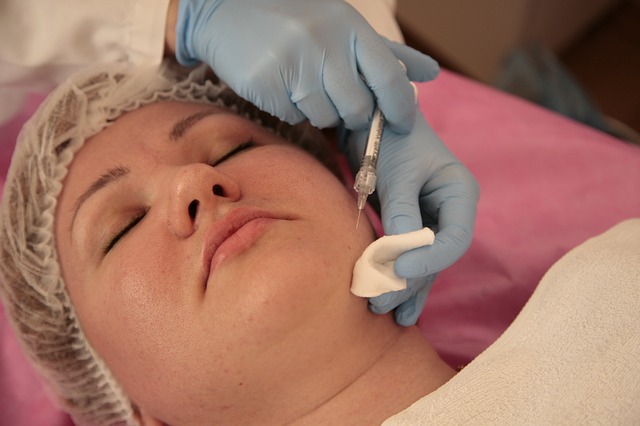
Injectable Fillers

Hyaluronic acid-based fillers, such as those in the Juvéderm (Allergan) and Restylane(Galderma) ranges, as well as Belotero (Merz) are worth a shot when your eyes need a scalpel-free lift. The different variations can be used to smooth fine fines, fill under-eye hollows, and camouflage darkness.

Now that there are formulations made specifically for different issues and areas, eye rejuvenation with injectables can be completely customized for the most natural-looking results — and improvement can last for up to a year or more.

Botox

Another highly effective way to reduce fine lines and wrinkles that appear when you squint or smile is Botox Cosmetic, Dysport, or Xeomin, the only three FDA-approved neurotoxins on the market. These injectable treatments minimize the muscle contractions that lead to visible wrinkles associated with facial expressions, and results last for three to four months until the muscle movement gradually returns.

They can also be used to smooth furrows between the brows and horizontal lines across the forehead, as well as to give the brows a little lift. Minimizing muscle movement in the upper third of the face can have a profound anti-aging effect on the eye area, and can also help to prevent visible wrinkles when the face is at rest.

Eye Patch Therapy

In the past, the only solution for seriously droopy or sagging eyelids was surgery, but that was before. You can use single-use stickers that will instantly improve the appearance of the eyes by undetectably hiding and holding up excess skin, in turn restoring a youthful eye contour.

Comprised of a medical-grade, latex-free, hypoallergenic material, they are available in six sizes — as well as a variety pack — to address different degrees of sagging. Once applied to the eyelids, you can use eye makeup as desired, although it is recommended that you use a primer first.

It can take a bit of practice to get the application just right, but once you do your eyes can see quite a drastic improvement for such a small investment.

DIY recipes

If you prefer to stick with tried and true basics, cucumber slices and tea bags have long been used as quick fixes for puffiness and under-eye bags. Applying any form of cold compress will actually work to constrict blood vessels, which reduces the flow of fluid around the eyelids.

Cold cucumber slices and slices of raw potatoes are ideal because of their round shape. Cucumbers are also high in vitamin C, which can have a brightening effect on the eye area as well. Tea bags deliver additional benefits such as anti-inflammatory antioxidants.

The upsides of this home remedy approach include the facts that they are inexpensive, natural and you probably already have them in your kitchen. As for the downsides, results are temporary and less dramatic than professional treatments.

0 comments
0 FacebookTwitterPinterestEmail

As we grow older and age, the skin also ages and loses the natural softness and vibrancy. However, there are a number of simple lifestyle changes that can help rejuvenate the skin, such as wearing sunscreen and getting more sleep. Applying facial masks consisting of exfoliating ingredients like lemon and green tea can also help rejuvenate the skin.


Well, searching through the web, there are many ways to help rejuvenate your skin, but we picked the 4 top ones from WikiHow to start. In addition, skin rejuvenation does not only mean keeping the skin healthy but also make sure that it gets its firmness and luster back by addressing surface, melanin, and keratinocytes. If you have dry skin, even in your early 30’s, it is a must to help yourself with this information.

Tip 1: Developing a Revitalizing Skin Care Routine

  1. Know your skin type. How you care for your skin will depend on your particular skin type. There are five basic skin types.

  • Normal skin is clear and not particularly sensitive.

  • Dry skin is flaky or rough.

  • Sensitive skin may burn or itch when you apply certain products.

  • Combination skin is dry in some areas and oily in others.

  1. Use a gentle cleanser. Rise your face with the cleanser, but don’t scrub. Rinse with warm water and pat dry.

  • If you find a particular cleanser dries out your face, experiment with different brands until you find one that works. A cleanser without alcohol or fragrance will work best with dry skin.

  • If you have oily skin, use an oil-free, non-comedogenic foaming cleanser.

  • For sensitive skin, choose a hypoallergenic cleanser that doesn’t contain unnecessary additives.

  • Don’t over wash your skin. Over washing dries out your skin. Unless you are exercising, you shouldn’t need to wash your face more than once a day. In the morning, wash your face with lukewarm water. At night, apply your gentle cleanser and moisturizer.

  • Remove your makeup at night. Makeup clogs your pores and can lead to acne. Remove it each night before bed using a gentle cleanser.

  1. Apply toner. Skin toners help soak up oil and remove dirt. They should be applied before moisturizers.

  • Begin by applying a gentle toner in after washing your face in the morning and the evening. Apply the toner to a cotton ball and gently rub the toner onto your face in small circles. Repeat the process with new cotton balls until you no longer see dirt on the cotton ball after you apply it to your face.

  1. Apply an exfoliator. Exfoliators remove dead skin cells. They should only be used two-to-four times a week since your skin needs time to regenerate. Mechanical exfoliators use small, rough particles to sand away the outer layer of your skin. They are best for oily skin. Chemical exfoliators increase your cellular turnover rate to slough off the dead skin. Some chemical exfoliators, such as those with a high concentration of vitamin C, may not be appropriate for dry or sensitive skin.

  • If you’re using exfoliators, gently rub your face in small circles to remove dead cells. Don’t apply a lot of pressure—just enough so you can feel the rough surface of the exfoliator.

  • If you’re using a chemical exfoliator, apply a small five drops to your skin and let it soak in. Do not rinse off the exfoliator, but remember to apply moisturizing after the exfoliator has soaked into your skin.

  1. Apply moisturizer. Whether your skin is normal, dry, or oily, it needs moisture. Choose an oil-free moisturizing to avoid blocking your pores.

  • If your skin is oily, use a non-comedogenic lotion-based moisturizing instead of a cream to avoid clogging your pores.

  • If your skin is very dry, choose a moisturizing that contains hyaluronic acid and Niacinamide, both of which help reduce water loss.

  • If you have sensitive skin, choose a moisturizing that contains green tea, rose, chamomile, or cells.

  • Apply moisturizing cream twice a day to keep your skin cells healthy: when you wake up and before you go to sleep.

  • Apply the moisturizer while your skin is still damp.

  • Apply moisturizing every day for the best results.

Tip 2: Applying Moisturizing Masks

There are so many nice homemade recipes that you can use to help moisturize your skin – masks, exfoliants, and lotions.

The goal in moisturizing the skin is to keep it free from radicals, bacteria, cells, and other microorganisms that can cause infections, break-outs, and scarring. Plus, moisturizes help keep the skin firm and supple.

Tip 3: Attaining Glowing Skin

  1. Adopt healthy habits. The daily habits you engage in have a large impact on how your skin cells look. By maintaining a routine of healthy habits, you can ensure that your skin cells stay healthy throughout the year.

  • Drink eight glasses of water every day to help keep your skin cells soft and supple.

  • Get seven-to-nine hours of sleep a night since sleep helps to rejuvenate your skin cells.

  1. Eat a healthy diet. Fruit, vegetables, fish, legumes, and cells are important for healthy skin. On the other hand, fried foods and sugar tend to dry out your skin.

  • If you don’t eat meat, take an algae tablet that contains Omega-3 fatty acids.

  1. Change your lifestyle. To achieve glowing skin, you need to take care your body. That can mean changing your lifestyle to rid yourself of harmful substances or adopt healthy practices.

  • Drink less alcohol and quit smoking as both of these substances can dry out your skin and accelerates signs of aging.

  • Exercise for thirty minutes daily to boost your circulation and activate naturally-occurring moisturizers in your skin.

  • If you hate going to the gym, try yoga.

  1. Ask your doctor about vitamin A. Prescription vitamin A treatments such as Tretinoin can help rejuvenate aging skin. Vitamin A is especially useful for skin conditions such as acne, eczema, and psoriasis.

  • Vitamin A treatments are also available over-the-counter as Retinol.

Tip 4: Treating Your Whole Body

  1. Wear sunscreen. Put on at least SPF 30 sunscreen every day, even if it’s cloudy or cold outside. UVA and UVB rays lead to wrinkles, dryness, and drooping skin.

  2. Exfoliate regularly. Before getting into the shower, wipe your body with a loofah. This will remove dead skin cells. Make sure to wipe your entire body. In the shower, use a pumice stone to rub your feet and any other rough areas of skin, such as your elbows. For the rest of your body, use a body brush to gently rub your skin.

  3. Moisturize your whole body daily. After patting your skin dry, apply a gentle moisturizing to your entire body. Don’t forget about the bottoms of your feet, your elbows, and your hands.

So remember, skin rejuvenation does not only addresses the problem with your skin from aging, it also keeps your skin looking smooth and silky – keep your dry and dull skin hydrated (mengatasi kulit wajah kering & kusam).

0 comments
0 FacebookTwitterPinterestEmail

Are you looking for an effective mencerahkan kulit wajah product or organic/natural ingredient that works? Natural ingredients make the best option for your skin as it has no side effects. The first thing and the most simple practice that you can do anytime and anywhere is to stay out of the sun so that you do not get your skin darker. There really is no magic potion to mencerahkan kulit wajah.

While some of you may want a white or fair skin, remember, there are those that find dark skin as beautiful. But for those that are interested to have a lighter skin, there are methods to help you achieve your skin lightening goals. This article is actually based from Wikihow.

NATURAL SKIN LIGHTENERS

Lemon Juice Solution

Lemon juice has been used for thousands of years as a natural skin lightener. It contains acids that lightly bleach the skin and exfoliate the top layer of darker skin cells. Since pure lemon juice can be irritating to skin, make a lemon juice solution by mixing one part lemon juice to one part water. Take a cotton ball and spread the solution on your skin. Let it sit for 15 minutes, then wash it off with warm water.
Limit your application of lemon juice solution to just two to three times per week. Applying it more often could lead to skin irritation. Apply a moisturizer after rinsing off the lemon juice because the juice can dry out your skin.
You should begin to see results after three to four weeks of using the solution several times per week. While lemon juice doesn’t provide instant lightening effects, it’s the most effective natural solution available.
Use caution if you ever attempt to put any kind of citrus juice on your face. Phytophotodermatitis can be caused by a reaction between UV light and photosynthesizing chemicals found in citrus fruits. While it’s fine to use lemon juice on your skin, you need to wash it off thoroughly before going out in the sun.

Lemon Milk Soak

For a soothing full-body lightening treatment, start by drawing a bath of warm water. Pour in a cup of full-fat milk and squeeze the juice of an entire lemon into the tub. Swirl the mixture around so that the milk and lemon are evenly distributed in the tub. Soak in the bath for 20 minutes, then rinse yourself off with clean water.
The milk in this soak has enzymes that gently lighten the skin. It also moisturizes the skin, offsetting the drying properties of the lemon juice.
Try a milk soak once a week, and you should see results after a month or so.

Yogurt and Honey Mask

Like milk, yogurt contains enzymes that can gently lighten skin. Honey has moisturizing and antibacterial properties. Together, the two ingredients make a nourishing mask. Mix one part honey and one part yogurt, then spread the mixture on your face and body. Allow it to sit for 15 minutes, then rinse it away with warm water.
Be sure to use plain, unsweetened yogurt. Sugary or flavored yogurt will get too sticky.
In place of honey, try mashing up an avocado or using aloe instead. Both ingredients have a wonderful moisturizing effect.

Lightening Paste

For more concentrated benefits, try making a thick paste using natural ingredients that help lighten the skin. Spread a paste on your freshly washed face, leave it in place for 15 minutes, then rinse it away with warm water. Here are two recipes for natural lightening pastes:
Gram flour paste. Pour ¼ cup of gram flour into a bowl. Add enough lemon juice or milk to make a thick paste.
Turmeric paste. Pour 1 tablespoon (14.8 ml) of turmeric into a bowl. Add enough lemon juice or milk to make a thick paste.

KNOW WHAT TO AVOID

Tip 1
Never use bleach or other dangerous chemicals on your skin. There are a few dangerous myths going around regarding using bleach, ammonia, and other household cleaning products on your skin to try to lighten it. These chemicals are extremely harmful to skin, and they can do long-term damage. Damaged skin actually looks darker, so using these chemicals will end up doing the opposite of what you want. Avoid them.

Tip 2
Don’t buy into false beauty standards. No matter what your skin color might be, it’s beautiful just the way it is. It’s fine to use safe items like lemon juice to lighten your skin a little, but don’t seek to completely change your skin color from its natural state. Instead of trying to have a different skin color, accept yourself for who you are. If you were born with dark skin, embrace your beauty, and don’t let anyone tell you to change.
Many women across the world hold themselves to beauty standards that prize light skin over darker skin. Many other women go to great lengths to get darker skin, paying for tanning beds and risking skin cancer to get a few shades darker. Doesn’t make a lot of sense, does it?
When it comes to having beautiful skin, the most important thing you can do is keep your skin healthy. It’s your body’s largest organ, and it deserves a high level of care. Eat well, stay hydrated, and exfoliate and moisturize your skin to keep it looking vibrant and healthy.

0 comments
0 FacebookTwitterPinterestEmail

Are pimples robbing your confidence and peace of mind? Well, that will not happen anymore. We bring to you an extensive list of the best natural remedies that can perawatan wajah berjerawat overnight. You will also get to know a few tips and tricks, the causes of pimples, their types, and everything else that you need to know about pimples.

Pimples or acne are skin lesions/inflammations that occur when the sebaceous glands (oil glands) of the skin get infected with bacteria and swell up. Pimples are also known as pustules or papules, spots, and zits. The sebaceous glands that are present throughout the skin, except in the palms and soles, secrete a waxy or oily substance called sebum. The sebum helps to maintain the oil balance of the skin and makes it look healthy. When there is any abnormality in the sebaceous gland, pimples develop.

What Causes Pimples?

Doctors advise treating pimples immediately to prevent them from spreading. Acne, if left untreated, can leave scars on the skin, which become very difficult to remove. Pimples can develop due to various reasons. Here are a few:

  1. Dead Skin Cells Build Up

The skin sheds a layer of dead skin cells. A few dead skin cells get stuck to the sebum, which causes blockage of the pores. These blocked pores become pimples.

  1. Heredity

If you have a genetic problem, the pimples on the face will reoccur through your lifetime. The genetic rationale behind it is that the hyperactive sebaceous glands produce a lot of sebum, leading to pimple formation. In this case, you should consult a skin specialist as home remedies and natural methods may not provide a permanent solution to your problem. For serious acne or pimples, oral medication is necessary for a particular time period. Procedures such as chemical peels and microdermabrasion can be very effective as they minimize the occurrence of acne and also reduce acne spots and blemishes.

  1. Teenage Pimples

Pimples commonly occur during puberty, and both young boys and girls face it. When the body undergoes physical changes and gets ready for reproduction, the sebaceous glands become overactive. The sebum build-up also blocks pores and causes pimples.

  1. Hormonal Pimples/Acne

If you think that you don’t need to fear pimples anymore since you are no longer a teenager, your perception is wrong. Adult pimples or acne are caused due to hormonal imbalance in the body. It is a very common symptom of PMS and also occurs during the menopause period.

  1. Bacterial Growth

The sebum gets accumulated behind blocked pores. This sebum that builds up behind the blocked pores contains bacteria. A slow growing bacterium, Propionibacterium acne, thrives naturally in the skin. When the conditions are suitable, this bacterium spreads and cause painful pimples. It feeds on sebum and produces a substance that leads to an immune response and also causes skin inflammation.

  1. Sensitive To Testosterone

People with skin prone to acne are usually sensitive to testosterone, a natural hormone present in both males and females. In such people, the testosterone triggers oversecretion of sebum, which leads to blockage of pores. Sometimes, dead skin cells get stuck to the sebum and make matters worse.

  1. Dairy Products And High Glycemic Foods Cause Pimples

A report presented by New York University and published in The Academy of Nutrition and Dietetics states that eating high glycemic foods like bakery goods and sweet beverages that are high in sugar content causes pimples. Having too many dairy products is also not good for your skin, though they are high in calcium. These pimples can be corrected by following the right diet.

  1. Oily Food

This is the most important reason for pimple formation in today’s generation. Eating a lot of fried and processed food triggers your oil glands and produces sebum, which leads to pimples, blackheads, and breakouts.

  1. Medicines Cause Acne

Some epilepsy medicines and medicines that have androgens in them cause pimples.

  1. Skincare Products

While using your favorite beauty products, you often forget the fact that these can also cause pimples and blackheads. Using products that are not suitable for your skin type is a complete no-no. Also, switching products very frequently causes a lot of harm to skin. The new ingredients in the product can irritate your skin and cause pimples and breakouts.

  1. Not Removing Makeup

Greasy, oil-based makeup can cause pimples. Avoid applying heavy makeup and try to use water-based cosmetics. Always stick to natural products since chemicals can cause acne breakout as well.

  1. Traveling

When you travel far, the change in the environment, like the weather, temperature, humidity, water, etc., triggers the formation of pimples.

  1. Stress

Another main cause of pimples is stress. Your body functions get upset during stress, and this triggers pimples. Stress cannot alone cause a pimple, but it aggravate the problem by releasing inflammatory chemicals called neuropeptides.

  1. Friction Or Rubbing Skin

When you rub your skin constantly or pick at pimples, they grow worse. Even the pressure exerted by bags, helmets, and tight collars or scarves can aggravate acne.

Who Get Acne?

People of all races and ages get acne. Acne is most common amongst teenagers and young adults, with about 80% of people affected between the ages of 11 and 30. It also affects a few people in their forties and fifties as well.

How about you, do you have your own perawatan wajah berjerawat to share?

0 comments
0 FacebookTwitterPinterestEmail

Aging skin can be such a party pooper! As you age, several skin-related issues start to develop. Your skin starts producing less oil, which makes it dry and saggy. Who would want to have such skin? To avoid this, you must start taking precautions from an early age and find some easy tips on how you can mengencangkan kulit wajah.

Various external and internal factors, such as age, exposure to the sun, atmospheric pollutants, chemicals in skincare products, and an unhealthy diet, can directly affect the health of your skin. Dryness, sagging, wrinkles, and fine lines develop and are usually accompanied by dullness. You need to follow a proper routine to keep your skin glowing, healthy, and sag-free.

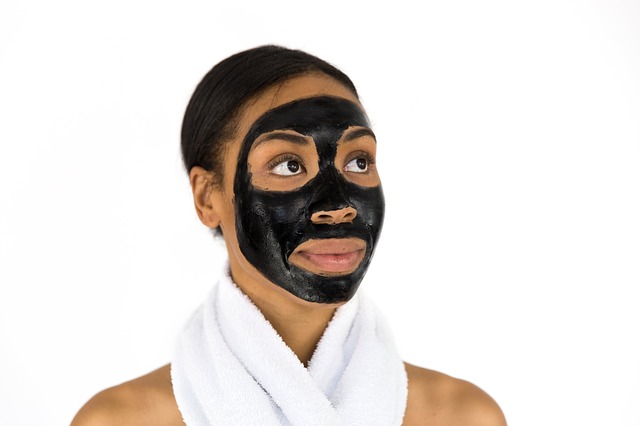
One solution is to opt for mengencangkan kulit wajah masks. Below are a few easy skin tightening mask recipes you can easily make at home. Use any of these face tightening masks at least once a week for younger looking skin.

Skin Tightening Face Masks

Banana Face Pack

Egg Face Pack

Multani Mitti Face Pack

Oatmeal Face Mask

Clay Mask

Castor Oil Face Pack

Get Healthy And Glowing Young Skin With These Face Packs

  1. Banana Face Pack For Skin Tightening

You Will Need

1/2 ripe banana

1 teaspoon olive oil

1 teaspoon honey

What You Have To Do

Peel and mash the banana so that no lumps remain. Add honey and olive oil and mix well.

Apply the paste all over your face and neck.

Leave it on for 15 minutes and then rinse with lukewarm water.

Do a final rinse with cool water to close your pores.

How Often You Should Do This

Use this mask once or twice a week.

Why This Works

Banana is rich in fats that will hydrate your skin and moisturize it. It also improves the skin’s elasticity and helps in tightening sagging skin. Honey and olive oil are humectants as well and contain antioxidants that will repair the damaged skin cells.

  1. Egg Face Pack For Skin Tightening

You Will Need

1 egg white

1 tablespoon yogurt

1/8 teaspoon sugar

What You Have To Do

Separate the egg white from the yellow and mix yogurt and sugar with it.

Apply the mixture on your face and let it dry.

Rinse well with lukewarm water.

How Often You Should Do This

Apply this mask regularly once every week. You will notice results in a few weeks.

Why This Works

Egg is the most commonly used ingredient for skin tightening. The albumin present in it tones your skin and makes it firm. Yogurt helps you get rid of blemishes and cleanses your skin. Sugar is the best natural exfoliator. It cleanses and moisturizes your skin, removes dead cells, and can reverse the signs of aging.

  1. Multani Mitti Face Pack For Skin Tightening

You Will Need

2-3 tablespoons multani mitti (Fuller’s Earth)

Milk (with cream)

What You Have To Do

Add enough milk to the multani mitti powder to get a smooth paste.

Apply this paste evenly on your face and neck.

Let it dry naturally for 10-12 minutes.

Rinse with water.

How Often You Should Do This

Repeat this once every week.

Why This Works

Fuller’s earth or multani mitti improves the skin tone and fights blemishes, pimples, tanning, etc. It draws excess oil from the skin and stimulates blood circulation in your face. Milk will make your skin smoother and softer and protect it from damage.

Caution

This face pack is not recommended for people allergic to dairy products. You can substitute milk with rose water if you wish to try this remedy.

One thing you must keep in mind is that multani mitti is mostly recommended for oily skin and not for dry or sensitive skin.

  1. Oatmeal Face Mask For Skin Tightening

You Will Need

1 tablespoon oats

1 tablespoon besan (gram flour)

1 teaspoon honey

Rose water

What You Have To Do

  1. Grind the oats to get a grainy powder.

  2. Add gram flour, honey, and enough rose water to get a paste.

  3. Apply this pack on your face and neck and leave it on for 10 minutes.

  4. Rinse with water.

How Often You Should Do This

Use this pack once a week.

Why This Work

Oatmeal is a good absorbent. It absorbs all the impurities and dirt lodged in your skin pores. It also soothes the skin and protects it from free radical damage with its antioxidants. Gram flour and honey prevent the natural aging process and also keep your skin nourished

  1. Clay Mask For Skin Tightening

You Will Need

2 tablespoons bentonite or Kaolin clay

1 teaspoon powdered milk

Water or rose water

What You Have To Do

Mix all the ingredients to get a thick paste.

Apply it evenly with your fingers or a face mask brush all over the face and neck.

Let the mask dry for 10-15 minutes. Rinse your face.

How Often You Should Do This

Repeat this once every week.

Why This Works

Clay masks are excellent for firming sagging and aging skin. They cleanse the skin and also reduce inflammation. A study conducted in 2012 showed that clay masks could increase the number of collagen fibers in the skin. Hence, they are excellent for skin tightening.

  1. Castor Oil Face Pack For Skin Tightening

You Will Need

1-2 tablespoons castor oil

1 teaspoon lemon juice OR a few drops of lavender oil

What You Have To Do

Add either lemon juice or lavender oil to the castor oil and mix well.

Massage this mixture in upward circular motions on the face and neck. Keep massaging for a few minutes.

Leave it on overnight.

Rinse with lukewarm water first, followed by cool water.

How Often You Should Do This

Castor oil massage will yield best results if done once or twice a week.

Why This Works

Castor oil is an excellent skin conditioner and will treat all the dry patches on your face in just a few applications. It enhances the collagen and elastin production, making your skin more firm, taut, soft, and smooth (15).

Caution

This remedy is not recommended for oily and sensitive skin types.

All the ingredients mentioned in the remedies above are usually found easily at home. These natural ingredients have many advantages to offer. So, start taking care of your skin right now! The various constituents of these ingredients deal with different issues such as dryness, sagging, and wrinkles. Once these issues are eliminated, your skin will definitely be firmer and smoother.

Now that you know how to tighten facial skin, what are you waiting for? Try out these face masks and let us know which one worked for you? Is there any mask that you would personally recommend?

0 comments
0 FacebookTwitterPinterestEmail

Do you feel any guilt after spending a few hours and dollars on a good spa treatment? Well with the list of spa treatments below you won’t.

With all the stress and struggles we face each day, we all deserve to unwind and relax once in a while. If you are planning to visit a Singapore spa today, be sure to try these treatments:

Aromatherapy Massage

This type of massage is usually priced at higher rates as compared to Swedish massages. Aromatherapy massages use essential oils and take the extra step to make the treatment more soothing. Instead of lotions, they use oils to further relax you. There are a lot of essential oils that can be used for aromatherapy massages and each of them has tons of health benefits. From treating back aches and soothing muscle pains to lessening your stress and alleviating despair, all of these can be achieved with the use of essential oils.

During your aromatherapy massage, expect the x therapist to start the treatment by asking you to choose an oil by smelling various vials. It will be best to do a little research first about aromatherapy so you can choose the best oil blends based on your needs and preference. Popular blends you can choose from include lavender, jasmine, mint, rosemary, and cypress.

Hot Stone Massage

A hot stone used to help ease tense muscles. It can also help treat damaged soft tissues throughout your body. During this treatment, the therapist will place smooth, flat, and heated stones on specific areas of your body that need to be treated. The stones are commonly made of basalt. It is a type of volcanic rock that can retain heat. You can choose this treatment if you prefer massages that more about relaxing and does not use that much pressure.

Thai Massage

Thai massages use natural herbs and spices such as lemongrass, prai, turmeric, and kaffir lime, to relax and invigorate you. They will steam and wrap these ingredients and then place them in a cheesecloth-like fabric and turn it into a compress. This is then rubbed into pressure points during the massage. massage will really get at trouble spots, to help soothe any aching muscles. If you want to try a new type of massage, don’t hesitate to try Thai massage next time your visit a Singapore spa.

Specialty Massage

Tired of the basic massage offered at your local spa? Then you might wish to try a specialty massage. This type of massage can be customized according to your needs. For example, if you undergo extreme training for sports on a regular basis, you can get a sports massage. If you’re pregnant, you can also get a prenatal massage. This massage uses precautions, techniques and equipment that are safe for expecting moms.

Ginger Lime Scrub

Do you want your skin to feel really soft after a treatment? Then be sure to indulge in an exfoliation treatment such as ginger lime scrub. While scrubs utilize different ingredients, the combination of lime and ginger in this treatment will leave you feeling satisfied.

If you wish to try a different type of massage, you can visit Grand Spa. This 24 hour spa offers wide variety of your services for your convenience. Visit their site now for more details.

0 comments
0 FacebookTwitterPinterestEmail
Older Posts