Category:

Nutrition

In the journey towards achieving health and wellness, effective dietary choices play a pivotal role. One food item that has sparked considerable interest recently is Shirataki rice (also known as konjac rice). A staple in many Asian cuisines, Shirataki rice presents itself as a low-calorie alternative to traditional rice. But does it truly hold the key for those aiming for weight loss? Let’s dig deeper into its composition, benefits, and how to seamlessly integrate it into your meals.

Understanding Shirataki Rice

What Is Shirataki Rice?

Person wearing oversized jeans after significant weight loss successShirataki rice is derived from the root of the konjac plant, which is native to Southeast Asia. The plant’s root is particularly rich in glucomannan, a water-soluble dietary fiber. To make Shirataki rice, the konjac root is processed and shaped into rice-like grains. It retains a somewhat gelatinous texture and is often packaged in water to preserve its moisture.

What makes Shirataki rice stand out is its extremely low calorie count; it contains only about 10 calories per serving. This feather-light caloric load appeals to many individuals seeking to cut down calorie intake without sacrificing satiety.

Nutritional Profile of Shirataki Rice

When assessing any food’s potential impact on weight loss, understanding its nutritional profile is essential. Here are some key aspects of Shirataki rice:

Nutritional ComponentAmount per 100g Serving
Calories10
Carbohydrates2g
Dietary Fiber1g
Protein0.0g
Fat0.0g

This nutrient profile indicates that, not only is Shirataki rice low in calories, it is also low in carbs and fat. Its high fiber content contributes to a feeling of fullness, which can support weight management.

Can Shirataki Rice Help with Weight Loss?

How Does Shirataki Rice Work for Weight Control?

Shirataki rice plays a unique role in weight control by promoting satiety with minimal calorie consumption. The glucomannan fiber expands in water, creating a gel-like substance in the stomach. This dilemma prompts a sensation of fullness, potentially reducing the desire to snack between meals or overeat during mealtimes.

Person stepping onto a scale to check weight progressUsing Shirataki rice as a filling food source means individuals can enjoy larger portions without consuming excessive calories. Additionally, it can complement a variety of dishes, allowing individuals to maintain the flavors they love while still pursuing their weight loss goals.

Benefits of Shirataki Rice in Diet Plans

  1. Low Caloric Intake: As highlighted earlier, Shirataki rice only has around 10 calories per serving, making it a fantastic substitute for higher-calorie options like traditional rice.
  2. High Fiber Content: The glucomannan in Shirataki rice assists with digestion and helps regulate blood sugar levels, which can be beneficial for maintaining healthy energy levels.
  3. Versatile Ingredient: It can be used in various recipes—from stir-fries to salads—making it easy to incorporate into most diets without sacrificing flavor.
  4. Gluten-Free and Vegan: Shirataki rice is suitable for various diets, including gluten-free and vegan, making it an inclusive choice for most dietary restrictions.

Incorporating Shirataki Rice into Your Meals

Delicious Shirataki Rice Recipes

A bowl of garlic fried rice with egg and scallions

Photo from: https://iheartumami.com/keto-garlic-fried-rice/

To maximize the benefits of Shirataki rice, consider these flavorful recipe ideas:

  1. Stir-Fried Shirataki Rice: Sauté garlic, vegetables, and protein of choice in a pan. Add drained Shirataki rice and soy sauce for a quick, nutritious meal.
  2. Shirataki Rice Salad: Combine Shirataki rice with cherry tomatoes, cucumber, avocado, and a light vinaigrette for a refreshing dish.
  3. Creamy Shirataki Rice Risotto: Use Shirataki rice as the base, slowly adding vegetable broth and mushrooms, topped with nutritional yeast for cheesiness.

Tips for Cooking Shirataki Rice

To get the best results when cooking with Shirataki rice, consider these tips:

  • Rinse Thoroughly: Before cooking, rinse Shirataki rice in water to wash away the natural smell and improve the texture.
  • Dry Fry: For better absorption of flavors, dry-fry the rice for a few minutes in a hot pan before adding sauces or other ingredients.
  • Experiment with Flavors: Combine Shirataki rice with your favorite spices, sauces, and ingredients to enhance the taste, making it more appealing.

Potential Drawbacks and Considerations

Is Shirataki Rice Right for Everyone?

While Shirataki rice offers numerous benefits, it’s essential to consider whether it fits your dietary needs. Not everyone may find this alternative suitable, particularly those with specific digestive conditions or sensitivities to fibers.

Possible Side Effects

Some individuals may experience gastrointestinal discomfort after consuming Shirataki rice due to its fiber content. Symptoms can include bloating, gas, or diarrhea, especially in large quantities. It’s wise to introduce Shirataki rice gradually into your diet and observe how your body responds.

Frequently Asked Questions

  1. Can Shirataki rice help with weight loss? Yes, it can aid in weight loss by providing volume and satiety without significant calories.
  2. Is Shirataki rice gluten-free? Absolutely! Shirataki rice is gluten-free and suitable for those with celiac disease or gluten sensitivity.
  3. How should I store Shirataki rice? Keep it refrigerated in a sealed package. It typically stays fresh for about a week once opened.
  4. Can Shirataki rice replace regular rice in recipes? Yes, Shirataki rice can often replace traditional rice in various recipes, but it may require adjustments in cooking methods to better absorb flavors.

Conclusion

Shirataki rice stands out as a low-calorie alternative that can be beneficial for those looking to control their weight. Its unique properties and versatile nature make it a worthy addition to many meal plans. However, it’s essential to consider individual dietary needs and potential side effects. As with any food, incorporating Shirataki rice thoughtfully can help navigate your path toward achieving health goals while satisfying your taste buds.


0 comments
0 FacebookTwitterPinterestEmail
A plate of spicy fried rice with chicken and vegetables

Finding low-carb meal options can be a challenging endeavor, especially if you’re aiming to break away from traditional heavy carbohydrates. Shirataki rice has emerged as a popular solution that offers both versatility and nutrition. This article dives deep into what Shirataki rice is, its nutritional advantages, and several delightful meal ideas to incorporate into your low-carb diet.

Understanding Shirataki Rice and Its Benefits

What is Shirataki Rice?

A bowl of creamy mushroom risotto topped with green onions

Photo from: https://miraclenoodle.com/blogs/recipes/miracle-mushroom-risotto

Imagine a rice alternative that boasts a minimal caloric footprint and is gluten-free. Shirataki rice, often called konjac rice, is produced from the konjac yam native to Asia. Its unique composition largely consists of water and glucomannan, a type of soluble fiber that expands in the stomach, providing a sensation of fullness without the additional calories associated with traditional carbohydrates.

The process of making Shirataki rice involves slicing the konjac root into rice-sized pieces, followed by boiling and packaging in water. The result is a chewy, slightly translucent rice substitute that absorbs flavors exceptionally well, making it a fantastic base for various dishes.

Nutritional Advantages of Shirataki Rice

When you look at the nutritional profile, Shirataki rice truly stands out. For many health-conscious individuals, the benefits include:

  • Low-Calorie Content: A typical serving has about 10 calories compared to approximately 200 calories in a serving of traditional rice.
  • Low Carbohydrate Count: With virtually zero carbohydrates, Shirataki rice presents a fantastic opportunity for those on ketogenic or low-carb diets.
  • Rich in Fiber: The glucomannan fiber promotes digestive health and can aid in weight management.
  • Gluten-Free: Shirataki rice serves as an excellent alternative for those with gluten sensitivities or celiac disease.

Table of Nutritional Information

Here’s a comparative glance at Shirataki rice versus regular white rice:

NutrientShirataki Rice (per 100g)Regular Rice (per 100g, cooked)
Calories10130
Carbohydrates0.1g28g
Fiber4g0.4g
Protein0g2.7g
Fat0g0.3g

Tasty Low-Carb Meal Ideas Using Shirataki Rice

Incorporating Shirataki rice into your meals can be both fun and delicious. Here are a few scrumptious low-carb ideas that you can whip up quickly:

Stir-Fried Shirataki Rice

A bowl of garlic fried rice with egg and scallions

Photo from: https://iheartumami.com/keto-garlic-fried-rice/

This dish is a flavor-packed favorite that satisfies takeout cravings while staying healthy. Start by draining and rinsing Shirataki rice to remove the packing water. Heat a little oil in a pan, add chopped vegetables (like bell peppers, carrots, and broccoli), and stir-fry until tender-crisp. Toss in the Shirataki rice and season with soy sauce, garlic, and ginger. Cook until heated through. Optional: Add shrimp or chicken for a protein boost.

Shirataki Rice Salad

A refreshing salad that combines nutrition with flavor. Begin by rinsing Shirataki rice as mentioned before. In a spacious bowl, mix the rice with diced cucumbers, cherry tomatoes, olives, and feta cheese. Dress with a mixture of olive oil, lemon juice, salt, and pepper. This salad can be served cold or at room temperature, making it a perfect lunchtime option.

Creamy Shirataki Rice Casserole

For those who enjoy a hearty meal, a creamy casserole is the way to go. Begin by preheating your oven to 350°F (175°C). Sauté onions and garlic in a pan until translucent. Mix in Shirataki rice, cream cheese, and seasonings of your choice. Pour the mixture into a baking dish, top it with shredded cheese, and bake for 20-30 minutes until bubbly and golden. This savory dish is perfect for family dinners or meal prepping for the week ahead.

Nutritional Overview of Shirataki Rice Dishes

While Shirataki rice dishes boast a myriad of flavors and variety, understanding the nutritional aspects is crucial for mindful eating.

Caloric Breakdown

Utilizing Shirataki rice allows for concoctions that are both satisfying and light on calories. Below is an estimation of the caloric breakdown for each of the dishes mentioned previously:

DishEstimated Calories per Serving
Stir-Fried Shirataki Rice150 (with chicken/shrimp)
Shirataki Rice Salad120
Creamy Shirataki Rice Casserole300 (varies based on ingredients)

It’s noteworthy how incorporating Shirataki rice can keep overall meal calories significantly lower compared to traditional rice dishes.

Comparison with Regular Rice

When juxtaposing Shirataki rice with standard rice, the differences become starkly evident:

  • Caloric Content: Shirataki rice can save you hundreds of calories a day.
  • Satiety: The fiber in Shirataki helps you feel full longer without the carb-heavy effect of white rice.
  • Nutrient Absorption: Given the negligible calorie count, you might have room to add other, more nutrient-dense ingredients to your meals.

Frequently Asked Questions about Shirataki Rice

Is Shirataki Rice healthy?

Absolutely! Shirataki rice provides valuable health benefits, particularly for individuals seeking lower-calorie options. Its high fiber content promotes satiety and aids digestion, making it suitable for various diet plans.

How do you cook Shirataki Rice?

Cooking Shirataki rice is straightforward. Drain and rinse the rice under cold water for about two minutes to remove any residual odor. Next, dry-fry in a skillet for about five minutes, or you can add it straight to stir-fries and casseroles. The quick heating process helps it absorb flavors better.

Can you eat Shirataki Rice every day?

For the most part, yes. Shirataki rice is safe for daily consumption. However, moderation is key. Including various fiber sources in your diet is essential to ensure a well-rounded nutritional intake.

What can I substitute for Shirataki Rice?

Should you not have Shirataki rice on hand, cauliflower rice or zucchini noodles can serve as suitable alternatives. Both are low in carbs and offer unique flavors that complement various meals.

Conclusion

Shirataki rice is more than just a diet trend; it’s a versatile ingredient that fits seamlessly within many culinary traditions. By exploring a range of delicious meals that leverage its unique properties, you can enjoy satisfying and healthful eating experiences. Whether opting for stir-fries or hearty casseroles, Shirataki rice opens the door to delightful low-carb dining. So get creative in the kitchen and discover the wonderful world of Shirataki rice!


0 comments
0 FacebookTwitterPinterestEmail
A bowl of garlic fried rice with golden crispy bits

The debate between Shirataki rice and regular rice has gained momentum, particularly among health enthusiasts and those exploring alternative diets. As people become more aware of their dietary choices, understanding the differences between these two popular options can guide better decisions for personal health goals.

Understanding Shirataki Rice: What Is It?

A plate of translucent sticky pearl rice with asparagus

Photo from: https://konjacfood.en.made-in-china.com/product/dAfUMpbKJnVT/China-Vegan-Food-High-Fibre-Sugar-Free-Konjac-Rice-Shirataki-Konnyaku-Rice-Diabeticos-Shiritaki-Rice-From-Hethstia.html

Shirataki rice is a low-calorie alternative to traditional rice, made primarily from the konjac plant. This unique plant is native to Asia and has been used for centuries in traditional Japanese cuisine. The primary component of Shirataki rice is glucomannan, a natural dietary fiber. Because it is predominantly water and fiber, Shirataki rice is virtually devoid of calories, making it an attractive option for those looking to lose weight or cut down on carbohydrates.

The Origins of Shirataki Rice

The use of konjac in cooking can be traced back over 2,000 years in Japan. Initially, it appeared as a staple ingredient in traditional Asian dishes. Through generations, chefs have utilized this unique substance to create various food products, including the well-known Shirataki noodles. Over time, as the demand for low-carb and calorie-dense foods surged, Shirataki rice emerged as a popular alternative, expanding its culinary application beyond Asian cuisines.

Nutritional Benefits

One of the most significant advantages of Shirataki rice is its impressive nutritional profile. Since it consists mainly of glucomannan, a water-soluble fiber, it offers several health benefits, including:

  • Weight management: Few calories allow for larger portions without the guilt typically associated with traditional rice.
  • Blood sugar control: The fiber may help in stabilizing blood sugar levels and improving insulin sensitivity.
  • Digestive health: Glucomannan can promote a healthy gut microbiome and aid in digestion.

This combination of benefits makes Shirataki rice an appealing choice for individuals focusing on weight loss or health improvement.

How Shirataki Rice Is Made

The process of making Shirataki rice is relatively straightforward. It starts with the konjac plant, from which the glucomannan is extracted. This powder is then mixed with water to create a gelatinous substance, which is shaped into rice-like grains. Once shaped, it’s packaged in water to maintain freshness until it reaches the consumer.

Exploring Regular Rice: A Staple Food

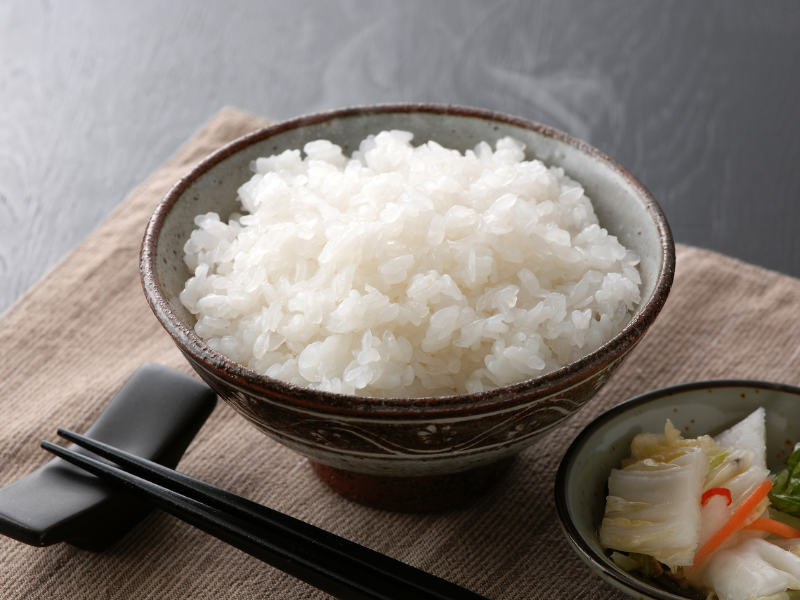
A black bowl filled with hot, steaming white rice

Photo from: https://www.epicurious.com/recipes/food/views/perfect-steamed-rice-234674

Unlike Shirataki rice, regular rice is one of the world’s most consumed staple foods, heavily featured in various cuisines. Regular rice comes in different varieties, with each possessing unique flavors and culinary applications.

Types of Regular Rice

Regular rice can be divided into several categories, including:

  1. White Rice: The most commonly consumed, it has the husk, bran, and germ removed.
  2. Brown Rice: This whole grain option retains the bran and germ layers, offering more nutrients.
  3. Wild Rice: Technically a grass, this variety has a nutty flavor and chewy texture.
  4. Jasmine Rice: Aromatic and slightly sticky, perfect for Southeast Asian dishes.
  5. Basmati Rice: Long-grained and fragrant, ideal for Indian and Middle Eastern recipes.

Nutritional Profile

Although regular rice is a source of energy, its nutritional value varies significantly between types:

  • White Rice: Provides quick energy but lacks fiber, vitamins, and minerals.
  • Brown Rice: Higher in fiber and packed with nutrients like magnesium and selenium.
  • Wild Rice: Lower in calories and higher in protein compared to traditional rice types.

Consumers often choose their preferred rice based on dietary needs, taste preferences, and culinary uses.

Common Uses in Cooking

Regular rice’s versatility makes it a staple in countless dishes. As an adaptable ingredient, it serves:

  • A base for stir-fries
  • A side dish for meats and vegetables
  • The foundation for rice pilafs and casseroles
  • An essential ingredient in sushi

This adaptability has solidified regular rice’s role as a comfort food and global favorite.

Comparing Shirataki Rice and Regular Rice

When discussing Shirataki rice vs. regular rice, it’s essential to analyze various aspects to understand their distinct roles in your diet.

Shirataki RiceRegular Rice
CaloriesVery low (10-20 calories)Moderate to high (150+ calories for cooked white rice)
CarbohydratesExtremely lowHigh (approximately 30 grams per serving)
FiberHigh (soluble fiber)Low to moderate (depends on type)
Glycemic IndexLowVaries; white rice has a higher index
AllergiesGluten-freeGenerally gluten-free (but watch for cross-contamination)

Caloric Content

The stark difference in caloric content stands out. Shirataki rice provides a negligible amount of calories, while traditional white rice can deliver around 150 calories per cooked cup. Brown rice has more calories due to its nutrient content.

Carbohydrates and Fiber

Dietary fiber content is another crucial differentiator. Shirataki, rich in glucomannan, contributes a significant amount of soluble fiber to your diet. Regular rice, particularly the white type, has very little fiber, which may lead to quicker spikes in blood sugar.

Glycemic Index

The glycemic index (GI) measures how quickly foods raise blood sugar. Shirataki rice scores very low on this scale, making it a better choice for people with diabetes or those managing their sugar levels. White and sticky rice typically have a high GI, which can cause rapid spikes in blood sugar.

Is Shirataki Rice Right for You?

Considering whether to incorporate Shirataki rice into your diet largely depends on your health and wellness goals. It offers significant advantages for individuals aiming to reduce caloric intake or manage weight effectively.

Who Should Choose Shirataki Rice?

This rice alternative is ideal for:

  • Individuals on low-carb or ketogenic diets
  • Those seeking to manage blood sugar levels
  • Anyone looking for a low-calorie option to make meals more satisfying without added calories

Before making the switch, it’s wise to evaluate your dietary needs and consider how Shirataki rice fits in.

Frequently Asked Questions About Shirataki and Regular Rice

Is Shirataki Rice gluten-free?

Yes, Shirataki rice is gluten-free since it is made from konjac, a naturally gluten-free ingredient. This makes it suitable for individuals with celiac disease or gluten sensitivities.

Can Shirataki Rice be used in all recipes?

While Shirataki rice can substitute for regular rice in many dishes, the texture and taste may vary. It works best in soups, stir-fries, and casseroles—dishes where it absorbs flavors well.

How do the flavors compare?

Shirataki rice has a neutral taste with a slightly chewy texture. In contrast, regular rice offers varying degrees of flavor based on its type. Jasmine and Basmati rice can be aromatic, while white rice tends to be milder.

What are the best brands of Shirataki Rice?

Some popular brands include Miracle Rice, Eat Water, and T konjac. When choosing a brand, look for options made with natural ingredients and minimal additives.

In conclusion, understanding the differences between Shirataki rice and regular rice is essential for anyone looking to make informed dietary choices. Whether embracing low-calorie alternatives or opting for traditional staples, personal preferences, and nutritional needs should ultimately guide your selection.


0 comments
0 FacebookTwitterPinterestEmail
Wooden spoon stirring sticky rice in a copper cooking pot

Shirataki rice has gained popularity among health-conscious individuals who are on low-carb or ketogenic diets. This unique rice alternative is derived from the konjac plant, renowned for its high fiber and low-calorie content. With more people seeking healthy substitutes, mastering the preparation and cooking of Shirataki rice becomes essential to enjoy its benefits fully. If you want to explore the nuances of Shirataki rice and achieve the perfect texture, read on.

Understanding Shirataki Rice and Its Benefits

What Is Shirataki Rice?

Shirataki rice, often referred to as “Miracle Rice,” is derived from the konjac plant’s root, which is primarily found in Asia. The root is processed into a gelatinous substance called glucomannan, which is shaped into rice-like grains. This rice alternative has gained traction due to its unique properties: it contains nearly zero calories and carbohydrates—and is rich in soluble fiber. The rice grains are transparent and have a slightly chewy texture, making them an intriguing addition to various dishes.

Incorporating Shirataki rice into your meals can open up endless culinary possibilities. It absorbs flavors well, allowing it to blend seamlessly with other ingredients. Given its low calorie and carbohydrate content, many people use Shirataki rice to help them feel full without the accompanying caloric baggage.

Nutritional Advantages of Shirataki Rice

Here are some key nutritional advantages of Shirataki rice:

VirtueDetails
Low in CaloriesContains approximately 10 calories per serving.
High in FiberRich in glucomannan, promoting digestive health.
Low in CarbsNearly zero carbohydrates, excellent for low-carb diets.
Gluten-FreeA safe choice for those with gluten intolerance.
VersatileCan be used in various recipes, adapting to many flavors.

These features make Shirataki rice not only a fantastic substitute but also an ally in maintaining a healthy lifestyle.

Preparing Shirataki Rice for Optimal Texture

Step-by-Step Guide to Rinsing and Boiling

Steamed white rice in a ceramic bowl with chopsticks nearby

Photo from: https://thehouseofgoodies.com/products/dried-shirataki-rice

To prepare Shirataki rice correctly, a thorough rinsing and boiling process is vital to eliminate its natural odor, which could impact the taste if left unchecked. Here’s a simple step-by-step guide to properly prepare Shirataki rice:

  1. Rinse: Open the package and pour the Shirataki rice into a sieve or strainer. Rinse the rice under cold running water for about 2-3 minutes. This step washes away any excess water and the slightly fishy smell that often accompanies Shirataki rice.
  2. Boil: After rinsing, bring a pot of water to a rolling boil. Add the rinsed Shirataki rice to the pot and boil for about 2-3 minutes. Boiling not only helps in softening the rice but also further eliminates the odor.
  3. Drain & Dry: Once boiled, drain the rice and let it rest in the strainer for another minute. For best results, transfer it to a pan over low heat for about 5-7 minutes, stirring occasionally until most of the moisture evaporates.

Important Tips for the Best Texture

Achieving the perfect texture with Shirataki rice relies on a few critical tips:

  • Don’t Overcook: Overcooking can lead to a mushy consistency. Just a few minutes in boiling water are sufficient.
  • Dry It Out: Moisture can lead to a slippery texture. Using a dried-out pan will create a firmer consistency.
  • Stir Frequently: Stirring while cooking allows even heat distribution.

These tips will elevate your Shirataki rice experience from merely adequate to truly satisfying.

Cooking Shirataki Rice: Techniques and Tips

Simple Cooking Methods

Bowl of steamed rice garnished with black sesame seeds and spoon

Photo from: https://iheartumami.com/shirataki-rice/

Once you’ve prepared the Shirataki rice, how you cook it will enhance its taste and integration in your meals. Here are some straightforward cooking methods:

  • Sautéing: Heat a tablespoon of oil (like olive oil or sesame oil) in a pan, then add your prepared rice along with your choice of vegetables or protein. Stir-fry until heated through for a quick and flavorful dish.
  • Adding to Soups: Shirataki rice can be tossed directly into your broths and soups. Just add it toward the end of the cooking process to warm it up and achieve a delightful texture.
  • Baking: Incorporate boiled Shirataki rice into casserole dishes. This can create a hearty meal that retains all the benefits of the rice.

Flavoring Your Shirataki Rice

Since Shirataki rice has a subtle flavor, it’s essential to infuse it with taste. Here are some effective flavoring techniques:

  • Soy Sauce or Tamari: A splash of soy sauce can elevate the rice’s flavor dramatically. This is particularly effective in stir-fries.
  • Herbs and Spices: Experiment with garlic, onion powder, ginger, or fresh herbs like cilantro or basil. These additions can create a depth of flavor.
  • Stock or Broth: Using vegetable or chicken stock instead of water during the cooking process will impart a richness that is hard to resist.

Frequently Asked Questions About Shirataki Rice

Can Shirataki Rice Be Used in Any Recipe?

Indeed, you can integrate Shirataki rice into a wide variety of dishes. It serves as a substitute in recipes calling for traditional rice, such as stir-fries, sushi, or even risotto. Its versatility allows it to adapt to various cuisines, so feel free to experiment!

How Long Does Cooked Shirataki Rice Last?

Once cooked, Shirataki rice can be stored in the refrigerator for up to 5 days if kept in an airtight container. Just reheat it before use, and it will retain its flavor and texture!

Is Shirataki Rice Gluten-Free?

Shirataki rice is naturally gluten-free, making it ideal for those with gluten sensitivities. It contains no wheat, grains, or gluten, so you can enjoy it without concerns.

Where Can I Buy Shirataki Rice?

You can find Shirataki rice in many grocery stores, health food shops, or online. Stores like Whole Foods or other natural food retailers often stock this product. Online platforms like Amazon also offer various brands and types of Shirataki rice, making it convenient for those looking to try it out.

Conclusion

Mastering Shirataki rice boils down to understanding its unique properties and ensuring its proper preparation and cooking techniques. By following the guidelines outlined above, you can transform Shirataki rice into delicious, satisfying meals while enjoying its myriad health benefits. Whether you’re looking for a low-carb alternative or simply want to try something new, Shirataki rice is a fantastic choice. Happy cooking!


0 comments
0 FacebookTwitterPinterestEmail
A bowl of steamed white rice with green onion garnish

In the quest for healthier eating, many individuals turn to alternative options to staples like rice. One such contender, Shirataki rice, has rapidly gained popularity as a healthy substitute in diverse diets. But what exactly is Shirataki rice, and why is it regarded as a smart choice? This article delves into the ingredients, health benefits, cooking methods, and answers to frequently asked questions, revealing how Shirataki rice can transform your meals and support your wellness goals.

What Is Shirataki Rice and How Is It Made?

A freshly harvested yam root held by a person outdoors

Photo from: http://www.konjacfoods.com/

Shirataki rice comes from the konjac plant, specifically the konjac flour created from its roots. This unique flour consists primarily of a soluble fiber known as glucomannan, which absorbs water and swells into a gel-like consistency. The process of making Shirataki rice involves mixing konjac flour with water to create a formation that mimics traditional rice.

Traditionally utilized in Japanese cuisine, this rice alternative is often packaged in liquid or dry form. The liquid version requires rinsing and draining before cooking. For the dry version, a quick soak and heating will suffice. Shirataki rice embodies a perfect blend of convenience and health, making it a popular choice among health-conscious eaters and those looking to reduce their carbohydrate intake.

The Konjac Plant and Its Uses

The konjac plant, native to Asia, has been cherished for centuries, not only for its culinary uses but also for its medicinal properties. Its starchy root is rich in glucomannan, which has been associated with several health benefits, including weight loss and digestive health. In addition to Shirataki rice, the konjac plant is often processed into noodles, gels, and even desserts, showcasing its versatility in many recipes.

Top Health Benefits of Shirataki Rice

As the world pivots toward healthier alternatives, Shirataki rice stands out for several reasons. Let’s explore its top health benefits that contribute to its rising recognition as a nutritious choice.

Low-Calorie Option for Weight Management

One of the most appealing aspects of Shirataki rice is its low-calorie profile. With mere 10 calories per serving, it offers a guilt-free alternative that those wishing to manage their weight can appreciate. By substituting conventional rice with Shirataki rice, individuals can reduce calorie intake without sacrificing volume or satisfaction. This makes it easier to enjoy filling, balanced meals while still achieving weight loss goals.

Rich in Dietary Fiber

Shirataki rice shines as an excellent source of dietary fiber due to its glucomannan content. Fiber is vital for maintaining a healthy digestive system, and increasing fiber intake can lead to reduced cholesterol levels and improved gastrointestinal function. Consumption of fiber-rich foods can also help with feelings of fullness, reducing the likelihood of overeating.

Supports Blood Sugar Control

For individuals monitoring their blood sugar levels, shirataki rice provides another advantage. Its low glycemic index means it produces only minor spikes in blood sugar after consumption, making it suitable for those with diabetes or anyone seeking to stabilize energy levels. The fiber in Shirataki rice contributes to slow digestion, allowing for gradual absorption of glucose, which helps maintain steady blood sugar.

Gut Health and Digestion Benefits

The fiber found in Shirataki rice can boost overall gut health by providing nourishment for beneficial gut bacteria. As these bacteria ferment the soluble fiber, they produce short-chain fatty acids that can enhance the health of colon cells and potentially reduce the risks of colon cancer. Improved digestion also leads to better nutrient absorption, reaffirming Shirataki rice’s role as a beneficial food choice.

How to Cook with Shirataki Rice

A bowl filled with fluffy, freshly cooked white rice

Photo from: https://konjacbites.com/shirataki-rice-gluten-free-and-zero-calorie-miracle-rice/

Shirataki rice is as versatile as it is healthy. Experimenting with various recipes can unlock its full potential as a meal staple.

Easy Preparation Techniques

Preparing Shirataki rice is straightforward:

  1. Drain and Rinse: Gently drain the content from the package and rinse the rice under cold water for a couple of minutes. This helps eliminate any odor that often accompanies the product.
  2. Cooking: Place the rinsed rice in a non-stick skillet and heat over medium for about 5-10 minutes. It’s essential to cook until it evaporates some of the water to achieve a fluffy texture.
  3. Flavoring: Stir in your choice of spices or sauces, combining well to integrate flavors into the dish. The rice will absorb the essence of whatever you add.

Tasty Shirataki Rice Recipes

Here are a couple of delicious ideas to get started:

  • Shirataki Fried Rice: Sauté your favorite vegetables like bell peppers, carrots, and peas with some scrambled eggs or tofu, and add rinsed Shirataki rice. Flavor with soy sauce, ginger, and sesame oil for a hearty dish.
  • Shirataki Rice Salad: Combine Shirataki rice with cucumbers, tomatoes, and bell peppers in a fresh salad. Add a tangy vinaigrette and some herbs for a refreshing meal option.
RecipeKey IngredientsCooking Time
Shirataki Fried RiceShirataki rice, mixed vegetables, soy sauce15 minutes
Shirataki Rice SaladShirataki rice, cucumbers, tomatoes, herbs10 minutes

Addressing Common Questions About Shirataki Rice

  1. Is Shirataki rice gluten-free?
    Yes, Shirataki rice is naturally gluten-free, making it a suitable choice for those with gluten sensitivities or celiac disease.
  2. Can you eat Shirataki rice cold?
    Absolutely! Shirataki rice can be chilled and used in salads or cold dishes just like traditional rice.
  3. Does Shirataki rice taste like rice?
    While Shirataki rice has a unique texture, it absorbs flavors well, making it easy to enjoy in various recipes where rice is typically used.
  4. How does Shirataki rice compare to other rice alternatives?
    Shirataki rice stands out for its extremely low-calorie content, high fiber, and lack of simple carbohydrates, providing a fantastic option compared to other substitutes.

In conclusion, Shirataki rice presents an attractive, health-oriented alternative for anyone looking to maintain a balanced diet while still enjoying their favorite meals. With its low-calorie profile, fiber-rich attributes, and culinary flexibility, it’s time to consider integrating Shirataki rice into your culinary repertoire. Whether you’re aiming for weight management or simply aiming to elevate your nutrition, Shirataki rice is a smart, healthy choice worth discovering.

0 comments
0 FacebookTwitterPinterestEmail
A bowl of fluffy white rice with chopsticks beside it

In a world where dietary choices often feel like a balancing act, finding guilt-free alternatives can seem like a daunting task. Shirataki rice, affectionately known as “miracle rice,” has emerged as a beloved substitute, offering a low-calorie option without sacrificing fullness. If you’re interested in exploring this innovative rice alternative, then let’s embark on this delicious journey together.

Discovering Shirataki Rice: What Is It?

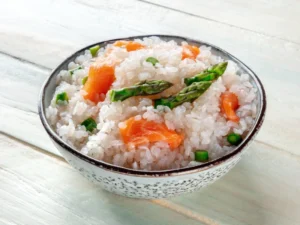
A bowl of sushi rice topped with salmon and asparagusAt first glance, you might mistake shirataki rice for the regular rice pantry staple that graces many tables. However, shirataki rice is quite different. This rice is made from the root of the konjac plant, and it’s composed almost entirely of water and soluble fiber, resulting in its low caloric value.

The texture of shirataki rice might take some getting used to. Its gelatinous, slightly chewy consistency can contrast with the fluffy and starchy nature of traditional rice. This rice alternative lacks the carbs that most people associate with a filling meal, making it an attractive option for those monitoring their dietary intake.

Introducing Shirataki: A Low-Calorie Wonder

So, how low can the caloric count actually go? Shirataki rice boasts an astonishing 10 to 20 calories per serving, depending on the brand. This means that you can indulge in a generous serving without worrying about your overall caloric intake. For those on a weight-loss journey, shirataki rice allows you to eat more volume while consuming fewer calories.

When you consider how easy it is to enjoy a satisfying serving without the guilt, shirataki rice stands out. Plus, it can be integrated into countless dishes, from stir-fries to curries, making it adaptable to various cuisines and flavors.

Glucomannan: The Secret Ingredient

Freshly harvested yacon roots placed on a tree stump outdoors

Photo from: https://www.verywellhealth.com/glucomannan-benefits-side-effects-dosage-7570330

The reason shirataki rice is so low in calories lies in its primary ingredient: glucomannan. This remarkable soluble fiber essentially swells in your stomach upon absorption of water, creating a gel-like substance. The result is a sensation of fullness that can help curb appetite and prevent overeating.

For many people, overeating is one of the main culprits of weight gain. By introducing glucomannan into your diet, shirataki rice can play a significant role in regulating hunger. Not only does it help manage cravings, but it also has potential benefits for individuals looking to stabilize blood sugar levels.

The Origins of Shirataki Rice

Shirataki rice has deep roots in Asian cuisine, particularly in Japan. The konjac plant has been cultivated for centuries, often primarily used for making konjac noodles. As culinary creativity flourished, chefs began to explore new uses for konjac, leading to the advent of shirataki rice.

Today, the rise in popularity of low-carb diets has made shirataki rice more common in health-conscious kitchens all around the world. Its chewy texture and ability to absorb flavors make it an exciting addition to many dishes, and it continues to gain loyal fans eager to explore new diet-friendly recipes.

Health Benefits of Shirataki Rice

Beyond just being an intriguing rice alternative, shirataki rice offers a variety of health benefits. Whether you’re dipping your toes into the health world or are already on a wellness journey, understanding these advantages can help you see the potential of shirataki rice.

Weight Loss Friendly

A woman pulling the waistband of her loose blue jeansFor individuals focused on weight loss, shirataki rice is an excellent friend. Its minimal calories mean you can enjoy larger portions without the weight gain that often accompanies larger servings of traditional rice. This helps alleviate feelings of deprivation that often accompany dieting.
Research suggests that increasing fiber intake can lead to weight loss due to the increased fullness that fiber provides. Shirataki rice is quite high in fiber due to its glucomannan content, making it very weight-loss friendly. The good news is that you can enjoy dishes you love without the added carbs and calories that come with traditional rice.

Diabetic Friendly

For people managing diabetes, selecting the right foods can pose challenges. Shirataki rice is a fantastic option due to its negligible sugar content. It won’t send your blood sugar levels soaring, making it an ideal addition to meals for those looking to maintain stable glucose levels.

Glucomannan’s properties can even contribute to improved insulin sensitivity. Pair this with a balanced diet, and shirataki rice can become a part of a healthy lifestyle for individuals managing diabetes.

Nutritional Profile Compared to Regular Rice

To better understand the benefits of shirataki rice, let’s take a closer look at its nutritional profile compared to regular rice. The disparity is striking and worth noting.

NutrientShirataki Rice (1 cup)White Rice (1 cup)Brown Rice (1 cup)
Calories10-20205215
Carbohydrates1g45g45g
Dietary Fiber3g1g4g
Protein1g4g5g
Fat0g0g2g

This table summarizes the noticeable contrasts between shirataki rice and traditional rice options. The low-calorie count, minimal carbohydrates, and higher fiber content underscore shirataki rice’s appeal as a healthier choice.

How to Prepare Shirataki Rice

Are you excited to try shirataki rice? Cooking it may be simpler than you think. With just a few steps, you can transform this unique rice alternative into a dish that delights your taste buds.

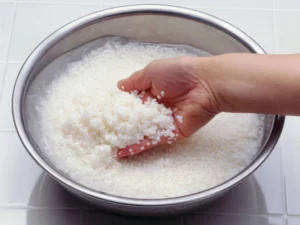
A hand washing white rice grains in a stainless bowlStep-by-Step Cooking Guide

  1. Drain and Rinse: Start by draining the shirataki rice from its packaging. Rinse it thoroughly under cold water for several minutes. This step helps remove any unwanted odor.
  2. Boil: Next, bring a pot of water to a boil and gently add the shirataki rice. Boil for 2 to 3 minutes to help firm up the texture and reduce any lingering odors.
  3. Sauté: After boiling, drain the rice yet again. You can sauté it in a non-stick pan for about 5-10 minutes. This will help evaporate any leftover moisture and enhance the overall texture.
  4. Serve: Finally, it’s ready to integrate into your favorite dishes! Use it in stir-fries, savory soups, or as a base for warming curries.

Tips for Flavoring Shirataki Rice

While shirataki rice has a mild flavor on its own, enhancing it with the right ingredients can create a truly delicious dish. Here are some thoughtful suggestions to infuse flavor into your meal:

  • Soy Sauce or Tamari: A splash of either can work wonders in giving the rice a rich umami taste.
  • Garlic and Onions: Sautéed garlic and onions elevate the aroma and taste of shirataki rice.
  • Broth: Cooking the rice in flavorful broth instead of water can dramatically change the flavor profile of the dish.
  • Herbs and Spices: Don’t hesitate to experiment. Incorporate any spices or herbs you enjoy, such as curry powder, cilantro, or even a blend of Italian herbs, for a fragrant finish.

Common Mistakes to Avoid

Mistakes can happen, especially when trying something new. Here are a few common pitfalls to avoid:

  1. Skipping the Rinse: Rinsing the rice is a vital step in the process. This drastically improves the taste and texture of your dish.
  2. Overcooking: Be cautious not to overcook the rice during boiling or sautéing, as this can lead to a mushy mishap.
  3. Not Flavoring: Recognize that shirataki rice can taste bland on its own. Always integrate it with flavorful sauces or seasoning to enhance the overall experience.

Ways to Incorporate Shirataki Rice into Your Diet

A bowl of fried rice mixed with vegetables, eggs, and mushrooms

Photo from: https://www.youtube.com/watch?v=mneo2GQC04k

Now that you are equipped with the basics of cooking, it’s time to explore how to integrate shirataki rice into your meals meaningfully. It can be an exciting addition to your dietary routines.

Delicious Shirataki Rice Recipes

Are you looking for inspiration? Here are a few tasty recipes that incorporate shirataki rice:

  1. Stir-Fried Shirataki Rice: Sauté it with colorful vegetables like bell peppers, broccoli, and carrots. Add a dash of soy sauce, and you have a quick, gratifying meal.
  2. Shirataki Rice Risotto: Create a creamy risotto using shirataki rice by slowly incorporating homemade broth and stirring in some grated cheese until it melts into a delightful dish.
  3. Shirataki Sushi: Use shirataki rice to make low-carb sushi rolls. Fill with your preferred fish or vegetables, and wrap them in nori for a refreshing twist.

Pairing Shirataki Rice with Other Foods

Shirataki rice doesn’t just stand alone; it pairs wonderfully with many other food options. Here are some great combinations:

  • Protein Sources: Chicken, shrimp, tofu, and beef are all excellent partners for shirataki rice.
  • Sauces: Tasty sauces like teriyaki, oyster sauce, or even peanut sauce add depth and flavor to the dish.
  • Vegetables: Brighten your meal by adding sautéed or steamed vegetables, such as bok choy, carrots, or snow peas.

Creating a Balanced Meal with Shirataki Rice

Focus on balance when building your plate. Aim to include multiple food groups for a wholesome meal:

  • Lean Proteins: Pair shirataki rice with protein options, such as grilled chicken or scrambled tofu.
  • Healthy Fats: A drizzle of sesame oil or a few slices of avocado can complement the dish beautifully.
  • Colorful Vegetables: Incorporate an array of vegetables for added nutrients and vibrant visuals.
  • Flavor Profiles: Apply a mix of spices, oils, and sauces for a dynamic and enjoyable meal experience.

By diversifying your meal with varied ingredients, shirataki rice can easily fit into an array of different dishes.

Shirataki Rice vs Regular Rice: Key Differences

As we examine shirataki rice further, comparing it with traditional rice can be quite enlightening. The differences in calories, carbohydrates, and overall health benefits highlight the appeal of shirataki rice.

FeatureShirataki RiceRegular Rice
CaloriesMinimal (approx. 10-20)High (approx. 205)
CarbohydratesVery Low (approx. 1g)High (approx. 45g)
FiberHigh (approx. 3g)Very Low (approx. 1g)
TextureGelatinousFluffy
Preparation TimeQuick (10-15 minutes)Longer (30-45 minutes)
TasteMildRice flavors

The contrasts presented in the table emphasize the notable qualities that make shirataki rice a desirable option for various dietary needs. From caloric content to cooking time, shirataki rice certainly offers unique advantages for health-conscious individuals.

Is Shirataki Rice Keto-Friendly?

Yes, Shirataki rice is keto-friendly because it is extremely low in carbohydrates and calories. Made from konjac root, it consists mostly of glucomannan fiber, which has minimal impact on blood sugar levels and helps with digestion. Since it contains almost zero net carbs, it fits perfectly into a ketogenic diet, making it a great substitute for traditional rice while keeping you in ketosis.

Shirataki Rice FAQ

1. Is shirataki rice safe to eat?

Yes, shirataki rice is generally safe for consumption. However, like any food, individuals with sensitive digestive systems should experiment carefully. Starting with small portions may help mitigate any issues related to bloating or gas.

2. Can you eat shirataki rice raw?

While it’s technically possible to consume raw shirataki rice, it’s not the most enjoyable option. Cooking the rice significantly improves its texture and flavor, enhancing your dining experience.

3. How should shirataki rice be stored?

You can store uncooked shirataki rice in a cool, dry place. Once you’ve opened the package and cooked it, refrigerate any leftovers in an airtight container with a maximum lifespan of 3-4 days.

4. Can shirataki rice help with my dieting?

Absolutely! The low-calorie, high-fiber nature of shirataki rice makes it a fantastic option for those trying to lose weight. By swapping it in for traditional rice, you can enjoy a hearty meal without excessive caloric intake.

Conclusion

As we continue to explore dietary options that prioritize health and sustainability, shirataki rice emerges as a fierce competitor. Its low-calorie count, fiber content, and unique properties enable it to be incorporated into various cuisines. Whether you’re looking to lose weight, manage diabetes, or simply want a new culinary experience, shirataki rice promises to fit the bill.

As you try your hand at cooking with shirataki rice, keep experimenting with flavors and recipes. This innovative rice alternative has the potential to revolutionize your meals and help you achieve your dietary goals. Embrace this guilt-free option, and enjoy the journey toward healthier eating!

0 comments
0 FacebookTwitterPinterestEmail
Levels Grass Fed Whey Protein with intense workout background

I have to say this is also an amazing choice for boosting my protein intake without any artificial ingredients. With 24 grams of protein per serving, it’s become my go-to for post-workout recovery and a nutritious addition to my morning smoothies. I love how versatile it is—whether I’m mixing it with water, milk, or blending it into my favorite recipes, it always delivers.

What really stands out to me is the natural vanilla bean flavor. It feels like a treat every time I use it, and knowing it’s made from grass-fed whey gives me confidence that I’m fueling my body with a high-quality product. It aligns perfectly with my health goals, and I appreciate that it keeps things simple and natural. If you’re looking for a clean and delicious protein powder, I’d definitely recommend giving this one a try!

Ingredients

  • Whey Protein Concentrate
  • Vanilla Extract
  • Sunflower Lecithin
  • Sea Salt
  • Stevia Leaf Extract
  • Monk Fruit Extract

Technical Details

Additional Info

How to Best Enjoy Levels Grass Fed Whey Protein Powder

1. Classic Protein Shake: Mix one scoop of Levels Grass Fed Whey Protein with 8-12 ounces of cold water, milk, or your favorite milk alternative. Shake well in a blender bottle for a smooth and creamy drink. This is perfect for a quick protein boost post-workout or as a nutritious snack.

2. Smoothie Boost: Add a scoop of whey protein to your favorite smoothie recipe. Blend it with fruits, vegetables, yogurt, and a splash of almond milk to create a delicious, nutrient-packed meal replacement or energy boost.

3. Baking Ingredient: Incorporate the protein powder into your baking recipes, like pancakes, muffins, or protein bars. The natural vanilla flavor enhances the taste while adding extra protein to your baked goods.

4. Oats & Yogurt Mix-In: Stir a scoop into your morning oatmeal or Greek yogurt for a high-protein breakfast. It blends well and adds a hint of vanilla sweetness to your meal.

5. Coffee Creamer Substitute: For a protein-packed coffee, mix a scoop of whey protein with your morning brew. It not only adds a creamy texture but also gives you an energizing start to the day.

Pro Tip: Use a blender or shaker bottle to avoid clumps and ensure a smooth consistency. For best results, consume immediately after mixing to maintain freshness and flavor.

What People Say

Man pouring smoothie with Levels grass-fed whey proteinUsers rave about the clean ingredients and the smooth texture of Levels protein powder. Many have noted that it mixes easily without clumping and appreciate the mild sweetness that doesn’t overpower their shakes.

  • Initially, I was a little disappointed in the taste, but it grew on me. The balance of flavor is just right, not overly sweet, which I appreciate. It mixes well with unsweetened coconut milk, and I’ve found it to be a great post-workout shake. The quality is evident, and I love that it’s free from artificial ingredients.– Lickerpoet
  • I’m very impressed with this product. I’ve tried many different protein powders and this is by far the best I’ve had. Vanilla cinnamon taste great. I even throw in a banana sometimes. I’m currently on a GLP-1 and this helps maintain essential nutrients and protein my body needs. 5.4G BCAAS, no fillers grass fed whey! – JP
  • Great ingredients, low carb, mixes well, double chocolate has great flavor. Very solid company – David M
  • Dissolves really easy, has no real taste, so whatever you blend it with is what you taste. Also like the way it comes in 5lb amount. I am not buying it every 3-4 weeks. Also like the reuseable container. – Mark

Pros and Cons

Levels whey protein with vanilla flavor and purity awardPros:

  • High-quality grass-fed whey
  • Natural flavor without artificial additives
  • Versatile for various recipes

Cons:

  • Some users find it less sweet than other brands
  • May clump if not mixed properly

Why You’ll Love It

  • 24 grams of protein per serving
  • No artificial flavors or sweeteners
  • Smooth mixing with various liquids

Final Verdict: Is Levels Grass Fed Whey Protein Worth It?

Levels Grass Fed Whey Protein Powder checks all the boxes for a high-quality, clean protein supplement. With 24 grams of protein per serving, a natural vanilla bean flavor, and no artificial ingredients, it’s a versatile and delicious addition to your diet. Whether you’re using it in shakes, smoothies, or recipes, it consistently delivers on taste and performance. The fact that it’s made from grass-fed whey adds an extra layer of quality assurance, making it a smart choice for anyone focused on health and fitness. Given its great value and the overwhelmingly positive reviews, it’s a solid investment for those looking to boost their protein intake naturally.

FAQs About Levels Grass Fed Whey Protein Powder

1. How should I mix Levels Grass Fed Whey Protein for the best taste?
For a smooth and creamy shake, mix one scoop with 8-12 ounces of cold water, milk, or your favorite milk alternative. A blender or shaker bottle helps avoid clumps.

2. Can I use this protein powder in recipes other than shakes?
Absolutely! It works well in smoothies, baked goods, oatmeal, yogurt, and even as a coffee creamer substitute for an added protein boost.

3. Is Levels Grass Fed Whey Protein suitable for people with dietary restrictions?
Yes, it is gluten-free and soy-free, making it a good choice for those with these dietary sensitivities. However, it does contain dairy, so it’s not suitable for those with a dairy allergy.

4. What makes grass-fed whey better than regular whey protein?
Grass-fed whey comes from cows that are pasture-raised, which can lead to higher-quality protein and a cleaner ingredient profile with fewer additives. It’s often richer in essential nutrients and better aligned with natural and sustainable farming practices.

Current Price: $39.99

Rating: 4.5 (Total: 15956+)

Buy Now Button

0 comments
0 FacebookTwitterPinterestEmail
Optimum Nutrition Gold Standard Whey Protein for muscle support

The Cookies & Cream flavor is not only delicious but also feels like a little treat I look forward to every day since Cookies and Cream also happens to be my favorite flavor. I love how versatile it is—whether I’m blending it into my morning smoothie, shaking it up right after a workout, or even adding it to my baking recipes, it always delivers on taste and convenience.

What really makes this protein powder stand out for me is the 24 grams of protein per serving. It’s been a game-changer for supporting muscle recovery and growth, helping me stay on track with my fitness goals. I feel confident knowing I’m fueling my body with a reliable, high-quality supplement that fits perfectly into my lifestyle.

Ingredients

  • Whey Protein Isolate
  • Whey Protein Concentrate
  • Whey Peptides
  • Natural and Artificial Flavors
  • Sugar
  • Rice Flour
  • Cocoa Powder (processed with alkali)
  • Canola Oil
  • Salt
  • Lecithin
  • Guar Gum
  • Gum Acacia
  • Xanthan Gum
  • Sucralose
  • Lactase

Technical Details

Additional Info

Optimum Nutrition Gold Standard 100% Whey Protein Powder is a versatile and convenient supplement that can be consumed in several delicious and effective ways. Here are some of the best ways to enjoy it:

1. Classic Protein Shake

The simplest and most popular way to consume this protein powder is by mixing one scoop with 6-8 ounces of cold water, milk, or your favorite non-dairy alternative. Use a shaker bottle or blender for a smooth, lump-free shake. This method is perfect for a quick post-workout recovery drink.

2. Blend It Into a Smoothie

For a more filling option, add the protein powder to a smoothie with fruits, vegetables, and a healthy fat source like nut butter or avocado. This is great for breakfast or as a meal replacement.

3. Mix into Oats or Yogurt

Transform your breakfast by stirring a scoop of Gold Standard Whey into oatmeal or Greek yogurt. It not only boosts the protein content but also adds flavor without the need for extra sugar.

4. Protein-Packed Baking

Gold Standard Whey is also ideal for baking. Add it to pancake or waffle batter, or use it in protein bars and energy bites. The powder blends well without altering the texture of your baked goods.

5. Pre- or Post-Workout Fuel

For those focusing on muscle recovery, consuming this protein powder within 30 minutes after a workout helps to repair and build muscle. It also works well as a pre-workout boost when combined with some fast-digesting carbs.

What People Say

Focused woman exercising, promoting whey protein for endurance supportUsers appreciate the smooth texture and rich flavor, making it a favorite for post-workout shakes. Many have noted significant improvements in muscle recovery and growth, highlighting its effectiveness as a protein supplement.

  • Optimum Nutrition’s Gold Standard 100% Whey is a classic for a reason. The Double Rich Chocolate flavor is simply delicious, mixing effortlessly into water or milk. It delivers a high-quality protein boost, perfect for post-workout recovery or a quick meal replacement. I’ve noticed significant improvements in muscle growth and recovery. The consistent quality and taste make it my go-to protein powder. It’s a reliable and effective product that lives up to its name.– DC
  • I recently tried the Optimum Nutrition Gold Standard 100% Whey Protein Powder in Vanilla Ice Cream, and I’m really impressed! The flavor is delicious rich and creamy without being overly sweet. It mixes effortlessly in water or milk, making it a breeze to prepare post workout shakes. – Embrace the Journey
  • This is a GREAT tasting protein powder – gluten and sugar free… I have been taking it for a few months now after increasing my weights and workout routines. I take 1-1/2 scoops twice a day – first thing in the morning and then another after my workout mid-day. I just mix it with cold water in a 16 oz glass and YUMMY – like a quick chocolate shake. I now purchase the 10 lb bag on subscribe and save every 2 months or so as it’s the best deal going… – Amazon lover
  • My boyfriend and I have been using this protein powder for years! We do 2 scoops per person rather than the suggested 1 scoop but 1 scoop works just as well. Some flavors are a hit or miss but the main flavors we get is milk chocolate and cookies and cream. Vanilla ice cream is a popular flavor but it can make your drinks thick and (in my personal opinion) a little slimey? I usually blend it with some milk and espresso and make a delicious protein coffee out of it but plain old water does it well too. – Lexey McHale

Pros and Cons

Close-up of athlete showcasing proven performance nutrition brandPros:

  • Great taste with multiple flavor options
  • Easy to mix with no clumping
  • High-quality protein source

Cons:

  • Some flavors may be sweeter than others
  • Contains artificial sweeteners

Why You’ll Love It

  • 24 grams of protein per serving
  • Mixes easily with water or milk
  • Delicious flavor options

Final Verdict: Is Optimum Nutrition Gold Standard 100% Whey Worth It?

Optimum Nutrition Gold Standard 100% Whey Protein Powder is a top-tier choice for anyone looking to enhance their fitness journey with a reliable, high-quality protein supplement. The Cookies & Cream flavor is not only delicious but also versatile enough for shakes, smoothies, and even baking. With 24 grams of protein per serving, it effectively supports muscle recovery and growth, keeping you on track with your goals. Despite the inclusion of artificial sweeteners, the overall taste, convenience, and cost-effectiveness make it a worthwhile investment for athletes and fitness enthusiasts alike.

Frequently Asked Questions (FAQs)

1. How should I consume Optimum Nutrition Gold Standard 100% Whey?
You can mix it with water, milk, or a dairy alternative for a classic protein shake. It’s also great in smoothies, oatmeal, yogurt, and even baking recipes for added protein.

2. When is the best time to take this protein powder?
It can be consumed pre-workout for an energy boost, post-workout for muscle recovery, or as a quick protein-rich snack anytime during the day.

3. Is the Cookies & Cream flavor too sweet?
The Cookies & Cream flavor strikes a good balance. While some may find it on the sweeter side, it generally receives praise for its delicious and treat-like taste.

4. Can I use this protein powder for weight loss?
Yes, incorporating this protein powder into a balanced diet can help maintain muscle mass while supporting weight management. Use it as a meal replacement or to curb cravings.

Current Price: $44.98

Rating: 4.6 (Total: 241491+)

Buy Now Button

0 comments
0 FacebookTwitterPinterestEmail
Whey Protein Strength

I recently tried Body Fortress 100% Whey Protein Powder, and I have to say, it’s been a great addition to my routine. The rich chocolate flavor is spot on, and it blends smoothly into my smoothies and shakes. I’ve even used it in baking recipes, and it adds a nice protein boost without altering the taste too much. Whether I’m prepping for a workout or just need a quick and easy protein fix, this powder has been super convenient.

What I love most is that it’s budget-friendly without compromising on quality. I’ve tried pricier protein powders before, but this one gives me everything I need without emptying my wallet. If you’re looking for a solid protein supplement that won’t break the bank, I’d definitely recommend giving Body Fortress a try.

Ingredients

This Protein Powder contains:

  • Whey Protein Blend (Whey Protein Concentrate, Whey Protein Isolate)
  • Maltodextrin
  • Natural and Artificial Flavors
  • Sunflower Lecithin
  • Salt
  • Cellulose Gum
  • Acesulfame Potassium
  • Sucralose
  • Vitamin C (Ascorbic Acid)
  • Vitamin D3
  • Zinc Oxide

Technical Details

Additional Info

Best Ways to Consume Body Fortress Advanced Whey Protein

Body Fortress Advanced Whey Protein is a versatile supplement that can be enjoyed in several delicious and practical ways to boost your protein intake:

  1. Classic Protein Shake: Mix one scoop of Body Fortress Advanced Whey Protein with 8 ounces of water or milk in a shaker bottle. For a creamier texture, blend it with milk or a dairy-free alternative. Add ice cubes for a chilled treat.

  2. Smoothie Upgrade: Enhance your morning smoothie by adding a scoop of protein powder. Blend it with fruits like bananas, berries, or a handful of spinach, along with milk or yogurt, for a nutrient-packed start to your day.

  3. Post-Workout Refuel: Consume a protein shake within 30 minutes after your workout to support muscle recovery and growth. The fast-digesting whey protein helps replenish your muscles effectively.

  4. Protein-Boosted Oats: Stir a scoop of protein powder into your oatmeal for a high-protein breakfast. Add fruits, nuts, or a drizzle of honey for extra flavor.

  5. Baking and Cooking: Use Body Fortress Whey Protein in recipes like protein pancakes, muffins, or energy balls. It blends well with dry ingredients and adds a protein punch to your meals.

  6. With Coffee or Hot Drinks: Mix a scoop into your morning coffee or hot chocolate for a delicious mocha or chocolate-flavored boost. This method is perfect for those who enjoy flavored lattes with added protein.

  7. Protein-Packed Yogurt: Stir the powder into Greek yogurt for a creamy, high-protein snack. Add fresh fruits or granola for extra crunch.

By experimenting with these methods, you can make Body Fortress Advanced Whey Protein a delicious and consistent part of your daily routine!

What People Say

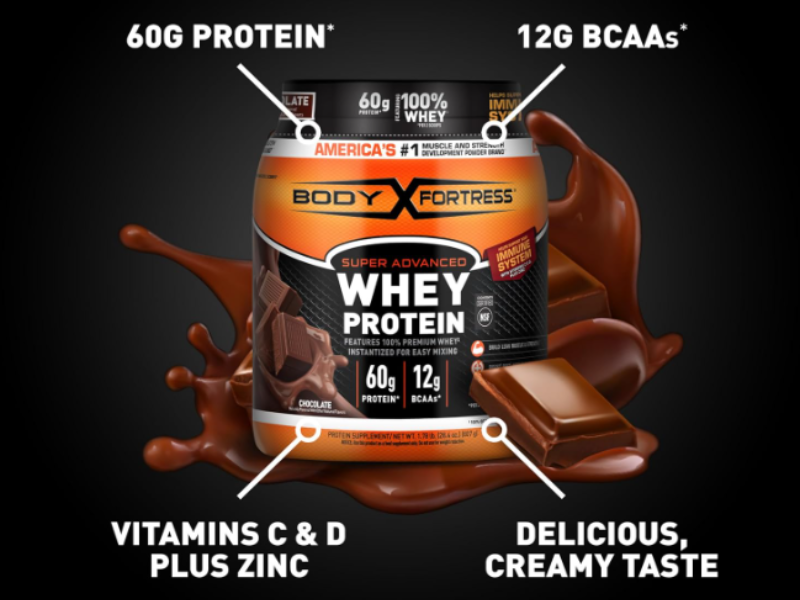
Body Fortress Whey Protein with 60g protein and vitaminsMany users rave about the smooth texture and rich flavor, making it a favorite for post-workout shakes. The added vitamins are a nice bonus, helping to support overall health while you focus on your fitness goals.

  • The Body Fortress Super Advanced Whey Protein Powder in vanilla is an excellent option for those looking to boost their protein intake. Delicious Vanilla Flavor: The vanilla flavor is smooth and easy to mix, making it enjoyable to drink. High Protein Content: Packed with 60g of protein per serving, it helps with muscle recovery and building lean muscle mass. Immune Support: Contains added Vitamins C and D for immune health, offering extra benefits beyond just protein. – Gregory Hoyte
  • I was a bit hesitant to try this protein powder after reading mixed reviews about the taste, but I was pleasantly surprised—it’s actually delicious! It blends well with both water and milk, no chalky texture, and no weird aftertaste. For a budget-friendly option, the quality is fantastic, and it keeps me full and energized. Definitely a great choice for anyone looking for an affordable and tasty protein powder! – shjen
  • Really like this protein powder. I have been using it for 6 months or so and it tastes good (no unusual aftertastes). The packaging is exactly as described. The price is also reasonable for what volume you are getting. I like to mix it in with my morning smoothies so it does work well in that context as well. – Sean
  • Honestly, pretty darn tasty for how inexpensive this protein powder is with its cost-to-protein ratio. It blends into smoothies well and the taste is mild enough to have with just water or milk, if you wanted to! (I recommend a cup of fruit, a cup of milk, 1 scoop, and a cup of flavored yogurt.) – Cy Lawson

Pros and Cons

Woman preparing protein shake with exceptional taste and mixabilityPros:

  • Affordable price point
  • Delicious chocolate flavor
  • Mixes easily with water or milk

Cons:

  • Some users find it a bit sweet
  • Higher sugar content compared to some alternatives

Why You’ll Love It

  • 60 grams of protein per serving
  • Contains added vitamins for immune support
  • Great for muscle recovery and growth

Final Verdict: Body Fortress 100% Whey Protein Powder

Body Fortress 100% Whey Protein Powder is a solid choice for anyone seeking a budget-friendly yet effective protein supplement. Its rich chocolate flavor, smooth blending, and versatility in recipes make it a great addition to any diet. Whether you’re looking to enhance your post-workout recovery or simply need a quick and tasty protein boost, this product delivers on quality without breaking the bank. While the sweetness level may not suit everyone, the overall value and effectiveness make it a worthwhile purchase.

Frequently Asked Questions (FAQs)

1. How should I best consume Body Fortress 100% Whey Protein Powder?
The protein powder can be mixed with water or milk for a classic shake, blended into smoothies, added to oatmeal, or even incorporated into baked goods for a protein boost.

2. Can I use Body Fortress Whey Protein for weight loss?
Yes, the protein can support weight loss by helping you feel full longer and aiding in muscle retention when combined with a balanced diet and regular exercise.

3. Is Body Fortress Whey Protein suitable for beginners?
Absolutely! It’s a great entry-level protein powder, offering quality nutrition at an affordable price, making it ideal for beginners or those on a budget.

4. Does this protein powder contain any artificial sweeteners?
Yes, Body Fortress 100% Whey Protein Powder includes sucralose and acesulfame potassium as sweeteners, contributing to its rich, sweet flavor.

Current Price: $22.98

Rating: 4.5 (Total: 14845+)Buy Now Button

0 comments
0 FacebookTwitterPinterestEmail
Three whey protein powders and a dumbbell on gym floor

Choosing the right protein powder can significantly impact your fitness journey. Whether you are looking to build muscle, recover after workouts, or simply increase your protein intake, the right supplement can help you achieve your goals more effectively. In this article, you will discover three highly recommended protein powders that cater to various needs and preferences, allowing you to make an informed decision that aligns with your fitness objectives.

Top Picks

How We Selected These Protein Powders

When selecting the best protein powder, consider factors such as protein content, flavor, mixability, and ingredient quality. Each of these products has been chosen based on their effectiveness, user reviews, and overall value for money.

1. Body Fortress 100% Whey, Premium Protein Powder, Chocolate, 1.78lbs

Body Fortress 100% Whey, Premium Protein Powder, Chocolate, 1.78lbs

I recently tried Body Fortress 100% Whey Protein Powder, and I have to say, it’s been a great addition to my routine. The rich chocolate flavor is spot on, and it blends smoothly into my smoothies and shakes. I’ve even used it in baking recipes, and it adds a nice protein boost without altering the taste too much. Whether I’m prepping for a workout or just need a quick and easy protein fix, this powder has been super convenient.

What I love most is that it’s budget-friendly without compromising on quality. I’ve tried pricier protein powders before, but this one gives me everything I need without emptying my wallet. If you’re looking for a solid protein supplement that won’t break the bank, I’d definitely recommend giving Body Fortress a try.

Ingredients

This Protein Powder contains:

  • Whey Protein Blend (Whey Protein Concentrate, Whey Protein Isolate)
  • Maltodextrin
  • Natural and Artificial Flavors
  • Sunflower Lecithin
  • Salt
  • Cellulose Gum
  • Acesulfame Potassium
  • Sucralose
  • Vitamin C (Ascorbic Acid)
  • Vitamin D3
  • Zinc Oxide

Technical Details

Additional Info

What People Say

Body Fortress Whey Protein with 60g protein and vitaminsMany users rave about the smooth texture and rich flavor, making it a favorite for post-workout shakes. The added vitamins are a nice bonus, helping to support overall health while you focus on your fitness goals.

  • The Body Fortress Super Advanced Whey Protein Powder in vanilla is an excellent option for those looking to boost their protein intake. Delicious Vanilla Flavor: The vanilla flavor is smooth and easy to mix, making it enjoyable to drink. High Protein Content: Packed with 60g of protein per serving, it helps with muscle recovery and building lean muscle mass. Immune Support: Contains added Vitamins C and D for immune health, offering extra benefits beyond just protein. – Gregory Hoyte
  • I was a bit hesitant to try this protein powder after reading mixed reviews about the taste, but I was pleasantly surprised—it’s actually delicious! It blends well with both water and milk, no chalky texture, and no weird aftertaste. For a budget-friendly option, the quality is fantastic, and it keeps me full and energized. Definitely a great choice for anyone looking for an affordable and tasty protein powder! – shjen
  • Really like this protein powder. I have been using it for 6 months or so and it tastes good (no unusual aftertastes). The packaging is exactly as described. The price is also reasonable for what volume you are getting. I like to mix it in with my morning smoothies so it does work well in that context as well. – Sean
  • Honestly, pretty darn tasty for how inexpensive this protein powder is with its cost-to-protein ratio. It blends into smoothies well and the taste is mild enough to have with just water or milk, if you wanted to! (I recommend a cup of fruit, a cup of milk, 1 scoop, and a cup of flavored yogurt.) – Cy Lawson

Woman preparing protein shake with exceptional taste and mixabilityPros and Cons

Pros:

  • Affordable price point
  • Delicious chocolate flavor
  • Mixes easily with water or milk

Cons:

  • Some users find it a bit sweet
  • Higher sugar content compared to some alternatives

Why You’ll Love It

  • 60 grams of protein per serving
  • Contains added vitamins for immune support
  • Great for muscle recovery and growth

Cost-Effective Protein Solution

With its competitive pricing and high protein content, Body Fortress offers great value for those looking to maintain a protein-rich diet without overspending.

Current Price: $22.98

Rating: 4.5 (Total: 14845+)Buy Now Button

2. Optimum Nutrition Gold Standard 100% Whey Protein Powder, Cookies & Cream, 2 Pound

Optimum Nutrition Gold Standard Whey Protein for muscle supportThe Cookies & Cream flavor is not only delicious but also feels like a little treat I look forward to every day since Cookies and Cream also happens to be my favorite flavor. I love how versatile it is—whether I’m blending it into my morning smoothie, shaking it up right after a workout, or even adding it to my baking recipes, it always delivers on taste and convenience.

What really makes this protein powder stand out for me is the 24 grams of protein per serving. It’s been a game-changer for supporting muscle recovery and growth, helping me stay on track with my fitness goals. I feel confident knowing I’m fueling my body with a reliable, high-quality supplement that fits perfectly into my lifestyle.

Ingredients

  • Whey Protein Isolate
  • Whey Protein Concentrate
  • Whey Peptides
  • Natural and Artificial Flavors
  • Sugar
  • Rice Flour
  • Cocoa Powder (processed with alkali)
  • Canola Oil
  • Salt
  • Lecithin
  • Guar Gum
  • Gum Acacia
  • Xanthan Gum
  • Sucralose
  • Lactase

Technical Details

Additional Info

What People Say

Focused woman exercising, promoting whey protein for endurance supportUsers appreciate the smooth texture and rich flavor, making it a favorite for post-workout shakes. Many have noted significant improvements in muscle recovery and growth, highlighting its effectiveness as a protein supplement.

  • Optimum Nutrition’s Gold Standard 100% Whey is a classic for a reason. The Double Rich Chocolate flavor is simply delicious, mixing effortlessly into water or milk. It delivers a high-quality protein boost, perfect for post-workout recovery or a quick meal replacement. I’ve noticed significant improvements in muscle growth and recovery. The consistent quality and taste make it my go-to protein powder. It’s a reliable and effective product that lives up to its name.– DC
  • I recently tried the Optimum Nutrition Gold Standard 100% Whey Protein Powder in Vanilla Ice Cream, and I’m really impressed! The flavor is delicious rich and creamy without being overly sweet. It mixes effortlessly in water or milk, making it a breeze to prepare post workout shakes. – Embrace the Journey
  • This is a GREAT tasting protein powder – gluten and sugar free… I have been taking it for a few months now after increasing my weights and workout routines. I take 1-1/2 scoops twice a day – first thing in the morning and then another after my workout mid-day. I just mix it with cold water in a 16 oz glass and YUMMY – like a quick chocolate shake. I now purchase the 10 lb bag on subscribe and save every 2 months or so as it’s the best deal going… – Amazon lover
  • My boyfriend and I have been using this protein powder for years! We do 2 scoops per person rather than the suggested 1 scoop but 1 scoop works just as well. Some flavors are a hit or miss but the main flavors we get is milk chocolate and cookies and cream. Vanilla ice cream is a popular flavor but it can make your drinks thick and (in my personal opinion) a little slimey? I usually blend it with some milk and espresso and make a delicious protein coffee out of it but plain old water does it well too. – Lexey McHale

Pros and Cons

Close-up of athlete showcasing proven performance nutrition brandPros:

  • Great taste with multiple flavor options
  • Easy to mix with no clumping
  • High-quality protein source

Cons:

  • Some flavors may be sweeter than others
  • Contains artificial sweeteners

Why You’ll Love It

  • 24 grams of protein per serving
  • Mixes easily with water or milk
  • Delicious flavor options

Cost-Effective Protein Solution

With its competitive pricing and high protein content, Optimum Nutrition offers excellent value for those looking to maintain a protein-rich diet without overspending.

Current Price: $44.98

Rating: 4.6 (Total: 241491+)

Buy Now Button

3. Levels Grass Fed Whey Protein Powder, Vanilla Bean, 2LB

Levels Grass Fed Whey Protein with intense workout background

I have to say this is also an amazing choice for boosting my protein intake without any artificial ingredients. With 24 grams of protein per serving, it’s become my go-to for post-workout recovery and a nutritious addition to my morning smoothies. I love how versatile it is—whether I’m mixing it with water, milk, or blending it into my favorite recipes, it always delivers.

What really stands out to me is the natural vanilla bean flavor. It feels like a treat every time I use it, and knowing it’s made from grass-fed whey gives me confidence that I’m fueling my body with a high-quality product. It aligns perfectly with my health goals, and I appreciate that it keeps things simple and natural. If you’re looking for a clean and delicious protein powder, I’d definitely recommend giving this one a try!

Ingredients

  • Whey Protein Concentrate
  • Vanilla Extract
  • Sunflower Lecithin
  • Sea Salt
  • Stevia Leaf Extract
  • Monk Fruit Extract

Technical Details

Additional Info

What People Say

Man pouring smoothie with Levels grass-fed whey proteinUsers rave about the clean ingredients and the smooth texture of Levels protein powder. Many have noted that it mixes easily without clumping and appreciate the mild sweetness that doesn’t overpower their shakes.

  • Initially, I was a little disappointed in the taste, but it grew on me. The balance of flavor is just right, not overly sweet, which I appreciate. It mixes well with unsweetened coconut milk, and I’ve found it to be a great post-workout shake. The quality is evident, and I love that it’s free from artificial ingredients.– Lickerpoet
  • I’m very impressed with this product. I’ve tried many different protein powders and this is by far the best I’ve had. Vanilla cinnamon taste great. I even throw in a banana sometimes. I’m currently on a GLP-1 and this helps maintain essential nutrients and protein my body needs. 5.4G BCAAS, no fillers grass fed whey! – JP
  • Great ingredients, low carb, mixes well, double chocolate has great flavor. Very solid company – David M
  • Dissolves really easy, has no real taste, so whatever you blend it with is what you taste. Also like the way it comes in 5lb amount. I am not buying it every 3-4 weeks. Also like the reuseable container. – Mark

Levels whey protein with vanilla flavor and purity award

Pros and Cons

Pros:

  • High-quality grass-fed whey
  • Natural flavor without artificial additives
  • Versatile for various recipes

Cons:

  • Some users find it less sweet than other brands
  • May clump if not mixed properly

Why You’ll Love It

  • 24 grams of protein per serving
  • No artificial flavors or sweeteners
  • Smooth mixing with various liquids

Smart Investment for Your Health

With its competitive price and high protein content, Levels Grass Fed Whey Protein Powder offers great value for those committed to a healthy lifestyle. It’s a cost-effective way to ensure you’re meeting your protein needs without breaking the bank.

Current Price: $39.99

Rating: 4.5 (Total: 15956+)

Buy Now Button

FAQ

What should I consider when choosing a protein powder for my fitness goals?

When selecting a protein powder, you should consider your specific fitness goals, dietary restrictions, and taste preferences. For muscle growth, look for powders high in protein content, like Body Fortress 100% Whey, which offers 60g of protein per serving. If you’re sensitive to lactose, you might prefer a whey isolate or a plant-based protein. Additionally, consider the flavor and how well it mixes with your preferred liquids, as this can affect your overall enjoyment and consistency in using the product.

How can I effectively incorporate protein powder into my diet?

You can incorporate protein powder into your diet in various ways. A common method is to mix it with water or milk for a quick shake, especially post-workout for muscle recovery. You can also add it to smoothies, oatmeal, or baked goods for an extra protein boost. If you’re using a powder like Optimum Nutrition Gold Standard, which mixes easily, you can simply stir it into your favorite recipes. Just remember to adjust your overall protein intake to avoid excessive consumption, as your body can only utilize a certain amount at a time.

Are there any side effects or concerns I should be aware of when using protein powder?

While protein powders are generally safe for most people, some may experience digestive issues, especially if they are not used to high protein intake. It’s important to start with smaller servings and gradually increase your intake to allow your body to adjust. Additionally, be cautious of added sugars and artificial sweeteners in some products. For example, Levels Grass Fed Whey Protein is free from artificial additives, making it a cleaner option. Always read labels carefully and consult with a healthcare professional if you have specific dietary concerns or health conditions.

Wrapping Up

In conclusion, incorporating a quality protein powder into your diet can enhance your fitness results and support your overall health. The three options highlighted here—Body Fortress, Optimum Nutrition, and Levels—offer a range of benefits to suit different preferences and goals. By choosing the right protein powder, you can ensure that you are fueling your body effectively, aiding in muscle recovery, and making strides toward your fitness aspirations.

Body Fortress 100% Whey Protein Powder, ChocolateOptimum Nutrition Gold Standard 100% Whey Protein Powder, Cookies & CreamLevels Grass Fed Whey Protein Powder, Vanilla Bean
Product Image
Product Image
Product Image
Rating4.5/5 (1000+ reviews)4.6/5 (2000+ reviews)4.5/5 (500+ reviews)
Highlights60g of protein per serving, Gluten Free, Muscle Growth support24g of protein per serving, Instantized for easy mixing, Gluten Free24g of protein per serving, No artificial ingredients, Gluten Free
ProsAffordable, great taste, blends wellExcellent taste, mixes easily, effective for muscle recoveryHigh-quality ingredients, smooth texture, mild flavor
ConsHigher in carbs and sugar than some optionsSome flavors may have artificial sweetenersMay not be sweet enough for some tastes
Price$22.98$44.98$39.99
Buy Now ButtonBuy Now ButtonBuy Now Button
0 comments
0 FacebookTwitterPinterestEmail