Category:

yoga

People unfamiliar with yoga, yogic practices, asanas, and meditation might not associate it with weight loss.

This can be attributed to the misconception that yoga, including iyengar and ashtanga practices, is nothing more than an effective way to release stress and tone a body with asanas.

While yogic practices, including iyengar and ashtanga asanas, can dramatically reduce stress, it is not only limited to those who are already fit and in shape.

If truth be told, yoga exercises can be an effective way to get rid of the excess weight.

Below are some yoga poses and exercises that are designed to specifically help you lose weight that you can incorporate in your day-to-day activities.

Hover Pose

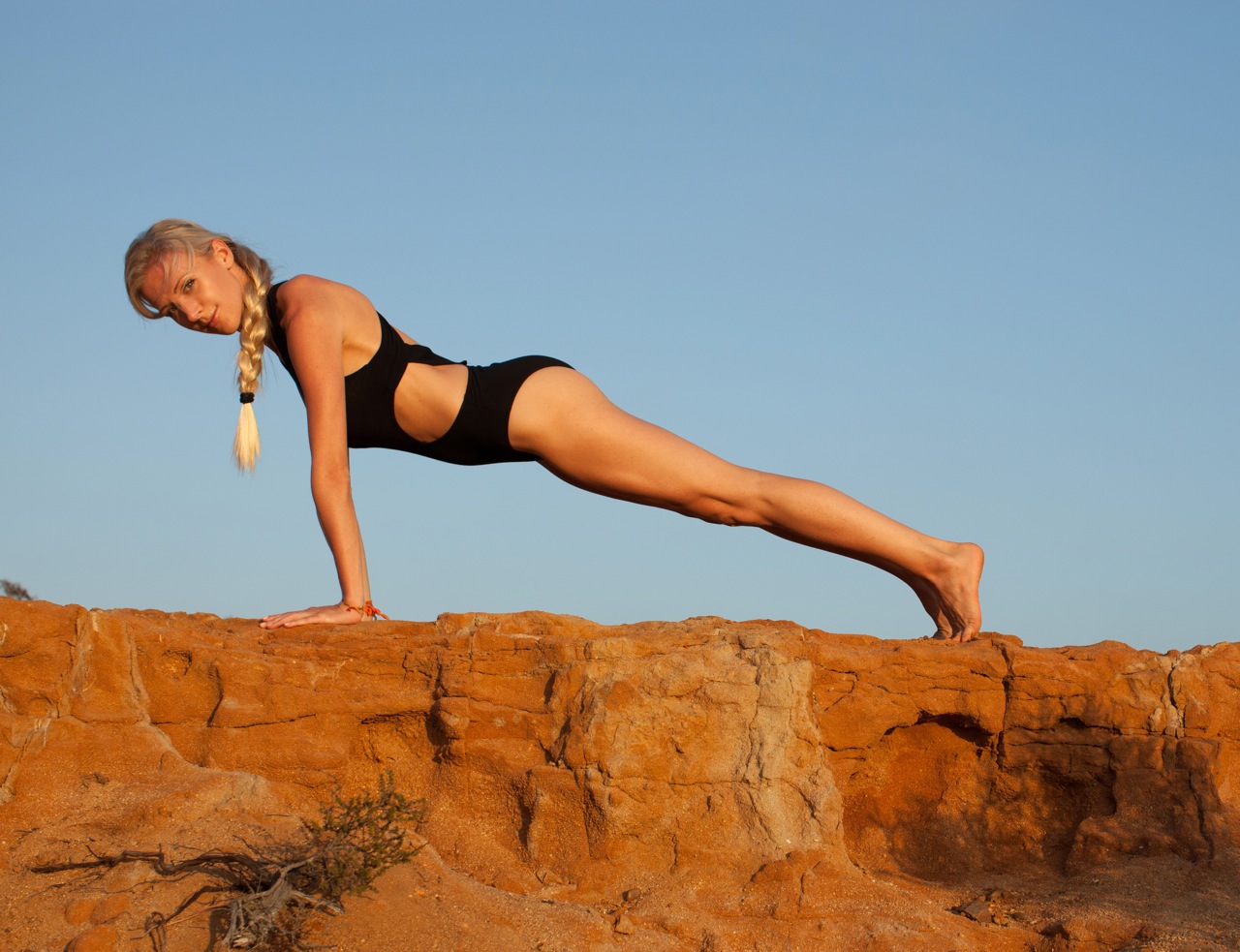
This yoga pose is otherwise known as planking.

This is not only ideal when you want to lose weight, it has also been designed to enhance strength and tone the muscles through regular yoga practice.

To execute this yogic asana, you need to first get in the push-up position.

Hold the position in a half push-up during yoga poses.

This means that your body must be parallel to the floor and must be in the halfway push-up position.

Hold the yoga pose for the count of 15 and increase the time until you get used to the pose.

The plank or the hover pose, yoga practices, poses will help strengthen your muscles and help you lose the excess pounds through a body weight based and weight-training resistance routine.

Rocking Boat

This yoga pose, especially for yoga newbies or those not familiar with yoga, has been given many names.

Essentially, this pose is a variation of the leg kick or the flutter kick.

To do the move, start by sitting on the floor and slowly bringing your body in a V shape.

In this position, you will be working your abs and placing yourself in a crunch style.

The flutter kick will also work your legs and tone the muscles in your thighs and legs.

This move is given the name rocking boat because you will be pumping your legs in order to slowly move the body and work the muscles effectively.

Chair Sit

This yoga asana has been designed to help work the legs, thighs, core, and the butt muscles.

All of the aforementioned practices, including meditation and yoga sutras, can help the practitioner with the breathing techniques and eventually, with weight loss.

In this particular asana, you will have to use your own body resistance.

To execute the chair sit, you act like you are sitting in an invisible chair.

Stop when in the halfway position and you hold that position.

Start moving your arms out and up so you can give your core muscles a good workout.

The abovementioned asana are just some of the many you can perform to aid with your weight loss.

If you want to use yoga practices with your weight loss goals, it will be a good idea to incorporate yoga poses in your daily life consistently.

If you are a yoga newbie, it is also recommended that you attend a yoga class to be given guidance on how to perform the poses safely and properly.

If you want to know other ways you can benefit from yoga, visit www.allure-yoga.com right now!

0 comments
0 FacebookTwitterPinterestEmail

If you are into yoga, you probably already know there are several types such as Iyengar and Ashtanga, which incorporate various asanas.

In fact, knowing there are different types you can pick from might have even prompted you to research the type that fits your lifestyle and needs best.

Hatha yoga is one of the many types of yogic practices that has gained popularity and has become a top preference of many over time.

Hatha yoga has earned many followers because of the many benefits it’s associated with.

If you’re not that familiar with Hatha yoga, below are the essentials you need to know: asanas, yogic exercises.

Techniques

One of the first things one must know about Hatha yoga is that it is a gentle form of yogic exercises.

In fact, many deem it the ideal yoga to practice for those who are new to the discipline.

Apart from the gentle and deliberate movements, Hatha yoga also incorporates varied techniques like asanas.

However, before you can move into advanced poses and techniques, you first need to master the basic ones.

Movements

Many Hatha yoga movements, rooted in Hinduism, Tantra, Upanishads, Vedanta, and meditation, are also used and evident in other yoga traditions.

However, one distinct feature of Hatha yoga is the connection of the movements.

In other words, there is flow when transitioning from one pose to another as opposed to being broken up in between poses.

This is beneficial and ideal for those who are looking for a set routine of yoga poses and practices that’s easy to memorize so it can be performed on the go or while at home.

In other types of yoga, the movements are not always connected but in Hatha yoga, they are connected and move as a flow.

Classes

If you are planning to join a Hatha yoga class, there are a few things you can expect.

For starters, most Hatha yoga classes are done in a quiet environment and is low energy.

Hatha yoga is considered ideal for those who want to practice in a stress-free environment and concentrate on easy movements, incorporating meditation practices.

More often than not, you can also expect to have your yoga instructor move around and help you and guide you so you can execute the poses correctly and safely.

In essence, it is a peaceful and serene yoga class and the moves will flow seamlessly with the poses.

Hopefully, the abovementioned basics, poses, and practices, meditation, floor, and mat will help you decide if Hatha yoga is something you would like to pursue.

If you think Hatha yoga is for you, you’ll be glad to know there are several poses that are designed to help relieve stress and there are several ways you can integrate meditation practices into your health and day-to-day routines.

For more information about Hatha yoga and yoga in general, head to www.allure-yoga.com right away!

0 comments
0 FacebookTwitterPinterestEmail

If you are just starting out with yoga, chances are you are clueless as to where you should begin.

Fortunately, you can expand your routine and knowledge of yoga using the tips we will be enumerating below, including yogic practices, breathing exercises, asanas, meditation, and breathing techniques.

In addition, the following yogic practices, breathing exercises, meditation, and asanas like mountain pose can also help you transition from beginner yoga to long-term practice.

Make use of accessories

If you are a yoga beginner, you can surely benefit from using yoga accessories like yoga straps and blocks.

To put their use into perspective, consider this: practice yogic practices like yoga asanas such as the standing forward bend.

It is a standing position in classical yoga that ends with the hands in front of the feet and the head flat back to the head.

However, this is a position that only fully practiced yoga practitioners can do with ease.

If you are a newbie in yoga, you can’t expect to be as flexible.

Fortunately, this is where yoga accessories can be useful.

In this yoga pose, you can use a brick standing upright to help you.

As your flexibility improves during yoga practice, you can forego using the bricks.

Straps can be used to hold stretched poses and stretch the legs—poses that are often challenging for newbies in yoga classes to hold.

And just like the yoga bricks, you can stop using yoga straps once you have achieved the flexibility you are looking for.

Join a yoga class

While starting a hatha yoga class can be done at school using classes, if you’re a beginner, attending a class is ideal, at least at first.

When you attend a hatha yoga class, you will get the much-needed guidance and assistance with your yoga poses so you are assured you are doing the poses right.

Keep in mind that if you are not able to execute the hatha yoga poses right, you might not be able to get the full benefits and worst, you can end up injuring yourself.

Fortunately, you don’t necessarily have to attend hatha yoga class full-term. Attend a few yoga classes until you are confident you can execute the poses correctly and safely.

Begin a routine

Even if you are looking to try different yoga styles, poses, and practices, it is still ideal to stick to a routine.

The ritual of regular yoga practice should be done around the same time each day so it is easier to follow.

Start with poses that can be done slowly, yoga sutras, or require slow movement.

Also, opt for yoga poses that are easy to do and remember.

This will help ensure you are able to do the yoga poses daily and get your body used to the routines.

Using the above tips, practices, or a combination of them along with meditation can help you build a robust yoga routine.

You can also use the tips when attending yoga classes or just practicing at home.

Just remember to expand your knowledge and practices so you will get the full benefit of what yoga can offer.

To discover other yoga basics you need to know as a beginner, head to www.allure-yoga.com right away!

0 comments
0 FacebookTwitterPinterestEmail

Before you decided to pursue yoga, chances are you were looking for something that can help you with stress relief and even weight loss.

However, many can attest than once you’ve tried yoga, you’ll discover you’ll like it more than you expected.

This can be because yoga offers many peerless benefits, including yogic practices, asanas, and meditation, that are simply hard to ignore.

If you want to do yogic exercises for the long-term, you might need to work on increasing your yoga flexibility.

To achieve said goal, the following steps can help.

Increase Arches and Bends

Practice yoga.

Downward facing dog is one of the best yogic poses you can start with especially if you’re a yoga beginner.

Start by getting in a bent position, forming a reversed V shape using your body.

Make your rear the point of the V or the triangle.

You should be stretched at your legs and at your arms.

This should help you significantly improve your flexibility as time goes on with yoga poses, as you would be able to increase your stretch.

You can also perform this technique when doing other asanas or poses.

Get away from the wall

Some poses in yoga classes will involve using the wall as a backup for your legs or as a wall sit.

However, the problem with this is you don’t get to work your back or leg muscles just as much.

As a result, you might not be able to get the flexibility you are looking or aiming for.

Since the wall will give your body backup, you will partially be using the wall for support as opposed to fully using your muscles.

Stay away from the wall and use your body and muscles to hold the position.

Doing so will make work your core more and enhance your flexibility.

Use straps and bricks

When working on your flexibility using yoga, it is possible that you can get discouraged.

There will be instances where you will discover you won’t be able to keep your arms or legs as stretched as you want it to be.

Fortunately, when you use straps in yoga practices, you can enhance your flexibility slowly as you go along.

Start at a certain length on the strap and shorten the length as your flexibility increases or you can remove the strap completely.

When using bricks in yoga poses, you can start with them in the highest position and remove the bricks once you become more flexible.

Once you start using yoga sutras and poses above, you will definitely see a dramatic improvement in your flexibility.

However, you also need to remember that improvement in your flexibility can also depend on the yoga style you have chosen.

Keep in mind that flexibility will take time and will not be achieved overnight so be patient.

To discover other tips to improve your yoga flexibility and improve your yoga practice, visit www.allure-yoga.com right away!

0 comments
0 FacebookTwitterPinterestEmail
Older Posts