Category:

Body

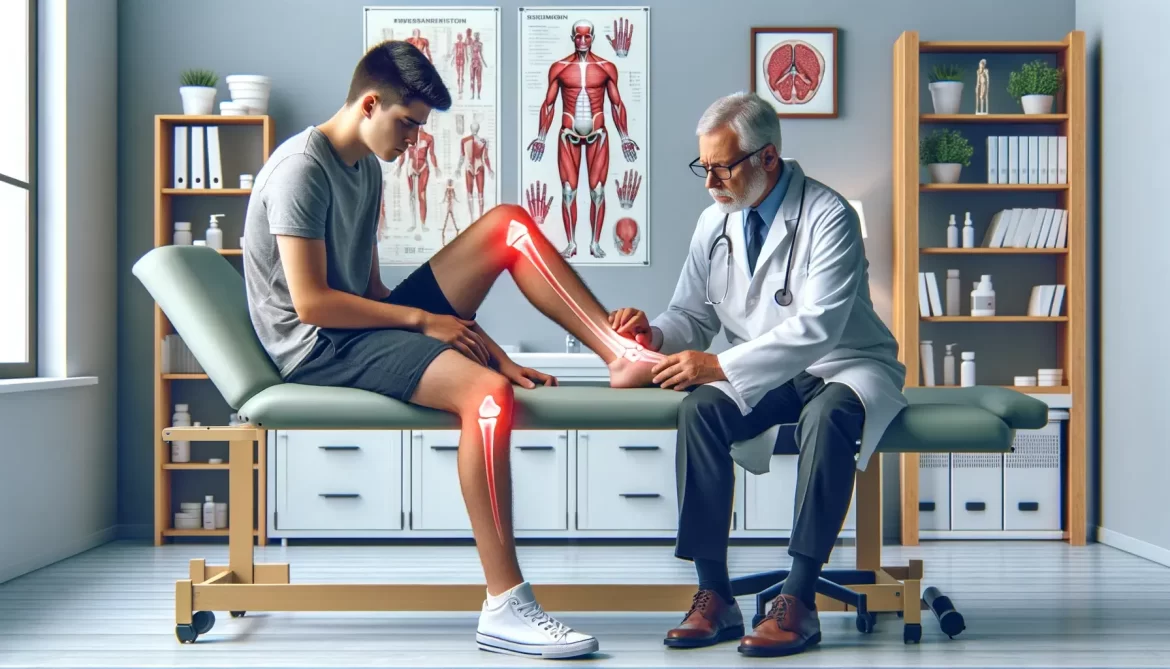
The calf muscles are attached to the calcaneus or the heel bone by the Achilles tendon

The calf muscles are attached to the calcaneus or the heel bone by the Achilles tendon.

The Achilles tendon is also used when walking, jumping, running, and standing on the balls of one’s feet.

In some cases, continuous and intense physical activities (i.e. running, jumping, etc.) can result to an inflamed Achilles tendon.

This painful inflammation is known commonly as Achilles tendinitis.

What are some of the causes of Achilles tendinitis?

In most cases, excessive exercise and walking are considered the likely culprits.

That being said, it does not come as a surprise that the condition is very common among athletes.

However, in some instances, factors that are not associated to exercise have also been known to contribute to the risk.

For example, rheumatoid arthritis and infection have been believed to be correlated to the condition.

Basically, repeated activities that put strain and stress to the Achilles tendon can cause the condition to manifest.

Other likely causes of Achilles tendinitis can include the following:

  • Exercising without proper warm-up.
  • Engaging in sports that entail hasty stops and direction changes like football, tennis, basketball, etc.
  • Doing repeated exercises and other physical activities that put a strain on the calf muscles.
  • Wearing ill-fitting footwear.
  • Wearing high heels for really long periods.

What are the risk factors for Achilles tendinitis?

Certain factors have been known to increase one’s risk of Achilles tendinitis

Certain factors have been known to increase one’s risk of Achilles tendinitis including:

  • Age – Achilles tendinitis is more likely to happen more often as one ages
  • Sex – the condition is more common among men than in women
  • Physical problems – more stress and strain is placed on the Achilles tendon when one has a flat arch. Tight calf muscles and obesity can also put unwanted strain to the tendon.
  • Training choices – running on hilly terrains and wearing worn out footwear has also been known to increase the possibility of Achilles tendinitis.
  • Medical conditions – people with high blood pressure and psoriasis are more predisposed to the condition compared to their healthier counterparts.

What are the symptoms of Achilles tendinitis?

Primary symptoms of the condition include pain in the posterior part of the heel and swelling.

The pain becomes especially evident when running or walking.

Other likely symptoms include stiffness and tenderness of the affected area, limited motion range, and tightened calf muscles.

When the skin on the heel becomes overly warm, it can also be a telltale indicator of the condition.

How is Achilles tendinitis diagnosed?

For the condition to be diagnosed accurately, the doctor would ask a few questions regarding the pain and the swelling.

The doctor will also likely ask the patient to stand on the balls of the feet.

This is performed so the doctor can assess the range of motion and flexibility.

To gauge where the pain and swelling is most intense, the doctor will have to palpate the area directly.

When necessary imaging tests may be ordered but most of the time, they are considered unnecessary.

What are the treatment options for Achilles tendinitis?

There are plenty of treatment options available for patients suffering from Achilles tendinitis.

Treatment approach can range from medications (ibuprofen), steroid injections, and surgery.

The following might also be recommended:

  • Lessening physical activities
  • Stretching and strengthening the calf muscles
  • Physical therapy
  • Icing the affected area after exercise and when in pain
  • Wearing of a brace or compressive elastic bandage to keep heel movement to a minimum
  • Elevating the area affected to reduce swelling
  • Taking anti-inflammatory medicines like ibuprofen and aspirin
  • Getting steroid injections
  • Engaging in sports that is not strenuous

If the condition will not respond to treatment options that are not invasive, surgery might be recommended.

Oftentimes, surgery will be performed to repair the tendon.

When left untreated, the condition can complicate and may result to an Achilles rupture.

For proper management of Achilles tendinitis, visit www.bjios.sg right away!


0 comments
0 FacebookTwitterPinterestEmail
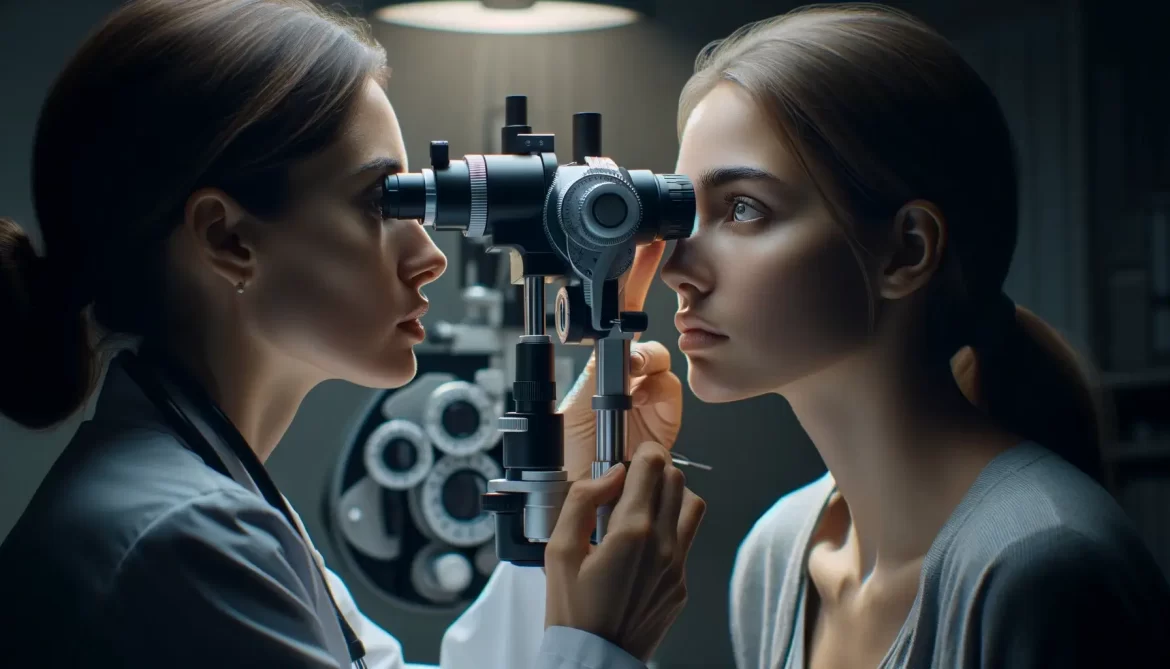
LASIK eye surgery is a type of vision correction procedure that many adults who have refractive errors consider

LASIK eye surgery is a type of vision correction procedure that many adults who have refractive errors consider. This is especially if they have been using glasses or contact lenses for years to fix their vision. While wearing eyeglasses or contacts allows them to see better, it is also a huge relief to be spectacle independent.

With LASIK surgery, you will be able to see things clearly. You may enjoy a jog throughout the neighborhood and not think about your eyeglasses fogging up or falling off. You can join in contact sports like basketball or football even if you’re not wearing contact lenses. Plus, you can watch a 3D movie without the need to wear 2 eyeglasses. If you want more reasons to undergo LASIK, keep reading for more details about why this should be on top of your options.

It offers rapid results – LASIK is an outpatient surgery so there’s no need for you to stay overnight at the hospital. You will quickly see the changes in your vision over the following twenty-four hours. Your doctor will also enable you to home on the same day after he or she has completed your post-surgery checkup. Many patients even state that they wake up the following day with extremely improved vision. These results will improve over the next days to weeks. However, even if you already see good results, you still require to follow your doctor’s advice to avoid additional complications and help you get optimal results.

It offers rapid results - LASIK is an outpatient surgery so there’s no need for you to stay overnight at the hospital

It can reduce allergic reactions – if you often experience red eyes, itchiness, or burning sensation due to wearing contacts, it may be time for you to consider LASIK eye surgery. Many patients agree that they no longer experience uncomfortable allergy symptoms because of contact lens wear ever since they had LASIK eye surgery. Some spectacle wearers also notice that they no longer have recurring headaches or sinus problems from heavy glasses.

It is a good investment – in order to get optimal results, then you must also invest in quality service. LASIK eye surgery will be worth your every cent since over time, you’ll save thousands of dollars because you don’t ought to regularly buy eyeglasses and contact lenses. Studies show that a person spends about $100-$200 a month to maintain their eyeglasses or lenses because they constantly have to buy frames, solutions, or prescribed eyewear. You can get rid of each one of these expenses and invest your hard earned money into a service like LASIK.

It improves your lifestyle – would you hate it when your glasses are falling off when jogging or while working out? Then it may be time to consider LASIK. After this procedure, you can say goodbye to wearing uncomfortable eyeglasses. It is going to no longer have to get in the way even though you want to go to the gym daily. You will also have the chance to do more outdoor activities like diving, surfing or football, enjoying independence in vision while having clear vision.

Are you looking for a reliable service provider in Singapore? Consider checking out Atlas Eye. They offer quality service using advanced medical technology as well as modern surgery techniques. Their clinic is owned and managed by well renowned eye surgeons in the country, so you can be reassured that you are in good hands. Visit their webpage to schedule a visit or for inquiries about their LASIK eye surgery services.


0 comments
0 FacebookTwitterPinterestEmail
There are many kinds of vision impairment and diseases that affects the daily lives of most people

There are many kinds of vision impairment and diseases that affects the daily lives of most people. Some may not know that they have an eye disorder and some just choose to ignore it. Here are the descriptions of some eye disorders and ways on how to treat them properly.


Cataracts

Cataract is the clouding of the natural lens in your eyes. This results in blurry or misty eyesight and often causes sensitivity to light. It is the one of the most common causes of vision loss and considered normal for people over 50 years of age. This condition can happen to one or both eyes. Cataracts can be treated by surgery so be sure to consult your eye specialist in Singapore about it.


In surgery, the doctor removes the cloudy natural lens and the replaces it with an artificial one. The operation is quick, so after a few days, you can go back to your daily routine.


Low Vision

Nowadays, sophisticated technologies and specialized remedies are improving the sight for hundred patients, but there are still cases of vision loss not correctable by these options. Low Vision is a vision impairment where one’s eyesight cannot be treated with surgery, glasses or medication. Adjusting to reduction in eyesight can be very difficult, but eye specialists help their patients in coping with the degree of vision that still remains. Low vision is an age-related disease but can still affect people of all ages due to condition such as retinitis pigmentosa.

Vision is a vision impairment where one’s eyesight cannot be treated with surgery

Acute Red Eye

Most of us experience having red eyes or bloodshot eyes. Sometimes it goes away after resting. However, if the red eye persists and worsens, do consult your eye specialist in Singapore about it. The main etiology of this condition may be difficult to determine. But, one of the most common causes of this condition is acute conjunctivitis. There are numerous conditions that are associated with red eye. A thorough history and proper examination of the lids, conjunctiva, and cornea are needed to provide the best treatment for the patient.


Macular Degeneration

The leading cause of vision loss is called Macular Degeneration or Age-related Macular Degeneration (AMD). The macula is a small spot which can be found at the back of the eye. The macula transmits the images that you see to the brain. As it deteriorates with age, symptoms are:

  • Loss of detail
  • Difficulty distinguishing colors
  • Blurry central vision
  • Distorted or wavy lines

Glaucoma

Glaucoma is an eye condition where the eye’s optic nerve is damaged resulting in loss of peripheral visual field. It is the leading cause of blindness and vision loss. It can develop gradually or rapidly. Most people with glaucoma do not know they have it hence glaucoma is known as the silent thief of sight. A person may be at greater risk of this condition if:

  • One of the family members has glaucoma
  • 50 years of age or older
  • Afro-Canadian heritage

It is recommended to have your eyes examined regularly by an ophthalmologist to know what your eyes status is. Early detection and right treatment can save your vision immediately.

Graves Disease

Graves Disease is a type of an autoimmune disease where thyroid glands becomes overly active and produce too much hormones, leading to hyperthyroidism.. The results are protrusion of the eyes and also, swelling of the neck.

Some of the initial symptoms of this disease include muscle weakness, weight loss, chest pain, goiter and even irregular menstruation.


Patients with Graves’ disease may develop Graves’ eye disease. The eyes may bulge and become inflamed. They may experience difficulty in closing their eyes, eye dryness, irritation, double vision and eye pain.


If you are looking for a reliable eye specialist, look no further than Atlas Eye. Visit their website now for details.


0 comments
0 FacebookTwitterPinterestEmail
the cornea and the lens in your eyes need to refract light rays in order that them to focus on the retina

For you to see properly, the cornea and the lens in your eyes need to refract light rays in order that them to focus on the retina. The retina will likely convert these light rays into impulses and will be delivered to the brain to identify images. However, if the light rays will not be focused on your retina, the images you see will be blurry. This disorder is known as refractive error. To reduce these errors and to help you see better, you need to wear eyeglasses or contacts, or undergo a surgery like LASIK surgery. This will make light rays focus on the retina correctly.
Refractive errors have different types and are brought on by imperfectly shaped eyeballs, corneas, or lens. These types of refractive errors are:

  • Astigmatism – this condition happens when the images are appears blurry whether they are close to you or far from you. Symptoms are eye strain and recurring headaches, especially after doing a prolonged visual task like reading or watching television. Astigmatism often manifests early in life, that’s why it is important to have the kids scheduled for an eye exam avoid this sort of vision problems. It can be detected during a regular eye exam using the same instruments or techniques for the detection of nearsightedness and farsightedness. Your eye doctor will perform a Refraction test to determine the amount of astigmatism you have.• Myopia or nearsightedness – within this refractive error, only nearby objects appear clear or distinct as the far objects are blurry or distorted. For those who have nearsightedness or myopia, you usually have difficulty seeing distant road signs and any other distant objects clearly. However, your eyesight is good when you are performing close-up tasks like reading a novel or an article on a computer. Other signs to watch out for are eye strain, squinting, and headaches.• Hyperopia or farsightedness – such things happen when the objects that are far away from you are clear or distinct while the nearby images are blurry or distorted. People with this condition sometimes experience recurring headaches or eye strain. They might also often squint or feel tired when or after performing work at a close range. If you are tired of wearing eyeglasses or contact lenses, you may consider a surgery in order to correct your vision. Among the solutions for these problems is a LASIK or laser-assisted in situ keratomileusis procedure. In this surgery, the doctor will be employing a laser to reshape the cornea – the round dome shaped transparent structure at the front of the eyes. This is done to improve the way a patients’ eye focuses light rays onto their retina.

Astigmatism is a condition that happens when the images are appears blurry whether they are close to you or far from you

However, not every person is qualified to undergo LASIK surgery. Here are the standards that need to be met before you choose to undergo this treatment:
• You must have healthy eyes.
• Your overall health has to be of good condition. Patients who may have health conditions such as rheumatoid arthritis, diabetes, lupus, herpes infections of the eye, glaucoma, cataracts, retinal disease, and disorders of the cornea may not be suitable to undergo LASIK. When you have any of these conditions, ask your medical professional what other options you have to treat your eyes.
• Your eye prescription need to be stable
• You should be at least 18 years of age. If you are younger than 18 then there’s still a chance that your vision or eye condition will change.
• You must not be nursing or pregnant. People who are expecting or nursing may have varied measurement of their eye degree.
• You ought not to be taking medications such as oral prednisone or Accutane.
• You should not have severe dry eye condition. If you are taking medications that can result in dry eyes, ask your eye specialist about since it can affect the outcome of LASIK.

Contact Atlas Eye for more details about their advanced services in LASIK surgery, childhood eye treatment, or cataract treatment.


0 comments
0 FacebookTwitterPinterestEmail
LASIK eye surgery is a type of vision correction method that many adults who may have refractive errors consider

LASIK eye surgery is a type of vision correction method that many adults who may have refractive errors consider. This is especially if they have been using glasses or contact lenses for years to fix their vision. While wearing eyeglasses or contacts allows them to see better, it’s also a huge relief to be spectacle independent.

With LASIK surgery, it is possible to see things clearly. You can enjoy a jog round the neighborhood and not think about your eyeglasses fogging up or falling off. You can join in contact sports like basketball or football even though you’re not wearing contact lenses. Plus, you can watch a 3D movie without the need to wear 2 eyeglasses. If you’d like more reasons to undergo LASIK, keep reading for more details about why this should be on top of your options.

It offers instant results – LASIK is an outpatient surgery so there’s no need for you to stay overnight at the hospital. You will quickly see the changes in your vision within the next twenty-four hours. Your doctor will also let you home on the same day after he or she has completed your post-surgery checkup. Many patients even state that they wake up the following day with extremely improved vision. These results will improve over the next days to weeks. However, even if you already see good results, you still will need to follow your doctor’s advice to avoid complications and help you get optimal results.

If you often experience red eyes, itchiness, or burning sensation due to wearing contacts, it may be time for you to consider LASIK eye surgery

It can reduce allergic reactions – if you often experience red eyes, itchiness, or burning sensation due to wearing contacts, it may be time for you to consider LASIK eye surgery. Many patients agree that they no longer experience uncomfortable allergy symptoms as a result of contact lens wear ever since they had LASIK eye surgery. Some spectacle wearers also notice that they no more have recurring headaches or sinus problems from heavy glasses.

It is a good investment – if you wish to get optimal results, then you also need to invest in quality service. LASIK eye surgery will be worth your every cent since over time, you’ll save thousands of dollars because you don’t ought to regularly buy eyeglasses and contact lenses. Studies show that a person spends about $100-$200 a month to maintain their eyeglasses or contact lenses because they constantly have to buy frames, solutions, or doctor prescribed eyewear. You can get rid of all of these expenses and invest your hard earned money into a service like LASIK.

It improves your lifestyle – would you hate it when your eye glasses are falling off when jogging or while working out? Then it may be time to consider LASIK. After this procedure, you can say goodbye to wearing uncomfortable eyeglasses. It is going to no longer have to get in the way although you may want to go to the gym daily. You will also have the chance to do more outdoor activities like diving, surfing or football, enjoying overall flexibility in vision while having clear vision.

Are you looking for a reliable service provider in Singapore? Consider going to Atlas Eye. They give quality service using advanced medical technology as well as modern surgery techniques. Their clinic is owned and managed by famous eye surgeons in the country, so you can be reassured that you are in good hands. Visit their webpage to schedule a visit or for enquiries about their LASIK eye surgery services.

0 comments
0 FacebookTwitterPinterestEmail
There are numerous kinds of vision impairment and diseases that impacts the daily lives of most individuals

There are numerous kinds of vision impairment and diseases that impacts the daily lives of most individuals. Some may not realize that they have an eye disorder and some just choose to ignore it. Here are the descriptions of some eye disorders and ways regarding how to treat them properly.

Cataracts

Cataract is the clouding from the natural lens in your eyes. This leads to blurry or misty eyesight and often causes sensitivity to light. It is the just about the most common causes of vision loss and regarded normal for people over 50 yrs . old. This condition may happen to one or both eyes. Cataracts are treatable by surgery so make sure you consult your eye specialist in Singapore about this.

In cataract surgery, the physician removes the cloudy natural lens and also the replaces it with an artificial one. The operation is quick, so after a few days, you can return to your daily routine.


Low Vision

Nowadays, sophisticated technologies and specialized methods are improving the sight for hundred patients, but there are still cases of vision loss not correctable by these options. Low Vision is vision impairment where one’s eyesight cannot be helped by surgery, glasses or medication. Changing to reduction in eyesight are often very difficult, but eye specialists help their patients in coping with the degree of vision that still remains. Low vision is an age-related disease but can still affect people of all ages because of condition such as retinitis pigmentosa.

Low vision is an age-related disease but can still affect people of all ages because of condition such as retinitis pigmentosa

Acute Red Eye

Most of us experience having red eyes or bloodshot eyes. Sometimes it goes away after resting. However, in the event the red eye persists and worsens, do consult your eye specialist in Singapore about this. The main etiology of this condition may be difficult to determine. But, probably the most common causes of this condition is acute conjunctivitis. There are numerous conditions that are associated with red eye. A thorough history and proper examination of the lids, conjunctiva, and cornea are needed to provide the best treatment for the patient.


Macular Degeneration

The leading reason for vision loss is referred to as Macular Degeneration or Age-related Macular Degeneration (AMD). The macula is a small spot which can be found at the rear of the eye. The macula transmits the images that you see to the brain. As it deteriorates with age, symptoms are:
Loss of detail
Difficulty distinguishing colors
Blurry central vision
Distorted or wavy lines

Glaucoma

Glaucoma is an eye condition where the eye’s optic nerve is broken resulting in loss in peripheral visual field. It is the leading cause of blindness and vision loss. It can develop gradually or rapidly. Most people with glaucoma have no idea they have it hence glaucoma is recognized as the silent thief of sight. A person may be at greater risk of this condition if:
One of the family members has glaucoma
50 years of age or older
Afro-Canadian heritageIt is recommended have your eyes examined regularly by an ophthalmologist to know what your eyes status is. Early detection and right treatment can help to save your vision immediately.

Graves Disease

Graves Disease is a type of an autoimmune disease when thyroid glands becomes excessively active and produce too much hormones, resulting in hyperthyroidism.. The results are protrusion of the eyes and also, swelling of the neck.
Some of the initial symptoms of this disease include muscle weakness, weight loss, chest pain, goiter and even irregular menstruation.

Patients with Graves’ disease may develop Graves’ eye disease. Your eyes may bulge and become inflamed. They could experience difficulty in closing their eyes, eye dryness, irritation, double vision as well as eye pain.

If you are looking for a reliable eye specialist that offers cataract surgery, look no further than Atlas Eye. Visit their website now for details.


0 comments
0 FacebookTwitterPinterestEmail
Many patients who've refractive errors for example myopia, hyperopia or astigmatism decide to undergo LASIK to be able to correct their vision

Many patients who’ve refractive errors for example myopia, hyperopia or astigmatism decide to undergo LASIK to be able to correct their vision. If you’re one of you and them have finished putting on prescription contacts or glasses for a long time, you might want to think about this surgery. LASIK eye surgery utilizes a laser to reshape the cornea, that is a obvious, dome-formed structure in front from the eye. This is accomplished to enhance how a eye focuses light sun rays to the retina. Although it has wonderful benefits, you still need investigate to make sure that it’s the right strategy to you.


Listed here are the items you should know about LASIK prior to deciding to undergo this operation:

  • LASIK eye surgical treatment is a fragile operation and it is results can’t be reversed
  • LASIK eye surgery also includes risks and complications, much like other operations.
  • Even after LASIK, you might still be needed to put on studying glasses inside your 40s or 50s. Remember that lasers don’t stop presbyopia from developing. Presbyopia is really a natural process of getting older, and is because lack of elasticity from the lens from the eye.


However, not everybody who needs corrective surgery is a great candidate for LASIK surgery. Here is a listing so you are aware regardless if you are a great fit with this procedure or otherwise:

not everybody who needs corrective surgery is a great candidate for LASIK surgery

1.You ought to be a minimum of 18 years of age

2.How well you see and eyeglass prescription must have been stable for any year

3.The back and front a part of your vision ought to be healthy

4.The cornea must have sufficient thickness

5.You don’t have any good reputation for or existing eye illnesses for example ocular herpes, eye inflammation or severe dry eyes.

6.You aren’t pregnant or nursing

7.You don’t have rheumatologic conditions or unmanaged diabetes

Like a candidate for LASIK, you should also understand there are possible risks or complications that include this surgery. As with every surgical treatment, you will find potential risks involved.


LASIK eye surgery carries risks, including:

  • Undercorrections
  • Overcorrections
  • Regression
  • Glare, halos and double vision
  • Dry eyes
  • Flap problems

It’s very rare that LASIK complications might cause someone permanent or temporary vision loss. That is why you should tell your surgeon for those who have existing health issues as they possibly can boost the perils of LASIK procedure. These health problems include autoimmune disorders, dry eyes, or immunodeficiency.


If you want a dependable eye care center we know of for delivering quality LASIK eye surgery, don’t hesitate to go to Atlas Eye. Together, you will probably receive superior and evidence-based eye care services, which are first rate. This Singapore-based ophthalmology specialist center harnesses the benefits of up-to-date techniques and technology to get better leads to eye health enhancement or rehabilitation. Make sure to visit Atlas Eye’s website today for details.

0 comments
0 FacebookTwitterPinterestEmail
LASIK eye surgery utilizes a laser to reshape the cornea

Many patients who’ve refractive errors for example myopia, hyperopia or astigmatism decide to undergo LASIK to be able to correct their vision. If you’re one of you and them have finished putting on prescription contacts or glasses for a long time, you might want to think about this surgery. LASIK eye surgery utilizes a laser to reshape the cornea, that is a obvious, dome-formed structure in front from the eye. This is accomplished to enhance how a eye focuses light sun rays to the retina. Although it has wonderful benefits, you still need investigate to make sure that it’s the right strategy to you.


Listed here are the items you should know about LASIK prior to deciding to undergo this operation:

  • LASIK eye surgical treatment is a fragile operation and it is results can’t be reversed
  • LASIK eye surgery also includes risks and complications, much like other operations.
  • Even after LASIK, you might still be needed to put on studying glasses inside your 40s or 50s. Remember that lasers don’t stop presbyopia from developing. Presbyopia is really a natural process of getting older, and is because lack of elasticity from the lens from the eye.


However, not everybody who needs corrective surgery is a great candidate for LASIK surgery. Here is a listing so you are aware regardless if you are a great fit with this procedure or otherwise:


1.You ought to be a minimum of 18 years of age

2.How well you see and eyeglass prescription must have been stable for any year

3.The back and front a part of your vision ought to be healthy

4.The cornea must have sufficient thickness

5.You don’t have any good reputation for or existing eye illnesses for example ocular herpes, eye inflammation or severe dry eyes.

6.You aren’t pregnant or nursing

7.You don’t have rheumatologic conditions or unmanaged diabetes


Like a candidate for LASIK, you should also understand there are possible risks or complications that include this surgery. As with every surgical treatment, you will find potential risks involved.

You should also understand there are possible risks or complications that include this surgery

LASIK eye surgery carries risks, including:

  • Undercorrections
  • Overcorrections
  • Regression
  • Glare, halos and double vision
  • Dry eyes
  • Flap problems


It’s very rare that LASIK complications might cause someone permanent or temporary vision loss. That is why you should tell your surgeon for those who have existing health issues as they possibly can boost the perils of LASIK procedure. These health problems include autoimmune disorders, dry eyes, or immunodeficiency.

If you want a dependable eye care center we know of for delivering quality LASIK eye surgery, don’t hesitate to go to Atlas Eye. Together, you will probably receive superior and evidence-based eye care services, which are first rate. This Singapore-based ophthalmology specialist center harnesses the benefits of up-to-date techniques and technology to get better leads to eye health enhancement or rehabilitation. Make sure to visit Atlas Eye’s website today for details.

0 comments
0 FacebookTwitterPinterestEmail
The cornea as well as the lens in your eyes ought to refract light rays for them to focus on the retina

For you to see properly, the cornea as well as the lens in your eyes ought to refract light rays for them to focus on the retina. The retina will likely then convert these light rays into impulses and will be delivered to the brain to recognize images. However, if the light rays will not be focused on your retina, the images you see will be blurry. This issue is known as refractive error. To reduce these errors and to help you see better, you need to wear eyeglasses or lenses, or undergo a surgery like LASIK. This will make light rays focus on the retina correctly.
Refractive errors have different types and are caused by imperfectly shaped eyeballs, corneas, or lens. These types of refractive errors are:

  • Astigmatism – this condition happens when the images are appears blurry whether or not are near you or far from you. Symptoms are eyestrain and recurring headaches, especially after doing a prolonged visual task like reading or watching television. Astigmatism often manifests early in life, that’s why you should have the kids scheduled for an eye exam avoid this kind of vision problems. It can be detected during a regular eye exam using the same instruments or techniques for the detection of nearsightedness and farsightedness. Your eye doctor will perform a Refraction test to determine the amount of astigmatism you’ve got.• Myopia or nearsightedness – in this refractive error, only nearby objects appear clear or distinct while the far objects are blurry or distorted. For those who have nearsightedness or myopia, you usually have difficulty seeing distant road signs as well as any other distant objects clearly. However, your vision is good when doing close-up tasks like reading a book or an article on a computer. Other signs to consider are eye strain, squinting, and headaches.• Hyperopia or farsightedness – this occurs when the objects that are far away from you are clear or distinct while the nearby images are blurry or distorted. People with this issue sometimes experience recurring headaches or eye strain. They may also often squint or feel tired when or after performing work on a close range.If you are tired of wearing eyeglasses or contact lenses, you may consider a surgery in order to correct your vision. One of the solutions because of these problems is a LASIK or laser-assisted in situ keratomileusis procedure. In this surgery, a doctor will be employing a laser to reshape the cornea – the round dome shaped transparent structure at the front of the eyes. This is done to boost the way a patients’ eye focuses light rays onto their retina.

One of the solutions because of these problems is a LASIK

However, few are qualified to undergo LASIK. Listed below are the factors that need to be met before you choose to undergo this treatment:
• Your have to have healthy eyes.
• Your general health has to be of good condition. Patients that have health conditions such as rheumatoid arthritis, diabetes, lupus, herpes infections of the eye, glaucoma, cataracts, retinal disease, and disorders of the cornea may not be suitable to undergo LASIK. When you have any of these conditions, ask your physician what other options you have to treat your eyes.
• Your eye prescription need to be stable
• You needs to be at least 18 years of age. If you are younger than 18 then there’s still a chance that your vision or eye condition will change.
• You ought not to be nursing or pregnant. Those who are expecting or nursing may have varied measurement of their eye degree.
• You should not be taking medications such as oral prednisone or Accutane.
• You should not have severe dry eye condition. If you’re taking medications that can result in dry eyes, ask your eye specialist about since it can affect the outcomes of LASIK.

Contact Atlas Eye for more information about their advanced services in LASIK surgery, childhood eye treatment, or cataract treatment.


0 comments
0 FacebookTwitterPinterestEmail
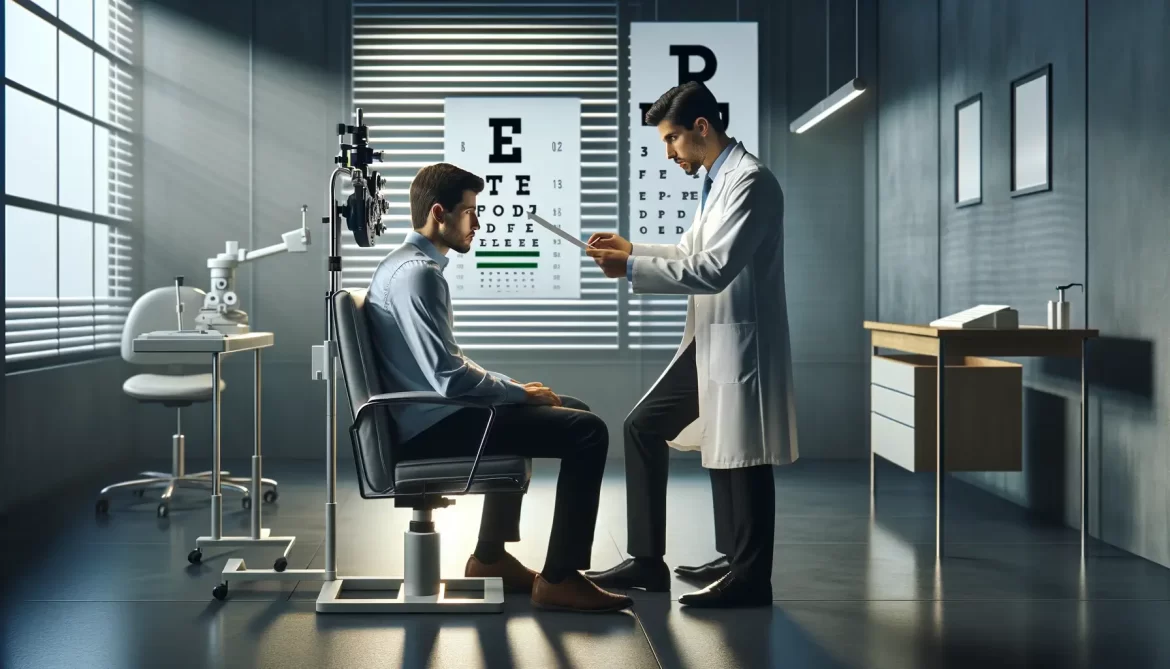
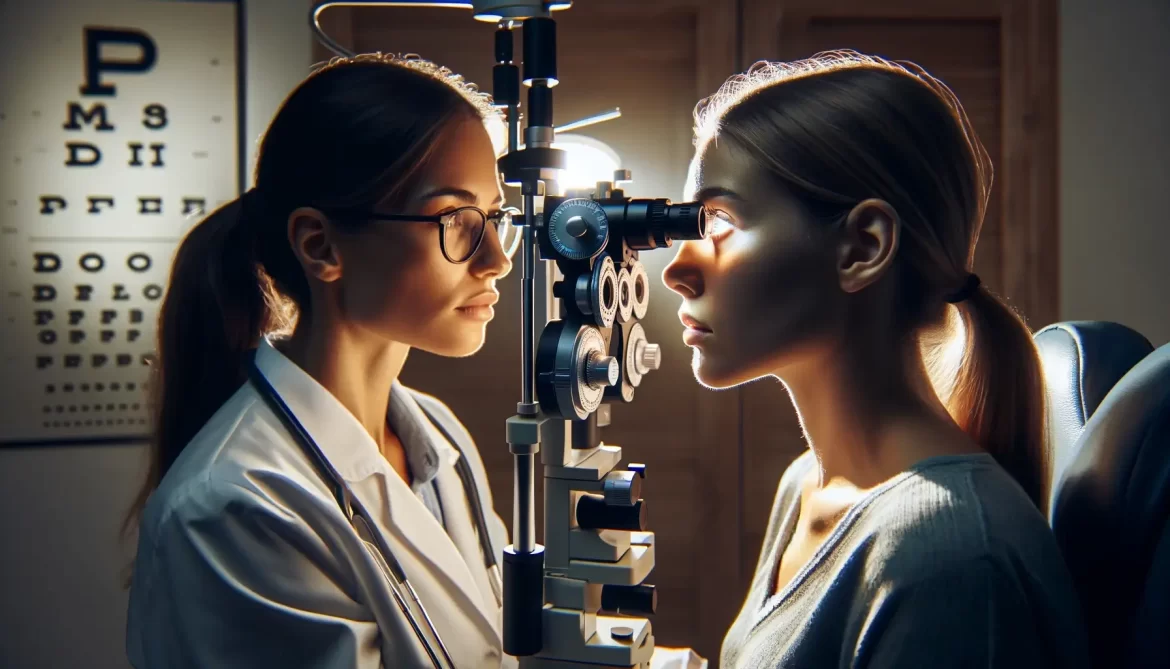
Big or small eye problems, we all feel the need to have our eyes checked at some point in our lives

Big or small eye problems, we all feel the need to have our eyes checked at some point in our lives. There are eye problems that heal on their own and some can be corrected just by using eyeglasses or contact lenses. But, there are cases when you have to consult an eye doctor in Singapore or undergo a surgery.


Below are the most common symptoms that indicate we may be having eye problems. Be sure to ask your doctor about these symptoms if you are experiencing it.


Eyestrain

Eyestrain happens when your eyes are over fatigued. If you read for hours, stare at a computer for a long time, or drive long distances, you may experience this condition. The eyes get tired and need to rest, just like any other parts of your body. Eyestrain symptoms are headache, blurred eyesight, fatigue, and even double vision.

Eyestrain happens when your eyes are over fatigued

Whenever your eyes feel tired, just rest them for a couple of minutes by closing your eyes or looking far away and wait for it to fade away. If the symptoms don’t go away after a few days, you need to schedule a visit with an ophthalmologist to make sure that it’s not other more serious eye problem.


Red Eye

When the blood vessel of our conjunctiva starts to be inflamed, it causes red or bloodshot eyes. The conjunctiva is caused by blood vessels that expand whenever they are infected or irritated. It can happen to one or sometimes both eyes.


Red eyes are typically caused by eyestrain or allergy. Resting or using eye drops can remedy it. But, it can also be a symptom to a more serious eye problem such as conjunctivitis (pinkeye), glaucoma, and uveitis. It can also be due to sun damage. If this happens to you, be sure to consult an eye doctor in Singapore.


Nyctalopia or Night blindness

It is not literally being blind at nighttime. It is when you experience poor eyesight in the dark or whenever you are in low-light places. People who have this eye condition find it difficult to watch at movie theaters or drive at night. Night blindness is a possible indication of Vitamin A deficiency. In certain cases, night blindness is actually a sign of another eye problem such as nearsightedness, which improves when you use eyeglasses. It can also be caused by cataract, which you have to undergo a surgery. There are those who were born with night blindness, and this eye condition is usually untreatable.


Color Blindness

A person who cannot see or distinguish between colors has a condition known as color blindness or color deficiency. Colorblind people have difficulty detecting certain colors like blue, yellow, red and green. It is because the color cells in the eye, or the cone cells, don’t work correctly or sometimes absent.


Lazy Eye or Amblyopia

Amblyopia happens when the vision of your right or left eye is reduced because the eye and brain are not working together properly. Externally, the eyes look normal but it is not functioning normally because the brain is favoring the other eye. Lazy eye occurs due to the lack of vision stimulus into the eye . Lazy eye rarely affects both eyes. It is commonly found in infants and children due to misalignment of eyes, large difference in prescription between eye and development of childhood cataract. Amblyopia occurs during childhood and, treatment should be given right away. Lifelong vision impairment and other eye problem may also be avoided if treated immediately. Eye patching together with corrective eyeglasses are one of the ways used to correct lazy eye.


Cross Eyes (Strabismus) and Nystagmus

If you notice that your eyes are misaligned and point at different direction at the same time, you could have cross-eyes or strabismus. This misalignment may be constant. With nystagmus, our eyes move constantly and cannot be controlled. There are many treatments for this condition, such as vision therapy and surgery. It is important to consult an eye doctor for infants or toddlers suspected with cross-eyes.


Need an eye doctor in Singapore? Don’t hesitate to contact Atlas Eye for quality services you can count on.

0 comments
0 FacebookTwitterPinterestEmail