Author

Tyrone James Martin

Dark Eye Circles

Last Updated March 27, 2026 – Have you ever looked in the mirror and noticed those pesky dark circles under your eyes, making you look tired and aged? Well, you’re not alone. Dark eye circles are a common concern for many, including myself. But fear not, as in this article, I will delve into the causes of dark eye circles, how to prevent them, and some exciting non-surgical treatments like Sunekos Eye, Rejuran, and Pico Laser that can help you bid farewell to those unwanted shadows.

Key Takeaways

  • Dark circles often come from a mix of genetics, thin under-eye skin, poor sleep, allergies, and daily habits.
  • Simple habits like better sleep, hydration, healthy eating, and sun protection can help reduce how noticeable they look.
  • Sunekos Eye is presented as a minimally invasive option that supports skin texture, elasticity, and under-eye brightness.
  • Rejuran is framed as a skin-repair treatment that can improve texture and help soften the look of pigmentation under the eyes.
  • Pico Laser is positioned as a non-surgical treatment that targets pigmentation while also supporting collagen renewal.

Understanding the Causes

Close-up of a person's eye with visible dark under-eye circlesBefore we dive into the solutions, it’s essential to understand what causes those dark circles to appear in the first place. There are various factors contributing to their emergence, and it’s often a combination of these that lead to those frustrating shadows:

Genetics

One of the most significant factors in the development of dark circles is genetics. If your parents or grandparents had them, there’s a good chance you may inherit them too. Genetics can determine the thickness of your skin and the likelihood of blood vessels showing through, which can lead to discoloration under the eyes.

Thin Skin

The skin under our eyes is thinner than on other parts of our face. This thin skin can make blood vessels more visible and cause dark circles to appear more prominent.

Lack of Sleep

The infamous “burning the midnight oil” scenario can lead to sleep deprivation, which, in turn, can cause the blood vessels under the eyes to dilate and become more visible. This makes dark circles more pronounced.

Allergies

Allergic reactions can trigger itching and rubbing of the eyes, which can break the small blood vessels under the skin and lead to dark circles.

Lifestyle Factors

Smoking, excessive alcohol consumption, and a diet high in salt can all contribute to the development of dark eye circles. These factors can lead to fluid retention and skin discoloration.

Preventing Dark Eye Circles

While genetics and certain factors are beyond our control, there are steps we can take to prevent or minimize the appearance of dark circles:

Get Adequate Sleep

Woman sleeping peacefully on a white pillow, looking well-restedEnsuring you get 7-9 hours of quality sleep each night can significantly reduce the appearance of dark circles. Make sleep a priority in your daily routine.

Maintain a Healthy Diet

Eating a balanced diet rich in vitamins and antioxidants can improve the overall health of your skin and reduce the likelihood of dark circles.

Stay Hydrated

Drinking enough water helps maintain skin elasticity and prevents fluid retention, reducing puffiness and the appearance of dark circles.

Protect Your Skin from the Sun

UV rays can damage the skin and make dark circles more prominent. Always use sunscreen and wear sunglasses when you’re out in the sun.

Non-Surgical Treatments for Dark Eye Circles

If you’ve tried preventive measures but still struggle with dark eye circles, there are non-surgical treatments that can help. Let’s explore a few of them:

Sunekos Eye

Sunekos Eye is an innovative treatment that uses a unique blend of amino acids and hyaluronic acid to stimulate collagen and elastin production in the skin. This not only improves skin texture and elasticity but also helps reduce the appearance of dark circles. Sunekos Eye is a minimally invasive treatment that involves a series of injections, and the results can last for several months.

Rejuran

Rejuran, also known as PDRN therapy, is another non-surgical treatment option for dark eye circles. It utilizes polynucleotides (PN), which are DNA fragments that stimulate collagen production and improve skin quality. Rejuran injections can help reduce pigmentation and improve skin texture, making dark circles less noticeable. Like Sunekos Eye, Rejuran is administered through a series of injections, with results lasting for several months.

Pico Laser

Pico Laser is a versatile laser treatment that can target various skin concerns, including dark eye circles. This laser technology delivers ultra-short pulses of energy to break down pigmentation and stimulate collagen production. Pico Laser treatments are non-invasive and require minimal downtime, making them a popular choice for those looking to rejuvenate their under-eye area.

AspectDetails
Causes of Dark Eye CirclesGenetics, thin skin, lack of sleep, allergies, and lifestyle factors like smoking and poor diet.
Prevention TipsGet enough sleep, eat a healthy diet, stay hydrated, and protect skin from sun exposure.
Sunekos EyeA treatment using amino acids and hyaluronic acid to stimulate collagen, improving skin texture and reducing dark circles.
RejuranUses polynucleotides (PN) to promote collagen production, improve skin quality, and reduce pigmentation under the eyes.
Pico LaserA non-invasive laser treatment that breaks down pigmentation and stimulates collagen, requiring minimal downtime.

Frequently Asked Questions About Dark Eye Circles and Non-Surgical Treatments

What is the most effective non-surgical treatment for dark eye circles?
The effectiveness of treatment depends on the underlying cause of dark circles. Sunekos Eye is excellent for improving skin hydration and elasticity, Rejuran helps with pigmentation and skin repair, while Pico Laser targets pigmentation and boosts collagen production. A consultation with a professional can help determine the best option for your specific needs.

How long do results from Sunekos Eye, Rejuran, and Pico Laser last?
Results vary depending on the treatment and individual skin type. Sunekos Eye and Rejuran typically last 6 to 12 months, while Pico Laser results can be long-lasting with proper skincare and sun protection. Maintenance sessions may be needed to sustain optimal results.

Is there any downtime after these treatments?
Most non-surgical treatments for dark eye circles require minimal to no downtime. Sunekos Eye and Rejuran may cause mild swelling or redness at the injection site, which subsides within a few hours to a day. Pico Laser may cause slight redness but usually fades within a few hours.

Can these treatments completely eliminate dark eye circles?
While these treatments can significantly reduce the appearance of dark eye circles, they may not completely eliminate them, especially if genetics play a major role. Combining treatments with lifestyle changes—like proper sleep, hydration, and sun protection—can enhance and prolong results.

Conclusion

I have personally tried the Sunekos Eye treatment, and the results were remarkable. After a few sessions, I noticed a significant reduction in the darkness under my eyes, and my skin felt firmer and more youthful. The best part is that there was no downtime, and I could resume my daily activities immediately.

Dark eye circles can be a frustrating and stubborn issue, but with the right knowledge and non-surgical treatments like Sunekos Eye, Rejuran, and Pico Laser, you can say goodbye to them and embrace a refreshed and youthful appearance. Remember that it’s essential to consult with a qualified healthcare professional to determine the best treatment plan for your specific needs. With these options at your disposal, you can confidently face the world with brighter, more radiant eyes.

References

  1. Cleveland Clinic. (2022, May 25). Dark circles under the eyes: Causes & treatment. https://my.clevelandclinic.org/health/symptoms/23128-dark-circles-under-eyes
  2. American Academy of Dermatology Association. (n.d.). What to wear to protect your skin from the sun. https://www.aad.org/public/everyday-care/sun-protection/shade-clothing-sunscreen/what-to-wear-protect-skin-from-sun
  3. Kabakci, A. G., Bozkır, D. M., Cengizler, Ç., Sire Eren, D., & Bozkır, M. G. (2023). Assessing the rejuvenation effectiveness of a hyaluronic acid and amino acid mixture in the periorbital region. Clinical, Cosmetic and Investigational Dermatology, 16, 973-980. https://doi.org/10.2147/CCID.S406173
  4. Lee, K. W. A., Chan, K. W. L., Lee, A., Lee, C. H., Wan, J., Wong, S., & Yi, K.-H. (2024). Polynucleotides in aesthetic medicine: A review of current practices and perceived effectiveness. Journal of Clinical Medicine, 13(15), 4575. https://doi.org/10.3390/jcm13154575
  5. Zhou, Y., Hamblin, M. R., & Wen, X. (2023). An update on fractional picosecond laser treatment: Histology and clinical applications. Lasers in Medical Science, 38(1), 45. https://doi.org/10.1007/s10103-022-03704-y
0 comments
0 FacebookTwitterPinterestEmail
Rejuran For Acne Scars

Have you ever dreamt of having smooth, flawless skin, free from the relentless reminders of past acne battles? If you’re like me, you understand the emotional toll acne scars can take on your self-esteem. Fortunately, I stumbled upon a game-changer in the world of skincare – Rejuran, a remarkable solution for acne scar treatment. In this article, I’m excited to share my journey with Rejuran, explaining what it is, its purpose, how it combats acne scars, and the incredible benefits it offers.

Key Takeaways

  • Rejuran is presented as an injectable polynucleotide treatment designed to support skin repair and improve the look of acne scars.
  • The article explains that it works through microinjections that may help support collagen production, healing, and smoother skin texture over time.
  • Claimed benefits include reduced scar visibility, calmer-looking skin, better elasticity, and a more even complexion.
  • The treatment is framed as a minimally invasive option with little downtime and gradual, natural-looking improvement.
  • The FAQ positions Rejuran as a multi-session treatment that may also be combined with other acne scar procedures when advised by a professional.

Understanding Rejuran

Rejuran is not just another fleeting trend in the skincare industry; it’s a revolutionary treatment designed to address one of our most common skin concerns – acne scars. It has been hailed as a game-changer, and after personally experiencing its wonders, I couldn’t agree more.

What Is Rejuran?

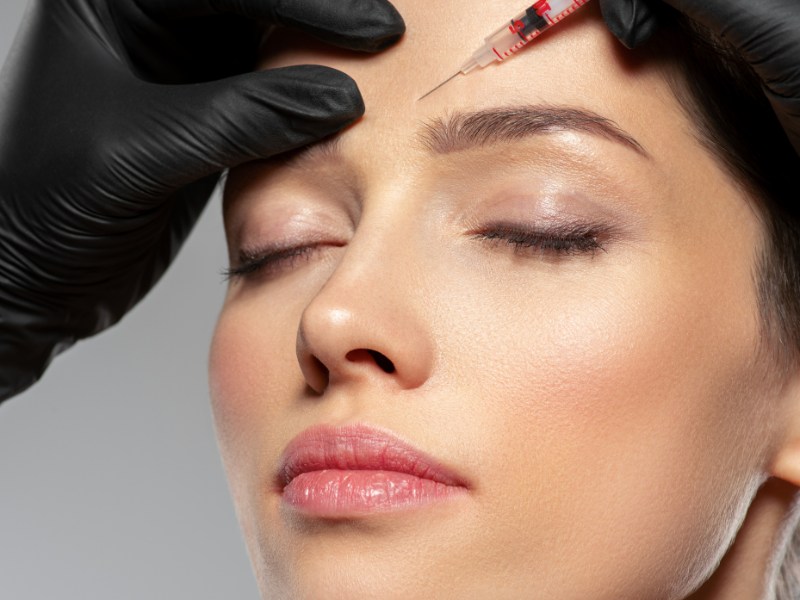
Aesthetic doctor administering Rejuran injection on woman's forehead for wrinklesRejuran is a cutting-edge medical procedure that harnesses the power of polynucleotides (PN), derived from salmon DNA, to stimulate skin regeneration and healing. This unique treatment is administered via microinjections, delivering the PN deep into the skin’s dermal layer. The result? A remarkable improvement in skin texture, tone, and overall appearance.

Purpose and Promise

Rejuran is specifically formulated to target and treat acne scars, offering hope to those who have endured the lingering effects of acne breakouts. Its primary purpose is to:

Promote Collagen Production: Rejuran jumpstarts the body’s natural collagen production, which plays a vital role in skin elasticity and texture. This process helps to fill in depressions caused by acne scars, leading to smoother skin.

Enhance Skin Healing: The PN in Rejuran accelerates the skin’s natural healing process, aiding in the repair of damaged tissue. This means that not only does Rejuran work on existing scars, but it also prevents new ones from forming.

Improve Skin Elasticity: Acne scars can often leave skin feeling tight and less flexible. Rejuran helps to restore skin elasticity, leaving it supple and youthful.

How Does Rejuran Combat Acne Scars?

Now that we’ve established Rejuran’s purpose let’s delve deeper into how it works its magic against acne scars:

Microinjections: Rejuran is administered through microinjections, carefully targeting the areas affected by acne scars. These microinjections deliver PN directly to the dermal layer, where it can work most effectively.

Collagen Stimulation: One of the key mechanisms of action for Rejuran is the stimulation of collagen production. Collagen is the structural protein responsible for maintaining the skin’s firmness and elasticity. By increasing collagen levels, Rejuran helps to gradually reduce the depth and appearance of acne scars.

Skin Regeneration: Rejuran promotes the regeneration of healthy skin cells. This process helps to replace damaged tissue with fresh, healthy skin, leading to a significant improvement in overall skin texture and appearance.

Reduced Inflammation: Inflammation is a common characteristic of acne scars. Rejuran has anti-inflammatory properties that help reduce redness and irritation associated with these scars, leaving your skin looking calm and rejuvenated.

Benefits of Using Rejuran for Acne Scars

Close-up of acne scars and uneven skin texture on cheekNow that you have a clear understanding of how Rejuran works, let’s explore the incredible benefits of choosing this treatment for your acne scars:

Visible Results: One of the most compelling reasons to consider Rejuran is the noticeable improvement it brings to your skin. With regular sessions, you can expect a significant reduction in the appearance of acne scars, leading to a smoother and more even complexion.

Minimal Downtime: Unlike more invasive procedures, Rejuran requires minimal downtime. You can return to your daily activities shortly after each session, making it a convenient option for those with busy lives.

Long-Lasting Effects: Rejuran offers long-lasting results. By stimulating collagen production and skin regeneration, the improvements you see are not just temporary. Your skin continues to improve over time, making it an excellent investment in your long-term skincare routine.

Natural-Looking Results: Rejuran enhances your skin’s natural beauty without the need for surgery or artificial fillers. This means you can enjoy a more youthful appearance without appearing overdone or unnatural.

Boosted Confidence: Perhaps the most significant benefit of Rejuran is the boost in confidence it provides. Acne scars can take a toll on one’s self-esteem, and Rejuran can help you regain that lost confidence, allowing you to feel comfortable in your skin once again.

My Personal Journey with Rejuran

As someone who battled stubborn acne throughout my teenage years and early adulthood, I know firsthand the emotional toll it can take. Even after my acne cleared up, I was left with unsightly scars that served as constant reminders of my past struggles. I tried countless skincare products and even considered more invasive treatments, but nothing seemed to provide the results I longed for.

That’s when I discovered Rejuran. Skeptical at first, I decided to give it a try. After a few sessions, I began to notice a remarkable transformation in my skin. The texture became smoother, and the scars that had plagued me for years started to fade. I felt like a new person, confident and proud of my skin.

AspectDetails
What is Rejuran?A skin treatment using polynucleotides (PN) derived from salmon DNA to promote skin regeneration.
How it WorksAdministered through microinjections, stimulates collagen production, enhances healing, and improves skin elasticity.
Key BenefitsSmoothens acne scars, reduces inflammation, enhances natural collagen production, and improves overall skin texture.
ProcedureMinimal downtime, performed through targeted microinjections in acne-scarred areas.
Expected ResultsVisible improvement in skin texture, long-lasting effects, and natural-looking results over time.

Frequently Asked Questions (FAQs) About Rejuran for Acne Scars

How many Rejuran sessions are needed to see results?

The number of sessions required varies based on the severity of your acne scars and your skin’s response to treatment. Typically, patients undergo three to four sessions spaced four weeks apart to achieve optimal results. Improvements in skin texture and scar reduction become noticeable after the second or third session, with continued enhancement over time.

Is Rejuran painful, and what is the recovery time?

Rejuran is administered through microinjections, and while some discomfort may be felt, a numbing cream is applied before the procedure to minimize pain. The treatment is minimally invasive, with mild redness, slight swelling, or small injection marks that typically subside within 24 to 48 hours. Most individuals can resume daily activities immediately after the session.

How long do the results of Rejuran last?

Rejuran’s effects are long-lasting due to its ability to stimulate collagen production and skin regeneration. Results can last six to twelve months, depending on individual skin conditions and post-treatment care. Regular maintenance sessions, usually once every six months, help sustain and enhance the results over time.

Can Rejuran be combined with other acne scar treatments?

Yes, Rejuran can be combined with other skin treatments for enhanced results. It is often used alongside laser treatments, chemical peels, or microneedling to maximize collagen stimulation and skin repair. Consulting a skincare specialist can help determine the best combination treatment plan based on your specific skin needs.

Conclusion

Rejuran has truly been a game-changer in my skincare journey, offering a solution I never thought possible. If you’re someone who, like me, has struggled with the lasting effects of acne scars, I wholeheartedly recommend considering Rejuran. Its unique ability to stimulate collagen production, promote skin regeneration, and reduce inflammation sets it apart as an effective and non-invasive treatment option.

Remember, beautiful, scar-free skin is not just a dream – it can be your reality with the help of Rejuran. Rediscover your confidence and embrace the radiant skin you deserve.

References

  1. Kim, M. J., Shin, H. M., Lew, B. L., & Sim, W. Y. (2024). Polynucleotide-based treatments for various facial scars including combat injuries. Journal of Dermatological Treatment, 35(1), 2426626. https://doi.org/10.1080/09546634.2024.2426626
  2. American Academy of Dermatology Association. (2023, December 8). Acne scars: Causes. https://www.aad.org/public/diseases/acne/derm-treat/scars/causes
  3. Lampridou, S., Bassett, S., Cavallini, M., & Christopoulos, G. (2025). The effectiveness of polynucleotides in esthetic medicine: A systematic review. Journal of Cosmetic Dermatology, 24(2), e16721. https://doi.org/10.1111/jocd.16721
  4. Araco, A., & Araco, F. (2021). Preliminary prospective and randomized study of highly purified polynucleotide vs placebo in treatment of moderate to severe acne scars. Aesthetic Surgery Journal, 41(7), NP866-NP874. https://doi.org/10.1093/asj/sjab125
  5. Rho, N. K., Han, K. H., Cho, M., & Kim, H. S. (2024). A survey on the cosmetic use of injectable polynucleotide: The pattern of practice among Korean dermatologists. Journal of Cosmetic Dermatology, 23(4), 1243-1252. https://doi.org/10.1111/jocd.16125
0 comments
0 FacebookTwitterPinterestEmail
Hyperpigmentation Treatment

Last Updated March 31, 2026 – When it comes to skincare concerns, hyperpigmentation is a topic that often takes center stage. As someone who has dealt with this issue personally, I can empathize with the frustration it can bring. But fret not, dear reader, because today I want to shed some light on hyperpigmentation, what causes it, and the laser treatment options available to help you regain that radiant complexion.

Key Takeaways

  • Hyperpigmentation happens when the skin produces extra melanin, which leads to darker patches or spots.
  • The article covers common forms like post-inflammatory hyperpigmentation, melasma, sun spots, and freckles.
  • Major triggers include sun exposure, hormonal changes, inflammation, and genetic factors.
  • Laser options can be matched to the type of pigmentation, with light and laser treatments used for age marks, pigment concerns, and melasma.
  • Safe treatment starts with the right diagnosis, dermatologist guidance, and ongoing sun protection.

What is Hyperpigmentation?

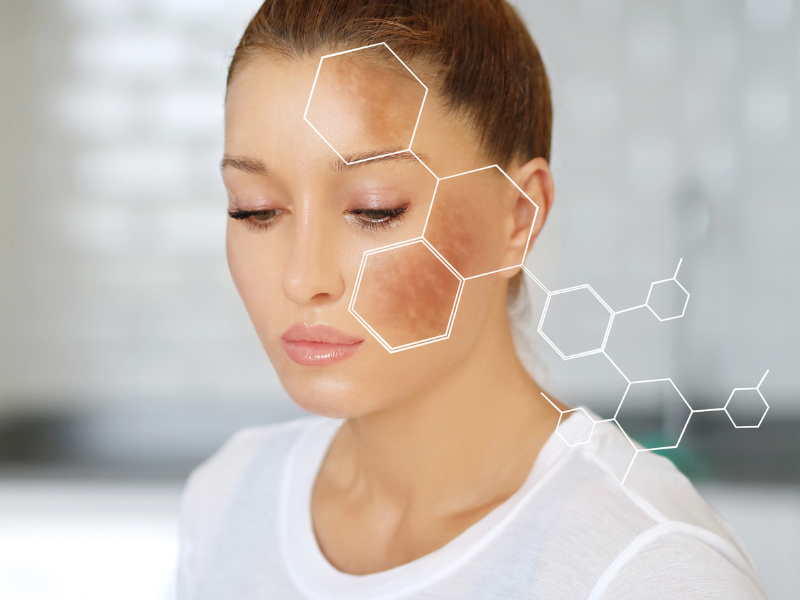
Woman with pigmentation spots highlighted by digital overlay on faceTo put it simply, hyperpigmentation is a common skin condition characterized by the darkening of certain areas of the skin. It can affect people of all skin types and tones, making it a universal concern. This condition occurs when there is an excess production of melanin, the pigment responsible for our skin, hair, and eye color.

Types of Hyperpigmentation

Before delving into the causes and treatment options, it’s crucial to understand that not all hyperpigmentation is the same. Here are the main types:

Post-Inflammatory Hyperpigmentation (PIH): This occurs after skin inflammation or injury, such as acne, cuts, or burns. Dark spots appear as the skin heals.

Melasma: Often called the “mask of pregnancy,” melasma presents as brown or gray-brown patches, typically on the face, and is linked to hormonal changes.

Solar Lentigines (Sun Spots): These are dark spots that result from sun exposure and are most commonly found on sun-exposed areas like the face and hands.

Freckles: While not technically hyperpigmentation, freckles are small, concentrated areas of increased melanin production, usually genetic in nature.

TypeDescription
Post-Inflammatory Hyperpigmentation (PIH)Dark spots that appear after skin inflammation or injury.
MelasmaBrown or gray-brown patches, often triggered by hormonal changes.
Solar Lentigines (Sun Spots)Dark spots caused by prolonged sun exposure.
FrecklesSmall, concentrated areas of increased melanin production.

What Causes Hyperpigmentation?

Understanding the root causes of hyperpigmentation is crucial in effectively addressing and preventing it. Let’s explore the main culprits:

Sun Exposure: Prolonged exposure to the sun’s harmful UV rays can trigger the overproduction of melanin, leading to sunspots and other forms of hyperpigmentation.

Hormonal Changes: Fluctuations in hormones, often experienced during pregnancy, menopause, or while taking birth control pills, can trigger melasma.

Inflammation: Any kind of skin inflammation, whether due to acne, eczema, or a harsh skincare regimen, can result in post-inflammatory hyperpigmentation.

Genetics: Some individuals are genetically predisposed to develop hyperpigmentation, such as freckles or certain birthmarks.

Laser Treatment Options for Hyperpigmentation

Laser Therapy for Sun Spots:

IPL (Intense Pulsed Light): IPL treatments use a broad spectrum of light to target melanin in sunspots. This non-invasive procedure helps break down the excess pigment, leading to a more even skin tone.

Fractional Laser for PIH:

Fractional Laser Resurfacing: This laser treatment creates tiny micro-injuries in the skin, stimulating collagen production and encouraging the growth of new, healthier skin cells. Over time, this helps fade the dark spots associated with post-inflammatory hyperpigmentation.

Laser Therapy for Melasma:

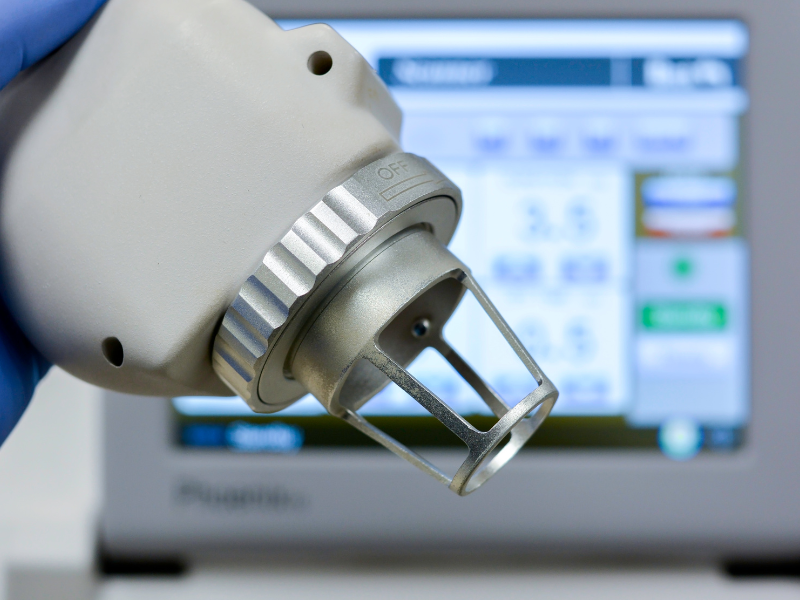
Close-up of a high-tech laser device used for treatmentsQ-Switched Laser: Q-switched lasers emit high-intensity pulses of light to target and break down the melanin in melasma. Several sessions may be required for optimal results.

Combination Therapy:

Fractional Laser + Topical Agents: In some cases, combining fractional laser treatments with topical agents like hydroquinone can yield more significant results in treating hyperpigmentation.

Consultation with a Dermatologist:

Before undergoing any laser treatment, it’s essential to consult with a qualified dermatologist. They will assess your specific type of hyperpigmentation, skin type, and medical history to recommend the most suitable laser therapy.

The Road to Radiant Skin:

While laser treatments can be effective in addressing hyperpigmentation, it’s essential to remember that results may vary from person to person. Patience and consistency are key, as it often takes multiple sessions to achieve the desired outcome. Additionally, it’s crucial to continue practicing sun protection to prevent the recurrence of hyperpigmentation.

Frequently Asked Questions About Hyperpigmentation and Laser Treatments

Is laser treatment safe for all skin types?
Laser treatments can be effective for various skin types, but some lasers may pose a higher risk of complications for darker skin tones. It’s crucial to consult with a dermatologist to determine the safest and most suitable laser treatment for your skin type.

How many laser sessions are needed to see results?
The number of sessions required depends on the type and severity of hyperpigmentation. Some conditions, like sunspots, may improve after one to three sessions, while deeper pigmentation issues like melasma may require multiple treatments for optimal results.

Are the results of laser treatments permanent?
While laser treatments can significantly reduce hyperpigmentation, maintenance is essential. Sun protection and a proper skincare routine help prevent recurrence. Some types of hyperpigmentation, like melasma, may require ongoing management.

Is there any downtime after laser treatment?
Downtime varies based on the type of laser used. Some treatments, like IPL, have minimal to no downtime, while others, like fractional laser resurfacing, may cause redness and peeling for a few days. Your dermatologist will provide post-treatment care instructions for a smooth recovery.

Conclusion

Understanding hyperpigmentation and its causes is the first step towards achieving healthier, more radiant skin. Whether it’s sunspots, melasma, or post-inflammatory hyperpigmentation, there are laser treatment options available to help you on your skincare journey. Remember to consult with a dermatologist to determine the best course of action for your specific needs.

I hope this article has shed some light on the topic of hyperpigmentation and the laser treatment options that can lead you to a brighter, more confident you. Don’t let skin concerns hold you back—embrace the journey towards healthier, more radiant skin, one laser treatment at a time.

References

  1. DermNet New Zealand. (n.d.). Skin pigmentation problems. https://dermnetnz.org/topics/skin-pigmentation-problems
  2. Lawrence, E., Syed, H. A., & Al Aboud, K. M. (2024). Postinflammatory hyperpigmentation. In StatPearls. StatPearls Publishing. https://www.ncbi.nlm.nih.gov/books/NBK559150/
  3. American Academy of Dermatology Association. (2022, February 15). Melasma: Causes. https://www.aad.org/public/diseases/a-z/melasma-causes
  4. DermNet New Zealand. (n.d.). Lentigo: Causes, features, and treatment. https://dermnetnz.org/topics/lentigo
  5. American Academy of Dermatology Association. (2022, February 15). Melasma: Diagnosis and treatment. https://www.aad.org/public/diseases/a-z/melasma-treatment
0 comments
0 FacebookTwitterPinterestEmail
Chin Filler

If you’re considering chin filler treatment, you’re probably curious about how long it lasts. I’ve been down this road myself, so I’m here to share my experience and knowledge. Chin fillers are a fantastic non-surgical option for enhancing your facial profile. In this article, I’ll explain what chin fillers are, what they’re for, how they work, and most importantly, how long you can expect their effects to last.

Key Takeaways

  • Chin fillers are a non-surgical way to improve chin shape, projection, and overall facial balance.
  • Results are usually visible right after treatment, and most people can return to normal activities soon after.
  • How long chin fillers last depends on the product used, the treatment area, and how your body breaks the filler down.
  • Hyaluronic acid fillers in the jawline and chin area often last about 6 to 12 months, and sometimes longer.
  • Mild swelling, redness, or bruising can happen after treatment, and hyaluronic acid fillers can be dissolved if needed.

What are Chin Fillers?

Chin fillers, also known as dermal fillers for the chin, are a cosmetic treatment designed to improve the appearance of your chin and jawline. They are typically made of hyaluronic acid, a naturally occurring substance in our bodies that helps keep our skin plump and hydrated. This makes hyaluronic acid-based fillers a safe and effective choice for chin augmentation.

What Are Chin Fillers For?

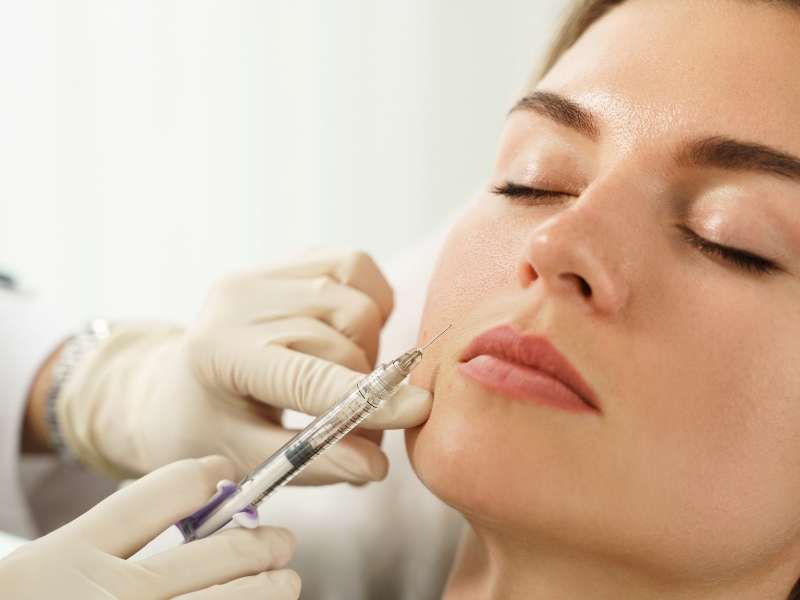
A woman receives a chin filler injection for facial contouringChin fillers are primarily used to address several aesthetic concerns:

Chin Augmentation: If you have a weak or recessed chin, fillers can provide more definition and balance to your facial profile.

Chin Projection: Fillers can help improve chin projection, giving your face a more sculpted and harmonious appearance.

Jawline Contouring: For those looking to enhance their jawline, chin fillers can create a more defined and attractive contour.

Facial Balance: Achieving facial symmetry is a common goal in cosmetic treatments, and chin fillers can play a crucial role in achieving this balance.

How Do Chin Fillers Work?

Chin filler treatment is a minimally invasive procedure performed by a trained medical professional. Here’s how it typically works:

Consultation: The process begins with a consultation, where you discuss your goals and expectations with the practitioner. They will evaluate your facial features and recommend a customized treatment plan.

Preparation: Before the procedure, the area is cleansed, and a topical numbing cream may be applied to minimize discomfort.

 Injection: Using a fine needle, the filler is injected into the targeted areas of the chin and jawline. The practitioner carefully shapes and sculpts the filler to achieve the desired results.

 Immediate Results: You’ll notice a difference in your chin’s appearance immediately after the procedure. The results will continue to improve as any swelling or bruising subsides.

 Minimal Downtime: One of the advantages of chin filler treatment is that it typically requires minimal downtime. You can usually resume your daily activities shortly after the procedure.

How Long Do Chin Fillers Last?

Aesthetic doctor injecting jawline filler for facial sculpting treatmentNow, let’s dive into the essential question: how long do chin fillers last? The longevity of chin fillers can vary depending on several factors:

 Type of Filler: Different brands and types of hyaluronic acid fillers may have varying durations. On average, chin fillers can last anywhere from 6 months to 2 years.

 Metabolism: Your body’s metabolism plays a role in how quickly it breaks down the filler. People with faster metabolisms may find that fillers last for a shorter duration.

 Lifestyle: Your lifestyle choices can also impact the longevity of chin fillers. Smoking, excessive alcohol consumption, and poor skincare habits may contribute to filler breakdown.

Injection Technique: The skill and technique of the practitioner are crucial. An experienced injector can ensure the filler is placed correctly and evenly, which can extend the filler’s life.

 Maintenance: To prolong the effects of chin fillers, some individuals choose to have touch-up treatments. These can help maintain your desired results over a more extended period.

Personal Experience

In my own experience, I had chin filler treatment about a year ago. I opted for chin augmentation to enhance my facial balance. The procedure itself was relatively quick and painless, thanks to the numbing cream. Immediately after the injections, I could see a noticeable difference in my chin’s appearance. It looked more defined and provided a more harmonious balance to my face.

 In terms of longevity, my chin filler treatment lasted for about 10 months before I noticed a gradual decrease in its effects. While I was sad to see the enhancement fade, I had expected it to be temporary. I decided to have a touch-up treatment to maintain the look I had grown fond of.

AspectDetails
What Are Chin Fillers?Non-surgical dermal fillers, typically made of hyaluronic acid, used to enhance chin definition and balance facial features.
Primary UsesChin augmentation, improved projection, jawline contouring, and achieving facial symmetry.
Procedure StepsConsultation → Preparation (cleansing & numbing) → Injection → Immediate results → Minimal downtime.
LongevityLasts 6 months to 2 years, depending on metabolism, filler type, lifestyle, and injection technique.
Key BenefitsImmediate results, non-invasive, customizable, minimal downtime, and temporary effects allow flexibility.

Frequently Asked Questions (FAQs) About Chin Fillers

How soon will I see results after getting chin fillers?
You will notice an immediate enhancement in your chin’s shape and definition right after the procedure. However, mild swelling or bruising may occur, and the final results will typically settle within a week or two.

Do chin fillers hurt?
Most patients report minimal discomfort during the procedure. A topical numbing cream is usually applied before the injections to ensure comfort. The actual injections may feel like a small pinch or slight pressure but are generally well-tolerated.

Are there any side effects or risks with chin fillers?
Chin fillers are generally safe when administered by a qualified professional. Common side effects include mild swelling, bruising, or redness at the injection site, which typically resolves within a few days. In rare cases, lumps or asymmetry may occur, but these can usually be corrected with massage or additional filler adjustments.

Can chin fillers be dissolved if I don’t like the results?
Yes, if hyaluronic acid-based fillers were used, they can be dissolved with hyaluronidase, an enzyme that breaks down the filler quickly. If you’re unsure about the outcome, it’s best to wait for any swelling to subside before making a decision.

Closing Thoughts

Chin filler treatment is a fantastic option for those looking to enhance their facial profile without the need for surgery. It offers immediate results, minimal downtime, and customizable outcomes. While the longevity of chin fillers can vary, it typically lasts anywhere from 6 months to 2 years. Factors like the type of filler, metabolism, and lifestyle choices can influence how long the effects last.

If you’re considering chin filler treatment, I encourage you to consult with a qualified and experienced medical professional. They can assess your unique needs and provide you with a personalized treatment plan. Based on my own experience, I can say that the temporary nature of chin fillers allows for flexibility and experimentation, allowing you to adapt your look as your preferences evolve.

Remember that the journey to enhanced facial features should be a personal one, driven by your own desires and goals. Whether you choose to maintain your chin filler results or explore other options, the choice is entirely yours. I hope this article has shed some light on the longevity of chin fillers and what you can expect from this exciting cosmetic treatment.

References

  1. U.S. Food and Drug Administration. (n.d.). Dermal fillers (soft tissue fillers). https://www.fda.gov/medical-devices/aesthetic-cosmetic-devices/dermal-fillers-soft-tissue-fillers
  2. Al-Khafaji, M. Q. M., Althobaiti, N. S. A., Alhassani, N. F. M., Alnahwi, Z. A. H., Aldawsari, W. A., Alquraini, S. K., Abdrabalameer, A. H., Alharamlah, F. S. S., Almalki, A. S., Alotaibi, N. A., & Alabdulkarim, A. (2023). The application and efficacy of hyaluronic acid fillers for chin enhancement and retrusion correction: A systematic review of patient-reported outcomes. Cureus, 15(11), e48807. https://doi.org/10.7759/cureus.48807
  3. American Academy of Dermatology Association. (n.d.). Fillers: FAQs. https://www.aad.org/public/cosmetic/wrinkles/fillers-faqs
  4. Cleveland Clinic. (2022, June 28). Jawline filler: Options, what to expect, before & after. https://my.clevelandclinic.org/health/treatments/23368-jawline-filler
  5. Kroumpouzos, G., & Treacy, P. (2024). Hyaluronidase for dermal filler complications: Review of applications and dosage recommendations. JMIR Dermatology, 7, e50403. https://doi.org/10.2196/50403
0 comments
0 FacebookTwitterPinterestEmail
Dermal Filler

Last Updated March 27, 2026 – Dermal fillers, a popular cosmetic procedure, have gained immense popularity over the years for their ability to rejuvenate and enhance one’s appearance. As someone who has been curious about the world of aesthetics and beauty, I decided to delve deeper into the factors that affect the cost of dermal fillers. In this article, I will share my findings and insights about what dermal fillers are, their purpose, how they work, and most importantly, the various factors that determine their cost.

Key Takeaways

  • Dermal fillers are non-surgical injectables used to restore volume, soften lines, and improve facial contours.
  • The final price depends on the filler used, the area treated, and how many syringes are needed.
  • Provider skill, clinic reputation, and location can all raise or lower treatment cost.
  • Results can last months or even longer, depending on the filler type, treatment area, and your body.
  • Safety and natural-looking results depend heavily on choosing a qualified and experienced injector.

What are Dermal Fillers?

Aesthetic professional administering a facial filler injection for youthful skinDermal fillers, often referred to as “liquid facelifts,” are non-surgical cosmetic treatments designed to restore volume, smoothen wrinkles, and enhance facial contours. They are typically administered via injections and can be used to address various aesthetic concerns, such as plumping lips, reducing fine lines, and filling in hollow areas of the face.

The Purpose of Dermal Fillers

The primary purpose of dermal fillers is to enhance one’s natural beauty and restore a more youthful appearance. Over time, our skin loses collagen and elastin, leading to the formation of wrinkles, fine lines, and sagging skin. Dermal fillers work by replenishing lost volume and stimulating collagen production, resulting in smoother, firmer skin.

How Dermal Fillers Work

Dermal fillers are composed of various substances, including hyaluronic acid, calcium hydroxylapatite, and poly-L-lactic acid. These substances are injected beneath the skin’s surface to fill in wrinkles and add volume to targeted areas. Hyaluronic acid, a natural component of the skin, is the most common filler substance, as it provides immediate results and is highly biocompatible.

Once injected, dermal fillers plump up the skin, reducing the appearance of wrinkles and fine lines. Additionally, they can be used to enhance features such as lips, cheeks, and jawlines, creating a more youthful and balanced facial appearance.

Factors That Affect Dermal Fillers Cost

Various dollar bills and coins symbolizing beauty treatment expenses and costsNow that we have a better understanding of what dermal fillers are and their purpose, let’s explore the various factors that influence their cost:

Type of Dermal Filler: The type of dermal filler used plays a significant role in determining the cost of the procedure. There are various brands and formulations of fillers available, each with its own price point. Premium fillers may cost more but often offer longer-lasting results.

Treatment Area: The specific area of the face being treated can impact the cost of dermal fillers. Smaller treatment areas, such as lip augmentation, tend to be less expensive than larger areas like the cheeks or jawline.

Number of Syringes: The quantity of filler needed varies from person to person based on individual goals and the extent of correction required. More syringes of filler will naturally increase the overall cost of the procedure.

Practitioner’s Expertise: The experience and expertise of the practitioner performing the procedure can influence the cost. Highly skilled and experienced providers may charge more for their services, but the added peace of mind and quality results are often worth the investment.

Geographic Location: Dermal filler costs can also vary by geographic location. In larger cities and metropolitan areas, prices may be higher due to increased demand and operating costs. Conversely, in smaller towns or regions with lower living expenses, you may find more affordable options.

Clinic or Medspa Reputation: Established clinics and medical spas with a strong reputation for safety and quality often charge higher prices for dermal filler treatments. These facilities tend to use reputable products and prioritize patient satisfaction.

Additional Treatments: Many individuals choose to combine dermal filler treatments with other cosmetic procedures, such as Botox or chemical peels. Adding these treatments can increase the overall cost but may offer a more comprehensive rejuvenation.

Post-Treatment Follow-Up: Some practitioners include post-treatment follow-up appointments in the initial cost, while others charge separately for these visits. It’s important to clarify what is included in the quoted price to avoid any unexpected expenses.

FactorDescription
Type of Dermal FillerPremium fillers cost more but may last longer and provide better results.
Treatment AreaSmaller areas like lips cost less than larger areas like cheeks or jawline.
Number of SyringesMore syringes required = higher cost. Individual needs determine the amount.
Practitioner’s ExpertiseHighly skilled and experienced providers may charge more for precision and quality.
Geographic LocationPrices vary by city; major metro areas tend to have higher costs.
Clinic or Medspa ReputationEstablished clinics charge more due to safety, product quality, and reputation.

Frequently Asked Questions About Dermal Fillers

How long do dermal fillers last?
The longevity of dermal fillers depends on the type of filler used, the treatment area, and individual metabolism. Generally, hyaluronic acid fillers last 6 to 18 months, while other fillers like poly-L-lactic acid or calcium hydroxylapatite can last up to 2 years.

Are dermal fillers safe?
Yes, when administered by a qualified professional, dermal fillers are safe and FDA-approved for cosmetic use. However, like any cosmetic procedure, there are potential side effects such as swelling, bruising, and redness. Choosing an experienced practitioner minimizes risks and ensures natural-looking results.

How much do dermal fillers typically cost?
The cost varies based on the type of filler, treatment area, and the provider’s expertise. On average, dermal filler treatments can range from $500 to $2,500 per session, with premium fillers or multiple syringes costing more.

What is the difference between Botox and dermal fillers?
Botox relaxes muscles to reduce wrinkles caused by facial expressions (e.g., forehead lines, crow’s feet), while dermal fillers add volume to smooth out wrinkles, plump lips, or enhance facial contours. Many people combine both treatments for a comprehensive anti-aging effect.

Conclusion

In conclusion, dermal fillers are a versatile and effective option for achieving a more youthful and refreshed appearance without undergoing surgery. Understanding the factors that affect the cost of dermal fillers can help you make an informed decision when considering this cosmetic procedure. It’s essential to consult with a qualified and experienced practitioner to discuss your goals, assess your specific needs, and determine a treatment plan that suits both your desired outcome and budget.

Ultimately, the cost of dermal fillers is an investment in your self-confidence and well-being. When carried out by a skilled professional in a reputable clinic, the results can be truly transformative, enhancing your natural beauty and leaving you feeling more confident in your own skin.

References

  1. Cleveland Clinic. (2022, April 6). Dermal fillers: What they are, types, benefits & side effects. https://my.clevelandclinic.org/health/treatments/22667-dermal-fillers
  2. Johns Hopkins Medicine. (n.d.). Dermal fillers. https://www.hopkinsmedicine.org/health/treatment-tests-and-therapies/dermal-fillers
  3. American Society of Plastic Surgeons. (n.d.). Dermal fillers cost. https://www.plasticsurgery.org/cosmetic-procedures/dermal-fillers/cost
  4. Mariotti, E. (2020, July 21). What can you do to help your injectable fillers last longer? https://www.plasticsurgery.org/news/blog/what-can-you-do-to-help-your-injectable-fillers-last-longer
  5. U.S. Food and Drug Administration. (2023, July 7). Dermal filler do’s and don’ts for wrinkles, lips and more. https://www.fda.gov/consumers/consumer-updates/dermal-filler-dos-and-donts-wrinkles-lips-and-more
0 comments
0 FacebookTwitterPinterestEmail
Fractional CO2 Laser

Last Updated March 31, 2026 – As someone who has always been curious about skincare treatments and their costs, I couldn’t help but wonder about the factors that affect the cost of Fractional CO2 laser treatments. If you’re like me and you’re interested in understanding what goes into the pricing of this popular cosmetic procedure, you’ve come to the right place. In this article, we’ll delve into what Fractional CO2 laser is, its purpose, how it works, and the various factors that influence its cost.

Key Takeaways

  • Fractional CO2 laser is a skin resurfacing treatment used to improve wrinkles, acne scars, uneven tone, and skin texture.
  • The treatment works by creating tiny controlled areas in the skin to trigger healing and new collagen growth.
  • The total cost can change based on the treatment area, number of sessions, provider skill, clinic location, and laser technology used.
  • Recovery and aftercare are important because redness, swelling, and peeling can affect downtime and results.
  • Choosing an experienced provider matters just as much as price when safety and results are the goal.

Understanding Fractional CO2 Laser

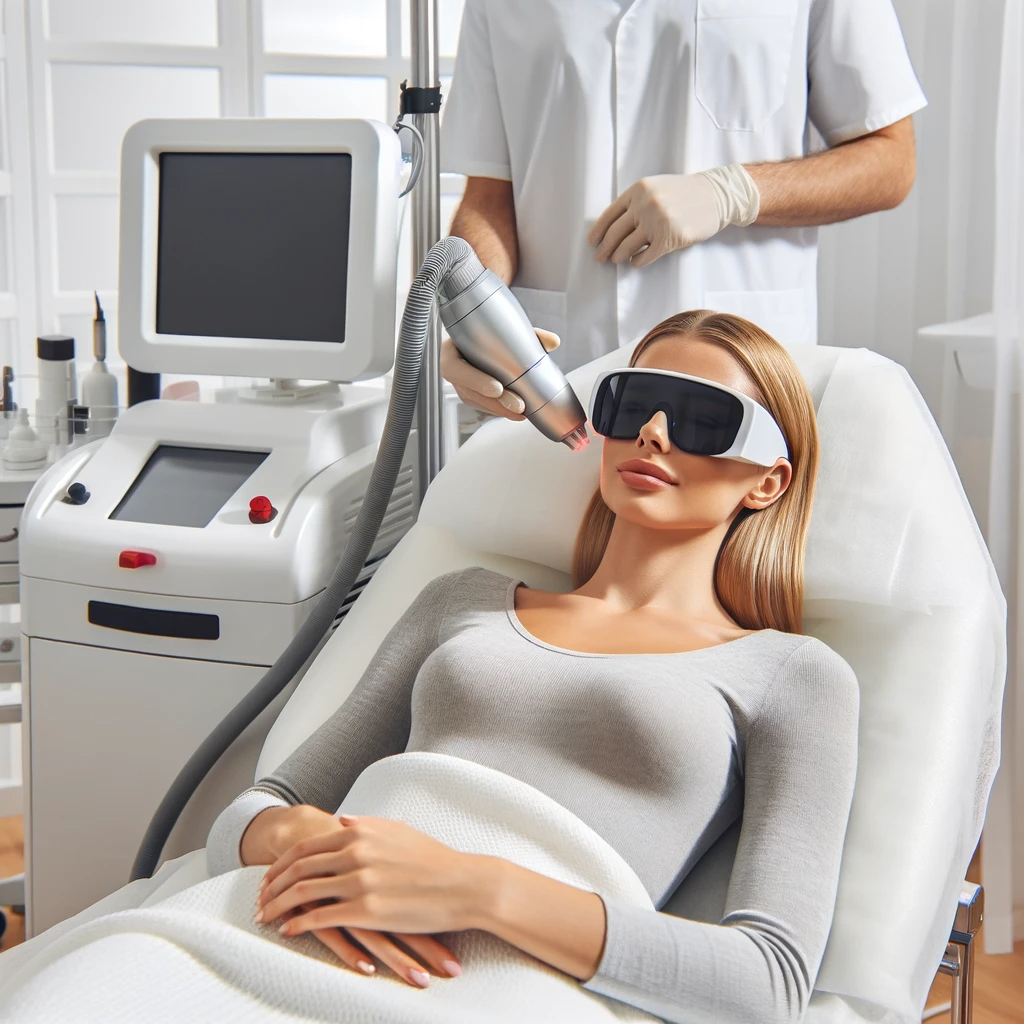
Woman receiving advanced laser facial treatment while wearing protective glassesBefore we jump into the nitty-gritty of costs, let’s begin with a brief overview of what Fractional CO2 laser is and what it is used for. Fractional CO2 laser, also known as fractional carbon dioxide laser, is a dermatological treatment that has gained popularity in recent years. It is a non-surgical cosmetic procedure that is primarily used for skin rejuvenation and resurfacing.

What It’s For

Fractional CO2 laser is primarily used to address a wide range of skin issues, including:

Wrinkles and Fine Lines: It can effectively reduce the appearance of wrinkles and fine lines, particularly around the eyes and mouth.

Acne Scars: For those dealing with the aftermath of acne, Fractional CO2 laser can help improve the appearance of acne scars.

Uneven Skin Tone: It is also used to even out skin tone and reduce the appearance of age spots, sun spots, and other pigmentation issues.

Skin Texture: Fractional CO2 laser can enhance skin texture by reducing the size of pores and stimulating collagen production, leading to smoother and firmer skin.

Stretch Marks: Some people opt for Fractional CO2 laser to minimize the appearance of stretch marks.

How Fractional CO2 Laser Works

Now that we have a general idea of its purpose, let’s delve into how Fractional CO2 laser actually works. This treatment uses a high-intensity laser beam to target small, precise areas of the skin. Unlike traditional laser resurfacing, which treats the entire surface of the skin, Fractional CO2 laser creates thousands of tiny, evenly spaced microthermal zones in the skin.

These microthermal zones cause controlled injury to the skin, stimulating the body’s natural healing process. As the skin heals, it produces new collagen and elastin, resulting in smoother, firmer, and more youthful-looking skin. The treatment also encourages the shedding of old, damaged skin cells, revealing fresher, healthier skin beneath.

CategoryDetails
What is Fractional CO2 Laser?A non-surgical cosmetic treatment for skin resurfacing and rejuvenation.
Primary UsesWrinkles, fine lines, acne scars, uneven skin tone, skin texture improvement, and stretch marks.
How It WorksUses high-intensity laser beams to create microthermal zones, stimulating collagen production and skin renewal.

Factors That Affect Fractional CO2 Laser Cost

Now, let’s get to the heart of the matter—the factors that influence the cost of Fractional CO2 laser treatments. It’s important to note that the cost of this procedure can vary significantly from one provider to another and from one patient to another. Here are some key factors that play a role in determining the cost:

Treatment Area

The size and location of the area being treated have a substantial impact on the cost of Fractional CO2 laser treatment. Treating a smaller area, such as the face or neck, will generally be less expensive than treating larger areas like the chest or back. Additionally, some areas may require more precision and care, which can also affect the cost.

Number of Sessions

The number of treatment sessions required can vary depending on the individual’s specific skin concerns and goals. While some people may achieve their desired results in a single session, others may need multiple sessions. Each additional session will incur an additional cost.

Provider’s Expertise and Reputation

The experience and reputation of the healthcare provider performing the Fractional CO2 laser treatment can influence the cost. Highly skilled and reputable practitioners often charge more for their services. However, it’s important to prioritize the expertise and safety of the provider over cost considerations.

Geographic Location

The cost of healthcare services can vary significantly by region or city. In areas with a higher cost of living, you can generally expect to pay more for Fractional CO2 laser treatments. It’s essential to consider this factor when researching providers and their pricing.

Technology and Equipment

Close-up of laser treatment device used for skin proceduresThe type of laser technology and equipment used during the Fractional CO2 laser treatment can affect the cost. More advanced and newer equipment may come with a higher price tag but can offer improved results and reduced downtime.

Additional Services and Products

Some providers may bundle other skincare products or complementary treatments with Fractional CO2 laser therapy. These additional services and products can add to the overall cost. Be sure to clarify what is included in the price when discussing treatment options with a provider.

Pre- and Post-Treatment Care

Proper skincare before and after Fractional CO2 laser treatment is crucial for achieving the best results and minimizing complications. Some providers may include pre- and post-treatment skincare products or consultations as part of the overall cost.

Financing and Payment Plans

Many healthcare providers offer financing options and payment plans to make Fractional CO2 laser treatments more affordable for patients. These options can help spread the cost over time, making the procedure accessible to a wider range of individuals.

Frequently Asked Questions About Fractional CO2 Laser Treatment

How many sessions of Fractional CO2 laser treatment are needed?
The number of sessions required varies based on individual skin concerns and goals. Some people see noticeable improvements after a single session, while others may need two to three treatments for optimal results. Your provider will assess your skin and recommend a personalized treatment plan.

What is the recovery time after Fractional CO2 laser treatment?
Recovery time depends on the intensity of the treatment. Most patients experience redness, swelling, and peeling for about 5 to 7 days. Deeper treatments may require up to two weeks for full healing. It’s essential to follow post-care instructions to promote proper healing and achieve the best results.

Is Fractional CO2 laser treatment painful?
The treatment can cause mild to moderate discomfort, often described as a warm, tingling sensation. To minimize pain, topical numbing cream is usually applied before the procedure. Some clinics also use cooling devices or local anesthesia for added comfort.

How long do the results of Fractional CO2 laser last?
Results can last for several years, depending on skincare habits, sun protection, and lifestyle. Since the treatment stimulates collagen production, improvements continue over months after the procedure. Maintaining a good skincare routine and avoiding excessive sun exposure can help prolong the results.

Conclusion

Fractional CO2 laser is a popular and effective cosmetic procedure used for skin rejuvenation and resurfacing. It works by creating controlled microthermal zones in the skin, stimulating collagen production and improving skin texture. When it comes to the cost of Fractional CO2 laser treatments, several factors come into play, including the treatment area, number of sessions, provider’s expertise, geographic location, equipment used, additional services, and financing options.

As someone who values skincare and its impact on overall well-being, understanding these factors has been enlightening. Remember that the cost of Fractional CO2 laser treatment should not be the sole consideration when choosing a provider. Safety, expertise, and the potential for achieving your desired results should also be prioritized. If you’re considering Fractional CO2 laser treatment, consult with reputable providers, discuss your goals, and explore your options to find the best fit for your needs and budget. Your skin will thank you for it.

References

  1. Cleveland Clinic. (2021, March 22). Laser skin resurfacing: Lasers types, skin conditions, what to expect. https://my.clevelandclinic.org/health/treatments/11015-laser-skin-resurfacing
  2. Mayo Clinic Staff. (2024, October 26). Laser resurfacing. https://www.mayoclinic.org/tests-procedures/laser-resurfacing/about/pac-20385114
  3. American Academy of Dermatology Association. (2023, December 8). Acne scars: Consultation and treatment. https://www.aad.org/public/diseases/acne/derm-treat/scars/treatment
  4. Oh, B. H., Hwang, Y. J., Lee, Y. W., Choe, Y. B., & Ahn, K. J. (2011). Skin characteristics after fractional photothermolysis. Annals of Dermatology, 23(4), 448–454. https://pmc.ncbi.nlm.nih.gov/articles/PMC3229937/
  5. American Society for Dermatologic Surgery Association. (n.d.). Laser resurfacing for acne scars. https://www.asds.net/skin-experts/skin-treatments/laser-resurfacing/laser-resurfacing-for-acne-scars
0 comments
0 FacebookTwitterPinterestEmail
BTX for Face Slimming

Last Updated March 31, 2026 – When it comes to achieving a more youthful and rejuvenated appearance, the options available today seem endless. From creams and serums to surgical facelifts, the beauty industry has evolved significantly over the years. One trend that has gained immense popularity in recent times is the use of BTX for facial slimming. In this article, I will delve into the world of BTX, how it works, and why it has become such a sought-after solution for those looking to enhance their facial features.

Key Takeaways

  • BTX offers a non-surgical way to slim the face by relaxing targeted muscles.
  • The treatment is quick, minimally invasive, and fits easily into a busy schedule.
  • Results look subtle and natural when the injections are done well.
  • The effects are temporary, so maintenance sessions are needed to keep the look.
  • BTX keeps growing in demand because it gives visible change without surgery.

What is BTX?

Before we dive into the reasons behind its popularity, let’s first understand what BTX is. BTX, short for Botulinum Toxin, is a powerful neurotoxic protein produced by the bacterium Clostridium botulinum. While this may sound intimidating, BTX has a long history of both medical and cosmetic applications.

How Does BTX Work?

Close-up of woman receiving forehead injection for wrinkle treatmentThe mechanism of action behind BTX is quite fascinating. When BTX is injected into specific facial muscles, it interferes with the release of acetylcholine, a neurotransmitter responsible for signaling muscle contractions. By inhibiting this signal, BTX effectively prevents the muscle from contracting, resulting in muscle relaxation.

The injection process itself is relatively simple and minimally invasive. A trained practitioner carefully administers small amounts of BTX into targeted muscles using a fine needle. The effects of BTX are temporary, typically lasting for three to six months. This allows for flexibility and adjustment in achieving the desired results without the commitment of a permanent change.

While BTX is generally considered safe, it’s essential to consult with a qualified and experienced practitioner to minimize the risk of side effects or complications. Common side effects may include minor bruising or swelling at the injection site, but these usually subside within a few days.

Why BTX is Becoming So Popular

Now that we’ve covered the basics of BTX, let’s explore the reasons behind its skyrocketing popularity in the world of facial slimming.

Advantages of BTX for Facial Slimming

One of the primary reasons for the growing popularity of BTX is its numerous advantages. Firstly, BTX offers a non-surgical approach to facial enhancement. Unlike invasive surgical procedures, such as facelifts, BTX requires no incisions or extensive recovery time. This non-invasive nature makes it an attractive option for those who wish to avoid surgery.

Additionally, the downtime after a BTX treatment is minimal, allowing individuals to return to their daily activities shortly after the procedure. This convenience is particularly appealing to those with busy lifestyles.

Furthermore, BTX delivers natural-looking results. When administered by a skilled practitioner, BTX can subtly enhance facial features without leaving a frozen or overly artificial appearance. This natural aesthetic has contributed significantly to its popularity.

Influence of Media and Social Media

The influence of media and social media cannot be underestimated in the rise of BTX. Celebrities openly endorsing BTX treatments and sharing their own experiences have played a substantial role in popularizing the procedure. Their before-and-after photos, along with glowing testimonials, have made BTX seem like a beauty secret worth exploring.

In the age of social media, influencers have also contributed to the trend. Influencers share their transformation journeys with BTX treatments, making it relatable and aspirational for their followers. This has fueled the desire for BTX among a younger demographic, who are increasingly seeking preventative treatments to maintain their youthful appearance.

Advances in Technology and Techniques

The field of cosmetic procedures is continually evolving, and BTX has not been left behind. Advances in technology and injection techniques have made BTX treatments more comfortable and precise. Smaller, finer needles are now used, reducing discomfort during the procedure. Practitioners can also achieve greater precision in targeting specific facial muscles, leading to enhanced results.

Changing Beauty Standards and Societal Pressures

Young woman touching face with glowing, smooth, and healthy skinAs beauty standards evolve, so do the preferences of individuals seeking cosmetic enhancements. Today, there is a greater emphasis on natural beauty and subtle enhancements. BTX aligns perfectly with these evolving beauty ideals, offering a way to refine and enhance one’s appearance without drastic changes.

Societal pressures to maintain a youthful and attractive appearance have also contributed to the popularity of BTX. In a world where appearance matters, BTX offers an accessible and effective solution for those looking to boost their self-esteem and confidence.

Psychological and Emotional Benefits

Beyond the physical changes, BTX can have significant psychological and emotional benefits. Many individuals report increased self-esteem and confidence after undergoing BTX treatments. Knowing that they look their best can have a positive impact on their overall well-being and quality of life.

Growing Accessibility and Affordability

As the demand for BTX has increased, so has its accessibility. Many medical and aesthetic clinics offer BTX treatments, making it easier for individuals to find a qualified practitioner. Additionally, as the market has grown, prices have become more competitive, making BTX more affordable for a broader range of people.

I became intrigued by the growing popularity of BTX and decided to try it for myself. My motivation stemmed from a desire to refine my facial features without resorting to invasive surgery. After thorough research and consultation with a reputable practitioner, I underwent my first BTX treatment.

The consultation and preparation process was informative and reassuring. My practitioner explained the procedure in detail, discussed my expectations, and addressed any concerns I had. This level of care and professionalism put me at ease.

During the actual procedure, the injections were relatively painless due to the use of fine needles. The entire process took only a short time, and I experienced minimal discomfort. After the treatment, I was advised to avoid strenuous exercise and excessive sun exposure for a few days.

In the weeks that followed, I noticed a gradual improvement in my facial appearance. The BTX had subtly enhanced my features, giving me a refreshed and more youthful look. What I appreciated most was that the results were not drastic but appeared natural, allowing me to maintain my unique identity.

TopicDetails
What is BTX?A neurotoxic protein (Botulinum Toxin) used for medical and cosmetic treatments.
How Does BTX Work?Blocks neurotransmitter signals to relax targeted muscles, reducing wrinkles and facial fullness.
Why is BTX Popular?Non-surgical, minimal downtime, natural-looking results, and widely endorsed by celebrities and influencers.
Advantages of BTXQuick procedure, non-invasive, no recovery time, and subtle enhancement of facial features.
Influence of Media & Social MediaCelebrities and influencers promote BTX treatments, making them desirable and aspirational.
Advancements in TechnologyUse of finer needles for less discomfort, improved precision, and better outcomes.
Changing Beauty StandardsFocus on natural beauty and subtle refinements rather than drastic changes.
Emotional & Psychological BenefitsBoosts confidence, enhances self-image, and contributes to overall well-being.
Affordability & AccessibilityIncreased competition among clinics has made BTX treatments more affordable and accessible.
Personal ExperienceUnderwent BTX for facial slimming; procedure was quick, relatively painless, and produced natural-looking results.

Frequently Asked Questions About BTX for Facial Slimming

How long does BTX for facial slimming last?
The effects of BTX typically last between three to six months, depending on individual factors like metabolism, lifestyle, and muscle activity. Regular maintenance treatments are required to sustain the results.

Is BTX for facial slimming safe?
Yes, BTX is considered safe when administered by a qualified and experienced practitioner. Minor side effects such as mild swelling, bruising, or temporary weakness in the treated area may occur but usually subside within a few days.

Can BTX completely change my facial structure?
BTX does not drastically alter your facial structure but instead softens and slims the jawline by relaxing the masseter muscles. The results are subtle and natural-looking, making your face appear more contoured without looking artificial.

Who is a good candidate for BTX facial slimming?
BTX is ideal for individuals with enlarged masseter muscles (jaw muscles) who wish to achieve a more refined and V-shaped face. A consultation with a professional is recommended to determine if BTX is the right option based on your facial anatomy and goals.

Conclusion

In conclusion, the growing popularity of BTX for facial slimming can be attributed to its numerous advantages, celebrity endorsements, social media influence, technological advancements, and changing beauty standards. The psychological and emotional benefits of BTX, along with its increased accessibility and affordability, make it an appealing option for those seeking to enhance their appearance.

As someone who has personally experienced the benefits of BTX, I can attest to its effectiveness in achieving a natural and refreshed look. However, it’s essential to be aware of the risks and considerations associated with the treatment and explore alternative options to make an informed decision.

References

  1. International Society of Aesthetic Plastic Surgery. (2025, June 19). Global survey 2024: Full report and press releases. ISAPS. https://www.isaps.org/discover/about-isaps/global-statistics/global-survey-2024-full-report-and-press-releases/
  2. Padda, I. S., & Tadi, P. (2023). Botulinum toxin. In StatPearls. StatPearls Publishing. https://www.ncbi.nlm.nih.gov/books/NBK557387/
  3. Biello, A., & Zhu, B. (2023). Botulinum toxin treatment of the upper face. In StatPearls. StatPearls Publishing. https://www.ncbi.nlm.nih.gov/books/NBK574523/
  4. Cleveland Clinic. (2022, April 6). Botox (botulinum toxin): What it is, results & side effects. Cleveland Clinic. https://my.clevelandclinic.org/health/treatments/8312-botulinum-toxin-injections
  5. Mayo Clinic Staff. (2024, November 19). Botox injections. Mayo Clinic. https://www.mayoclinic.org/tests-procedures/botox/about/pac-20384658
0 comments
0 FacebookTwitterPinterestEmail
Pico Laser for Dark Eye

Last Updated March 27, 2026 – Dark eye circles have been a constant concern for me. Whether due to genetics, lack of sleep, or stress, those pesky under-eye shadows always managed to make me look tired and older than I actually felt. Over the years, I’ve tried various remedies, from creams to home remedies, all with limited success. However, I recently stumbled upon a promising solution – Pico Laser Treatment for dark eye circles. In this article, I will delve into what Pico Laser Treatment is, discuss the factors that influence its cost, and explore the benefits it offers. Ultimately, I will share my personal experience and thoughts on whether this treatment is worth it.

Key Takeaways

  • Pico Laser is a non-invasive option that targets pigment under the eyes with very short laser pulses.
  • Dark eye circles can have more than one cause, so treatment works best when the root issue is identified first.
  • Cost can vary based on the number of sessions, clinic location, provider expertise, and aftercare needs.
  • Pico Laser appeals to many patients because it offers visible improvement with little downtime compared with surgery.
  • Results can be promising, but choosing a qualified provider and following aftercare steps still matter.

What is Pico Laser Treatment?

Aesthetician performing laser treatment for dark circles under eyesPico Laser Treatment is a non-invasive cosmetic procedure designed to target and reduce dark eye circles. Unlike traditional laser treatments, Pico Laser employs ultra-short picosecond laser pulses to break down pigment particles beneath the skin. These tiny particles are then naturally eliminated by the body’s immune system, resulting in a lightening of the darkened area.

The procedure is relatively quick, typically requiring multiple sessions spaced a few weeks apart. Each session lasts only a few minutes, making it convenient for those with busy schedules.

Dark Eye Circles: Causes and Concerns

Before diving into the specifics of Pico Laser Treatment, it’s essential to understand why dark eye circles are such a concern. They can be caused by a variety of factors, including genetics, thinning skin, blood vessel congestion, and lifestyle choices like lack of sleep or excessive sun exposure.

Dark eye circles not only affect one’s physical appearance but can also have a significant impact on self-confidence. Many of us have experienced that sinking feeling when we look in the mirror and see those tired-looking eyes staring back at us. It can affect how we feel about ourselves and how others perceive us.

Traditional treatments such as eye creams and concealer can provide temporary relief, but they don’t address the underlying issue. This is where Pico Laser Treatment comes into play.

The Cost of Pico Laser Treatment

One of the crucial factors to consider when contemplating any cosmetic procedure is the cost involved. Pico Laser Treatment, like most aesthetic treatments, can be relatively expensive. The cost typically includes several components:

Firstly, the number of treatment sessions required will significantly impact the overall cost. Most individuals need multiple sessions for optimal results. Additionally, the cost may vary depending on your geographic location, with larger cities generally charging more for such services.

Furthermore, the reputation and expertise of the clinic or practitioner you choose can also influence the cost. Highly reputable clinics with experienced practitioners may charge more for their services. However, this can often be a worthwhile investment, as it ensures that you receive the best possible care and results.

Lastly, additional services or products recommended before or after the treatment can contribute to the overall cost. These may include specialized skincare products or follow-up appointments.

Comparing the cost of Pico Laser Treatment with other dark eye circle treatments, such as surgical options, reveals that Pico Laser is generally less expensive. Surgical procedures often require longer recovery periods and carry more significant risks, making them a less attractive option for many.

Benefits of Pico Laser Treatment

Woman receiving a professional skin resurfacing facial treatment at a clinicDespite the cost considerations, Pico Laser Treatment offers several benefits that make it an appealing option for those struggling with dark eye circles:

Effectiveness: Clinical studies and evidence suggest that Pico Laser Treatment is highly effective in reducing dark eye circles. It specifically targets the underlying pigmentation, resulting in a visible lightening of the treated area.

Minimal Downtime: Unlike surgical procedures, Pico Laser Treatment has minimal downtime. Most individuals can resume their daily activities immediately after a session. This is particularly advantageous for those with busy schedules.

Reduced Risk: Pico Laser Treatment carries fewer risks and complications compared to surgical options. While no procedure is entirely risk-free, the chances of adverse effects are significantly lower with this non-invasive treatment.

Long-Lasting Results: Many individuals report long-lasting results from Pico Laser Treatment. With proper aftercare and sun protection, the benefits can persist for an extended period.

Improved Skin Texture and Tone: In addition to addressing dark eye circles, Pico Laser Treatment can improve overall skin texture and tone. It stimulates collagen production, which can lead to a more youthful appearance.

AspectDetails
What is Pico Laser?A non-invasive laser treatment using ultra-short picosecond pulses to break down pigmentation and improve skin texture.
How It WorksTargets melanin under the skin, breaking it into tiny particles for natural elimination by the body, reducing dark eye circles.
Factors Affecting CostNumber of sessions, clinic location, practitioner expertise, and additional skincare treatments.
Key BenefitsHighly effective, minimal downtime, lower risk than surgery, long-lasting results, and improved skin texture.
ConsiderationsRequires multiple sessions, cost varies, must choose a qualified provider, and proper aftercare is necessary for best results.

Frequently Asked Questions About Pico Laser for Dark Eye Circles

How many Pico Laser sessions are needed for dark eye circles?
The number of sessions required varies based on the severity of pigmentation and individual skin type. Most people need 3 to 5 sessions spaced 4 to 6 weeks apart to achieve noticeable results. A consultation with a dermatologist will help determine the ideal treatment plan.

Is Pico Laser painful for treating dark eye circles?
Pico Laser is generally well-tolerated with minimal discomfort. Patients may feel a slight tingling or snapping sensation during the procedure, but numbing cream is often applied beforehand to reduce any discomfort. The treatment is quick, usually lasting 10 to 15 minutes per session.

Are there any side effects or downtime after Pico Laser?
Pico Laser has minimal downtime. Some patients may experience mild redness, slight swelling, or sensitivity in the treated area, but these effects typically subside within 24 to 48 hours. It is important to follow post-treatment care, including sun protection, to maintain results and prevent hyperpigmentation.

How long do the results of Pico Laser last for dark eye circles?
With proper skincare and sun protection, the results of Pico Laser can last several months to a year. Some patients choose to undergo maintenance sessions once or twice a year to keep their under-eye area bright and refreshed. The longevity of results depends on lifestyle factors, genetics, and consistent aftercare.

Conclusion

My journey in considering Pico Laser Treatment began with extensive research. I wanted to understand the procedure, its benefits, and the potential risks fully. I consulted with experts and practitioners, discussing my concerns and expectations. Through this process, I gained valuable insights that helped me make an informed decision.

In conclusion, Pico Laser Treatment for dark eye circles offers a promising solution for those looking to address this common cosmetic concern. While the cost may be a consideration, the benefits, including effectiveness, minimal downtime, and reduced risks, make it a compelling option.

However, it’s crucial to approach Pico Laser Treatment with careful consideration of factors like skin type, pre-treatment preparations, potential side effects, and the choice of a qualified practitioner or clinic. With the right information and guidance, you can make an informed decision about whether Pico Laser Treatment is worth it for you.

References

  1. Saluja, R., & Gentile, R. D. (2020). Picosecond laser: Tattoos and skin rejuvenation. Facial Plastic Surgery Clinics of North America, 28(1), 87-100. https://doi.org/10.1016/j.fsc.2019.09.008
  2. Freitag, F. M., & Cestari, T. F. (2007). What causes dark circles under the eyes? Journal of Cosmetic Dermatology, 6(3), 211-215. https://doi.org/10.1111/j.1473-2165.2007.00324.x
  3. Vanaman Wilson, M. J., Jones, I. T., Bolton, J., Larsen, L., Wu, D. C., & Goldman, M. P. (2018). Prospective studies of the efficacy and safety of the picosecond 755, 1,064, and 532 nm lasers for the treatment of infraorbital dark circles. Lasers in Surgery and Medicine, 50(1), 45-50. https://doi.org/10.1002/lsm.22754
  4. Roohaninasab, M., Sadeghzadeh-Bazargan, A., & Goodarzi, A. (2021). Effects of laser therapy on periorbital hyperpigmentation: A systematic review on current studies. Lasers in Medical Science, 36(9), 1781-1789. https://doi.org/10.1007/s10103-020-03241-6
  5. Zhou, Y., Hamblin, M. R., & Wen, X. (2023). An update on fractional picosecond laser treatment: Histology and clinical applications. Lasers in Medical Science, 38(1), 45. https://doi.org/10.1007/s10103-022-03704-y
0 comments
0 FacebookTwitterPinterestEmail

Last Updated March 27, 2026 – As someone who has struggled with dark eye circles for years, I understand the frustration and self-consciousness that come with this common skin concern. Over time, I’ve tried various remedies, from eye creams to home remedies, all with limited success. It was only when I discovered Pico Laser that I truly began to see a noticeable improvement in my dark eye circles. However, I soon realized that post-treatment care was just as crucial as the treatment itself in maximizing its benefits. In this article, I will share my personal journey with Pico Laser for dark eye circles and delve into the details of what Pico Laser is, how it works, and the essential steps to ensure you get the most out of this revolutionary treatment.

Key Takeaways

  • Pico Laser uses ultra-short pulses to target pigment more precisely, which makes it a strong option for pigmentation-related dark eye circles.
  • Results usually take more than one session, so readers should expect improvement over a series of treatments rather than after one visit.
  • Downtime is usually mild, but some redness, swelling, or sensitivity can still happen after treatment.
  • Pico Laser helps most with pigment-related dark circles, while hollows, vascular changes, or skin laxity may need other or added treatments.
  • Aftercare matters just as much as the treatment itself, especially sun protection and following recovery instructions closely.

What is Pico Laser?

Aesthetician performing a laser treatment on a patient's faceBefore delving into post-treatment care, let’s start by understanding what Pico Laser is and why it has become such a game-changer in the world of dermatology.

Pico Laser is a cutting-edge technology that has gained immense popularity for its effectiveness in treating various skin concerns, including dark eye circles. It operates on the principle of using ultra-short pulse durations, measured in picoseconds (trillionths of a second) and nanoseconds (billionths of a second), to target specific pigment particles within the skin. This precision allows it to break down pigmented lesions, like the ones causing dark eye circles, without harming the surrounding healthy tissue.

One of the key reasons for Pico Laser’s success is its versatility. It can effectively address a wide range of skin issues, such as pigmentation, wrinkles, and even tattoo removal. However, its remarkable ability to tackle dark eye circles is what piqued my interest initially.

How Pico Laser Works

Understanding how Pico Laser works is crucial in appreciating its significance and effectiveness. Unlike traditional lasers, which use longer pulse durations and can sometimes lead to unwanted side effects, Pico Laser’s ultra-short pulses deliver energy in a way that specifically targets melanin and pigment particles.

During a Pico Laser treatment session, the laser emits rapid bursts of energy that shatter the pigmented lesions responsible for dark eye circles. This process effectively breaks down the melanin causing discoloration, allowing your body’s natural processes to clear the debris away. What sets Pico Laser apart is its precision; it can target these pigment particles with remarkable accuracy, leaving the surrounding skin unharmed.

One of the aspects that initially drew me to Pico Laser was its minimal downtime and quick recovery. After each session, I experienced only mild redness and swelling, which typically subsided within a day or two. This meant that I could return to my daily activities almost immediately, without the need for extended downtime.

However, it’s essential to note that Pico Laser is not a one-time solution for dark eye circles. To achieve optimal results, multiple sessions are typically required. Your dermatologist will recommend an appropriate treatment plan, including the number of sessions and the interval between them. While this may seem like a commitment, I can attest that the results are well worth it.

Benefits of Pico Laser for Dark Eye Circles

Effective Pigment Removal

Close-up of a woman's eyes with noticeable dark circlesThe primary benefit of Pico Laser for dark eye circles is its unparalleled effectiveness in pigment removal. Unlike many topical treatments that merely lighten the skin temporarily, Pico Laser targets the root cause of dark eye circles by breaking down the excess melanin responsible for the discoloration. This results in a more long-lasting and noticeable improvement.

Minimal Discomfort During Treatment

I was pleasantly surprised by how comfortable the Pico Laser treatment was. While I expected some discomfort, the sessions were relatively painless. The laser’s ultra-short pulses are designed to minimize discomfort, making the experience far more bearable than I had anticipated.

Quick Sessions

Another advantage of Pico Laser treatment is its speed. Each session typically lasts only a few minutes, making it a convenient option for those with busy schedules. I appreciated that I could easily fit the sessions into my day without disrupting my routine.

Little to No Downtime

One of the standout features of Pico Laser is the minimal downtime it requires. After each session, I experienced mild redness and swelling, which quickly subsided. This allowed me to resume my daily activities without significant interruption, a crucial factor for anyone with a busy life.

Suitable for Various Skin Types

Pico Laser’s precision and versatility extend to its suitability for various skin types. Whether you have fair or dark skin, Pico Laser can be tailored to your specific needs. This inclusivity is a significant advantage, as it means that more people can benefit from this treatment.

Long-Term Benefits

Beyond the immediate benefits of pigment removal, Pico Laser offers long-term advantages. With regular sessions and proper post-treatment care, you can expect improved skin texture and a more youthful appearance. This long-lasting impact has been a game-changer for me, as I no longer have to rely on concealer to hide my dark eye circles.

AspectDetails
What is Pico Laser?A laser treatment using ultra-short picosecond pulses to break down pigment particles and stimulate collagen production.
How It WorksTargets melanin in dark eye circles, breaking it down into smaller fragments for natural elimination by the body.
Key BenefitsEffective pigment removal, minimal discomfort, quick sessions, little to no downtime, suitable for various skin types, and long-term results.
Procedure & RecoverySessions last a few minutes with mild redness and swelling that subsides within a day or two; multiple sessions are usually needed.
Long-Term CareProper skincare, sun protection, and follow-up treatments help maintain results and prevent recurrence.

Frequently Asked Questions About Pico Laser for Dark Eye Circles

How many Pico Laser sessions are needed to see results?
The number of sessions varies depending on the severity of your dark eye circles and your skin type. Most individuals require 3 to 5 sessions spaced 4 to 6 weeks apart for optimal results. Some people notice improvement after just one session, but multiple treatments are usually recommended for long-lasting effects.

Is Pico Laser painful for dark eye circle treatment?
Pico Laser treatments are generally well-tolerated with minimal discomfort. A mild tingling or snapping sensation may be felt during the procedure, but most dermatologists apply a numbing cream before treatment to enhance comfort. The ultra-short pulses reduce heat buildup, making it gentler compared to traditional lasers.

What are the side effects of Pico Laser for dark eye circles?
Pico Laser has minimal side effects. Temporary redness, slight swelling, or mild sensitivity in the treated area may occur but typically subside within 24 to 48 hours. The risk of hyperpigmentation is lower compared to older laser treatments, making it safe for various skin tones.

Can Pico Laser completely remove dark eye circles?
Pico Laser can significantly reduce pigmentation-related dark eye circles, but if your dark circles are caused by factors like hollowing (tear troughs), poor circulation, or lifestyle habits, additional treatments such as fillers, skin boosters, or lifestyle changes may be necessary for optimal results.

Conclusion

In conclusion, Pico Laser treatment has been a life-changing experience for me in my battle against dark eye circles. Understanding what Pico Laser is and how it works is crucial to appreciate its significance and effectiveness. The benefits of Pico Laser, including effective pigment removal, minimal discomfort, quick sessions, little to no downtime, suitability for various skin types, and long-term benefits, make it a compelling choice for those seeking to address this common skin concern.

However, post-treatment care is just as vital as the treatment itself in maximizing the benefits of Pico Laser. Proper pre-treatment preparations, selecting an experienced practitioner, and following post-treatment guidelines are essential steps in achieving the best results. Maintaining long-term care and preventing recurrence through lifestyle adjustments and proper skincare are equally important.

If you, like me, have struggled with dark eye circles, I encourage you to consider Pico Laser treatment as a viable option. Consult with a qualified dermatologist to explore whether this revolutionary treatment can help you achieve the brighter, more youthful-looking eyes you desire. It has made a world of difference in my life, and I believe it can do the same for you.

References

  1. Haykal, D., Cartier, H., Maire, C., & Mordon, S. (2023). Picosecond lasers in cosmetic dermatology: where are we now? An overview of types and indications. Lasers in Medical Science, 39(1), 8. https://doi.org/10.1007/s10103-023-03945-5
  2. Wu, D. C., Goldman, M. P., Wat, H., & Chan, H. H. L. (2021). A systematic review of picosecond laser in dermatology: Evidence and recommendations. Lasers in Surgery and Medicine, 53(1), 9-49. https://doi.org/10.1002/lsm.23244
  3. Vanaman Wilson, M. J., Jones, I. T., Bolton, J., Larsen, L., Wu, D. C., & Goldman, M. P. (2018). Prospective studies of the efficacy and safety of the picosecond 755, 1,064, and 532 nm lasers for the treatment of infraorbital dark circles. Lasers in Surgery and Medicine, 50(1), 45-50. https://doi.org/10.1002/lsm.22754
  4. Vrcek, I., Ozgur, O., & Nakra, T. (2016). Infraorbital dark circles: A review of the pathogenesis, evaluation and treatment. Journal of Cutaneous and Aesthetic Surgery, 9(2), 65-72. https://doi.org/10.4103/0974-2077.184046
  5. Leeds Teaching Hospitals NHS Trust. (2025, May 29). After your laser treatment. https://www.leedsth.nhs.uk/patients/resources/after-your-laser-treatment/
0 comments
0 FacebookTwitterPinterestEmail

As someone who has struggled with skin imperfections and dark eye circles for most of my life, I’ve always been on the lookout for effective solutions. Over the years, I’ve tried various creams, serums, and treatments, but none seemed to provide the lasting results I desired. That was until I stumbled upon the world of Pico Laser technology—a groundbreaking advancement in the field of dermatology. In this article, I will take you on a journey through the fascinating science behind Pico Laser and its remarkable effects on skin and dark eye circles.

Key Takeaways

  • Pico Laser uses ultra-short pulses to target pigment with more precision than older laser methods.
  • It is commonly used for pigmentation concerns, tattoo removal, acne scars, and overall skin renewal.
  • The treatment may also help dark eye circles linked to excess pigment and visible blood vessels.
  • One of its main benefits is that side effects are usually milder than with more aggressive laser options.
  • Results still vary by skin concern, treatment plan, and the skill of the practitioner.

What is Pico Laser?

Aesthetician performing a facial treatment on a relaxed womanPico Laser is a cutting-edge technology that has revolutionized the way we address various skin concerns. To truly appreciate its significance, let’s start with the basics. In essence, Pico Laser is a type of laser therapy used in dermatology. It’s not the first of its kind, but it represents a remarkable leap forward in laser technology.
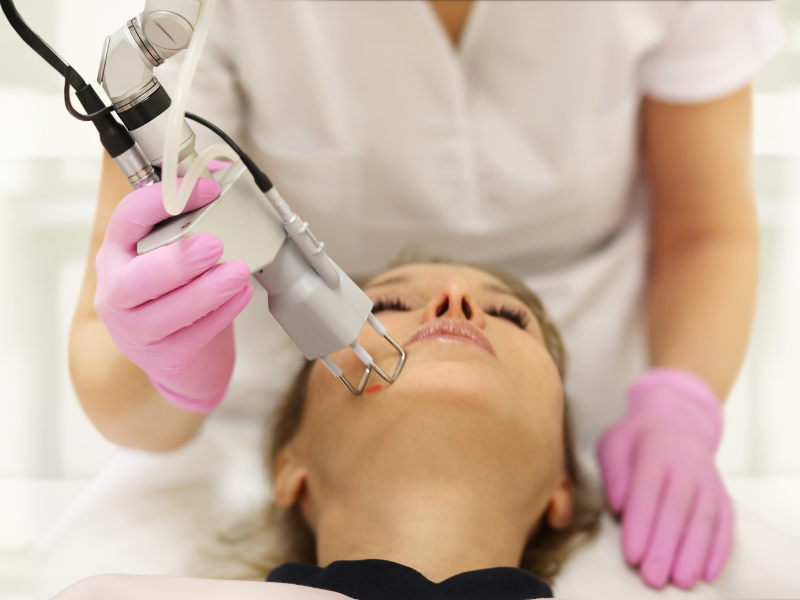
Laser therapy has a long history in the world of dermatology. The term “laser” stands for “Light Amplification by Stimulated Emission of Radiation.” In simpler terms, lasers emit highly focused and intense beams of light that can interact with tissues in specific ways. These interactions are the key to the effectiveness of laser treatments.

How Pico Laser Works

To understand how Pico Laser works, we need to dive a bit deeper into the science of laser technology. At its core, a laser emits photons, which are tiny packets of light energy. When these photons come into contact with skin tissue, they can have various effects depending on the type of laser and its settings.

Pico Laser stands out due to its extremely short pulse duration, measured in picoseconds (trillionths of a second). This rapid pulsing distinguishes it from traditional lasers, which typically use nanosecond pulses. The shorter pulse duration of Pico Laser is critical because it allows for precise targeting of specific skin concerns.

One of the primary ways Pico Laser works its magic is by targeting melanin—the pigment responsible for the color of our skin, hair, and eyes. Melanin is also the culprit behind various skin issues, including pigmentation disorders such as melasma and sunspots. By emitting ultra-short pulses of laser energy, Pico Laser can break down melanin particles into smaller, more manageable fragments. This process enables the body’s natural processes to eliminate the unwanted pigmentation gradually.

Moreover, Pico Laser is incredibly effective in tattoo removal. It works by breaking down the ink particles within the skin into smaller fragments, which can then be eliminated by the body’s immune system. Compared to traditional lasers, Pico Laser is more precise and generates less heat, reducing the risk of scarring or skin damage.

Additionally, Pico Laser can help address acne scars, another common skin concern. The laser’s rapid pulses stimulate collagen production in the skin, promoting tissue repair and smoothing out scarred areas. This collagen-boosting effect also contributes to overall skin rejuvenation, leaving the skin looking healthier and more youthful.

One of the remarkable advantages of Pico Laser treatments is the minimal downtime and side effects. While traditional lasers can cause significant redness, swelling, and discomfort, Pico Laser treatments typically result in milder reactions that subside quickly. This makes it a more accessible option for those with busy lives or those who prefer discreet treatments.

Effects of Pico Laser on Dark Eye Circles

Professional administering laser skin therapy for facial rejuvenationDark eye circles have been a persistent issue for many, including myself. These shadows under the eyes can be caused by a variety of factors, including genetics, aging, and lifestyle choices. To understand how Pico Laser can address dark eye circles, it’s essential to grasp the science behind them.

Dark eye circles often result from an excess of melanin in the skin under the eyes and dilated blood vessels. Pico Laser treatments can target both of these issues effectively.

The laser’s ability to break down melanin particles is particularly beneficial in this context. By specifically targeting the excess melanin in the under-eye area, Pico Laser can gradually reduce the pigmentation responsible for dark circles, leading to a brighter and more refreshed appearance.

Furthermore, Pico Laser can improve blood vessel health, which can contribute to reducing dark eye circles caused by dilated blood vessels. The laser’s precise targeting stimulates collagen production and promotes better blood flow in the treated area. Over time, this can lead to a significant improvement in the appearance of dark eye circles.

While I was initially skeptical about Pico Laser’s potential to address my dark eye circles, the results were genuinely impressive. After a series of treatments, I noticed a visible reduction in the pigmentation under my eyes, giving me a more rested and youthful appearance.

Future Developments in Pico Laser Technology

The world of dermatology is continually evolving, and Pico Laser technology is no exception. Ongoing research and innovations are likely to lead to even more effective treatments and expanded applications in the future.

Researchers are exploring the potential of Pico Laser in addressing other skin concerns, such as stretch marks and fine lines. Additionally, there is growing interest in using Pico Laser technology in non-dermatological fields, such as ophthalmology and dentistry. These advancements have the potential to make Pico Laser treatments more versatile and accessible to a broader range of patients.

However, it’s important to keep in mind that while technology continues to advance, the effectiveness of any treatment still depends on individual factors and the skill of the practitioner. As Pico Laser technology evolves, so too should our understanding of its limitations and best practices for its use.

AspectDetails
What is Pico Laser?A cutting-edge laser treatment that delivers ultra-short picosecond pulses to target skin pigmentation, acne scars, and tattoo removal.
How It WorksUses rapid pulses to break down melanin and ink particles, stimulate collagen production, and improve blood vessel health with minimal heat damage.
Effects on Dark Eye CirclesReduces excess melanin, improves blood circulation, and promotes collagen production for a brighter under-eye area.
Key BenefitsMinimal downtime, effective pigmentation removal, skin rejuvenation, and improved appearance of acne scars and dark circles.
Future InnovationsResearch is expanding Pico Laser applications for stretch marks, fine lines, and use in other medical fields like ophthalmology and dentistry.

Frequently Asked Questions (FAQs) About Pico Laser for Skin and Dark Eye Circles

Is Pico Laser safe for all skin types?
Yes, Pico Laser is generally safe for all skin types. However, the treatment settings and intensity may need to be adjusted based on individual skin tone and sensitivity. A consultation with a qualified dermatologist or laser specialist is essential to determine if it’s suitable for your skin.

How many sessions are needed to see results?
The number of sessions required varies depending on the skin concern being treated. For pigmentation and dark eye circles, noticeable improvement can be seen in 2 to 4 sessions, while acne scars and fine lines may require 4 to 6 sessions for optimal results.

Is there any downtime after a Pico Laser treatment?
Pico Laser treatments typically have minimal downtime. Some patients may experience slight redness or mild swelling, which usually subsides within a few hours to a day. Most people can return to their daily activities immediately after the procedure.

Can Pico Laser completely remove dark eye circles?
Pico Laser can significantly reduce pigmentation under the eyes by breaking down excess melanin, but results vary based on the cause of dark eye circles. If the circles are caused by hollowing or genetics, other treatments like fillers or skin boosters may be more effective in combination with Pico Laser.

Conclusion

In my journey to find effective solutions for my skin concerns and dark eye circles, I stumbled upon the remarkable world of Pico Laser technology. Its ability to target pigmentation issues, stimulate collagen production, and improve blood vessel health has left me impressed and satisfied with the results. Moreover, the minimal downtime and side effects make it a practical option for those with busy lives.

As Pico Laser technology continues to advance, I am excited about the possibilities it holds for addressing an even broader range of skin concerns. However, it’s essential to approach any treatment with caution and ensure that you consult with a qualified practitioner who can tailor the treatment to your specific needs.

In closing, I am grateful for the incredible advancements in science and technology that have made treatments like Pico Laser possible. They have not only improved my skin’s health and appearance but also boosted my confidence and overall well-being. If you’ve been struggling with skin issues or dark eye circles like I have, I encourage you to explore the potential benefits of Pico Laser treatments—they might just be the solution you’ve been searching for.

References

  1. Torbeck, R. L., Schilling, L., Khorasani, H., Dover, J. S., Arndt, K. A., & Saedi, N. (2019). Evolution of the picosecond laser: A review of literature. Dermatologic Surgery, 45(2), 183–194. https://pubmed.ncbi.nlm.nih.gov/30702447/
  2. Wu, D. C., Goldman, M. P., Wat, H., & Chan, H. H. L. (2021). A systematic review of picosecond laser in dermatology: Evidence and recommendations. Lasers in Surgery and Medicine, 53(1), 9–49. https://pubmed.ncbi.nlm.nih.gov/32282094/
  3. Brauer, J. A., Kazlouskaya, V., Alabdulrazzaq, H., Bae, Y. S., Bernstein, L. J., Anolik, R., Heller, P. A., & Geronemus, R. G. (2015). Use of a picosecond pulse duration laser with specialized optic for treatment of facial acne scarring. JAMA Dermatology, 151(3), 278–284. https://pubmed.ncbi.nlm.nih.gov/25409158/
  4. Matsui, M. S., Hsia, A., Miller, J. D., Hanneman, K., Scull, H., Cooper, K. D., & Baron, E. (2015). Physiological and lifestyle factors contributing to risk and severity of peri-orbital dark circles in the Brazilian population. Anais Brasileiros de Dermatologia, 90(4), 494–503. https://pmc.ncbi.nlm.nih.gov/articles/PMC4560538/
  5. Vanaman Wilson, M. J., Jones, I. T., Bolton, J., Larsen, L., Wu, D. C., & Goldman, M. P. (2018). Prospective studies of the efficacy and safety of the picosecond 755, 1,064, and 532 nm lasers for the treatment of infraorbital dark circles. Lasers in Surgery and Medicine, 50(1), 45–50. https://pubmed.ncbi.nlm.nih.gov/29135036/
0 comments
0 FacebookTwitterPinterestEmail