Author

Tiffany Lucas

Decoding Diet Trends

Welcome to our article examining popular diet trends, such as Keto and veganism, from a scientific perspective. As consumers, we are often inundated with information about what to eat and what to avoid, and it can be easy to feel overwhelmed. That’s why we want to provide a comprehensive look at some of the most popular diets and dissect them for you. By examining the science behind these trends, we aim to empower readers to make informed decisions about their nutritional choices.

Key Takeaways:

  • Popular diet trends like Keto and veganism can be understood from a scientific perspective.
  • By exploring the science behind these diets, we can make informed nutritional choices.
  • Individual needs should always be considered, and healthcare professionals should be consulted before making significant dietary changes.
  • There are numerous diet trends to choose from, including intermittent fasting, the paleo diet, and the Mediterranean diet.
  • Understanding the science behind these diets can help support our overall health and well-being.

Understanding the Keto Diet

The Keto diet, short for the ketogenic diet, is a low-carb, high-fat diet that aims to induce a state of ketosis in the body. In this state, the body breaks down fat instead of carbohydrates to produce energy, which can result in weight loss.

ProsCons
May aid in weight lossMay be difficult to sustain
May improve blood sugar controlMay cause unpleasant side effects, such as bad breath and constipation
May reduce risk factors for certain health conditions, such as heart disease and epilepsyMay require significant changes in dietary habits and macronutrient intake

While the Keto diet may have potential benefits, it is important to note that it is not suitable for everyone. Those with certain medical conditions, such as pancreatic disease or liver conditions, and pregnant or breastfeeding women should avoid this diet. Additionally, as with any major dietary change, it is advisable to consult with a healthcare professional to ensure that the Keto diet is appropriate for you.

Unpacking Veganism

For many, choosing a plant-based lifestyle goes beyond just personal preference; it’s a reflection of their ethical values. Veganism is a diet that excludes all animal products and by-products, including meat, dairy, eggs, and honey. The benefits of a plant-based diet don’t stop at ethical considerations, however. Research has found that adopting a vegan lifestyle can have numerous positive effects on our health.

Nutrients to be Mindful of on a Vegan DietBest Sources
ProteinBeans, lentils, tofu, tempeh, nuts, and seeds
CalciumKale, collard greens, broccoli, fortified plant milks, fortified orange juice, and tofu
Vitamin B12Fortified plant milks, nutritional yeast, and supplements
IronBeans, tofu, tempeh, nuts, seeds, fortified cereals, and spinach
ZincBeans, nuts, seeds, tofu, tempeh, and whole grains

It’s important to ensure that we are getting enough of these vital nutrients in our diets, whether it be through supplementation or carefully choosing plant-based foods that are rich in these essential vitamins and minerals.

Overall, the decision to follow a vegan diet is a personal one that involves careful consideration of ethical beliefs and individual health needs. With proper planning and attention to nutrition, a plant-based lifestyle can offer a multitude of benefits for both ourselves and the planet we share.

Exploring Other Diet Trends

As diet trends continue to gain in popularity, it’s important to evaluate their health benefits and limitations. In this section, we will explore three other popular diets: intermittent fasting, the paleo diet, and the Mediterranean diet.

Intermittent Fasting

Intermittent fasting is a diet technique that cycles between periods of eating and fasting. The primary goal of this diet is to reduce calorie intake and promote weight loss. There are several popular variations of this diet, including the 16/8 method, which involves eating within an eight-hour period and fasting for the remaining 16 hours. Other variations include alternate-day fasting, in which individuals eat only every other day or restrict calories to 500-600 on fasting days.

BenefitsDrawbacks
Pros
  • Promotes weight loss
  • May lower insulin resistance and reduce inflammation
  • May improve cognitive function and longevity
  • May result in hunger and irritability during fasting periods
  • May be challenging to stick to long-term
  • May not be appropriate for individuals with certain medical conditions

The Paleo Diet

The paleo diet is a dietary pattern that emphasizes consuming whole foods that were available to our Paleolithic ancestors. This means avoiding processed foods, grains, dairy, and sugar while focusing on meat, seafood, fruits, and vegetables. The primary goal of this diet is to promote weight loss and reduce the risk of chronic diseases such as diabetes and heart disease.

BenefitsDrawbacks
Pros
  • Eliminates processed foods and added sugars
  • May lead to weight loss and improved blood sugar control
  • May reduce the risk of chronic disease
  • May be difficult to follow long-term
  • Eliminates entire food groups, which may lead to nutrient deficiencies
  • May be higher in saturated fat and cholesterol

The Mediterranean Diet

The Mediterranean diet is a dietary pattern that mimics the traditional eating habits of people living in countries bordering the Mediterranean Sea. The diet emphasizes whole foods such as fruits, vegetables, whole grains, legumes, and healthy fats while limiting red meat and processed foods. The primary goal of this diet is to promote heart health and reduce the risk of chronic diseases.

BenefitsDrawbacks
Pros
  • May reduce the risk of heart disease and other chronic diseases
  • Promotes a balanced and nutritious diet
  • May lead to weight loss
  • May be difficult to follow if not accustomed to this style of eating
  • May require more preparation and cooking time for meals
  • Limits certain foods, which may be challenging for some individuals

In summary, understanding the principles and potential effects of various diet trends can guide us towards making informed nutritional choices. It’s important to remember that every individual is unique, and what works for one person may not work for another. Consult with healthcare professionals before making any significant changes to your eating habits.

Conclusion

In conclusion, we have examined various popular diet trends, including the Keto diet, veganism, intermittent fasting, the paleo diet, and the Mediterranean diet. By analyzing the scientific evidence behind these diets, we have gained a deeper understanding of their potential benefits and drawbacks.

It is important to note that each person’s nutritional needs are unique, and a one-size-fits-all approach may not be effective. Consulting with healthcare professionals and registered dietitians can help us make informed decisions about our dietary choices.

While there is no perfect diet that works for everyone, incorporating a variety of nutrient-dense whole foods into our meals can promote long-term health and wellness. By paying attention to our bodies and making mindful choices, we can adopt a sustainable dietary pattern that supports our overall well-being.

0 comments
0 FacebookTwitterPinterestEmail
Fiber's Health Boost: Incorporate It In Your Diet

We often hear about the myriad dietary fiber benefits that come from a fiber-rich diet, but how well do we integrate this knowledge into our daily lives? As we seek to improve health with fiber, understanding the significance of this powerful nutrient becomes pivotal. Fiber is not just another dietary fad – it’s a crucial component of our overall health, playing an essential role in everything from digestion to disease prevention.

Join us as we delve into the world of dietary fiber, uncovering the compelling reasons why a fiber-rich diet is one of the best gifts we can offer our bodies. Whether you’re looking to refine your dietary regimen or simply curious about the benefits of this nutrient powerhouse, we’re here to guide you toward a healthier, more vibrant lifestyle fueled by the natural goodness of fiber.

Key Takeaways

  • Understanding the crucial role of dietary fiber in maintaining optimal health.
  • Exploring the wide-ranging benefits of a fiber-rich diet, from digestive vitality to chronic disease prevention.
  • Unveiling practical tips on how to seamlessly weave more fiber into your daily food choices.
  • Highlighting the importance of natural food sources as the best means to increase your fiber intake.
  • Recognizing the importance of meeting the recommended daily fiber intake unique to each individual’s needs.
  • Learning the significance of balancing fiber supplements and whole foods for a well-rounded diet.

The Undeniable Benefits of Dietary Fiber

When most people think about dietary fiber, they might picture a bland regimen of tough-to-eat foods. However, the reality of fiber’s role in maintaining our health is both significant and compelling. Our journey towards better health can begin with understanding the multifaceted benefits that dietary fiber brings to the table, particularly for digestive health, weight management, heart health, and chronic disease prevention.

Understanding Fiber’s Role in Digestive Health

Fiber plays a foundational role in cultivating optimal digestive health. As a key component that traverses the digestive tract, fiber helps to keep bowel movements regular, thus preventing uncomfortable constipation. Beyond this, its ability to potentially reduce the risk of developing various gastrointestinal disorders is a benefit that can’t be overlooked. Through the absorption and binding of water within the intestines, fiber ensures that the digestive process operates smoothly and efficiently, providing a bulwark against digestive distress.

A Closer Look at Fiber’s Impact on Weight Management

Aiding in weight loss, dietary fiber adds bulk to our diet without adding extra calories. This feeling of fullness or satiety can help reduce overall calorie intake by making us feel satisfied sooner during a meal and for a longer period after eating. Additionally, fiber-rich foods tend to require more chewing, which can slow down the pace of eating and allow our bodies to register when we’re full. It isn’t just about eating less; it’s also about making smarter food choices that support our weight management goals.

How Fiber Protects Your Heart and Lowers Disease Risks

The heart is another beneficiary of fiber’s protective effects. Diets high in soluble fiber have been associated with lower levels of LDL (low-density lipoprotein) cholesterol, often referred to as ‘bad’ cholesterol. This type of fiber appears to inhibit the absorption of cholesterol into the bloodstream, thereby contributing to heart health. Beyond the heart, the consumption of dietary fiber may also offer protection against various chronic diseases such as type 2 diabetes and certain types of cancer, setting the stage for comprehensive chronic disease prevention.

Natural Sources of Fiber: From Fruits to Whole Grains

Seeking high-fiber foods to enrich your diet? Look no further! Nature offers an abundance of delicious options that are not only nutritious but also accessible and versatile for meal planning. Let’s dive into the diverse world of fiber, exploring fruits, vegetables, legiles, nuts, seeds, and whole grains.

Fruits: Fruits are a sweet and juicy source of dietary fiber. Apples, with their skin on, are fiber-rich and perfect for a grab-and-go snack. Berries, like raspberries and blackberries, pack a high-fiber punch with the added benefit of antioxidants. Don’t forget bananas; they’re not only convenient but also offer a decent fiber content.

Vegetables: Vegetables are indispensable when it comes to boosting your fiber intake. Leafy greens such as spinach and kale can be tossed into salads or smoothies for an easy boost. Carrots and broccoli are fiber-filled choices that can be enjoyed raw, steamed, or roasted for a variety of dishes.

Legumes: Legumes are fiber powerhouses. Lentils can be used in soups and stews, while beans, such as black beans and chickpeas, are versatile for salads, dips, and more. Green peas make a delightful side or can add bulk to your favorite pasta dishes.

Whole Grains: Whole grains are a staple for a high-fiber diet. Oats can start your day off right as a filling breakfast. Barley and quinoa are fantastic grains that provide a nutritious alternative to white rice and can be used in an array of recipes, from pilafs to salads.

For your convenience, we’ve prepared a table to help you craft balanced meals with these fiber-rich foods:

Food CategoryExamplesMeal Ideas
FruitsApples, Berries, BananasFruit salad, berry smoothies, banana oatmeal
VegetablesLeafy Greens, Carrots, BroccoliKale Caesar salad, glazed carrots, roasted broccoli
LegumesLentils, Beans, PeasLentil soup, bean burrito bowl, pea risotto
Whole GrainsOats, Barley, QuinoaOvernight oats, barley stew, quinoa salad

To make the most out of these foods, aim to create meals that are both rich in fiber and diverse in flavor. Remember, a colorful plate isn’t just pleasing to the eye; it ensures a variety of nutrients, including that all-important dietary fiber. Let’s make our meals not only healthy but exciting, with the endless options provided by nature’s bounty.

How Incorporating Fiber in Your Diet Can Make You Healthier

The positive ripple effects of increasing your fiber intake benefits are numerous, impacting not just your digestive tract, but your entire body. It’s like unlocking a hidden superpower within your diet that not only works to improve gut health but also helps to enhance overall wellness. Let’s dive into how making this dietary change can lead to significant health enhancements.

We know that fiber acts as a natural broom for our digestive system, but it offers much more than just a clean sweep. By fostering a flourishing environment for good bacteria, fiber stands as a preemiotic champion, actively contributing to a balanced gut microbiome. This balance is crucial, as it impacts everything from our mood to our immune response.

  • Supports a healthy digestive system by promoting regular bowel movements
  • Serves as a prebiotic, providing nourishment for beneficial gut bacteria
  • May reduce the risk of developing gastrointestinal conditions

But the role of fiber extends beyond gut health. A well-oiled digestive system paves the way for systemic health benefits that can manifest in various ways, from better skin to improved mental clarity. Fiber’s systemic health benefits offer a holistic approach to health care, potentially saving us from future ailments.

Health AspectBenefits of Increased Fiber
Metabolic HealthHelps manage blood sugar levels, reducing the risk of type 2 diabetes
Cardiovascular HealthLowers LDL (‘bad’) cholesterol, protecting against heart disease
Weight ManagementPromotes a feeling of fullness, helping to control appetite and prevent overeating
LongevityLinked to a lower risk of mortality from several chronic diseases

Ultimately, the inclusion of fiber in our diet is akin to nurturing a garden. Just as a garden blooms with the right balance of nutrients and care, so does our body. By prioritizing fiber intake, we set the stage for a vibrant, well-balanced life. It’s truly a pillar for those of us aiming to lead healthier, fuller lives.

Recommended Daily Fiber Intake: Are You Getting Enough?

Fiber is a cornerstone of a healthy diet, yet many of us overlook our daily fiber requirements. Understanding and adhering to fiber guidelines is essential for optimal health. Today, we’ll delve into what constitutes an adequate fiber intake and how you can be vigilant about tracking your fiber consumption.

Breaking Down Fiber Needs by Age and Gender

To ensure you’re meeting your body’s needs, it’s crucial to familiarize yourself with the dietary reference intake (DRI) for fiber, which varies based on age, gender, and life stages. Let’s look at the recommended daily fiber intake for different demographics:

Age GroupGenderDaily Fiber Requirement
1-3 yearsUnisex19 grams
4-8 yearsUnisex25 grams
9-13 yearsFemale26 grams
9-13 yearsMale31 grams
14-18 yearsFemale26 grams
14-18 yearsMale38 grams
19-50 yearsFemale25 grams
19-50 yearsMale38 grams
51+ yearsFemale21 grams
51+ yearsMale30 grams

Tips for Measuring Your Fiber Intake

Now that we know our targets, how do we go about tracking fiber consumption? It starts with being mindful of the foods you eat throughout the day. Here are some strategies to keep you on track:

  • Read Nutrition Labels: Start by checking the fiber content on food packaging to quickly assess how much fiber you’re getting from store-bought items.
  • Use Tracking Apps: Consider downloading a dietary tracking app. These tools often have comprehensive databases that can calculate your daily fiber intake as you log meals.
  • Keep a Food Diary: For those who prefer pen and paper, jotting down your meals and researching the fiber content can also be effective.

Remember, it’s about making gradual adjustments to meet fiber guidelines, and soon enough, tracking your fiber consumption will become second nature. Ensuring you get your daily dose of fiber is not just a number to hit; it’s a journey to a healthier life.

Simple Ways to Increase Fiber Intake in Your Daily Meals

As we strive for healthier lifestyles, boosting fiber intake is a savvy dietary change with a myriad of benefits. We understand that overhauling your eating habits can feel daunting, so we’re here to offer some straightforward and delicious methods to enrich your diet with more fiber. Fortunately, with some high-fiber meal planning, it’s easier than you think to tweak your daily meals.

  • Start your day with a bowl of oatmeal or a high-fiber cereal. Top it with berries or sliced banana for an extra fiber boost.
  • When making sandwiches or wraps, opt for whole-grain bread or tortillas. Adding leafy greens, such as spinach or kale, can also increase fiber content.
  • Incorporate legumes like beans, lentils, or chickpeas into your lunch and dinner recipes—think salads, soups, or stews.
  • Snack on high-fiber foods like raw vegetables, nuts, seeds, or air-popped popcorn instead of chips or candy.
  • Make simple swaps, such as choosing brown rice or quinoa over white rice, to enhance the fiber content of your meals.

For those looking to take dietary changes to the next level, meal prep is your ally. Preparing high-fiber meals in advance ensures you always have a healthy option on hand. Here’s a table showing a sample high-fiber weekly meal plan that can help you start your journey towards a fiber-rich diet:

DayBreakfastLunchDinnerSnacks
MondayChia seed pudding with kiwiQuinoa salad with mixed veggiesLentil soup with whole-grain toastHummus with carrot sticks
TuesdayBerry smoothie with spinach and flaxseedWhole-grain pasta with broccoli and chickpeasBaked sweet potato with black beansApple slices with almond butter
WednesdayWhole-grain waffles with raspberriesTurkey and avocado wrap with whole-grain tortillaStir-fried tofu with brown rice and vegetablesRoasted pumpkin seeds
ThursdayScrambled eggs with salsa on whole-wheat toastLentil and veggie patty with side saladGrilled salmon with barley and brussels sproutsGreek yogurt with sliced almonds
FridayOvernight oats with banana and walnutsBean and cheese burrito with whole-wheat tortillaChicken stir-fry with veggies and quinoaFresh pear with a handful of cashews
SaturdayWhole-grain toast with sliced avocadoMixed bean salad with leafy greensStuffed peppers with brown rice and vegetablesAir-popped popcorn
SundayBaked oatmeal with blueberries and almondsFalafel wrap with hummus and tabboulehCauliflower crust pizza with veggies and feta cheeseSliced cucumber with guacamole

Remember, small dietary changes can make a big impact on your overall fiber intake, aiding digestion, controlling weight, and improving your health. Embrace these tips, and soon enough, you’ll be reaping the full benefits of a fiber-rich diet.

Fiber Supplements vs. Whole Foods: What’s Best for You?

When we face the dilemma of boosting our dietary fiber intake, a common quandary emerges: should we opt for fiber supplements or can a whole food diet suffice for our needs? The demand for convenience often tips the scales in favor of supplements, yet it’s imperative we weigh both approaches to discern the most beneficial path towards balanced nutrition. The decision isn’t clear-cut, as both methods have their merits, but understanding the pros and cons is essential for making an informed choice that aligns with our health objectives.

Evaluating the Pros and Cons of Fiber Supplements

Fiber supplements are lauded for their ease of use and the clear advantage they provide when dietary restrictions or certain health conditions inhibit the consumption of high-fiber foods. However, it’s crucial to recognize that these supplements can sometimes cause gastrointestinal distress and may lack the additional nutritional benefits present in whole foods. While they are a pragmatic solution for increasing fiber intake, especially when under time constraints, it’s essential to consider their integration into our diet as part of a broader nutritional strategy.

Integrating High-Fiber Foods into Your Diet for Optimal Health

Steering towards a whole food diet rich in fruits, vegetables, legumes, and grains naturally elevates our intake of dietary fiber while also endowing us with a symphony of essential vitamins, minerals, and antioxidants that supplements alone cannot offer. We advocate embracing a diet that prioritizes a wide array of high-fiber foods, not only to meet the fiber demand but also to enjoy the holistic benefits that come with a diverse and balanced nutritional profile. The integration of such foods inherently supports a healthier lifestyle, underscoring the primacy of whole foods in achieving optimal health.


0 comments
0 FacebookTwitterPinterestEmail
The Vital Role of Protein in Your Diet

As I navigate the intricacies of maintaining a balanced lifestyle, the significance of protein benefits becomes ever clearer to me. Acknowledging protein importance is one thing, but truly understanding the ways in which dietary protein powers my body’s mechanism is an enlightening aspect of health education. It’s not just another item on the nutrition label; protein is a powerhouse nutrient that my body relies on daily for numerous functions and processes essential to life.

Key Takeaways

  • Protein is crucial for building and repairing tissues throughout my body.
  • Unlike other macronutrients, my body doesn’t store protein, making regular intake vital.
  • Consuming protein can help aid in achieving a balanced and healthy lifestyle.
  • Dietary protein plays a pivotal role in my overall health and vitality.
  • Understanding protein’s impact is key to making informed dietary choices.

Understanding Protein and Its Functions in the Body

As one of the primary macronutrients I consume, protein’s role in my well-being is of paramount importance. This vital nutrient, composed of numerous amino acids, is central to the sustenance of my body’s structural and functional integrity.


What Is Protein and Why Is It Essential?

Imagine protein as a complex jigsaw puzzle where each piece is an amino acid – there are twenty different types that work together to form the proteins my body relies on. These amino acids are classified into three groups: essential, which my body cannot produce and so they must come from my diet; non-essential, which my body can produce; and conditional, which are usually not essential, except in times of illness and stress. The reason protein is essential lies in these amino acids that join forces to support my life’s architecture and its operations.


The Biological Roles of Protein in Human Health

The myriad roles of protein in my body make it a fascinating macronutrient. Here’s an overview of its critical functions:

  • Muscle Repair and Growth: Following a workout, my muscles are eager for repair and growth. Protein steps in as a repair agent, ensuring muscle fibers are mended and strengthened.
  • Structural Support: From my skin to my bones, protein offers the necessary scaffolding, giving me the structure I rely on daily.
  • Enzymatic Functions: My body’s biochemical reactions are orchestrated by enzymes, which are proteins that serve as catalysts speeding up these necessary processes.
  • Hormonal Balance: Proteins are involved in creating hormones, the chemical messengers that play a pivotal role in regulating my bodily functions.
  • Immune Response: My immune system warriors, the antibodies, are proteins. They’re critical for fending off invaders and keeping me healthy.
  • Transport and Storage: Some proteins are the delivery trucks of my bloodstream, transporting vital substances, such as oxygen, across my body.

My health is intricately tied to protein’s presence in my diet. Without these essential components, many of my body functions could neither kick off nor continue, which puts into perspective the significance of protein in every meal I plan and consume.


Navigating Protein Sources: Animal vs. Plant-Based

As I delve into the quest for optimal nutrition, understanding the differences between animal and plant-based protein sources is paramount. Animal proteins, derived from sources such as meat, fish, dairy, and eggs, are renowned for being complete proteins. This means they contain all the essential amino acids my body needs. On the flip side, plant-based proteins—think beans, legumes, nuts, and seeds—often lack one or more of these amino acids, which classifies them as incomplete proteins. However, by combining different plant-based foods, I can cultivate a complete amino acid profile in my meals.


Animal protein has long been the cornerstone in many of my meals, providing a robust profile that supports muscle repair and enzymatic functions. Plant-based protein, meanwhile, offers a tapestry of health benefits, including fiber and phytonutrients, making it an equally important player in my dietary playbook. Here’s a closer look at a variety of protein sources that contribute to my balanced diet:

  • Red meat (beef, pork, lamb)
  • Poultry (chicken, turkey)
  • Seafood (salmon, tuna, shrimp)
  • Dairy products (milk, cheese, yogurt)
  • Eggs (whole eggs and egg whites)
  • Legumes (lentils, chickpeas, black beans)
  • Nuts and seeds (almonds, chia seeds, flaxseed)
  • Whole grains (quinoa, brown rice, barley)


For a more analytical look, here’s a table comparing popular protein sources in terms of their protein content, which underscores the diversity available to me:

Protein SourceTypeProtein (per 100g)Essential Amino Acids
Chicken breastAnimal31gComplete
SalmonAnimal25gComplete
EggsAnimal13gComplete
LentilsPlant9gIncomplete
AlmondsPlant21gIncomplete
QuinoaPlant4gComplete
Chia seedsPlant17gComplete

My nutrition journey finds a balance between animal protein and plant-based protein sources. By combining various foods, I can create vibrant dishes that don’t just satisfy my tastebuds but also fulfill my body’s protein requirements, ushering in a vibrant and healthful lifestyle that’s as varied as it is delicious.


Breaking Down the Myths: How Much Protein Do You Really Need?

When it comes to protein intake, there’s a swirl of misinformation fogging the popular dietary narrative. It seems every gym-goer and health enthusiast has a different opinion on the protein myths about how much one should consume. But let’s clear the air and look at the facts to understand our dietary allowance of protein and how it dovetails with our activity level.


Recommended Dietary Allowance for Protein

The Dietary Reference Intake (DRI) suggests a baseline guide for how much protein I need each day. It goes beyond ‘one-size-fits-all’ and is tailored more towards individual nutritional requirements. Below, find the current recommendations:

Age GroupProtein Intake (Grams per Day)
Adults (19-64 years)56 for men and 46 for women
Seniors (65+ years)Needs may increase to maintain muscle mass
Children (1-3 years)13
Adolescents (14-18 years)52 for boys and 46 for girls
Pregnant/Nursing Women71

Tailoring Protein Intake to Your Lifestyle and Activity Level

It’s imperative to weave in context related to my lifestyle and activity level when planning protein consumption. Those with a sedentary lifestyle will find themselves on the lower end of the protein scale, while endurance athletes or bodybuilders may need almost double the recommended amount. It’s not just about hitting my macros; it’s about aligning them with my daily grind.

  • If I’m training for a marathon, I look at ramping up my protein to support stamina and recovery.
  • If my routine is more yoga and light jogs, I stick closer to the general recommendations.
  • Protein-rich diets can also satiate and aid in weight loss, so for those cutting calories, it’s a macronutrient not to skimp on.

In debunking the protein myths, it’s clear that the key lies in adaptability. Protein is not just about bodybuilders and athletes; it’s vital for every stride, stretch, and step we take. By being informed and understanding my dietary needs, I can make sure I’m fueling my body adequately for whatever the day throws at me.


Protein’s Impact on Muscle Growth and Repair

As someone deeply invested in my fitness journey, I understand that muscle growth and repair are pivotal benefits of consistent strength training. It’s fascinating how protein plays a crucial role—not just as a dietary component, but as a biological agent driving muscle growth and fostering muscle repair.

The process of protein synthesis is particularly enchanting to me. Post workout, my body kicks into high gear, utilizing protein to restore and build muscle fibers. This biological marvel hinges on my protein intake, making every meal a potential building block for a stronger physique. It’s not about sheer quantity, though; I ensure to supply my body with enough quality protein at appropriate times to optimize recovery and growth.

  • Muscle Growth: After engaging in strength training, my muscles cry out for amino acids—the very tools required for synthesizing new muscle tissue.
  • Muscle Repair: Rigorous workouts often lead to microscopic tears in muscle fibers. Protein swoops in to repair these tears, which not only fortifies my muscles but also prepares them for future challenges.
  • Protein Synthesis: Fueling my body with adequate protein is like ensuring an artist has enough paint; it allows the body to create its masterpiece of lean, strong muscle.

It’s not magic, it’s science—and my commitment to providing my body with what it needs to excel at strength training is the spell that makes it all happen. Whether I’m chasing personal records or simply aspiring to feel robust in my day-to-day life, protein remains my steadfast ally in the quest toward optimal fitness and health.


The Importance of Protein in Diet for Weight Management

As someone who’s constantly looking for efficient ways to maintain a healthy weight, I’ve found that protein plays a pivotal role in my weight management strategy. Not only does protein contribute to muscle maintenance and repair, but its impact on satiety and metabolism is a game-changer for anyone aiming to manage their weight effectively.


Role of Protein in Satiety and Metabolism

One of the most significant benefits of protein for weight management is its ability to promote satiety. By incorporating more protein into my diet, I experience a reduced appetite and fewer cravings, which naturally leads to a lower calorie intake. Proteins require more energy to metabolize, therefore providing a modest metabolism boost, which enhances my body’s ability to burn fat.

  • Fueling longer-lasting fullness
  • Lowering the likelihood of snacking between meals
  • Increasing energy expenditure through higher thermic effect of food


The Effect of Protein-Rich Diets on Fat Loss

Adopting a protein diet doesn’t just help with satiety; it’s also integral for fat loss. By prioritizing protein, I can protect my lean muscle mass while shedding unwanted fat, thus improving my overall body composition. A diet that is rich in high-quality protein sources can lead to better weight management outcomes and a more toned, defined physique.

  1.   Protecting and preserving lean muscle mass during weight loss
  2.   Targeting fat stores for energy utilization
  3.   Facilitating improved body composition and physical appearance

The journey of maintaining a healthy weight is multifaceted, but protein surely holds a crucial place in this complex puzzle. Whether it’s by curbing my appetite or enhancing my metabolic rate, protein has proven to be an invaluable ally in my ongoing quest for optimal health and wellbeing.


The Connection Between Protein Intake and Overall Health

As I journey towards a healthier lifestyle, I recognize that protein is more than just a building block for muscles; it’s a guardian of my long-term wellbeing. With chronic disease prevention and healthy aging as my goals, I prioritize protein for its extensive health benefits, impacting everything from my immune system to cellular repair. Let’s delve into how protein not only supports my physical fitness but also fortifies my body’s defenses against illness.


Chronic Disease Prevention Through Protein Consumption

Mounting evidence suggests that a diet replete with protein can be a powerful ally against chronic diseases. Proteins, with their diverse roles in the body, contribute to the maintenance of a healthy cardiovascular system, stabilize blood sugar levels, and support metabolic health, all of which are crucial in staving off long-term health issues. Here’s a snapshot of how the protein health benefits extend to chronic disease prevention:

DiseasePreventative Protein ImpactNotes
Heart DiseaseModulates blood pressure and cholesterolLean protein sources recommended
Type 2 DiabetesHelps in glucose regulationAvoid high-fat protein sources
OsteoporosisSustains bone densityCalcium-rich protein beneficial

Protein’s Influence on Immune System Functioning

When it comes to warding off infections and diseases, a robust immune system is vital, and protein plays an indispensable role in its functionality. By fostering the production of antibodies and supporting cellular repair, proteins are truly unsung heroes in my immune health. Consuming a variety of protein-rich foods ensures that my body gets all essential amino acids, thus keeping my defenses vigilant against pathogens.

  • Protein supports the creation of antibodies to fight infections
  • Aids in the maintenance and repair of the body’s defensive tissues
  • Encourages healthy aging through immune resilience


How to Incorporate High-Quality Protein into Your Meals

When I look at my kitchen, I’m not just seeing a space where I prepare food; it’s my personal nutrition lab where I can craft meals that are not only delicious but also packed with high-quality protein. As someone who values healthy dietary habits, I understand that meal planning is more than just a chore; it’s a key part of ensuring that I maintain a diet rich in protein. Let’s delve into some practical ways to keep my meals protein-dense.

Initially, I start with a neat list of protein-rich foods. My go-to sources include chicken breast, turkey, eggs, Greek yogurt, tofu, lentils, and a variety of nuts and seeds. I focus on both animal and plant proteins because variety is not just the spice of life—it’s the hallmark of a balanced diet. By stocking my pantry and fridge with these essentials, I’m always prepared to whip up a protein-packed meal.

Next, I tackle the intricacies of meal planning. This means thinking ahead and plotting out my meals for the week. Sundays are for strategizing; drafting a menu that weaves in proteins into every meal helps keep me on track. It’s not just about piling on the protein, though—balance is pivotal. I aim to complement these protein powerhouses with a colorful array of veggies, healthy fats, and complex carbs. Here’s how my typical day might look:

  • Breakfast: Scrambled eggs with spinach and whole-grain toast.
  • Snack: A handful of almonds with a piece of fruit.
  • Lunch: Quinoa salad topped with chickpeas, bell peppers, cucumbers, and feta cheese.
  • Dinner: Grilled salmon with steamed broccoli and sweet potato.

But it doesn’t stop at simply selecting the right foods. Understanding protein density—the amount of protein in relation to the calorie content—is crucial. Prioritizing foods with a high protein-to-calorie ratio ensures that I’m getting the most out of each bite without overloading on calories. Foods like chicken breast, tuna, and Greek yogurt are my staples when it comes to lean, mean protein options.

Of course, keeping my life flavorful is just as important to me as any nutrition goal. Playing with herbs and spices, along with trying different cooking methods—like grilling, broiling, or stir-frying—keeps the mundane at bay. After all, creating a sustainable and enjoyable diet is about finding the joyful balance between health and taste.

Adopting these dietary habits doesn’t require extraordinary measures; it begins with incremental changes to make high-quality protein a regular feature in my meals. With a little planning and creativity, I can ensure that my body is receiving the fuel it needs to thrive each day.


Creative Protein-Rich Recipes for Everyday Meals

Keeping my diet diverse and pleasurable can be achieved by incorporating high-protein recipes that bring excitement to my mealtime. Whether I’m meal prepping for the week ahead or looking for a nutritious meal to power through my day, these high-protein dishes are designed to be simple, tasty, and great for sustained energy. Below are some of my go-to recipes that make staying on track with my dietary goals deliciously achievable.


Quick and Easy High-Protein Breakfasts

Starting my day with a high-protein breakfast sets the tone for positive energy levels throughout the morning. Here are a couple of my favorite breakfast ideas to kickstart a day packed with activities:

  • Greek Yogurt with Fresh Berries and Almonds
  • Scrambled Eggs with Spinach, Feta, and Avocado


Protein-Packed Lunches for Sustained Energy

Lunchtime is when I need that extra protein boost to help me through the afternoon slump. These are some nourishing, protein-packed lunches I swear by to keep me full and fueled:

  • Quinoa Salad with Chickpeas, Cucumber, and Cherry Tomatoes
  • Grilled Chicken Breast over Mixed Greens with a Lemon-Tahini Dressing


Delicious and Nutritious Protein-Focused Dinners

When it comes to dinner, I focus on protein-rich meals that are equally nutritious and satisfying. These dinners ensure I’m getting the essential nutrients I need while indulging in some truly delectable flavors:

Dinner RecipeMain Protein SourceAccompanying Vegetables
Salmon Fillet with a Dill and Mustard GlazeSalmonAsparagus and Roasted Baby Potatoes
Beef Stir-Fry with Broccoli and Bell PeppersBeef StripsBroccoli, Red and Yellow Bell Peppers

Each of these high-protein recipes ensures that I’m packing my day with nutritious meals without compromising on taste or quality. Perfect for meal prep or a quick fix, they pave the way for a diet full of variety and sustained energy.


Overcoming Challenges in Meeting Protein Requirements

For those of us who encounter dietary restrictions, whether by choice or medical necessity, maintaining adequate protein intake can become a complex jigsaw puzzle. Living with conditions like lactose intolerance, allergies to nuts or soy, or adhering to a vegan lifestyle requires ingenuity and careful planning to prevent protein deficiency. But fret not! I’ve discovered nutritional strategies that have empowered me to meet my protein needs effectively.


Dealing with Dietary Restrictions and Protein Deficiency

Working around dietary restrictions doesn’t have to mean compromising on my protein intake. By identifying alternative protein sources and incorporating them into my meals, I can dodge the typical pitfalls that might lead to protein deficiency. For example, those of us who are vegan might lean on quinoa, lentils, and chickpeas as potent plant-based proteins. When certain food allergies block traditional options, I get creative, substituting pumpkin seeds for nuts or choosing pea protein over whey.


Strategies for Increasing Protein Intake

With a clear understanding of my body’s protein requirements, I adopt specific strategies to boost my intake. Let’s consider protein supplementation—whether it’s a scoop of whey isolate in my morning smoothie or a rice protein bar post-workout, supplements can significantly fill the gaps in my daily protein quota. Moreover, thoughtful meal prep plays an indispensable role. By planning ahead, I can ensure that every meal offers a protein punch. Here’s a snapshot of how I artfully include protein in my meals:

MealProtein SourceApproximate Protein Content
BreakfastGreek yogurt with almonds20g
LunchQuinoa and black bean salad15g
SnackHomemade protein bars10g
DinnerGrilled tempeh with veggies19g

When it comes to enhancing my diet with extra protein, the key is not to shy away from experimenting. Protein-rich snacks between meals are not just tasty but also a strategic maneuver to boost my intake. Plus, incorporating diverse protein sources into each dish not only adheres to my dietary restrictions but also maximizes my nutrient absorption—an absolute win-win!


Conclusion

Throughout this exploration, we’ve delved into the profound impact that dietary protein holds for my health, underscoring its role as a cornerstone in a balanced diet summary. It’s become evident that protein is more than a mere macronutrient; it’s a dynamic contributor to my body’s repair, growth, and overall vitality. Reflecting on the discussions from animal to plant-based sources, from muscle maintenance to weight management, and from meal planning to overcoming dietary challenges, it’s clear that the protein’s role in health is multifaceted and indispensable.


The journey through the science and myths surrounding protein has reinforced my dietary commitment to prioritize high-quality sources and appropriate intake levels, tailored to my unique lifestyle and needs. Whether engaging in rigorous physical training or in pursuit of weight control and chronic disease prevention, the adaptable nature of protein aligns with my diverse goals. Elevating my understanding of protein has prompted a more intentional approach to meal selection and preparation, highlighting not only the benefits but also the enjoyment that comes from crafting a flavorful and protein-rich diet.


In sum, embarking on this informative path has solidified my dedication to maintaining a nutritional balance where protein plays a pivotal role. This commitment doesn’t simply translate to better physical health; it’s an investment in my overall wellness and longevity. As I continue to navigate my dietary choices, the insights gleaned from this article will serve as a guiding light, illuminating the continuous path toward a more robust and energized life fueled by the power of protein.

0 comments
0 FacebookTwitterPinterestEmail
Science Behind Chemical Peels

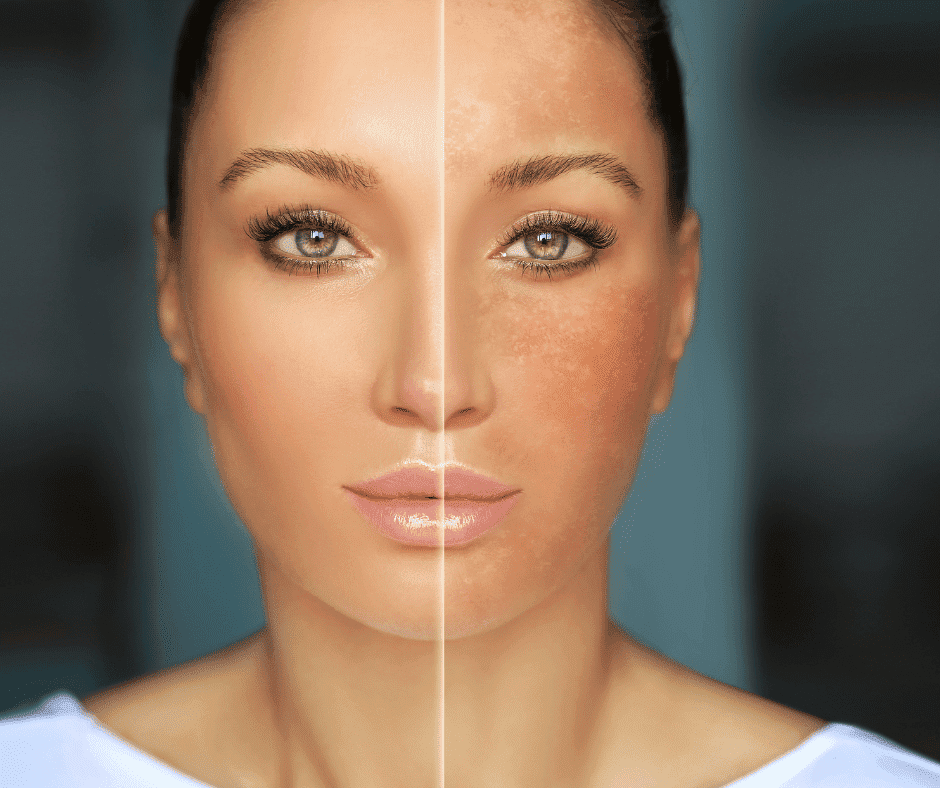
Hyperpigmentation, such as melasma and age spots, can be a persistent and troubling skin concern for many, often manifesting as patches of skin that become darker than the surrounding area. This happens when an excess of melanin, the brown pigment that produces normal skin color, forms deposits in the skin causing melasma, discoloration, and dark spots. I’ve found that skincare can be challenging to address through over-the-counter products alone, which is why the use of chemical peels and topical treatments has garnered significant attention as an effective treatment option.


Chemical peels, skincare products, and creams work by applying a solution to the skin, which accelerates exfoliation and promotes the regeneration of new skin. The salicylic acid peels’ resultant peeling process removes layers of skin, which can reduce the appearance of hyperpigmentation, melasma, and discoloration caused by excess melanin. The depth of the skincare peel, determined by the type and concentration of the chemical solution used, can range from superficial to deep. My research shows that superficial peels often use milder acids like glycolic acid for treatment, while more intense peels may opt for trichloroacetic acid or phenol to treat diffuse hyperpigmentation.


While I explore this treatment, it’s crucial to remember that chemical peels should be selected and administered by a qualified professional to minimize risks and achieve the desired outcome for patients. Proper post-peel care is essential in managing pigmentation, including hyperpigmentation and melasma, and ensuring the health of the skin. It’s beneficial for patients to have a clear understanding of the science behind chemical peels to make informed decisions about their use for hyperpigmentation treatment, including melasma and spots.


Understanding Hyperpigmentation and Skin Health

As we look into hyperpigmentation, it’s crucial to grasp how it affects skin health, the different forms it takes (melasma and spots), and how skin type and external factors like sun exposure and aging play pivotal roles in its color and treatment.


Types of Hyperpigmentation

Hyperpigmentation occurs when melanin, the pigment responsible for skin color, is produced in excess in patients. This can manifest in various forms:


Melasma: Typically stemming from hormonal changes, often seen in pregnant women. It is characterized by hyperpigmentation and pigment spots in patients. Treatment is available.

Post-Inflammatory Hyperpigmentation (PIH): Arises after an inflammatory skin concern heals, such as acne. 

Sunspots (also known as age spots or liver spots) form due to prolonged sun exposure over the years, causing hyperpigmentation in patients.


Understanding your unique skin type is key when addressing pigmentation issues such as hyperpigmentation, melasma, and spots in patients.


Impact of Skin Type on Pigmentation

Different skin types have varying predispositions to pigmentation:


Type I (Very fair to pale skin) patients: High risk of sun damage, burns easily, more likely to develop sunspots.

Type II to III (Fair to olive skin) patients may tan slowly, still at risk of sun damage and pigmentation.

Type IV to VI (Moderate brown to dark brown or black skin) patients are more prone to melasma, PIH, hyperpigmentation, and pigment spots.


Appropriate sun protection and tailored treatment is crucial to manage hyperpigmentation and spots effectively across different skin types in patients.


Role of Sun Exposure and Aging in Skin Health

Exposure to the sun and the natural aging process have significant impacts on skin hyperpigmentation and pigment spots.


Sun Damage: UV rays can accelerate melanin production leading to increased pigmentation such as sunspots and hyperpigmentation, and can degrade collagen, impacting skin texture and causing fine lines.

Aging: With time, patients’ skin’s natural collagen production wanes, the epidermis thins, and age spots and hyperpigmentation may become more apparent. Photoaging, the premature aging from sun exposure, can exacerbate hyperpigmentation and pigment spots in patients.


Understanding these factors is essential in maintaining skin health and when considering treatments like chemical peels that aim to rejuvenate the skin by removing damaged, pigmented cells, spots, and stimulating collagen production in patients. Protecting skin from sun exposure is a fundamental approach to mitigating hyperpigmentation concerns in patients.


Types and Benefits of Chemical Peels

Chemical peels are a pivotal part of skincare for patients seeking to address hyperpigmentation. In my experience, understanding the types available and their unique benefits can enable patients to choose the most suitable option for their skin condition, including hyperpigmentation.


Superficial vs Medium vs Deep Peels

Superficial peels, such as those containing alpha hydroxy acids (AHAs) like glycolic acid, or beta hydroxy acids (BHAs) like salicylic acid, work on the very top layer of skin in patients. They rejuvenate the skin by exfoliating dead skin cells, which can brighten the complexion and improve texture in patients with hyperpigmentation.


Glycolic acid (AHA): Exfoliates and promotes new cell generation.

Salicylic acid (BHA): Targets oily/acne-prone skin by unclogging pores in patients.


Medium-depth peels often use trichloroacetic acid (TCA) or a combination of AHAs and BHAs to reach the upper to middle layers of the skin in patients with hyperpigmentation. They are more potent in reducing wrinkles, hyperpigmentation, and pigmentation issues in patients than superficial peels.


Trichloroacetic acid (TCA): Reduces visible signs of aging, blemishes, hyperpigmentation in patients.

Combined AHA/BHA peel: Offers comprehensive exfoliation.


Deep peels involve stronger agents like phenol. They penetrate the lower dermal layer to significantly improve deep wrinkles, severe sun damage, and hyperpigmentation in patients. Due to their intensity, deep peels usually necessitate a longer recovery period to avoid hyperpigmentation.

Phenol: Addresses deep-set imperfections and revitalizes extensively.


Common Chemical Peel Ingredients

Several ingredients are specifically chosen for their efficacy in improving skin appearance and health:


Glycolic acid: AHA; ideal for exfoliation and boosting collagen.

Salicylic acid: BHA; excellent for oily or acne-prone skin types.

Lactic acid: Another AHA that’s milder and moisturizes as it exfoliates.

Kojic acid: Often used to lighten hyperpigmentation and age spots.

Mandelic acid: A go-to for sensitive skin types looking to exfoliate gently.

Retinoic acid: This derivative of vitamin A helps in skin renewal.


Advantages of Regular Chemical Peeling

Incorporating chemical peels into your skincare routine can offer numerous advantages. The results often include:


Rejuvenation: Regular peels can refresh and renew the skin’s appearance.

Exfoliation: Peels remove dead skin cells, revealing brighter skin underneath.

Wrinkle Reduction: Over time, peels can reduce the appearance of fine lines.

Improved Texture: My skin feels smoother and more even after consistent treatments.


Procedure and Aftercare of Chemical Peels

Chemical peels are a significant tool in the battle against hyperpigmentation. I want to share how they’re performed and cared for, to clarify what you can expect.


Pre-Treatment

Before I dive into the procedure, here’s what’s important:


Consultation: I always recommend consulting a dermatologist first. They will assess your skin’s condition and determine the suitable type of peel.

Skin Preparation: Preparing the skin may involve using mild exfoliants or retinoids in the days leading up to the peel, as advised by the dermatologist.

Avoidance: Stay away from any exfoliating agents or activities that could irritate your skin for at least one week before the peel.


The Procedure

On the day of the peel:


Cleansing: The skin is thoroughly cleansed.

Application: The chemical solution, with a specific pH for the right exfoliation level, is applied methodically.

Observation: The skin is watched closely for the appropriate level of peeling.

Neutralization: If needed, a neutralizing solution is applied to halt the peel’s activity.


Post-Treatment and Aftercare

Post-treatment care is crucial for a successful outcome:


Soothing: Post-treatment, the skin is often red and sensitive, resembling sunburn. I take steps to soothe this erythema or redness using cool compresses or prescribed balms.

Moisturization & Protection: Regular moisturization and sun protection are paramount. It aids the epithelialization process, where the skin heals itself.

Avoiding Complications: Monitoring the peel’s after effects is essential. Following the post-treatment care plan carefully helps prevent complications like infection or undue irritation.

Follow-Up: I adhere to follow-up appointments with the dermatologist to ensure proper healing.


Remember, adherence to aftercare recommendations will greatly influence not just the final results but also the complexion’s overall health post-procedure.

0 comments
0 FacebookTwitterPinterestEmail
Melasma and Chemical Peels FAQs

If you’re reading this, you’re probably curious about melasma, a skin pigmentation condition caused by excess melanin. Chemical peels are a popular skincare treatment for addressing melasma and acne. Don’t worry; you’re not alone. As someone who is passionate about skincare, I understand the importance of seeking advice from dermatologists when it comes to managing dermatoses and exploring cosmetic procedures. I’ve been there myself, wondering about these skincare concerns and the solutions available. To make things easier for you, I’ve compiled a list of frequently asked questions about melasma and chemical peels, specifically focusing on skin pigmentation, skincare, pigment spots, and diffuse hyperpigmentation. This information is drawn from my own experiences and expert advice.

What is Hyperpigmentation, and How Does It Relate to Melasma?

Hyperpigmentation, also known as skin discoloration, is a common skincare issue caused by an excess of melanin. It can be treated with various skincare treatments. Melasma, a specific type of hyperpigmentation, is characterized by the dark spots, discoloration, and age spots caused by melanin. Dark spots, also known as age spots or pigment spots, often appear as brown or gray-brown patches primarily on the face, but can also occur on other sun-exposed areas like the neck and arms. These spots are a form of diffuse hyperpigmentation. Hormonal changes, sun exposure, and genetics can contribute to diffuse hyperpigmentation of the skin, known as melasma. Melasma is characterized by the appearance of pigment spots, affecting the color of the skin.

Is Melasma Permanent?

Melasma isn’t always permanent, but it can be persistent. Diffuse hyperpigmentation, also known as pigment spots, can fade on its own, particularly after pregnancy or stopping birth control pills. However, it may reappear due to factors such as sun exposure and hormonal changes. To address this, seeking appropriate skin treatment is recommended.


What are Chemical Peels, and How Do They Help with Melasma?

Chemical peels are cosmetic treatments that use chemical solutions to exfoliate the skin, promoting the growth of new, smoother, and less pigmented skin. These treatments are effective in reducing hyperpigmentation and spots in patients and people. They can be an effective treatment for hyperpigmentation by reducing the appearance of pigment spots on the skin.

Are Chemical Peels Safe for All Skin Types?

While chemical peels are generally safe for most skin types, it’s crucial for patients with hyperpigmentation or pigment spots to consult with a dermatologist or skincare professional before undergoing treatment, especially if they have sensitive or dark skin. They will assess patients’ skin and recommend the appropriate treatment, such as a peel, to minimize any potential side effects of hyperpigmentation and pigment spots.


What Types of Chemical Peels are Used for Melasma?

For the  on the skin, dermatologists often recommend superficial chemical peels like alpha hydroxy acids (AHAs) or beta hydroxy acids (BHAs) to target and reduce the appearance of spots. These milder peels are effective for treating spots, hyperpigmentation, and providing treatment options for patients. They are less likely to cause significant skin peeling or downtime.


How Do Chemical Peels Work on Melasma?

Chemical peels work by exfoliating the top layers of the skin, where hyperpigmentation and spots are most concentrated. This treatment is effective for patients seeking to address these issues. This treatment process encourages the growth of new, healthier skin cells with less melanin, reducing the appearance of hyperpigmentation spots in patients.


Is There Downtime After a Chemical Peel for Melasma?

The downtime after a chemical peel varies depending on the type and strength of the peel used for patients with hyperpigmentation. This treatment helps reduce spots on the skin. Superficial peels may have minimal downtime for patients with hyperpigmentation, with mild redness and peeling that typically resolves within a few days, leaving the skin free from spots. Deeper peels may require more downtime for patients with skin spots and hyperpigmentation, but your dermatologist will provide specific instructions on aftercare.


How Many Chemical Peel Sessions are Needed for Melasma?

The number of sessions needed for treating hyperpigmentation in patients with skin spots varies from person to person. Some patients may see improvement in their skin after just one session, while others with hyperpigmentation spots may require multiple treatments spaced a few weeks apart for optimal results. Your dermatologist will create a personalized treatment plan for patients with skin issues, such as spots and hyperpigmentation.


Can I Combine Other Treatments with Chemical Peels for Melasma?

Yes, you can combine other treatments with chemical peels to enhance results for patients with hyperpigmentation. These treatments can help improve the appearance of spots on the skin. Common complementary treatments for melasma management include topical skin-lightening agents, sun protection, and daily skincare routines tailored to hyperpigmentation spots in patients. Your dermatologist will guide skin patients on the best approach for spots and hyperpigmentation.


Is Sun Protection Essential After a Chemical Peel for Melasma?

Absolutely! Sun protection is crucial when dealing with melasma. Sun exposure can worsen hyperpigmentation in patients with melasma and reverse the positive effects of chemical peels on the skin. Always wear sunscreen with broad-spectrum protection to protect your skin from hyperpigmentation and avoid direct sunlight as much as possible, especially for patients.


Can I Expect Permanent Results from Chemical Peels for Melasma?

While chemical peels can significantly improve the appearance of hyperpigmentation on the skin, it’s essential to understand that they may not provide permanent results for patients. Melasma management often requires ongoing care for patients with hyperpigmentation of the skin, including maintenance treatments and sun protection.


Are There Any Risks or Side Effects Associated with Chemical Peels for Melasma?

Like any medical or cosmetic procedure, chemical peels come with potential risks and side effects for patients with hyperpigmentation of the skin. These can include redness, swelling, peeling, and in rare cases, scarring or pigmentation changes in patients with hyperpigmentation. However, when performed by a qualified dermatologist, the risks of hyperpigmentation in patients are minimized.


Can I Use Over-the-Counter (OTC) Peels for Melasma?

While some OTC peels may provide mild exfoliation, they are generally not as effective as professional-grade chemical peels for treating hyperpigmentation in patients. For the best results and safety of patients with hyperpigmentation, it is advisable to seek treatment from a qualified dermatologist.


What Precautions Should I Take Before Getting a Chemical Peel for Melasma?

Before undergoing a chemical peel, it’s essential to:

Consult with a dermatologist to determine if patients with hyperpigmentation are suitable candidates.

Share your medical history, including any allergies or previous skin treatments, especially if you have a history of hyperpigmentation.

To prevent hyperpigmentation, it is important to avoid excessive sun exposure in the weeks leading up to your peel.

Follow your dermatologist’s pre-peel instructions, which may include discontinuing certain skincare products to prevent hyperpigmentation.


Can I Wear Makeup After a Chemical Peel for Melasma?

Immediately after a chemical peel, it’s recommended to avoid wearing makeup until your skin has fully healed. Your dermatologist will provide specific post-peel instructions, including when you can safely resume your regular skincare and makeup routine.


What Can I Expect During a Chemical Peel Session?

During a chemical peel session, you’ll typically experience the following steps:

Cleansing: Your skin will be thoroughly cleansed to remove any makeup, dirt, or oil.

Application: The chemical peel solution will be applied to your skin.

Sensation: You may feel a tingling or mild burning sensation, which is usually temporary.

Neutralization: After a specific amount of time, the peel will be neutralized.

Post-Peel Care: Your dermatologist will provide post-peel instructions, including the use of gentle skincare products.


How Much Does a Chemical Peel for Melasma Cost?

The cost of a chemical peel for melasma varies depending on several factors, including the type of peel, the location of the dermatologist’s practice, and the number of sessions needed. It’s best to consult with a dermatologist for an accurate estimate.


Is Melasma Preventable?

Preventing melasma involves minimizing known triggers, such as sun exposure and hormonal fluctuations. Regular use of sunscreen and protective clothing can help prevent melasma or reduce its severity.


Final Thoughts on Melasma and Chemical Peels

I hope this FAQ has provided you with valuable insights into melasma and chemical peels. Remember that everyone’s skin is unique, and what works for one person may not work for another. Consulting with a qualified dermatologist is the best way to determine the most suitable treatment plan for your specific needs. Don’t hesitate to take the first step toward achieving healthier, more even-toned skin. You deserve to feel confident and beautiful in your skin journey!


0 comments
0 FacebookTwitterPinterestEmail
Hyperpigmentation Myths vs Reality

When it comes to dealing with melasma and excess melanin causing discoloration in different skin tones, I’ve been on quite the journey. Like many others who struggle with skincare concerns such as acne and dermatoses, I’ve explored various treatments recommended by dermatologists and heard plenty of myths along the way. Today, I want to share my personal experiences and shed light on the myths and realities surrounding laser treatment for melasma and hyperpigmentation in different skin tones. From my own journey, I’ve learned that while laser treatments can be effective, topical treatments should not be overlooked, especially when it comes to managing melasma caused by sun exposure.


Myth 1: Laser Treatment is the Only Option for Hyperpigmentation

Reality: Laser Treatment is One of Many Options


Let’s start by dispelling the myth that laser treatment is the only solution for melasma and hyperpigmentation. There are various topical treatments available to address discoloration caused by excess melanin. While laser therapy can be highly effective for patients seeking skincare treatment, it’s essential to know that it’s just one of several options available. Studies have shown that laser therapy can effectively target skin pigmentation. Topical creams, chemical peels, microdermabrasion, and even simple lifestyle changes can also help improve melasma, skincare, hyperpigmentation, melanin, and spots. The best treatment for hyperpigmentation, such as melasma and spots, will depend on the type and severity of your melanin-related condition and your skin type. It is important to protect your skin from the harmful effects of the sun.


Myth 2: Laser Treatment is a Quick Fix

Reality: Patience is Key

Another common misconception is that laser treatment provides instant results for patients with skin pigmentation issues such as melasma and inflammatory hyperpigmentation. In reality, achieving improvement in patients’ outcome may take several sessions and require patience. This study emphasizes the importance of effective management. Laser therapy is effective for treating diffuse hyperpigmentation and melasma spots in patients. It works by breaking down excess pigment in the skin, allowing the body to naturally eliminate these particles over time. Depending on the depth and extent of your melasma spots, you may need multiple sessions spaced several weeks apart to treat your skin. This is especially true for patients with melasma.


Myth 3: Laser Treatment is Painless

Reality: Discomfort is Normal

While laser treatment for melasma and hyperpigmentation spots on the skin is generally well-tolerated by patients, it’s not entirely painless. Most patients describe the sensation of melasma treatment as similar to a rubber band snapping against the skin under the sun. Some lasers also emit a warming sensation. The level of discomfort for patients with melasma and hyperpigmentation varies from person to person and depends on the type of laser used for skin treatment. However, many clinics offer numbing creams or cooling devices to help minimize any discomfort for patients with melasma during the skin procedure in the sun.


Myth 4: Laser Treatment is Suitable for All Skin Types

Reality: Skin Type Matters

One crucial aspect of laser treatment for hyperpigmentation, such as melasma and sun spots, is understanding that not all patients with different skin types are suitable candidates. Some lasers can cause adverse effects on patients with darker skin tones, leading to hyperpigmentation changes or scarring. These effects are more likely to occur after sun exposure. Therefore, it’s crucial for patients with hyperpigmentation or pigment spots to consult with a qualified dermatologist or laser specialist who can assess their skin type and recommend the most appropriate treatment option for sun damage.


Myth 5: Laser Treatment Guarantees Perfection

Reality: Realistic Expectations are Necessary

When considering laser treatment for hyperpigmentation, it’s important for patients with spots on their skin caused by sun exposure to have realistic expectations. While it can significantly reduce the appearance of spots and hyperpigmentation on the skin, it may not completely erase them for patients. Some residual pigmentation may remain, especially in severe cases. However, the improvement in patients with hyperpigmentation and pigment spots is usually noticeable and can boost your confidence, especially when it comes to improving the appearance of your skin.


Myth 6: Laser Treatment is Risk-Free

Reality: Risks Exist

No medical procedure is entirely risk-free, and laser treatment for patients with skin spots can also have risks, including the possibility of hyperpigmentation. While complications are relatively rare, they can occur. Potential risks for patients undergoing skin treatment include scarring, infection, temporary or permanent changes in pigmentation, discomfort, and hyperpigmentation spots during and after treatment. Choosing a reputable and experienced practitioner is crucial for patients seeking treatment for skin spots and hyperpigmentation. This ensures minimal risks and the best possible outcome.


Myth 7: Laser Treatment Works for All Types of Hyperpigmentation

Reality: Different Types, Different Treatments

Hyperpigmentation, a common skin condition, affects many patients. It can manifest in different forms such as melasma, post-inflammatory hyperpigmentation (PIH), and sunspots. Laser treatment may be more effective for certain types of hyperpigmentation, such as spots on the skin, in patients. For instance, hyperpigmentation of the skin, such as melasma, is often challenging to treat with lasers. However, other options like chemical peels or topical creams may yield better results for patients. Before deciding on a treatment plan, it’s crucial to identify the specific type of hyperpigmentation that affects the skin of patients.


Myth 8: Laser Treatment is Permanent

Reality: Maintenance is Key

Laser treatment can provide long-lasting results for patients with hyperpigmentation, but it’s not always permanent for their skin. Over time, new hyperpigmentation may develop in the skin of patients due to sun exposure or other factors. To maintain the benefits of laser treatment for hyperpigmentation, it’s essential for patients to follow a good skincare routine, wear sunscreen daily, and avoid excessive sun exposure.


Myth 9: Laser Treatment is Affordable for Everyone

Reality: Costs Vary

The cost of laser treatment for hyperpigmentation can vary significantly depending on several factors, including the type of laser used, the number of sessions required, the condition of the skin, and the location of the patients. When deciding on this treatment option for patients with skin concerns, it’s important to consider the potential financial commitment, especially for those dealing with hyperpigmentation. Some health insurance plans may cover laser therapy for patients with specific medical conditions like hyperpigmentation of the skin, so it’s worth checking with your provider.


Myth 10: All Lasers are the Same

Reality: Different Lasers, Different Results

Not all lasers are created equal when it comes to treating patients with hyperpigmentation, and the type of laser used can have a significant impact on the results you achieve. Various lasers target different layers of skin and pigmentation. For example, Q-switched lasers are often used for hyperpigmentation and pigmented lesions, while fractional lasers are effective for improving skin texture, tone, and hyperpigmentation. Your dermatologist or laser specialist will determine the most suitable laser for your specific needs, whether it’s for treating hyperpigmentation or other skin concerns.


In Conclusion

Laser treatment for hyperpigmentation can be a highly effective option, but it’s crucial to separate myth from reality to make an informed decision. Remember that there are various treatment options available, and laser therapy may not be suitable for everyone. Always consult with a qualified healthcare professional to assess your individual needs and create a personalized treatment plan.


I hope my journey and insights have helped clarify some of the misconceptions surrounding laser treatment for hyperpigmentation. With the right information and realistic expectations, you can make an informed choice to achieve smoother, more even-toned skin.


0 comments
0 FacebookTwitterPinterestEmail
Tattoo Removal Cost

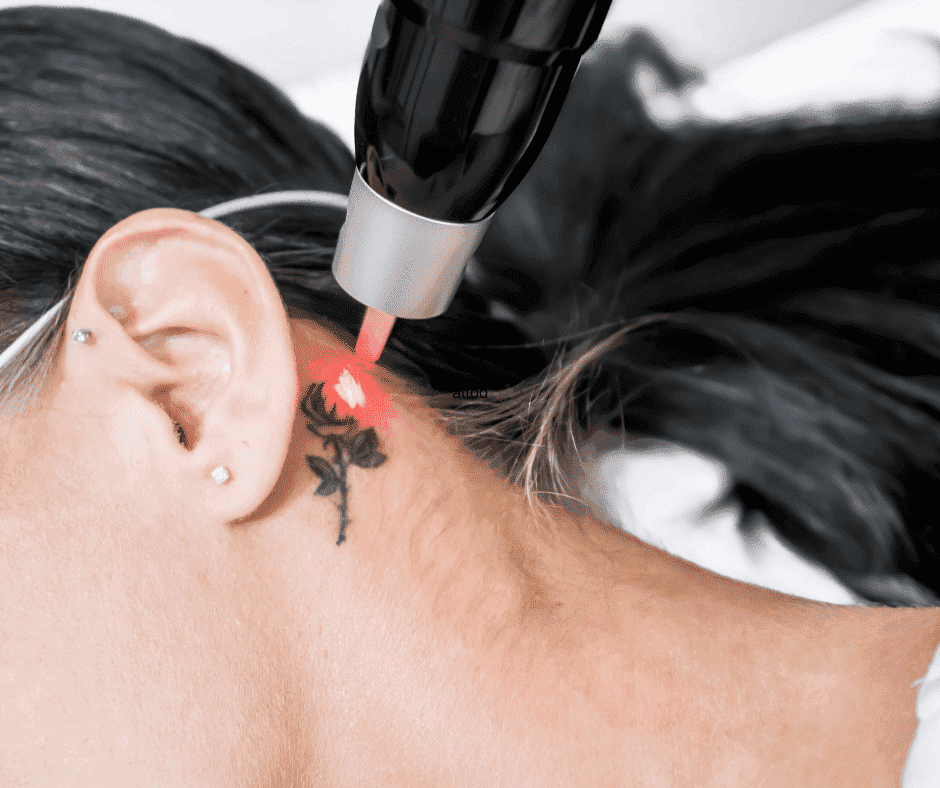
Tattoos, including permanent makeup, are a form of self-expression using ink and lasers for coloration. For many people, small tattoos hold significant personal meaning, symbolizing memories, beliefs, or relationships. These elements are often represented through various symbols and designs. Some common questions that arise when considering small tattoos include their placement, size, and design choices. However, as the years pass, our perspectives and tastes can change, leading us to question the wisdom of some of our old tattoos. 


Small tattoos may seem like a great idea at the time, but as we grow older, we may wish we had chosen a different tattoo size. It’s important to consider these factors before committing to a black tattoo. Such was my own experience at the spa, which brought me face to face with the world of tattoo removal using lasers and the often underestimated expenses it entails for patients with ink.


In this comprehensive guide, I will share my journey and insights into the price, benefits, and considerations surrounding laser tattoo removal treatments. Whether you’re contemplating laser tattoo removal treatments for the first time or simply curious about the ink removal process, this guide will provide valuable information on the technology used.


Understanding the Costs of Laser Tattoo Removal


Before diving into the intricacies of tattoo removal, it’s crucial to grasp the factors influencing the price of laser treatments. The size, complexity, and location of your tattoo determine the laser technology and package price. Laser treatments for removing an old tattoo can be quite expensive, especially for larger and more intricate designs. The price is determined by the amount of time and sessions required.


The color of your tattoo matters too. Removing an old tattoo can be done with a laser package. The price of the package may vary depending on the size and complexity of the tattoo. Generally, darker pigments are easier to remove compared to bright, vibrant colors. Skin type and tone, as well as the package price, also affect the process, with lighter skin tones typically responding better to laser treatment for old tattoos.


Moreover, the location of the tattoo on your body can influence the price. Tattoos located on areas with thinner skin, such as the face or neck, may require more sessions and specialized care, increasing the overall expense.


In addition to these factors, it’s essential to account for consultation fees and initial assessments. Reputable clinics often charge a fee for assessing your tattoo, discussing your goals, and outlining the treatment plan. Be prepared for this initial cost when you embark on your tattoo removal journey.


Hidden fees can also catch you off guard. Aftercare products, anesthesia or numbing creams, and follow-up appointments for an old tattoo all come with their own costs. It’s crucial to discuss these potential additional expenses with your chosen practitioner and budget accordingly.


When considering the cost of laser tattoo removal, it’s prudent to compare it with other removal methods. While laser treatment can be expensive, it’s often more effective and less painful than alternatives like dermabrasion or surgical excision.


Exploring the Benefits of Tattoo Removal


While the financial aspect is a significant consideration, it’s equally important to explore the benefits of tattoo removal. I found that understanding these advantages helped me justify the expenses and gave me the confidence to proceed.


First and foremost, tattoo removal offers emotional and psychological benefits. Many individuals experience a boost in self-confidence and self-esteem after removing a tattoo they’ve grown to dislike. Eliminating tattoo-related regrets can be a powerful source of relief and self-assurance.


The benefits extend beyond the personal realm, too. Removing a tattoo can enhance your professional and career prospects. Some workplaces have strict policies against visible tattoos, and removing one might open up opportunities you hadn’t considered before.


From a health perspective, tattoo removal can be crucial. If you have concerns about the safety of your tattoo ink or have experienced adverse reactions, removing the tattoo may be the best option for your well-being.


Moreover, tattoo removal creates a blank canvas for new ink. If you’re contemplating covering up your old tattoo with a new design, removal can help ensure the best results, giving your tattoo artist a clean slate to work with.


Preparing for Laser Tattoo Removal


With a better understanding of the costs and benefits, it’s time to prepare for the actual tattoo removal process. This involves making informed choices and taking steps to ensure a successful outcome.


Start by selecting a reputable clinic or practitioner. Research their credentials and read reviews from previous clients. A personal visit to the clinic for a consultation can provide valuable insights into their professionalism and the comfort level they offer.


During the consultation, discuss your expectations and desired outcomes. This is the time to ask questions about the procedure, potential risks, and the estimated number of sessions required. Clear communication with your practitioner is essential to set realistic goals and timelines.


In the weeks leading up to your first session, follow pre-treatment care guidelines provided by your practitioner. This may include avoiding sun exposure, staying hydrated, and refraining from certain medications or substances that can affect the treatment’s effectiveness.


Setting realistic expectations is crucial. While laser tattoo removal can yield impressive results, complete removal is not always guaranteed, especially for tattoos with vibrant colors or extensive ink. Your practitioner will discuss the likely outcome based on your tattoo’s characteristics.


Keeping Your Skin Safe During the Removal Process


Laser tattoo removal involves a series of sessions, each targeting the tattoo with intense bursts of light. While the procedure is generally safe, it’s important to be aware of potential discomfort and side effects.


Depending on your pain tolerance and the size and location of your tattoo, you may opt for anesthesia or numbing creams. These options can help manage pain and discomfort during the sessions.


Like any medical procedure, laser tattoo removal carries some risks. Common side effects include skin irritation, redness, and swelling, which usually subside within a few days. However, more severe side effects like scarring or changes in skin pigmentation can occur, so it’s essential to follow post-treatment care instructions diligently.


After each session, your practitioner will provide specific care instructions. These typically include avoiding direct sunlight, using recommended aftercare products, and keeping the treated area clean and moisturized. Following these instructions will help minimize complications and promote optimal healing.


Considering Long Term Post-Removal Care


As your tattoo removal journey progresses, it’s essential to consider long-term post-removal care. This phase involves monitoring the healing process, assessing the need for touch-up sessions, and planning for any further modifications.


Monitor the healing process carefully. Keep an eye on the treated area for any signs of infection or abnormal scarring. If you have concerns, consult your practitioner promptly.


Some tattoos may require touch-up sessions to achieve the desired results. These sessions are typically spaced several weeks apart and allow your practitioner to address any remaining ink or areas that need further attention.


If you’re not entirely satisfied with the outcome of tattoo removal, you can explore tattoo cover-up or modification options. Skilled tattoo artists can work with you to create a design that either incorporates the remnants of your old tattoo or covers it completely with a new one.


In addition to addressing your tattoo, it’s essential to maintain overall skin health. Establishing a skincare routine can help keep your skin looking and feeling its best, and it can also prevent new tattoos from becoming future regrets.


Finding Affordable Laser Tattoo Removal Options


Start by researching different clinics and their pricing structures. Request quotes from multiple practitioners to compare costs. Keep in mind that clinics with experienced practitioners and advanced equipment may charge more but can offer better results.


Explore financing and payment plans. Many clinics offer financing options to make tattoo removal more accessible. These plans allow you to spread the cost over time, making it more manageable.


While budget considerations are essential, be cautious about choosing the cheapest option available. Quality should be a top priority when it comes to your skin and overall health. Balance cost considerations with the reputation and experience of the practitioner.


It’s also worth looking into government and non-profit assistance programs. Depending on your circumstances and reasons for tattoo removal, you may qualify for financial assistance or support.


Conclusion


The journey of tattoo removal can be a complex and costly one, but it offers numerous benefits, both emotionally and physically. By understanding the factors that influence the cost, preparing properly, and prioritizing your skin’s safety, you can make an informed decision that aligns with your goals and budget. Remember that the process may take time, but the results can be well worth the investment in the end. So, if you’re considering laser tattoo removal, take the time to count the cost, explore your options, and embark on your journey to a fresh canvas with confidence.

0 comments
0 FacebookTwitterPinterestEmail
Tattoo Removal After Care

When I first decided to get tattoos, it felt like the right choice at the time. This article is about unwanted ink and things to consider before getting a tattoo. The tattoos on my skin, representing a part of my identity and a chapter of my life, are now being removed through the tattoo removal process. The wounds left behind from the removal process will eventually heal, forming scabs. However, as the days and sun passed, my feelings about that tattoo changed, and I began to experience something many others can relate to—tattoo regret. 


The water and tips on how to remove or cover up a tattoo became my main focus. The decision to remove my tattoo was not easy, but the experience of using a laser made it worth it. The financial aspect added some challenges, but after a few days, I could already see the sun again. In this comprehensive guide, I will take you on my journey through laser tattoo removal, focusing on the expenses involved and the various aspects of light treatment you should consider before embarking on this transformative process. Whether you’re seeking dermatology expertise or simply looking for more information, this guide will provide you with valuable insights.


Tattoo Removal Benefits


Before delving into the financial aspects of laser tattoo removal, it’s crucial to understand why so many people decide to undergo this dermatology treatment. Tattoo regret can heavily impact one’s self-esteem and confidence. Laser treatment in dermatology can help remove unwanted tattoos using water-based technology. For me, my tattoo was a constant reminder of a time in my life that I wanted to put behind me. That’s why I decided to undergo the tattoo removal process at aad, where I received professional tattoo removal treatment.


One of the significant benefits of tattoo removal is the opportunity to regain your confidence and self-esteem. Additionally, undergoing aad treatment can further enhance the results by effectively targeting and eliminating unwanted tattoos. Moreover, it’s important to note that cookies are not involved in the tattoo removal process. As the tattoo gradually disappears, you’ll find yourself feeling better about your appearance and more comfortable in your own skin. The aad will help with the disappearance, and the cookies will aid in your comfort. This newfound confidence can have a positive impact on various aspects of your life, from your personal relationships to your professional image. It’s like adding cookies to your favorite recipe – they enhance the overall flavor and make it even more enjoyable.


Speaking of the professional image, having a visible tattoo can sometimes limit your career opportunities, especially in industries that prefer a more conservative appearance. However, it’s important to note that certain companies may be more accepting of visible tattoos, particularly in creative fields like graphic design or advertising. Ultimately, it’s essential to consider how your tattoo may impact your prospects and make an informed decision. Removing a tattoo that might be seen as unprofessional can open doors and lead to new job prospects. Additionally, it can help avoid potential discrimination based on personal choices, such as visible tattoos, during the hiring process.


Additionally, the removal process can greatly improve the health and appearance of your skin, just like cookies. Tattoos, especially older ones, can cause skin damage over time. The laser tattoo removal process not only eliminates the ink but also stimulates collagen production, resulting in smoother and healthier-looking skin.


How to Prepare for HIFU Tattoo Removal


Once you’ve made the decision to remove your tattoo, the first step is finding a reputable tattoo removal clinic. I cannot stress enough the importance of choosing a qualified and experienced professional for this procedure. Do your research, read reviews, and schedule consultations with different clinics to find the right fit for you.


During the consultation, the tattoo removal specialist will assess your tattoo, its size, colors, and location, and discuss the expected number of sessions and the associated costs. This is a crucial step in understanding the financial commitment required for the entire process.


Preparing your skin for the procedure is essential for a successful outcome. Your tattoo removal specialist will provide guidelines on how to prep your skin. This may include avoiding sun exposure, tanning beds, and certain skincare products in the weeks leading up to your first session.


Understanding the Tattoo Removal Healing Process


To truly comprehend the expenses involved in laser tattoo removal, it’s essential to understand how the process works. Laser tattoo removal works by targeting the tattoo ink with high-intensity light pulses. These pulses break down the ink particles into smaller fragments, allowing your body’s natural immune system to gradually eliminate them.


It’s crucial to note that complete tattoo removal typically requires multiple sessions, spaced several weeks apart. The exact number of sessions depends on various factors, including the tattoo’s size, color, and the type of ink used. This means that the cost of tattoo removal is not just a one-time fee but an accumulation of expenses over several months.


Moreover, the healing process between sessions is also a part of the overall journey. After each treatment, your skin needs time to recover, and there may be side effects such as redness, swelling, and blistering. These factors should be considered when budgeting for tattoo removal.


Managing Pain and Discomfort During Tattoo Removal


The thought of the pain associated with tattoo removal can be intimidating. Fortunately, there are ways to manage and minimize discomfort. Many tattoo removal clinics offer numbing creams or local anesthesia to make the procedure more bearable. Additionally, cooling devices can help reduce pain during and after the treatment.


To cope with the discomfort, I found that relaxation techniques, such as deep breathing and focusing on something positive, helped me get through each session. Remember that the pain is temporary and the end result will be worth it.


What to Expect During the Recovery Period


After each tattoo removal session, your skin will go through a healing process. It’s essential to have realistic expectations and understand that the treated area may look different than you expect. Immediate post-treatment effects can include redness, swelling, and even blistering. These side effects are normal and usually subside within a few weeks.


Proper care of the treated area is crucial during the recovery period. Your tattoo removal specialist will provide specific instructions on how to clean and protect the area. It’s essential to follow these guidelines diligently to ensure the best possible outcome.


Tips for Caring for Your Skin After Tattoo Removal


In addition to following your specialist’s instructions, there are several general tips for caring for your skin after tattoo removal. First and foremost, keep the treated area hydrated by applying a recommended moisturizer regularly. This helps with the healing process and minimizes the risk of scarring.


Protecting your skin from the sun is another vital aspect of aftercare. UV exposure can lead to pigmentation issues and hinder the healing process. Make sure to use sunscreen on the treated area and avoid direct sunlight as much as possible.

Maintaining cleanliness is essential to prevent infection. Keep the treated area clean and avoid activities that might introduce bacteria or irritants to the skin. Lastly, consider making dietary and lifestyle adjustments that promote overall skin health, such as staying hydrated and eating a balanced diet rich in vitamins and antioxidants.


The Benefits of Following Proper Aftercare Guidelines Following Tattoo Removal


Following proper aftercare guidelines is not just about ensuring a smooth recovery; it also directly impacts the final results of your tattoo removal journey. By minimizing the risk of complications, you’ll reduce the chances of needing additional sessions, which can add to the overall expense. Moreover, adhering to aftercare instructions enhances skin regeneration and helps your skin heal beautifully.


Conclusion


The decision to remove a tattoo is a significant one, and it comes with its share of expenses. While the financial aspect may be daunting, the benefits of tattoo removal—regaining confidence, improving your professional image, and enhancing your skin’s health—make it a worthwhile investment. By preparing adequately, understanding the process, managing discomfort, and following proper aftercare, you can ensure that the cost of tattoo removal is a sound investment in yourself and your future.

0 comments
0 FacebookTwitterPinterestEmail
HIFU For Facelifts

When it comes to maintaining a youthful appearance, the world of aesthetic medicine offers a plethora of options, including surgical facelift and non-surgical facial lifting procedures. One such innovative noninvasive procedure in aesthetic medicine that has caught my attention is High-Intensity Focused Ultrasound (HIFU) therapy for skin tightening. This therapy uses heat to achieve its results. Having explored the realm of cosmetic treatments extensively, I’m excited to delve into the intriguing world of high intensity focused ultrasound (HIFU) and share its potential benefits for the skin, particularly the face, and its procedure details that make it a viable option for patients.

What is HIFU?

Before diving into the benefits and procedure of HIFU cosmetic surgery for the face and skin, let’s demystify what HIFU actually is. HIFU is a non-invasive treatment that uses ultrasound to stimulate collagen production in participants. HIFU, short for High-Intensity Focused Ultrasound, is a noninvasive procedure that effectively combats wrinkles on the face. Its efficacy in rejuvenating the skin makes it a popular choice for treating signs of aging. Unlike surgical facelifts, HIFU treatment areas harnesses the power of focused ultrasound energy to stimulate collagen production deep within the skin, reducing wrinkles and improving the jawline’s efficacy.

The concept of using ultrasound for therapeutic purposes in treating patients isn’t new, but HIFU has revolutionized the field by providing clinical improvement in treatment areas through targeted shots. HIFU treatments offer a unique advantage for patients seeking skin improvement by delivering precise, high-intensity ultrasound waves to targeted areas without damaging the surrounding tissue. HIFU treatments are an effective tool for skin tightening, wrinkle reduction, and overall facial rejuvenation. This ability to penetrate deep into the face’s layers makes it particularly beneficial for targeting the jawline and other specific areas.

Benefits of a HIFU Facelift

Woman receiving a non-surgical facelift procedure with professional deviceNow that we understand what HIFU entails, let’s explore the remarkable benefits it offers for patients with skin concerns. HIFU is a non-invasive treatment that targets specific areas of the face to improve the skin’s appearance.

One of the standout features of HIFU is its non-invasiveness, making it a popular choice for patients seeking clinical treatments for their skin and face. Unlike traditional facelift surgeries, there are no incisions, stitches, or anesthesia required for patients seeking improvement in their skin areas. This means improved patient satisfaction, with areas of improvement including minimal downtime, reduced risk of complications, and a more comfortable experience overall.

Advantages Over Surgical Facelifts for Skin Improvement: While surgical facelifts may provide improvement in areas of the skin for patients, they come with inherent risks, extended recovery periods, and scarring. HIFU, on the other hand, offers a safe and convenient alternative for patients seeking face lift satisfaction. It allows for subtle, yet significant, improvements in skin elasticity and firmness in the face of patients, without the need for surgery. This procedure is designed to target specific areas and provide satisfaction to our patients.

HIFU is celebrated for delivering natural-looking results for patients’ skin and face, ensuring their satisfaction. The treatment gradually tightens and lifts the face, enhancing facial contours in key areas for patient satisfaction without the telltale signs of an artificial or “pulled” appearance. This is a big draw for patients seeking satisfaction with their skin, as they desire a subtle enhancement of their face rather than a drastic transformation.

Long-Lasting Effects for Patient Satisfaction: Although HIFU doesn’t halt the natural aging process, it effectively targets areas of the face, resulting in long-lasting effects for patients. Collagen production stimulated by the treatment can continue for several months after the procedure, offering sustained improvements for patients. These improvements can endure in the face and other areas for up to a year or more.

HIFU’s deep-reaching ultrasound waves not only tighten the face but also improve its texture and tone in areas where patients need improved skin elasticity. Many patients report smoother, more youthful-looking skin on their face and other areas as a result of HIFU therapy.

The HIFU Procedure

Pre-Procedure Preparations for the face: It all begins with a consultation with a HIFU specialist. During this consultation, your face will be assessed, and a customized treatment plan for your face will be devised based on your individual needs and goals.

The HIFU Treatment Process: On the day of the procedure, a specialized ultrasound gel is applied to the targeted area. This gel acts as a conduit for the ultrasound waves. The HIFU device is then used to precisely target and deliver the ultrasound energy to the designated areas of your skin.

Duration of the Procedure: The length of the HIFU procedure depends on the treatment area and the extent of the rejuvenation needed. Typically, it can take anywhere from 30 minutes to a couple of hours.

Pain Management: Discomfort during the procedure is generally minimal. Some patients may experience a warming sensation or mild tingling as the ultrasound energy is applied. Pain management options, such as numbing cream or over-the-counter pain relievers, can be discussed with your HIFU specialist to ensure your comfort.

Safety Considerations: HIFU is considered a safe and FDA-approved procedure when performed by trained professionals. The focused ultrasound energy is carefully controlled to avoid damage to surrounding tissues.

Potential Side Effects and Risks: While HIFU is known for its safety, some patients may experience temporary redness, swelling, or mild bruising immediately after the treatment. These effects typically subside within a few hours to a few days.

What to Expect After a HIFU Facelift

Immediate Post-Procedure Effects: Right after the treatment, you may notice some redness and warmth on the treated area. These effects are usually mild and short-lived.

Recovery Period: HIFU requires minimal downtime. Most individuals can return to their daily activities immediately after the procedure. A simple skincare regimen may be recommended to optimize and maintain the results.

Long-Term Results: The magic of HIFU unfolds over time. While you may see some initial improvements, the full effects develop gradually over several weeks as collagen production continues to increase. Many patients opt for maintenance treatments to prolong their rejuvenated appearance.

Patient Testimonials and Success Stories: Don’t just take my word for it; countless individuals have experienced the benefits of HIFU and shared their success stories. These firsthand accounts offer valuable insights into the real-world results of HIFU therapy.

The Cost of a HIFU Facelift

Various denominations of U.S. dollar bills and coins scatteredFactors Influencing the Cost: The cost of a HIFU facelift can vary widely based on several factors. The treatment area, geographic location, and the expertise of the HIFU specialist all play a role in determining the final cost.

Cost Comparison with Surgical Facelifts: When compared to surgical facelifts, HIFU often proves to be a more cost-effective solution. Surgical facelifts can entail significant expenses related to the surgery itself, anesthesia, and post-operative care.

Financing Options and Insurance Coverage: Many clinics offer financing options to make HIFU more accessible to a broader range of patients. However, it’s important to note that cosmetic procedures like HIFU are typically not covered by insurance.

Is HIFU Right for Me?

Candidacy Criteria: HIFU is suitable for a wide range of individuals, but certain factors may affect your candidacy. Your age, skin type, and overall health are key considerations.

Consultation with a HIFU Specialist: To determine if HIFU is right for you, it’s crucial to consult with a qualified HIFU specialist. They can evaluate your specific needs and provide personalized recommendations.

Personal Considerations: Reflect on your desired outcomes and your tolerance for non-invasive procedures. HIFU offers subtle enhancements, making it an attractive option for those seeking natural-looking results.

Weighing the Pros and Cons: Take the time to weigh the pros and cons of HIFU against other treatment options and your individual circumstances. It’s essential to make an informed decision that aligns with your goals and preferences.

Realistic Expectations: Finally, set realistic expectations. HIFU can provide significant improvements, but it won’t completely halt the aging process. Understanding the limitations of the treatment is essential for satisfaction with the results.

AspectDetails
Immediate Post-Procedure EffectsMild redness and warmth in the treated area; effects are short-lived.
Recovery PeriodMinimal downtime; most individuals can resume daily activities immediately.
Skincare RecommendationsA simple skincare regimen may be advised to maintain and optimize results.
Long-Term ResultsFull effects develop gradually over several weeks as collagen production increases.
Maintenance TreatmentsMany patients opt for periodic maintenance sessions to prolong the rejuvenated appearance.
Patient TestimonialsNumerous success stories highlight noticeable improvements in skin firmness, tightness, and overall youthfulness.

Frequently Asked Questions About HIFU Facelift

How long does a HIFU facelift last?
The results of a HIFU facelift can last between 12 to 18 months, depending on individual factors such as age, skin type, and lifestyle. To maintain results, some patients opt for annual maintenance sessions.

Is HIFU treatment painful?
Most patients experience mild discomfort, described as a tingling or warm sensation during the procedure. However, pain tolerance varies, and numbing cream or over-the-counter pain relievers can be used to minimize discomfort.

How soon will I see results after HIFU treatment?
Some patients notice an immediate tightening effect, but the full results develop gradually over three to six months as collagen production increases. The improvements continue as the skin regenerates.

Are there any side effects of HIFU?
HIFU is generally safe, but some temporary side effects may include mild redness, swelling, or slight bruising, which typically subside within a few hours to a few days. There is no downtime, and most people resume their daily activities immediately.

Conclusion

In the world of cosmetic procedures, HIFU stands out as a promising solution for those seeking non-invasive facial rejuvenation. With its impressive benefits, minimal downtime, and natural-looking results, HIFU has rightfully earned its place in the realm of aesthetic enhancements.

As someone who has explored the possibilities of cosmetic treatments, I find HIFU’s potential truly exciting. Whether you’re looking to combat the signs of aging, enhance your facial features, or simply boost your confidence, HIFU therapy offers a safe and effective path towards a more youthful appearance.

Ultimately, the decision to pursue HIFU should be made after careful consideration of your unique needs and goals. Consult with a HIFU specialist to explore whether this innovative treatment aligns with your vision of unlocking the power of a more youthful you. Your journey towards a refreshed and rejuvenated appearance may just be a HIFU treatment away.

0 comments
0 FacebookTwitterPinterestEmail
Art Of Double Chin Removal

Art Of Double Chin Removal Fil

As someone who has been on a journey to feel more confident and comfortable in their own skin, I’ve explored various techniques to tackle the dreaded double chin. Join me as I share my findings on what causes this common concern and explore three prominent methods for double chin removal in Singapore: HIFU, Ultherapy, and Chin Filler.


Understanding the Double Chin Dilemma

Before delving into the techniques, it’s essential to understand what causes that stubborn double chin. Contrary to popular belief, it’s not just about weight gain; various factors contribute to its development. Genetics, aging, poor posture, and a loss of skin elasticity all play a role.

When it comes to genetics, some individuals are more predisposed to accumulate fat beneath their chin, regardless of their body weight. As we age, our skin’s elasticity naturally decreases, leading to sagging in various areas, including the chin. Poor posture can also contribute, as it causes the neck muscles to weaken and the skin to sag. All these factors combined create the double chin effect that many of us want to eliminate.


Techniques for Double Chin Removal


High-Intensity Focused Ultrasound (HIFU)

HIFU, short for High-Intensity Focused Ultrasound, is a non-invasive and highly effective technique for double chin removal in Singapore. I was intrigued by this method because it offers a way to sculpt and tighten the chin without the need for surgery.


How HIFU Works: HIFU works by using ultrasound waves to target the deep tissue layers beneath the skin. These waves heat up the tissue, causing controlled damage and triggering the body’s natural healing process. As a result, collagen production increases, leading to a firmer and more toned chin.


When I decided to try HIFU for my double chin, I was pleasantly surprised by the procedure’s simplicity. After a consultation with a qualified practitioner, I lay down as they applied a special gel to my chin area. Then, a handheld device was used to deliver the ultrasound waves precisely to the targeted areas. The sensation was warm but entirely tolerable.


Results and Recovery: One of the things that appealed to me about HIFU was the minimal downtime. I experienced some mild redness and swelling immediately after the treatment, but it subsided within a day or two. Most importantly, I started noticing gradual improvements in my chin’s appearance over the following weeks. For the best results, it’s recommended to have multiple sessions, usually spaced a few weeks apart.


Ultherapy

Next on my list of double chin removal techniques in Singapore was Ultherapy. This procedure, often referred to as a “non-surgical facelift,” intrigued me due to its ability to target not only the double chin but also other areas of the face that may need a lift.


How Ultherapy Works: Ultherapy uses ultrasound technology to stimulate collagen production deep within the skin. Much like HIFU, it promotes the body’s natural regenerative process, resulting in firmer, tighter skin. What sets Ultherapy apart is its ability to target multiple layers of tissue, including those deeper beneath the surface.


My Ultherapy experience was quite similar to HIFU in terms of the procedure. The practitioner applied a gel and used a handheld device to deliver the ultrasound energy to my chin area. While there was some discomfort during the treatment, it was manageable, and the session was relatively quick.


Results and Recovery: Like HIFU, there is minimal downtime associated with Ultherapy. I experienced some redness and mild swelling, but it resolved within a day or two. The exciting part was seeing gradual improvements in both my chin and overall facial appearance over the following months. It’s essential to note that full results may take a few months to become noticeable, as collagen production continues to improve.


Chin Filler

Chin filler is another option I explored for double chin removal in Singapore. Unlike HIFU and Ultherapy, which rely on ultrasound technology, chin filler involves the use of dermal fillers to reshape and contour the chin area.


How Chin Filler Works: Chin filler involves the injection of hyaluronic acid-based fillers into specific areas of the chin. These fillers add volume and definition, effectively camouflaging the appearance of a double chin and creating a more sculpted profile.


Before proceeding with chin filler, I had a thorough consultation with an experienced injector. We discussed my goals and the desired outcome. The actual procedure was relatively quick and involved a series of injections to the chin area. While there was some discomfort, it was well-tolerated.


Results and Recovery: One of the immediate benefits of chin filler is that you can see the results right away. My chin looked more defined immediately after the treatment. However, it’s important to note that filler is temporary, and results typically last for several months to a year. To maintain the desired look, touch-up sessions are necessary.


Factors to Consider

Severity of Your Double Chin: If you have a minimal amount of fat and sagging, non-invasive techniques like HIFU or Ultherapy may be sufficient. However, if you have a more significant concern, you may consider a combination of treatments or even surgery.


Downtime: Consider how much downtime you can afford. HIFU and Ultherapy typically have minimal downtime, while chin filler may require a day or two of recovery.


Budget: Cost is a significant factor. Non-invasive procedures like HIFU and Ultherapy may require multiple sessions, while chin filler is generally a one-time expense, albeit with temporary results.


Longevity: Think about how long you want the results to last. Chin filler offers immediate results but is temporary. HIFU and Ultherapy provide longer-lasting results, but they may require maintenance sessions.


Comfort Level: Some individuals are more comfortable with non-invasive procedures, while others may be open to injectables or surgical options.


Consultation with a Professional

Before making any decisions about double chin removal, I strongly recommend consulting with a qualified and experienced medical professional. They can assess your individual needs and provide personalized recommendations based on your goals and concerns. Additionally, they can discuss the specifics of each technique and address any questions or uncertainties you may have.


Conclusion

Remember, achieving a more confident and comfortable self is a journey, and there’s no rush. Take your time to explore your options, consult with professionals, and make an informed choice that aligns with your desires and needs. Ultimately, the choice is yours, and the path to a double-chin-free you is within reach.

So, if you’re ready to embark on this exciting journey to double chin removal in Singapore, go ahead and take that first step towards the confident and beautiful you that you deserve to be. Double chin removal in Singapore offers a world of possibilities, and it’s time to embrace them with open arms!

0 comments
0 FacebookTwitterPinterestEmail