

Collagen: the secret weapon for youthful skin and joint health. While collagen supplements promise to turn back the clock on aging, collagen-rich foods offer a natural alternative. Dive into the collagen craze – from trendy supplements to whole foods like bone broth and fish. Uncover the truth about collagen’s benefits and how it can transform your well-being. Discover if popping a pill or savoring a savory soup is the right choice for you. Get ready to explore the world of collagen and find out how this protein can make a difference in your life.
Understanding Collagen
What Is Collagen
Collagen is the most abundant protein in our bodies, acting as a crucial building block for skin, bones, muscles, tendons, and ligaments. It provides structure and elasticity to various tissues, aiding in skin firmness and hydration.
It plays a vital role in wound healing and maintaining the integrity of our skin and joints. Collagen production decreases with age, leading to wrinkles, sagging skin, and joint pain.
Types of Collagen
There are 28 types of collagen identified so far, with Type I, II, and III being the most prevalent in the human body. Type I collagen is found in skin, bones, tendons, and organs. Type II is present in cartilage, while Type III supports the structure of muscles and organs.
Each type has specific functions and locations within the body, contributing to its overall health and functionality.
Collagen in the Body
Our bodies naturally produce collagen, but factors like aging, UV exposure, and poor diet can deplete its levels. To boost collagen production, consuming foods rich in vitamin C, zinc, and amino acids is essential.
Supplements like hydrolyzed collagen peptides can also help replenish collagen levels in the body. Regular exercise can stimulate collagen synthesis, promoting skin elasticity and joint health.
Collagen and Hair Health
Amino Acids for Hair
Collagen, rich in amino acids, plays a crucial role in maintaining healthy hair. These amino acids, including glycine, proline, and hydroxyproline, are essential for hair growth. They help in strengthening hair strands and promoting overall hair health.
Moreover, amino acids derived from collagen contribute to the production of keratin, a protein vital for hair structure. By incorporating collagen into your diet or using collagen-based hair products, you can enhance the quality of your hair.
Protecting Hair Follicles
Collagen aids in protecting hair follicles from damage caused by free radicals and environmental stressors. It acts as a shield, preventing harm to the follicles and ensuring optimal hair growth. By maintaining the health of hair follicles, collagen helps in reducing hair breakage and loss.
To safeguard your hair follicles, consider consuming foods rich in collagen or utilizing collagen-infused hair care products. This proactive approach can significantly benefit the longevity and strength of your hair.
Preventing Hair Thinning
One of the significant benefits of collagen for hair health is its ability to prevent hair thinning. Collagen strengthens the hair shaft, thereby reducing the risk of thinning and promoting thicker, fuller hair. By enhancing the structural integrity of each strand, collagen combats issues related to hair loss.
Incorporating collagen supplements or collagen-rich foods into your daily routine can effectively support your efforts in preventing hair thinning and maintaining voluminous, healthy hair.
Effectiveness of Collagen for Hair Growth
Scientific Research
 Studies have shown that collagen plays a crucial role in promoting hair growth. Research indicates that collagen helps in strengthening hair follicles, leading to healthier and more resilient hair strands. Collagen aids in the production of amino acids essential for hair growth.
Recent scientific findings suggest that collagen supplementation can improve hair thickness and density. A study published in the Journal of Investigative Dermatology found that collagen peptides can enhance hair growth by stimulating hair follicles and increasing hair diameter.
Evidence-Based Benefits
The benefits of collagen for hair growth are supported by concrete evidence. Collagen helps in improving hair elasticity, reducing breakage, and enhancing overall hair health. Regular intake of collagen supplements can lead to shinier, stronger, and more vibrant hair.
Furthermore, collagen promotes scalp health by boosting blood circulation and providing essential nutrients to the hair follicles. This results in improved hair growth and reduced hair loss over time.
Limitations and Myths
While collagen offers numerous benefits for hair growth, it is essential to note its limitations. Collagen supplements may not work effectively for everyone, and results can vary depending on individual factors such as diet, lifestyle, and overall health.
e myths surrounding collagen’s ability to miraculously transform hair overnight should be debunked. Collagen is a valuable supplement for hair health, but realistic expectations and consistency are key for experiencing its full benefits.
Practical Considerations
Methods of Consumption
 Collagen can be consumed in various ways to reap its benefits. One common method is through supplements, available in powder, capsule, or liquid form. These supplements are easy to incorporate into daily routines by mixing them with beverages or food.
Another way to consume collagen is through food sources like bone broth, chicken skin, and fish. These natural sources provide the body with essential amino acids for collagen production. Including these foods in regular meals can boost collagen levels naturally.
Potential Side Effects
While collagen is generally safe for consumption, some individuals may experience mild side effects. These can include digestive issues like bloating or an allergic reaction in rare cases. It’s important to consult a healthcare professional before starting any new supplement regimen.
Alternative Strategies
For those looking for alternatives to collagen supplements, there are natural ways to support collagen production. Consuming a diet rich in vitamin C, which is crucial for collagen synthesis, can promote healthy skin and joints. Staying hydrated and avoiding excessive sun exposure can also benefit collagen levels.

 Research indicates that
  Research on collagen faces challenges related to standardization of extraction methods and quality control processes.
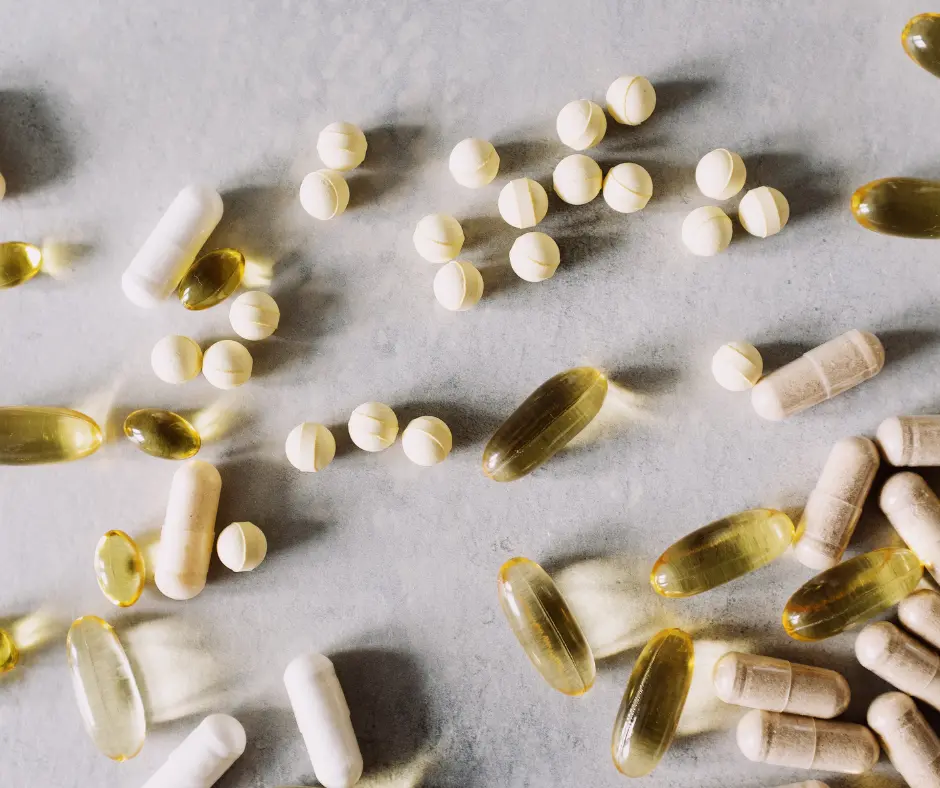 Collagen oral supplements can improve skin elasticity and hydration. Studies suggest they may reduce wrinkles.
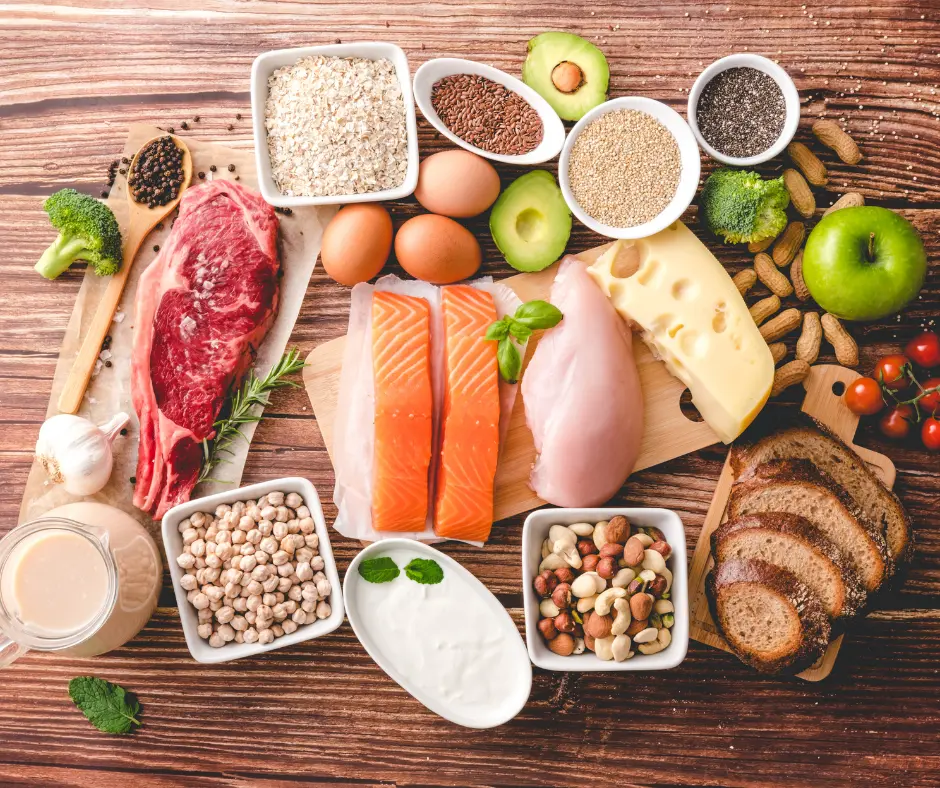 Eating
 Exercise boosts blood circulation, delivering vital nutrients to the skin cells. It promotes
  Skin becomes less firm and elastic, leading to wrinkles and sagging. The decrease in collagen affects skin hydration, resulting in dryness and rough texture.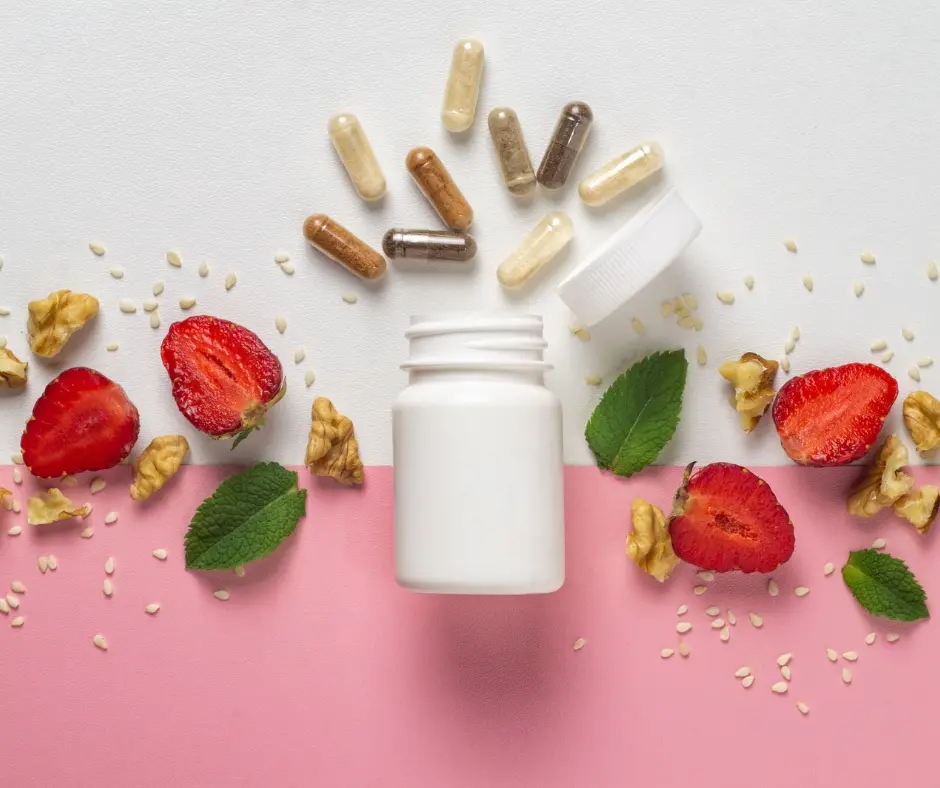
 Collagen plays a crucial role in maintaining skin elasticity and hydration, contributing to a youthful appearance. It helps in reducing wrinkles and promoting skin firmness. As we age, collagen production decreases, leading to visible signs of aging like sagging skin.
 Consumers have reported various benefits from incorporating collagen drinks into their daily routines. These may include firmer skin, stronger nails, and reduced joint pain after consistent use.
 As people age, collagen production decreases, leading to wrinkles, sagging skin, and joint pain. Skin loses elasticity due to collagen decline.
 Collagen production naturally decreases as we age, leading to skin sagging and wrinkles. To maintain healthy collagen levels, consume foods rich in vitamin C, amino acids, and antioxidants. Incorporating collagen-boosting ingredients like bone broth, fish, and citrus fruits can help support collagen synthesis.
 Bone broth is a nutrient-rich liquid made by simmering animal bones and connective tissue. It is packed with collagen, promoting skin elasticity and joint health. Consuming bone broth regularly can aid in reducing inflammation and supporting gut health.

 Exposure to pollution and toxins from the environment can deplete glutathione levels in the body. Air pollution, chemicals, and pesticides are common culprits.
 To boost glutathione levels, consider incorporating regular exercise into your routine. Exercise helps increase glutathione production, supporting overall health. Reducing stress through activities like yoga or meditation can also enhance glutathione levels.
 When choosing a glutathione and
  The packaging of a supplement can affect its potency and shelf life. Supplements should be stored in dark, airtight containers to protect them from light, air, and moisture, which can degrade the active ingredients. Check the expiration date before purchasing and avoid products that are close to their expiration. Proper packaging ensures that the supplement remains effective throughout its shelf life.
 Choosing the right supplement begins with understanding your personal health and beauty goals. Are you primarily interested in skin whitening, improving skin elasticity, or supporting overall health? Identifying your main objective will help narrow down your options. For instance, if skin whitening is your top priority, a high-potency glutathione supplement like Luxxe White Enhanced Glutathione might be ideal. If you’re looking to boost skin elasticity and hydration, a collagen-focused product like Ivi Collagen Powder Drink would be a better fit.
 One of the most immediate and noticeable benefits of regular use of glutathione and collagen supplements is the enhancement of skin appearance. Glutathione is renowned for its skin-whitening properties, helping to achieve a brighter and more even skin tone. It works by inhibiting the production of melanin, the pigment responsible for dark spots and uneven skin color. Meanwhile, collagen supplements improve skin elasticity and hydration, reducing the appearance of fine lines and wrinkles. Users often report a more youthful, radiant complexion after consistent use.
 Glutathione has been shown to improve insulin sensitivity, which can aid in weight management. By enhancing the body’s ability to metabolize carbohydrates and fats, glutathione helps maintain healthy blood sugar levels and reduces the risk of weight gain. Combined with collagen’s role in supporting lean muscle mass, these supplements can be an effective addition to a weight management program.
 The quest for youthful skin and robust health is nothing new. For centuries, cultures around the world have recognized the benefits of collagen-rich foods like bone broth and gelatin. Modern science has now caught up, with numerous studies highlighting the effectiveness of collagen supplements and skincare products. This guide will blend ancient wisdom with cutting-edge research, providing you with practical advice and insights backed by science.
 Collagen is a key player in maintaining skin health, contributing to its elasticity, firmness, and hydration. As the main structural protein in the skin, collagen supports the dermis, the middle layer that provides strength and flexibility. By maintaining this structure, collagen helps to keep the skin smooth and plump, reducing the appearance of fine lines and wrinkles.
 Collagen is not only important for skin and bones but also for muscles. It constitutes a substantial part of muscle tissue, contributing to muscle strength and function.
 Hydrolyzed collagen, also known as collagen peptides, is the most common form of collagen supplement. It is made by breaking down whole collagen proteins into smaller, more easily absorbed peptides. This form is highly bioavailable, meaning it is easily digested and utilized by the body. Hydrolyzed collagen is often used to support skin health, joint function, and overall wellness.
 To get the most out of your collagen supplement, follow the recommended dosage on the product label. Most studies suggest a daily intake of 2.5 to 15 grams of collagen peptides for optimal benefits. Consistency is key, so incorporate collagen into your daily routine for the best results. Mix collagen powder into your morning coffee, smoothie, or yogurt, or take capsules with a meal.